An Everyday Practice: Creating a Culture of Belonging to Transform Health Care

An Everyday Practice: Creating a Culture of Belonging to Transform Health Care
An Everyday Practice: Creating a Culture of Belonging to Transform Health Care

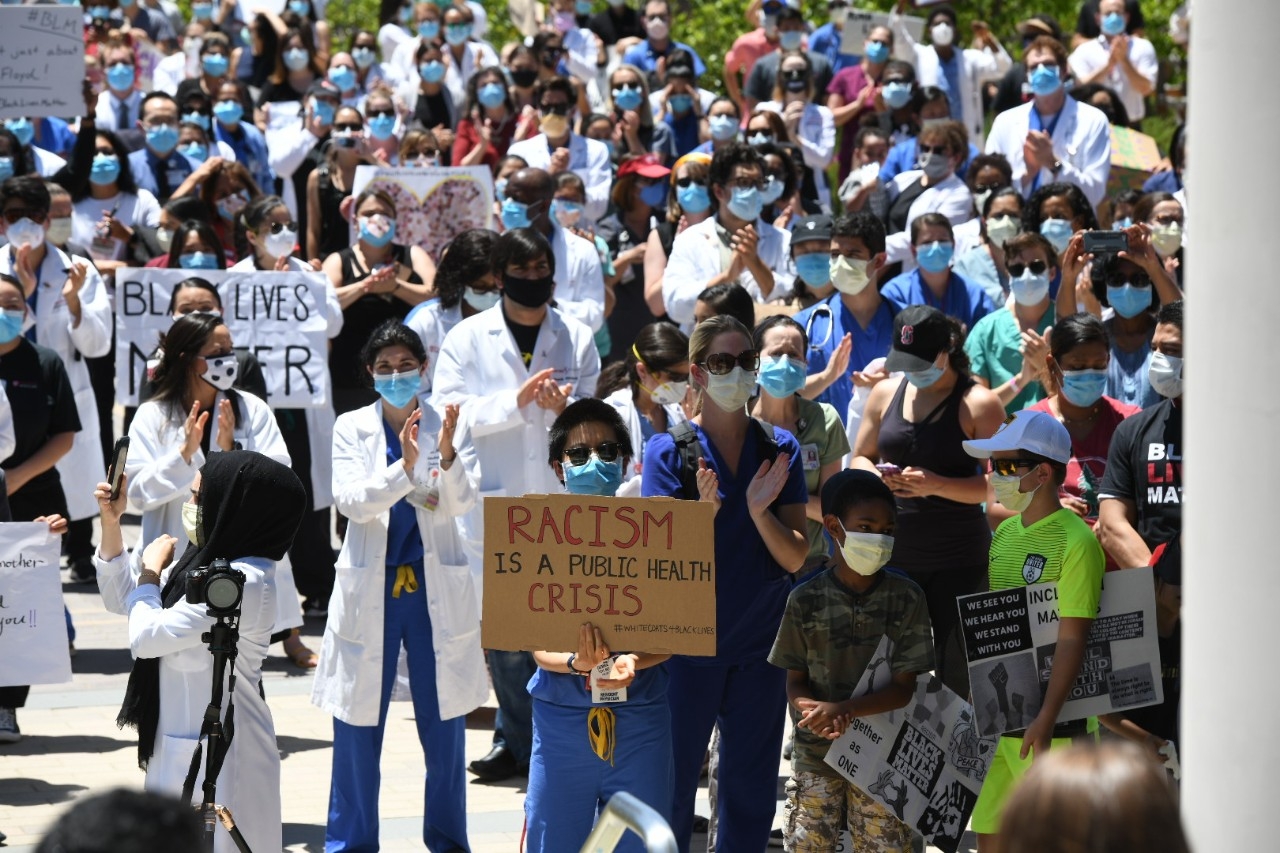
On March 11, 2020, the World Health Organization officially declared the COVID-19 virus a pandemic. Two days later, on March 13, Breonna Taylor, a 26-year-old Black woman working as an emergency medical technician, was killed by the police in her apartment. Ten weeks later, on May 25, the world watched a viral video of George Floyd, an unarmed Black man, being killed by Minneapolis police officer Derek Chauvin. The tragedy sparked massive Black Lives Matter protests in at least 140 U.S. cities and across the world, with millions of people taking to the streets against police violence.

Amid a national climate of virulent political dissent and economic uncertainty, the pandemic left us vulnerable in unexpected ways and triggered a series of complicated challenges: misinformation, quarantines, fear, ongoing racial injustice, COVID-19 deaths, and a race to find a vaccine. Some have opined that with the world in lockdown, deep within the confines of our collective conscience, a conundrum emerged: When the world is diagnosed with a virus, will people begin to look for cures to other viruses that plague society, like racism?

Of course, the road to eradicate the world of social ills like racism is, to paraphrase Dr. Martin Luther King Jr., tied to the long and slow bending arc of the moral universe. While these historical events raised national awareness around equity, they only made the Department of Medicine more resolute in its mission and ongoing work in health disparities, diversity, equity, and inclusion. Work such as forming a Diversity and Inclusion Council in 2018 and a Medicine Residency Diversity Committee, revamping the faculty search committee’s processes, and launching awards programs for diversity work has expanded the department’s understanding of what it takes to create an inclusive culture. But by fall 2020, after almost a year of multiple social and political inflection points in America, it became clear that the arc was bending only incrementally, and the work could go further.

On Nov. 13, 2020, Robert A. Harrington, MD, chair of the Department of Medicine, announced the appointment of Wendy Caceres, MD, clinical assistant professor of primary care and population health, and Tamara Dunn, MD, clinical assistant professor of hematology, to the new roles of associate chairs of diversity and inclusion for the Department of Medicine.

“Wendy and Tamara are uniquely suited to these roles,” says Harrington. “They have been instrumental in reshaping the Department of Medicine’s priorities and culture. As associate chairs, they will represent the Department of Medicine institutionally and will help us develop strategies and metrics that move us closer to our diversity and inclusion goals.”

Begin With Belonging

As women of color pursuing careers in medicine, both Dunn and Caceres arrived at Stanford with a passion to heal as well as a commitment to elevating diversity, equity, and inclusion across every facet in health care. They met after the historic and turbulent 2016 presidential election at a series of networking events hosted by the Stanford University School of Medicine.

“I had been a med student and resident here and Tamara had been a resident and fellow, but our work had never overlapped,” recalls Caceres. “It was a challenging time, with everyone in a state of shock after the election, and the community was getting galvanized around the racist rhetoric coming out of the White House.”

Less than a year later, that racist rhetoric boiled over into hate-fueled violence and death at a “Unite the Right” rally in Charlottesville, Virginia. Many across the nation were horrified. But violent, racist incidents continued. As the national attention on race heightened, it became clear to Caceres and Dunn that their work in diversity and inclusion might take on a deeper meaning.

As the nation became more polarized, the idea of cultivating safe spaces and reevaluating what it meant to be true to one’s authentic self at work became more and more important. And although Dunn and Caceres come from different backgrounds and parts of the country, their origin stories were rooted with the same ingredient: belonging.

From an early age, they learned the importance of fostering community—holding fast to an almost inarticulable feeling that instills one’s sense of pride, safety, and destiny—in the midst of an often-exclusionary, sometimes hostile world.

Wendy Caceres, MD

Caceres was nurtured within a tight community of color where a need to create safe spaces started at home. As she grew up in the Washington Heights neighborhood of New York City, a community of people mostly from the Dominican Republic, her early childhood was informed by colorism.

“My family is from a country that’s very mired in black-white tensions,” she says, referring to the colonial shared history between Haiti and the Dominican Republic. “And in my family, I have people of all skin tones, and I grew up not understanding why my lighter-skinned relatives would say, in my mind as a child, mean things about my darker-skinned relatives, who I adored. I always thought it was unjust.”

Growing up, Caceres was fiercely protective of her grandmother, who she describes as “essentially Black.” When Caceres became an attending physician, her grandmother unfortunately was diagnosed with a rare occurrence of two simultaneous lung cancers—so Caceres flew to New York once a month to go to her medical appointments and advocate for her.

Says Caceres: “I had to make sure she was getting all the care that she needed when she was getting her oncologic treatment. I would be at her side at clinic visits with the specialists, at her side while she was hospitalized, at her side when we transitioned to hospice—and I do not think they expected to have a Stanford-trained physician as her granddaughter at her side much of the time. There were also times I was not there, and those times the classic things were missed. We’ve all read the literature of how Black people’s pain is dismissed. Her pain in her arm at a clinic visit was dismissed when it turned out to be cervical radiculopathy from the tumor impinging on her spine, a missed diagnosis quickly leading to quadriplegia that was also missed in a busy New York City ER after a fall at home. By the time I arrived as she was arriving home after discharge from the ER and did my own physical exam, I called 911 to get her back to the hospital to get the appropriate diagnosis. And I was at her side when, on reviewing everything, I helped my family transition to hospice. It was something I had to do, and I hope it made a difference.”

Tamara Dunn, MD

Dunn had the benefit of being part of a close-knit African American community in Kansas City, Kansas, and watching her dad, a dentist, provide oral health care to his patients.

“My interest in medicine came from my dad. Many of his friends were Black physicians, and they inspired me,” says Dunn, who is the first medical doctor in her family. “My story reemphasizes how much representation matters. It is invaluable to see people who look like you in certain roles, because then you believe you can see yourself in that same position. It becomes second nature.”

The communities that nurtured and raised both Caceres and Dunn gave them a deep sense of what it feels like to share a common purpose and carry on a tradition of lifting as they climb.

The reason I’m passionate about diversity, equity, and inclusion (DEI) work is because it’s part of my lived experience as a Black woman,” Dunn says.

“And it’s not surprising that so many of us that come from marginalized groups want to do this work because we want to help and inspire those who look like us.”

And while helping others is often part of the reason most people pursue a career in medicine, if that calling is answered by a caregiver of color, it often comes with personal, sometimes traumatic, experiences that highlight the gaps in health care for all.

Many years ago, Dunn’s cousin had a chronic gastrointestinal issue, but her concerns were not taken seriously. There was a history of colon cancer in the family, including her mother (Dunn’s aunt), who had died of colon cancer at age 62. By the time her cousin finally received a colonoscopy, she had aggressive colon cancer that ended her life four weeks later, at age 42.

Physicians Sharing Stories

After the tragic killing of George Floyd, several staff members of the Department of Medicine shared their personal views about racism and the need to diversify medicine. Uri Ladabaum, MD, professor of medicine, penned an essay titled “Life After May 25” for Annals of Internal Medicine. In the piece, he highlights how differences in access and quality of health care resulted in a better outcome for his immigrant father compared with a colleague’s father.

“My father died of congestive heart failure in 2018 at age 82,” Ladabaum wrote. “A Black colleague recently told me that she lost her Daddy when he was 56 to heart disease complicating diabetes and hypertension. He did not have good access to health care. It is painful to face how my father, immigrant to this country by choice, saw his grandchildren thrive while my colleague’s father, descendant of slaves, did not even meet his grandchildren, largely because of the color of their skin.”

“Why are there more complications in Black

patients? Are our arteries different, or is the quality received

from the doctor different? There are a lot of times we have

to look in the mirror as physicians and say, ‘Do we care enough?’”

“Why are there more complications in Black

patients? Are our arteries different, or is the quality received

from the doctor different? There are a lot of times we have

to look in the mirror as physicians and say, ‘Do we care enough?’”

It’s a question the Diversity and Inclusion Council has addressed by focusing their efforts on diversifying the ranks.

“We feel that starting with diversifying and educating our department, we will serve our patients better as a more diverse community,” Dunn says. “Educating people who are not from underrepresented backgrounds, and even those who are, to ensure our environment is anti-racist—this is going to directly help change the culture by addressing some of the deleterious downstream effects of structural racism, like implicit bias.”

An Imperative to Diversify

According to the U.S. Census, new population projections indicate that the nation will become “minority white” by 2045. The statistics indicate that whites will make up 49.7% of the population in contrast to 24.6% for Hispanics, 13.1% for Blacks, 7.9% for Asians, and 3.8% for multiracial populations. These trends are being tracked between 2018 and 2060 and show the combined racial minority populations growing by 74%. Conversely, the aging white population will see only a modest growth through 2024 and then experience a long-term decline through 2060.

Despite these changing demographics, a glaring dearth of racial and ethnic diversity among full-time faculty at U.S. medical schools persists. Many doing the work in DEI have said that the most powerful statement we can make is to diversify the field. As patient populations become more diverse, care providers must reflect changes we see in society. This is why the push to diversify the Department of Medicine has been a top priority in recent years.

“There are studies, even by those in our department, that show if physicians and patients have shared backgrounds or experiences, what’s known as concordance, then the patient is more likely to follow the advice that the physician is more likely to offer,” Caceres explains. “We’re trying to make sure that our processes for hiring diverse faculty continue, with the leadership of Bob Harrington and Cathy Garzio, vice chair and director of finance and administration. She has also been a major force in diversifying the Department of Medicine.”

Beyond Disparities

From cancer to cardiovascular health to the COVID-19 virus, communities of color continue to be hardest hit by disparities in health and health care. By the end of 2020, as the pandemic raged on and the death toll mounted, the systemic gaps in our health care policies and practices only highlighted what people working in the DEI space already knew: People of color live shorter, sicker lives.

In a study from the American Heart Association’s COVID-19 Cardiovascular Disease Registry that sought to identify racial/ethnic differences in presentation and outcomes for patients hospitalized with COVID-19, considerable disparities were identified.

Led by Fatima Rodriguez, MD, assistant professor of cardiovascular medicine, researchers found that “Black and Hispanic people made up 58% of all patients hospitalized for COVID-19 and 53% of those who died from the disease.” Comparatively, in the sample, non-Hispanic white people made up only 35.2% of hospitalized people and 21.1% of patients who died from the disease. Additionally, despite being almost 10 years younger than non-Hispanic white patients, Black patients had the highest rates of diabetes, hypertension, and obesity, all of which have been associated with adverse COVID-19 outcomes.

Racial disparities also exist in federal funding for health research. A 2011 National Institutes of Health report, “Race, Ethnicity, and NIH Research Awards” concluded that Black investigators are 10.7% less likely to receive NIH funding compared with white counterparts, even after controlling for factors such as education, training, and experience. According to the study, this is because researchers from underrepresented backgrounds are often more likely to study minoritized communities, and the lack of diversity among research faculty may directly impact the inclusion of Black and brown participants in research studies.

In study after study going back to the early history of medicine education to today, researchers continue to highlight gross inequities in health care. But how do we go beyond addressing the symptoms of social determinants of health and mainstream policies to address root causes?

“If you think of what a Department of Medicine does, it’s the classic tripartite mission of clinical care, research, and education,” Caceres says. “Our roles are broad enough so that we’re trying to influence an equity lens in all the spheres. It should not be just a niche side thing where ‘this group of people’ does health disparities. But that’s what we’ve been doing. These issues need to be central and core to what everyone does, or nothing will change.”

All of Us: Inclusion 2021

In February 2021, the Diversity and Inclusion Council launched Inclusion 2021, a yearlong virtual celebration of diversity with engaging monthly programming and events to make inclusion a practice across the department.

The program kicked off with Black History Month Grand Rounds, which brought nationally recognized diversity and inclusion leaders such as Quinn Capers IV, MD, associate dean for faculty diversity and vice chair for diversity and inclusion in the Department of Internal Medicine at UT Southwestern, and Rhea Boyd, MD, MPH, pediatrician and child and community health advocate, Palo Alto Medical Foundation and UCSF Benioff Children’s Hospital Oakland, to speak about issues such as the critical need to diversify faculty and the politics of representation in health care.

The council’s focus around education and representation resulted in a lineup of all Black diversity leaders to present in February and one presenter in March, which is unprecedented in the department.

“Historically, we’ve usually only had a few Black speakers throughout the entire year, let alone five in a row talking about structural racism and certain disparities in their fields of study,” says Dunn. “Importantly, we will maintain this representation in the future.”

Caceres says the goal is to make issues that only get discussed during Black History Month so central that they are year-round conversations that result in building community. “I think a lot of people are uncomfortable talking about race because not everyone grew up like we did, having to talk about it,” Caceres explains. “I want to equip people with the language and tools to talk about race. More people are now interested in finding out how they can talk about it as opposed to prior times in our history.”

As part of Inclusion 2021, the Diversity and Inclusion Council will present several other engaging programs related to LGBTQ+ issues, social activism in health care, anti-racist book club meetups, and more, as well as partnering with Stephanie Harman, MD, clinical associate professor of medicine. In her role as associate chair for women in the DOM, Harman is also a key member of the Diversity and Inclusion Council, for events such as Women’s History Month and Women in Medicine.

The Road Ahead

These programs are mapping a new blueprint that will help the Diversity and Inclusion Council better fulfill its mission of “reflecting, celebrating, and nurturing diversity … to improve our collective potential to achieve in ways that benefit members of our Department, the entire Stanford community and everyone we serve.”

Some historians have predicted that 2020 may be remembered as much for being the year when a seismic shift occurred in how we perceived race and inclusion in our society as for the deadly toll wreaked by a global pandemic. This shift has given the Diversity and Inclusion Council an opportunity to present the work they were already doing to larger audiences.

Caceres says it’s all about elevating the work.

“The same way that President Biden now has a Cabinet position for science, I think what’s happened in the chair creating these roles. It’s elevating the work to a leadership group,” Caceres says. “So that this ‘lens’ is not lost in the bigger meetings when they’re talking about how to lead the department.”

Going forward, says Dunn, the council will continue to promote a broad array of diversity, equity, and inclusion ideas and activities that bring everyone into the conversation to turn moments into a movement that endures.

“We talk about this racial reckoning that’s happened after George Floyd’s murder,” Dunn says. “But in order for progress to be made, we are going to have to reeducate ourselves. We have recommended things like Isabel Wilkerson’s book Caste and the New York Times’ 1619 Project. There are a whole host of other resources on our website that people can access to ensure that they’re educated and not contributing to the problem and not perpetuating racism. It’s not going to be an overnight process. It’s taken 400 years for us to get to this point, and we’re not going to be able to overturn things overnight … but I’m hopeful. Wendy and I are thankful that we have the support of others in the department (the D&I Council in particular) and the department leadership.”

Programs Making a Difference

In recent years, the Department of Medicine has developed or participated in initiatives that focus on diversifying faculty, recognizing and awarding thought leadership in diversity, pursuing gender equity, highlighting LGBTQ+ issues, addressing health disparities, and more. Here are a few:

Chair Diversity Investigator Awards

The awards provide four grants of $50,000 each to young investigators whose research is focused on diversity, equity, inclusion, and the elimination of health care disparities.

The Annual Meharry-Stanford Initiative

A summer program designed to expose Meharry Medical College students to ongoing research in the Stanford University School of Medicine and build connections between the two institutions.

Faculty Diversity Lens

Faculty Diversity LENS focuses on increasing diversity in faculty recruitment and partners with divisions and search committees to improve recruitment efforts.

The Stanford Internal Medicine Program for Health Equity, Advocacy and Research

Stanford IM HEARs offers training and tools for residents to help address health care disparities.

The Leadership Education in Advancing Diversity Program

A 10-month program started in the pediatrics department “for residents and fellows across graduate medical education to develop leadership and scholarship skills in addressing issues related to equity, diversity and inclusion, and to improve the culture of medicine.”

Resident Working Groups

Resident working groups such as Women in Internal Medicine and the LGBTQ+ Working Group work to create supportive spaces, address unique issues of concern, and expand educational opportunities.
Addressing Health Care Inequities

COVID-19 Modeling Team at Forefront of Pandemic Projections and Planning

COVID-19 Modeling Team at Forefront of Pandemic Projections and Planning

Racial disparities observed during the COVID-19 pandemic drew renewed attention to health care inequities in the United States and the world. The pandemic spurred an infusion of energy into Stanford’s established commitment to furthering equity in health care.

Presence. The Art and Science of Human Connection is an interdisciplinary center within the Department of Medicine whose founding goal is to produce measurable and meaningful change in health care. Under the Presence Center, the Department of Medicine built on existing programs focusing on diversity, equity, inclusion, and justice. Here are three such initiatives under the Presence for Racial Justice Lab effort, spearheaded by Presence leaders Abraham Verghese, MD, vice chair of education for the Department of Medicine and the Linda R. Meier and Joan F. Lane Provostial Professor of Medicine, and Sonoo Thadaney Israni, MBA, executive director for Presence and for the Program in Bedside Medicine.

The Meharry-Stanford Summer Research Program

What started in 2017 as a summer program for five visiting medical students has now transformed the lives of more than 30.

The idea for the Meharry-Stanford Summer Research Program was planted in Verghese’s mind when he visited Meharry Medical College in Nashville, Tennessee. There he met with a former mentee, Stephanie McClure, MD, now senior associate dean of student academic affairs. Meharry is one of the historically Black colleges and universities (HBCUs) in the United States.

Part of the Meharry curriculum includes a summer placement at a campus of another medical school, where students explore new approaches to research and medicine. Most of the placements had been at campuses close to Nashville.

When Verghese learned about this opportunity for students, his immediate reaction was, “Why not at Stanford?” Not only would students be exposed to the unique depth of research and practice available at Stanford, but also they would experience a different environment, far from home, that could help open their minds to a wider world.

With the support and sponsorship of Department of Medicine chair Robert Harrington, MD, and vice chair of finance and administration Cathy Garzio, Presence and the Department of Medicine designed a program to engage Meharry students in current research at Stanford and to build a strong connection between the two institutions.

Verghese recalls that it was a mentor he had when he was a student who saw something in him that he didn’t see in himself. That support was what motivated him to go further in his studies. “That was a powerful lesson, and one I try to fulfill with our Meharry students: to help students understand what they can become.”

“Long-term, some Meharry students may join us in the future as residents or faculty,” says Verghese. “But even if they don’t, my hope is that their experience here will transform their lives in some way.” He notes that many Meharry students have come a long distance to make it through the ever-narrowing pipeline that brought them to medical school. “I’m in awe of them,” he says. “They have a lot to teach us, and getting to know them has been a humbling experience.”

In 2017, the program began in the Department of Medicine. With the collaborative leadership of Israni; Florette K. Gray Hazard, MD, associate professor of pathology and of pediatrics; and Payam Massaband, MD, clinical associate professor of radiology, it now includes the departments of radiology and pathology. And though the COVID-19 pandemic has forced the 2021 session to take place virtually, it offered placements for 23 students.

Two Meharry-Stanford Program Alums Pursue Their Dreams

Edna Idan, MD


Passionate about serving the underserved

Former Meharry student Edna Idan, MD, attended the Meharry-Stanford Summer Research Program in 2018. She graduated from Meharry in 2021 and began her residency in emergency medicine at Vanderbilt University that year.

“The people I met at Stanford embodied the phrase ‘anything is possible’—a concept I learned from my parents,” she recalls. Idan is the first person in her family to have become a physician.

She had always wanted to become a doctor and take care of the underserved. But her experience at Stanford opened her eyes to just how wide the health care disparities gap is. “My research that summer made me even more passionate about the subject,” she says. “The experience changed how I communicate with patients, as I came to understand that just because I’m a doctor doesn’t mean a patient will automatically trust me.” Working under the direction of Marcella Alsan, MD, a former associate professor of medicine at Stanford, Idan carried out research for the Oakland Men’s Health Disparities Study. She analyzed data about Black men’s distrust of the health care system.

A big takeaway from Idan’s summer at Stanford was her understanding of the importance of mentors. “I made it through high school and college fine, but things started getting difficult as I transitioned from college to medical school,” she says. “I didn’t have anyone guiding or advising me on how to study, how to get into medical school, how to stay on track—it was all new to me.” Once she found the right mentors—including Al’ai Alvarez, MD, clinical assistant professor of emergency medicine at Stanford—she moved ahead and tapped into her network for advice and support in her residency application process.

“The people I met at Stanford embodied the phrase ‘anything is possible’—a concept I learned from my parents”

Sara Tesfatsion, MD


Confident that she can contribute

Sara Tesfatsion, MD, spent the summer of 2017 at Stanford. The program helped her solidify her desire to work in primary care and preventive medicine. She graduated from Meharry in 2020 and began her residency in internal medicine at the Medical College of Wisconsin that year.

Tesfatsion remembers “an openness from everyone I encountered at Stanford.” The program also broadened her perspective on practicing medicine. “My medical education at Meharry was geared towards underserved populations. At Stanford, we had numerous discussions about access and care for different communities, ranging from the physical exam to available health resources.”

During her two months at Stanford, Tesfatsion worked in an endocrinology clinic with Sun Kim, MD, assistant professor of endocrinology. She helped the psychology department run a study in the Mind and Body Lab. And she shadowed doctors such as Maja Artandi, MD, clinical associate professor of primary care and population health.

The highlights of the program for Tesfatsion were her experience with Artandi and hearing Verghese speak about what “presence” means in a hospital setting for the patient-physician relationship.

“I still think about Dr. Verghese and his approach to the physical exam,” she says. “This has already influenced how I practice medicine: I try to take the time to sit back and give my patient my undivided attention. I will continue to champion the importance of bedside medicine.

“The fact that someone could recognize my potential and future contribution to the field of medicine was encouraging,” she recalls. She says her experience at Stanford “opened doors for me in my pursuit of a medical career, and I’m eternally grateful for that.”

“The fact that someone could recognize my potential and future contribution to the field of medicine was encouraging”

The 5-Minute Moment for Racial Justice

The 5-Minute Moment for Racial Justice is a new curriculum that promotes racial justice and health equity during patient bedside interactions. It is built and being investigated as a set of modules to be implemented during teaching rounds.

“The United States has deep history around race and racism,” comments Samantha Wang, MD, clinical assistant professor of hospital medicine and the leader of this effort. “Many of my colleagues reached a tipping point in 2020, when we started having conversations in what I call ‘brave spaces’ and spending time sitting with discomfort,” Wang says. “We may have been aware that health care was not necessarily equitable or fair, but we hadn’t stopped to understand how we might have been contributing to these disparities or consider what we could do to prevent them from continuing.”

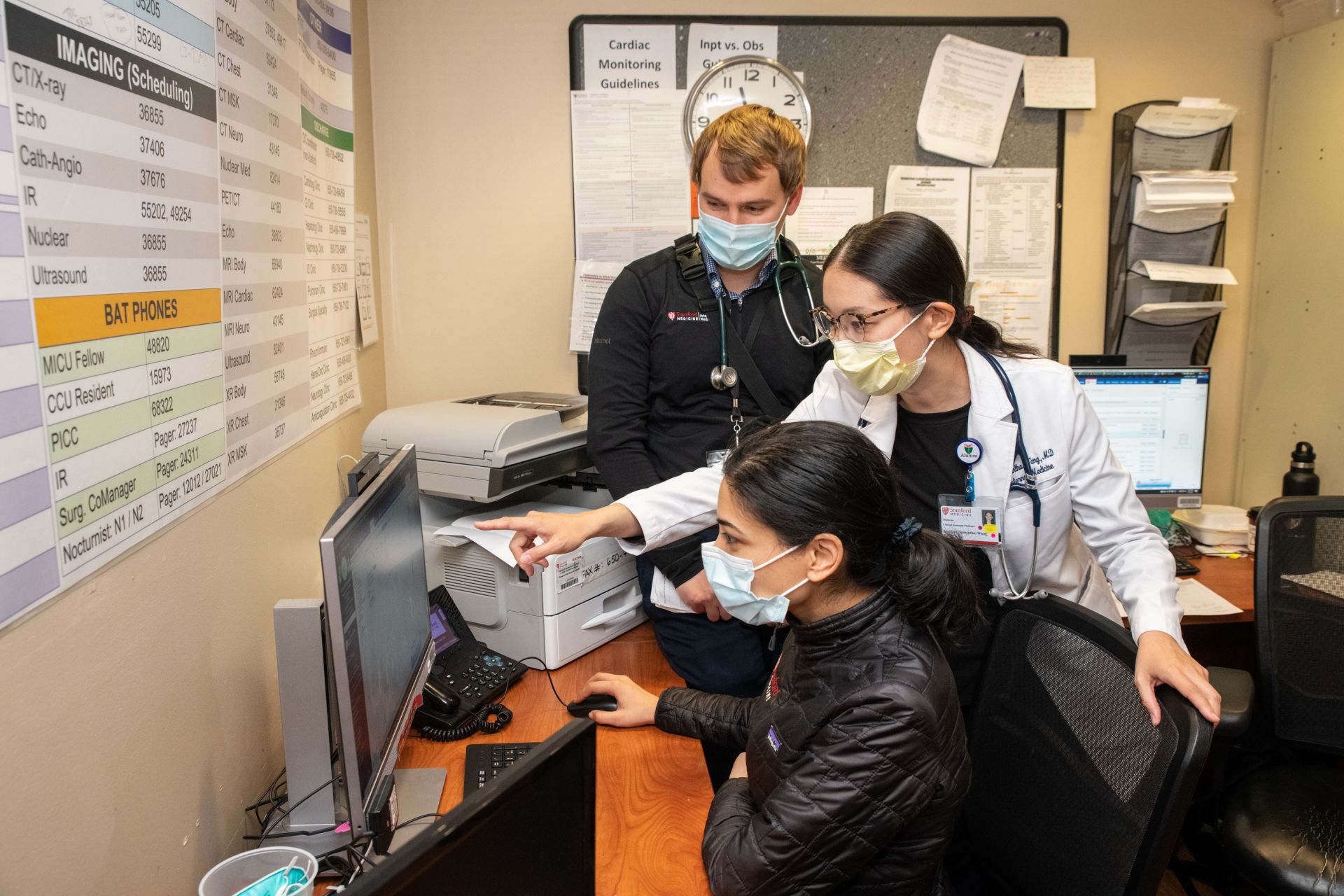
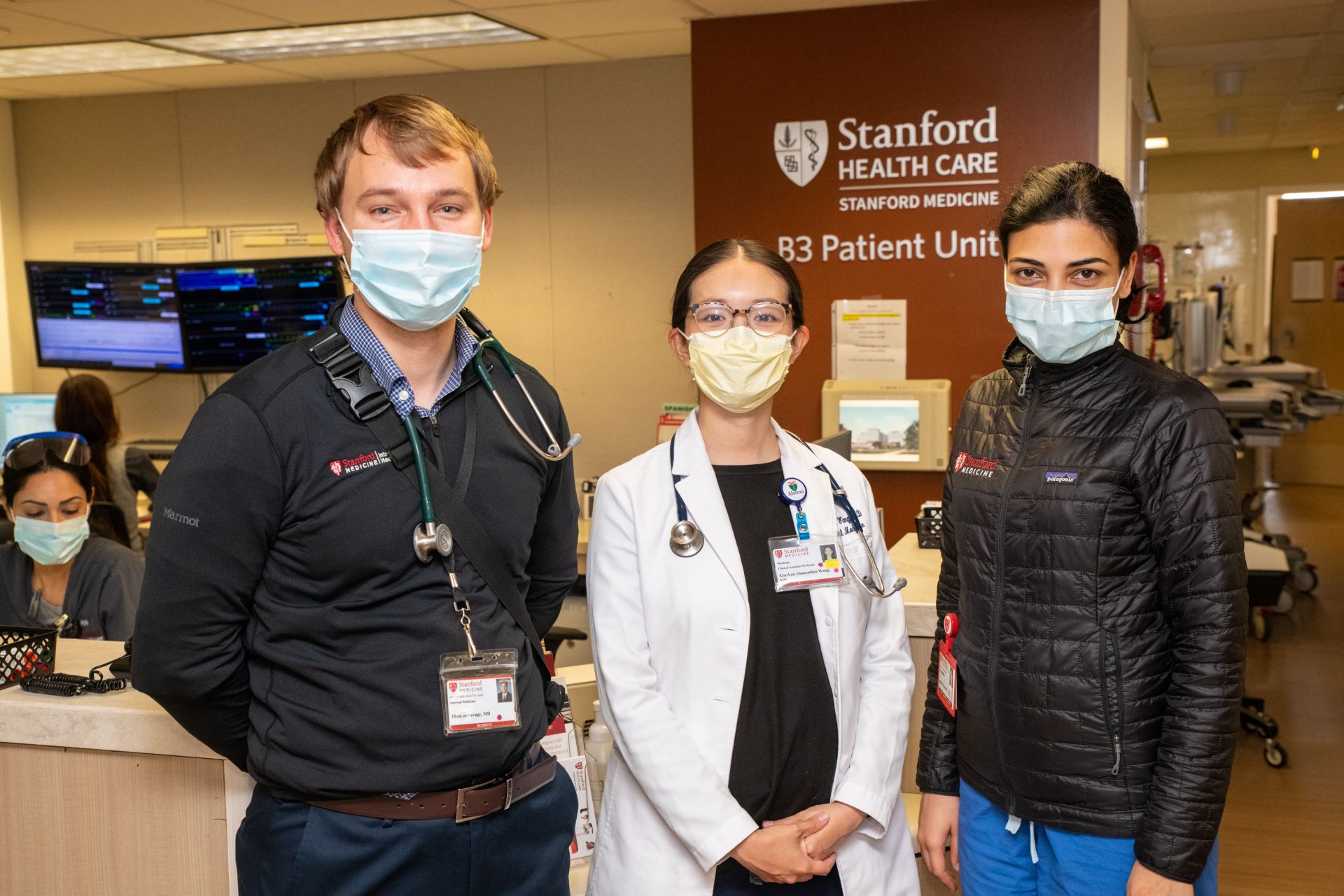
Samantha Wang, MD (center) is the leader of the 5-Minute Moment for Racial Justice program, designed to promote racial justice and health equity during interactions with patients. Residents Thomas Savage, MD (left) and Jaspreet Pannu, MD (right) worked with Dr. Wang on the program

The core philosophy of this teaching curriculum is that topics relating to racial justice in health care can be introduced routinely, effectively, and efficiently in the clinical environment, and that the teaching is enhanced through historical narratives.

This framework is applied across the pilot curriculum of 10 clinical scenarios, all of which have implications for diagnosis and treatment among people of color. Examples include increased maternal morbidity and mortality in Black women, provider unconscious biases in patient pain perception and treatment, and diagnosing melanocytic skin changes in patients with darker skin.

The 5-Minute Moment for Racial Justice centers around five steps, which are listed here using skin findings on dark skin as an example:

1 Context


Does skin color have an impact on a finding such as a skin mole?

2 Current Standards


How do we currently evaluate skin findings in people with dark skin, and what are the limitations? Most medical textbooks feature light-colored skin when discussing skin conditions.

3 Historical Narrative


Describes a prominent scenario from the history of medicine, where a skin finding on a dark-skinned person was mistakenly dismissed as benign but later determined to have been a lethal form of cancer.

4 Disparities


Why is the five-year survival rate for skin cancer 67% for Black people but over 90% for white people?

5 Steps to Equity


Highlight novel reference materials to understand how various conditions manifest on dark skin. Examples in this case might include BrownSkinMatters.com or the textbook Dermatology of Pigmented Skin, by Elinor A. Graham, MD, MPH.

Wang notes that “to be effective, learners and educators need to recognize that medicine may not be as objective as they had thought. In our trials of this program, we’re finding that there is definitely an appetite for this kind of exploration and discussion.”

The current plan for disseminating the 5-Minute Moment for Racial Justice calls for training a core group of educators who will become champions for sharing the curriculum with learners.

Presence 5 for Racial Justice

In a time when medicine is dominated by technology—such as electronic health records, telemedicine, remote monitoring, and machine learning—is it any surprise that the sacred doctor-patient relationship is under duress? Doctor visits that were once central to clinical care are now at times perfunctory and mutually unsatisfying. Add racial bias to the mix—often unconscious but sometimes not—and you’re facing a problem that adversely affects a huge swath of our population.

Stanford aims to address this challenge by using communication tools that will help clinicians build trusting relationships with Black and other marginalized patient populations.

“Our goal is to identify specific communication strategies

and practices that clinicians can use to address racism

that affects their patients’ health and well-being”

“Our goal is to identify specific communication strategies

and practices that clinicians can use to address racism

that affects their patients’ health and well-being”

Presence 5 for Racial Justice was developed by Verghese and Donna Zulman, MD, assistant professor of primary care and population health. It’s an adaptation of the 2020 Stanford Presence 5: a multiyear, evidence-based research study distilling five clinician practices to ensure presence and build trust. Presence 5 for Racial Justice adapts five core components of that original approach to address racism and promote health equity. They are:

1 Prepare with Intention


Consider how your identity could influence how you perceive your patient and how your patient might perceive you.

2 Listen intently and completely


Listen for your patient’s experiences with racism, bias, or mistreatment.

3 Agree on what matters most


When creating a shared agenda with your patient, check yourself for biases that might influence what you prioritize for the visit

4 Connect with the patient’s story


As you listen to your patient’s story, consider how anti-Black racism has influenced your patient’s experiences with his or her health and health care.

5 Explore emotional cues


Consider how racism trauma might influence your patient’s emotions.

Working with a team of diverse advisers from four community health care centers around the country, the group developed materials to help deploy these concepts across the medical training spectrum, from medical students through practicing clinicians at every level.

“Our goal is to identify specific communication strategies and practices that clinicians can use to address racism that affects their patients’ health and well-being,” says Zulman. “Whatever we learn will need to be implemented together with structural and systemic interventions.”

Zulman is the principal investigator for the umbrella Presence 5 for Racial Justice project. While she is pleased by the progress made so far, she recognizes that they are tackling “a very complicated problem with deep historical roots.” She does not think this research will offer the sole answer to the problem, but she is hopeful that her team’s findings will help foster conversations that ultimately lead to more equitable and racially just care.

Meet the Beckers

Meet the Beckers

The Beckers met for the first time twice: once in a university hallway, after Laren’s med school interview and before Nielsen’s, and then again just a few months later, at the first histology class for new MD/PhD students at Albert Einstein College of Medicine in the Bronx.

On the first day of med school, they “kept saying that we looked familiar to each other,” Nielsen explains, and then they remembered the real first meeting, when they’d both been interviewing at Mount Sinai. Laren had gone in first and ended up giving Nielsen some pointers, so she went in more prepared.

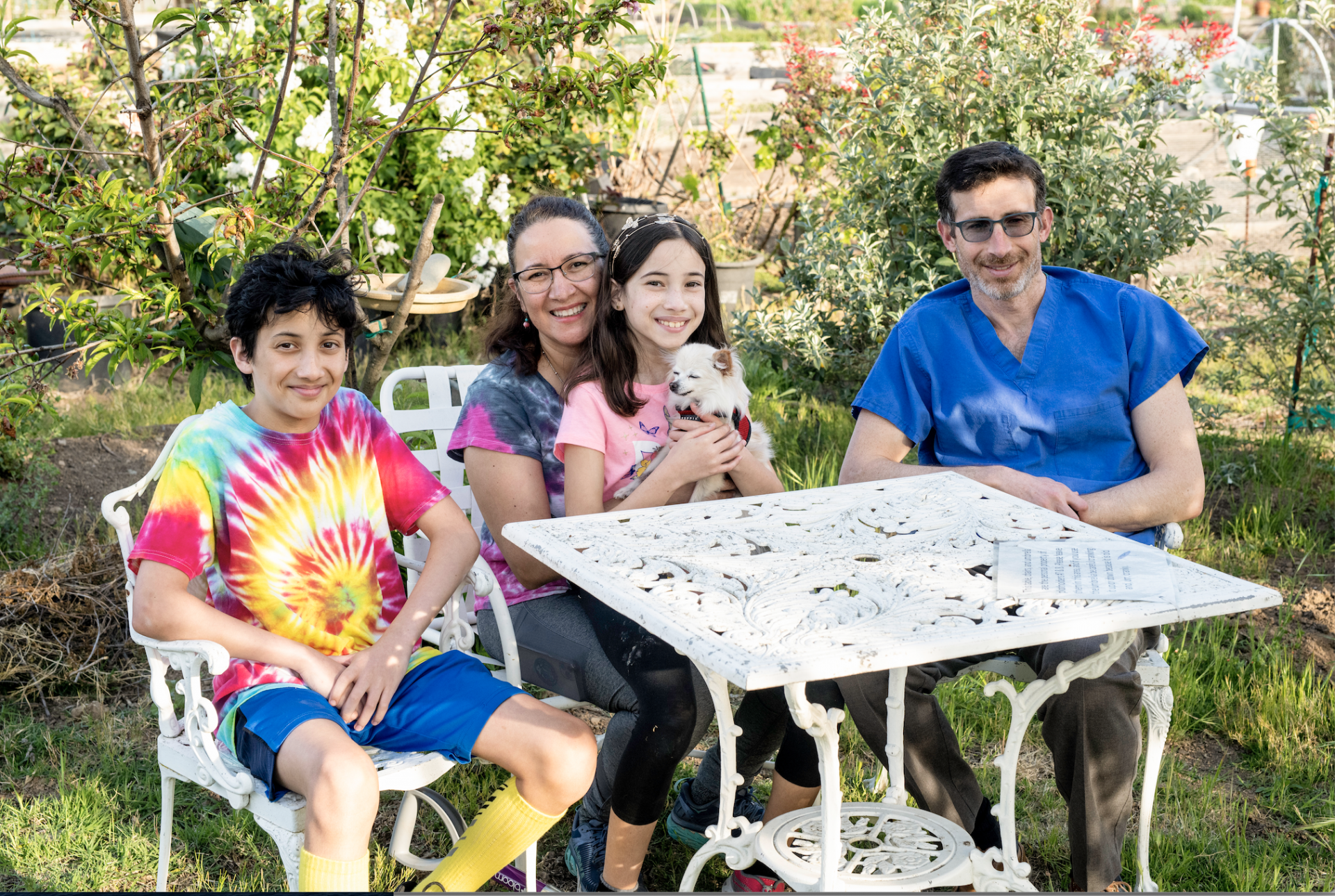
Ten months later when they met in their own program, a great partnership was born, eventually leading to a marriage, two kids, a long-haired Chihuahua named Ava, and two faculty positions in the gastroenterology (GI) division of Stanford’s Department of Medicine. (Nielsen is a clinical associate professor, Laren an assistant professor.)

The Beginning

Their paths to medicine were strikingly different. Nielsen, born in the Dominican Republic and from a large family, was among the first in her family to go to college, so her decision to attend medical school was “a really big deal.” Laren, who grew up in Los Angeles, said there was no true dramatic moment in his decision to be a doctor, although he was “always partial to science” and his father was a dentist.

Their MD/PhD program was small, and everyone in the group quickly grew very close. Still, it was probably “two or three years in,” Laren says, before he and Nielsen began dating. It was around that time, too, that Nielsen became interested in GI. Her early PhD research involved pattern formation in the Drosophila embryo, a process that requires many signal transduction pathways. As she explains, “A lot of these pathways turned out to have important biological implications in gastroenterology, particularly in inflammatory bowel disease.” During her third-year clerkships, she was “just hooked” by the subject, largely due to a “fantastic clinical mentor with an impressive breadth of GI knowledge.”

Laren’s interest in GI also had to do with its opportunities. “It covers a large breadth of diseases and organ systems,” he says, “but you also have the ability to perform procedures, giving it a nice balance. Finally, there are plenty of unknowns, making it a field in need of physician scientists.”

Building a Future

Laren and Nielsen graduated from medical school together in 2002 and went on to their residencies in Boston, dating and committed for eight years but not in a hurry to get married. “Our careers were always in parallel,” Laren says, “so it didn’t make sense to rush.”

Other members of their families, though, were in more of a hurry. “I distinctly remember a conversation with Laren’s grandmother,” Nielsen says. “She was in her late 80s at the time, and we went to see a play in L.A. with her. She held my hand and she said, ‘What’s it gonna take for you guys to get married? Do I have to pay for a trip to Vegas?’ and we thought, OK, we have to do this.”

The Beckers on a sunny day. From left: Raymond, Nielsen, Eliana, Ava the chihuahua, and Laren

So they did—in 2004, during their senior year of residency. Then together they started GI training at the Beth Israel Deaconess Medical Center, where they made up half of the fellowship class. It was the first time they worked on the same medical team, and it gave them a flavor of things to come.

Living with Pain

Shortly after, and with their first year of GI fellowship wrapped up, they set their sights on starting a family and were elated when Nielsen became pregnant. Unfortunately, preeclampsia struck in the 28th week and emergent delivery ensued. Ten days later, in a heart-wrenching turn of events, they grieved the loss of their infant daughter. This, more than any other event, “shaped the way we are,” Nielsen says, “but not in a negative way. Our daughter bestowed on us many gifts, which we draw upon every day in our lives.” It also taught them both about “the resiliency of the human spirit. I’m a better listener, better person, better doctor” partly because of this experience, Nielsen says. She adds that both of them “just appreciate things a little bit more. Life is so precious and so fragile. We choose to find the silver lining whenever we can and believe that our daughter lives through us.”

Working Together

They went on to have two more children, Eliana and Raymond, now 10 and 12, and got a dog named Ava, whom Nielsen calls “the eldest and best behaved of the children.” And in the fall of 2009, they both began at Stanford, working clinically and in research.

For the most part, they enjoy working together, with the challenges and insights that it brings. “It’s great because we see things from different perspectives, and we know enough of each other’s work that we can critique and give suggestions, and difficult patients often get two opinions when we discuss these complicated cases,” Laren says.

“I don’t know if it’s healthy for the kids, though,” he laughs. “They hear stuff they probably shouldn’t be hearing people talk about.”

“Working together is great because we see things

from different perspectives, and we know enough of each other’s

work that we can critique and give suggestions”

“Working together is great because we see things

from different perspectives, and we know enough of each other’s

work that we can critique and give suggestions”

Nielsen adds, “When our son was young, he asked, ‘Mom, why did you and Dad both have to be butt doctors?’” Apparently, his friends at school had parents that were in two different fields, which seemed more normal to him.

Their schedules, particularly in a pandemic, are complicated, requiring constant balance. Some days Laren is in the lab on the Stanford campus, working on his research. Some days he’s at the VA, seeing patients. Nielsen works from home some mornings, and they trade off. She also sees patients in Redwood City. Fridays are flexible for both of them, so that ends up being the day for kids’ appointments and errands.

“Every so often something falls through the cracks,” Nielsen says, “but it works out for the most part.”

Doing the Research

Laren’s research focuses on the interplay between immune cells and the enteric nervous system, the nervous system that controls gut function, and how these neuroimmune interactions are affected by aging. “There are inflammatory changes that occur and lead to disruption of gut function as we age,” he says, adding that “more recently I’ve been looking at neurodegenerative diseases. There’s emerging evidence that a lot of these diseases like Parkinson’s actually start in the gut.”

Nielsen’s research deals with food antigen mediated diseases of the gastrointestinal tract, including eosinophilic esophagitis and celiac disease. “Celiac gives you a window into autoimmunity,” she states, “because it’s really the only disease we know of that starts with this reaction to a food protein, gluten, and culminates in an autoimmune disease. Understanding that process more could have many implications for other autoimmune diseases like lupus.”

Sharing Patients

Both of the Beckers also see patients, and even though they often work at different sites, they end up sharing more than a few. Nielsen specifically changed her name to Fernandez-Becker to avoid confusion, she says, but it still happens. She’ll find herself suddenly with several extra patients, for example, who turn out to be Laren’s, or patients get scheduled with one Becker instead of the other. They anticipate that this will happen again when they start working together in Redwood City. But they don’t mind it all that much.

When Laren left the motility clinic at Stanford for the VA, Nielsen ended up with some of his patients. “I tried to give her the really nice ones,” he says, though he acknowledges that he had no control over that. The patients are often delighted to know they’ve been treated by both halves of a married couple. “It’s very nice to see Laren’s old patients,” Nielsen says. “They always ask about him, and I tell them what’s going on and they’re rooting for him and his research.”

Add a Pandemic to the Mix

Remarkably, they’ve also managed to balance their family and their careers well during COVID, although it wasn’t always easy. “There was a point early on where the internet connection in our house clearly wasn’t good enough for all the Zoom meetings I was doing and the kids’ classes,” Laren remembers. “But then IT came through and upgraded it.”

They both count themselves lucky that their kids are old enough now to be semi-independent, and while acknowledging that homeschooling has been tough (“You basically became the tutor, the lunch lady, and technical support, all while still doing your own work,” Nielsen says), they both seem calm and up to the challenge, even a year into the pandemic.

“The uncertainty has been difficult,” Laren acknowledges, “particularly whether the kids are in full distance learning or a hybrid model, and trying to figure out how to juggle their changing schedules as the year has gone by.”

Community Bonding

But both Nielsen and Laren are grateful for the support of others.

“Our community at work is so wonderful,” Nielsen says. “There was some flexibility in those early months so we were able to adjust our schedules. And for a while we were having check-in meetings almost every week, and we also organically developed our own little cliques, groups where people would vent or ask for advice. In a way, it brought our medical community a little closer, even though we weren’t physically seeing each other.”

Laren’s lab was closed down for a while in the early months of the pandemic, but he used that as an opportunity as well. “It actually forced you to think through where you wanted your research to go, and I think that was important,” he says. “I definitely started new directions and different collaborations that I hadn’t been doing before.”

“As bad as last year was, I always felt supported. We

knew we had a lot of people in our corner and we were

going to get out of it all right. It’s amazing how

we humans adapt to anything”

“As bad as last year was, I always felt supported. We

knew we had a lot of people in our corner and we were

going to get out of it all right. It’s amazing how

we humans adapt to anything”

They both also cite the “really nice community” of their apartment complex. “We were basically all social distancing in place together, so the kids didn’t feel isolated,” Nielsen says. “And if we had to go out for an errand, our neighbor could keep an eye on the kids, so that was nice too.”

Speaking to them, it’s hard not to share their optimism, and it’s obvious that whatever life throws at them, they make a good team. Even in an interview they comment, encourage, correct, and interject, but always as a unit. And they see themselves as part of a larger Stanford team as well.

“As bad as last year was, I always felt supported,” Nielsen concludes. “I never thought, how are we going to get through this? It was more like, ‘OK, this is a challenge,’ but we knew we had a lot of people in our corner and we were going to get out of it all right. It’s amazing how we humans adapt to anything.”

She and Laren agree that the Department of Medicine has “risen to the challenge.” And surely the same could be said of the smaller units within the department, from divisions to teams and, yes, even to a marriage.

A Cardiology Fellow With an Interest in Heart Transplant … and Videography

A Cardiology Fellow With an Interest in Heart Transplant … and Videography

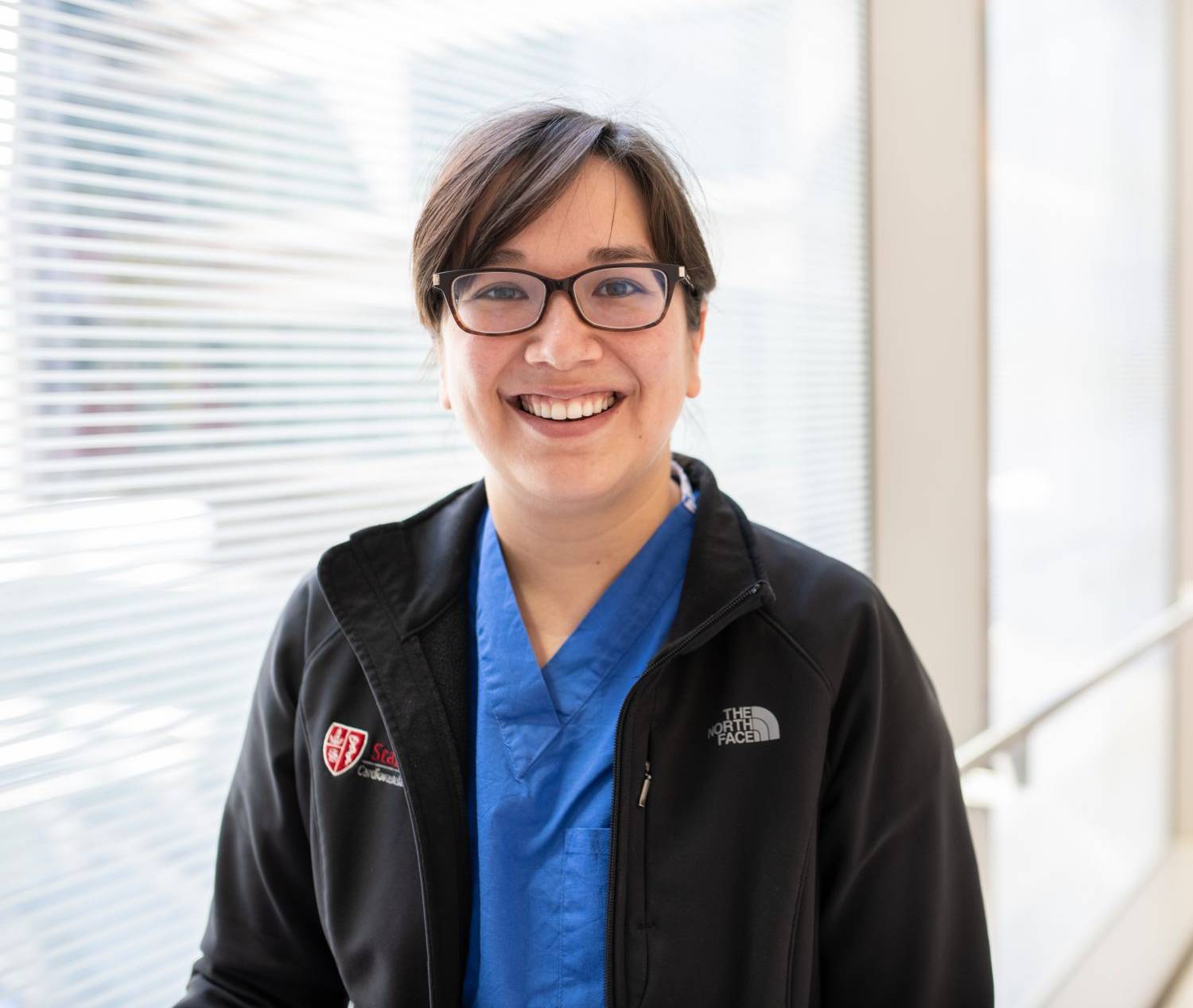
Leila Yeh Beach, MD, currently in the middle of her third year of a three-year general cardiology fellowship in the division of cardiovascular medicine, has enjoyed the structure of her postdoctoral years thus far.

Beach chose to specialize in cardiology for a few reasons: “First, it was a natural inclination. I was drawn to it, and it’s fun. Second, in cardiology you can do anything from caring for stable patients in an outpatient clinic to working with critically ill patients in the cardiac intensive care unit (ICU). There are also procedural and imaging components; that variety appeals to me. And third, I find cardiology uniquely intuitive and intellectually elegant. I was nervous about pursuing cardiology and applying for fellowship, though. I knew it was a competitive field, and that not as many women go into it. It took me a while to say it out loud and really commit to it.”

In the past few years, Beach received two awards back-to-back, which was an unusual occurrence. First, she received the house staff teaching award, which is voted on by the medicine residents.

Leila Yeh Beach, MD, currently in the middle of her third year of a three-year general cardiology fellowship in the division of cardiovascular medicine, has enjoyed the structure of her postdoctoral years thus far.

Beach chose to specialize in cardiology for a few reasons: “First, it was a natural inclination. I was drawn to it, and it’s fun. Second, in cardiology you can do anything from caring for stable patients in an outpatient clinic to working with critically ill patients in the cardiac intensive care unit (ICU). There are also procedural and imaging components; that variety appeals to me. And third, I find cardiology uniquely intuitive and intellectually elegant. I was nervous about pursuing cardiology and applying for fellowship, though. I knew it was a competitive field, and that not as many women go into it. It took me a while to say it out loud and really commit to it.”

In the past few years, Beach received two awards back-to-back, which was an unusual occurrence. First, she received the house staff teaching award, which is voted on by the medicine residents.

“Being recognized by them was very meaningful,” Beach says. She feels that teaching makes her better at what she does, and she learns as much from the house staff as she teaches.

The second award, the clinical fellow award, differs in that it is voted on by faculty. Beach found it to be “really flattering. I think it could have gone to any of my five co-fellows and been just as well deserved if not more so. It was very lovely to be recognized by the faculty, and it wasn’t something that had been on my radar at all.”

Something else about Beach that is notable is a previously hidden talent for putting snappy music and photos together in a video in an attention-grabbing way. When fellowship recruitment became virtual last year due to COVID-19, the cardiology fellowship leadership was trying to find ways to highlight the strengths of the program. “On a lark,” says Beach, “and maybe as a tool of procrastination from studying for my echo boards, I started looking at video clips of people in the department and cut them together. I tried to showcase the unique and defining features of our program and some of its remarkably rich history. I showed a rough draft to my program director and was quite surprised and flattered by the reaction.” From her procrastination a tool for recruiting fellows was born.

We’re told that Beach’s video went on to inspire similar efforts from other fellowship programs, including Stanford’s Pulmonary, Allergy, and Critical Care Medicine Fellowship Program and UCLA’s Cardiology Fellowship Program.

Fellowship Years

“The first two years of our general cardiology fellowship are heavily clinical,” Beach says. Fellows have rotations, usually for a month, in different core areas of clinical cardiology, providing patient care while learning along the way. They spend time in the catheterization lab doing coronary angiograms, in the echocardiography lab learning how to perform and interpret cardiac ultrasounds, on the patient units doing cardiology consults, and on the cardiac ICU caring for patients. Essentially all of their time in the first two years is spent in clinical training.

The third year is much more flexible, largely earmarked for research. “By and large, this is my research year,” Beach explains. “But I still go to my outpatient clinic to see patients once a week, and I do a couple of weeks of inpatient clinical activity here or there.”

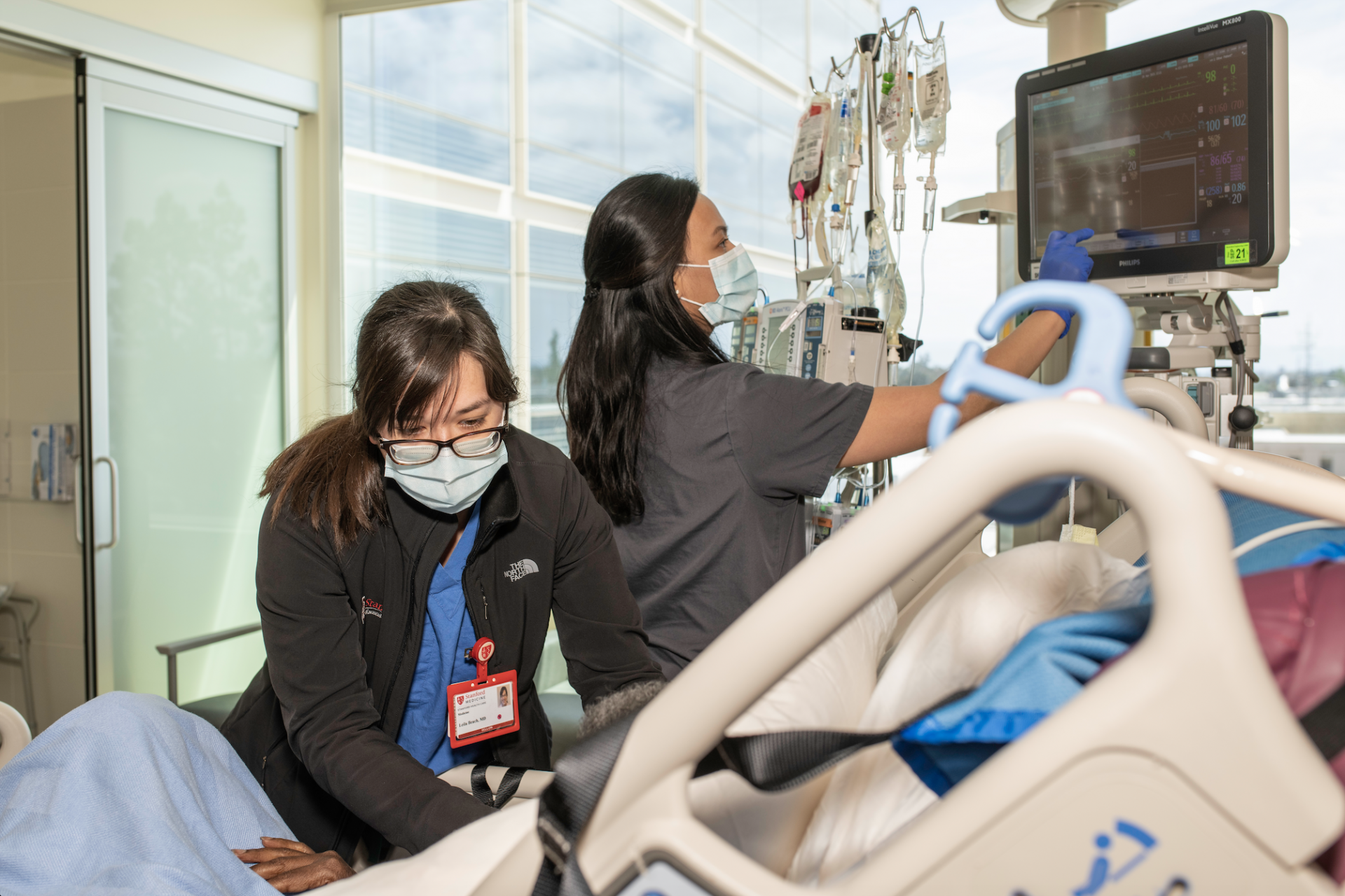
Her particular area of clinical focus is advanced heart failure and transplant cardiology, which she first became interested in while taking care of patients in the cardiac ICU. Beach recalls that “these patients were the sickest of the sick. They often had complex severe cardiac pathology sometimes requiring things like surgically implanted motors to help their heart function or a heart transplant. I really enjoyed caring for them, and it led to my interest in heart failure and transplant.”

Beach has been fortunate to tailor her outpatient clinical experience to the same population of patients as well, working with Michael B. Fowler, MBBS, FRCP, professor of cardiovascular medicine, in his heart failure clinic. Seeing heart failure from both the outpatient and the inpatient perspectives has led her to plan to do an additional fellowship year in advanced heart failure and transplant cardiology, beginning in July 2021.

Leila Beach, MD (left), at a patient bedside with Melissa Garrido, RN, has a clinical focus on advanced heart failure and transplant cardiology

For her research year, Beach is trying to identify characteristics that portend poor clinical outcomes in cohorts of heart failure patients at Stanford so that doctors can intervene earlier in cases. She is also getting her feet wet in clinical trials. She describes two of them: “For one trial, I’m working with one of the heart failure doctors looking at a noninvasive device to measure central venous pressure, which is an important clinical parameter for heart failure patients. Another effort is an early drug trial that is just getting up and running, and I hope to stay involved with it the rest of this year and during the following year.”

Focusing Her Career on Transplant

The growing incidence of heart failure is in part a consequence of successful treatments of other conditions in cardiology, such as coronary artery disease and valvular disease. While recent therapeutic advances have been great for many patients and have led to more years of health, the long years of multiple therapies can also weaken the heart, leading to heart failure—and then, at times, to the need for a heart transplant.

Beach feels that “Stanford is a particularly fun place to be interested in these things because the heart transplant practice is so robust. The history is also very rich: The first heart transplant in the U.S. was done here, and many of the defining advances in the field were made here at Stanford by people who are still around. It’s a great place to learn about this stuff.”

“I find cardiology uniquely intuitive and

intellectually elegant”

“I find cardiology uniquely intuitive and

intellectually elegant”

Next year, as a fellow in advanced heart failure and transplant, she says, she will “take care of patients leading up to implants or transplants, work with a multidisciplinary team to determine the best treatment options, and then provide ongoing care for those patients following surgery.”

Women in Cardiology

Women are underrepresented in cardiology as in some other specialties, and Stanford strives to increase those numbers and provide a rich and supportive environment for its female trainees. Beach points out a few relationships that contribute to internal support.

“Of the six fellows in my class, two are women—me and Jennifer Woo, MD. Jen and I have really made an effort to keep an open dialogue and cover for each other when necessary. We have a real camaraderie and have hopefully fostered similarly close and supportive relationships with our women co-fellows in the classes below us. Jen also leads a formal network of women in cardiology that puts on events. She’s brought in senior faculty and women cardiologists in industry to discuss career planning, advise us about obstacles we might encounter, and just generally share their experience.

Finally, our fellowship director, Joshua Knowles, MD, PhD, has been very vocal about trying to recruit more women into the fellowship and is making a concerted effort to do just that. In fact, I have a younger sister who is finishing up her residency at UCLA coming here next year for cardiology fellowship.”

You have to wonder if she got an early look at that video.

Lost and Found

Lost and Found

What Department of Medicine staff lost—and regained—during a year working remotely

On the morning of March 13, 2020, Denise Fortes, a postdoctoral coordinator, opened her inbox. Nestled among her usual emails was a note from Stanford President Marc Tessier-Lavigne informing the campus community that the university was transitioning to remote work as the coronavirus intensified its grip on the country.

Fortes and hundreds of other Department of Medicine staff members sprang into action: transforming their bedrooms into offices and their kitchen tables into desks. They quickly mastered collaborative technologies like Zoom, Slack, and Jabber and learned to adapt to a new way of working.

As the months passed, they found ways to stay connected and collaborate effectively while shouldering additional responsibilities at home. They embraced the advantages of remote work (greater flexibility, more time with family), while acknowledging the challenges (isolation, childcare, and education). And through it all, they maintained their commitment to caring for their work, their communities, and each other.

Fortes and two other staff members—Bonnie Lam and Johanna Alm—have written reflections on this unusual time. They shared their struggles and loss, their rediscovered joys, and the moments that buoyed them. What emerged are three stories of resilience and hope.

When COVID Becomes Personal

Denise Fortes, Postdoctoral Coordinator, Infectious Diseases

It was March 13, 2020, when we were told that we would be working from home for a week or two due to the pandemic. My new position as postdoc coordinator within the infectious diseases division was starting on March 24, and my future cubemate and I were making plans for our shared space. I started my new job remotely and since that day have been providing support to not only my home division but also to two other divisions that did not have a postdoc coordinator. The Department of Medicine was faced with a hiring freeze, and there was no question in my mind as to whether I was going to continue supporting everyone—we were all in this together, and I was determined to be successful.

When my new job started, I had some big projects immediately ahead of me, including assisting with two infectious diseases T32 Training Grant renewals. This was my first time working on a T32 renewal, and I was going to be working on two of them remotely, without any of the information that was stored in the binders at the office. Because we were working from home, I was able to view the process through a new lens. After many hours of data mining, I learned that most information I needed could be found and kept online, and I created my own notes and filing system using our online shared drive. I determined that all the printed material I used to keep in the folders on my desk was really no longer necessary. Zoom became an instrumental tool for me, and between our division team huddles, my Zoom training meetings, and co-hosting the monthly Admin Brown Bag Lunch meetings, I felt very connected. As I became more focused and my remote work process became more streamlined, I discovered many positives: fewer distractions, an eagerness to help, and a renewed appreciation of each other’s time.

“I remember thinking, I am in the best possible place

I could be during this pandemic. I felt then, and continue

to feel now, that I am blessed to have my job, the ability

to work from home, and such an amazing group

of people to work with”

“I remember thinking, I am in the best possible place

I could be during this pandemic. I felt then, and continue

to feel now, that I am blessed to have my job, the ability

to work from home, and such an amazing group

of people to work with”

To complete my part of the T32 renewals, I called upon my network of resources, met often with them over Zoom, and determined through my own processes the record keeping that would be most helpful for our division going forward. I made suggestions to our department’s idea board for T32 renewal process improvements and created a document with information to help others in my position. The support I received from my division chief, Upi Singh, MD, during the renewal process was invaluable! We spent many hours together on Zoom reviewing the data tables, and at the same time she was educating me about what the National Institutes of Health is looking for in the data we provide. I don’t know if we would have been able to spend as much uninterrupted time in the office as we did on Zoom. I will never forget the experience because it has given me the opportunity to be a leader and resource to my peers. I feel that now more than ever it is important to share our knowledge with one another. We work in a learning institution, and knowledge is meant to be shared.

During the pandemic, everyone in my division as well as the Department of Medicine banded together to help one another. My colleagues and I stayed connected through collaborative applications and cell phones, and we helped each other learn new ways to use those resources. We supported one another through the easy times and the challenging ones, yet never lost hope. During December, while I was in the middle of working on one of our T32 renewals, my mom was diagnosed with COVID-19 and was in the hospital for most of the month. While in my Zoom meetings with Upi, I was able to ask her COVID-related questions about my mom, and I remember thinking, “I am in the best possible place I could be during this pandemic.” I felt then, and continue to feel now, that I am blessed to have my job, the ability to work from home, and such an amazing group of people to work with.

Although I was looking forward to participating with my new division in the Cardinal Walk, Department of Medicine Halloween Decorating Contest, and Cardinal at Work Cares giving drives, I loved not having to commute … and there’s always next year!

Celebrating Life from a Distance

Bonnie Lam, Human Resources Administrator

Our team had been starting to transition to more telecommuting and online meeting opportunities since the move to Stanford’s Redwood City campus, but the pandemic accelerated it and forced us to immediately implement ideas and fine-tune our approach to remote work. This department-wide acceptance of remote work has given my team many opportunities to reach out and connect to employees and be accessible. I have been incredibly inspired by how we can use the tools we have to create a seamless and great customer service experience for our employees.

I’m so lucky that we had a strong team culture before the move to remote work. We continued to have our weekly staff meetings along with random happy hours. My supervisor, Shauna Cruz, even did a baking demonstration and had us follow along (if we wanted to) as a team bonding experience. I constantly message my teammates on Jabber, either to catch up or brainstorm ideas. We celebrate each other’s birthdays with Zoom backgrounds. My team even held a Zoom baby shower for me and a Zoom wedding shower for another teammate. We were still able to share joys with each other.

I do miss seeing my team in person. No matter how well we have transitioned, there’s nothing like a team meeting with everyone there in person. Some things can just be more easily communicated and followed up with in person. I miss seeing people in the office and waving hi to people on different teams.

While my dogs have been very happy for me to be at home, they can be a distraction (especially during meetings!). However, a huge silver lining has been that both my husband and I have been able to be at home for the first year of our son’s life. I have been able to experience all his firsts and take him on walks during my lunch break. These are moments I cherish so much and will never forget.

“A huge silver lining has been that both my husband

and I have been able to be at home for the first

year of our son’s life”

“A huge silver lining has been that both my husband

and I have been able to be at home for the first

year of our son’s life”

Mom, Employee, Teacher, Chess Coach: Navigating the Pandemic as a Working Parent

Johanna Alm, Fellowship Program Coordinator, Immunology and Rheumatology

It’s hard to believe that it’s been over a year since the pandemic was declared and the first shelter-in-place order was announced. I remember it was quite a shock. Looking back, the first thing that comes to my mind is that everyone was stocking up on toilet paper, hand sanitizer, and disinfectant wipes, and we all thought that the situation was going to last for a couple of weeks. Yet in 2021 here we still are, more than a year later.

The whole situation was completely new. Going from working full-time in the office to being at home with the whole family at the same time was very strange. There were Zoom calls happening all around the house, from early morning to late evening. I went from working mother to 100% remote working mother to elementary school teacher and middle school teacher to soccer and chess coach, and, and, and … just to mention a few of the new titles the pandemic rewarded me with. It was stressful and challenging to say the least.

It didn’t take us that long to figure things out: how to stay connected with our colleagues; how to get our work done 100% remotely; how to manage work-life balance and all the other things the pandemic forced us to do. I’m so impressed by how we did it and how fast we did it, but most of all that we all did it together. I’m not saying that it was easy and that it passed without any challenges, but I think we all should remember how successful we were and how quickly we adjusted to the new normal. We really should be proud of ourselves and of what we achieved.

“We will come out of this together, more resilient and

stronger than we were before. We will be more

appreciative of things that we used to take for granted”

“We will come out of this together, more resilient and

stronger than we were before. We will be more

appreciative of things that we used to take for granted”

We’ve learned that many things can be done even if we cannot meet in person. I think we have proven to ourselves, but also to others, that work can be done remotely, even if it is not always optimal. I also believe we’ve learned how to be more patient, how to adjust to new situations, and how to be kind to ourselves. We really should be proud of this and keep these things in mind. We will come out of this together, more resilient and stronger than we were before. We will be more appreciative of things that we used to take for granted.

As I write this reflection from the living room, I can hear a noisy Spanish class going on with a bunch of excited second graders. A few seconds later, I hear the saxophone playing next door; I guess middle school band class just started. I look out the window and see my husband on one of his constant calls; he escaped. I make sure I’m muted on my Zoom call and continue to dream about returning to campus one day!