Health Economist: We Need More Women in the Field

Health Economist: We Need More Women in the Field

Maya Rossin-Slater, PhD
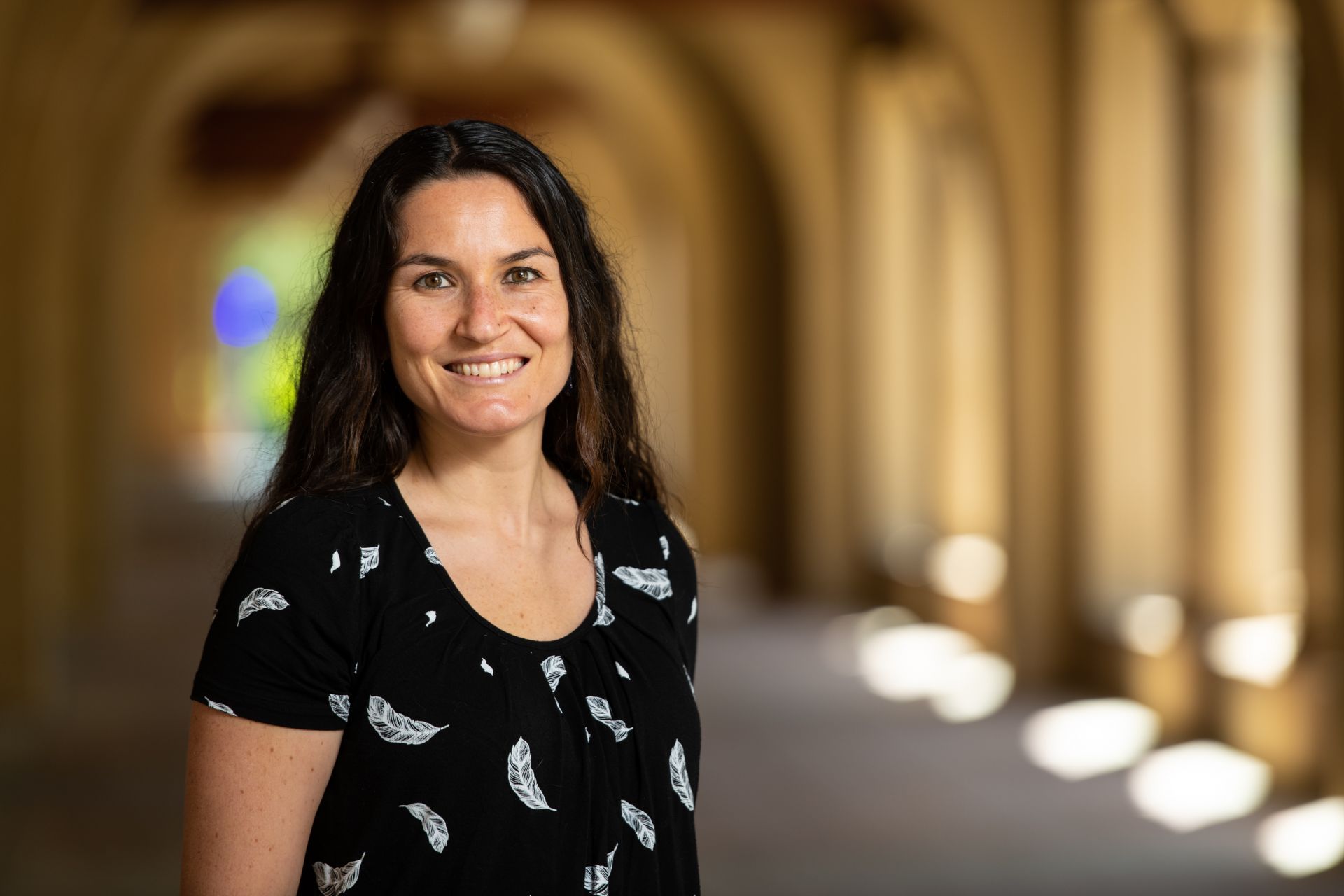
Maya Rossin-Slater, PhD

Health Economist: We Need More Women in the Field

Health economists study wide-ranging and essential questions about the health care system, population health, and the causes and consequences of health inequities.

Yet the economics profession has a poor record of attracting and retaining women and people of color. Economist and Associate Professor of Medicine Maya Rossin-Slater, PhD, says that leaving these groups out of the profession is doing a disservice to our society.

While economists are often associated with studying macroeconomic issues such as unemployment and GDP, health economists like Rossin-Slater research the determinants of population health and the causal impacts of policies that affect health outcomes and health care costs. They often use large-scale data and methodology that separate causation from correlation to deliver findings that inform policies at the local, state, federal, and global levels.

Rossin-Slater’s research, for example, has investigated the long-term impacts of early-childhood access to the Food Stamps program on adult health and socioeconomic well-being. She’s looked at the impacts of paid family leave policies on workers, families, and employers, as well as the implications of the increasing number of school shootings in America on children’s mental health and on their educational and economic outcomes later in life.

“Economics is fundamentally the study of human behavior and how people make choices in the face of constraint,” says Rossin-Slater, a core faculty member at Stanford Health Policy and a senior fellow at the Stanford Institute for Economic Policy Research (SIEPR). “The questions that are posed and analyzed by economists influence so much of public policy. And we cannot make progress on some of the most important issues facing our society today without a diverse set of voices contributing to the research and discussion.”

Yet a report by the American Economic Association (AEA) found that only 14% of full professors in PhD-granting economics departments are women. When President Joe Biden named economist Janet Yellen secretary of the Treasury, she was the first woman in the pivotal role of chief adviser to the president on the country’s economic well-being. As more women climb the STEM ladder, however, the share of women studying to become economists has remained flat for two decades. This leaves a field that impacts so much of our public policy dominated by the research and recommendations of men. So why aren’t more women pursuing careers in economics?

“Economics is fundamentally the study of human behavior

and how people make choices in the face of constraint”

“Economics is fundamentally the study of human behavior

and how people make choices in the face of constraint”

According to an AEA survey, many women economists have experienced harassment, discrimination, and outright abuse by their male colleagues. More than 9,000 current and past members of the association, both women and men, took part in the March 2019 survey. One hundred of the women reported that a male peer or colleague had sexually assaulted them, 200 were victims of an attempted sexual assault, and hundreds more said they had been stalked. Half of the women had experienced discrimination, compared with 3% of the men. And half of the women had avoided speaking at a conference or seminar to avoid possible harassment.

“Research questions are set by the researchers themselves, who are in turn influenced by their backgrounds and experiences,” Rossin-Slater says. “Women bring a different set of questions, priorities, and ideas.”

For example, she says, issues in maternal and child health are much more likely to be studied by women than men. “We have abundant evidence that the early life environment has impacts on health and economic outcomes throughout life and across generations,” she says. “So understanding the causes and consequences of early childhood health is critical for understanding a core driver of the economy: human capital. And women have made key contributions to that research.”

Women Helping Women

The field can be lonely and distressing, Rossin-Slater says, particularly for women and people of color. With support from her National Science Foundation CAREER grant and administrative help from the AEA Committee on the Status of Women in the Economics Profession, she held a one-day mentoring workshop — Successfully Navigating Your Economics PhD — for women and non-binary individuals studying to become PhD economists in academia, government, think tanks, the private sector, and large international organizations like the World Bank.

She teamed up with Jennifer Doleac, associate professor of economics at Texas A&M University, to hold the workshop on Nov. 20, 2020, over Zoom due to the COVID-19 pandemic. The virtual setting brought 120 women and non-binary PhD students from around the world. They also recruited 48 mentors: early-career economists at universities, think tanks such as the Manhattan Institute and the RAND Corporation, and government organizations such as the Central Bank of Colombia and the U.S. Census Bureau.

“Women bring a different set of questions, priorities, and ideas”

“Women bring a different set of questions, priorities, and ideas”

The mentors shared ways to generate new research, how to find and work productively with advisers — and how to survive the challenges of graduate school. They covered topics like choosing career paths, networking on social media, applying for grants, and juggling parenthood with work.

“There is so much ‘hidden curriculum’ out there that is typically not taught in any formal way,” Rossin-Slater says. “Students are expected to somehow figure all this out on their own, and this is particularly challenging for students who are historically underrepresented in the profession and don’t have the access to networks and support that others do.”

The Center for Innovation in Global Health Challenges the Global Health Status Quo With WomenLift Health

The Center for Innovation in Global Health Challenges the Global Health Status Quo With WomenLift Health

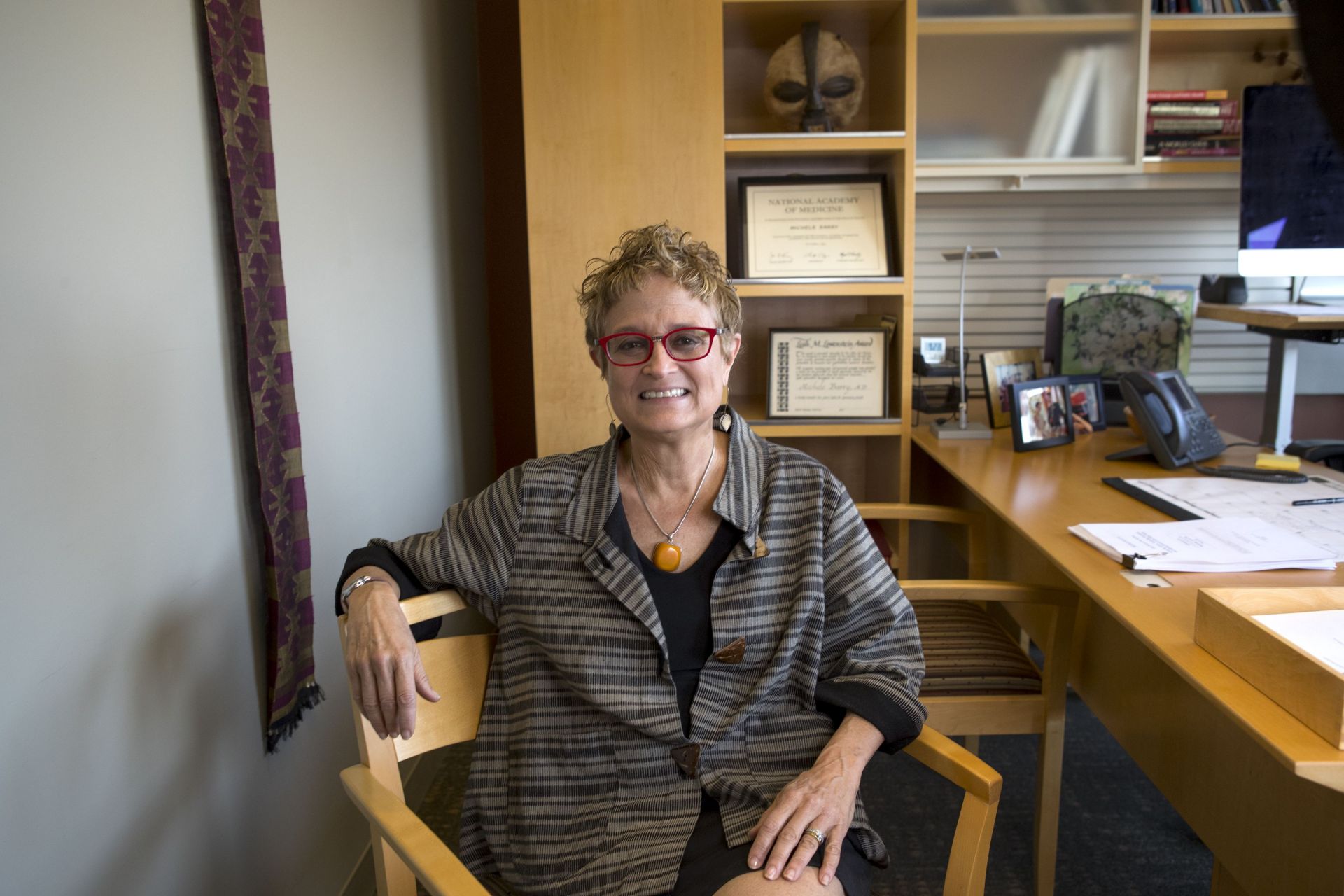
“Despite comprising 70% of the global health workforce, women hold only 25% of leadership positions, a disparity that compromises health outcomes and initiatives around the world,” says Michele Barry, MD, founder of WomenLift Health and Director of Stanford’s Center for Innovation in Global Health. She and Amie Batson, Executive Director of WomenLift, have been tackling this issue head-on.

In 2020, the center launched WomenLift Health, an organization dedicated to expanding the power and influence of talented and diverse women in global health and to catalyzing systemic change to achieve gender equality in leadership. WomenLift Health was born out of the Women Leaders in Global Health Conference that began at Stanford in 2017 and has spread globally. Now, with funding from the Bill & Melinda Gates Foundation, they have hit the ground running, assembling thousands of people around this central and critical goal.

“WomenLift Health has already passed some tremendous milestones in its first year,” says Barry. “Today, we are proud of those accomplishments, but there is much, much more we need to do to affect transformative change for women working in global health in all sectors.”

Change at Scale

The COVID-19 pandemic has hit women hard—exacerbating the inequalities in our health and economic systems. The year 2020 saw dramatic spikes in domestic violence, loss of employment for women, reductions in sexual and reproductive health services, and incredible sacrifice by the predominantly female health care workforce, resulting in concerns that the pandemic could set back gender equality for decades.

But the pandemic has also presented opportunities. Women at every level are redefining what it means to be an effective leader in the 21st century—and nowhere is it more evident than in the decisions that women leaders are making to curb the spread of the virus. It is clear that gender parity in leadership is more than an issue of equity: It is the missing link that will help us solve complex health challenges.
“This is not about ‘fixing women’ but changing organizations and society. We also have to influence the environment where women live and work, transforming the policies and norms that impact them every day”

“This is not about ‘fixing women’ but changing organizations and society. We also have to influence the environment where women live and work, transforming the policies and norms that impact them every day”

WomenLift Health is based on the belief that advancing diverse women leaders will result in more robust decision-making that benefits from broadened perspectives, talents, and lived experiences, ultimately leading to improved health outcomes for all. During 2020 they brought that idea one step closer to reality, despite the disproportionate effects of COVID-19.

In early 2020, WomenLift Health launched the inaugural Leadership Journey—the highest-caliber leadership program for women in health. The Leadership Journey provides women leaders with personal coaches, mentors, and peer support to which many women leaders have never had access.

The leadership cohort, however, is just the tip of the iceberg. As the pandemic continues to test the resilience of health systems and exacerbate existing inequalities, WomenLift Health’s speaker series has brought together dynamic women and men from around the world to explore gender and power dynamics in health and outline action we can take to prioritize women’s leadership. It has featured such accomplished leaders as Helen Clark, former prime minister of New Zealand, and Ellen Johnson Sirleaf, former president of Liberia, among others.

The fourth annual Women Leaders in Global Health conference took place virtually in October 2020, with two days on women’s leadership in South Asia and Africa and culminating in a day of global dialogue. The conference demonstrated an absolute commitment to inclusivity by amplifying diverse voices, prioritized women from countries underrepresented at global health decision-making tables, and hosted provocative conversations on critical topics. More than 2,300 people from 50 countries gathered to help shape a collective vision for diverse women’s leadership in health.

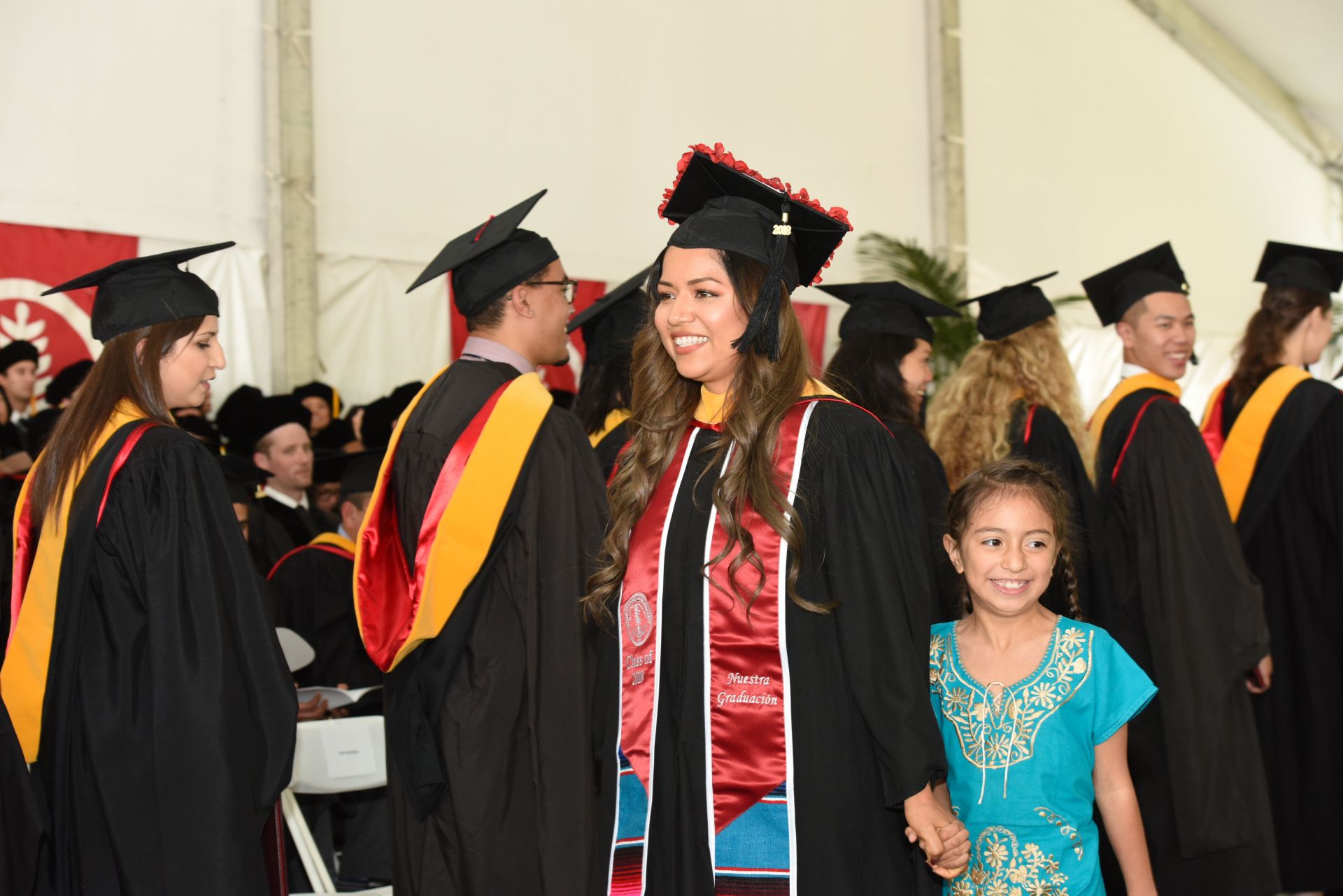
“The COVID pandemic has shown us just how important diverse leadership is to solving global health issues,” says Batson. “We invest in talented women leaders, but we know it is not enough to just focus on the individual—this is not about ‘fixing women’ but changing organizations and society. We also have to influence the environment where women live and work, transforming the policies and norms that impact them every day.”

On the Horizon

A recent WHO report summed it up well: Women deliver global health—men lead it. WomenLift Health believes that health leadership must reflect the impassioned and diverse workforce that makes up our community by 2030, which is why WomenLift Health put together a 10-year plan with ambitious targets.

In 2021, WomenLift Health is planning to launch its second Global Leadership Journey cohort and expand its reach to India and East Africa, working with partners to launch the Leadership Journey and Workshops for women in these geographies. Their speaker series will continue with a regional focus led by country partners. The annual Women Leaders in Global Health conference is expected to be a highlight. COVID-19 permitting, the 2021 Women Leaders in Global Health event will be hosted by partners in India.

“Change will only happen if we are

deliberate about placing women and girls

at the center of recovery efforts—that means prioritizing

their leadership in all of our institutions, at every level”

“Change will only happen if we are

deliberate about placing women and girls

at the center of recovery efforts—that means prioritizing

their leadership in all of our institutions, at every level”

Over the next 10 years, WomenLift Health plans to reach tens of thousands of women through a portfolio of interventions at the individual, institutional, and societal levels. They will expand to serve women in more than 25 countries—employing a country-owned and country-led model where the strategy and interventions are led, designed, and executed by and with local partners.

“At this critical moment in the fight for gender equality in health leadership, WomenLift Health is more important than ever,” says Barry. “Change will only happen if we are deliberate about placing women and girls at the center of recovery efforts—that means prioritizing their leadership in all of our institutions, at every level.”

Diversity Is Central to Master’s Degree in Community Health and Prevention Program

Diversity Is Central to Master’s Degree in Community Health and Prevention Program

The CHPR program includes students from diverse stages of life, such as Adrienne Lazaro, shown with her daughter during Commencement 2018. Lazaro, as an alum, continues her connection with CHPR by serving on its Advisory Board and Admissions Committee
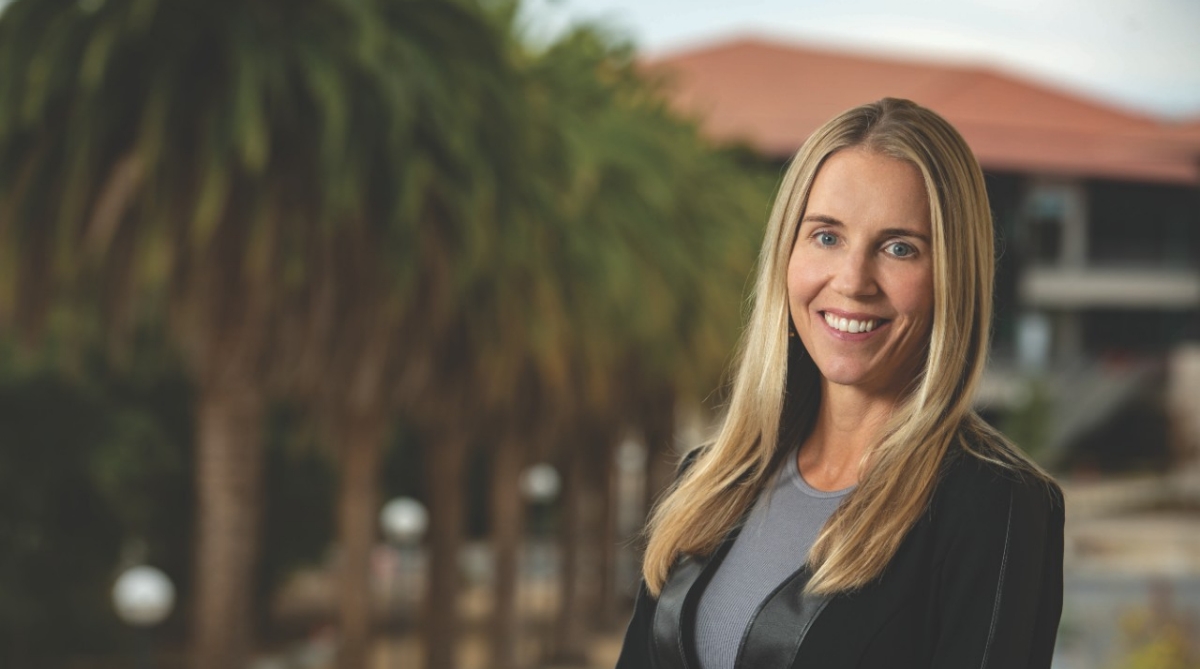
When the Master of Science in Community Health and Prevention Research (CHPR) program was created in 2015, it was hoped that candidates would reflect a diverse set of academic backgrounds. That hope has been realized, and then some.

The CHPR program prepares students for health-related careers focusing on chronic disease prevention, health and wellness promotion, and the pursuit of health equity. About half of the students in CHPR have been “coterms” who gained admission through a special process that allows Stanford undergraduates to matriculate into one of Stanford’s master’s degrees.

Through the academic year 2020–2021,117 students have matriculated with CHPR, and they bring to the program a diversity of undergraduate majors, career aspirations, ethnicities, countries of origin, life stages, and gender and sexual identities.

36

Students have received their undergraduate degrees from 36 colleges and universities. While many majored in psychology, biology, or neuroscience during their undergraduate years, other majors include mathematics, history, urban studies, political science, international affairs, anthropology, and economics.

Among the 117 students and alumni:

38% identify as a member of an underrepresented minority group.

15% were the first in their family to attend college.

Among 69 alumni responding to a “Where are you now?” survey, 40 have entered the workforce, 16 are in medical school, and 5 are in doctoral or additional graduate programs.

12%

of students have come from nations outside the U.S., including Canada, China, Ethiopia, India, Japan, Hong Kong, South Korea, Nigeria, Norway, the Philippines, Singapore, South Africa, and Turkey.Stanford’s Knight-Hennessy Scholars programhas prompted an increasing number of applications from around the world, and to date two CHPR students have received the highly competitive fellowship that provides full funding for graduate study.

42

To date, 42 CHPR students have contributed to the research literature, publishing their thesis projects or presenting their findings at scientific meetings.

Diverse Faculty

While CHPR has its academic home in the Department of Medicine and is led by faculty in the Stanford Prevention Research Center (SPRC), CHPR’s reach in faculty and mentors spans 18 organizational units.

CHPR offers an interdisciplinary faculty representing public health, medicine, behavioral sciences, biostatistics, epidemiology, and other disciplines.

CHPR faculty director and professor Jodi Prochaska, PhD, MPH, says that “mentoring is a central aspect of the CHPR program, and we are pleased to have engaged over 50 faculty, scientists, postdoctoral fellows, and community partners in the direct mentoring of our students. Program mentors are diverse in their research, in the communities they serve, and in backgrounds that include their race, ethnicity, and gender identities.”

Jodi Prochaska, PhD, MPH

Five Students’ Experiences

“Individual student experiences provide a personal sense of CHPR’s diversity,” says Prochaska, as is illustrated by the stories of five students who were enrolled in the program during spring 2021:

Redeat Gebeyehu is a Stanford coterm majoring in human biology, with a concentration in public health in sub-Saharan Africa and a minor in global studies, with an African studies track. Gebeyehu has long been passionate about social determinants of health and their effects on well-being, which inspired her involvement with nongovernmental organizations like Save the Children and the Cameroon branch of Doctors Without Borders, where she served two years as a research coordinator. Gebeyehu’s internship and thesis project in CHPR is a study of newborn health and survival in the Democratic Republic of the Congo and Colombia. Post-CHPR, Gebeyehu sees herself “working in the public health sector building better health systems, broadening medical care accesses and services. I would also like to work on various women empowerment projects.” She’s mentored by Clea Sarnquist, DrPH, MPH, associate professor of pediatrics.
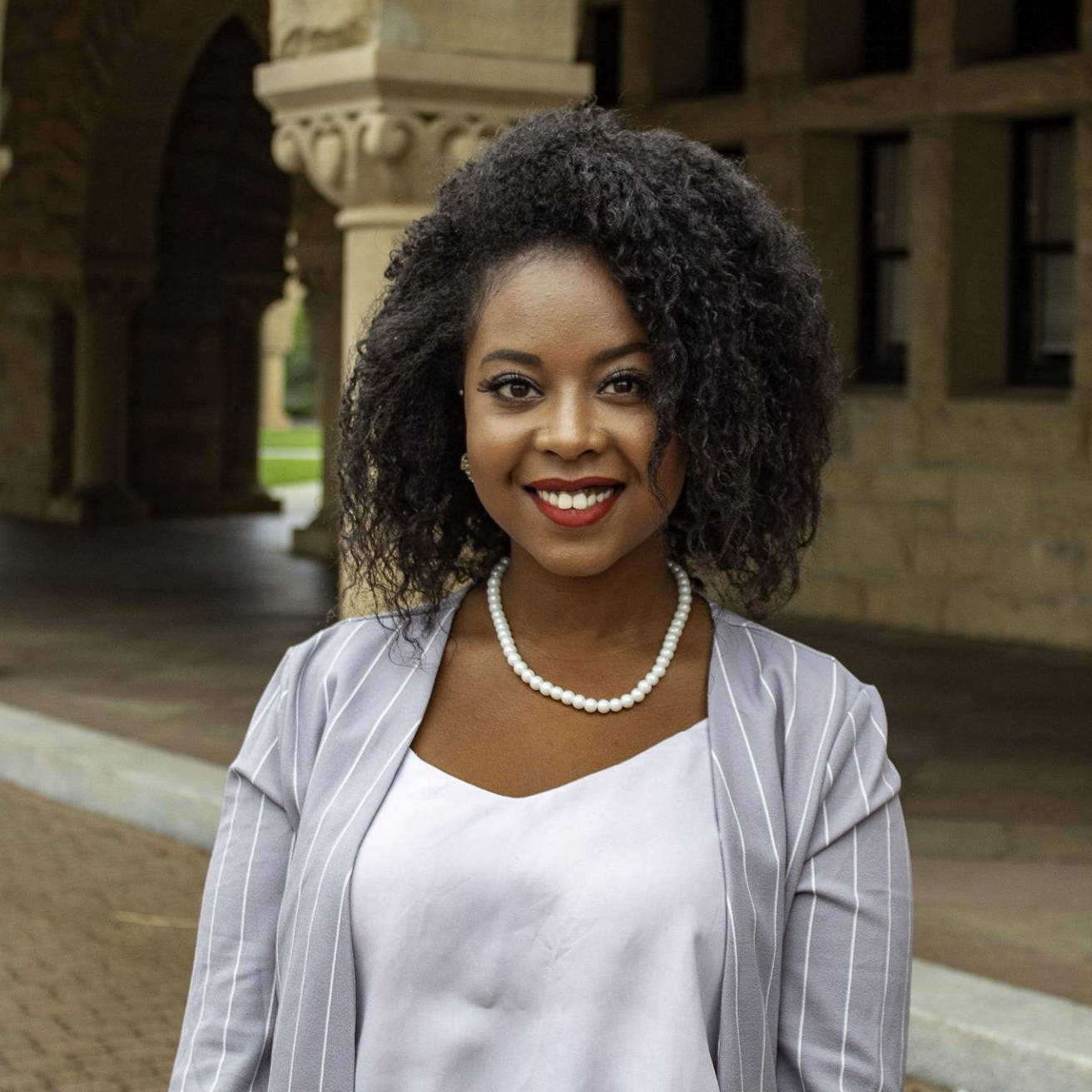
Claire Jacobson says she’s constantly learning from and inspired by the diverse stories and historical narratives that the human body encapsulates. As a Stanford undergraduate, Jacobson became a certified emergency medical technician and volunteered with Stanford Emergency Medical Services for three years. “It was through being an EMT and shadowing in several emergency departments that I began to witness how complex social factors affect an individual’s health and how often the emergency department serves as a social safety net,” she says. After receiving her bachelor’s degree, Jacobson completed a 10-month Fulbright research project in the Emergency Department of Dhulikhel Hospital in Nepal, where she worked with local leaders and stakeholders to design and implement the first Nepal-specific emergency medical dispatcher training program. Mentored by SPRC professor Randy Stafford, MD, PhD, and working with Bay Area start-up Age Bold, Jacobson is focusing on fall prevention among older adults for her internship and thesis.
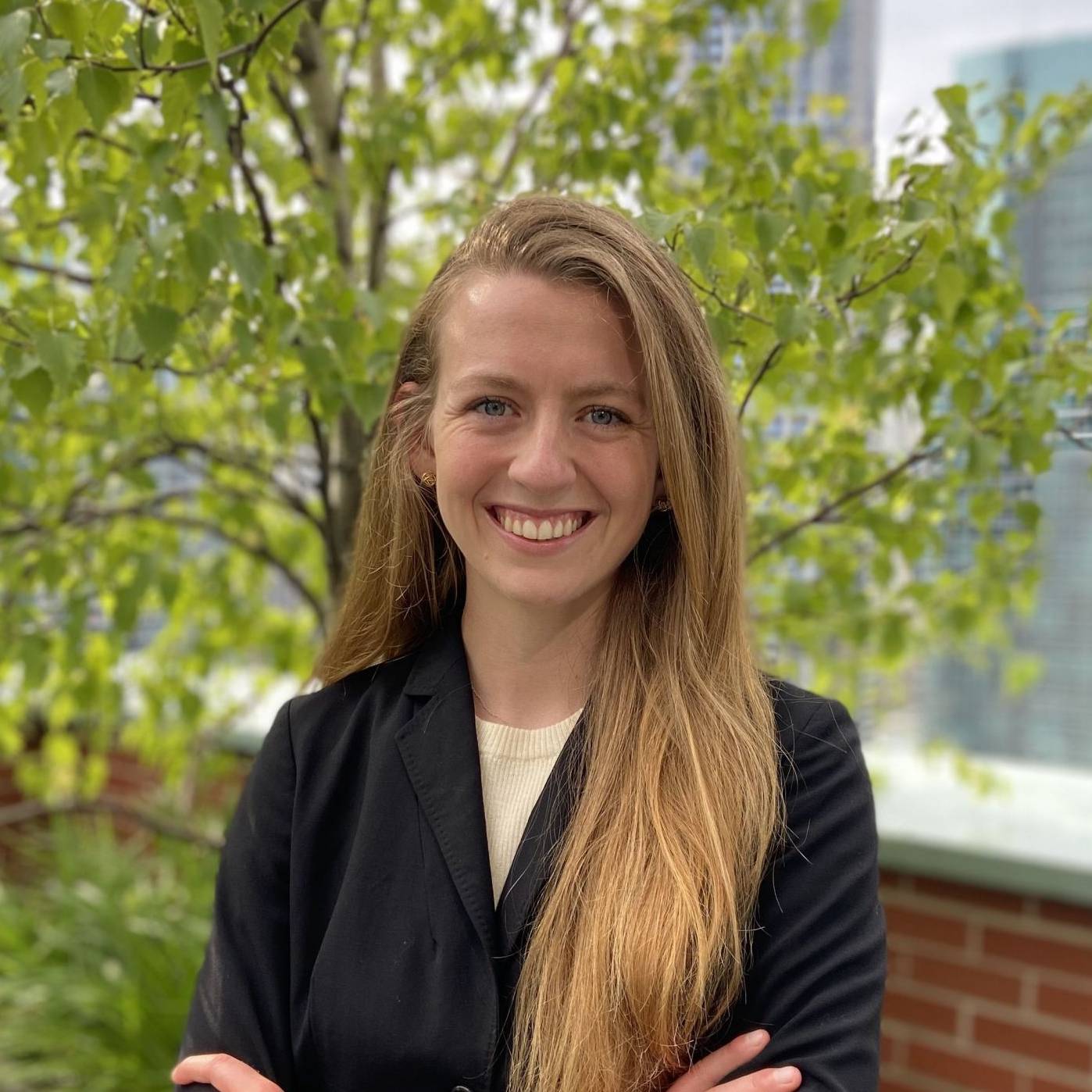
Raised in Honduras, Aimee Lansdale moved to Chapel Hill, North Carolina, when she was 16. She received a BA in global health from Duke University with a concentration in obesity and nutrition in 2017. After graduation, she worked at an international development organization managing and implementing projects in Guatemala and Mozambique. “As a CHPR student, I am working at Mathematica, where I help conduct research and evaluations for social-impact projects focused on health, teen pregnancy prevention, and nutrition,” Lansdale says.
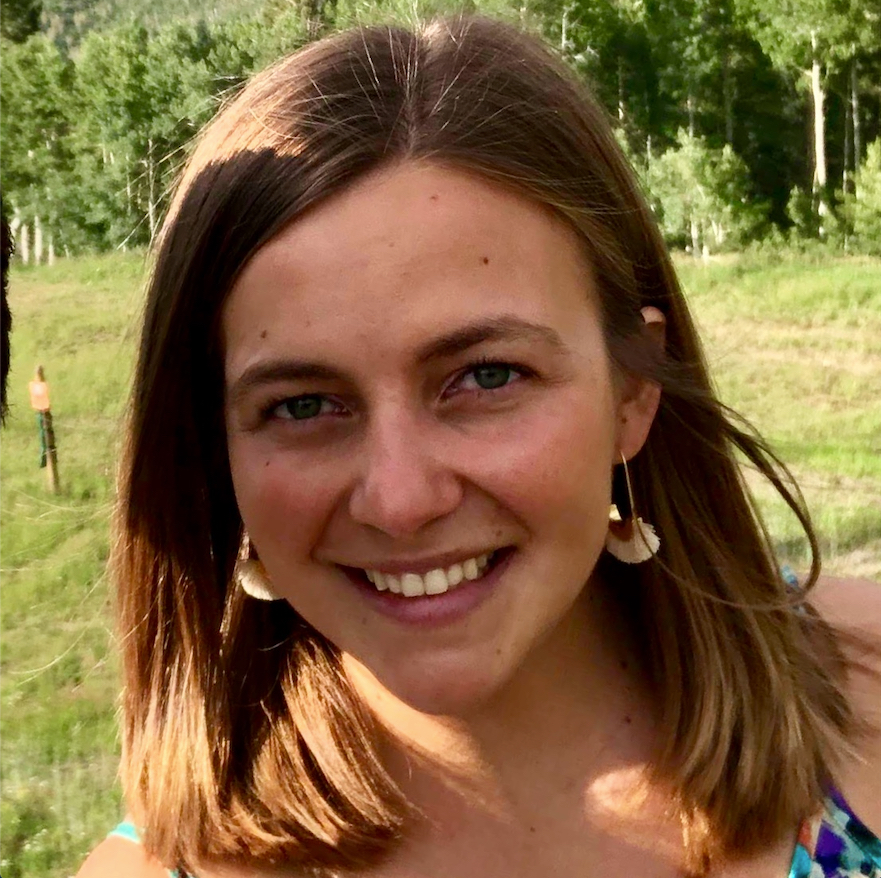
In 2003, Yessica Martinez and her family emigrated from Cuba to Portland, Oregon, “a place vastly different from everything we knew. Growing up, I witnessed first hand how health care systems were flawed at a systemic level,” she says. Driven by her personal experiences, Martinez is majoring in human biology, with a concentration in child health policies in marginalized communities, and pursuing her master’s degree through Stanford’s coterm process. “As I learned more about how injustices were perpetrated on historically excluded communities, I made a commitment to support and care for underserved populations in the United States and abroad. Moreover, I adopted a holistic definition of health, understanding the numerous factors impacting community and individual well-being,” Martinez says. Through the CHPR program, she looks forward to advancing health care equity and contributing to supporting marginalized communities and individuals. In the future, she aims to craft more inclusive, responsive, and preventive programs rooted in social justice and well-being.
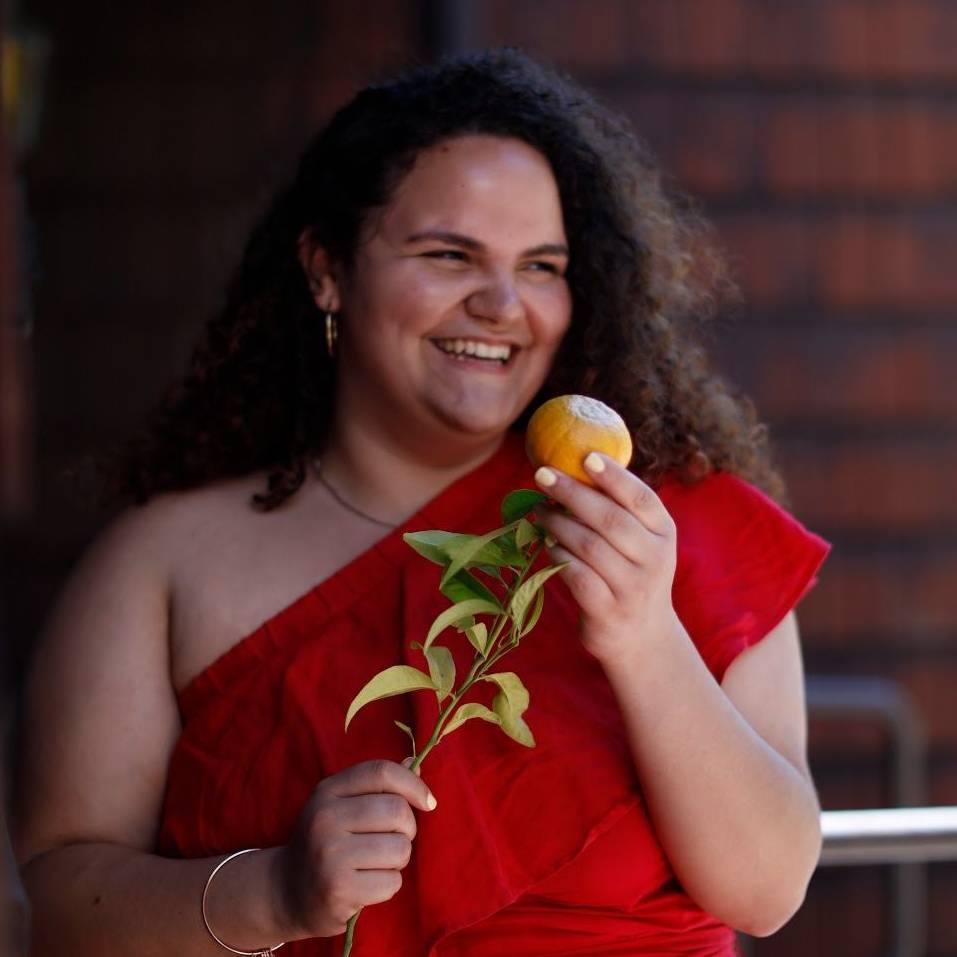
Lance Nelson, MD, is a self-described Midwest transplant to California who grew up on a farm in rural Illinois before attending Purdue University as an undergraduate. After college, Nelson participated in Teach For America, where he taught high school biology and chemistry for two years. He then received a medical degree from Michigan State University and completed a pediatric residency at the University of Iowa. Nelson is currently an adolescent medicine fellow at Stanford while pursuing a master’s degree in CHPR. “I look forward to enhancing my research skills and learning more about application of research findings to vulnerable patient populations,” he says.
An Everyday Practice: Creating a Culture of Belonging to Transform Health Care

An Everyday Practice: Creating a Culture of Belonging to Transform Health Care

An Everyday Practice: Creating a Culture of Belonging to Transform Health Care

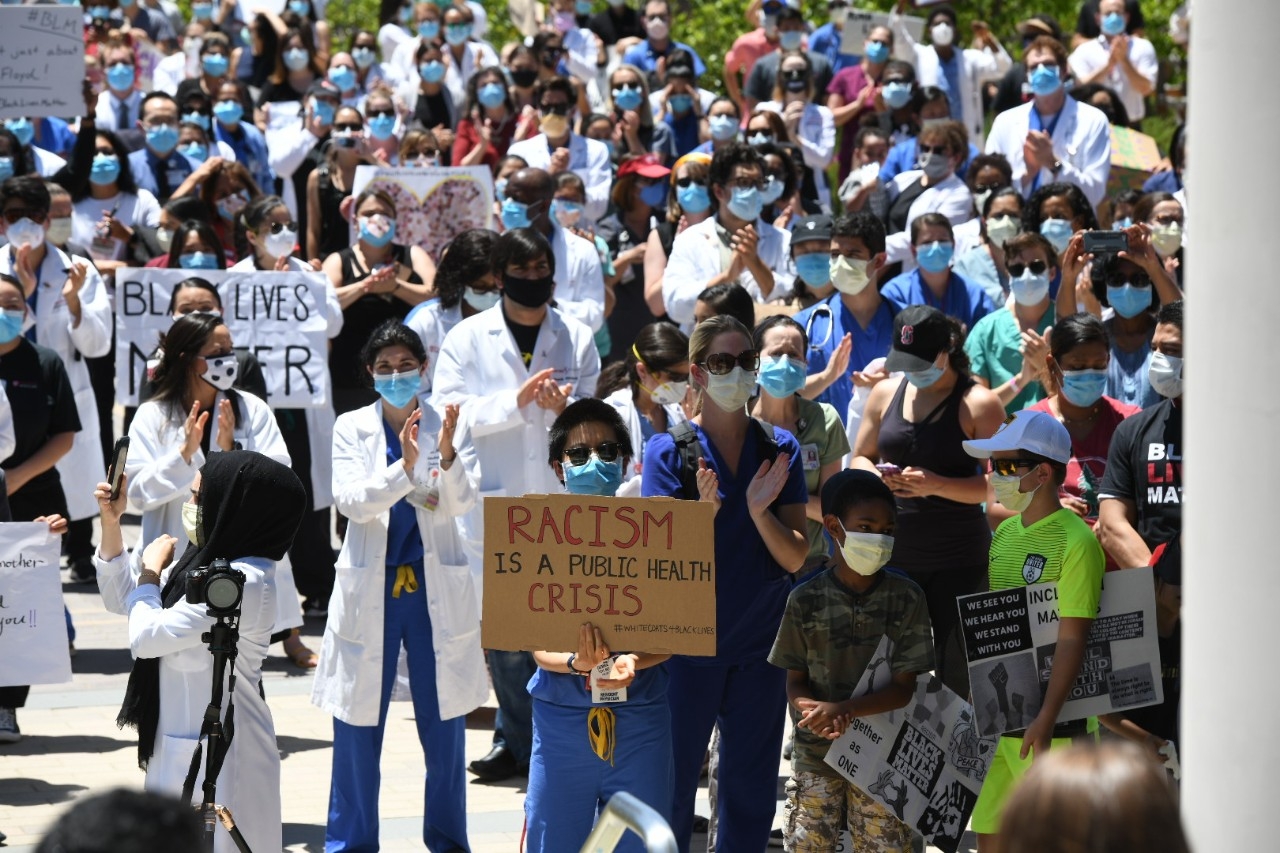
On March 11, 2020, the World Health Organization officially declared the COVID-19 virus a pandemic. Two days later, on March 13, Breonna Taylor, a 26-year-old Black woman working as an emergency medical technician, was killed by the police in her apartment. Ten weeks later, on May 25, the world watched a viral video of George Floyd, an unarmed Black man, being killed by Minneapolis police officer Derek Chauvin. The tragedy sparked massive Black Lives Matter protests in at least 140 U.S. cities and across the world, with millions of people taking to the streets against police violence.

Amid a national climate of virulent political dissent and economic uncertainty, the pandemic left us vulnerable in unexpected ways and triggered a series of complicated challenges: misinformation, quarantines, fear, ongoing racial injustice, COVID-19 deaths, and a race to find a vaccine. Some have opined that with the world in lockdown, deep within the confines of our collective conscience, a conundrum emerged: When the world is diagnosed with a virus, will people begin to look for cures to other viruses that plague society, like racism?

Of course, the road to eradicate the world of social ills like racism is, to paraphrase Dr. Martin Luther King Jr., tied to the long and slow bending arc of the moral universe. While these historical events raised national awareness around equity, they only made the Department of Medicine more resolute in its mission and ongoing work in health disparities, diversity, equity, and inclusion. Work such as forming a Diversity and Inclusion Council in 2018 and a Medicine Residency Diversity Committee, revamping the faculty search committee’s processes, and launching awards programs for diversity work has expanded the department’s understanding of what it takes to create an inclusive culture. But by fall 2020, after almost a year of multiple social and political inflection points in America, it became clear that the arc was bending only incrementally, and the work could go further.

On Nov. 13, 2020, Robert A. Harrington, MD, chair of the Department of Medicine, announced the appointment of Wendy Caceres, MD, clinical assistant professor of primary care and population health, and Tamara Dunn, MD, clinical assistant professor of hematology, to the new roles of associate chairs of diversity and inclusion for the Department of Medicine.

“Wendy and Tamara are uniquely suited to these roles,” says Harrington. “They have been instrumental in reshaping the Department of Medicine’s priorities and culture. As associate chairs, they will represent the Department of Medicine institutionally and will help us develop strategies and metrics that move us closer to our diversity and inclusion goals.”

Begin With Belonging

As women of color pursuing careers in medicine, both Dunn and Caceres arrived at Stanford with a passion to heal as well as a commitment to elevating diversity, equity, and inclusion across every facet in health care. They met after the historic and turbulent 2016 presidential election at a series of networking events hosted by the Stanford University School of Medicine.

“I had been a med student and resident here and Tamara had been a resident and fellow, but our work had never overlapped,” recalls Caceres. “It was a challenging time, with everyone in a state of shock after the election, and the community was getting galvanized around the racist rhetoric coming out of the White House.”

Less than a year later, that racist rhetoric boiled over into hate-fueled violence and death at a “Unite the Right” rally in Charlottesville, Virginia. Many across the nation were horrified. But violent, racist incidents continued. As the national attention on race heightened, it became clear to Caceres and Dunn that their work in diversity and inclusion might take on a deeper meaning.

As the nation became more polarized, the idea of cultivating safe spaces and reevaluating what it meant to be true to one’s authentic self at work became more and more important. And although Dunn and Caceres come from different backgrounds and parts of the country, their origin stories were rooted with the same ingredient: belonging.

From an early age, they learned the importance of fostering community—holding fast to an almost inarticulable feeling that instills one’s sense of pride, safety, and destiny—in the midst of an often-exclusionary, sometimes hostile world.

Wendy Caceres, MD

Caceres was nurtured within a tight community of color where a need to create safe spaces started at home. As she grew up in the Washington Heights neighborhood of New York City, a community of people mostly from the Dominican Republic, her early childhood was informed by colorism.

“My family is from a country that’s very mired in black-white tensions,” she says, referring to the colonial shared history between Haiti and the Dominican Republic. “And in my family, I have people of all skin tones, and I grew up not understanding why my lighter-skinned relatives would say, in my mind as a child, mean things about my darker-skinned relatives, who I adored. I always thought it was unjust.”

Growing up, Caceres was fiercely protective of her grandmother, who she describes as “essentially Black.” When Caceres became an attending physician, her grandmother unfortunately was diagnosed with a rare occurrence of two simultaneous lung cancers—so Caceres flew to New York once a month to go to her medical appointments and advocate for her.

Says Caceres: “I had to make sure she was getting all the care that she needed when she was getting her oncologic treatment. I would be at her side at clinic visits with the specialists, at her side while she was hospitalized, at her side when we transitioned to hospice—and I do not think they expected to have a Stanford-trained physician as her granddaughter at her side much of the time. There were also times I was not there, and those times the classic things were missed. We’ve all read the literature of how Black people’s pain is dismissed. Her pain in her arm at a clinic visit was dismissed when it turned out to be cervical radiculopathy from the tumor impinging on her spine, a missed diagnosis quickly leading to quadriplegia that was also missed in a busy New York City ER after a fall at home. By the time I arrived as she was arriving home after discharge from the ER and did my own physical exam, I called 911 to get her back to the hospital to get the appropriate diagnosis. And I was at her side when, on reviewing everything, I helped my family transition to hospice. It was something I had to do, and I hope it made a difference.”

Tamara Dunn, MD

Dunn had the benefit of being part of a close-knit African American community in Kansas City, Kansas, and watching her dad, a dentist, provide oral health care to his patients.

“My interest in medicine came from my dad. Many of his friends were Black physicians, and they inspired me,” says Dunn, who is the first medical doctor in her family. “My story reemphasizes how much representation matters. It is invaluable to see people who look like you in certain roles, because then you believe you can see yourself in that same position. It becomes second nature.”

The communities that nurtured and raised both Caceres and Dunn gave them a deep sense of what it feels like to share a common purpose and carry on a tradition of lifting as they climb.

The reason I’m passionate about diversity, equity, and inclusion (DEI) work is because it’s part of my lived experience as a Black woman,” Dunn says.

“And it’s not surprising that so many of us that come from marginalized groups want to do this work because we want to help and inspire those who look like us.”

And while helping others is often part of the reason most people pursue a career in medicine, if that calling is answered by a caregiver of color, it often comes with personal, sometimes traumatic, experiences that highlight the gaps in health care for all.

Many years ago, Dunn’s cousin had a chronic gastrointestinal issue, but her concerns were not taken seriously. There was a history of colon cancer in the family, including her mother (Dunn’s aunt), who had died of colon cancer at age 62. By the time her cousin finally received a colonoscopy, she had aggressive colon cancer that ended her life four weeks later, at age 42.

Physicians Sharing Stories

After the tragic killing of George Floyd, several staff members of the Department of Medicine shared their personal views about racism and the need to diversify medicine. Uri Ladabaum, MD, professor of medicine, penned an essay titled “Life After May 25” for Annals of Internal Medicine. In the piece, he highlights how differences in access and quality of health care resulted in a better outcome for his immigrant father compared with a colleague’s father.

“My father died of congestive heart failure in 2018 at age 82,” Ladabaum wrote. “A Black colleague recently told me that she lost her Daddy when he was 56 to heart disease complicating diabetes and hypertension. He did not have good access to health care. It is painful to face how my father, immigrant to this country by choice, saw his grandchildren thrive while my colleague’s father, descendant of slaves, did not even meet his grandchildren, largely because of the color of their skin.”

“Why are there more complications in Black

patients? Are our arteries different, or is the quality received

from the doctor different? There are a lot of times we have

to look in the mirror as physicians and say, ‘Do we care enough?’”

“Why are there more complications in Black

patients? Are our arteries different, or is the quality received

from the doctor different? There are a lot of times we have

to look in the mirror as physicians and say, ‘Do we care enough?’”

It’s a question the Diversity and Inclusion Council has addressed by focusing their efforts on diversifying the ranks.

“We feel that starting with diversifying and educating our department, we will serve our patients better as a more diverse community,” Dunn says. “Educating people who are not from underrepresented backgrounds, and even those who are, to ensure our environment is anti-racist—this is going to directly help change the culture by addressing some of the deleterious downstream effects of structural racism, like implicit bias.”

An Imperative to Diversify

According to the U.S. Census, new population projections indicate that the nation will become “minority white” by 2045. The statistics indicate that whites will make up 49.7% of the population in contrast to 24.6% for Hispanics, 13.1% for Blacks, 7.9% for Asians, and 3.8% for multiracial populations. These trends are being tracked between 2018 and 2060 and show the combined racial minority populations growing by 74%. Conversely, the aging white population will see only a modest growth through 2024 and then experience a long-term decline through 2060.

Despite these changing demographics, a glaring dearth of racial and ethnic diversity among full-time faculty at U.S. medical schools persists. Many doing the work in DEI have said that the most powerful statement we can make is to diversify the field. As patient populations become more diverse, care providers must reflect changes we see in society. This is why the push to diversify the Department of Medicine has been a top priority in recent years.

“There are studies, even by those in our department, that show if physicians and patients have shared backgrounds or experiences, what’s known as concordance, then the patient is more likely to follow the advice that the physician is more likely to offer,” Caceres explains. “We’re trying to make sure that our processes for hiring diverse faculty continue, with the leadership of Bob Harrington and Cathy Garzio, vice chair and director of finance and administration. She has also been a major force in diversifying the Department of Medicine.”

Beyond Disparities

From cancer to cardiovascular health to the COVID-19 virus, communities of color continue to be hardest hit by disparities in health and health care. By the end of 2020, as the pandemic raged on and the death toll mounted, the systemic gaps in our health care policies and practices only highlighted what people working in the DEI space already knew: People of color live shorter, sicker lives.

In a study from the American Heart Association’s COVID-19 Cardiovascular Disease Registry that sought to identify racial/ethnic differences in presentation and outcomes for patients hospitalized with COVID-19, considerable disparities were identified.

Led by Fatima Rodriguez, MD, assistant professor of cardiovascular medicine, researchers found that “Black and Hispanic people made up 58% of all patients hospitalized for COVID-19 and 53% of those who died from the disease.” Comparatively, in the sample, non-Hispanic white people made up only 35.2% of hospitalized people and 21.1% of patients who died from the disease. Additionally, despite being almost 10 years younger than non-Hispanic white patients, Black patients had the highest rates of diabetes, hypertension, and obesity, all of which have been associated with adverse COVID-19 outcomes.

Racial disparities also exist in federal funding for health research. A 2011 National Institutes of Health report, “Race, Ethnicity, and NIH Research Awards” concluded that Black investigators are 10.7% less likely to receive NIH funding compared with white counterparts, even after controlling for factors such as education, training, and experience. According to the study, this is because researchers from underrepresented backgrounds are often more likely to study minoritized communities, and the lack of diversity among research faculty may directly impact the inclusion of Black and brown participants in research studies.

In study after study going back to the early history of medicine education to today, researchers continue to highlight gross inequities in health care. But how do we go beyond addressing the symptoms of social determinants of health and mainstream policies to address root causes?

“If you think of what a Department of Medicine does, it’s the classic tripartite mission of clinical care, research, and education,” Caceres says. “Our roles are broad enough so that we’re trying to influence an equity lens in all the spheres. It should not be just a niche side thing where ‘this group of people’ does health disparities. But that’s what we’ve been doing. These issues need to be central and core to what everyone does, or nothing will change.”

All of Us: Inclusion 2021

In February 2021, the Diversity and Inclusion Council launched Inclusion 2021, a yearlong virtual celebration of diversity with engaging monthly programming and events to make inclusion a practice across the department.

The program kicked off with Black History Month Grand Rounds, which brought nationally recognized diversity and inclusion leaders such as Quinn Capers IV, MD, associate dean for faculty diversity and vice chair for diversity and inclusion in the Department of Internal Medicine at UT Southwestern, and Rhea Boyd, MD, MPH, pediatrician and child and community health advocate, Palo Alto Medical Foundation and UCSF Benioff Children’s Hospital Oakland, to speak about issues such as the critical need to diversify faculty and the politics of representation in health care.

The council’s focus around education and representation resulted in a lineup of all Black diversity leaders to present in February and one presenter in March, which is unprecedented in the department.

“Historically, we’ve usually only had a few Black speakers throughout the entire year, let alone five in a row talking about structural racism and certain disparities in their fields of study,” says Dunn. “Importantly, we will maintain this representation in the future.”

Caceres says the goal is to make issues that only get discussed during Black History Month so central that they are year-round conversations that result in building community. “I think a lot of people are uncomfortable talking about race because not everyone grew up like we did, having to talk about it,” Caceres explains. “I want to equip people with the language and tools to talk about race. More people are now interested in finding out how they can talk about it as opposed to prior times in our history.”

As part of Inclusion 2021, the Diversity and Inclusion Council will present several other engaging programs related to LGBTQ+ issues, social activism in health care, anti-racist book club meetups, and more, as well as partnering with Stephanie Harman, MD, clinical associate professor of medicine. In her role as associate chair for women in the DOM, Harman is also a key member of the Diversity and Inclusion Council, for events such as Women’s History Month and Women in Medicine.

The Road Ahead

These programs are mapping a new blueprint that will help the Diversity and Inclusion Council better fulfill its mission of “reflecting, celebrating, and nurturing diversity … to improve our collective potential to achieve in ways that benefit members of our Department, the entire Stanford community and everyone we serve.”

Some historians have predicted that 2020 may be remembered as much for being the year when a seismic shift occurred in how we perceived race and inclusion in our society as for the deadly toll wreaked by a global pandemic. This shift has given the Diversity and Inclusion Council an opportunity to present the work they were already doing to larger audiences.

Caceres says it’s all about elevating the work.

“The same way that President Biden now has a Cabinet position for science, I think what’s happened in the chair creating these roles. It’s elevating the work to a leadership group,” Caceres says. “So that this ‘lens’ is not lost in the bigger meetings when they’re talking about how to lead the department.”

Going forward, says Dunn, the council will continue to promote a broad array of diversity, equity, and inclusion ideas and activities that bring everyone into the conversation to turn moments into a movement that endures.

“We talk about this racial reckoning that’s happened after George Floyd’s murder,” Dunn says. “But in order for progress to be made, we are going to have to reeducate ourselves. We have recommended things like Isabel Wilkerson’s book Caste and the New York Times’ 1619 Project. There are a whole host of other resources on our website that people can access to ensure that they’re educated and not contributing to the problem and not perpetuating racism. It’s not going to be an overnight process. It’s taken 400 years for us to get to this point, and we’re not going to be able to overturn things overnight … but I’m hopeful. Wendy and I are thankful that we have the support of others in the department (the D&I Council in particular) and the department leadership.”

Programs Making a Difference

In recent years, the Department of Medicine has developed or participated in initiatives that focus on diversifying faculty, recognizing and awarding thought leadership in diversity, pursuing gender equity, highlighting LGBTQ+ issues, addressing health disparities, and more. Here are a few:

Chair Diversity Investigator Awards

The awards provide four grants of $50,000 each to young investigators whose research is focused on diversity, equity, inclusion, and the elimination of health care disparities.

The Annual Meharry-Stanford Initiative

A summer program designed to expose Meharry Medical College students to ongoing research in the Stanford University School of Medicine and build connections between the two institutions.

Faculty Diversity Lens

Faculty Diversity LENS focuses on increasing diversity in faculty recruitment and partners with divisions and search committees to improve recruitment efforts.

The Stanford Internal Medicine Program for Health Equity, Advocacy and Research

Stanford IM HEARs offers training and tools for residents to help address health care disparities.

The Leadership Education in Advancing Diversity Program

A 10-month program started in the pediatrics department “for residents and fellows across graduate medical education to develop leadership and scholarship skills in addressing issues related to equity, diversity and inclusion, and to improve the culture of medicine.”

Resident Working Groups

Resident working groups such as Women in Internal Medicine and the LGBTQ+ Working Group work to create supportive spaces, address unique issues of concern, and expand educational opportunities.
Addressing Health Care Inequities

COVID-19 Modeling Team at Forefront of Pandemic Projections and Planning

COVID-19 Modeling Team at Forefront of Pandemic Projections and Planning

Racial disparities observed during the COVID-19 pandemic drew renewed attention to health care inequities in the United States and the world. The pandemic spurred an infusion of energy into Stanford’s established commitment to furthering equity in health care.

Presence. The Art and Science of Human Connection is an interdisciplinary center within the Department of Medicine whose founding goal is to produce measurable and meaningful change in health care. Under the Presence Center, the Department of Medicine built on existing programs focusing on diversity, equity, inclusion, and justice. Here are three such initiatives under the Presence for Racial Justice Lab effort, spearheaded by Presence leaders Abraham Verghese, MD, vice chair of education for the Department of Medicine and the Linda R. Meier and Joan F. Lane Provostial Professor of Medicine, and Sonoo Thadaney Israni, MBA, executive director for Presence and for the Program in Bedside Medicine.

The Meharry-Stanford Summer Research Program

What started in 2017 as a summer program for five visiting medical students has now transformed the lives of more than 30.

The idea for the Meharry-Stanford Summer Research Program was planted in Verghese’s mind when he visited Meharry Medical College in Nashville, Tennessee. There he met with a former mentee, Stephanie McClure, MD, now senior associate dean of student academic affairs. Meharry is one of the historically Black colleges and universities (HBCUs) in the United States.

Part of the Meharry curriculum includes a summer placement at a campus of another medical school, where students explore new approaches to research and medicine. Most of the placements had been at campuses close to Nashville.

When Verghese learned about this opportunity for students, his immediate reaction was, “Why not at Stanford?” Not only would students be exposed to the unique depth of research and practice available at Stanford, but also they would experience a different environment, far from home, that could help open their minds to a wider world.

With the support and sponsorship of Department of Medicine chair Robert Harrington, MD, and vice chair of finance and administration Cathy Garzio, Presence and the Department of Medicine designed a program to engage Meharry students in current research at Stanford and to build a strong connection between the two institutions.

Verghese recalls that it was a mentor he had when he was a student who saw something in him that he didn’t see in himself. That support was what motivated him to go further in his studies. “That was a powerful lesson, and one I try to fulfill with our Meharry students: to help students understand what they can become.”

“Long-term, some Meharry students may join us in the future as residents or faculty,” says Verghese. “But even if they don’t, my hope is that their experience here will transform their lives in some way.” He notes that many Meharry students have come a long distance to make it through the ever-narrowing pipeline that brought them to medical school. “I’m in awe of them,” he says. “They have a lot to teach us, and getting to know them has been a humbling experience.”

In 2017, the program began in the Department of Medicine. With the collaborative leadership of Israni; Florette K. Gray Hazard, MD, associate professor of pathology and of pediatrics; and Payam Massaband, MD, clinical associate professor of radiology, it now includes the departments of radiology and pathology. And though the COVID-19 pandemic has forced the 2021 session to take place virtually, it offered placements for 23 students.

Two Meharry-Stanford Program Alums Pursue Their Dreams

Edna Idan, MD


Passionate about serving the underserved

Former Meharry student Edna Idan, MD, attended the Meharry-Stanford Summer Research Program in 2018. She graduated from Meharry in 2021 and began her residency in emergency medicine at Vanderbilt University that year.

“The people I met at Stanford embodied the phrase ‘anything is possible’—a concept I learned from my parents,” she recalls. Idan is the first person in her family to have become a physician.

She had always wanted to become a doctor and take care of the underserved. But her experience at Stanford opened her eyes to just how wide the health care disparities gap is. “My research that summer made me even more passionate about the subject,” she says. “The experience changed how I communicate with patients, as I came to understand that just because I’m a doctor doesn’t mean a patient will automatically trust me.” Working under the direction of Marcella Alsan, MD, a former associate professor of medicine at Stanford, Idan carried out research for the Oakland Men’s Health Disparities Study. She analyzed data about Black men’s distrust of the health care system.

A big takeaway from Idan’s summer at Stanford was her understanding of the importance of mentors. “I made it through high school and college fine, but things started getting difficult as I transitioned from college to medical school,” she says. “I didn’t have anyone guiding or advising me on how to study, how to get into medical school, how to stay on track—it was all new to me.” Once she found the right mentors—including Al’ai Alvarez, MD, clinical assistant professor of emergency medicine at Stanford—she moved ahead and tapped into her network for advice and support in her residency application process.

“The people I met at Stanford embodied the phrase ‘anything is possible’—a concept I learned from my parents”

Sara Tesfatsion, MD


Confident that she can contribute

Sara Tesfatsion, MD, spent the summer of 2017 at Stanford. The program helped her solidify her desire to work in primary care and preventive medicine. She graduated from Meharry in 2020 and began her residency in internal medicine at the Medical College of Wisconsin that year.

Tesfatsion remembers “an openness from everyone I encountered at Stanford.” The program also broadened her perspective on practicing medicine. “My medical education at Meharry was geared towards underserved populations. At Stanford, we had numerous discussions about access and care for different communities, ranging from the physical exam to available health resources.”

During her two months at Stanford, Tesfatsion worked in an endocrinology clinic with Sun Kim, MD, assistant professor of endocrinology. She helped the psychology department run a study in the Mind and Body Lab. And she shadowed doctors such as Maja Artandi, MD, clinical associate professor of primary care and population health.

The highlights of the program for Tesfatsion were her experience with Artandi and hearing Verghese speak about what “presence” means in a hospital setting for the patient-physician relationship.

“I still think about Dr. Verghese and his approach to the physical exam,” she says. “This has already influenced how I practice medicine: I try to take the time to sit back and give my patient my undivided attention. I will continue to champion the importance of bedside medicine.

“The fact that someone could recognize my potential and future contribution to the field of medicine was encouraging,” she recalls. She says her experience at Stanford “opened doors for me in my pursuit of a medical career, and I’m eternally grateful for that.”

“The fact that someone could recognize my potential and future contribution to the field of medicine was encouraging”

The 5-Minute Moment for Racial Justice

The 5-Minute Moment for Racial Justice is a new curriculum that promotes racial justice and health equity during patient bedside interactions. It is built and being investigated as a set of modules to be implemented during teaching rounds.

“The United States has deep history around race and racism,” comments Samantha Wang, MD, clinical assistant professor of hospital medicine and the leader of this effort. “Many of my colleagues reached a tipping point in 2020, when we started having conversations in what I call ‘brave spaces’ and spending time sitting with discomfort,” Wang says. “We may have been aware that health care was not necessarily equitable or fair, but we hadn’t stopped to understand how we might have been contributing to these disparities or consider what we could do to prevent them from continuing.”

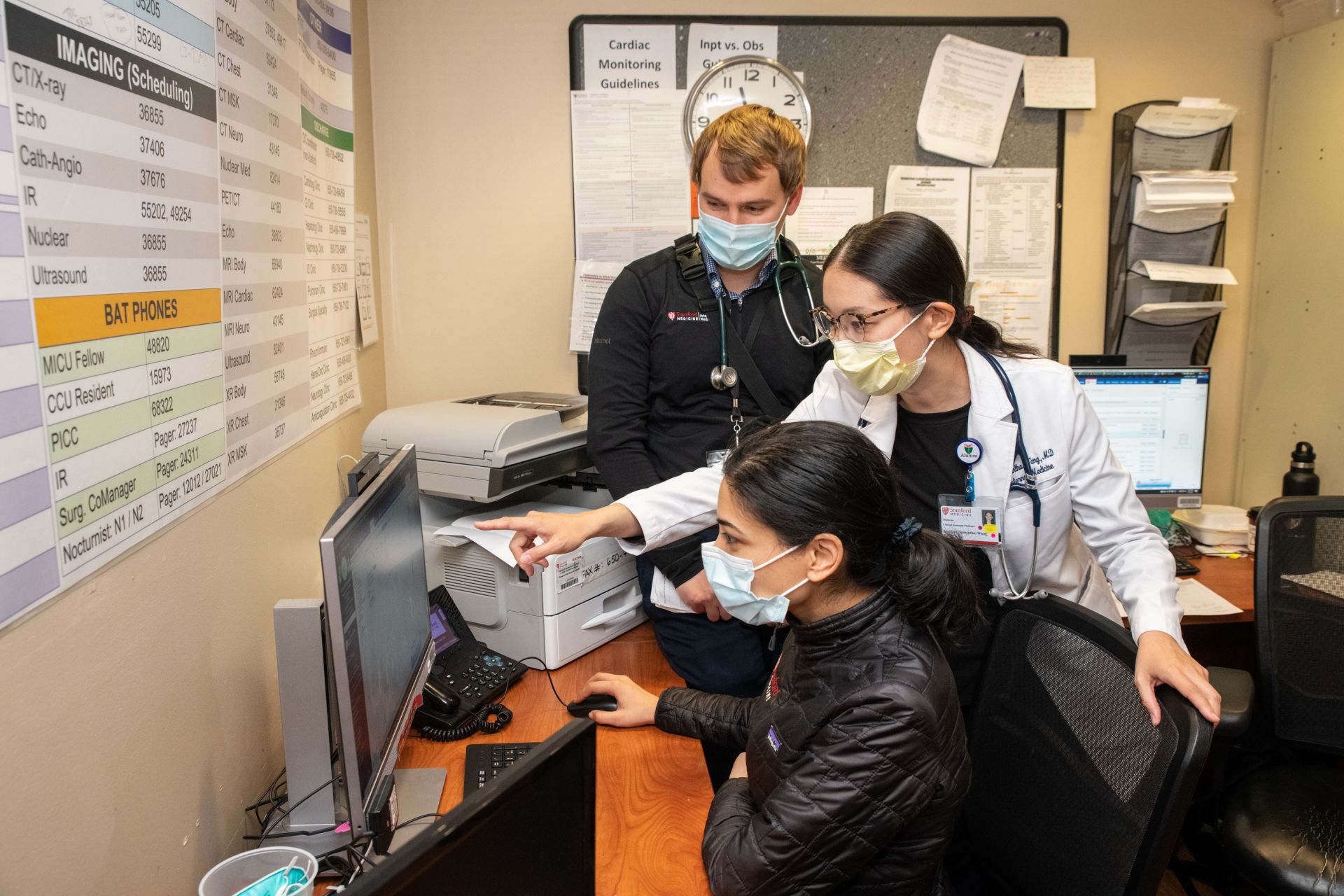
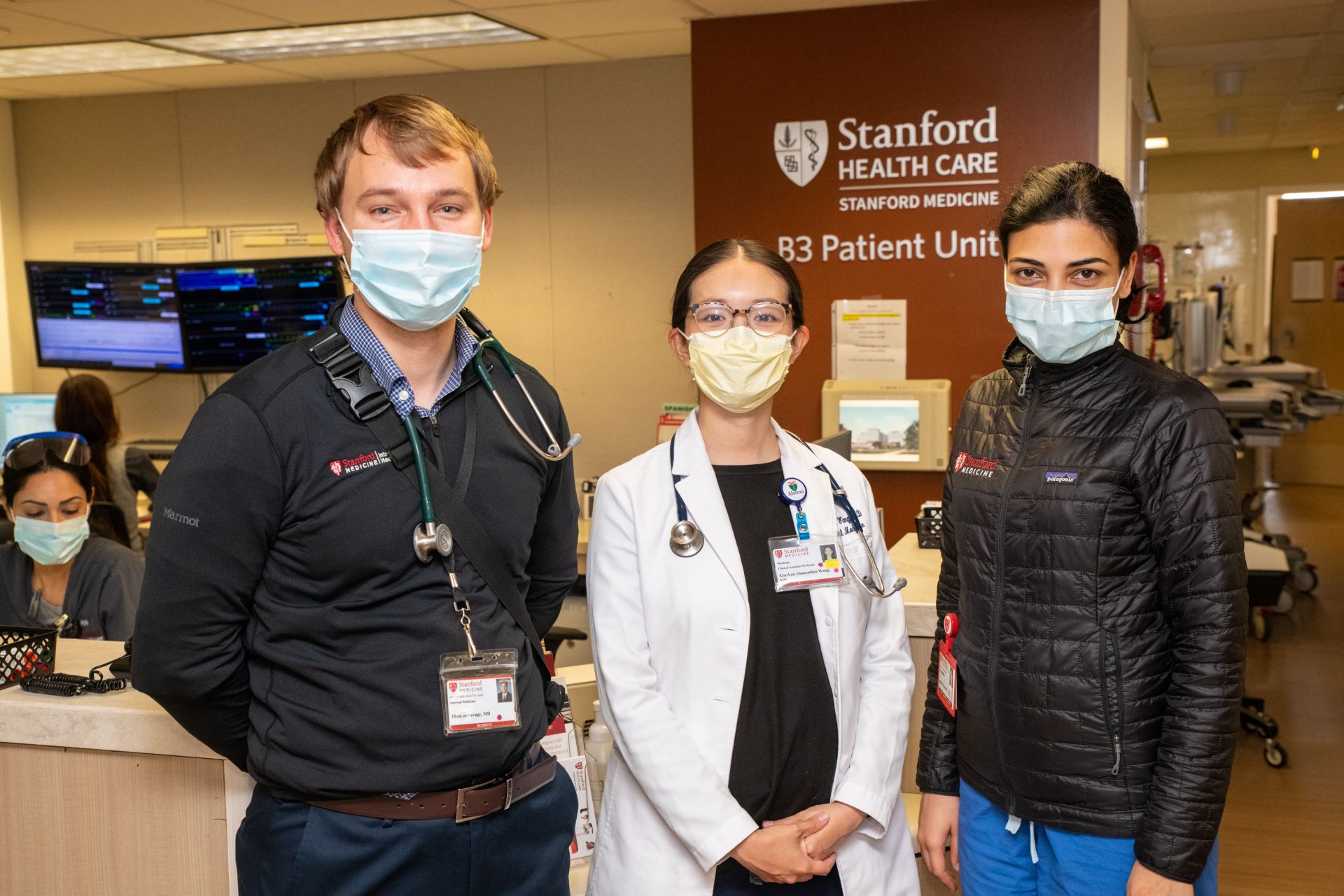
Samantha Wang, MD (center) is the leader of the 5-Minute Moment for Racial Justice program, designed to promote racial justice and health equity during interactions with patients. Residents Thomas Savage, MD (left) and Jaspreet Pannu, MD (right) worked with Dr. Wang on the program

The core philosophy of this teaching curriculum is that topics relating to racial justice in health care can be introduced routinely, effectively, and efficiently in the clinical environment, and that the teaching is enhanced through historical narratives.

This framework is applied across the pilot curriculum of 10 clinical scenarios, all of which have implications for diagnosis and treatment among people of color. Examples include increased maternal morbidity and mortality in Black women, provider unconscious biases in patient pain perception and treatment, and diagnosing melanocytic skin changes in patients with darker skin.

The 5-Minute Moment for Racial Justice centers around five steps, which are listed here using skin findings on dark skin as an example:

1 Context


Does skin color have an impact on a finding such as a skin mole?

2 Current Standards


How do we currently evaluate skin findings in people with dark skin, and what are the limitations? Most medical textbooks feature light-colored skin when discussing skin conditions.

3 Historical Narrative


Describes a prominent scenario from the history of medicine, where a skin finding on a dark-skinned person was mistakenly dismissed as benign but later determined to have been a lethal form of cancer.

4 Disparities


Why is the five-year survival rate for skin cancer 67% for Black people but over 90% for white people?

5 Steps to Equity


Highlight novel reference materials to understand how various conditions manifest on dark skin. Examples in this case might include BrownSkinMatters.com or the textbook Dermatology of Pigmented Skin, by Elinor A. Graham, MD, MPH.

Wang notes that “to be effective, learners and educators need to recognize that medicine may not be as objective as they had thought. In our trials of this program, we’re finding that there is definitely an appetite for this kind of exploration and discussion.”

The current plan for disseminating the 5-Minute Moment for Racial Justice calls for training a core group of educators who will become champions for sharing the curriculum with learners.

Presence 5 for Racial Justice

In a time when medicine is dominated by technology—such as electronic health records, telemedicine, remote monitoring, and machine learning—is it any surprise that the sacred doctor-patient relationship is under duress? Doctor visits that were once central to clinical care are now at times perfunctory and mutually unsatisfying. Add racial bias to the mix—often unconscious but sometimes not—and you’re facing a problem that adversely affects a huge swath of our population.

Stanford aims to address this challenge by using communication tools that will help clinicians build trusting relationships with Black and other marginalized patient populations.

“Our goal is to identify specific communication strategies

and practices that clinicians can use to address racism

that affects their patients’ health and well-being”

“Our goal is to identify specific communication strategies

and practices that clinicians can use to address racism

that affects their patients’ health and well-being”

Presence 5 for Racial Justice was developed by Verghese and Donna Zulman, MD, assistant professor of primary care and population health. It’s an adaptation of the 2020 Stanford Presence 5: a multiyear, evidence-based research study distilling five clinician practices to ensure presence and build trust. Presence 5 for Racial Justice adapts five core components of that original approach to address racism and promote health equity. They are:

1 Prepare with Intention


Consider how your identity could influence how you perceive your patient and how your patient might perceive you.

2 Listen intently and completely


Listen for your patient’s experiences with racism, bias, or mistreatment.

3 Agree on what matters most


When creating a shared agenda with your patient, check yourself for biases that might influence what you prioritize for the visit

4 Connect with the patient’s story


As you listen to your patient’s story, consider how anti-Black racism has influenced your patient’s experiences with his or her health and health care.

5 Explore emotional cues


Consider how racism trauma might influence your patient’s emotions.

Working with a team of diverse advisers from four community health care centers around the country, the group developed materials to help deploy these concepts across the medical training spectrum, from medical students through practicing clinicians at every level.

“Our goal is to identify specific communication strategies and practices that clinicians can use to address racism that affects their patients’ health and well-being,” says Zulman. “Whatever we learn will need to be implemented together with structural and systemic interventions.”

Zulman is the principal investigator for the umbrella Presence 5 for Racial Justice project. While she is pleased by the progress made so far, she recognizes that they are tackling “a very complicated problem with deep historical roots.” She does not think this research will offer the sole answer to the problem, but she is hopeful that her team’s findings will help foster conversations that ultimately lead to more equitable and racially just care.