Quantitative Sciences Unit: It’s Not About the Sample Size

Baldeep Singh, MD, with staff at Samaritan House

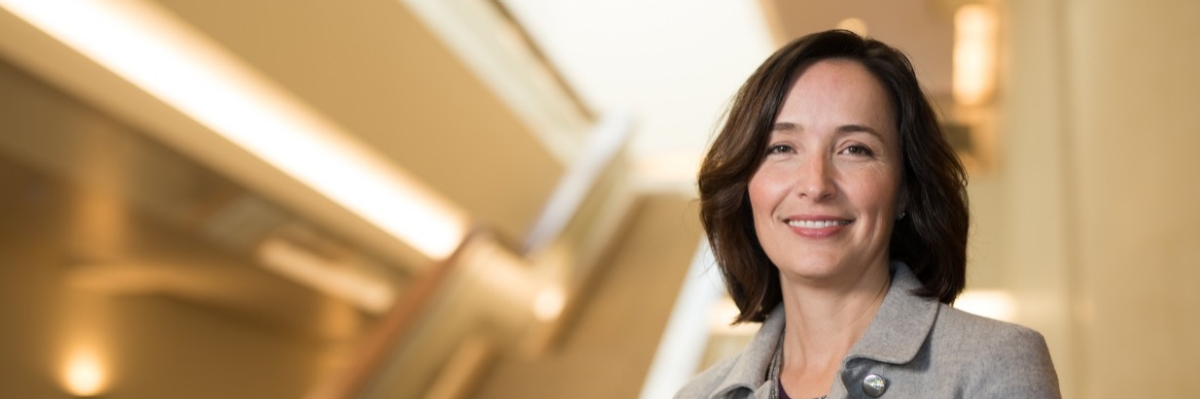
Manisha Desai, PHD, Professor of Biomedical Informatics Research

Quantitative Sciences Unit: It’s Not About the Sample Size
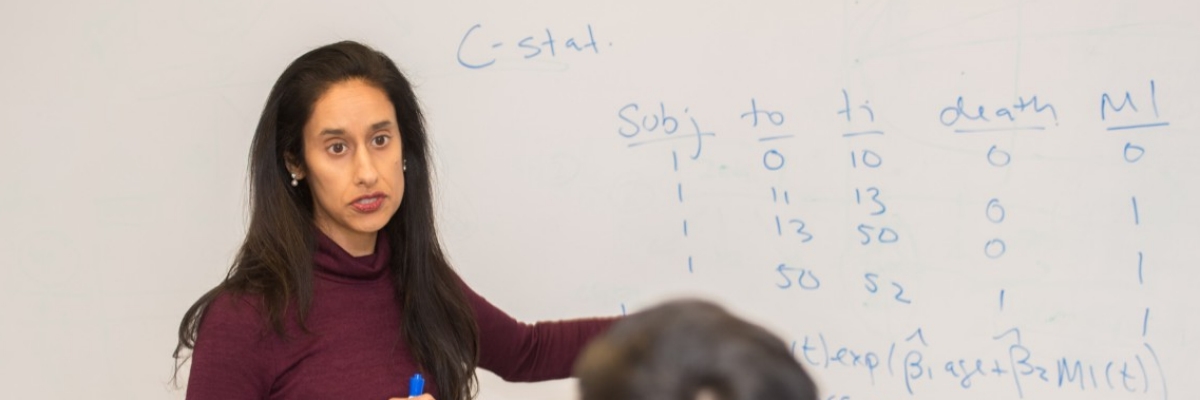
Manisha Desai, PHD, Professor of Biomedical Informatics Research

Quantitative Sciences Unit: It’s Not About the Sample Size

When Manisha Desai, PhD, a professor of biomedical informatics research, arrived at Stanford in 2009, she says she “kept hearing that there are just not enough statisticians on campus to provide all the necessary statistical support. And I felt that it shouldn’t be that way.”

There were some statistical groups, she noted, who were “wonderful at addressing consultative needs. When we started the Quantitative Sciences Unit (QSU), we wanted to make sure we complemented those statistical groups, which meant that we wanted to meet researchers’ needs with long-term collaborative partnerships. That’s really how we got established.” 

First, there was a need to educate faculty in search of “just a sample size.” Desai talks about a typical scenario and how she changed it: “We got a lot of knocks on the door and someone would say, ‘I’ve got this grant; it’s due tomorrow. All I need is for you to bless it and give me the sample size calculation. I’m sure this will be quick and easy for you.’”

The education started immediately. Desai explains: “We had those people sit down and talk with us about their science: What are you trying to learn? What questions are you trying to address? We went back and forth about what’s known, what are the gaps, what are you trying to contribute scientifically. It’s a very different conversation than they were expecting to have.”

As that conversation continued, the dynamic changed. Desai goes on: “We showed them that we are actually scientists and can partner with them to help shape their questions, to make sure the questions are sensible and are getting at their goals. We also worked on refining hypotheses. Once all of that was done and we were on the same page, we talked about how best to design the set of experiments, the data to be generated that would be relevant for addressing the questions. Eventually, they began to see that this is a long iterative process. We would go back and forth, and that required scientific engagement. And now we write into NIH grant proposals that we need a biostatistical team for doing the data management and analyses and for partnering with the investigators.”

When Manisha Desai, PhD, a professor of biomedical informatics research, arrived at Stanford in 2009, she says she “kept hearing that there are just not enough statisticians on campus to provide all the necessary statistical support. And I felt that it shouldn’t be that way.”

There were some statistical groups, she noted, who were “wonderful at addressing consultative needs. When we started the Quantitative Sciences Unit (QSU), we wanted to make sure we complemented those statistical groups, which meant that we wanted to meet researchers’ needs with long-term collaborative partnerships. That’s really how we got established.” 

First, there was a need to educate faculty in search of “just a sample size.” Desai talks about a typical scenario and how she changed it: “We got a lot of knocks on the door and someone would say, ‘I’ve got this grant; it’s due tomorrow. All I need is for you to bless it and give me the sample size calculation. I’m sure this will be quick and easy for you.’”

The education started immediately. Desai explains: “We had those people sit down and talk with us about their science: What are you trying to learn? What questions are you trying to address? We went back and forth about what’s known, what are the gaps, what are you trying to contribute scientifically. It’s a very different conversation than they were expecting to have.”

As that conversation continued, the dynamic changed. Desai goes on: “We showed them that we are actually scientists and can partner with them to help shape their questions, to make sure the questions are sensible and are getting at their goals. We also worked on refining hypotheses. Once all of that was done and we were on the same page, we talked about how best to design the set of experiments, the data to be generated that would be relevant for addressing the questions. Eventually, they began to see that this is a long iterative process. We would go back and forth, and that required scientific engagement. And now we write into NIH grant proposals that we need a biostatistical team for doing the data management and analyses and for partnering with the investigators.”

Sometimes investigators come to the QSU too late in the grant cycle for a proposal to be completed and successful. In those instances, Desai doesn’t hesitate to advise faculty to wait a cycle; in the current economic climate, such postponements have always proven to be advantageous for investigators. “They need to give it their best shot,” she says. “So in cases where people are really not ready, we encourage them to give us enough time to work together with them and show what we can bring to the table. We become a part of the team.” 

In addition to spending a significant portion of their time collaborating on nascent and ongoing scientific projects, the QSU mentors faculty members who are new to research and are interested in learning the correct way to do their own studies. One such case is the Division of Hospital Medicine.

The QSU currently has 30 members, and five of them form an administrative core to triage new work. Desai explains that “we find out from our intake form how they came to our door and which department they are in. Depending on their resources and whether they need help with a grant proposal or unfunded data analyses, we figure out how to allocate our resources, how to prioritize the work, and then look for statistical expertise to match the need.”

While the teaching and collaborating take up a significant portion of the time available from the QSU, Desai stresses that “We are a research group, and we’re building our careers with those of our collaborators. And that’s the difference between consulting and collaborating. We are team members and coinvestigators, and we seek opportunities provided by our collaborators to lead research that is directly relevant and beneficial to them.”

We are a research group, and we’re BUILDING our careers with those our collaborators.

QSU Mentors Hospitalists in Research Methods
Since 2011, Neera Ahuja, MD, a clinical associate professor of hospital medicine, has grown her division from a faculty of seven to one of 36 in four distinct sections: surgical co-managers, hospitalists, nocturnists (who are hospitalists with overnight responsibility for inpatients), and Stanford Health Care–ValleyCare staff. With her faculty in place, she was ready to have them start doing research.

But, she realized, “We had only two or three faculty who had some research background, and we lacked biostatisticians. First we thought about hiring our own full-time biostatistician to have in our group. But Manisha [Desai, PhD, a biomedical informatics professor] very keenly said that person will feel isolated and won’t have the support of people who do what they do. So we partnered with the Quantitative Sciences Unit. Manisha was very open to a collaboration and in fact said that is what her group is meant to do because they are purely a research group. They want to support clinical groups like ours and find ways to guide and mentor. Now we fund a quarter of the salaries of two biostatisticians. Most of our research is quality improvement, medical education, and some informatics, where we have some biomedical informatics research experts run some data and do some analyses.”

Desai explains that the role of the QSU with young researchers such as the faculty in hospital medicine “has to do with mentoring them in research methods. We are partnering with Neera to help build up that research infrastructure. We want to help them understand such things as the grant submission process.”
Sometimes investigators come to the QSU too late in the grant cycle for a proposal to be completed and successful. In those instances, Desai doesn’t hesitate to advise faculty to wait a cycle; in the current economic climate, such postponements have always proven to be advantageous for investigators. “They need to give it their best shot,” she says. “So in cases where people are really not ready, we encourage them to give us enough time to work together with them and show what we can bring to the table. We become a part of the team.”

In addition to spending a significant portion of their time collaborating on nascent and ongoing scientific projects, the QSU mentors faculty members who are new to research and are interested in learning the correct way to do their own studies. One such case is the Division of Hospital Medicine.

The QSU currently has 30 members, and five of them form an administrative core to triage new work. Desai explains that “we find out from our intake form how they came to our door and which department they are in. Depending on their resources and whether they need help with a grant proposal or unfunded data analyses, we figure out how to allocate our resources, how to prioritize the work, and then look for statistical expertise to match the need.”

While the teaching and collaborating take up a significant portion of the time available from the QSU, Desai stresses that “We are a research group, and we’re building our careers with those of our collaborators. And that’s the difference between consulting and collaborating. We are team members and coinvestigators, and we seek opportunities provided by our collaborators to lead research that is directly relevant and beneficial to them.”

We are a research group, and we’re BUILDING our careers with those our collaborators.

QSU Mentors Hospitalists in Research Methods
Since 2011, Neera Ahuja, MD, a clinical associate professor of hospital medicine, has grown her division from a faculty of seven to one of 36 in four distinct sections: surgical co-managers, hospitalists, nocturnists (who are hospitalists with overnight responsibility for inpatients), and Stanford Health Care–ValleyCare staff. With her faculty in place, she was ready to have them start doing research.

But, she realized, “We had only two or three faculty who had some research background, and we lacked biostatisticians. First we thought about hiring our own full-time biostatistician to have in our group. But Manisha [Desai, PhD, a biomedical informatics professor] very keenly said that person will feel isolated and won’t have the support of people who do what they do. So we partnered with the Quantitative Sciences Unit. Manisha was very open to a collaboration and in fact said that is what her group is meant to do because they are purely a research group. They want to support clinical groups like ours and find ways to guide and mentor. Now we fund a quarter of the salaries of two biostatisticians. Most of our research is quality improvement, medical education, and some informatics, where we have some biomedical informatics research experts run some data and do some analyses.”

Desai explains that the role of the QSU with young researchers such as the faculty in hospital medicine “has to do with mentoring them in research methods. We are partnering with Neera to help build up that research infrastructure. We want to help them understand such things as the grant submission process.”
The New Stanford Center for Arrhythmia Research: A Multidisciplinary Approach at Heart

Baldeep Singh, MD, with staff at Samaritan House
Ami Bhatt, MD, PhD

The New Stanford Center for Arrhythmia Research: A Multidisciplinary Approach at Heart

Ami Bhatt, MD, PhD

The New Stanford Center for Arrhythmia Research: A Multidisciplinary Approach at Heart

The Division of Cardiovascular Medicine has launched the Stanford Center for Arrhythmia Research with the aim of bringing a larger multidisciplinary approach to build on the success of the longstanding Cardiac Arrhythmia Service.

In recent years, the Cardiac Arrhythmia Service has assembled a team that has significantly increased patient volume; grant and extramural support for research, presentations, publications, and patent submissions; as well as trainees who are supported by a variety of fellowship awards.

But by creating a research center, co-directors Paul Wang, MD, and Sanjiv Narayan, MD, PhD, plan to bump the achievements up a notch.

The center’s inaugural event was a September 8, 2017, symposium that brought together researchers and clinicians from varied departments, divisions, and centers to discuss the latest advances at Stanford.

“Our vision is to be an international magnet for arrhythmia research. This will allow us to develop novel technologies and to treat arrhythmias in a way that hasn’t been done before. We want to attract people from many disciplines in an effort to tackle some important problems,” says Wang, who also serves as director of the Cardiac Arrhythmia Service.

Interdisciplinary Approach
“It is our goal to make Stanford a leading arrhythmia research and clinical care facility where we can bring people from many disciplines together and work toward some really ambitious goals in advancing the treatment of arrhythmias,” Wang says.

Narayan is a good example of interdisciplinary expertise. After studying mathematics and biology and training as a computational biologist with plans to become a neuroscientist, he became fascinated with the heart and its electrical signals and decided to become a cardiac electrophysiologist—the specialty of all eight cardiologists in the Cardiac Arrhythmia Service.

“The Stanford Center for Arrhythmia Research provides a place where innovators can work in this exciting field. Other centers such as the Stanford Byers Center for Biodesign have been instrumental in creating such a vibrant and supportive community. It’s a model for how people from many disciplines at Stanford come together to promote innovations,” Wang says.

The Division of Cardiovascular Medicine has launched the Stanford Center for Arrhythmia Research with the aim of bringing a larger multidisciplinary approach to build on the success of the longstanding Cardiac Arrhythmia Service.

In recent years, the Cardiac Arrhythmia Service has assembled a team that has significantly increased patient volume; grant and extramural support for research, presentations, publications, and patent submissions; as well as trainees who are supported by a variety of fellowship awards.

But by creating a research center, co-directors Paul Wang, MD, and Sanjiv Narayan, MD, PhD, plan to bump the achievements up a notch.

The center’s inaugural event was a September 8, 2017, symposium that brought together researchers and clinicians from varied departments, divisions, and centers to discuss the latest advances at Stanford.

“Our vision is to be an international magnet for arrhythmia research. This will allow us to develop novel technologies and to treat arrhythmias in a way that hasn’t been done before. We want to attract people from many disciplines in an effort to tackle some important problems,” says Wang, who also serves as director of the Cardiac Arrhythmia Service.

Interdisciplinary Approach
“It is our goal to make Stanford a leading arrhythmia research and clinical care facility where we can bring people from many disciplines together and work toward some really ambitious goals in advancing the treatment of arrhythmias,” Wang says.

He and Narayan believed that without a true interdisciplinary approach, it was unlikely their center would make the major breakthroughs that will be needed in the field. They had already attracted a large number of key faculty members, many of whom are leading experts in such diverse fields as mathematics, chemistry, pulmonary medicine, engineering, biology, social science, the humanities, imaging, stem cell biology, psychology, computer science, sleep medicine, cardiac surgery, and bariatric surgery.

Narayan is a good example of interdisciplinary expertise. After studying mathematics and biology and training as a computational biologist with plans to become a neuroscientist, he became fascinated with the heart and its electrical signals and decided to become a cardiac electrophysiologist—the specialty of all eight cardiologists in the Cardiac Arrhythmia Service.

“The Stanford Center for Arrhythmia Research provides a place where innovators can work in this exciting field. Other centers such as the Stanford Byers Center for Biodesign have been instrumental in creating such a vibrant and supportive community. It’s a model for how people from many disciplines at Stanford come together to promote innovations,” Wang says.

One of the center’s goals is to ensure that translational components are in place so that what is being discovered at the laboratory level is brought all the way to the patient.

Ablation
The current standard for treating arrhythmias is ablation. That involves locating a specific area of the heart that is malfunctioning, then destroying, or ablating, the problem cells.

Ablation can be done surgically or minimally invasively. Cardiac surgeons can approach arrhythmias by opening the chest cavity and precisely carving out parts of the heart and then carefully sewing the muscle back together, or they can use less invasive tools that provide direct access to the heart. An even less invasive technique is catheter ablation, which accesses the heart using catheters, then uses extreme heat or cold to kill the cells that are causing the arrhythmia.

Cardiologists also use medications to treat arrhythmias by affecting different ion channels of the malfunctioning cells.

Innovative Technologies
Cryoablation and focal impulse and rotor modulation (FIRM) ablation are two technologies that were invented by the Stanford team and have become standard arrhythmia treatments.

Wang is the coinventor of cryoballoon ablation, a cardiac catheterization procedure that uses extreme cold to treat the heart tissue that triggers arrhythmia. Cryoablation has been used to treat more than 250,000 patients with atrial fibrillation (AFib) worldwide. In the procedure, physicians insert a catheter through a blood vessel and guide it to the heart. They then inflate a tiny balloon at the end of the catheter with a special gas coolant to freeze the atrial tissue triggering the arrhythmia. During one application, the cryoballoon can treat a large surface of atrial tissue.

Applying his computational biology expertise using mathematical tools to understand the nature of arrhythmias, Narayan invented FIRM ablation, a mapping technology that cardiologists use to precisely target the electrical sources of AFib. With the help of sophisticated computer software, FIRM accurately identifies key areas of the heart for ablation. It is a very effective treatment that provides long-term relief of AFib and its symptoms.

Hybrid Program
One example of the center’s multidisciplinary collaboration is the Hybrid Surgical-Catheter Ablation Program, which combines the efforts of cardiac surgeons and cardiologists.

“We don’t think it comes down to whether it’s surgeons or cardiologists who are better at treating arrhythmias. We think the issue is how we can optimize our working together to achieve the best results for the patient,” says Wang.

A big part of that effort was the recruitment of Anson Lee, MD, a young cardiac surgeon who came to Stanford to specialize in arrhythmia surgery.

“Arrhythmia surgery largely went away as a standard technique for treating arrhythmias, so many of its tools are no longer available. We believe that surgical approaches can be very appropriate, and it’s important to rejuvenate this area of surgery. That’s why we are working to invent the next wave of technologies to enable arrhythmia surgeons to work with cardiac electrophysiologists,” Wang explains.

In hybrid surgical-catheter ablation, electrophysiologists and cardiac surgeons are working in partnership to treat the heart from both inside and out. This innovative approach provides better long-term outcomes and greatly improves patients’ quality of life.

During a two-step procedure, catheter ablation is combined with thoracoscopic surgery, a minimally invasive chest surgery in which a miniscule camera is placed into the chest through tiny ports. During that surgical step, the team can see the heart directly, but without having to open the chest cavity. The surgeon then uses specially designed equipment to treat those parts of the heart that are responsible for the heart rhythm problem.

In step two, the cardiac electrophysiologist inserts catheters into the heart from a peripheral vein well outside the cardiac area to identify and treat additional areas that are harder to access from the outside.

“This is a really exciting development that gives us the best of both worlds. Some things are more easily accessed from the outside, and some things are more easily accessed from inside. By working together, we can get better results than by either of our groups working independently,” says Wang.

One of the center’s goals is to ensure that translational components are in place so that what is being discovered at the laboratory level is brought all the way to the patient.

Ablation
The current standard for treating arrhythmias is ablation. That involves locating a specific area of the heart that is malfunctioning, then destroying, or ablating, the problem cells.

Ablation can be done surgically or minimally invasively. Cardiac surgeons can approach arrhythmias by opening the chest cavity and precisely carving out parts of the heart and then carefully sewing the muscle back together, or they can use less invasive tools that provide direct access to the heart. An even less invasive technique is catheter ablation, which accesses the heart using catheters, then uses extreme heat or cold to kill the cells that are causing the arrhythmia.

Cardiologists also use medications to treat arrhythmias by affecting different ion channels of the malfunctioning cells.

Innovative Technologies
Cryoablation and focal impulse and rotor modulation (FIRM) ablation are two technologies that were invented by the Stanford team and have become standard arrhythmia treatments.

Wang is the coinventor of cryoballoon ablation, a cardiac catheterization procedure that uses extreme cold to treat the heart tissue that triggers arrhythmia. Cryoablation has been used to treat more than 250,000 patients with atrial fibrillation (AFib) worldwide. In the procedure, physicians insert a catheter through a blood vessel and guide it to the heart. They then inflate a tiny balloon at the end of the catheter with a special gas coolant to freeze the atrial tissue triggering the arrhythmia. During one application, the cryoballoon can treat a large surface of atrial tissue.

Applying his computational biology expertise using mathematical tools to understand the nature of arrhythmias, Narayan invented FIRM ablation, a mapping technology that cardiologists use to precisely target the electrical sources of AFib. With the help of sophisticated computer software, FIRM accurately identifies key areas of the heart for ablation. It is a very effective treatment that provides long-term relief of AFib and its symptoms.

Hybrid Program
One example of the center’s multidisciplinary collaboration is the Hybrid Surgical-Catheter Ablation Program, which combines the efforts of cardiac surgeons and cardiologists.

“We don’t think it comes down to whether it’s surgeons or cardiologists who are better at treating arrhythmias. We think the issue is how we can optimize our working together to achieve the best results for the patient,” says Wang.

A big part of that effort was the recruitment of Anson Lee, MD, a young cardiac surgeon who came to Stanford to specialize in arrhythmia surgery.

“Arrhythmia surgery largely went away as a standard technique for treating arrhythmias, so many of its tools are no longer available. We believe that surgical approaches can be very appropriate, and it’s important to rejuvenate this area of surgery. That’s why we are working to invent the next wave of technologies to enable arrhythmia surgeons to work with cardiac electrophysiologists,” Wang explains.

In hybrid surgical-catheter ablation, electrophysiologists and cardiac surgeons are working in partnership to treat the heart from both inside and out. This innovative approach provides better long-term outcomes and greatly improves patients’ quality of life.

During a two-step procedure, catheter ablation is combined with thoracoscopic surgery, a minimally invasive chest surgery in which a miniscule camera is placed into the chest through tiny ports. During that surgical step, the team can see the heart directly, but without having to open the chest cavity. The surgeon then uses specially designed equipment to treat those parts of the heart that are responsible for the heart rhythm problem.

In step two, the cardiac electrophysiologist inserts catheters into the heart from a peripheral vein well outside the cardiac area to identify and treat additional areas that are harder to access from the outside.

“This is a really exciting development that gives us the best of both worlds. Some things are more easily accessed from the outside, and some things are more easily accessed from inside. By working together, we can get better results than by either of our groups working independently,” says Wang.

A Cardiac Arrhythmia Primer
An estimated 300 million people in the world have an arrhythmia, a condition in which the heart beats with an irregular or abnormal rhythm. The most common arrhythmia, affecting 30 million people worldwide, is atrial fibrillation (AFib).

Cardiac electrophysiologists at the Stanford Center for Arrhythmia Research treat AFib, sudden cardiac death, and other arrhythmias using catheter ablation, a minimally invasive procedure using catheters (thin, flexible tubes) inserted through blood vessels. Catheter ablation uses heat or cold energy to treat heart tissue that triggers arrhythmias.


A Cardiac Arrhythmia Primer
An estimated 300 million people in the world have an arrhythmia, a condition in which the heart beats with an irregular or abnormal rhythm. The most common arrhythmia, affecting 30 million people worldwide, is atrial fibrillation (AFib).

Cardiac electrophysiologists at the Stanford Center for Arrhythmia Research treat AFib, sudden cardiac death, and other arrhythmias using catheter ablation, a minimally invasive procedure using catheters (thin, flexible tubes) inserted through blood vessels. Catheter ablation uses heat or cold energy to treat heart tissue that triggers arrhythmias.


Conversations on Combating Cancer

Baldeep Singh, MD, with staff at Samaritan House

Pamela Kunz, MD, assistant professor of medicine and director of the Neuroendocrine Tumor Program

Conversations on Combating Cancer

Pamela Kunz, MD, assistant professor of medicine and director of the Neuroendocrine Tumor Program

Conversations on Combating Cancer

In recent decades it’s become increasingly clear that cancer is an incredibly complex disease. No two cancer types are exactly alike, no two patients are alike, and treating tumors involves attacking them from all angles. At Stanford, oncologists are tackling many sides of cancer research and patient care through innovative collaborations and programs. Two new programs in the Division of Oncology demonstrate this: the Neuroendocrine Tumor Program brings together professionals from many specialties to treat patients with these rare tumors; and the Phase I Clinical Research Program helps bring experimental new drugs to Stanford patients—while giving basic scientists vital research opportunities to study the drugs.

Recent conversations with the directors of the two programs convey what makes them unique and important.

To start out with, what are neuroendocrine tumors?
Neuroendocrine tumors, or NETs, are rare cancers that can originate in almost any part of the body. We most commonly see them in the gastrointestinal tract and lungs. They tend to be slower growing than other cancers; even patients with metastatic disease can live for many years. The incidence is very low—only about seven people per 100,000 are diagnosed each year in the U.S. But because many patients live for years with their disease, the prevalence is actually quite high. There are more people living with NETs in the U.S. than with esophageal, stomach, and pancreatic cancer combined.

Why is it important to have a distinct program focusing on NETs?
These are so different from other cancers; they’re really a different entity and they require different therapies. Knowing how to select the initial treatments for a patient, then tailor those treatments, requires some expertise. Because NETs are not common, a community oncologist may only see a handful of cases ever. In addition, we are especially interested in meeting the long-term needs of these patients, and we have established a new NET survivorship program focused on addressing symptoms of cancer, side effects of treatment, nutrition, and mental health.

What does managing the NET program at Stanford involve?
This disease requires complex coordination among many disciplines—medical oncology, surgical oncology, nuclear medicine, interventional radiology, endocrinology, cancer genetics, and psychiatry. So it’s really about pulling together the expertise to make sure patients get the best care. We see about 200 NET patients a year at Stanford, and they often travel long distances. We try to not only treat patients here, but partner with the patients’ oncologists back home.

Is the NET program involved in research as well as clinical care?
Yes. We have participated in many key clinical trials and other clinical research projects. This last year we participated in the study of a new drug called 177Lu-Dotatate, which delivers radiation in a very targeted way to NETs; this is really the quintessential definition of a targeted therapy. The results of our work were published in the January 2017 issue of The New England Journal of Medicine, and the drug is now being reviewed by the FDA. It will very likely be the focus of future generations of studies. We want to know whether we can combine other treatments with 177Lu-Dotatate, which patients respond best to the drug, and whether there are any long-term side effects. We are also looking for new diagnostic tests to better identify which patients may have more aggressive cancers so we can tailor selection of treatments.

Shivaani Kummar, MD, professor of medicine and of radiology, director of the Phase I Clinical Research Program, and director of the Translational Oncology Program

In recent decades it’s become increasingly clear that cancer is an incredibly complex disease. No two cancer types are exactly alike, no two patients are alike, and treating tumors involves attacking them from all angles. At Stanford, oncologists are tackling many sides of cancer research and patient care through innovative collaborations and programs. Two new programs in the Division of Oncology demonstrate this: the Neuroendocrine Tumor Program brings together professionals from many specialties to treat patients with these rare tumors; and the Phase I Clinical Research Program helps bring experimental new drugs to Stanford patients—while giving basic scientists vital research opportunities to study the drugs.

Recent conversations with the directors of the two programs convey what makes them unique and important.

To start out with, what are neuroendocrine tumors?
Neuroendocrine tumors, or NETs, are rare cancers that can originate in almost any part of the body. We most commonly see them in the gastrointestinal tract and lungs. They tend to be slower growing than other cancers; even patients with metastatic disease can live for many years. The incidence is very low—only about seven people per 100,000 are diagnosed each year in the U.S. But because many patients live for years with their disease, the prevalence is actually quite high. There are more people living with NETs in the U.S. than with esophageal, stomach, and pancreatic cancer combined.

Why is it important to have a distinct program focusing on NETs?
These are so different from other cancers; they’re really a different entity and they require different therapies. Knowing how to select the initial treatments for a patient, then tailor those treatments, requires some expertise. Because NETs are not common, a community oncologist may only see a handful of cases ever. In addition, we are especially interested in meeting the long-term needs of these patients, and we have established a new NET survivorship program focused on addressing symptoms of cancer, side effects of treatment, nutrition, and mental health.

What does managing the NET program at Stanford involve?
This disease requires complex coordination among many disciplines—medical oncology, surgical oncology, nuclear medicine, interventional radiology, endocrinology, cancer genetics, and psychiatry. So it’s really about pulling together the expertise to make sure patients get the best care. We see about 200 NET patients a year at Stanford, and they often travel long distances. We try to not only treat patients here, but partner with the patients’ oncologists back home.

Is the NET program involved in research as well as clinical care?
Yes. We have participated in many key clinical trials and other clinical research projects. This last year we participated in the study of a new drug called 177Lu-Dotatate, which delivers radiation in a very targeted way to NETs; this is really the quintessential definition of a targeted therapy. The results of our work were published in the January 2017 issue of The New England Journal of Medicine, and the drug is now being reviewed by the FDA. It will very likely be the focus of future generations of studies. We want to know whether we can combine other treatments with 177Lu-Dotatate, which patients respond best to the drug, and whether there are any long-term side effects. We are also looking for new diagnostic tests to better identify which patients may have more aggressive cancers so we can tailor selection of treatments.

Two new programs exemplify Stanford’s strengths in clinical care and translational research in cancer.

What plans do you have for the NET program?
With so many new therapies for NETs, we are emphasizing patient and physician education. Three continuing medical education events in the next year will teach community physicians and other health care providers about NETs. We also host an annual NET patient education event. Lastly, we are thrilled to have received funding for a fellowship to train the next generation of NET specialists. Our first NET fellow will start in mid-2018. 

How did the Phase I program come about and what are its goals?
First of all, a phase I trial is when you’re testing a drug for the first time in humans; you’re trying to figure out safety, dosing, and which patient population to target. This is the key stage between preclinical development and clinical development. I was recruited to Stanford from the National Cancer Institute in 2015 and started the phase I clinical research program for patients with advanced solid tumors. The goals are to leverage the broad clinical and research expertise that exists at Stanford and to work with various stakeholders, including industry, to develop new therapies for cancer. The program is designed to facilitate development of promising anticancer therapies while ensuring the highest standards of patient safety.

What does the Phase I program at Stanford do to help ensure quality trials?
If researchers have a molecule that they’re interested in moving forward into phase I trials, we sit down with them and go through their information, we see if they need additional data, and we talk to them about what it will take to get a trial in place. We also help identify what resources will be needed to advance the research into the clinic. Then, we help design the clinical protocols and conduct the trials. Basically, we provide expertise that bench scientists may need to translate their findings.

Shivaani Kummar, MD, professor of medicine and of radiology, director of the Phase I Clinical Research Program, and director of the Translational Oncology Program

You also work on phase I trials coming out of industry, right?
Yes. The majority of drug discovery and development happens in industry, where they’re identifying novel targets and developing new molecules for testing. Therefore, it is very important that we build that collaboration. It gives us access to cutting-edge molecules, and it creates opportunities for our patients to participate in clinical trials of these agents and for our scientists to conduct scientific studies with these molecules.

Why are phase I trials so important?
Phase I studies are at the interface of preclinical and clinical development. It’s basically where we make the decision about whether a new drug should be moved forward into later stage clinical development. A lot of drugs go all the way through clinical development and fail to work, so it’s important to have a strong phase I program that can help prioritize promising drugs early and expedite their development.

Why is Stanford a good place for phase I trials?
Stanford is very strong in basic and translational science. The sense of innovation here makes it a great place for phase I trials. Our Bay Area location is advantageous because we are able to interface easily with companies. The phase I program provides opportunities to translate the discoveries into the clinic and facilitate the development of new treatments.

Is there a phase I trial going on at Stanford right now that you’re particularly excited about?
Currently the phase I program is investigating a number of novel agents with a variety of mechanisms of action, ranging from immune therapies to genetically targeted agents. In collaboration with Loxo Oncology, our program is involved in the development of their new drug, larotrectinib, which targets solid tumors—including brain, breast, colorectal, thyroid, and lung cancers—with a particular genetic alteration. The drug has shown a 76 percent response rate in both adult and pediatric patients with metastatic tumors. The company is moving forward toward applying for drug approval, based in part on the results observed at Stanford. 

Two new programs exemplify Stanford’s strengths in clinical care and translational research in cancer.

What plans do you have for the NET program?
With so many new therapies for NETs, we are emphasizing patient and physician education. Three continuing medical education events in the next year will teach community physicians and other health care providers about NETs. We also host an annual NET patient education event. Lastly, we are thrilled to have received funding for a fellowship to train the next generation of NET specialists. Our first NET fellow will start in mid-2018. 

How did the Phase I program come about and what are its goals?
First of all, a phase I trial is when you’re testing a drug for the first time in humans; you’re trying to figure out safety, dosing, and which patient population to target. This is the key stage between preclinical development and clinical development. I was recruited to Stanford from the National Cancer Institute in 2015 and started the phase I clinical research program for patients with advanced solid tumors. The goals are to leverage the broad clinical and research expertise that exists at Stanford and to work with various stakeholders, including industry, to develop new therapies for cancer. The program is designed to facilitate development of promising anticancer therapies while ensuring the highest standards of patient safety.

What does the Phase I program at Stanford do to help ensure quality trials?
If researchers have a molecule that they’re interested in moving forward into phase I trials, we sit down with them and go through their information, we see if they need additional data, and we talk to them about what it will take to get a trial in place. We also help identify what resources will be needed to advance the research into the clinic. Then, we help design the clinical protocols and conduct the trials. Basically, we provide expertise that bench scientists may need to translate their findings.

You also work on phase I trials coming out of industry, right?
Yes. The majority of drug discovery and development happens in industry, where they’re identifying novel targets and developing new molecules for testing. Therefore, it is very important that we build that collaboration. It gives us access to cutting-edge molecules, and it creates opportunities for our patients to participate in clinical trials of these agents and for our scientists to conduct scientific studies with these molecules.

Why are phase I trials so important?
Phase I studies are at the interface of preclinical and clinical development. It’s basically where we make the decision about whether a new drug should be moved forward into later stage clinical development. A lot of drugs go all the way through clinical development and fail to work, so it’s important to have a strong phase I program that can help prioritize promising drugs early and expedite their development.

Why is Stanford a good place for phase I trials?
Stanford is very strong in basic and translational science. The sense of innovation here makes it a great place for phase I trials. Our Bay Area location is advantageous because we are able to interface easily with companies. The phase I program provides opportunities to translate the discoveries into the clinic and facilitate the development of new treatments.

Is there a phase I trial going on at Stanford right now that you’re particularly excited about?
Currently the phase I program is investigating a number of novel agents with a variety of mechanisms of action, ranging from immune therapies to genetically targeted agents. In collaboration with Loxo Oncology, our program is involved in the development of their new drug, larotrectinib, which targets solid tumors—including brain, breast, colorectal, thyroid, and lung cancers—with a particular genetic alteration. The drug has shown a 76 percent response rate in both adult and pediatric patients with metastatic tumors. The company is moving forward toward applying for drug approval, based in part on the results observed at Stanford. 

Young Nephrologists Asking Big Questions About Kidney Diseases

Baldeep Singh, MD, with staff at Samaritan House

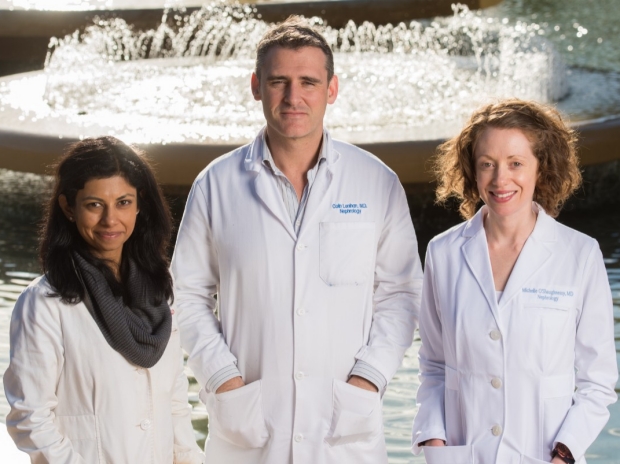
From left: Drs. Shuchi AnandColin Lenihan,  and Michelle O’Shaughnessy are addressing some of nephrology’s toughest challenges. 

Young Nephrologists Asking Big Questions About Kidney Diseases

From left: Drs. Shuchi AnandColin Lenihan,  and Michelle O’Shaughnessy are addressing some of nephrology’s toughest challenges. 

Young Nephrologists Asking Big Questions About Kidney Diseases

Your kidneys, nestled in your lower back on either side of your spine, are the kind of organ system you don’t think about much until something goes wrong with them. If you’re healthy, your kidneys filter your blood to keep it clean, removing waste and producing urine. But if both kidneys stop doing this job, then you either need a new kidney—a transplant—or something else to mechanically filter your blood—dialysis.

The rate of kidney diseases in the United States and the rest of the developed world is on the rise, so research into how to prevent and treat these diseases is needed more than ever. At Stanford, a trio of early-career researchers exemplify the breadth of current nephrology research, and the energy and creativity needed to tackle some tough questions.

A Medical Mystery
Halfway around the world, in rural Sri Lanka, a mysterious kidney disease is killing farm workers. In the last decade, more than 20,000 deaths have been blamed on the disease, which is called chronic kidney disease of unknown etiology, or CKDu. Here in Palo Alto, nephrologist Shuchi Anand, MD, is on the hunt to find out what’s causing it and help spearhead new ways to screen and manage the thousands of patients who need ongoing care.

“The concern is that it’s a single toxin that’s causing the disease,” says Anand, who completed her fellowship in nephrology at Stanford in 2012 before joining the faculty as a nephrology instructor. “But at this point, we still don’t know.”

In the United States and developing countries, most cases of chronic kidney disease (CKD) are seen in older individuals with risk factors like diabetes, high blood pressure, and cardiovascular disease. But in Sri Lanka—as well as small regions of southern India, Nicaragua, and El Salvador—the disease has been appearing in young, otherwise healthy, adults.

A similar outbreak of kidney diseases occurred in the 1950s and 1960s in the Balkans. Years later, researchers discovered that an herb growing in nearby fields was causing the cluster of cases. That historical case is why today’s scientists have a hunch that a toxin—in the groundwater, soil, or plants—may play a role in the current outbreaks.

Your kidneys, nestled in your lower back on either side of your spine, are the kind of organ system you don’t think about much until something goes wrong with them. If you’re healthy, your kidneys filter your blood to keep it clean, removing waste and producing urine. But if both kidneys stop doing this job, then you either need a new kidney—a transplant—or something else to mechanically filter your blood—dialysis.

The rate of kidney diseases in the United States and the rest of the developed world is on the rise, so research into how to prevent and treat these diseases is needed more than ever. At Stanford, a trio of early-career researchers exemplify the breadth of current nephrology research, and the energy and creativity needed to tackle some tough questions.

A Medical Mystery
Halfway around the world, in rural Sri Lanka, a mysterious kidney disease is killing farm workers. In the last decade, more than 20,000 deaths have been blamed on the disease, which is called chronic kidney disease of unknown etiology, or CKDu. Here in Palo Alto, nephrologist Shuchi Anand, MD, is on the hunt to find out what’s causing it and help spearhead new ways to screen and manage the thousands of patients who need ongoing care.

“The concern is that it’s a single toxin that’s causing the disease,” says Anand, who completed her fellowship in nephrology at Stanford in 2012 before joining the faculty as a nephrology instructor. “But at this point, we still don’t know.”

In the United States and developing countries, most cases of chronic kidney disease (CKD) are seen in older individuals with risk factors like diabetes, high blood pressure, and cardiovascular disease. But in Sri Lanka—as well as small regions of southern India, Nicaragua, and El Salvador—the disease has been appearing in young, otherwise healthy, adults.

A similar outbreak of kidney diseases occurred in the 1950s and 1960s in the Balkans. Years later, researchers discovered that an herb growing in nearby fields was causing the cluster of cases. That historical case is why today’s scientists have a hunch that a toxin—in the groundwater, soil, or plants—may play a role in the current outbreaks.

Anand, who has traveled to affected areas in Sri Lanka, is working on setting up a study to analyze what CKDu patients in Sri Lanka have been exposed to. So far, she and her colleagues have collected kidney biopsy data on about a hundred patients, with the goal of testing for infections, pesticides in their bodies, and other chemical levels.

“In the past, there’s been a lot of single-hypothesis research on CKDu,” says Anand. “There’s this new momentum toward creating collaborations that guide a more systematic approach, and Stanford has been a leading part of that effort.”

The results of their effort are still forthcoming, and the group hopes to eventually collect data on a total of 300 patients. Somewhere in the molecules contained in blood samples, they hope, is an answer.

A trio of early-career researchers have wide-ranging projects that aim to improve kidney health around the world.

Putting Numbers on a Disease
There are different ways that the kidneys can stop working. The blood vessels leading into the organs can become damaged, cysts can grow, stones can block the flow of urine, or the immune system can attack the kidneys. One subset of these diseases is dubbed glomerular diseases: They affect the tiny filters, called glomeruli, that help the kidneys function. But not all glomerular diseases are the same, and they have diverse causes—patients can develop them due to an autoimmune disease like lupus, after contracting an infection or taking certain drugs, or because of a genetic disease.

Michelle O’Shaughnessy, MD, an assistant professor of nephrology who moved to Stanford from Ireland in 2013, wants to sort out the differences between each type of glomerular disease, by quantifying the patients who contract them, how they contract them, and which treatments work.

“We see a huge spectrum of outcomes with glomerular disease,” says O’Shaughnessy. “Some patients do really well, while others do very poorly, and lots are in a spectrum between those two extremes.”

The challenge in figuring out which patients have which outcomes, she says, stems from the fact that there’s no national—or worldwide—registry of glomerular disease patients. As a result, studies tend to be small, focused only on patients within an individual hospital system. O’Shaughnessy is working on ways to mine large health record databases for information on patients with glomerular disease.

In 2017, O’Shaughnessy published the results of a large epidemiological study of more than 21,000 glomerular disease patients referred to the University of North Carolina, Chapel Hill, over a 30-year time span. She and collaborators found the rate of diabetes-related kidney disease to increase dramatically—accounting for nearly a fifth of all biopsy-proven glomerular disease by 2015.

“That’s really concerning because having diabetes and kidney disease portends a much poorer prognosis than having diabetes alone,” says O’Shaughnessy. “From a public health perspective, we as physicians need to be aware that this is increasing.”

Her next steps are to assemble a larger study of glomerular disease patients, following the course of disease beginning at diagnosis and including people who aren’t typically included in small controlled trials—those with other chronic diseases, and elderly people, for instance.

Targeting Transplants
Whether patients have glomerular disease or CKDu, they may need a kidney transplant if their kidney function deteriorates enough. Today, more than 100,000 people in the United States are on the waiting list for a kidney, yet only around 17,000 transplants are performed each year. While much of this lag is due to a shortage of organs, matching donors with recipients can also be a problem because patients can have antibodies that make them reject an organ. These antibodies react to proteins on the donor kidney called human leukocyte antigens, or HLAs.

“Our tissues are covered in these HLA proteins, and they’re kind of like a fingerprint,” explains Colin Lenihan, MD, an assistant professor of nephrology who—like O’Shaughnessy—hails from Ireland. If you’re exposed to these HLA molecules from someone else’s body—through pregnancy, blood transfusion, or a previous transplant—you can develop anti-HLA antibodies, a process called sensitization. However, some patients are sensitized but have no history of pregnancy, transfusion, or transplant, and it’s not clear why they have developed anti-HLA antibodies.

“Sensitization is a big problem,” Lenihan says. “Highly sensitized patients are less likely to find a compatible donor, and they also don’t tend to do as well after the transplant.” Some 20 percent of people waiting for a deceased donor kidney transplant, he says, are sensitized to more than 80 percent of all HLA types, limiting the organs they can receive.

Lenihan is studying whether the flu vaccine may play a role—he and his colleagues are testing levels of HLA antibodies in patients on the transplant waiting list at Stanford before and after they get a routine flu shot.

“The flu vaccine is really beneficial and saves lives, but there may be a subset of people who develop unwanted anti-HLA antibody after they get vaccinated,” Lenihan says. Of course, he admits, the study could also show no effect on HLAs from the flu vaccine, so it’s too early to make any changes to vaccine policies.

A trio of early-career researchers have wide-ranging projects that aim to improve kidney health around the world.

Anand, who has traveled to affected areas in Sri Lanka, is working on setting up a study to analyze what CKDu patients in Sri Lanka have been exposed to. So far, she and her colleagues have collected kidney biopsy data on about a hundred patients, with the goal of testing for infections, pesticides in their bodies, and other chemical levels.

“In the past, there’s been a lot of single-hypothesis research on CKDu,” says Anand. “There’s this new momentum toward creating collaborations that guide a more systematic approach, and Stanford has been a leading part of that effort.”

The results of their effort are still forthcoming, and the group hopes to eventually collect data on a total of 300 patients. Somewhere in the molecules contained in blood samples, they hope, is an answer.

Putting Numbers on a Disease
There are different ways that the kidneys can stop working. The blood vessels leading into the organs can become damaged, cysts can grow, stones can block the flow of urine, or the immune system can attack the kidneys. One subset of these diseases is dubbed glomerular diseases: They affect the tiny filters, called glomeruli, that help the kidneys function. But not all glomerular diseases are the same, and they have diverse causes—patients can develop them due to an autoimmune disease like lupus, after contracting an infection or taking certain drugs, or because of a genetic disease.

Michelle O’Shaughnessy, MD, an assistant professor of nephrology who moved to Stanford from Ireland in 2013, wants to sort out the differences between each type of glomerular disease, by quantifying the patients who contract them, how they contract them, and which treatments work.

“We see a huge spectrum of outcomes with glomerular disease,” says O’Shaughnessy. “Some patients do really well, while others do very poorly, and lots are in a spectrum between those two extremes.”

The challenge in figuring out which patients have which outcomes, she says, stems from the fact that there’s no national—or worldwide—registry of glomerular disease patients. As a result, studies tend to be small, focused only on patients within an individual hospital system. O’Shaughnessy is working on ways to mine large health record databases for information on patients with glomerular disease.

In 2017, O’Shaughnessy published the results of a large epidemiological study of more than 21,000 glomerular disease patients referred to the University of North Carolina, Chapel Hill, over a 30-year time span. She and collaborators found the rate of diabetes-related kidney disease to increase dramatically—accounting for nearly a fifth of all biopsy-proven glomerular disease by 2015.

“That’s really concerning because having diabetes and kidney disease portends a much poorer prognosis than having diabetes alone,” says O’Shaughnessy. “From a public health perspective, we as physicians need to be aware that this is increasing.”

Her next steps are to assemble a larger study of glomerular disease patients, following the course of disease beginning at diagnosis and including people who aren’t typically included in small controlled trials—those with other chronic diseases, and elderly people, for instance.

Targeting Transplants
Whether patients have glomerular disease or CKDu, they may need a kidney transplant if their kidney function deteriorates enough. Today, more than 100,000 people in the United States are on the waiting list for a kidney, yet only around 17,000 transplants are performed each year. While much of this lag is due to a shortage of organs, matching donors with recipients can also be a problem because patients can have antibodies that make them reject an organ. These antibodies react to proteins on the donor kidney called human leukocyte antigens, or HLAs.

“Our tissues are covered in these HLA proteins, and they’re kind of like a fingerprint,” explains Colin Lenihan, MD, an assistant professor of nephrology who—like O’Shaughnessy—hails from Ireland. If you’re exposed to these HLA molecules from someone else’s body—through pregnancy, blood transfusion, or a previous transplant—you can develop anti-HLA antibodies, a process called sensitization. However, some patients are sensitized but have no history of pregnancy, transfusion, or transplant, and it’s not clear why they have developed anti-HLA antibodies.

“Sensitization is a big problem,” Lenihan says. “Highly sensitized patients are less likely to find a compatible donor, and they also don’t tend to do as well after the transplant.” Some 20 percent of people waiting for a deceased donor kidney transplant, he says, are sensitized to more than 80 percent of all HLA types, limiting the organs they can receive.

Lenihan is studying whether the flu vaccine may play a role—he and his colleagues are testing levels of HLA antibodies in patients on the transplant waiting list at Stanford before and after they get a routine flu shot.

“The flu vaccine is really beneficial and saves lives, but there may be a subset of people who develop unwanted anti-HLA antibody after they get vaccinated,” Lenihan says. Of course, he admits, the study could also show no effect on HLAs from the flu vaccine, so it’s too early to make any changes to vaccine policies.

Residents’ Elective Tackles Quality Improvement Research

Baldeep Singh, MD, with staff at Samaritan House

Lisa Shieh, MD, PhD (right), makes a point about quality improvement with medical residents

Residents’ Elective Tackles Quality Improvement Research

Lisa Shieh, MD, PhD (right), makes a point about quality improvement with medical residents

Residents’ Elective Tackles Quality Improvement Research

A unique offering of Stanford’s medicine residency program is one month spent exclusively on research. One research opportunity that has been growing in popularity is devoted to quality improvement (QI).

Lisa Shieh, MD, PhD, a clinical professor of hospital medicine, has been involved in the QI elective and explains its premise: “The goal of the quality improvement elective, which we’ve been running for five to seven years, is to give the residents a combination of seeing how the institution does QI and doing it themselves. When residents sign up we have them think about a QI project, we give them the support they need, and we try to align their project with institutional goals. We also provide opportunities for them to see how QI is done throughout the hospital: They sit in on leadership QI meetings and on working groups.”

The ‘What Matters Most’ Letter Project
One QI project pursued by several residents aimed to help patients inform their physicians about the things that most mattered to them. Shieh describes how the residents approached this topic: “Three of our projects this year were on the same theme: How can we help our patients share with us what is most important to them? This could be considered goals of care or end of life planning, which is challenging to talk about. It’s hard for both patients and families.”

This project was done in partnership with V.J. Periyakoil, MD, a clinical associate professor of primary care and population health, who created a “what matters most” letter that the residents used, and with Rabbi Lori Klein, JD, MA, from the Stanford Spiritual Care Program

The letter is a template for patients to explain to their doctors and their families the things that are most important to them as they approach the end of life. A patient can write, for example, that attending a daughter’s wedding or a son’s graduation is a primary concern or that dying at home matters most. Unlike advance directives and living wills, however, the letter is not a legal document.

One resident, Silvia McCandlish, MD, randomized a group of inpatients in her study so that half of her patients completed the letter and gave it to their physicians and half of her patients did not. Her study focused on the reaction of the physicians who received the letter from patients, in particular whether they found it useful. Shieh reports that “They found the letter to be more useful than other types of advance directives, which are often very vague. Most doctors don’t find such documents helpful to guide recommendations for treatment. While they are good things to have, the what-matters-most letter adds to them.”

A unique offering of Stanford’s medicine residency program is one month spent exclusively on research. One research opportunity that has been growing in popularity is devoted to quality improvement (QI).

Lisa Shieh, MD, PhD, a clinical professor of hospital medicine, has been involved in the QI elective and explains its premise: “The goal of the quality improvement elective, which we’ve been running for five to seven years, is to give the residents a combination of seeing how the institution does QI and doing it themselves. When residents sign up we have them think about a QI project, we give them the support they need, and we try to align their project with institutional goals. We also provide opportunities for them to see how QI is done throughout the hospital: They sit in on leadership QI meetings and on working groups.”

The ‘What Matters Most’ Letter Project
One QI project pursued by several residents aimed to help patients inform their physicians about the things that most mattered to them. Shieh describes how the residents approached this topic: “Three of our projects this year were on the same theme: How can we help our patients share with us what is most important to them? This could be considered goals of care or end of life planning, which is challenging to talk about. It’s hard for both patients and families.”

This project was done in partnership with V.J. Periyakoil, MD, a clinical associate professor of primary care and population health, who created a “what matters most” letter that the residents used, and with Rabbi Lori Klein, JD, MA, from the Stanford Spiritual Care Program. The letter is a template for patients to explain to their doctors and their families the things that are most important to them as they approach the end of life. A patient can write, for example, that attending a daughter’s wedding or a son’s graduation is a primary concern or that dying at home matters most. Unlike advance directives and living wills, however, the letter is not a legal document.

One resident, Silvia McCandlish, MD, randomized a group of inpatients in her study so that half of her patients completed the letter and gave it to their physicians and half of her patients did not. Her study focused on the reaction of the physicians who received the letter from patients, in particular whether they found it useful. Shieh reports that “They found the letter to be more useful than other types of advance directives, which are often very vague. Most doctors don’t find such documents helpful to guide recommendations for treatment. While they are good things to have, the what-matters-most letter adds to them.”

The letter is a great TOOL because it’s more personal…

For the residents who complete a project, there are multiple opportunities to submit their results to association meetings and often to both present and publish them. Several residents have recently received awards for their projects after presentations at regional and national meetings.

McCandlish’s project won a regional American College of Physicians (ACP) QI section competition and competed at the national Society of Hospital Medicine meeting, where it was among the top 15 abstracts out of hundreds submitted.

Other residents worked on different aspects of the what-matters-most letter. Ilana Yurkiewicz, MD, studied the demographics of the patients who filled out the letter. Jessica Langston, MD, surveyed the providers of patients who filled out the letter and learned that many of them were unaware of the letter. When she showed them the letter, they found it very useful and wished they had known about it. As a result, workflows were changed so that the letter is pulled into the electronic medical record, where it will be available to each patient’s physician.

These QI projects don’t necessarily come to an end when the residents complete the elective. The what-matters-most letter, for instance, is now being worked on by palliative care fellows who are trying to get the letter to inpatient medicine and oncology patients. While there is much work still to be done, Shieh feels that the letter is a “great tool because it’s more personal and focuses on what matters to patients as opposed to the typical ‘do you want to be intubated’ kinds of questions that scare patients.”

Inappropriate Thrombophilia Testing Project
Shieh notes that the medicine residency program has been studying the impact of educational interventions. “One recent QI project educated residents about choosing wisely; we called it ‘the high value care curriculum.’ We talked about the cost of care and how it’s rising and that there is waste, and we talked about things in medicine to do and not to do,” she says.

One recommendation in hematology is not to order a number of labs that look for an increased risk of blood clotting—known as thrombophilia—in patients who don’t need it. In the inpatient setting a thrombophilia workup is almost never necessary. Two residents set about determining how prevalent such workups were among Stanford inpatients and how to educate physicians about not doing wasteful things that provide little or no value.

Eric Mou, MD, undertook a massive chart review to learn “how often we inappropriately ordered these tests at Stanford Hospital,” says Shieh. “Of the 1,817 orders analyzed, 777 (42.7 percent) were potentially inappropriate.” Mou was invited to present his project at a regional ACP meeting where it won the research competition; he also presented it at a national ACP meeting and American Society of Hematology meeting. The Journal of Hospital Medicine published his manuscript in September 2017.

Henry Kwang, MD, who worked with Mou on this project and coauthored the resulting manuscripts, looked at the impact of an educational intervention on inappropriate thrombophilia workups. He showed that the intervention was effective, which Shieh describes as “very unusual for educational interventions.” Kwang’s project went on to be a finalist at both the national ACP meeting and the national Society of Hospital Medicine meeting. In addition, it was a top 10 winner in the Stanford QI symposium.

In addition to learning the basics of research methods, residents who opt for the QI elective have the opportunity to see their projects come full circle from proposal to publication—plus another several lines on their curriculum vitae.

The letter is a great TOOL because it’s more personal…

For the residents who complete a project, there are multiple opportunities to submit their results to association meetings and often to both present and publish them. Several residents have recently received awards for their projects after presentations at regional and national meetings.

McCandlish’s project won a regional American College of Physicians (ACP) QI section competition and competed at the national Society of Hospital Medicine meeting, where it was among the top 15 abstracts out of hundreds submitted.

Other residents worked on different aspects of the what-matters-most letter. Ilana Yurkiewicz, MD, studied the demographics of the patients who filled out the letter. Jessica Langston, MD, surveyed the providers of patients who filled out the letter and learned that many of them were unaware of the letter. When she showed them the letter, they found it very useful and wished they had known about it. As a result, workflows were changed so that the letter is pulled into the electronic medical record, where it will be available to each patient’s physician.

These QI projects don’t necessarily come to an end when the residents complete the elective. The what-matters-most letter, for instance, is now being worked on by palliative care fellows who are trying to get the letter to inpatient medicine and oncology patients. While there is much work still to be done, Shieh feels that the letter is a “great tool because it’s more personal and focuses on what matters to patients as opposed to the typical ‘do you want to be intubated’ kinds of questions that scare patients.”

Inappropriate Thrombophilia Testing Project
Shieh notes that the medicine residency program has been studying the impact of educational interventions. “One recent QI project educated residents about choosing wisely; we called it ‘the high value care curriculum.’ We talked about the cost of care and how it’s rising and that there is waste, and we talked about things in medicine to do and not to do,” she says.

One recommendation in hematology is not to order a number of labs that look for an increased risk of blood clotting—known as thrombophilia—in patients who don’t need it. In the inpatient setting a thrombophilia workup is almost never necessary. Two residents set about determining how prevalent such workups were among Stanford inpatients and how to educate physicians about not doing wasteful things that provide little or no value.

Eric Mou, MD, undertook a massive chart review to learn “how often we inappropriately ordered these tests at Stanford Hospital,” says Shieh. “Of the 1,817 orders analyzed, 777 (42.7 percent) were potentially inappropriate.” Mou was invited to present his project at a regional ACP meeting where it won the research competition; he also presented it at a national ACP meeting and American Society of Hematology meeting. The Journal of Hospital Medicine published his manuscript in September 2017.

Henry Kwang, MD, who worked with Mou on this project and coauthored the resulting manuscripts, looked at the impact of an educational intervention on inappropriate thrombophilia workups. He showed that the intervention was effective, which Shieh describes as “very unusual for educational interventions.” Kwang’s project went on to be a finalist at both the national ACP meeting and the national Society of Hospital Medicine meeting. In addition, it was a top 10 winner in the Stanford QI symposium.

In addition to learning the basics of research methods, residents who opt for the QI elective have the opportunity to see their projects come full circle from proposal to publication—plus another several lines on their curriculum vitae.

The Tipping Point: How Stanford’s Translational Investigator Program Supports—and Propels—the Careers of Early Physician-Scientists

Baldeep Singh, MD, with staff at Samaritan House

Chad Weldy, MD, PhD

The Tipping Point: How Stanford’s Translational Investigator Program Supports—and Propels—the Careers of Early Physician-Scientists

Chad Weldy, MD, PhD

The Tipping Point: How Stanford’s Translational Investigator Program Supports—and Propels—the Careers of Early Physician-Scientists

Chad Weldy, MD, PhD, found his calling deep in the toxicology laboratory at the University of Washington (UW), while he was working alongside physician-scientists to investigate the effects of air pollution on cardiovascular and pulmonary health. Weldy always knew that he loved scientific research, and it was this interest that propelled him through college at Western Washington University and a subsequent PhD program. But he had never considered a career in medicine. His work at UW—along with his exposure to a blend of cardiology and basic science—was “my first introduction to the possibility of doing both,” he recalls. “I decided that was my goal.”

After earning his doctorate, Weldy pursued that goal in earnest—completing a postdoctoral fellowship at UW in the lab of a prominent cardiologist, and receiving his MD from Duke University. He landed at Stanford in 2017 as one of nine residents in the Department of Medicine’s Translational Investigator Program (TIP).

TIP is designed to provide unparalleled training and mentorship to individuals like Weldy, who are planning careers as physician-scientists. It’s an important goal, says Joy Wu, MD, PhD, one of three co-directors of the program. Physician-scientists bring a unique perspective to the practice of medicine—bridging the divide between the bench and the bedside. And recent reports from organizations like the National Institutes of Health suggest their numbers are dwindling.

“It’s becoming harder to retain physician-scientists in a research career,” Wu explains. “This program exists to reach them as early as possible—when they’re applying to residency—and to support a robust pool of physician-scientists that will become faculty here or at other leading academic medical centers.”

For current residents in the TIP program, this support takes many forms.

Participants are guaranteed a salary at the full Accreditation Council for Graduate Medical Education level even during their American Board of Internal Medicine–mandated research years, along with additional supplements for housing and education. They’re also guaranteed a fellowship position at Stanford after successfully meeting residency requirements. Weldy, for example, will be joining the cardiovascular medicine fellowship after he completes two years in the internal medicine fast track program.

Additionally, TIP provides myriad mentorship opportunities—from quarterly dinners hosted by faculty to involvement in the Pathways of Distinction program, a mentorship initiative that allows residents to select one of several individual pathways that best aligns with their academic interests. These initiatives help build a sense of community, says Weldy.

Chad Weldy, MD, PhD, found his calling deep in the toxicology laboratory at the University of Washington (UW), while he was working alongside physician-scientists to investigate the effects of air pollution on cardiovascular and pulmonary health. Weldy always knew that he loved scientific research, and it was this interest that propelled him through college at Western Washington University and a subsequent PhD program. But he had never considered a career in medicine. His work at UW—along with his exposure to a blend of cardiology and basic science—was “my first introduction to the possibility of doing both,” he recalls. “I decided that was my goal.”

After earning his doctorate, Weldy pursued that goal in earnest—completing a postdoctoral fellowship at UW in the lab of a prominent cardiologist, and receiving his MD from Duke University. He landed at Stanford in 2017 as one of nine residents in the Department of Medicine’s Translational Investigator Program (TIP).

TIP is designed to provide unparalleled training and mentorship to individuals like Weldy, who are planning careers as physician-scientists. It’s an important goal, says Joy Wu, MD, PhD, one of three co-directors of the program. Physician-scientists bring a unique perspective to the practice of medicine—bridging the divide between the bench and the bedside. And recent reports from organizations like the National Institutes of Health suggest their numbers are dwindling.

“It’s becoming harder to retain physician-scientists in a research career,” Wu explains. “This program exists to reach them as early as possible—when they’re applying to residency—and to support a robust pool of physician-scientists that will become faculty here or at other leading academic medical centers.”

For current residents in the TIP program, this support takes many forms. Participants are guaranteed a salary at the full Accreditation Council for Graduate Medical Education level even during their American Board of Internal Medicine–mandated research years, along with additional supplements for housing and education. They’re also guaranteed a fellowship position at Stanford after successfully meeting residency requirements. Weldy, for example, will be joining the cardiovascular medicine fellowship after he completes two years in the internal medicine fast track program.

It’s becoming harder to retain physician-scientists in a RESEARCH CAREER

Additionally, TIP provides myriad mentorship opportunities—from quarterly dinners hosted by faculty to involvement in the Pathways of Distinction program, a mentorship initiative that allows residents to select one of several individual pathways that best aligns with their academic interests. These initiatives help build a sense of community, says Weldy.

“We’ve had several lunches where we have had amazing investigators present some of their research, as well as their path to how they ended up as faculty at Stanford. I love being able to get away from the wards for an hour to sit with other physician-scientists and talk science.”

Training is another key component. Wu elaborates: “We have sessions on everything related to career development, including grant writing, how to seek a mentor, how to apply for faculty positions, and more.”

Participants also benefit from Stanford’s collaborative and innovative spirit. “At many medical centers the university is separate from the medical school and the hospital,” Wu explains. “At Stanford everything is in close proximity. I think that leads to a rich array of opportunities for research and collaboration.”

Weldy agrees, adding: “The TIP program stood out to me because of the unique culture of innovation and discovery that is infused across campus. There’s not only a history of discovery—there’s a palpable sense that Stanford is on the tip of changing the practice of medicine.”

It’s becoming harder to retain physician-scientists in a RESEARCH CAREER

“We’ve had several lunches where we have had amazing investigators present some of their research, as well as their path to how they ended up as faculty at Stanford. I love being able to get away from the wards for an hour to sit with other physician-scientists and talk science.”

Training is another key component. Wu elaborates: “We have sessions on everything related to career development, including grant writing, how to seek a mentor, how to apply for faculty positions, and more.”

Participants also benefit from Stanford’s collaborative and innovative spirit. “At many medical centers the university is separate from the medical school and the hospital,” Wu explains. “At Stanford everything is in close proximity. I think that leads to a rich array of opportunities for research and collaboration.”

Weldy agrees, adding: “The TIP program stood out to me because of the unique culture of innovation and discovery that is infused across campus. There’s not only a history of discovery—there’s a palpable sense that Stanford is on the tip of changing the practice of medicine.”