One Leukemia Treatment to Rule Them ALL

One Leukemia Treatment to Rule Them ALL

One Leukemia Treatment to Rule Them ALL
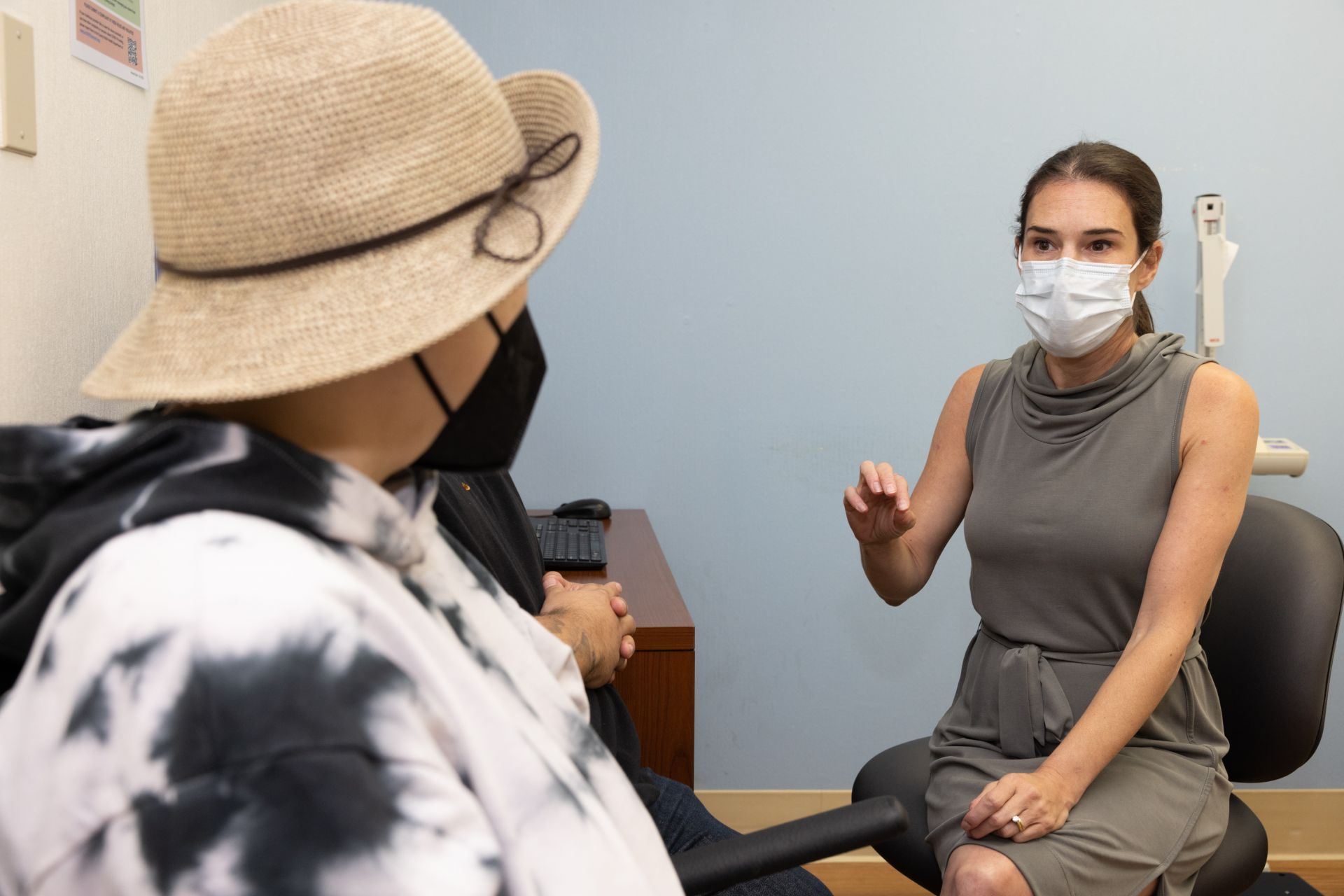
For adults with acute lymphoblastic leukemia (ALL) that don’t respond to chemotherapy, the series of treatments that comes next can seem like the spin of a roulette wheel. Some patients receive a bone marrow transplant, which requires a lengthy testing process to ensure a good donor match, and months of recovery if everything goes well. Other patients instead begin with an immunotherapy, which can come with severe side effects and only helps quell disease in a fraction of people. If the first approach doesn’t work, their clinician may turn to the other. For a number of patients, their disease recurs even after both.

Now researchers and clinicians in the blood and marrow transplantation & cellular therapy division have developed a new option for ALL patients. Instead of trying a transplant followed by an immunotherapy—or vice versa—they have combined both therapies into one and added some new twists that could help improve the treatments’ success rates. The result: a single ALL treatment that integrates new avenues of research into the best way to fight the cancer.

“This new protocol really changes the paradigm. It combines multiple avenues of research that have been going on at Stanford for years,” says Lori Muffly, MD, associate professor of blood & marrow transplantation and cellular therapy. “We hope it’s a first step toward something really successful and exciting for our patients.”

This fall, Muffly and her colleagues enrolled the first ALL patients in a clinical trial to test the new combination approach, in which patients receive a customized cocktail of immune cells from a donor. The trial, she says, will advance the science of lymphoma and leukemia treatment, as well as give new hope to patients who have relapsed after chemotherapy.

“This trial is really showcasing Stanford’s strengths in both bone marrow transplantation and cell therapy,” says Muffly’s collaborator Melody Smith, MD, MS, an assistant professor of blood & marrow transplantation and cellular therapy.

Based on Basic Research

The human immune system has the ability to recognize cells and molecules that don’t belong — including tumor cells. In recent years, scientists have discovered how to take advantage of this natural power of the immune system to help fight cancer. One of the new mainstays of cancer immunotherapy is CAR T-cell therapy, in which clinicians remove a patient’s T cells, reengineer them with cutting-edge gene engineering technologies to better recognize cancer, and infuse them back into the patient.

Smith, who recently moved her lab to Stanford from Memorial Sloan Kettering Cancer Center to start her independent research lab, has spent the last eight years using mouse models of cancer to study how to optimize the use of cell therapies like CAR T-cell therapy following bone marrow transplants. Much of her research has revolved around the idea of creating CAR T cells from donor immune cells instead of immune cells harvested from patients themselves. The quality of these cells, she hypothesized, might be better. Plus, the CAR T cells could be given at the same time as a bone marrow transplant — all from the same donor. “I had really strong data in animal models that this combination approach could be successful in lymphomas and leukemias,” says Smith.

Smith’s move to Stanford to start her independent research lab opened up even more opportunities to fine-tune her approach, by combining it with specialized CAR T cells and a new transplant protocol that Stanford clinicians had already been working on.
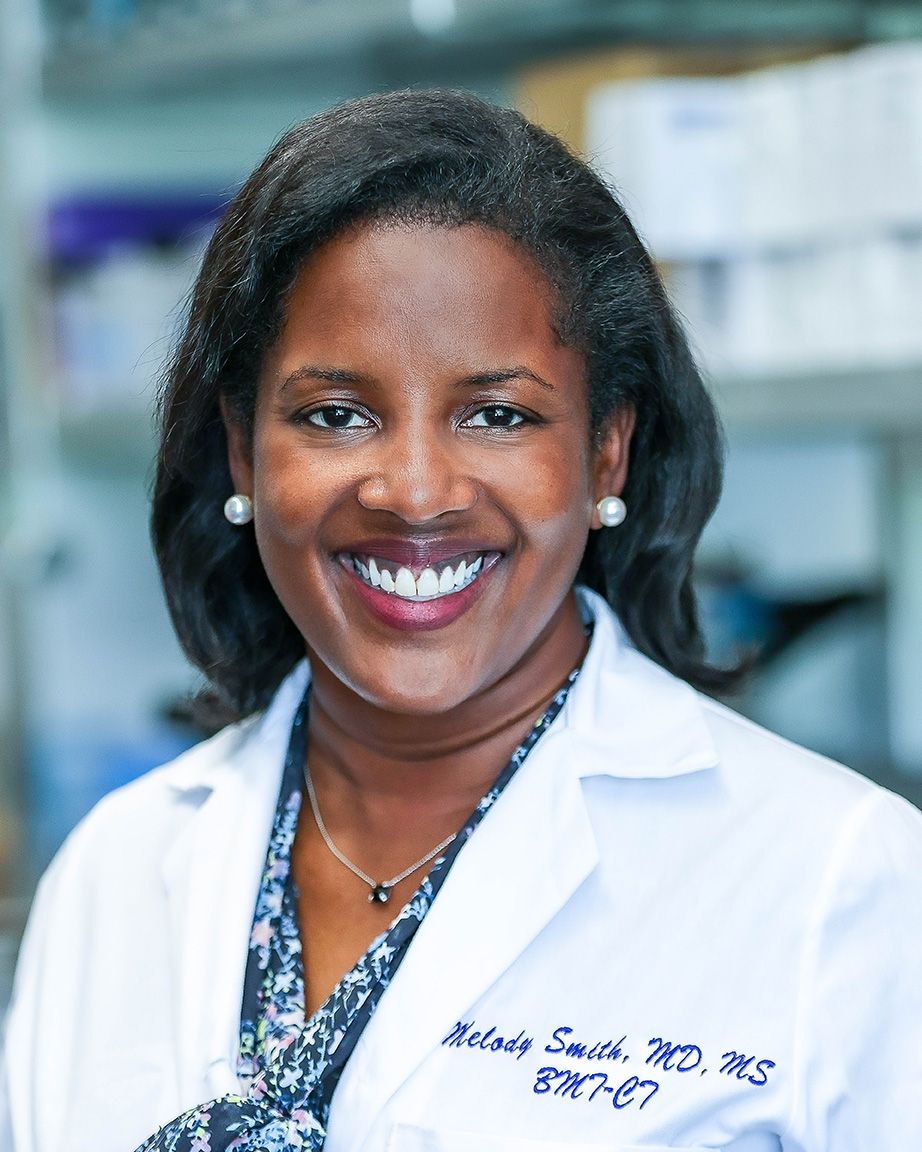
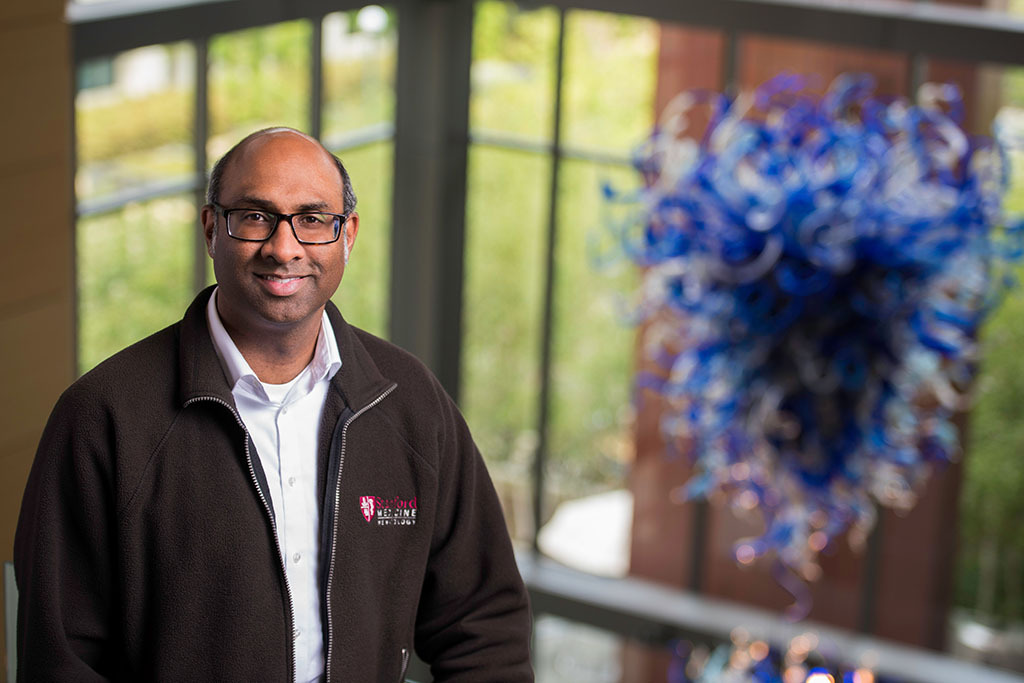
Melody Smith, MD, MS

This trial is really showcasing Stanford’s strengths in both bone marrow transplantation and cell therapy.

– Melody Smith, MD, MS
This trial is really showcasing Stanford’s strengths in both bone marrow transplantation and cell therapy.

– Melody Smith, MD, MS

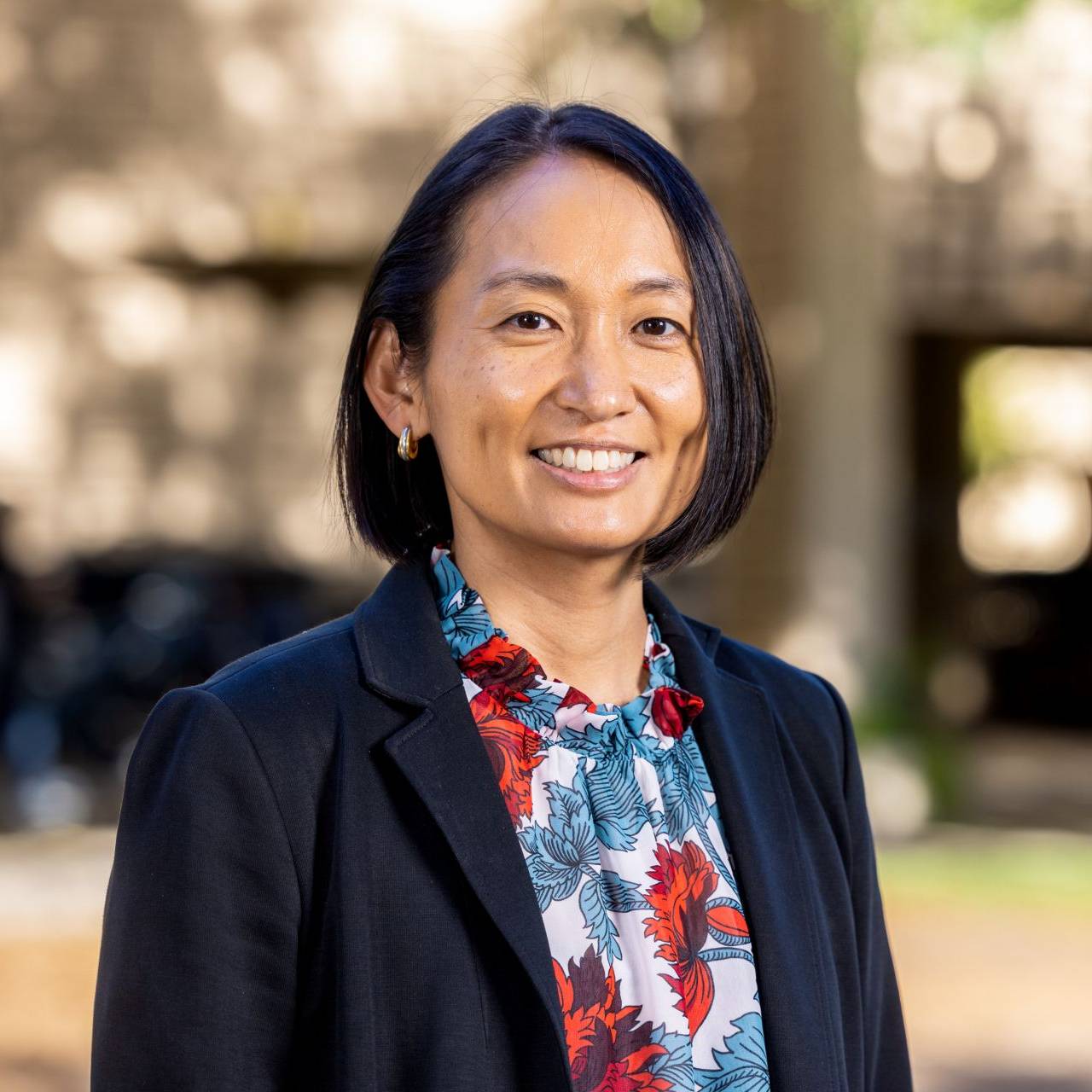
Lori Muffly, MD
Using Digital Health to Help Doctors Manage Blood Pressure More Easily and Equitably

Using Digital Health to Help Doctors Manage Blood Pressure More Easily and Equitably

Using Digital Health to Help Doctors Manage Blood Pressure More Easily and Equitably

If you don’t have high blood pressure, you probably have family, friends, colleagues, and acquaintances who do. Nearly half of all adults in the United States struggle with hypertension, and only one in four has their condition under control. Managing blood pressure often requires ongoing trial and error on the part of both clinicians and patients, making it difficult to fully treat with only occasional, short medical appointments.

To solve that problem, Stanford clinicians have designed a streamlined system that helps primary care physicians easily and quickly adjust their patients’ medications based on at-home blood pressure readings. The team, funded by a $2.5 million American Heart Association grant to Stanford Medicine’s Center for Digital Health in 2020, found that the new system could reduce patients’ blood pressure in a small pilot study. Now, they’re enrolling hundreds more patients in a larger clinical trial.

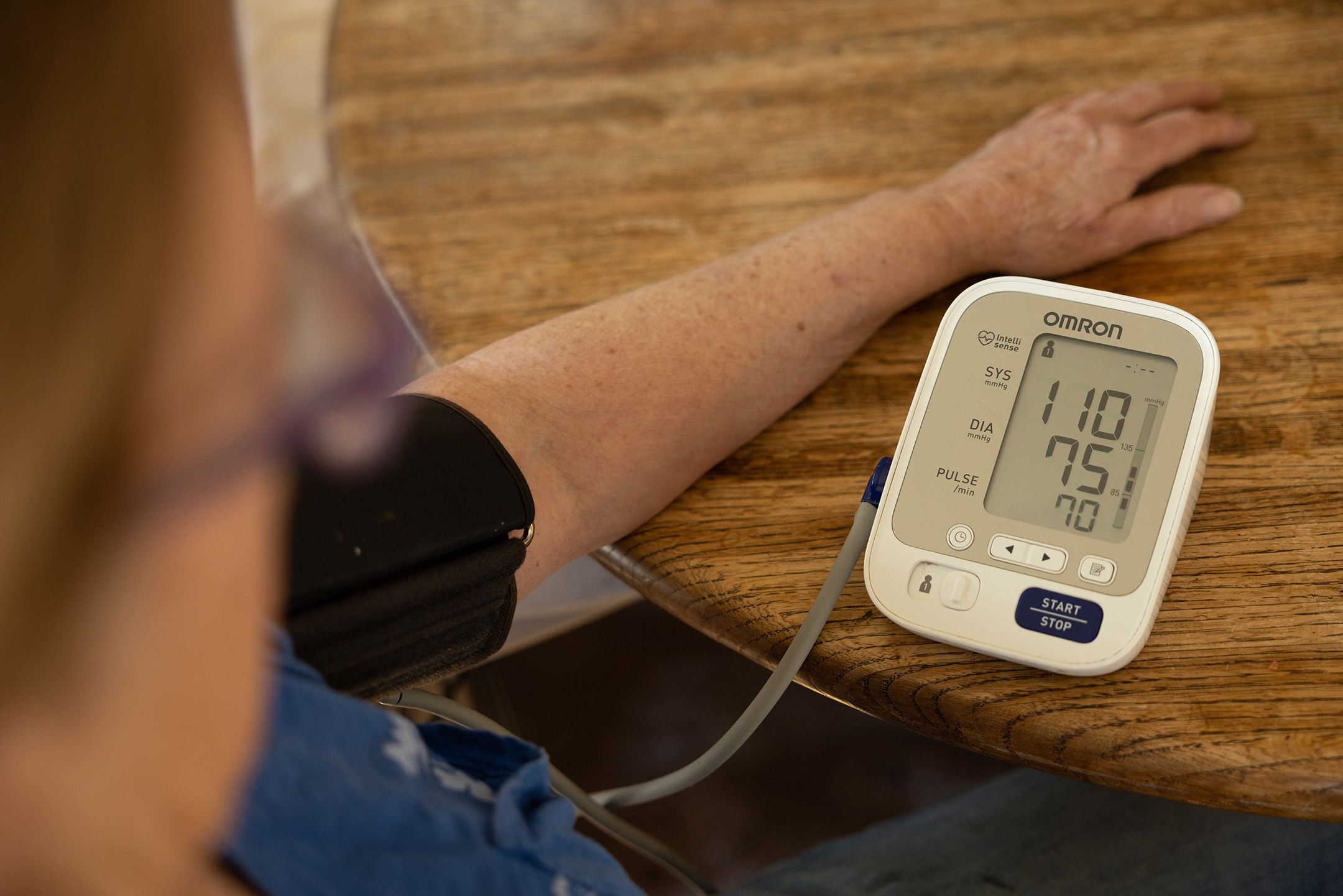
Their new program automatically calculates a two-week average blood pressure. If, at any point, that average blood pressure rises above a chosen threshold, the clinician receives a notification — along with information on the patient’s other medications, their allergies, and the preselected list of hypertension drugs, all in one place in the electronic health record. With a few clicks, the physician can order a new, adjusted prescription for the patient.

“What we’re trying to do with this project is to improve the way we monitor blood pressure,” says Division of Nephrology Chief Tara I. Chang, MD, an associate professor of medicine. “This technology has the potential to help us reach a broad community and level the playing field for typically underserved populations when it comes to hypertension.”

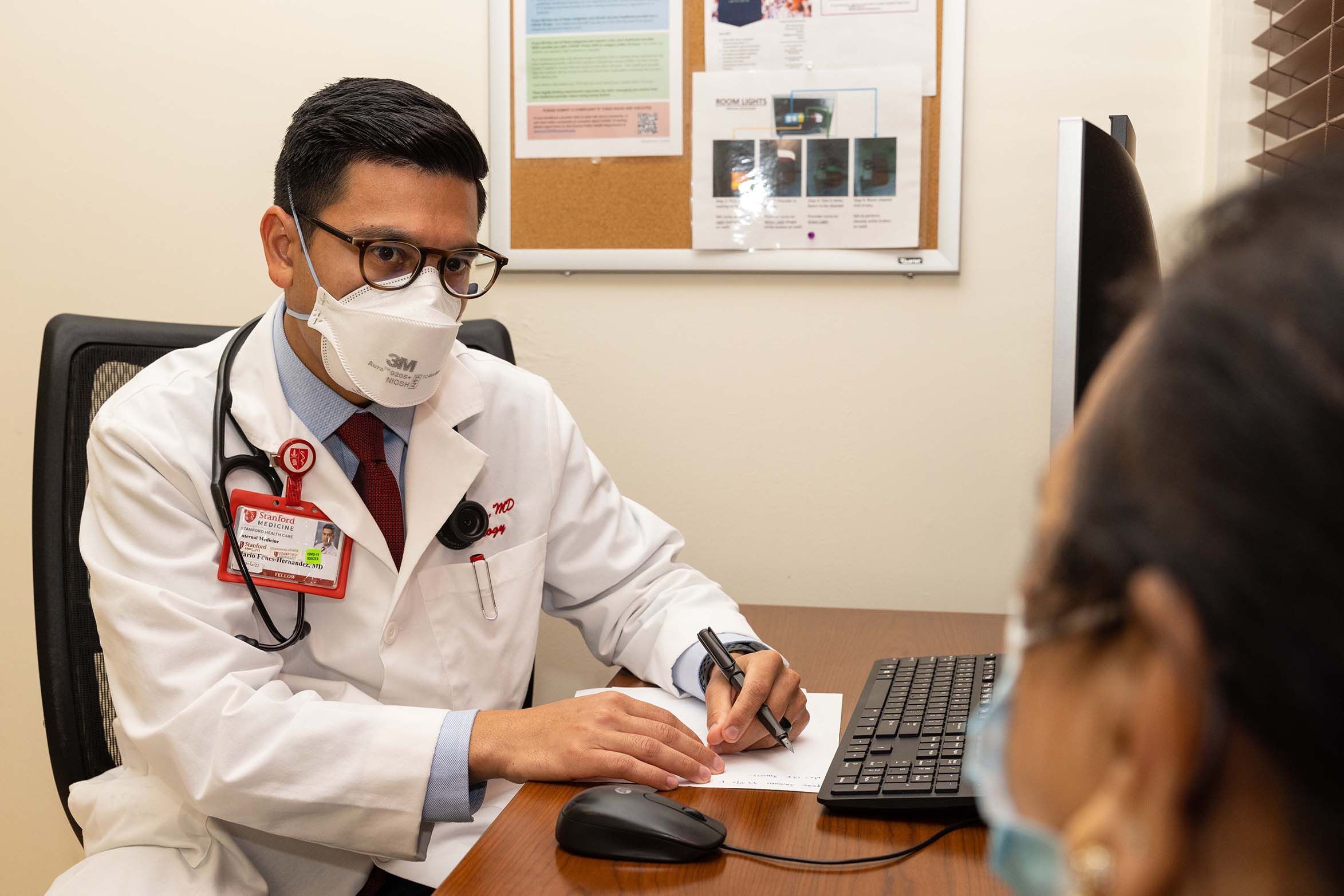
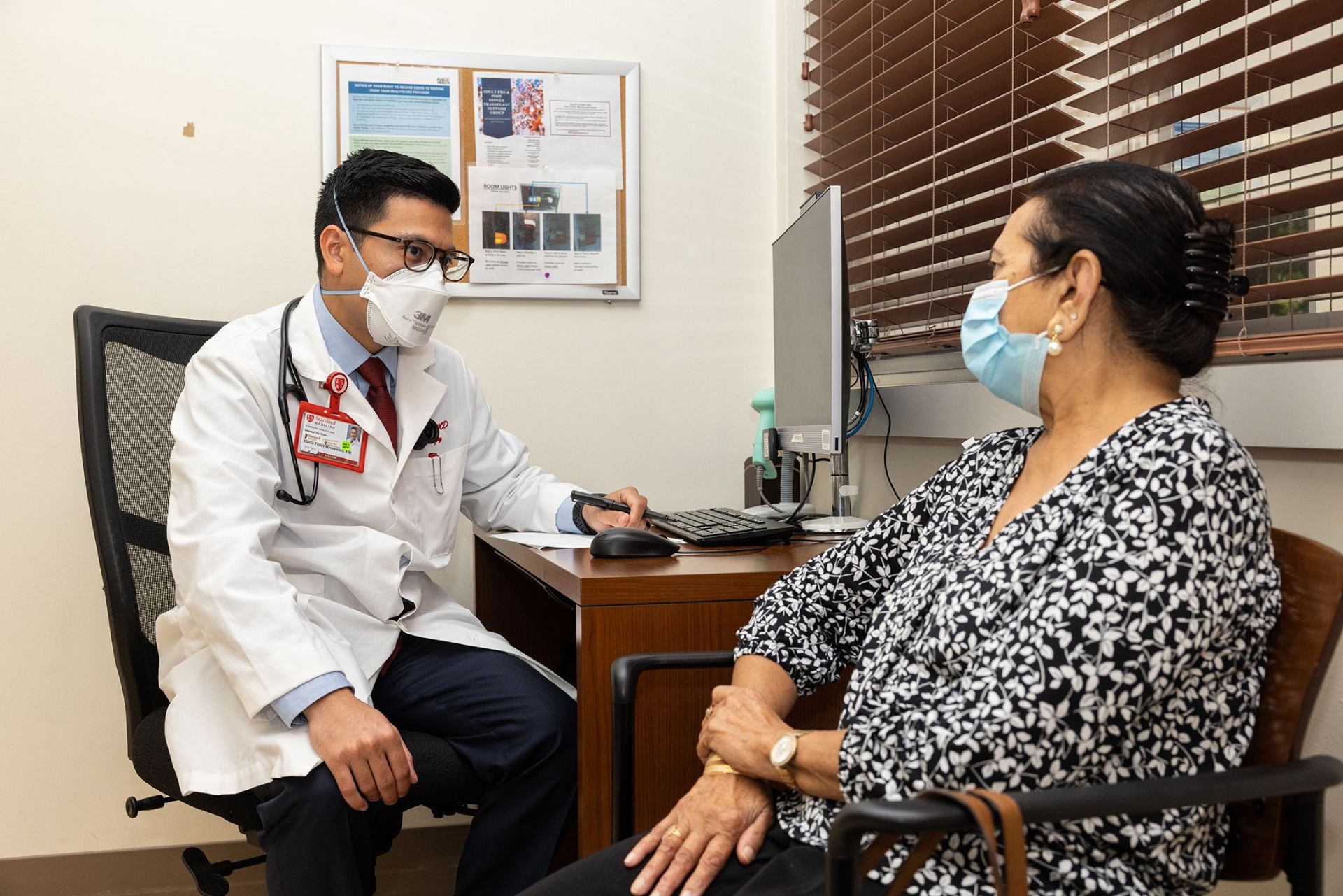
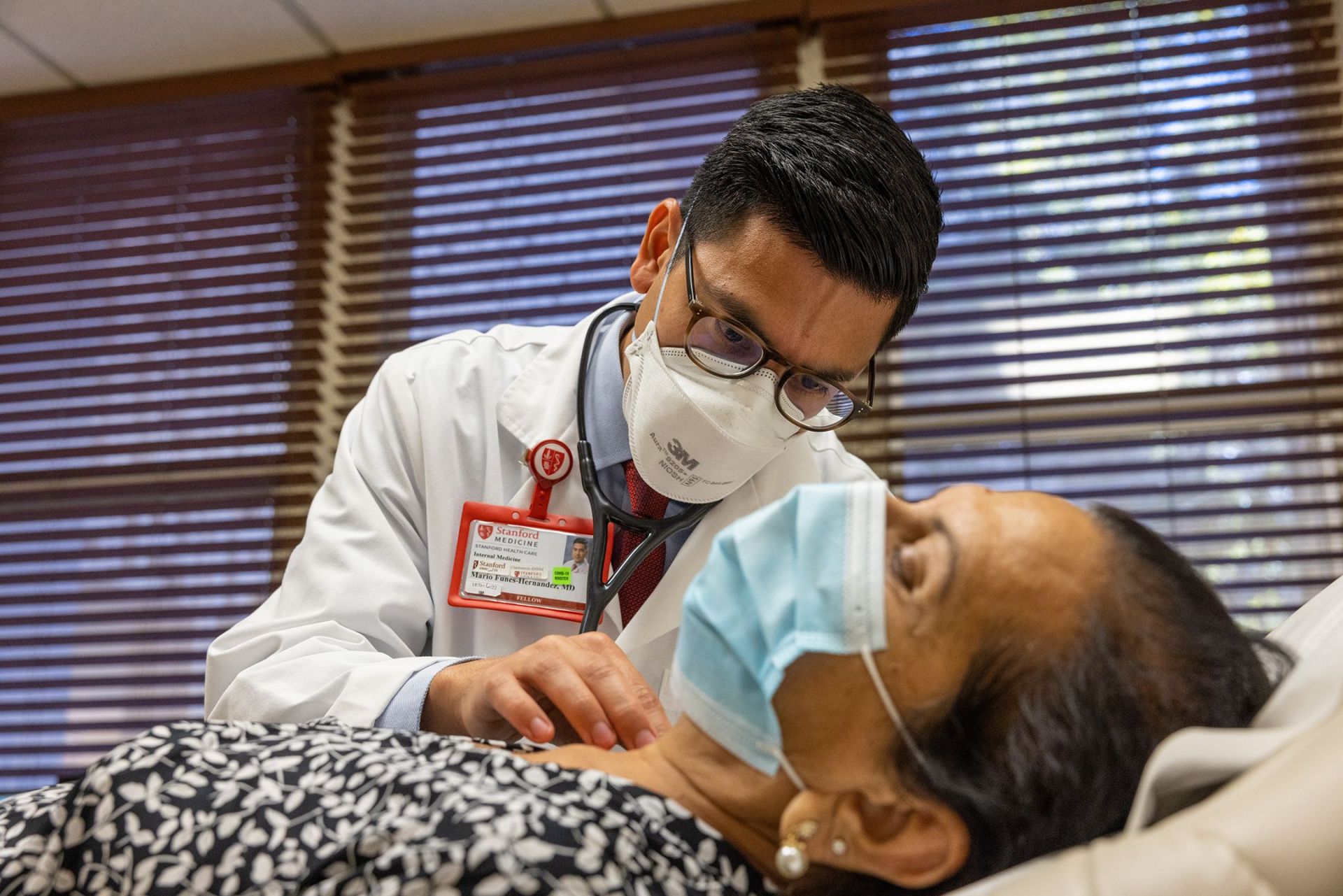
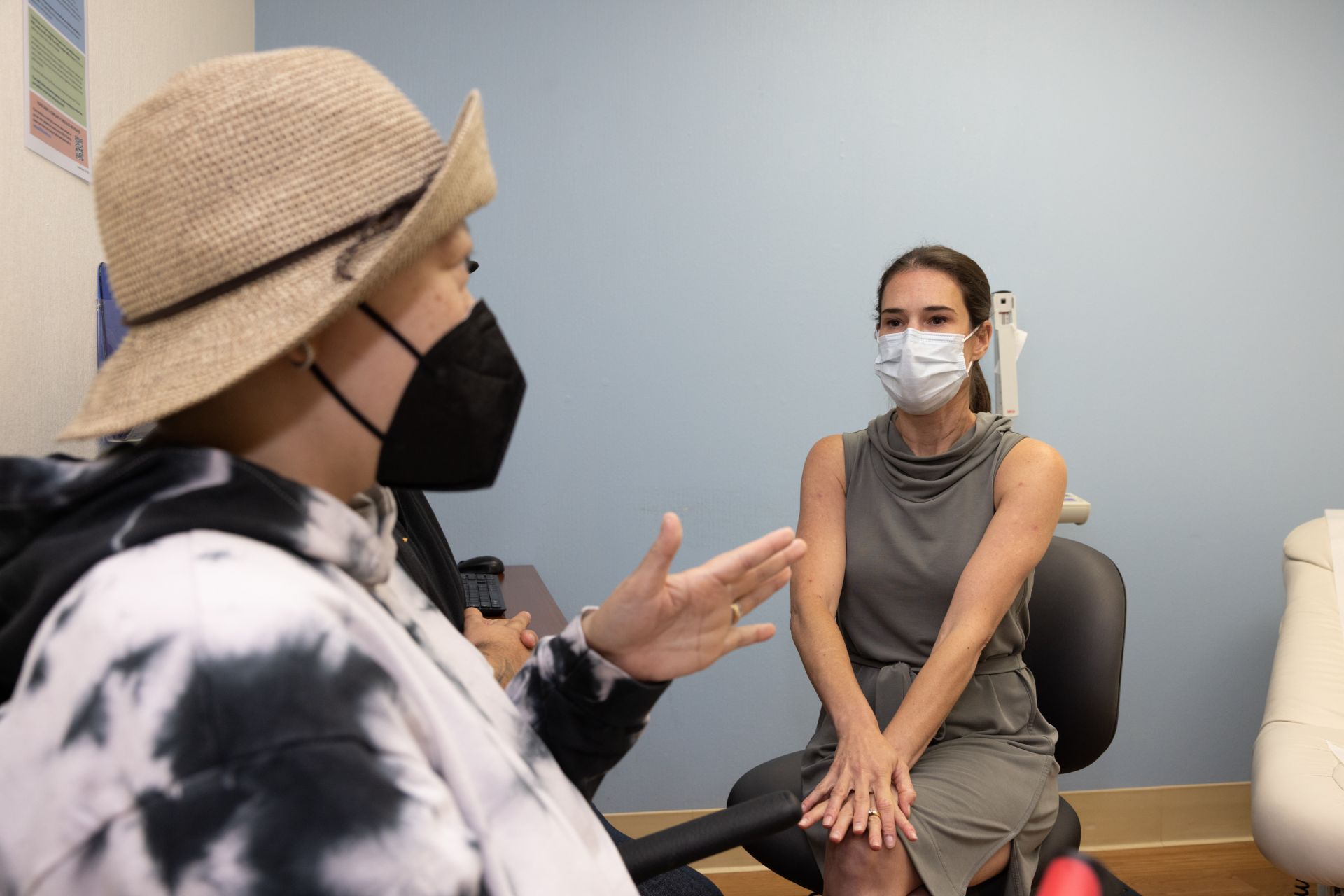
Mario Funes, MD (left), discusses hypertension with a patient.

For some patients who have the time, resources, and insurance coverage, this kind of care is possible. But for many people — including a disproportionate number of people in minority populations — it is not. This is one reason that, on average, hypertension tends to be the least well-controlled among non-Hispanic whites and most well-controlled among people with the greatest insurance coverage and access to health care.

This technology has the potential to help us reach a broad community and level the playing field for typically underserved populations when it comes to hypertension.

– Tara I. Chang, MD

This technology has the potential to help us reach a broad community and level the playing field for typically underserved populations when it comes to hypertension.

– Tara I. Chang, MD

Stepping up to the Challenge

Funes, currently in his third year of nephrology fellowship, has been interested in hypertension control, and the associated disparities, since he was in medical school. So in 2020, he jumped at the opportunity to help apply for a hypertension control grant through the Center for Digital Health, with center leader Mintu Turakhia, MD, MAS, professor of medicine in the division of cardiovascular medicine, and Paul Wang, MD, director of the Stanford Cardiac Arrhythmia Service and professor of medicine and of bioengineering. Now, Funes is a heart health tech fellow with the center, a responsibility he has to juggle alongside his clinical duties and his role as chief nephrology fellow. Since mid-2021, he’s been helping lead the effort to develop new data-driven technology to control patients’ blood pressure.

The interdisciplinary team at the Center for Digital Health wanted to make it easy for patients to track their blood pressure at home, upload the data directly to their primary care physician, and enable the physician to adjust the patient’s medications. In the past, this would have taken the clinician numerous steps — receiving an email or phone call from a patient and then accessing different electronic databases to review their medical history and other prescriptions.

“Most clinicians managing blood pressure already have a heavy burden due to the electronic health record,” says Wang. “Our insight is that by semiautomating the process, we can reduce the burden of blood pressure management, taking less effort but improving results.”

The system that the team settled on is one where a physician can preselect a list of blood pressure–lowering medications, in the order that they’d like a patient to try them. At an initial appointment, they start a patient on the first medication on the list. Then, using a blood pressure cuff and a connected smartphone app, patients track their blood pressure over the coming days and weeks.

“One value in the clinic doesn’t really tell a doctor the whole story of your blood pressure,” says Funes. “But in the past, the ability to get a longer time frame of data from patients was often unreliable; some patients might record their readings in a notebook and bring it to an appointment, but it wasn’t a streamlined process.”

Data-Driven Medicine

With the explosion of personal electronics over recent years has come the ability for people to more easily track measurements of their own health, through smartphones, watches, and other at-home devices. But using this information in the clinic has been trickier.

Some of the most successful systems to connect patient-collected data with clinicians have been for tracking blood sugar levels in people with diabetes. But none of those systems involved the same kind of decision-making tree that the Stanford team wanted to use, with customized lists of medications for each patient to try. That meant that integrating the system into Stanford’s electronic health record system, Epic, was a challenge.

Initial data on the system, though, has been positive, inspiring Funes and his colleagues to keep working. An early version of the system, tested in only a handful of patients and without the full capabilities, showed an average decrease in blood pressure of 12 mmHg for those who used it. That’s a big enough difference to push some patients from an at-risk, high blood pressure reading to a healthier zone.

Now, the researchers are launching the full-scale program in a clinical trial that aims to enroll 600 to 800 patients. They’ll collect data on how clinicians and patients like the system and how well it works at reducing blood pressure.

“For a whole host of chronic diseases, I think this kind of digital management is the future.”

– Mario Funes, MD

“Some digital solutions create a separate workforce to manage chronic conditions,” adds Wang. “Although some of these efforts may be successful, they remove patient care from the primary care team, eliminating opportunities to better integrate care and save resources. Integrated approaches like ours aim to reduce disparities of care rather than increasing them.”

The Stanford Center for Digital Health already has other initiatives aimed at treating conditions as diverse as heart health, atrial fibrillation, migraines, and hyperactivity. The award from the American Heart Association is part of a $14 million grant to several institutions around the country for work on reducing health care disparities with the help of technology. In addition to Funes, the grant is funding fellowships for three Stanford cardiology trainees working on heart failure management. As virtual health moves mainstream and digital apps become routine tools in patient care, these fellows will continue to take the lead in innovating creative new ways for technology to help patients and doctors alike.

Team Science: Battling Kidney and Heart Diseases

Team Science: Battling Kidney and Heart Diseases

Large Initiatives Evaluate New Treatments for Cardiovascular and Kidney Diseases

Team Science: Battling Kidney and Heart Diseases

Large Initiatives Evaluate New Treatments for Cardiovascular and Kidney Diseases

Glenn Chertow, MD

Physicians are often faced with critically ill patients who have more than one disease, which complicates treatment decisions. A cardiologist who wants to prescribe a diuretic to a patient with high blood pressure, for example, may need to worry about the medication causing kidney damage. So, she consults with the patient’s care team.

Designing and testing new therapies also requires a team, as evidenced by the large team science initiatives being conducted by the Stanford Center for Clinical Research (SCCR). For example, Stanford researchers are collaborating across different sectors (such as academia and industry), institutions, disciplines, and countries to find more effective treatments for kidney and cardiovascular diseases.

“Since early in my career, I saw that the lives of patients with kidney failure are very difficult and their life spans on dialysis are sadly very short. I’ve 

spent 30 years trying to improve their treatment and quality of life,” says Glenn Chertow, MD, the Norman S. Coplon/Satellite Healthcare Professor of Medicine in the division of nephrology.

Patients with end-stage kidney disease also have a high risk of cardiovascular disease, but they are typically excluded from studies due to the complexity of their health problems. That’s why Chertow is excited to help launch one of the few randomized clinical trials focused on patients receiving dialysis, he says.

The clinical trial will study the effects of clazakizumab—a monoclonal antibody that reduces inflammation—in patients with kidney failure. Scientists know that inflammation is a contributing cause of cardiovascular disease and that patients on dialysis have exceptionally high rates of both chronic and severe inflammation. So, they hypothesize that using clazakizumab could prolong and improve the quality of these patients’ lives.

After receiving final funding notification from the biopharmaceutical company CSL Behring, the team will begin with a phase 2B trial to figure out the appropriate dose of clazakizumab, followed by a larger phase 3 trial to measure the drug’s effect on patient outcomes.

Chertow and Myles Wolf, MD, chief of nephrology at Duke University School of Medicine, are co-principal investigators of the overall study. Kenneth Mahaffey, MD, professor of cardiovascular medicine and director of SCCR, will serve on the trial’s executive committee.

“Myself, Dr. Mahaffey, and others at SCCR have been involved in the design of the study from day one. It is a real partnership between academics and industry, between Stanford and Duke, and between nephrology and cardiology,” says Chertow. “It shows we actually work together — it’s not siloed to just one institution or one division.”

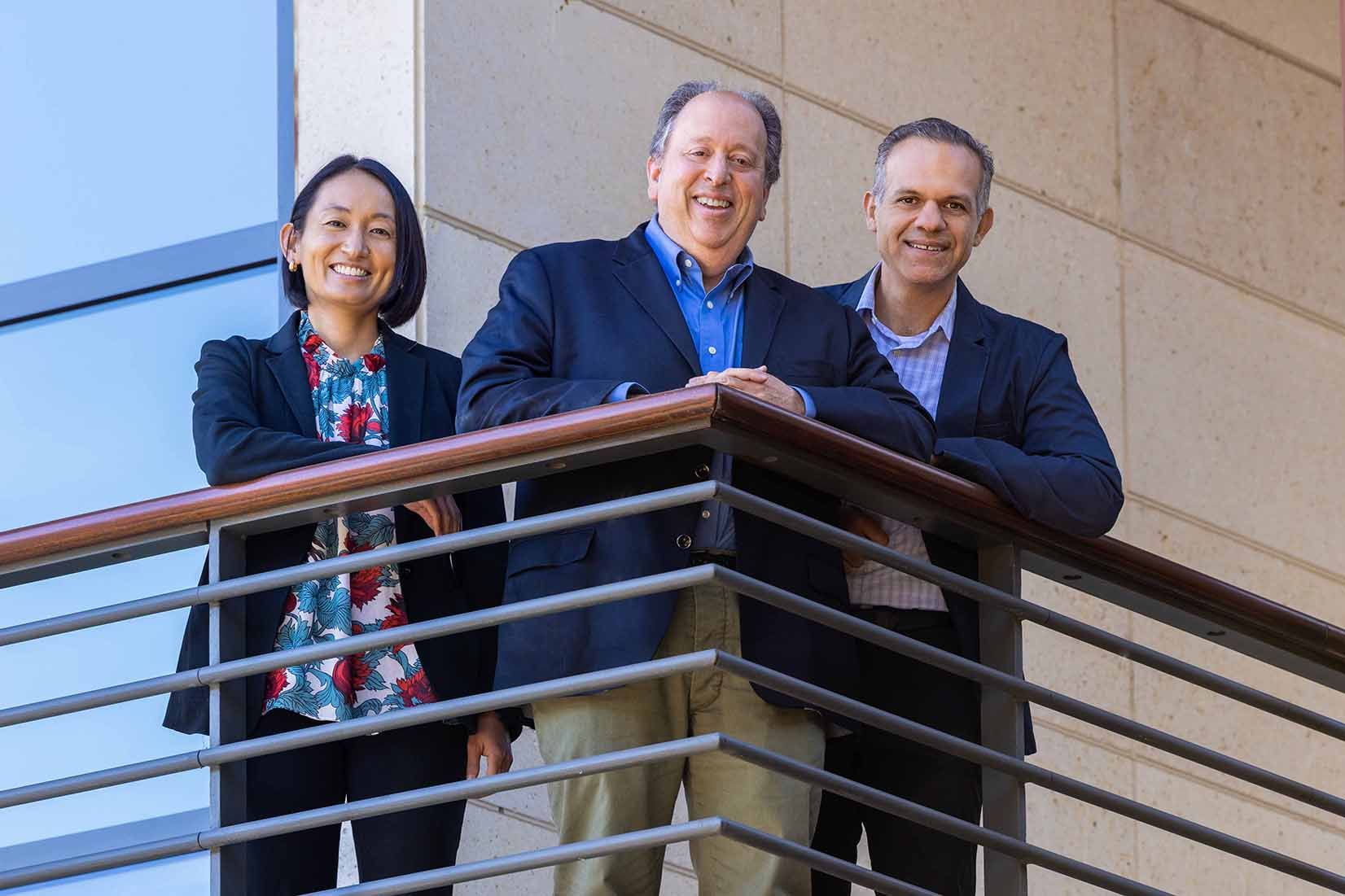
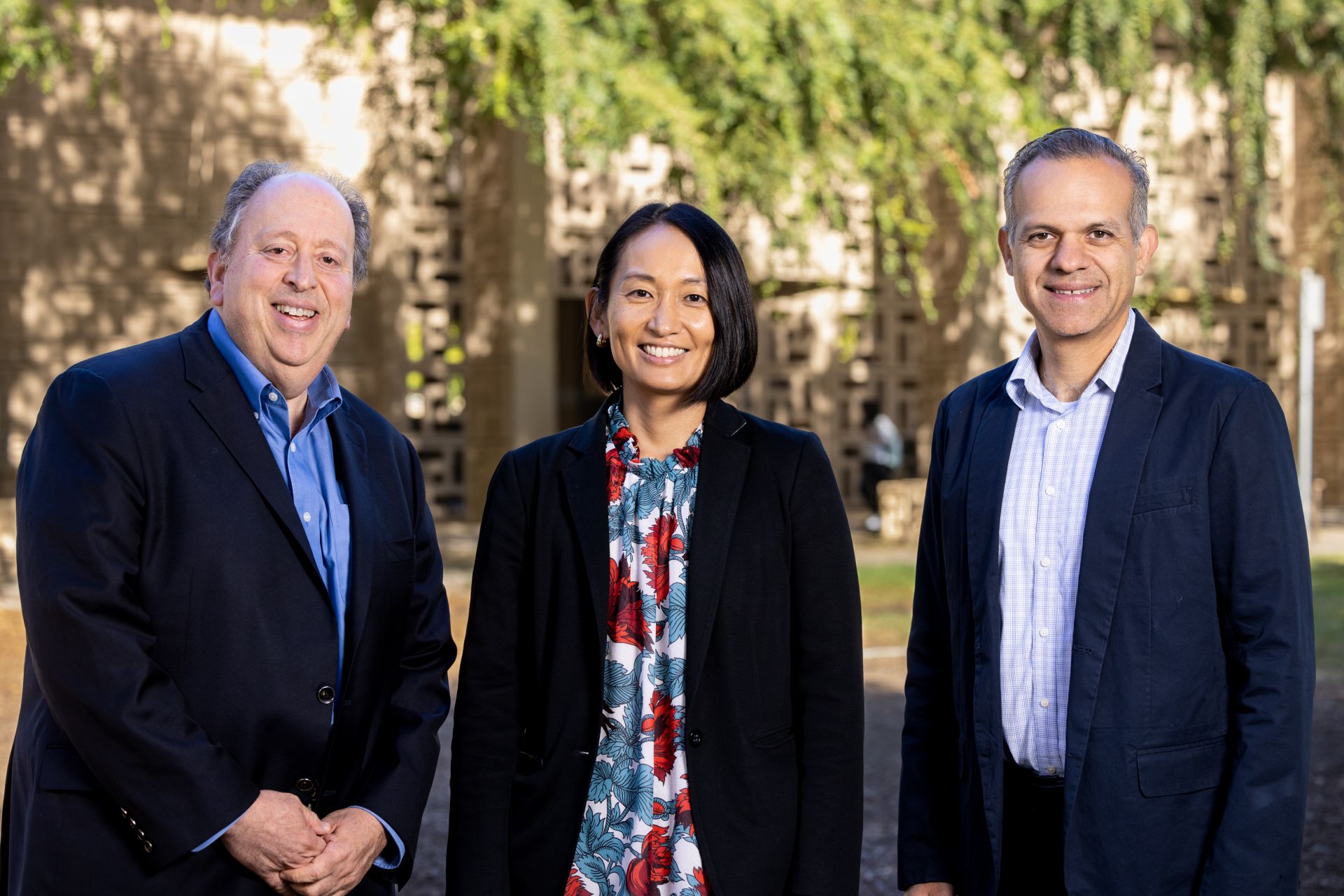
From left: Glenn Chertow, MD; Tara Chang, MD, MS; and Marco Perez, MD.

Patients are dying or suffering miserably from complications of diseases. Finding safe and effective therapies to treat these patients is a motivating force for me every day.

– Kenneth Mahaffey, MD

Patients are dying or suffering miserably from complications of diseases. Finding safe and effective therapies to treat these patients is a motivating force for me every day.

– Kenneth Mahaffey, MD

Marco Perez, MD.

The REACT-AF project represents an academic partnership among Stanford, Johns Hopkins, and Northwestern universities. Rod Passman, MD, professor of cardiology and preventive medicine at Northwestern University’s Feinberg School of Medicine, will oversee the overall initiative, while Mahaffey and Marco Perez, MD, associate professor of cardiovascular medicine, will co-lead Stanford’s efforts.

The faculty bring a lot of clinical and scientific expertise, and the operational research staff understand the regulations, policies, and procedures,” he says. “Together, they create synergies to enhance the design, conduct, and quality of clinical trials.

– Kenneth Mahaffey, MD

The faculty bring a lot of clinical and scientific expertise, and the operational research staff understand the regulations, policies, and procedures,” he says. “Together, they create synergies to enhance the design, conduct, and quality of clinical trials.

– Kenneth Mahaffey, MD

Kenneth Mahaffey, MD

Tara Chang, MD, MS

Collaborating Across Experience Levels

Although led by senior faculty, these large studies will also provide junior faculty, operational staff, and fellows with critical research training.

“Stanford is a learning environment. Dr. Mahaffey and I feel very strongly that we have a responsibility to train the next generation of scientists,” says Chertow. “For example, Dr. Tara Chang, associate professor and chief of nephrology, is a shining example of a physician who completed training at Stanford and is now a national leader at the crossroads of kidney and cardiovascular disease.”

In addition to providing funding and research opportunities, these projects allow Stanford patients to enroll in the studies — a fundamental incentive for the researchers who want to give their patients more options.

“Patients are dying or suffering miserably from complications of diseases,” Mahaffey says. “Finding safe and effective therapies to treat these patients is a motivating force for me every day.”

Team Science Players

CSL Behring study (dialysis patients, clazakizumab):

  • Glenn Chertow, MD, the Norman S. Coplon/Satellite Healthcare Professor of Medicine, will co-lead the overall study with Myles Wolf, MD, chief of nephrology at Duke University School of Medicine, in partnership with the biopharmaceutical company CSL Behring and Duke Clinical Research Institute.
  • Ken Mahaffey, MD, professor of cardiovascular medicine and director of the Stanford Center for Clinical Research (SCCR), will serve on the trial’s executive committee.
  • Tara Chang, MD, associate professor and chief of nephrology, will lead the adjudication committee at Stanford.

NIH REACT-AF study, A-fib study:

The REACT-AF project represents an academic partnership among Stanford, Johns Hopkins, and Northwestern universities.

Rod Passman, MD, professor of cardiology and preventive medicine at Northwestern University’s Feinberg School of Medicine, will oversee the overall initiative, while Ken Mahaffey, MD, professor of cardiovascular medicine and director of the Stanford Center for Clinical Research (SCCR), and Marco Perez, MD, associate professor of cardiovascular medicine, will co-lead Stanford’s efforts along with a team from cardiovascular medicine, the Center for Digital Health, neurology, and SCCR.

Stanford Rheumatology Vasculitis Clinic

Stanford Rheumatology Vasculitis Clinic

Restoring Normal Lives for Patients with the Rarest of Diseases

Stanford Rheumatology Vasculitis Clinic

Restoring Normal Lives for Patients with the Rarest of Diseases

It was 2013. Audra Horomanski was midway through an away rotation at Stanford as a medical student outside her home institution. That was when she encountered a young woman with newly diagnosed granulomatosis with polyangiitis, or GPA. The disease is one form of vasculitis, a rare condition characterized by inflammation of the blood vessels.

“The woman had a severe life-threatening ailment and made a quite significant recovery. That case really changed my whole trajectory and led to a growing interest in vasculitis during my internal medicine training and rheumatology fellowship,” says Horomanski, who earned her MD at Wright State University Boonshoft School of Medicine before completing postgraduate training at Stanford. Today, as a clinical assistant professor of immunology and rheumatology, she directs the Stanford Vasculitis Clinic.

A career in medicine, and rheumatology in particular, was a lifelong ambition for Horomanski.

“I’ve been interested in rheumatology since I was a kid. My sister, who’s three and a half years younger, has an autoimmune rheumatic disorder called juvenile idiopathic arthritis, or JIA. It went into remission when she was a teenager, but I spent a lot of my childhood going to pediatric rheumatology appointments with her and my mom. In fact, I recently came across a school project from first grade in which I answered the question, ‘What do you want to be when you grow up?’ My answer was, ‘I want to be a rheumatologist.’ It was spelled correctly, too! So, I’ve actually wanted to do this for as long as I can remember,” she says.

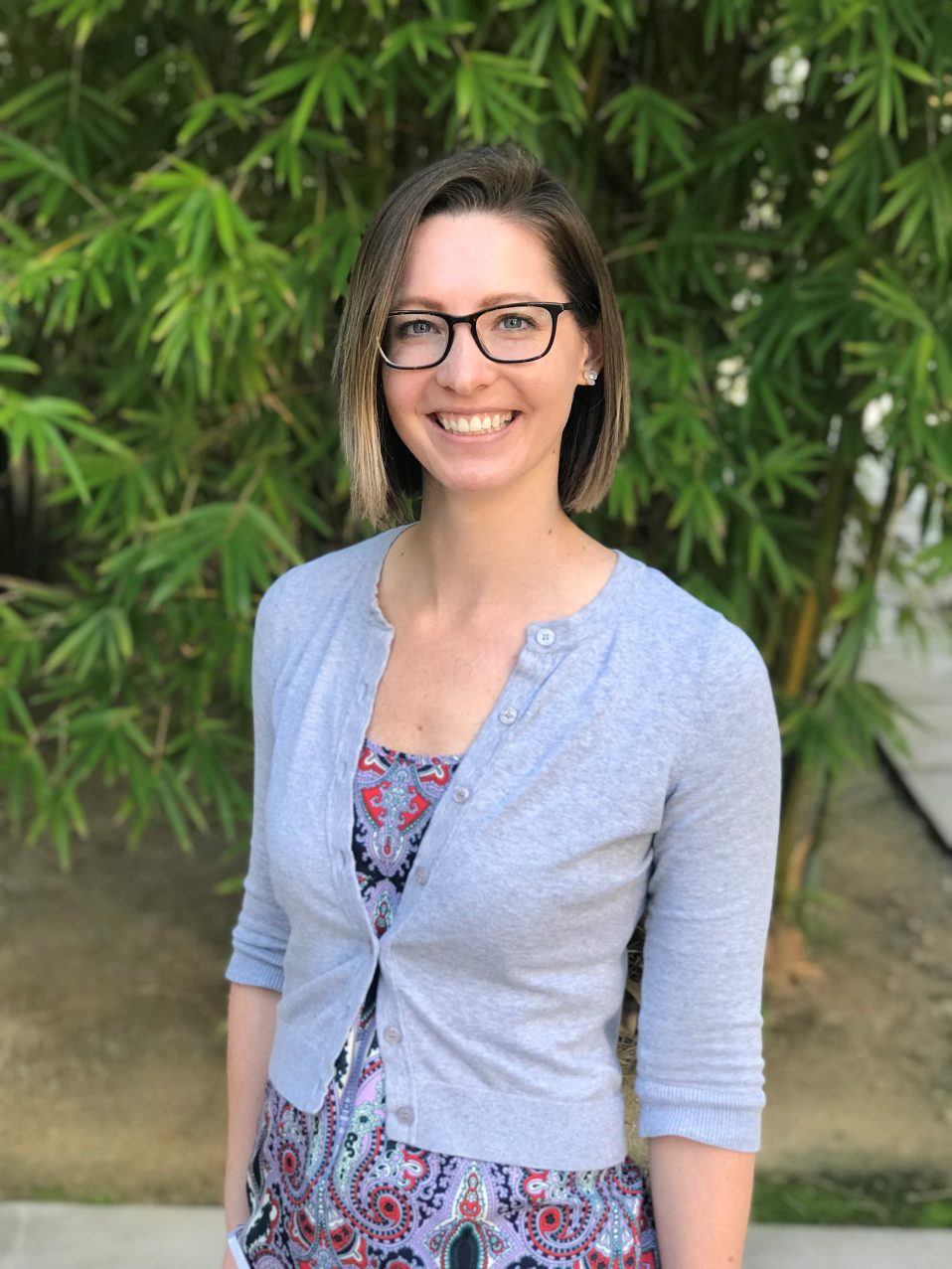
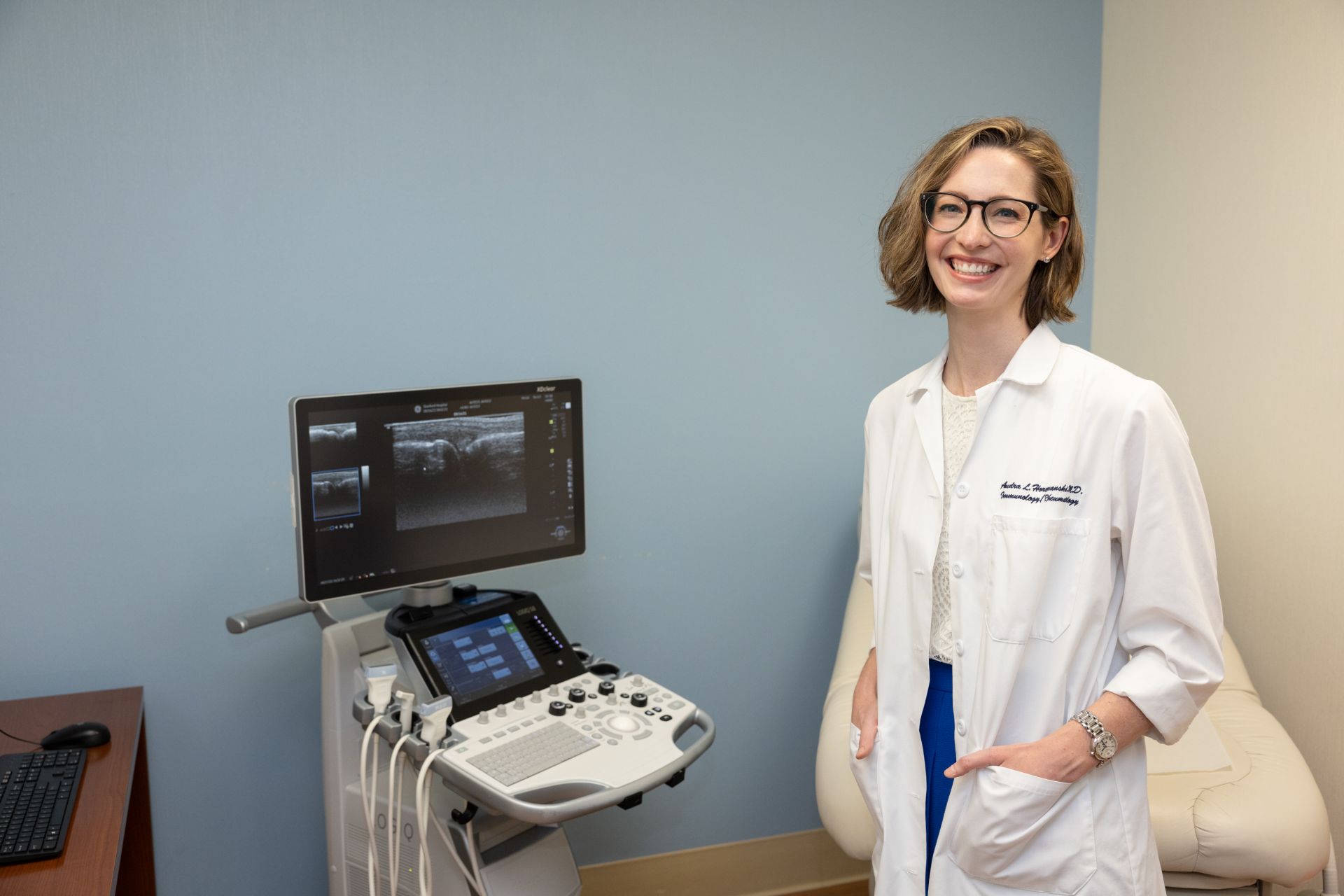
Audra Horomanski, MD

“I have a particular interest in patients who have vasculitis, which are multi system disorders that can be quite debilitating, and sometimes organ- or life-threatening. Easily the best part about being a rheumatologist is getting to see people recover and get back to their normal lives after presenting with serious illness. It’s great to witness patients achieve the maintenance phase, where they can get back to hobbies, vacations, going to look at colleges with their kids — all things that may have seemed very far out of reach when they were first diagnosed,” she explains.

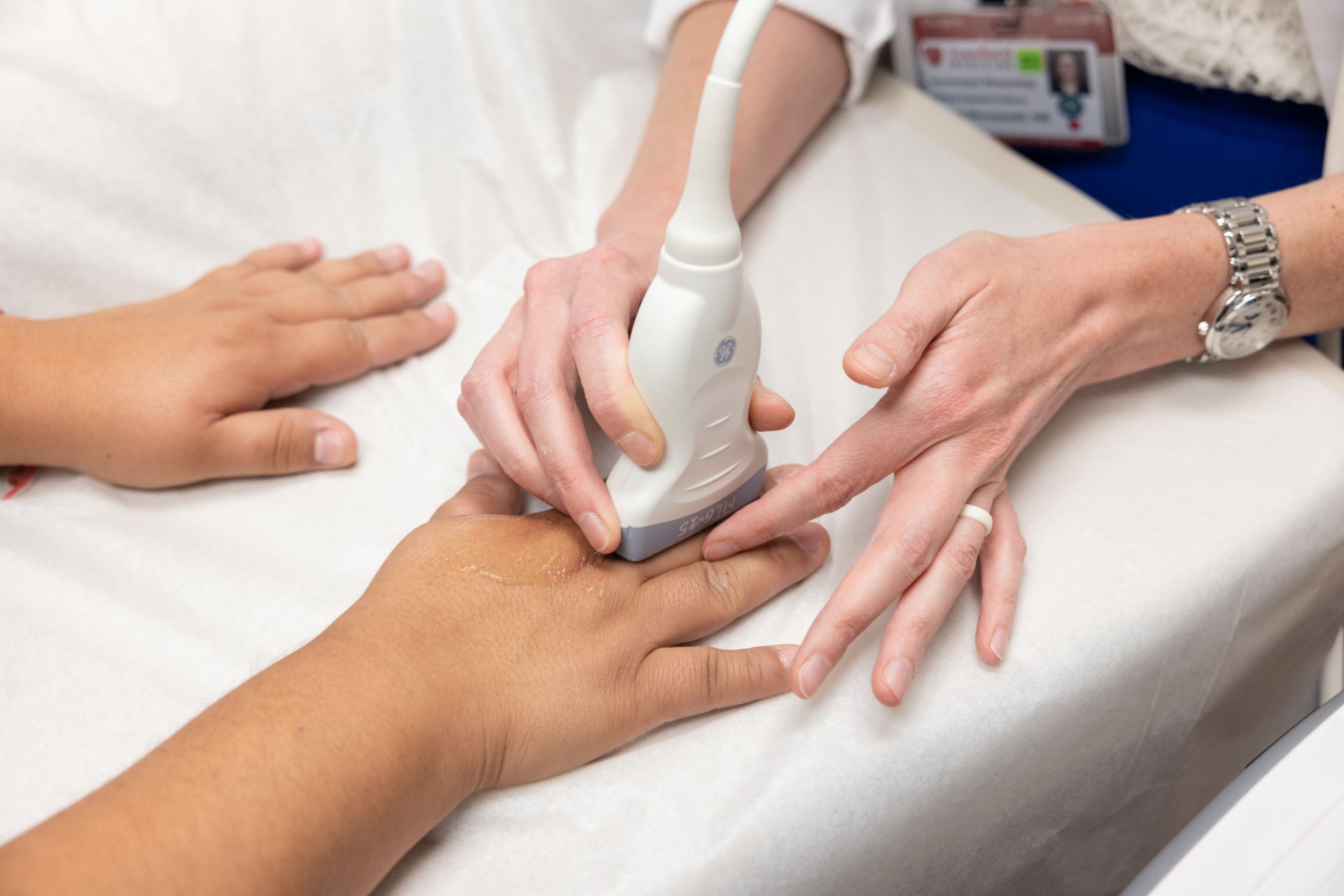
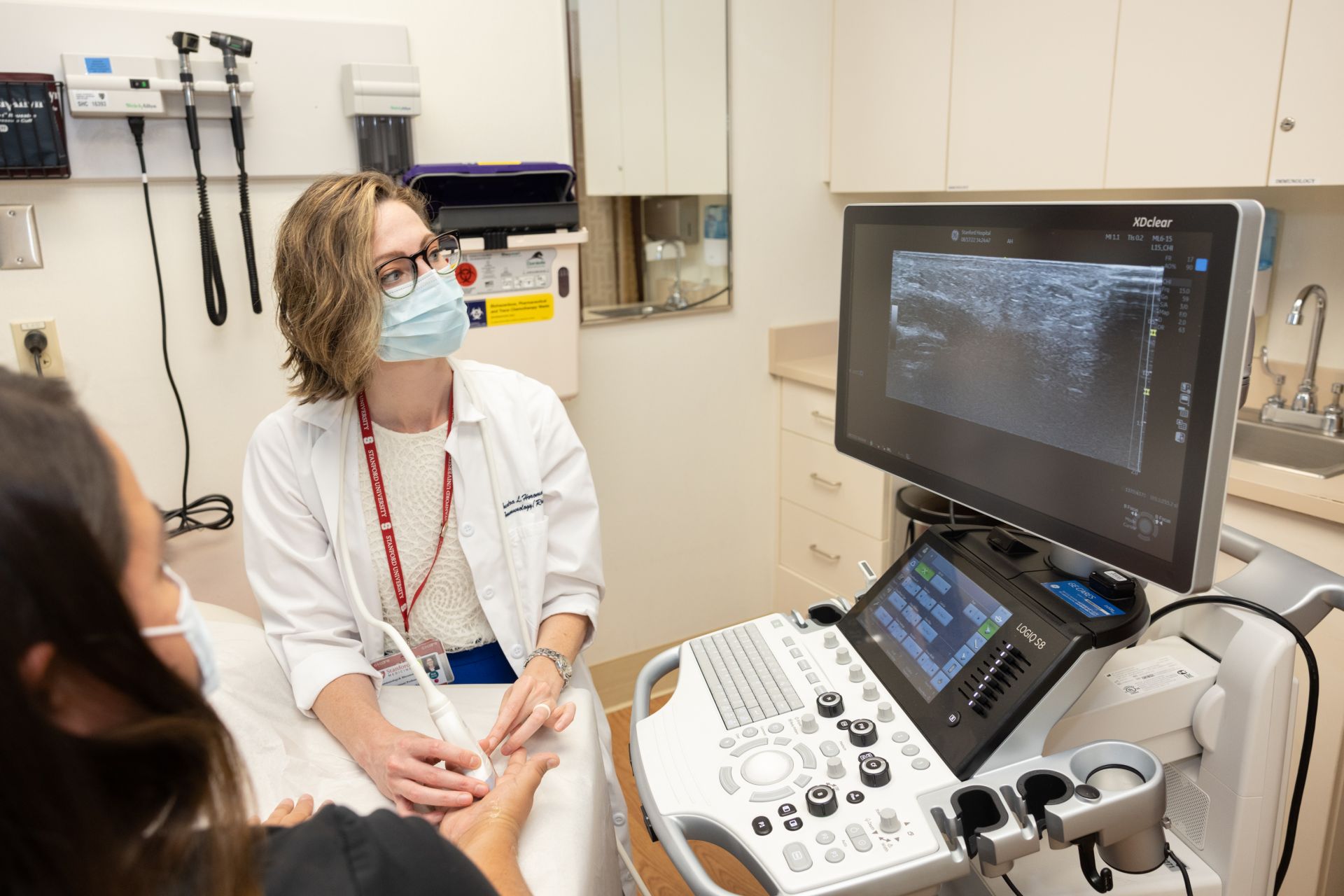
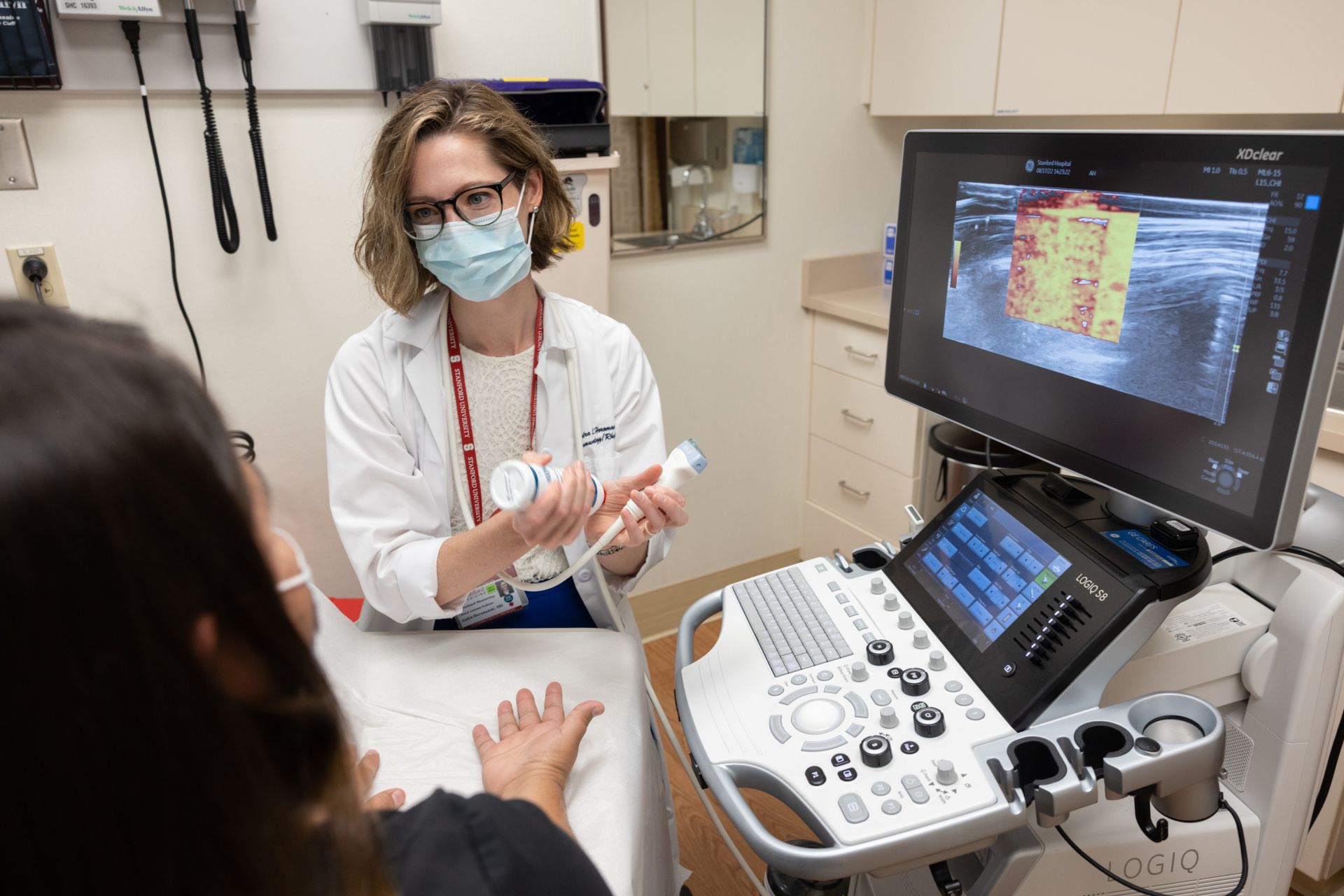
Horomanski performs musculoskeletal ultrasound to evaluate for various rheumatologic and other joint musculoskeletal complaints.

Horomanski is a principal investigator in research supported by a grant from the Maternal & Child Health Research Institute. This aligns with her deep interest in how vasculitides affect young women, their fertility, and their decisions regarding if and when to have children.

“We’re actually talking about a collection of pretty heterogeneous diseases. Because vasculitides are all different, they affect very different populations. One of the vasculitides is Takayasu arteritis, for example. More than 80% of patients with Takayasu arteritis are women, and most of those women are under the age of 40, so it primarily affects people in their childbearing years. We don’t know enough about the maternal and fetal outcomes associated with pregnancy in vasculitis patients. A component of our current research involves the use of large databases to help answer such questions about these rare diseases,” Horomanski says.

Easily the best part about being a rheumatologist is getting to see people recover and get back to their normal lives after presenting with serious illness.

– Audra Horomanski, MD

Easily the best part about being a rheumatologist is getting to see people recover and get back to their normal lives after presenting with serious illness.

– Audra Horomanski, MD

Crossing organ systems

Rheumatology requires close collegial relations with other medical subspecialties, and Horomanski’s vasculitis work exemplifies that.

“Because blood vessels run throughout the body, these diseases can affect virtually every organ system. During the past two years, I’ve been able to create a network with colleagues in other subspecialties who can help with different manifestations of vasculitis. Whether it’s cardiology, nephrology, neuromuscular neurology, ophthalmology, neuro-ophthalmology, ENT, or pulmonology, I work with an expert in that specialty to treat patients. It’s been a big help to identify the providers in those divisions and departments who have an interest in vasculitis and who work well collaboratively,” she says.

Horomanski also has a particular interest in ultrasound and performs musculoskeletal ultrasound to evaluate for various rheumatologic and other joint musculoskeletal complaints in the Immunology and Rheumatology Clinic. In the past 20 years, specialists have recognized the value of vascular ultrasound to both diagnose and monitor large vessel vasculitis, and Horomanski received additional training in August 2022 to perform vascular ultrasound for patients with large vessel vasculitis.

“The best part about ultrasound is that it is noninvasive. Frequently these conditions need to be diagnosed by biopsy, and often temporal artery biopsy, which can be challenging to coordinate and schedule. And of course, it is an invasive procedure. If we can quickly and accurately diagnose people by ultrasound, it is a huge benefit to the patients,” she says.

As the clinic grows, greater involvement in clinical trials is expected, too.

Currently, Horomanski is working under principal investigator Matthew Baker, MD, assistant professor of immunology and rheumatology, on several trials related to IgG4-related disease and sarcoidosis, both of which can present with vasculitis. Horomanski, who did additional training during her fellowship on clinical trial design and management, is very interested in pursuing other vasculitis trials as the clinic continues to expand.

“That was one of the main objectives of this clinic. Stanford has a robust infrastructure to run these types of clinical trials, and we are looking forward to great things in the future,” she says.

Paying it back

Given that it was her own medical education that exposed her to vasculitis, it’s fitting that Horomanski would be passionate about an additional role as the Immunology and Rheumatology Fellowship associate program director.

“Part of the reason that I like this clinic so much is because it’s a teaching clinic. In addition to teaching courses at the medical school, we can expose all of our trainees to these extremely rare disorders in clinic and give them tools to treat these patients when they encounter them,” she says.

Working with severely ill patients is extremely stressful, so how does Horomanski deal with that?

At the start of the COVID-19 pandemic, she and her husband were searching for an activity that was safe, could be done outdoors, and allowed for social distancing. That led them to take up ceramics.

“I mostly do wheel throwing, which is super-therapeutic. You can completely zone out, and the clay feels really nice. You don’t have to think about anything. It’s great,” she says.

Patient Volume Increases at the Stanford Rheumatology Vasculitis Clinic

Since 2020, the number of vasculitis patients seen at the Stanford Rheumatology Vasculitis Clinic has doubled. As of July 2022, the clinic had close to 150 unique vasculitis patients who were being seen regularly. On average, Horomanski sees about three new vasculitis consults a week. 

“Part of the reason that I like this clinic so much is because it’s a teaching clinic. In addition to teaching courses at the medical school, we can expose all of our trainees to these extremely rare disorders in clinic and give them tools to treat these patients when they encounter them.”

– Audra Horomanski, MD

Referrals come from throughout California, Oregon, Nevada, Hawaii, and even the East Coast, but most patients live in California’s Central Valley, where providers do not have extensive experience with these rare illnesses. Horomanski tries to share care with each patient’s local rheumatologist, which allows the patient to see their nearby physician, while also getting the care they need from a large academic center.

Becoming a Classical Hematologist

Becoming a Classical Hematologist

A Dream Come True

Becoming a Classical Hematologist

A Dream Come True

She fell in love with hematology on her first day of medical school. Hematologist May Chien, MD, remembers feeling that she had “found her dream.”

Chien, who is clinical assistant professor, pediatrics–hematology & oncology, and medicine–hematology, recalls that “I loved all the mechanisms of blood diseases and all the thought processes hematology involves.” Today, she’s living her dream.

Chien is board-certified in both internal medicine, hematology, and pediatric hematology-oncology, which gives her an unusually broad perspective from which to manage patients with classical (nonmalignant) blood disorders.

“Until recently, patients with blood diseases such as hemophilia and thalassemia did not survive past childhood,” she notes. “But today, with improved treatment options, many children born with these diseases grow into adulthood.” And since hematologists who treat adults don’t always have a lot of training in childhood diseases, her breadth of skills enables her to care for patients with blood disorders and follow them from birth through adulthood.

For example, she may help a woman with a bleeding disorder get through pregnancy and birth, and then find that the child has inherited the same disease. Chien can help them both manage their conditions and has done so numerous times.

“In the world of medicine, we arbitrarily place people in one of two groups: under age 18 and over age 18…Dr. Chien occupies a unique space from which to care for patients with genetic blood diseases, from both sides of that age equation.”

– Ravi Majeti, MD, PhD

Or a child may be diagnosed with hemophilia with no known relatives who have the disease. By widening the family circle in which genetic mutations can be viewed, an unsuspecting family member can be identified as also having the disease. This is also part of Chien’s practice.

“This is often the case with women who have had very heavy menstrual bleeding their entire lives,” says Chien. “Having a child with hemophilia can bring focus to the mother’s genetic makeup and discover that she, too, has the disease.”

To Chien, working with families in this way enhances her joy of working in classical hematology.

It’s unusual for physicians to be subspecialty-trained to care for both children and adults, states Ravi Majeti, MD, PhD, division chief for hematology. “In the world of medicine, we arbitrarily place people in one of two groups: under age 18 and over age 18. How we assign physicians and resources is driven by that dividing point,” he says.

“But,” Majeti says, “the disease doesn’t care how old you are; what matters is how you navigate the healthcare system to find the best care possible whatever age you are. Dr. Chien occupies a unique space from which to care for patients with genetic blood diseases, from both sides of that age equation.”

Charting Her Own Course

Looking back on her training, Chien comments that “the people you meet 

often present options you didn’t know existed. I went to medical school at the University of Southern California Keck School of Medicine. Some colleagues I most admired there were doing a combined internal medicine (IM) and pediatrics residency. I applied for that program and got in.”

Four years later, she came to Stanford for fellowship training. “Stanford was wonderful for allowing me to create my own combined fellowship program in both IM and pediatrics. It was the perfect answer to finding a place where my intellectual and clinical interests could intersect,” she says.

Chien was the first fellow in the Stanford Department of Medicine to complete two fellowships concurrently. “One of the best things about Stanford is that if you dream it, people can make it happen,” she says. “I had an idea and found complete support for it here.”

Not only did she need faculty approval for the combined fellowship, but also she had to secure consent from the two board-certifying organizations involved: the American Board of Internal Medicine and the American Board of Pediatrics, both of which approved her proposed fellowship program.

A native of Southern California, Chien graduated from Amherst College in Massachusetts before returning home to pursue what she thought would be a career in laboratory research. “I was not living my best life at a laboratory bench,” she says. “I realized I was more interested in working directly with people.” So, she applied to medical school and found her “best life.”

One of the best things about Stanford is that if you dream it, people can make it happen. I had an idea and found complete support for it here.

– May Chien, MD

One of the best things about Stanford is that if you dream it, people can make it happen. I had an idea and found complete support for it here.

– May Chien, MD

Research in Classical Hematology

“Classical hematology is about intricate pathways,” says Chien. “Finding the correct diagnosis is like solving a fascinating puzzle, since there are numerous mechanisms for coagulation and other beneficial events to occur and possibly go wrong.”

Stanford researchers are pursuing new and novel treatments for conditions classified as classical hematological disorders, including hemophilia, thalassemia, pyruvate kinase deficiency, and sickle cell disease. Some of these involve gene therapy or stem cell transplantation.

“Inherited blood diseases are especially amenable to treatments like these,” says Chien. “Some are currently in clinical trials, but we have a way to go before they can be universally applied.”

For example, hemophilia A is an inherited genetic disease that results from a gene mutation that prevents the liver from making enough of a clotting factor called factor VIII. The result is excessive bleeding.

“Research in hemophilia is very exciting right now,” says Chien. “Gene therapy is starting to show promise in providing a potential cure for the disease.” Hemophilia is an ideal candidate for gene therapy because it arises from mutations of a single gene and because a patient doesn’t need a lot of the clotting factor to bring about a change from severe disability to wellness.

“Unlike stem cell replacement, successful gene therapy would entail one infusion into the liver to stimulate production of factor VIII,” Chien explains. “This not only would add years to patients’ lives but also could actually cure the disease.”

She is also interested in thalassemia, a type of anemia in which the entire hemoglobin portion of the blood is abnormal. Currently, blood transfusions are the main therapy used to treat thalassemia. The challenge with this approach is the possibility of overloading the liver with more iron than it can handle. A clinical trial underway at Stanford is exploring the potential of an oral drug that could extend the lifespan of a red blood cell, thereby boosting red blood cell levels and reducing or possibly eliminating the need for transfusions.

Looking forward, Chien is eager to continue her work in decreasing the burden of inherited blood disorders such as hemophilia, thalassemia, and sickle cell disease. “My goal is to continue to improve life expectancy and quality of life for adults and children with these conditions,” she says.

Dynamic Tracking System Boosts Kidney Transplant Eligibility

Dynamic Tracking System Boosts Kidney Transplant Eligibility

List management strategy improves rate of deceased donor transplantation

Dynamic Tracking System Boosts Kidney Transplant Eligibility

List management strategy improves rate of deceased donor transplantation

Ten years ago, Miriam Gutierrez, 47, was diagnosed with lupus. “Though I took medication for that condition,” she recalls, “my kidneys started to fail, and I was put on home dialysis.” She had a catheter attached to her abdomen, which enabled nightly cleansing of her blood.

Gutierrez was told she had about a 1% chance of getting a donated kidney because of the complex nature of her case, which included elevated antibodies, a blood type that would be difficult to match, and having had many blood transfusions.

In 2020, after eight years on dialysis, her physician referred her to Stanford for evaluation. Using the parameters of the Transplant Readiness Assessment Clinic (TRAC), she began monthly visits to monitor her compatibility with potential donated kidneys. Two years later, she remembers, “I received a phone call on a Friday night saying I had matched with a donor kidney. I went to Stanford Hospital on Saturday morning and had the transplant surgery that day.”

“I’m very grateful,” she says. “Now my life is back to normal, and I’m looking forward to visiting my family in Mexico soon.”

Dramatic increase in Rate of Kidney Transplants

Gutierrez’s story is just one example of how the Stanford Department of Medicine’s TRAC program has resulted in a dramatic improvement in the rate of kidney transplants performed at Stanford. “We now do about 150 kidney transplants annually,” says nephrologist Xingxing Shelley Cheng, MD, clinical assistant professor, medicine–nephrology. “Before the TRAC program started, it was under 100.” Though part of this increase may be due to more kidneys becoming available, the rate of increase at Stanford is considered excellent.

Cheng explains that “the key to an effective transplant program is first, obtaining an organ, and second, aggressive management of the waiting list to assure that all reasonable patients are considered for any given organ offer.”

In this scenario, Cheng notes that “it’s the donor who allows the magic to happen; the transplant team is just the facilitator.”

End-stage kidney failure is defined as when kidneys have lost 85%–90% of 

“We now do about 150 kidney transplants annually… Before the TRAC program started, it was under 100.”

– Xingxing Shelley Cheng, MD

their function. Until the mid-1980s, the only long-term treatment for this condition was dialysis — a process that cleanses the blood of excess water and other waste materials. Dialysis is usually performed at an outpatient facility (though some patients can have home dialysis treatments) at least three times a week. Each treatment takes about four hours.

The kidney is the most common and successful of solid organ transplants. But because of their effectiveness, kidney transplants have become so sought after that there have never been enough donor kidneys available to fill the demand for them. Many people wait as long as 10 years for a kidney. Many die waiting.

List Management Strategy Drives Success of TRAC Program

Nationally, more than 100,000 people are waiting for a donor kidney. More than 1,900 of them are currently on the Stanford Medicine kidney waiting list.

In 2016, Stanford nephrologists launched the TRAC program, which was designed to streamline the waiting-list-management process. They wanted to find a way to match kidney donors and recipients more efficiently by broadening the criteria for transplant eligibility and making it more likely that an available organ could be transplanted into a patient on the list.

“It is impossible to predict when a donor kidney will become available,” comments Cheng.

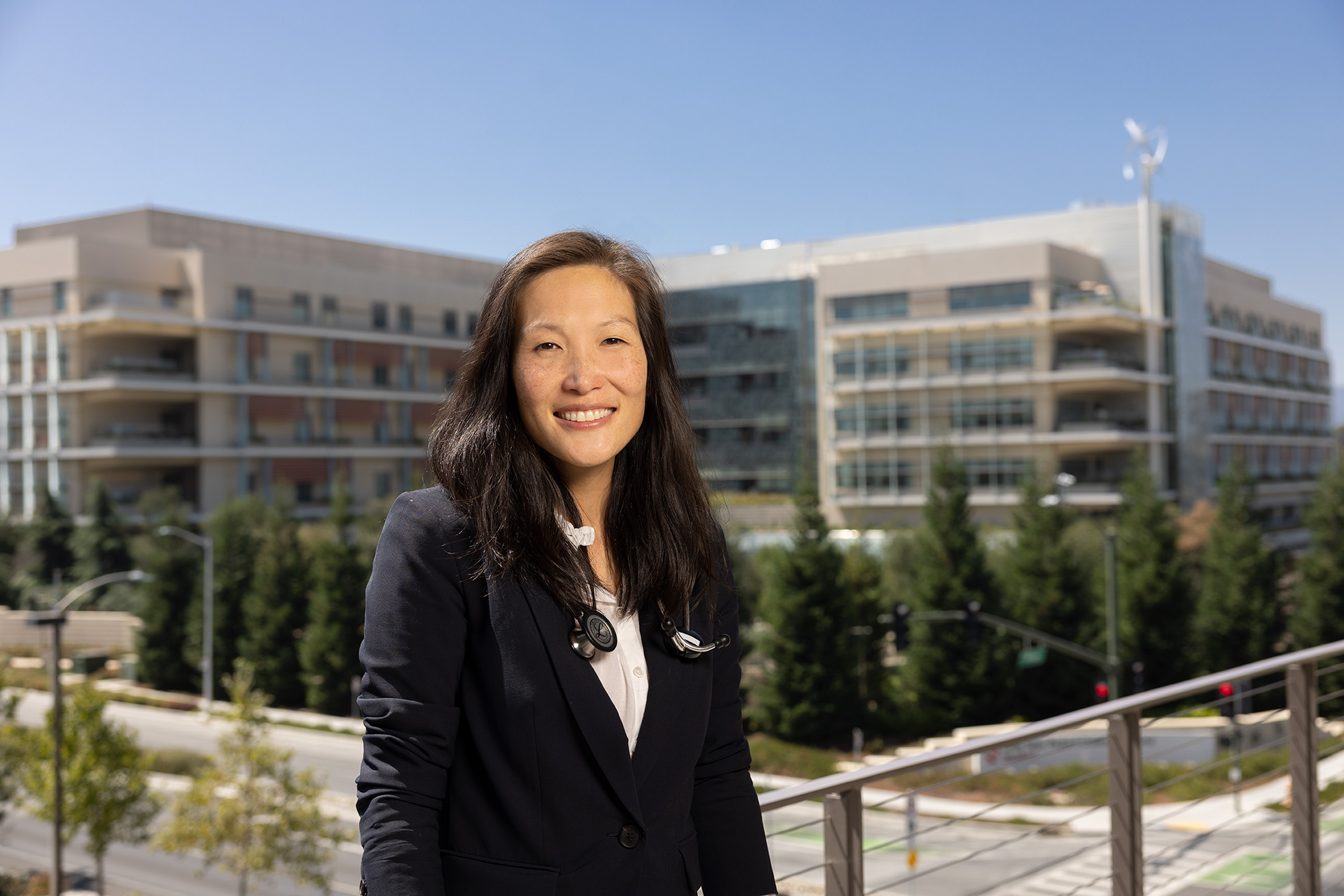
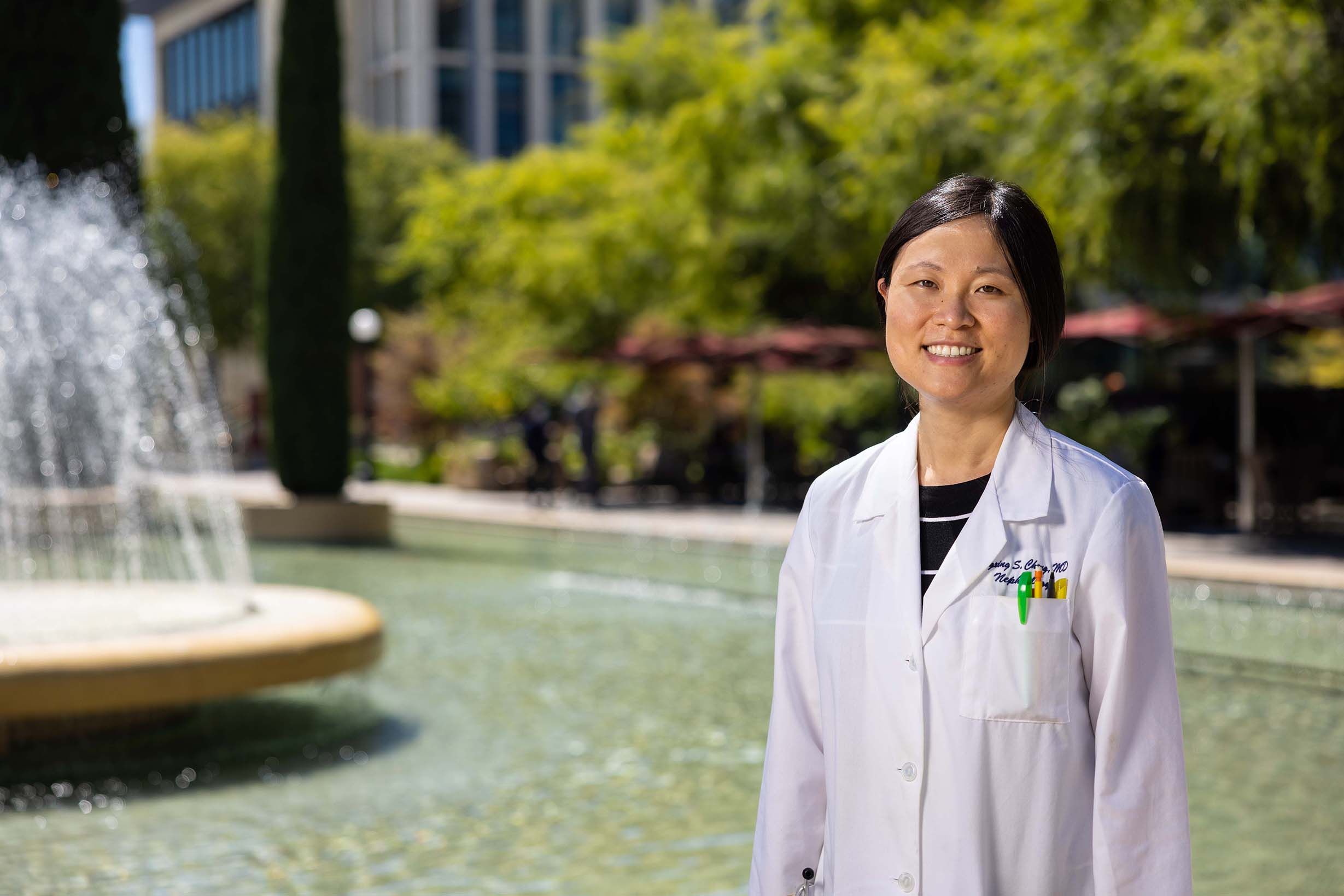
Xingxing Shelley Cheng, MD

“It may be any time, day or night, far or near. And if a potential recipient is found, he or she must get to Stanford immediately for an updated physical and psychosocial evaluation.”

If it’s been a long time since the patient’s most recent clinical assessment, they may have experienced illness or other physical challenges that could affect their likelihood of success with a donor kidney. “By the time the evaluation is completed,” notes Cheng, “the kidney may no longer be viable, or we may have found out that the patient and the organ are not a good match.”

“We started the TRAC program by developing a two-tiered list,” says Cheng. “Tier 1 has all the people who are waiting for the perfect kidney to become available, no matter how much time it takes. Tier 2 has people we feel could be candidates for a donated kidney that might not be perfect but that could still function with appropriate support, care, and patient education.”

This approach is based on taking proactive, aggressive actions to prepare patients on both tiers for a possible transplant before a kidney becomes available. Of the 1,900 people on the Stanford kidney waiting list, a small fraction is ready for surgery at a moment’s notice. Many live far away or may not be cared for by a Stanford physician.

The key to an effective transplant program is first, obtaining an organ, and second, aggressive management of the waiting list to assure that all reasonable patients are considered for any given organ offer.

– Xingxing Shelley Cheng, MD

The key to an effective transplant program is first, obtaining an organ, and second, aggressive management of the waiting list to assure that all reasonable patients are considered for any given organ offer.

– Xingxing Shelley Cheng, MD

Pre-transplant Readiness Improves Kidney Transplant Rate

Cheng and the kidney transplant team began reviewing the Tier 2 patients. They wanted to determine if, by reevaluating those patients before a kidney became available, they could prepare the patients to be ready for surgery with very short notice. This involved doing all the necessary medical workups and education needed in advance of a donor kidney becoming available.

In making these assessments, Cheng and the transplant team rely on the Kidney Allocation Score (KAS) to determine a patient’s priority for kidney transplant according to national allocation policies. The KAS is a composite of the amount of time the patient has been on dialysis, the amount and kind of antibodies the patient has, the patient’s blood type, and other factors.

Using the KAS, Cheng and her colleagues established wider parameters for eligibility for a kidney transplant. Doing this kind of evaluation for every person on the waiting list would be very time-consuming and not necessarily result in an organ match. But when focusing on the patients who would more likely be offered a donor kidney based on their KAS, even one that is not considered “perfect,” the pool of possible recipients becomes more manageable and results in a group of patients that is more likely to succeed.

“Our team meets weekly to review the patients who were seen that week who may qualify for this proactive management. With input from transplant surgeons, we can see trends developing so we can predict who on our lists might be eligible for an organ and ask those patients to come in for a clinical workup so they’re ready if an organ does become available.”

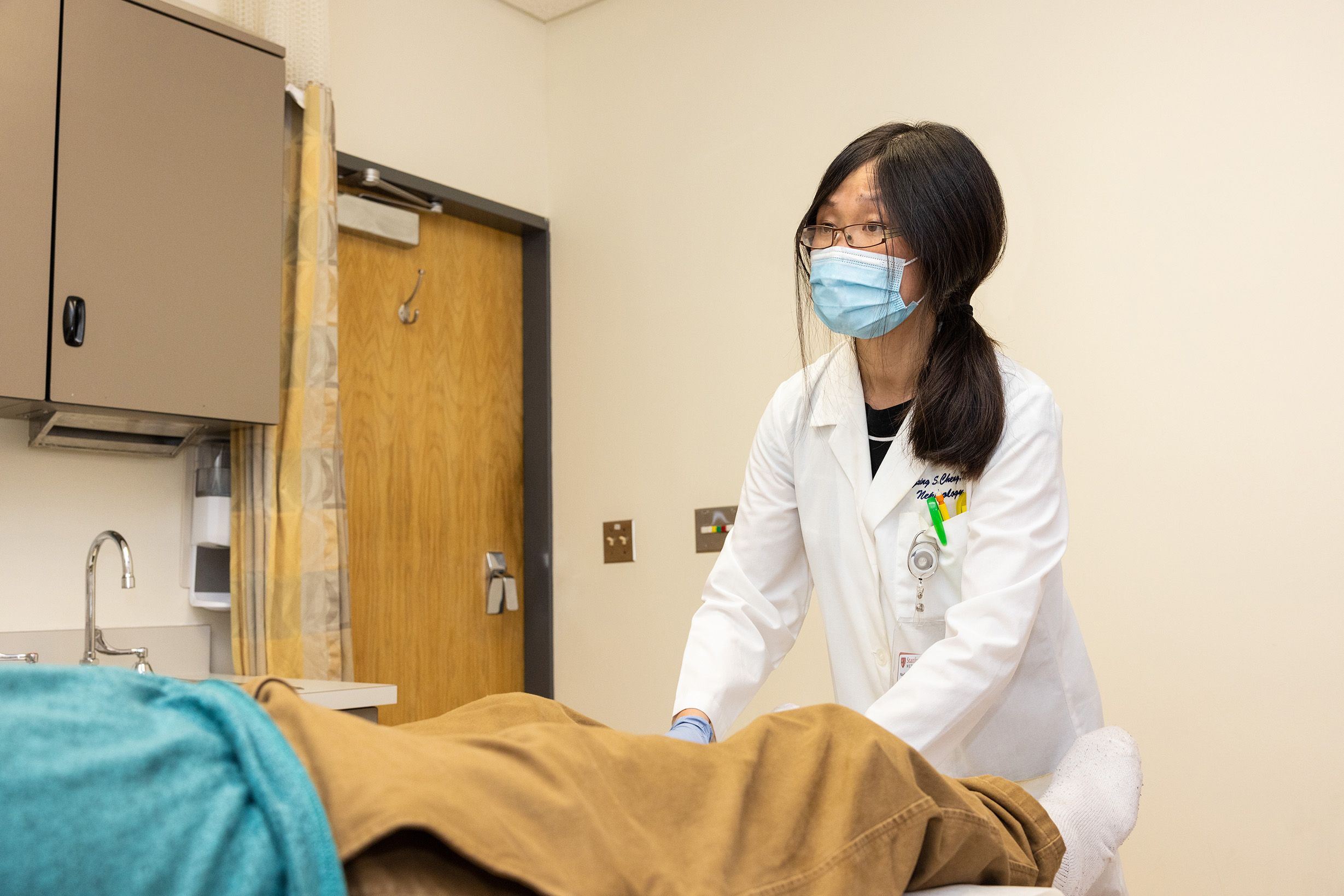
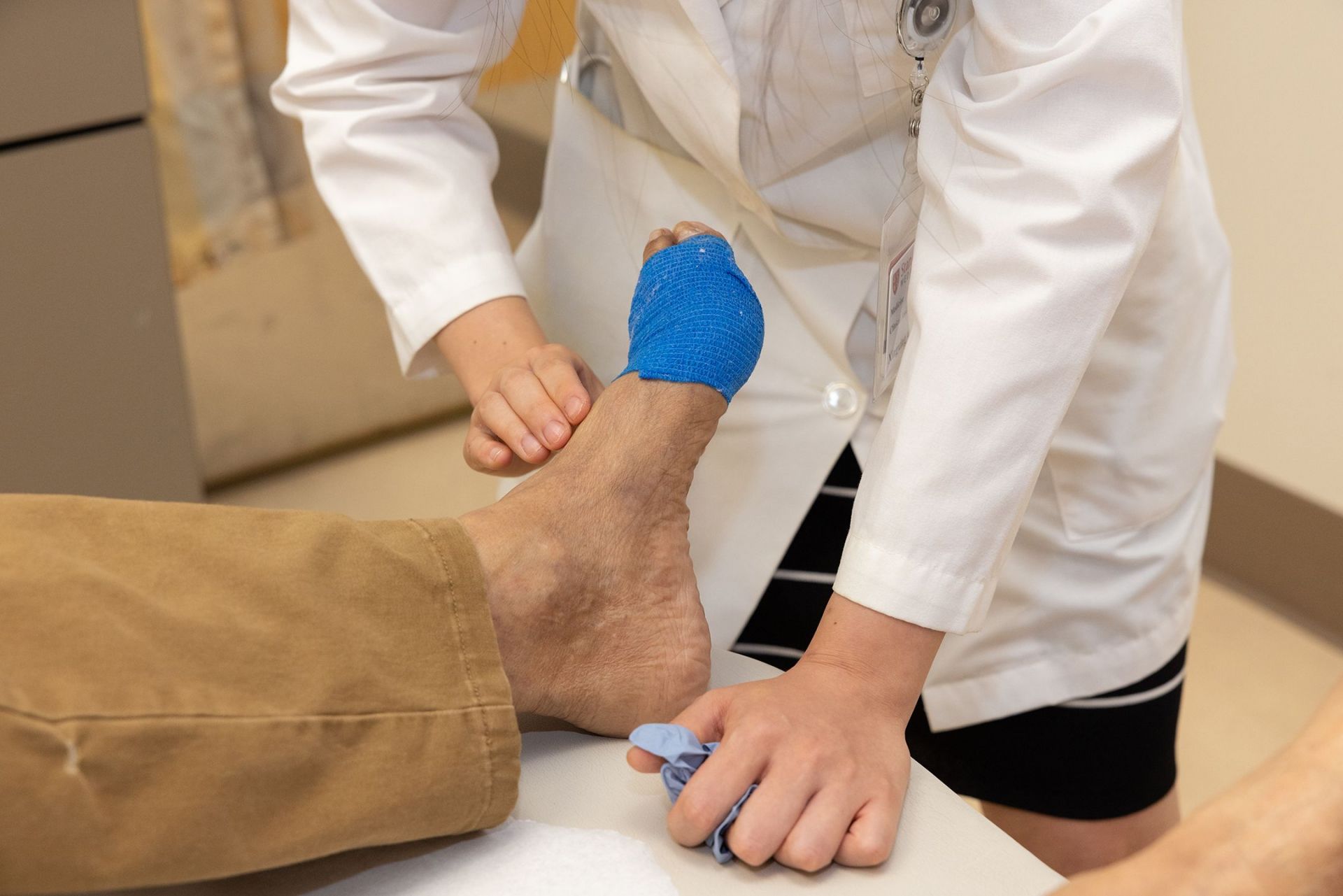
Cheng performs a medical workup and educates a patient

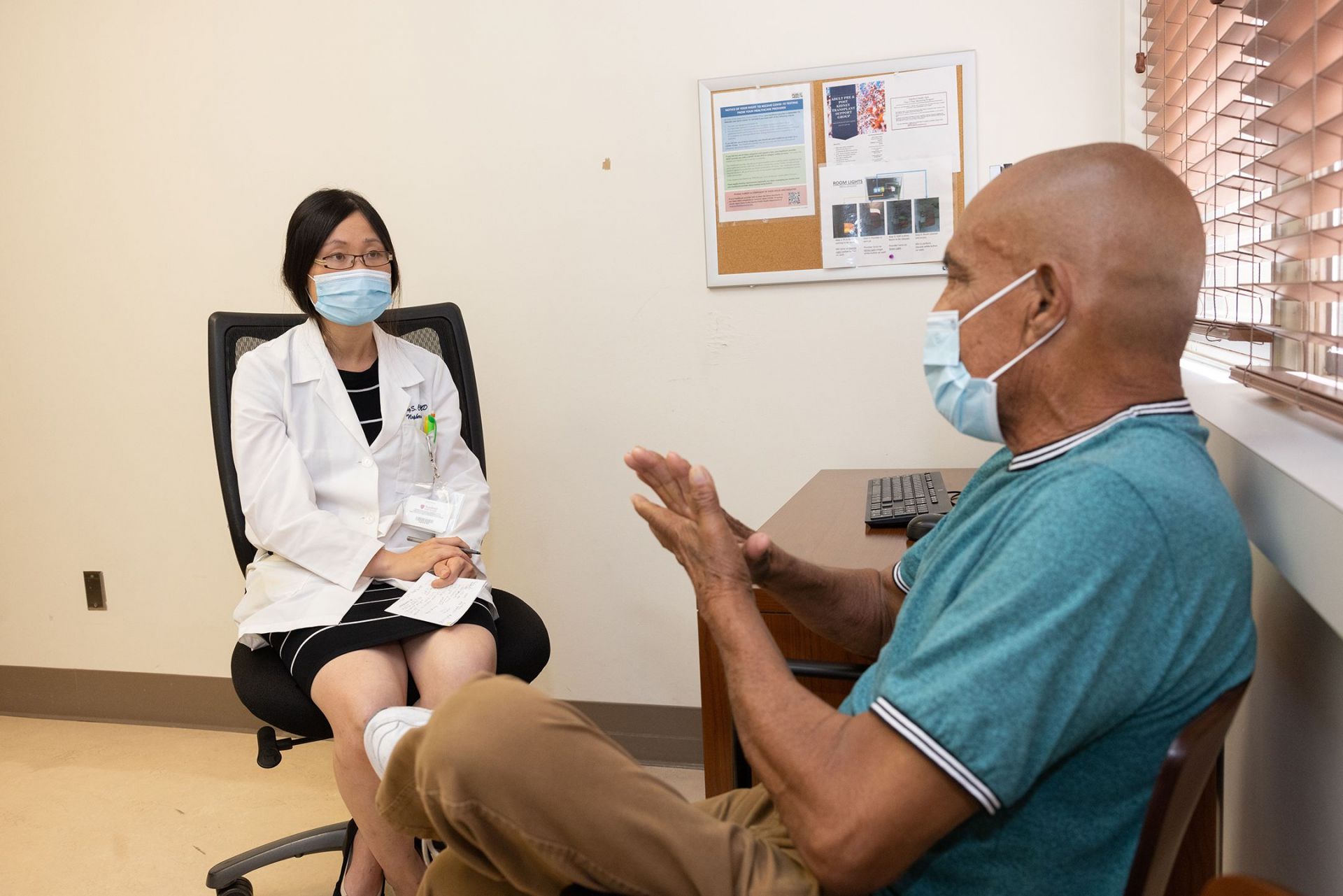
Roberto Gonzalez, 69, was one of those patients. He had been on dialysis for seven years before being enrolled in the TRAC program. He has diabetes and a rare blood type. “I was told I’d probably have to wait eight to 10 years for a compatible kidney,” he recalls. But five years into his dialysis treatment, Stanford enrolled him in the TRAC program, with monthly blood tests and follow-up.

In February 2022, Gonzalez received a phone call from his physician at Stanford letting him know that a kidney match had occurred. “I went to the hospital at 5:30 p.m.,” he says. “The surgery took place the next morning at 1 a.m.” He feels fine now and credits his faith and the skills of the Stanford Medicine team for his recovery. “On a scale of 1 to 10, I rank Stanford at 11+,” he says.