Becoming a Classical Hematologist

Becoming a Classical Hematologist

A Dream Come True
Becoming a Classical Hematologist

A Dream Come True

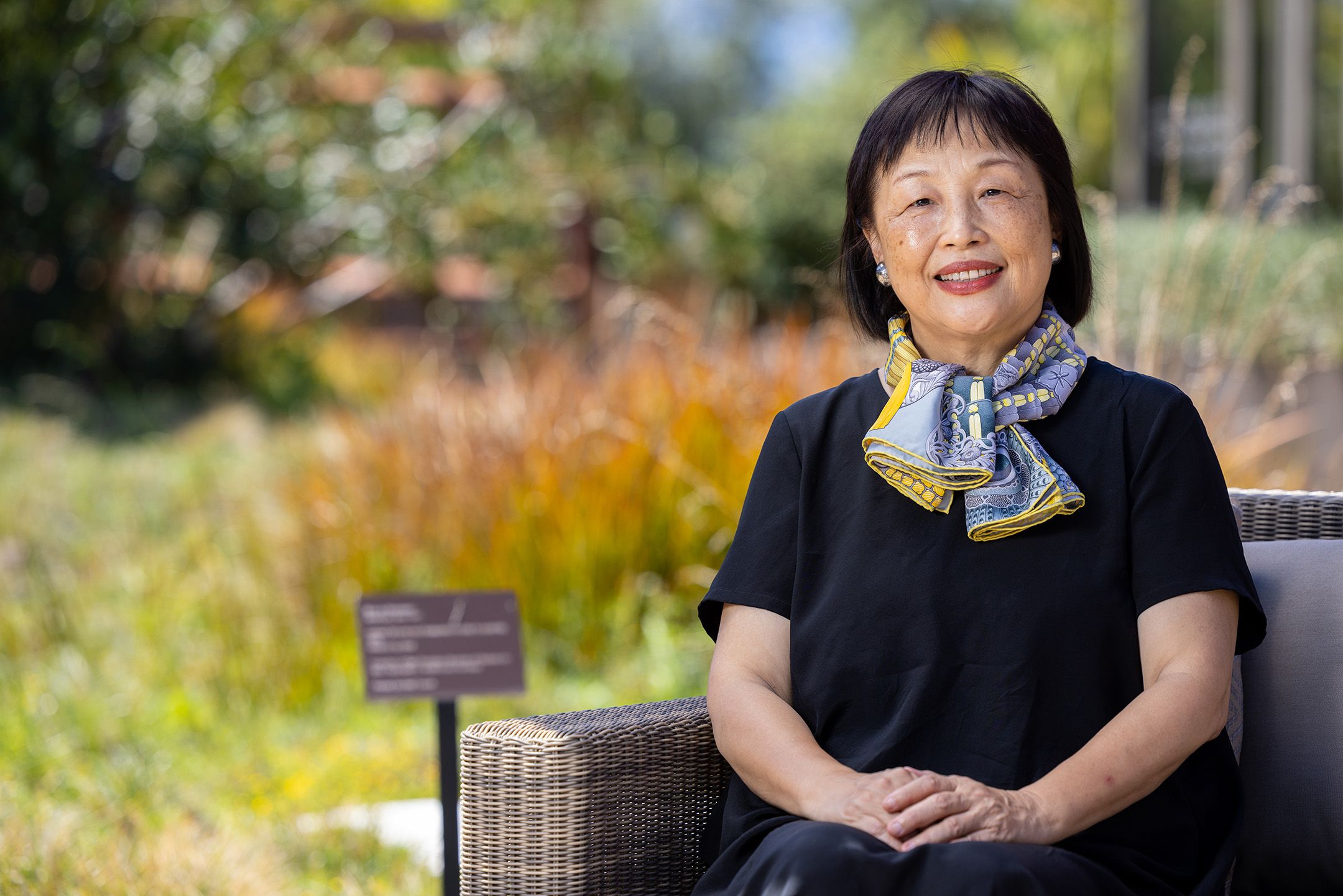
She fell in love with hematology on her first day of medical school. Hematologist May Chien, MD, remembers feeling that she had “found her dream.”

Chien, who is clinical assistant professor, pediatrics–hematology & oncology, and medicine–hematology, recalls that “I loved all the mechanisms of blood diseases and all the thought processes hematology involves.” Today, she’s living her dream.

Chien is board-certified in both internal medicine, hematology, and pediatric hematology-oncology, which gives her an unusually broad perspective from which to manage patients with classical (nonmalignant) blood disorders.

“Until recently, patients with blood diseases such as hemophilia and thalassemia did not survive past childhood,” she notes. “But today, with improved treatment options, many children born with these diseases grow into adulthood.” And since hematologists who treat adults don’t always have a lot of training in childhood diseases, her breadth of skills enables her to care for patients with blood disorders and follow them from birth through adulthood.

For example, she may help a woman with a bleeding disorder get through pregnancy and birth, and then find that the child has inherited the same disease. Chien can help them both manage their conditions and has done so numerous times.
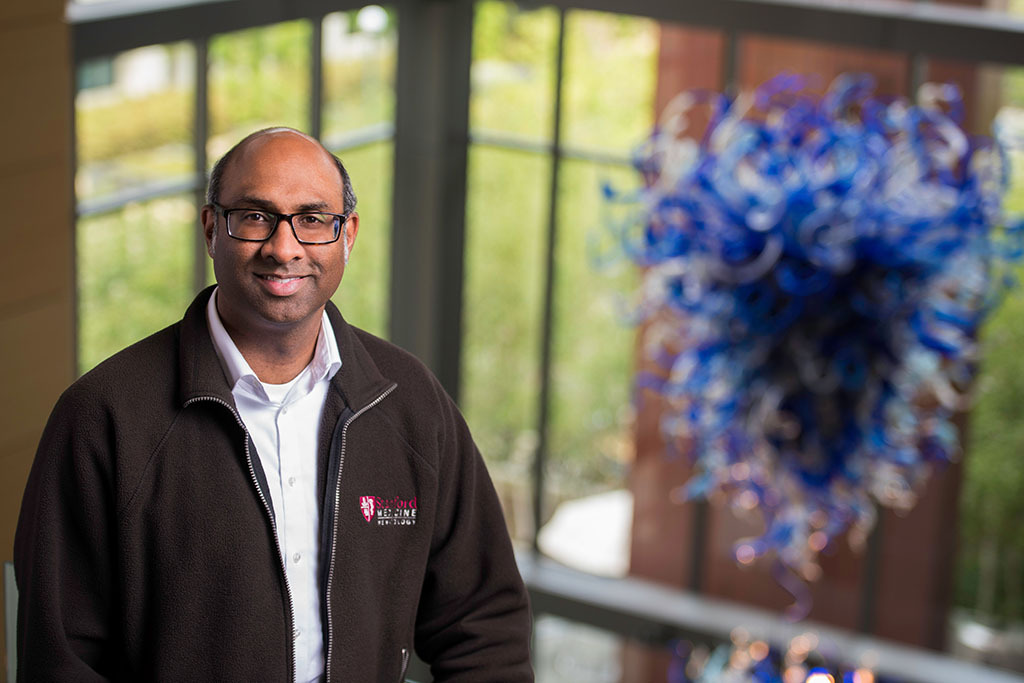
“In the world of medicine, we arbitrarily place people in one of two groups: under age 18 and over age 18…Dr. Chien occupies a unique space from which to care for patients with genetic blood diseases, from both sides of that age equation.”

– Ravi Majeti, MD, PhD

Or a child may be diagnosed with hemophilia with no known relatives who have the disease. By widening the family circle in which genetic mutations can be viewed, an unsuspecting family member can be identified as also having the disease. This is also part of Chien’s practice.

“This is often the case with women who have had very heavy menstrual bleeding their entire lives,” says Chien. “Having a child with hemophilia can bring focus to the mother’s genetic makeup and discover that she, too, has the disease.”

To Chien, working with families in this way enhances her joy of working in classical hematology.

It’s unusual for physicians to be subspecialty-trained to care for both children and adults, states Ravi Majeti, MD, PhD, division chief for hematology. “In the world of medicine, we arbitrarily place people in one of two groups: under age 18 and over age 18. How we assign physicians and resources is driven by that dividing point,” he says.

“But,” Majeti says, “the disease doesn’t care how old you are; what matters is how you navigate the healthcare system to find the best care possible whatever age you are. Dr. Chien occupies a unique space from which to care for patients with genetic blood diseases, from both sides of that age equation.”

Charting Her Own Course

Looking back on her training, Chien comments that “the people you meet 

often present options you didn’t know existed. I went to medical school at the University of Southern California Keck School of Medicine. Some colleagues I most admired there were doing a combined internal medicine (IM) and pediatrics residency. I applied for that program and got in.”

Four years later, she came to Stanford for fellowship training. “Stanford was wonderful for allowing me to create my own combined fellowship program in both IM and pediatrics. It was the perfect answer to finding a place where my intellectual and clinical interests could intersect,” she says.

Chien was the first fellow in the Stanford Department of Medicine to complete two fellowships concurrently. “One of the best things about Stanford is that if you dream it, people can make it happen,” she says. “I had an idea and found complete support for it here.”

Not only did she need faculty approval for the combined fellowship, but also she had to secure consent from the two board-certifying organizations involved: the American Board of Internal Medicine and the American Board of Pediatrics, both of which approved her proposed fellowship program.

A native of Southern California, Chien graduated from Amherst College in Massachusetts before returning home to pursue what she thought would be a career in laboratory research. “I was not living my best life at a laboratory bench,” she says. “I realized I was more interested in working directly with people.” So, she applied to medical school and found her “best life.”

One of the best things about Stanford is that if you dream it, people can make it happen. I had an idea and found complete support for it here.

– May Chien, MD

One of the best things about Stanford is that if you dream it, people can make it happen. I had an idea and found complete support for it here.

– May Chien, MD

Research in Classical Hematology

“Classical hematology is about intricate pathways,” says Chien. “Finding the correct diagnosis is like solving a fascinating puzzle, since there are numerous mechanisms for coagulation and other beneficial events to occur and possibly go wrong.”

Stanford researchers are pursuing new and novel treatments for conditions classified as classical hematological disorders, including hemophilia, thalassemia, pyruvate kinase deficiency, and sickle cell disease. Some of these involve gene therapy or stem cell transplantation.

“Inherited blood diseases are especially amenable to treatments like these,” says Chien. “Some are currently in clinical trials, but we have a way to go before they can be universally applied.”

For example, hemophilia A is an inherited genetic disease that results from a gene mutation that prevents the liver from making enough of a clotting factor called factor VIII. The result is excessive bleeding.

“Research in hemophilia is very exciting right now,” says Chien. “Gene therapy is starting to show promise in providing a potential cure for the disease.” Hemophilia is an ideal candidate for gene therapy because it arises from mutations of a single gene and because a patient doesn’t need a lot of the clotting factor to bring about a change from severe disability to wellness.

“Unlike stem cell replacement, successful gene therapy would entail one infusion into the liver to stimulate production of factor VIII,” Chien explains. “This not only would add years to patients’ lives but also could actually cure the disease.”

She is also interested in thalassemia, a type of anemia in which the entire hemoglobin portion of the blood is abnormal. Currently, blood transfusions are the main therapy used to treat thalassemia. The challenge with this approach is the possibility of overloading the liver with more iron than it can handle. A clinical trial underway at Stanford is exploring the potential of an oral drug that could extend the lifespan of a red blood cell, thereby boosting red blood cell levels and reducing or possibly eliminating the need for transfusions.

Looking forward, Chien is eager to continue her work in decreasing the burden of inherited blood disorders such as hemophilia, thalassemia, and sickle cell disease. “My goal is to continue to improve life expectancy and quality of life for adults and children with these conditions,” she says.
Dynamic Tracking System Boosts Kidney Transplant Eligibility

Dynamic Tracking System Boosts Kidney Transplant Eligibility

List management strategy improves rate of deceased donor transplantation

Dynamic Tracking System Boosts Kidney Transplant Eligibility

List management strategy improves rate of deceased donor transplantation

Ten years ago, Miriam Gutierrez, 47, was diagnosed with lupus. “Though I took medication for that condition,” she recalls, “my kidneys started to fail, and I was put on home dialysis.” She had a catheter attached to her abdomen, which enabled nightly cleansing of her blood.

Gutierrez was told she had about a 1% chance of getting a donated kidney because of the complex nature of her case, which included elevated antibodies, a blood type that would be difficult to match, and having had many blood transfusions.

In 2020, after eight years on dialysis, her physician referred her to Stanford for evaluation. Using the parameters of the Transplant Readiness Assessment Clinic (TRAC), she began monthly visits to monitor her compatibility with potential donated kidneys. Two years later, she remembers, “I received a phone call on a Friday night saying I had matched with a donor kidney. I went to Stanford Hospital on Saturday morning and had the transplant surgery that day.”

“I’m very grateful,” she says. “Now my life is back to normal, and I’m looking forward to visiting my family in Mexico soon.”

Dramatic increase in Rate of Kidney Transplants

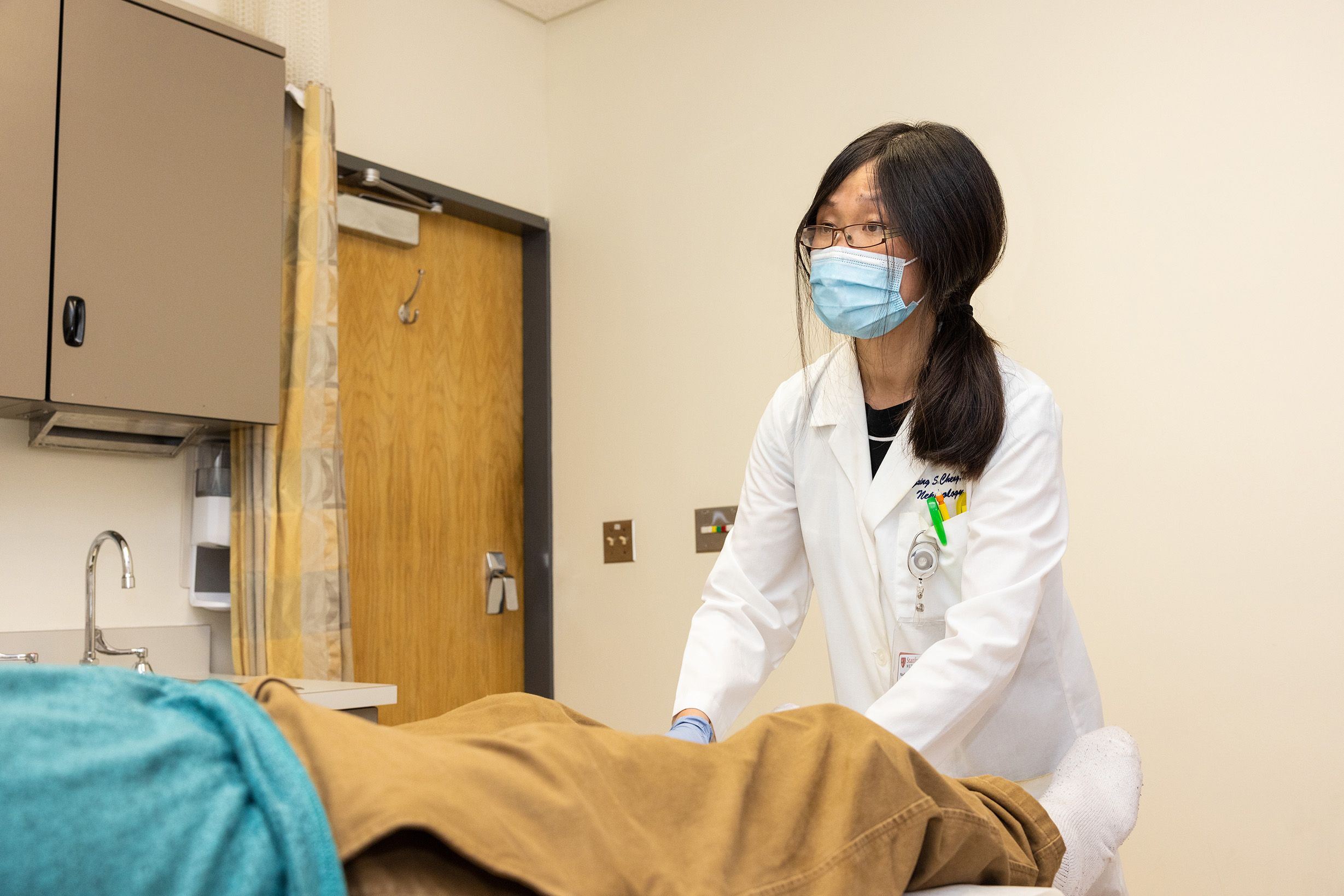
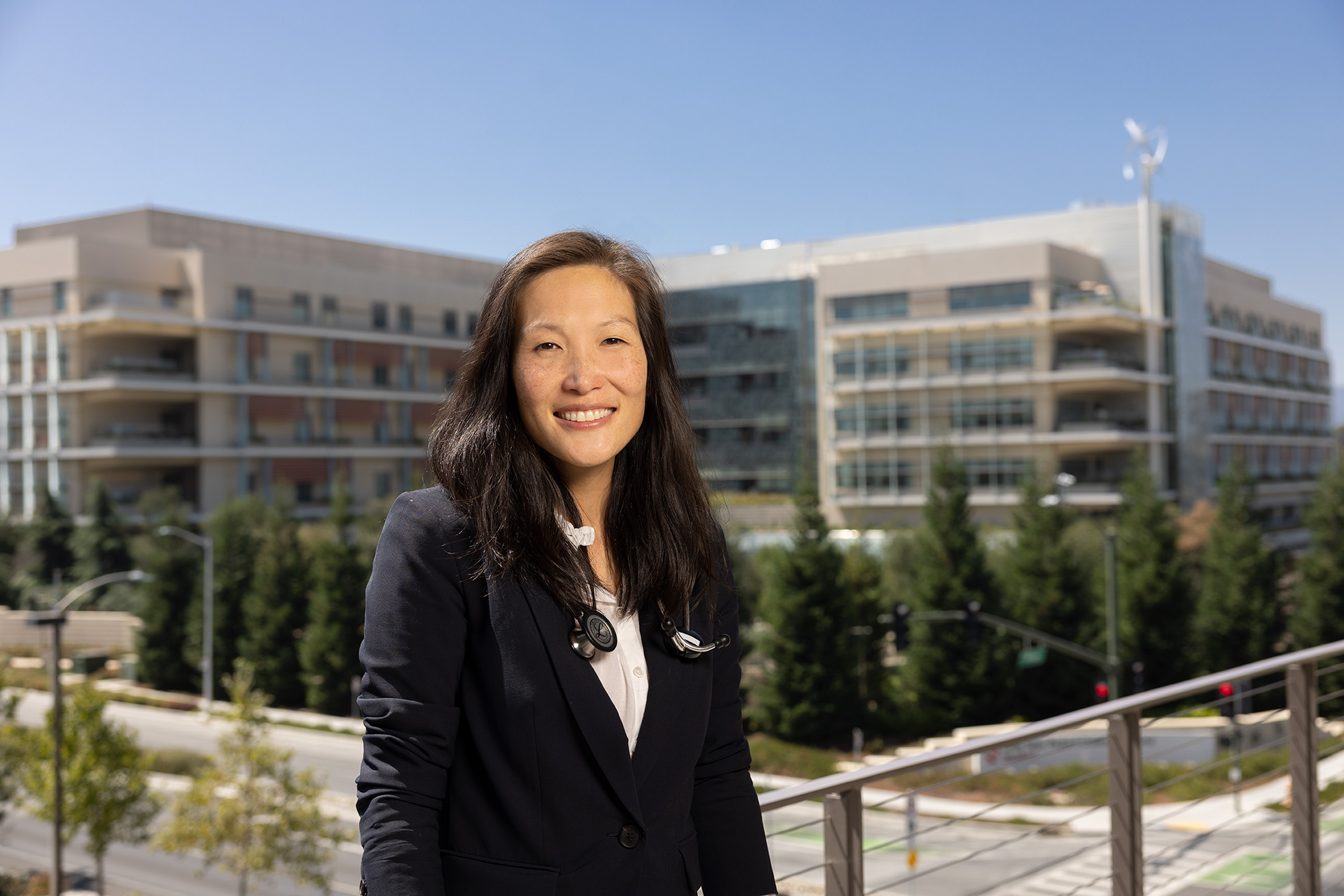
Gutierrez’s story is just one example of how the Stanford Department of Medicine’s TRAC program has resulted in a dramatic improvement in the rate of kidney transplants performed at Stanford. “We now do about 150 kidney transplants annually,” says nephrologist Xingxing Shelley Cheng, MD, clinical assistant professor, medicine–nephrology. “Before the TRAC program started, it was under 100.” Though part of this increase may be due to more kidneys becoming available, the rate of increase at Stanford is considered excellent.

Cheng explains that “the key to an effective transplant program is first, obtaining an organ, and second, aggressive management of the waiting list to assure that all reasonable patients are considered for any given organ offer.”

In this scenario, Cheng notes that “it’s the donor who allows the magic to happen; the transplant team is just the facilitator.”

End-stage kidney failure is defined as when kidneys have lost 85%–90% of 

“We now do about 150 kidney transplants annually… Before the TRAC program started, it was under 100.”

– Xingxing Shelley Cheng, MD

their function. Until the mid-1980s, the only long-term treatment for this condition was dialysis — a process that cleanses the blood of excess water and other waste materials. Dialysis is usually performed at an outpatient facility (though some patients can have home dialysis treatments) at least three times a week. Each treatment takes about four hours.

The kidney is the most common and successful of solid organ transplants. But because of their effectiveness, kidney transplants have become so sought after that there have never been enough donor kidneys available to fill the demand for them. Many people wait as long as 10 years for a kidney. Many die waiting.

List Management Strategy Drives Success of TRAC Program

Nationally, more than 100,000 people are waiting for a donor kidney. More than 1,900 of them are currently on the Stanford Medicine kidney waiting list.

In 2016, Stanford nephrologists launched the TRAC program, which was designed to streamline the waiting-list-management process. They wanted to find a way to match kidney donors and recipients more efficiently by broadening the criteria for transplant eligibility and making it more likely that an available organ could be transplanted into a patient on the list.

“It is impossible to predict when a donor kidney will become available,” comments Cheng.

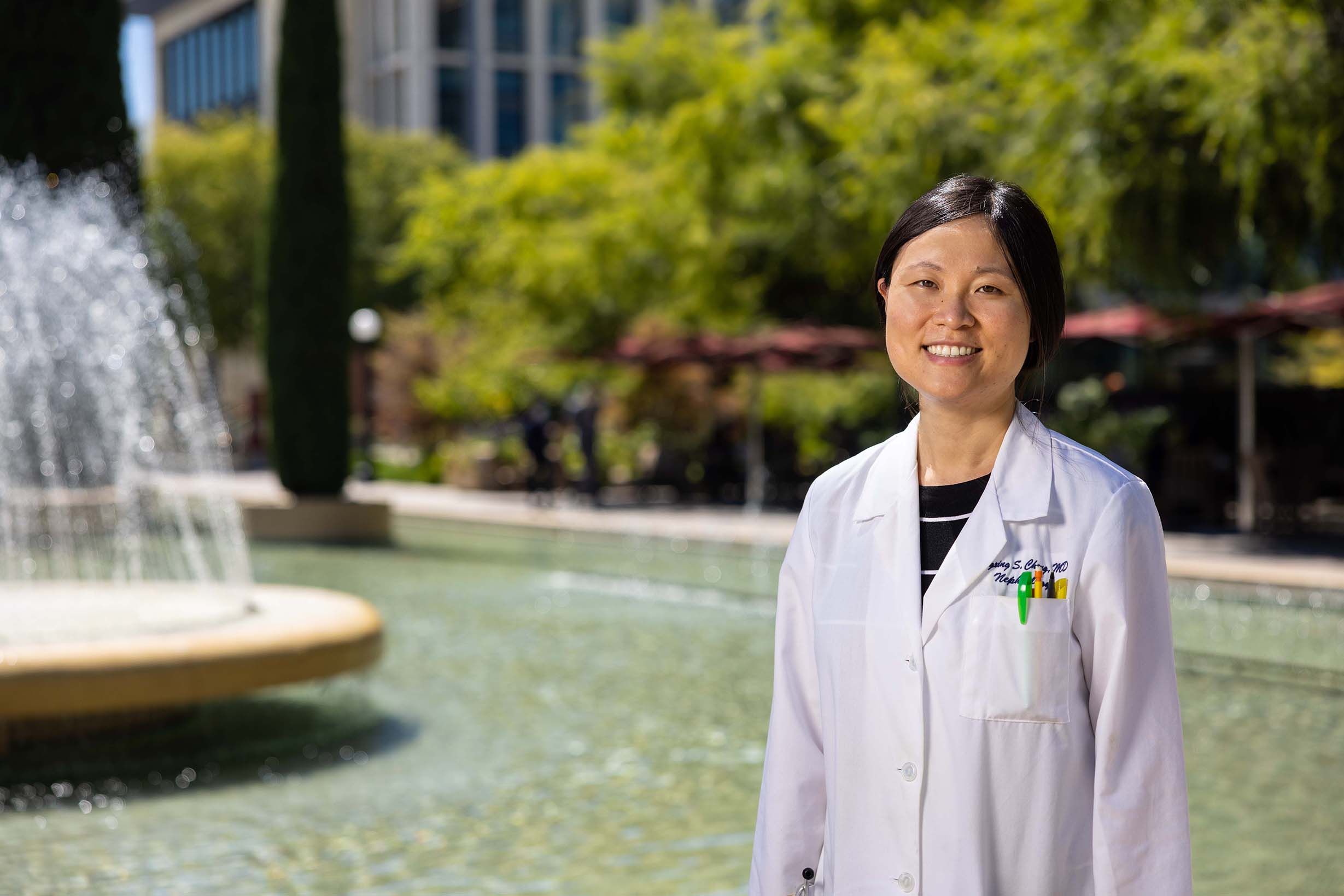
Xingxing Shelley Cheng, MD

“It may be any time, day or night, far or near. And if a potential recipient is found, he or she must get to Stanford immediately for an updated physical and psychosocial evaluation.”

If it’s been a long time since the patient’s most recent clinical assessment, they may have experienced illness or other physical challenges that could affect their likelihood of success with a donor kidney. “By the time the evaluation is completed,” notes Cheng, “the kidney may no longer be viable, or we may have found out that the patient and the organ are not a good match.”

“We started the TRAC program by developing a two-tiered list,” says Cheng. “Tier 1 has all the people who are waiting for the perfect kidney to become available, no matter how much time it takes. Tier 2 has people we feel could be candidates for a donated kidney that might not be perfect but that could still function with appropriate support, care, and patient education.”

This approach is based on taking proactive, aggressive actions to prepare patients on both tiers for a possible transplant before a kidney becomes available. Of the 1,900 people on the Stanford kidney waiting list, a small fraction is ready for surgery at a moment’s notice. Many live far away or may not be cared for by a Stanford physician.

The key to an effective transplant program is first, obtaining an organ, and second, aggressive management of the waiting list to assure that all reasonable patients are considered for any given organ offer.

– Xingxing Shelley Cheng, MD

The key to an effective transplant program is first, obtaining an organ, and second, aggressive management of the waiting list to assure that all reasonable patients are considered for any given organ offer.

– Xingxing Shelley Cheng, MD

Pre-transplant Readiness Improves Kidney Transplant Rate

Cheng and the kidney transplant team began reviewing the Tier 2 patients. They wanted to determine if, by reevaluating those patients before a kidney became available, they could prepare the patients to be ready for surgery with very short notice. This involved doing all the necessary medical workups and education needed in advance of a donor kidney becoming available.

In making these assessments, Cheng and the transplant team rely on the Kidney Allocation Score (KAS) to determine a patient’s priority for kidney transplant according to national allocation policies. The KAS is a composite of the amount of time the patient has been on dialysis, the amount and kind of antibodies the patient has, the patient’s blood type, and other factors.

Using the KAS, Cheng and her colleagues established wider parameters for eligibility for a kidney transplant. Doing this kind of evaluation for every person on the waiting list would be very time-consuming and not necessarily result in an organ match. But when focusing on the patients who would more likely be offered a donor kidney based on their KAS, even one that is not considered “perfect,” the pool of possible recipients becomes more manageable and results in a group of patients that is more likely to succeed.

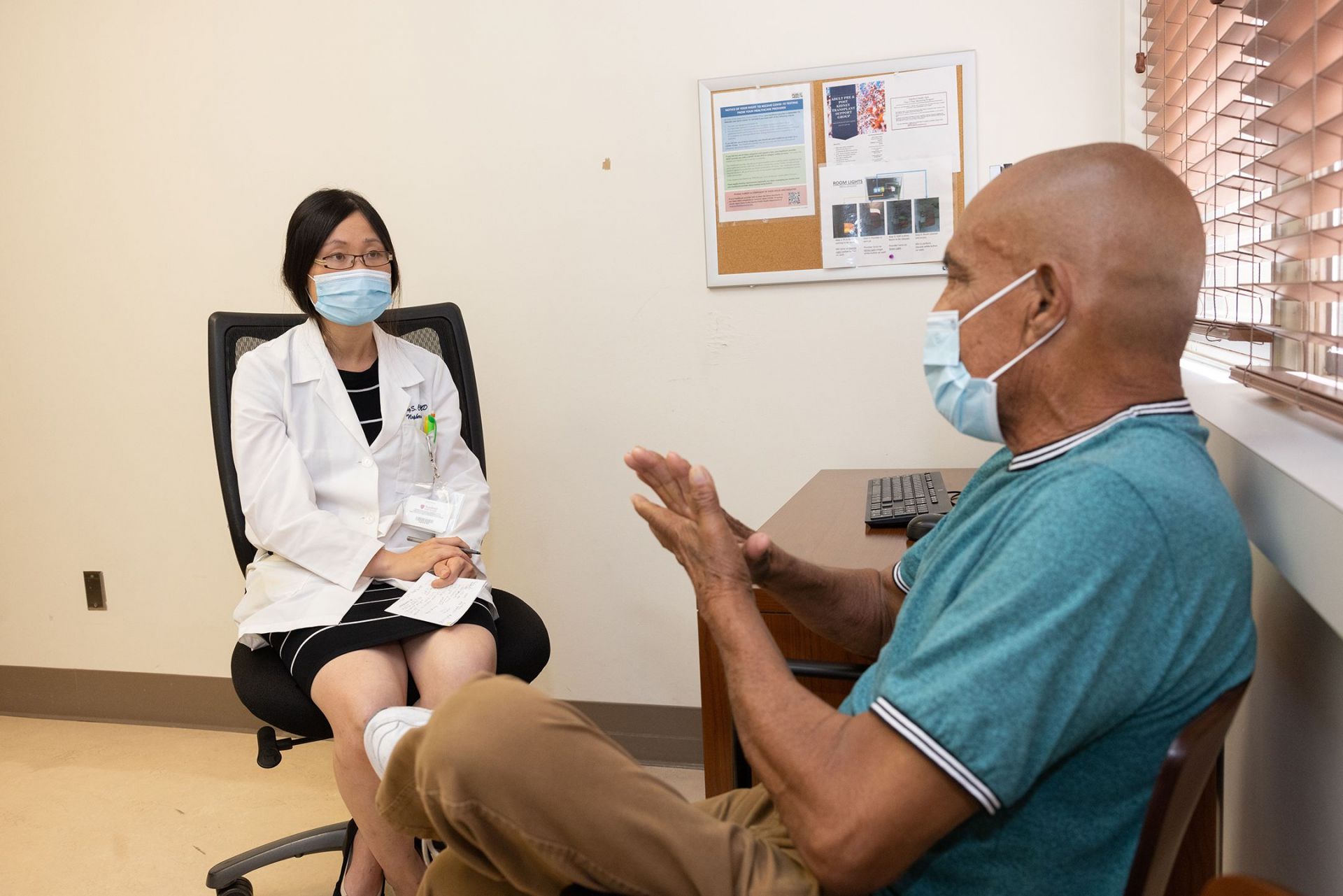
“Our team meets weekly to review the patients who were seen that week who may qualify for this proactive management. With input from transplant surgeons, we can see trends developing so we can predict who on our lists might be eligible for an organ and ask those patients to come in for a clinical workup so they’re ready if an organ does become available.”

Cheng performs a medical workup and educates a patient

Roberto Gonzalez, 69, was one of those patients. He had been on dialysis for seven years before being enrolled in the TRAC program. He has diabetes and a rare blood type. “I was told I’d probably have to wait eight to 10 years for a compatible kidney,” he recalls. But five years into his dialysis treatment, Stanford enrolled him in the TRAC program, with monthly blood tests and follow-up.

In February 2022, Gonzalez received a phone call from his physician at Stanford letting him know that a kidney match had occurred. “I went to the hospital at 5:30 p.m.,” he says. “The surgery took place the next morning at 1 a.m.” He feels fine now and credits his faith and the skills of the Stanford Medicine team for his recovery. “On a scale of 1 to 10, I rank Stanford at 11+,” he says.

A Physician’s Passion For Research

A Physician’s Passion For Research

Renu Dhanasekaran, MD, PhD

Renu Dhanasekaran, MD, PhD

A Physician’s Passion For Research

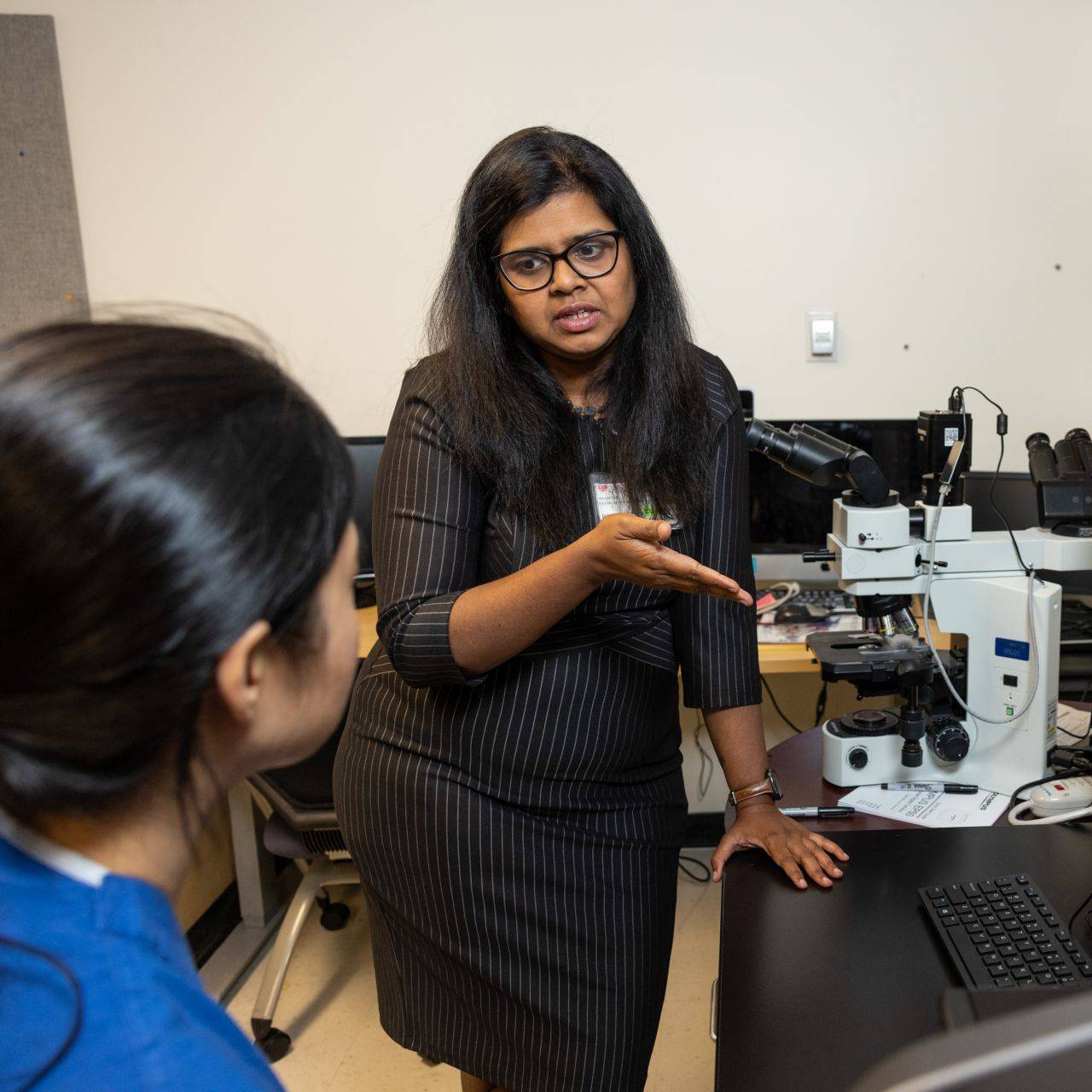
For Renu Dhanasekaran, MD, PhD, assistant professor of gastroenterology and hepatology, being a physician-scientist isn’t merely a profession. “It’s a calling,” she says. Dhanasekaran began her career as a physician in India, then went back to graduate school at Stanford and earned a PhD in cancer biology. Her lab at Stanford School of Medicine studies the molecular biology of liver cancer, with the goal of identifying novel biomarkers and molecular-targeted therapies for the disease.

Liver cancer is the fastest-rising cause of cancer death in the United States, according to the American Association for Cancer Research. And rates are expected to continue to rise through at least 2030. Risk factors include viral hepatitis B or C, fatty liver disease, and alcohol use. Worldwide, hepatitis B is the most common cause of liver cancer, but thanks to routine vaccination that began in 1982, fewer than 5% of liver cancer cases in the United States are caused by the virus. Obesity and diabetes are part of the reason, but “we’re not talking enough about it,” she says. “It’s an underrecognized issue. Liver cancer can happen to anyone.”

Dhanasekaran chose to be a physician because she wanted to help people. But it was only in medical school that she truly began to understand the “gravity of the profession” — how physicians can change and save lives.

“I hope more women choose to come into science… One of the most satisfying career pathways is to be both a physician and a scientist. And I’m glad I had enough support to help get me here.”

– Renu Dhanasekaran, MD, PhD

Choosing Research

After medical school, Dhanasekaran moved from India to the U.S. with her husband. Differences in training between the two countries meant she had to do some retraining, so she accepted a research job when she first moved to America. “I was always curious, but I didn’t have much experience in research. Then my first mentor said something that really stuck with me: If you’re a doctor, you will help those people that you see personally in your lifetime. If you’re a researcher, and you discover a new cure or test, you could end up helping millions of people,” she says. “The scope is potentially much larger, because it’s not just the person in front of you.”

Driven by her desire to make a bigger difference, she wanted to pursue research. “I loved it,” she says. “It was such a joy to publish and see my papers out there. I’d track my papers and think, wow, somebody cited my work.” She began her gastroenterology fellowship at the Mayo Clinic in Rochester, Minnesota, and at the same time began doing basic lab research. “In the beginning, I was just curious: What are they pipetting?” she remembers. Initially she was apprehensive about starting a new career track in bench research, since she was already at the fellowship stage of medical training, and going back for a research PhD meant learning things that students typically study in their undergraduate years.

But Dhanasekaran was undeterred. “I decided I was just going to try,” she says. “And I really loved it.” She ended up at Stanford, accepting a faculty position at the university, and says the culture there supported her path to pursue her PhD at the same time. “There was so much diversity in the student population and so many opportunities — nobody asked, ‘Why now, why you?’ There were other students who were on a nontraditional path as well.

Stanford was a really open community, and I felt very supported by my mentor and my division.” As faculty at the university, she had her own clinic already, but she managed to complete her PhD while maintaining her commitment to her clinic as well as teaching students and residents. “It was very interesting because I was going to early-morning classes with 20-year-olds,” she says. “I had two kids already, and I had so many hats to wear while doing all that. But I think Stanford is unique in that a faculty member is able to pursue a PhD.”

Dhanasekaran’s research is focused on liver cancer for two reasons: There are not many treatment options available for the cancer; and there is stigma around liver cancer because sometimes patients already have alcoholic liver disease or hepatitis C and may be, or have been, IV drug users. Because of the stigma, Dhanasekaran says, there isn’t as much attention or funding for liver cancer as other cancers.

Patients at the Heart of Research

Besides her research, Dhanasekaran runs a liver cancer clinic. This allows her to keep track of how her patients are doing. She says this has been humbling, because her patients often don’t survive past five years. “It’s very disheartening that I don’t have a set of patients I can follow long-term because of this disease. I come back into the lab after clinic and think, We really need to do something about this.” Keeping the science so close to the patients is important to her. “It’s so connected because these are the patients I see,” she says. “They inspire me.”

Dhanasekaran also feels that she learns from her patients, sometimes finding a clue from them that can lead her research in a particular direction. She recalls one patient who had a very aggressive type of liver tumor and was expected to survive only weeks or months. But a month later, the tumor had spontaneously resolved. “I had never seen anything like that,” she says. She explained to the patient how unusual her case was and that she wanted to try to understand why. The patient agreed to enroll in a study, and they determined that her immune system was extremely robust and was able to fight and clear the cancer. “We were able to do the science to show how this might have happened,” says Dhanasekaran. “I continue to follow her.” Her story is now published as a case report.

Because of the stigma… there isn’t as much attention or funding for liver cancer as other cancers.

– Renu Dhanasekaran, MD, PhD

Because of the stigma… there isn’t as much attention or funding for liver cancer as other cancers.

– Renu Dhanasekaran, MD, PhD

The lab that Dhanasekaran runs studies exactly that: the immune responses to liver cancer and how a tumor escapes the immune system and is able to grow. By understanding the mechanisms underlying these processes, Dhanasekaran and her colleagues in the lab hope to understand how to prevent tumors from escaping the immune system. Understanding tumor recurrence is another major focus for her lab. Many treatments work on the cancer initially and shrink the tumors, but often the tumors come back, whether right away or sometimes even 10 years later. This phenomenon is known as dormancy. Some of the cancer cells hide in the body, staying there until something triggers them to start growing again. “We don’t know exactly how they can survive for so long, where they hide, and why they come back,” she says. “It’s a very common phenomenon, and it’s the biggest cause of cancer-related deaths. It is also the biggest source of anxiety for patients because we have to scan them every three months.”

A Desire For Holistic Medicine Drives Nathaniel Myall’s Treatment of Lung Cancer Patients

A Desire For Holistic Medicine Drives Nathaniel Myall’s Treatment of Lung Cancer Patients

Nathaniel Myall, MD

Nathaniel Myall, MD

A Desire For Holistic Medicine Drives Nathaniel Myall’s Treatment of Lung Cancer Patients

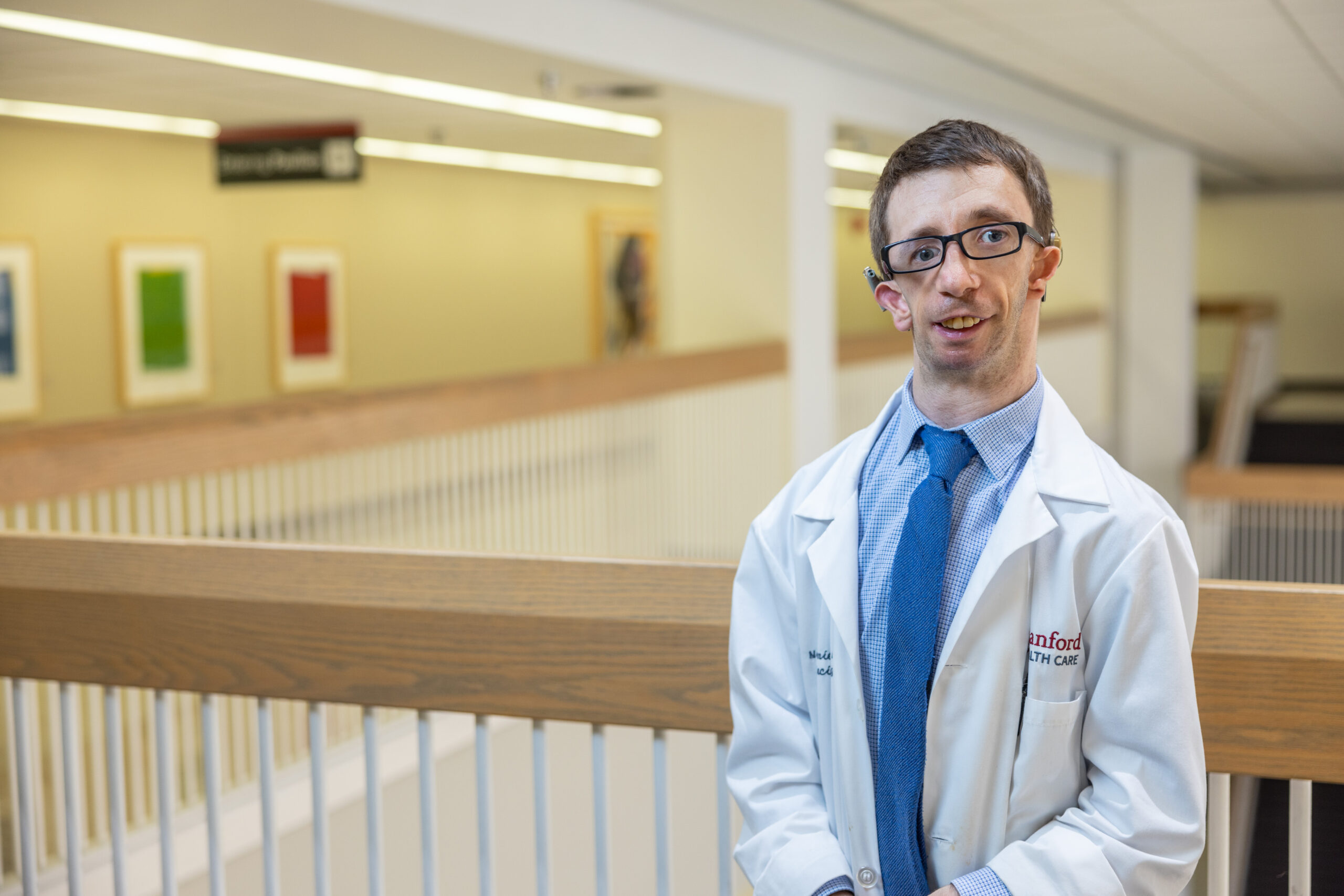
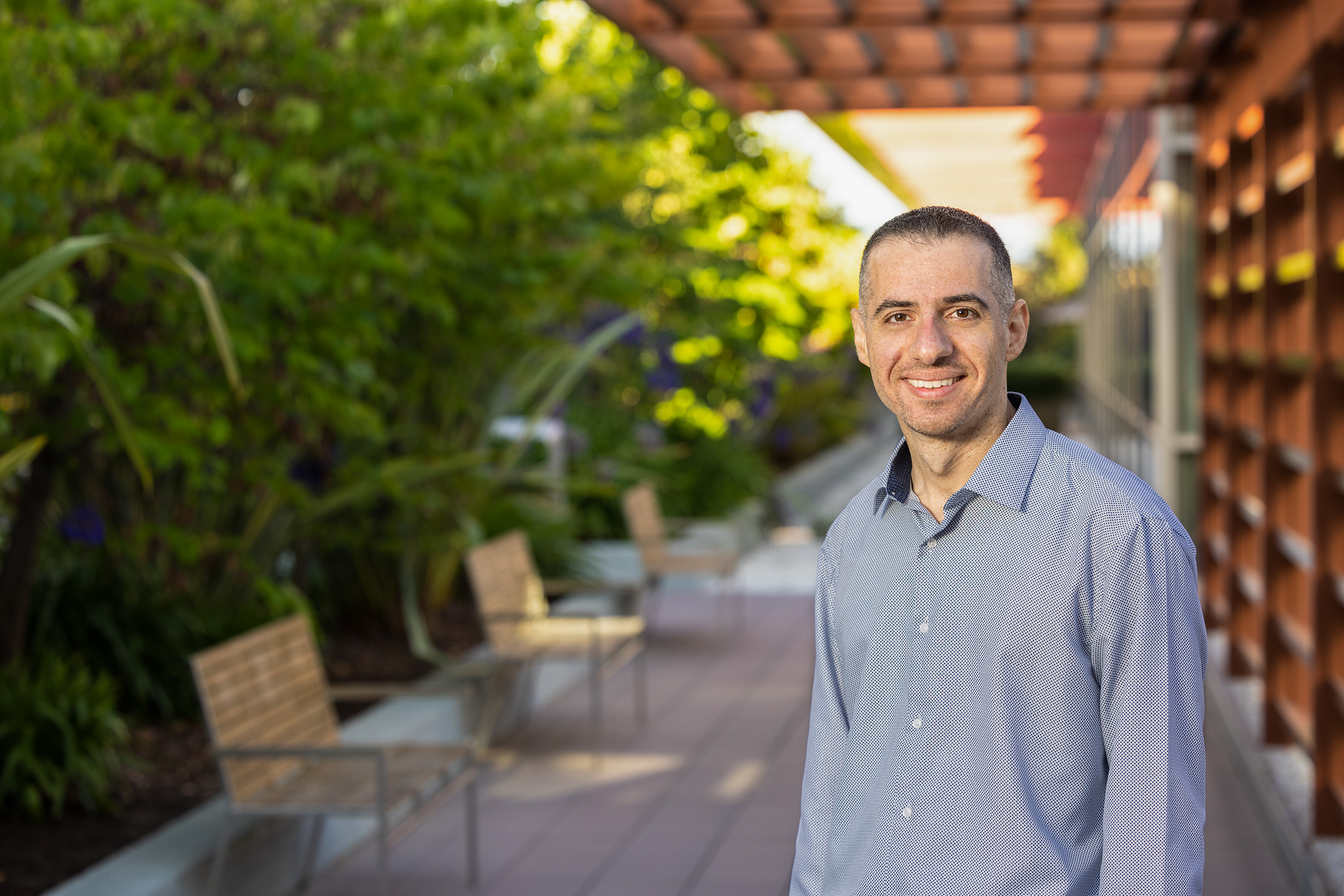
According to Nathaniel Myall, MD, a good doctor is one who looks at medicine holistically.

“Holistic medicine for me is not defining a patient by XYZ conditions, but looking beyond that,” he says.

This view of medicine developed, in large part, from Myall’s own experience as a patient. He was born with a rare genetic condition called Nager syndrome, which leads to underdeveloped bones in a person’s face, hands, and arms. This can cause delayed speech development and feeding and breathing problems during childhood, along with hearing loss.

“I wanted to use that experience in a productive way and apply it knowing what the patient experience is like,” says Myall, who grew up in Redwood City and received all of his childhood care at Stanford Medicine. “I learned how important it is in medicine to see our patients as full people.”

Myall’s experience as a patient and his fascination for medicine spurred him to become a doctor. He took premed courses as an undergraduate at Stanford and then attended Stanford School of Medicine. After graduating in 2012, he started his residency in internal medicine at Stanford, where he was exposed to the inpatient oncology ward. This experience motivated him to specialize in oncology, and he spent four years following his residency as a hematology/oncology fellow with Heather Wakelee, MD, who concentrates on lung cancer treatment.

“Once he started his fellowship, he really distinguished himself in his humanism. He’s just so caring and thoughtful, and has an incredible depth of medical knowledge,” says Wakelee.

For the past two years, Myall has been a clinical assistant professor at the Stanford Cancer Institute, where he focuses on non-small cell lung cancer (NSCLC)—one of the two major types of lung cancer that make up about 85% of all cases.

“I knew I wanted to be in an area of medicine where I could really have strong relationships with my patients,” Myall says. “There’s that relational aspect where you really have to walk alongside your patients and get to know them as individuals—what their goals are, who they are as people. That really informs how they approach their treatment.”

A Focus on Lung Cancer

The “non-small cell” part of NSCLC refers to how the cancer cells look under a microscope. Unlike the cells in small cell lung cancer, which appear small and round, the cells that make up NSCLC are larger and typically grow at a slower rate.

Myall also sees patients with neuroendocrine tumors, which are cancers that begin in the specialized neuroendocrine cells that produce hormones and allow the body to function properly. Most of these tumors occur in the appendix, small intestine, rectum, pancreas, and lung — which is where Myall focuses his efforts.

He was drawn to lung cancer, in part, because of the variety of treatment options, including chemotherapy, immunotherapy, and other oral drugs that target specific genetic mutations that may appear in lung cancer. “We can tailor those treatments based on any one person’s type of lung cancer and genetics,” Myall says. In a typical week, he spends two days seeing patients in his thoracic oncology clinic (which focuses on cancers in the chest area). Additionally, he spends about 12 weeks per year doing inpatient work for cancer patients who are admitted to Stanford Hospital, which includes managing chemotherapy treatment and medical complications of cancer.

“Holistic medicine for me is not defining a patient by XYZ conditions, but looking beyond that.”

– Nathaniel Myall, MD

As a clinical assistant professor, he teaches medical residents and fellows who rotate with him in the thoracic oncology clinic. Along with teaching the basics about proper lung cancer treatment, Myall works to educate the new generation of doctors about holistic care.

“My goal with holistic medicine is to build trust—to let them know that I care,” he says. “It’s a team effort. It’s not me just telling them to do something; it’s about being open and honest and having a dialogue.”

Testing Vital Drugs

That amount of work would be enough for most doctors, but Myall does even more.

On top of his clinical work, Myall has been an investigator for a phase 1 trial on two drugs, afatinib and necitumumab, to see how effective they are in treating patients with a specific type of NSCLC where the gene for epidermal growth factor receptor protein (EGFR) has mutated.

EGFR is a regulatory protein that serves as an on-off switch and helps control cell growth, explains Wakelee, who has worked closely with Myall since his residency. Many times, cancer begins because a regulatory protein is switched on all the time, leading to uncontrolled cell growth and division.

There are oral medications that can turn off mutated proteins like EGFR, but over time the cancer cells may develop secondary mutations that change the way these drugs bind to them, making them resistant to treatment. This is one of the reasons why it’s so important to test the efficacy of new drugs, Wakelee explains.

Myall has been an author on three studies that were published in 2022, which range from a case study on an NSCLC patient who received a novel type of therapy, to an evaluation of 120 NSCLC patients whose cancer spread to other parts of the body, to a comparison of two types of treatments for NSCLC patients with another specific type of gene mutation.

My goal with holistic medicine is to build trust—to let them know that I care. It’s a team effort. It’s not me just telling them to do something; it’s about being open and honest and having a dialogue.

– Nathaniel Myall, MD

My goal with holistic medicine is to build trust—to let them know that I care. It’s a team effort. It’s not me just telling them to do something; it’s about being open and honest and having a dialogue.

– Nathaniel Myall, MD

“Dr. Myall did extra work during his fellowship to learn how to be a clinical investigator,” Wakelee says. “He has kept his work as a clinical investigator an important priority now on top of shouldering a lot of clinical responsibilities as an attending physician. But he never complains; he keeps going. He’s an amazing team player.”

Myall admits that, as a newer attending physician, he is still trying to figure out the best way to balance his research with his clinical duties. He notes that he is lucky to have a team filled with amazing physician assistants, nurse practitioners, and nurse coordinators who help to lighten his load. “I’m fortunate to have a great support group in the clinic,” he says. “That makes a huge difference.”

Informed Treatment

At the end of the day, Myall’s main goal with his research is to better serve his patients. “I try to tie all my work together. The research informs what I’m doing in clinic. It helps to look at it that way: It’s all interconnected,” he explains.

There are still plenty of knowledge gaps in the field of NSCLC, and the more that doctors know, the better informed the recommendations and treatments for their patients are, Myall notes.

Wakelee sees that Myall’s personal experience in the medical system has given him deeper insight into what it means to be a patient, thereby allowing him to be a more attentive and knowledgeable doctor. But, at the same time, she says, “he would be this way regardless of his background. He is just a warm, caring, and brilliant person.”

Building the Science of WELL-being on a Global Scale

Building the Science of WELL-being on a Global Scale

Ann Hsing’s Journey to Ensure Improved Physical, Mental, and Spiritual Health

Building the Science of WELL-being on a Global Scale

Ann Hsing’s Journey to Ensure Improved Physical, Mental, and Spiritual Health

During the darkest, dreariest days of the COVID-19 pandemic, humans worldwide became more aware of and interested in their personal well-being. Since 2020, the wellness market has grown twice as quickly as the international economy, with global spending having now reached $4.5 trillion.

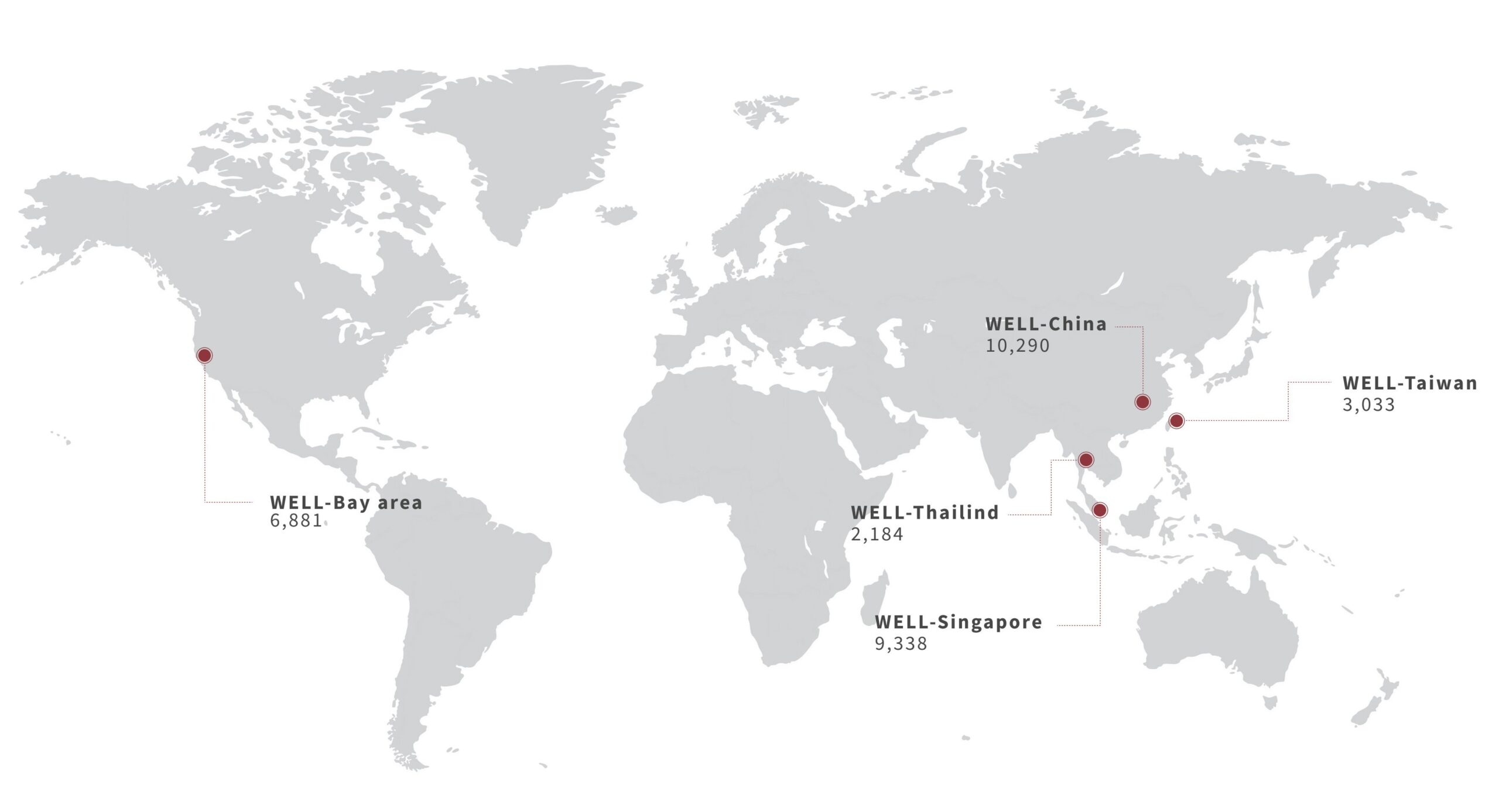
In 2015, faculty in the Stanford Prevention Research Center (SPRC), already deeply interested in well-being, launched a longitudinal, five-country Stanford WELL for Life study, now commonly known as “WELL.” The study, now on the brink of publishing breakthrough research findings, uses novel methods to measure and understand multiple dimensions of well-being across cultures. Since its inception, WELL’s multidisciplinary team of experts has been building the science by studying over 31,000 participants from the U.S., China, Taiwan, Singapore, and Thailand.

“WELL’s unique value is its quest for science-driven answers about well-being in diverse populations and its commitment to engaging and improving well-being in communities through science-based intervention and implementation,” says Ann Hsing, PhD, professor of medicine and principal investigator of WELL. She notes that SPRC defines it as “a holistic synthesis of a person’s biological, psychological, and spiritual experiences, resulting from interplay between individuals and their social, economic, and physical environments, that promote living a fulfilling life.”

“This extends beyond physical health and the absence of disease,” Hsing says. “Everyone wants to live a fulfilling life. With scientifically valid information and practical tips, we believe that it is possible to empower individuals to improve their own well-being and that of their communities. With the help of our international team, Stanford WELL for Life is building the science and learning how to improve well-being in people around the world.”

with translation of science and implementation of interventions that may help lower the cancer burden in individuals and their communities,” she says.

After coming to Stanford, Hsing took on community engagement and leveraged opportunities to educate the public about cancer prevention through presentations at local churches and community centers about cancer epidemiology, risk factors, and early detection of cancer.

Through those engagements, Hsing realized that even great scientific discoveries will have little or no impact if the public does not understand what they mean.

“I learned how important it is for us scientists to share our knowledge with the community in a way that resonates with them. WELL is a perfect example of why implementation and meaningful engagement matter. Our goal is not only to conduct research, but also to ensure that knowledge generated by WELL benefits everyone worldwide. Well-being is multidimensional, encompassing physical, mental, and spiritual health — body, mind, and soul,” Hsing says.

“I realized that the concept and practice needed to be communicated in a simple and effective way to the general public to empower them and to make everyone a little bit better, thereby making our world a bit better. All of us want to live a satisfying life, so the potential impact of our research is enormous. This is why I took on the challenge of serving as WELL’s principal investigator,” she adds.

Well-being is multidimensional, encompassing physical, mental, and spiritual health — body, mind, and soul.

– Ann Hsing, PhD

Well-being is multidimensional, encompassing physical, mental, and spiritual health — body, mind, and soul.

– Ann Hsing, PhD

Breakthrough Research

To facilitate and enhance their research, WELL investigators developed a scale that uses quantitative scores to measure and assess participants’ well-being in seven domains: sense of self, positive emotions, social connectedness, resilience, negative emotions and experiences, purpose and personal growth, and physical health.

In 2021, WELL researchers investigated the impacts of the COVID-19 pandemic, climate change, eco-anxiety, access to nature, and air pollution on well-being. Recent and planned publications show how the promise of WELL data may lead to better health and satisfaction with life.

In one paper, using data from WELL Singapore, researchers showed that use of parks and physical activity in a park were associated with higher well-being scores in an urban setting.

“These data suggest that even in urban settings, connecting with nature and spending time in accessible parks can help improve well-being because spending time in parks is often related to increased physical activity,” says Hsing. She also points to data showing that physical activity helps with stress management and was associated with better well-being during the pandemic.

“These results suggest that nature and physical activity, either alone or with others, can be used to develop effective strategies for the cultivation and promotion of well-being,” she says.

WELL researchers expect to publish an array of papers in 2023 that will include key findings from a collaboration with the Ford Motor Company and from a 1,200-person cohort of WELL participants studied during the COVID-19 pandemic.

The collaboration with Ford led to a 2022 pilot study using wearable technology to assess the effects of daily stress, mobility, physical activity, and sleep quality. The study measured heart rate variability in 120 participants wearing biosensing wristbands around the clock for 60 days. These repeated measurements led researchers to see a correlation between being stressed and having a low well-being score. Hsing notes that these data provide good insights for future interventions.

Within the COVID-19 cohort, WELL established baseline data on day one of shelter-in-place for each of 1,200 participants and followed up with them after 10 days and then at one-, three-, six-, and 12-month intervals.

“We found that early in the pandemic, negative emotions increased, and well-being scores dipped,” Hsing says. “However, over time, the decrease in scores leveled off, suggesting that people are adaptable and resilient.”

Seven Domains of Well-being
In WELL, well-being is composed of seven domains: sense of self, positive emotions, social connectedness, resilience, negative emotions and experiences, purpose and personal growth, and physical health.

Another study also showed that during the pandemic’s shelter-in-place restrictions, individuals who met physical activity guidelines had lower stress. Inactive participants reported sleeping longer and eating more to cope, while active participants reported using physically active stress management strategies.

Hsing adds that they “also found that individuals who engaged in contemplative practice behaviors, such as meditation and cultivation of self-compassion and compassion for others, experienced better well-being, significantly more resilience and positive emotions, and better management of stress during the pandemic.”

She shares these and other advances in the understanding of the subject through a graduate-level course that she launched in January 2022 at Stanford, “CHPR 242: The Science of Well-being: A Global Perspective,” using data from WELL studies in five countries.

In addition, during summer 2022, Hsing and colleagues launched a “curation” project as the basis for many future communications with the general public. Initially, the project will develop lay language summaries and infographics that define well-being, describe the WELL scale and its seven domains, and outline the scope, objectives, long-term goals, methods, and findings of the WELL study.

The Stanford WELL for Life study is an excellent example of achieving humanity through science. I feel extremely lucky and honored to lead such an important and exciting study.

– Ann Hsing, PhD

The Stanford WELL for Life study is an excellent example of achieving humanity through science. I feel extremely lucky and honored to lead such an important and exciting study.

– Ann Hsing, PhD

Breadth of the Study
For the past seven years, WELL’s multidisciplinary team of experts has been studying over 31,000 participants from the U.S., China, Taiwan, Singapore, and Thailand to understand and measure well-being – the synthesis of each person’s biological, psychological, and spiritual experiences.

The Future

Where is WELL headed?

“WELL focused on psychology initially, as well-being is a subjective perception. As a molecular epidemiologist, my goal is to infuse molecular biology, environmental data, technology, and other biological disciplines into WELL to enhance its breadth and depth,” Hsing says.

“For example, we used a multidisciplinary approach and recently added biosensing digital technology and used heart rate variability to measure stress and sleep fragments. We have proposed a functional MRI pilot study to assess brain function and structure among people in our study who chronically and persistently have very low well-being.”

Since 2015, WELL has established a biobank of more than 300,000 specimens, including hair, nail, blood, urine, and stool samples. To build on 

this rich resource, WELL is funded to measure gut microbiome and metabolomics on over 2,000 individuals in China and to determine if these omics profiles correlate with well-being. Using a holistic approach, WELL will integrate self-reported data with objectively measured omic, biosensing, and imaging data to understand the biological basis of well-being. This will provide evidence-based data to guide the development of future intervention studies designed to promote well-being in individuals and communities.

WELL’s investigators collaborate widely with many faculty from the SPRC as well as from various departments and schools within and outside of Stanford. However, Hsing works most closely with two colleagues: Catherine Heaney, PhD, associate professor of psychology and of medicine, who conducts qualitative studies in various countries to develop WELL’s scale for well-being assessment and leads WELL Thailand; and Ying Lu, PhD, professor of biomedical data science, who serves as the principal biostatistician for WELL. Together, the trio developed the methodology and analyses of the study.

“WELL welcomes collaboration. I believe our rich data and resources provide a unique opportunity for partnerships to advance the science of well-being and healthy aging. I invite faculty, postdocs, and graduate students to reach out for potential collaboration at annhsing@stanford.edu. The Stanford WELL for Life study is an excellent example of achieving humanity through science. I feel extremely lucky and honored to lead such an important and exciting study,” Hsing concludes.

Blood is Thicker Than Water

Blood is Thicker Than Water

William Shomali’s Hematologist’s Journey

Blood is Thicker Than Water

William Shomali’s Hematologist’s Journey

William Shomali, MD, clinical assistant professor of hematology, always knew he wanted to be a doctor. As a child growing up in Jordan, it was basically a foregone conclusion. Maybe he was undecided as a toddler, but as soon as high school hit, it was clear that medicine was the choice for him. And medical school in Jordan, similar to the European system, is slightly different from that in the United States, involving an earlier commitment: After high school, students go directly to medical school, where they study for six years, and then they do an extra “rotating internship” before residency. Shomali did an elective in the United States during this time period, and this set him on the path to his work at Stanford as a hematologist and oncologist.

William Shomali, MD, at work as a clinical investigator.

stayed an extra year in Cleveland, serving as a chief resident, with an educational goal of reviving physical examination skills and coaching the house staff to deliver high-quality, evidence-based, and cost-conscious care.

Terrific Mentors

After that, Shomali ended up at Stanford for his fellowship, where he met Jason Gotlib, MD, MS, professor of hematology, who quickly became a trusted mentor. “He’s one of the main reasons why I stayed at Stanford,” Shomali says. “He’s been very, very supportive of me and my career development. He taught me the essentials of clinical investigation and how to develop investigator-initiated clinical trials. He’s one of the best clinical investigators in the country, exceptionally kind and approachable, and we continue to work closely together as a team.”

Gotlib remembers meeting Shomali as a fellow on the inpatient leukemia service and describes him as “a voracious and joyful learner.” He adds, “William modeled the aphorism that what you get out of fellowship is what you put in. He quickly earned the respect of our family of hematology colleagues for his work ethic, collegiality, citizenship, and passion for teaching the gospel of hematology.

With William, there’s no ego or need to impress — his big heart and vast medical knowledge are exactly the custodial attributes our leukemia patients need during their cancer journey.”

Shomali also calls himself “very fortunate” to train under Peter Greenberg, MD, professor emeritus of hematology, a world-renowned expert in myelodysplastic syndromes (MDS). “We worked closely in the clinic, and his mastery of MDS and joy in evaluating blood smears under the microscope are unparallelled,” Shomali states. He also calls the guidance of Michaela Liedtke, MD, associate professor of hematology, “instrumental” to his knowledge of the complex inpatient care of patients with leukemia. Shomali concludes, “Every faculty member in our division is outstanding, collegial, and always willing to help day or night, and I learn from each and every one of them.”

Hope for Blood Cancer Treatment

During his fellowship, Shomali also began to specialize in blood cancers, specifically myeloproliferative neoplasms (MPNs) and myelodysplastic syndromes (MDS). MPNs are types of blood cancers where there are too many blood cells: white cells, red cells, and/or platelets. This can cause a number of complications, including blood clots and/or bleeding, which can significantly affect a patient’s quality of life and can even progress to acute

“Ultimately, a portrait of William Shomali is a portrait of an exceptional doctor at work, balancing clinical, educational, and research goals as well as a young family.”

leukemia. The other type of cancer he specializes in, MDS, causes patients to have too few blood cells, causing anemia, infections, and/or bleeding (and those can progress to acute leukemia, too).

Shomali’s clinical trial work focuses on novel treatment options for patients suffering from these cancers, including targeted therapies. “There’s an unmet need, and we have room to enhance the current standard of care,” he explains. Gotlib has mentored Shomali through this process as well, passing on “the fundamentals of being a clinical trialist,” as he puts it.

and sees it as part of his own personal mission as well as the larger Stanford mission to pass clinical knowledge on to the next generation. 

And of course he doesn’t work alone. On the clinical and research side, he collaborates with many faculty and staff, including a nurse coordinator, study coordinators, and various others who function as a team. “The hematology division is like family,” Shomali states. “We care for and support each other.”

This has held true during difficult times like the pandemic, with its greater shift to telemedicine, and even during the everyday busyness of normal life. Shomali obviously works hard, but also takes time to relax with his family — if you can call it relaxing. He has two young kids, who, he laughs, keep him and his wife “very busy” with trips to the beach and the park (beyond just the normal business of raising them). He also enjoys working in his new garden.

For his part, Gotlib has found that over the years his work with Shomali has progressed beyond their earlier dynamic. As time goes on, he says, “the roles of mentee-mentor have become more blurred, as I continue to learn a ton from William.” And this learning isn’t all medical: “Most importantly,” Gotlib concludes, “I consider William a good friend and have taken great joy in seeing his professional development and watching him and his wife raise two beautiful kids.”

Ultimately, a portrait of William Shomali is a portrait of an exceptional doctor at work, balancing clinical, educational, and research goals as well as a young family. And he’s always looking to the future. “My focus is on being a thorough clinician and investigator,” he says. “I want to help patients find answers in reaching a diagnosis, offer them state-of-the-art treatment on their medical journeys, and advance the standard of care. In hematology/oncology, many times the standard of care is not enough, and we need to improve on that. I want to be a physician who can offer patients novel therapies that change their lives — that’s what drives me every day.”