Pause, Reflect, and Begin Again

Pause, Reflect, and Begin Again

Pause, Reflect, and Begin Again

Through these selected videos, Department of Medicine staff members take a moment to pause and reflect on how they replenish their energy at work and in their personal lives. They look back on particular experiences in the department that, for them, signify positive change.

Their responses embody the very spirit of renewal: recognizing what has been lost in recent years, looking ahead to 2023–24 with a sense of optimism, and expressing a will and readiness to begin again.

We invite you to join our staff in enacting a collective renewal.

Together, we

  • acknowledge the cyclical nature of life, from loss and mourning to growth and celebration;

  • balance reflecting on the past with hope for a brighter future; and

  • recommit to our shared mission of research, education, clinical care, and community partnership.
Paid Summer Internship Program Furthers Stanford Commitment to Diversity, Equity, Inclusion

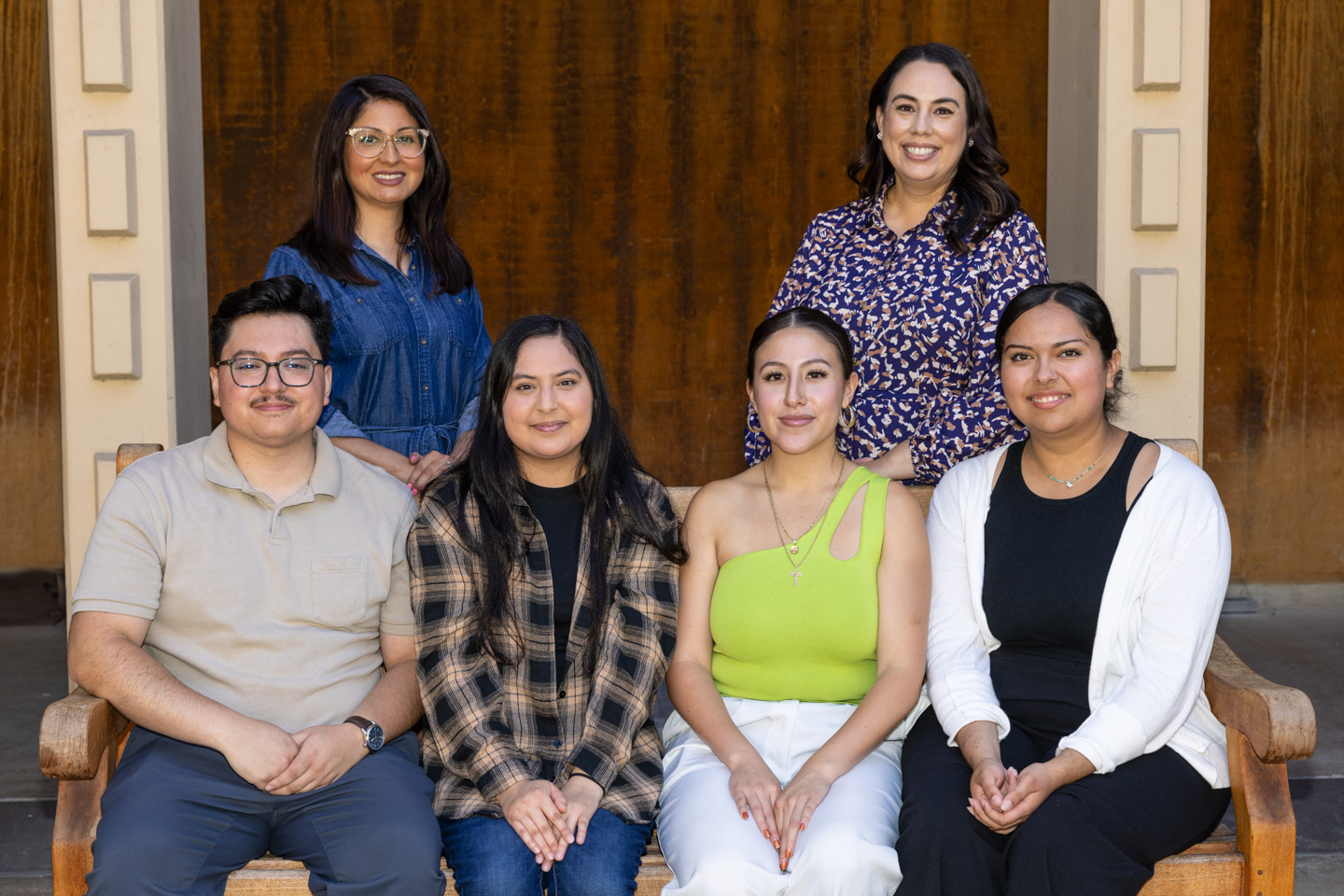
Front row, from left: Josue Parra, UC Berkeley; Briana Giglio, San Jose State University; Sarah Morales, UC Berkeley; Daphney Saviotti-Orozco, UC Berkeley. Back row, from left: Cecile Bonini and Karina Delgado-Carrasco.

Front row, from left: Josue Parra, UC Berkeley; Briana Giglio, San Jose State University; Sarah Morales, UC Berkeley; Daphney Saviotti-Orozco, UC Berkeley. Back row, from left: Cecile Bonini and Karina Delgado-Carrasco

Paid Summer Internship Program Furthers Stanford Commitment to Diversity, Equity, Inclusion

Front row, from left: Josue Parra, UC Berkeley; Briana Giglio, San Jose State University; Sarah Morales, UC Berkeley; Daphney Saviotti-Orozco, UC Berkeley. Back row, from left: Cecile Bonini and Karina Delgado-Carrasco.

Front row, from left: Josue Parra, UC Berkeley; Briana Giglio, San Jose State University; Sarah Morales, UC Berkeley; Daphney Saviotti-Orozco, UC Berkeley. Back row, from left: Cecile Bonini and Karina Delgado-Carrasco

Paid Summer Internship Program Furthers Stanford Commitment to Diversity, Equity, Inclusion

During the summer of 2023, the Department of Medicine launched a Paid Internship Program for college students. Through this initiative, eight undergraduates from local universities were placed in staff positions across four divisions in the department.

In the interview that follows, Cecile Bonini, associate director of human resources, and Karina Delgado-Carrasco, director of education programs, answer questions about why the program was established and what it hopes to achieve in the future.

What is the Paid Internship Program?

Bonini: The Paid Internship Program creates summer staff positions for a diverse group of students with a strong appreciation for diversity, equity, inclusion, and belonging (DEIB), who are interested in careers in health care, academic medicine, and administrative roles in higher learning.

How did you go about setting it up?

Bonini: Karina and I reached out to student advisers at local schools and universities to seek applicants with relevant majors. We also contacted campus student support centers and “first-gen” offices, to reach students who were first in their families to attend college.

We promoted the availability of the internships to all 15 divisions in our department. We then developed job descriptions with managers who were excited about supervising a student in a staff role within their work groups.

For this past summer, we had six managers sign on to train and supervise a student. We hired eight people from San Jose State University, UC Berkeley, and the University of San Francisco. Hopefully, these students will view us as a potential employer when they graduate.

What led to the creation of the Paid Internship Program?

Bonini: Two events occurred in 2021. First, the results of a university-wide equity, diversity, and inclusion survey were published. The data showed that though there are spaces at Stanford that can be welcoming and inclusive for many, we have a long way to go as a university to achieve broad-based inclusivity and belonging for all members of the Stanford community.

And second, I noticed that many of the undergraduate students attending our virtual job fairs were asking about paid summer positions. Though we did have summer traineeships available, they were often unpaid or had already been filled by the specific principal investigator seeking those roles.

And how did these two issues motivate you to create this new program?

Bonini: Karina and I felt we could leverage these two scenarios by proactively reaching out to local schools and universities to seek undergraduates who were mission driven; had a strong lens for DEIB; and were interested in health care, academic medicine, or university administration. We would create new summer paid positions with the help of managers who were willing to supervise such individuals on their staff teams.

We approached department leaders who thought this was a wonderful idea. Our director of finance and administration, Cathy Garzio, authorized funding for eight paid summer internships for 2023.

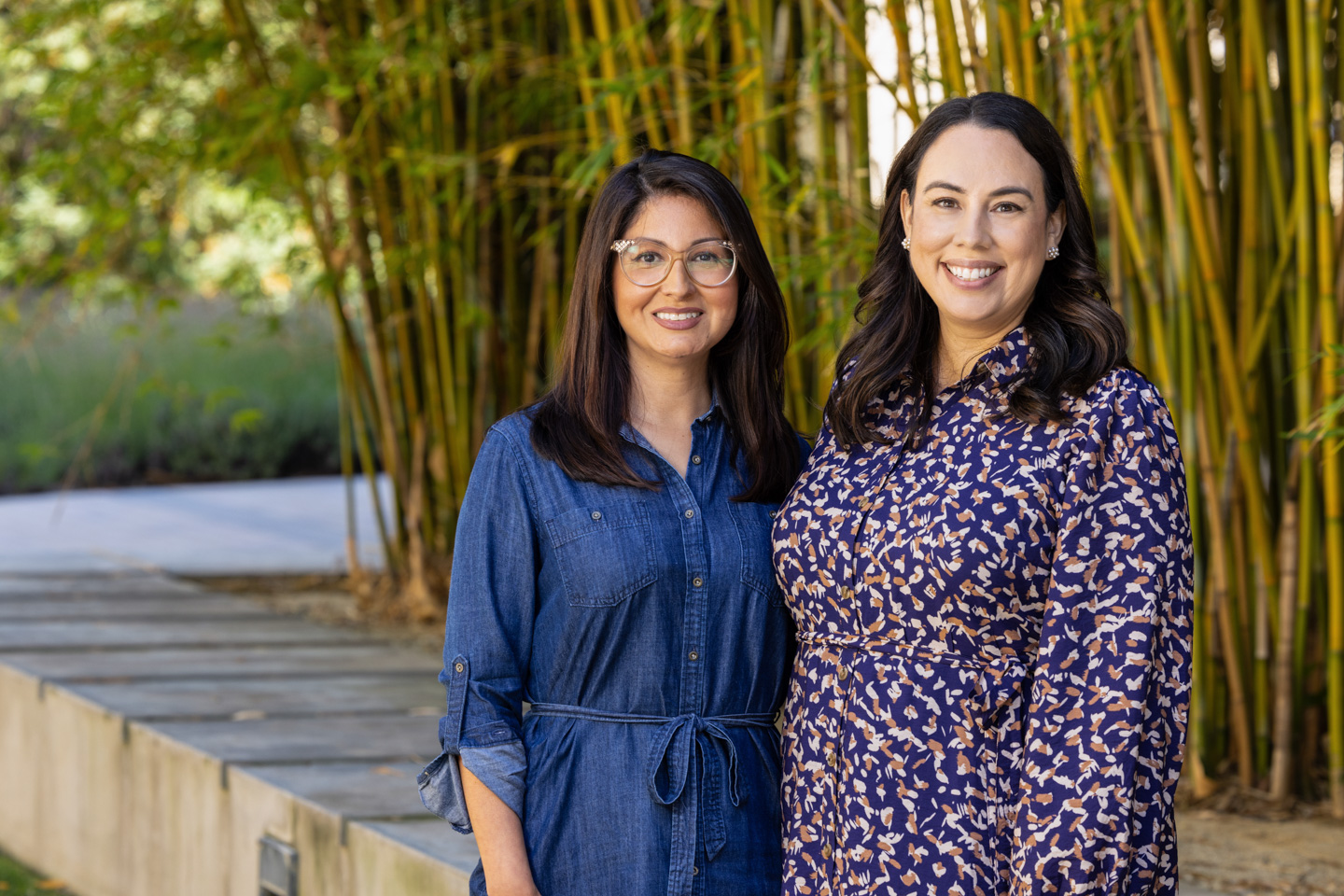
Cecile Bonini (left) and Karina Delgado-Carrasco

Delgado-Carrasco: We also view this program as an opportunity to create a pipeline of candidates who might match a full-time staff role at Stanford in the future. Many students we spoke to were not aware of the numerous employment opportunities we offer; mostly they viewed “health care” as going to medical school or another type of professional training program. Some even thought you had to attend Stanford to work there!

Our goal is to welcome people who otherwise may not have considered working at Stanford and to demonstrate that we have numerous job opportunities for people with a variety of backgrounds and life experiences.

From left: Josue Parra, Briana Giglio, Sarah Morales, Daphney Saviotti-Orozco

During the summer of 2023, the Department of Medicine launched a Paid Internship Program for college students. Through this initiative, eight undergraduates from local universities were placed in staff positions across four divisions in the department.

In the interview that follows, Cecile Bonini, associate director of human resources, and Karina Delgado-Carrasco, director of education programs, answer questions about why the program was established and what it hopes to achieve in the future.

What is the Paid Internship Program?

Bonini: The Paid Internship Program creates summer staff positions for a diverse group of students with a strong appreciation for diversity, equity, inclusion, and belonging (DEIB), who are interested in careers in health care, academic medicine, and administrative roles in higher learning.

How did you go about setting it up?

Bonini: Karina and I reached out to student advisers at local schools and universities to seek applicants with relevant majors. We also contacted campus student support centers and “first-gen” offices, to reach students who were first in their families to attend college.

We promoted the availability of the internships to all 15 divisions in our department. We then developed job descriptions with managers who were excited about supervising a student in a staff role within their work groups.

For this past summer, we had six managers sign on to train and supervise a student. We hired eight people from San Jose State University, UC Berkeley, and the University of San Francisco. Hopefully, these students will view us as a potential employer when they graduate.

Cecile Bonini (left) and Karina Delgado-Carrasco

What led to the creation of the Paid Internship Program?

Bonini: Two events occurred in 2021. First, the results of a university-wide equity, diversity, and inclusion survey were published. The data showed that though there are spaces at Stanford that can be welcoming and inclusive for many, we have a long way to go as a university to achieve broad-based inclusivity and belonging for all members of the Stanford community.

And second, I noticed that many of the undergraduate students attending our virtual job fairs were asking about paid summer positions. Though we did have summer traineeships available, they were often unpaid or had already been filled by the specific principal investigator seeking those roles.

And how did these two issues motivate you to create this new program?

Bonini: Karina and I felt we could leverage these two scenarios by proactively reaching out to local schools and universities to seek undergraduates who were mission driven; had a strong lens for DEIB; and were interested in health care, academic medicine, or university administration. We would create new summer paid positions with the help of managers who were willing to supervise such individuals on their staff teams.

We approached department leaders who thought this was a wonderful idea. Our director of finance and administration, Cathy Garzio, authorized funding for eight paid summer internships for 2023.

Delgado-Carrasco: We also view this program as an opportunity to create a pipeline of candidates who might match a full-time staff role at Stanford in the future. Many students we spoke to were not aware of the numerous employment opportunities we offer; mostly they viewed “health care” as going to medical school or another type of professional training program. Some even thought you had to attend Stanford to work there!

Our goal is to welcome people who otherwise may not have considered working at Stanford and to demonstrate that we have numerous job opportunities for people with a variety of backgrounds and life experiences.

From left: Josue Parra, Briana Giglio, Sarah Morales, Daphney Saviotti-Orozco  

The Paid Internship Program creates summer staff positions for a diverse group of students with a strong appreciation for diversity, equity, inclusion, and belonging, who are interested in careers in health care, academic medicine, and administrative roles in higher learning.

— Cecile Bonini, associate director of human resources

What did this year’s participants do?

Bonini: The eight students worked in various roles in clinical research and administrative support. But it wasn’t all work: We had four professional development seminars that highlighted the importance of personal branding, self-awareness, and networking. Stanford comes with a reputation that some people can find intimidating, so we tried to help the students navigate the organization, ideally so they could envision themselves in full-time roles here in the future. And we had a lovely closing session at the end of the summer, where we bid the students farewell and invited them to keep in touch with one another and with the various connections they made during their time here.

Why do you feel this program is important?

Delgado-Carrasco: Thinking back on my own career journey, I believe having an opportunity like this would have helped me see that there was so much more to do “out there” than I knew about when I was in school. I was a public health major as an undergraduate, but I really didn’t know what that meant in terms of the multiple options I would have for career choices. I felt a little lost back then! I hope this program helps participants understand the numerous roles people who are interested in health care can play.

The Paid Internship Program creates summer staff positions for a diverse group of students with a strong appreciation for diversity, equity, inclusion, and belonging, who are interested in careers in health care, academic medicine, and administrative roles in higher learning.

— Cecile Bonini, associate director of human resources

What did this year’s participants do?

Bonini: The eight students worked in various roles in clinical research and administrative support. But it wasn’t all work: We had four professional development seminars that highlighted the importance of personal branding, self-awareness, and networking. Stanford comes with a reputation that some people can find intimidating, so we tried to help the students navigate the organization, ideally so they could envision themselves in full-time roles here in the future. And we had a lovely closing session at the end of the summer, where we bid the students farewell and invited them to keep in touch with one another and with the various connections they made during their time here.

Why do you feel this program is important?

Delgado-Carrasco: Thinking back on my own career journey, I believe having an opportunity like this would have helped me see that there was so much more to do “out there” than I knew about when I was in school. I was a public health major as an undergraduate, but I really didn’t know what that meant in terms of the multiple options I would have for career choices. I felt a little lost back then! I hope this program helps participants understand the numerous roles people who are interested in health care can play.

From Bariatric Surgeon to Accidental Activist

Arghavan Salles, MD, PhD

Arghavan Salles, MD, PhD

From Bariatric Surgeon to Accidental Activist

How One MD/PhD Harnesses the Power of Social Media for Advocacy and Career Development

Arghavan Salles, MD, PhD

From Bariatric Surgeon to Accidental Activist

How One MD/PhD Harnesses the Power of Social Media for Advocacy and Career Development

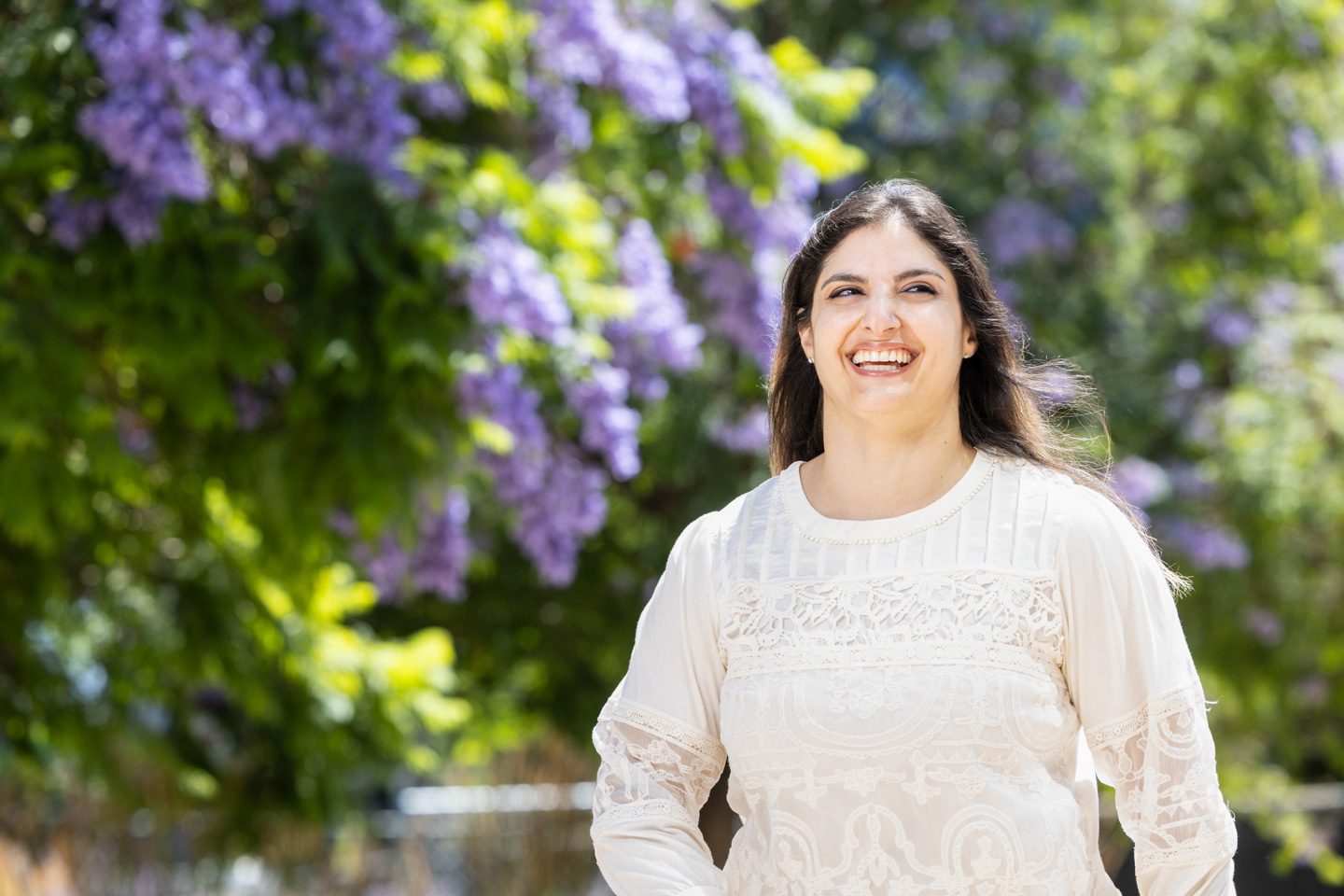
Arghavan Salles, MD, PhD, did not set out to be an activist or social media influencer. After completing medical school, a surgery residency, and a PhD in education at Stanford, Salles worked as a bariatric surgeon and faculty member in St. Louis, Missouri. She now looks back on the toll those years of grueling medical service and an unsuccessful fertility journey took on her energy. In 2019, she returned to Stanford and the Bay Area for a change of scene and an opportunity to renew her energy and drive.

Now, Salles is a clinical associate professor of gastroenterology and hepatology and special adviser of diversity, equity, and inclusion programs in the Department of Medicine. She found renewed motivation in an unexpected place: Twitter, which she joined in 2016.

She initially shared academic posts (research papers and bariatric surgery content, for example). Over time, she shared more personal content grounded in her sense of justice and responsibility.

Salles identifies, in her own words, as “an academic physician who does research to shed light on certain problems and push our institutions and society toward more inclusive policies” and uses social media primarily as a useful tool in that context.

Below, Salles reflects on the energy driving her posts and how to use social media as a tool for both advocacy and career advancement.

People say silence is complicity, and I do think that is true to some extent. The more we ignore things, the more we suggest those things are fine.

What drives you to do the work of social media activism each day?

I think what keeps me going is a little bit of naïveté — feeling like we can make a difference, that more people speaking up can shift culture and open people’s eyes to issues.

There’s also a feeling of discomfort and uncertainty. I feel very unsettled about a lot of the things happening in the world. I can’t just sit on the sidelines and be like, Oh, someone else will figure that out. Or, It’s OK if I don’t say anything. The more we ignore things, the more we suggest those things are fine.

I have a very strong sense of justice, which may not align with someone else’s, but it is all mine. What I think is right is something I often want to fight for and speak up about. That desire doesn’t really fade from day to day.

Is there a post that stands out as especially representative of your work?

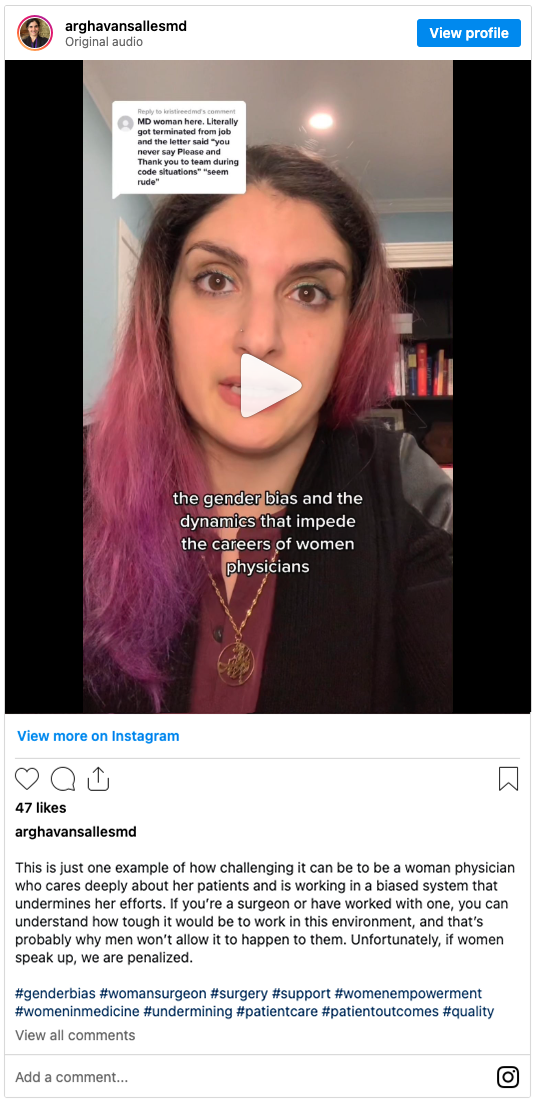
I had this video in January that was about gender schemas, particularly how we view women’s behavior differently just because they’re women, especially in male-dominated professions and anytime we have to be in authoritative roles. There were many women who were like, This is happening every day of my life. They didn’t know the research around this, so my post was validating for them.

There’s a lot we don’t talk about publicly. That leaves people feeling alone and isolated. Even though what they are experiencing is something that’s relatively common, it’s not talked about. I try to communicate to the people who need to hear it: If you’re experiencing this, know that other people experience it too. That doesn’t mean it’s OK, and we should try to fix the systems in place that make this a reality. But also, you’re not alone.

A lot of what I’ve been doing in the last year or so has been about pushing the boundaries of what we think of as professionalism. In most of our organizations, professionalism is weaponized against marginalized people. And it’s really all just made up.

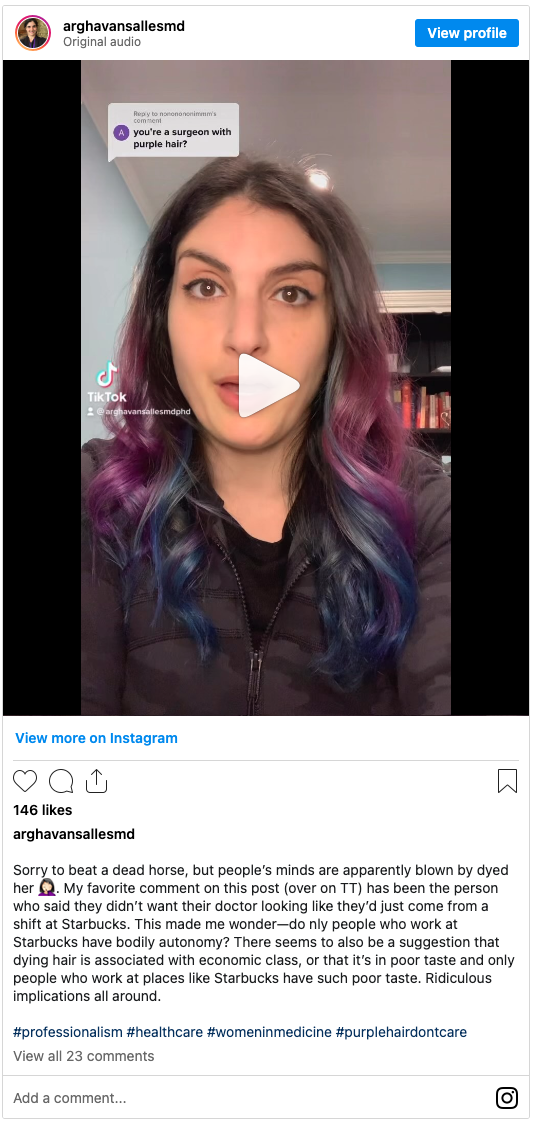
For example, in an Instagram reel I posted in March about being a surgeon with hyper-colored hair, I talk about how I can show up to a place, wearing clean clothes, having showered, having my hair done, whatever, and just because the color of my hair is different than what people are used to, that makes me not professional. So I believe that people should have autonomy over their bodies. It’s not harming anyone else, and it’s not affecting their ability to do their jobs.

What advice would you offer to academics interested in becoming more active on social media, and perhaps in doing advocacy on social platforms?

It’s such an interesting time. Two years ago, I might have said everyone should be on Twitter. But Twitter [rebranded as X in July 2023] is evolving, right? Not necessarily in a positive direction, so it’s hard for me to say that now.

But what I can say is that those of us who are on Twitter have developed collaborations from being in that space. We’ve made friends, and we’ve built community. I’ve found mentors through Twitter who I wouldn’t have met otherwise. I met most of the collaborators on my R01 grant, “Sexual Harassment Training of Primary Investigators (STOP),” via social media.

Social media can be a powerful tool for career development, especially when people are thinking about promotions to associate or full professor, and it can help in developing a regional or national reputation (especially for people who don’t focus on academic publishing).

I don’t think it has to be about activism for everyone. There’s value in networking and in accessing information and scientific research. I think social media is more effective for keeping up on the latest science than going from journal to journal or newspaper to newspaper. Information on research, clinical trials, and the latest things you need to know about the practice of medicine is much more accessible on social media.

People say silence is complicity, and I do think that is true to some extent. The more we ignore things, the more we suggest those things are fine.

Salles identifies, in her own words, as “an academic physician who does research to shed light on certain problems and push our institutions and society toward more inclusive policies” and uses social media primarily as “a useful tool in that context.”

Below, Salles reflects on the energy driving her posts and how to use social media as a tool for both advocacy and career advancement.

What drives you to do the work of social media activism each day?

I think what keeps me going is a little bit of naïveté — feeling like we can make a difference, that more people speaking up can shift culture and open people’s eyes to issues.

There’s also a feeling of discomfort and uncertainty. I feel very unsettled about a lot of the things happening in the world. I can’t just sit on the sidelines and be like, Oh, someone else will figure that out. Or, It’s OK if I don’t say anything. The more we ignore things, the more we suggest those things are fine.

I have a very strong sense of justice, which may not align with someone else’s, but it is all mine. What I think is right is something I often want to fight for and speak up about. That desire doesn’t really fade from day to day.

Is there a post that stands out as especially representative of your work?

I had this video in January that was about gender schemas, particularly how we view women’s behavior differently just because they’re women, especially in male-dominated professions and anytime we have to be in authoritative roles. There were many women who were like, This is happening every day of my life. They didn’t know the research around this, so my post was validating for them.

There’s a lot we don’t talk about publicly. That leaves people feeling alone and isolated. Even though what they are experiencing is something that’s relatively common, it’s not talked about. I try to communicate to the people who need to hear it: If you’re experiencing this, know that other people experience it too. That doesn’t mean it’s OK, and we should try to fix the systems in place that make this a reality. But also, you’re not alone.

A lot of what I’ve been doing in the last year or so has been about pushing the boundaries of what we think of as professionalism. In most of our organizations, professionalism is weaponized against marginalized people. And it’s really all just made up.

For example, in an Instagram reel I posted in March about being a surgeon with hyper-colored hair, I talk about how I can show up to a place, wearing clean clothes, having showered, having my hair done, whatever, and just because the color of my hair is different than what people are used to, that makes me not professional. So I believe that people should have autonomy over their bodies. It’s not harming anyone else, and it’s not affecting their ability to do their jobs.

What advice would you offer to academics interested in becoming more active on social media, and perhaps in doing advocacy on social platforms?

It’s such an interesting time. Two years ago, I might have said everyone should be on Twitter. But Twitter [rebranded as X in July 2023] is evolving, right? Not necessarily in a positive direction, so it’s hard for me to say that now.

But what I can say is that those of us who are on Twitter have developed collaborations from being in that space. We’ve made friends, and we’ve built community. I’ve found mentors through Twitter who I wouldn’t have met otherwise. I met most of the collaborators on my R01 grant, “Sexual Harassment Training of Primary Investigators (STOP),” via social media.

Social media can be a powerful tool for career development, especially when people are thinking about promotions to associate or full professor, and it can help in developing a regional or national reputation (especially for people who don’t focus on academic publishing).

I don’t think it has to be about activism for everyone. There’s value in networking and in accessing information and scientific research. I think social media is more effective for keeping up on the latest science than going from journal to journal or newspaper to newspaper. Information on research, clinical trials, and the latest things you need to know about the practice of medicine is much more accessible on social media.

Making the Meaning of ‘First-Generation’ From College to Career

Making the Meaning of ‘First-Generation’ From College to Career

Making the Meaning of ‘First-Generation’ From College to Career

It seems no one can agree on what being a first-generation college student means. According to CalMatters, academic institutions across the state employ different definitions of “first-generation student,” which affects how they see their student body and sometimes what resources they get.

Stanford considers a student first-generation if neither of their parents earned college degrees, a status that applied to just over 20% of undergraduates in 2022. However, regardless of what institutions mean by “first-generation student,” the accomplishment of graduating from college means something different to each individual. 

In the Department of Medicine, we asked several staff members what it means for them to be first-generation college graduates: they shared what a college degree means to them and their families, offered insights into the struggles first-generation students face after graduation, and gave suggestions for how first-generation graduates can succeed in their careers at Stanford.

It seems no one can agree on what being a first-generation college student means. According to CalMatters, academic institutions across the state employ different definitions of “first-generation student,” which affects how they see their student body and sometimes what resources they get.

Stanford considers a student first-generation if neither of their parents earned college degrees, a status that applied to just over 20% of undergraduates in 2022. However, regardless of what institutions mean by “first-generation student,” the accomplishment of graduating from college means something different to each individual. 

In the Department of Medicine, we asked several staff members what it means for them to be first-generation college graduates: they shared what a college degree means to them and their families, offered insights into the struggles first-generation students face after graduation, and gave suggestions for how first-generation graduates can succeed in their careers at Stanford.

Jessica Lau

Postdoc Coordinator/Administrative Associate in the division of Immunology & Rheumatology

Adriana Moreno

Administrative Associate II in the Center for Clinical Research

Cayla Whitney

Education Program Coordinator in the division of Nephrology

Jessica Lau

Postdoc Coordinator/Administrative Associate in the division of Immunology & Rheumatology

Adriana Moreno

Administrative Associate II in the Center for Clinical Research

Cayla Whitney

Education Program Coordinator in the division of Nephrology

Jessica Lau

(She/Her)

Alma Mater: UC Santa Barbara ’20

Degree: BA in Global Studies & Sociology

Role in the Department of Medicine: Postdoc Coordinator/Administrative Associate in the division of Immunology & Rheumatology

Hometown and Family: Jessica’s hometown is Milpitas, California. Since she graduated, her younger sister also earned a BA, from San Jose State University in 2023.

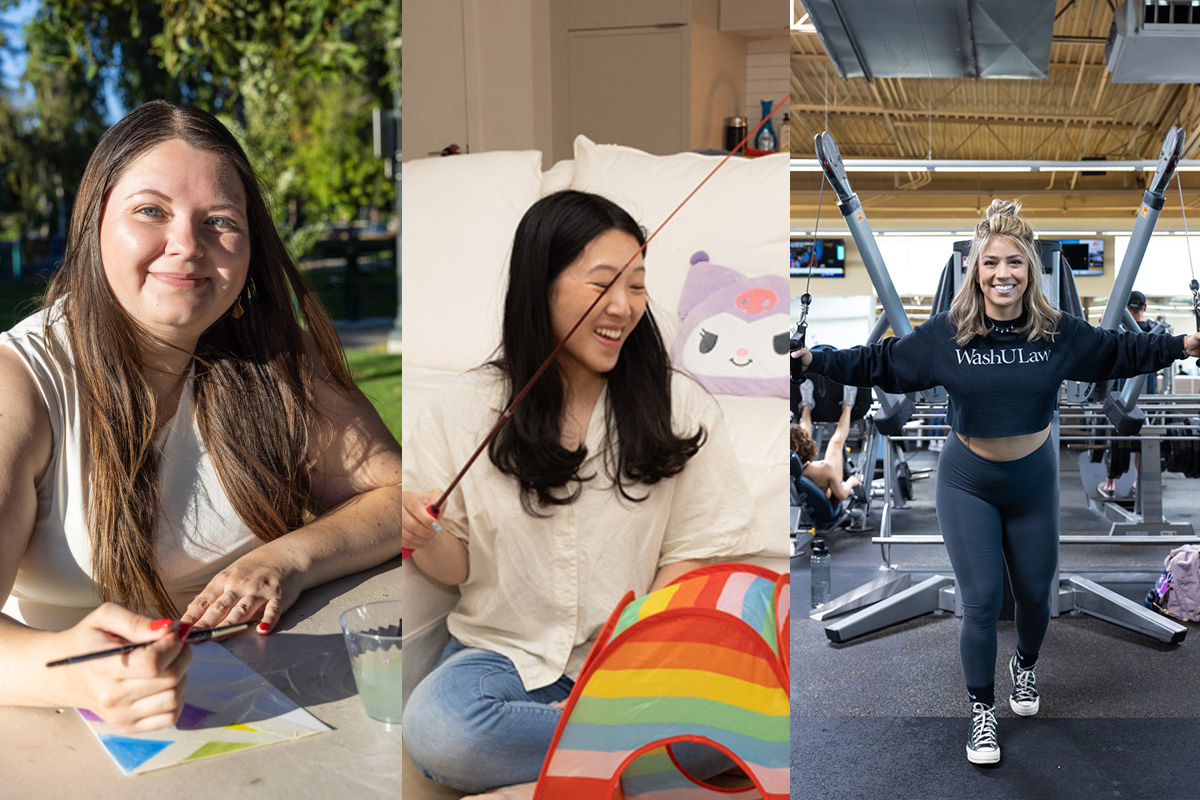
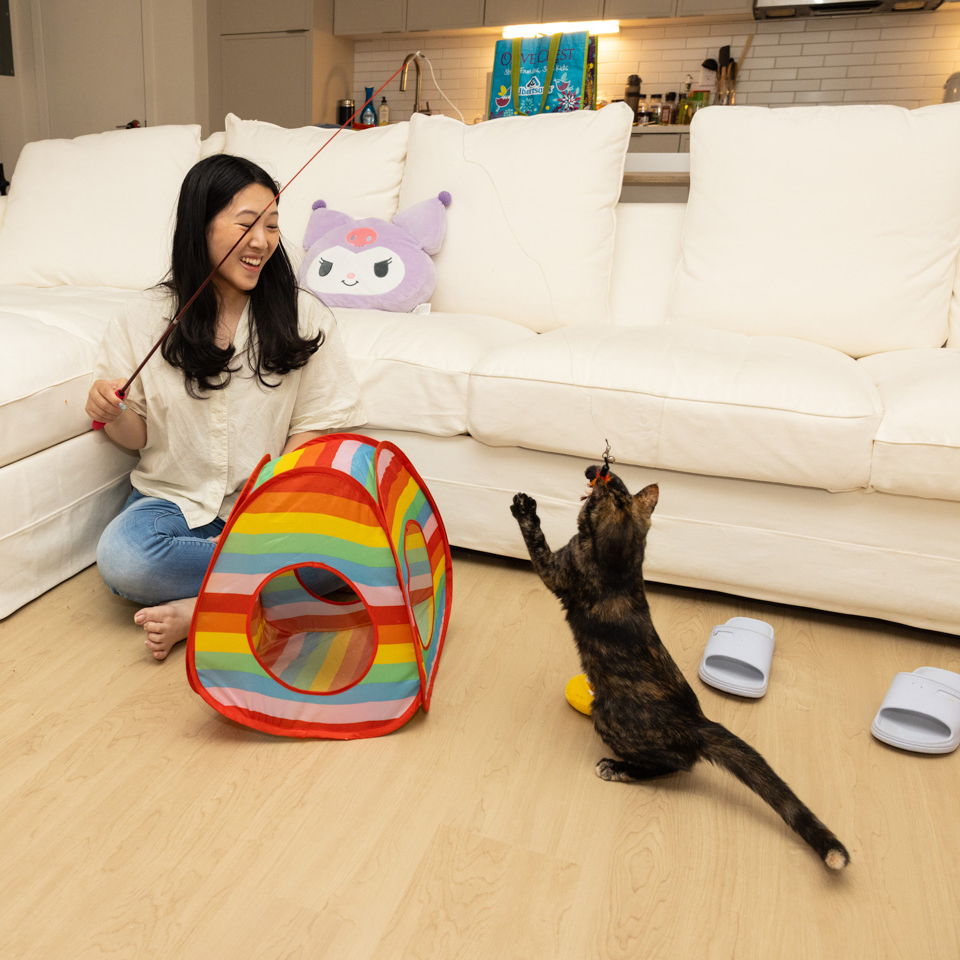
Hobbies: playing with Basil, Beansprout, and Simba, her three cats

Jessica Lau enjoys playing with her cats.

Jessica Lau enjoys playing with her cats.

Jessica Lau

(She/Her)

Alma Mater: UC Santa Barbara ’20

Degree: BA in Global Studies & Sociology

Role in the Department of Medicine: Postdoc Coordinator/Administrative Associate in the division of Immunology & Rheumatology

Hometown & Family: Jessica’s hometown is Milpitas, California. Since she graduated, her younger sister also earned a BA, from San Jose State University in 2023.

Hobbies: playing with Basil, Beansprout, and Simba, her three cats

Coming from working-class families in Hong Kong and Vietnam, Jessica Lau’s parents put everything into giving her the opportunity for a college degree in America that they never had growing up.

“They didn’t have a college education—my dad didn’t even finish high school,” Lau says. For her family, her journey to a degree at UC Santa Barbara, one of the most prestigious schools in the nation, represents a culmination of all of her parents’ sacrifice and her whole family’s hard work. “They gave up everything with their families to come to America,” she says. “The fact that I was able not only to finish high school but apply to and get accepted into a UC was a real achievement.”

Lau loved her time in Santa Barbara—who wouldn’t love a campus that’s literally at the beach? Still, she felt that students from families who already had college degrees had a leg-up in terms of understanding higher education institutions.

“I felt like I was navigating these strange waters all on my own,” she remembers. “Academic institutions can make resources more widely available—not just saying they have them, but actually showing students where to get them.”

Now, Lau hopes that employers, like Stanford, remember that families with previous college graduates likely also have more experience with understanding certain types of workplaces, too.

“When I joined Stanford, it was very overwhelming. People kind of assume you know what things are: like ‘postdocs.’ I came from a first-generation family, and I had no idea what a ‘postdoc’ was,” Lau says. Explaining terms, roles, and concepts for everyone helps first-generation graduates now in the workforce—just like during college, as long as they have the same knowledge and resources as everyone else, they can do just as well.

Still, Lau’s very thankful for her family’s support and proud of her achievements, during and since college. “I had to take initiative to go to college and navigate a four-year university. I think a lot of first-generation college graduates would feel the same—and they should be proud of themselves.”

Adriana Moreno

(She/Her)

Alma Mater: University of Colorado Denver ’20 and Washington University in St. Louis School of Law ’23

Degree: BA/MCJ (Master of Criminal Justice) and MLS (Master of Legal Studies)

Role in the Department of Medicine: Administrative Associate II in the Center for Clinical Research

Hometown and Family: Adriana’s hometown is Denver, Colorado. She is the only member of her family yet to have earned a college degree.

Hobbies: road biking, going to the gym, and visiting family in Denver and Durango, Mexico

Adriana Moreno works out in her gym

Adriana Moreno works out in her gym

Adriana Moreno

(She/Her)

Alma Mater: University of Colorado Denver ’20 and Washington University in St. Louis School of Law ’23

Degree: BA/MCJ (Master of Criminal Justice) and MLS (Master of Legal Studies)

Role in the Department of Medicine: Administrative Associate II in the Center for Clinical Research

Hometown & Family: Adriana’s hometown is Denver, Colorado. She is the only member of her family yet to have earned a college degree.

Hobbies: road biking, going to the gym, and visiting family in Denver and Durango, Mexico

From Adriana Moreno’s point of view, a big problem that faces first-generation students before and after graduation is impostor syndrome.

“I was raised in poverty. My family didn’t go to school. Then I go to this type of institution where I have the best of the best leaders and resources,” she says with a little incredulity. “It blows my mind a little bit, and the impostor syndrome kicks in: what am I doing here?”

She notes that this feeling doesn’t go away once first-generation college students get jobs after graduation. She stresses, “It’s not just me, but other first-generation people that I know.”

Moreno finds that it can be hard for those who come from families who had gone to college to relate to the experience of first generation students, both in college and later in the workplace.

“If you want to grow in an institution, you want to have close ties, feel included, feel supported. If I were given a choice, for example, to connect with another first-generation Mexicana, we could speak the same language. We could relate in other things,” she nods.

Moreno says that checking in with employees to talk about impostor syndrome can make it a community practice to care for one another. Once impostor syndrome sets in, it makes it hard to progress at work.

“I wish there were a first-generation staff group,” she says. “We could talk about our experiences or things that we’ve done. It could be something to unite this group. We all do such a good job talking about our accomplishments, but let’s talk about how we’re struggling, because chances are someone out there is struggling the same way.”

Cayla Whitney

(She/Her)

Alma Mater: San Jose State University ’14

Degree: BA in Design Studies

Role in the Department of Medicine: Education Program Coordinator in the division of Nephrology

Hometown and Family: Cayla’s hometown is San Jose, California. Since she graduated, her younger sister also earned a BA, from San Jose State University in 2021.

Hobbies: Arts and crafts, hiking, cooking, baking, and playing with her two pit bulls: Apollo and Porter

Arts and crafts is a favorite hobby for Cayla Whitney

Arts and crafts is a favorite hobby for Cayla Whitney

Cayla Whitney

(She/Her)

Alma Mater: San Jose State University ’14

Degree: BA in Design Studies

Role in the Department of Medicine: Education Program Coordinator in the division of Nephrology

Hometown & Family: Cayla’s hometown is San Jose, California. Since she graduated, her younger sister also earned a BA, from San Jose State University in 2021.

Hobbies: Arts and crafts, hiking, cooking, baking, and playing with her two pit bulls: Apollo and Porter

“Growing up, when I say that education was emphasized, my grandmother was a big part of that,” Cayla Whitney says.

Whitney, and later her younger sister, worked hard to graduate from San José State University. But even though she grew up in the Bay Area, where her grandmother also lived, she didn’t face the same obstacles to education that her grandmother had.

“She said some women had to get approval from their husbands to go to school. But she was divorced. So she could go there,” Whitney laughs.

Her grandmother took a few college classes, but she was a single mother during a time when that was uncommon. Ultimately, she never finished her college degree, but she instilled a love of learning in her family that her grandchildren took to completed degrees.

“My love and interest in learning came from her,” Whitney says.

Still, that love of learning doesn’t demystify careers after college. When she landed her first job, she didn’t know how to tell if she was being given too many responsibilities or paid too little.

“I was half graphics designer and half administrator,” she says. When she finally told her friends how much she was being paid essentially to work two roles, they told her, “Oh, my gosh! You need to go back and ask for more!”

Whitney says career advice like this is harder for first-generation graduates to get, when they don’t know as many people with similar workplace experience.

“If I had more connections or more family members who had gone through this, I could have gotten that advice from them,” she reflects on her wandering career path. “It didn’t seem like an abnormal struggle, but when I look back at it now, I really wish I had someone to help me figure this out. I could’ve gotten settled in at the job I wanted much sooner.”

Endocrinology Division’s Mini-Symposium Marks Return to In-Person Events

Endocrinology Division’s Mini-Symposium Marks Return to In-Person Events

Endocrinology Division’s Mini-Symposium Marks Return to In-Person Events

In March 2023, the Department of Medicine’s endocrinology division gathered to listen to Justin Annes, MD, PhD, and Rayhan Lal, MD, discuss their laboratories’ current research, challenges, and needs. There were some fascinating revelations during the presentation, but what might have been equally impressive was that the event helped mark the renewal of gatherings in the Department of Medicine.

The presentation was part of the endocrinology division’s inaugural mini-symposium, which sought to catalyze discussions about fascinating science and spur new collaborations both within and outside of the division, says Joy Wu, MD, chief of the division of endocrinology, gerontology and metabolism.

“This was a big initiative within the department with the goal to tackle scientific questions,” says Wu. “We want to sustain and grow research throughout the department.”

During the symposium, Annes, associate professor of endocrinology, discussed how his lab is developing methods to control endocrine cell growth. With this knowledge, the team seeks to uncover novel therapies to prevent and treat disorders of cell growth, including diabetes and hereditary paraganglioma and pheochromocytoma — an inherited tumor syndrome defined by excess cell growth. Lal, assistant professor of endocrinology, is part of the Stanford Diabetes Research Center, where he designs, develops, and tests new technologies and therapies to help people with type 1 diabetes.

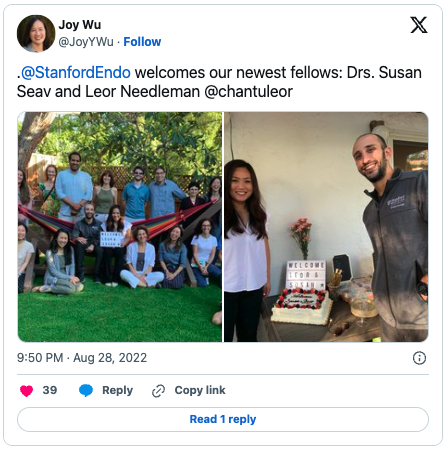
Along with offering a space for people to learn about their co-workers’ research, the mini-symposium signaled a turning point. As the COVID-19 pandemic has eased its grip, colleagues within the endocrinology division — and other departments and divisions across the Stanford campus — can once again see each other in person.

“We stayed together as a division by relying on Zoom, but what we lost entirely was the in-person connection — the chatting on the side before and after an event, the ability to quickly check in with people and hear how things are going,” says Wu. “We really missed that, and that’s been the special part about getting back together.”

Many More Meetups to Come

So far this year, these meetups have shown no sign of stopping. Along with the mini-symposium, the endocrinology division has found a variety of ways to congregate.

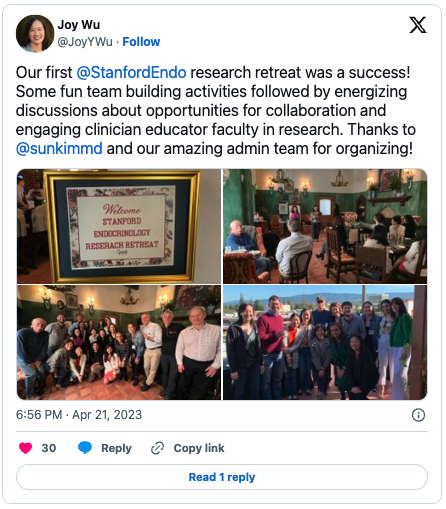
In April, the endocrinology division gathered for a division mixer with fellows, faculty, and alumni where they chatted about work-life balance, leadership skill development, and professional fulfillment outside of the clinic. The same month, the division hosted their first-ever research retreat full of lively discussions about collaborations and team science.

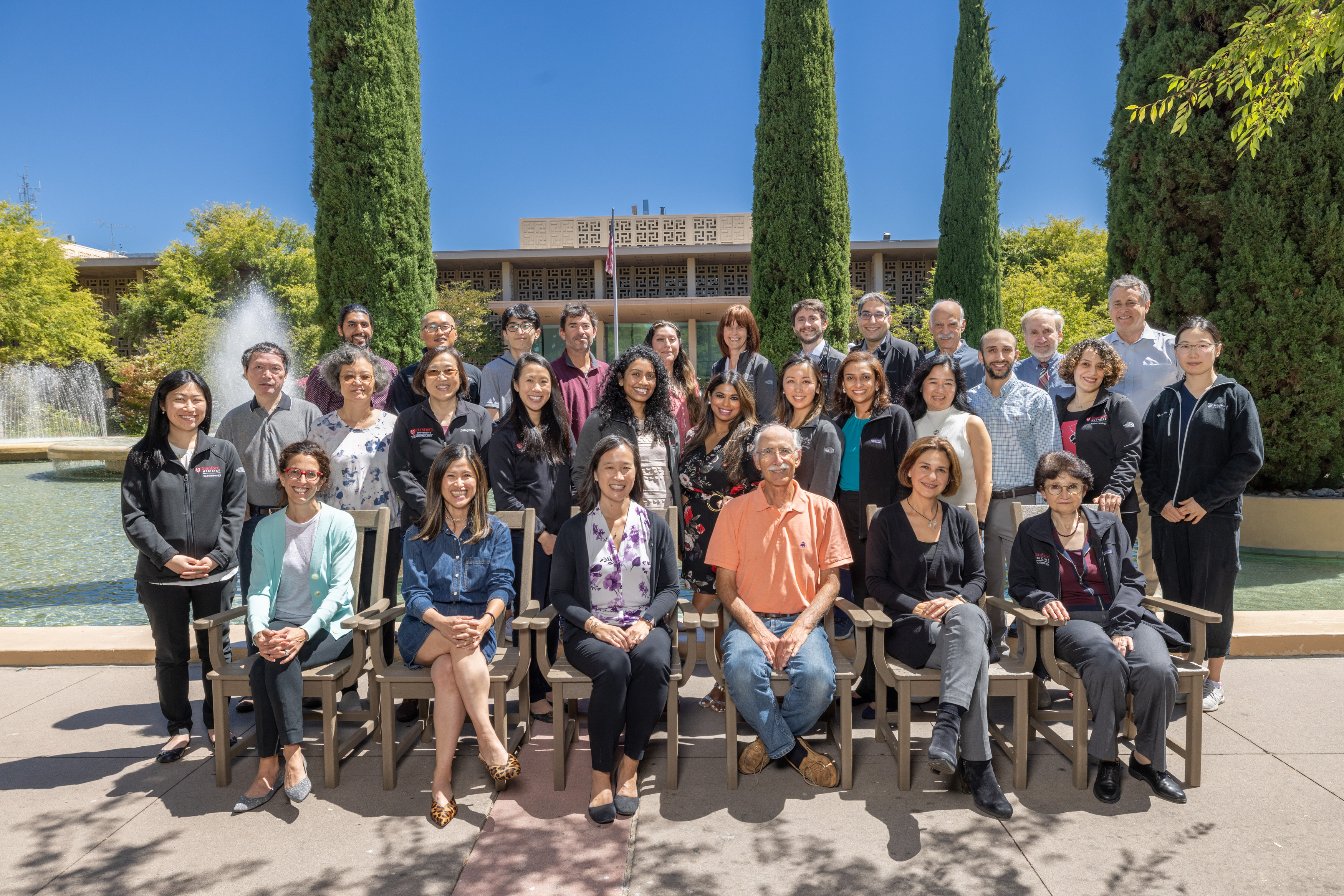
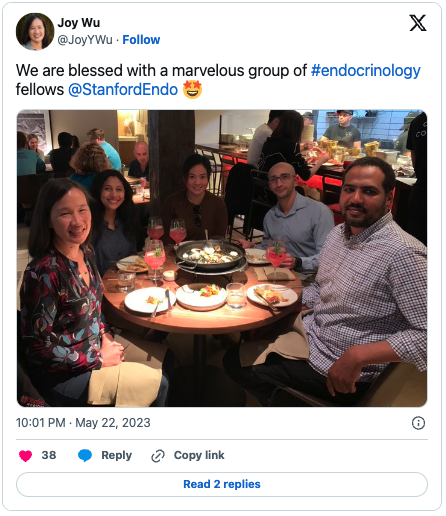
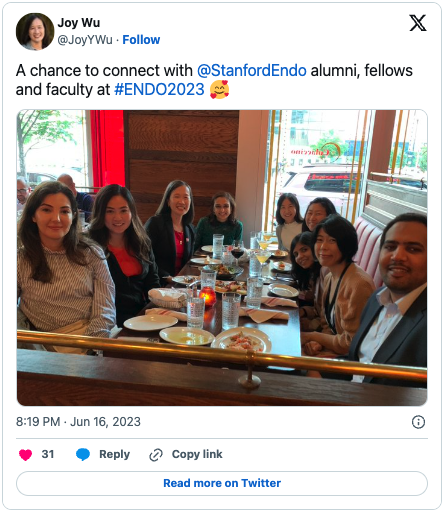
May marked a retreat for clinical faculty in the endocrinology division, which focused on building on strengths in endocrine clinical care. After years of canceled conferences, societies are also offering in-person meetings and activities once again. This June, the Endocrine Society hosted its annual conference in Chicago, which several Stanford faculty, fellows, and alumni attended. Stanford’s endocrinology division hosted a dinner. On a sunny day in August, members gathered for a division photo — their first one in three years.

Wu and others are looking forward to the many dinners, parties, conferences, and, hopefully, mini-symposiums to come.

“We’re all excited to attend more events and conferences this year,” says Wu. “The ability to share food, drinks, and company in person is something that is so precious, and I think we really missed that over the last couple of years.”

In March 2023, the Department of Medicine’s endocrinology division gathered to listen to Justin Annes, MD, PhD, and Rayhan Lal, MD, discuss their laboratories’ current research, challenges, and needs. There were some fascinating revelations during the presentation, but what might have been equally impressive was that the event helped mark the renewal of gatherings in the Department of Medicine.

The presentation was part of the endocrinology division’s inaugural mini-symposium, which sought to catalyze discussions about fascinating science and spur new collaborations both within and outside of the division, says Joy Wu, MD, chief of the division of endocrinology, gerontology and metabolism.

“This was a big initiative within the department with the goal to tackle scientific questions,” says Wu. “We want to sustain and grow research throughout the department.”

During the symposium, Annes, associate professor of endocrinology, discussed how his lab is developing methods to control endocrine cell growth. With this knowledge, the team seeks to uncover novel therapies to prevent and treat disorders of cell growth, including diabetes and hereditary paraganglioma and pheochromocytoma — an inherited tumor syndrome defined by excess cell growth. Lal, assistant professor of endocrinology, is part of the Stanford Diabetes Research Center, where he designs, develops, and tests new technologies and therapies to help people with type 1 diabetes.

Along with offering a space for people to learn about their co-workers’ research, the mini-symposium signaled a turning point. As the COVID-19 pandemic has eased its grip, colleagues within the endocrinology division — and other departments and divisions across the Stanford campus — can once again see each other in person.

“We stayed together as a division by relying on Zoom, but what we lost entirely was the in-person connection — the chatting on the side before and after an event, the ability to quickly check in with people and hear how things are going,” says Wu. “We really missed that, and that’s been the special part about getting back together.”

Many More Meetups to Come

So far this year, these meetups have shown no sign of stopping. Along with the mini-symposium, the endocrinology division has found a variety of ways to congregate.

In April, the endocrinology division gathered for a division mixer with fellows, faculty, and alumni where they chatted about work-life balance, leadership skill development, and professional fulfillment outside of the clinic. The same month, the division hosted their first-ever research retreat full of lively discussions about collaborations and team science.

May marked a retreat for clinical faculty in the endocrinology division, which focused on building on strengths in endocrine clinical care. After years of canceled conferences, societies are also offering in-person meetings and activities once again. This June, the Endocrine Society hosted its annual conference in Chicago, which several Stanford faculty, fellows, and alumni attended. Stanford’s endocrinology division hosted a dinner. On a sunny day in August, members gathered for a division photo — their first one in three years.

Wu and others are looking forward to the many dinners, parties, conferences, and, hopefully, mini-symposiums to come.

“We’re all excited to attend more events and conferences this year,” says Wu. “The ability to share food, drinks, and company in person is something that is so precious, and I think we really missed that over the last couple of years.”