The Disease That Looks Like Everything Else

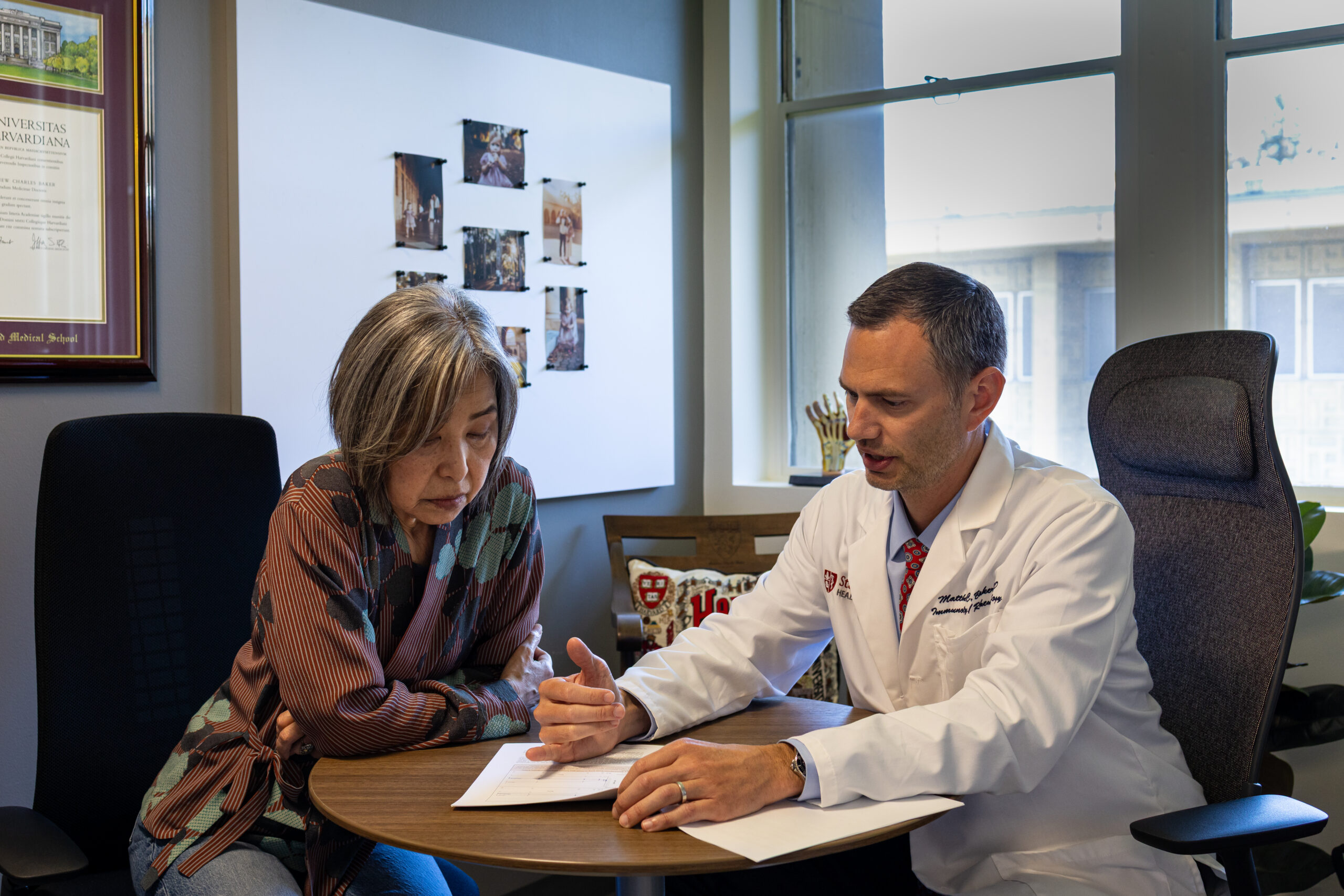
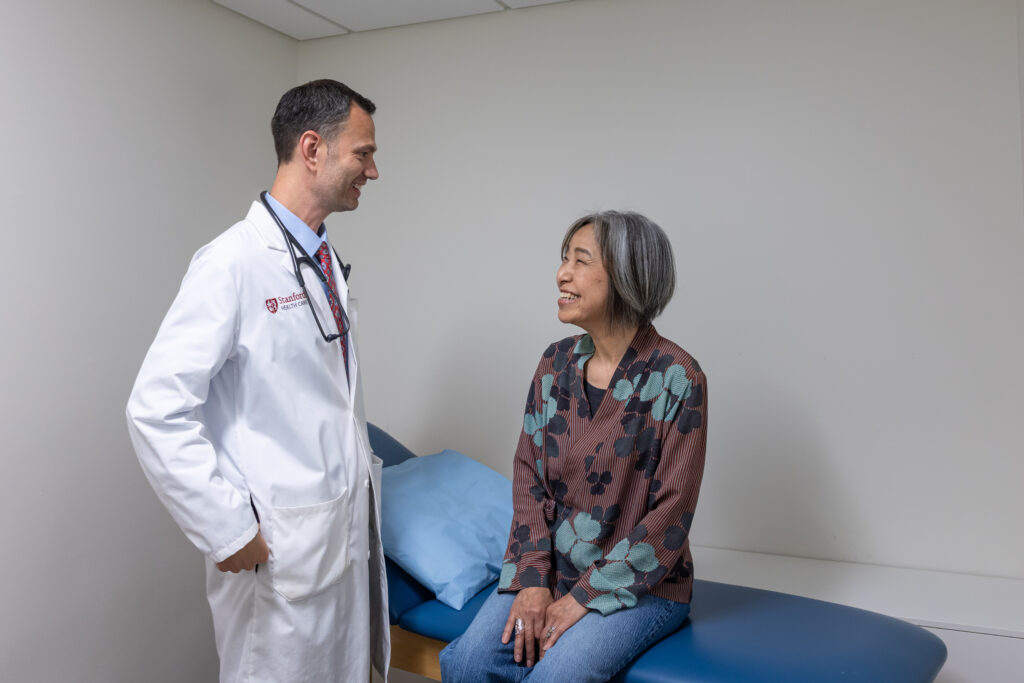
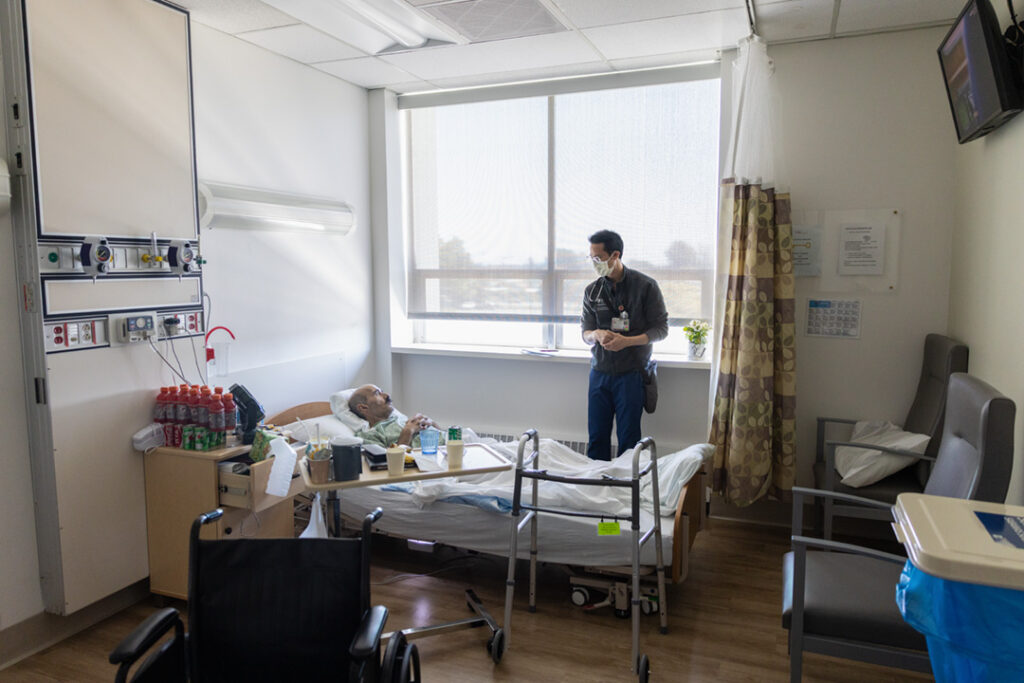
Matthew Baker, MD, (left), and patient Yasuko, (right), have built a close partnership in navigating IgG4-related disease, grounded in trust, communication, and collaboration.

The Disease That Looks Like Everything Else

One Patient’s Search for Answers — and a Doctor Who Said, ‘Let’s Work Together’

By the time Yasuko finally had a name for what was happening inside her body, she had spent more than a year in a fog of confusion.

The symptoms had started quietly in the spring of 2021. Six months later came a diagnosis of pancreatitis, an inflammation of the pancreas. But that still did not explain everything: the swollen lymph nodes, the unexplained inflammation, the weight loss, the constant questions. As more doctors became involved, Yasuko found herself trying to coordinate a care team while navigating overwhelming symptoms, without quick answers or a road map.

“What should I ask each doctor?” she recalls. “It was so hard for me to figure out what to do, and nobody gave me clear direction.”

Each specialist seemed to offer another set of new dietary restrictions: low fat, limited protein, no sugar. Yasuko was already allergic to gluten and dairy. “In the end, there was almost nothing I could eat,” she says. She followed the guidance carefully, exercised, and tried to live as healthily as possible. But she kept losing weight. She was always hungry. Normal daily activities soon became difficult as her body was further deprived of nutrients. 

The hardest part, she says, was not pain or the treatments. It was the uncertainty.

Matthew Baker, MD, an internationally recognized expert in IgG4-related disease, combines patient care with clinical research aimed at developing more precise treatments with fewer trade-offs.

A Rare Disease That Can Hide in Plain Sight

In late 2022, Yasuko finally learned that the pancreatitis diagnosed the year before, along with her swollen lymph nodes and unexplained inflammation, was part of a larger condition: IgG4-related disease, or IgG4-RD.

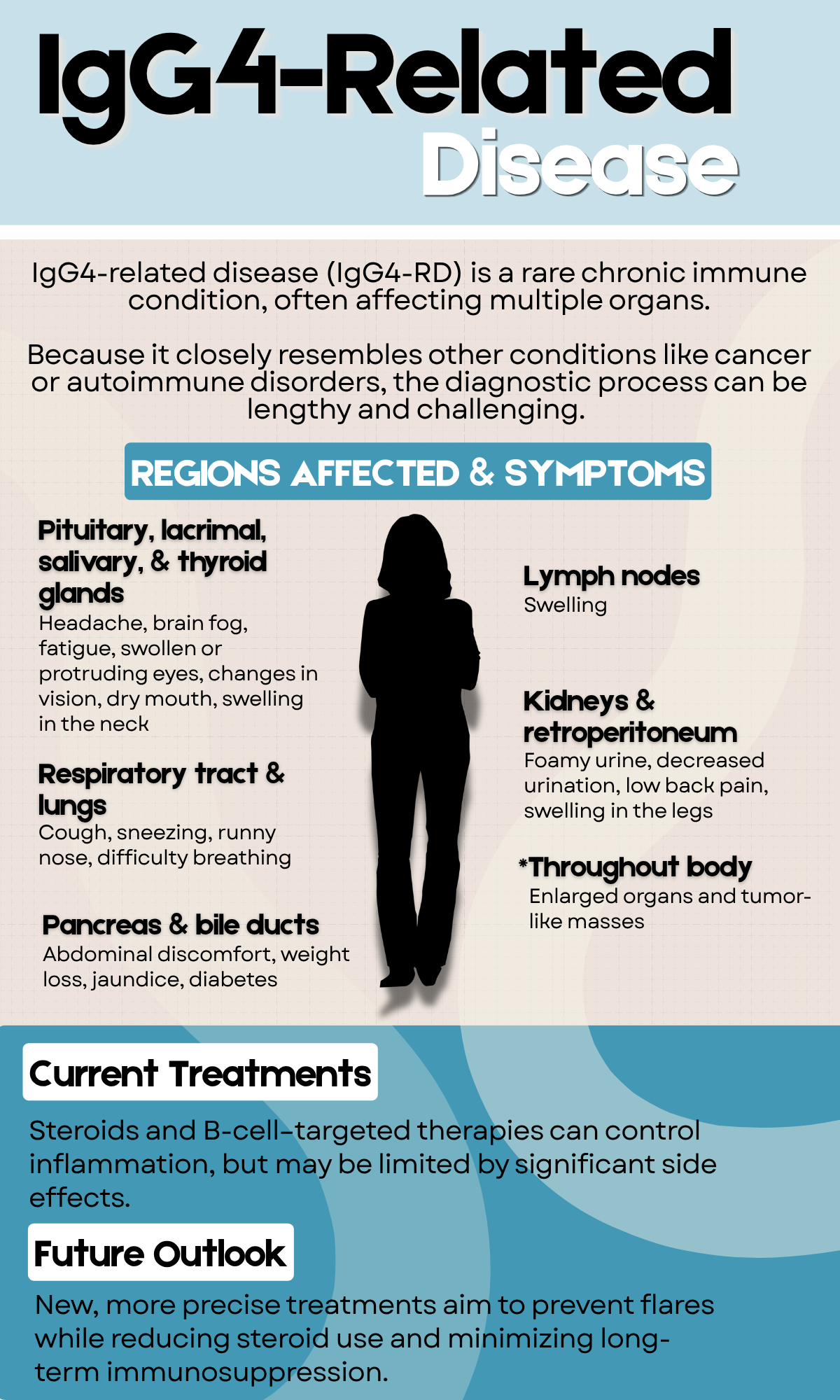
IgG4-RD is a rare, chronic immune-mediated disease estimated to affect about five in every 100,000 people in the United States, although it may be underdiagnosed. It can cause inflammation and scarring in nearly any organ system, including the pancreas, kidneys, lungs, lymph nodes, salivary and tear glands, bile ducts, and tissues surrounding major blood vessels. Because it can produce swelling, organ enlargement, or mass-like lesions, the disease may initially be mistaken for cancer, infection, or another autoimmune condition. 

For many, that makes the road to diagnosis a lengthy and frightening one.

“Oftentimes, patients who come to our clinic have been through a long and difficult diagnostic journey,” says Matthew Baker, MD, MS, associate professor of medicine and associate division chief in the Division of Immunology and Rheumatology at Stanford Department of Medicine. “Some have seen multiple specialists over months or years. Others have been told they might have cancer, infection, sarcoidosis, Sjögren’s disease, or another autoimmune condition before IgG4-RD is considered.”

Baker is an internationally recognized expert in IgG4-RD and leads clinical research focused on trials, epidemiology, and translational studies that move discoveries from the lab toward patient care. At Stanford, he treats patients with complex immune-mediated diseases while also helping develop the next generation of therapies for conditions such as IgG4-RD.

“I would tell patients that this is a hopeful time in IgG4-RD research and advocacy. The disease is being recognized more often, we understand its biology much better than we did even a decade ago, and new therapies are being developed…” – Matthew Baker, MD, MS

Finding Answers Together

For Yasuko, finding Baker changed the experience of living with the disease.

After her diagnosis, Yasuko searched for a specialist at Stanford. She first spoke with Baker by phone, then changed insurance plans so she could see him as part of her care team. By 2024, he had officially become her doctor.

“It was a big relief because he knows so many patients with the disease and gave me clear direction on what I should do and had a future plan,” she says. “Something I remember him saying is, ‘Let’s work together,’ which felt like a huge weight off my shoulders. Suddenly I felt so much less alone in this process.” That sense of partnership became central to her care.

Yasuko says Baker went through her symptoms one by one, helping her understand which were related to IgG4-RD and which required further investigation. Symptoms that had previously been dismissed as aging or diet were now examined more carefully. Baker ordered lab tests and, when needed, additional procedures such as a bone marrow biopsy to rule out other possible causes.

“Going through my life with this autoimmune disease, and as new symptoms spring up, I constantly question whether it is related and grow concerned,” Yasuko says. “With Dr. Baker, I can email him, and he almost always gets back to me that same day, even on weekends.”

The Patient Behind the Data

For Baker, the clinical relationship is not separate from research. It is the reason for it. 

“Put simply, it is essential,” Baker says of continuing to care for patients while developing new therapies. “One of the most gratifying aspects of my career is caring for patients with IgG4-related disease and seeing firsthand the difference that an accurate diagnosis, effective treatment, and ongoing support can make in their lives. Those relationships are what motivate the research.” 

IgG4-RD has become much better understood over the past decade, and Baker says the outlook for patients has improved substantially as physicians have learned how to recognize it earlier. Many patients respond well to treatment, especially when the disease is diagnosed before permanent organ damage has occurred.

But IgG4-RD is often relapsing, meaning symptoms and inflammation can return. That makes long-term monitoring and treatment essential. The challenge is not only controlling inflammation, Baker says, but doing so while avoiding irreversible organ damage and minimizing side effects from therapy.

Toward Treatments With Fewer Trade-Offs

For years, treatment has often relied on glucocorticoids, a class of steroid medications that can rapidly reduce inflammation. But steroids can carry a heavy burden, especially when used repeatedly or over long periods. Side effects can include weight gain, diabetes, high blood pressure, osteoporosis, cataracts, mood changes, insomnia, and increased infection risk.

Another major treatment approach, called B-cell depletion, works by reducing certain immune cells that help drive the disease. Baker says this has been an important advance, but because B cells also help the body fight infection and respond to vaccines, the treatment can sometimes leave patients with lower antibody levels, weaker vaccine protection, and a higher risk of infection.

That is why Baker and colleagues are studying newer therapies that may calm abnormal immune activity without broadly wiping out parts of the immune system.

In one recent trial, Baker’s team evaluated zanubrutinib, an oral medication known as a BTK inhibitor, in patients with active IgG4-RD affecting the tear and salivary glands. The study was designed to test whether the drug could reduce disease activity without the use of corticosteroids.

 “We observed meaningful reductions in the overall inflammatory burden on imaging, along with improvements in key immune markers associated with IgG4-RD,” Baker says. “The most significant efficacy finding was that zanubrutinib appeared to reduce active disease in the affected organs without requiring steroids.”

The study was small, and larger trials will be needed to confirm the findings. But Baker says the results suggest that BTK inhibition may offer a promising, nondepleting approach to treating IgG4-RD.

Baker and colleagues have also completed a large Phase 3 trial of obexelimab, another therapy designed to modulate B-cell activity without depleting B cells. In that 52-week trial, Baker says, patients who received obexelimab experienced only half as many disease flares as those who received placebo.


A More Personalized Future for IgG4-RD

Together, these studies point toward a new era of IgG4-RD treatment, one that may move beyond steroids and broad immune suppression toward more precise approaches.

“The broader point is that IgG4-RD is moving toward a more nuanced treatment era,” Baker says. “Rather than relying only on steroids or broad B-cell depletion, we may be able to tailor therapy based on mechanism, disease phenotype, and patient-specific risk.”

For patients, that shift could mean more than better lab results. It could mean fewer side effects, less fear of relapse, and a better quality of life.

“The laboratory can reveal mechanisms, pathways, and therapeutic targets,” Baker says, “but patients reveal what actually matters: preserving organ function, reducing treatment burden, alleviating anxiety about relapse, and improving quality of life.”

Being Treated Like a Partner

 That kind of care has mattered deeply to Yasuko. Baker did not simply prescribe a plan. He explained the science, the options, the risks, and all the possible effects on her life. He answered questions directly and never made her feel pushed toward a particular decision.

 “I could see the benefits and risks of each option and decide with my family what was best for me,” she recalls.

 Just as important, Baker did not shy away from complexity. Yasuko says many doctors had avoided explaining complicated medical details, telling her, in effect, not to worry about it. But for someone living with a rare disease, understanding the details is not optional. 

 “I’m the one going through this with my own body, and I’m the one who has to explain what’s going on to other doctors,” she says. “If I don’t understand the medical details myself, I can’t do that. Dr. Baker has always shown me the respect of treating me like a partner in my own care.”

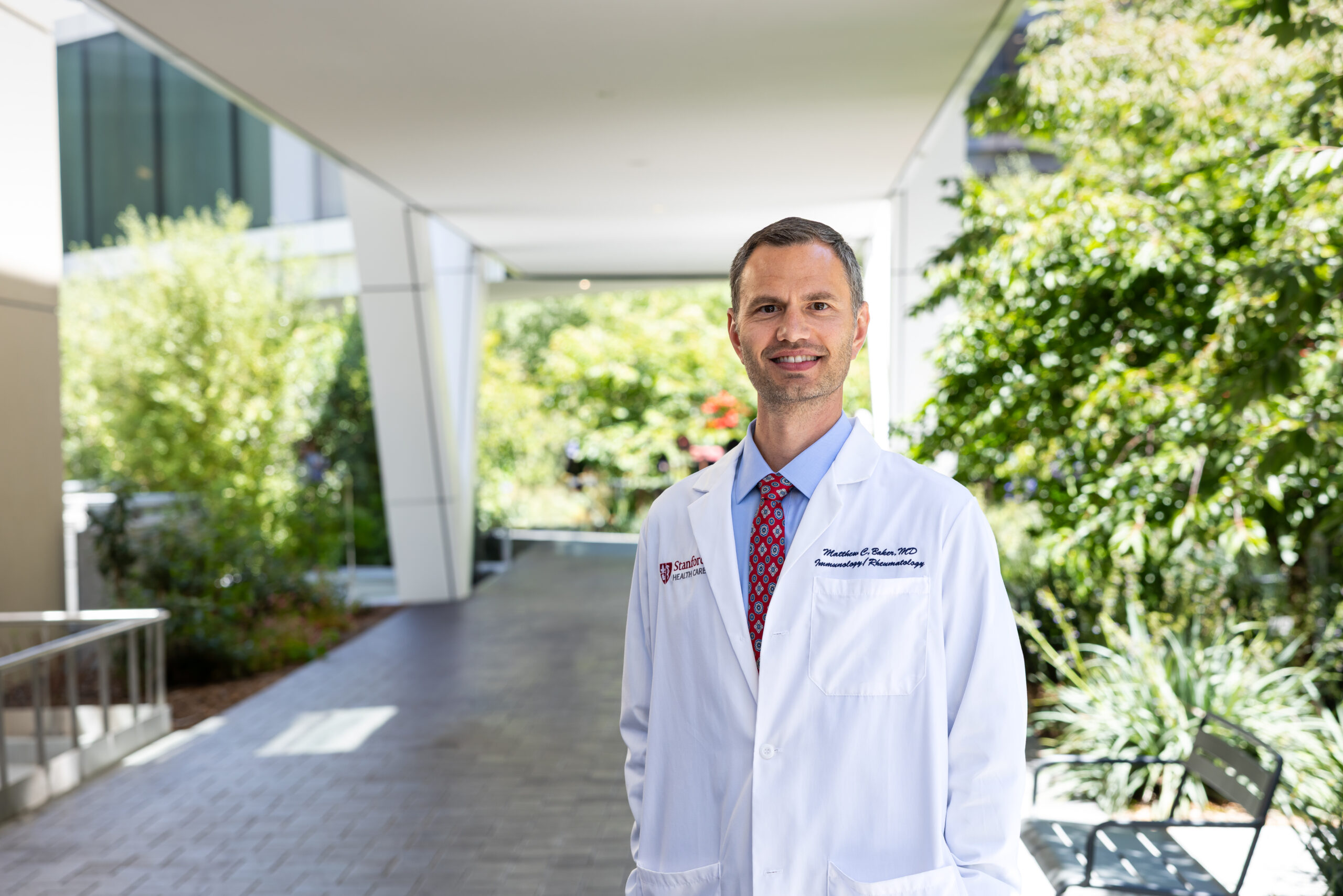
Matthew Baker, MD.

Finding Community in a Rare Disease

That partnership extends beyond the exam room. Baker is also involved in patient advocacy and support, including the IgG4ward! BayJAM at Stanford, an event that brings together patients, families, clinicians, researchers, and advocates. For many people with rare diseases, Baker says, community can be as important as education.

“Rare diseases can be isolating, and patients may never meet another person with the same diagnosis, and even many physicians are unfamiliar with the condition,” Baker says. “Patient support and advocacy groups help fill that gap by providing education, community, and a sense of shared experience.”

A Hopeful Time for the IgG4-RD Community 

Today, Yasuko still lives with understandable uncertainty. New symptoms can still bring fear. New medications still come with hope and questions. But there is also a plan, a specialist, a growing field of research, and a sense that she is no longer navigating the disease alone.

“Seeing how IgG4-RD research keeps advancing gives me hope,” she says. “Anytime I try a new medication or treatment, I have some hope that it will lead to a longer remission. Dr. Baker is always positive, and that is also a source of hope for me.”

Baker shares that optimism.

“I would tell patients that this is a hopeful time in IgG4-RD research and advocacy,” he says. “The disease is being recognized more often, we understand its biology much better than we did even a decade ago, and new therapies are being developed specifically for patients with IgG4-RD.”

There is still much to learn: why the disease develops, why some patients relapse, how to predict organ damage, and how related conditions such as asthma, allergies, and chronic sinus disease may intersect with IgG4-RD. But the field is moving quickly.

For undiagnosed patients who have spent months or years wondering what is happening inside their body, that progress can mean something profoundly simple: answers.

And, perhaps just as important, someone willing to say, “Let’s work together.”

2026

Spotlights

Innovation With Purpose

After building and selling a biotech company, Narges Baniasadi, PhD, could have continued climbing Silicon Valley’s corporate ladder. Instead, she returned to Stanford to launch Emergence, an entrepreneurship program that helps founders build companies tackling some of society’s toughest health challenges. The program is training a new generation of innovators to pursue both purpose and profit.

Building a Medical Home for Adults With Sickle Cell Disease

Adults with sickle cell disease have long faced a fragmented care system that can leave them without a consistent medical home. Stanford physicians Giselle Salmasi, MD, and May Chien, MD, are changing that — building a comprehensive program that gives patients coordinated care, access to emerging therapies, and longer lives.

Easing Access

Margaret, 67, once faced a 14-week wait and a 45-minute drive to Palo Alto just to see a pulmonary specialist. Today she gets that same care close to home, as part of Stanford Pulmonary, Allergy, and Critical Care Medicine’s decade-long push to bring subspecialty expertise into the East Bay, building the fastest-growing service line in Stanford Health Care.

Stanford and Samaritan House

Stanford’s student-run free clinics have long been a cornerstone of community care — but a new partnership with Samaritan House is taking them further. The collaboration is expanding access for underserved patients while giving medical students things no classroom can offer: real experience, real responsibility, and real stakes.

The Disease That Looks Like Everything Else

IgG4-RD can look like cancer, infection, or any number of autoimmune conditions, leaving patients like Yasuko bouncing between specialists for years without answers. For Yasuko, reaching Stanford rheumatologist Matthew Baker, MD, one of the world’s leading IgG4-RD experts, meant not just a diagnosis, but a doctor who listened, involved her in decisions, and took a personal investment in her care.

Jojo’s Journey

When transplant nephrologist Patrick Ahearn, MD, and his wife, Peggy Bui, MD, learned that their baby had a rare, life-threatening genetic condition, they did what physician-parents do: They started searching for a cure. With the help of Stanford colleagues, they may have found one — and a path that could be replicated for other rare genetic diseases.

Teaming Up

For patients recovering from a serious illness or surgery, the gap between hospital care and what comes next can be dangerous. Stanford Health Care is closing that gap at St. Rose Hospital in Hayward, which is the first facility of its kind to house both a skilled nursing unit and an acute care hospital under one roof, developed in partnership with Alameda Health System.

Tracking the Invisible

Long COVID looks different in every patient, which makes it nearly impossible to study and treat. Stanford data scientists are now using data from smartwatches to track how symptoms evolve over time and test which interventions actually help. Data Science Manager and lead author Fatma Gunturkun shares what they’re finding, and what it could mean for the millions still searching for answers.

A Personal Mission

For Latha Palaniappan, MD, the elevated diabetes risk facing Asian and Asian American patients isn’t just a research question. It’s personal. ADVANCE, her new Stanford precision medicine hub, is investigating why these populations develop diabetes at higher rates, and often at lower body weights, than conventional models predict, and building the science to do something about it.