

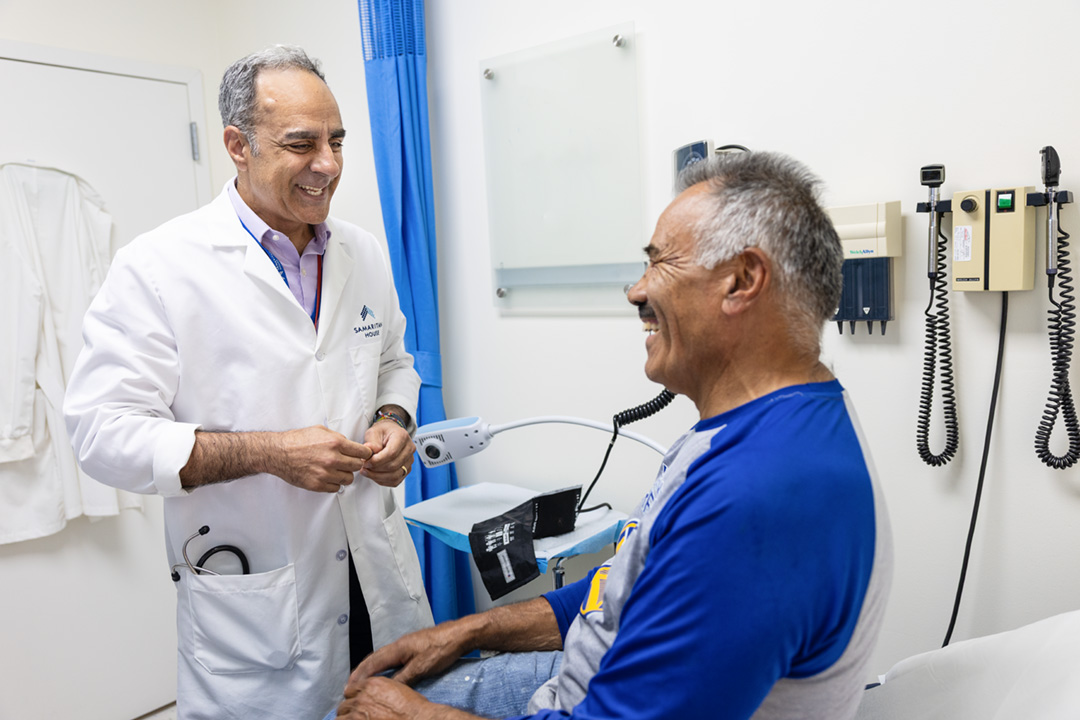
Baldeep Singh, MD, medical director of Samaritan House’s two free clinics, says the day-to-day challenges often demand the kind of improvised ingenuity that makes each day at work feel like an episode of “MacGyver.”
Stanford and Samaritan House
Reimagining Student-Run Free Clinics
When Baldeep Singh, MD, a clinical professor of medicine at Stanford, became medical director of Samaritan House’s two free clinics in San Mateo County, he didn’t expect most days to feel like an episode of MacGyver.
The television character was famous for solving seemingly impossible problems with whatever tools he had on hand.
At Samaritan House, Singh found plenty of challenges that demanded the same kind of improvised ingenuity. Over the last three years, he scrambled to secure affordable insulin, brought an AI diabetic eye camera to the clinics, rebuilt post-COVID operations, and recruited Stanford specialists to deliver hospital-level care in a free clinic.
“Every day we have problems that need to be figured out,” Singh says. “We all feel like we’re MacGyver.”

As medical director, Singh was charged with helping build a new partnership between Stanford Medicine and Samaritan House. He and his team were tasked with translating that vision into day-to-day patient care, laying the groundwork for a new model that integrated Stanford’s physicians, students, and resources into an established community clinic.
For decades, Stanford’s student-run clinics gave medical students early experience caring for uninsured and underinsured patients while providing free weekend care across the Bay Area. The clinics offered valuable training and expanded access to care, but because they operated one day a week in borrowed community spaces, patients often had no clear path for follow-up appointments, medication management, or specialty referrals. Stanford leaders began asking whether the model could become something more enduring.
That vision traces back nearly a decade to Dean Lloyd Minor, who challenged Stanford leaders and students to rethink the future of the university’s student-run clinics. Rather than creating another standalone weekend clinic, they envisioned integrating students and faculty into an existing community medical home. Finding the right partner, however, took years.
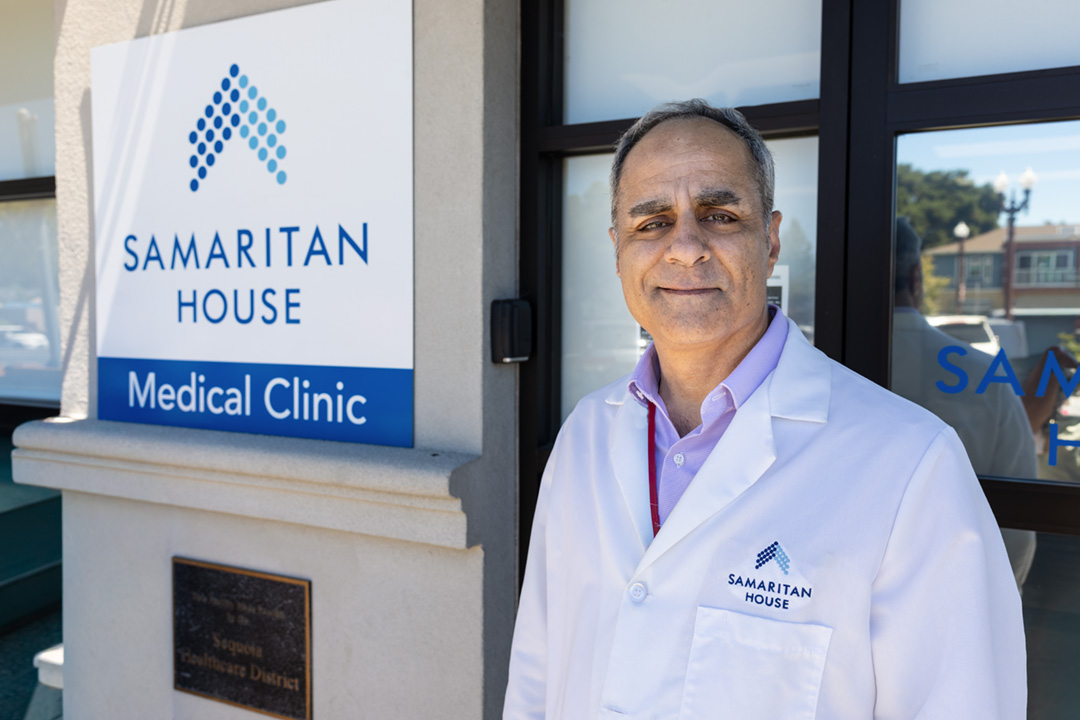
Baldeep Singh, MD, helped transform Stanford’s student-run free clinics into part of Samaritan House’s full-time medical home, expanding access to follow-up care and specialty services.
Earning Community Trust
Stanford also changed how it approached community organizations. Rather than beginning with research opportunities or student training, faculty leaders started with a different question: What do the community members need?
Community leaders had a straightforward answer: More doctors.
Stanford responded by placing faculty physicians in community organizations throughout the Bay Area. One of those organizations was Samaritan House. When Samaritan House’s longtime medical director retired, its leaders turned to Stanford. Singh accepted the role.
The partnership did not happen overnight. Community organizations were understandably cautious about Stanford’s intentions, wondering whether the university was there to serve the community or simply conduct research. Singh and Sang-ick Chang, MD, say that Stanford spent years rebuilding clinic operations, expanding services, and demonstrating that it was committed to bringing Stanford’s clinical expertise into the community before Samaritan House became the permanent home for the university’s student-run clinics.
“We are growing up from being a largely research-focused organization to becoming a full anchor institution in our community,” says Chang, clinical professor of medicine and chief of the Division of Primary Care and Population Health. “Leading with service is what this program demonstrates.”
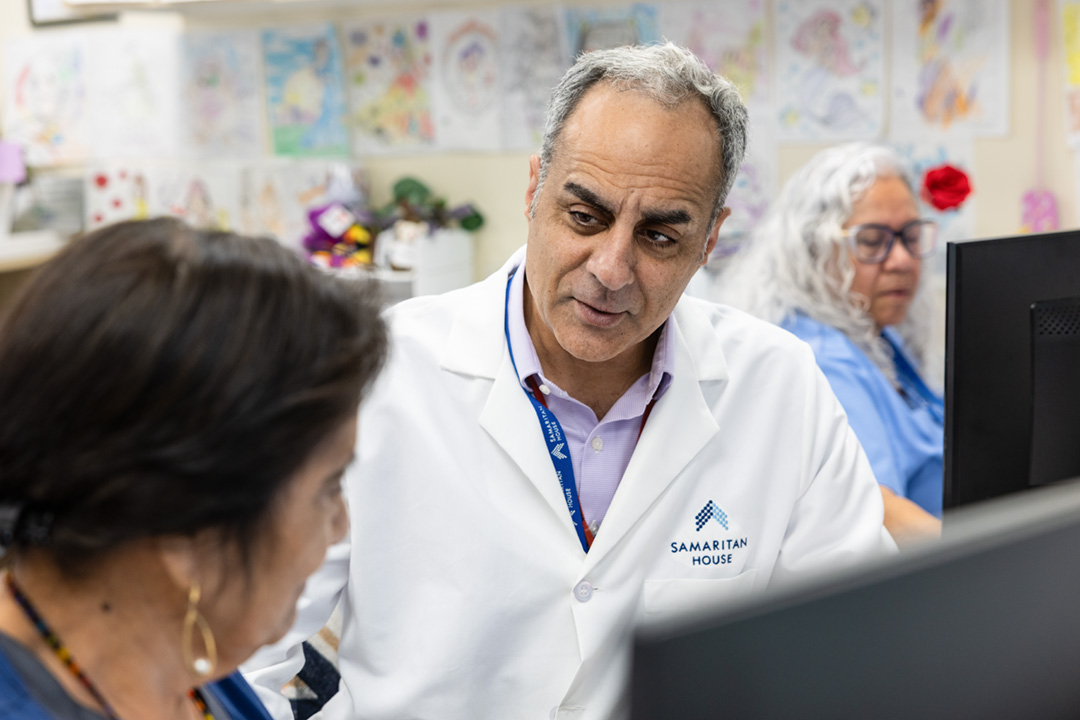
The partnership between Stanford and Samaritan House immerses medical students in a community clinic, where they see firsthand how health care intersects with the realities of patients’ lives.
Strengthening Community Care
This spring, Samaritan House and Stanford formalized their partnership into part of a medical home where patients who arrive on Sunday can return throughout the week for primary care, prescription medications, specialty services, and follow-up through a single system.
Today, Stanford faculty and students provide care on Sundays as part of that larger system. The partnership adds roughly 2,000 patient visits each year. Samaritan House now relies on a Stanford volunteer corps of more than 50 clinicians, and annual visits have nearly doubled, growing from about 6,000 to 12,000 over the last three years, Singh says.
The model has also strengthened medical education. Rather than volunteering at a stand-alone weekend clinic, students now train inside a functioning community medical home, where they see firsthand how healthcare intersects with housing, food insecurity, and other realities that shape patients’ lives. It has become one of Stanford’s most sought-after opportunities for pre-med undergraduates, with about 200 students competing each year for 60 volunteer positions.
“It definitely gives meaning to what I am doing in the classroom,” says Luciana, an undergraduate volunteer. “In the classroom it is mostly technical work … but here you come and see the realities of people, and you get more motivated to do what you do and to learn more.”
Singh says the years of work have helped Samaritan House become a “tremendously better resource,” where patients can receive free primary care, free prescription medications, specialty services, and ongoing follow-up treatment through a single system.
“We feel like we’re doing a better job, the students feel like they’re getting a better experience, and the patients are definitely getting better care,” Singh says. “And on a weekend.”
Share this page!
2026
Spotlights
When Great Research Ideas Stall, Clinical Research Hub Helps Move Them Forward
Every clinical study begins with an idea. Getting it off the ground is another story. The Department of Medicine’s Clinical Research Hub is the team that steps in when a promising study hits a wall, offering hands-on support with regulatory hurdles, study design, recruitment, and more.
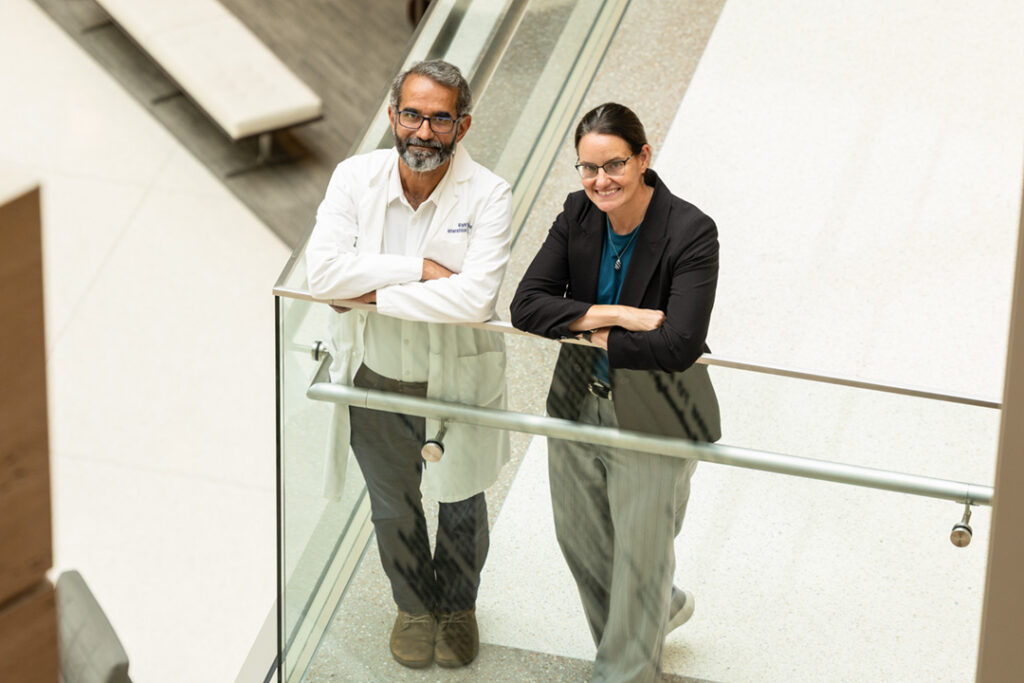
Easing Access
Margaret, 67, once faced a 14-week wait and a 45-minute drive to Palo Alto just to see a pulmonary specialist. Today she gets that same care close to home, as part of Stanford Pulmonary, Allergy, and Critical Care Medicine’s decade-long push to bring subspecialty expertise into the East Bay, building the fastest-growing service line in Stanford Health Care.
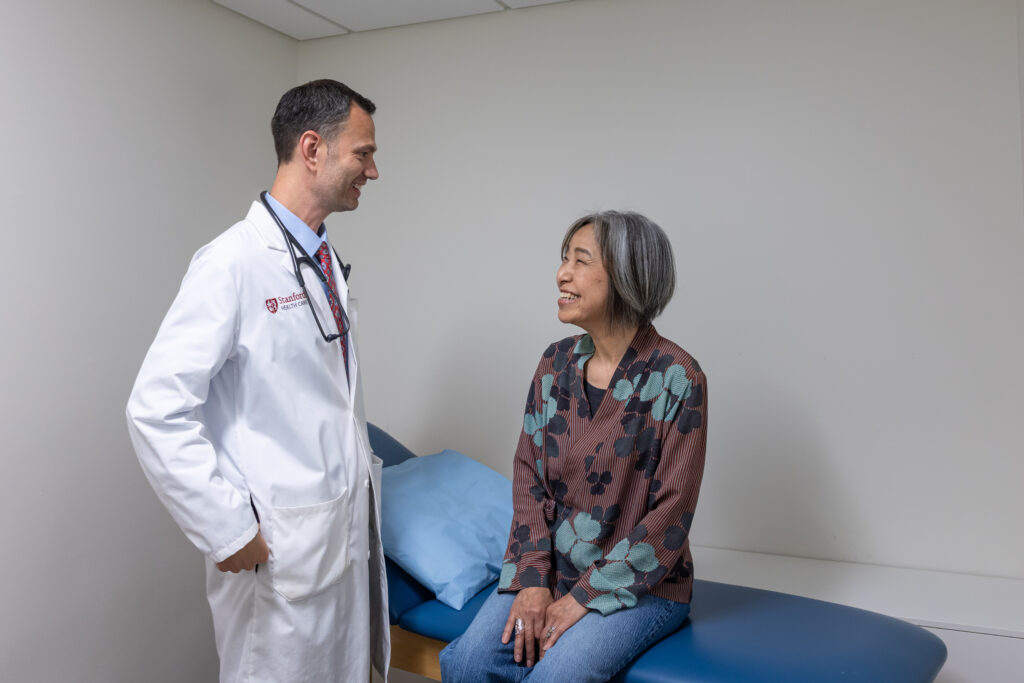
The Disease That Looks Like Everything Else
IgG4-RD can look like cancer, infection, or any number of autoimmune conditions, leaving patients like Yasuko bouncing between specialists for years without answers. For Yasuko, reaching Stanford rheumatologist Matthew Baker, MD, one of the world’s leading IgG4-RD experts, meant not just a diagnosis, but a doctor who listened, involved her in decisions, and took a personal investment in her care.
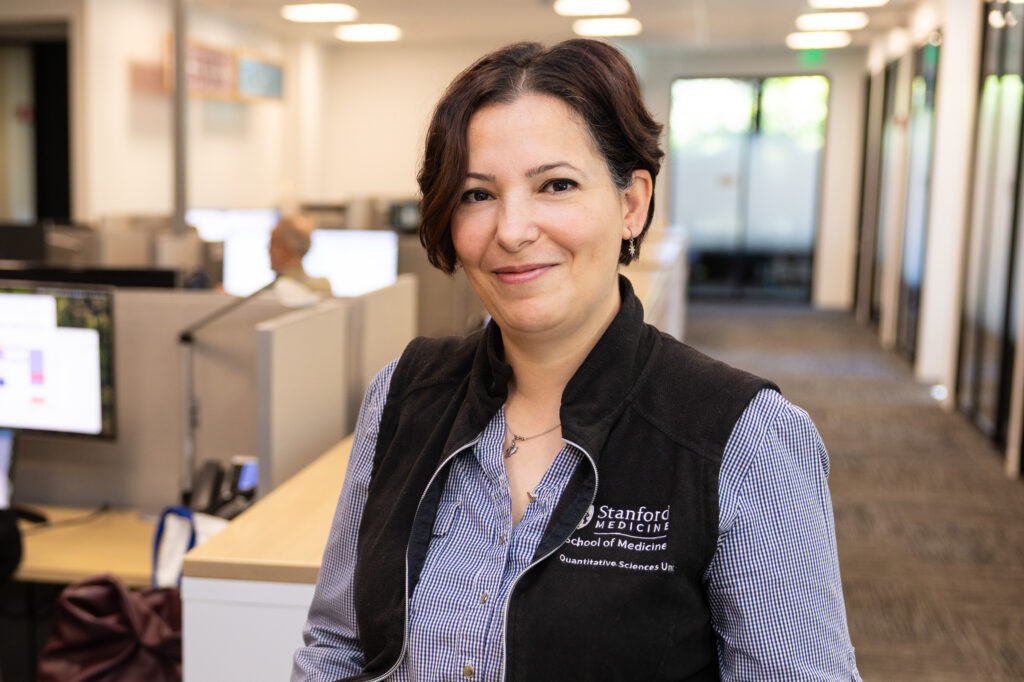
Tracking the Invisible
Long COVID looks different in every patient, which makes it nearly impossible to study and treat. Stanford data scientists are now using data from smartwatches to track how symptoms evolve over time and test which interventions actually help. Data Science Manager and lead author Fatma Gunturkun shares what they’re finding, and what it could mean for the millions still searching for answers.

Jojo’s Journey
When transplant nephrologist Patrick Ahearn, MD, and his wife, Peggy Bui, MD, learned that their baby had a rare, life-threatening genetic condition, they did what physician-parents do: They started searching for a cure. With the help of Stanford colleagues, they may have found one — and a path that could be replicated for other rare genetic diseases.
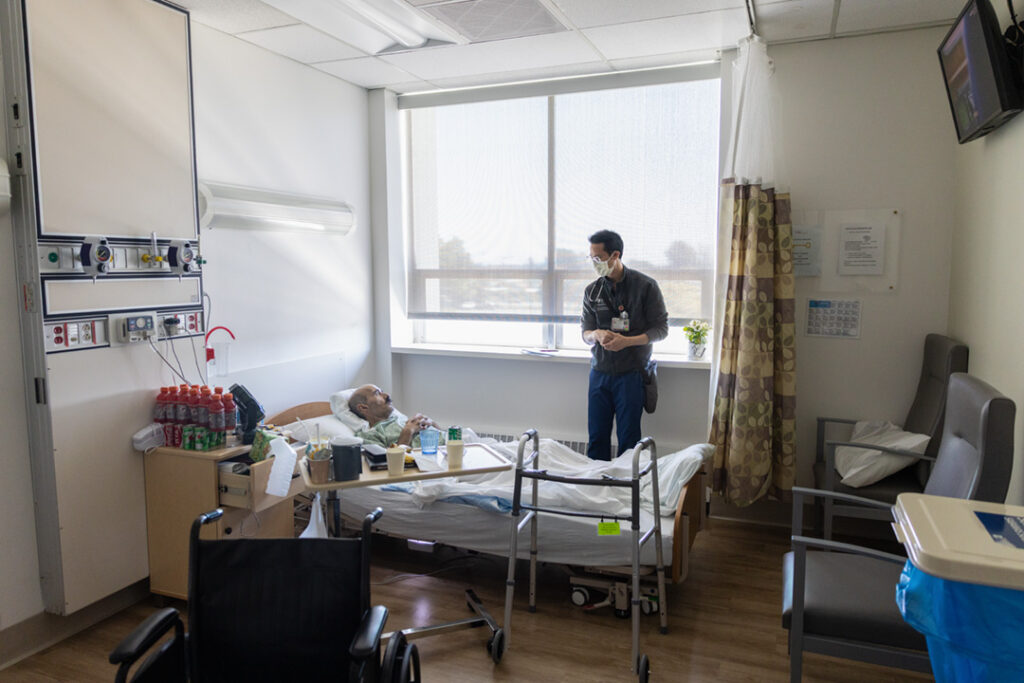
Teaming Up
For patients recovering from a serious illness or surgery, the gap between hospital care and what comes next can be dangerous. Stanford Health Care is closing that gap at St. Rose Hospital in Hayward, which is the first facility of its kind to house both a skilled nursing unit and an acute care hospital under one roof, developed in partnership with Alameda Health System.
Innovation With Purpose
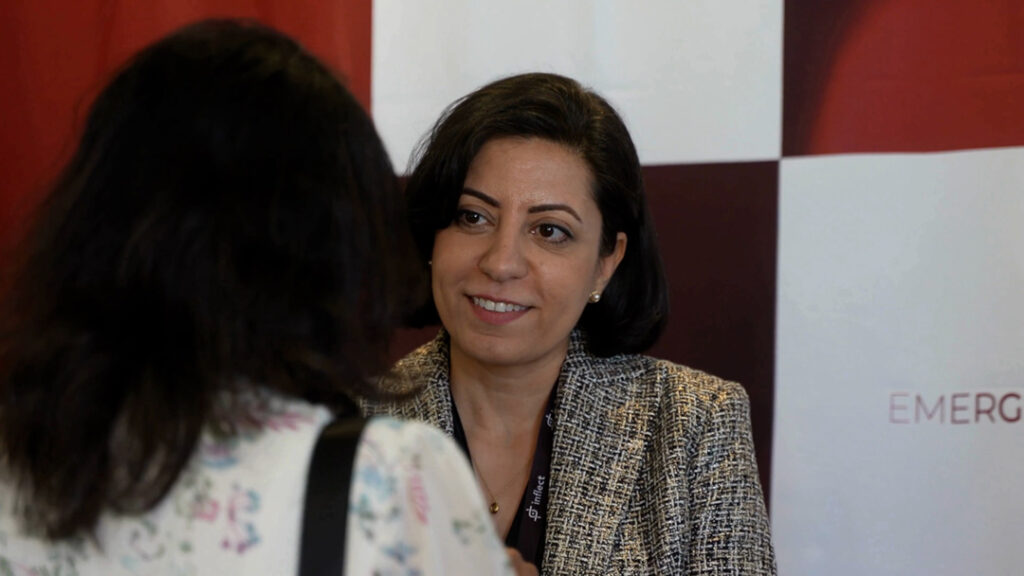
After building and selling a biotech company, Narges Baniasadi, PhD, could have continued climbing Silicon Valley’s corporate ladder. Instead, she returned to Stanford to launch Emergence, an entrepreneurship program that helps founders build companies tackling some of society’s toughest health challenges. The program is training a new generation of innovators to pursue both purpose and profit.
Building a Medical Home for Adults With Sickle Cell Disease
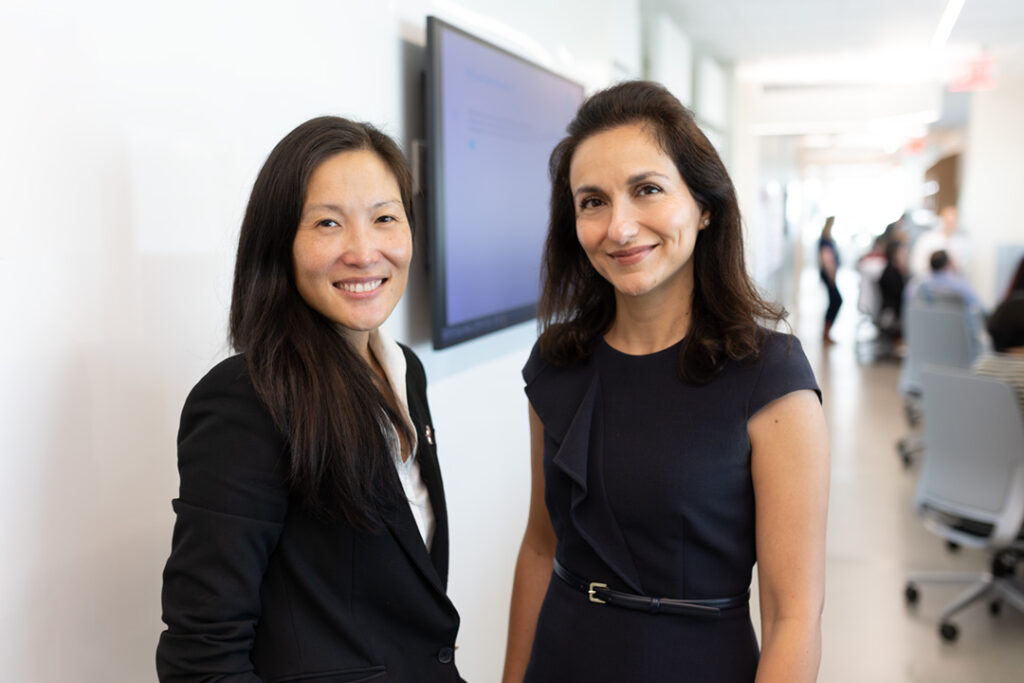
Adults with sickle cell disease have long faced a fragmented care system that can leave them without a consistent medical home. Stanford physicians Giselle Salmasi, MD, and May Chien, MD, are changing that — building a comprehensive program that gives patients coordinated care, access to emerging therapies, and longer lives.
A Personal Mission
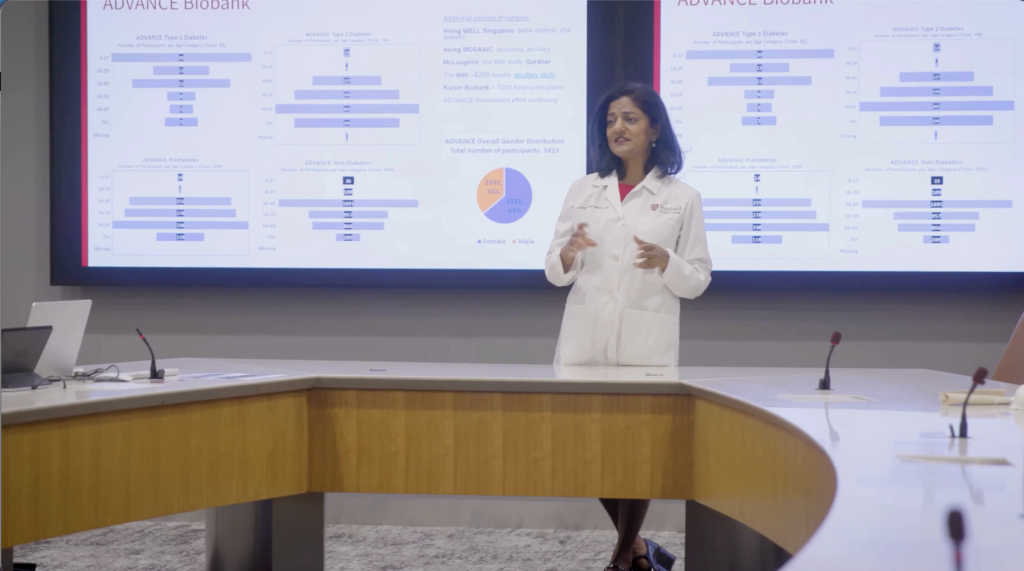
For Latha Palaniappan, MD, the elevated diabetes risk facing Asian and Asian American patients isn’t just a research question. It’s personal. ADVANCE, her new Stanford precision medicine hub, is investigating why these populations develop diabetes at higher rates, and often at lower body weights, than conventional models predict, and building the science to do something about it.