

When Great Research Ideas Stall, Clinical Research Hub Helps Move Them Forward
Promising research ideas are rarely what hold studies back.
More often, the obstacles are operational. Contract negotiations can take months, regulatory requirements can overwhelm busy clinicians, and investigators interested in clinical trials may not know where to start, according to Enrique Menendez, director of operations for the Department of Medicine’s Clinical Research Hub.
This is where the Department of Medicine’s Clinical Research Hub, or CRH, comes in. CRH’s mission is to accelerate research and help investigators navigate the operational hurdles that can delay studies.
Established from the former Stanford Center for Clinical Research, the 49-person Clinical Research Hub works behind the scenes to help investigators move promising studies forward. The team supports more than 60 active projects and provides expertise in study startup, contracting, regulatory submissions, clinical trial operations, and research staffing.
The examples below highlight how CRH is helping researchers move studies from conception to execution.
“A lot of academics don’t realize they can run clinical trials. That’s exactly what we do. We help them get started.” – Marco Perez, MD
Faster Starts
Contract negotiations are often one of the longest delays in launching a clinical study.
According to Marco Perez, MD, medical director of Stanford’s Clinical Coordinating Center, contract negotiations alone often take six to nine months before a study can begin. That timeline is common across academic medicine and can delay research long before the first participant enrolls.
A recent collaboration with Apple showed what can happen when those barriers are reduced.
The project built on Stanford’s relationship with Apple, which began with the Apple Heart Study. That landmark study enrolled more than 400,000 participants and helped validate the Apple Watch’s ability to detect atrial fibrillation. Years later, when Stanford and Apple began planning a new study, both organizations agreed to prioritize the effort.
Perez says dedicated startup, legal, and operational teams worked directly with one another to resolve questions and move negotiations forward. Rather than waiting weeks for responses to move back and forth between organizations, both sides maintained direct lines of communication and focused resources on the project.
The result was a fully executed contract in roughly six weeks. “This timeline is practically unheard of for a study of that scale,” Menendez reflects. The experience is now helping inform a new startup process that CRH hopes to apply to future research partnerships, he adds.
Expanding Access
Not every request that reaches CRH involves a clinical trial.
The team has helped clinicians pursue something called “compassionate-use requests” for patients who have exhausted available treatment options. These requests seek FDA permission to use experimental drugs or devices that have not yet been approved for a particular condition.
“These are often situations where there are no good alternatives left,” Perez says.
Menendez says CRH has supported several compassionate-use requests during the past year. The process requires extensive paperwork, regulatory expertise, and direct communication with federal regulators. CRH staff help prepare submissions, coordinate documentation, and work directly with the FDA to move requests forward.
The work falls outside traditional clinical research. Menendez describes it as a way to use the team’s expertise to help clinicians navigate a complex process while providing patients access to potential treatments that otherwise might not be available.
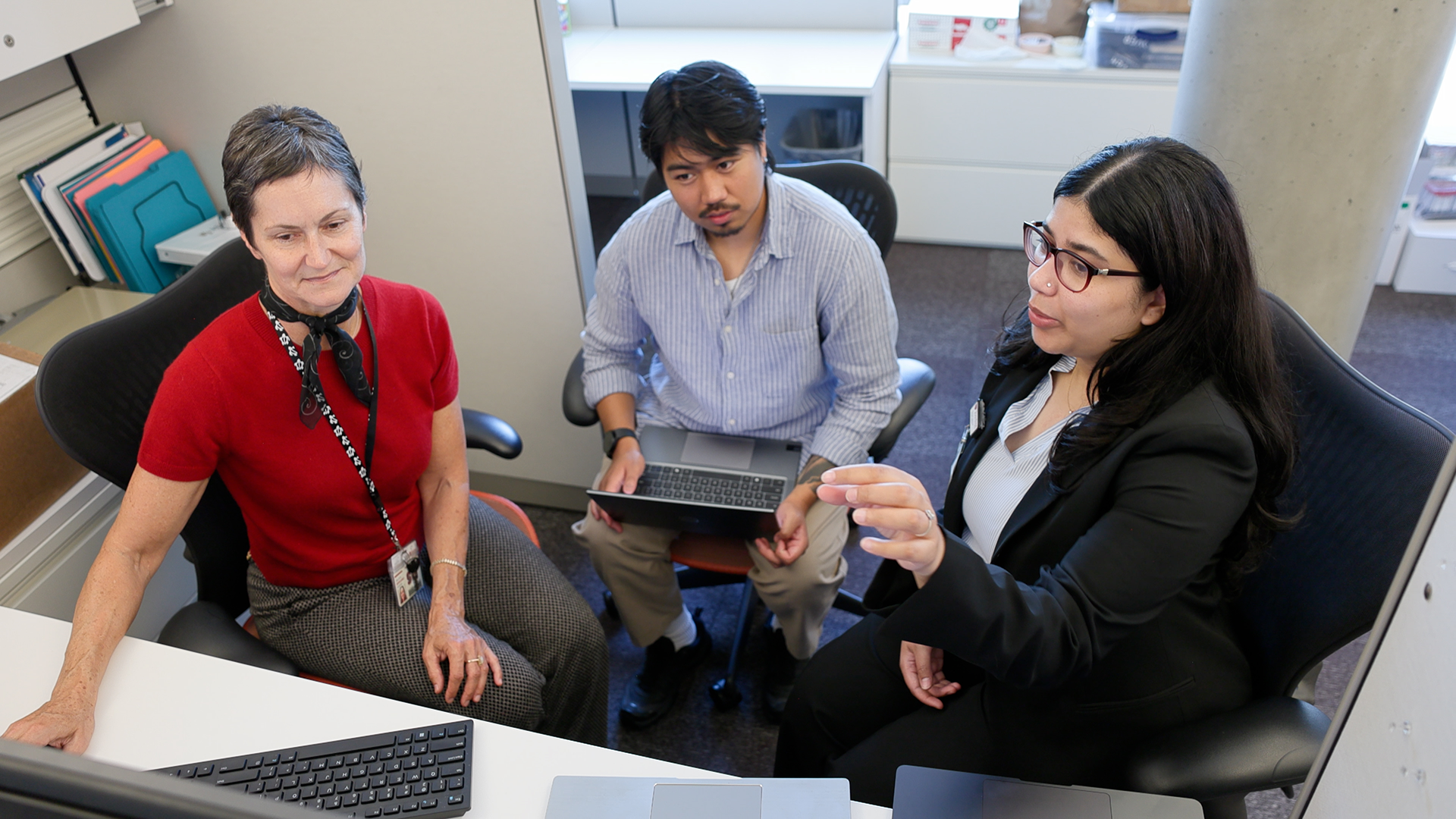
The Clinical Research Hub team works behind the scenes to help investigators move promising studies forward.
Making Research Possible
Clinical trials can be daunting, even for experienced investigators.
Perez says researchers often have the scientific expertise needed to pursue important questions but lack the infrastructure required to launch and manage a complex study. Rather than taking over a project, Perez says, CRH serves as a partner in the process, helping investigators map what is needed and connect them with the expertise required to move forward.
“A lot of academics don’t realize they can run clinical trials,” Perez says. “That’s exactly what we do. We help them get started.”
He points to a researcher with a successful career in epidemiology who was approached by a sponsor about leading a major clinical trial. Although the investigator had never conducted a clinical trial, CRH was able to provide startup expertise, regulatory support, and operational leadership needed to launch the study.
Perez says the same support can benefit seasoned investigators managing increasingly complex projects. The goal, he says, is to allow researchers to focus on the science and patient care while CRH helps navigate the operational demands of running a study.
Menendez says he regularly encounters investigators who describe studies they never pursued because the process seemed too complicated or burdensome. Those conversations, he says, are exactly why CRH exists: to give investigators a place to start, a team to call, and a path forward.
“You could have just asked me,” he says.
Share this page!
2026
Spotlights
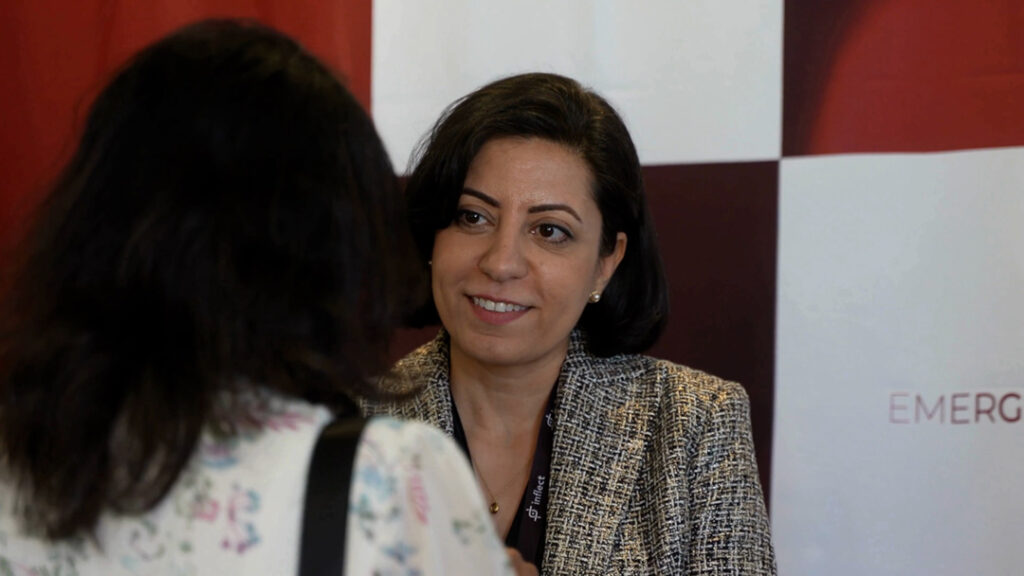
Innovation With Purpose
After building and selling a biotech company, Narges Baniasadi, PhD, could have continued climbing Silicon Valley’s corporate ladder. Instead, she returned to Stanford to launch Emergence, an entrepreneurship program that helps founders build companies tackling some of society’s toughest health challenges. The program is training a new generation of innovators to pursue both purpose and profit.
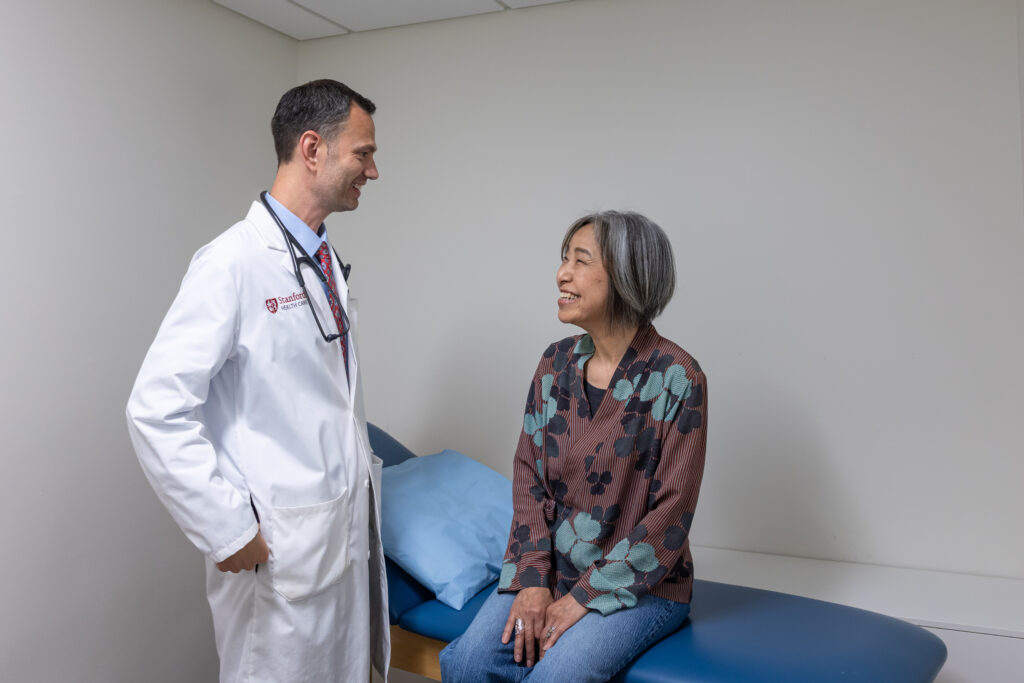
The Disease That Looks Like Everything Else
IgG4-RD can look like cancer, infection, or any number of autoimmune conditions, leaving patients like Yasuko bouncing between specialists for years without answers. For Yasuko, reaching Stanford rheumatologist Matthew Baker, MD, one of the world’s leading IgG4-RD experts, meant not just a diagnosis, but a doctor who listened, involved her in decisions, and took a personal investment in her care.
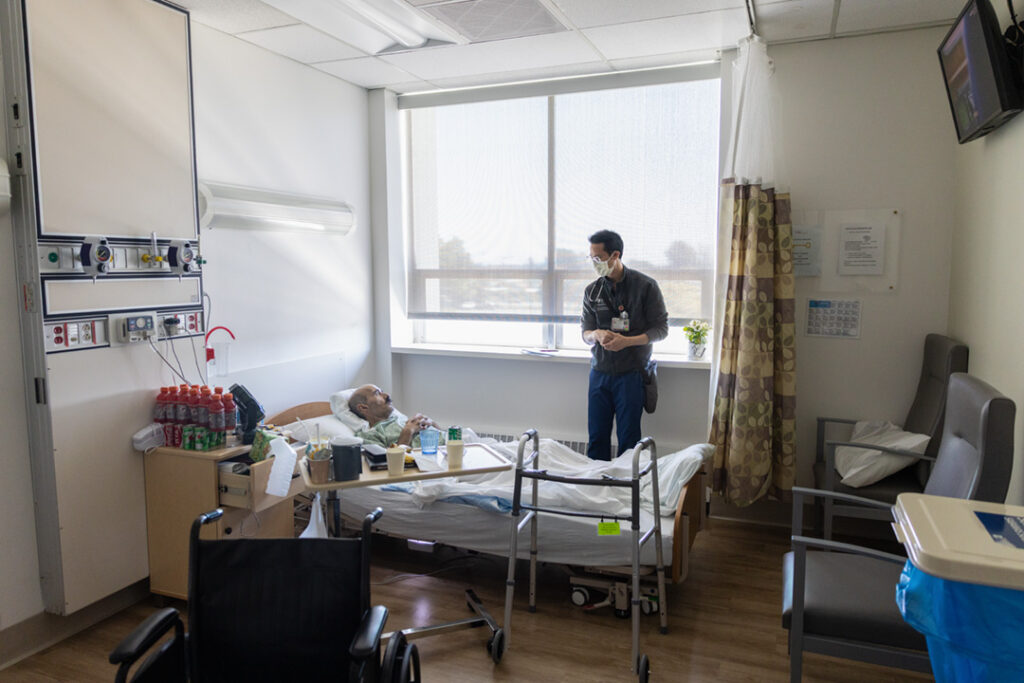
Teaming Up
For patients recovering from a serious illness or surgery, the gap between hospital care and what comes next can be dangerous. Stanford Health Care is closing that gap at St. Rose Hospital in Hayward, which is the first facility of its kind to house both a skilled nursing unit and an acute care hospital under one roof, developed in partnership with Alameda Health System.
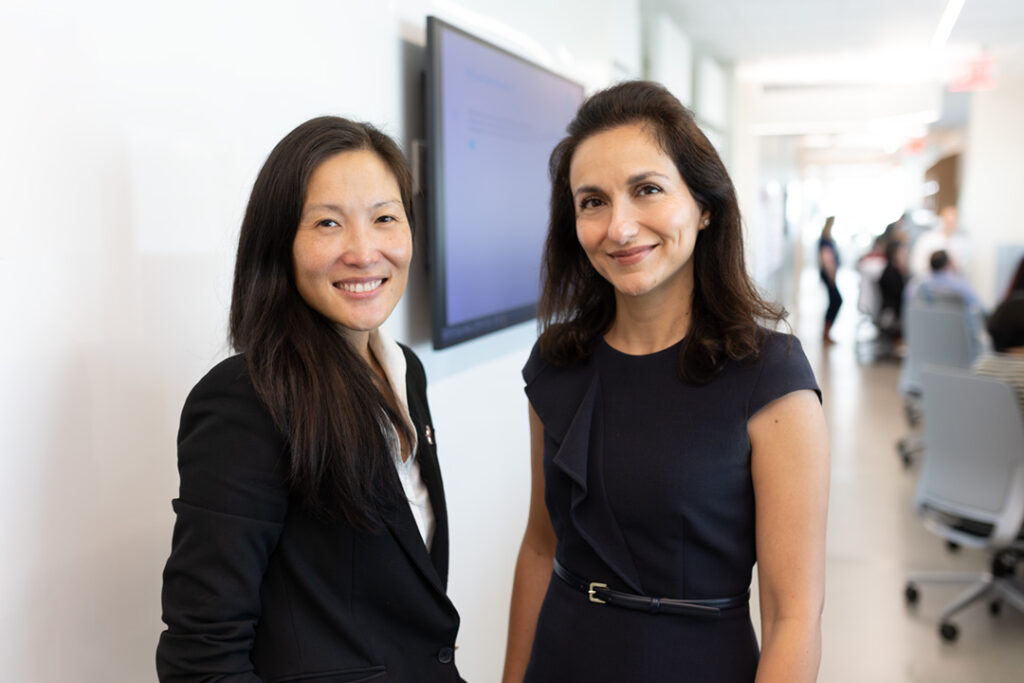
Building a Medical Home for Adults With Sickle Cell Disease
Adults with sickle cell disease have long faced a fragmented care system that can leave them without a consistent medical home. Stanford physicians Giselle Salmasi, MD, and May Chien, MD, are changing that — building a comprehensive program that gives patients coordinated care, access to emerging therapies, and longer lives.
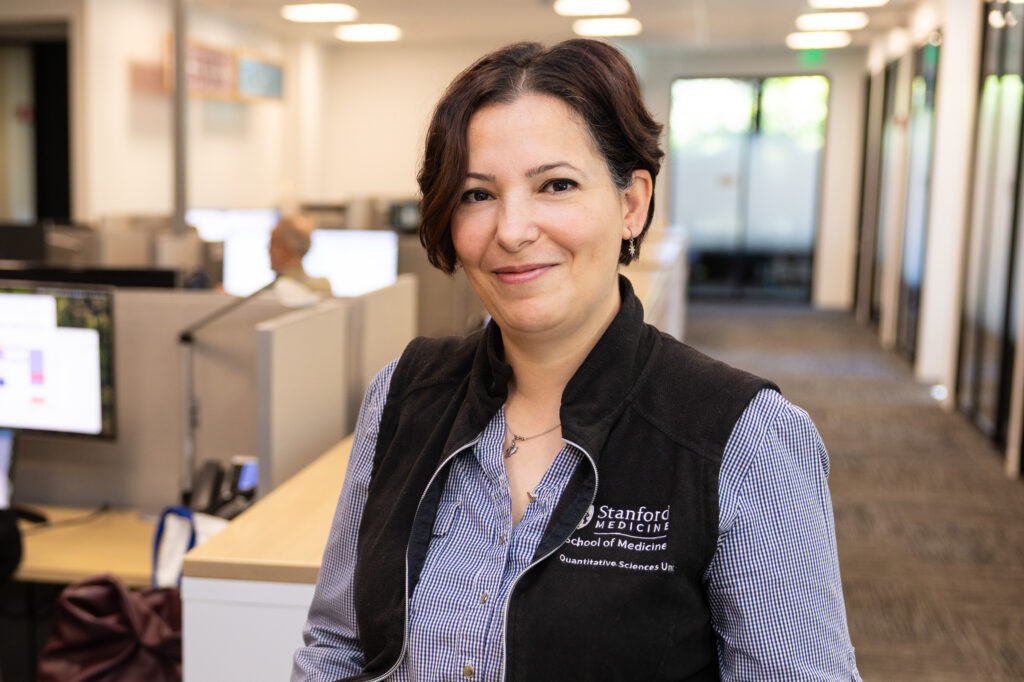
Tracking the Invisible
Long COVID looks different in every patient, which makes it nearly impossible to study and treat. Stanford data scientists are now using data from smartwatches to track how symptoms evolve over time and test which interventions actually help. Data Science Manager and lead author Fatma Gunturkun shares what they’re finding, and what it could mean for the millions still searching for answers.

Jojo’s Journey
When transplant nephrologist Patrick Ahearn, MD, and his wife, Peggy Bui, MD, learned that their baby had a rare, life-threatening genetic condition, they did what physician-parents do: They started searching for a cure. With the help of Stanford colleagues, they may have found one — and a path that could be replicated for other rare genetic diseases.
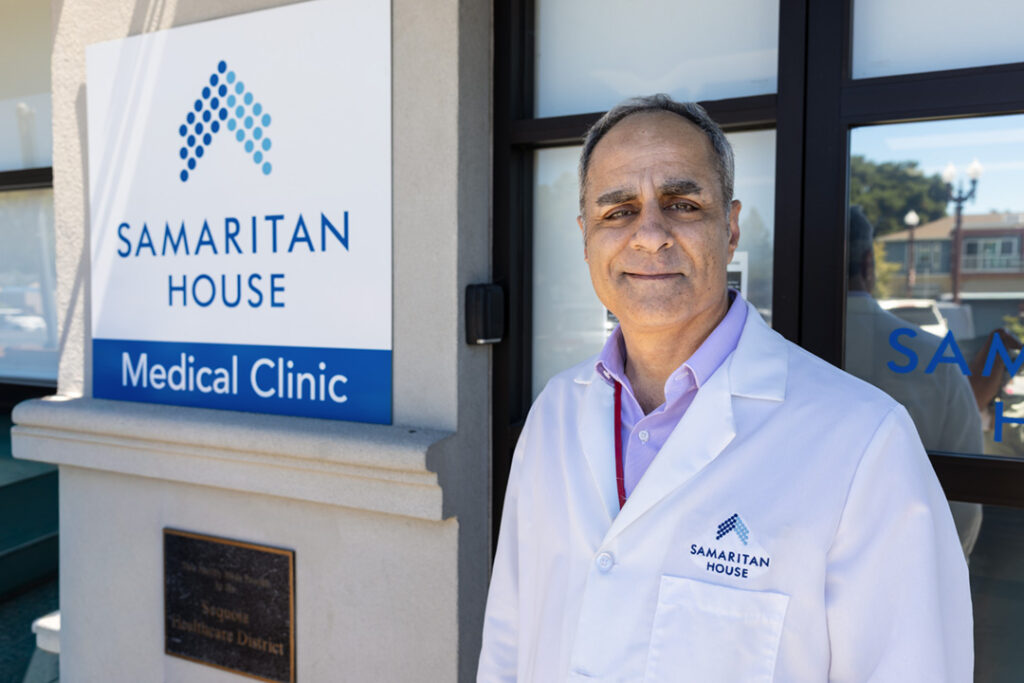
Stanford and Samaritan House
Stanford’s student-run free clinics have long been a cornerstone of community care — but a new partnership with Samaritan House is taking them further. The collaboration is expanding access for underserved patients while giving medical students things no classroom can offer: real experience, real responsibility, and real stakes.
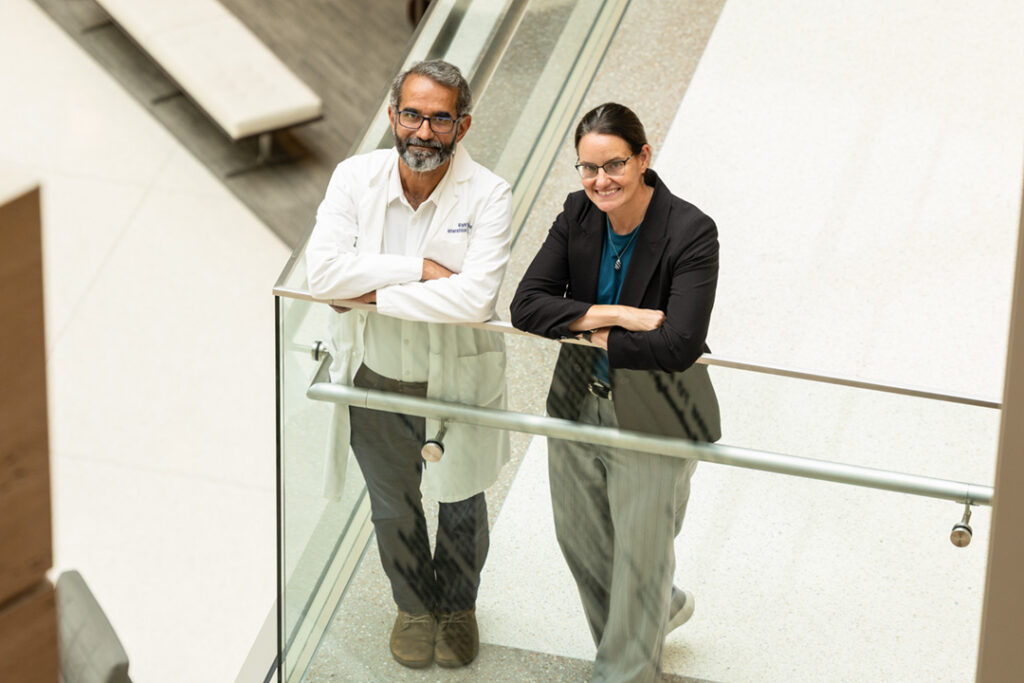
Easing Access
Margaret, 67, once faced a 14-week wait and a 45-minute drive to Palo Alto just to see a pulmonary specialist. Today she gets that same care close to home, as part of Stanford Pulmonary, Allergy, and Critical Care Medicine’s decade-long push to bring subspecialty expertise into the East Bay, building the fastest-growing service line in Stanford Health Care.
A Personal Mission
For Latha Palaniappan, MD, the elevated diabetes risk facing Asian and Asian American patients isn’t just a research question. It’s personal. ADVANCE, her new Stanford precision medicine hub, is investigating why these populations develop diabetes at higher rates, and often at lower body weights, than conventional models predict, and building the science to do something about it.