
2026 Annual Report
Common
Ground
2026 Annual Report
Common
Ground
Welcome
From the Chair
Senior Vice Chair Updates
Department by the Numbers
Annual Report Credits
2026
Features
Jojo’s Journey
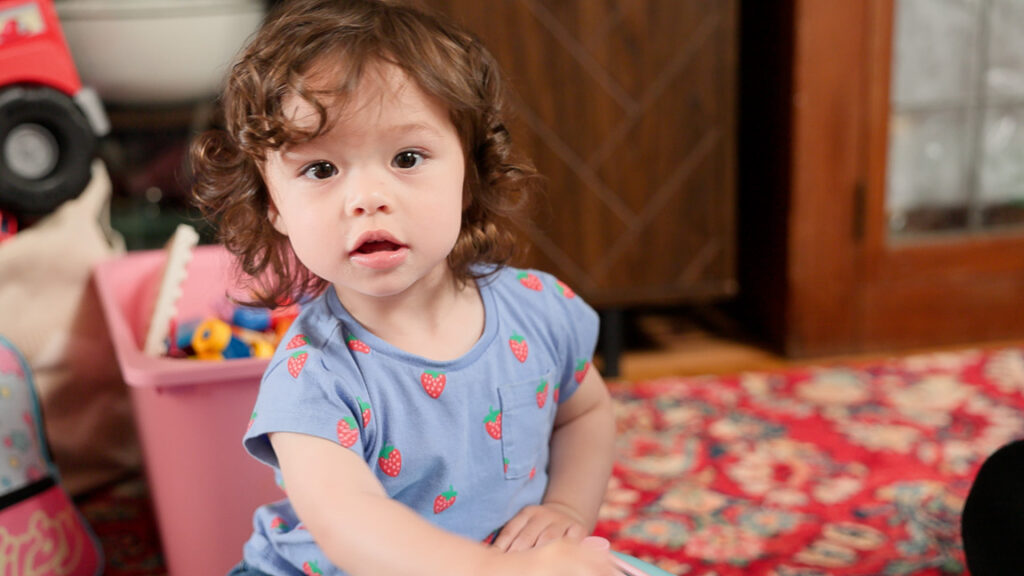
When transplant nephrologist Patrick Ahearn, MD, and his wife, Peggy Bui, MD, learned that their baby had a rare, life-threatening genetic condition, they did what physician-parents do: They started searching for a cure. With the help of Stanford colleagues, they may have found one — and a path that could be replicated for other rare genetic diseases.
A Personal Mission
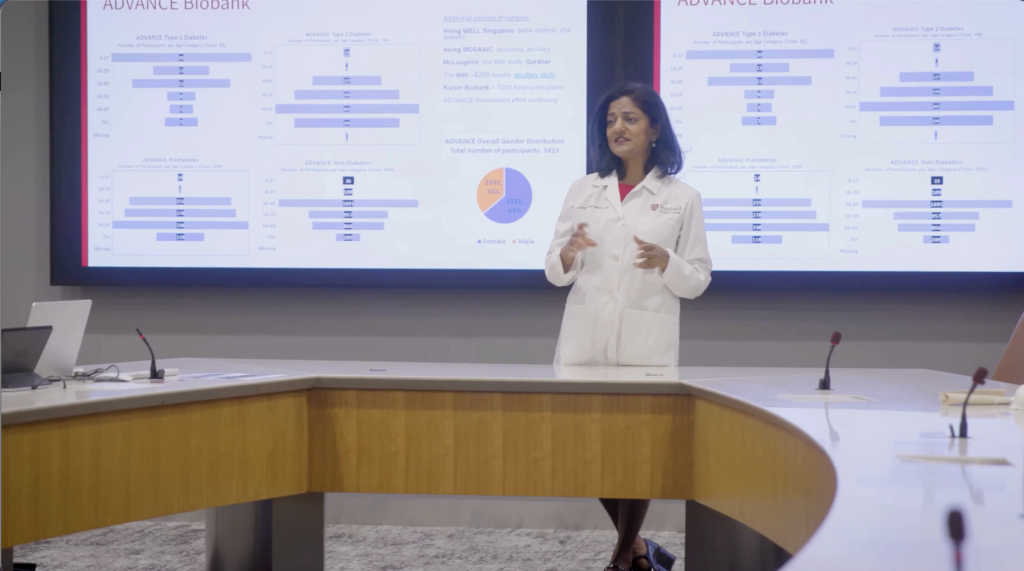
For Latha Palaniappan, MD, the elevated diabetes risk facing Asian and Asian American patients isn’t just a research question. It’s personal. ADVANCE, her new Stanford precision medicine hub, is investigating why these populations develop diabetes at higher rates, and often at lower body weights, than conventional models predict, and building the science to do something about it.
Innovation With Purpose
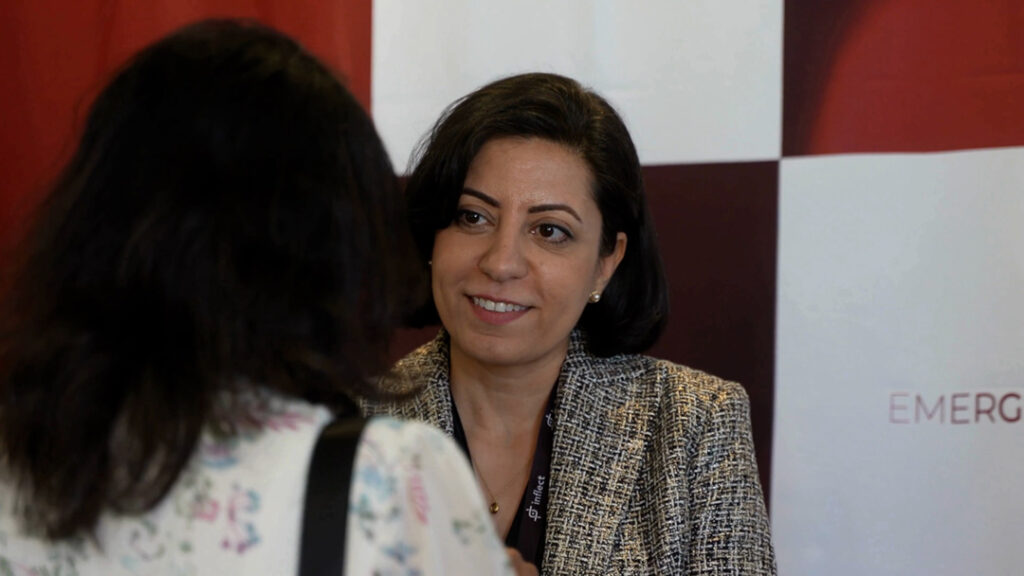
After building and selling a biotech company, Narges Baniasadi, PhD, could have continued climbing Silicon Valley’s corporate ladder. Instead, she returned to Stanford to launch Emergence, an entrepreneurship program that helps founders build companies tackling some of society’s toughest health challenges. The program is training a new generation of innovators to pursue both purpose and profit.
Teaming Up
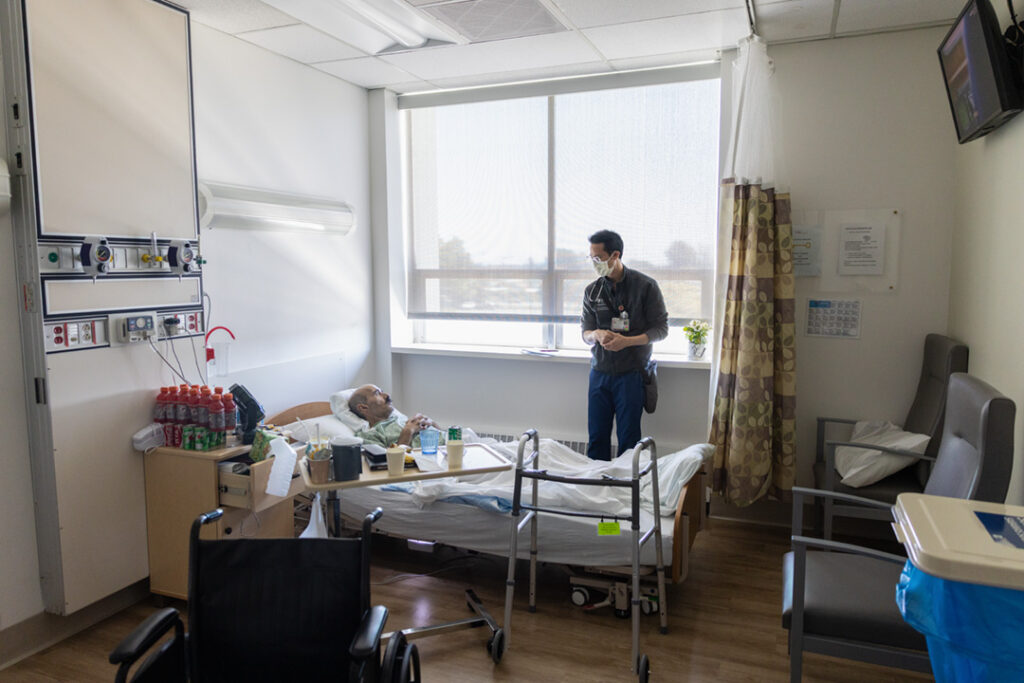
For patients recovering from a serious illness or surgery, the gap between hospital care and what comes next can be dangerous. Stanford Health Care is closing that gap at St. Rose Hospital in Hayward, which is the first facility of its kind to house both a skilled nursing unit and an acute care hospital under one roof, developed in partnership with Alameda Health System.
When Great Research Ideas Stall, Clinical Research Hub Helps Move Them Forward
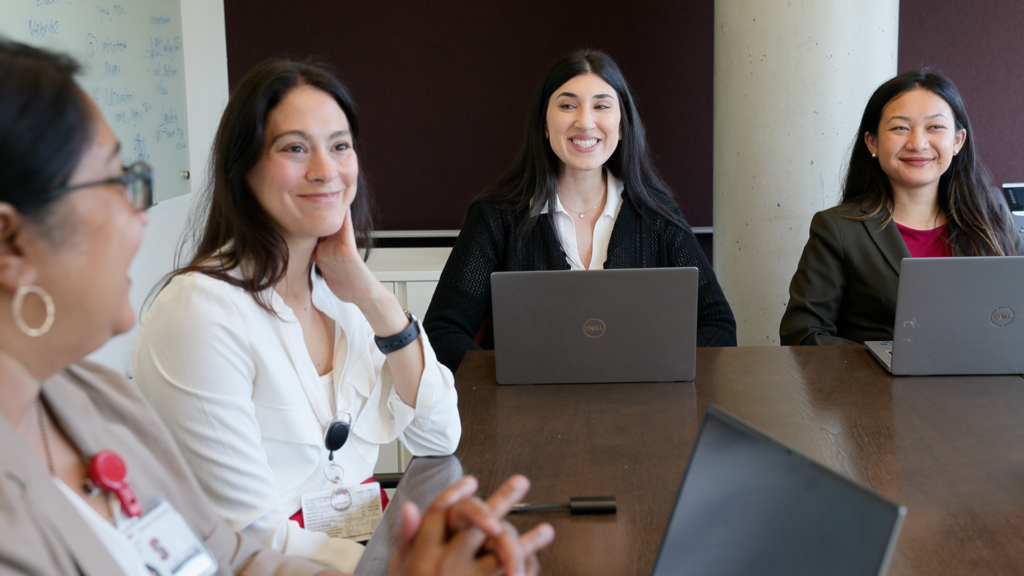
Every clinical study begins with an idea. Getting it off the ground is another story. The Department of Medicine’s Clinical Research Hub is the team that steps in when a promising study hits a wall, offering hands-on support with regulatory hurdles, study design, recruitment, and more.
Easing Access
Margaret, 67, once faced a 14-week wait and a 45-minute drive to Palo Alto just to see a pulmonary specialist. Today she gets that same care close to home, as part of Stanford Pulmonary, Allergy, and Critical Care Medicine’s decade-long push to bring subspecialty expertise into the East Bay, building the fastest-growing service line in Stanford Health Care.
Building a Medical Home for Adults With Sickle Cell Disease
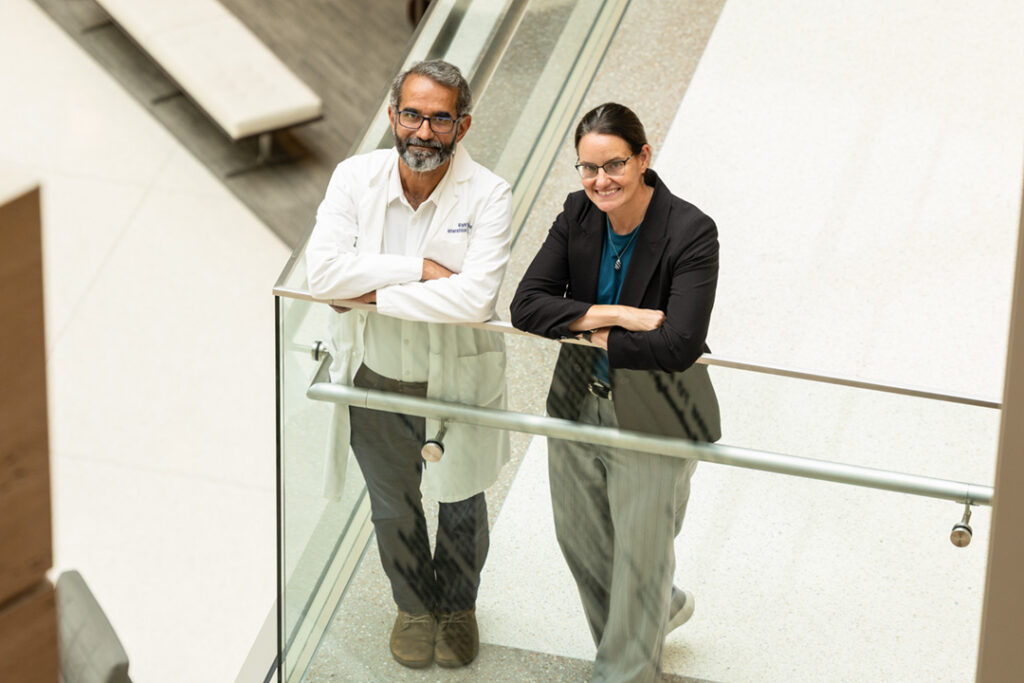
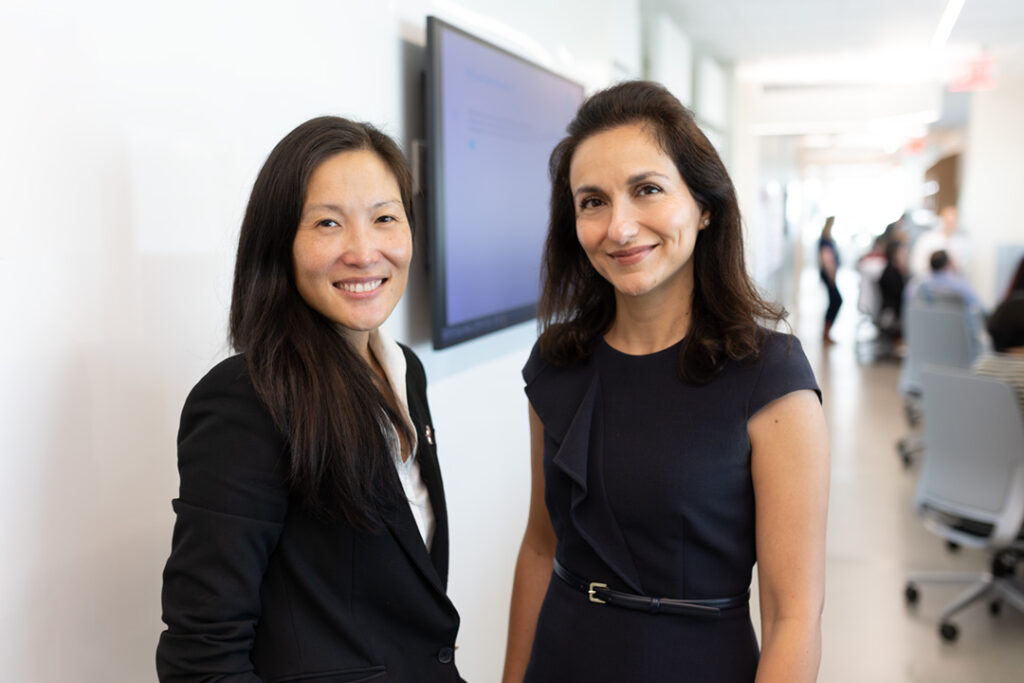
Adults with sickle cell disease have long faced a fragmented care system that can leave them without a consistent medical home. Stanford physicians Giselle Salmasi, MD, and May Chien, MD, are changing that — building a comprehensive program that gives patients coordinated care, access to emerging therapies, and longer lives.
Stanford and Samaritan House
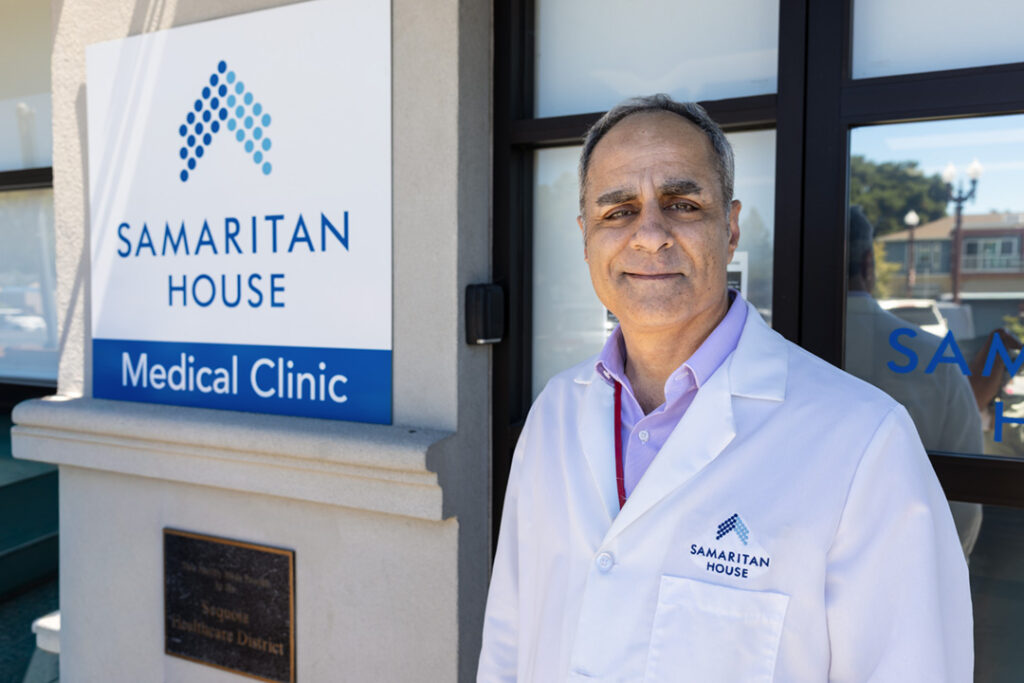
Stanford’s student-run free clinics have long been a cornerstone of community care — but a new partnership with Samaritan House is taking them further. The collaboration is expanding access for underserved patients while giving medical students things no classroom can offer: real experience, real responsibility, and real stakes.
Tracking the Invisible
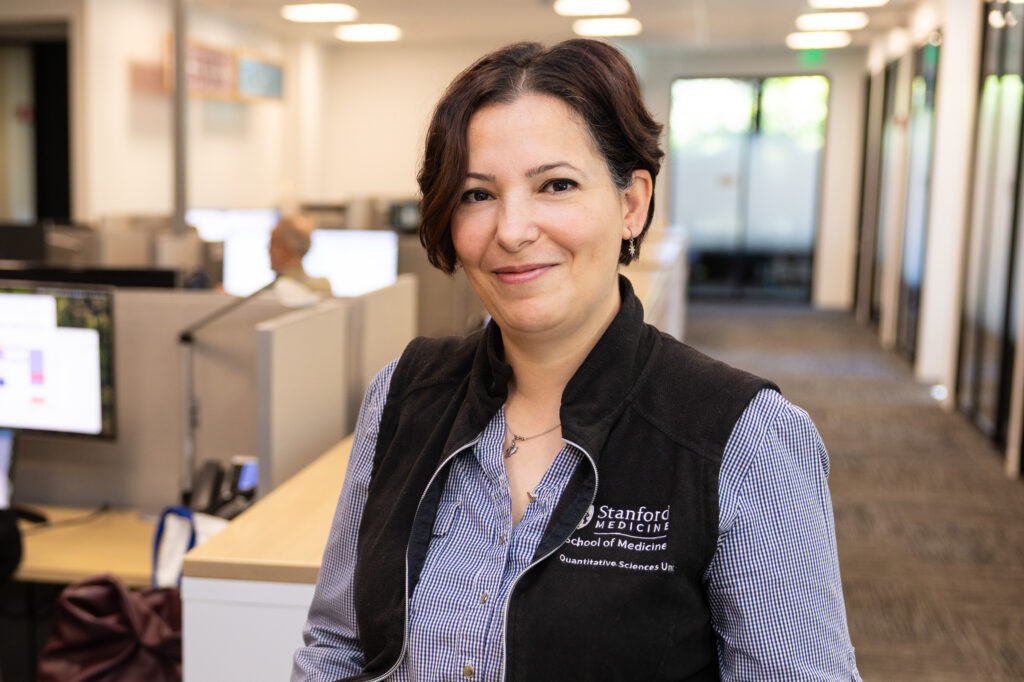
Long COVID looks different in every patient, which makes it nearly impossible to study and treat. Stanford data scientists are now using data from smartwatches to track how symptoms evolve over time and test which interventions actually help. Data Science Manager and lead author Fatma Gunturkun shares what they’re finding, and what it could mean for the millions still searching for answers.
The Disease That Looks Like Everything Else
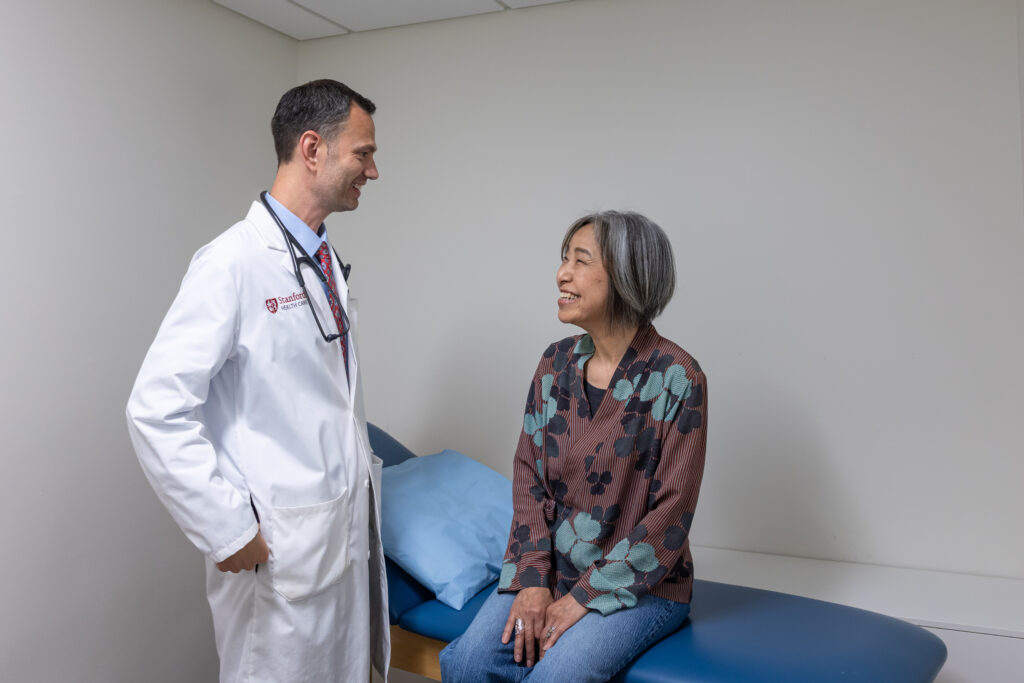
IgG4-RD can look like cancer, infection, or any number of autoimmune conditions, leaving patients like Yasuko bouncing between specialists for years without answers. For Yasuko, reaching Stanford rheumatologist Matthew Baker, MD, one of the world’s leading IgG4-RD experts, meant not just a diagnosis, but a doctor who listened, involved her in decisions, and took a personal investment in her care.
2026
Bonus Stories
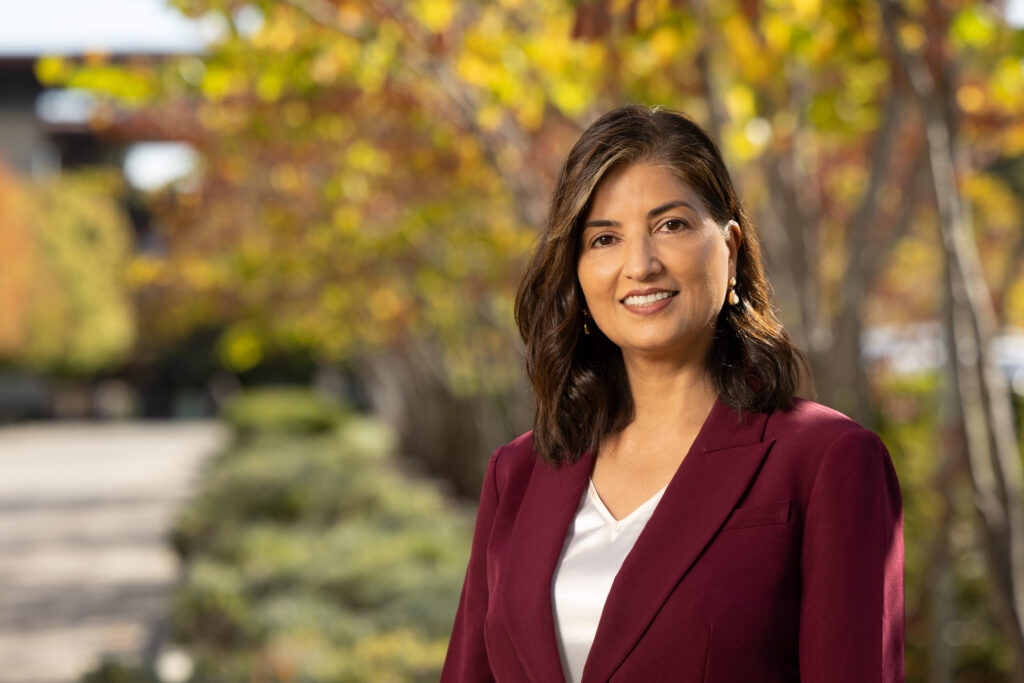
The Science of Bouncing Back
Two patients. Same age. Same surgery. One bounces back in days; the other never quite returns to baseline. Hospital Medicine physician Sarita Khemani, MD, spent years wondering why, and that question became the foundation for STRIVE, Stanford’s new initiative advancing the science of physiological reserve: the body’s capacity to withstand stress, adapt, and recover.
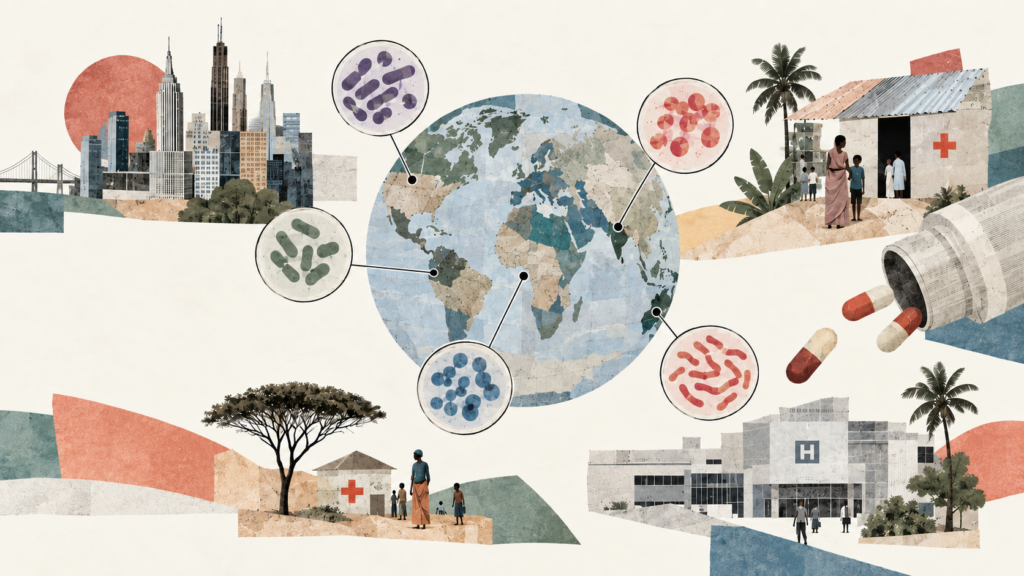
Fighting Drug-Resistant Bacteria: Why the Answer Depends on Where You Are
Ashley Styczynski, MD, investigates the burden and drivers of drug-resistant microbes across six countries after witnessing alarming rates of resistant infections among newborns in Bangladesh.
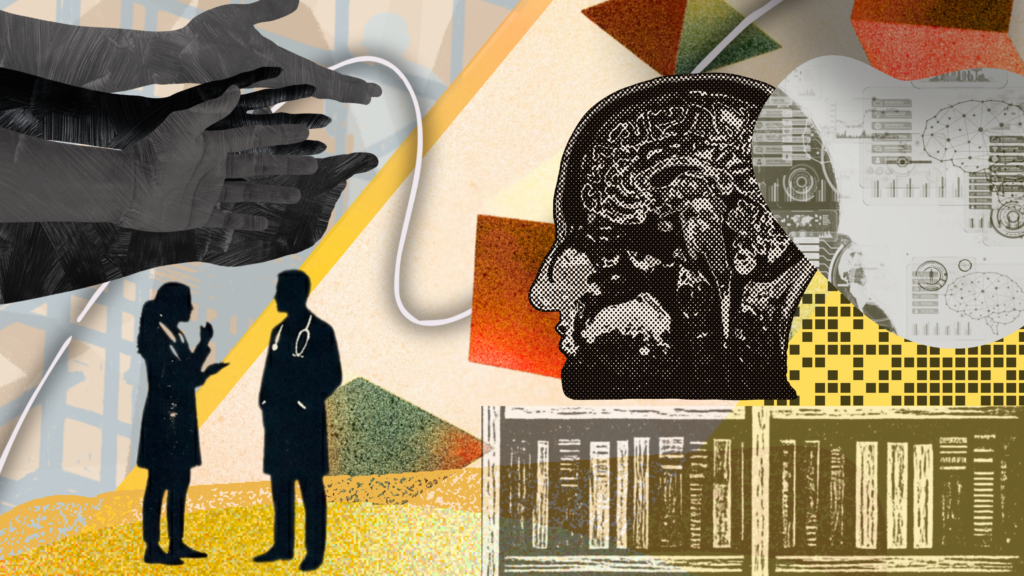
Award-Winning AI Curriculum Keeps Residents on Their Toes
AI is poised to transform medicine — but how do you teach new residents to use it without weakening the skills that make them good doctors? Poonam Hosamani, MD, and Kevin Keet, MD, have built a curriculum that takes that question seriously, weaving AI literacy into residency training from day one. Their approach has just earned them the 2026 Outstanding Graduate Medical Education Contributions Award.
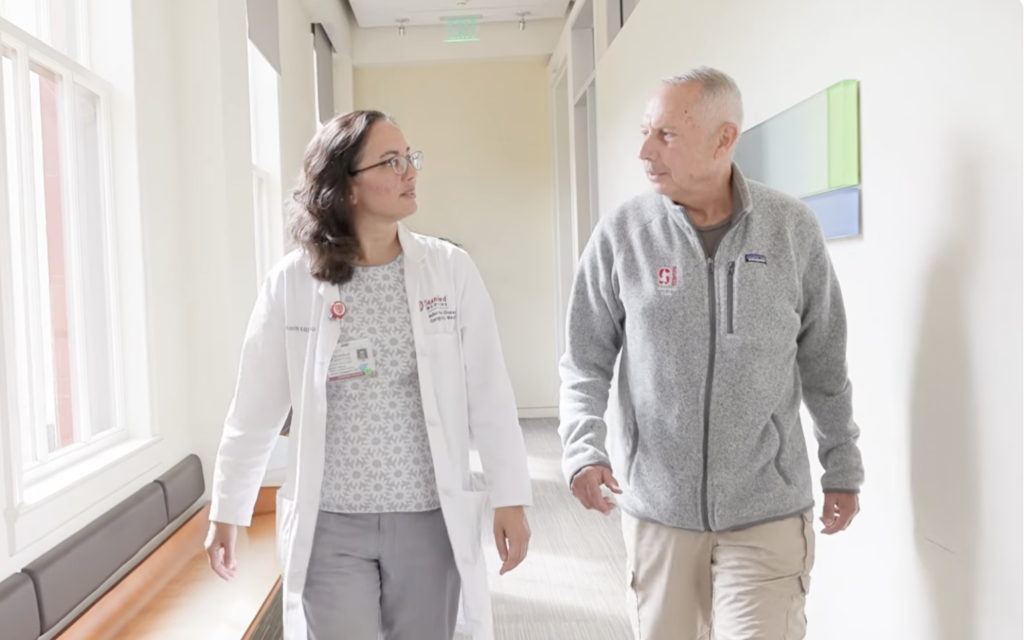
Inside Stanford’s Valley Fever Clinic
Valley fever infections are rising across California, and many patients still struggle to find a doctor who specializes in treating it. Stanford’s dedicated Valley Fever Clinic is changing that, combining specialized care with active research into a fungal disease that has been chronically underfunded and understudied.
Staff Training Turns Bystanders Into Lifesavers
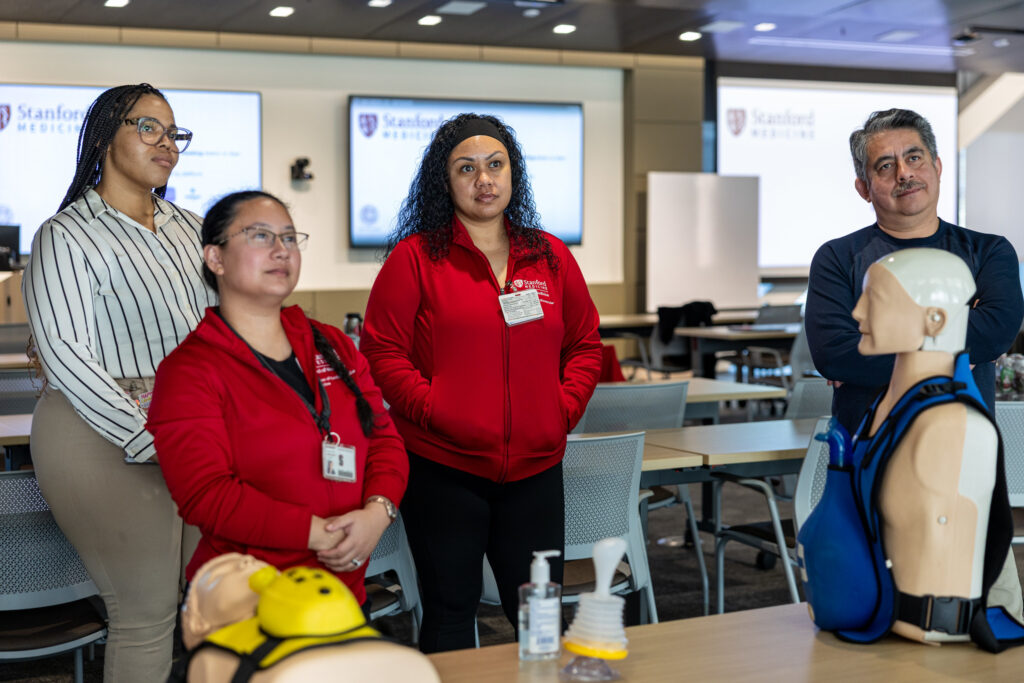
Every year, 350,000 people go into cardiac arrest outside a hospital. Most don’t survive, often because no one nearby knows what to do. Administrative Specialist Tawny Bagnol decided to change that for her Cardiovascular Medicine colleagues, launching a hands-only CPR training program on the belief that anyone, with the right knowledge, can save a life.
A New Path Toward a Type 1 Diabetes Cure
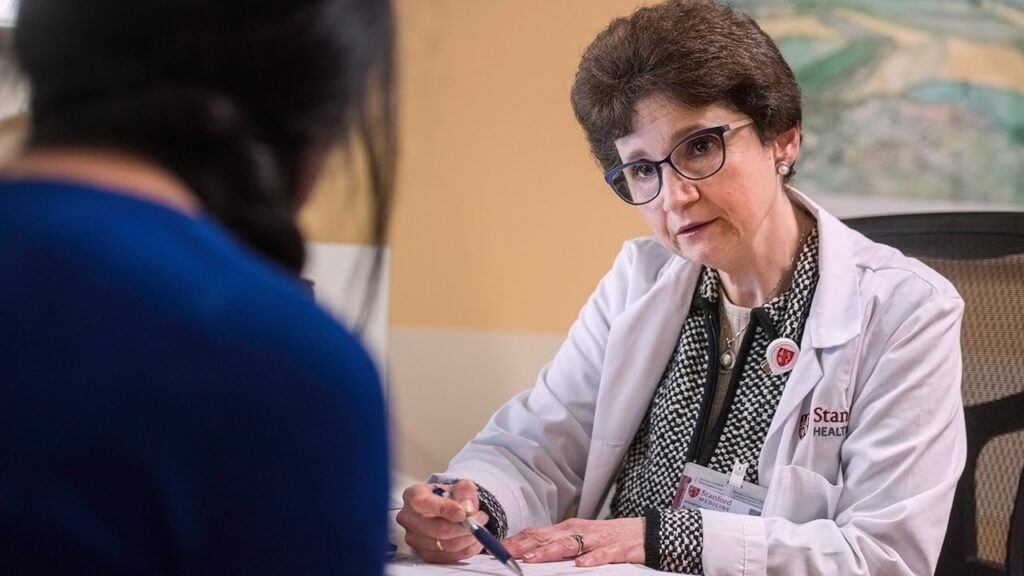
For the first time, Stanford has performed an islet cell transplant that could change how type 1 diabetes is treated. Endocrinologist Marina Basina, MD, explains what made it possible, and what it means for patients who have spent a lifetime managing a disease that may one day be curable.
Teaching Pancreatic Cancer Cells to Self-Destruct
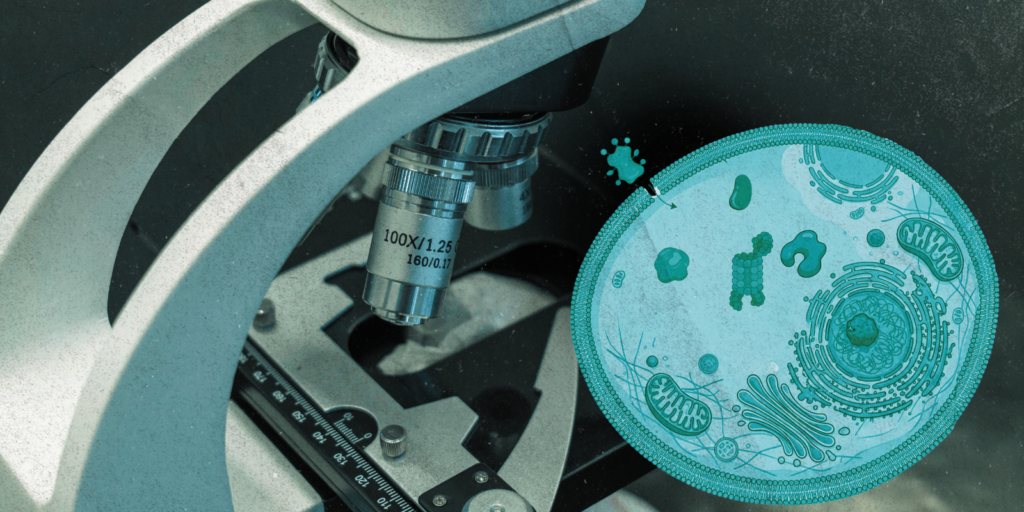
Pancreatic cancer has long resisted treatment, in part because its cells are so good at protecting themselves. Stanford physician-scientist Steven Corsello, MD, is developing a new class of drugs, called molecular glues, that flip that survival mechanism against the cancer itself, forcing cells to destroy the very proteins they need to grow.
Transforming LGBTQIA+ Health Research
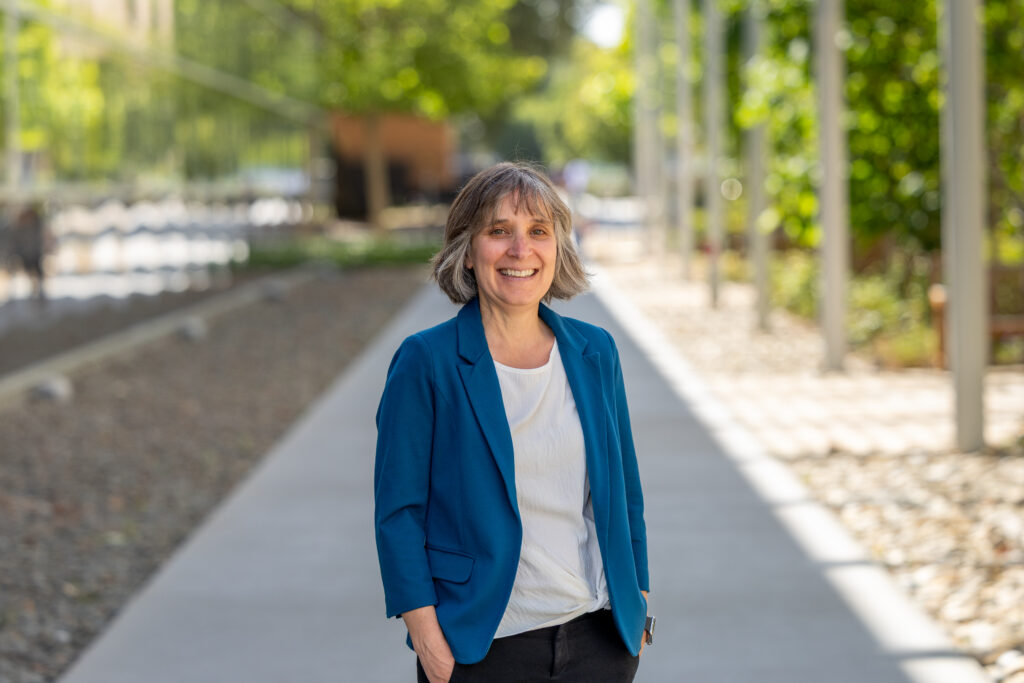
Ten years in, the PRIDE Study has become one of the most comprehensive efforts to understand LGBTQIA+ health in the United States. Annesa Flentje looks back at what the data has revealed about trauma, resilience, and what it takes to build science that a community actually trusts.
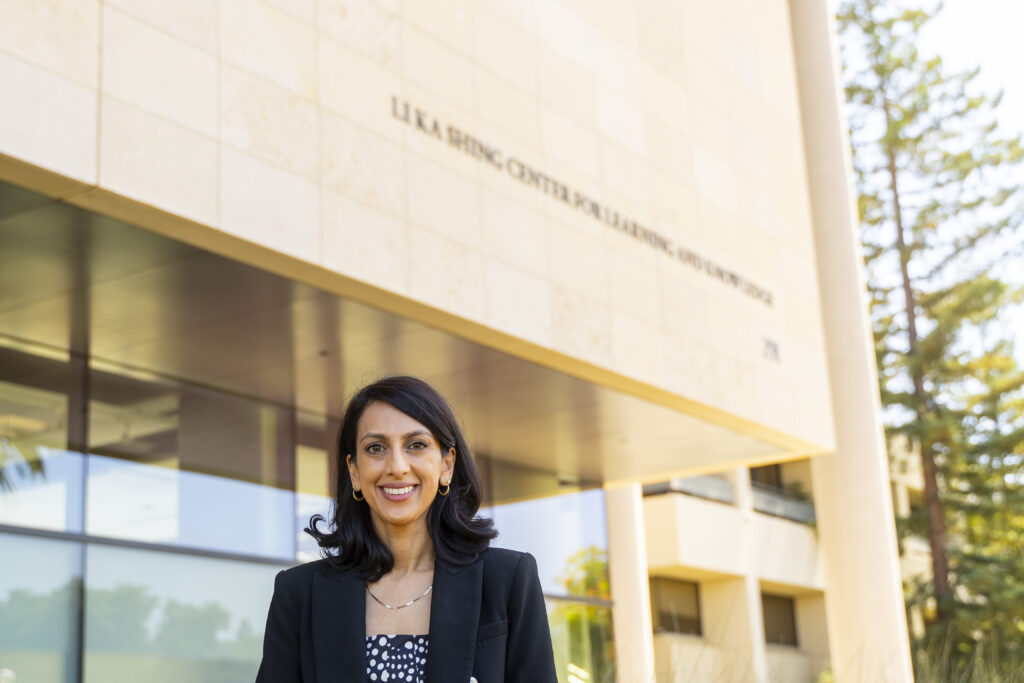
Beyond Buying Time
Stanford physician Lekha Mikkilineni, MD, is advancing a new type of CAR T-cell therapy — engineered entirely from human cells — that has given some patients with multiple myeloma years of remission and new hope for a life free from ongoing treatment.

Naohisa Yahagi Brings a Less Invasive Approach to Cancer Treatment to Stanford
For patients with early digestive tract cancers, surgery has long been the default — but it doesn’t have to be. Stanford gastroenterologist Naohisa Yahagi, MD, PhD, is expanding access to endoscopic submucosal dissection, a minimally invasive technique that removes tumors without cutting open the body.
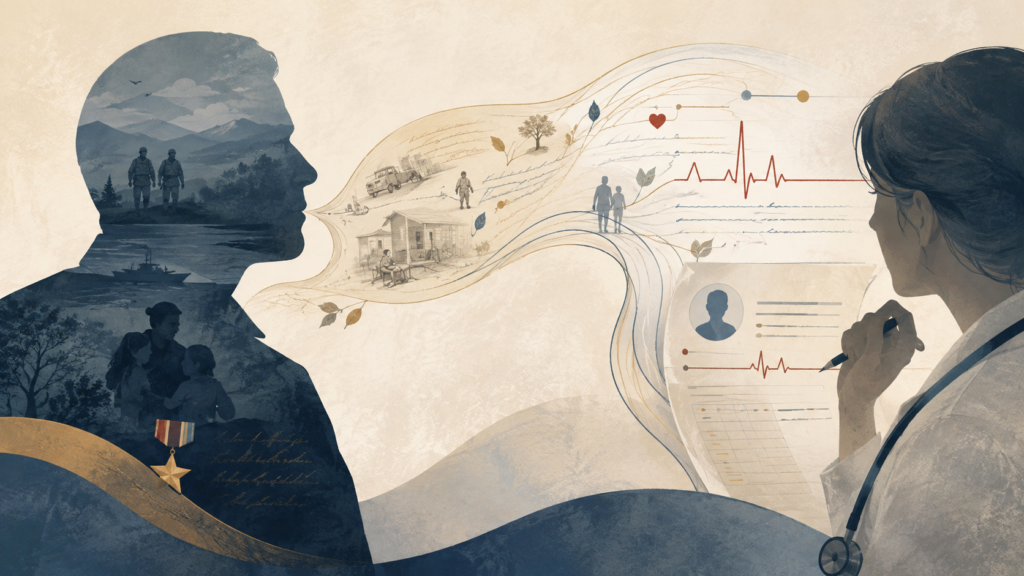
My Life, My Story: How Veterans’ Voices Are Changing Patient Care
Mukta Awasthi, MD, leads a VA program that brings veterans’ personal stories into their care, helping clinicians see the whole person behind the medical chart.
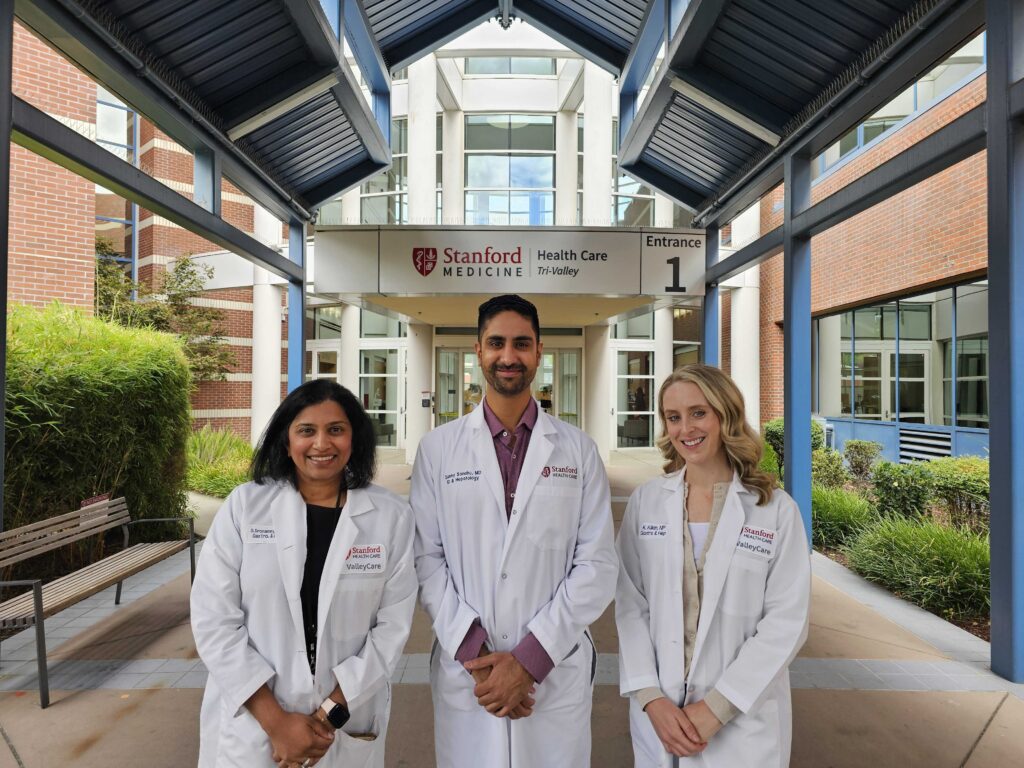
A New Liver for Alisha
When Alisha Hernandez needed a liver transplant, the path to getting one was anything but simple. Before she could be listed, she faced a demanding evaluation process — one that has historically meant long drives and logistical hurdles for patients far from Palo Alto. The Stanford Liver Transplant Program at Tri-Valley is changing that, bringing the full evaluation closer to home for East Bay patients who can’t afford to wait.
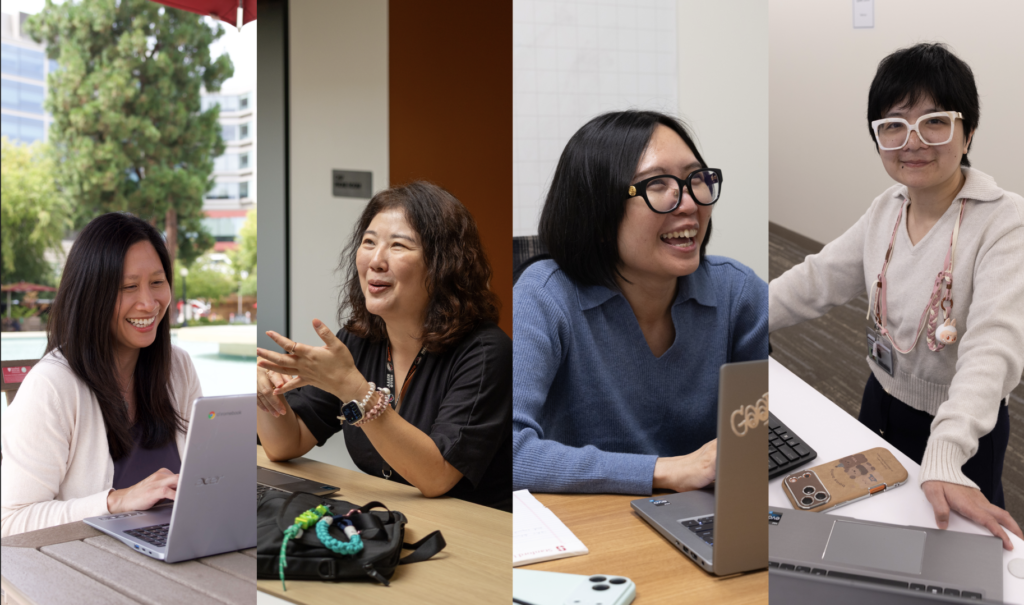
The Long Way Here: The Staff Who Power Stanford’s Department of Medicine
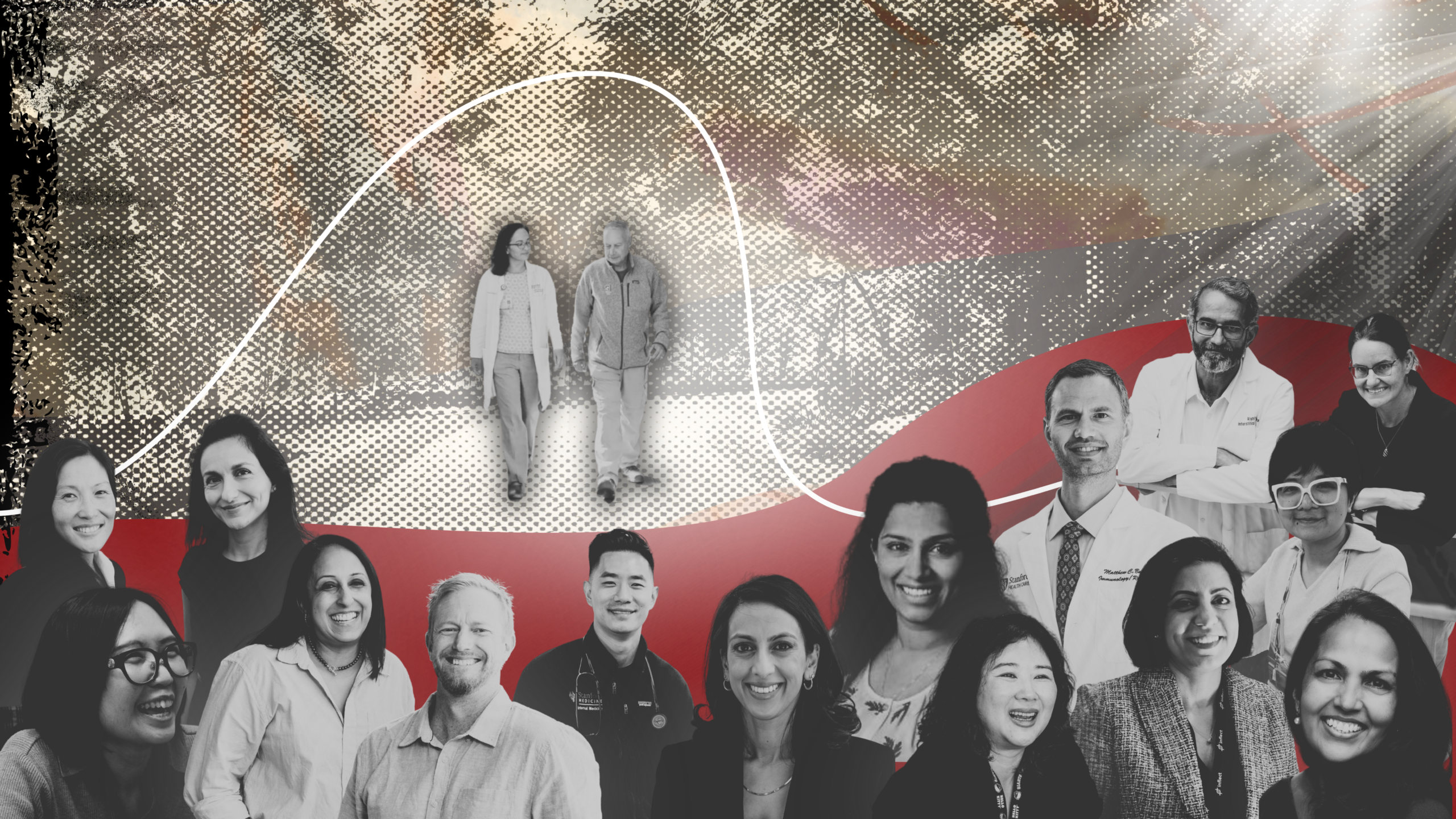
Every day, more than 1,000 staff members keep Stanford’s Department of Medicine running, in roles that rarely make the front page. In this special tribute, inspired by Humans of New York, four of them share the winding paths, defining moments, and quiet beliefs that brought them here. What emerges is something unexpected: a portrait of a department defined not only by its science, but also by the people who have made it their life’s work.