
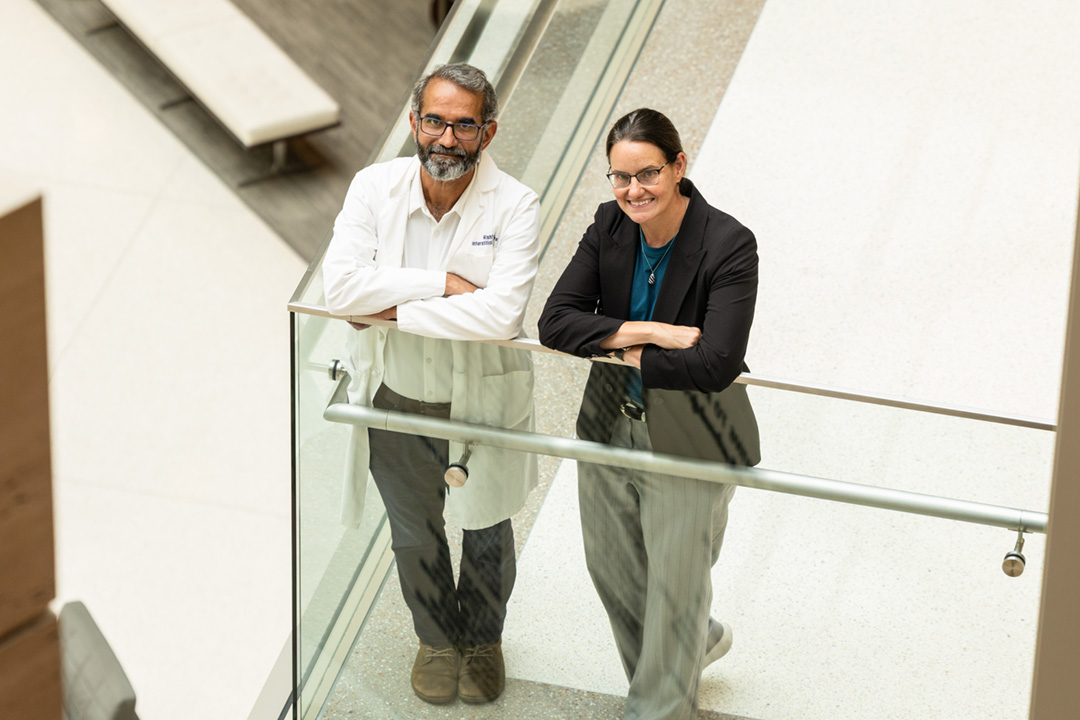
The complementary work between Rishi Raj, MD, and Meghan Ramsey, MD, enables patients to have better continuity of care.
Easing Access
Bringing Pulmonary and Critical Care Closer to Home
For many patients with serious lung disease, getting specialty care can mean long waits, long drives, and weeks of uncertainty. For patients in the East Bay and South Bay, that distance can be more than inconvenient — it can delay diagnosis, treatment, and peace of mind.
Take the case of Margaret, age 67, from Pleasanton, California. She thought her shortness of breath was just because she was getting older, but her primary care doctor ordered a CT scan showing ground-glass opacities. In the past, before Stanford implemented a new critical care model, Margaret would have waited 14 weeks for a pulmonary appointment — driving 45 minutes each way to Palo Alto, unsure if she had cancer.
Today, the same subspecialty depth in Palo Alto is available in East Bay clinics, including Pleasanton. For Margaret that meant being triaged by an RN within 48 hours and then, just 18 days later, getting breathing tests, a high-resolution CT scan, and lab work completed locally at Stanford Health Care Tri-Valley. Shortly after that, community partner and Stanford interstitial lung disease faculty reviewed her case as a multidisciplinary team with radiology and interventional pulmonology and referred her for a lung biopsy performed at Tri-Valley — just minutes from home.
Margaret was diagnosed with idiopathic pulmonary fibrosis and started antifibrotic therapy within six weeks of referral. She now receives follow-up via telehealth and in-person visits and breathing testing close to home.

Turning a Problem Into an Opportunity
A decade ago, Stanford’s Division of Pulmonary, Allergy and Critical Care Medicine (PACCM) saw both a problem and an opportunity. Many patients living far from the Palo Alto campus needed access to academic subspecialty care closer to home. At the same time, the Bay Area’s high cost of living and lower reimbursement rates were contributing to a shortage of community pulmonologists.
PACCM responded by building a model that brought Stanford faculty and community physicians together across inpatient and outpatient settings — first through critical care partnerships in community hospitals, and then through expanded ambulatory pulmonary care closer to where patients live.
The result is now showing up in both patient access and division growth. In the first nine months of 2026, PACCM saw new patient visits increase by roughly 37%, making pulmonary the fastest-growing service line in the Stanford Health Care enterprise. New patients accounted for 29% of all visits, above the 90th percentile national benchmark for academic medical centers. The division also added 200 patient visit slots per month, reduced its no-show rate from 9.7% to 5.5%, and saw more patients than expected booking their own appointments online — the strongest self-scheduling performance of any Stanford Health Care service line.
Behind this massive success is a care model built around a simple goal: bringing Stanford-level pulmonary, allergy, and critical care expertise closer to the patients who need it.
The Story Behind the Story
The model began with a simple premise: Patients should not have to travel to Palo Alto to benefit from Stanford’s academic expertise in pulmonary and critical care medicine.
In 2017, PACCM faculty and affiliated physicians began working side by side with community hospital–based physicians and medical staff in the Medical Intensive Care Unit at Stanford Health Care Tri-Valley in Pleasanton. The partnership strengthened local access to evidence-based critical care while building the relationships, referral pathways, and clinical credibility needed to support broader ambulatory growth.
The model expanded to Good Samaritan Hospital in San Jose in 2023, with increased physician participation at both locations in 2025. Although the Good Samaritan partnership concluded in August 2026, the clinical infrastructure and patient relationships it created continue to inform the division’s South Bay strategy.
“Growth did not happen through a single clinic or a single physician. It happened because our division built an integrated network spanning the Peninsula and East Bay — with Stanford faculty and community partners working together across pulmonary medicine, allergy, and critical care. The division’s reach now extends to patients across all demographics and geographies who previously had limited access to subspecialty pulmonary care,” says Arthur Sung, MD, senior associate chief of Pulmonary, Allergy and Critical Care Medicine.
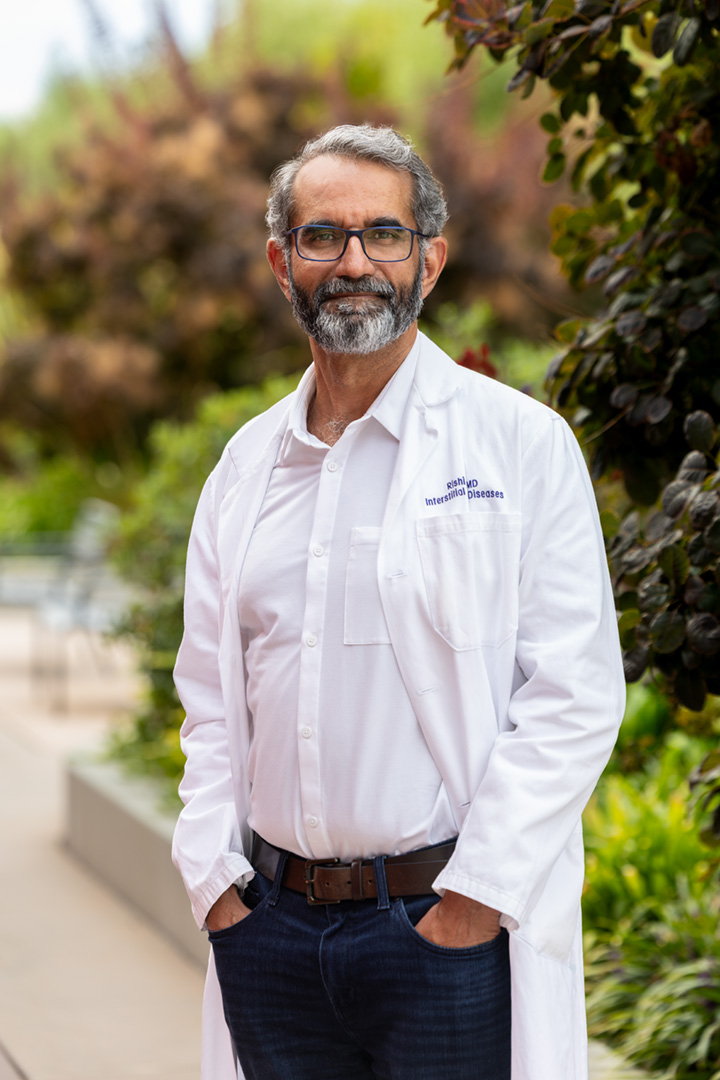
Rishi Raj, MD, is the medical director of Stanford’s Ambulatory Chest Clinic Network.
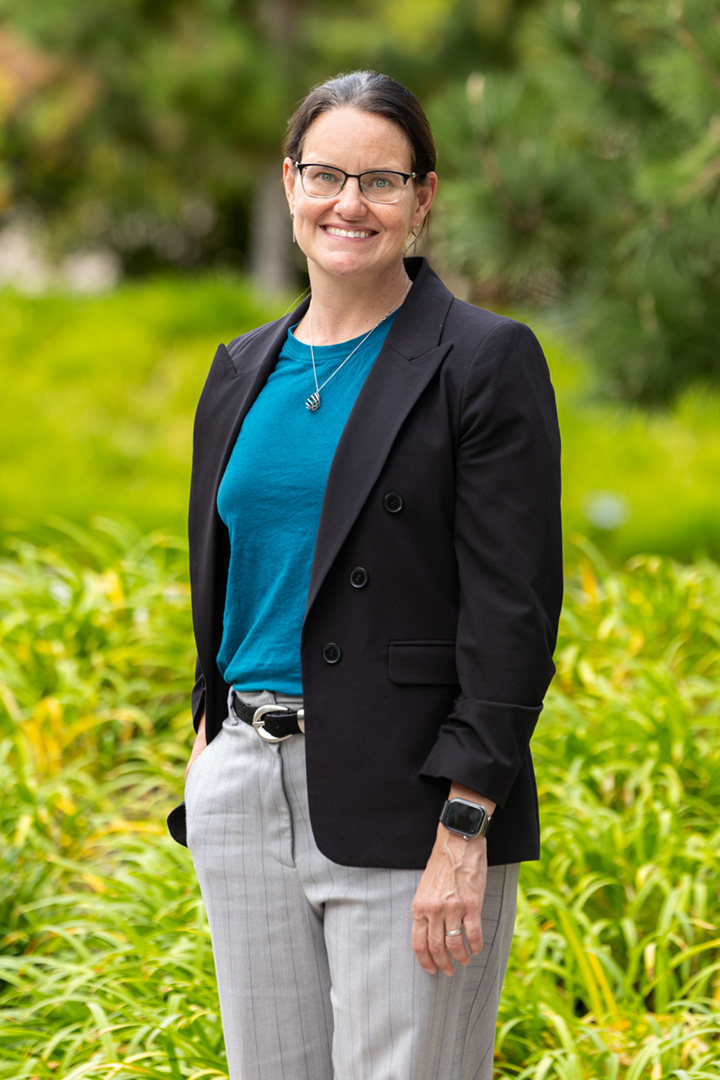
Meghan Ramsey, MD, associate division chief of strategy and development in the Division of Pulmonary, Allergy and Critical Care Medicine.
Complementary Roles Lead to Better Patient Care
Two roles animate this story. One is played by Rishi Raj, MD, clinical professor of Pulmonary, Allergy and Critical Care Medicine and medical director of Stanford’s Ambulatory Chest Clinic Network. The other belongs to Meghan Ramsey, MD, associate division chief of strategy and development of Pulmonary, Allergy and Critical Care Medicine.
“Beneath both is the critical care foundation — an ICU partnership model featured in last year’s annual report, which trained the faculty, built the relationships, and created the clinical credibility that patients and referring physicians trust. This year’s ambulatory growth is the downstream expression of that investment,” says Arthur Sung.
“Meghan and I complement each other because we do opposite things, and you need both inpatient and outpatient for the whole enterprise to work. Patients are admitted to the hospital, then they go home and visit the clinic as outpatients, and sometimes they get admitted again. So the complementary work between both of us enables patients to have better continuity of care,” adds Raj.
Share this page!
2026
Spotlights
A Personal Mission
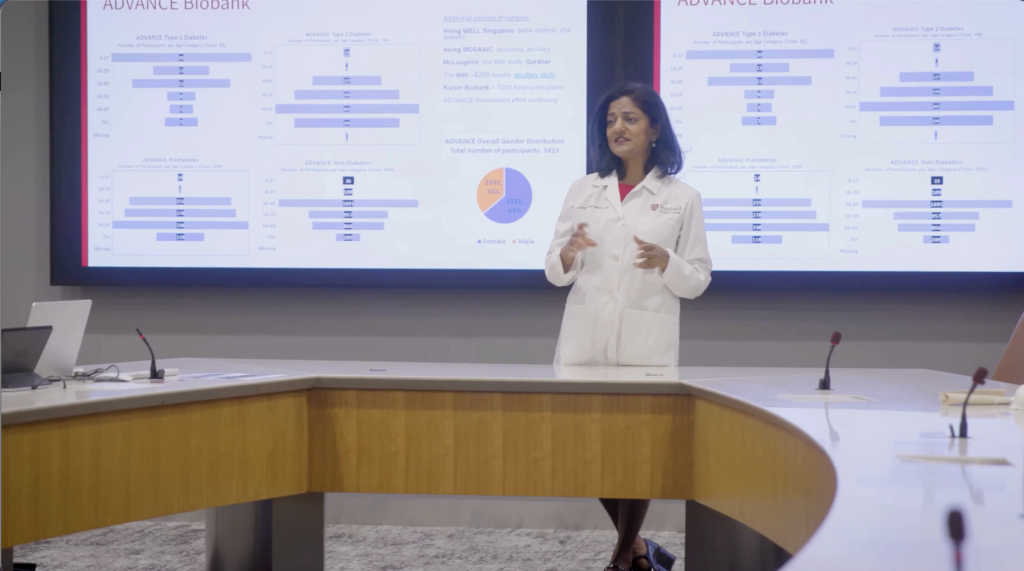
For Latha Palaniappan, MD, the elevated diabetes risk facing Asian and Asian American patients isn’t just a research question. It’s personal. ADVANCE, her new Stanford precision medicine hub, is investigating why these populations develop diabetes at higher rates, and often at lower body weights, than conventional models predict, and building the science to do something about it.
Tracking the Invisible
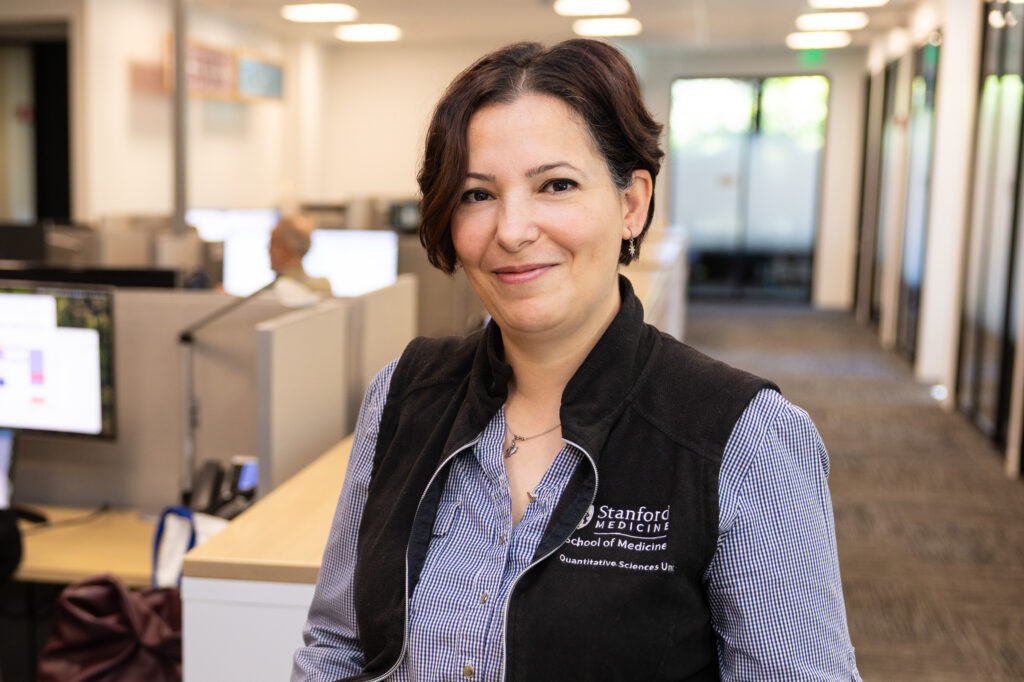
Long COVID looks different in every patient, which makes it nearly impossible to study and treat. Stanford data scientists are now using data from smartwatches to track how symptoms evolve over time and test which interventions actually help. Data Science Manager and lead author Fatma Gunturkun shares what they’re finding, and what it could mean for the millions still searching for answers.
Stanford and Samaritan House
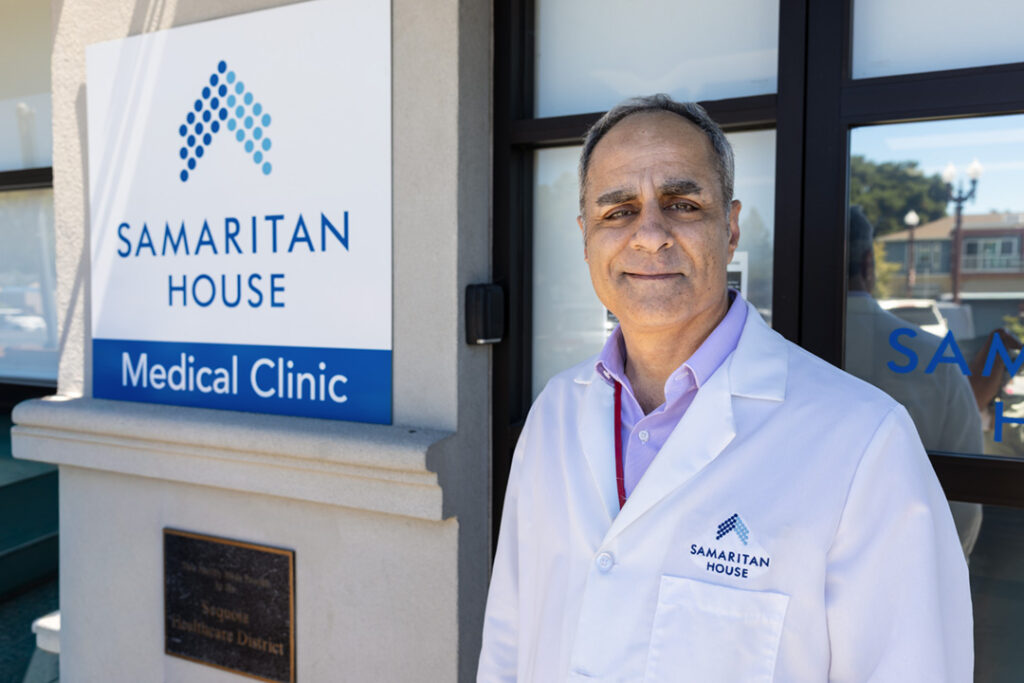
Stanford’s student-run free clinics have long been a cornerstone of community care — but a new partnership with Samaritan House is taking them further. The collaboration is expanding access for underserved patients while giving medical students things no classroom can offer: real experience, real responsibility, and real stakes.
Building a Medical Home for Adults With Sickle Cell Disease
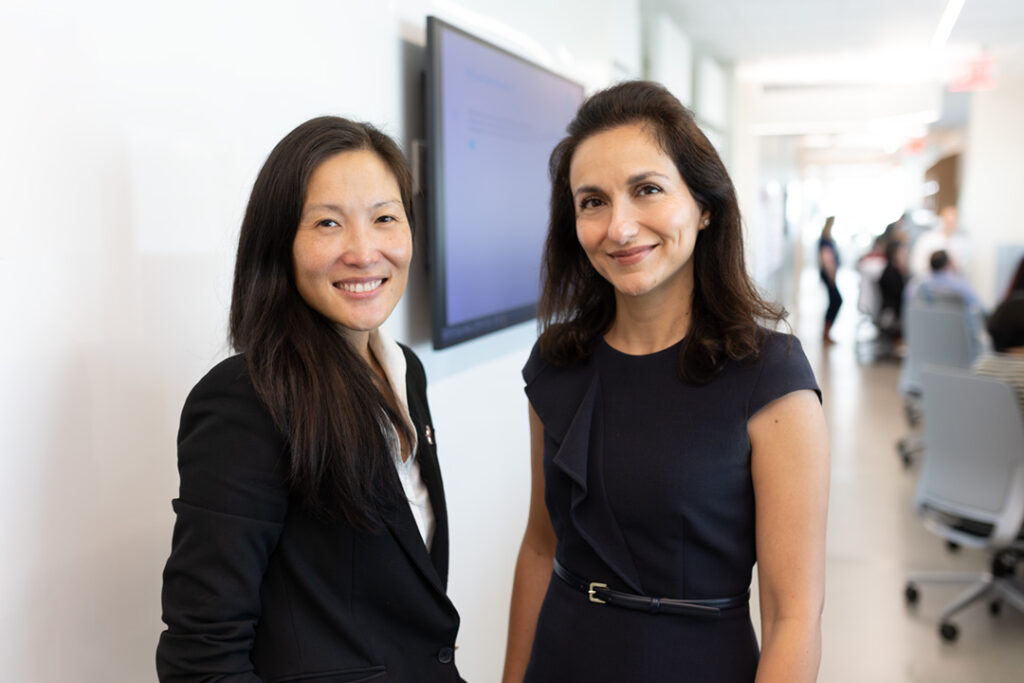
Adults with sickle cell disease have long faced a fragmented care system that can leave them without a consistent medical home. Stanford physicians Giselle Salmasi, MD, and May Chien, MD, are changing that — building a comprehensive program that gives patients coordinated care, access to emerging therapies, and longer lives.

Jojo’s Journey
When transplant nephrologist Patrick Ahearn, MD, and his wife, Peggy Bui, MD, learned that their baby had a rare, life-threatening genetic condition, they did what physician-parents do: They started searching for a cure. With the help of Stanford colleagues, they may have found one — and a path that could be replicated for other rare genetic diseases.

When Great Research Ideas Stall, Clinical Research Hub Helps Move Them Forward
Every clinical study begins with an idea. Getting it off the ground is another story. The Department of Medicine’s Clinical Research Hub is the team that steps in when a promising study hits a wall, offering hands-on support with regulatory hurdles, study design, recruitment, and more.
Teaming Up
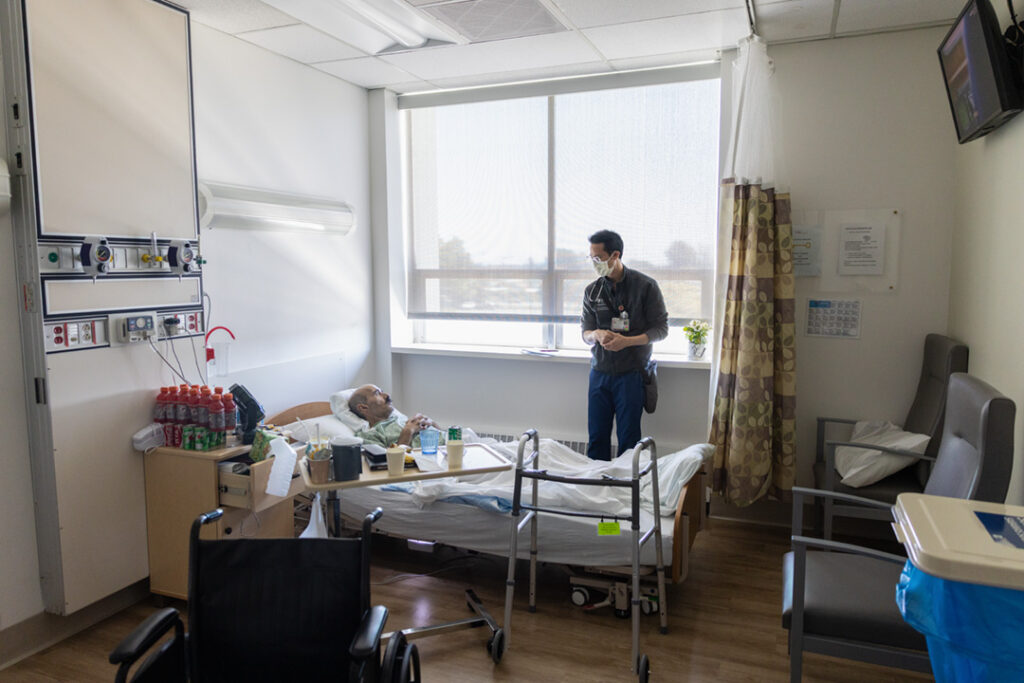
For patients recovering from a serious illness or surgery, the gap between hospital care and what comes next can be dangerous. Stanford Health Care is closing that gap at St. Rose Hospital in Hayward, which is the first facility of its kind to house both a skilled nursing unit and an acute care hospital under one roof, developed in partnership with Alameda Health System.
The Disease That Looks Like Everything Else
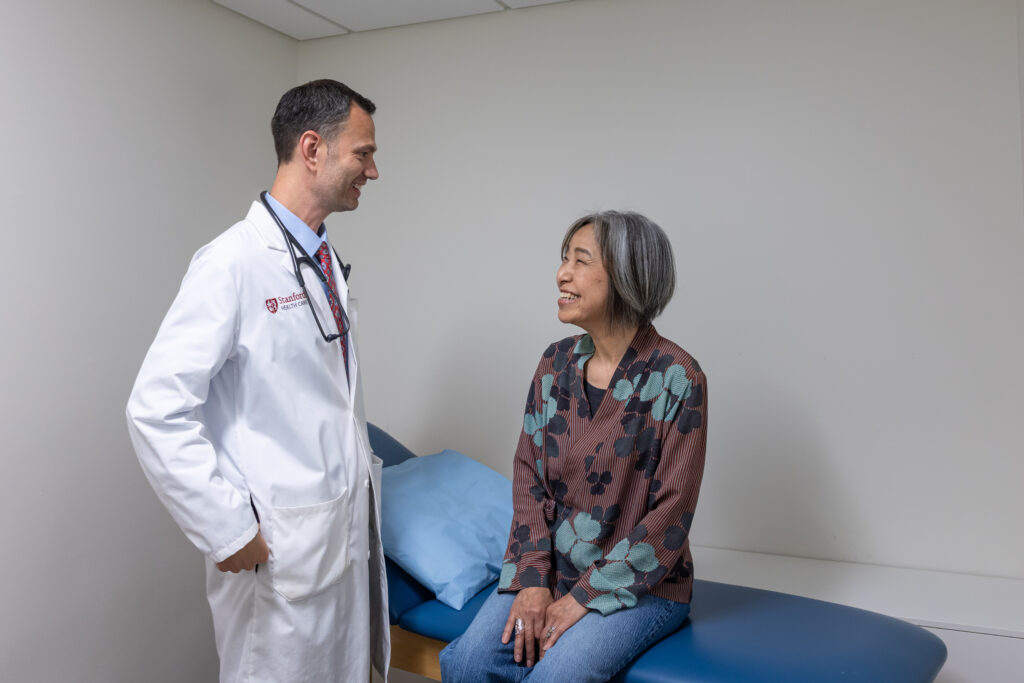
IgG4-RD can look like cancer, infection, or any number of autoimmune conditions, leaving patients like Yasuko bouncing between specialists for years without answers. For Yasuko, reaching Stanford rheumatologist Matthew Baker, MD, one of the world’s leading IgG4-RD experts, meant not just a diagnosis, but a doctor who listened, involved her in decisions, and took a personal investment in her care.

Innovation With Purpose
After building and selling a biotech company, Narges Baniasadi, PhD, could have continued climbing Silicon Valley’s corporate ladder. Instead, she returned to Stanford to launch Emergence, an entrepreneurship program that helps founders build companies tackling some of society’s toughest health challenges. The program is training a new generation of innovators to pursue both purpose and profit.