

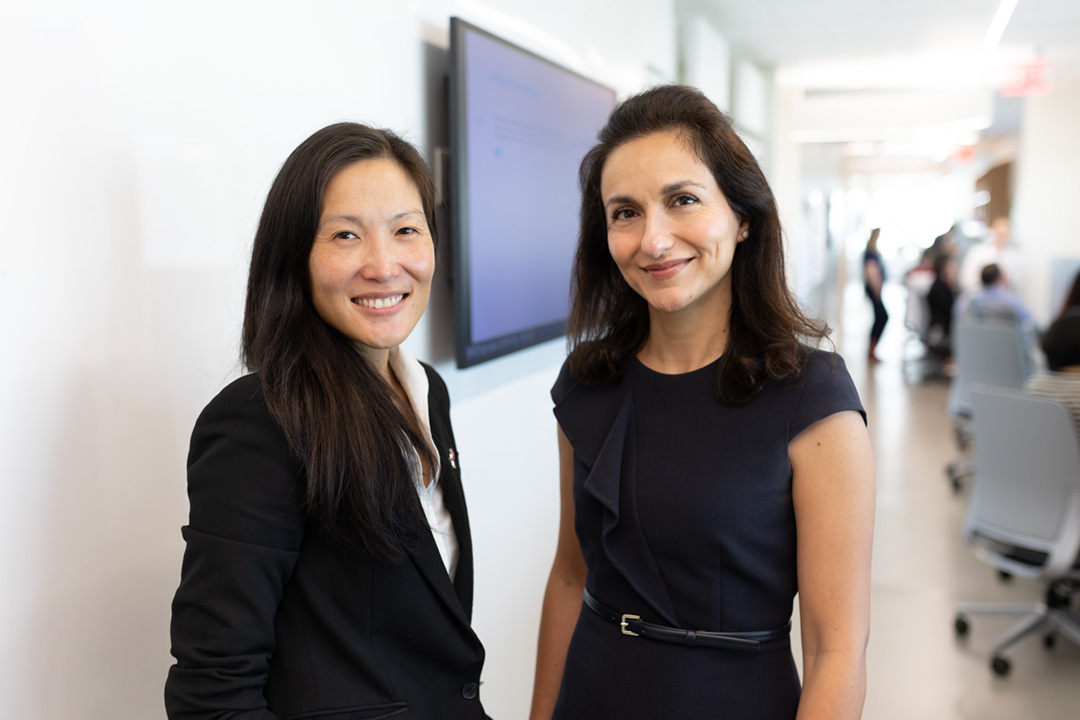
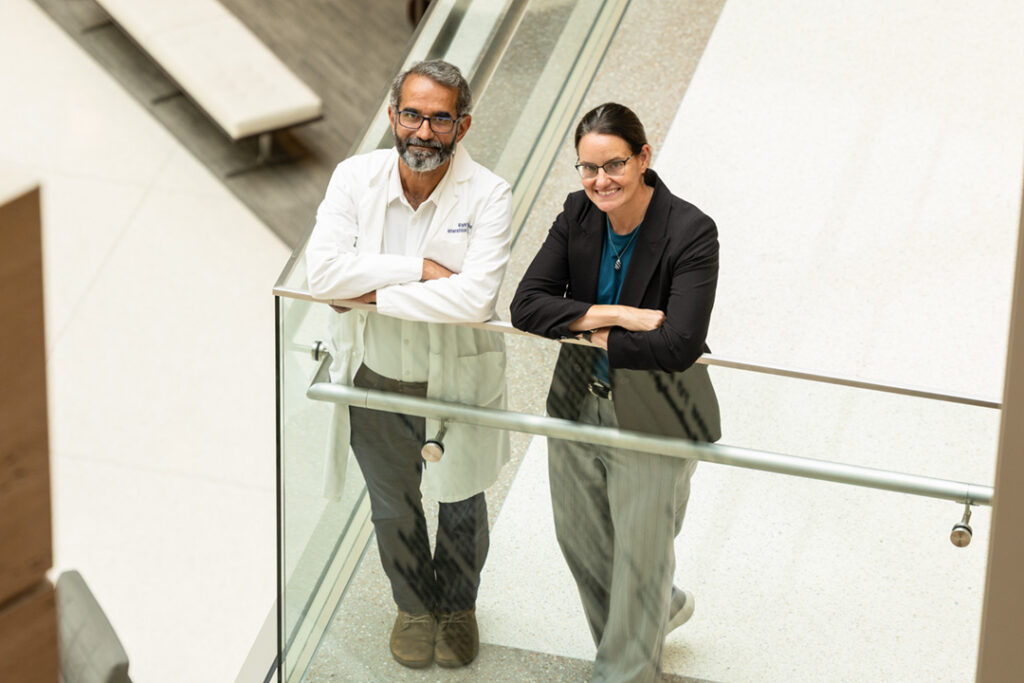
May Chien, MD, (left), and Giselle Salmasi, MD, (right), are helping lead Stanford’s effort to build a comprehensive medical home for adults with sickle cell disease.
Building a Medical Home for Adults With Sickle Cell Disease
A young woman in her early 30s arrived in the Cardiac Intensive Care Unit with heart failure. She was at high risk of dying within days.
Years of sickle cell disease had damaged her heart, lungs, and other organs. Her condition had deteriorated so severely that doctors could offer little more than comfort-focused palliative care. For Giselle Salmasi, MD, a hematologist in Stanford’s Department of Medicine, the tragedy was not only the severity of the illness, but how preventable it had been.
“She had been treated at a pediatric center through her early 20s with relatively few complications from her sickle cell disease. Then she lost that care,” Salmasi reflects.
After aging out of pediatric care, the woman drifted through a fragmented healthcare system. Over the next decade, her disease progressed largely unchecked.
“By the time I saw her, her case was palliative, at an age when it never should have been,” Salmasi says. “Watching her and her family go through that, knowing it did not have to happen, is exactly why we are building this.”
The “this” she refers to is one of Stanford Medicine’s most ambitious new clinical efforts: a comprehensive adult sickle cell disease program designed to serve patients across the Bay Area and Northern California. Led by Salmasi and May Chien, MD, the program, which is expected to begin seeing patients in 2027, aims to give adults with sickle cell disease the same coordinated, expert care that many receive as children.

Losing the Safety Net
Sickle cell disease is an inherited blood disorder that affects the hemoglobin inside red blood cells. Instead of remaining round and flexible, the cells can become rigid and crescent-shaped —a process known as “sickling.” These cells can block blood flow, causing episodes of severe pain, organ damage, stroke, and other life-threatening complications.
Although medical advances have dramatically improved survival during childhood, adulthood remains a dangerous frontier for those with the disorder.
National data show that people with sickle cell disease still die decades earlier than the general population. One of the most vulnerable periods occurs when patients transition from pediatric care into the adult healthcare system.
“The mortality data show a clear spike at exactly that point,” says Chien, who is uniquely positioned to understand why. Chien is trained in both pediatric and adult hematology, allowing her to care for patients on either side of that divide.
“In pediatric care, a child with sickle cell has a team that has often known them since infancy, a single entity that coordinates everything, and parents managing the details,” she says. “Once they reach adulthood, all of that falls away at the same time.”
Patients suddenly find themselves navigating insurance changes, school, work, and adult responsibilities while managing a chronic disease that requires constant medical attention.
“The adult system they enter usually has no equivalent home waiting for them,” Chien says.
The result is a gap in care that can have devastating consequences. “The medicine to keep these patients well already exists,” she says. “What has been missing is the structure to deliver it without interruption at the one moment patients are most at risk of falling through.”
An Ecosystem of Better Care
For Salmasi and Chien, the solution is not a single clinic visit or a new treatment protocol. It is an entire ecosystem of care that the two are working to pilot together.
“The vision is simple,” Salmasi says. “An adult home for sickle cell disease, where one team manages the whole person over a lifetime, instead of a series of disconnected emergency room visits.”
The program brings together specialists from across Stanford Medicine, including experts in pain management, transfusion medicine, pulmonology, nephrology, behavioral health, and social work. Rather than forcing patients to navigate a maze of separate appointments and disconnected providers, the team aims to coordinate care under one roof.
“In practice it means one clinic where a patient sees a hematologist who knows them,” Salmasi explains. “It means someone is actually watching for organ damage before it becomes irreversible, keeping patients on disease-modifying treatment, staying current on vaccinations, and treating pain promptly so a crisis doesn’t end in a hospital admission.”
Decades of research show that comprehensive sickle cell care can reduce complications and significantly improve survival. Yet people with sickle cell disease still experience a life expectancy more than 20 years shorter than that of the general population, underscoring the need for continuous, specialized care throughout adulthood.
“A lot of the gap is not the biology of the disease,” Salmasi says. “It is the absence of steady, knowledgeable care.”
“Adults with sickle cell deserve more than survival. They deserve coordinated expert care, a longer life, and a real chance at a cure.” – Giselle Salmasi, MD, & May Chien, MD
A New Era of Possibility
The timing of the program is particularly significant because the field of sickle cell disease is entering a period of extraordinary change.
In 2023, the U.S. approved the first gene therapies for sickle cell disease, offering the possibility of a functional cure for some patients. The therapies, Casgevy and Lyfgenia, modify a patient’s own blood-forming stem cells so they can produce healthier hemoglobin and prevent red blood cells from sickling.
“It is the most hopeful shift in this field in a generation,” Chien says.
For decades, sickle cell care focused primarily on managing symptoms and preventing complications. Now, physicians can begin conversations that once seemed impossible.
Yet these therapies remain complex and difficult to access. Patients often require months of preparation and intensive chemotherapy, and only a limited number of specialized centers are equipped to provide them.
“Adults across Northern California still have very limited access,” Chien says.
That reality makes comprehensive care even more important. Patients need specialized teams, not only to access emerging therapies, but also to remain healthy enough to benefit from them.
“We want to become a place that can deliver and study these therapies,” Chien says, “and to give the much larger group of patients who are not candidates today the steady care that keeps them well enough to benefit from what is coming.”
Looking Beyond Stanford
The team’s ambitions extend well beyond Palo Alto.
Working with Stanford Health Care, Lucile Packard Children’s Hospital Stanford, and regional health care partners, Salmasi and Chien envision a hub-and-spoke model that could bring specialized care to patients throughout the South Bay and East Bay, and eventually to parts of the Central Valley.
“The point is that a person’s location stops deciding whether they can get expert care, or a shot at a cure,” Salmasi says.
Creating that network has required years of planning, advocacy, and institution-building.
“We are working to build a multidisciplinary clinic from scratch,” Salmasi says. “It has meant advocating for resources and recruiting the right people. All of it has to be in place for the care model to succeed long-term.”
For the physicians leading the effort, however, the challenge is worth it.
Their hope is that within a decade, young adults with sickle cell disease will no longer face a cliff when they leave pediatric care. That emergency room visits will become less frequent. That curative therapies will become more widely available. And that early death will no longer be accepted as inevitable.
“Adults with sickle cell deserve more than survival,” Salmasi and Chien declare. “They deserve coordinated expert care, a longer life, and a real chance at a cure.”
Share this page!
2026
Spotlights
Teaming Up
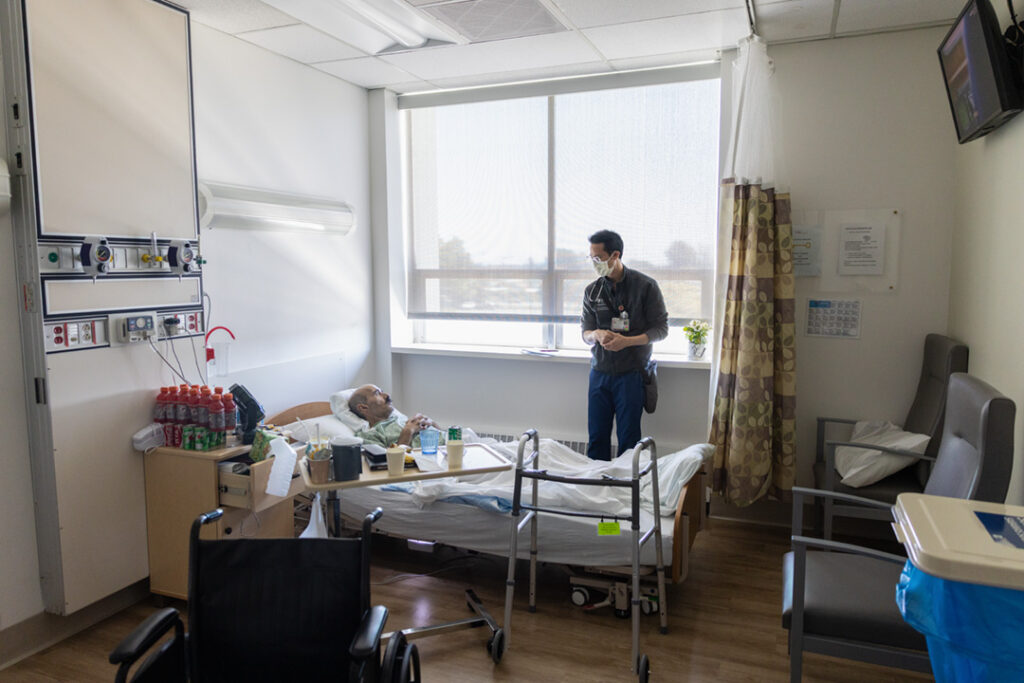
For patients recovering from a serious illness or surgery, the gap between hospital care and what comes next can be dangerous. Stanford Health Care is closing that gap at St. Rose Hospital in Hayward, which is the first facility of its kind to house both a skilled nursing unit and an acute care hospital under one roof, developed in partnership with Alameda Health System.
A Personal Mission
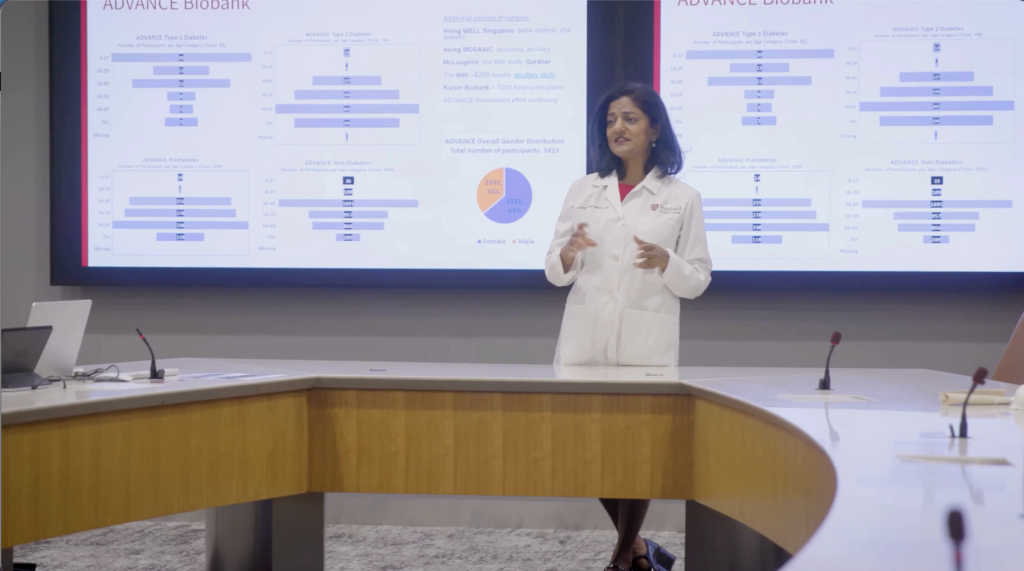
For Latha Palaniappan, MD, the elevated diabetes risk facing Asian and Asian American patients isn’t just a research question. It’s personal. ADVANCE, her new Stanford precision medicine hub, is investigating why these populations develop diabetes at higher rates, and often at lower body weights, than conventional models predict, and building the science to do something about it.

When Great Research Ideas Stall, Clinical Research Hub Helps Move Them Forward
Every clinical study begins with an idea. Getting it off the ground is another story. The Department of Medicine’s Clinical Research Hub is the team that steps in when a promising study hits a wall, offering hands-on support with regulatory hurdles, study design, recruitment, and more.
The Disease That Looks Like Everything Else
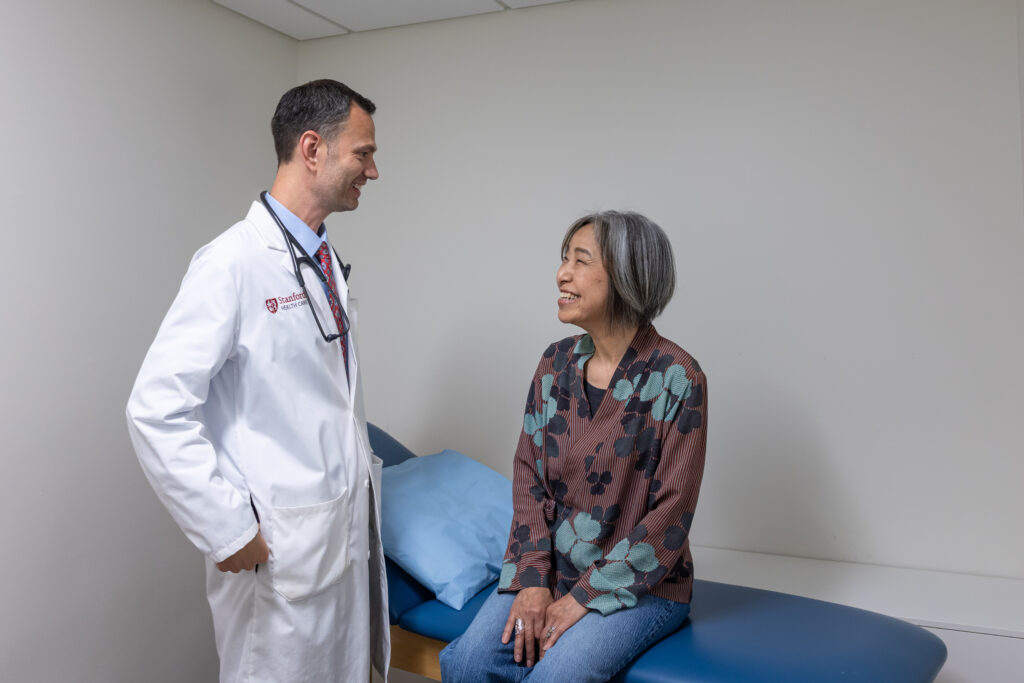
IgG4-RD can look like cancer, infection, or any number of autoimmune conditions, leaving patients like Yasuko bouncing between specialists for years without answers. For Yasuko, reaching Stanford rheumatologist Matthew Baker, MD, one of the world’s leading IgG4-RD experts, meant not just a diagnosis, but a doctor who listened, involved her in decisions, and took a personal investment in her care.
Innovation With Purpose
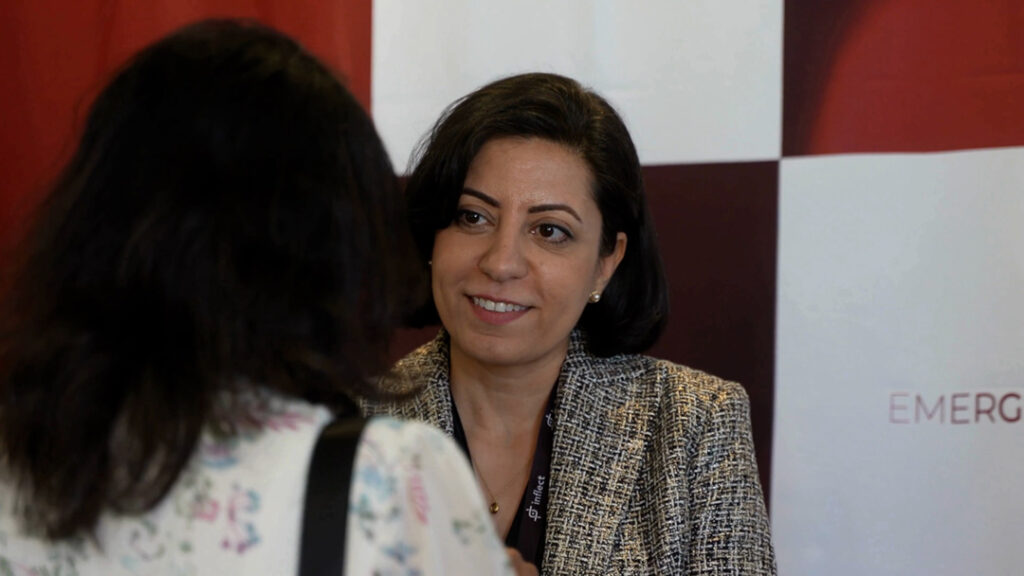
After building and selling a biotech company, Narges Baniasadi, PhD, could have continued climbing Silicon Valley’s corporate ladder. Instead, she returned to Stanford to launch Emergence, an entrepreneurship program that helps founders build companies tackling some of society’s toughest health challenges. The program is training a new generation of innovators to pursue both purpose and profit.
Stanford and Samaritan House
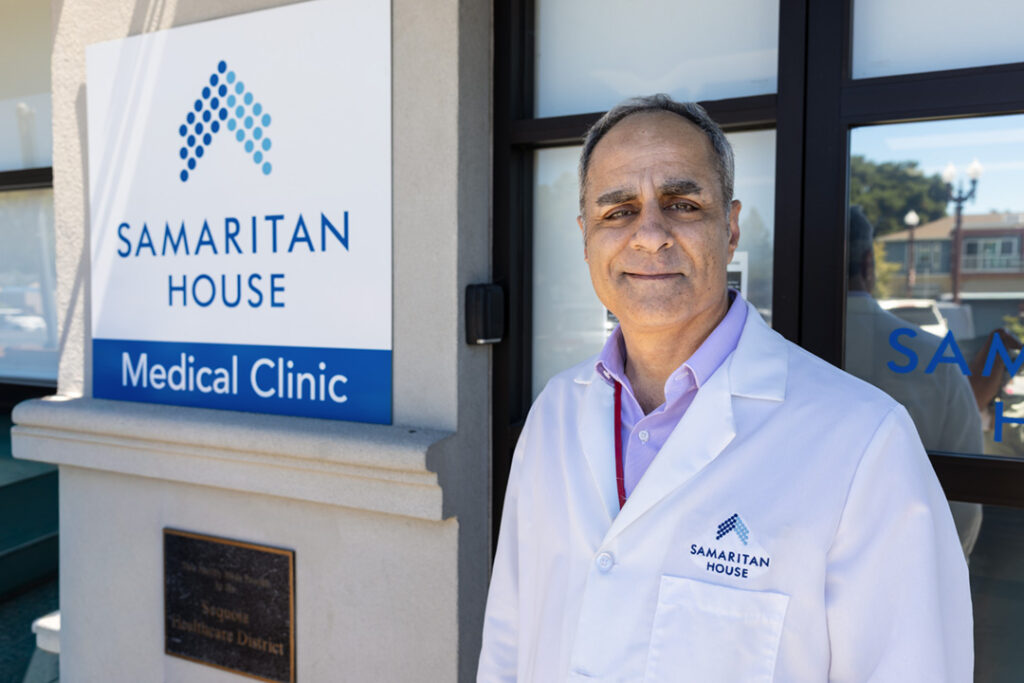
Stanford’s student-run free clinics have long been a cornerstone of community care — but a new partnership with Samaritan House is taking them further. The collaboration is expanding access for underserved patients while giving medical students things no classroom can offer: real experience, real responsibility, and real stakes.
Tracking the Invisible
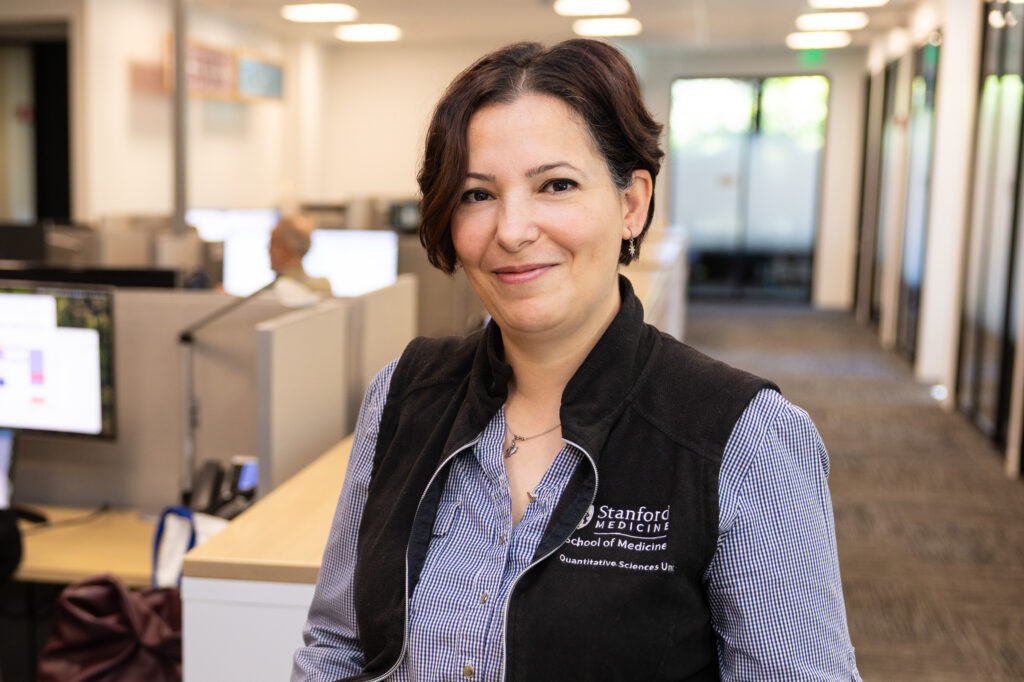
Long COVID looks different in every patient, which makes it nearly impossible to study and treat. Stanford data scientists are now using data from smartwatches to track how symptoms evolve over time and test which interventions actually help. Data Science Manager and lead author Fatma Gunturkun shares what they’re finding, and what it could mean for the millions still searching for answers.
Easing Access
Margaret, 67, once faced a 14-week wait and a 45-minute drive to Palo Alto just to see a pulmonary specialist. Today she gets that same care close to home, as part of Stanford Pulmonary, Allergy, and Critical Care Medicine’s decade-long push to bring subspecialty expertise into the East Bay, building the fastest-growing service line in Stanford Health Care.

Jojo’s Journey
When transplant nephrologist Patrick Ahearn, MD, and his wife, Peggy Bui, MD, learned that their baby had a rare, life-threatening genetic condition, they did what physician-parents do: They started searching for a cure. With the help of Stanford colleagues, they may have found one — and a path that could be replicated for other rare genetic diseases.