The Disease That Looks Like Everything Else

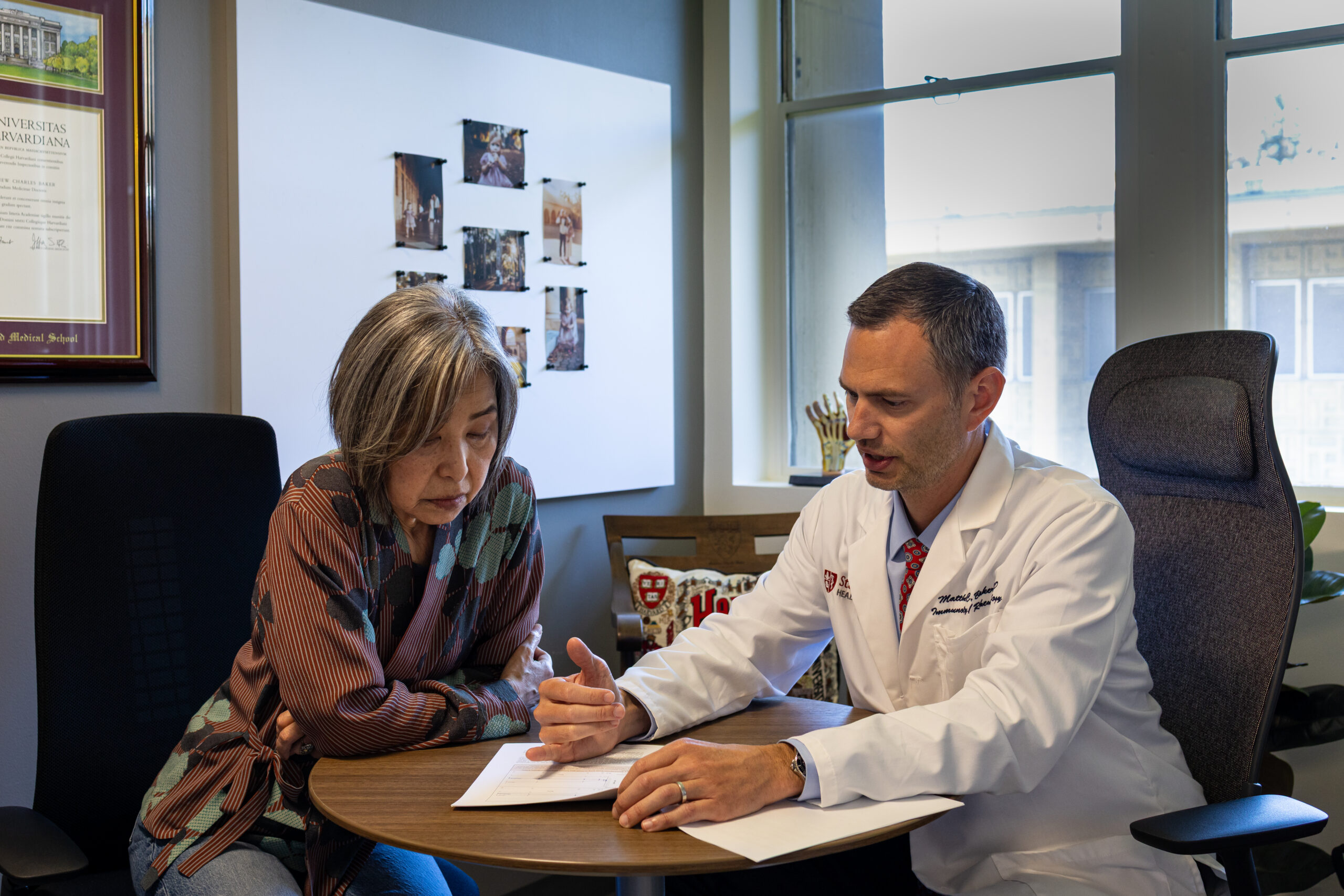
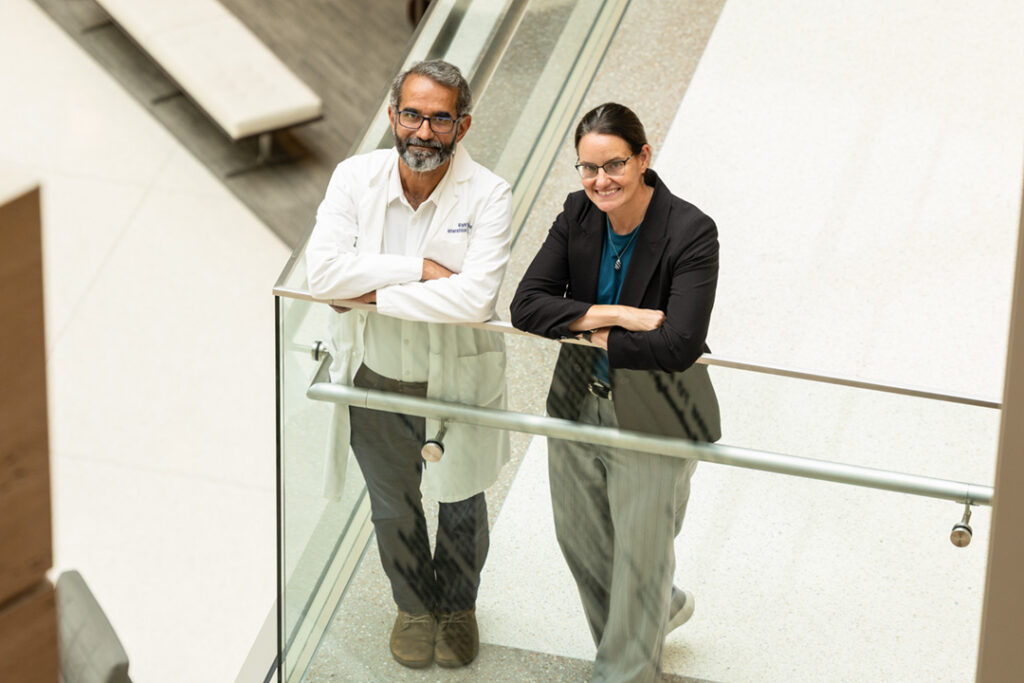
Matthew Baker, MD, (left), and patient Yasuko, (right), have built a close partnership in navigating IgG4-related disease, grounded in trust, communication, and collaboration.

The Disease That Looks Like Everything Else

One Patient’s Search for Answers — and a Doctor Who Said, ‘Let’s Work Together’

By the time Yasuko finally had a name for what was happening inside her body, she had spent more than a year in a fog of confusion.

The symptoms had started quietly in the spring of 2021. Six months later came a diagnosis of pancreatitis, an inflammation of the pancreas. But that still did not explain everything: the swollen lymph nodes, the unexplained inflammation, the weight loss, the constant questions. As more doctors became involved, Yasuko found herself trying to coordinate a care team while navigating overwhelming symptoms, without quick answers or a road map.

“What should I ask each doctor?” she recalls. “It was so hard for me to figure out what to do, and nobody gave me clear direction.”

Each specialist seemed to offer another set of new dietary restrictions: low fat, limited protein, no sugar. Yasuko was already allergic to gluten and dairy. “In the end, there was almost nothing I could eat,” she says. She followed the guidance carefully, exercised, and tried to live as healthily as possible. But she kept losing weight. She was always hungry. Normal daily activities soon became difficult as her body was further deprived of nutrients. 

The hardest part, she says, was not pain or the treatments. It was the uncertainty.

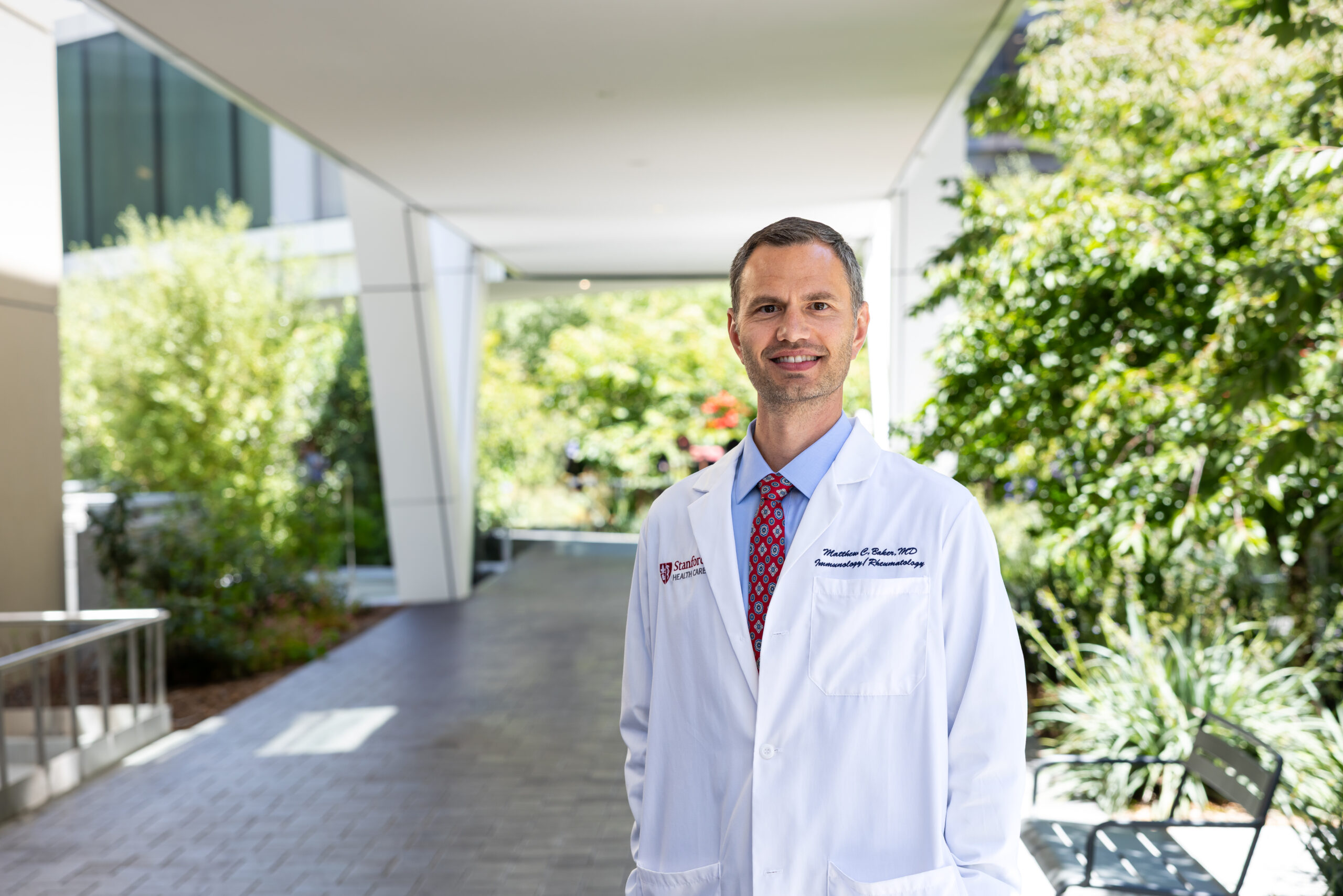
Matthew Baker, MD, an internationally recognized expert in IgG4-related disease, combines patient care with clinical research aimed at developing more precise treatments with fewer trade-offs.

A Rare Disease That Can Hide in Plain Sight

In late 2022, Yasuko finally learned that the pancreatitis diagnosed the year before, along with her swollen lymph nodes and unexplained inflammation, was part of a larger condition: IgG4-related disease, or IgG4-RD.

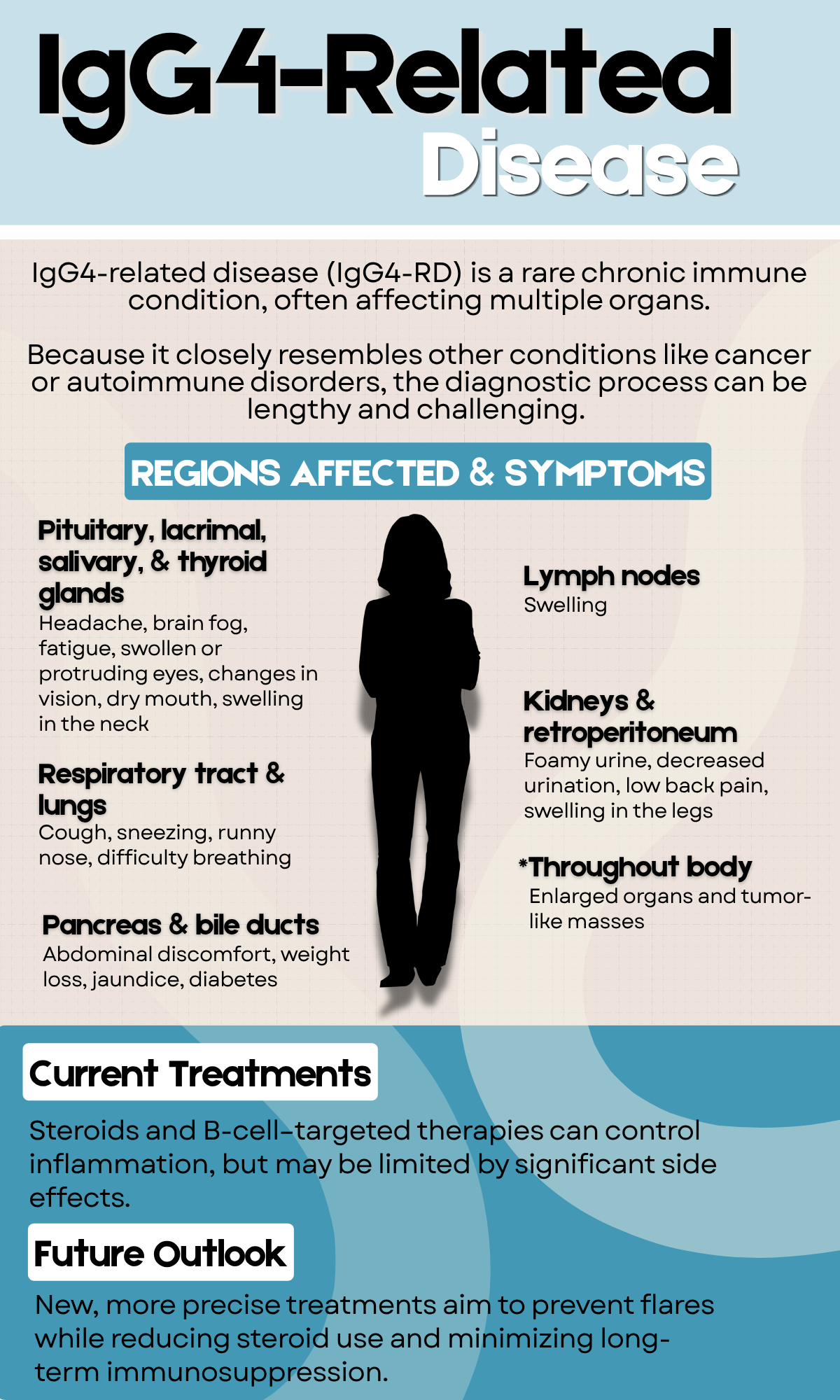
IgG4-RD is a rare, chronic immune-mediated disease estimated to affect about five in every 100,000 people in the United States, although it may be underdiagnosed. It can cause inflammation and scarring in nearly any organ system, including the pancreas, kidneys, lungs, lymph nodes, salivary and tear glands, bile ducts, and tissues surrounding major blood vessels. Because it can produce swelling, organ enlargement, or mass-like lesions, the disease may initially be mistaken for cancer, infection, or another autoimmune condition. 

For many, that makes the road to diagnosis a lengthy and frightening one.

“Oftentimes, patients who come to our clinic have been through a long and difficult diagnostic journey,” says Matthew Baker, MD, MS, associate professor of medicine and associate division chief in the Division of Immunology and Rheumatology at Stanford Department of Medicine. “Some have seen multiple specialists over months or years. Others have been told they might have cancer, infection, sarcoidosis, Sjögren’s disease, or another autoimmune condition before IgG4-RD is considered.”

Baker is an internationally recognized expert in IgG4-RD and leads clinical research focused on trials, epidemiology, and translational studies that move discoveries from the lab toward patient care. At Stanford, he treats patients with complex immune-mediated diseases while also helping develop the next generation of therapies for conditions such as IgG4-RD.

“I would tell patients that this is a hopeful time in IgG4-RD research and advocacy. The disease is being recognized more often, we understand its biology much better than we did even a decade ago, and new therapies are being developed…” – Matthew Baker, MD, MS

Finding Answers Together

For Yasuko, finding Baker changed the experience of living with the disease.

After her diagnosis, Yasuko searched for a specialist at Stanford. She first spoke with Baker by phone, then changed insurance plans so she could see him as part of her care team. By 2024, he had officially become her doctor.

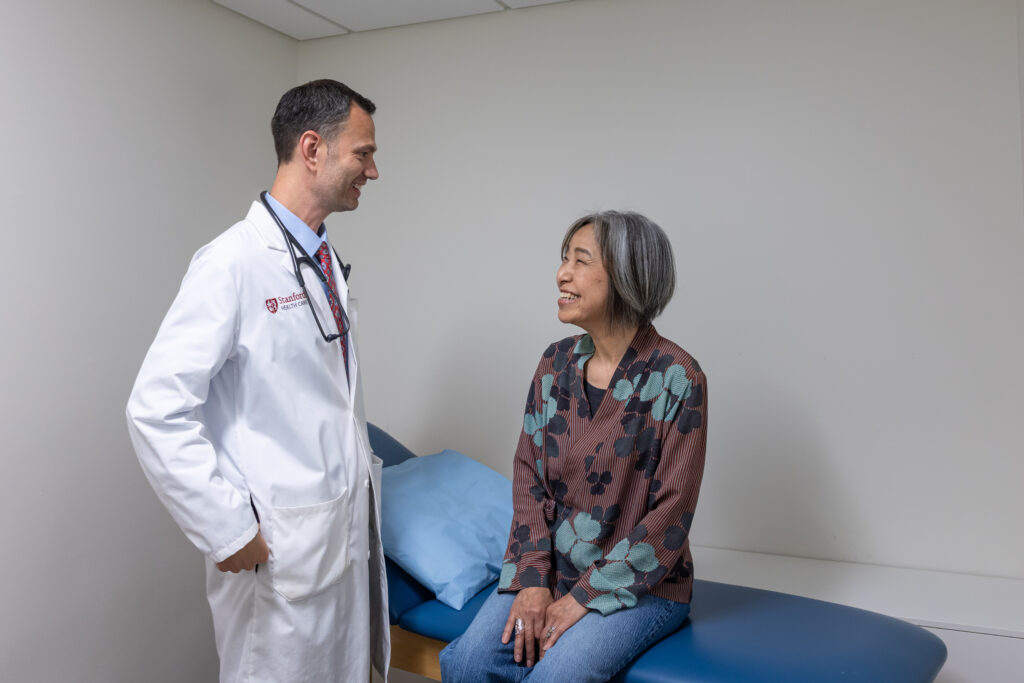
“It was a big relief because he knows so many patients with the disease and gave me clear direction on what I should do and had a future plan,” she says. “Something I remember him saying is, ‘Let’s work together,’ which felt like a huge weight off my shoulders. Suddenly I felt so much less alone in this process.” That sense of partnership became central to her care.

Yasuko says Baker went through her symptoms one by one, helping her understand which were related to IgG4-RD and which required further investigation. Symptoms that had previously been dismissed as aging or diet were now examined more carefully. Baker ordered lab tests and, when needed, additional procedures such as a bone marrow biopsy to rule out other possible causes.

“Going through my life with this autoimmune disease, and as new symptoms spring up, I constantly question whether it is related and grow concerned,” Yasuko says. “With Dr. Baker, I can email him, and he almost always gets back to me that same day, even on weekends.”

The Patient Behind the Data

For Baker, the clinical relationship is not separate from research. It is the reason for it. 

“Put simply, it is essential,” Baker says of continuing to care for patients while developing new therapies. “One of the most gratifying aspects of my career is caring for patients with IgG4-related disease and seeing firsthand the difference that an accurate diagnosis, effective treatment, and ongoing support can make in their lives. Those relationships are what motivate the research.” 

IgG4-RD has become much better understood over the past decade, and Baker says the outlook for patients has improved substantially as physicians have learned how to recognize it earlier. Many patients respond well to treatment, especially when the disease is diagnosed before permanent organ damage has occurred.

But IgG4-RD is often relapsing, meaning symptoms and inflammation can return. That makes long-term monitoring and treatment essential. The challenge is not only controlling inflammation, Baker says, but doing so while avoiding irreversible organ damage and minimizing side effects from therapy.

Toward Treatments With Fewer Trade-Offs

For years, treatment has often relied on glucocorticoids, a class of steroid medications that can rapidly reduce inflammation. But steroids can carry a heavy burden, especially when used repeatedly or over long periods. Side effects can include weight gain, diabetes, high blood pressure, osteoporosis, cataracts, mood changes, insomnia, and increased infection risk.

Another major treatment approach, called B-cell depletion, works by reducing certain immune cells that help drive the disease. Baker says this has been an important advance, but because B cells also help the body fight infection and respond to vaccines, the treatment can sometimes leave patients with lower antibody levels, weaker vaccine protection, and a higher risk of infection.

That is why Baker and colleagues are studying newer therapies that may calm abnormal immune activity without broadly wiping out parts of the immune system.

In one recent trial, Baker’s team evaluated zanubrutinib, an oral medication known as a BTK inhibitor, in patients with active IgG4-RD affecting the tear and salivary glands. The study was designed to test whether the drug could reduce disease activity without the use of corticosteroids.

 “We observed meaningful reductions in the overall inflammatory burden on imaging, along with improvements in key immune markers associated with IgG4-RD,” Baker says. “The most significant efficacy finding was that zanubrutinib appeared to reduce active disease in the affected organs without requiring steroids.”

The study was small, and larger trials will be needed to confirm the findings. But Baker says the results suggest that BTK inhibition may offer a promising, nondepleting approach to treating IgG4-RD.

Baker and colleagues have also completed a large Phase 3 trial of obexelimab, another therapy designed to modulate B-cell activity without depleting B cells. In that 52-week trial, Baker says, patients who received obexelimab experienced only half as many disease flares as those who received placebo.

A More Personalized Future for IgG4-RD

Together, these studies point toward a new era of IgG4-RD treatment, one that may move beyond steroids and broad immune suppression toward more precise approaches.

“The broader point is that IgG4-RD is moving toward a more nuanced treatment era,” Baker says. “Rather than relying only on steroids or broad B-cell depletion, we may be able to tailor therapy based on mechanism, disease phenotype, and patient-specific risk.”

For patients, that shift could mean more than better lab results. It could mean fewer side effects, less fear of relapse, and a better quality of life.

“The laboratory can reveal mechanisms, pathways, and therapeutic targets,” Baker says, “but patients reveal what actually matters: preserving organ function, reducing treatment burden, alleviating anxiety about relapse, and improving quality of life.”

Being Treated Like a Partner

 That kind of care has mattered deeply to Yasuko. Baker did not simply prescribe a plan. He explained the science, the options, the risks, and all the possible effects on her life. He answered questions directly and never made her feel pushed toward a particular decision.

 “I could see the benefits and risks of each option and decide with my family what was best for me,” she recalls.

 Just as important, Baker did not shy away from complexity. Yasuko says many doctors had avoided explaining complicated medical details, telling her, in effect, not to worry about it. But for someone living with a rare disease, understanding the details is not optional. 

 “I’m the one going through this with my own body, and I’m the one who has to explain what’s going on to other doctors,” she says. “If I don’t understand the medical details myself, I can’t do that. Dr. Baker has always shown me the respect of treating me like a partner in my own care.”

Matthew Baker, MD.

Finding Community in a Rare Disease

That partnership extends beyond the exam room. Baker is also involved in patient advocacy and support, including the IgG4ward! BayJAM at Stanford, an event that brings together patients, families, clinicians, researchers, and advocates. For many people with rare diseases, Baker says, community can be as important as education.

“Rare diseases can be isolating, and patients may never meet another person with the same diagnosis, and even many physicians are unfamiliar with the condition,” Baker says. “Patient support and advocacy groups help fill that gap by providing education, community, and a sense of shared experience.”

A Hopeful Time for the IgG4-RD Community 

Today, Yasuko still lives with understandable uncertainty. New symptoms can still bring fear. New medications still come with hope and questions. But there is also a plan, a specialist, a growing field of research, and a sense that she is no longer navigating the disease alone.

“Seeing how IgG4-RD research keeps advancing gives me hope,” she says. “Anytime I try a new medication or treatment, I have some hope that it will lead to a longer remission. Dr. Baker is always positive, and that is also a source of hope for me.”

Baker shares that optimism.

“I would tell patients that this is a hopeful time in IgG4-RD research and advocacy,” he says. “The disease is being recognized more often, we understand its biology much better than we did even a decade ago, and new therapies are being developed specifically for patients with IgG4-RD.”

There is still much to learn: why the disease develops, why some patients relapse, how to predict organ damage, and how related conditions such as asthma, allergies, and chronic sinus disease may intersect with IgG4-RD. But the field is moving quickly.

For undiagnosed patients who have spent months or years wondering what is happening inside their body, that progress can mean something profoundly simple: answers.

And, perhaps just as important, someone willing to say, “Let’s work together.”

2026

Spotlights

Building a Medical Home for Adults With Sickle Cell Disease

Adults with sickle cell disease have long faced a fragmented care system that can leave them without a consistent medical home. Stanford physicians Giselle Salmasi, MD, and May Chien, MD, are changing that — building a comprehensive program that gives patients coordinated care, access to emerging therapies, and longer lives.

Easing Access

Margaret, 67, once faced a 14-week wait and a 45-minute drive to Palo Alto just to see a pulmonary specialist. Today she gets that same care close to home, as part of Stanford Pulmonary, Allergy, and Critical Care Medicine’s decade-long push to bring subspecialty expertise into the East Bay, building the fastest-growing service line in Stanford Health Care.

Tracking the Invisible

Long COVID looks different in every patient, which makes it nearly impossible to study and treat. Stanford data scientists are now using data from smartwatches to track how symptoms evolve over time and test which interventions actually help. Data Science Manager and lead author Fatma Gunturkun shares what they’re finding, and what it could mean for the millions still searching for answers.

Innovation With Purpose

After building and selling a biotech company, Narges Baniasadi, PhD, could have continued climbing Silicon Valley’s corporate ladder. Instead, she returned to Stanford to launch Emergence, an entrepreneurship program that helps founders build companies tackling some of society’s toughest health challenges. The program is training a new generation of innovators to pursue both purpose and profit.

The Disease That Looks Like Everything Else

IgG4-RD can look like cancer, infection, or any number of autoimmune conditions, leaving patients like Yasuko bouncing between specialists for years without answers. For Yasuko, reaching Stanford rheumatologist Matthew Baker, MD, one of the world’s leading IgG4-RD experts, meant not just a diagnosis, but a doctor who listened, involved her in decisions, and took a personal investment in her care.

Stanford and Samaritan House

Stanford’s student-run free clinics have long been a cornerstone of community care — but a new partnership with Samaritan House is taking them further. The collaboration is expanding access for underserved patients while giving medical students things no classroom can offer: real experience, real responsibility, and real stakes.

Jojo’s Journey

When transplant nephrologist Patrick Ahearn, MD, and his wife, Peggy Bui, MD, learned that their baby had a rare, life-threatening genetic condition, they did what physician-parents do: They started searching for a cure. With the help of Stanford colleagues, they may have found one — and a path that could be replicated for other rare genetic diseases.

A Personal Mission

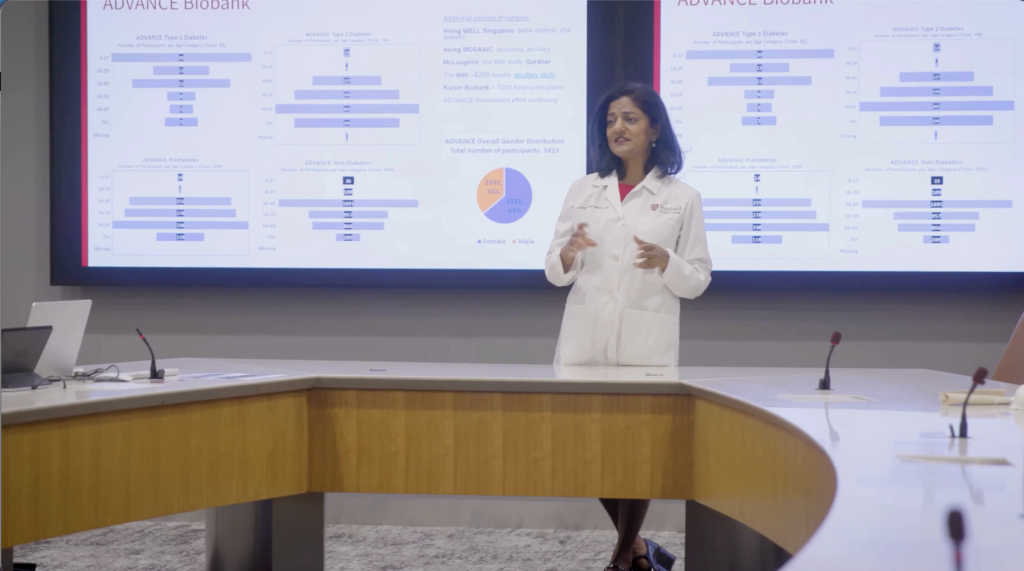
For Latha Palaniappan, MD, the elevated diabetes risk facing Asian and Asian American patients isn’t just a research question. It’s personal. ADVANCE, her new Stanford precision medicine hub, is investigating why these populations develop diabetes at higher rates, and often at lower body weights, than conventional models predict, and building the science to do something about it.

Teaming Up

For patients recovering from a serious illness or surgery, the gap between hospital care and what comes next can be dangerous. Stanford Health Care is closing that gap at St. Rose Hospital in Hayward, which is the first facility of its kind to house both a skilled nursing unit and an acute care hospital under one roof, developed in partnership with Alameda Health System.

Building a Medical Home for Adults With Sickle Cell Disease

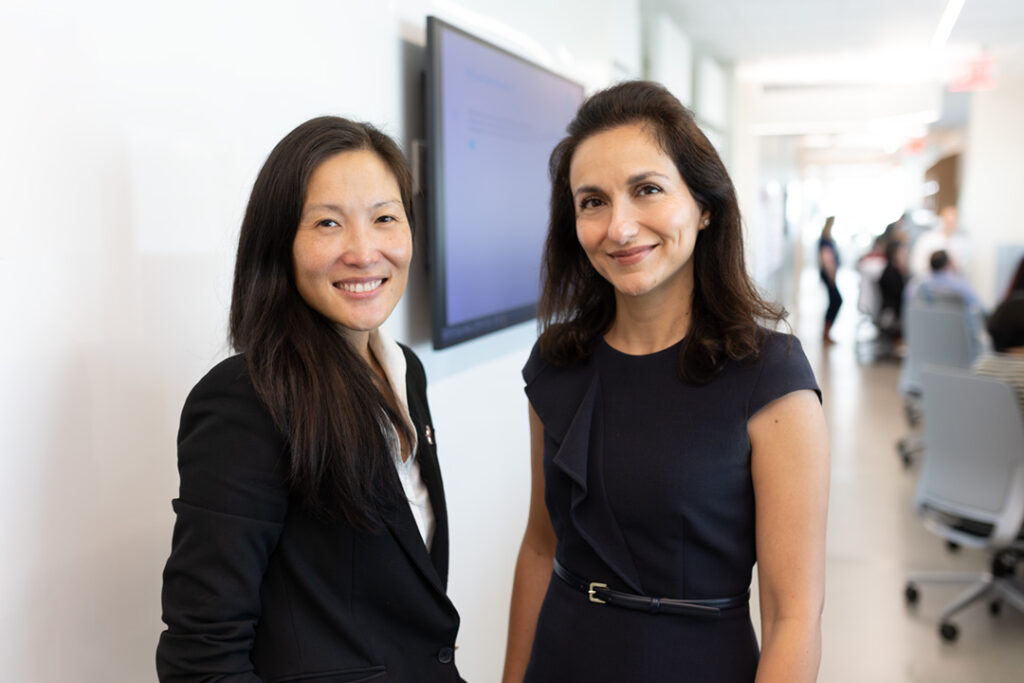
May Chien, MD, (left), and Giselle Salmasi, MD, (right), are helping lead Stanford’s effort to build a comprehensive medical home for adults with sickle cell disease.

Building a Medical Home for Adults With Sickle Cell Disease

A young woman in her early 30s arrived in the Cardiac Intensive Care Unit with heart failure. She was at high risk of dying within days.

Years of sickle cell disease had damaged her heart, lungs, and other organs. Her condition had deteriorated so severely that doctors could offer little more than comfort-focused palliative care. For Giselle Salmasi, MD, a hematologist in Stanford’s Department of Medicine, the tragedy was not only the severity of the illness, but how preventable it had been. 

“She had been treated at a pediatric center through her early 20s with relatively few complications from her sickle cell disease. Then she lost that care,” Salmasi reflects. 

After aging out of pediatric care, the woman drifted through a fragmented healthcare system. Over the next decade, her disease progressed largely unchecked.

“By the time I saw her, her case was palliative, at an age when it never should have been,” Salmasi says. “Watching her and her family go through that, knowing it did not have to happen, is exactly why we are building this.”

The “this” she refers to is one of Stanford Medicine’s most ambitious new clinical efforts: a comprehensive adult sickle cell disease program designed to serve patients across the Bay Area and Northern California. Led by Salmasi and May Chien, MD, the program, which is expected to begin seeing patients in 2027, aims to give adults with sickle cell disease the same coordinated, expert care that many receive as children.

Losing the Safety Net

Sickle cell disease is an inherited blood disorder that affects the hemoglobin inside red blood cells. Instead of remaining round and flexible, the cells can become rigid and crescent-shaped —a process known as “sickling.” These cells can block blood flow, causing episodes of severe pain, organ damage, stroke, and other life-threatening complications.

Although medical advances have dramatically improved survival during childhood, adulthood remains a dangerous frontier for those with the disorder.

National data show that people with sickle cell disease still die decades earlier than the general population. One of the most vulnerable periods occurs when patients transition from pediatric care into the adult healthcare system.

“The mortality data show a clear spike at exactly that point,” says Chien, who is uniquely positioned to understand why. Chien is trained in both pediatric and adult hematology, allowing her to care for patients on either side of that divide.

“In pediatric care, a child with sickle cell has a team that has often known them since infancy, a single entity that coordinates everything, and parents managing the details,” she says. “Once they reach adulthood, all of that falls away at the same time.” 

Patients suddenly find themselves navigating insurance changes, school, work, and adult responsibilities while managing a chronic disease that requires constant medical attention. 

“The adult system they enter usually has no equivalent home waiting for them,” Chien says.

The result is a gap in care that can have devastating consequences. “The medicine to keep these patients well already exists,” she says. “What has been missing is the structure to deliver it without interruption at the one moment patients are most at risk of falling through.”

An Ecosystem of Better Care  

For Salmasi and Chien, the solution is not a single clinic visit or a new treatment protocol. It is an entire ecosystem of care that the two are working to pilot together.

“The vision is simple,” Salmasi says. “An adult home for sickle cell disease, where one team manages the whole person over a lifetime, instead of a series of disconnected emergency room visits.”

The program brings together specialists from across Stanford Medicine, including experts in pain management, transfusion medicine, pulmonology, nephrology, behavioral health, and social work. Rather than forcing patients to navigate a maze of separate appointments and disconnected providers, the team aims to coordinate care under one roof.

“In practice it means one clinic where a patient sees a hematologist who knows them,” Salmasi explains. “It means someone is actually watching for organ damage before it becomes irreversible, keeping patients on disease-modifying treatment, staying current on vaccinations, and treating pain promptly so a crisis doesn’t end in a hospital admission.”  

Decades of research show that comprehensive sickle cell care can reduce complications and significantly improve survival. Yet people with sickle cell disease still experience a life expectancy more than 20 years shorter than that of the general population, underscoring the need for continuous, specialized care throughout adulthood.

“A lot of the gap is not the biology of the disease,” Salmasi says. “It is the absence of steady, knowledgeable care.”

“Adults with sickle cell deserve more than survival. They deserve coordinated expert care, a longer life, and a real chance at a cure.” – Giselle Salmasi, MD, & May Chien, MD

A New Era of Possibility

The timing of the program is particularly significant because the field of sickle cell disease is entering a period of extraordinary change.

In 2023, the U.S. approved the first gene therapies for sickle cell disease, offering the possibility of a functional cure for some patients. The therapies, Casgevy and Lyfgenia, modify a patient’s own blood-forming stem cells so they can produce healthier hemoglobin and prevent red blood cells from sickling. 

“It is the most hopeful shift in this field in a generation,” Chien says.

For decades, sickle cell care focused primarily on managing symptoms and preventing complications. Now, physicians can begin conversations that once seemed impossible.

Yet these therapies remain complex and difficult to access. Patients often require months of preparation and intensive chemotherapy, and only a limited number of specialized centers are equipped to provide them.

“Adults across Northern California still have very limited access,” Chien says.

That reality makes comprehensive care even more important. Patients need specialized teams, not only to access emerging therapies, but also to remain healthy enough to benefit from them.

“We want to become a place that can deliver and study these therapies,” Chien says, “and to give the much larger group of patients who are not candidates today the steady care that keeps them well enough to benefit from what is coming.”

Looking Beyond Stanford

The team’s ambitions extend well beyond Palo Alto.

Working with Stanford Health Care, Lucile Packard Children’s Hospital Stanford, and regional health care partners, Salmasi and Chien envision a hub-and-spoke model that could bring specialized care to patients throughout the South Bay and East Bay, and eventually to parts of the Central Valley.

“The point is that a person’s location stops deciding whether they can get expert care, or a shot at a cure,” Salmasi says. 

Creating that network has required years of planning, advocacy, and institution-building. 

“We are working to build a multidisciplinary clinic from scratch,” Salmasi says. “It has meant advocating for resources and recruiting the right people. All of it has to be in place for the care model to succeed long-term.”

For the physicians leading the effort, however, the challenge is worth it.

Their hope is that within a decade, young adults with sickle cell disease will no longer face a cliff when they leave pediatric care. That emergency room visits will become less frequent. That curative therapies will become more widely available. And that early death will no longer be accepted as inevitable.

“Adults with sickle cell deserve more than survival,” Salmasi and Chien declare. “They deserve coordinated expert care, a longer life, and a real chance at a cure.”

2026

Spotlights

The Disease That Looks Like Everything Else

IgG4-RD can look like cancer, infection, or any number of autoimmune conditions, leaving patients like Yasuko bouncing between specialists for years without answers. For Yasuko, reaching Stanford rheumatologist Matthew Baker, MD, one of the world’s leading IgG4-RD experts, meant not just a diagnosis, but a doctor who listened, involved her in decisions, and took a personal investment in her care.

A Personal Mission

For Latha Palaniappan, MD, the elevated diabetes risk facing Asian and Asian American patients isn’t just a research question. It’s personal. ADVANCE, her new Stanford precision medicine hub, is investigating why these populations develop diabetes at higher rates, and often at lower body weights, than conventional models predict, and building the science to do something about it.

Easing Access

Margaret, 67, once faced a 14-week wait and a 45-minute drive to Palo Alto just to see a pulmonary specialist. Today she gets that same care close to home, as part of Stanford Pulmonary, Allergy, and Critical Care Medicine’s decade-long push to bring subspecialty expertise into the East Bay, building the fastest-growing service line in Stanford Health Care.

Stanford and Samaritan House

Stanford’s student-run free clinics have long been a cornerstone of community care — but a new partnership with Samaritan House is taking them further. The collaboration is expanding access for underserved patients while giving medical students things no classroom can offer: real experience, real responsibility, and real stakes.

Tracking the Invisible

Long COVID looks different in every patient, which makes it nearly impossible to study and treat. Stanford data scientists are now using data from smartwatches to track how symptoms evolve over time and test which interventions actually help. Data Science Manager and lead author Fatma Gunturkun shares what they’re finding, and what it could mean for the millions still searching for answers.

Teaming Up

For patients recovering from a serious illness or surgery, the gap between hospital care and what comes next can be dangerous. Stanford Health Care is closing that gap at St. Rose Hospital in Hayward, which is the first facility of its kind to house both a skilled nursing unit and an acute care hospital under one roof, developed in partnership with Alameda Health System.

Jojo’s Journey

When transplant nephrologist Patrick Ahearn, MD, and his wife, Peggy Bui, MD, learned that their baby had a rare, life-threatening genetic condition, they did what physician-parents do: They started searching for a cure. With the help of Stanford colleagues, they may have found one — and a path that could be replicated for other rare genetic diseases.

Innovation With Purpose

After building and selling a biotech company, Narges Baniasadi, PhD, could have continued climbing Silicon Valley’s corporate ladder. Instead, she returned to Stanford to launch Emergence, an entrepreneurship program that helps founders build companies tackling some of society’s toughest health challenges. The program is training a new generation of innovators to pursue both purpose and profit.

Building a Medical Home for Adults With Sickle Cell Disease

Adults with sickle cell disease have long faced a fragmented care system that can leave them without a consistent medical home. Stanford physicians Giselle Salmasi, MD, and May Chien, MD, are changing that — building a comprehensive program that gives patients coordinated care, access to emerging therapies, and longer lives.

Stanford and Samaritan House

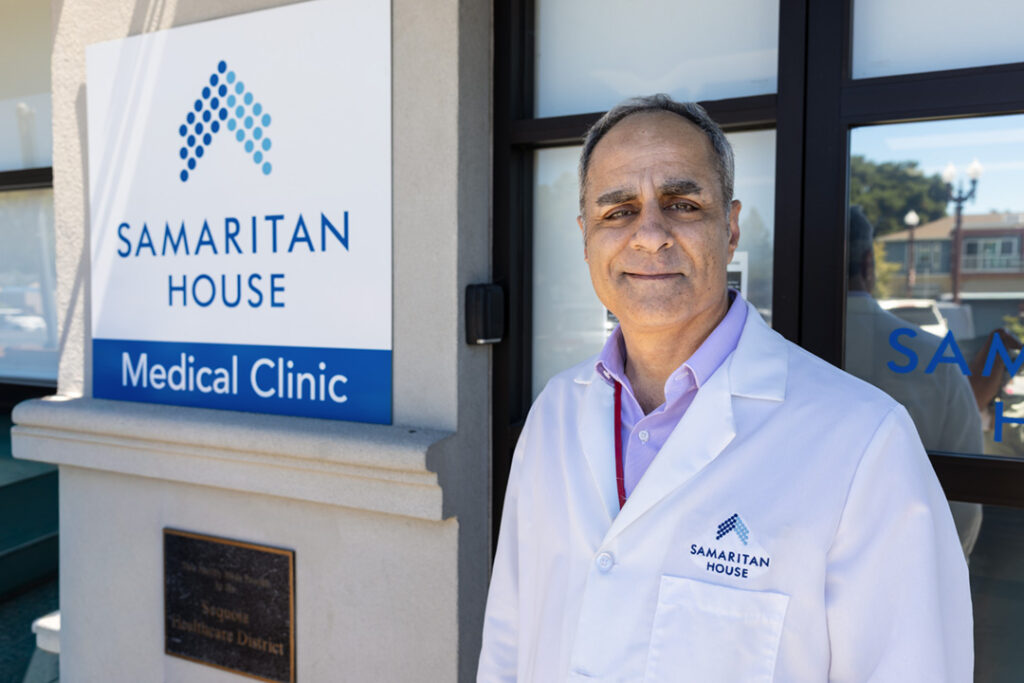
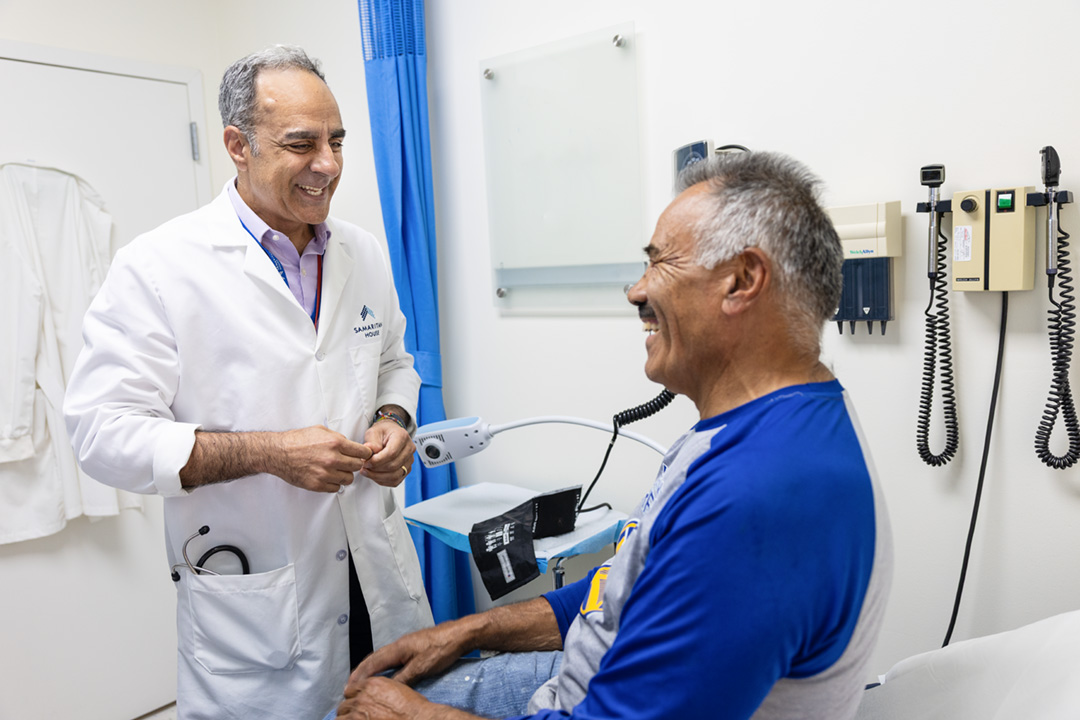
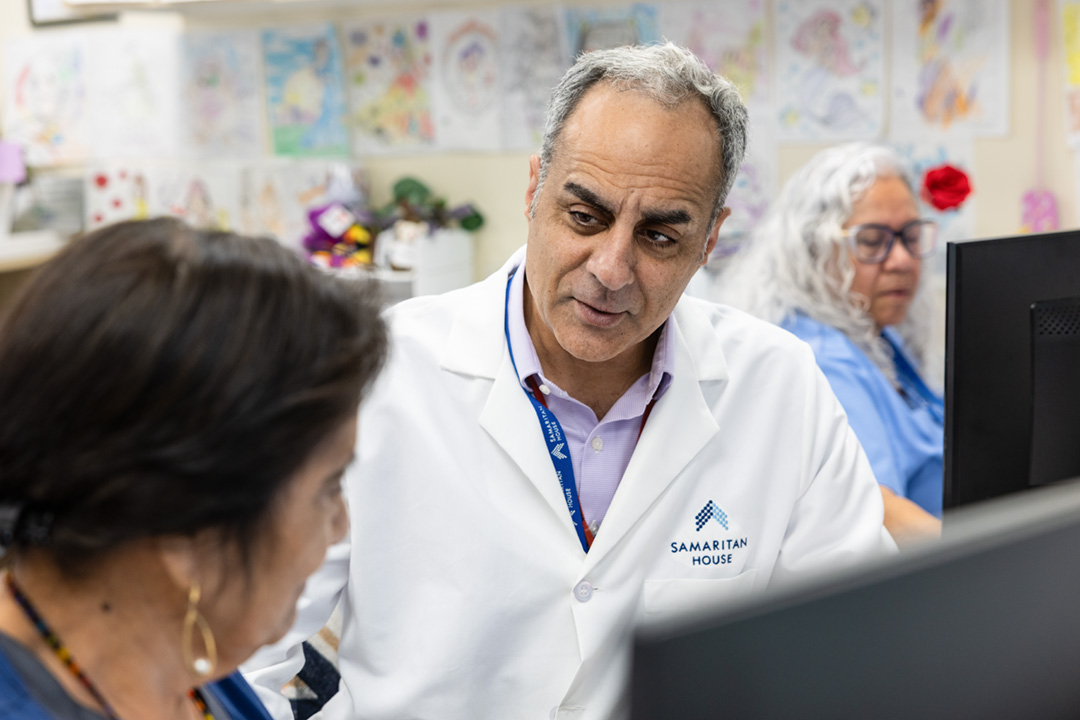
Baldeep Singh, MD, medical director of Samaritan House’s two free clinics, says the day-to-day challenges often demand the kind of improvised ingenuity that makes each day at work feel like an episode of “MacGyver.”

Stanford and Samaritan House

Reimagining Student-Run Free Clinics

When Baldeep Singh, MD, a clinical professor of medicine at Stanford, became medical director of Samaritan House’s two free clinics in San Mateo County, he didn’t expect most days to feel like an episode of MacGyver.

The television character was famous for solving seemingly impossible problems with whatever tools he had on hand.

At Samaritan House, Singh found plenty of challenges that demanded the same kind of improvised ingenuity. Over the last three years, he scrambled to secure affordable insulin, brought an AI diabetic eye camera to the clinics, rebuilt post-COVID operations, and recruited Stanford specialists to deliver hospital-level care in a free clinic.

“Every day we have problems that need to be figured out,” Singh says. “We all feel like we’re MacGyver.”

As medical director, Singh was charged with helping build a new partnership between Stanford Medicine and Samaritan House. He and his team were tasked with translating that vision into day-to-day patient care, laying the groundwork for a new model that integrated Stanford’s physicians, students, and resources into an established community clinic.

For decades, Stanford’s student-run clinics gave medical students early experience caring for uninsured and underinsured patients while providing free weekend care across the Bay Area. The clinics offered valuable training and expanded access to care, but because they operated one day a week in borrowed community spaces, patients often had no clear path for follow-up appointments, medication management, or specialty referrals. Stanford leaders began asking whether the model could become something more enduring.

That vision traces back nearly a decade to Dean Lloyd Minor, who challenged Stanford leaders and students to rethink the future of the university’s student-run clinics. Rather than creating another standalone weekend clinic, they envisioned integrating students and faculty into an existing community medical home. Finding the right partner, however, took years.

Baldeep Singh, MD, helped transform Stanford’s student-run free clinics into part of Samaritan House’s full-time medical home, expanding access to follow-up care and specialty services. 

Earning Community Trust

Stanford also changed how it approached community organizations. Rather than beginning with research opportunities or student training, faculty leaders started with a different question: What do the community members need?

Community leaders had a straightforward answer: More doctors.

Stanford responded by placing faculty physicians in community organizations throughout the Bay Area. One of those organizations was Samaritan House. When Samaritan House’s longtime medical director retired, its leaders turned to Stanford. Singh accepted the role.

The partnership did not happen overnight. Community organizations were understandably cautious about Stanford’s intentions, wondering whether the university was there to serve the community or simply conduct research. Singh and Sang-ick Chang, MD, say that Stanford spent years rebuilding clinic operations, expanding services, and demonstrating that it was committed to bringing Stanford’s clinical expertise into the community before Samaritan House became the permanent home for the university’s student-run clinics.

“We are growing up from being a largely research-focused organization to becoming a full anchor institution in our community,” says Chang, clinical professor of medicine and chief of the Division of Primary Care and Population Health. “Leading with service is what this program demonstrates.”

The partnership between Stanford and Samaritan House immerses medical students in a community clinic, where they see firsthand how health care intersects with the realities of patients’ lives.

Strengthening Community Care

This spring, Samaritan House and Stanford formalized their partnership into part of a medical home where patients who arrive on Sunday can return throughout the week for primary care, prescription medications, specialty services, and follow-up through a single system.

Today, Stanford faculty and students provide care on Sundays as part of that larger system. The partnership adds roughly 2,000 patient visits each year. Samaritan House now relies on a Stanford volunteer corps of more than 50 clinicians, and annual visits have nearly doubled, growing from about 6,000 to 12,000 over the last three years, Singh says.

The model has also strengthened medical education. Rather than volunteering at a stand-alone weekend clinic, students now train inside a functioning community medical home, where they see firsthand how healthcare intersects with housing, food insecurity, and other realities that shape patients’ lives. It has become one of Stanford’s most sought-after opportunities for pre-med undergraduates, with about 200 students competing each year for 60 volunteer positions.

“It definitely gives meaning to what I am doing in the classroom,” says Luciana, an undergraduate volunteer. “In the classroom it is mostly technical work … but here you come and see the realities of people, and you get more motivated to do what you do and to learn more.”

Singh says the years of work have helped Samaritan House become a “tremendously better resource,” where patients can receive free primary care, free prescription medications, specialty services, and ongoing follow-up treatment through a single system.

“We feel like we’re doing a better job, the students feel like they’re getting a better experience, and the patients are definitely getting better care,” Singh says. “And on a weekend.”

2026

Spotlights

Jojo’s Journey

When transplant nephrologist Patrick Ahearn, MD, and his wife, Peggy Bui, MD, learned that their baby had a rare, life-threatening genetic condition, they did what physician-parents do: They started searching for a cure. With the help of Stanford colleagues, they may have found one — and a path that could be replicated for other rare genetic diseases.

Tracking the Invisible

Long COVID looks different in every patient, which makes it nearly impossible to study and treat. Stanford data scientists are now using data from smartwatches to track how symptoms evolve over time and test which interventions actually help. Data Science Manager and lead author Fatma Gunturkun shares what they’re finding, and what it could mean for the millions still searching for answers.

Innovation With Purpose

After building and selling a biotech company, Narges Baniasadi, PhD, could have continued climbing Silicon Valley’s corporate ladder. Instead, she returned to Stanford to launch Emergence, an entrepreneurship program that helps founders build companies tackling some of society’s toughest health challenges. The program is training a new generation of innovators to pursue both purpose and profit.

A Personal Mission

For Latha Palaniappan, MD, the elevated diabetes risk facing Asian and Asian American patients isn’t just a research question. It’s personal. ADVANCE, her new Stanford precision medicine hub, is investigating why these populations develop diabetes at higher rates, and often at lower body weights, than conventional models predict, and building the science to do something about it.

The Disease That Looks Like Everything Else

IgG4-RD can look like cancer, infection, or any number of autoimmune conditions, leaving patients like Yasuko bouncing between specialists for years without answers. For Yasuko, reaching Stanford rheumatologist Matthew Baker, MD, one of the world’s leading IgG4-RD experts, meant not just a diagnosis, but a doctor who listened, involved her in decisions, and took a personal investment in her care.

Teaming Up

For patients recovering from a serious illness or surgery, the gap between hospital care and what comes next can be dangerous. Stanford Health Care is closing that gap at St. Rose Hospital in Hayward, which is the first facility of its kind to house both a skilled nursing unit and an acute care hospital under one roof, developed in partnership with Alameda Health System.

Building a Medical Home for Adults With Sickle Cell Disease

Adults with sickle cell disease have long faced a fragmented care system that can leave them without a consistent medical home. Stanford physicians Giselle Salmasi, MD, and May Chien, MD, are changing that — building a comprehensive program that gives patients coordinated care, access to emerging therapies, and longer lives.

Easing Access

Margaret, 67, once faced a 14-week wait and a 45-minute drive to Palo Alto just to see a pulmonary specialist. Today she gets that same care close to home, as part of Stanford Pulmonary, Allergy, and Critical Care Medicine’s decade-long push to bring subspecialty expertise into the East Bay, building the fastest-growing service line in Stanford Health Care.

Stanford and Samaritan House

Stanford’s student-run free clinics have long been a cornerstone of community care — but a new partnership with Samaritan House is taking them further. The collaboration is expanding access for underserved patients while giving medical students things no classroom can offer: real experience, real responsibility, and real stakes.

Teaming Up

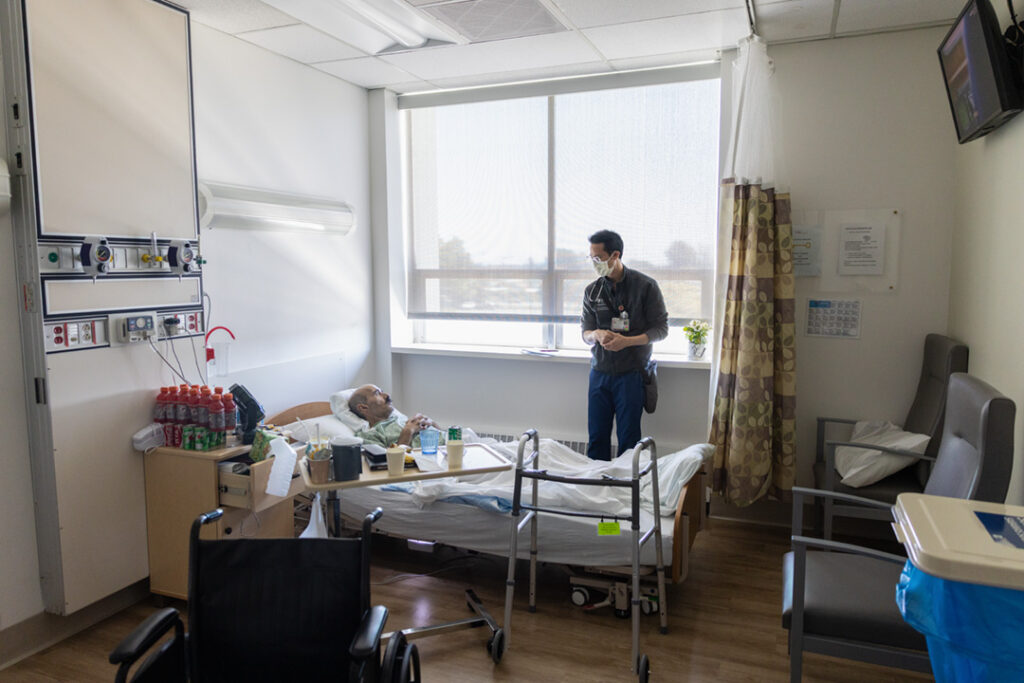
Patients return home with peace of mind after they’ve been cared for at Stanford’s skilled nursing facility, says Charles Liao, MD, post–acute care medical director at Stanford Health Care.

Teaming Up

Stanford First in Skilled Nursing Within an Acute Care Hospital

Hospitalized patients with medically complex conditions may no longer need the high level of care offered at a hospital but may also not be ready to return home. Delays in finding the best post–acute care environment can keep patients in the hospital longer than necessary, which, in turn, can delay admitting new patients in need of acute care services. 

Stanford Health Care and Alameda Health System (AHS) are addressing both challenges with a new skilled nursing facility (SNF) and an acute care unit at St. Rose Hospital in Hayward.

First Department of Medicine-Led Skilled Nursing Facility in an Acute Care Hospital

SNFs play a critical role in the continuum of care for recovering patients, allowing a safe transition to less acute care before going home. Traditionally they operate as freestanding facilities with limited access to hospital-level resources. Stanford’s SNF embedded within St. Rose Hospital, launched in March 2026, introduces a different approach. The 20-bed unit is physically located within an acute care hospital and is staffed by Stanford physicians supported by St. Rose nurses, therapists, and ancillary teams.

Leading the effort to create the first-of-its-kind SNF overseen by the Department of Medicine are Charles Liao, MD, post–acute care medical director at Stanford Health Care, and Ryan Chiang, MD, medical director, St. Rose. The creation of the SNF was driven, in large part, by the Division of Hospital Medicine, whose physicians care for one-third of all inpatients at Stanford Health Care Palo Alto and 95% of all inpatients at Stanford Health Care Tri-Valley, as well as patients at community partner sites including Sequoia Hospital and now St. Rose. 

This configuration at St. Rose offers numerous benefits, such as giving patients immediate access to emergency and diagnostic services and inpatient specialists. Notes Liao, “When there’s a need to escalate a patient’s care, we can leverage St. Rose Hospital resources. Inpatient health care providers can evaluate patients at the SNF rather than have them travel to off-site clinics. In emergencies, patients can go to the downstairs Emergency Room rather than be transported by ambulance to an off-site hospital. This can be lifesaving in some situations.” 

“And,” explains Chiang, “by extending Stanford’s inpatient care model into the post–acute setting, we can maintain continuity and reduce fragmentation. Clinical decisions are aligned across settings, and we can respond more quickly to changes in a patient’s condition.”

One of the most persistent challenges in hospital medicine is transitioning patients who are stable enough to be discharged but still require significant medical oversight. “Delays in SNF placement — whether from lack of space in a SNF or inadequate insurance — contribute to prolonged hospital stays and reduce the availability of beds,” says Chiang. “The St. Rose model addresses these issues by embedding Stanford hospitalists directly within the SNF and providing resources that support recovery, such as assisting patients in navigating insurance coverage.” 

Adds Liao, “From the patients’ perspective, they appreciate our ability to see them through different levels of care and can return home with peace of mind.”

Skilled nursing facilities provide a safe transition to less acute care after a hospital stay, notes Ryan Chiang, MD, St. Rose medical director.

Next Up: Stanford Acute Care Unit at St. Rose

The second phase of the community partnership with AHS is scheduled to open in early 2027: a 24-bed acute care unit at St. Rose Hospital, led by the Division of Hospital Medicine and staffed by Stanford physicians, nurses, and ancillary personnel.

The Department of Medicine debuted this hospital-within-a-hospital concept at Sequoia Hospital in 2024, and it was such a success that it is being used as a model for this similar unit. Thomas Lew, MD, who oversaw the creation of the Stanford Health Care Patient Care Unit at Dignity Sequoia Hospital and serves as medical director, is taking on those roles at St. Rose as well.

Lew explains, “Our Sequoia model laid the groundwork for moving stabilized patients to another inpatient ward managed by Stanford, making space on the main campus for patients with more complex needs. We’re still seeing significant capacity challenges at Stanford Hospital, so St. Rose provides needed space, while also allowing us to extend care into a community where we do not currently have a hospital footprint. It’s a win on both sides.”

Like the Sequoia unit, St. Rose will have telemetry-capable beds and allow virtual consults with an array of Stanford specialists. Unlike at Sequoia, the St. Rose unit will utilize on-site Laboratory and Radiology services and offer expanded medications and nursing services. “The goal is to be able to take stabilized patients with conditions such as sepsis, pneumonia, or acute kidney injuries who may have higher acuity than those at Sequoia,” notes Lew.

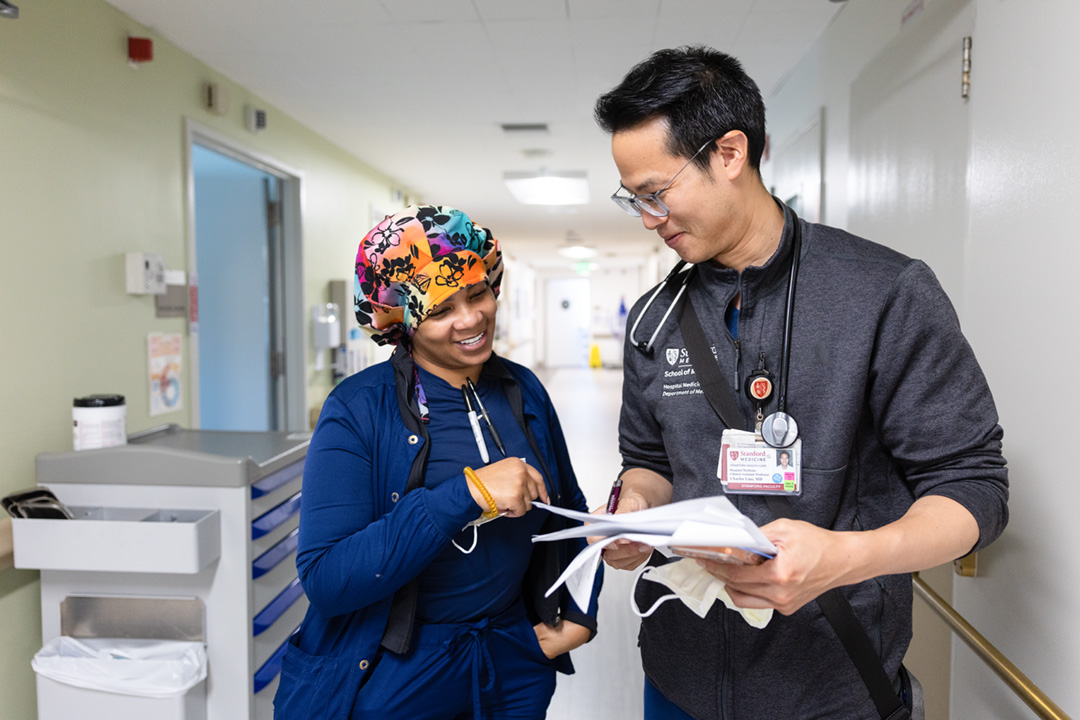
Charles Liao, MD, conferring with a care team member, appreciates the proximity of St. Rose Hospital resources when caring for patients in Stanford’s embedded skilled nursing facility.

Collaboration Inside and Out

While Lew, Chiang, and Liao led the efforts to develop these new services at St. Rose, they cite the pivotal support they received from within Stanford: Senior Vice President of Stanford Health Care Neera Ahuja, MD, Division of Hospital Medicine Chief Jason Hom, MD, Associate Division Chief of Hospital Medicine Jeffrey Chi, MD, and Administrative Division Director of Hospital Medicine Tamara Scott. An appreciative Chiang notes, “Thanks to their vision and support with resources, staffing, and funding, we were able to get the skilled nursing facility up and running in six months, which is amazing.”

The skilled nursing facility and acute care unit are only the first steps for the St. Rose alliance, with plans to broaden into other areas of mutual benefit. Lew, Chiang, and Liao appreciate the support they have received from AHS, from executives to frontline staff, which has helped make this collaboration a success. “This is just the beginning,” Chiang adds. “Our goal is to continue building a system where patients experience seamless, high-quality care across every stage of recovery.”

Collaboration Starts From Within

Recognizing the benefit of partnering with Alameda Health System — whose Medicare star ratings in post–acute care frequently rank 5 out of 5 — Liao and Chiang collaborated with Stanford geriatricians Can Chen, MD, and Katherine Ward, MD, to build out the St. Rose unit. Chen and Ward, who have a deep understanding of this patient population, have spearheaded efforts to embed Stanford physicians in SNFs where Stanford patients are frequently discharged. 

2026

Spotlights

Stanford and Samaritan House

Stanford’s student-run free clinics have long been a cornerstone of community care — but a new partnership with Samaritan House is taking them further. The collaboration is expanding access for underserved patients while giving medical students things no classroom can offer: real experience, real responsibility, and real stakes.

Easing Access

Margaret, 67, once faced a 14-week wait and a 45-minute drive to Palo Alto just to see a pulmonary specialist. Today she gets that same care close to home, as part of Stanford Pulmonary, Allergy, and Critical Care Medicine’s decade-long push to bring subspecialty expertise into the East Bay, building the fastest-growing service line in Stanford Health Care.

Tracking the Invisible

Long COVID looks different in every patient, which makes it nearly impossible to study and treat. Stanford data scientists are now using data from smartwatches to track how symptoms evolve over time and test which interventions actually help. Data Science Manager and lead author Fatma Gunturkun shares what they’re finding, and what it could mean for the millions still searching for answers.

A Personal Mission

For Latha Palaniappan, MD, the elevated diabetes risk facing Asian and Asian American patients isn’t just a research question. It’s personal. ADVANCE, her new Stanford precision medicine hub, is investigating why these populations develop diabetes at higher rates, and often at lower body weights, than conventional models predict, and building the science to do something about it.

Teaming Up

For patients recovering from a serious illness or surgery, the gap between hospital care and what comes next can be dangerous. Stanford Health Care is closing that gap at St. Rose Hospital in Hayward, which is the first facility of its kind to house both a skilled nursing unit and an acute care hospital under one roof, developed in partnership with Alameda Health System.

The Disease That Looks Like Everything Else

IgG4-RD can look like cancer, infection, or any number of autoimmune conditions, leaving patients like Yasuko bouncing between specialists for years without answers. For Yasuko, reaching Stanford rheumatologist Matthew Baker, MD, one of the world’s leading IgG4-RD experts, meant not just a diagnosis, but a doctor who listened, involved her in decisions, and took a personal investment in her care.

Building a Medical Home for Adults With Sickle Cell Disease

Adults with sickle cell disease have long faced a fragmented care system that can leave them without a consistent medical home. Stanford physicians Giselle Salmasi, MD, and May Chien, MD, are changing that — building a comprehensive program that gives patients coordinated care, access to emerging therapies, and longer lives.

Innovation With Purpose

After building and selling a biotech company, Narges Baniasadi, PhD, could have continued climbing Silicon Valley’s corporate ladder. Instead, she returned to Stanford to launch Emergence, an entrepreneurship program that helps founders build companies tackling some of society’s toughest health challenges. The program is training a new generation of innovators to pursue both purpose and profit.

Jojo’s Journey

When transplant nephrologist Patrick Ahearn, MD, and his wife, Peggy Bui, MD, learned that their baby had a rare, life-threatening genetic condition, they did what physician-parents do: They started searching for a cure. With the help of Stanford colleagues, they may have found one — and a path that could be replicated for other rare genetic diseases.

Innovation With Purpose

Innovation With Purpose

Emergence Trains Founders to Tackle Society’s Toughest Health Challenges

Narges Baniasadi, PhD, had already achieved the kind of success that Silicon Valley celebrates.

The Stanford-trained bioengineer and entrepreneur had built a biotech company, sold it, and risen into executive leadership. Venture capital firms wanted to hire her. She could have started another company. The sky was the limit. Instead, she chose a path that she calls “a million times harder.”

In 2021, Baniasadi returned to Stanford to launch Emergence, an entrepreneurship program designed to help health tech business founders tackle the upstream and systemic drivers of health while building ventures aimed at disease prevention and health equity.

Years in biotechnology changed the way Baniasadi viewed Silicon Valley. She came to believe the industry rewarded a particular kind of success: companies built around breakthrough technologies that could grow quickly, attract investors, and ultimately be acquired. Many of society’s biggest health challenges — including housing, food access, social connection, education, and environmental conditions — didn’t fit that model.

“I started to see a gap between where entrepreneurship and innovation were headed and where some of society’s biggest problems actually existed,” she says.

After nearly a decade working in the field of genomics, Baniasadi had what she describes as her “aha moment.” A person’s ZIP code, she learned, is often a stronger predictor of health than their genetic code. Research suggests that 50%–80% of health outcomes are shaped by social, environmental, behavioral, and structural factors, she notes.

Through classes, startup coaching, and a growing network of investors and industry partners, Emergence encourages founders to focus on problems that shape people’s lives long before they encounter the healthcare system. Participants have developed ventures aimed at solving challenges such as food insecurity, maternal health, chronic pain, mental health, and access to care.

At the center of Emergence is an innovation framework coined by the Emergence team as P4, which stands for Purpose, People, Product, and Profit. The model guides innovators to consider not only customers and technologies, but also broader effects on communities and health outcomes.

The name Emergence traces back to a period of reflection that followed Baniasadi’s departure from the corporate world in 2018. While studying systems change, she became interested in the concept of emergence, the idea that new possibilities arise when people and institutions with different perspectives come together. The theory resonated with her vision for a program that would connect founders, investors, industry leaders, researchers, and community partners around society’s toughest health challenges.

Students begin by examining real-world challenges, from the health risks that extreme heat poses for construction workers to barriers that prevent schools from serving healthy, sustainable food. They often leave campus to meet directly with the people most affected by the problems they hope to solve.

“We take them where the problems are,” Baniasadi says.

To date, Emergence has supported more than 40 ventures and has trained more than 180 students. Its founders have raised nearly $35 million to advance projects spanning maternal health, LGBTQ+ mental health, chronic pain treatment, special education, and more.

One startup is developing nonaddictive therapies for chronic pain using AI-guided drug discovery. Another provides insurance-covered group mental health services for LGBTQ+ patients. Others are working to improve pregnancy monitoring, water security, and access to care.

Stanford Bioengineering PhD students Laura Moreno and Danielle Klinger entered the Emergence accelerator after identifying a problem in maternal healthcare. During her own pregnancy, Moreno was struck by how little information patients and clinicians have between appointments.

Narges Baniasadi, PhD, Founder and Executive Director of Emergence at Stanford, hosted the organization’s annual Impact Summit, bringing together leaders advancing innovation in health equity and sustainability.

“I realized that this is not only me,” Moreno says. “Pregnant women may have frequent challenges and questions, and this is part of a bigger systemic issue rather than a first-time mom freaking out every other day.”

Working together, Moreno and Klinger began developing Bebeo, a maternal health–monitoring platform designed to provide continuous information about pregnancy development outside the clinic. The goal is to give patients greater reassurance while helping clinicians identify potential problems earlier.

“We would not be where we’re at had we not joined the program,” Klinger says.

Baniasadi says the program is now getting serious traction from industry and the investment community, but it has not been easy. Many people have encouraged her to pursue more conventional opportunities in venture capital or industry. Some have questioned why she would devote herself to building a grassroots program inside academia.

“It has been emotionally hard at times,” she says. “There have been days that I thought I should quit, but I continued.” 

What keeps her going, she says, are the students and founders.

“It brings me so much inspiration and joy to work with them every year,” she says. “They tell us we’re changing their lives.”

One founder recently told her something she still thinks about.

“It’s not just what the program teaches,” the founder said. “It shows founders that it’s possible to do good in this world and do well.”

2026

Spotlights

A Personal Mission

For Latha Palaniappan, MD, the elevated diabetes risk facing Asian and Asian American patients isn’t just a research question. It’s personal. ADVANCE, her new Stanford precision medicine hub, is investigating why these populations develop diabetes at higher rates, and often at lower body weights, than conventional models predict, and building the science to do something about it.

Stanford and Samaritan House

Stanford’s student-run free clinics have long been a cornerstone of community care — but a new partnership with Samaritan House is taking them further. The collaboration is expanding access for underserved patients while giving medical students things no classroom can offer: real experience, real responsibility, and real stakes.

Jojo’s Journey

When transplant nephrologist Patrick Ahearn, MD, and his wife, Peggy Bui, MD, learned that their baby had a rare, life-threatening genetic condition, they did what physician-parents do: They started searching for a cure. With the help of Stanford colleagues, they may have found one — and a path that could be replicated for other rare genetic diseases.

Tracking the Invisible

Long COVID looks different in every patient, which makes it nearly impossible to study and treat. Stanford data scientists are now using data from smartwatches to track how symptoms evolve over time and test which interventions actually help. Data Science Manager and lead author Fatma Gunturkun shares what they’re finding, and what it could mean for the millions still searching for answers.

Innovation With Purpose

After building and selling a biotech company, Narges Baniasadi, PhD, could have continued climbing Silicon Valley’s corporate ladder. Instead, she returned to Stanford to launch Emergence, an entrepreneurship program that helps founders build companies tackling some of society’s toughest health challenges. The program is training a new generation of innovators to pursue both purpose and profit.

Building a Medical Home for Adults With Sickle Cell Disease

Adults with sickle cell disease have long faced a fragmented care system that can leave them without a consistent medical home. Stanford physicians Giselle Salmasi, MD, and May Chien, MD, are changing that — building a comprehensive program that gives patients coordinated care, access to emerging therapies, and longer lives.

The Disease That Looks Like Everything Else

IgG4-RD can look like cancer, infection, or any number of autoimmune conditions, leaving patients like Yasuko bouncing between specialists for years without answers. For Yasuko, reaching Stanford rheumatologist Matthew Baker, MD, one of the world’s leading IgG4-RD experts, meant not just a diagnosis, but a doctor who listened, involved her in decisions, and took a personal investment in her care.

Easing Access

Margaret, 67, once faced a 14-week wait and a 45-minute drive to Palo Alto just to see a pulmonary specialist. Today she gets that same care close to home, as part of Stanford Pulmonary, Allergy, and Critical Care Medicine’s decade-long push to bring subspecialty expertise into the East Bay, building the fastest-growing service line in Stanford Health Care.

Teaming Up

For patients recovering from a serious illness or surgery, the gap between hospital care and what comes next can be dangerous. Stanford Health Care is closing that gap at St. Rose Hospital in Hayward, which is the first facility of its kind to house both a skilled nursing unit and an acute care hospital under one roof, developed in partnership with Alameda Health System.

Easing Access

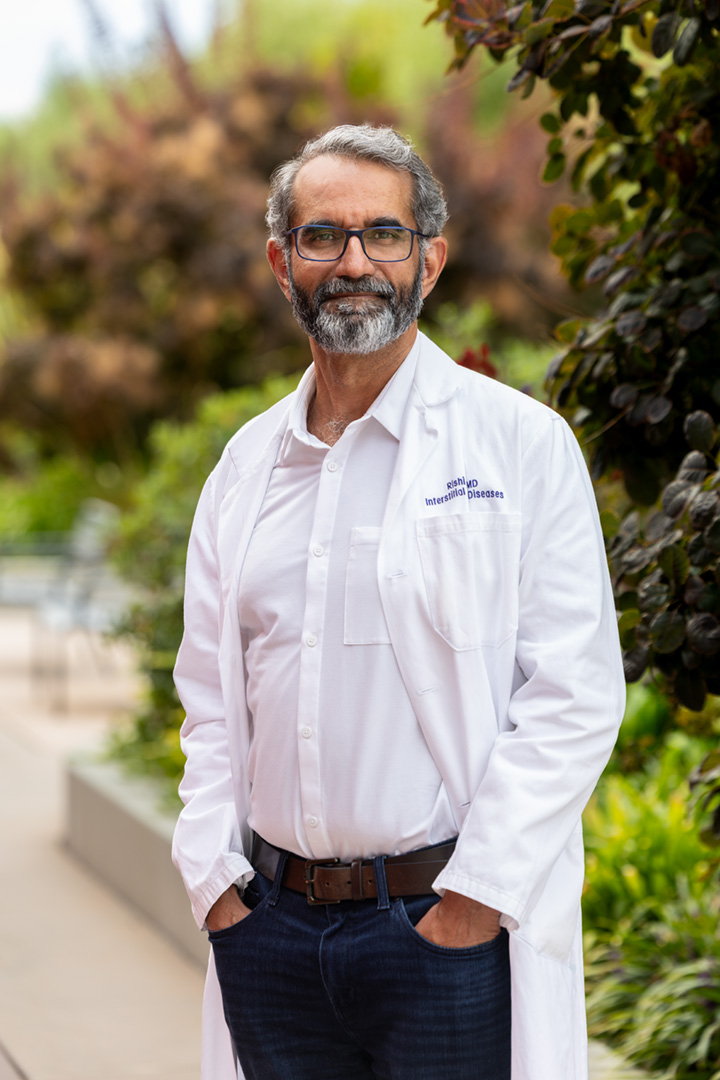
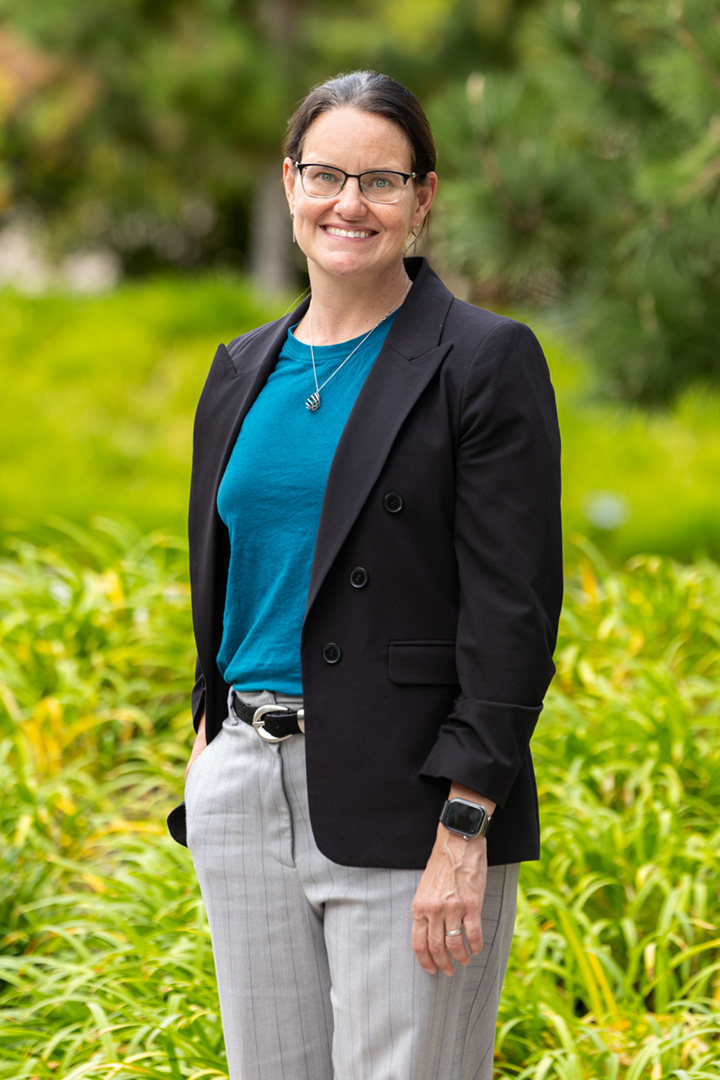
The complementary work between Rishi Raj, MD, and Meghan Ramsey, MD, enables patients to have better continuity of care.

Easing Access

Bringing Pulmonary and Critical Care Closer to Home

For many patients with serious lung disease, getting specialty care can mean long waits, long drives, and weeks of uncertainty. For patients in the East Bay and South Bay, that distance can be more than inconvenient — it can delay diagnosis, treatment, and peace of mind.

Take the case of Margaret, age 67, from Pleasanton, California. She thought her shortness of breath was just because she was getting older, but her primary care doctor ordered a CT scan showing ground-glass opacities. In the past, before Stanford implemented a new critical care model, Margaret would have waited 14 weeks for a pulmonary appointment — driving 45 minutes each way to Palo Alto, unsure if she had cancer.

Today, the same subspecialty depth in Palo Alto is available in East Bay clinics, including Pleasanton. For Margaret that meant being triaged by an RN within 48 hours and then, just 18 days later, getting breathing tests, a high-resolution CT scan, and lab work completed locally at Stanford Health Care Tri-Valley. Shortly after that, community partner and Stanford interstitial lung disease faculty reviewed her case as a multidisciplinary team with radiology and interventional pulmonology and referred her for a lung biopsy performed at Tri-Valley — just minutes from home.

Margaret was diagnosed with idiopathic pulmonary fibrosis and started antifibrotic therapy within six weeks of referral. She now receives follow-up via telehealth and in-person visits and breathing testing close to home.

Turning a Problem Into an Opportunity

A decade ago, Stanford’s Division of Pulmonary, Allergy and Critical Care Medicine (PACCM) saw both a problem and an opportunity. Many patients living far from the Palo Alto campus needed access to academic subspecialty care closer to home. At the same time, the Bay Area’s high cost of living and lower reimbursement rates were contributing to a shortage of community pulmonologists.

PACCM responded by building a model that brought Stanford faculty and community physicians together across inpatient and outpatient settings — first through critical care partnerships in community hospitals, and then through expanded ambulatory pulmonary care closer to where patients live.

The result is now showing up in both patient access and division growth. In the first nine months of 2026, PACCM saw new patient visits increase by roughly 37%, making pulmonary the fastest-growing service line in the Stanford Health Care enterprise. New patients accounted for 29% of all visits, above the 90th percentile national benchmark for academic medical centers. The division also added 200 patient visit slots per month, reduced its no-show rate from 9.7% to 5.5%, and saw more patients than expected booking their own appointments online — the strongest self-scheduling performance of any Stanford Health Care service line.

Behind this massive success is a care model built around a simple goal: bringing Stanford-level pulmonary, allergy, and critical care expertise closer to the patients who need it.

The Story Behind the Story

The model began with a simple premise: Patients should not have to travel to Palo Alto to benefit from Stanford’s academic expertise in pulmonary and critical care medicine.

In 2017, PACCM faculty and affiliated physicians began working side by side with community hospital–based physicians and medical staff in the Medical Intensive Care Unit at Stanford Health Care Tri-Valley in Pleasanton. The partnership strengthened local access to evidence-based critical care while building the relationships, referral pathways, and clinical credibility needed to support broader ambulatory growth.

The model expanded to Good Samaritan Hospital in San Jose in 2023, with increased physician participation at both locations in 2025. Although the Good Samaritan partnership concluded in August 2026, the clinical infrastructure and patient relationships it created continue to inform the division’s South Bay strategy.

“Growth did not happen through a single clinic or a single physician. It happened because our division built an integrated network spanning the Peninsula and East Bay — with Stanford faculty and community partners working together across pulmonary medicine, allergy, and critical care. The division’s reach now extends to patients across all demographics and geographies who previously had limited access to subspecialty pulmonary care,” says Arthur Sung, MD, senior associate chief of Pulmonary, Allergy and Critical Care Medicine.

Rishi Raj, MD, is the medical director of Stanford’s Ambulatory Chest Clinic Network.

Meghan Ramsey, MD, associate division chief of strategy and development in the Division of Pulmonary, Allergy and Critical Care Medicine.

Complementary Roles Lead to Better Patient Care

Two roles animate this story. One is played by Rishi Raj, MD, clinical professor of Pulmonary, Allergy and Critical Care Medicine and medical director of Stanford’s Ambulatory Chest Clinic Network. The other belongs to Meghan Ramsey, MD, associate division chief of strategy and development of Pulmonary, Allergy and Critical Care Medicine.

“Beneath both is the critical care foundation — an ICU partnership model featured in last year’s annual report, which trained the faculty, built the relationships, and created the clinical credibility that patients and referring physicians trust. This year’s ambulatory growth is the downstream expression of that investment,” says Arthur Sung.

“Meghan and I complement each other because we do opposite things, and you need both inpatient and outpatient for the whole enterprise to work. Patients are admitted to the hospital, then they go home and visit the clinic as outpatients, and sometimes they get admitted again. So the complementary work between both of us enables patients to have better continuity of care,” adds Raj.

2026

Spotlights

Tracking the Invisible

Long COVID looks different in every patient, which makes it nearly impossible to study and treat. Stanford data scientists are now using data from smartwatches to track how symptoms evolve over time and test which interventions actually help. Data Science Manager and lead author Fatma Gunturkun shares what they’re finding, and what it could mean for the millions still searching for answers.

Building a Medical Home for Adults With Sickle Cell Disease

Adults with sickle cell disease have long faced a fragmented care system that can leave them without a consistent medical home. Stanford physicians Giselle Salmasi, MD, and May Chien, MD, are changing that — building a comprehensive program that gives patients coordinated care, access to emerging therapies, and longer lives.

Stanford and Samaritan House

Stanford’s student-run free clinics have long been a cornerstone of community care — but a new partnership with Samaritan House is taking them further. The collaboration is expanding access for underserved patients while giving medical students things no classroom can offer: real experience, real responsibility, and real stakes.

Easing Access

Margaret, 67, once faced a 14-week wait and a 45-minute drive to Palo Alto just to see a pulmonary specialist. Today she gets that same care close to home, as part of Stanford Pulmonary, Allergy, and Critical Care Medicine’s decade-long push to bring subspecialty expertise into the East Bay, building the fastest-growing service line in Stanford Health Care.

Innovation With Purpose

After building and selling a biotech company, Narges Baniasadi, PhD, could have continued climbing Silicon Valley’s corporate ladder. Instead, she returned to Stanford to launch Emergence, an entrepreneurship program that helps founders build companies tackling some of society’s toughest health challenges. The program is training a new generation of innovators to pursue both purpose and profit.

Teaming Up

For patients recovering from a serious illness or surgery, the gap between hospital care and what comes next can be dangerous. Stanford Health Care is closing that gap at St. Rose Hospital in Hayward, which is the first facility of its kind to house both a skilled nursing unit and an acute care hospital under one roof, developed in partnership with Alameda Health System.

Jojo’s Journey

When transplant nephrologist Patrick Ahearn, MD, and his wife, Peggy Bui, MD, learned that their baby had a rare, life-threatening genetic condition, they did what physician-parents do: They started searching for a cure. With the help of Stanford colleagues, they may have found one — and a path that could be replicated for other rare genetic diseases.

The Disease That Looks Like Everything Else

IgG4-RD can look like cancer, infection, or any number of autoimmune conditions, leaving patients like Yasuko bouncing between specialists for years without answers. For Yasuko, reaching Stanford rheumatologist Matthew Baker, MD, one of the world’s leading IgG4-RD experts, meant not just a diagnosis, but a doctor who listened, involved her in decisions, and took a personal investment in her care.

A Personal Mission

For Latha Palaniappan, MD, the elevated diabetes risk facing Asian and Asian American patients isn’t just a research question. It’s personal. ADVANCE, her new Stanford precision medicine hub, is investigating why these populations develop diabetes at higher rates, and often at lower body weights, than conventional models predict, and building the science to do something about it.