Welcoming Stanford Health Care Tri-Valley’s Inaugural Family Medicine Residents

Welcoming Stanford Health Care Tri-Valley’s Inaugural Family Medicine Residents

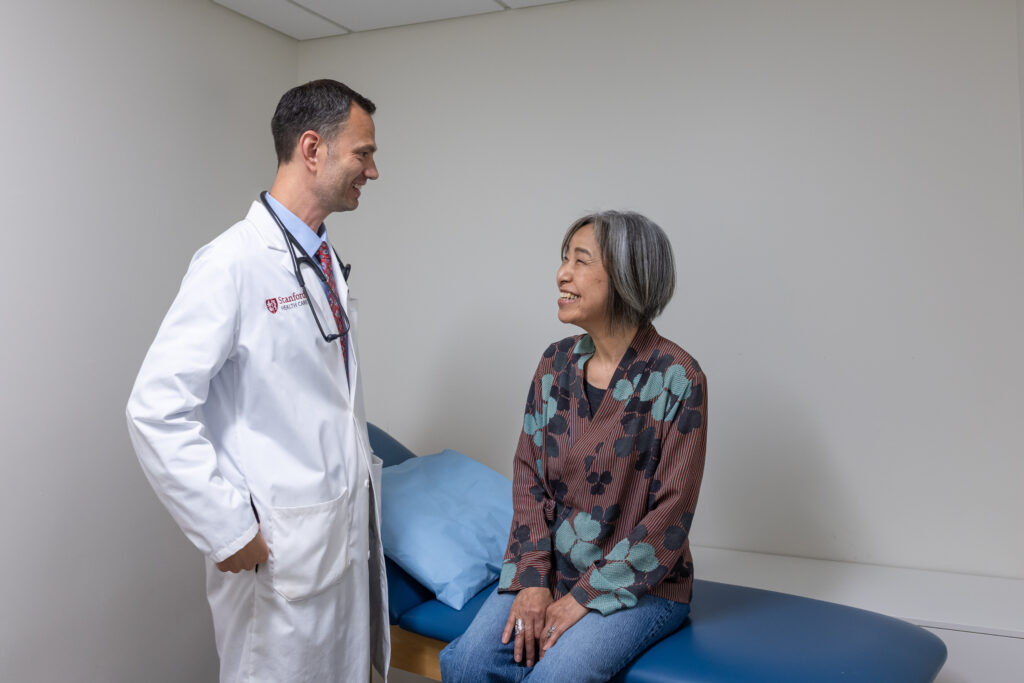
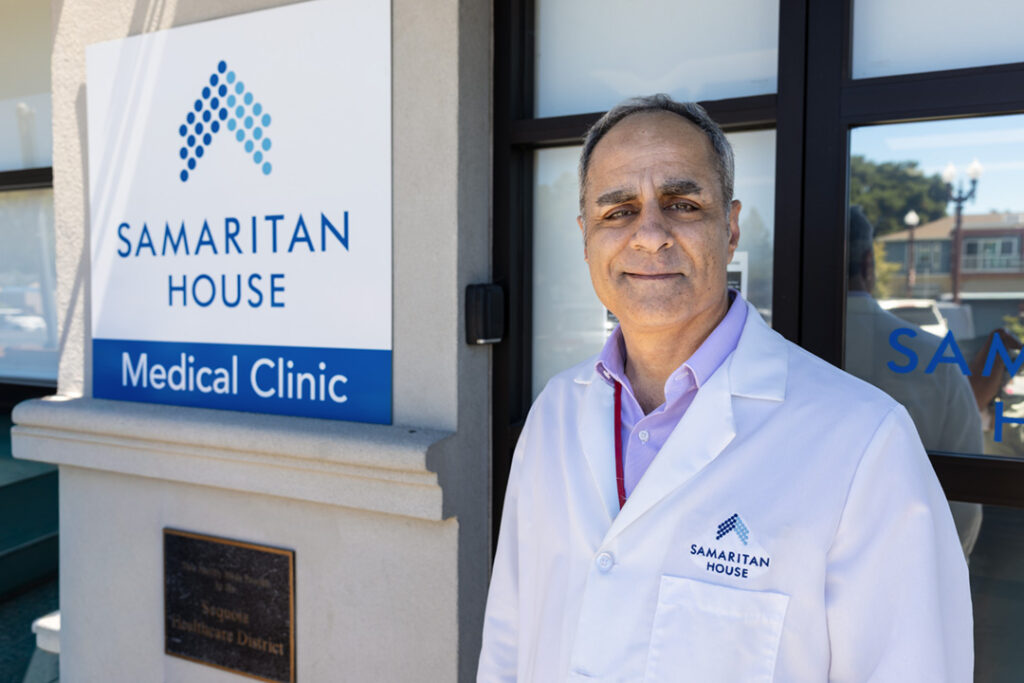
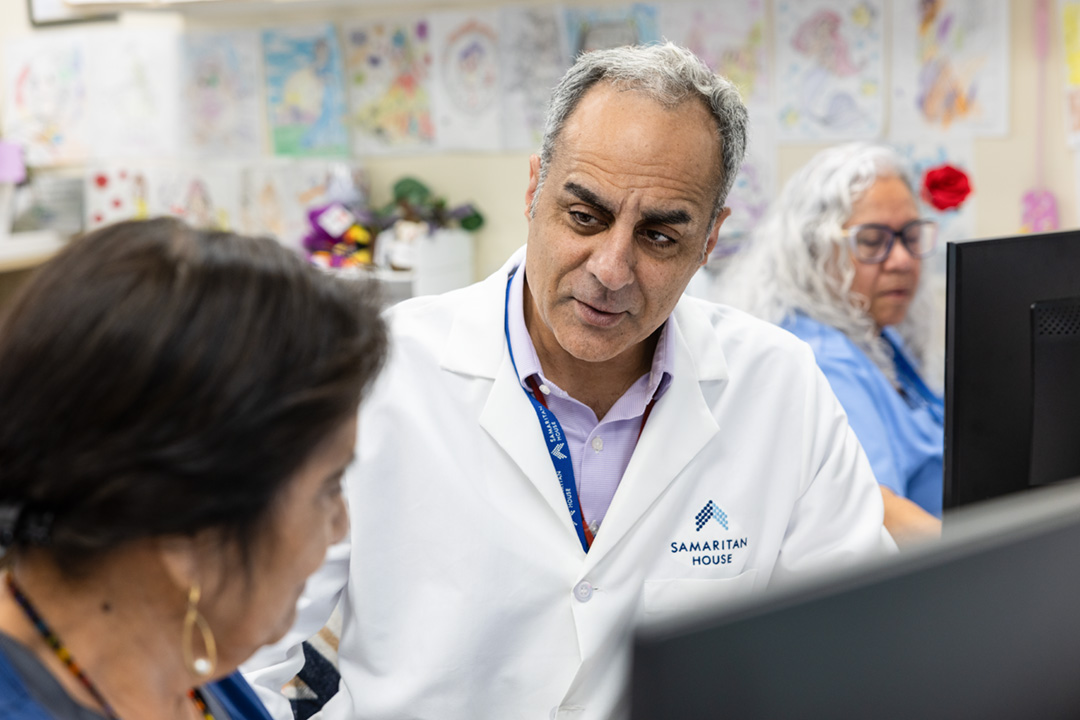
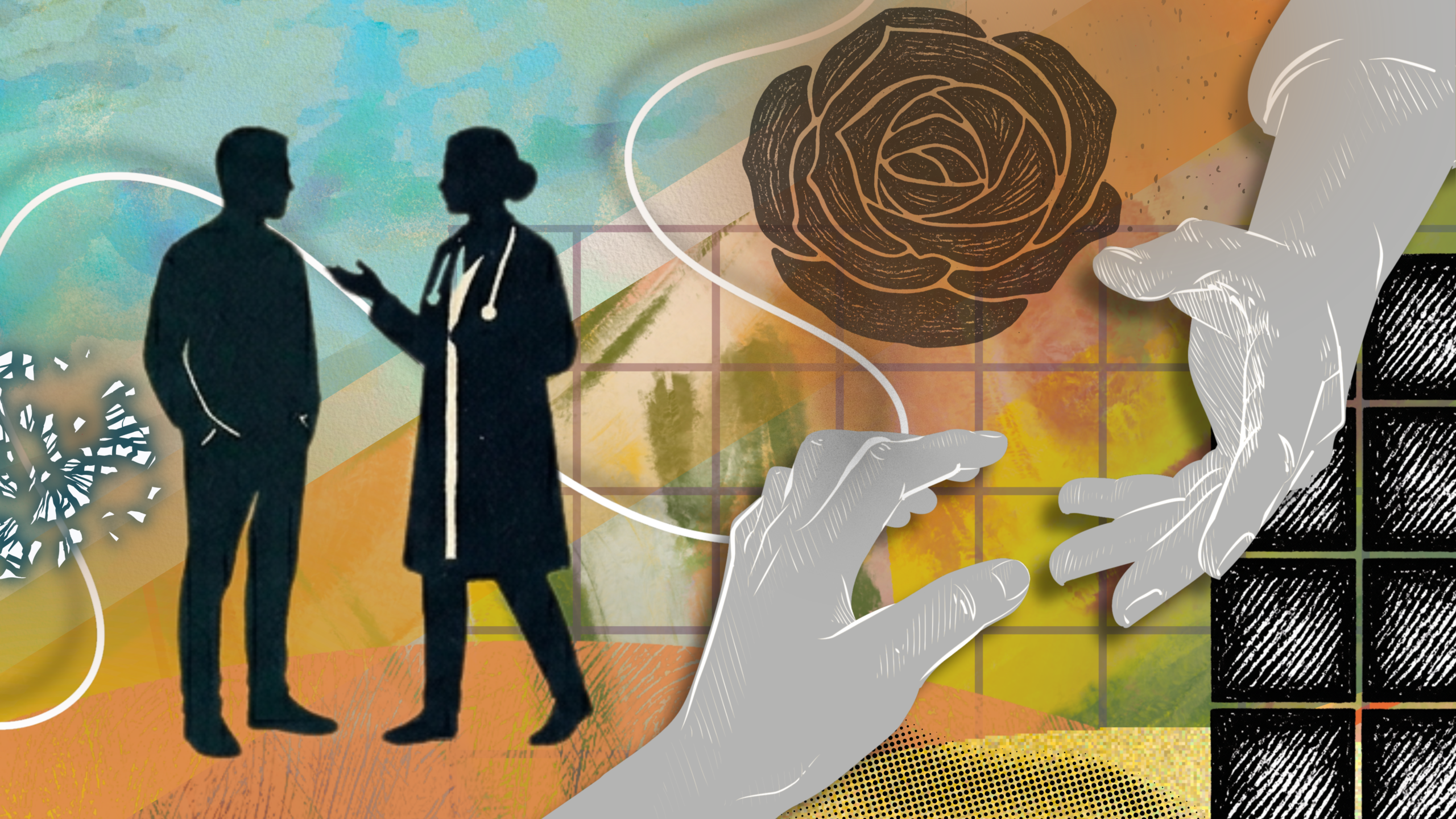
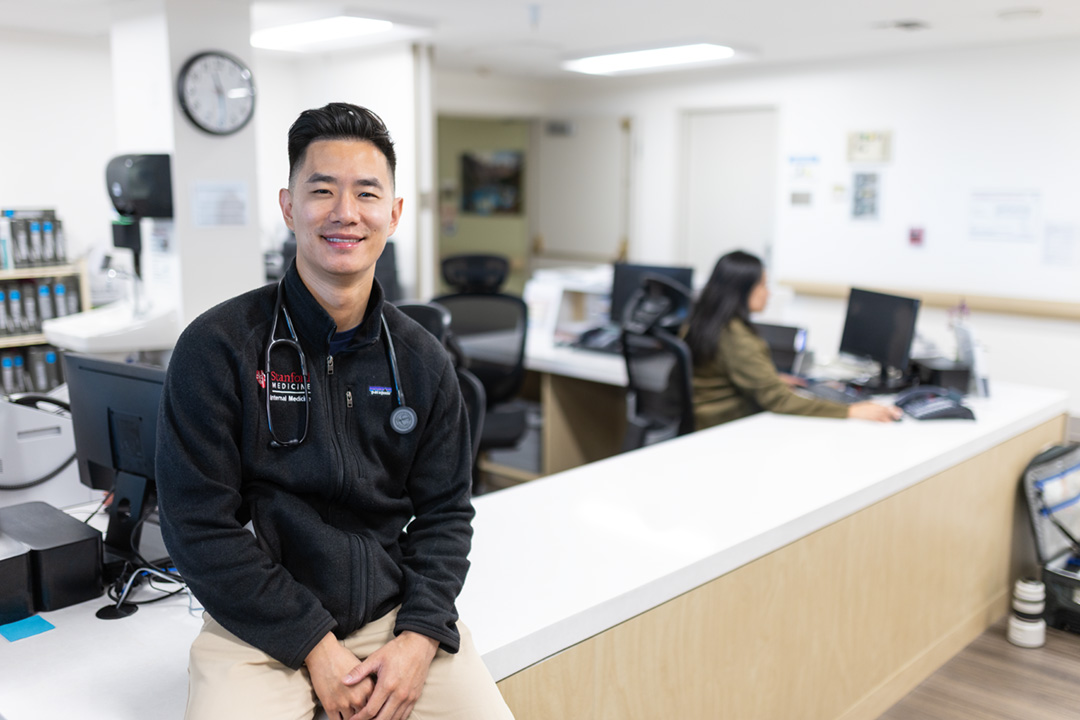
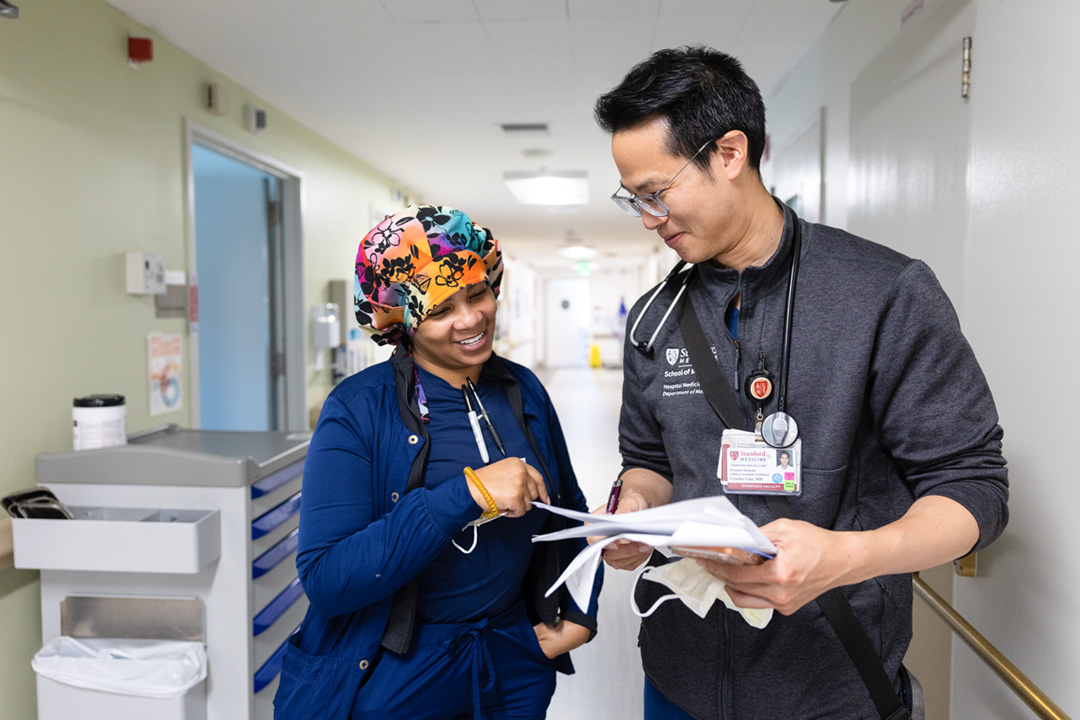
Stanford Health Care Tri-Valley proudly welcomes its first class of Family Medicine residents, an inspiring new chapter for the region. This inaugural cohort of eight physicians will not only train in a world-class academic program, but also serve the unique health needs of the Tri-Valley community.

Graduate Medical Education leaders emphasize that residency is more than training — it is a commitment to caring for patients using skill, compassion, and integrity. Program Coordinator Kimberly Young captures the excitement of this milestone: “We have worked so hard and so long on launching this new program, and to have the residents here makes us feel complete. There is a new energy here at Tri-Valley, like a spark.”

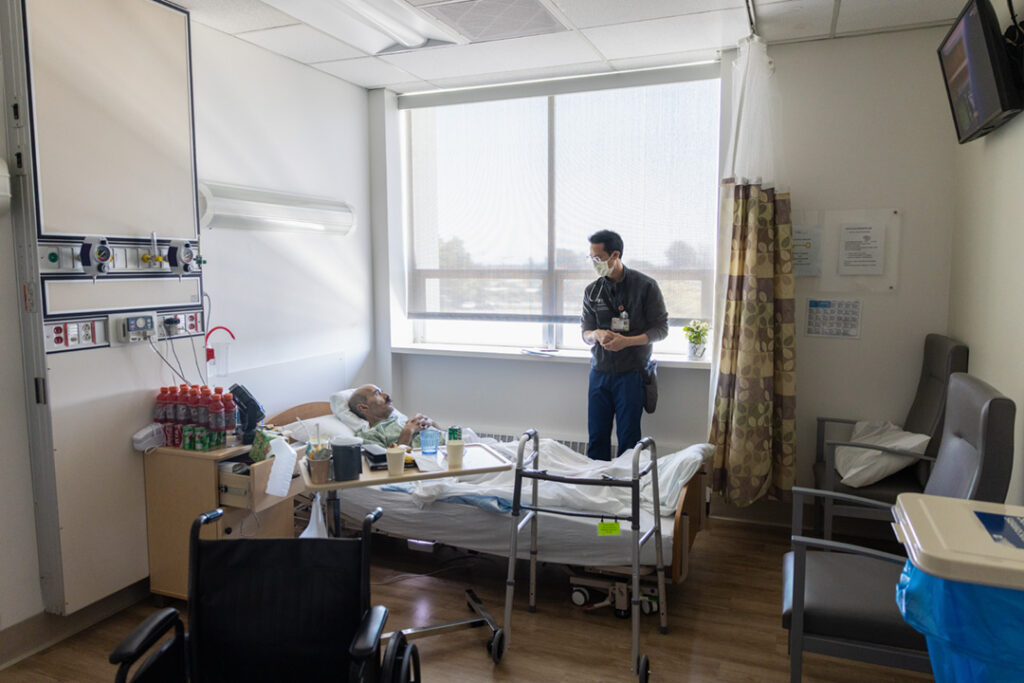
The inaugural class of Family Medicine residents at Stanford Health Care Tri-Valley began their training in June.

This spark will grow into a lasting impact. The residency program team aims to strengthen access to care locally, build enduring patient-physician relationships, and carry forward Stanford’s legacy of education, research, and clinical excellence. At the same time, it directly responds to the nation’s growing primary care physician shortage, preparing the next generation of family doctors to serve where they are needed most.

“In just a few months, I’ve already seen our residents grow and gain confidence,” Young shares. “I can’t wait to welcome future classes and watch our inaugural cohort become leaders and mentors for those who follow. More than anything, I want them to know they will always have a family here.”

  Save as PDF

Related Spotlights

Learning and Growing Together

Learning and Growing Together

The Heart of Stanford’s Educational Programs Team

Renowned for its exceptional researchers, physicians, and professors, the Stanford Department of Medicine equally values the skilled staff who keep the organization running smoothly. These dedicated professionals are the driving force behind countless administrative operations across Stanford campuses.

One group central to the department’s functioning is the Educational Programs team, which is responsible for the administrative operations of postgraduate training programs and initiatives. Drawing from diverse experiences, including roles as a gas station attendant in Finland and a behavioral interventionist, the team shares a collective philosophy: Continuous learning is essential for professional growth and development.

To understand the dynamics of the Educational Programs team, staff members were asked, “In what ways do you believe a culture of continuous learning enhances collaboration and teamwork?” Their responses revealed a community rooted in support and belonging. Fellowship Program Coordinator Jessica Chen notes, “This flow of knowledge fosters open communication and makes everyone feel invested in each other’s growth, leading to more effective collaboration.”

Residency Program Manager Audrey Holmes reinforces this theme, sharing, “A culture of continuous learning creates the environment where people are growing, stretching, and becoming more of who they were meant to be. And when people feel like they’re becoming better versions of themselves, they show up differently: with more humility, more curiosity, and more generosity toward each other.”

The Educational Programs Team united for their 2025 Spring Retreat. Back row, from left: Leslie, Tiffany, Johanna, Estuardo, and Anthony. Middle row, from left: Audrey, Karina, Holly, Michelle, Alex, and Huy. Front row, from left: Luis, Minh-Lan, Jasmine, Jessica, Cayla, and Denise.

Director of the Educational Programs Office Karina Delgado-Carrasco remarks, “Stanford offers a variety of programs and initiatives designed to help staff enhance their skills and their careers.” The resources available at both the university and departmental levels support the Educational Programs team in consistently acquiring new knowledge in their fields and sharing valuable insights with their colleagues.

As the team looks to the future, many members are eager to advance their professional development, with aspirations ranging from obtaining an MBA to stepping into leadership roles. The culture of growth and collaboration within the Educational Programs team not only supports these ambitions but also motivates all members to achieve them. In challenging times, their strong sense of community fosters stability and belonging, serving as a solid foundation that will drive their success and enrich the Department of Medicine. 

  Save as PDF

Related Spotlights

Bridging the Gap

Bridging the Gap

How Katherine Ward Is Revolutionizing Care for Geriatric Patients

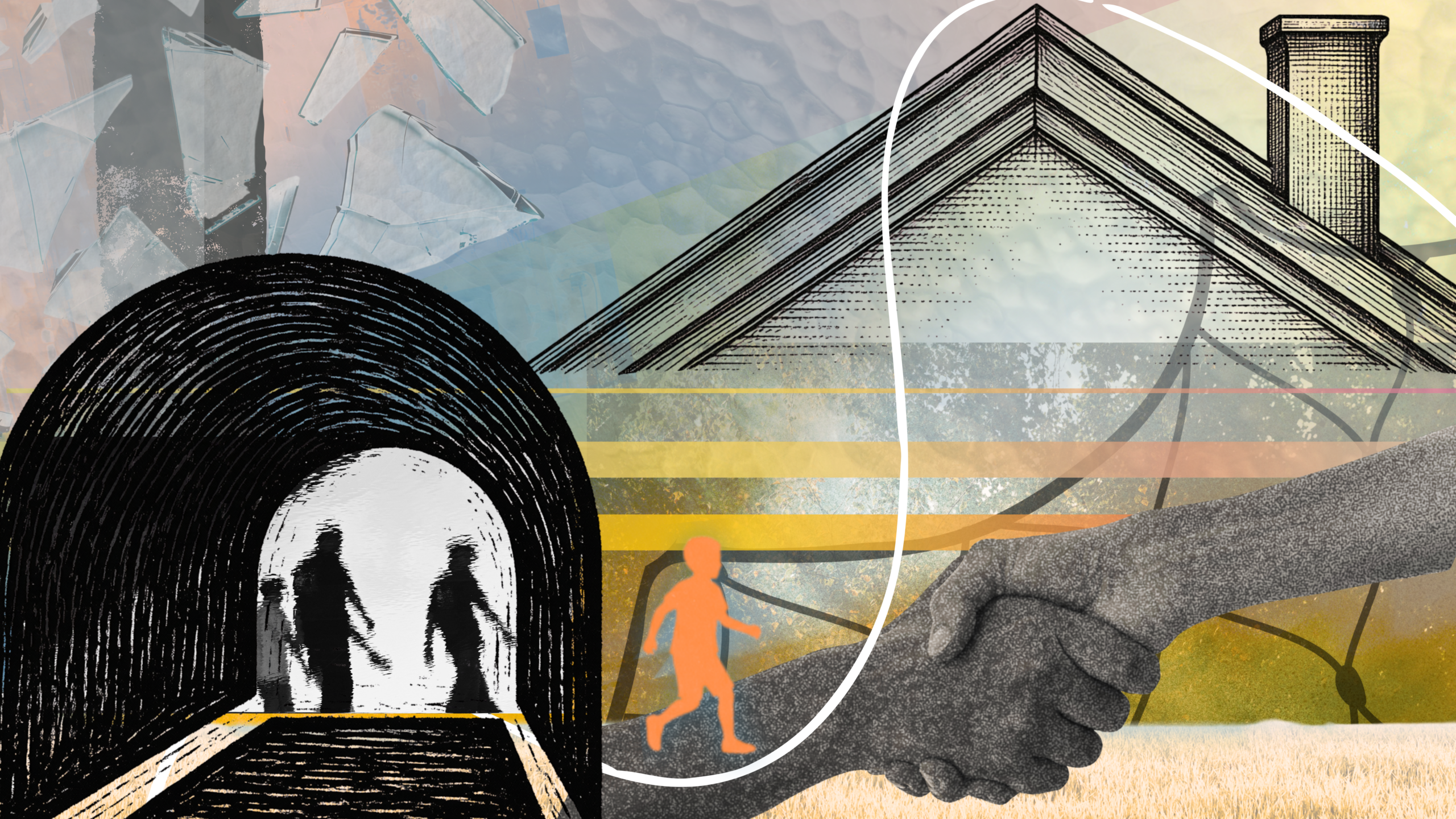
Caring for geriatric patients can feel like building a house of cards. If one part starts to wobble, the whole thing can come crashing down. For instance, treatment for heart failure can trigger kidney problems, which can trigger a domino effect where the patient loses ground fast, often requiring an exhausting trip to the hospital. But with the siloing of medicine, a different specialist may be responsible for each card (e.g., heart, kidneys, or other organs), without anyone tasked with keeping the house from toppling over. 

When Katherine T. Ward, MD, a geriatrician with Stanford Senior Care and clinical professor of primary care and population health, came to Stanford to head up geriatrics, keeping those houses standing was a top priority. She is accomplishing this via dedicated geriatricians who follow patients from hospital admissions through to skilled nursing facilities (SNFs) and out into the community. Closer follow-up means better care and fewer hospital admissions, so patients can spend more time at home or in rehabilitative settings, living their best lives.

Katherine T. Ward, MD, a geriatrics specialist, is spearheading the intensivist program, for ICU physicians, at Stanford.

Marcia Marshall of San Mateo, California, credits Ward with enabling her husband, Harry, suffering from Parkinson’s disease and other health issues, to “die with dignity.” She explained that “when I reached out to her, I heard from her immediately. She always said, ‘I’m coming by.’ I’m 79 years old, and the last time I had a doctor come to the house, I was a child. I didn’t know doctors still did that. Harry was very fond of her, as am I.”

Prior to Ward’s arrival at Stanford, community-based private practice doctors took charge of care for their patients in SNFs. These facilities take on the most challenging patients to free up hospital beds for those who require a higher level of acute care and avoid the risks inherent in sending patients back to the community before they are ready. SNFs care for some of the most complex cases in the healthcare system, including elderly patients with multiple comorbidities, transplant recipients, and those who have recently undergone surgery for hip fracture. 

“For patients, better communication means better long-term care planning and often reduced hospital readmissions. For caregivers and their families, the SNFist approach offers much-needed support during an extremely stressful time.”

But SNFs acted like information vacuums, with little or no communication between the SNF and the discharging hospital or the patient’s primary care physician. SNFs did not use Stanford’s electronic health record (EHR) system, so established routes of communication were lacking. “So much information is lost between transitions,” says Ward. Moreover, patients in SNFs are mandated to be seen by a physician only once a month, which may not be frequent enough to nip problems in the bud and prevent avoidable hospital readmissions.

Ward solved the problem by appointing geriatrics-trained physicians known as SNFists. Now, after hospital discharge and admission to an SNF, patients are assigned to an SNFist, who oversees care in the SNF, visiting them in the facility about twice a week. “When the patient is ready to be discharged and go back home, the Stanford SNFist contacts the patient’s primary care physician and gives them [the information and support they need to care for the patient in the community]. We are all [inputting patients’ health information] in Stanford’s [EHR], so there is full transparency about the patient over the continuum of time,” she says.

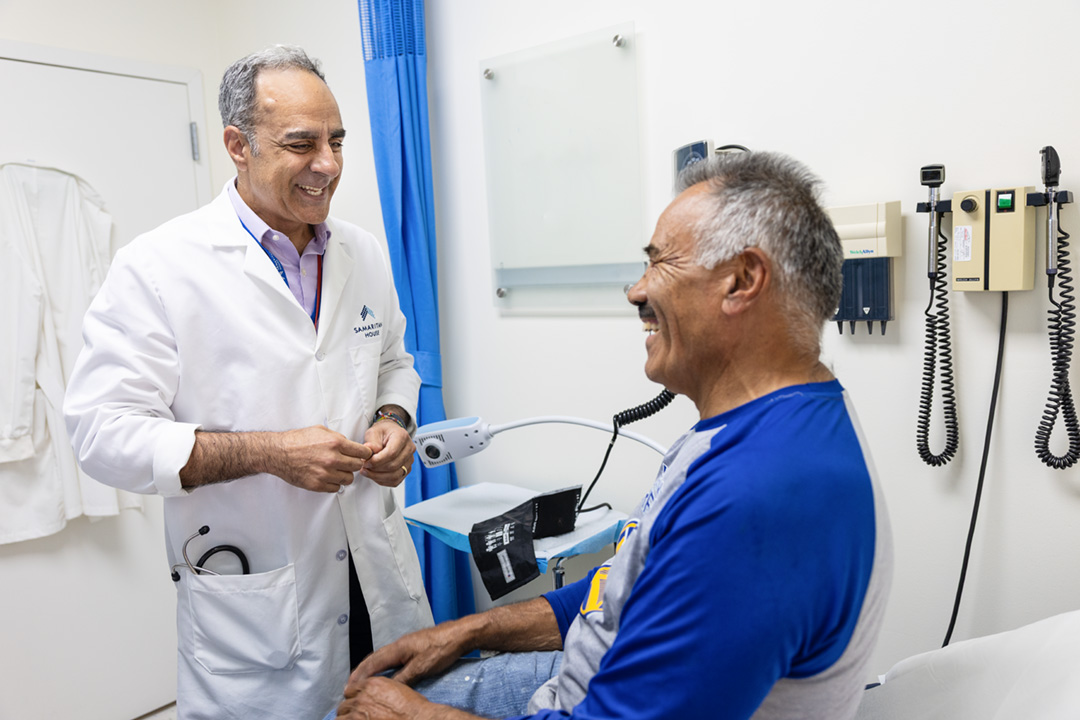
Katherine T. Ward, MD, chatting with a patient.

For patients, better communication means better long-term care planning and often reduced hospital readmissions. For caregivers and their families, the SNFist approach offers much-needed support during an extremely stressful time. 

Before connecting with Ward, Marshall says, there was an “endless cycle” of nursing homes, hospitalizations, and discharges home for her husband, a pattern that degenerated until he came under Ward’s care. “She was absolutely outstanding, and Stanford was outstanding,” says Marshall. “Dr. Ward had a treatment plan for Harry, and her frequent visits to Harry in [the SNF] ensured that her plan was being followed. Without her presence and oversight, little, if any, of that would have been followed. The level of his care was absolutely better because of her oversight and presence.”

  Save as PDF

Related Spotlights

Sepsis Moves Fast

Sepsis Moves Fast

A New Test Moves Faster

Imagine waking up with what feels like the flu, and within hours, your body is shutting down. That’s sepsis. It kills more Americans every year than breast cancer, prostate cancer, and stroke combined. And it can happen to anyone, at any age.

What if a single blood test could tell your doctors — within 30 minutes — whether you’re on the brink of life-threatening organ failure or can safely go home? That test now exists. It’s called TriVerity™, and Stanford physicians are at the forefront in using it to save lives, spare unnecessary hospital stays, and treat patients faster and with greater precision than ever before.

Changing the Rules in the ER

In January 2025, the FDA cleared TriVerity for hospital use. Unlike traditional tests that can take hours or days, TriVerity measures a patient’s immune response directly from whole blood and produces three key scores:

  1. Bacterial infection likelihood
  2. Viral infection likelihood
  3. Illness Severity Score

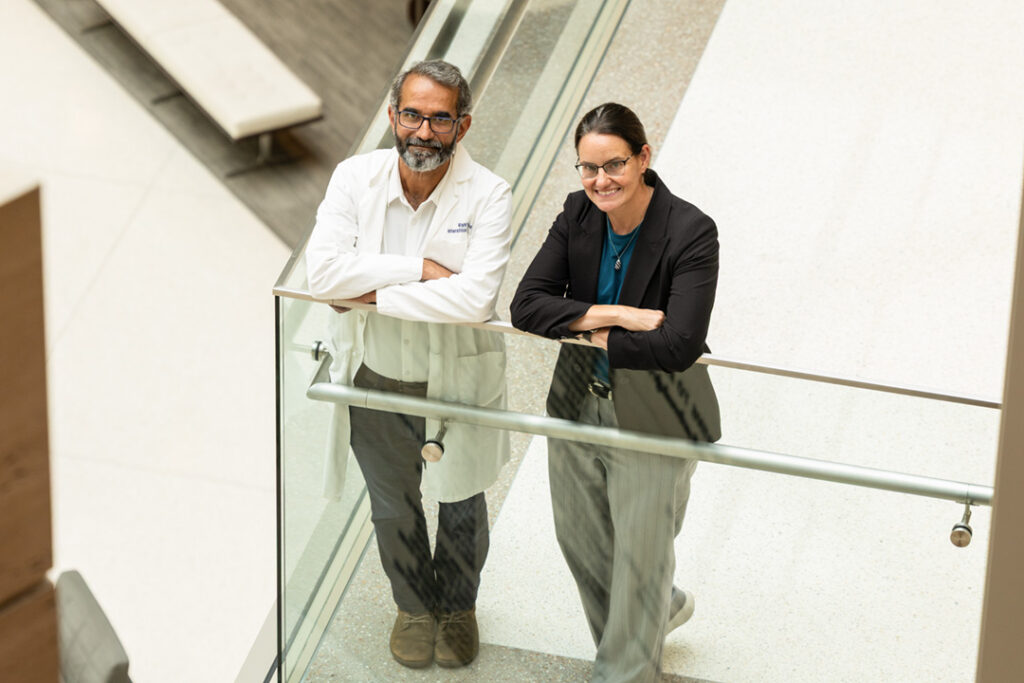
Khatri leads conversations that connect data science, clinical care, and real-world impact in infectious disease research.

While infection scores help clinicians quickly identify the presence and type of infection, the Illness Severity Score estimates a patient’s risk of needing intensive care within seven days, as well as likelihood of organ failure, intensive care unit (ICU) admission, or death. In practice, it’s a fast, objective read on trajectory: Is this person getting worse or likely to remain stable?

For one recent patient who triggered a sepsis alert, TriVerity’s results showed they were not on a dangerous trajectory. Instead of an unnecessary hospital stay, they went home safely, saving cost, avoiding risk, and preserving hospital resources.

“This is exactly the kind of clinical decision point TriVerity is meant to clarify,” says Purvesh Khatri, PhD, professor of medicine at Stanford and co-creator of the test. “It’s not about replacing clinical judgment, but adding a layer of precision that helps physicians act with more certainty.”

“Having rapid diagnostic and prognostic data can drive earlier action… and that means more lives saved.” – Purvesh Khatri, PhD

The Stanford-Led Research Behind It

To develop the test, Khatri’s team analyzed more than 12,000 publicly available blood samples, identifying a unique immune dysregulation signature — a pattern that signals when the body’s inflammatory response is tipping from protective to harmful.

To make sure this signal was real and reliable, the team tested it against data from the Framingham Heart Study, a famous decades-long project that has tracked the health of thousands of people and shaped much of what we know about heart disease. Even when classic risks like smoking, high cholesterol, and high blood pressure were factored in, this immune signal still accurately predicted which people were more likely to die early.

That same immune warning now powers TriVerity’s Illness Severity Score. For emergency room (ER) doctors, it means a quick, objective check on whether a patient is in real danger or stable enough to safely go home — information that can save a life.

At Stanford, Purvesh Khatri, PhD, collaborates with colleagues to translate complex data into tools like TriVerity, now reshaping how clinicians manage sepsis.

Why It Matters for Everyone

For decades, more than 100 clinical trials have failed to uncover a one-size-fits-all treatment for sepsis. That’s because every patient’s immune system reacts differently. TriVerity helps tailor care by showing when aggressive treatment is truly needed and when it could actually cause more harm.

It also has the potential to:

  • Guide enrollment in targeted clinical trials to test efficacy of different drugs
  • Reduce unnecessary antibiotic use
  • Prevent ICU overcrowding during public health crises, such as the COVID-19 pandemic

Looking Ahead

Khatri envisions a future where immune-signature precision diagnostics move beyond the hospital, empowering earlier recognition and intervention for serious infections. “Having rapid diagnostic and prognostic data can drive earlier action,” he says, “and that means more lives saved.”

  Save as PDF

Related Spotlights

When a Common Virus Becomes a Clue

When a Common Virus Becomes a Clue

The Link Between Epstein-Barr and Multiple Sclerosis

Epstein-Barr virus (EBV), best known for causing mononucleosis (“mono”), infects nearly everyone — about 95% of adults worldwide. For most people who get the virus, they recover without consequence. But for a small number of people, an EBV infection may set the stage for developing multiple sclerosis (MS), a debilitating disease in which the immune system attacks the brain and spinal cord.

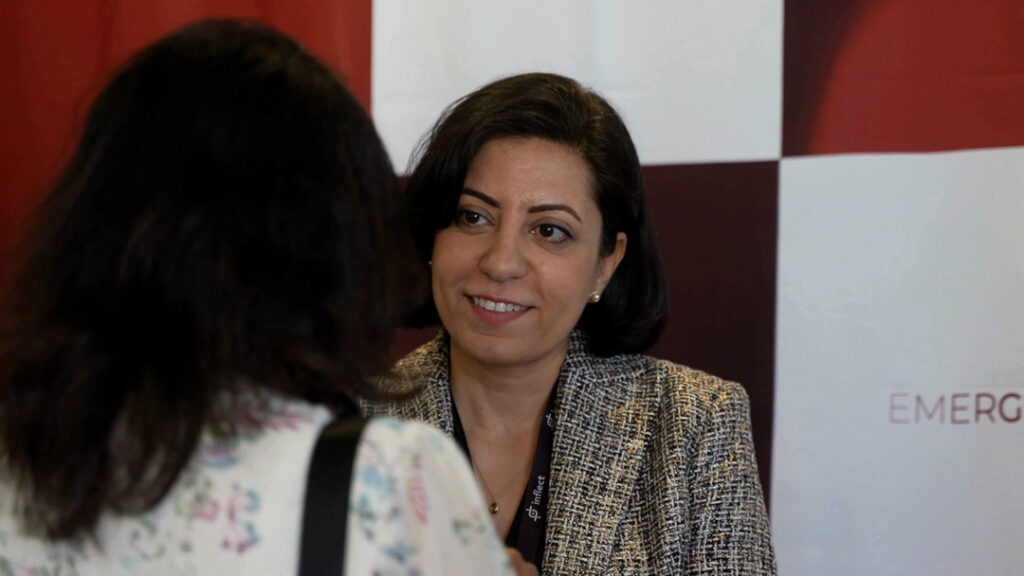
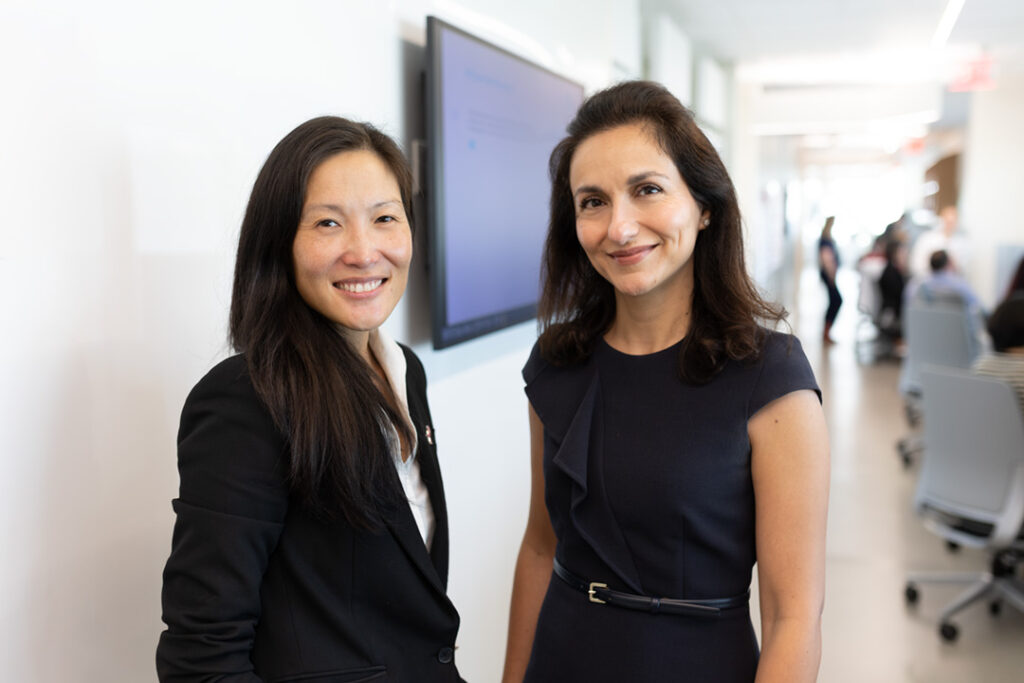
A recent study, led by Neda Sattarnezhad Oskouei, MD, and Tobias Lanz, MD, from Stanford Medicine’s Division of Immunology and Rheumatology, brought together collaborators from across Stanford University and from the Department of Clinical Neuroscience and the Center for Molecular Medicine at the Karolinska Institutet and Karolinska University Hospital in Stockholm, Sweden.

They found that a protein in EBV, called EBNA1, looks very similar to a brain protein named GlialCAM, which helps protect nerve fibers. The immune system, trying to fight EBV, can mistake GlialCAM for the virus and attack it by accident — damaging the protective coating around nerves and causing MS symptoms.

Genetics makes this scenario more likely. The study found that people with a specific gene, HLA-DRB1*15:01, were far more likely to have these mistaken antibodies. Those with the gene and high antibody levels were up to nine times more likely to develop MS. These findings could help pinpoint who is most at risk and guide future work on vaccines or antiviral treatments.

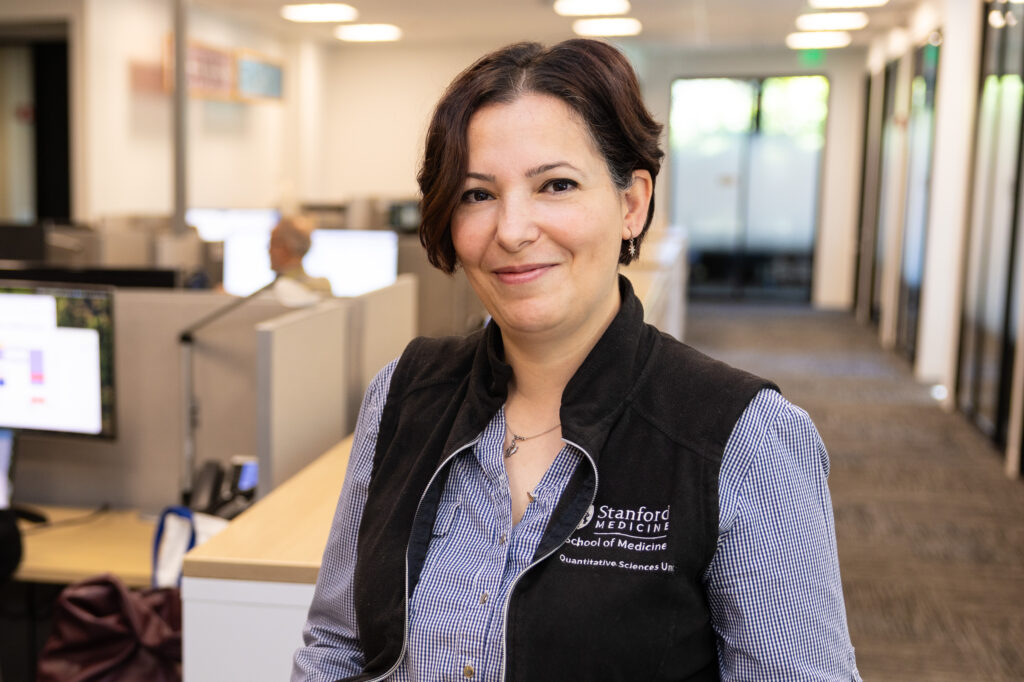
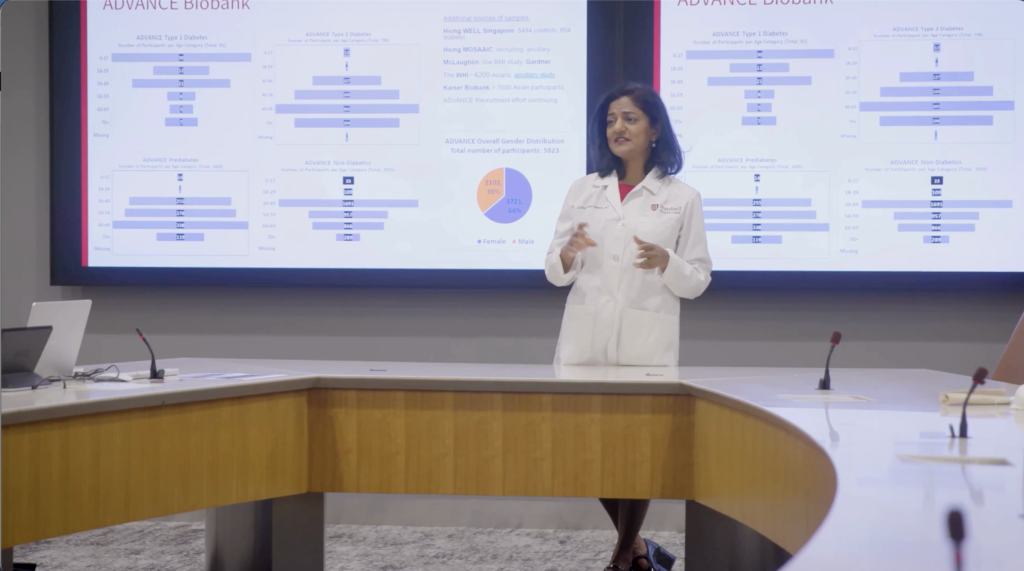
Watch MedStory with Rebecca Handler, manager of SciComms Strategy in the Department of Medicine.

  Save as PDF

Related Spotlights