Revolutionizing Heart Surgery

Revolutionizing Heart Surgery

Augmented Reality Takes Center Stage

In a groundbreaking leap for cardiac care, Stanford’s Division of Cardiovascular Medicine is harnessing the power of augmented reality (AR) to enhance surgical procedures. This innovative approach not only improves the precision of operations but also transforms the way surgeons interact with complex data during critical moments.

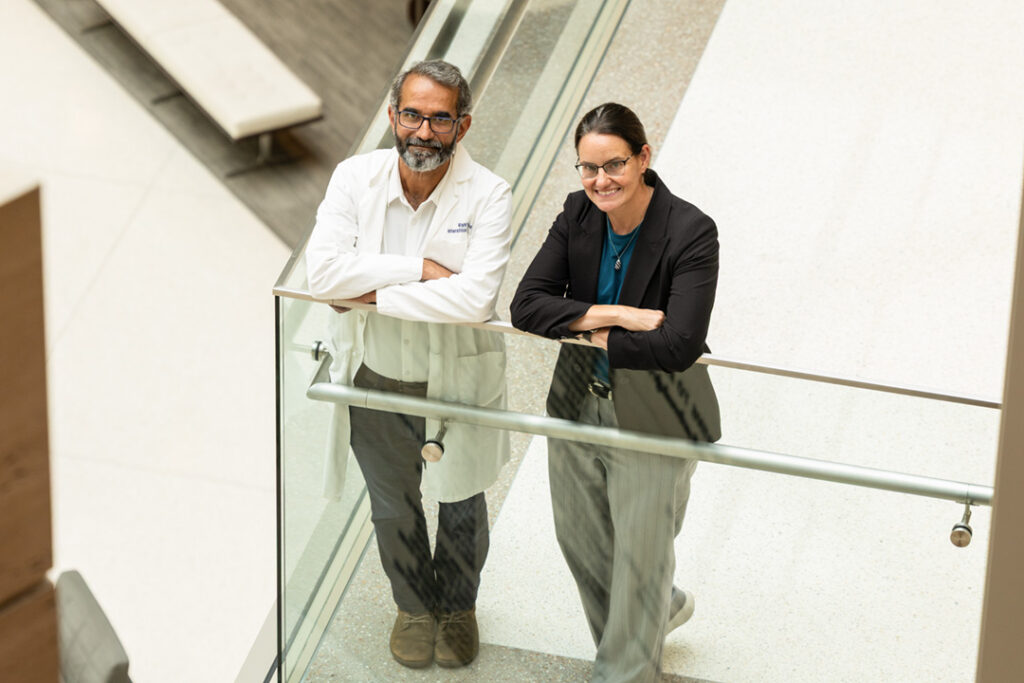
During a recent atrial fibrillation ablation procedure, surgeons utilized the Apple Vision Pro headset, allowing them to visualize a 3D model of the heart in real time. Clinical Associate Professor Alexander C. Perino, MD, emphasizes the seamless integration of technology into patient care. He says, “This technology acts as a unique monitor, allowing us to manipulate and interact with data [through simple hand gestures and voice commands] in ways we never could before. I can scale images to any size, move them around the room, and access vital information without the distraction of multiple physical screens.”

“What if we could actually just take the three-dimensional model and put it in the patient where the heart actually is?” – Albert ‘A.J.’ Rogers

Fred Hizal, PhD, manager of innovation and design in Biomedical Engineering, highlights the potential of this technology, stating, “This is sort of a free canvas that we can design to project live video images [such as a 3D mapping of a heart] onto the screen.” This capability allows for a more natural interaction with the surgical environment, enhancing both the surgeon’s focus and the patient’s safety.

Instructor Albert “A.J.” Rogers, MD, notes the intuitive nature of this technology, asking, “What if we could actually just take the three-dimensional model and put it in the patient where the heart actually is?” This vision is becoming a reality, as AR allows for a more immersive and efficient experience for healthcare providers as they perform lifesaving procedures.

As the medical field continues to evolve, Stanford Cardiovascular Medicine is at the forefront, exploring how AR can transform surgical practices and improve physicians’ access to vital medical information at crucial moments.

  Save as PDF

Related Spotlights

Bright Project Shines

Bright Project Shines

How Stanford Computer Science Students Used AI for Research and Care

Talk about killing two birds with one stone! Stanford’s Division of Blood and Marrow Transplantation and Cellular Therapy has figured out how to save thousands of work hours annually, all while giving undergrads in computer science an unforgettable learning experience.

Cancer registries play a foundational role in the advancement of medicine by facilitating the identification, understanding, treatment, and prevention of disease. But building and maintaining these databases is a massive endeavor. No one understands this better than the bone marrow transplant community, where participation in the Center for International Blood & Marrow Transplant Research (CIBMTR) registry is mandatory. Stanford alone dedicates a dozen full-time employees and about 23,000 work hours annually to meeting their CIBMTR registry requirements and maintaining their in-house database.

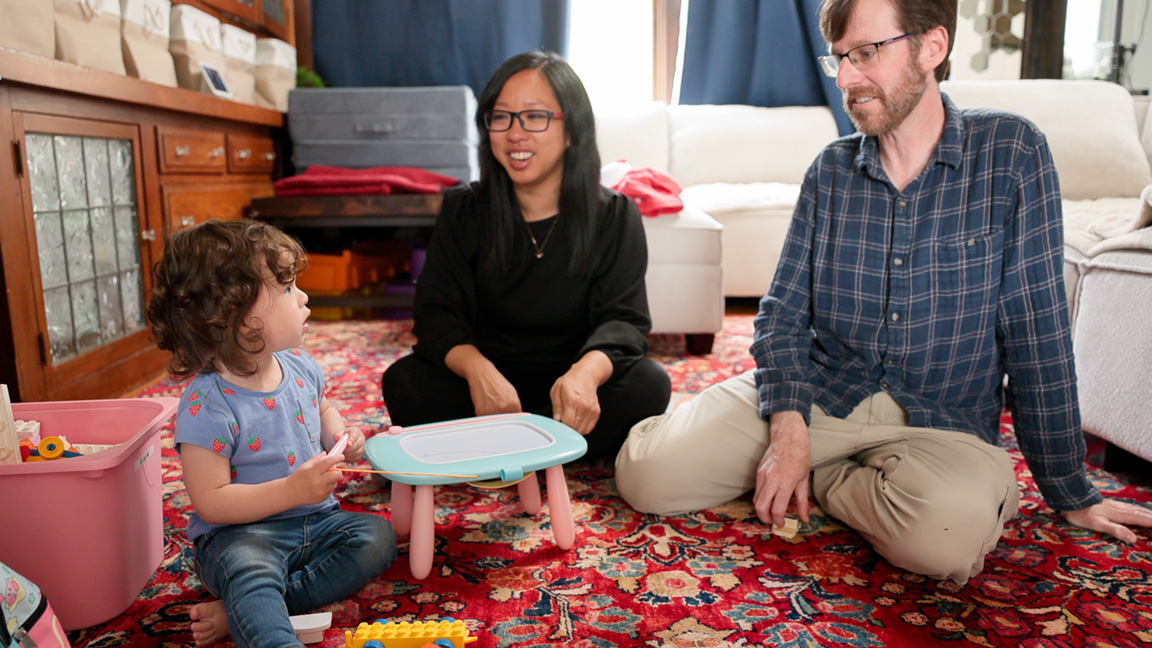
Vanessa Kennedy led an innovative project leveraging large language models and AI to help automate population of the Center for International Blood & Marrow Transplant Research (CIBMTR) registry.

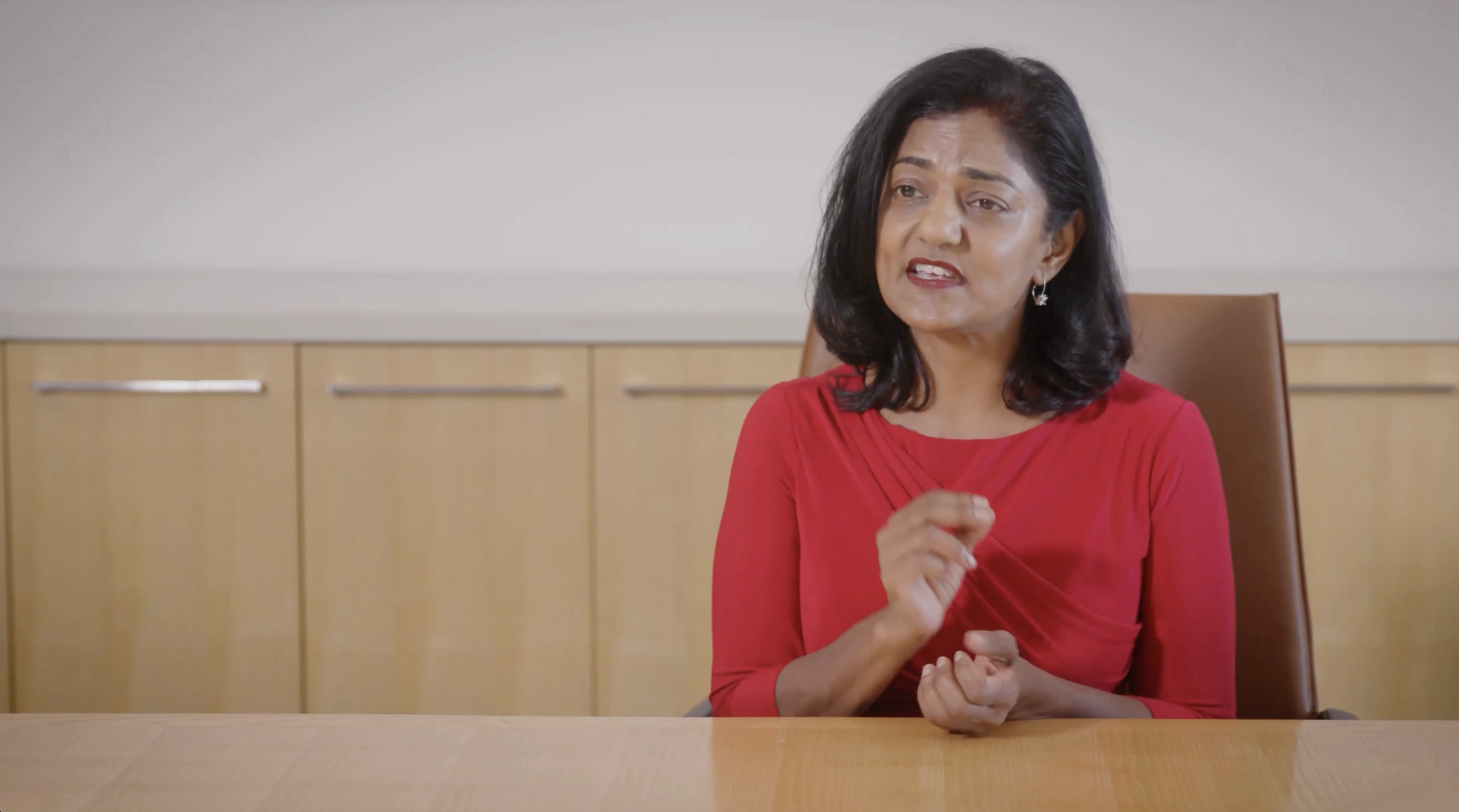
The effort is worthwhile. “Nearly 100 publications have come up from [the CIBMTR registry], nearly all giant clinical trial ideas,” says Vanessa Kennedy, MD, assistant professor of blood and marrow transplantation and cellular therapy at Stanford. Living up to the Stanford tradition of innovation and multidisciplinary cooperation, Kennedy and her team asked, How can we leverage our expertise in information technology (IT) to do this smarter?

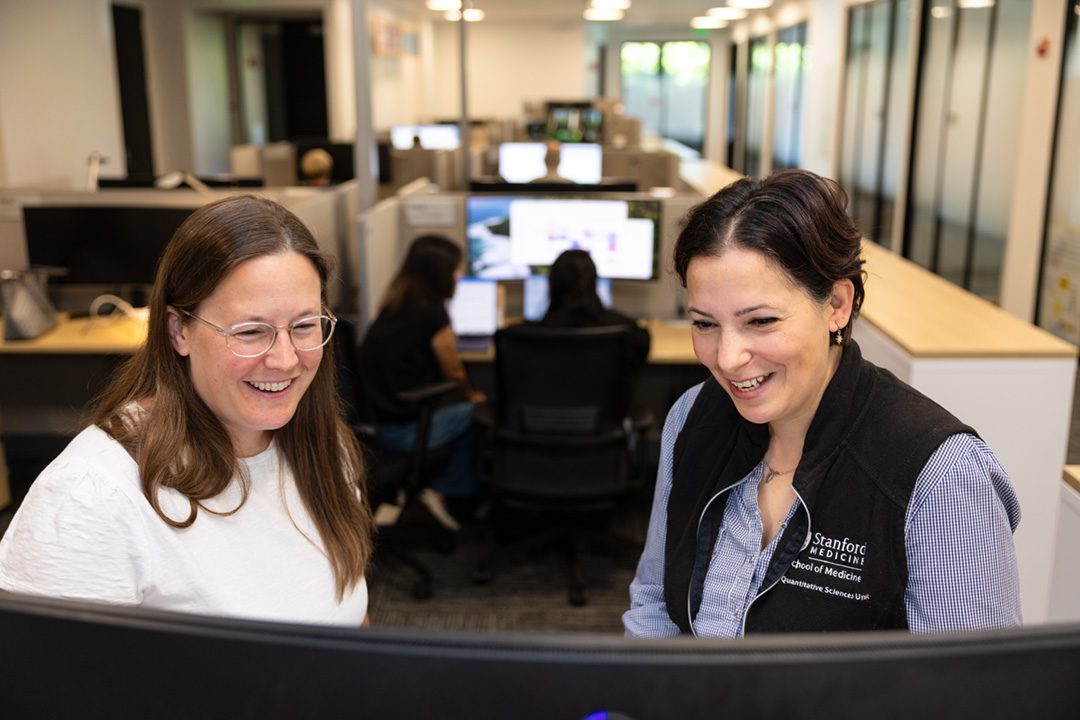
Through the Business and Research Innovations to Excellence (BRITE) program, Kennedy and colleagues enlisted undergraduate computer science students to come up with an artificial intelligence (AI) large language model solution that extracts data directly from the electronic medical record, including patient notes, to populate the Stanford database and meet CIBMTR requirements.

To say these students met their mandate is an understatement. At the 2025 Transplantion and Cellular Therapy Annual Meeting in Honolulu, their presentation won an award for best abstract. The transplant community understands what this kind of innovation could mean for the future. Facilitating the collection of crucial information that can guide care and direct innovative therapies with fewer work hours means faster access to more data and more resources to divert elsewhere.

“We have the right computer science students. We have the right amount of data. We have an amazing IT team that found a way to be completely HIPAA compliant and respect patient privacy. I think working in a place that doesn’t immediately shoot down innovative ideas is huge.” – Vanessa Kennedy, MD

This “could have only happened at Stanford,” says Kennedy. “We have the right computer science students. We have the right amount of data. We have an amazing IT team [that found] a way to [be] completely HIPAA compliant and respect patient privacy. I think working in a place that doesn’t immediately shoot down [innovative] ideas is huge.”

For their part, the students are eager to tackle a real-world problem rather than hypothetical issues limited to the classroom. Stanford student Edwin Pua worked on the BRITE project as part of his undergraduate computer science degree, describing it as “a life-changing experience” that offered a unique opportunity to “apply what I learned in university to help change the lives of real people. That meant a lot to me! Our North Star was really asking ourselves, How can we streamline data retrieval so that clinicians can focus on what really matters: caring for patients? I’m grateful to have been a part of something so meaningful.”

  Save as PDF

Related Spotlights

Advancing the Next Generation of Infectious Disease Researchers

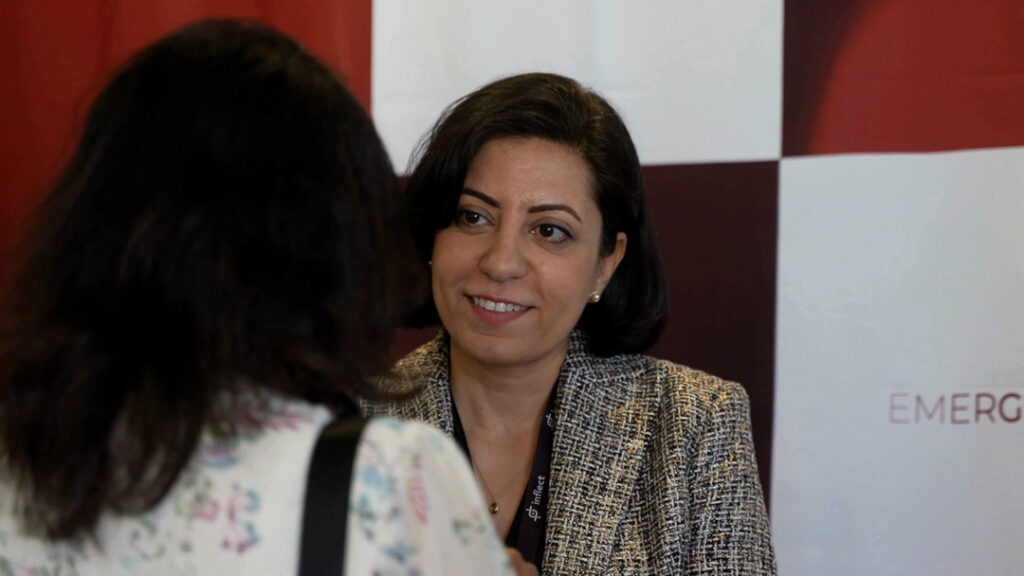
Sue Merigan Scholars, faculty mentors, and colleagues gather to celebrate advancing infectious disease research at Stanford.

Advancing the Next Generation of Infectious Disease Researchers

Thomas C. Merigan, MD, Professor Emeritus of Infectious Diseases, is a leading virologist whose work has led to treatments for HIV/AIDS, hepatitis B, and herpes viruses. Merigan and his wife, Sue, established the Sue Merigan Student Scholarship Awards to support undergraduates, medical students, postdocs, and other trainees pursuing careers in infectious diseases research. Candidates are nominated by faculty mentors and selected by a committee of ID faculty. Awardees receive up to $45,000 in research support.

12 Scholars funded to date

12 applications received yearly

Undergraduate, medical student, and postdoc trainees

July 1-June 30 Program Duration

What Kinds of Research Have Past Scholars Pursued?

  • Infectious complications in heart transplant recipients
  • Phage therapy projects
  • Waste management in Makassar, Indonesia
  • Natural killer (NK) cell responses to Zika virus
  • Biomarkers and therapeutics for Long COVID

What Do Scholars Go on to Do After the Program?

Most scholars continue their work in infectious diseases—either in medical school or in a research setting.

Where Do Scholars Come From?

Scholars have come from a wide range of backgrounds and institutions around the world. 

What Have Past Scholars Achieved?

Each scholar has completed an infectious disease research project and gone on to further their studies.


Learn more about Thomas & Sue Merigan’s story. For more information on the program, contact: infectiousdiseases@stanford.edu

Together, Thomas C. Merigan, MD, and his wife, Sue, created the Sue Merigan Student Scholarship Awards to support the next generation of infectious disease researcher.

Related Spotlights

Stanford’s SMART-HM Program Empowers Junior Faculty to Become Tomorrow’s Leaders in Medicine

Stanford’s SMART-HM Program Empowers Junior Faculty to Become Tomorrow’s Leaders in Medicine

Early in his career, Andre Kumar, MD, clinical associate professor in the Division of Hospital Medicine, felt adrift. His interests were evolving, but he didn’t know whom to turn to or which paths to follow.

“I had the drive, but no direction – and no one to turn to,” Kumar says.

So, when division leadership approached him in October 2024 to create a professional development program, he saw the chance to build what he once needed: mentorship, professional development, and a connected community. That became SMART-HM – Stanford Mentorship and Advancement in Research and Training for Hospital Medicine.

How It Works

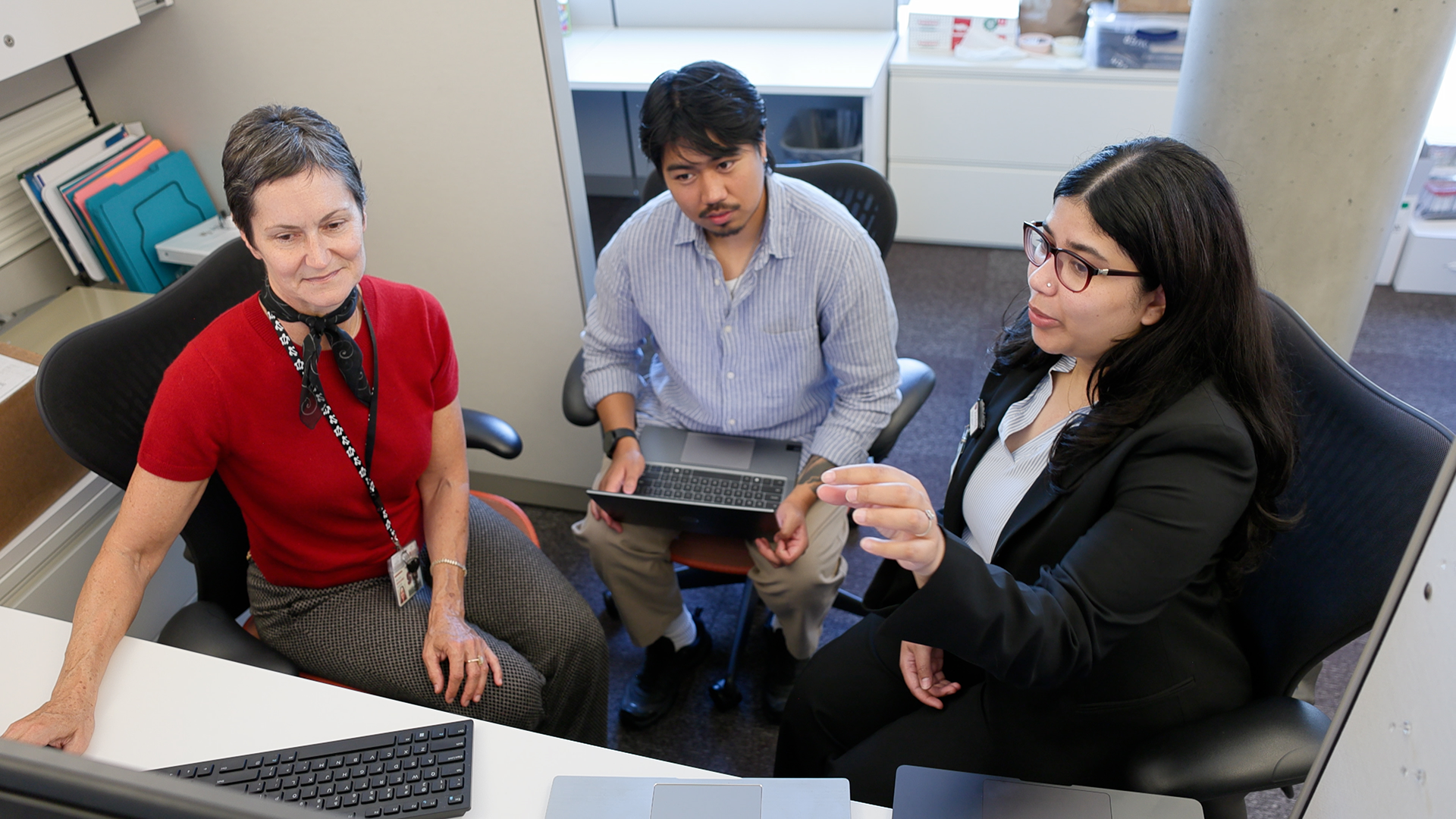
Launched in January, SMART-HM is a required five-year program for all new clinical assistant professors in the division. It begins with foundational training in academic writing, mentorship engagement, professional identity, and scholarly skills. By year two, each faculty member selects a niche – such as medical education, research, or quality improvement – and begins working with targeted mentors to develop that focus. The second half of the program shifts toward launching independent projects and building a regional or national reputation. 

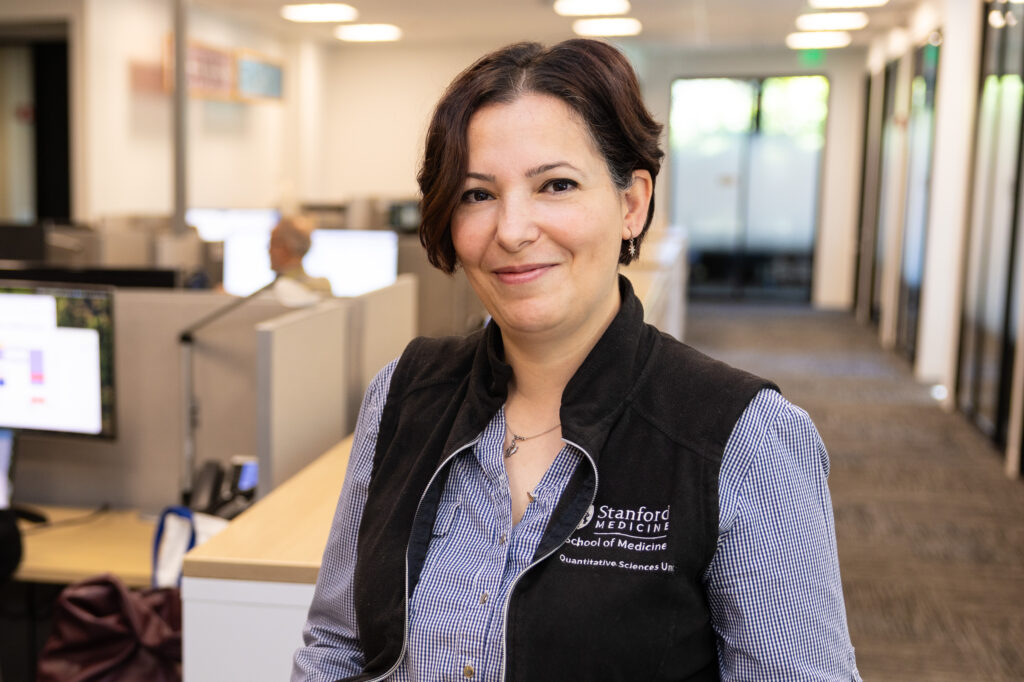
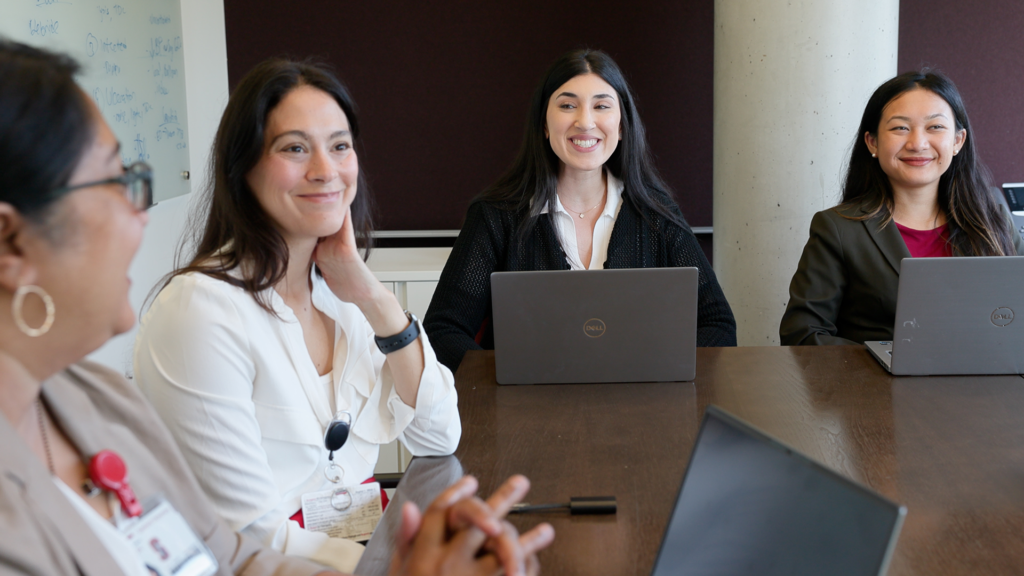
Andre Kumar, MD, knows mentorship alone isn’t enough. SMART-HM equips new hospital medicine faculty with the structure, skills, and cross-campus community to grow as educators, researchers, and clinical leaders.

Why It Matters

Stanford’s Division of Hospital Medicine has grown more than 200% in the last several years, from 40 to 140 faculty – spanning multiple sites across the Bay Area. Many new faculty arrived during the height of the pandemic, clinically overwhelmed and unsure how to enter academic life. Mentorship was inconsistent. Networking, when it happened, rarely extended beyond their immediate circles. Forty new faculty will be onboarded this year, many without Stanford training or a clear sense of its systems.

SMART-HM changes that. From day one, faculty plug into a community – attending mixers, joining cross-disciplinary projects, and gaining the support and guidance to navigate Stanford’s ins and outs while developing their niche and research beyond clinical work.

“We don’t know what the clinical environment for a hospitalist is going to be in 30 years, but we can definitely give them the tools to succeed as an academic hospitalist in the future.” – Andre Kumar, MD

The Impact

The inaugural 22-person cohort is already producing results. One faculty member is pursuing a master’s in poetry and using SMART-HM to launch a Center for Poetry and Medicine. Another created a bedside coaching model for more effective real-time feedback during clinical rounds. A third is leading a cross-specialty research project to improve care coordination.

“My job is to serve as a connector and a muse,” Kumar says. “I want them to work with mentors and do something new and meaningful.”

The inaugural cohort described feeling grateful that leadership was investing in their long-term careers. They felt supported in a system that acknowledged how uncertain the future of hospital medicine may be but still made space for their growth. 

As Kumar puts it, “We don’t know what the clinical environment for a hospitalist is going to be in 30 years, but we can definitely give them the tools to succeed as an academic hospitalist in the future.”

From poetry in medicine to bedside coaching, SMART-HM provides these new faculty members with the support and resources to reshape the future of hospital medicine.

  Save as PDF

Related Spotlights

Targeted Hope

At Stanford, Gabe Mannis, MD, combines compassionate care with groundbreaking science — bringing clinical trial opportunities, like menin inhibitors, directly to his patients

Targeted Hope

The Next Era of AML Care Begins at Stanford

When Gabriel Mannis, MD, associate professor of medicine, joined the hematology faculty at Stanford in 2019, he brought with him not only a deep commitment to his patients with acute myeloid leukemia (AML), but also a vision: to build a thriving clinical trials program capable of bringing the latest scientific discoveries to the bedside. Just a few years later, that vision has helped usher in a major breakthrough – FDA approval of a new class of drugs known as menin inhibitors.

“My vision was actually pretty simple: I wanted to eventually have a trial option for every AML patient that came to see me, and I wanted Stanford’s AML program to be one of the premier AML programs in the world,” Mannis says.

These new oral medications target specific genetic changes in leukemia cells and offer new hope to patients whose cancers have returned or resisted all other treatments. For many with AML that has relapsed or become drug-resistant, treatment options have been limited. Now, for a meaningful subset of patients, there is finally something new, and it’s not chemotherapy.

What Are Menin Inhibitors – and Why Do They Matter?

To understand menin inhibitors, you don’t need a PhD in molecular biology, but you do need to know this: Not all leukemia is the same. AML, for instance, is an aggressive blood cancer that arises when bone marrow makes too many abnormal white blood cells. But among AML cases, genetic mutations vary widely, which is why treatments that work for one patient may be ineffective for another.

Menin inhibitors are part of a new generation of targeted therapies – drugs designed to interrupt the specific genetic pathways that allow leukemia cells to grow unchecked.

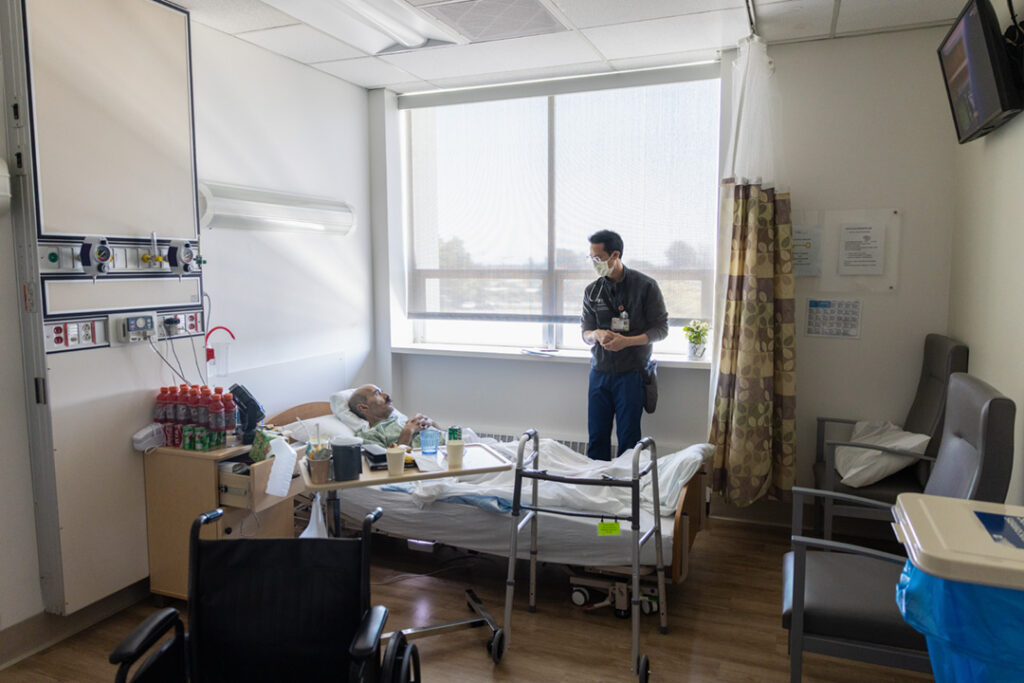
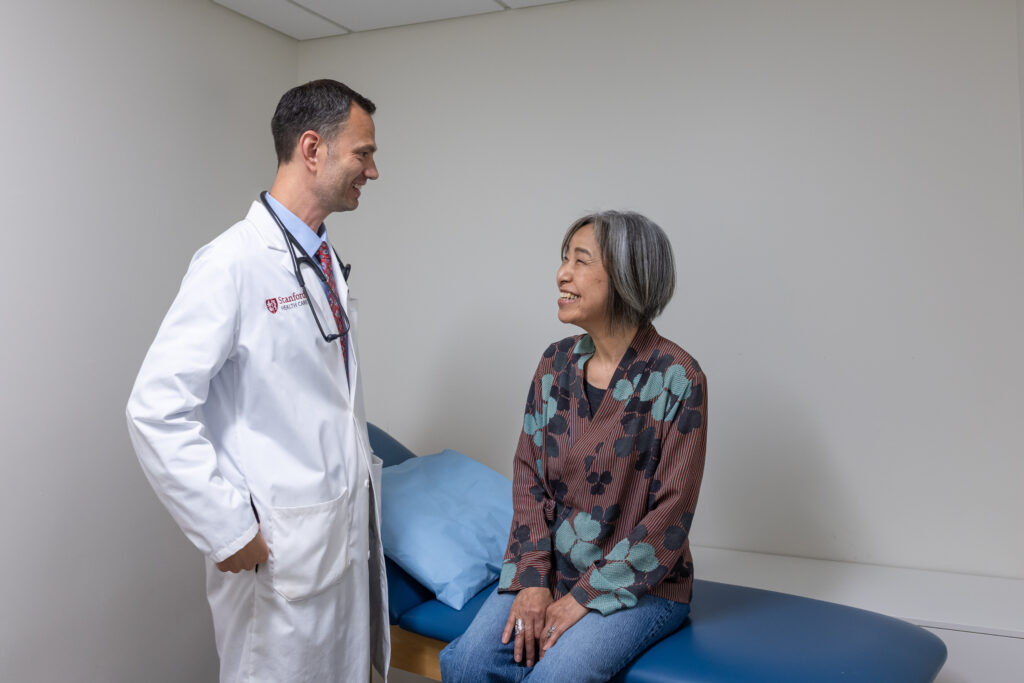
Mannis examines a patient as part of Stanford’s menin inhibitor clinical trial program, which has helped usher in a new era of targeted leukemia therapy

“Menin inhibition is a really neat, new strategy to treat certain types of leukemia,” Mannis explains. “What makes menin inhibition so unique is that instead of killing cancer cells directly like most treatments, it switches off faulty gene signals that are blocking the cells from maturing. This allows the leukemia cells to develop into more normal, healthy blood cells – a process called differentiation, which we can actually watch unfold under the microscope in real time.”

It’s a highly precise intervention – and it’s taken over 20 years to get here.

The research that led to this discovery began in pediatric oncology, where scientists were desperate for new treatments for infants with a particularly aggressive form of leukemia. Over the years, as the biology became clearer, so did the potential: This was not just a treatment for rare childhood cases. It might benefit adults, too.

“This was truly a bench-to-bedside evolution that began in an academic lab,” Mannis reflects. “I vividly remember discussing one of the preclinical papers several years ago in my colleague Ravi Majeti, MD, PhD’s lab meeting and thinking to myself, ‘This looks like really, really good science – I need to be a part of this drug development.’”

“My vision was actually pretty simple: I wanted to eventually have a trial option for every AML patient that came to see me, and I wanted Stanford’s AML program to be one of the premier AML programs in the world.” – Gabriel Mannis, MD

Who Might Benefit?

Not every patient with leukemia will be eligible for a menin inhibitor, but for those who are, the impact could be profound. Specifically, the therapy shows promise in two genetic subtypes of acute leukemia:

  • NPM1 mutations – seen in about 30% of AML cases, often in younger patients.
  • KMT2A rearrangements – less common, but often more aggressive; seen in some adult AML cases and in children with acute lymphoblastic leukemia.

“Taken together, roughly 40% of patients with acute leukemia could potentially benefit from this class of therapy,” Mannis says.

Inside the Trials: What the Data Shows

Mannis served as the Stanford principal investigator on the multicenter trials that helped lead to FDA approval. One of the most promising agents to emerge is revumenib, now officially greenlit by the FDA. Other menin inhibitors – ziftomenib, bleximenib, and enzomenib – are still in development and showing strong early results:

  • Response rates are around 60%.
  • Complete remissions occur in roughly a quarter of patients.
  • Many patients are able to proceed to stem cell transplant, which may offer longer-term remission.

Some combinations, such as ziftomenib with standard chemotherapy, have shown complete remission rates as high as 91% in early trials.

“Without trial oversight and input from skilled clinical investigators, it’s possible that effective drugs might never successfully make their way to patients,” Mannis says. “For me, it’s like being one of the first people in the world to work with a new iPhone prototype, except instead of just testing more realistic Memojis, I get to offer my patients potentially life-saving drugs.”

Known for his warmth, Mannis brings a smile to both patients and colleagues — an approach that sustains compassion in the face of challenging work

A Stanford-Led Push Toward Progress

Targeted cancer therapies have been reshaping the oncology landscape for years – think HER2 inhibitors in breast cancer or EGFR inhibitors in lung cancer. 

The approval of revumenib marks the beginning of a similar new chapter in leukemia treatment, particularly for patients at Stanford and across the country who have few other options. That progress is due in no small part to physician-scientists like Mannis, who not only treat patients but help design and lead the clinical trials that bring new options into the world. And at Stanford, where clinical research is tightly woven into patient care, this approval feels personal.

“Despite the significant advances in AML treatment over the past few years, the reality remains challenging – most patients still die from their leukemia,” Mannis says. “Early in my career, the emotional weight of this work would often follow me home. With experience, I’ve learned that finding moments of lightness and humor is essential for providing sustainable, compassionate care. By embracing these moments and not taking myself too seriously, I can stay present and focused on what matters most: supporting my patients through both the challenges and the victories.”

A memorable victory, he says, came in the form of a video text he received after the clinical trial.

“One of the stories I often tell is that of a woman whose leukemia relapsed shortly after a bone marrow transplant,” Mannis recalls. “She went into remission during the trial, got a second bone marrow transplant more than two years ago, and is now likely cured. A year or so after the second transplant, she texted me a video of her and her daughter dancing at Taylor Swift’s Eras Tour – and as a fellow hardcore Swiftie, this really hit home.”

  Save as PDF

Related Spotlights