Two-Way Learning for Global Health Equity

Two-Way Learning for Global Health Equity

#Partnerships

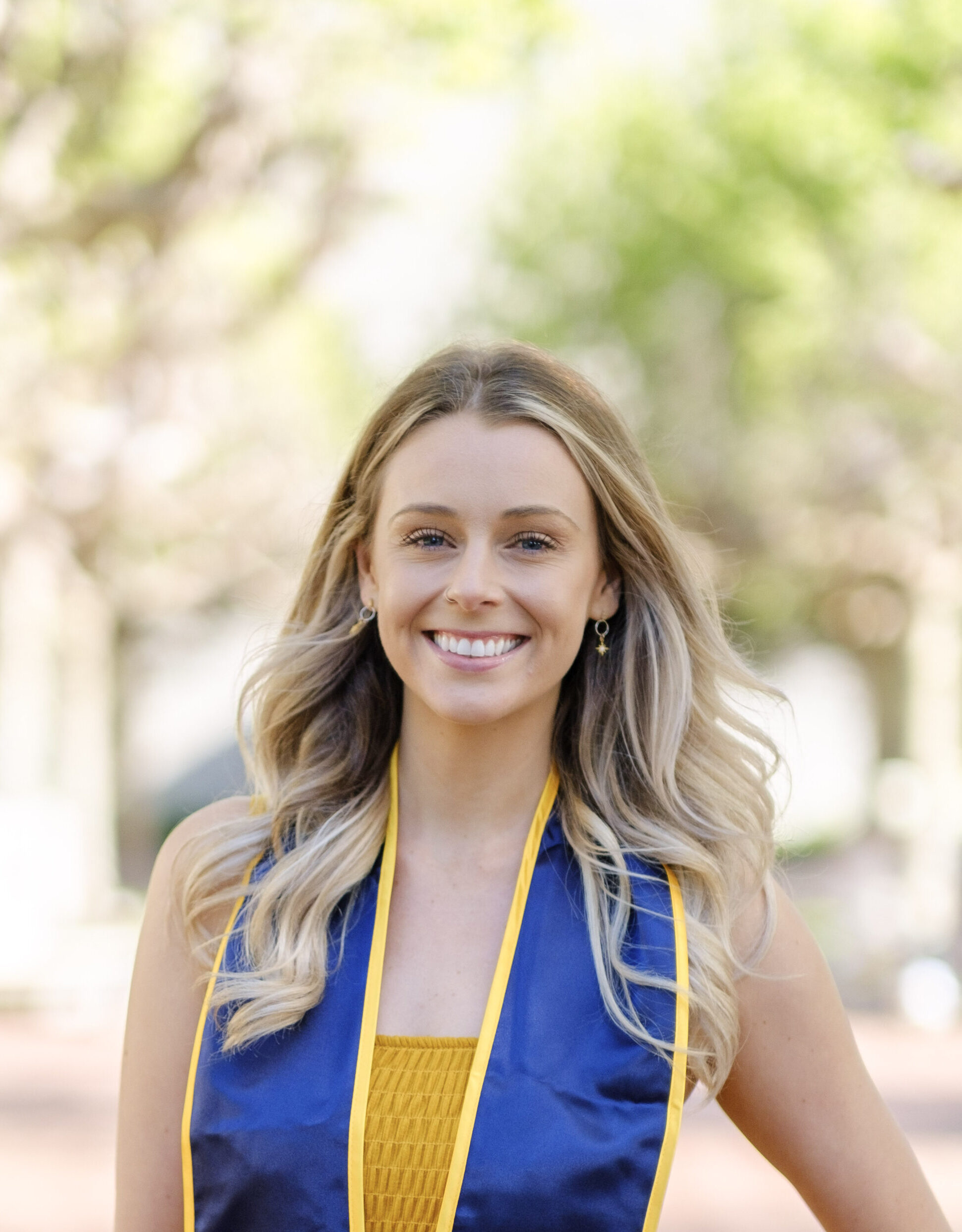
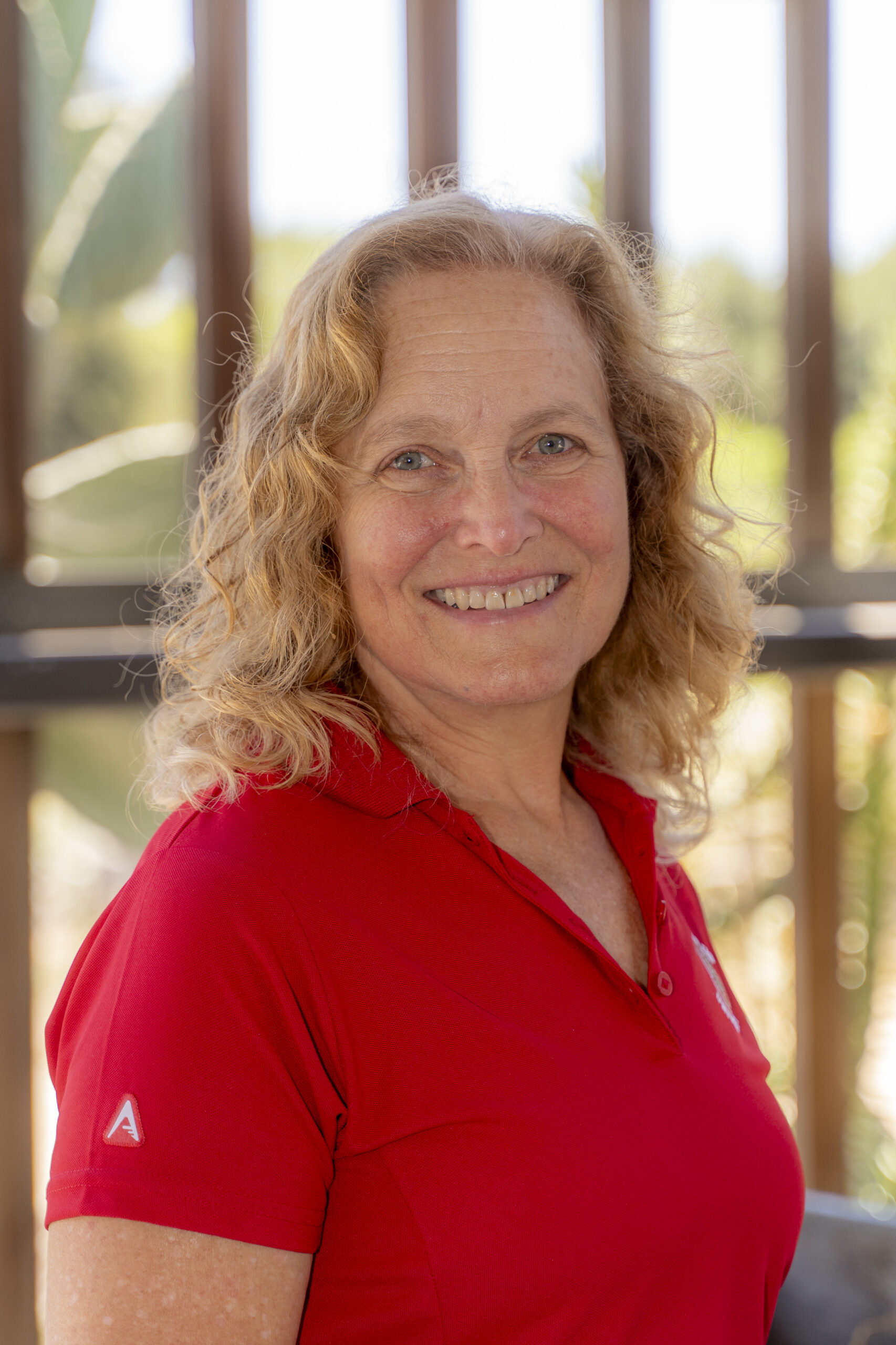
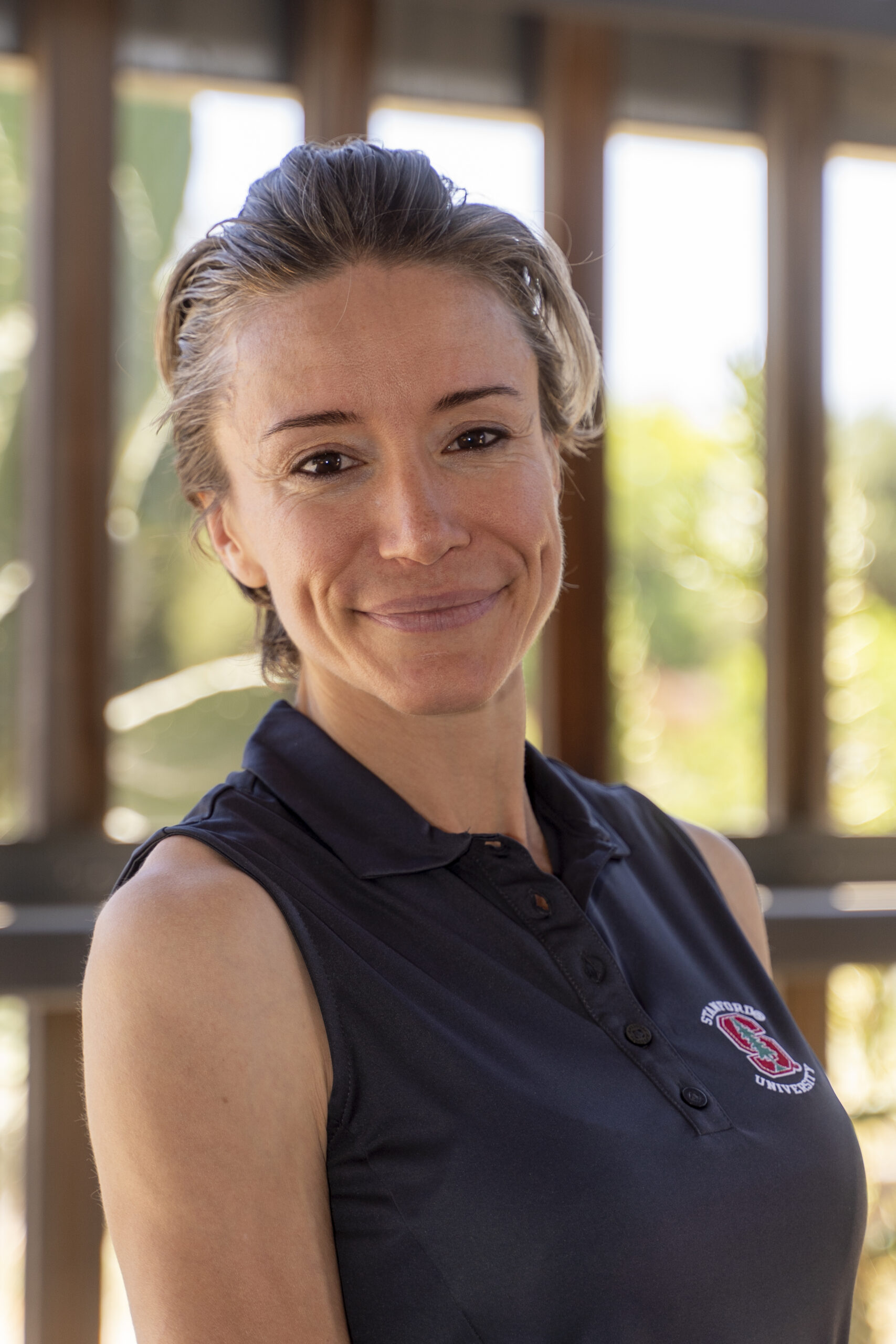
The first two cohorts of the Stanford African Scholars in Global Health program, pictured here, will arrive at Stanford in January and April 2025.

Time spent working or learning in other countries is a vital aspect of a global health physician’s or academic’s training. It helps build understanding of other cultures, fosters new relationships and partnerships, and contributes to the exchange of skills, knowledge, and innovative ideas.  

Yet too often, such opportunities are available only to those from high-income countries. A recent review of global health fellowship programs found that just five of 108 offered in the United States were open to candidates from low- and middle-income countries – despite those countries being the focus of much global health research.

Now, the Stanford Center for Innovation in Global Health (CIGH) has launched an initiative to address this inequity. Announced in fall 2023, the Stanford African Scholars in Global Health program, also called SASH, is designed to promote health equity, capacity strengthening, and unique shared learning between African medical institutions and Stanford.

The three-year program will fund 24 midcareer African physicians across four cohorts to travel to Stanford for six weeks. While there, the African scholars will gain a specific skill set they have identified as a need to improve health outcomes at home. At the same time, they will enrich learning at Stanford by sharing their expertise with the community.

"

“We are excited to reciprocate the learning and insights our scholars have gained over the years by now hosting African physicians at Stanford, advancing global health equity through true bidirectional partnerships. We also look forward to learning from our visiting scholars.”

– Michele Barry, MD

They will then return to their academic institutions with additional funding and ongoing virtual Stanford faculty mentorship to conduct a yearlong clinical improvement project focused on the skills they acquired. SASH is funded through an independent educational grant from Pfizer and managed by CIGH, in partnership with the Stanford Center for Continuing Medical Education.

“SASH is unique in its ability to fund the home institution of the scholar upon his or her return to ensure ongoing support of the implementation of health improvement projects,” says Director of the Stanford Center for Innovation in Global Health Michele Barry, MD.

This program builds on CIGH’s longstanding and successful Stanford/Yale Global Health Scholars program, which sends U.S. trainees to partner sites in low- and middle-income countries to train and work alongside local clinicians. 

“We are excited to reciprocate the learning and insights our scholars have gained over the years by now hosting African physicians at Stanford, advancing global health equity through true bidirectional partnerships,” says Barry. “We also look forward to learning from our visiting scholars.”

During the first round of recruitment in early 2024, nearly 450 physicians from 28 African countries applied for the first two of four cohorts. The 13 fellows selected for these first cohorts will arrive in January and April 2025.

“This demonstrates an overwhelming need for programs like SASH, not just on the African continent but in other low-resource settings around the world,” says Barry, adding that she hopes to see increased funding and support for programs like these.
Pioneering Digital Health: Stanford’s Center Transforms Lives Through Innovation and Collaboration

Pioneering Digital Health: Stanford’s Center Transforms Lives Through Innovation and Collaboration

#Methods

Eleni Linos, MD, DrPH, MPH (third from left), with delegates at the 2024 Digital Health Summit, hosted by the Stanford School of Medicine Center for Digital Health

After a splashy fall 2023 relaunch, the Stanford School of Medicine Center for Digital Health (CDH) continues to pioneer new frontiers in health care. “The accelerated pace of innovation in artificial intelligence (AI), telemedicine, informatics, and virtual reality, combined with the fact that after the COVID-19 pandemic, everyone is comfortable online, makes this a critical moment for digital health,” says CDH Director Eleni Linos, MD, DrPH, MPH, who is also an associate dean of research and a professor at Stanford. “Our role building a center at Stanford focusing on health in a digital world couldn’t come at a better time.”

CDH’s mission is anchored to three pillars: education, research, and thought leadership. “My hope is that CDH will be the best place for catalyzing innovative research and training the next generation of leaders, and in addition act as a hub that brings together the best minds, not just within the School of Medicine but across the university – academics from the fields of computer science, engineering, law, the business school, and the School of Sustainability, as well as Silicon Valley industry, regulators, nonprofits, and philanthropists,” says Linos. “The idea is to really become that connector across all of these different fields.”

Linos’ infectious enthusiasm is well merited. She and her team – which includes CDH Executive Director Michael Avanti Lopez; Department of Medicine Chair and Associate Director Euan Ashley, MD, PhD; associate directors Maya Adam, MD, and Fatima Rodriguez, MD, MPH; affiliated faculty; an impressive roster of fellows; and an advisory board representing a wide range of expertise in and outside of healthcare – are well on their way to achieving their lofty goals.

Breaking Down Barriers to Foster Cross-Disciplinary Partnerships

CDH fosters collaboration across disciplines that have traditionally been siloed. Their Digital Health Leaders Lunch Series brings together Stanford faculty with expertise in biodesign, medicine, engineering, and wearable electronics (eWear) to discuss their work in digital health, explore common areas of interest, and share resources. They also boast a new Digital Health Scholars program to develop the next generation of digital health researchers through individualized learning and mentorship for trainees and junior faculty.

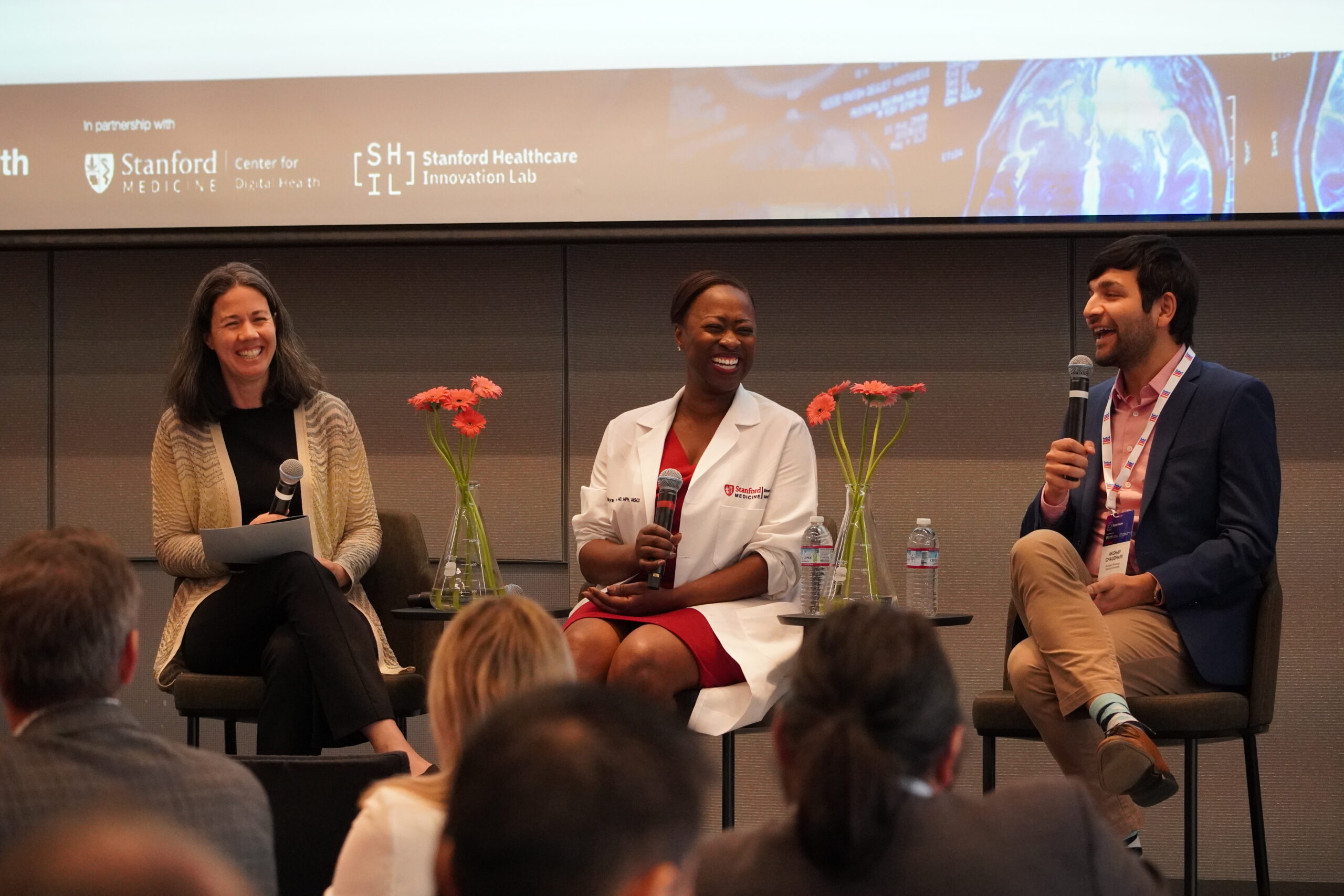
In February 2024, CDH hosted the 2024 Digital Health Summit, in partnership with Times Higher Education and the Stanford Healthcare Innovation Lab. The two-day hybrid online/in-person conference included 192 attendees from 23 countries representing 123 institutions or organizations across the globe, as well as 38 expert speakers.

Eleni Linos, MD, DrPH, MPH (left), participates in a panel discussion at the 2024 Digital Health Summit, hosted by the Stanford School of Medicine Center for Digital Health

“The accelerated pace of innovation in artificial intelligence (AI), telemedicine, informatics, and virtual reality, combined with the fact that after the COVID-19 pandemic, everyone is comfortable online, makes this a critical moment for digital health.”

– Eleni Linos, MD, DrPH, MPH

Where Music Meets Anesthesia

Unique cross-disciplinary teamwork yields innovative, boundary-pushing projects. CDH has awarded five $50,000 inaugural Pilot Grants supporting work related to digital health. One example is an unusual collaboration between the departments of anesthesiology, perioperative pain medicine, and music to develop Tracheal Acoustic Monitoring, a wearable device designed for the pediatric setting that detects acoustic data with a high degree of sensitivity in real time while patients are under sedation or anesthesia. Using machine learning, the device detects early signs of airway obstruction with the aim of reducing the incidence and severity of hypoxia during procedures and in the recovery room.

“We are so proud of the work our pilot award teams are doing,” says Linos. “We create opportunities to bring these teams together at regular intervals to discuss updates, focus on future grant writing, and to help one another through challenges and to overcome roadblocks. There is so much value to bringing people together in person because it sparks collaborations that wouldn’t otherwise happen.” CDH is expecting to fund another five pilot grants for 2024-25 that explicitly call for multidisciplinary collaboration, bringing their total investment in these teams to date to $500,000. Winners of this second round of pilot grants will be announced in October 2024.

The Right Message to the Right People in the Right Way

CDH faculty have already published several research projects that span a broad range of disciplines and leverage digital solutions to improve human health. In one international collaboration, CDH investigators helped develop an Instagram-based public messaging campaign about the dangers of indoor tanning. They targeted specific groups known to be most likely to indulge in this skin-cancer-promoting activity – women ages 18 to 30 years in Kentucky, Nebraska, Ohio, or Tennessee, and men ages 18 to 45 years in California – using messaging that would resonate with them specifically, such as its rapid aging effects. They employed Meta algorithms to ensure that the messages reached their intended targets, resulting in a high degree of engagement. Other CDH collaborations have leveraged online messages to address loneliness and increase vaccine acceptance.

“We’re at this critical moment in human history where technology and AI are transforming people’s lives, including the way they care for their bodies and minds to prevent disease, and the way they receive treatment for medical conditions,” says Linos. “These types of technologic innovations are transforming healthcare now; it’s not just a future goal we are aiming to solve.” This innovation benefits both patients and providers. “There is a huge problem with burnout with the healthcare workforce right now [following the COVID-19 pandemic],” says Linos. “If technology can be used to not only improve the patients’ experience but also improve the doctors’ life, then it’s a win-win.”

Preparing for a Very Different Future

“My hope is that CDH will help catalyze research that wouldn’t otherwise be possible. Research that’s collaborative, multidisciplinary, and is nimble in responding to the challenges that our world faces,” says Linos. “I’m also really hopeful that we can train the next generation of scientists and leaders in rigorous scientific methods in digital health as well as in the ethical implications of their research.” With a committed team, dedicated advisers both within and outside of Stanford, and the support of leadership from the School of Medicine and Department of Medicine, CDH is well on its way to becoming a global leader in digital health.

The Recipe for a Top 10 Netflix Docuseries: Good Science and Exceptional Researchers

The Recipe for a Top 10 Netflix Docuseries: Good Science and Exceptional Researchers

#Methods

Crafting top-tier science that earns publication in an esteemed journal like JAMA Network Open, then later finds itself featured in a Netflix Top 10 docuseries, is no easy feat. However, on Jan. 1, 2024, audiences around the world tuned in for the premiere of You Are What You Eat: A Twin Experiment, which highlighted groundbreaking research conducted by the Nutrition Studies Research Group at Stanford Prevention Research Center, directed by Christopher Gardner, PhD, the Rehnborg Farquhar Professor of Medicine.

While the study was intriguing with its use of twins, and the docuseries was compelling with its use of storytelling, the triumph of both the study and the docuseries can be attributed to the dedication of a small team of women researchers, led by the group’s associate director, Jennifer Robinson, PhD, who were all working behind the scenes, cooking up “good science.”

“When I think of ‘good science,’ I think of ‘good clinical practices,’ or GCPs,” explains Robinson. “GCPs are rigorously upheld in drug-based clinical trials due to the high stakes, but nutrition science and dietary research sometimes lack similar standards. Our aim in this study, as with all our studies, was to elevate nutrition research to GCP standards. We conducted a well-designed study with the appropriate safeguards, making it worthy of publication in a high-impact journal and coverage in a Netflix docuseries.”

The research compared healthy vegan and omnivorous diets in 22 pairs of identical twins and found that a vegan diet can improve cardiovascular health in just eight weeks. The study garnered significant attention, with over 275,000 views and coverage by hundreds of national news outlets. The docuseries has been watched millions of times worldwide, sparking critical conversations in both mainstream and social media.

“Having our group’s research featured on Netflix was the most impactful work we’ve done,” says Gardner. “We’re always trying to get people to eat healthier, and it’s always challenging, but we’ve been flooded with success stories since You Are What You Eat: A Twin Experiment aired. Utilizing storytelling to disseminate science has given us a new sense of what it means to engage the community to make impact.”

Who were the driving forces behind this groundbreaking study? Meet Tayler Hennings, MPH, Dalia Perelman, MS, RD, Lindsay Durand, MS, MPH, RD, and Diane Demis, whose dedication to conducting exceptional research helped change the way we understand our diet’s impact on health and the environment, all while captivating millions.

Twins Pam and Wendy participated in a Stanford study examining the effect of a vegan versus omnivore diet on cardiovascular health as well as in the Netflix series You Are What You Eat: A Twin Experiment. (Netflix)

"

Tayler Hennings, MPH

Study Coordinator Tayler Hennings, MPH, managed the study’s logistics from start to finish. She orchestrated everything from protocol approval to participant recruitment, tracking, and close-out procedures. She also ensured that the team upheld Stanford’s rigorous research standards.

“I am proud of how the nutrition studies team consistently upholds the principles of ‘good science,’ regardless of whether our work ends up on Netflix,” says Hennings. “Our adherence to Stanford’s rigorous research training ensured our study was scientifically sound and our results were reliable.” 

Her favorite part of the study was recruiting participants from outside the Bay Area, which enhanced sample diversity and broadened the impact of the results. 

“We had a few out-of-state participants who traveled to Palo Alto for blood draws,” Hennings shares. “To accommodate this, we used at-home sample kits, which required careful planning to ensure they were shipped back to us with their quality intact. I’m proud of this process, as it enabled us to recruit participants from beyond our backyard, leading to more diverse samples and reducing participant burden.”

Hennings hopes her work leaves a lasting impact. “I hope my work can empower people to make informed decisions about what they eat and the impact it has on their health and the environment.”

"

Dalia Perelman, MS, RD

Health educator and dietitian Dalia Perelman, MS, RD, led the health education team. She, along with health educators Erika Tribett, MPH, and Mandy Murphy Carroll, MPH, RD, conducted weekly educational check-ins with participants.

What Perelman enjoyed most about the study was defining and designing the diets. “We wanted both diets to be equally healthy to ensure optimal nutrient balance for both groups,” Perelman explains. “During the meal-delivery phase, we provided equal calories to all participants. We also taught them how to maintain these nutritious diets even after the meal deliveries ended.”

Reflecting on the broader impact of her work, Perelman hopes her work will inspire healthy-eating conversations. “I hope my work will help keep people excited about the control they have over their health and the health of our environment with their food choices.”

"

Lindsay Durand, MS, MPH, RD

Lead Diet Assessor and Research Assistant Lindsay Durand, MS, MPH, RD, was in charge of tracking and analyzing the participants’ dietary journeys throughout the study. Using state-of-the-art diet assessment software, she tracked what each participant ate over a specific period of time. Together with her team, Durand collected and analyzed 385 days’ worth of dietary data from participants.

“I am proud of our team’s meticulous attention to detail and consistency in collecting and analyzing high-quality data,” says Durand. “Everyone on the team transparently shared their progress, from data collection and participant interactions to overall study progression. This transparency ensured we maintained consistent data recording, leading to high-quality results.”

Working on this study enabled Durand to expand her passion for nutrition beyond individual treatment. “While my early career focused on treating symptoms in hospitals, my background in public health nutrition emphasized the importance of prevention. This research allowed me to blend both worlds, working on studies aimed at policy change and prevention strategies.”

"

Diane Demis

Diet Assessor and Research Assistant Diane Demis took on many roles, including participating in dietary assessments with participants, collecting and interpreting nutrition data, and managing and shipping blood samples. 

Demis is proud of the team’s commitment to excellence. “We never settled for good enough,” she says. “Our research standards are incredibly high. We used a state-of-the-art dietary recall system, implemented systems and processes to triple-check our work, and stayed up-to-date on food and nutrition. We ensured our data were clean and reliable, making it valuable not only for our own research but also for others’ in the future.”

She is most inspired by the significant influence one study can have. “It’s very rewarding to see what impact our small but influential Nutrition Studies Group can have on the world of nutrition and on the world itself!”

"

Jennifer Robinson, PhD

“Thanks to these incredible women and their dedication to scientific excellence and rigor, we have entered a new frontier of science communication.”

– Jennifer Robinson, PhD

Driven by curiosity and a shared commitment to promoting healthier lifestyles, Hennings, Perelman, Durand, and Demis all played pivotal roles in the success of the research featured in You Are What You Eat: A Twin Experiment.

“Thanks to these incredible women and their dedication to scientific excellence and rigor, we have entered a new frontier of science communication,” says Robinson. “Through the power of storytelling, coupled with impeccable science, I can confidently say we’ve made a profound impact on public health. I could not be more proud of this team and the work they did on this study.”

Everyone Deserves a Fair Shot in East Palo Alto: Bridging Crosstown Gaps in Educational and Health Equity

Everyone Deserves a Fair Shot in East Palo Alto: Bridging Crosstown Gaps in Educational and Health Equity

#Partnerships

Andrea Jonas, MD

“I went through the Palo Alto school district myself,” Clinical Assistant Professor Jennifer Williams, MD, nods. “You kind of have a pathway laid out for you; if you grow up just two miles away, you don’t have that pathway laid out for you.”

When many think of Palo Alto, they think of Stanford’s sprawling campus and the opportunities that living so close to the university affords. But just outside the city of Palo Alto, opportunities in East Palo Alto look very different.

“Growing up here, I had friends all over in the area,” says Williams. “You see the contrast of the opportunity or lack of opportunity within just a couple of miles.”

Kids who can get into schools in the Palo Alto Unified School district have educational support that those just outside it do not – that’s where schools like Eastside College Preparatory School come in and where the Stanford Department of Medicine found a community partner.

Chris Bischof, the principal of Eastside College Preparatory School, founded the school in 1996 to fill an education gap in East Palo Alto that had been open since the city’s only high school closed in 1976.

Until Eastside opened, students living in East Palo Alto were bused out of their own community to schools in neighboring, more affluent areas.

“These students were assigned to non-college-track classes, and the results were dramatic: 65% of students from East Palo Alto didn’t finish high school, and fewer than 4% went on to attend a four-year college or university,” Bischof says. “We founded Eastside to turn back this tide that was limiting opportunities for so many young people, creating a college prep program based on high expectations and many layers of support.”

Eastside has succeeded in its mission: The school boasts a 99% graduate acceptance rate to four-year colleges and universities, including to Stanford down the road.

“Today, our students are demonstrating that with hard work and determination, they can succeed at Eastside, in college, and beyond,” Bischof affirms. Eastside built a network of trust with its community that would prove invaluable when an unprecedented crisis struck.

"

“The issues and barriers that I faced as a minority girl growing up were very apparent to me. I can’t even imagine throwing on other factors and barriers. That’s what other children have to deal with. I think everyone deserves a fair shot at developing their career, their life, and their goals. Everyone deserves a fair shot.”

– Jennifer Williams, MD

Responding to COVID-19 in the Community

Across town, the division of Pulmonary, Allergy & Critical Care Medicine (PACCM) founded the Critical Care Diversity Council in 2019 to address healthcare disparities in their practice and their local area.

“It emerged in the wake of the Black Lives Matter protests,” Clinical Assistant Professor Andrea Jonas, MD, recalls. “It was our answer to address healthcare disparities in our community. How could we be part of the solution?”

The Critical Care Diversity Council’s work took on new meaning right away as the COVID-19 pandemic reached the Bay Area. Diversity Council members wanted to connect with local underserved minority groups, such as African American and Latino/a/x populations, who were disproportionately impacted by the pandemic nationwide. Members of these communities, such as many who live in East Palo Alto, wanted answers they could trust, and Eastside agreed to use their trusted role in that community to connect locals with Stanford doctors.

“It started as doing a lot of COVID vaccine information sessions,” Jonas says. “We would meet not just with students but with their families in these open town halls. We had both English and Spanish language sessions. It was an opportunity for community members to meet some of the practitioners who were taking care of their loved ones in the ICU and an opportunity for us to answer any questions about COVID vaccination.”

At the peak of the COVID-19 pandemic there were relatively lower rates of vaccination among populations that were disproportionately impacted by the virus.

Eastside and the Diversity Council used these town halls as a chance to foster connection, understanding, and improved health for the whole community.

Collaborating in New Directions

Fortunately, since the pandemic has subsided, this collaborative relationship has evolved in new directions. Now, Eastside and the Diversity Council host career sessions for students at the high school to learn about careers in the health sciences and to seek mentorship opportunities. These sessions continue to lead to new opportunities for the students, the school, and Stanford.

“We had a larger panel session. It was amazing,” remembers Williams. “We expanded our group. We had their incoming freshman class. We had PACCM faculty, some of our fellows, some internal medicine residents, some medical students, some RNs, some PA, respiratory therapists – a huge panel. Really, it sparked an interest in the students.”

These new sessions have also had small-group conversations, CPR instruction with manikins, and a mixture of discussion and hands-on activities. Such changes to this partnership align well with Eastside’s mission, which has expanded from preparing students for college to supporting their alumni through college and into professional careers.

“We are eager to introduce our students to a variety of career paths, expanding their horizons and showing them what is possible,” Bischof says. “The opportunity to partner with Stanford has been tremendous.”

"

The More, the Better

“Stanford has the foundation and the resources, but you have to look at everyone. The more opportunity and resources you can provide for everyone, the better,” says Williams.

The Diversity Council aims to continue this relationship and expand their outreach programs to new areas, such as other local high schools and community efforts to reduce disparities in healthcare access and education. These physicians see this work as integral to their healthcare mission.

“We can advance the science of medicine to take out and to dismantle the underlying disparities that have been baked into the way that we think about medicine for our patients,” Jonas says.

Willams agrees and stresses the indelibility of professional, academic, and personal interest in medicine.

“The issues and barriers that I faced as a minority girl growing up were very apparent to me. I can’t even imagine throwing on other factors and barriers. That’s what other children have to deal with,” Williams says. “I think everyone deserves a fair shot at developing their career, their life, and their goals. Everyone deserves a fair shot.”

The Kindness Coalition: Transforming Health Care Through Compassion

The Kindness Coalition: Transforming Health Care Through Compassion

#Communities

Prerak Juthani, MD, and Amity Eliaz, MD, at a Kindness Coalition event, promoting compassionate care at Stanford Hospital’s ‘Kindness Kickback’

It was 3 a.m. on a brisk mid-November night. Flu season was in full swing, and Stanford Hospital had been at full capacity for two weeks straight. Inside the team room, internal medicine residents Prerak Juthani, MD, and Amity Eliaz, MD, finally found a fleeting moment of respite. The room, dimly lit and filled with the hum of medical equipment, was their temporary sanctuary. Both physically and emotionally drained, they sank into their chairs, exchanging sighs of relief.  

The two residents began to recount the past several nights. They spoke of responding to urgent messages, racing between units, and coordinating ICU transfers. Amid the chaos, a pattern emerged in their stories. It was the small acts of kindness and moments of clear, respectful communication that stood out. These simple gestures had the remarkable power to transform challenges – and even moments of crisis – into opportunities for connection and resilience. 

Eliaz and Juthani were onto something. In fact, they had stumbled upon an issue that was endemic to hospital systems nationwide. A study published in The British Medical Journal found that communication failures are a common cause of inadvertent patient harm. The study emphasized the importance of fostering an environment where individuals could speak up, express concerns, and share common “critical language” to alert team members to unsafe situations.

As Juthani and Eliaz sipped their lukewarm coffee, an idea began to take shape in their minds. What if they could create an initiative to foster a culture of kindness throughout the hospital?

And so, in the middle of the night, The Kindness Coalition (TKC) was born. Juthani and Eliaz’s vision was clear: to create a hospital culture where kindness was not just an occasional gesture but a fundamental practice, enhancing both patient outcomes and team morale.

The Kindness Coalition team at Stanford Hospital’s ‘Kindness Kickback,’ gathering to celebrate the power of compassion and support in health care

“Kindness builds community. It reduces isolation, decreases burnout, and even cultivates resilience.”

– Amity Eliaz, MD

Kindness Kickbacks

In the bustling break room at Stanford Hospital, the latest event hosted by TKC gathers momentum. Over 50 healthcare professionals from diverse fields – doctors, nurses, social workers, technicians, and more – convene not just for the provided boba and cookies, but for a cause much more vital: fostering kindness within the stress-laden corridors of the hospital.

This event is called a “Kindness Kickback.” It’s a monthly initiative organized by TKC that allows healthcare workers to build relationships, share communication strategies, and unwind together. 

As the event unfolds, people stream in and out of the break room. Some arrive with heavy expressions, visibly weighed down by the stressors that lie just beyond the break-room door. However, after a few minutes, their energy visibly shifts. Expressions soften, the room rings with laughter. 

“Kindness builds community,” shares Eliaz. “It reduces isolation, decreases burnout, and even cultivates resilience.”  

These monthly events are one of the many core strategies employed by TKC. Another strategy is the “Kindness Recognition Form,” which allows staff to acknowledge and celebrate the kind acts of their peers. Whenever a form is submitted, both the recognized individual and their supervisor receive an email, reinforcing the value of kindness and acknowledging its positive impact.

Additionally, TKC distributes symbolic pins for name tags, designed to remind and encourage staff to engage in kind interactions throughout their day.

"

Exploring the Science Behind Kindness

Kindness, while seemingly simple, can be difficult to define. It manifests in myriad ways and varies across different perspectives. One study simply characterizes kindness as “an action that benefits another, as perceived by the recipient of the kind action.”

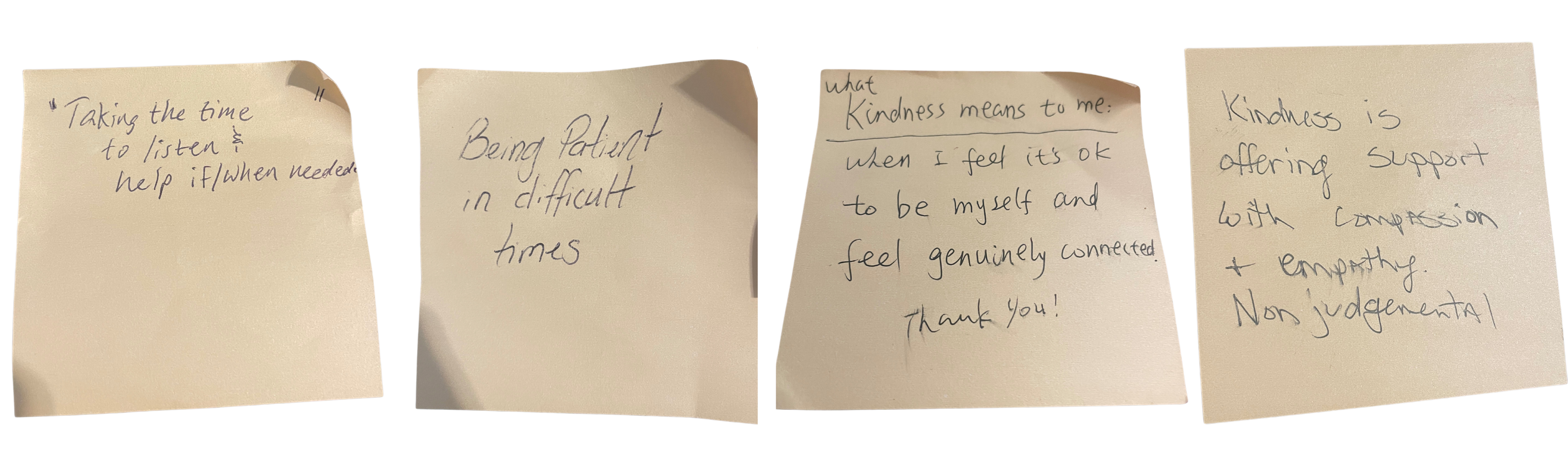
Eliaz and Juthani encourage the event attendees to define kindness themselves. A large bulletin board reads, “What does kindness mean to you?” The attendees write their answers on colorful Post-it notes, with responses ranging from “Smiling and saying hello to each other in the hallways” to “Helping one another without expectations in return.”

At the Kindness Kickback, one healthcare provider has found her way into the break room. She’s totally new to TKC, but she’s heard the rumor of free boba and is drawn in. She asks about TKC’s mission, and her eyes widen in pleasant surprise. “Sometimes all it takes is for me to see a warm smile to turn my entire day around. I am so glad to know this mission exists, and I will be spreading the word wide and far.” 

Echoing this sentiment, Chief Resident Hayley Galitzer, MD, an active participant and leader in TKC, adds, “In the high-pressure world of health care, a simple act of kindness can profoundly impact someone’s day. An act of kindness reminds us that our greatest impact comes from our ability to understand and care for one another.”

Research shows that kind behavior in health care is not just about being nice; it involves deliberate, prosocial acts that benefit both the giver and the receiver, ultimately enhancing the overall workplace atmosphere. However, in high-stress situations, such as night shifts or emergencies, kind communication often diminishes.

TKC is now developing a comprehensive tool kit aimed at guiding kind communication in critical healthcare situations. This tool kit is based on evidence-based principles, providing practical advice and strategies to help healthcare workers communicate more effectively and compassionately.

Personal reflections from attendees on what kindness means to them, shared during the Kindness Kickback event at Stanford Hospital

"

Expanding Reach and Impact

TKC has rapidly gained momentum, drawing more than 100 attendees from diverse healthcare professions to each event. 

“We see TKC not just as an initiative but as a movement,” says Poonam Hosamani, MD, one of the faculty sponsors. “One that we hope will inspire other institutions to weave kindness into their fabric of operations.”

As TKC plans to expand, the hope is to set a new standard for healthcare environments, not just at Stanford but nationwide. 

In advancing medical excellence and innovation, The Kindness Coalition highlights a crucial frontier: integrating compassion in health care. TKC serves as a model for healthcare systems globally, demonstrating that the future of medicine focuses not only on healing patients but also on strengthening the well-being and camaraderie of the healthcare teams that deliver care. 

Pioneering New Frontiers: Tri-Valley Hospital’s Family Medicine Residency Tackles Doctor Shortage

Pioneering New Frontiers: Tri-Valley Hospital’s Family Medicine Residency Tackles Doctor Shortage

#Communities

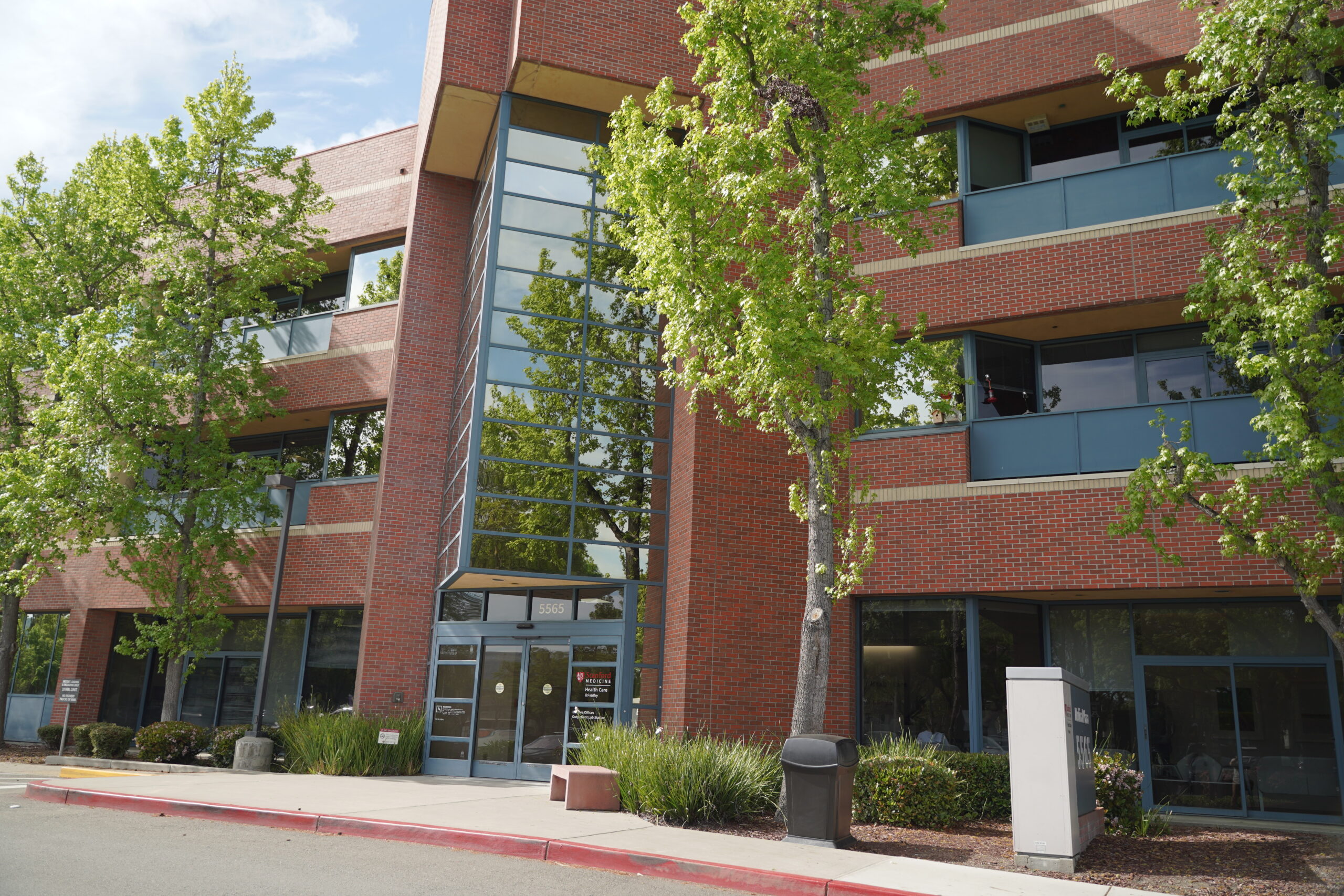
Minjoung Go, MD, a trailblazer at Stanford Health Care Tri-Valley, has transformed the hospital into an academic powerhouse, launching a new Family Medicine Residency to address the primary care shortage.

As one of the first faculty members at Stanford Health Care Tri-Valley in 2015, Minjoung Go, MD, clinical associate professor, never imagined she would lead the hospital’s metamorphosis from a community hospital into an educational powerhouse. 

She spent nine years orchestrating complex internal infrastructures to expand Stanford’s top-notch clinical, educational, and research footprint into the East Bay. The crowning achievement so far is the Family Medicine Residency Program, which has the dual mission of training the next generation of physicians and addressing the Tri-Valley community’s urgent need for primary care doctors. 

The Family Medicine Residency Program integrates academic medicine and community-centric health services to prepare future family physicians for an advancing frontier in medicine that seeks to balance specialized healthcare delivery with community care.

“This hospital has deep roots in the community, and that will always be at its core,” Go says. “We are bringing Stanford’s resources here to grow together with the community.”

Stanford Health Care Tri-Valley (then named Valley Memorial Hospital) was originally established in 1961 to serve the communities of Pleasanton, Livermore, and Dublin – collectively known as the Tri-Valley area. In 2015, Stanford Health Care acquired the hospital system to transform it into a leading medical, academic, and research health system in line with Stanford’s reputation for rigor and quality to meet the healthcare needs of these growing suburban communities.

Under Go’s leadership, Tri-Valley Hospital received accreditation from the Accreditation Council for Graduate Medical Education, and in June 2025, eight inaugural interns will join the Family Medicine Residency Program.

Unlike Stanford’s main campus, the hospital wasn’t designed to be an educational institution.

Go, along with Kathleen Jia, MD, medical director for education, and Lijia Xie, MD, associate medical education director, had to get stakeholder buy-in, create and implement all the inner workings of a medical education system to meet requirements, and obtain accreditation for the Family Medicine Residency Program.

“Everything we’ve done is from scratch,” Go says. “We had to build the entire educational infrastructure and secure the necessary approvals, all while continuing to provide patient care.”

The program’s inclusive curriculum goes beyond the traditionally specialized medical care approach typically observed in academic health systems. It addresses local health challenges and needs, builds strong relationships with local federally qualified health centers and Stanford partners, and offers a mix of inpatient and outpatient experiences.

"

“This hospital has deep roots in the community, and that will always be at its core,” Go says. “We are bringing Stanford’s resources here to grow together with the community.”

– Minjoung Go, MD

In close collaboration with leaders from the Division of Primary Care and Population Health, Go’s team recruited the program director, developed outpatient and inpatient experiences, built relationships with community clinics, and interfaced with future educators in the Tri-Valley.

“Dr. Go has exerted extraordinary efforts that have advanced the missions of Stanford University and Stanford Health Care,” says Tri-Valley’s chief medical officer, David Svec, MD.

As Tri-Valley expanded, Go zeroed in on the lack of family doctors in the area by turning her attention to building out the much-anticipated Family Medicine Residency Program. 

From its community roots to an academic hub, Stanford Health Care Tri-Valley has evolved into a center of clinical, educational, and research excellence, launching a Family Medicine Residency Program to train the next generation of primary care doctors.

In theory, it sounds simple: Residents already at the Stanford campus can quickly hop across the Bay to Tri-Valley to see patients. But it turned out to be much more complex. 

“It doesn’t work that way. We had to go through all the right compliances and regulatory pieces – none of which were present,” Go says. “We had to learn and figure out what the process was and then implement it and get the right approval from the medical staff and the hospital.” 

Tri-Valley needed to become a qualified sponsoring institution to provide graduate medical education, and then Go and her team needed to design and build an entire residency curriculum and hire the faculty.

None of that would have been possible without Go’s extensive efforts to shift the culture of Tri-Valley to focus more on the academic mission of education and research, says Jia.

“She was thorough and meticulous, with a vision of the goal but also focused on the details and made sure things were done right from the beginning steps,” Jia says. “This really speaks to her drive, vision, and dedication to building the frontiers of academic education at Tri-Valley.”

The hard work has been worth it.

“What makes everyone so excited and supportive about this initiative is that we are driven by passions and beliefs that family doctors will make a big difference and impact in this community,” Go says.