Translational Investigators — the Future of Team Science

Translational Investigators — the Future of Team Science

Translational Investigators — the Future of Team Science

Given their dual scientific and clinical talents, TIP trainees are perfectly poised to advance the basic understanding, diagnosis, and new treatment of human disease.

“The Translational Investigators Program (TIP) stood out to me because of the unique culture of innovation and discovery that is infused across campus. There’s not only a history of discovery — there’s a palpable sense that Stanford is on the tip of changing the practice of medicine,” says Chad Weldy, MD, PhD, a graduate of the program, who is now a cardiologist and faculty member in the division of cardiovascular medicine and the Stanford Center for Inherited Cardiovascular Disease.

New TIP members are welcomed into the vibrant community of established physician-scientists at Stanford. They join the more senior trainees in both formal and informal meetings to exchange ideas with a range of faculty. The Pathways of Distinction initiative allows them to select a track that best aligns with their academic interests. All interns are paired with mentors who best suit their career interests.

Monthly events are held for TIP members at every training level. Activities range from discussions with leading investigators to skill-based sessions, such as learning how to write successful grant applications. In addition, numerous social events promote a sense of community and offer opportunities to exchange ideas and form bonds across disciplines.

“We are committed to fostering the growth of physician-scientists as they tackle the greatest challenges in medicine,” says Joshua Knowles, MD, PhD, associate professor of medicine and one of the co-directors of the program. “Given their dual scientific and clinical talents, TIP trainees are perfectly poised to advance the basic understanding, diagnosis, and new treatment of human disease,” adds fellow program director Alice Fan, MD, PhD, assistant professor of medicine.

The TIP directors were especially excited to welcome this year’s class of interns, having successfully recruited a group with a wide range of backgrounds, experiences, training, and perspectives that will provide fertile ground for their careers as team scientists.

MEET SOME 2023 TIP INTERNS

Reem Elorbany
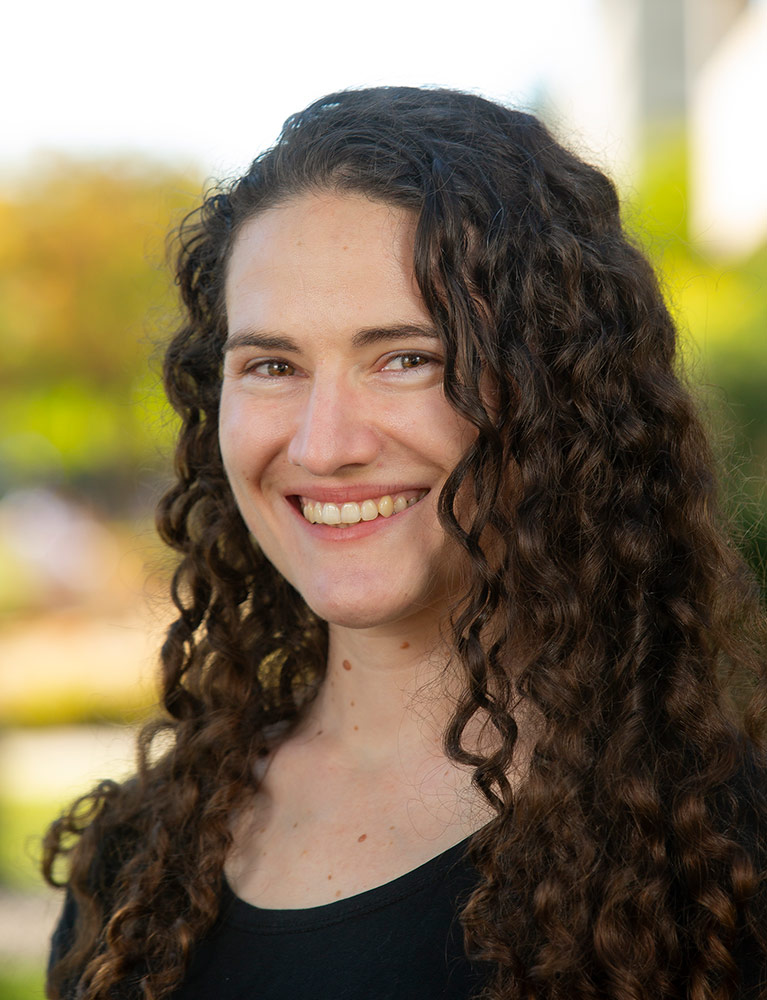
Shannon Esswein

Sunil K. Joshi

Christine McIntosh

Raman Nelakanti

Axel Stenmark Tullberg
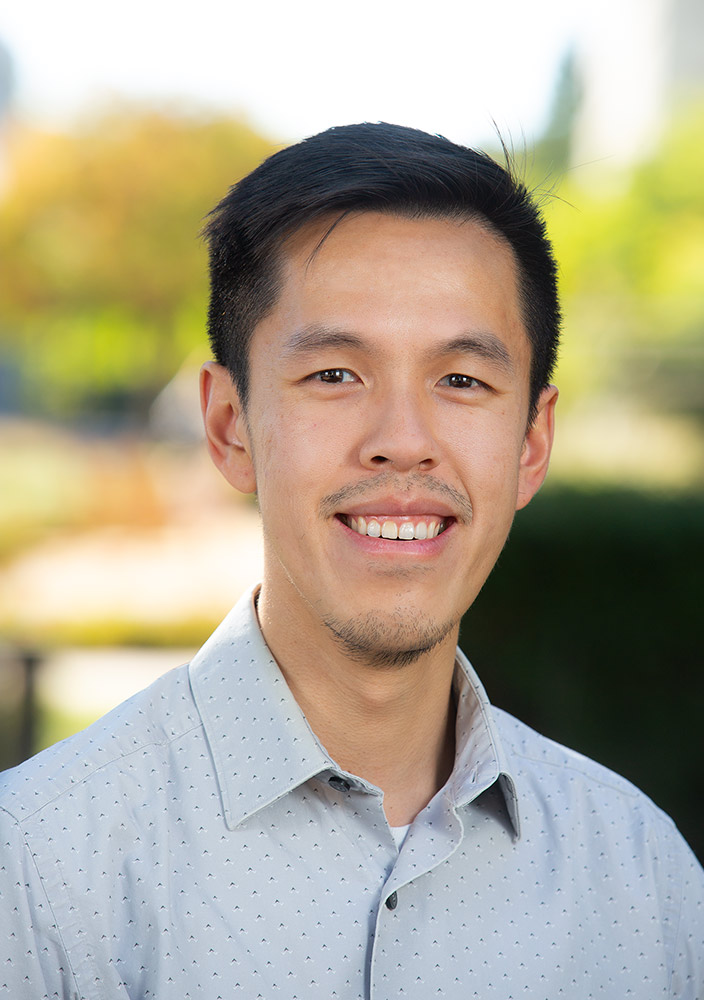
Jimmy Zheng

Reem Elorbany

Pronouns: She/Her/Hers
Age: 29 years old
Hometown: Milwaukee, WI / Chicago, IL

Languages Spoken at Home:
English, Arabic

Hobbies:
3D printing, Dungeons and Dragons, science fiction novels, crossword puzzles.

Research Field:
Cardiology

What was a formative experience that led you to your career path?
When I was 6, I had an illness that put me into the hospital for a month. The confusion around my diagnosis and lack of patient communication made a big impression on me and ultimately led me to this path.

What drew you to Stanford?
Stanford had the combination of strength in clinical care, scientific research, and education that I was looking for.

Reem Elorbany

Pronouns: She/Her/Hers
Age: 29 years old
Hometown: Milwaukee, WI / Chicago, IL

Languages Spoken at Home:
English, Arabic

Hobbies:
3D printing, Dungeons and Dragons, science fiction novels, crossword puzzles.

Research Field:
Cardiology

What was a formative experience that led you to your career path?
When I was 6, I had an illness that put me into the hospital for a month. The confusion around my diagnosis and lack of patient communication made a big impression on me and ultimately led me to this path.

What drew you to Stanford?
Stanford had the combination of strength in clinical care, scientific research, and education that I was looking for.

Shannon Esswein

Pronouns: She/Her/Hers
Age: 30 years old
Hometown: Simi Valley, CA

Languages Spoken at Home:
English

Hobbies:
I enjoy piano, rock climbing, reading, writing, supporting women in STEM, and spending time with my cats.

Research Field:
Hematology and Oncology

What was a formative experience that led you to your career path?
My experiences of seeing one of my best friends and my mother battling cancer led me to pursue a career as a physician-scientist to care for patients with difficult diagnoses while also developing new therapeutics.

What drew you to Stanford?
Stanford has excellent clinical training and strong research opportunities while also being close to my family in California.

Shannon Esswein

Pronouns: She/Her/Hers
Age: 30 years old
Hometown: Simi Valley, CA

Languages Spoken at Home:
English

Hobbies:
I enjoy piano, rock climbing, reading, writing, supporting women in STEM, and spending time with my cats.

Research Field:
Hematology and Oncology

What was a formative experience that led you to your career path?
My experiences of seeing one of my best friends and my mother battling cancer led me to pursue a career as a physician-scientist to care for patients with difficult diagnoses while also developing new therapeutics.

What drew you to Stanford?
Stanford has excellent clinical training and strong research opportunities while also being close to my family in California.

Sunil K. Joshi

Pronouns: He/Him/His
Age: 34 years old
Hometown: Fairfield, CA

Languages Spoken at Home:
Hindi, Punjabi

Hobbies:
Being in the outdoors, hanging out with family and friends, working out, running

Research Field:
Hematology and Oncology

What was a formative experience that led you to your career path?
Serving as my grandfather’s caretaker as he fought terminal prostate cancer ignited my interest in medicine. I chose to pursue an MD/PhD to deepen my understanding of cancer biology and to advance treatment options.

What drew you to Stanford?
I was drawn by the collaborative spirit and the translational research, with access to world-renowned scientists and state-of-the-art facilities.

Sunil K. Joshi

Pronouns: He/Him/His
Age: 34 years old
Hometown: Fairfield, CA

Languages Spoken at Home:
Hindi, Punjabi

Hobbies:
Being in the outdoors, hanging out with family and friends, working out, running

Research Field:
Hematology and Oncology

What was a formative experience that led you to your career path?
Serving as my grandfather’s caretaker as he fought terminal prostate cancer ignited my interest in medicine. I chose to pursue an MD/PhD to deepen my understanding of cancer biology and to advance treatment options.

What drew you to Stanford?
I was drawn by the collaborative spirit and the translational research, with access to world-renowned scientists and state-of-the-art facilities.

Christine McIntosh

Pronouns: She/Her/Hers
Age: 31 years old
Hometown: Clifton, NJ

Languages Spoken at Home:
English, Croatian

Hobbies:
Cooking, hanging out with our American Forest Cat “Bubba.” I was also a competitive fencer throughout college.

Research Field:
Gastroenterology

What was a formative experience that led you to your career path?My first research mentor was a physician-scientist who discussed clinical questions in our lab meetings. I was inspired by his passion for research, as I could see myself applying my love for molecular and cellular biology toward real-world problems.

What drew you to Stanford?
I fell in love with Stanford during my residency interview day. I met with incredible clinicians and scientists and found it so easy to discuss my research and career goals.

Christine McIntosh

Pronouns: She/Her/Hers
Age: 31 years old
Hometown: Clifton, NJ

Languages Spoken at Home:
English, Croatian

Hobbies:
Cooking, hanging out with our American Forest Cat “Bubba.” I was also a competitive fencer throughout college.

Research Field:
Gastroenterology

What was a formative experience that led you to your career path?
My first research mentor was a physician-scientist who discussed clinical questions in our lab meetings. I was inspired by his passion for research, as I could see myself applying my love for molecular and cellular biology toward real-world problems.

What drew you to Stanford?
I fell in love with Stanford during my residency interview day. I met with incredible clinicians and scientists and found it so easy to discuss my research and career goals.

Raman Nelakanti

Pronouns: He/Him/His
Age: 31 years old
Hometown: Sunnyvale, CA

Languages Spoken at Home:
Telugu and English

Hobbies:
I love hiking with my partner and my dog Sandy. I also sing, garden, and play cricket.

Research Field:
Hematology and Oncology

What was a formative experience that led you to your career path?
I became interested in a physician-scientist career while working as an undergraduate at Stanford in Dr. Joseph Wu’s lab in Cardiovascular Medicine.

What drew you to Stanford?
As an undergraduate at Stanford, I loved the warm, collaborative culture. It’s really come full circle going from volunteering as a pre-med at the SCVMC to practicing as a resident at the same hospitals where my friends and family have been treated.

Raman Nelakanti

Pronouns: He/Him/His
Age: 31 years old
Hometown: Sunnyvale, CA

Languages Spoken at Home:
Telugu and English

Hobbies:
I love hiking with my partner and my dog Sandy. I also sing, garden, and play cricket.

Research Field:
Hematology and Oncology

What was a formative experience that led you to your career path?
I became interested in a physician-scientist career while working as an undergraduate at Stanford in Dr. Joseph Wu’s lab in Cardiovascular Medicine.

What drew you to Stanford?
As an undergraduate at Stanford, I loved the warm, collaborative culture. It’s really come full circle going from volunteering as a pre-med at the SCVMC to practicing as a resident at the same hospitals where my friends and family have been treated.

Axel Stenmark Tullberg

Pronouns: He/Him/His
Age: 29 years old
Hometown: Gothenburg, Sweden

Languages Spoken at Home:
Swedish

Hobbies:
Road cycling, sports, outdoor activities

Research Field:
Hematology and Oncology

What was a formative experience that led you to your career path?
Writing my master’s thesis as a medical student. I knew then I wanted to dedicate my career to oncology and research.

What drew you to Stanford?
The fantastic research opportunities and fit in terms of my research interests. I look forward to connecting with research mentors and becoming part of such a world-class research institute.

Axel Stenmark Tullberg

Pronouns: He/Him/His
Age: 29 years old
Hometown: Gothenburg, Sweden

Languages Spoken at Home:
Swedish

Hobbies:
Road cycling, sports, outdoor activities

Research Field:
Hematology and Oncology

What was a formative experience that led you to your career path?
Writing my master’s thesis as a medical student. I knew then I wanted to dedicate my career to oncology and research.

What drew you to Stanford?
The fantastic research opportunities and fit in terms of my research interests. I look forward to connecting with research mentors and becoming part of such a world-class research institute.

Jimmy Zheng

Pronouns: He/Him/His
Age: 28 years old
Hometown: Saratoga, CA

Languages Spoken at Home:
Mandarin Chinese, English

Hobbies:
Traveling, fitness, coffee shops, amusement parks

Research Field:
Cardiology

What was a formative experience that led you to your career path?
Serving as CFO of a mobile health clinic for homeless and housing-insecure communities in Los Angeles inspired me to become a physician to care for underserved patients.

What drew you to Stanford?
Phenomenal clinical research faculty, impressive cardiology footprint, proximity to family, and impeccable weather.
Jimmy Zheng

Pronouns: He/Him/His
Age: 28 years old
Hometown: Saratoga, CA

Languages Spoken at Home:
Mandarin Chinese, English

Hobbies:
Traveling, fitness, coffee shops, amusement parks

Research Field:
Cardiology

What was a formative experience that led you to your career path?
Serving as CFO of a mobile health clinic for homeless and housing-insecure communities in Los Angeles inspired me to become a physician to care for underserved patients.

What drew you to Stanford?
Phenomenal clinical research faculty, impressive cardiology footprint, proximity to family, and impeccable weather.

The Pre-Renal Initiative

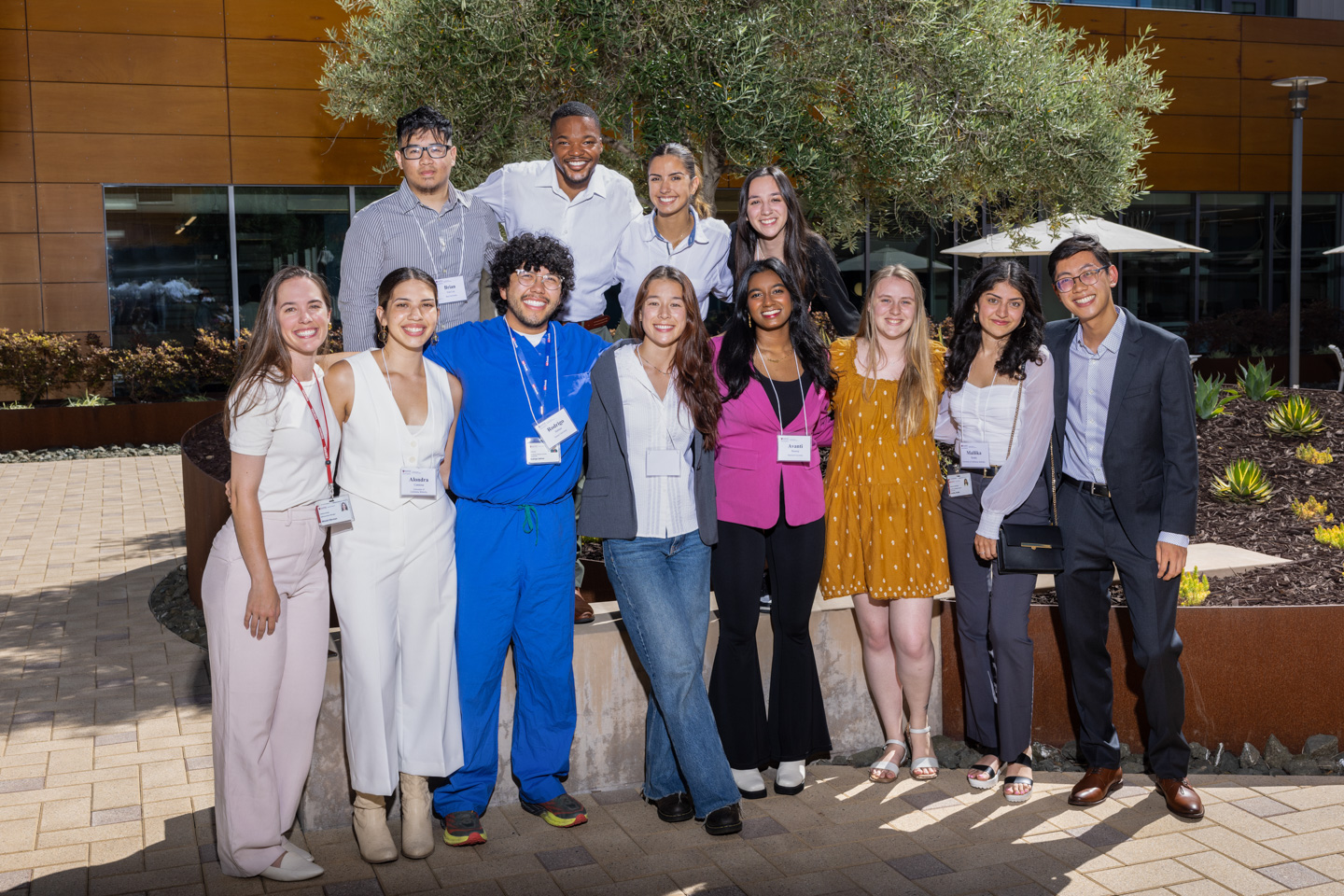
Pre-Renal Initiative participants. Front row, from left: Winnie Ellerman, manager; Alondra Camrena, UC Berkeley; Rodrigo Salinas, Emory University; Angelina Powers, UC Santa Cruz; Avanti Ramraj, Stanford; Alexandra Bibby, coordinator; Mallika Reddy, UC Berkeley; Jeffrey Doeve. Back row, from left: Brian Van Lee, Rice University; Brevyn Belfield, Hampton University; Maria Luiza Periera Ortiz, Mount Holyoke College; Arianna Mejia, University of Pennsylvania.

Pre-Renal Initiative participants. Front row, from left: Winnie Ellerman, manager; Alondra Camrena, UC Berkeley; Rodrigo Salinas, Emory University; Angelina Powers, UC Santa Cruz; Avanti Ramraj, Stanford; Alexandra Bibby, coordinator; Mallika Reddy, UC Berkeley; Jeffrey Doeve. Back row, from left: Brian Van Lee, Rice University; Brevyn Belfield, Hampton University; Maria Luiza Periera Ortiz, Mount Holyoke College; Arianna Mejia, University of Pennsylvania

The Pre-Renal Initiative

Recruiting Nephrologists Early

Pre-Renal Initiative participants. Front row, from left: Winnie Ellerman, manager; Alondra Camrena, UC Berkeley; Rodrigo Salinas, Emory University; Angelina Powers, UC Santa Cruz; Avanti Ramraj, Stanford; Alexandra Bibby, coordinator; Mallika Reddy, UC Berkeley; Jeffrey Doeve. Back row, from left: Brian Van Lee, Rice University; Brevyn Belfield, Hampton University; Maria Luiza Periera Ortiz, Mount Holyoke College; Arianna Mejia, University of Pennsylvania.

Pre-Renal Initiative participants. Front row, from left: Winnie Ellerman, manager; Alondra Camrena, UC Berkeley; Rodrigo Salinas, Emory University; Angelina Powers, UC Santa Cruz; Avanti Ramraj, Stanford; Alexandra Bibby, coordinator; Mallika Reddy, UC Berkeley; Jeffrey Doeve. Back row, from left: Brian Van Lee, Rice University; Brevyn Belfield, Hampton University; Maria Luiza Periera Ortiz, Mount Holyoke College; Arianna Mejia, University of Pennsylvania

The Pre-Renal Initiative

Recruiting Nephrologists Early

Despite the need for more nephrologists, the field of nephrology has suffered an image problem. The subspecialty has been perceived as somewhat stale and stodgy, with limited therapies available for chronic kidney disease (CKD) and a scant research pipeline.

“By the time they enter medical school, many students already know what area of study they intend to pursue, such as cardiology, oncology, or general surgery,” says Vivek Bhalla, MD, associate professor of nephrology and director of the Stanford Hypertension Center. “Early exposure to the field of nephrology is crucial to attract more practitioners and researchers to this dynamic subspecialty, and that is exactly what our initiative is designed to do,” says Bhalla, who is co-director of the Pre-Renal Initiative, a summer research program for undergraduate college students aimed at attracting trainees to the field of nephrology.

Enter the Pre-Renal Initiative

The Pre-Renal Initiative was founded in 2019 to develop an interest in nephrology by planting a seed at the undergraduate level, especially among the very minority and underrepresented populations most affected by CKD. Through this outreach and recruitment effort, Stanford is creating the potential for a clearer path to this subspecialty for those who may not have considered it previously.

Students are recruited through the initiative’s website and social media accounts, as well as with campus outreach at local universities and student groups using targeted emails and virtual talks.

The initiative includes the subspecialties of urology and benign hematology — related areas of study that also need to draw attention as potential career choices.

Bhalla says that in the past 10 years, an explosion of new therapies has emerged for CKD. Multiple new drugs for treating the disease are now available, and amazing insights are revealing how those drugs can manage or even cure CKD. These developments, combined with the current nationwide epidemics of diabetes and obesity, have triggered a need for more nephrologists who can treat the 37 million Americans who have CKD, many of whom are ethnic minorities. 

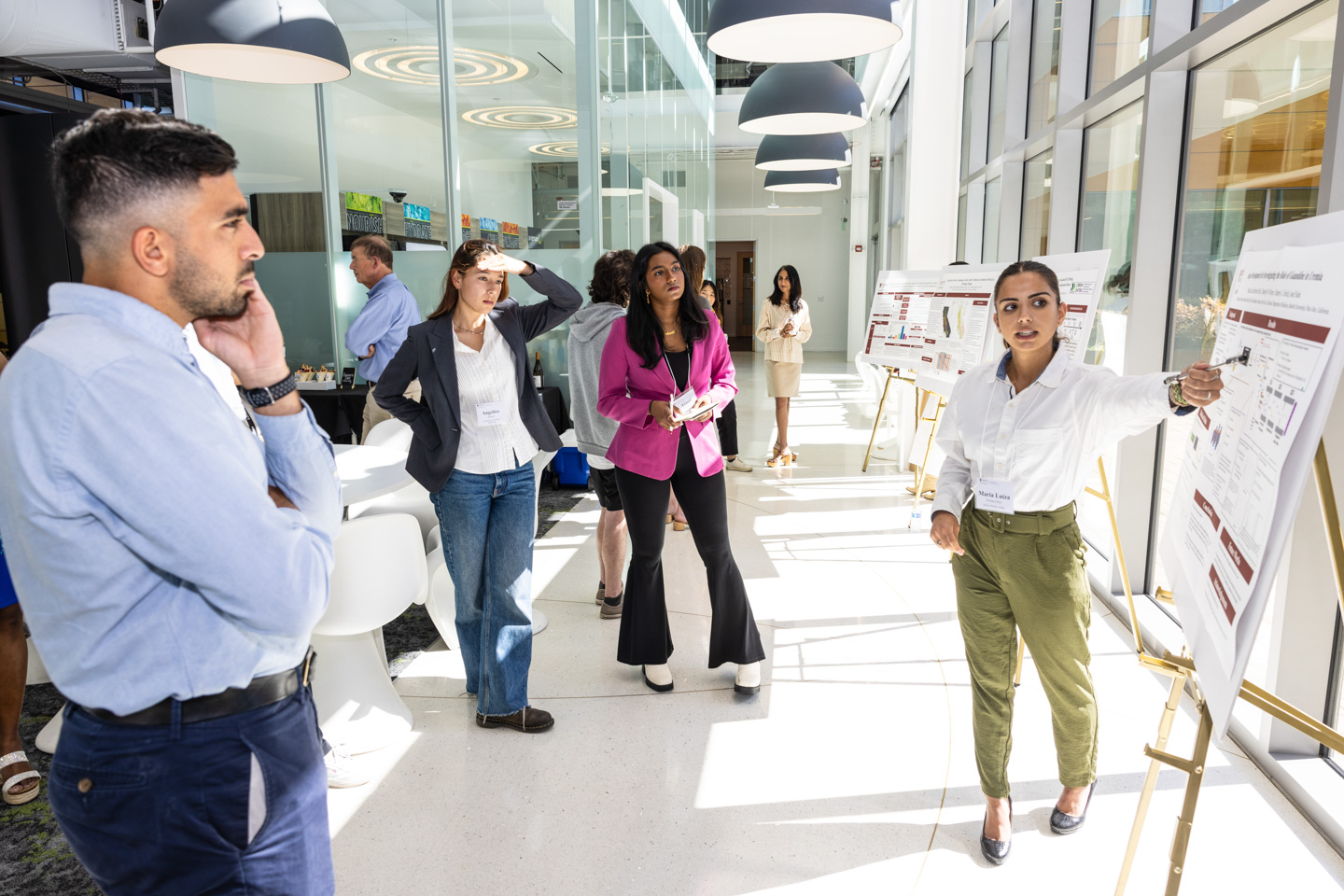
The 10-week program has three components: a research project, a lecture series, and professional development. Each summer includes twice-weekly lectures with nephrology, urology, and hematology faculty members, covering topics in clinical care and research. Additional activities include professional development seminars, social events, and a poster symposium at Stanford and at the National Institutes of Health (NIH), which provides funding for the program.

Glenn M. Chertow, MD, is proud of the initiative’s success in “fostering the interests of women and other underrepresented groups into medicine, nephrology, and urology.” Chertow is a former division chief of nephrology and is currently associate chair of fellowship programs in the Department of Medicine.

Emerging From the Pandemic

The year 2023 was only the second time the Pre-Renal Initiative took place fully in person, with a group of 11 undergraduate students from California, New York, South Carolina, and Texas. They were paired individually with a faculty member and in groups of three with a fellow or resident.

Maria Luiza Periera Ortiz (at easel) is benefiting from early exposure to the field of nephrology. 

“The faculty lectures are multidisciplinary and are a highlight of the Pre-Renal Initiative,” notes Winnie Ellerman, administrative manager for the division of nephrology. She adds that “the most thrilling part of the program has been seeing the students present their research at the end of the summer. They’d been able to establish a hypothesis and see it come to life in the lab.”

Stand By for Results

As for creating a pool of future nephrologists, the success of the program won’t be measurable for at least another 10 years. And, says Bhalla, “even if they don’t go to medical school or specialize in nephrology, they will have benefited from the experience.”

Ellerman adds, “I know the bonds that have formed here will follow these students into their future lives. That is very powerful.”

Brevyn Belfield makes a point during a presentation

I cannot thank you enough for this wonderful program! I feel so happy knowing there is a sphere of medicine that fascinates me as much as urology/nephrology does and that there is so much room for me to join and continue improving renal care!
— Pre-Renal Initiative participant

Despite the need for more nephrologists, the field of nephrology has suffered an image problem. The subspecialty has been perceived as somewhat stale and stodgy, with limited therapies available for chronic kidney disease (CKD) and a scant research pipeline.

“By the time they enter medical school, many students already know what area of study they intend to pursue, such as cardiology, oncology, or general surgery,” says Vivek Bhalla, MD, associate professor of nephrology and director of the Stanford Hypertension Center. “Early exposure to the field of nephrology is crucial to attract more practitioners and researchers to this dynamic subspecialty, and that is exactly what our initiative is designed to do,” says Bhalla, who is co-director of the Pre-Renal Initiative, a summer research program for undergraduate college students aimed at attracting trainees to the field of nephrology.

Maria Luiza Periera Ortiz (at easel) is benefiting from early exposure to the field of nephrology

Enter the Pre-Renal Initiative

The Pre-Renal Initiative was founded in 2019 to develop an interest in nephrology by planting a seed at the undergraduate level, especially among the very minority and underrepresented populations most affected by CKD. Through this outreach and recruitment effort, Stanford is creating the potential for a clearer path to this subspecialty for those who may not have considered it previously.

Students are recruited through the initiative’s website and social media accounts, as well as with campus outreach at local universities and student groups using targeted emails and virtual talks.

The initiative includes the subspecialties of urology and benign hematology — related areas of study that also need to draw attention as potential career choices.

Bhalla says that in the past 10 years, an explosion of new therapies has emerged for CKD. Multiple new drugs for treating the disease are now available, and amazing insights are revealing how those drugs can manage or even cure CKD. These developments, combined with the current nationwide epidemics of diabetes and obesity, have triggered a need for more nephrologists who can treat the 37 million Americans who have CKD, many of whom are ethnic minorities. 

The 10-week program has three components: a research project, a lecture series, and professional development. Each summer includes twice-weekly lectures with nephrology, urology, and hematology faculty members, covering topics in clinical care and research. Additional activities include professional development seminars, social events, and a poster symposium at Stanford and at the National Institutes of Health (NIH), which provides funding for the program.

Glenn M. Chertow, MD, is proud of the initiative’s success in “fostering the interests of women and other underrepresented groups into medicine, nephrology, and urology.” Dr. Chertow is a former division chief of nephrology and is currently associate chair of fellowship programs in the Department of Medicine.

I cannot thank you enough for this wonderful program! I feel so happy knowing there is a sphere of medicine that fascinates me as much as urology/nephrology does and that there is so much room for me to join and continue improving renal care!
— Pre-Renal Initiative participant

Brevyn Belfield makes a point during a presentation.

Emerging From the Pandemic

The year 2023 was only the second time the Pre-Renal Initiative took place fully in person, with a group of 11 undergraduate students from California, New York, South Carolina, and Texas. They were paired individually with a faculty member and in groups of three with a fellow or resident.

“The faculty lectures are multidisciplinary and are a highlight of the Pre-Renal Initiative,” notes Winnie Ellerman, administrative manager for the division of nephrology. She adds that “the most thrilling part of the program has been seeing the students present their research at the end of the summer. They’d been able to establish a hypothesis and see it come to life in the lab.”

Stand By for Results

As for creating a pool of future nephrologists, the success of the program won’t be measurable for at least another 10 years. And, says Bhalla, “even if they don’t go to medical school or specialize in nephrology, they will have benefited from the experience.”

Ellerman adds, “I know the bonds that have formed here will follow these students into their future lives. That is very powerful.”

How to Secure Competitive R01 Research Grants? Check Out This Program!

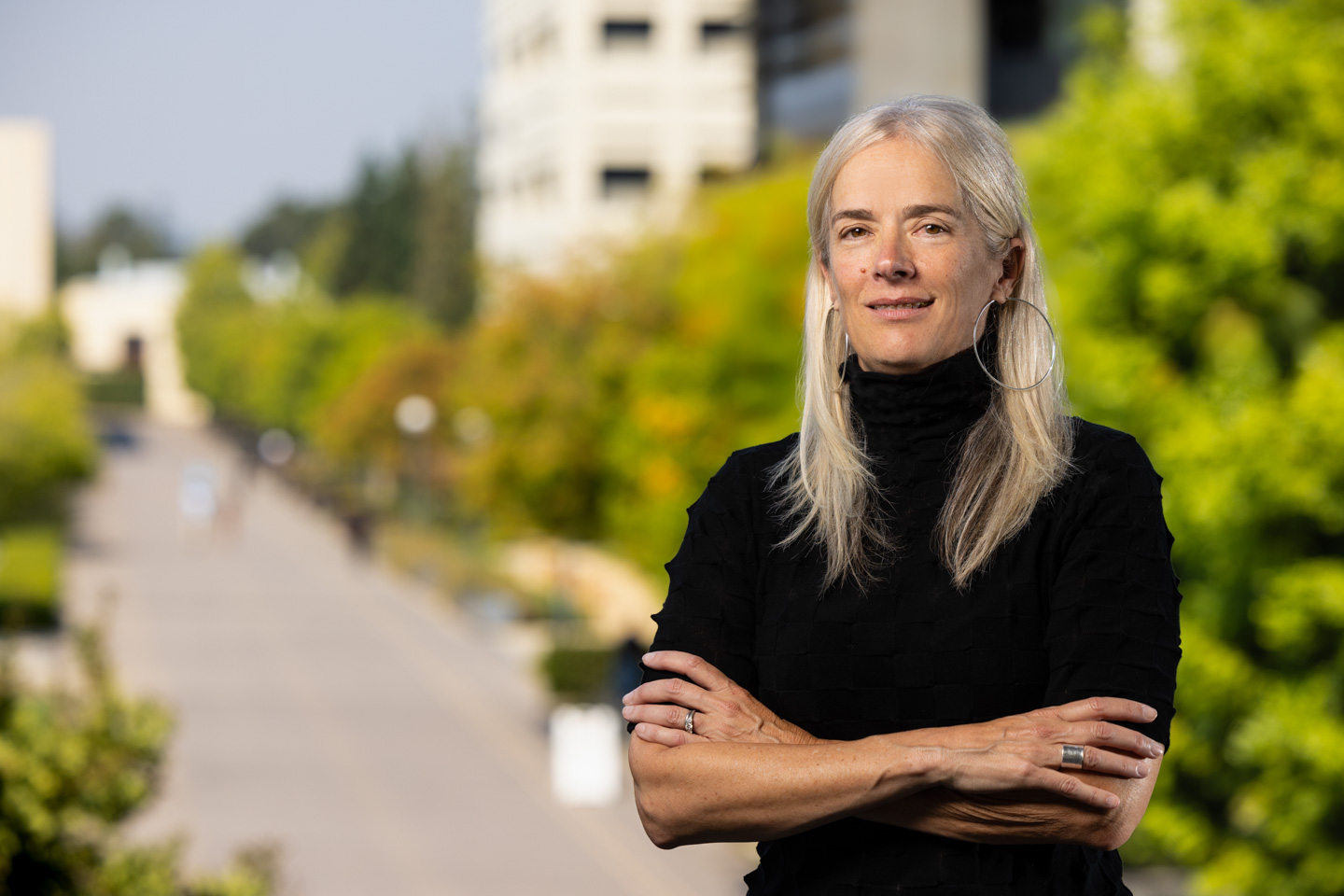
Michaela Kiernan, PhD

Michaela Kiernan, PhD

How to Secure Competitive R01 Research Grants? Check Out This Program!

Michaela Kiernan, PhD

Michaela Kiernan, PhD

How to Secure Competitive R01 Research Grants? Check Out This Program!

One of the hardest parts about being a scientist is obtaining research grants — particularly the very competitive ones from the National Institutes of Health (NIH).

Michaela Kiernan, PhD, a senior research scholar at the Stanford Prevention Research Center, has received a number of NIH grants throughout her career. She and the Stanford Medicine Office of Faculty Development and Diversity (OFDD) wanted to find an effective way to mentor junior faculty through the daunting application process. For the past decade, Kiernan has directed OFDD’s annual R01 Countdown Program — a 15-week intensive grant writing boot camp that teaches junior faculty how to produce clear, organized, and impactful R01 grant applications.

R01 grants are awarded by the NIH to support a project for up to five years, and they are the oldest, most prestigious grants awarded to independent investigators conducting biomedical research. The program also helps researchers who are applying for an R21 grant, which encourages exploratory research by supporting early and conceptual stages of project development.

Kiernan’s efforts have been widely successful; over the years, the R01 Countdown Program has generated over $152 million in NIH grants across 14 different NIH institutes, as well as other government and foundation grant funding.

“Scientists often struggle to write in a concise and approachable manner. As researchers, we had many research methods and stats courses, but not a lot of graduate programs include formal scientific writing courses,” says Kiernan.

The program’s intimate format makes it compelling for Stanford faculty members, says Magali Fassiotto, PhD, associate dean of OFDD. “This psychosocial support, in addition to the multiple proven techniques and specific skills-building provided by the program, makes for an empowering and safe environment for faculty who are submitting NIH R-series grants as a principal investigator.”

One of the hardest parts about being a scientist is obtaining research grants — particularly the very competitive ones from the National Institutes of Health (NIH).

Michaela Kiernan, PhD, a senior research scholar at the Stanford Prevention Research Center, has received a number of NIH grants throughout her career. She and the Stanford Medicine Office of Faculty Development and Diversity (OFDD) wanted to find an effective way to mentor junior faculty through the daunting application process. For the past decade, Kiernan has directed OFDD’s annual R01 Countdown Program — a 15-week intensive grant writing boot camp that teaches junior faculty how to produce clear, organized, and impactful R01 grant applications.

R01 grants are awarded by the NIH to support a project for up to five years, and it is the oldest, most prestigious grant awarded to independent investigators conducting biomedical research. The program also helps researchers who are applying for an R21 grant, which encourages exploratory research by supporting early and conceptual stages of project development.

Kiernan’s efforts have been widely successful; over the years, the R01 Countdown Program has generated over $152 million in NIH grants across 14 different NIH institutes, as well as other government and foundation grant funding.

“Scientists often struggle to write in a concise and approachable manner. As researchers, we had many research methods and stats courses, but not a lot of graduate programs include formal scientific writing courses,” says Kiernan.

The program’s intimate format makes it compelling for Stanford faculty members, says Magali Fassiotto, PhD, associate dean of OFDD. “This psychosocial support, in addition to the multiple proven techniques and specific skills-building provided by the program, makes for an empowering and safe environment for faculty who are submitting NIH R-series grants as a principal investigator.”

Rather than focus on their own grant, faculty first learn how to look at stellar, already funded grants at a 30,000-foot view to see how they are put together.

— Michaela Kiernan, PhD, senior research scholar at the Stanford Prevention Research Center 

Mastering Science Writing Techniques

Each October to February, nine or 10 junior faculty members are selected to participate in the program. Those who have submitted an R01 in the past but have not yet been awarded a grant are prioritized.

Faculty start by learning basic scientific writing techniques. “Rather than focus on their own grant, faculty first learn how to look at stellar, already funded grants at a 30,000-foot view to see how they are put together,” says Kiernan.

The work includes walking through each of eight elements recommended for writing a concise and compelling “specific aims” page — the most vital part of an NIH grant application designed to hook reviewers’ attention and convince them that the work is worth funding. OFDD has made these eight elements available online to investigators at Stanford and beyond, which has garnered strong interest, with over 5,900 page views in the past two years.

Editing and Presenting Your Grant

Next, each faculty member edits their own specific aims page. “One unique part of this program is we spend a lot of time on innovation,” says Kiernan. This involves distinguishing what is new about your scientific methods by juxtaposing them with the limitations of existing methods in the field. “The fact that something has never been done before doesn’t automatically make it innovative,” Kiernan says. Junior faculty also seek out new collaborations to further push their science.

Once a draft is completed, faculty read peers’ specific aims and provide detailed, constructive feedback in a quick round-robin manner. “We don’t want people dragging on in an oral presentation. It’s about trying to mimic how fast grant reviewers move when they work through a stack of grants,” says Kiernan.

For that reason, writing in a concise way that avoids scientific jargon and niche acronyms is key. “Everyone is from different departments and applying to different NIH institutes, so it’s important to make the writing super accessible,” Kiernan says.

A Collaborative Environment

One of the most exciting aspects of this program is that it creates a collaborative environment for a range of Stanford researchers who would otherwise not have the opportunity to dive into cross-disciplinary science.

“There is wonderful camaraderie in the cohorts. For two hours each week, faculty work with colleagues from other disciplines and talk about really cool science,” says Kiernan. “It is extremely intellectually stimulating and collaborative.”

Along with the joy that comes from teaching others valuable grant writing skills, one of Kiernan’s favorite parts about the R01 Countdown Program is hearing from faculty when they cross the finish line and are awarded their NIH R01.

“Faculty come in with different strengths and areas for growth, and it’s just so wonderful to see them expand on their strengths and succeed,” she says.

Fassiotto emphatically agrees. “Michaela and this incredible course, which she has developed and led, are true gems not only of our Office of Faculty Development and Diversity, but of Stanford Medicine as a whole.”

CHIP: Where Artificial Intelligence and Cardiology Come Together

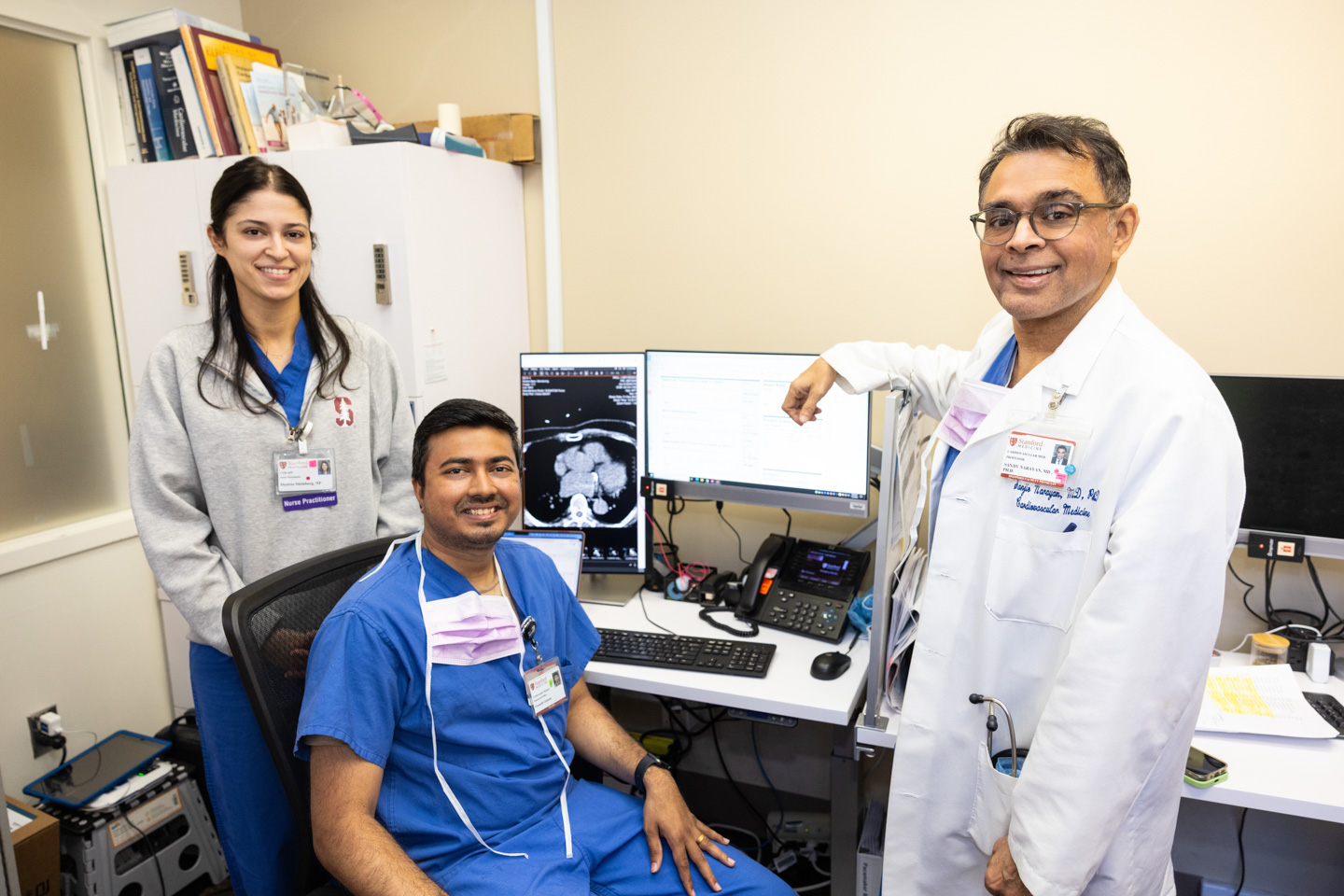
From left: Desiree Steinberg, NP; Prasanth Ganesan, PhD; and Sanjiv M. Narayan, MD, PhD

From left: Desiree Steinberg, NP; Prasanth Ganesan, PhD; and Sanjiv M. Narayan, MD, PhD

CHIP: Where Artificial Intelligence and Cardiology Come Together

From left: Desiree Steinberg, NP; Prasanth Ganesan, PhD; and Sanjiv M. Narayan, MD, PhD

From left: Desiree Steinberg, NP; Prasanth Ganesan, PhD; and Sanjiv M. Narayan, MD, PhD

CHIP: Where Artificial Intelligence and Cardiology Come Together

“Computer tools are everywhere. They’re in your phone. They’re in your TV remote. They’re in your car gearbox,” says Sanjiv M. Narayan, MD, PhD, professor of cardiovascular medicine. As the benefits of artificial intelligence (AI) and machine learning in the medical setting become increasingly clear, it is imperative that physicians understand them, so they can be safely and thoughtfully leveraged to improve research and patient care. That is why he and his co-director Alison Marsden, PhD, have founded the first-of-its-kind Computational Medicine in the Heart: Integrated Training Program (CHIP). Marsden is Douglass M. and Nola Leishman Professor of Cardiovascular Diseases in the departments of Pediatrics, Bioengineering, and, by courtesy, Mechanical Engineering.

“If we don’t understand [machine learning and AI], we are ceding our responsibility to tech companies, who may have priorities other than patient care or science,” Narayan says. “If we understand these things better, we are better prepared. … It just makes the scientific mission better.”

At the same time, computer scientists and engineers, the professionals who typically develop the computer-based technologies that are used in medicine, may do a better job if they understand the nuanced medical and biological contexts in which they are used.

Learning How to Speak the Same Language

Welcoming its very first students during the summer of 2023, CHIP operates under the aegis of the Stanford Cardiovascular Institute (CVI) and the Institute for Computational and Mathematical Engineering (ICME). It is a truly multidisciplinary program, accepting students with diverse backgrounds to develop the novel specialty of computational medicine. CHIP cross-trains biologists and medical specialists on the one hand and engineers, mathematicians, and computer scientists on the other. “The idea is to have enough [mutual] understanding so we can talk the same language,” says Narayan, who in addition to being director of CHIP is also a professor of medicine and co-director of another multidisciplinary program — the Stanford Center for Arrhythmia Research.

While many are already working in the space that CHIP straddles, most are formally educated in one field and self-taught in the other. CHIP provides education that spans both while at the same time offering opportunities to make practical use of this multidisciplinary training in clinical and research settings.

Made possible via a prestigious and highly sought-after National Institutes of Health (NIH) T32 grant, the two-year research program offers on-the-job practical training to those with an MD or PhD in the fields of medicine, biology, computer science, or engineering. Students engage with Stanford faculty across the entire campus, including the schools of Medicine, Engineering, and Humanities and Sciences. “We want people who are committed to this intersection,” says Narayan. “They have proven to us that they are not just doing it to work with a certain faculty. They believe in the mission. To me, it’s a mindset.”

Harnessing a Powerful Tool in Medicine

“Medical AI, when it is used to complement the physician, is incredibly powerful,” continues Narayan. Examples include the Apple Watch, which can detect atrial fibrillation, or AI and machine learning algorithms to aid in the interpretation of findings on imaging. Unlike people, AI doesn’t get tired. It doesn’t get hungry. It doesn’t have good and bad days. But computers should never replace a physician. They simply provide new pieces of information with which to make decisions. In fact, a recent Stanford study revealed that using machine learning can help identify evidence of cardiovascular disease on imaging that was missed by clinicians. One of Narayan’s own specialties is in digital phenotyping to predict cardiovascular outcomes. The use of AI and machine learning allows for the number of factors included in an individual digital phenotype to be virtually limitless.

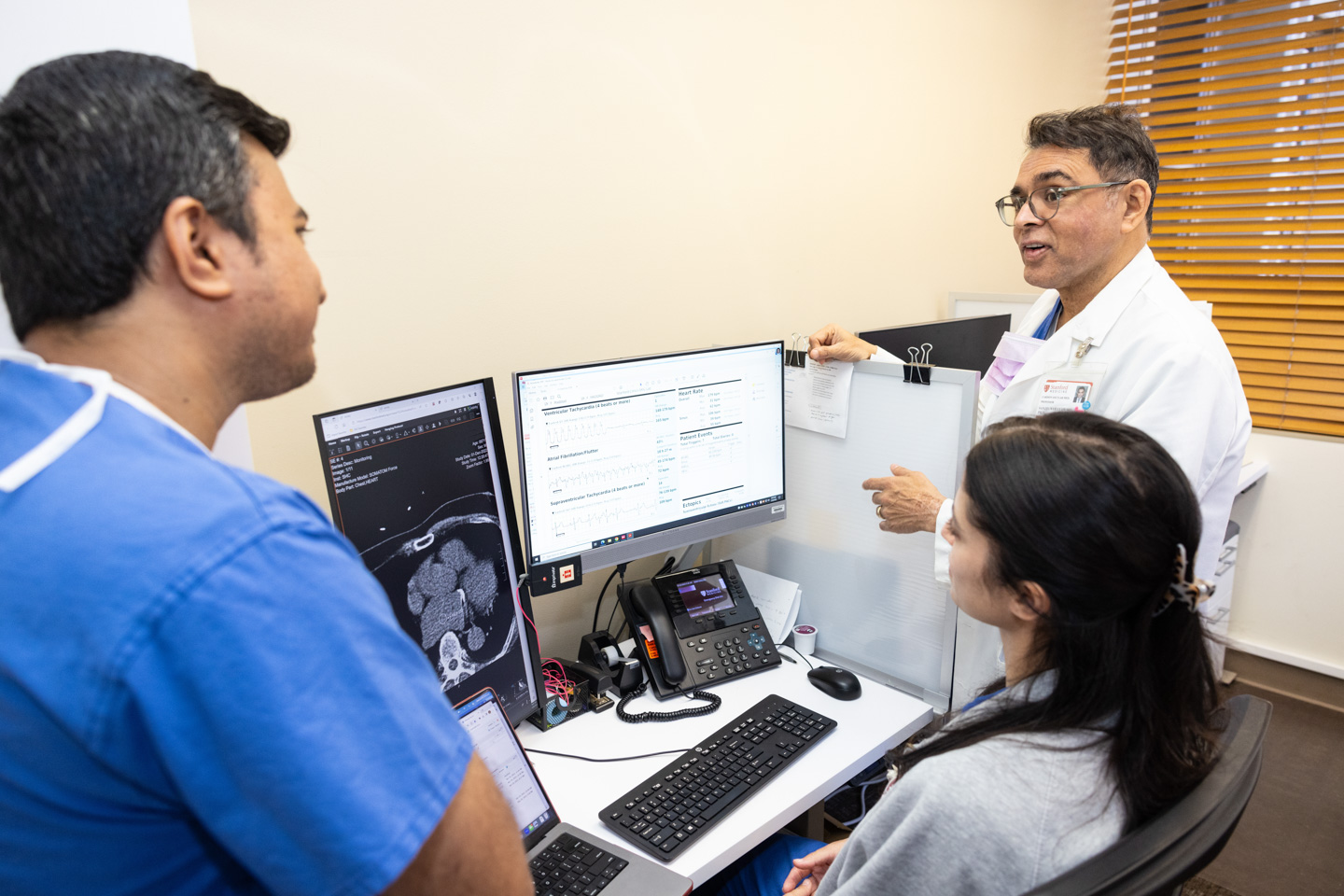
CHIP program participants from left: Prasanth Ganesan, PhD, cardiovascular medicine postdoctoral fellow; Desiree Steinberg, NP; and Sanjiv M. Narayan, MD, PhD

“Computer tools are everywhere. They’re in your phone. They’re in your TV remote. They’re in your car gearbox,” says Sanjiv M. Narayan, MD, PhD, professor of cardiovascular medicine. As the benefits of artificial intelligence (AI) and machine learning in the medical setting become increasingly clear, it is imperative that physicians understand them, so they can be safely and thoughtfully leveraged to improve research and patient care. That is why he and his co-director Alison Marsden, PhD, have founded the first-of-its-kind Computational Medicine in the Heart: Integrated Training Program (CHIP). Marsden is Douglass M. and Nola Leishman Professor of Cardiovascular Diseases in the departments of Pediatrics, Bioengineering, and, by courtesy, Mechanical Engineering.

“If we don’t understand [machine learning and AI], we are ceding our responsibility to tech companies, who may have priorities other than patient care or science,” Narayan says. “If we understand these things better, we are better prepared. … It just makes the scientific mission better.” At the same time, computer scientists and engineers, the professionals who typically develop the computer-based technologies that are used in medicine, may do a better job if they understand the nuanced medical and biological contexts in which they are used.

Learning How to Speak the Same Language

Welcoming its very first students during the summer of 2023, CHIP operates under the aegis of the Stanford Cardiovascular Institute (CVI) and the Institute for Computational and Mathematical Engineering (ICME). It is a truly multidisciplinary program, accepting students with diverse backgrounds to develop the novel specialty of computational medicine. CHIP cross-trains biologists and medical specialists on the one hand and engineers, mathematicians, and computer scientists on the other. “The idea is to have enough [mutual] understanding so we can talk the same language,” says Narayan, who in addition to being director of CHIP is also a professor of medicine and co-director of another multidisciplinary program — the Stanford Center for Arrhythmia Research. While many are already working in the space that CHIP straddles, most are formally educated in one field and self-taught in the other. CHIP provides education that spans both while at the same time offering opportunities to make practical use of this multidisciplinary training in clinical and research settings.

Made possible via a prestigious and highly sought-after National Institutes of Health (NIH) T32 grant, the two-year research program offers on-the-job practical training to those with an MD or PhD in the fields of medicine, biology, computer science, or engineering. Students engage with Stanford faculty across the entire campus, including the schools of Medicine, Engineering, and Humanities and Sciences. “We want people who are committed to this intersection,” says Narayan. “They have proven to us that they are not just doing it to work with a certain faculty. They believe in the mission. To me, it’s a mindset.”

Harnessing a Powerful Tool in Medicine

“Medical AI, when it is used to complement the physician, is incredibly powerful,” continues Narayan. Examples include the Apple Watch, which can detect atrial fibrillation, or AI and machine learning algorithms to aid in the interpretation of findings on imaging. Unlike people, AI doesn’t get tired. It doesn’t get hungry. It doesn’t have good and bad days. But computers should never replace a physician. They simply provide new pieces of information with which to make decisions. In fact, a recent Stanford study revealed that using machine learning can help identify evidence of cardiovascular disease on imaging that was missed by clinicians. One of Narayan’s own specialties is in digital phenotyping to predict cardiovascular outcomes. The use of AI and machine learning allows for the number of factors included in an individual digital phenotype to be virtually limitless.

CHIP program participants from left: Prasanth Ganesan, PhD, cardiovascular medicine postdoctoral fellow; Desiree Steinberg, NP; and Sanjiv M. Narayan, MD, PhD

We are at the cutting edge of next-generation computational engineering and medicine, to deliver solutions to improve the lives of patients.
Sanjiv Narayan, MD

Integrating New Technology by Improving Competence Across Disciplines

Narayan uses the analogy of the increasing importance of statistics in medicine to explain the importance of programs like CHIP. “There was a time when physicians were not taught statistics. Now it’s such a major part of what we [as physicians] do,” he says. Computer science is becoming integral to how medicine is practiced, just as statistics has become integral to weighing evidence and ultimately making clinical decisions.

Narayan expects that by the end of their training, students will have worked and published across disciplines. Upon graduation, they will continue to leverage their understanding of computational medicine in their careers in academia, government, or industry. “The quality of our graduates will make this a signature for Stanford,” he says. “We are at the cutting edge of next-generation computational engineering and medicine, to deliver solutions to improve the lives of patients.” Ultimately, he says, he would like CHIP to be the catalyst behind the birth of the field of computational medicine, with one day perhaps a Center for Computational Medicine within the Stanford School of Medicine. “If we have done that,” he says, “we have moved the needle. The science will be more robust, outcomes should be better. Patients should get better treatment.”