Paid Summer Internship Program Furthers Stanford Commitment to Diversity, Equity, Inclusion

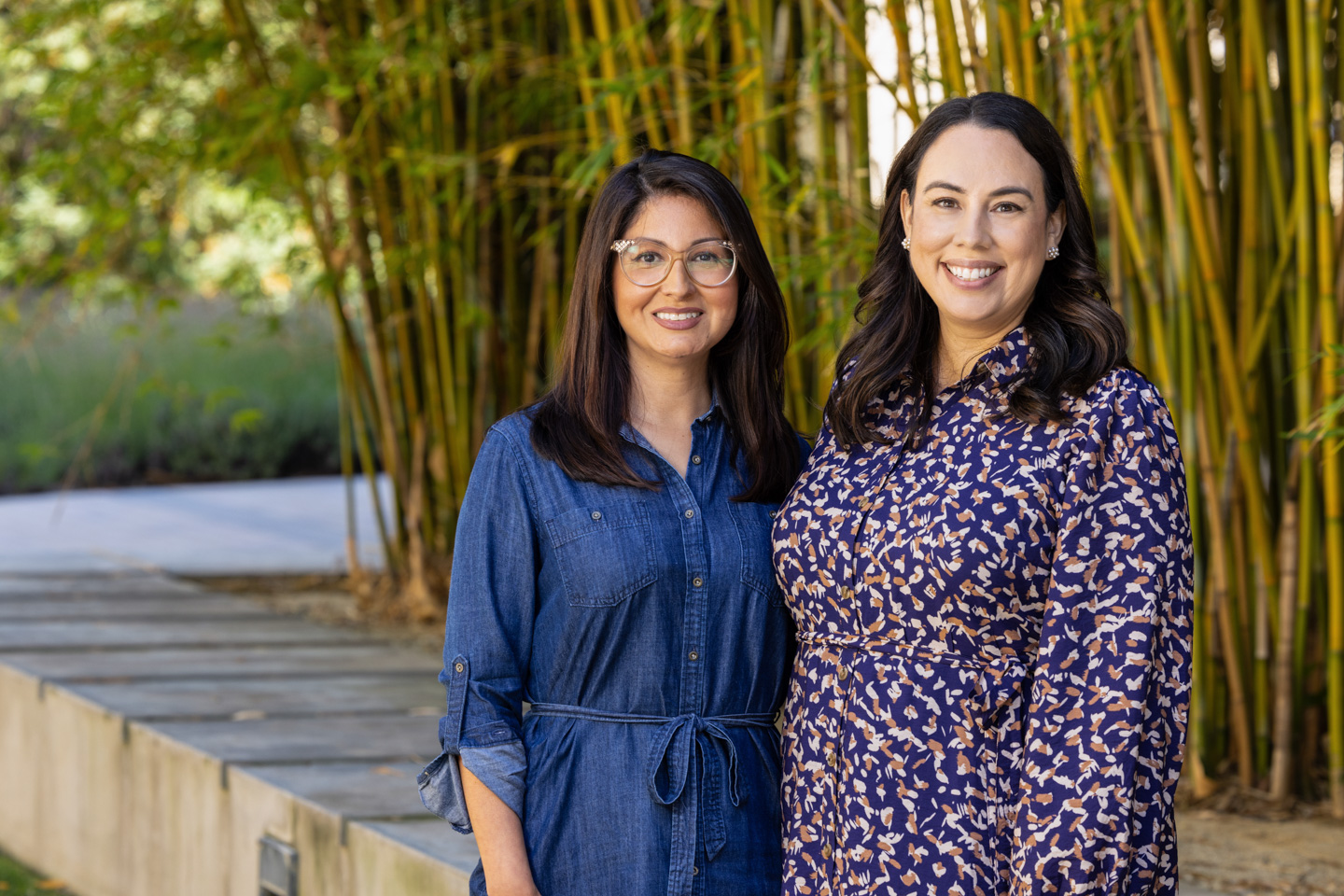
Front row, from left: Josue Parra, UC Berkeley; Briana Giglio, San Jose State University; Sarah Morales, UC Berkeley; Daphney Saviotti-Orozco, UC Berkeley. Back row, from left: Cecile Bonini and Karina Delgado-Carrasco.

Front row, from left: Josue Parra, UC Berkeley; Briana Giglio, San Jose State University; Sarah Morales, UC Berkeley; Daphney Saviotti-Orozco, UC Berkeley. Back row, from left: Cecile Bonini and Karina Delgado-Carrasco

Paid Summer Internship Program Furthers Stanford Commitment to Diversity, Equity, Inclusion
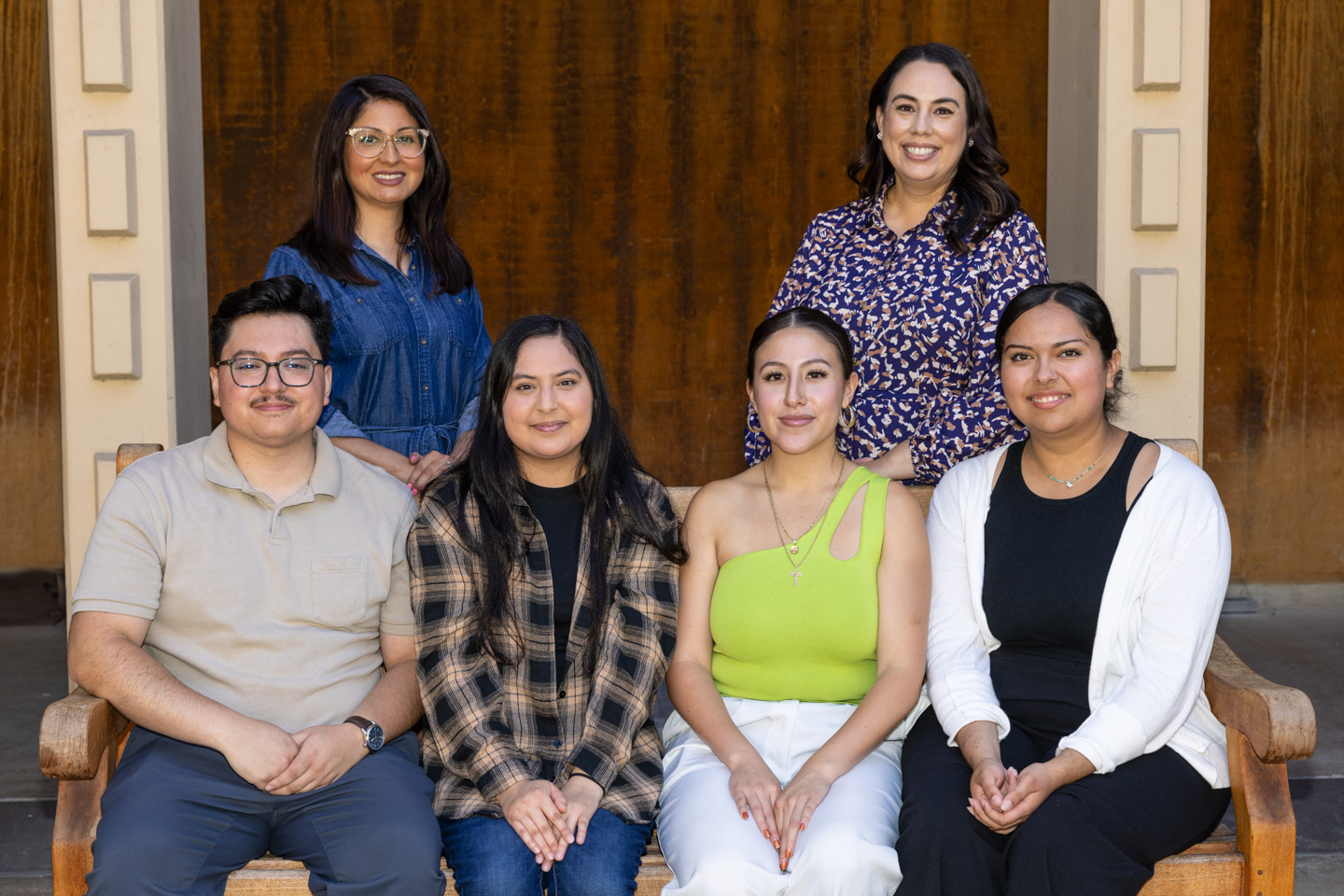
Front row, from left: Josue Parra, UC Berkeley; Briana Giglio, San Jose State University; Sarah Morales, UC Berkeley; Daphney Saviotti-Orozco, UC Berkeley. Back row, from left: Cecile Bonini and Karina Delgado-Carrasco.

Front row, from left: Josue Parra, UC Berkeley; Briana Giglio, San Jose State University; Sarah Morales, UC Berkeley; Daphney Saviotti-Orozco, UC Berkeley. Back row, from left: Cecile Bonini and Karina Delgado-Carrasco

Paid Summer Internship Program Furthers Stanford Commitment to Diversity, Equity, Inclusion

During the summer of 2023, the Department of Medicine launched a Paid Internship Program for college students. Through this initiative, eight undergraduates from local universities were placed in staff positions across four divisions in the department.

In the interview that follows, Cecile Bonini, associate director of human resources, and Karina Delgado-Carrasco, director of education programs, answer questions about why the program was established and what it hopes to achieve in the future.

What is the Paid Internship Program?

Bonini: The Paid Internship Program creates summer staff positions for a diverse group of students with a strong appreciation for diversity, equity, inclusion, and belonging (DEIB), who are interested in careers in health care, academic medicine, and administrative roles in higher learning.

How did you go about setting it up?

Bonini: Karina and I reached out to student advisers at local schools and universities to seek applicants with relevant majors. We also contacted campus student support centers and “first-gen” offices, to reach students who were first in their families to attend college.

We promoted the availability of the internships to all 15 divisions in our department. We then developed job descriptions with managers who were excited about supervising a student in a staff role within their work groups.

For this past summer, we had six managers sign on to train and supervise a student. We hired eight people from San Jose State University, UC Berkeley, and the University of San Francisco. Hopefully, these students will view us as a potential employer when they graduate.
What led to the creation of the Paid Internship Program?

Bonini: Two events occurred in 2021. First, the results of a university-wide equity, diversity, and inclusion survey were published. The data showed that though there are spaces at Stanford that can be welcoming and inclusive for many, we have a long way to go as a university to achieve broad-based inclusivity and belonging for all members of the Stanford community.

And second, I noticed that many of the undergraduate students attending our virtual job fairs were asking about paid summer positions. Though we did have summer traineeships available, they were often unpaid or had already been filled by the specific principal investigator seeking those roles.

And how did these two issues motivate you to create this new program?

Bonini: Karina and I felt we could leverage these two scenarios by proactively reaching out to local schools and universities to seek undergraduates who were mission driven; had a strong lens for DEIB; and were interested in health care, academic medicine, or university administration. We would create new summer paid positions with the help of managers who were willing to supervise such individuals on their staff teams.

We approached department leaders who thought this was a wonderful idea. Our director of finance and administration, Cathy Garzio, authorized funding for eight paid summer internships for 2023.

Cecile Bonini (left) and Karina Delgado-Carrasco

Delgado-Carrasco: We also view this program as an opportunity to create a pipeline of candidates who might match a full-time staff role at Stanford in the future. Many students we spoke to were not aware of the numerous employment opportunities we offer; mostly they viewed “health care” as going to medical school or another type of professional training program. Some even thought you had to attend Stanford to work there!

Our goal is to welcome people who otherwise may not have considered working at Stanford and to demonstrate that we have numerous job opportunities for people with a variety of backgrounds and life experiences.

From left: Josue Parra, Briana Giglio, Sarah Morales, Daphney Saviotti-Orozco

During the summer of 2023, the Department of Medicine launched a Paid Internship Program for college students. Through this initiative, eight undergraduates from local universities were placed in staff positions across four divisions in the department.

In the interview that follows, Cecile Bonini, associate director of human resources, and Karina Delgado-Carrasco, director of education programs, answer questions about why the program was established and what it hopes to achieve in the future.

What is the Paid Internship Program?

Bonini: The Paid Internship Program creates summer staff positions for a diverse group of students with a strong appreciation for diversity, equity, inclusion, and belonging (DEIB), who are interested in careers in health care, academic medicine, and administrative roles in higher learning.

How did you go about setting it up?

Bonini: Karina and I reached out to student advisers at local schools and universities to seek applicants with relevant majors. We also contacted campus student support centers and “first-gen” offices, to reach students who were first in their families to attend college.

We promoted the availability of the internships to all 15 divisions in our department. We then developed job descriptions with managers who were excited about supervising a student in a staff role within their work groups.

For this past summer, we had six managers sign on to train and supervise a student. We hired eight people from San Jose State University, UC Berkeley, and the University of San Francisco. Hopefully, these students will view us as a potential employer when they graduate.

Cecile Bonini (left) and Karina Delgado-Carrasco

What led to the creation of the Paid Internship Program?

Bonini: Two events occurred in 2021. First, the results of a university-wide equity, diversity, and inclusion survey were published. The data showed that though there are spaces at Stanford that can be welcoming and inclusive for many, we have a long way to go as a university to achieve broad-based inclusivity and belonging for all members of the Stanford community.

And second, I noticed that many of the undergraduate students attending our virtual job fairs were asking about paid summer positions. Though we did have summer traineeships available, they were often unpaid or had already been filled by the specific principal investigator seeking those roles.

And how did these two issues motivate you to create this new program?

Bonini: Karina and I felt we could leverage these two scenarios by proactively reaching out to local schools and universities to seek undergraduates who were mission driven; had a strong lens for DEIB; and were interested in health care, academic medicine, or university administration. We would create new summer paid positions with the help of managers who were willing to supervise such individuals on their staff teams.

We approached department leaders who thought this was a wonderful idea. Our director of finance and administration, Cathy Garzio, authorized funding for eight paid summer internships for 2023.

Delgado-Carrasco: We also view this program as an opportunity to create a pipeline of candidates who might match a full-time staff role at Stanford in the future. Many students we spoke to were not aware of the numerous employment opportunities we offer; mostly they viewed “health care” as going to medical school or another type of professional training program. Some even thought you had to attend Stanford to work there!

Our goal is to welcome people who otherwise may not have considered working at Stanford and to demonstrate that we have numerous job opportunities for people with a variety of backgrounds and life experiences.

From left: Josue Parra, Briana Giglio, Sarah Morales, Daphney Saviotti-Orozco  

The Paid Internship Program creates summer staff positions for a diverse group of students with a strong appreciation for diversity, equity, inclusion, and belonging, who are interested in careers in health care, academic medicine, and administrative roles in higher learning.

— Cecile Bonini, associate director of human resources

What did this year’s participants do?

Bonini: The eight students worked in various roles in clinical research and administrative support. But it wasn’t all work: We had four professional development seminars that highlighted the importance of personal branding, self-awareness, and networking. Stanford comes with a reputation that some people can find intimidating, so we tried to help the students navigate the organization, ideally so they could envision themselves in full-time roles here in the future. And we had a lovely closing session at the end of the summer, where we bid the students farewell and invited them to keep in touch with one another and with the various connections they made during their time here.

Why do you feel this program is important?

Delgado-Carrasco: Thinking back on my own career journey, I believe having an opportunity like this would have helped me see that there was so much more to do “out there” than I knew about when I was in school. I was a public health major as an undergraduate, but I really didn’t know what that meant in terms of the multiple options I would have for career choices. I felt a little lost back then! I hope this program helps participants understand the numerous roles people who are interested in health care can play.
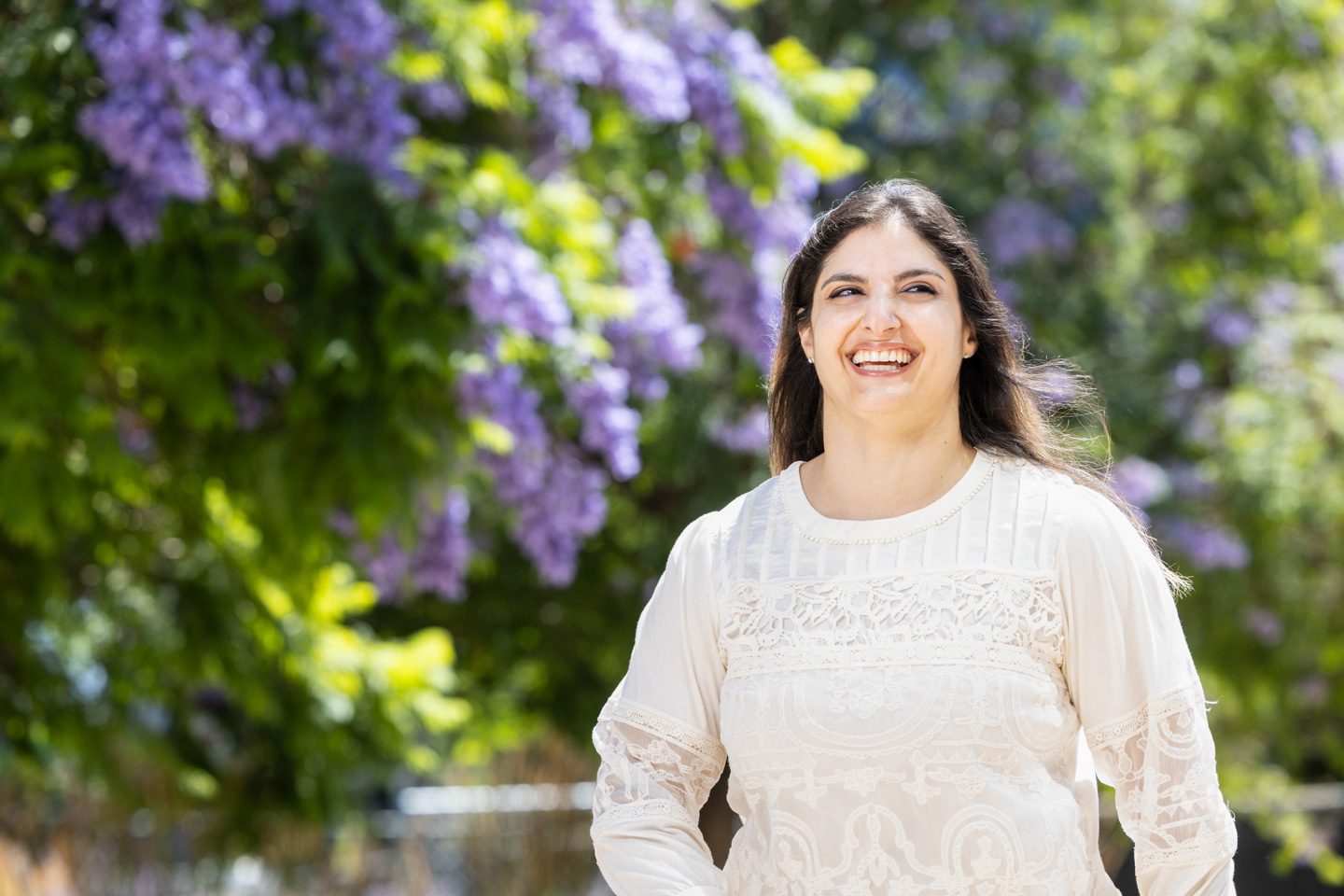
The Paid Internship Program creates summer staff positions for a diverse group of students with a strong appreciation for diversity, equity, inclusion, and belonging, who are interested in careers in health care, academic medicine, and administrative roles in higher learning.

— Cecile Bonini, associate director of human resources

What did this year’s participants do?

Bonini: The eight students worked in various roles in clinical research and administrative support. But it wasn’t all work: We had four professional development seminars that highlighted the importance of personal branding, self-awareness, and networking. Stanford comes with a reputation that some people can find intimidating, so we tried to help the students navigate the organization, ideally so they could envision themselves in full-time roles here in the future. And we had a lovely closing session at the end of the summer, where we bid the students farewell and invited them to keep in touch with one another and with the various connections they made during their time here.

Why do you feel this program is important?

Delgado-Carrasco: Thinking back on my own career journey, I believe having an opportunity like this would have helped me see that there was so much more to do “out there” than I knew about when I was in school. I was a public health major as an undergraduate, but I really didn’t know what that meant in terms of the multiple options I would have for career choices. I felt a little lost back then! I hope this program helps participants understand the numerous roles people who are interested in health care can play.
From Bariatric Surgeon to Accidental Activist

Arghavan Salles, MD, PhD

Arghavan Salles, MD, PhD

From Bariatric Surgeon to Accidental Activist

How One MD/PhD Harnesses the Power of Social Media for Advocacy and Career Development

Arghavan Salles, MD, PhD

From Bariatric Surgeon to Accidental Activist

How One MD/PhD Harnesses the Power of Social Media for Advocacy and Career Development

Arghavan Salles, MD, PhD, did not set out to be an activist or social media influencer. After completing medical school, a surgery residency, and a PhD in education at Stanford, Salles worked as a bariatric surgeon and faculty member in St. Louis, Missouri. She now looks back on the toll those years of grueling medical service and an unsuccessful fertility journey took on her energy. In 2019, she returned to Stanford and the Bay Area for a change of scene and an opportunity to renew her energy and drive.

Now, Salles is a clinical associate professor of gastroenterology and hepatology and special adviser of diversity, equity, and inclusion programs in the Department of Medicine. She found renewed motivation in an unexpected place: Twitter, which she joined in 2016.

She initially shared academic posts (research papers and bariatric surgery content, for example). Over time, she shared more personal content grounded in her sense of justice and responsibility.

Salles identifies, in her own words, as “an academic physician who does research to shed light on certain problems and push our institutions and society toward more inclusive policies” and uses social media primarily as a useful tool in that context.

Below, Salles reflects on the energy driving her posts and how to use social media as a tool for both advocacy and career advancement.

People say silence is complicity, and I do think that is true to some extent. The more we ignore things, the more we suggest those things are fine.

What drives you to do the work of social media activism each day?

I think what keeps me going is a little bit of naïveté — feeling like we can make a difference, that more people speaking up can shift culture and open people’s eyes to issues.

There’s also a feeling of discomfort and uncertainty. I feel very unsettled about a lot of the things happening in the world. I can’t just sit on the sidelines and be like, Oh, someone else will figure that out. Or, It’s OK if I don’t say anything. The more we ignore things, the more we suggest those things are fine.

I have a very strong sense of justice, which may not align with someone else’s, but it is all mine. What I think is right is something I often want to fight for and speak up about. That desire doesn’t really fade from day to day.

Is there a post that stands out as especially representative of your work?

I had this video in January that was about gender schemas, particularly how we view women’s behavior differently just because they’re women, especially in male-dominated professions and anytime we have to be in authoritative roles. There were many women who were like, This is happening every day of my life. They didn’t know the research around this, so my post was validating for them.

There’s a lot we don’t talk about publicly. That leaves people feeling alone and isolated. Even though what they are experiencing is something that’s relatively common, it’s not talked about. I try to communicate to the people who need to hear it: If you’re experiencing this, know that other people experience it too. That doesn’t mean it’s OK, and we should try to fix the systems in place that make this a reality. But also, you’re not alone.

A lot of what I’ve been doing in the last year or so has been about pushing the boundaries of what we think of as professionalism. In most of our organizations, professionalism is weaponized against marginalized people. And it’s really all just made up.

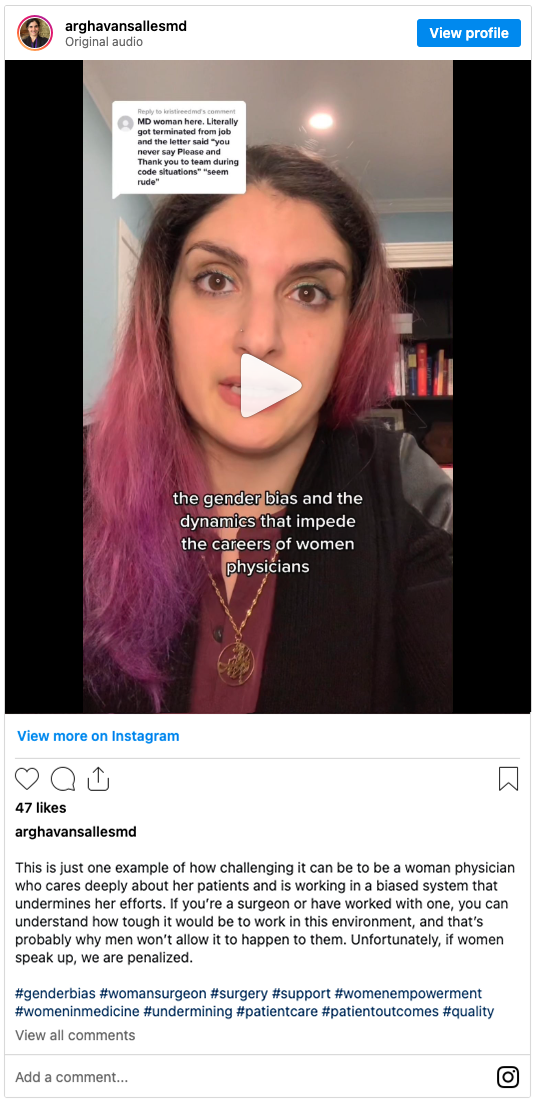
For example, in an Instagram reel I posted in March about being a surgeon with hyper-colored hair, I talk about how I can show up to a place, wearing clean clothes, having showered, having my hair done, whatever, and just because the color of my hair is different than what people are used to, that makes me not professional. So I believe that people should have autonomy over their bodies. It’s not harming anyone else, and it’s not affecting their ability to do their jobs.

What advice would you offer to academics interested in becoming more active on social media, and perhaps in doing advocacy on social platforms?

It’s such an interesting time. Two years ago, I might have said everyone should be on Twitter. But Twitter [rebranded as X in July 2023] is evolving, right? Not necessarily in a positive direction, so it’s hard for me to say that now.

But what I can say is that those of us who are on Twitter have developed collaborations from being in that space. We’ve made friends, and we’ve built community. I’ve found mentors through Twitter who I wouldn’t have met otherwise. I met most of the collaborators on my R01 grant, “Sexual Harassment Training of Primary Investigators (STOP),” via social media.

Social media can be a powerful tool for career development, especially when people are thinking about promotions to associate or full professor, and it can help in developing a regional or national reputation (especially for people who don’t focus on academic publishing).

I don’t think it has to be about activism for everyone. There’s value in networking and in accessing information and scientific research. I think social media is more effective for keeping up on the latest science than going from journal to journal or newspaper to newspaper. Information on research, clinical trials, and the latest things you need to know about the practice of medicine is much more accessible on social media.

People say silence is complicity, and I do think that is true to some extent. The more we ignore things, the more we suggest those things are fine.

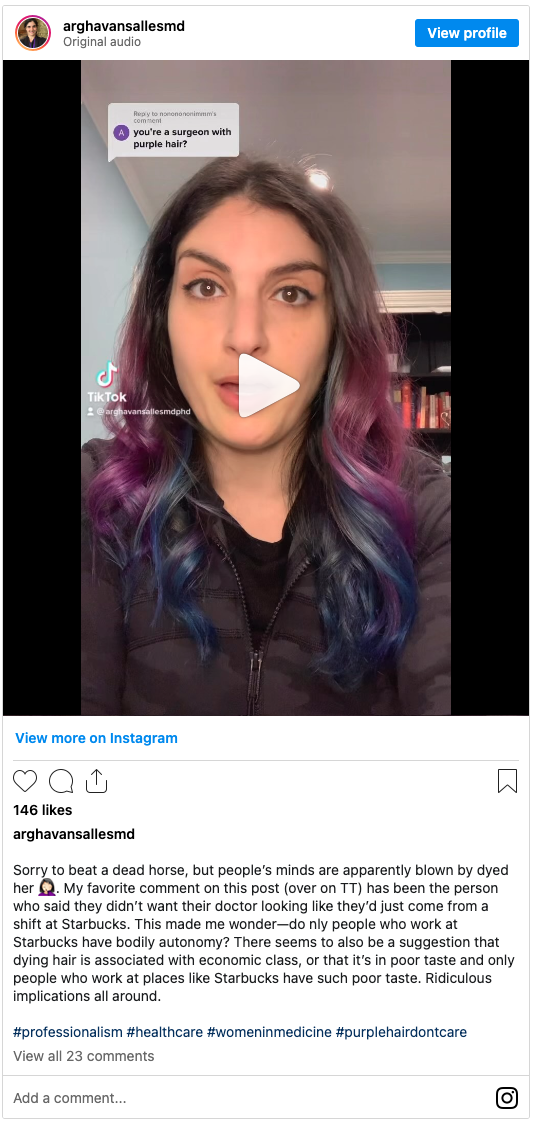
Salles identifies, in her own words, as “an academic physician who does research to shed light on certain problems and push our institutions and society toward more inclusive policies” and uses social media primarily as “a useful tool in that context.”

Below, Salles reflects on the energy driving her posts and how to use social media as a tool for both advocacy and career advancement.

What drives you to do the work of social media activism each day?

I think what keeps me going is a little bit of naïveté — feeling like we can make a difference, that more people speaking up can shift culture and open people’s eyes to issues.

There’s also a feeling of discomfort and uncertainty. I feel very unsettled about a lot of the things happening in the world. I can’t just sit on the sidelines and be like, Oh, someone else will figure that out. Or, It’s OK if I don’t say anything. The more we ignore things, the more we suggest those things are fine.

I have a very strong sense of justice, which may not align with someone else’s, but it is all mine. What I think is right is something I often want to fight for and speak up about. That desire doesn’t really fade from day to day.

Is there a post that stands out as especially representative of your work?

I had this video in January that was about gender schemas, particularly how we view women’s behavior differently just because they’re women, especially in male-dominated professions and anytime we have to be in authoritative roles. There were many women who were like, This is happening every day of my life. They didn’t know the research around this, so my post was validating for them.

There’s a lot we don’t talk about publicly. That leaves people feeling alone and isolated. Even though what they are experiencing is something that’s relatively common, it’s not talked about. I try to communicate to the people who need to hear it: If you’re experiencing this, know that other people experience it too. That doesn’t mean it’s OK, and we should try to fix the systems in place that make this a reality. But also, you’re not alone.

A lot of what I’ve been doing in the last year or so has been about pushing the boundaries of what we think of as professionalism. In most of our organizations, professionalism is weaponized against marginalized people. And it’s really all just made up.

For example, in an Instagram reel I posted in March about being a surgeon with hyper-colored hair, I talk about how I can show up to a place, wearing clean clothes, having showered, having my hair done, whatever, and just because the color of my hair is different than what people are used to, that makes me not professional. So I believe that people should have autonomy over their bodies. It’s not harming anyone else, and it’s not affecting their ability to do their jobs.

What advice would you offer to academics interested in becoming more active on social media, and perhaps in doing advocacy on social platforms?

It’s such an interesting time. Two years ago, I might have said everyone should be on Twitter. But Twitter [rebranded as X in July 2023] is evolving, right? Not necessarily in a positive direction, so it’s hard for me to say that now.

But what I can say is that those of us who are on Twitter have developed collaborations from being in that space. We’ve made friends, and we’ve built community. I’ve found mentors through Twitter who I wouldn’t have met otherwise. I met most of the collaborators on my R01 grant, “Sexual Harassment Training of Primary Investigators (STOP),” via social media.

Social media can be a powerful tool for career development, especially when people are thinking about promotions to associate or full professor, and it can help in developing a regional or national reputation (especially for people who don’t focus on academic publishing).

I don’t think it has to be about activism for everyone. There’s value in networking and in accessing information and scientific research. I think social media is more effective for keeping up on the latest science than going from journal to journal or newspaper to newspaper. Information on research, clinical trials, and the latest things you need to know about the practice of medicine is much more accessible on social media.

Stanford Is Going South

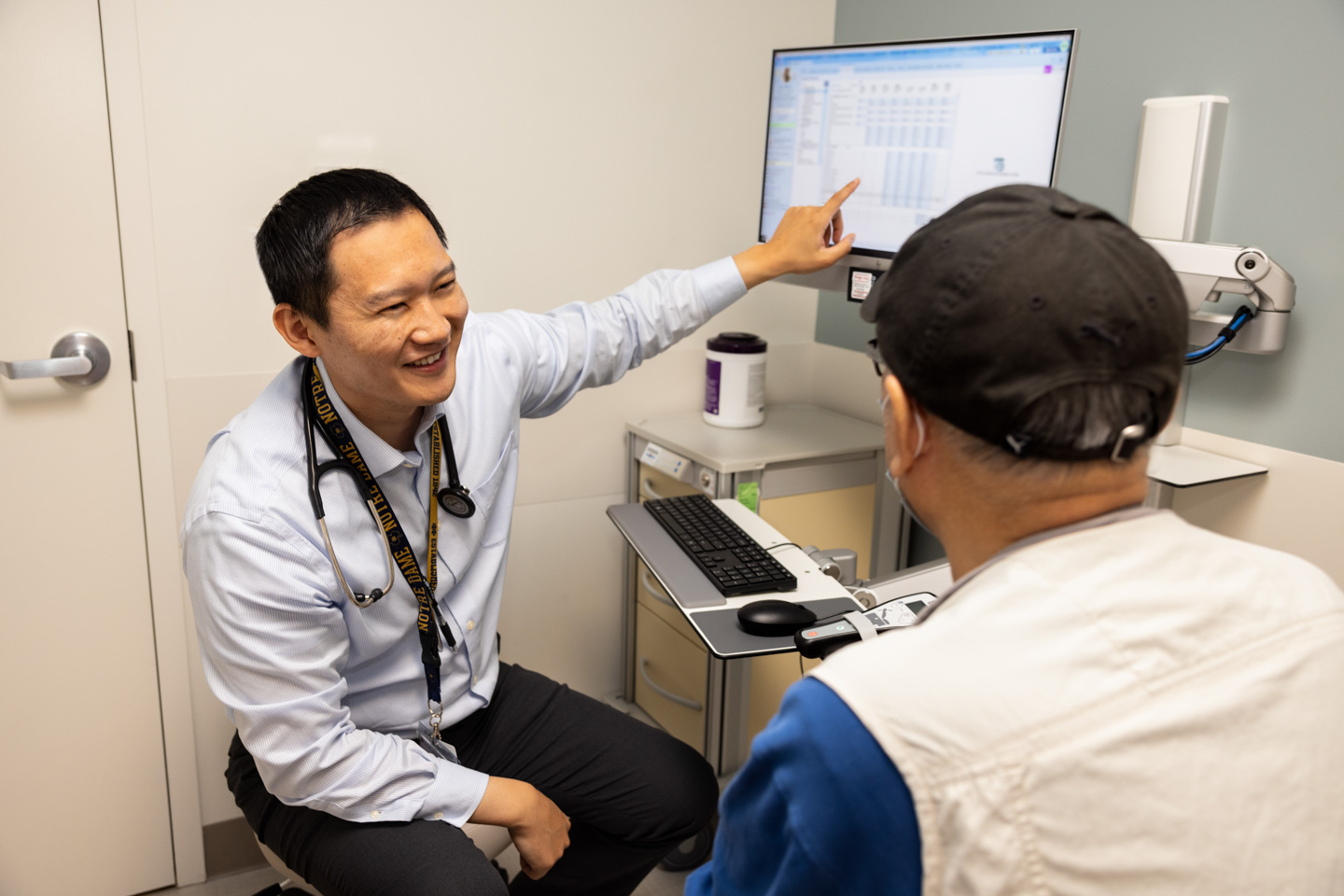
Bryan Wu, MD, takes care of a patient at the Cardiovascular Medicine clinic in San Jose, California.

Bryan Wu, MD, takes care of a patient at the Cardiovascular Medicine clinic in San Jose, California.

Stanford Is Going South

New Cardiovascular Clinic Brings Stanford Care to South Bay Communities

Bryan Wu, MD, takes care of a patient at the Cardiovascular Medicine clinic in San Jose, California.

Bryan Wu, MD, takes care of a patient at the Cardiovascular Medicine clinic in San Jose, California.

Stanford Is Going South

New Cardiovascular Clinic Brings Stanford Care to South Bay Communities

The Department of Medicine’s growth mindset has taken shape in the form of a brand-new Cardiovascular Medicine (CVM) clinic, which opened its doors in spring 2023 at Stanford Health Care in San José, California. The driving force behind the clinic is an interest in expanding not only Stanford’s geographic footprint but also the diversity of its patients.

Expanding to Diversify the Patient Population

According to its champion, Eldrin Lewis, MD, “In California, patients don’t like to travel much for health care, especially routine health care. So, meeting the patient where they live is a rallying cry that I have been seeing during the time that I have been [working at Stanford].” Combined with similar endeavors, the new CVM clinic provides the opportunity for Stanford to expand beyond its traditional role as a “boutique” health care facility that people must travel to in order to receive high-quality tertiary and quaternary care to a system that cares for patients across the spectrum of disease severity and type, right in their own California communities.

Expansion of cardiology services first focused on the East Bay, but when the opportunity arose for a CVM clinic to provide ambulatory care in the South Bay, Lewis and his team jumped on it. Since opening, the clinic facility has had space to see 16 patients at once. 

“This is an opportunity to increase the diversity of the patients that we see in terms of race and ethnicity, with a larger Hispanic and Vietnamese population in the South Bay,” he says. “It allows us to see patients who may not have made the drive up to Palo Alto.” Lewis is Simon H. Stertzer, MD, Professor of Cardiovascular Medicine and chief of the division of cardiovascular medicine in the Department of Medicine.

Growing to Bring Specialty Care to the Doorsteps of New Communities

While several general cardiologists and a few electrophysiologists and interventional cardiologists were already working in the South Bay, the breadth of expertise that Stanford can offer was lacking. 

In addition to standard cardiovascular care, the new CVM clinic provides access to specialists in preventive cardiology as well as experts in heart failure, transplant, and adult congenital heart disease. It currently offers echocardiography and stress echocardiography, and Lewis hopes to eventually add nuclear medicine, cardiac magnetic resonance imaging, and CT angiography. It makes a welcome companion to the Santa Clara location of the Stanford South Asian Translational Heart Initiative (SSATHI) clinic, which is home to cardiologists who specialize in the needs of the South Asian population.

“A lot of patients can [now] stay in San José,” says Lewis. “Those who need more complex procedures or surgeries can come into Palo Alto to Stanford Health Care, then continue to be managed [closer to home]. … I would love to be a resource to the greater South Bay community. … I would also like to see the opportunity for educating the community with health fairs and a variety of other things for people who are not necessarily being seen by one of our providers.”

Renewal Through New Relationships

Lewis has made several forays into the South Bay to talk up the clinic to local cardiologists, regional hospitals, and the community at large, describing what the new clinic has to offer while also emphasizing that the goal is to work in partnership with local physicians to provide excellent patient care. “We want to provide the right care at the right time to the right patient,” he says. “My philosophy is that it should be a bidirectional process.” Patients can remain with their current cardiologists, only venturing to the South Bay clinic when they require specialized care.

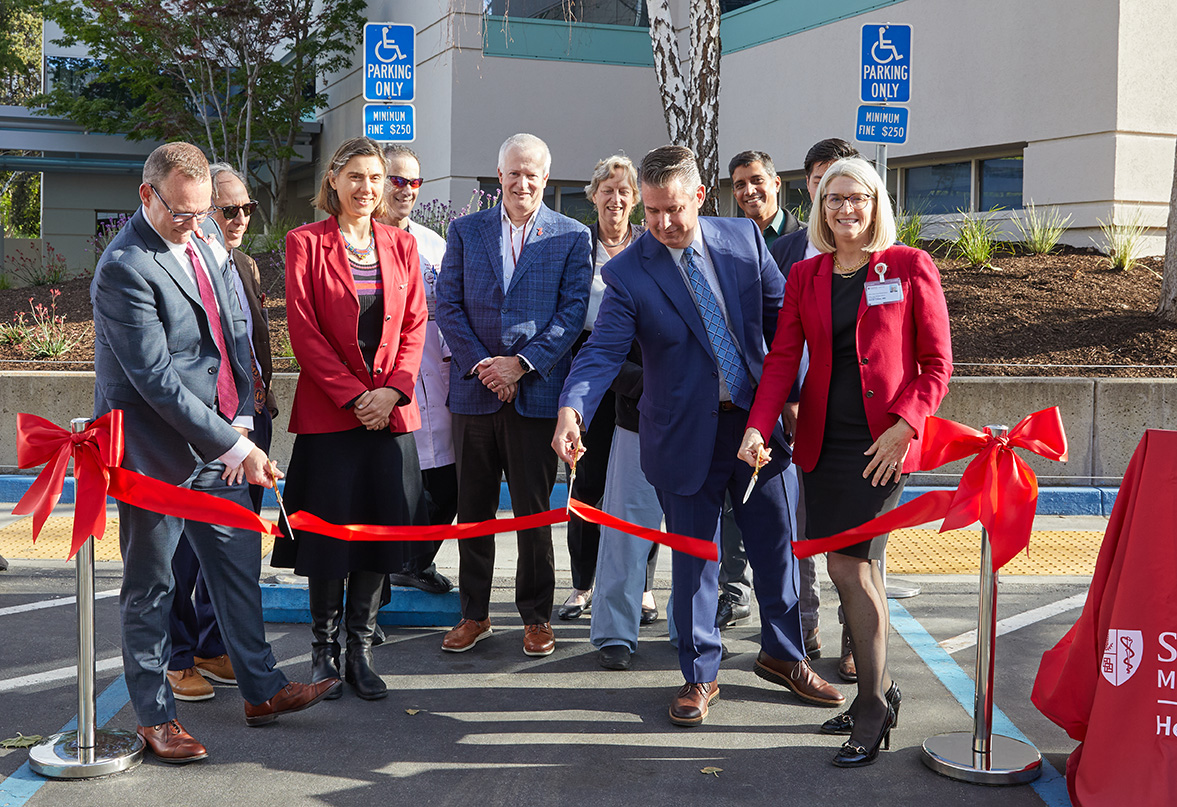
An official ribbon cutting ceremony marked the opening of the Department of Medicine’s cardiovascular medicine clinic at Stanford Health Care in San José, California

The Department of Medicine’s growth mindset has taken shape in the form of a brand-new Cardiovascular Medicine (CVM) clinic, which opened its doors in spring 2023 at Stanford Health Care in San José, California. The driving force behind the clinic is an interest in expanding not only Stanford’s geographic footprint but also the diversity of its patients.

Expanding to Diversify the Patient Population

According to its champion, Eldrin Lewis, MD, “In California, patients don’t like to travel much for health care, especially routine health care. So, meeting the patient where they live is a rallying cry that I have been seeing during the time that I have been [working at Stanford].” Combined with similar endeavors, the new CVM clinic provides the opportunity for Stanford to expand beyond its traditional role as a “boutique” health care facility that people must travel to in order to receive high-quality tertiary and quaternary care to a system that cares for patients across the spectrum of disease severity and type, right in their own California communities.

Expansion of cardiology services first focused on the East Bay, but when the opportunity arose for a CVM clinic to provide ambulatory care in the South Bay, Lewis and his team jumped on it. Since opening, the clinic facility has had space to see 16 patients at once. 

“This is an opportunity to increase the diversity of the patients that we see in terms of race and ethnicity, with a larger Hispanic and Vietnamese population in the South Bay,” he says. “It allows us to see patients who may not have made the drive up to Palo Alto.” Lewis is Simon H. Stertzer, MD, Professor of Cardiovascular Medicine and chief of the division of cardiovascular medicine in the Department of Medicine.

Growing to Bring Specialty Care to the Doorsteps of New Communities

While several general cardiologists and a few electrophysiologists and interventional cardiologists were already working in the South Bay, the breadth of expertise that Stanford can offer was lacking. In addition to standard cardiovascular care, the new CVM clinic provides access to specialists in preventive cardiology as well as experts in heart failure, transplant, and adult congenital heart disease. It currently offers echocardiography and stress echocardiography, and Lewis hopes to eventually add nuclear medicine, cardiac magnetic resonance imaging, and CT angiography. It makes a welcome companion to the Santa Clara location of the Stanford South Asian Translational Heart Initiative (SSATHI) clinic, which is home to cardiologists who specialize in the needs of the South Asian population.

“A lot of patients can [now] stay in San José,” says Lewis. “Those who need more complex procedures or surgeries can come into Palo Alto to Stanford Health Care, then continue to be managed [closer to home]. … I would love to be a resource to the greater South Bay community. … I would also like to see the opportunity for educating the community with health fairs and a variety of other things for people who are not necessarily being seen by one of our providers.”

Renewal Through New Relationships

Lewis has made several forays into the South Bay to talk up the clinic to local cardiologists, regional hospitals, and the community at large, describing what the new clinic has to offer while also emphasizing that the goal is to work in partnership with local physicians to provide excellent patient care. “We want to provide the right care at the right time to the right patient,” he says. “My philosophy is that it should be a bidirectional process.” Patients can remain with their current cardiologists, only venturing to the South Bay clinic when they require specialized care.

The new clinic will partner with South Bay primary care physicians who are part of the Stanford Medical Foundation, acting as a local resource for the cardiology care their patients need. “On average, if you have a single general cardiologist paired to five to 10 primary care doctors, you can create ecosystems where you really get to know those primary care doctors,” says Lewis. “That is something I would like to see develop a little bit more.”

This is just one part of a bigger strategy to expand the network. What I would love to see in five years is Stanford reaching out beyond the East and South Bay, where we are now, to go farther east into the Central Valley.

Looking Forward

“This is just one part of a bigger strategy to expand the network,” he continues. “What I would love to see in five years is Stanford reaching out beyond the East and South Bay, where we are now, to go farther east into the Central Valley.” This is an area of California with limited access to specialized care, and patients experiencing acute cardiac events or with conditions that require special expertise to manage may opt not to drive several hours to obtain the care they need. “The majority of Americans live outside of urban areas, and those are the forgotten people, sometimes.”