Revitalizing Veteran Care

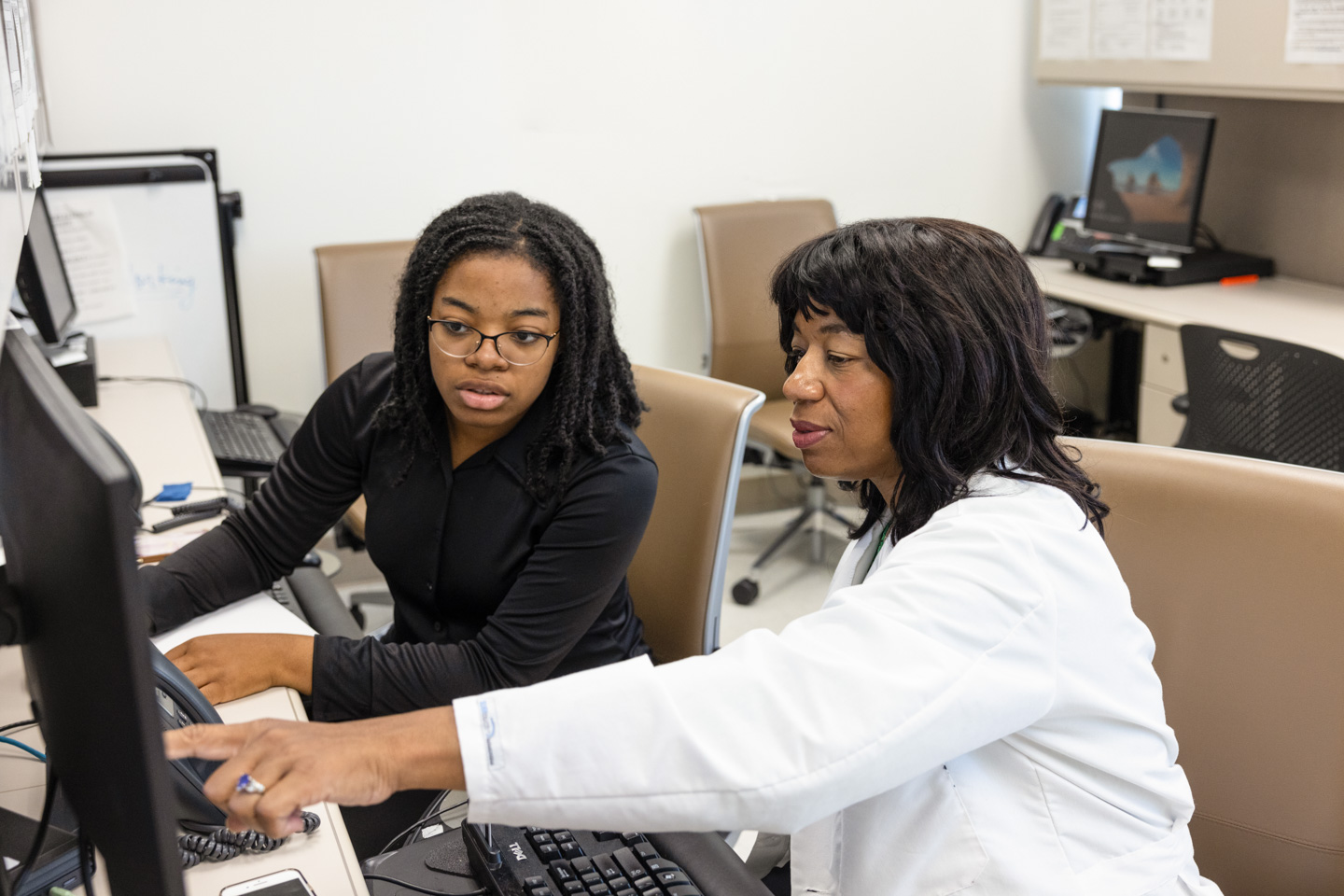
Rhonda Hamilton, MD, points to a fact about hypertension with her daughter Lauren Hamilton, one of the student volunteers

Rhonda Hamilton, MD, points to a fact about hypertension with her daughter Lauren Hamilton, one of the student volunteers

Revitalizing Veteran Care
Student Volunteers Make a Difference at VA Clinic

Rhonda Hamilton, MD, points to a fact about hypertension with her daughter Lauren Hamilton, one of the student volunteers

Rhonda Hamilton, MD, points to a fact about hypertension with her daughter Lauren Hamilton, one of the student volunteers

Revitalizing Veteran Care

Student Volunteers Make a Difference at VA Clinic

Early in the COVID-19 pandemic, Rhonda Hamilton, MD, clinical assistant professor of primary care and population health and general medicine clinic section chief at the Veterans Affairs Palo Alto Health Care System, sat at her dining room table working remotely while her daughter Lauren Hamilton, across the table on her own laptop, attended yet another Zoom class, looking bored and uninspired.

Hamilton had newly stepped into the role of section chief of the VA’s largest primary care clinic in the region. With the pressure of the pandemic bearing down, “all of a sudden, I had 10,000 veterans whose primary care and chronic disease management needs were not being addressed in the way they had been,” she says.

Staffing numbers were below 50% for nurses and schedulers.  

The demands of the pandemic meant that leadership had to divert nurses from chronic disease management to acute COVID-19 care. Typically, nurses would do outreach to patients who needed help managing their hypertension, ensuring that they did their colon cancer screening stool tests and got their vaccines. Now, they didn’t even have enough nurses to make sure that patients were getting their primary care appointments. “So much of our energy and resources had to be redirected to COVID-19. We had to save the life in front of us,” says Hamilton.

At that moment, Hamilton was reading an email showing that their patients’ hypertension control numbers had slipped to a new low, when before the pandemic they had scored consistently high. “It was a real kick in the gut,” she says.  

Spark of an Idea

Looking at her daughter, Hamilton suddenly had an idea. What if students like her daughter could be recruited to help fill the need to follow up with veterans on their hypertension control and colon cancer screenings? “What if Katherine Henkels, RNP, and I trained the student volunteers how to walk veterans through taking their blood pressure or getting their colon cancer screening done?” she wondered. Henkels is the registered nurse practitioner who helps coordinate the clinic, including student onboarding, organization of workflows, and materials used.

Not only would this help fill the gap created by staffing shortages, but it would give students who were considering a career in health care a chance to gain valuable direct patient care experience. And it just might help address students’ complaints about the monotony of endless Zoom classes.

Early in the COVID-19 pandemic, Rhonda Hamilton, MD, clinical assistant professor of primary care and population health and general medicine clinic section chief at the Veterans Affairs Palo Alto Health Care System, sat at her dining room table working remotely while her daughter Lauren Hamilton, across the table on her own laptop, attended yet another Zoom class, looking bored and uninspired.

Hamilton had newly stepped into the role of section chief of the VA’s largest primary care clinic in the region. With the pressure of the pandemic bearing down, “all of a sudden, I had 10,000 veterans whose primary care and chronic disease management needs were not being addressed in the way they had been,” she says.

Staffing numbers were below 50% for nurses and schedulers. The demands of the pandemic meant that leadership had to divert nurses from chronic disease management to acute COVID-19 care. Typically, nurses would do outreach to patients who needed help managing their hypertension, ensuring that they did their colon cancer screening stool tests and got their vaccines. Now, they didn’t even have enough nurses to make sure that patients were getting their primary care appointments. “So much of our energy and resources had to be redirected to COVID-19. We had to save the life in front of us,” says Hamilton.

At that moment, Hamilton was reading an email showing that their patients’ hypertension control numbers had slipped to a new low, when before the pandemic they had scored consistently high. “It was a real kick in the gut,” she says.

Spark of an Idea

Looking at her daughter, Hamilton suddenly had an idea. What if students like her daughter could be recruited to help fill the need to follow up with  

veterans on their hypertension control and colon cancer screenings? “What if Katherine Henkels, RNP, and I trained the student volunteers how to walk veterans through taking their blood pressure or getting their colon cancer screening done?” she wondered. Henkels is the registered nurse practitioner who helps coordinate the clinic, including student onboarding, organization of workflows, and materials used.

Not only would this help fill the gap created by staffing shortages, but it would give students who were considering a career in health care a chance to gain valuable direct patient care experience. And it just might help address students’ complaints about the monotony of endless Zoom classes.

Closing the Disparity Gap

Hamilton acted quickly on the idea, recruiting her own daughter and nine other students for the first cohort of volunteers. She ensured that the volunteers represented diverse backgrounds and races. “We did special outreach to make sure that underrepresented minority students knew about the opportunity,” she says.

Students came onto campus and were put through the full gamut of background checks before being issued ID badges. Then Hamilton and Henkels carefully trained them in how to help veterans take home blood pressure readings and how to perform a fecal immunochemical test (FIT), a common colon cancer screening test, at home. “Then they set about making phone calls to veterans,” says Hamilton.

The patients they called either were due for a FIT test or were failing the blood pressure metric that the clinic had set. The students would call and urge the veterans to get their colon cancer screening test completed or to take their blood pressure numbers and report them. If their blood pressure was found to be elevated, the students would help connect them to their provider for a virtual visit.

We ended up with the highest numbers in our region for both blood pressure control and colon cancer screening. Remarkably, we narrowed and actually closed the racial disparity gap.

By August 2021, the project was completed, and the results were astonishing, Hamilton reports: “We ended up with the highest numbers in our region for both blood pressure control and colon cancer screening. Remarkably, we narrowed and actually closed the racial disparity gap.”

Prior to implementation of the volunteer program, Black patients had poorer hypertension control, compared with their white counterparts. But after the students’ calls, that difference no longer existed when compared with national VA metrics.

“It was a win-win-win,” says Paul Heidenreich, MD, professor and vice chair for quality at the Stanford Department of Medicine and chief of medical service at the Palo Alto VA. Not only did the patients’ health improve, but the students gained valuable experience that informed their career choices.

“We’ve now had two of the original students apply to medical school and get accepted using their experience at the VA,” says Hamilton. “Our goal was to help disparities at every level — including students entering the medical field.”

The cheery, bright innocence of young students rejuvenated the overworked staff, says Hamilton. “It really boosted everyone’s morale, because you have these happy, bubbly kids around the clinic.” What’s more, the students helped brighten the veterans’ lives, too. “They loved speaking to the students,” says Hamilton. “That was something I didn’t expect. We’d get requests for the students to call back.” Hamilton’s daughter, Lauren, was so intrigued with how effective the intervention was that she decided to pursue a career in cognitive science. It turns out that maybe simple human connection, especially during a time of deep isolation, is the best medicine.
Closing the Disparity Gap

Hamilton acted quickly on the idea, recruiting her own daughter and nine other students for the first cohort of volunteers. She ensured that the volunteers represented diverse backgrounds and races. “We did special outreach to make sure that underrepresented minority students knew about the opportunity,” she says.

Students came onto campus and were put through the full gamut of background checks before being issued ID badges. Then Hamilton and Henkels carefully trained them in how to help veterans take home blood pressure readings and how to perform a fecal immunochemical test (FIT), a common colon cancer screening test, at home. “Then they set about making phone calls to veterans,” says Hamilton.

The patients they called either were due for a FIT test or were failing the blood pressure metric that the clinic had set. The students would call and urge the veterans to get their colon cancer screening test completed or to take their blood pressure numbers and report them. If their blood pressure was found to be elevated, the students would help connect them to their provider for a virtual visit.

We ended up with the highest numbers in our region for both blood pressure control and colon cancer screening. Remarkably, we narrowed and actually closed the racial disparity gap.

By August 2021, the project was completed, and the results were astonishing, Hamilton reports: “We ended up with the highest numbers in our region for both blood pressure control and colon cancer screening. Remarkably, we narrowed and actually closed the racial disparity gap.”

Prior to implementation of the volunteer program, Black patients had poorer hypertension control, compared with their white counterparts. But after the students’ calls, that difference no longer existed when compared with national VA metrics.

“It was a win-win-win,” says Paul Heidenreich, MD, professor and vice chair for quality at the Stanford Department of Medicine and chief of medical service at the Palo Alto VA. Not only did the patients’ health improve, but the students gained valuable experience that informed their career choices.

“We’ve now had two of the original students apply to medical school and get accepted using their experience at the VA,” says Hamilton. “Our goal was to help disparities at every level — including students entering the medical field.”

The cheery, bright innocence of young students rejuvenated the overworked staff, says Hamilton. “It really boosted everyone’s morale, because you have these happy, bubbly kids around the clinic.” What’s more, the students helped brighten the veterans’ lives, too. “They loved speaking to the students,” says Hamilton. “That was something I didn’t expect. We’d get requests for the students to call back.” Hamilton’s daughter, Lauren, was so intrigued with how effective the intervention was that she decided to pursue a career in cognitive science. It turns out that maybe simple human connection, especially during a time of deep isolation, is the best medicine.

Partnering for Health Equity and Global Health Education

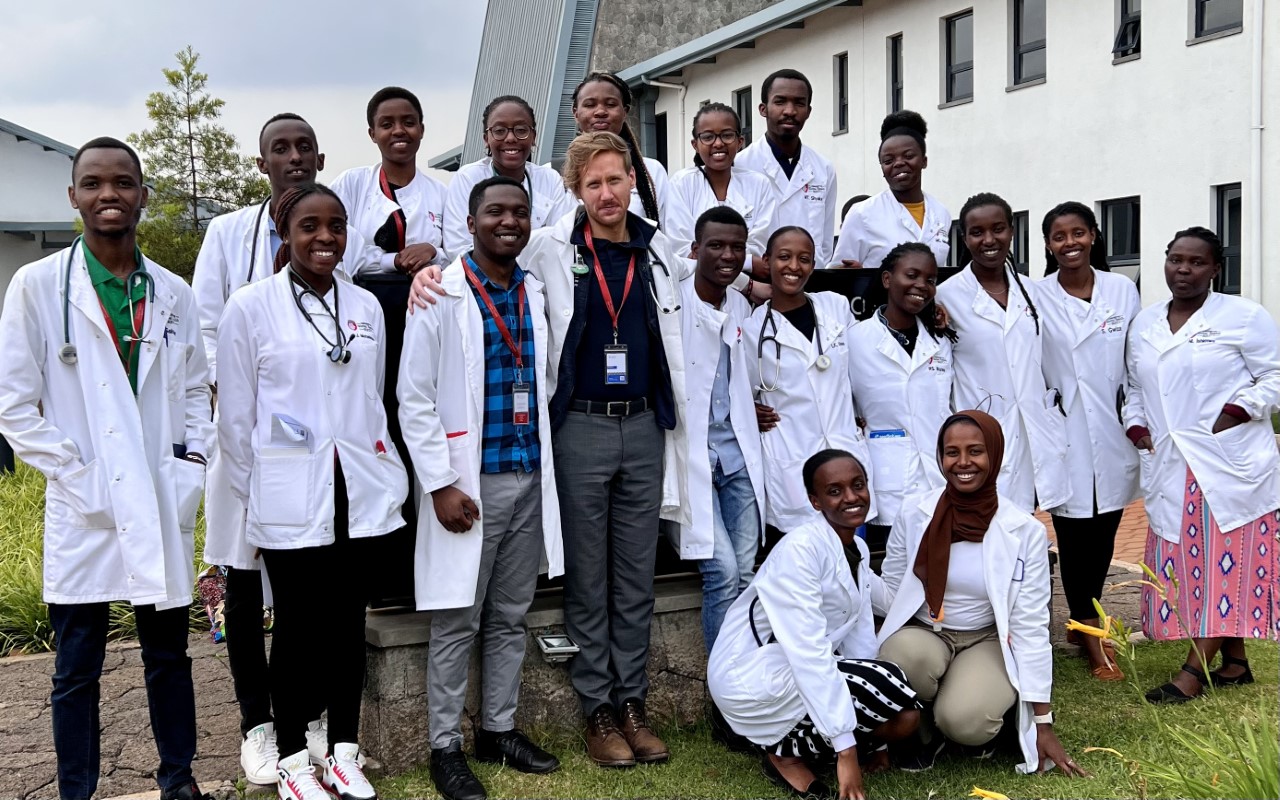
Dr. Andrew Enslen, a global health track resident at the time, spent six weeks in the spring of 2023 working with UGHE in a local district hospital, functioning as a consultant attending physician who supervised and taught 3rd-year medical students (pictured here). Working closely with these passionate and committed students was a highlight of his experience, he said.

Dr. Andrew Enslen, a global health track resident at the time, spent six weeks in the spring of 2023 working with UGHE in a local district hospital, functioning as a consultant attending physician who supervised and taught 3rd-year medical students (pictured here). Working closely with these passionate and committed students was a highlight of his experience, he said.

Partnering for Health Equity and Global Health Education

Dr. Andrew Enslen, a global health track resident at the time, spent six weeks in the spring of 2023 working with UGHE in a local district hospital, functioning as a consultant attending physician who supervised and taught 3rd-year medical students (pictured here). Working closely with these passionate and committed students was a highlight of his experience, he said.

Partnering for Health Equity and Global Health Education

This story is adapted from an article originally published by the Stanford Center for Innovation in Global Health in May 2023. This version has been edited to focus on the contributions of Department of Medicine faculty. You can read the original story here.

A shared commitment to healthcare capacity-building and fostering global health equity has brought together Stanford Medicine faculty and leaders of the University of Global Health Equity (UGHE) in Rwanda. 

UGHE launched in rural Butaro, Rwanda, in 2015, with a novel mission: “To change the way health care is delivered around the world by training the next generation of global health professionals to deliver more equitable, quality health services for all.” 

The university is partnering with globally minded medical schools, including Stanford, to provide high-quality education to its students and build healthcare capacity in Eastern Africa. 

“The brainchild of two global health visionaries, Agnes Binagwaho and the late Dr. Paul Farmer, UGHE is on track to be a premier medical school on the continent,” says Michele Barry, MD, director of the Stanford Center for Innovation in Global Health (CIGH) and Shenson Professor, who has served on UGHE’s member advisory council since 2018. Binagwaho is the retired vice chancellor of the university, former Rwandan minister of health, and health equity advocate. 

Farmer was a global health equity leader who founded the nonprofit Partners in Health, which helped launch UGHE.

Department of Medicine faculty say they’re deeply inspired by UGHE leaders’ and students’ commitment to excellence and serving their communities. “Bidirectionality,” a spirit of equal exchange and learning, is fundamental to these Stanford-UGHE collaborations, leaders agreed.

“This idea, this place, and these people are paving the way for a better world for all of us,” says Brooke Cotter, MD, Stanford clinical assistant professor of hospital medicine, who serves in a new, CIGH-supported role as director of education and collaboration between the universities.

A Bridge Between Data Scientists and the Front Lines of Health Care

Shortly after the university formed, UGHE-Stanford partnerships began to take shape — often shepherded by UGHE’s founding dean of medicine, Abebe Bekele, says Charles Prober, MD. Prober, professor of pediatrics, microbiology, and immunology and senior associate vice provost for health education at Stanford Medicine, chaired a Dean’s Advisory Committee that Bekele assembled.

“Dean Abebe can pull many people into his tent from institutions around the world,” Prober says.

When Bekele visited Stanford several years ago, Prober introduced him to Stanford colleagues including Laurence Katznelson, MD, professor of neurosurgery and endocrinology and associate dean of graduate medical education. They discussed how Stanford could help teach UGHE’s first medical students as the university developed its faculty.

Katznelson, Lars Osterberg, MD, John Kugler, MD, and Cotter developed an initiative to provide online instructional support for preclinical medical students. Stanford faculty helped lead monthly Zoom discussions with UGHE students on various clinical cases.

The program helped foster rich ties between Stanford faculty, UGHE counterparts, and students despite pandemic travel restrictions.

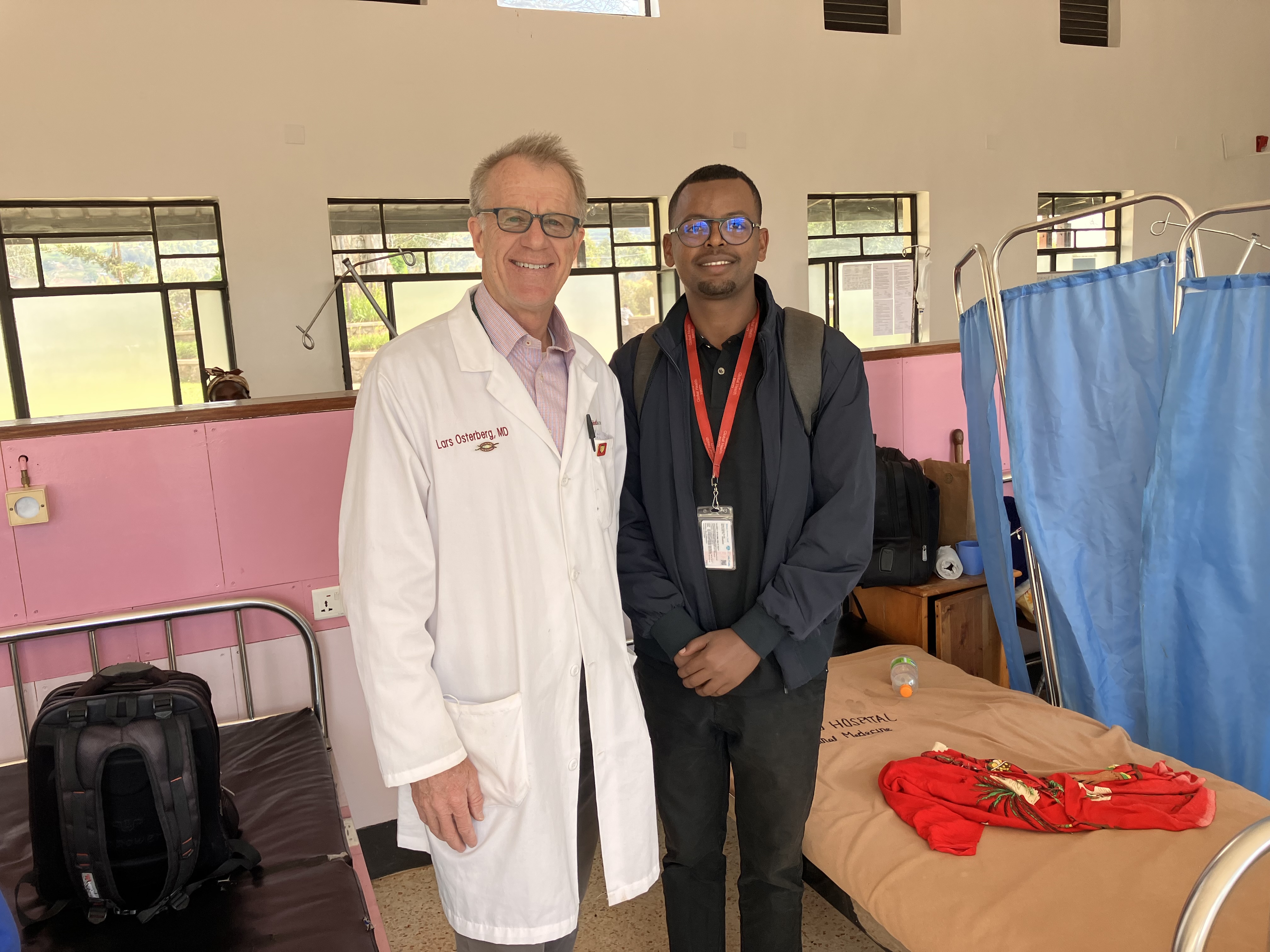
Stanford physician Dr. Lars Osterberg visits a patient alongside UGHE medical student Rosine during his visit in spring 2023.

Kugler, clinical professor of medicine and director of the Educators-4-Care program, says this type of teaching opened up meaningful global health engagement opportunities to physicians who cannot easily travel overseas: “The ability to provide helpful clinical education from a remote location allows for a new type of impact that we are only just beginning to tap into.”

Virtual Connections Become Tangible

The collaboration is now extending from the virtual to the in-person world, further deepening connections.

In June 2023, Osterberg, professor (teaching) of medicine and co-director of Stanford Medicine’s teaching and mentoring academy, traveled to the UGHE campus to teach and serve as an attending physician at Butaro Hospital for third-year students completing their internal medicine rotation. It was his third time doing so since 2022, working alongside the same students he’d previously taught over Zoom. Stanford Global Health Track resident Andrew Enslen, MD, also recently spent six weeks there, teaching and overseeing clinical rotations.

Stanford physician Dr. Lars Osterberg stands with several medical students, Prisca, Arnold, and Eric, whom he mentored during his time teaching and serving as an attending physician at UGHE in the spring of 2023. 

This story is adapted from an article originally published by the Stanford Center for Innovation in Global Health in May 2023. This version has been edited to focus on the contributions of Department of Medicine faculty. You can read the original story here.

A shared commitment to healthcare capacity-building and fostering global health equity has brought together Stanford Medicine faculty and leaders of the University of Global Health Equity (UGHE) in Rwanda. 

UGHE launched in rural Butaro, Rwanda, in 2015, with a novel mission: “To change the way health care is delivered around the world by training the next generation of global health professionals to deliver more equitable, quality health services for all.” The university is partnering with globally minded medical schools, including Stanford, to provide high-quality education to its students and build healthcare capacity in Eastern Africa. 

“The brainchild of two global health visionaries, Agnes Binagwaho and the late Dr. Paul Farmer, UGHE is on track to be a premier medical school on the continent,” says Michele Barry, MD, director of the Stanford Center for Innovation in Global Health (CIGH) and Shenson Professor, who has served on UGHE’s member advisory council since 2018. Binagwaho is the retired vice chancellor of the university, former Rwandan minister of health, and health equity advocate. Farmer was a global health equity leader who founded the nonprofit Partners in Health, which helped launch UGHE.

Department of Medicine faculty say they’re deeply inspired by UGHE leaders’ and students’ commitment to excellence and serving their communities. “Bidirectionality,” a spirit of equal exchange and learning, is fundamental to these Stanford-UGHE collaborations, leaders agreed.

“This idea, this place, and these people are paving the way for a better world for all of us,” says Brooke Cotter, MD, Stanford clinical assistant professor of hospital medicine, who serves in a new, CIGH-supported role as director of education and collaboration between the universities.

Stanford physician Dr. Lars Osterberg visits a patient alongside UGHE medical student Rosine during his visit in spring 2023.

A Bridge Between Data Scientists and the Front Lines of Health Care

Shortly after the university formed, UGHE-Stanford partnerships began to take shape — often shepherded by UGHE’s founding dean of medicine, Abebe Bekele, says Charles Prober, MD. Prober, professor of pediatrics, microbiology, and immunology and senior associate vice provost for health education at Stanford Medicine, chaired a Dean’s Advisory Committee that Bekele assembled.

“Dean Abebe can pull many people into his tent from institutions around the world,” Prober says.

When Bekele visited Stanford several years ago, Prober introduced him to Stanford colleagues including Laurence Katznelson, MD, professor of neurosurgery and endocrinology and associate dean of graduate medical education. They discussed how Stanford could help teach UGHE’s first medical students as the university developed its faculty.

Katznelson, Lars Osterberg, MD, John Kugler, MD, and Cotter developed an initiative to provide online instructional support for preclinical medical students. Stanford faculty helped lead monthly Zoom discussions with UGHE students on various clinical cases.

The program helped foster rich ties between Stanford faculty, UGHE counterparts, and students despite pandemic travel restrictions.

Kugler, clinical professor of medicine and director of the Educators-4-Care program, says this type of teaching opened up meaningful global health engagement opportunities to physicians who cannot easily travel overseas: “The ability to provide helpful clinical education from a remote location allows for a new type of impact that we are only just beginning to tap into.”

Stanford physician Dr. Lars Osterberg stands with several medical students, Prisca, Arnold, and Eric, whom he mentored during his time teaching and serving as an attending physician at UGHE in the spring of 2023. 

Virtual Connections Become Tangible

The collaboration is now extending from the virtual to the in-person world, further deepening connections.

In June 2023, Osterberg, professor (teaching) of medicine and co-director of Stanford Medicine’s teaching and mentoring academy, traveled to the UGHE campus to teach and serve as an attending physician at Butaro Hospital for third-year students completing their internal medicine rotation. It was his third time doing so since 2022, working alongside the same students he’d previously taught over Zoom. Stanford Global Health Track resident Andrew Enslen, MD, also recently spent six weeks there, teaching and overseeing clinical rotations.

The ability to provide helpful clinical education from a remote location allows for a new type of impact that we are only just beginning to tap into.

— John Kugler, MD, clinical professor of medicine 

Cotter, who traveled to UGHE during spring 2023 to attend on the wards and teach third-year medical students, hopes to develop a group of core faculty who can return annually to assist with rotations.

All were inspired by students’ deep commitment to serving their communities. Osterberg relates how Rwandan patients and their families often have to purchase supplies for medical procedures themselves. Medical students took the extra step of walking family members to the pharmacy to assist with this overwhelming task. Osterberg also recalls how students volunteered to remain on campus over a holiday weekend to ensure that patients were cared for.

“These students go far and beyond to get things done,” Osterberg says.

During his visit to UGHE in spring 2023, Stanford physician Dr. Lars Osterberg meets with Dr. Olana Wakoya Gichile at Butaro District Hospital, where he served as an attending physician on the internal medicine ward and taught third-year medical students.

Building Local Capacity

Beyond teaching, many Stanford faculty members have supported UGHE in building its local capacity for world-class care and instruction.

Prober helped build a mentorship program that matched UGHE faculty with medical school faculty from prestigious U.S. medical institutions. Osterberg has provided “teach the teacher” trainings for educators. Joseph Becker, MD, clinical associate professor of emergency medicine, helped develop the university’s emergency medicine curriculum.

UGHE has partnered with Stanford Surgery’s global engagement initiative, the Center for Health Education, and the Stanford Byers Center for Biodesign on technological initiatives to expand capacity for teaching, learning, and medical innovation.

“There are so many wonderful people doing great things at both UGHE and Stanford,” says Cotter, who sees her role as strengthening and expanding partnerships between the institutions. “The hope is that through coordination, we can cross-pollinate our efforts.”

Barry affirms CIGH’s commitment to building and strengthening the UGHE-Stanford collaboration: “We have much to learn from one another.”

The ability to provide helpful clinical education from a remote location allows for a new type of impact that we are only just beginning to tap into.

— John Kugler, MD, clinical professor of medicine 

Cotter, who traveled to UGHE during spring 2023 to attend on the wards and teach third-year medical students, hopes to develop a group of core faculty who can return annually to assist with rotations.

All were inspired by students’ deep commitment to serving their communities. Osterberg relates how Rwandan patients and their families often have to purchase supplies for medical procedures themselves. Medical students took the extra step of walking family members to the pharmacy to assist with this overwhelming task. Osterberg also recalls how students volunteered to remain on campus over a holiday weekend to ensure that patients were cared for.

“These students go far and beyond to get things done,” Osterberg says.

During his visit to UGHE in spring 2023, Stanford physician Dr. Lars Osterberg meets with Dr. Olana Wakoya Gichile at Butaro District Hospital, where he served as an attending physician on the internal medicine ward and taught third-year medical students.

Building Local Capacity

Beyond teaching, many Stanford faculty members have supported UGHE in building its local capacity for world-class care and instruction.

Prober helped build a mentorship program that matched UGHE faculty with medical school faculty from prestigious U.S. medical institutions. Osterberg has provided “teach the teacher” trainings for educators. Joseph Becker, MD, clinical associate professor of emergency medicine, helped develop the university’s emergency medicine curriculum.

UGHE has partnered with Stanford Surgery’s global engagement initiative, the Center for Health Education, and the Stanford Byers Center for Biodesign on technological initiatives to expand capacity for teaching, learning, and medical innovation.

“There are so many wonderful people doing great things at both UGHE and Stanford,” says Cotter, who sees her role as strengthening and expanding partnerships between the institutions. “The hope is that through coordination, we can cross-pollinate our efforts.”

Barry affirms CIGH’s commitment to building and strengthening the UGHE-Stanford collaboration: “We have much to learn from one another.”

Translational Investigators — the Future of Team Science

Translational Investigators — the Future of Team Science

Translational Investigators — the Future of Team Science

Given their dual scientific and clinical talents, TIP trainees are perfectly poised to advance the basic understanding, diagnosis, and new treatment of human disease.

“The Translational Investigators Program (TIP) stood out to me because of the unique culture of innovation and discovery that is infused across campus. There’s not only a history of discovery — there’s a palpable sense that Stanford is on the tip of changing the practice of medicine,” says Chad Weldy, MD, PhD, a graduate of the program, who is now a cardiologist and faculty member in the division of cardiovascular medicine and the Stanford Center for Inherited Cardiovascular Disease.

New TIP members are welcomed into the vibrant community of established physician-scientists at Stanford. They join the more senior trainees in both formal and informal meetings to exchange ideas with a range of faculty. The Pathways of Distinction initiative allows them to select a track that best aligns with their academic interests. All interns are paired with mentors who best suit their career interests.

Monthly events are held for TIP members at every training level. Activities range from discussions with leading investigators to skill-based sessions, such as learning how to write successful grant applications. In addition, numerous social events promote a sense of community and offer opportunities to exchange ideas and form bonds across disciplines.

“We are committed to fostering the growth of physician-scientists as they tackle the greatest challenges in medicine,” says Joshua Knowles, MD, PhD, associate professor of medicine and one of the co-directors of the program. “Given their dual scientific and clinical talents, TIP trainees are perfectly poised to advance the basic understanding, diagnosis, and new treatment of human disease,” adds fellow program director Alice Fan, MD, PhD, assistant professor of medicine.

The TIP directors were especially excited to welcome this year’s class of interns, having successfully recruited a group with a wide range of backgrounds, experiences, training, and perspectives that will provide fertile ground for their careers as team scientists.

MEET SOME 2023 TIP INTERNS

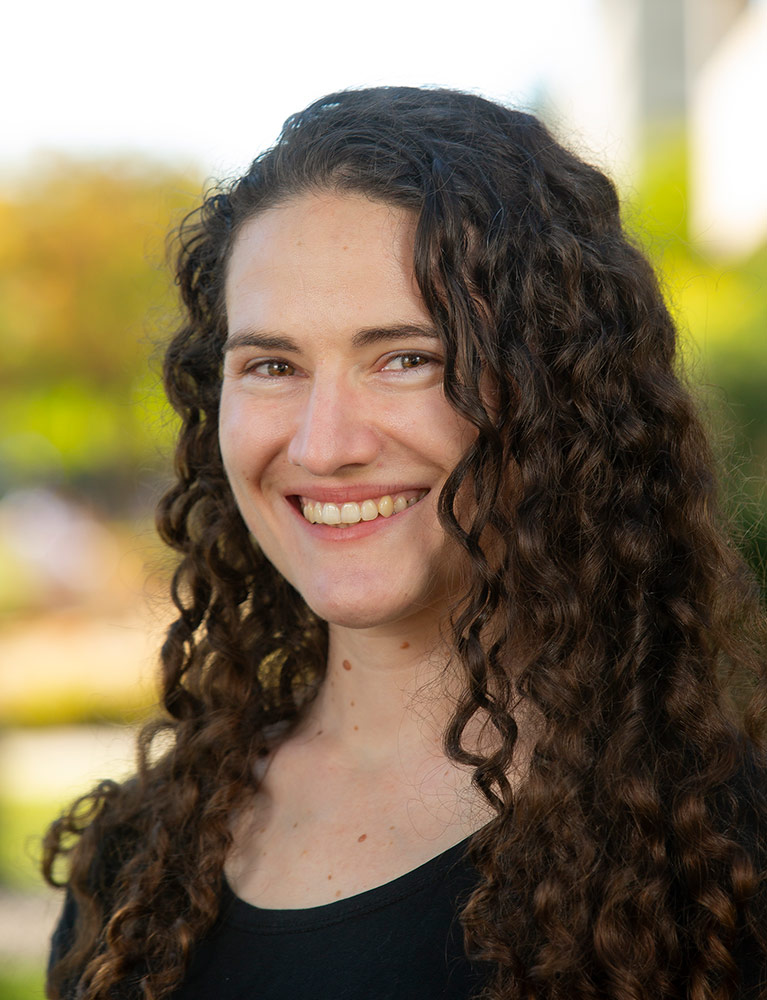
Reem Elorbany

Shannon Esswein

Sunil K. Joshi

Christine McIntosh

Raman Nelakanti

Axel Stenmark Tullberg

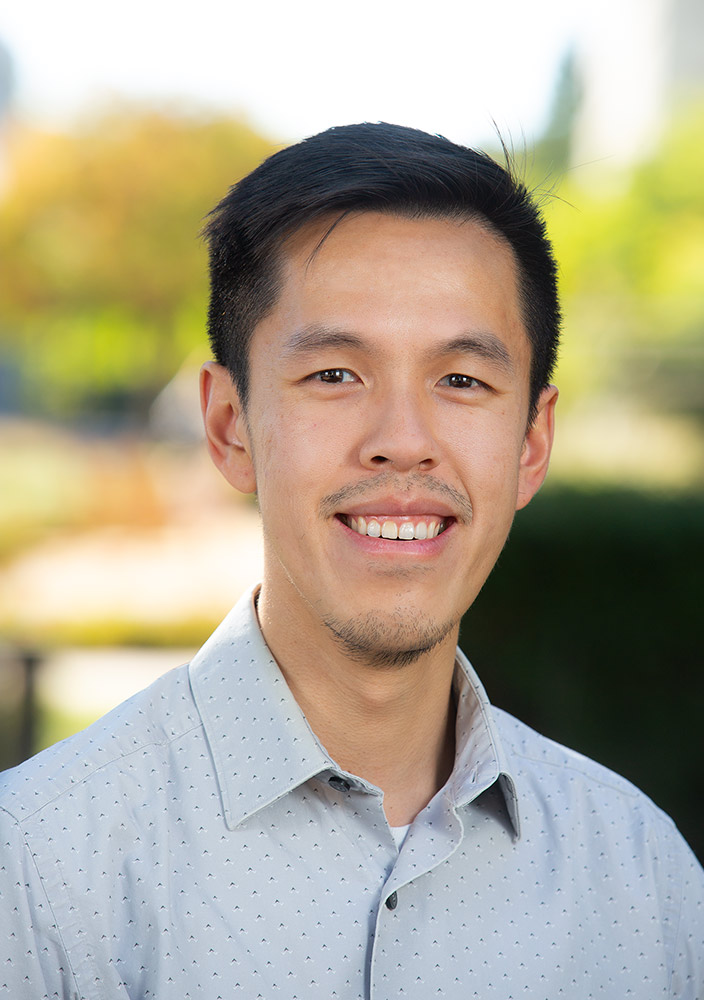
Jimmy Zheng

Reem Elorbany

Pronouns: She/Her/Hers
Age: 29 years old
Hometown: Milwaukee, WI / Chicago, IL

Languages Spoken at Home:
English, Arabic

Hobbies:
3D printing, Dungeons and Dragons, science fiction novels, crossword puzzles.

Research Field:
Cardiology

What was a formative experience that led you to your career path?
When I was 6, I had an illness that put me into the hospital for a month. The confusion around my diagnosis and lack of patient communication made a big impression on me and ultimately led me to this path.

What drew you to Stanford?
Stanford had the combination of strength in clinical care, scientific research, and education that I was looking for.

Reem Elorbany

Pronouns: She/Her/Hers
Age: 29 years old
Hometown: Milwaukee, WI / Chicago, IL

Languages Spoken at Home:
English, Arabic

Hobbies:
3D printing, Dungeons and Dragons, science fiction novels, crossword puzzles.

Research Field:
Cardiology

What was a formative experience that led you to your career path?
When I was 6, I had an illness that put me into the hospital for a month. The confusion around my diagnosis and lack of patient communication made a big impression on me and ultimately led me to this path.

What drew you to Stanford?
Stanford had the combination of strength in clinical care, scientific research, and education that I was looking for.

Shannon Esswein

Pronouns: She/Her/Hers
Age: 30 years old
Hometown: Simi Valley, CA

Languages Spoken at Home:
English

Hobbies:
I enjoy piano, rock climbing, reading, writing, supporting women in STEM, and spending time with my cats.

Research Field:
Hematology and Oncology

What was a formative experience that led you to your career path?
My experiences of seeing one of my best friends and my mother battling cancer led me to pursue a career as a physician-scientist to care for patients with difficult diagnoses while also developing new therapeutics.

What drew you to Stanford?
Stanford has excellent clinical training and strong research opportunities while also being close to my family in California.

Shannon Esswein

Pronouns: She/Her/Hers
Age: 30 years old
Hometown: Simi Valley, CA

Languages Spoken at Home:
English

Hobbies:
I enjoy piano, rock climbing, reading, writing, supporting women in STEM, and spending time with my cats.

Research Field:
Hematology and Oncology

What was a formative experience that led you to your career path?
My experiences of seeing one of my best friends and my mother battling cancer led me to pursue a career as a physician-scientist to care for patients with difficult diagnoses while also developing new therapeutics.

What drew you to Stanford?
Stanford has excellent clinical training and strong research opportunities while also being close to my family in California.

Sunil K. Joshi

Pronouns: He/Him/His
Age: 34 years old
Hometown: Fairfield, CA

Languages Spoken at Home:
Hindi, Punjabi

Hobbies:
Being in the outdoors, hanging out with family and friends, working out, running

Research Field:
Hematology and Oncology

What was a formative experience that led you to your career path?
Serving as my grandfather’s caretaker as he fought terminal prostate cancer ignited my interest in medicine. I chose to pursue an MD/PhD to deepen my understanding of cancer biology and to advance treatment options.

What drew you to Stanford?
I was drawn by the collaborative spirit and the translational research, with access to world-renowned scientists and state-of-the-art facilities.

Sunil K. Joshi

Pronouns: He/Him/His
Age: 34 years old
Hometown: Fairfield, CA

Languages Spoken at Home:
Hindi, Punjabi

Hobbies:
Being in the outdoors, hanging out with family and friends, working out, running

Research Field:
Hematology and Oncology

What was a formative experience that led you to your career path?
Serving as my grandfather’s caretaker as he fought terminal prostate cancer ignited my interest in medicine. I chose to pursue an MD/PhD to deepen my understanding of cancer biology and to advance treatment options.

What drew you to Stanford?
I was drawn by the collaborative spirit and the translational research, with access to world-renowned scientists and state-of-the-art facilities.

Christine McIntosh

Pronouns: She/Her/Hers
Age: 31 years old
Hometown: Clifton, NJ

Languages Spoken at Home:
English, Croatian

Hobbies:
Cooking, hanging out with our American Forest Cat “Bubba.” I was also a competitive fencer throughout college.

Research Field:
Gastroenterology

What was a formative experience that led you to your career path?My first research mentor was a physician-scientist who discussed clinical questions in our lab meetings. I was inspired by his passion for research, as I could see myself applying my love for molecular and cellular biology toward real-world problems.

What drew you to Stanford?
I fell in love with Stanford during my residency interview day. I met with incredible clinicians and scientists and found it so easy to discuss my research and career goals.

Christine McIntosh

Pronouns: She/Her/Hers
Age: 31 years old
Hometown: Clifton, NJ

Languages Spoken at Home:
English, Croatian

Hobbies:
Cooking, hanging out with our American Forest Cat “Bubba.” I was also a competitive fencer throughout college.

Research Field:
Gastroenterology

What was a formative experience that led you to your career path?
My first research mentor was a physician-scientist who discussed clinical questions in our lab meetings. I was inspired by his passion for research, as I could see myself applying my love for molecular and cellular biology toward real-world problems.

What drew you to Stanford?
I fell in love with Stanford during my residency interview day. I met with incredible clinicians and scientists and found it so easy to discuss my research and career goals.

Raman Nelakanti

Pronouns: He/Him/His
Age: 31 years old
Hometown: Sunnyvale, CA

Languages Spoken at Home:
Telugu and English

Hobbies:
I love hiking with my partner and my dog Sandy. I also sing, garden, and play cricket.

Research Field:
Hematology and Oncology

What was a formative experience that led you to your career path?
I became interested in a physician-scientist career while working as an undergraduate at Stanford in Dr. Joseph Wu’s lab in Cardiovascular Medicine.

What drew you to Stanford?
As an undergraduate at Stanford, I loved the warm, collaborative culture. It’s really come full circle going from volunteering as a pre-med at the SCVMC to practicing as a resident at the same hospitals where my friends and family have been treated.

Raman Nelakanti

Pronouns: He/Him/His
Age: 31 years old
Hometown: Sunnyvale, CA

Languages Spoken at Home:
Telugu and English

Hobbies:
I love hiking with my partner and my dog Sandy. I also sing, garden, and play cricket.

Research Field:
Hematology and Oncology

What was a formative experience that led you to your career path?
I became interested in a physician-scientist career while working as an undergraduate at Stanford in Dr. Joseph Wu’s lab in Cardiovascular Medicine.

What drew you to Stanford?
As an undergraduate at Stanford, I loved the warm, collaborative culture. It’s really come full circle going from volunteering as a pre-med at the SCVMC to practicing as a resident at the same hospitals where my friends and family have been treated.

Axel Stenmark Tullberg

Pronouns: He/Him/His
Age: 29 years old
Hometown: Gothenburg, Sweden

Languages Spoken at Home:
Swedish

Hobbies:
Road cycling, sports, outdoor activities

Research Field:
Hematology and Oncology

What was a formative experience that led you to your career path?
Writing my master’s thesis as a medical student. I knew then I wanted to dedicate my career to oncology and research.

What drew you to Stanford?
The fantastic research opportunities and fit in terms of my research interests. I look forward to connecting with research mentors and becoming part of such a world-class research institute.

Axel Stenmark Tullberg

Pronouns: He/Him/His
Age: 29 years old
Hometown: Gothenburg, Sweden

Languages Spoken at Home:
Swedish

Hobbies:
Road cycling, sports, outdoor activities

Research Field:
Hematology and Oncology

What was a formative experience that led you to your career path?
Writing my master’s thesis as a medical student. I knew then I wanted to dedicate my career to oncology and research.

What drew you to Stanford?
The fantastic research opportunities and fit in terms of my research interests. I look forward to connecting with research mentors and becoming part of such a world-class research institute.

Jimmy Zheng

Pronouns: He/Him/His
Age: 28 years old
Hometown: Saratoga, CA

Languages Spoken at Home:
Mandarin Chinese, English

Hobbies:
Traveling, fitness, coffee shops, amusement parks

Research Field:
Cardiology

What was a formative experience that led you to your career path?
Serving as CFO of a mobile health clinic for homeless and housing-insecure communities in Los Angeles inspired me to become a physician to care for underserved patients.

What drew you to Stanford?
Phenomenal clinical research faculty, impressive cardiology footprint, proximity to family, and impeccable weather.

Jimmy Zheng

Pronouns: He/Him/His
Age: 28 years old
Hometown: Saratoga, CA

Languages Spoken at Home:
Mandarin Chinese, English

Hobbies:
Traveling, fitness, coffee shops, amusement parks

Research Field:
Cardiology

What was a formative experience that led you to your career path?
Serving as CFO of a mobile health clinic for homeless and housing-insecure communities in Los Angeles inspired me to become a physician to care for underserved patients.

What drew you to Stanford?
Phenomenal clinical research faculty, impressive cardiology footprint, proximity to family, and impeccable weather.

Paid Summer Internship Program Furthers Stanford Commitment to Diversity, Equity, Inclusion

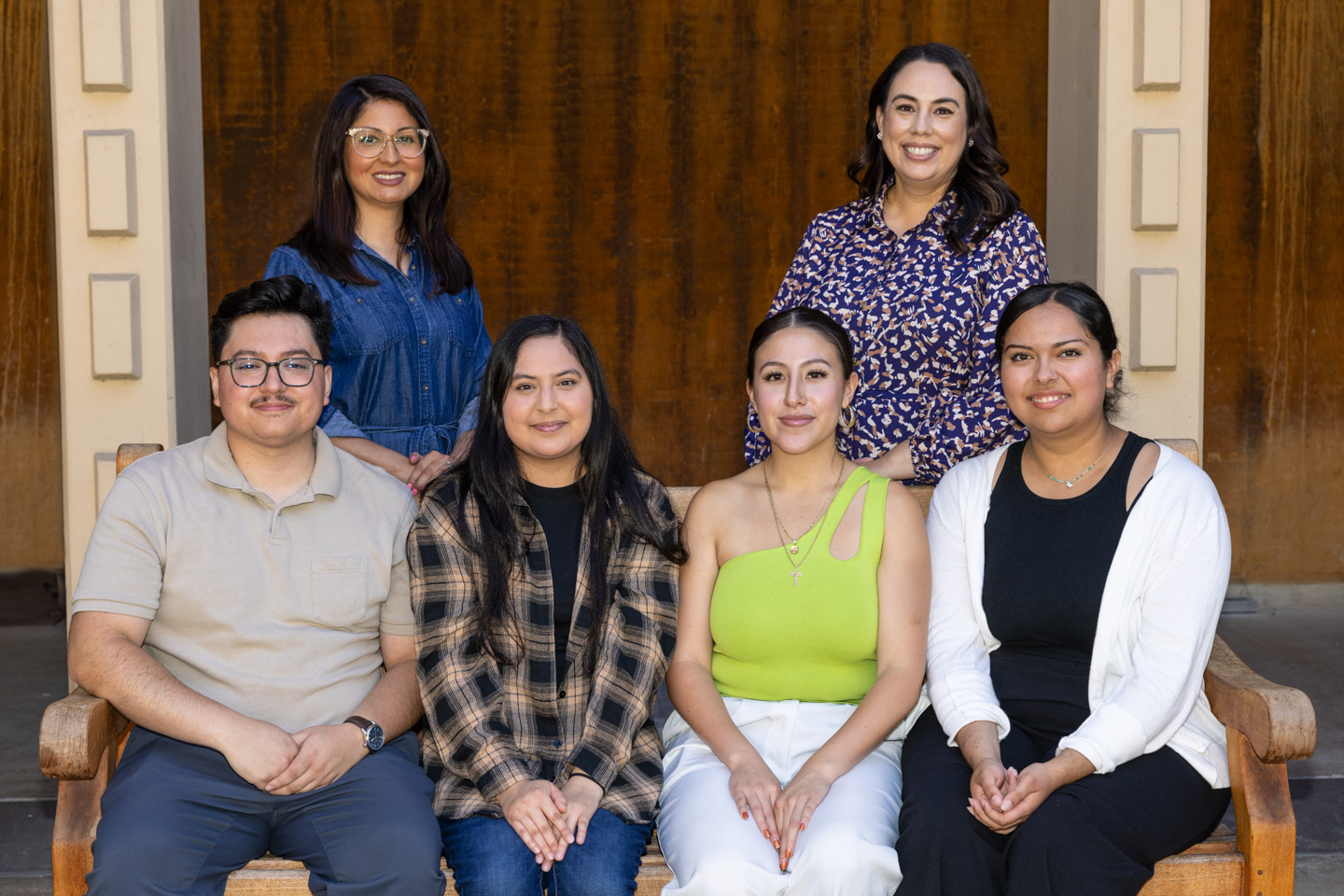
Front row, from left: Josue Parra, UC Berkeley; Briana Giglio, San Jose State University; Sarah Morales, UC Berkeley; Daphney Saviotti-Orozco, UC Berkeley. Back row, from left: Cecile Bonini and Karina Delgado-Carrasco.

Front row, from left: Josue Parra, UC Berkeley; Briana Giglio, San Jose State University; Sarah Morales, UC Berkeley; Daphney Saviotti-Orozco, UC Berkeley. Back row, from left: Cecile Bonini and Karina Delgado-Carrasco

Paid Summer Internship Program Furthers Stanford Commitment to Diversity, Equity, Inclusion

Front row, from left: Josue Parra, UC Berkeley; Briana Giglio, San Jose State University; Sarah Morales, UC Berkeley; Daphney Saviotti-Orozco, UC Berkeley. Back row, from left: Cecile Bonini and Karina Delgado-Carrasco.

Front row, from left: Josue Parra, UC Berkeley; Briana Giglio, San Jose State University; Sarah Morales, UC Berkeley; Daphney Saviotti-Orozco, UC Berkeley. Back row, from left: Cecile Bonini and Karina Delgado-Carrasco

Paid Summer Internship Program Furthers Stanford Commitment to Diversity, Equity, Inclusion

During the summer of 2023, the Department of Medicine launched a Paid Internship Program for college students. Through this initiative, eight undergraduates from local universities were placed in staff positions across four divisions in the department.

In the interview that follows, Cecile Bonini, associate director of human resources, and Karina Delgado-Carrasco, director of education programs, answer questions about why the program was established and what it hopes to achieve in the future.

What is the Paid Internship Program?

Bonini: The Paid Internship Program creates summer staff positions for a diverse group of students with a strong appreciation for diversity, equity, inclusion, and belonging (DEIB), who are interested in careers in health care, academic medicine, and administrative roles in higher learning.

How did you go about setting it up?

Bonini: Karina and I reached out to student advisers at local schools and universities to seek applicants with relevant majors. We also contacted campus student support centers and “first-gen” offices, to reach students who were first in their families to attend college.

We promoted the availability of the internships to all 15 divisions in our department. We then developed job descriptions with managers who were excited about supervising a student in a staff role within their work groups.

For this past summer, we had six managers sign on to train and supervise a student. We hired eight people from San Jose State University, UC Berkeley, and the University of San Francisco. Hopefully, these students will view us as a potential employer when they graduate.

What led to the creation of the Paid Internship Program?

Bonini: Two events occurred in 2021. First, the results of a university-wide equity, diversity, and inclusion survey were published. The data showed that though there are spaces at Stanford that can be welcoming and inclusive for many, we have a long way to go as a university to achieve broad-based inclusivity and belonging for all members of the Stanford community.

And second, I noticed that many of the undergraduate students attending our virtual job fairs were asking about paid summer positions. Though we did have summer traineeships available, they were often unpaid or had already been filled by the specific principal investigator seeking those roles.

And how did these two issues motivate you to create this new program?

Bonini: Karina and I felt we could leverage these two scenarios by proactively reaching out to local schools and universities to seek undergraduates who were mission driven; had a strong lens for DEIB; and were interested in health care, academic medicine, or university administration. We would create new summer paid positions with the help of managers who were willing to supervise such individuals on their staff teams.

We approached department leaders who thought this was a wonderful idea. Our director of finance and administration, Cathy Garzio, authorized funding for eight paid summer internships for 2023.

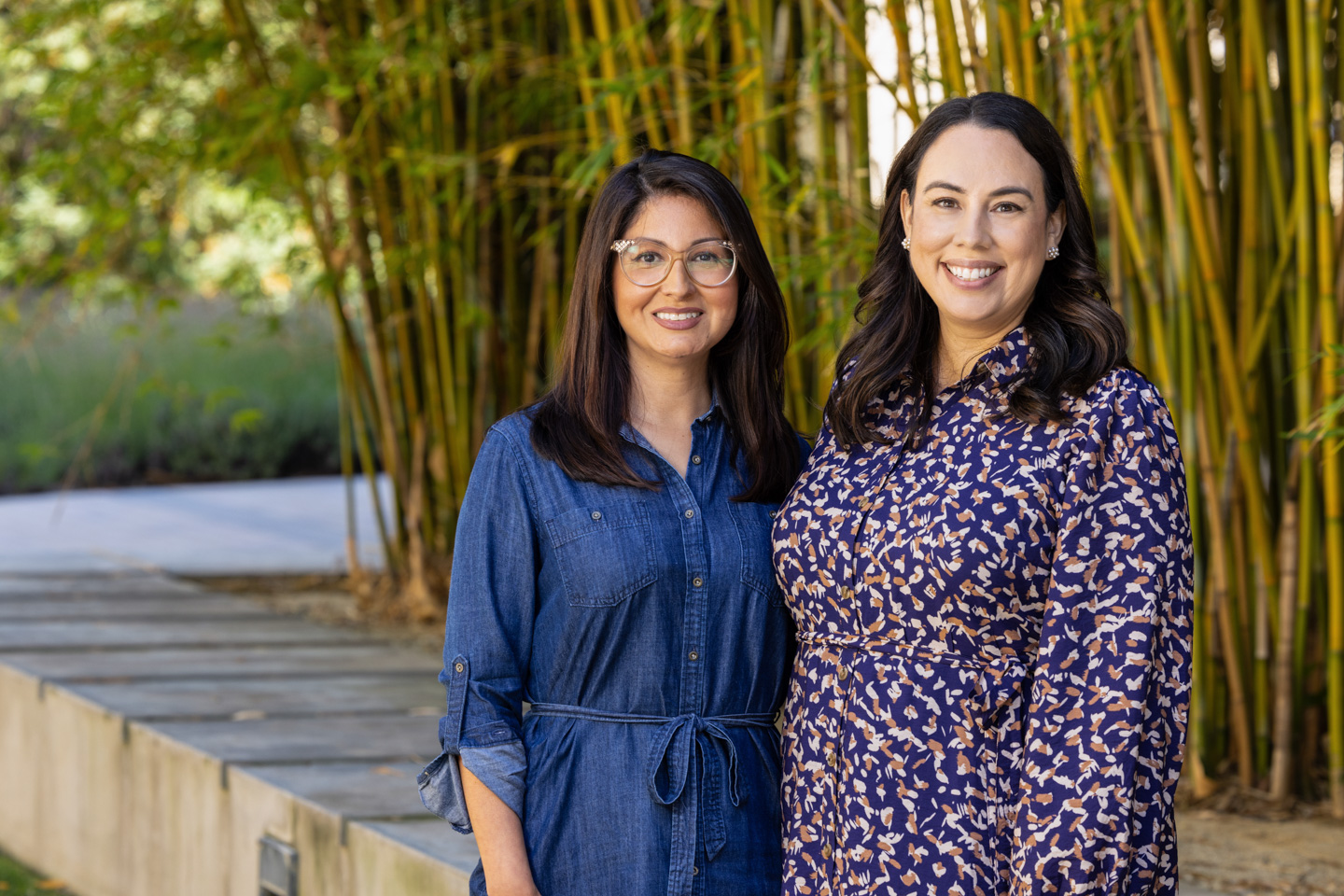
Cecile Bonini (left) and Karina Delgado-Carrasco

Delgado-Carrasco: We also view this program as an opportunity to create a pipeline of candidates who might match a full-time staff role at Stanford in the future. Many students we spoke to were not aware of the numerous employment opportunities we offer; mostly they viewed “health care” as going to medical school or another type of professional training program. Some even thought you had to attend Stanford to work there!

Our goal is to welcome people who otherwise may not have considered working at Stanford and to demonstrate that we have numerous job opportunities for people with a variety of backgrounds and life experiences.

From left: Josue Parra, Briana Giglio, Sarah Morales, Daphney Saviotti-Orozco

During the summer of 2023, the Department of Medicine launched a Paid Internship Program for college students. Through this initiative, eight undergraduates from local universities were placed in staff positions across four divisions in the department.

In the interview that follows, Cecile Bonini, associate director of human resources, and Karina Delgado-Carrasco, director of education programs, answer questions about why the program was established and what it hopes to achieve in the future.

What is the Paid Internship Program?

Bonini: The Paid Internship Program creates summer staff positions for a diverse group of students with a strong appreciation for diversity, equity, inclusion, and belonging (DEIB), who are interested in careers in health care, academic medicine, and administrative roles in higher learning.

How did you go about setting it up?

Bonini: Karina and I reached out to student advisers at local schools and universities to seek applicants with relevant majors. We also contacted campus student support centers and “first-gen” offices, to reach students who were first in their families to attend college.

We promoted the availability of the internships to all 15 divisions in our department. We then developed job descriptions with managers who were excited about supervising a student in a staff role within their work groups.

For this past summer, we had six managers sign on to train and supervise a student. We hired eight people from San Jose State University, UC Berkeley, and the University of San Francisco. Hopefully, these students will view us as a potential employer when they graduate.

Cecile Bonini (left) and Karina Delgado-Carrasco

What led to the creation of the Paid Internship Program?

Bonini: Two events occurred in 2021. First, the results of a university-wide equity, diversity, and inclusion survey were published. The data showed that though there are spaces at Stanford that can be welcoming and inclusive for many, we have a long way to go as a university to achieve broad-based inclusivity and belonging for all members of the Stanford community.

And second, I noticed that many of the undergraduate students attending our virtual job fairs were asking about paid summer positions. Though we did have summer traineeships available, they were often unpaid or had already been filled by the specific principal investigator seeking those roles.

And how did these two issues motivate you to create this new program?

Bonini: Karina and I felt we could leverage these two scenarios by proactively reaching out to local schools and universities to seek undergraduates who were mission driven; had a strong lens for DEIB; and were interested in health care, academic medicine, or university administration. We would create new summer paid positions with the help of managers who were willing to supervise such individuals on their staff teams.

We approached department leaders who thought this was a wonderful idea. Our director of finance and administration, Cathy Garzio, authorized funding for eight paid summer internships for 2023.

Delgado-Carrasco: We also view this program as an opportunity to create a pipeline of candidates who might match a full-time staff role at Stanford in the future. Many students we spoke to were not aware of the numerous employment opportunities we offer; mostly they viewed “health care” as going to medical school or another type of professional training program. Some even thought you had to attend Stanford to work there!

Our goal is to welcome people who otherwise may not have considered working at Stanford and to demonstrate that we have numerous job opportunities for people with a variety of backgrounds and life experiences.

From left: Josue Parra, Briana Giglio, Sarah Morales, Daphney Saviotti-Orozco  

The Paid Internship Program creates summer staff positions for a diverse group of students with a strong appreciation for diversity, equity, inclusion, and belonging, who are interested in careers in health care, academic medicine, and administrative roles in higher learning.

— Cecile Bonini, associate director of human resources

What did this year’s participants do?

Bonini: The eight students worked in various roles in clinical research and administrative support. But it wasn’t all work: We had four professional development seminars that highlighted the importance of personal branding, self-awareness, and networking. Stanford comes with a reputation that some people can find intimidating, so we tried to help the students navigate the organization, ideally so they could envision themselves in full-time roles here in the future. And we had a lovely closing session at the end of the summer, where we bid the students farewell and invited them to keep in touch with one another and with the various connections they made during their time here.

Why do you feel this program is important?

Delgado-Carrasco: Thinking back on my own career journey, I believe having an opportunity like this would have helped me see that there was so much more to do “out there” than I knew about when I was in school. I was a public health major as an undergraduate, but I really didn’t know what that meant in terms of the multiple options I would have for career choices. I felt a little lost back then! I hope this program helps participants understand the numerous roles people who are interested in health care can play.

The Paid Internship Program creates summer staff positions for a diverse group of students with a strong appreciation for diversity, equity, inclusion, and belonging, who are interested in careers in health care, academic medicine, and administrative roles in higher learning.

— Cecile Bonini, associate director of human resources

What did this year’s participants do?

Bonini: The eight students worked in various roles in clinical research and administrative support. But it wasn’t all work: We had four professional development seminars that highlighted the importance of personal branding, self-awareness, and networking. Stanford comes with a reputation that some people can find intimidating, so we tried to help the students navigate the organization, ideally so they could envision themselves in full-time roles here in the future. And we had a lovely closing session at the end of the summer, where we bid the students farewell and invited them to keep in touch with one another and with the various connections they made during their time here.

Why do you feel this program is important?

Delgado-Carrasco: Thinking back on my own career journey, I believe having an opportunity like this would have helped me see that there was so much more to do “out there” than I knew about when I was in school. I was a public health major as an undergraduate, but I really didn’t know what that meant in terms of the multiple options I would have for career choices. I felt a little lost back then! I hope this program helps participants understand the numerous roles people who are interested in health care can play.

The Pre-Renal Initiative

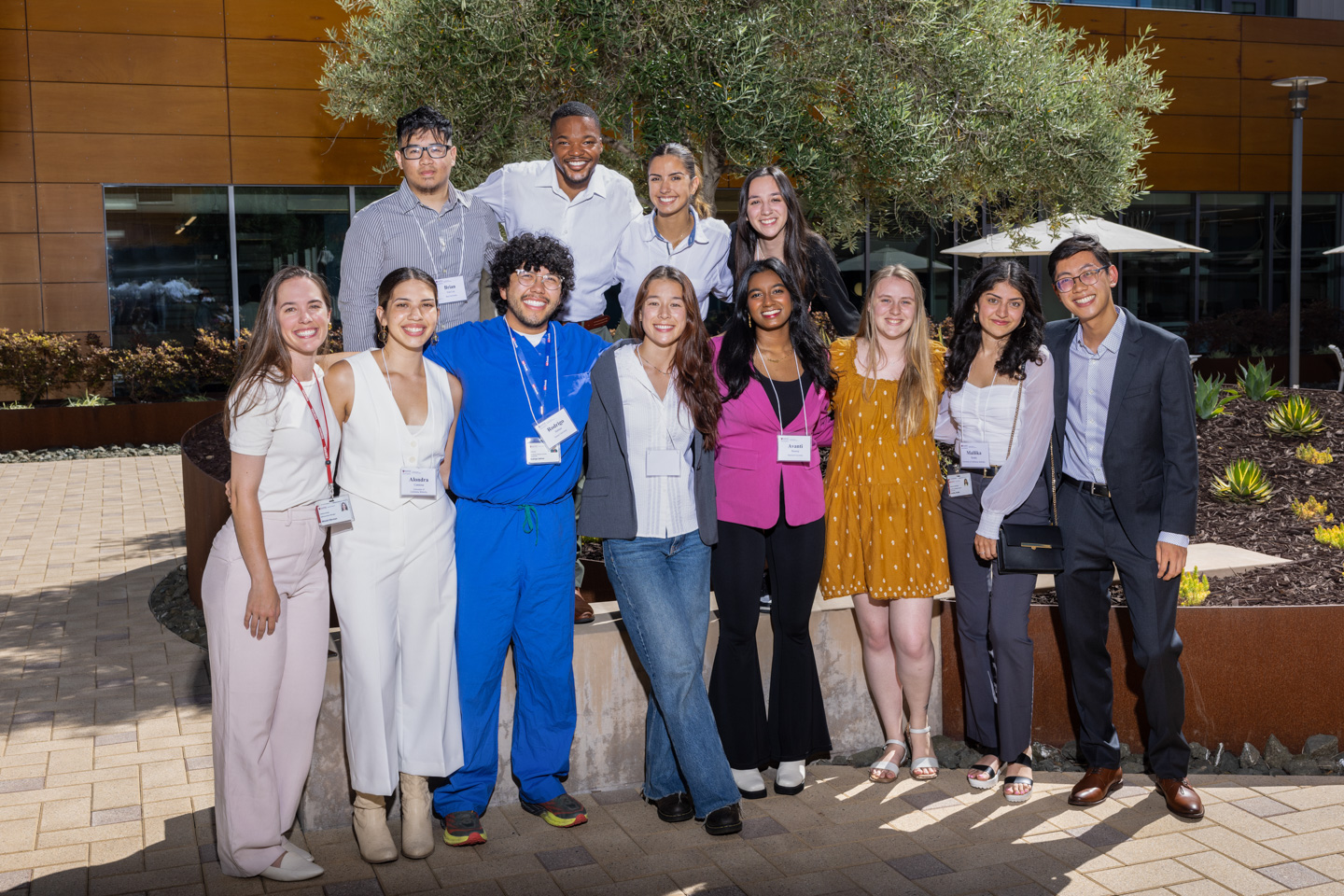
Pre-Renal Initiative participants. Front row, from left: Winnie Ellerman, manager; Alondra Camrena, UC Berkeley; Rodrigo Salinas, Emory University; Angelina Powers, UC Santa Cruz; Avanti Ramraj, Stanford; Alexandra Bibby, coordinator; Mallika Reddy, UC Berkeley; Jeffrey Doeve. Back row, from left: Brian Van Lee, Rice University; Brevyn Belfield, Hampton University; Maria Luiza Periera Ortiz, Mount Holyoke College; Arianna Mejia, University of Pennsylvania.

Pre-Renal Initiative participants. Front row, from left: Winnie Ellerman, manager; Alondra Camrena, UC Berkeley; Rodrigo Salinas, Emory University; Angelina Powers, UC Santa Cruz; Avanti Ramraj, Stanford; Alexandra Bibby, coordinator; Mallika Reddy, UC Berkeley; Jeffrey Doeve. Back row, from left: Brian Van Lee, Rice University; Brevyn Belfield, Hampton University; Maria Luiza Periera Ortiz, Mount Holyoke College; Arianna Mejia, University of Pennsylvania

The Pre-Renal Initiative

Recruiting Nephrologists Early

Pre-Renal Initiative participants. Front row, from left: Winnie Ellerman, manager; Alondra Camrena, UC Berkeley; Rodrigo Salinas, Emory University; Angelina Powers, UC Santa Cruz; Avanti Ramraj, Stanford; Alexandra Bibby, coordinator; Mallika Reddy, UC Berkeley; Jeffrey Doeve. Back row, from left: Brian Van Lee, Rice University; Brevyn Belfield, Hampton University; Maria Luiza Periera Ortiz, Mount Holyoke College; Arianna Mejia, University of Pennsylvania.

Pre-Renal Initiative participants. Front row, from left: Winnie Ellerman, manager; Alondra Camrena, UC Berkeley; Rodrigo Salinas, Emory University; Angelina Powers, UC Santa Cruz; Avanti Ramraj, Stanford; Alexandra Bibby, coordinator; Mallika Reddy, UC Berkeley; Jeffrey Doeve. Back row, from left: Brian Van Lee, Rice University; Brevyn Belfield, Hampton University; Maria Luiza Periera Ortiz, Mount Holyoke College; Arianna Mejia, University of Pennsylvania

The Pre-Renal Initiative

Recruiting Nephrologists Early

Despite the need for more nephrologists, the field of nephrology has suffered an image problem. The subspecialty has been perceived as somewhat stale and stodgy, with limited therapies available for chronic kidney disease (CKD) and a scant research pipeline.

“By the time they enter medical school, many students already know what area of study they intend to pursue, such as cardiology, oncology, or general surgery,” says Vivek Bhalla, MD, associate professor of nephrology and director of the Stanford Hypertension Center. “Early exposure to the field of nephrology is crucial to attract more practitioners and researchers to this dynamic subspecialty, and that is exactly what our initiative is designed to do,” says Bhalla, who is co-director of the Pre-Renal Initiative, a summer research program for undergraduate college students aimed at attracting trainees to the field of nephrology.

Enter the Pre-Renal Initiative

The Pre-Renal Initiative was founded in 2019 to develop an interest in nephrology by planting a seed at the undergraduate level, especially among the very minority and underrepresented populations most affected by CKD. Through this outreach and recruitment effort, Stanford is creating the potential for a clearer path to this subspecialty for those who may not have considered it previously.

Students are recruited through the initiative’s website and social media accounts, as well as with campus outreach at local universities and student groups using targeted emails and virtual talks.

The initiative includes the subspecialties of urology and benign hematology — related areas of study that also need to draw attention as potential career choices.

Bhalla says that in the past 10 years, an explosion of new therapies has emerged for CKD. Multiple new drugs for treating the disease are now available, and amazing insights are revealing how those drugs can manage or even cure CKD. These developments, combined with the current nationwide epidemics of diabetes and obesity, have triggered a need for more nephrologists who can treat the 37 million Americans who have CKD, many of whom are ethnic minorities. 

The 10-week program has three components: a research project, a lecture series, and professional development. Each summer includes twice-weekly lectures with nephrology, urology, and hematology faculty members, covering topics in clinical care and research. Additional activities include professional development seminars, social events, and a poster symposium at Stanford and at the National Institutes of Health (NIH), which provides funding for the program.

Glenn M. Chertow, MD, is proud of the initiative’s success in “fostering the interests of women and other underrepresented groups into medicine, nephrology, and urology.” Chertow is a former division chief of nephrology and is currently associate chair of fellowship programs in the Department of Medicine.

Emerging From the Pandemic

The year 2023 was only the second time the Pre-Renal Initiative took place fully in person, with a group of 11 undergraduate students from California, New York, South Carolina, and Texas. They were paired individually with a faculty member and in groups of three with a fellow or resident.

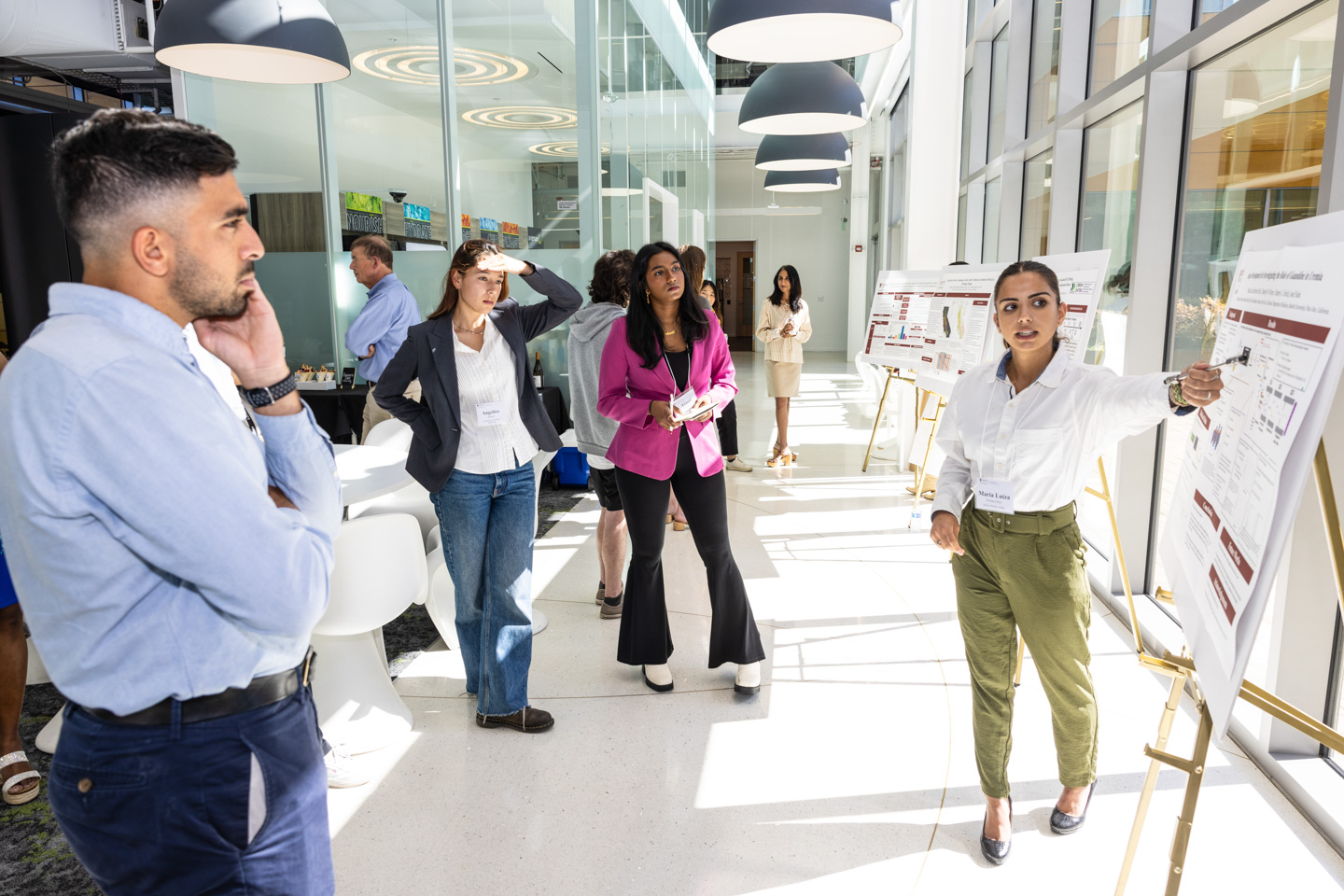
Maria Luiza Periera Ortiz (at easel) is benefiting from early exposure to the field of nephrology. 

“The faculty lectures are multidisciplinary and are a highlight of the Pre-Renal Initiative,” notes Winnie Ellerman, administrative manager for the division of nephrology. She adds that “the most thrilling part of the program has been seeing the students present their research at the end of the summer. They’d been able to establish a hypothesis and see it come to life in the lab.”

Stand By for Results

As for creating a pool of future nephrologists, the success of the program won’t be measurable for at least another 10 years. And, says Bhalla, “even if they don’t go to medical school or specialize in nephrology, they will have benefited from the experience.”

Ellerman adds, “I know the bonds that have formed here will follow these students into their future lives. That is very powerful.”

Brevyn Belfield makes a point during a presentation

I cannot thank you enough for this wonderful program! I feel so happy knowing there is a sphere of medicine that fascinates me as much as urology/nephrology does and that there is so much room for me to join and continue improving renal care!
— Pre-Renal Initiative participant

Despite the need for more nephrologists, the field of nephrology has suffered an image problem. The subspecialty has been perceived as somewhat stale and stodgy, with limited therapies available for chronic kidney disease (CKD) and a scant research pipeline.

“By the time they enter medical school, many students already know what area of study they intend to pursue, such as cardiology, oncology, or general surgery,” says Vivek Bhalla, MD, associate professor of nephrology and director of the Stanford Hypertension Center. “Early exposure to the field of nephrology is crucial to attract more practitioners and researchers to this dynamic subspecialty, and that is exactly what our initiative is designed to do,” says Bhalla, who is co-director of the Pre-Renal Initiative, a summer research program for undergraduate college students aimed at attracting trainees to the field of nephrology.

Maria Luiza Periera Ortiz (at easel) is benefiting from early exposure to the field of nephrology

Enter the Pre-Renal Initiative

The Pre-Renal Initiative was founded in 2019 to develop an interest in nephrology by planting a seed at the undergraduate level, especially among the very minority and underrepresented populations most affected by CKD. Through this outreach and recruitment effort, Stanford is creating the potential for a clearer path to this subspecialty for those who may not have considered it previously.

Students are recruited through the initiative’s website and social media accounts, as well as with campus outreach at local universities and student groups using targeted emails and virtual talks.

The initiative includes the subspecialties of urology and benign hematology — related areas of study that also need to draw attention as potential career choices.

Bhalla says that in the past 10 years, an explosion of new therapies has emerged for CKD. Multiple new drugs for treating the disease are now available, and amazing insights are revealing how those drugs can manage or even cure CKD. These developments, combined with the current nationwide epidemics of diabetes and obesity, have triggered a need for more nephrologists who can treat the 37 million Americans who have CKD, many of whom are ethnic minorities. 

The 10-week program has three components: a research project, a lecture series, and professional development. Each summer includes twice-weekly lectures with nephrology, urology, and hematology faculty members, covering topics in clinical care and research. Additional activities include professional development seminars, social events, and a poster symposium at Stanford and at the National Institutes of Health (NIH), which provides funding for the program.

Glenn M. Chertow, MD, is proud of the initiative’s success in “fostering the interests of women and other underrepresented groups into medicine, nephrology, and urology.” Dr. Chertow is a former division chief of nephrology and is currently associate chair of fellowship programs in the Department of Medicine.

I cannot thank you enough for this wonderful program! I feel so happy knowing there is a sphere of medicine that fascinates me as much as urology/nephrology does and that there is so much room for me to join and continue improving renal care!
— Pre-Renal Initiative participant

Brevyn Belfield makes a point during a presentation.

Emerging From the Pandemic

The year 2023 was only the second time the Pre-Renal Initiative took place fully in person, with a group of 11 undergraduate students from California, New York, South Carolina, and Texas. They were paired individually with a faculty member and in groups of three with a fellow or resident.

“The faculty lectures are multidisciplinary and are a highlight of the Pre-Renal Initiative,” notes Winnie Ellerman, administrative manager for the division of nephrology. She adds that “the most thrilling part of the program has been seeing the students present their research at the end of the summer. They’d been able to establish a hypothesis and see it come to life in the lab.”

Stand By for Results

As for creating a pool of future nephrologists, the success of the program won’t be measurable for at least another 10 years. And, says Bhalla, “even if they don’t go to medical school or specialize in nephrology, they will have benefited from the experience.”

Ellerman adds, “I know the bonds that have formed here will follow these students into their future lives. That is very powerful.”