Hoops of Henle

Hoops of Henle

Where Medicine Meets on the Court for Health and Teamwork

At Stanford, the pursuit of health and wellness extends beyond the hospital walls and into the basketball court. Meet the Hoops of Henle, an intramural basketball team formed by faculty and trainees in the Division of Nephrology within the Department of Medicine, where camaraderie, exercise, and a little friendly competition foster a vibrant community.

Founded in the winter of 2008 by several now-longstanding faculty members, including Vivek Bhalla, MD, Glenn Chertow, MD, Richard Lafayette, MD, and Alan Pao, MD, the Hoops of Henle emerged as a creative outlet for a small group of faculty and trainees looking to connect outside the hospital setting. The team’s playful name is a nod to the loop of Henle in the nephron of the kidney, a clever inside joke that reflects the team’s roots in nephrology. “No one else understood, but we laughed at it ourselves because it really was a recreational league,” Chertow adds.

“After every basketball game, I always felt really good — like I had the energy to do more stuff,” shares the former coach, Assistant Professor Tammy Sirich, MD. This sentiment echoes the experiences of other team members who have found that engaging in sports not only boosts physical fitness but also enhances productivity and morale in their demanding medical careers.

“Most importantly, it’s a reminder that all the attendings that you think are so esteemed in their careers are people and humans too,” – Maya Ramachandran, MD

The Hoops of Henle has been a source of stress relief and connection for its members since its inception. The current coach, Clinical Assistant Professor Seolhyun Lee, MD, remarks, “Sometimes you need to really vent the energy or stress that you have to go through every day in the hospital and connect with colleagues outside of work: You know, just talk with our movement, bodies, passing, and shooting.”

As the team continues to grow, it serves as a reminder that the world of medicine is not just about rigorous training, clinical care, teaching, and research; it’s also about teamwork, resilience, and the joy of playing together. “Most importantly, it’s a reminder that all the attendings that you think are so esteemed in their careers are people and humans too,” emphasizes Clinical Assistant Professor Maya Ramachandran, MD, Hoops of Henle team member and a former member of the MIT women’s basketball team, a former resident in internal medicine, and currently a faculty member in Hospital Medicine. 

Since expanding beyond the Division of Nephrology, the Hoops have proved even more successful, securing their first intramural playoff spot last year under Coach Lee’s leadership.

  Save as PDF

Related Spotlights

The Pre-Renal Initiative

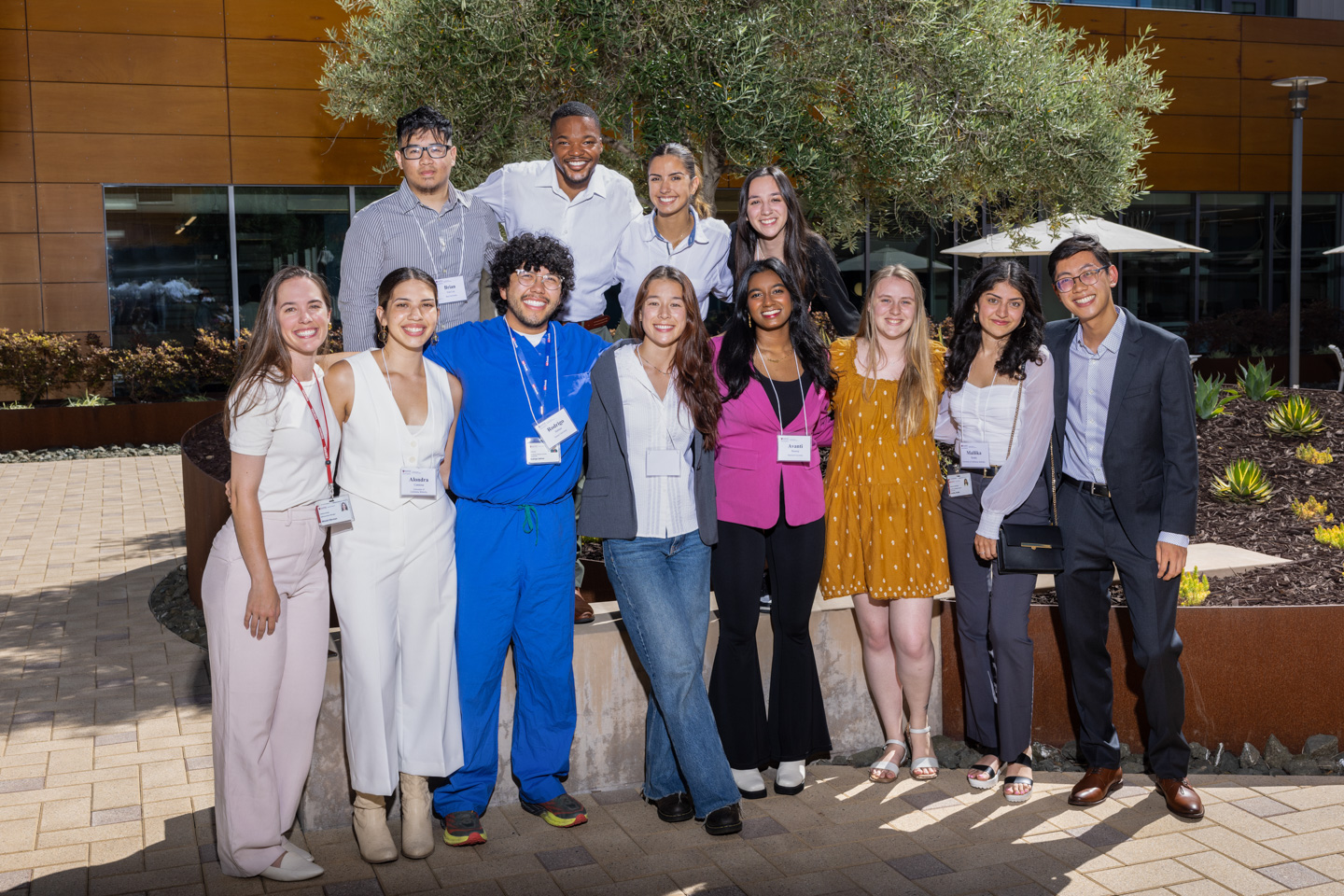
Pre-Renal Initiative participants. Front row, from left: Winnie Ellerman, manager; Alondra Camrena, UC Berkeley; Rodrigo Salinas, Emory University; Angelina Powers, UC Santa Cruz; Avanti Ramraj, Stanford; Alexandra Bibby, coordinator; Mallika Reddy, UC Berkeley; Jeffrey Doeve. Back row, from left: Brian Van Lee, Rice University; Brevyn Belfield, Hampton University; Maria Luiza Periera Ortiz, Mount Holyoke College; Arianna Mejia, University of Pennsylvania.

Pre-Renal Initiative participants. Front row, from left: Winnie Ellerman, manager; Alondra Camrena, UC Berkeley; Rodrigo Salinas, Emory University; Angelina Powers, UC Santa Cruz; Avanti Ramraj, Stanford; Alexandra Bibby, coordinator; Mallika Reddy, UC Berkeley; Jeffrey Doeve. Back row, from left: Brian Van Lee, Rice University; Brevyn Belfield, Hampton University; Maria Luiza Periera Ortiz, Mount Holyoke College; Arianna Mejia, University of Pennsylvania

The Pre-Renal Initiative

Recruiting Nephrologists Early

Pre-Renal Initiative participants. Front row, from left: Winnie Ellerman, manager; Alondra Camrena, UC Berkeley; Rodrigo Salinas, Emory University; Angelina Powers, UC Santa Cruz; Avanti Ramraj, Stanford; Alexandra Bibby, coordinator; Mallika Reddy, UC Berkeley; Jeffrey Doeve. Back row, from left: Brian Van Lee, Rice University; Brevyn Belfield, Hampton University; Maria Luiza Periera Ortiz, Mount Holyoke College; Arianna Mejia, University of Pennsylvania.

Pre-Renal Initiative participants. Front row, from left: Winnie Ellerman, manager; Alondra Camrena, UC Berkeley; Rodrigo Salinas, Emory University; Angelina Powers, UC Santa Cruz; Avanti Ramraj, Stanford; Alexandra Bibby, coordinator; Mallika Reddy, UC Berkeley; Jeffrey Doeve. Back row, from left: Brian Van Lee, Rice University; Brevyn Belfield, Hampton University; Maria Luiza Periera Ortiz, Mount Holyoke College; Arianna Mejia, University of Pennsylvania

The Pre-Renal Initiative

Recruiting Nephrologists Early

Despite the need for more nephrologists, the field of nephrology has suffered an image problem. The subspecialty has been perceived as somewhat stale and stodgy, with limited therapies available for chronic kidney disease (CKD) and a scant research pipeline.

“By the time they enter medical school, many students already know what area of study they intend to pursue, such as cardiology, oncology, or general surgery,” says Vivek Bhalla, MD, associate professor of nephrology and director of the Stanford Hypertension Center. “Early exposure to the field of nephrology is crucial to attract more practitioners and researchers to this dynamic subspecialty, and that is exactly what our initiative is designed to do,” says Bhalla, who is co-director of the Pre-Renal Initiative, a summer research program for undergraduate college students aimed at attracting trainees to the field of nephrology.

Enter the Pre-Renal Initiative

The Pre-Renal Initiative was founded in 2019 to develop an interest in nephrology by planting a seed at the undergraduate level, especially among the very minority and underrepresented populations most affected by CKD. Through this outreach and recruitment effort, Stanford is creating the potential for a clearer path to this subspecialty for those who may not have considered it previously.

Students are recruited through the initiative’s website and social media accounts, as well as with campus outreach at local universities and student groups using targeted emails and virtual talks.

The initiative includes the subspecialties of urology and benign hematology — related areas of study that also need to draw attention as potential career choices.

Bhalla says that in the past 10 years, an explosion of new therapies has emerged for CKD. Multiple new drugs for treating the disease are now available, and amazing insights are revealing how those drugs can manage or even cure CKD. These developments, combined with the current nationwide epidemics of diabetes and obesity, have triggered a need for more nephrologists who can treat the 37 million Americans who have CKD, many of whom are ethnic minorities. 

The 10-week program has three components: a research project, a lecture series, and professional development. Each summer includes twice-weekly lectures with nephrology, urology, and hematology faculty members, covering topics in clinical care and research. Additional activities include professional development seminars, social events, and a poster symposium at Stanford and at the National Institutes of Health (NIH), which provides funding for the program.

Glenn M. Chertow, MD, is proud of the initiative’s success in “fostering the interests of women and other underrepresented groups into medicine, nephrology, and urology.” Chertow is a former division chief of nephrology and is currently associate chair of fellowship programs in the Department of Medicine.

Emerging From the Pandemic

The year 2023 was only the second time the Pre-Renal Initiative took place fully in person, with a group of 11 undergraduate students from California, New York, South Carolina, and Texas. They were paired individually with a faculty member and in groups of three with a fellow or resident.

Maria Luiza Periera Ortiz (at easel) is benefiting from early exposure to the field of nephrology. 

“The faculty lectures are multidisciplinary and are a highlight of the Pre-Renal Initiative,” notes Winnie Ellerman, administrative manager for the division of nephrology. She adds that “the most thrilling part of the program has been seeing the students present their research at the end of the summer. They’d been able to establish a hypothesis and see it come to life in the lab.”

Stand By for Results

As for creating a pool of future nephrologists, the success of the program won’t be measurable for at least another 10 years. And, says Bhalla, “even if they don’t go to medical school or specialize in nephrology, they will have benefited from the experience.”

Ellerman adds, “I know the bonds that have formed here will follow these students into their future lives. That is very powerful.”

Brevyn Belfield makes a point during a presentation

I cannot thank you enough for this wonderful program! I feel so happy knowing there is a sphere of medicine that fascinates me as much as urology/nephrology does and that there is so much room for me to join and continue improving renal care!
— Pre-Renal Initiative participant

Despite the need for more nephrologists, the field of nephrology has suffered an image problem. The subspecialty has been perceived as somewhat stale and stodgy, with limited therapies available for chronic kidney disease (CKD) and a scant research pipeline.

“By the time they enter medical school, many students already know what area of study they intend to pursue, such as cardiology, oncology, or general surgery,” says Vivek Bhalla, MD, associate professor of nephrology and director of the Stanford Hypertension Center. “Early exposure to the field of nephrology is crucial to attract more practitioners and researchers to this dynamic subspecialty, and that is exactly what our initiative is designed to do,” says Bhalla, who is co-director of the Pre-Renal Initiative, a summer research program for undergraduate college students aimed at attracting trainees to the field of nephrology.

Maria Luiza Periera Ortiz (at easel) is benefiting from early exposure to the field of nephrology

Enter the Pre-Renal Initiative

The Pre-Renal Initiative was founded in 2019 to develop an interest in nephrology by planting a seed at the undergraduate level, especially among the very minority and underrepresented populations most affected by CKD. Through this outreach and recruitment effort, Stanford is creating the potential for a clearer path to this subspecialty for those who may not have considered it previously.

Students are recruited through the initiative’s website and social media accounts, as well as with campus outreach at local universities and student groups using targeted emails and virtual talks.

The initiative includes the subspecialties of urology and benign hematology — related areas of study that also need to draw attention as potential career choices.

Bhalla says that in the past 10 years, an explosion of new therapies has emerged for CKD. Multiple new drugs for treating the disease are now available, and amazing insights are revealing how those drugs can manage or even cure CKD. These developments, combined with the current nationwide epidemics of diabetes and obesity, have triggered a need for more nephrologists who can treat the 37 million Americans who have CKD, many of whom are ethnic minorities. 

The 10-week program has three components: a research project, a lecture series, and professional development. Each summer includes twice-weekly lectures with nephrology, urology, and hematology faculty members, covering topics in clinical care and research. Additional activities include professional development seminars, social events, and a poster symposium at Stanford and at the National Institutes of Health (NIH), which provides funding for the program.

Glenn M. Chertow, MD, is proud of the initiative’s success in “fostering the interests of women and other underrepresented groups into medicine, nephrology, and urology.” Dr. Chertow is a former division chief of nephrology and is currently associate chair of fellowship programs in the Department of Medicine.

I cannot thank you enough for this wonderful program! I feel so happy knowing there is a sphere of medicine that fascinates me as much as urology/nephrology does and that there is so much room for me to join and continue improving renal care!
— Pre-Renal Initiative participant

Brevyn Belfield makes a point during a presentation.

Emerging From the Pandemic

The year 2023 was only the second time the Pre-Renal Initiative took place fully in person, with a group of 11 undergraduate students from California, New York, South Carolina, and Texas. They were paired individually with a faculty member and in groups of three with a fellow or resident.

“The faculty lectures are multidisciplinary and are a highlight of the Pre-Renal Initiative,” notes Winnie Ellerman, administrative manager for the division of nephrology. She adds that “the most thrilling part of the program has been seeing the students present their research at the end of the summer. They’d been able to establish a hypothesis and see it come to life in the lab.”

Stand By for Results

As for creating a pool of future nephrologists, the success of the program won’t be measurable for at least another 10 years. And, says Bhalla, “even if they don’t go to medical school or specialize in nephrology, they will have benefited from the experience.”

Ellerman adds, “I know the bonds that have formed here will follow these students into their future lives. That is very powerful.”