Gastroenterology and Primary Care Partner to Improve Access and Outcomes for Patients

Gastroenterology and Primary Care Partner to Improve Access and Outcomes for Patients

How long should a patient have to wait for an appointment with a medical specialist? Three days? Three weeks? The answer may seem obvious, but in the U.S., many people wait weeks or months for even urgent appointments.

In 2020, the Department of Medicine’s divisions of primary care medicine and gastroenterology (GI) decided to further the progress it had already made in shortening wait times for general gastroenterology clinic appointments.

Primary care is the point of entry to the health care system for most patients. And among the medical subspecialties, GI is one of the most frequent referrals for specialist care.

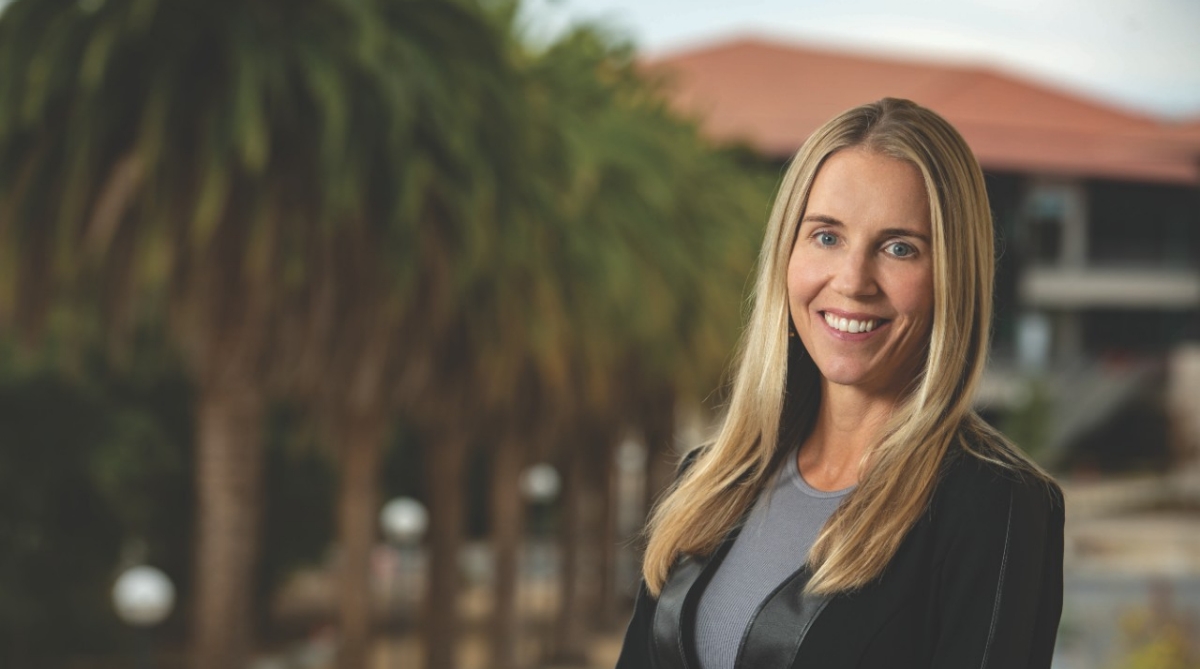
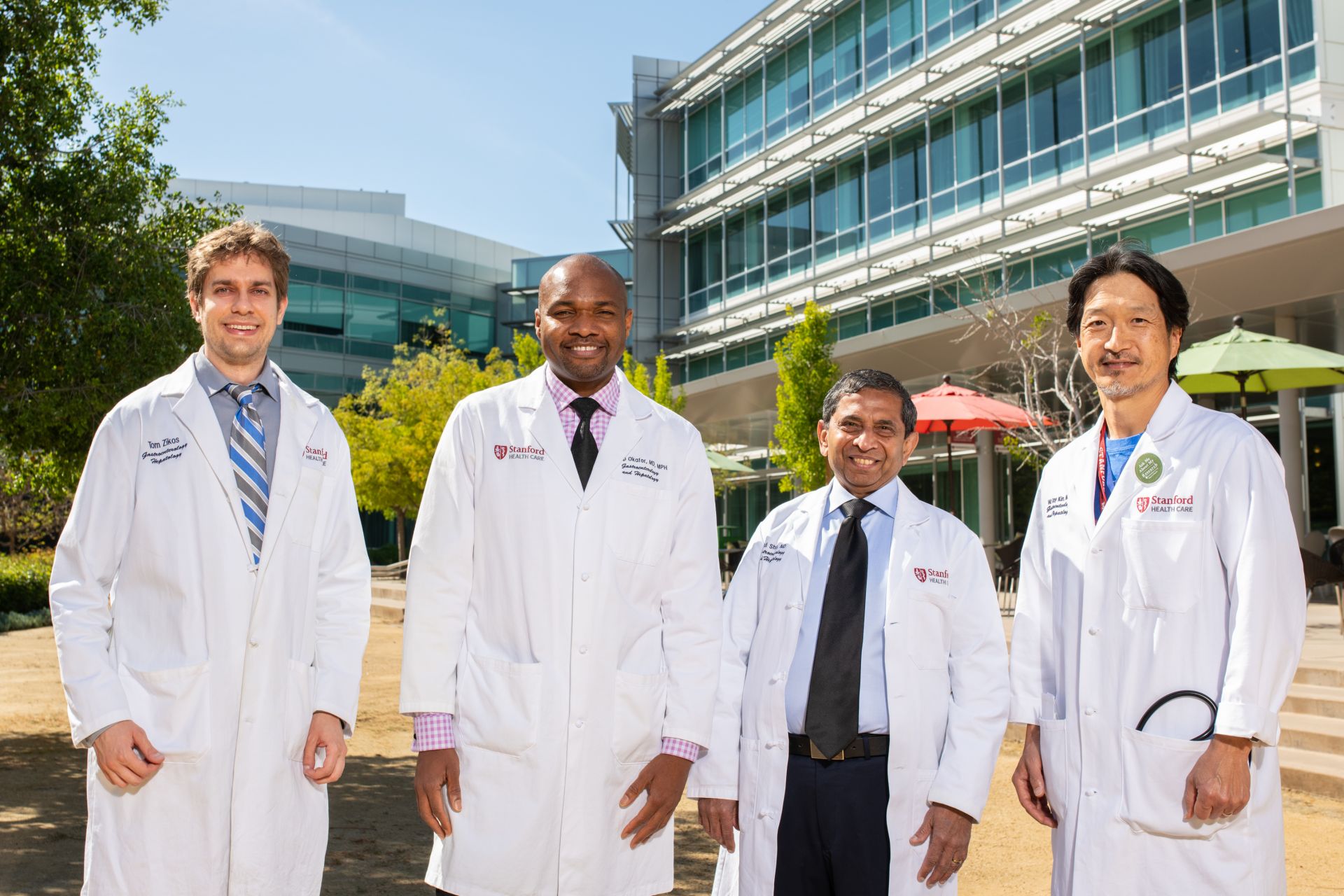
From left: Thomas Zikos, MD; Philip Okafor, MD, MPH; Atul Shah, MD; and W. Ray Kim, MD

With patient volume increasing at Stanford Health Care, this referral pattern prompted the formation of the Primary Care/GI Partnership, an initiative designed to assure that patients are seen by a general gastroenterologist in a timely manner. The goal is to improve both access and quality of care.

Working as a team, the Department of Medicine’s GI division and Stanford Health Care primary care physicians at the Hoover Pavilion (one of Stanford’s largest primary care clinics) created a prototype for achieving these goals.

“If our model works, we could scale it across all primary care locations and possibly to other subspecialities,” says Philip Okafor, MD, MPH, clinical assistant professor in the division of gastroenterology and hepatology.

The framework for the Primary Care/GI Partnership is based on close collaboration to assure prompt access to high-quality specialty care. The expectation is that this partnership will result in improved value and patient satisfaction, which is likely to lead to better patient outcomes.

Four Critical Components

The Primary Care/GI Partnership has four components:

1

The Community GI Group


Three Department of Medicine gastroenterologists (Philip Okafor, MD, MPH; Atul Shah, MD, clinical assistant professor; and Thomas Zikos, MD, clinical assistant professor) form the Community GI Group of academic gastroenterologists. These three physicians are dedicated to accepting referrals from the primary care physicians at the Hoover Pavilion. The group works under the direction of the chief of gastroenterology and hepatology, W. Ray Kim, MD.

The mission of the Community GI Group is to speed access and improve communications for both primary care physicians and patients. The group maintains a dedicated inbox on Epic, Stanford Health Care’s electronic medical record system, to support direct communication between gastroenterologists and primary care physicians.

When a primary care physician enters a gastroenterology referral in Epic, he or she can then reach out directly to the Community GI team via the dedicated Epic inbox, if needed. The primary care physician can discuss details about the patient directly with the Community GI team—for instance, if he or she wants tests done before the clinic visit.

In addition to prompt feedback for the primary care physician, the Community GI Group has reserved slots in their clinic schedules to enable them to see urgent referrals.

The system is working to reduce access time and to provide quality care, according to Okafor.

“For example,” he says, “I received a message in our Epic inbox about a primary care physician’s patient who was anemic. I was able to schedule a visit with that patient within days, using one of our reserved scheduling slots. And at the same time, I proactively reserved time for an endoscopy procedure to follow the clinic visit. Within a week, that patient was seen in clinic, underwent their procedure, and had a diagnosis.”

2

Electronic Consults (eConsults)


In addition to reserving schedule slots for urgent appointments, the Community GI Group covers eConsult referrals to gastroenterology. This platform had been established prior to the start of the Primary Care/GI Partnership and is ideal for managing less urgent clinical issues for lower-acuity patients, freeing up clinic time for patients who need immediate care.

A primary care physician can access one of the community GI physicians to ask a question or get information about a patient’s condition. The specialist can then advise the primary care physician about appropriate medications or tests without the need for a GI visit.

Data collected in 2020 indicate the following:

Most of the GI eConsults take less than 20 minutes.

Sixty-five percent of GI eConsult calls were resolved without the need for additional follow-up.

The expectation is that the issue will be resolved within three days, but nearly 90% of the issues were resolved in less than two days and about 75% on the same day. And for patients who did require a clinic visit, 90% were seen within two days.

3

MD2MD Phone Contact System


The Community GI Group also covers the MD2MD phone system for gastroenterology. When primary care physicians have a case that requires immediate attention, they can contact a gastroenterologist by paging the Community GI team via the Epic system, which connects the two physicians via telephone.

For example, Okafor remembers an MD2MD phone call he received from a primary care physician whose patient was being admitted to the hospital for a kidney procedure. The primary care physician wanted to know if one of the Community GI team members could help facilitate an endoscopy on the patient while the patient was in the hospital so that she could avoid having to return for the procedure later. “We took care of that patient and saved her the inconvenience of coming back,” says Okafor. “She was discharged the very next day.”

4

Clinical Management Pathways


The Primary Care/GI Partnership is creating evidence-based clinical management pathways, which describe the essential steps needed to care for a patient with a clinical problem (in this case, common GI conditions). Designed for use by primary care physicians, the first one is an acid reflux management pathway that guides the physician in the decision-making process, including when a referral to gastroenterology is appropriate.

The pathways are developed in close collaboration with the primary care physicians. They are available through the Epic system for easy access. If this proves useful, the group will develop clinical pathways for other GI conditions, such as irritable bowel syndrome and colorectal cancer screening.

Improving outcomes for patients

The overriding impetus for the Primary Care/GI Partnership is improving quality of care for patients. It is likely that doing so will also decrease the cost of that care, but for now the focus is on access and getting patients into care faster.

“Patients notice how quickly they are able to get an appointment,” Okafor comments. “One patient was amazed that he called for an appointment on a Friday and was able to see me the following Monday!”

“Patients notice how quickly they are able to get

an appointment. One patient was amazed that

he called for an appointment on a Friday and

was able to see me the following Monday”

“Patients notice how quickly they are able to get

an appointment. One patient was amazed that

he called for an appointment on a Friday and

was able to see me the following Monday”

Over the next few years, the team will evaluate the prototype to quantify its impact. If it demonstrates improvements, the program may be scaled into other Stanford Health Care primary care locations.

“A personal outcome of our program has been my getting closer to the primary care physicians,” adds Okafor. “They’re not just names on a form now. I know who they are and what they need, which I believe improves communications for the patient’s benefit.”

The Student Guidance Program: A Road Map to Success

The Student Guidance Program: A Road Map to Success

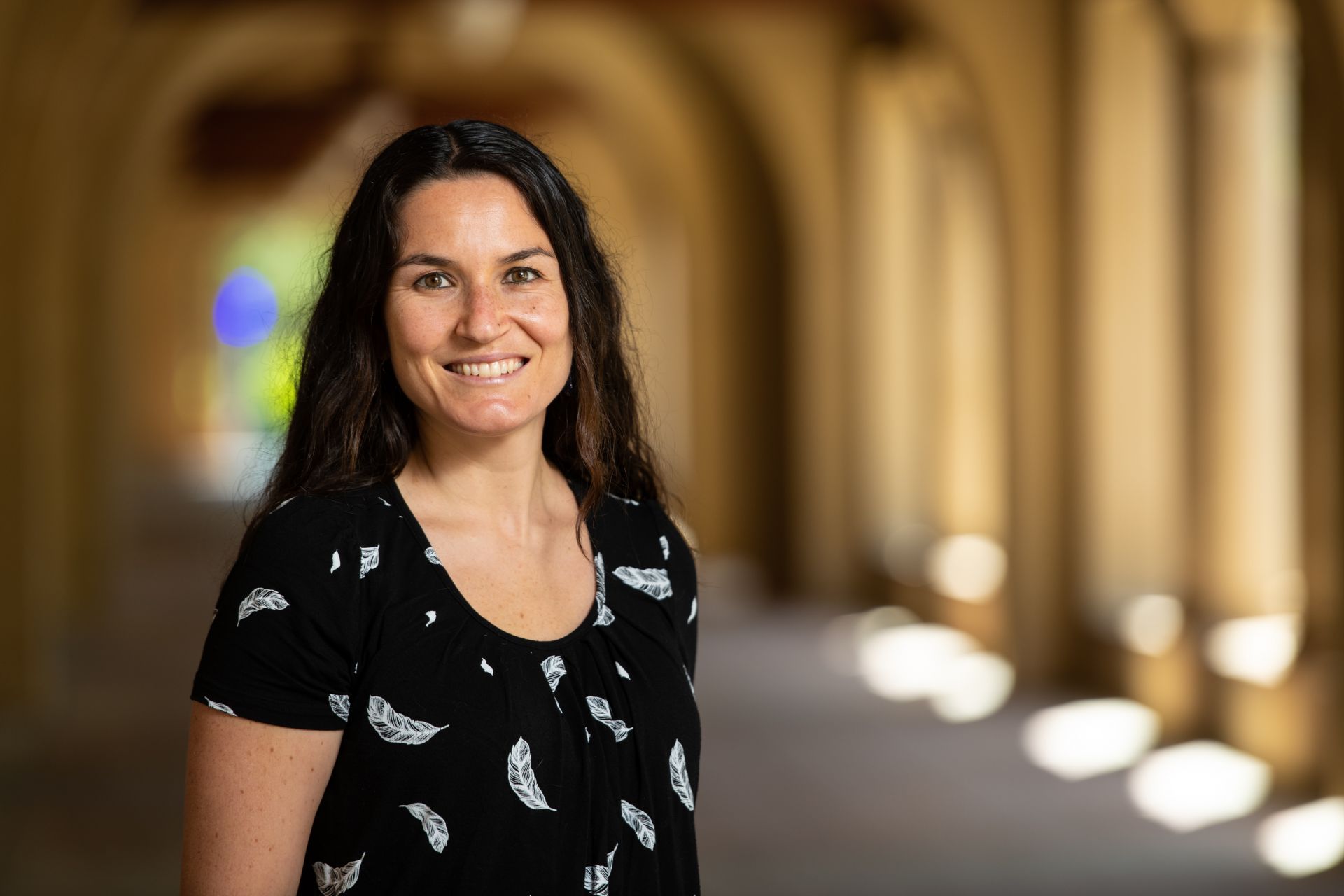
Danit Ariel, MD, MS

Danit Ariel, MD, MS

The Student Guidance Program: A Road Map to Success

The professional life of clinical assistant professor of endocrinology Danit Ariel, MD, MS, took a pivotal turn one day in 2016. She had completed medical school, residency, fellowship, and an enriching postdoctoral year with professor of endocrinology emeritus Gerald Reaven, MD, during which time she was supported by a career development (K) award from the National Institutes of Health and an American Diabetes Association Mentor-Based Postdoctoral Fellowship Award, and she completed a master’s degree. She also had two children and was about to give birth to a third.

At that point, Ariel was deciding how to curate the next steps of her professional career. So she did a deep self-inventory, she says, to refresh and remind herself of what brought her the most meaning and what she was passionate about. “I’ve always loved to teach. I find it to be incredibly gratifying and fulfilling to be able to impact medical students at the early stages of their medical training, to excite them, and to ignite their passion for problem-solving and compassionate patient care. I realized I wanted to be formally involved with the medical school at the level of the medical student.”

She applied for and was granted the Rathmann Family Foundation Educators-4-CARE Medical Education Fellowship in Patient-Centered Care and spent a year immersed in medical education research, teaching, and curricular development. “My goal,” she says, “was to bridge my background in clinical research and epidemiology with my passion for medical education. It was during that year that I knew without a doubt that I wanted to find my niche within medical education.” Quite soon thereafter, on that pivotal day in 2016, she was recruited to be the designer and founding director of the Student Guidance Program (SGP), an innovative individualized mentoring/coaching program.

Identifying the Students

At a few critical times in the course of medical school, students have comprehensive exams to evaluate how they perform. Those are key junctures where it is possible to identify medical students who need additional clinical skills training, and then they are referred into the program.

In Ariel’s words, here is the backstory:

“Stanford School of Medicine has always held the belief that each student is here for a purpose and will make a unique contribution to medicine, science, society, tech, public health, etc., and we want to be able to support them as much as possible. The support was always there, with various faculty members contributing to individual students, but it was not centralized. Two visionaries pushed to get a program into existence: professor of primary care and population health Lars Osterberg, MD, MPH, and professor of surgery James Lau, MD, MHPE. They were the ones who brought this program into existence and supported its ability to flourish. And now we have a centralized program with a clear structure, created to support medical students who have increased clinical skills training needs.”

“I point out that every single one of us, including me,

comes across road bumps at different points of life.

This program is an opportunity for us to use all

of the resources we have to support them through this”

“I point out that every single one of us, including me,

comes across road bumps at different points of life.

This program is an opportunity for us to use all

of the resources we have to support them through this”

Ariel explains to those students that “each medical student brings something unique to the table. Our approach is designed to be holistic and comprehensive—meaning to think of the entire person before us, including wellness, mental health, diversity, equity, all those things that can impact a person in their ability to grow and expand in their clinical training, and to address all the growth areas of the students’ needs with respect to developing their clinical skills—and it’s done in a supportive and affirming environment, with positive coaching.

“I point out that every single one of us, including me, comes across road bumps at different points of life. This program is an opportunity for us to use all of the resources we have to support them through this. I describe to them that the Student Guidance Program is akin to the coaching that executives in Fortune 500 companies receive.”

Root Causes

A key component of the program is thinking about possible contributors to each student’s particular current challenge. These can range, for example, from being a first-generation student with a lot of family responsibilities and thus lacking crucial time, to having some kind of learning challenge, or even to the difficulty of balancing their medical education with a board of directors position at the start-up they left for medical school.

Ariel sometimes finds initial resistance among students. “We’re working with students who up until now have been incredibly successful, so this can be a really unsettling experience. Some express reticence to meet me. For me, it’s a lot of active listening, trying to understand who they are as a person, and supporting them in their individual needs. I tell them that we want to help them become the best doctor that they can be. I want my guidance to land effectively.”

She works collaboratively one-on-one, supporting six to eight students per year, homing in on the weaknesses in their clinical skills and guiding them to improvement. She has also assembled an SGP advisory committee of faculty volunteers who are educational leaders to provide expertise and advice on next steps in student remediation.

Student Feedback

One measure of the success of the SGP is the letters that Ariel receives from participants.

Here are a few excerpts:

“I wanted to express my gratitude again for all the guidance and support the SGP has provided me over the last few years. It was instrumental in helping me navigate clerkships, professional relationships, and my own self-improvement, and helped me better prepare my application to residency.”

“From your individualized mentorship, I have gained not only tremendous clinical skills but also insight about how to best learn and grow.”

“This experience has not only taught me the valuable clinical skills to succeed as a physician and surgeon but also helped me learn the approach to tackling setbacks and become a more resilient individual.”

“The SGP has been a truly transformative experience for me. It has placed me on the right path to becoming a good clinician and is a reservoir of strength and wisdom from which I will draw to tackle any future challenges.”

A Yardstick for Success

By any measure, the Student Guidance Program is enormously successful. And there are several distinct measurements. First, students receive an exit evaluation to capture their feedback, and these have been overwhelmingly positive. Second, at the end of one year of clinical training, all students have to complete a final clinical skills performance exam. Those in the SGP do very well, with every student passing the exam since 2018. Third, students in the program are successful at matching in competitive specialties and subspecialties for residency training. Fourth, stakeholders are advocating to expand the program to include an additional entry point: students on clinical rotations who are identified as needing additional support.

To help Ariel with the SGP, there is a clinical skills development coordinator who tracks the students and schedules meetings, the volunteer faculty members who are clinical teaching coaches in patient-centered environments, and the advisory committee.

Ariel sums up her philosophy about the Student Guidance Program in this way: “The foundational idea is that every medical student has a tremendous amount to contribute to society. Our responsibility is to support them to be able to advance themselves in their career and their goals. There’s another important piece that drives us at Stanford: our obligation not just to our students but to society as a whole. We have a contract with society to ensure that everyone who is coming out of our School of Medicine is trained to the highest standard.”

Health Economist: We Need More Women in the Field

Health Economist: We Need More Women in the Field

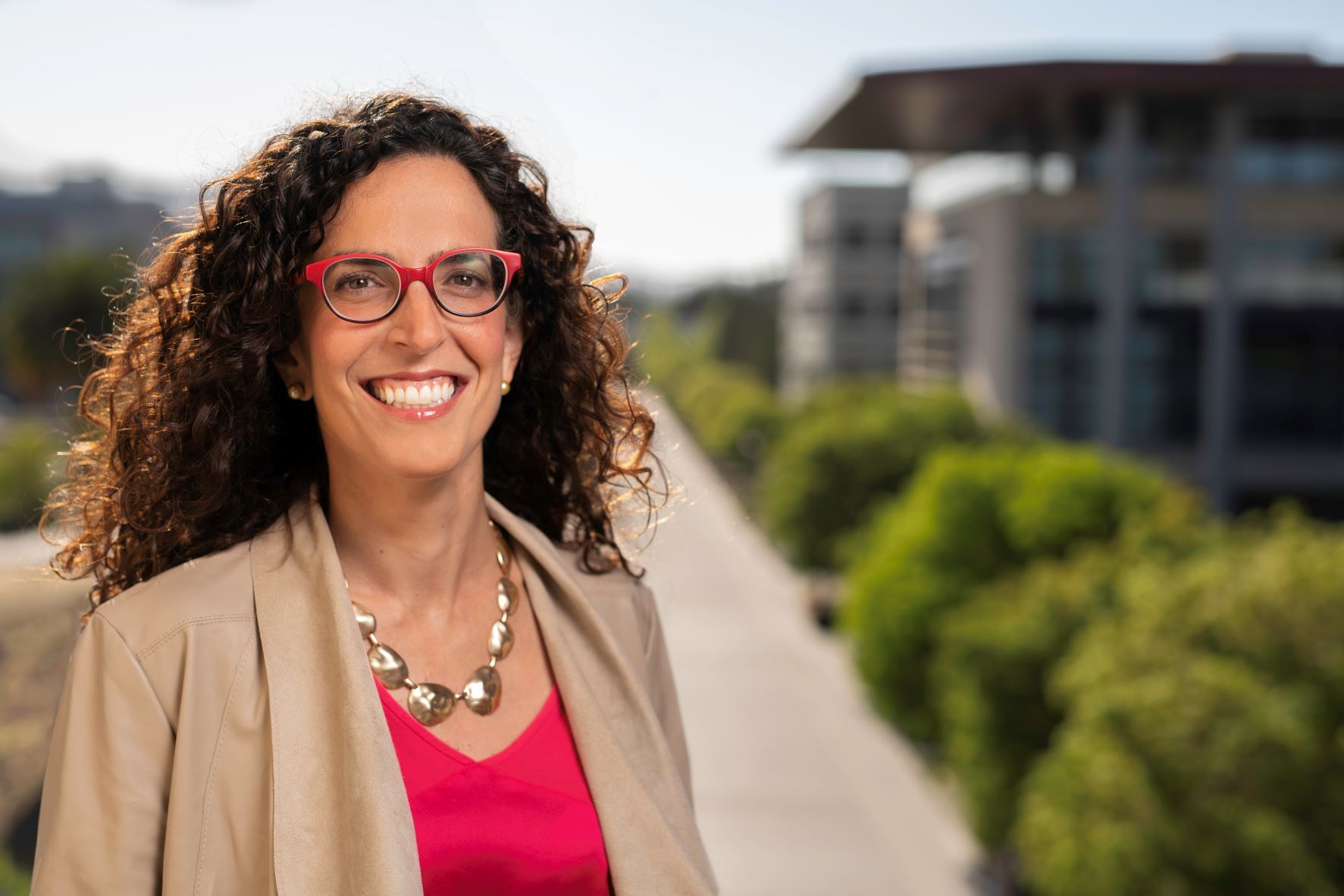
Maya Rossin-Slater, PhD

Maya Rossin-Slater, PhD

Health Economist: We Need More Women in the Field

Health economists study wide-ranging and essential questions about the health care system, population health, and the causes and consequences of health inequities.

Yet the economics profession has a poor record of attracting and retaining women and people of color. Economist and Associate Professor of Medicine Maya Rossin-Slater, PhD, says that leaving these groups out of the profession is doing a disservice to our society.

While economists are often associated with studying macroeconomic issues such as unemployment and GDP, health economists like Rossin-Slater research the determinants of population health and the causal impacts of policies that affect health outcomes and health care costs. They often use large-scale data and methodology that separate causation from correlation to deliver findings that inform policies at the local, state, federal, and global levels.

Rossin-Slater’s research, for example, has investigated the long-term impacts of early-childhood access to the Food Stamps program on adult health and socioeconomic well-being. She’s looked at the impacts of paid family leave policies on workers, families, and employers, as well as the implications of the increasing number of school shootings in America on children’s mental health and on their educational and economic outcomes later in life.

“Economics is fundamentally the study of human behavior and how people make choices in the face of constraint,” says Rossin-Slater, a core faculty member at Stanford Health Policy and a senior fellow at the Stanford Institute for Economic Policy Research (SIEPR). “The questions that are posed and analyzed by economists influence so much of public policy. And we cannot make progress on some of the most important issues facing our society today without a diverse set of voices contributing to the research and discussion.”

Yet a report by the American Economic Association (AEA) found that only 14% of full professors in PhD-granting economics departments are women. When President Joe Biden named economist Janet Yellen secretary of the Treasury, she was the first woman in the pivotal role of chief adviser to the president on the country’s economic well-being. As more women climb the STEM ladder, however, the share of women studying to become economists has remained flat for two decades. This leaves a field that impacts so much of our public policy dominated by the research and recommendations of men. So why aren’t more women pursuing careers in economics?

“Economics is fundamentally the study of human behavior

and how people make choices in the face of constraint”

“Economics is fundamentally the study of human behavior

and how people make choices in the face of constraint”

According to an AEA survey, many women economists have experienced harassment, discrimination, and outright abuse by their male colleagues. More than 9,000 current and past members of the association, both women and men, took part in the March 2019 survey. One hundred of the women reported that a male peer or colleague had sexually assaulted them, 200 were victims of an attempted sexual assault, and hundreds more said they had been stalked. Half of the women had experienced discrimination, compared with 3% of the men. And half of the women had avoided speaking at a conference or seminar to avoid possible harassment.

“Research questions are set by the researchers themselves, who are in turn influenced by their backgrounds and experiences,” Rossin-Slater says. “Women bring a different set of questions, priorities, and ideas.”

For example, she says, issues in maternal and child health are much more likely to be studied by women than men. “We have abundant evidence that the early life environment has impacts on health and economic outcomes throughout life and across generations,” she says. “So understanding the causes and consequences of early childhood health is critical for understanding a core driver of the economy: human capital. And women have made key contributions to that research.”

Women Helping Women

The field can be lonely and distressing, Rossin-Slater says, particularly for women and people of color. With support from her National Science Foundation CAREER grant and administrative help from the AEA Committee on the Status of Women in the Economics Profession, she held a one-day mentoring workshop — Successfully Navigating Your Economics PhD — for women and non-binary individuals studying to become PhD economists in academia, government, think tanks, the private sector, and large international organizations like the World Bank.

She teamed up with Jennifer Doleac, associate professor of economics at Texas A&M University, to hold the workshop on Nov. 20, 2020, over Zoom due to the COVID-19 pandemic. The virtual setting brought 120 women and non-binary PhD students from around the world. They also recruited 48 mentors: early-career economists at universities, think tanks such as the Manhattan Institute and the RAND Corporation, and government organizations such as the Central Bank of Colombia and the U.S. Census Bureau.

“Women bring a different set of questions, priorities, and ideas”

“Women bring a different set of questions, priorities, and ideas”

The mentors shared ways to generate new research, how to find and work productively with advisers — and how to survive the challenges of graduate school. They covered topics like choosing career paths, networking on social media, applying for grants, and juggling parenthood with work.

“There is so much ‘hidden curriculum’ out there that is typically not taught in any formal way,” Rossin-Slater says. “Students are expected to somehow figure all this out on their own, and this is particularly challenging for students who are historically underrepresented in the profession and don’t have the access to networks and support that others do.”

The Center for Innovation in Global Health Challenges the Global Health Status Quo With WomenLift Health

The Center for Innovation in Global Health Challenges the Global Health Status Quo With WomenLift Health

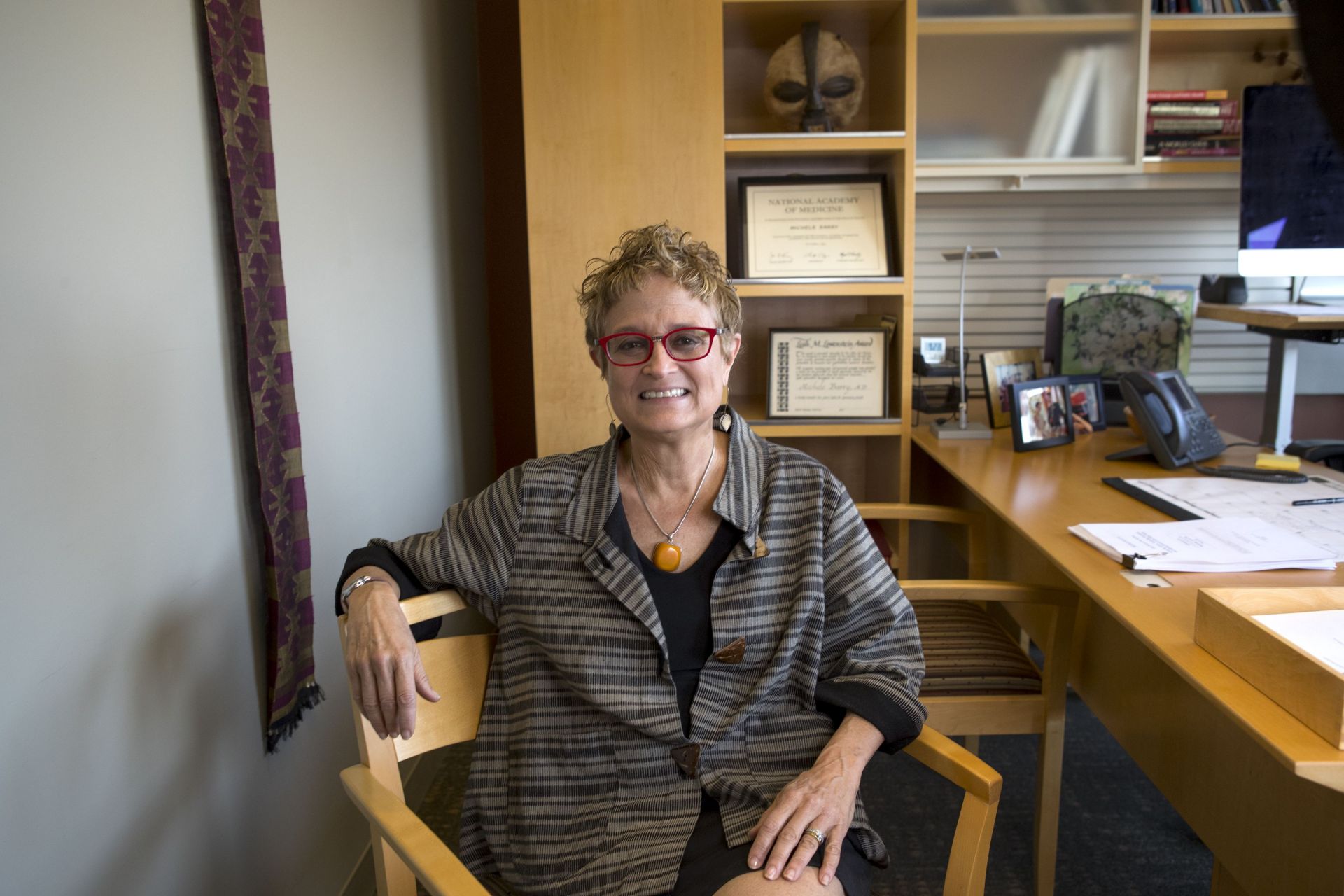
“Despite comprising 70% of the global health workforce, women hold only 25% of leadership positions, a disparity that compromises health outcomes and initiatives around the world,” says Michele Barry, MD, founder of WomenLift Health and Director of Stanford’s Center for Innovation in Global Health. She and Amie Batson, Executive Director of WomenLift, have been tackling this issue head-on.

In 2020, the center launched WomenLift Health, an organization dedicated to expanding the power and influence of talented and diverse women in global health and to catalyzing systemic change to achieve gender equality in leadership. WomenLift Health was born out of the Women Leaders in Global Health Conference that began at Stanford in 2017 and has spread globally. Now, with funding from the Bill & Melinda Gates Foundation, they have hit the ground running, assembling thousands of people around this central and critical goal.

“WomenLift Health has already passed some tremendous milestones in its first year,” says Barry. “Today, we are proud of those accomplishments, but there is much, much more we need to do to affect transformative change for women working in global health in all sectors.”

Change at Scale

The COVID-19 pandemic has hit women hard—exacerbating the inequalities in our health and economic systems. The year 2020 saw dramatic spikes in domestic violence, loss of employment for women, reductions in sexual and reproductive health services, and incredible sacrifice by the predominantly female health care workforce, resulting in concerns that the pandemic could set back gender equality for decades.

But the pandemic has also presented opportunities. Women at every level are redefining what it means to be an effective leader in the 21st century—and nowhere is it more evident than in the decisions that women leaders are making to curb the spread of the virus. It is clear that gender parity in leadership is more than an issue of equity: It is the missing link that will help us solve complex health challenges.

“This is not about ‘fixing women’ but changing organizations and society. We also have to influence the environment where women live and work, transforming the policies and norms that impact them every day”

“This is not about ‘fixing women’ but changing organizations and society. We also have to influence the environment where women live and work, transforming the policies and norms that impact them every day”

WomenLift Health is based on the belief that advancing diverse women leaders will result in more robust decision-making that benefits from broadened perspectives, talents, and lived experiences, ultimately leading to improved health outcomes for all. During 2020 they brought that idea one step closer to reality, despite the disproportionate effects of COVID-19.

In early 2020, WomenLift Health launched the inaugural Leadership Journey—the highest-caliber leadership program for women in health. The Leadership Journey provides women leaders with personal coaches, mentors, and peer support to which many women leaders have never had access.

The leadership cohort, however, is just the tip of the iceberg. As the pandemic continues to test the resilience of health systems and exacerbate existing inequalities, WomenLift Health’s speaker series has brought together dynamic women and men from around the world to explore gender and power dynamics in health and outline action we can take to prioritize women’s leadership. It has featured such accomplished leaders as Helen Clark, former prime minister of New Zealand, and Ellen Johnson Sirleaf, former president of Liberia, among others.

The fourth annual Women Leaders in Global Health conference took place virtually in October 2020, with two days on women’s leadership in South Asia and Africa and culminating in a day of global dialogue. The conference demonstrated an absolute commitment to inclusivity by amplifying diverse voices, prioritized women from countries underrepresented at global health decision-making tables, and hosted provocative conversations on critical topics. More than 2,300 people from 50 countries gathered to help shape a collective vision for diverse women’s leadership in health.

“The COVID pandemic has shown us just how important diverse leadership is to solving global health issues,” says Batson. “We invest in talented women leaders, but we know it is not enough to just focus on the individual—this is not about ‘fixing women’ but changing organizations and society. We also have to influence the environment where women live and work, transforming the policies and norms that impact them every day.”

On the Horizon

A recent WHO report summed it up well: Women deliver global health—men lead it. WomenLift Health believes that health leadership must reflect the impassioned and diverse workforce that makes up our community by 2030, which is why WomenLift Health put together a 10-year plan with ambitious targets.

In 2021, WomenLift Health is planning to launch its second Global Leadership Journey cohort and expand its reach to India and East Africa, working with partners to launch the Leadership Journey and Workshops for women in these geographies. Their speaker series will continue with a regional focus led by country partners. The annual Women Leaders in Global Health conference is expected to be a highlight. COVID-19 permitting, the 2021 Women Leaders in Global Health event will be hosted by partners in India.

“Change will only happen if we are

deliberate about placing women and girls

at the center of recovery efforts—that means prioritizing

their leadership in all of our institutions, at every level”

“Change will only happen if we are

deliberate about placing women and girls

at the center of recovery efforts—that means prioritizing

their leadership in all of our institutions, at every level”

Over the next 10 years, WomenLift Health plans to reach tens of thousands of women through a portfolio of interventions at the individual, institutional, and societal levels. They will expand to serve women in more than 25 countries—employing a country-owned and country-led model where the strategy and interventions are led, designed, and executed by and with local partners.

“At this critical moment in the fight for gender equality in health leadership, WomenLift Health is more important than ever,” says Barry. “Change will only happen if we are deliberate about placing women and girls at the center of recovery efforts—that means prioritizing their leadership in all of our institutions, at every level.”

Diversity Is Central to Master’s Degree in Community Health and Prevention Program

Diversity Is Central to Master’s Degree in Community Health and Prevention Program

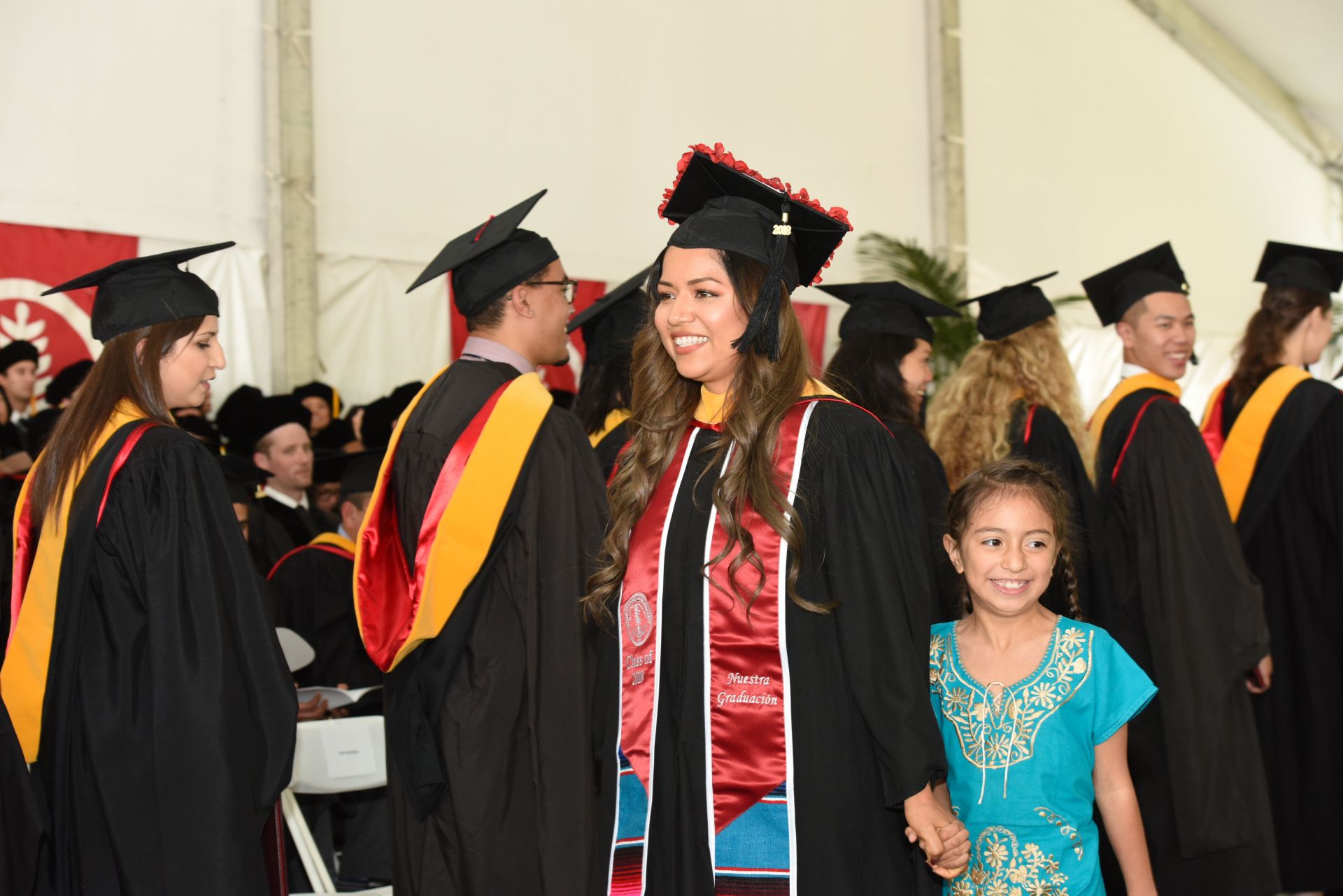
The CHPR program includes students from diverse stages of life, such as Adrienne Lazaro, shown with her daughter during Commencement 2018. Lazaro, as an alum, continues her connection with CHPR by serving on its Advisory Board and Admissions Committee

When the Master of Science in Community Health and Prevention Research (CHPR) program was created in 2015, it was hoped that candidates would reflect a diverse set of academic backgrounds. That hope has been realized, and then some.

The CHPR program prepares students for health-related careers focusing on chronic disease prevention, health and wellness promotion, and the pursuit of health equity. About half of the students in CHPR have been “coterms” who gained admission through a special process that allows Stanford undergraduates to matriculate into one of Stanford’s master’s degrees.

Through the academic year 2020–2021,117 students have matriculated with CHPR, and they bring to the program a diversity of undergraduate majors, career aspirations, ethnicities, countries of origin, life stages, and gender and sexual identities.

36

Students have received their undergraduate degrees from 36 colleges and universities. While many majored in psychology, biology, or neuroscience during their undergraduate years, other majors include mathematics, history, urban studies, political science, international affairs, anthropology, and economics.

Among the 117 students and alumni:

38% identify as a member of an underrepresented minority group.

15% were the first in their family to attend college.

Among 69 alumni responding to a “Where are you now?” survey, 40 have entered the workforce, 16 are in medical school, and 5 are in doctoral or additional graduate programs.

12%

of students have come from nations outside the U.S., including Canada, China, Ethiopia, India, Japan, Hong Kong, South Korea, Nigeria, Norway, the Philippines, Singapore, South Africa, and Turkey.Stanford’s Knight-Hennessy Scholars programhas prompted an increasing number of applications from around the world, and to date two CHPR students have received the highly competitive fellowship that provides full funding for graduate study.

42

To date, 42 CHPR students have contributed to the research literature, publishing their thesis projects or presenting their findings at scientific meetings.

Diverse Faculty

While CHPR has its academic home in the Department of Medicine and is led by faculty in the Stanford Prevention Research Center (SPRC), CHPR’s reach in faculty and mentors spans 18 organizational units.

CHPR offers an interdisciplinary faculty representing public health, medicine, behavioral sciences, biostatistics, epidemiology, and other disciplines.

CHPR faculty director and professor Jodi Prochaska, PhD, MPH, says that “mentoring is a central aspect of the CHPR program, and we are pleased to have engaged over 50 faculty, scientists, postdoctoral fellows, and community partners in the direct mentoring of our students. Program mentors are diverse in their research, in the communities they serve, and in backgrounds that include their race, ethnicity, and gender identities.”

Jodi Prochaska, PhD, MPH

Five Students’ Experiences

“Individual student experiences provide a personal sense of CHPR’s diversity,” says Prochaska, as is illustrated by the stories of five students who were enrolled in the program during spring 2021:

Redeat Gebeyehu is a Stanford coterm majoring in human biology, with a concentration in public health in sub-Saharan Africa and a minor in global studies, with an African studies track. Gebeyehu has long been passionate about social determinants of health and their effects on well-being, which inspired her involvement with nongovernmental organizations like Save the Children and the Cameroon branch of Doctors Without Borders, where she served two years as a research coordinator. Gebeyehu’s internship and thesis project in CHPR is a study of newborn health and survival in the Democratic Republic of the Congo and Colombia. Post-CHPR, Gebeyehu sees herself “working in the public health sector building better health systems, broadening medical care accesses and services. I would also like to work on various women empowerment projects.” She’s mentored by Clea Sarnquist, DrPH, MPH, associate professor of pediatrics.

Claire Jacobson says she’s constantly learning from and inspired by the diverse stories and historical narratives that the human body encapsulates. As a Stanford undergraduate, Jacobson became a certified emergency medical technician and volunteered with Stanford Emergency Medical Services for three years. “It was through being an EMT and shadowing in several emergency departments that I began to witness how complex social factors affect an individual’s health and how often the emergency department serves as a social safety net,” she says. After receiving her bachelor’s degree, Jacobson completed a 10-month Fulbright research project in the Emergency Department of Dhulikhel Hospital in Nepal, where she worked with local leaders and stakeholders to design and implement the first Nepal-specific emergency medical dispatcher training program. Mentored by SPRC professor Randy Stafford, MD, PhD, and working with Bay Area start-up Age Bold, Jacobson is focusing on fall prevention among older adults for her internship and thesis.

Raised in Honduras, Aimee Lansdale moved to Chapel Hill, North Carolina, when she was 16. She received a BA in global health from Duke University with a concentration in obesity and nutrition in 2017. After graduation, she worked at an international development organization managing and implementing projects in Guatemala and Mozambique. “As a CHPR student, I am working at Mathematica, where I help conduct research and evaluations for social-impact projects focused on health, teen pregnancy prevention, and nutrition,” Lansdale says.

In 2003, Yessica Martinez and her family emigrated from Cuba to Portland, Oregon, “a place vastly different from everything we knew. Growing up, I witnessed first hand how health care systems were flawed at a systemic level,” she says. Driven by her personal experiences, Martinez is majoring in human biology, with a concentration in child health policies in marginalized communities, and pursuing her master’s degree through Stanford’s coterm process. “As I learned more about how injustices were perpetrated on historically excluded communities, I made a commitment to support and care for underserved populations in the United States and abroad. Moreover, I adopted a holistic definition of health, understanding the numerous factors impacting community and individual well-being,” Martinez says. Through the CHPR program, she looks forward to advancing health care equity and contributing to supporting marginalized communities and individuals. In the future, she aims to craft more inclusive, responsive, and preventive programs rooted in social justice and well-being.

Lance Nelson, MD, is a self-described Midwest transplant to California who grew up on a farm in rural Illinois before attending Purdue University as an undergraduate. After college, Nelson participated in Teach For America, where he taught high school biology and chemistry for two years. He then received a medical degree from Michigan State University and completed a pediatric residency at the University of Iowa. Nelson is currently an adolescent medicine fellow at Stanford while pursuing a master’s degree in CHPR. “I look forward to enhancing my research skills and learning more about application of research findings to vulnerable patient populations,” he says.