The Power of Connection

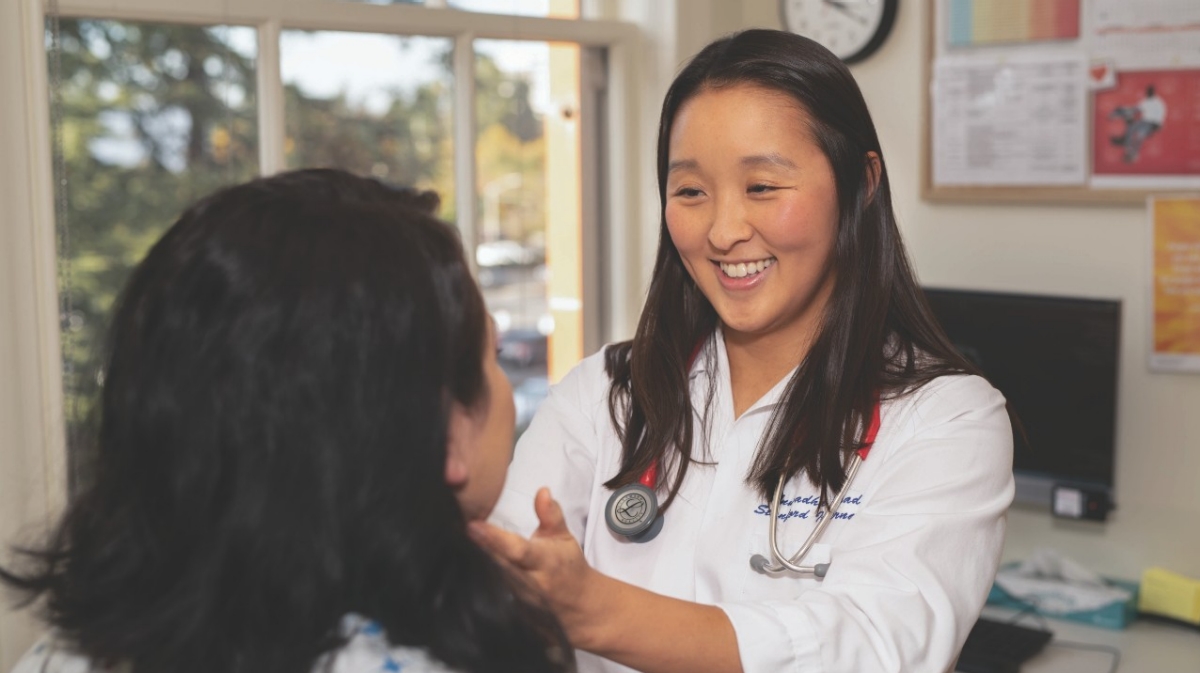
Baldeep Singh, MD, with staff at Samaritan House

Residents stretch during a Women in Medicine-sponsored yoga class

The Power of Connection
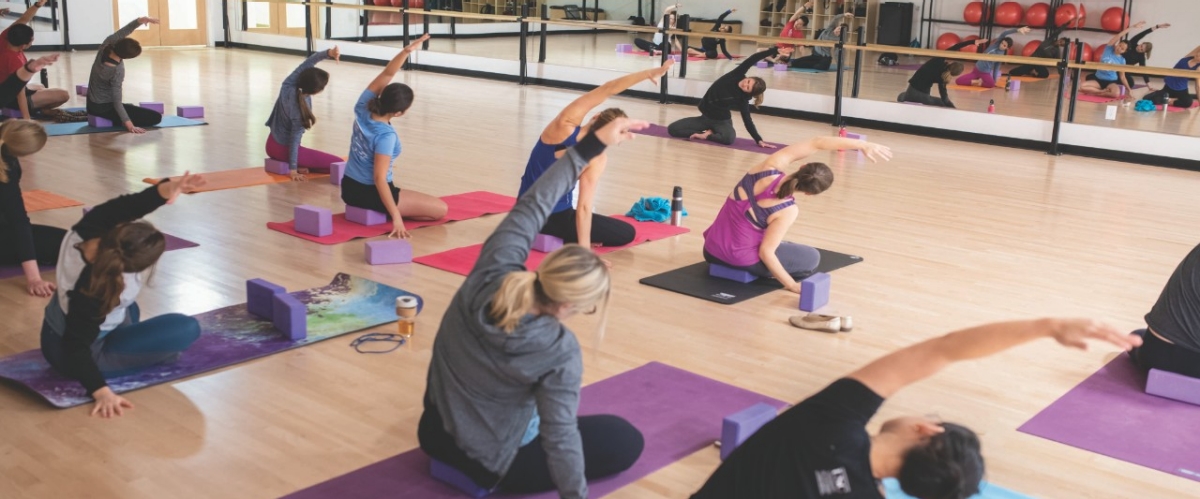
Residents stretch during a Women in Medicine-sponsored yoga class

The Power of Connection

THE WOMEN IN MEDICINE GROUP IS CREATING COMMUNITY AND AMPLIFYING RESIDENTS’ VOICES.

In 2010, Cybele Renault, MD, a clinical associate professor of infectious diseases, sat down at her desk to draft a grant proposal. The resulting four-page document read like a manifesto, with an outline for a new seminar series tailored exclusively to women in medicine along with space devoted to personal reflection: She recounted, among other memories, a sinking moment early in her career when she realized that, out of three trainees performing the same work under the same mentor at the same county hospital, only the male trainee was being paid.

The series, Renault imagined, would combat experiences like hers, and provide space for students, residents, and fellows to connect and share wisdom with each other and learn critical skills about how to navigate the academic landscape, identify bias, challenge sexism, and not burn out along the way.

She submitted the grant and awaited an official response. Months later, she heard the news: Her proposal had been denied. She applied again but received the same result.

Undaunted, Renault scheduled a meeting with Larry Katznelson, MD, professor of endocrinology and neurosurgery and associate dean for graduate medical education, to discuss her ideas. “I shared my grant proposal and told him ‘I want to do this!’” Her enthusiasm was met with instantaneous support: “He said, ‘I’ll secure funding from Graduate Medical Education. Tell me what you need.’ He gave me free rein—there was trust and recognition of my passion and the need for something like this at our institution.”

THE WOMEN IN MEDICINE GROUP IS CREATING COMMUNITY AND AMPLIFYING RESIDENTS’ VOICES.

In 2010, Cybele Renault, MD, a clinical associate professor of infectious diseases, sat down at her desk to draft a grant proposal. The resulting four-page document read like a manifesto, with an outline for a new seminar series tailored exclusively to women in medicine along with space devoted to personal reflection: She recounted, among other memories, a sinking moment early in her career when she realized that, out of three trainees performing the same work under the same mentor at the same county hospital, only the male trainee was being paid.

The series, Renault imagined, would combat experiences like hers, and provide space for students, residents, and fellows to connect and share wisdom with each other and learn critical skills about how to navigate the academic landscape, identify bias, challenge sexism, and not burn out along the way.

She submitted the grant and awaited an official response. Months later, she heard the news: Her proposal had been denied. She applied again but received the same result.

Undaunted, Renault scheduled a meeting with Larry Katznelson, MD, professor of endocrinology and neurosurgery and associate dean for graduate medical education, to discuss her ideas. “I shared my grant proposal and told him ‘I want to do this!’” Her enthusiasm was met with instantaneous support: “He said, ‘I’ll secure funding from Graduate Medical Education. Tell me what you need.’ He gave me free rein—there was trust and recognition of my passion and the need for something like this at our institution.”

Renault now had funding, a name (Women in Medicine, or WIM) and a sense of purpose. She just needed to form a community. She reached out to all the residency program directors at Stanford and asked them to appoint a female resident to join the fledgling group’s leadership council. “I wanted to establish a core council of representatives so we could figure out the next steps—what topics to focus on, which issues we should address, how we should prioritize time and funds.”
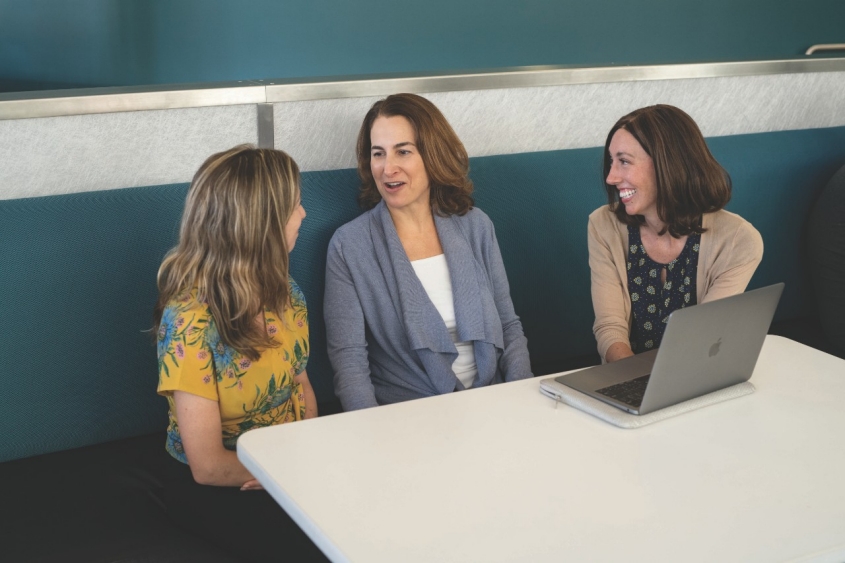
From left: Becca Tisdale, MD, Cybele Renault, MD, and Brooke Gabster, MD

Hearing the Call
Partway through her four-year neurology residency, Rebecca Miller-Kuhlmann, MD, clinical assistant professor of neurology and neurological sciences, hit “pause” to have a baby. She spent her maternity leave adjusting to the rhythms and changes that come with a new arrival, but she also found time to read Sheryl Sandberg’s book Lean In, which had been recommended by a friend. “I found the book to be really fascinating and eye opening,” she explains, “and it put a different lens on some of my own experiences.” When she returned to campus and heard about Renault’s newly formed WIM program, she jumped at the chance to participate: “I wanted to be involved immediately.” She reached out and became one of the first to join the new group.

The inaugural meeting took place on campus. Renault had gathered roughly 20 female residents from different specialties in a conference room to discuss the program and its future. Each of them brought different perspectives and a long list of questions. Miller-Kulhmann set the scene: “Cybele got up and just started sharing her reasons for wanting to found this group and the power of community among women, and she discussed the challenges that were unique to women. The tone of the room shifted, everyone began talking and sharing the experiences they’ve had—all of the experiences: the good, the bad, the ugly—it was a powerful meeting.”

We’ve had some events where it’s just the women from the group sitting outside on picnic blankets, eating pizza together and figuring out the challenges of the world.

The group got to work. They organized skills-based trainings on contract negotiation tactics and workshops on implicit bias. They invited influential speakers like Mary Hawn, MD, chair of the Department of Surgery, and groups like the Clayman Institute for Gender Research to share their perspectives. They set up panels of women in leadership roles and scheduled off-campus happy hours. They connected mentors to mentees. They sponsored wellness events and partnered with like-minded groups. They tackled tricky topics: social justice, fertility and maternity concerns, microaggressions, wage gaps. And they took notes along the way, eventually homing in on a set of best practices: host four to six events per year in crowd-pleasing venues, listen to suggestions, and always make space for conversation and authentic connection.

This last piece is what makes WIM so vital, Miller-Kuhlmann says, and it’s the low-octane gatherings that often linger most in her mind. “We’ve had some events where it’s just the women from the group sitting outside on picnic blankets, eating pizza together and figuring out the challenges of the world,” reflects Miller-Kulhmann. “Pizza and meaningful conversation—the great uniters.”

Today’s WIM group is entirely resident-led, with Renault and Miller-Kulhmann acting as co-faculty advisors. It’s just what Renault intended when she submitted her proposal almost a decade ago.

“That was always the goal. I’m so inspired by the residents’ momentum and their willingness to share their experiences,” she says. “They’ve designed a program that supports them and improves the broader Stanford community. They’re leaving a legacy—they want things to be better for the women who come after them.”

WIM Group Leadership Council

Katrina Houpis
Mary Ellen Irene Koran
Julia Chandler
Audrey Rose Verde
Mita Hoppenfeld
Julia Anne Armendariz
Anne Kuwabara
Katherine Werbaneth
Anna Janas
Hayley Elizabeth Miller
Adela Wu
Jessica K. Buesing
Lauren Michelle Shapiro
Danielle Helena Rochlin
Jasmyn Kaur Johal
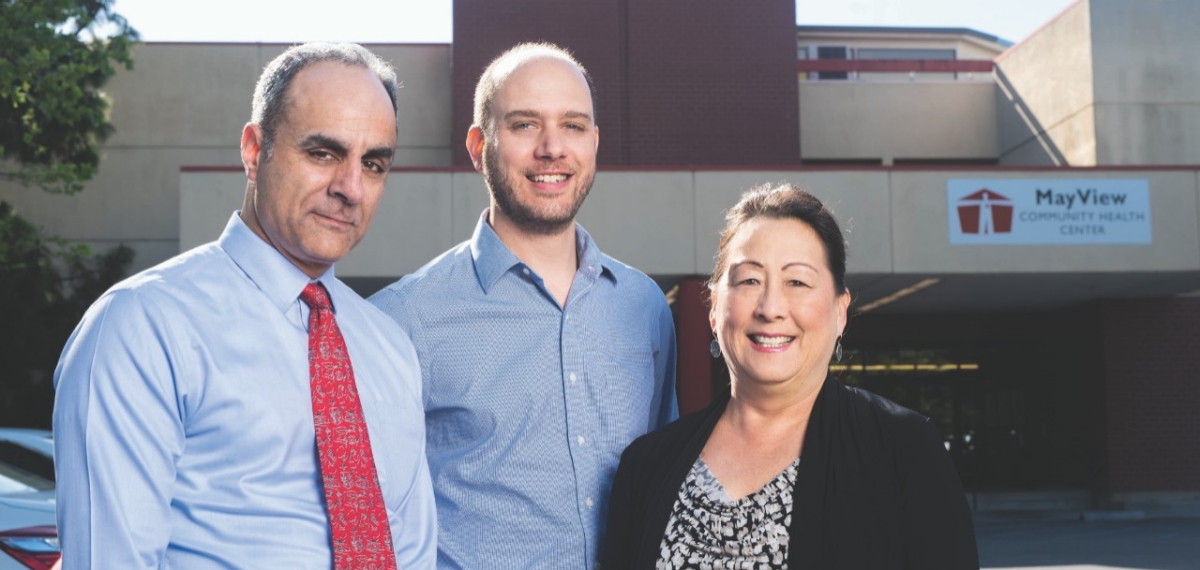
From left: Becca Tisdale, MD, Cybele Renault, MD, and Brooke Gabster, MD

Renault now had funding, a name (Women in Medicine, or WIM) and a sense of purpose. She just needed to form a community. She reached out to all the residency program directors at Stanford and asked them to appoint a female resident to join the fledgling group’s leadership council. “I wanted to establish a core council of representatives so we could figure out the next steps—what topics to focus on, which issues we should address, how we should prioritize time and funds.”

Hearing the Call
Partway through her four-year neurology residency, Rebecca Miller-Kuhlmann, MD, clinical assistant professor of neurology and neurological sciences, hit “pause” to have a baby. She spent her maternity leave adjusting to the rhythms and changes that come with a new arrival, but she also found time to read Sheryl Sandberg’s book Lean In, which had been recommended by a friend. “I found the book to be really fascinating and eye opening,” she explains, “and it put a different lens on some of my own experiences.” When she returned to campus and heard about Renault’s newly formed WIM program, she jumped at the chance to participate: “I wanted to be involved immediately.” She reached out and became one of the first to join the new group.

The inaugural meeting took place on campus. Renault had gathered roughly 20 female residents from different specialties in a conference room to discuss the program and its future. Each of them brought different perspectives and a long list of questions. Miller-Kulhmann set the scene: “Cybele got up and just started sharing her reasons for wanting to found this group and the power of community among women, and she discussed the challenges that were unique to women. The tone of the room shifted, everyone began talking and sharing the experiences they’ve had—all of the experiences: the good, the bad, the ugly—it was a powerful meeting.”

We’ve had some events where it’s just the women from the group sitting outside on picnic blankets, eating pizza together and figuring out the challenges of the world.

The group got to work. They organized skills-based trainings on contract negotiation tactics and workshops on implicit bias. They invited influential speakers like Mary Hawn, MD, chair of the Department of Surgery, and groups like the Clayman Institute for Gender Research to share their perspectives. They set up panels of women in leadership roles and scheduled off-campus happy hours. They connected mentors to mentees. They sponsored wellness events and partnered with like-minded groups. They tackled tricky topics: social justice, fertility and maternity concerns, microaggressions, wage gaps. And they took notes along the way, eventually homing in on a set of best practices: host four to six events per year in crowd-pleasing venues, listen to suggestions, and always make space for conversation and authentic connection.

This last piece is what makes WIM so vital, Miller-Kuhlmann says, and it’s the low-octane gatherings that often linger most in her mind. “We’ve had some events where it’s just the women from the group sitting outside on picnic blankets, eating pizza together and figuring out the challenges of the world,” reflects Miller-Kulhmann. “Pizza and meaningful conversation—the great uniters.”

Today’s WIM group is entirely resident-led, with Renault and Miller-Kulhmann acting as co-faculty advisors. It’s just what Renault intended when she submitted her proposal almost a decade ago.

“That was always the goal. I’m so inspired by the residents’ momentum and their willingness to share their experiences,” she says. “They’ve designed a program that supports them and improves the broader Stanford community. They’re leaving a legacy—they want things to be better for the women who come after them.”

WIM Group Leadership Council

Katrina Houpis
Mary Ellen Irene Koran
Julia Chandler
Audrey Rose Verde
Mita Hoppenfeld
Julia Anne Armendariz
Anne Kuwabara
Katherine Werbaneth
Anna Janas
Hayley Elizabeth Miller
Adela Wu
Jessica K. Buesing
Lauren Michelle Shapiro
Danielle Helena Rochlin
Jasmyn Kaur Johal
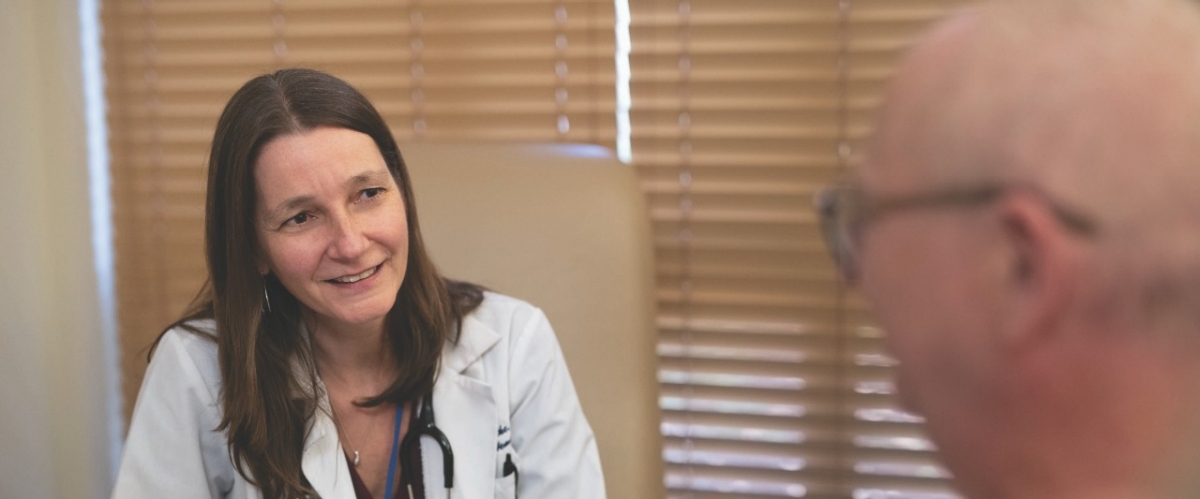
A Helping Hand

NEW INITIATIVES ARE SUPPORTING VULNERABLE POPULATIONS IN NEARBY COMMUNITIES.

A few years ago at an annual department retreat, faculty within the division of primary care and population health voted on the activities or initiatives they felt would improve the division. A top priority emerged: community engagement.

“Our faculty were interested in better aligning with our community partners, with the goal of trying to meet their needs in clinical, educational, administrative, and research support; across the board there was interest in everything we asked about,” says Baldeep Singh, MD, professor of medicine and vice chief of academic affairs in the division, who was asked to coordinate the effort. “There was clearly a lot of untapped energy.”

In response, division leaders named Jonathan Shaw, MD, MS, as the new director of community partnership. 

He started reaching out to community organizations that might be in need of doctors’ time and expertise.

Around the same time, Loto Reed—program specialist for community engagement and wellness within the division—proposed the idea of a staff-led community service program. “Lots of the staff were interested in giving back to the community and finding ways to build culture within our staff team,” she says.

By the end of 2018, both faculty and staff suddenly had an overabundance of new opportunities for community engagement. The community partnership effort organized by Shaw offered faculty the chance to serve patients in need. Another program, SCOPE (Stanford Community Outreach Partnership Engagement), the outcome of Reed’s proposal to the division chief, Sang-ick Chang, MD, offered opportunities outside patient care.

A Coordinated Effort
When Shaw started reaching out to local organizations and clinics that provide “safety net” health care—services to low-income and vulnerable populations who lack insurance—they immediately expressed interest in having help from Stanford.

Shaw initially set up a collaboration with Mayview Community Health Center, a nonprofit primary care clinic devoted to providing health care to low-income families. Stanford Hospital generously offered funding to cover faculty support for this effort; the funds were used to support division of primary care and population health physicians in spending some of their clinical time at Mayview.

“These organizations don’t just need clinicians a few hours a week,” says Shaw. “They really need lots of support.” The partnership launched with direct clinical care, but has grown to include non-monetary support via capacity-building, education, and research, he says.

NEW INITIATIVES ARE SUPPORTING VULNERABLE POPULATIONS IN NEARBY COMMUNITIES.

A few years ago at an annual department retreat, faculty within the division of primary care and population health voted on the activities or initiatives they felt would improve the division. A top priority emerged: community engagement.

“Our faculty were interested in better aligning with our community partners, with the goal of trying to meet their needs in clinical, educational, administrative, and research support; across the board there was interest in everything we asked about,” says Baldeep Singh, MD, professor of medicine and vice chief of academic affairs in the division, who was asked to coordinate the effort. “There was clearly a lot of untapped energy.”

In response, division leaders named Jonathan Shaw, MD, MS, as the new director of community partnership. He started reaching out to community organizations that might be in need of doctors’ time and expertise.

Around the same time, Loto Reed—program specialist for community engagement and wellness within the division—proposed the idea of a staff-led community service program. “Lots of the staff were interested in giving back to the community and finding ways to build culture within our staff team,” she says.

By the end of 2018, both faculty and staff suddenly had an overabundance of new opportunities for community engagement. The community partnership effort organized by Shaw offered faculty the chance to serve patients in need. Another program, SCOPE (Stanford Community Outreach Partnership Engagement), the outcome of Reed’s proposal to the division chief, Sang-ick Chang, MD, offered opportunities outside patient care.

A Coordinated Effort
When Shaw started reaching out to local organizations and clinics that provide “safety net” health care—services to low-income and vulnerable populations who lack insurance—they immediately expressed interest in having help from Stanford.

Shaw initially set up a collaboration with Mayview Community Health Center, a nonprofit primary care clinic devoted to providing health care to low-income families. Stanford Hospital generously offered funding to cover faculty support for this effort; the funds were used to support division of primary care and population health physicians in spending some of their clinical time at Mayview.

“These organizations don’t just need clinicians a few hours a week,” says Shaw. “They really need lots of support.” The partnership launched with direct clinical care, but has grown to include non-monetary support via capacity-building, education, and research, he says.


From left: SCOPE team members Meredith Fischer, Catherine Brown Johnson, and Darlene Veruttipong make blankets.

Kirsti Weng, MD, MPH, clinical associate professor of medicine, and Meenadchi Chelvakumar, MD, clinical assistant professor of medicine, are being supported in seeing patients at Mayview. Weng was named medical director there, and another three—Singh, along with Chang and Maria Tiscareno, MD, clinical assistant professor of medicine—have now joined the Mayview board of directors. In addition, the partnership has launched a new student clerkship, which lets Stanford medical students spend time at Mayview during their training.

“It’s really grown into a multi-faceted collaboration,” Shaw says.

In addition, affiliations with two other programs began in 2019. A Stanford physician-fellow in primary care, Kenji Taylor, MD, has begun working at Roots Community Health Center in Oakland.

Closer to Stanford, clinical assistant professors Laura Vaughan, MD, and Tamara Montacute, MD, are now providing rotating clinical time at Peninsula Healthcare Connection, a clinic within Palo Alto’s Opportunity Center. The clinic offers primary care for homeless individuals in Santa Clara County. Clinical associate professor Kathan Vollrath, MD, MPH, is acting as an external quality consultant there, offering her expertise to help improve patient safety and implement program changes.

“We’re still working on building up these relationships with our partners,” says Shaw. “It’s a slow process.”

The division hopes to collaborate with other divisions and departments that have an interest in community engagement. Until now, volunteer efforts throughout Stanford Medicine have been fragmented, Singh says. “Some departments have been doing lots of great work, but the effort remains uncoordinated.”

Singh and Shaw would like to provide subspecialty care to their community partners and help link information with other departments—such as pediatrics and psychiatry—that already have active community programs.

“Traditionally, community engagement was not part of Stanford Medicine’s mission,” says Shaw. “As a vision, we would like to make it part of our mission, and we’d love to see that spread.”

Through SCOPE we found a great outlet to serve and to interact with colleagues outside of work.

An Active Volunteer Net
In early 2018, SCOPE’s initial team of 10 staff members set their motto as “Putting Compassion into Action” and began by partnering with three community organizations that serve low-income and homeless individuals. The SCOPE team helped coordinate at least one event a month, including preparing and serving meals at shelters, sorting through used clothing, volunteering time at food pantries, and making winter care packages to be distributed to community partners.

“Through SCOPE we found a great outlet to serve and to interact with colleagues outside of work,” says Reed. “We started inviting staff from other divisions who we knew might be interested, and it kind of took on a life of its own.”

In 2018 alone, more than 100 people each logged over 200 volunteer hours at events organized by SCOPE. Some could devote only a few hours to volunteering, while others became regulars, spending time in the communities on SCOPE projects and forging new connections with colleagues outside of the usual workday. The central SCOPE team—including Reed—volunteer their time outside of work to coordinate the community partnerships by holding monthly lunch meetings. “The success of SCOPE has truly been a team effort by both the SCOPE team that has been so dedicated and the volunteers who continue to see the value of giving back to the community even in the smallest way,” says Reed.

Like Shaw, Reed also quickly realized that there’s a greater need to coordinate volunteer efforts throughout the Stanford campus.

“We’d like to develop a central volunteer hub so that anyone from Stanford can access volunteer events or inform us of new volunteer events to be posted,” explains Reed. She hopes that a website will make it easier for Stanford staff and faculty to help local communities in need.

From left: SCOPE team members Meredith Fischer, Catherine Brown Johnson, and Darlene Veruttipong make blankets.

Kirsti Weng, MD, MPH, clinical associate professor of medicine, and Meenadchi Chelvakumar, MD, clinical assistant professor of medicine, are being supported in seeing patients at Mayview. Weng was named medical director there, and another three—Singh, along with Chang and Maria Tiscareno, MD, clinical assistant professor of medicine—have now joined the Mayview board of directors. In addition, the partnership has launched a new student clerkship, which lets Stanford medical students spend time at Mayview during their training.

“It’s really grown into a multi-faceted collaboration,” Shaw says.

In addition, affiliations with two other programs began in 2019. A Stanford physician-fellow in primary care, Kenji Taylor, MD, has begun working at Roots Community Health Center in Oakland.

Closer to Stanford, clinical assistant professors Laura Vaughan, MD, and Tamara Montacute, MD, are now providing rotating clinical time at Peninsula Healthcare Connection, a clinic within Palo Alto’s Opportunity Center. The clinic offers primary care for homeless individuals in Santa Clara County. Clinical associate professor Kathan Vollrath, MD, MPH, is acting as an external quality consultant there, offering her expertise to help improve patient safety and implement program changes.

“We’re still working on building up these relationships with our partners,” says Shaw. “It’s a slow process.”

The division hopes to collaborate with other divisions and departments that have an interest in community engagement. Until now, volunteer efforts throughout Stanford Medicine have been fragmented, Singh says. “Some departments have been doing lots of great work, but the effort remains uncoordinated.”

Singh and Shaw would like to provide subspecialty care to their community partners and help link information with other departments—such as pediatrics and psychiatry—that already have active community programs.

“Traditionally, community engagement was not part of Stanford Medicine’s mission,” says Shaw. “As a vision, we would like to make it part of our mission, and we’d love to see that spread.”

Through SCOPE we found a great outlet to serve and to interact with colleagues outside of work.

An Active Volunteer Net
In early 2018, SCOPE’s initial team of 10 staff members set their motto as “Putting Compassion into Action” and began by partnering with three community organizations that serve low-income and homeless individuals. The SCOPE team helped coordinate at least one event a month, including preparing and serving meals at shelters, sorting through used clothing, volunteering time at food pantries, and making winter care packages to be distributed to community partners.

“Through SCOPE we found a great outlet to serve and to interact with colleagues outside of work,” says Reed. “We started inviting staff from other divisions who we knew might be interested, and it kind of took on a life of its own.”

In 2018 alone, more than 100 people each logged over 200 volunteer hours at events organized by SCOPE. Some could devote only a few hours to volunteering, while others became regulars, spending time in the communities on SCOPE projects and forging new connections with colleagues outside of the usual workday. The central SCOPE team—including Reed—volunteer their time outside of work to coordinate the community partnerships by holding monthly lunch meetings. “The success of SCOPE has truly been a team effort by both the SCOPE team that has been so dedicated and the volunteers who continue to see the value of giving back to the community even in the smallest way,” says Reed.

Like Shaw, Reed also quickly realized that there’s a greater need to coordinate volunteer efforts throughout the Stanford campus.

“We’d like to develop a central volunteer hub so that anyone from Stanford can access volunteer events or inform us of new volunteer events to be posted,” explains Reed. She hopes that a website will make it easier for Stanford staff and faculty to help local communities in need.

WIM Group Leadership Council

Katrina Houpis
Mary Ellen Irene Koran
Julia Chandler
Audrey Rose Verde
Mita Hoppenfeld
Julia Anne Armendariz
Anne Kuwabara
Katherine Werbaneth
Anna Janas
Hayley Elizabeth Miller
Adela Wu
Jessica K. Buesing
Lauren Michelle Shapiro
Danielle Helena Rochlin
Jasmyn Kaur Johal
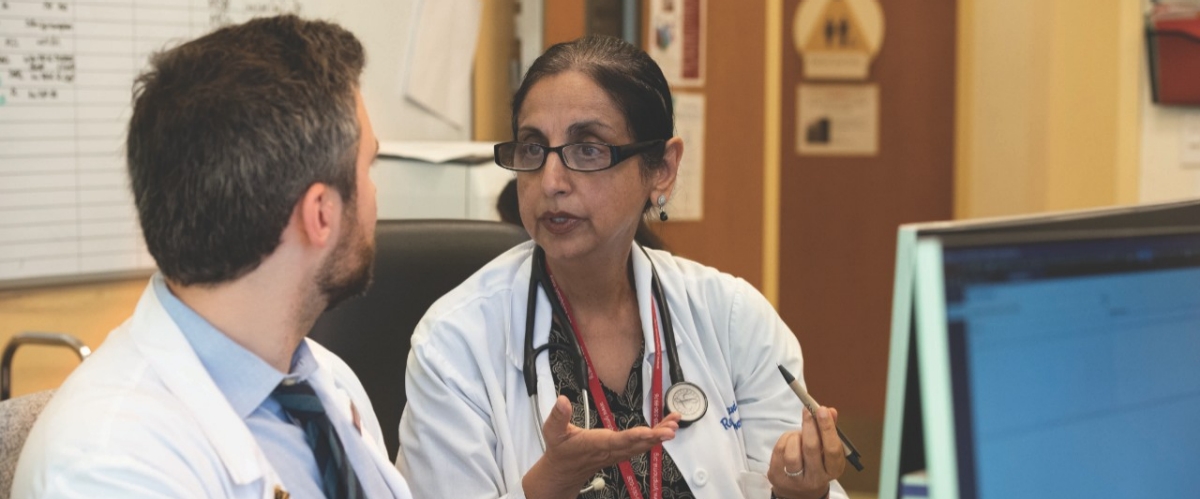
Immunotherapy Gives Hope to Multiple Myeloma Patients

Baldeep Singh, MD, with staff at Samaritan House

Immunotherapy Gives Hope to Multiple Myeloma Patients

Immunotherapy Gives Hope to Multiple Myeloma Patients

For most of us, a common cold or a stomach bug is a nuisance, but usually in a matter of days the body’s immune system will fight off the invading disease-causing agents and we’ll get back to normal. In more serious situations, the immune system even defeats pneumonia, endocarditis, and other severe health threats.

But that’s not the case for the 20,000 to 30,000 Americans who are diagnosed with multiple myeloma each year. Multiple myeloma is a form of cancer that affects plasma cells, the white blood cells in the bone marrow that produce antibodies to fight disease and infection.

Current treatment options include chemotherapy, radiation therapy, specialized drugs, and stem cell transplants. Despite advances in these approaches, the average American will succumb to multiple myeloma about seven to 10 years after being diagnosed with the disease.

“While we can treat the disease well initially, almost every single patient with multiple myeloma relapses, and every time the disease comes back, it becomes more resistant to therapies, making it even harder to treat,” says Michaela Liedtke, MD, associate professor of hematology.

A novel treatment using CAR-T cells is showing promise for treating multiple myeloma. Understanding the treatmet requires a short course in cell therapy (see sidebar). 

Liedtke explains that the treatment uses the patient’s own T cells, which reside in the body after eradicating the cancer.

Her expertise in CAR-T cells derives from her connection with Crystal Mackall, MD, Ernest and Amelia Gallo Family Professor of Pediatrics and Internal Medicine, and founder of the Stanford Center for Cancer Cell Therapy.

For most of us, a common cold or a stomach bug is a nuisance, but usually in a matter of days the body’s immune system will fight off the invading disease-causing agents and we’ll get back to normal. In more serious situations, the immune system even defeats pneumonia, endocarditis, and other severe health threats.

But that’s not the case for the 20,000 to 30,000 Americans who are diagnosed with multiple myeloma each year. Multiple myeloma is a form of cancer that affects plasma cells, the white blood cells in the bone marrow that produce antibodies to fight disease and infection.

Current treatment options include chemotherapy, radiation therapy, specialized drugs, and stem cell transplants. Despite advances in these approaches, the average American will succumb to multiple myeloma about seven to 10 years after being diagnosed with the disease.

“While we can treat the disease well initially, almost every single patient with multiple myeloma relapses, and every time the disease comes back, it becomes more resistant to therapies, making it even harder to treat,” says Michaela Liedtke, MD, associate professor of hematology.

A novel treatment using CAR-T cells is showing promise for treating multiple myeloma. Understanding the treatmet requires a short course in cell therapy (see sidebar).

Liedtke explains that the treatment uses the patient’s own T cells, which reside in the body after eradicating the cancer.

Her expertise in CAR-T cells derives from her connection with Crystal Mackall, MD, Ernest and Amelia Gallo Family Professor of Pediatrics and Internal Medicine, and founder of the Stanford Center for Cancer Cell Therapy.

Liedtke’s research on the subject was part of a study published in the May 2, 2019 issue of The New England Journal of Medicine.

“With this new CAR-T cell technology, known as BB 2121, ultimately the hope is that it will cure the disease and make it go away forever,” Liedtke proclaims.

“If any other cancer cells should develop in the future—if a relapse should ever occur—then the CAR-T cells should be ready to address that relapse or alternatively additional CAR-T cells could be infused. That’s the theoretical context,” she says.

In fact, CAR-T cell technology has proven to be effective in treating acute lymphoblastic leukemia (ALL), especially in children.

“There are studies using similar CAR-T cells showing that half to two-thirds of children with relapsed ALL, another hematological cancer, can be cured of their disease,” she says.

What Are CAR-T Cells?
T cells, part of the immune system that defends the body against infections, can become compromised when a patient develops a malignancy. One way to overcome that is to remove the T cells from the patient’s body and “re-educate” them in the laboratory. That is, each T cell is given a chimeric antigen receptor (CAR), which is why these engineered biological units are known as CAR-T cells.

After the T cells have been converted to CAR-T cells, they are reintroduced into the patient’s bloodstream and circulate in the body. The CAR-T cells are able to recognize, hunt for, and bind to certain characteristics on the surface of cancer cells before destroying them.

The CAR-T cells become very prolific and recreate themselves in great numbers. These expanded numbers of CAR-T cells circulate throughout the body and continue to hunt for myeloma cells until all the malignant cells are destroyed.

Liedtke’s research on the subject was part of a study published in the May 2, 2019 issue of The New England Journal of Medicine.

“With this new CAR-T cell technology, known as BB 2121, ultimately the hope is that it will cure the disease and make it go away forever,” Liedtke proclaims.

“If any other cancer cells should develop in the future—if a relapse should ever occur—then the CAR-T cells should be ready to address that relapse or alternatively additional CAR-T cells could be infused. That’s the theoretical context,” she says.

In fact, CAR-T cell technology has proven to be effective in treating acute lymphoblastic leukemia (ALL), especially in children.

“There are studies using similar CAR-T cells showing that half to two-thirds of children with relapsed ALL, another hematological cancer, can be cured of their disease,” she says.

What Are CAR-T Cells?
T cells, part of the immune system that defends the body against infections, can become compromised when a patient develops a malignancy. One way to overcome that is to remove the T cells from the patient’s body and “re-educate” them in the laboratory. That is, each T cell is given a chimeric antigen receptor (CAR), which is why these engineered biological units are known as CAR-T cells.

After the T cells have been converted to CAR-T cells, they are reintroduced into the patient’s bloodstream and circulate in the body. The CAR-T cells are able to recognize, hunt for, and bind to certain characteristics on the surface of cancer cells before destroying them.

The CAR-T cells become very prolific and recreate themselves in great numbers. These expanded numbers of CAR-T cells circulate throughout the body and continue to hunt for myeloma cells until all the malignant cells are destroyed.

Novel Cancer Treatment Shows Promise

Baldeep Singh, MD, with staff at Samaritan House

Novel Cancer Treatment Shows Promise

Novel Cancer Treatment Shows Promise

A novel immunotherapy combination appears safe for use in patients with a type of blood cancer called non-Hodgkin’s lymphoma. Not only that, but half of the 22 people enrolled in an early clinical trial of the therapy had a positive response, and about one-third went into complete remission from their cancer.

The therapy combines Hu5F9-G4 (an experimental antibody developed by researchers at Stanford) and a commercially available anti-cancer antibody called rituximab.

“It was very gratifying to see how the treatment was well-tolerated and showed a clinically meaningful response,” says Ranjana Advani, MD, professor of medicine at Stanford. Advani is the lead author of a paper describing the results of the phase-1 trial that was published in The New England Journal of Medicine.

Some patients showed signs of a transitory anemia or reactions at the injection site, but there were few other significant side effects to the treatment, according to the paper.

Although there are many things that can kill cancer cells, the real test of a therapy is whether it can kill the cancer cells without harming normal cells. Advani says she was particularly pleased that the researchers observed only minor side effects in the participants.

How the Combination Works
In 2010, researchers led by Irving Weissman, MD, director of the Stanford Institute for Stem Cell Biology and Regenerative Medicineshowed that the CD47 protein that covers nearly all cancer cells acts as a “don’t eat me” signal to immune cells called macrophages.

Weissman and his colleagues later developed the Hu5F9-G4 antibody that blocks the CD47 protein, prompting macrophages to engulf and devour cancer cells.

For this clinical trial, participants were administered a combination of Hu5F-G4 and the rituximab antibody that has been shown to amplify positive “eat me” signals.

The antibody combination was used to treat people with two types of non-Hodgkin’s lymphoma: diffuse large B-cell lymphoma and follicular lymphoma.

“It’s very exciting to have a potentially new class of immunotherapy like this,” says Advani. “For the first time we have an antibody that activates macrophages against cancer and appears to be safe for use in humans.”

A novel immunotherapy combination appears safe for use in patients with a type of blood cancer called non-Hodgkin’s lymphoma. Not only that, but half of the 22 people enrolled in an early clinical trial of the therapy had a positive response, and about one-third went into complete remission from their cancer.

The therapy combines Hu5F9-G4 (an experimental antibody developed by researchers at Stanford) and a commercially available anti-cancer antibody called rituximab.

“It was very gratifying to see how the treatment was well-tolerated and showed a clinically meaningful response,” says Ranjana Advani, MD, professor of medicine at Stanford. Advani is the lead author of a paper describing the results of the phase-1 trial that was published in The New England Journal of Medicine.

Some patients showed signs of a transitory anemia or reactions at the injection site, but there were few other significant side effects to the treatment, according to the paper.

Although there are many things that can kill cancer cells, the real test of a therapy is whether it can kill the cancer cells without harming normal cells. Advani says she was particularly pleased that the researchers observed only minor side effects in the participants.

How the Combination Works
In 2010, researchers led by Irving Weissman, MD, director of the Stanford Institute for Stem Cell Biology and Regenerative Medicine, showed that the CD47 protein that covers nearly all cancer cells acts as a “don’t eat me” signal to immune cells called macrophages.

Weissman and his colleagues later developed the Hu5F9-G4 antibody that blocks the CD47 protein, prompting macrophages to engulf and devour cancer cells.

For this clinical trial, participants were administered a combination of Hu5F-G4 and the rituximab antibody that has been shown to amplify positive “eat me” signals.

The antibody combination was used to treat people with two types of non-Hodgkin’s lymphoma: diffuse large B-cell lymphoma and follicular lymphoma.

“It’s very exciting to have a potentially new class of immunotherapy like this,” says Advani. “For the first time we have an antibody that activates macrophages against cancer and appears to be safe for use in humans.”

A Personal Trial
Clinical trial participant Michael Stornetta, a retired Santa Rosa businessman who said he had never previously been sick with anything worse than colds, flus, and the usual childhood maladies, was hit with follicular lymphoma over five years ago. He said that after attempting multiple therapies with “varying degrees of success,” he was referred to the Hu5F9-G4 trial at Stanford.

In October of 2017, he drove with his wife and son to Stanford to view the first scans that would reveal whether the experimental treatment was working. The scans showed that his cancer was significantly reduced. By strange coincidence, the very day he learned that he had lost his house in a devastating wildfire, he also learned that the treatment was working.

A Personal Trial
Clinical trial participant Michael Stornetta, a retired Santa Rosa businessman who said he had never previously been sick with anything worse than colds, flus, and the usual childhood maladies, was hit with follicular lymphoma over five years ago. He said that after attempting multiple therapies with “varying degrees of success,” he was referred to the Hu5F9-G4 trial at Stanford.

In October of 2017, he drove with his wife and son to Stanford to view the first scans that would reveal whether the experimental treatment was working. The scans showed that his cancer was significantly reduced. By strange coincidence, the very day he learned that he had lost his house in a devastating wildfire, he also learned that the treatment was working.

Making a Place for Cancer Survivors

Baldeep Singh, MD, with staff at Samaritan House

Jennifer Kim, MD, is helping bridge the gap between oncology and primary care.

Making a Place for Cancer Survivors

Jennifer Kim, MD, is helping bridge the gap between oncology and primary care.

Making a Place for Cancer Survivors

PRIMARY CARE PHYSICIAN JENNIFER KIM IS HELPING PATIENTS BRIDGE THE GAP BETWEEN CANCER TREATMENT AND THE REST OF THEIR LIVES.

Every cancer patient hopes for a clean scan or blood test showing that all signs of cancer have disappeared. But it doesn’t always mean the end of the cancer story. Compared with the rest of the population, cancer survivors are at an increased risk of recurrence and second tumors. They also can have a host of complex physical, emotional, and psychosocial concerns related to their disease.

Many survivors are plagued by a fear of their cancer returning, and the anxiety can manifest itself in many ways. Treatments can also leave patients with ongoing nerve pain, lung and heart problems, or fertility issues.

Finding a health care provider to address those issues can be tricky. While oncologists can’t keep seeing patients indefinitely after signs of their cancer have disappeared, primary care physicians can be wary of answering patients’ questions that might relate to an oncology diagnosis. It leaves patients in an awkward position.

“People often feel a little bit lost when their oncologist, who they’ve been seeing regularly for months or years, says they’re doing great and don’t need to come back,” says Jennifer Kim, MD, a clinical assistant professor of medicine who is piloting a cancer survivorship clinic at Stanford.

Through her new clinic, Kim is helping bridge the gap between oncology and primary care, ushering both patients and health care providers through this transition.

A Growing Population
As of 2019, the population of cancer survivors in the United States has grown to 17 million people. Improved treatments and earlier detection methods mean that people live longer after a cancer diagnosis than ever before—many decades, in some cases. That growing population has led to the emergence of cancer survivorship as a niche field within medicine.

In recent years, it has become popular for oncology clinics around the country to offer patients a survivorship care plan—a one- or two-page document that outlines the patient’s history with cancer, any potential long-term problems they might experience, and recommendations for follow-up care or screening tests.

PRIMARY CARE PHYSICIAN JENNIFER KIM IS HELPING PATIENTS BRIDGE THE GAP BETWEEN CANCER TREATMENT AND THE REST OF THEIR LIVES.

Every cancer patient hopes for a clean scan or blood test showing that all signs of cancer have disappeared. But it doesn’t always mean the end of the cancer story. Compared with the rest of the population, cancer survivors are at an increased risk of recurrence and second tumors. They also can have a host of complex physical, emotional, and psychosocial concerns related to their disease.

Many survivors are plagued by a fear of their cancer returning, and the anxiety can manifest itself in many ways. Treatments can also leave patients with ongoing nerve pain, lung and heart problems, or fertility issues.

Finding a health care provider to address those issues can be tricky. While oncologists can’t keep seeing patients indefinitely after signs of their cancer have disappeared, primary care physicians can be wary of answering patients’ questions that might relate to an oncology diagnosis. It leaves patients in an awkward position.

“People often feel a little bit lost when their oncologist, who they’ve been seeing regularly for months or years, says they’re doing great and don’t need to come back,” says Jennifer Kim, MD, a clinical assistant professor of medicine who is piloting a cancer survivorship clinic at Stanford.

Through her new clinic, Kim is helping bridge the gap between oncology and primary care, ushering both patients and health care providers through this transition.

A Growing Population
As of 2019, the population of cancer survivors in the United States has grown to 17 million people. Improved treatments and earlier detection methods mean that people live longer after a cancer diagnosis than ever before—many decades, in some cases. That growing population has led to the emergence of cancer survivorship as a niche field within medicine.

In recent years, it has become popular for oncology clinics around the country to offer patients a survivorship care plan—a one- or two-page document that outlines the patient’s history with cancer, any potential long-term problems they might experience, and recommendations for follow-up care or screening tests.

“Even when this is done, the information in the document isn’t always being fully communicated to primary care doctors,” says Kim.

Oncology programs have also started looking for other ways to ease patients through the transition from cancer treatment to more routine medical care, including integrating primary care doctors into their practices more closely.

Launching a Clinic
Two years ago, breast oncologist Lidia Schapira, MD, approached Kim about starting a survivorship clinic. First, Kim had to read up on what Schapira meant.

“In all my training, I hadn’t even heard of the word survivorship,” says Kim.

But the more she read—and the more meetings and seminars on survivorship she attended—the more intrigued she became. She agreed to start a pilot program; she spent time shadowing oncologists at Stanford so she’d better understand the ins and outs of cancer treatment. Then she set aside two half-days a week to see patients with breast and gynecologic cancers from the Stanford Women’s Cancer Center.

She helped address specific problems each patient might be having, whether or not the issues were related to a tumor, and set up a long-term plan for cancer screening and primary care needs. The model was immediately successful, with positive feedback from patients and oncologists alike, and Kim’s schedule filled. Since then, she’s expanded to see people who are survivors of lung, colon, and childhood cancers.

For some people, one appointment with Kim is enough to send them on their way with a plan. For others, it may require months of follow-up before they feel ready to move to another primary care provider. In either case, Kim gives them information to pass along to their doctor—or, if they’re continuing to receive care at Stanford, she might call or message the primary care provider directly.

“The advantage of me doing this instead of an oncologist is that I know what most primary care doctors can understand,” says Kim. “I try to hand off recommendations that are manageable and not full of the kind of detail and inside jargon that oncologists might use.”

Survivorship Education for Doctors
Kim can see only so many patients, but her hope is that as more primary care doctors become aware of the unique needs of cancer survivors, others will step up. To that end, Kim and Schapira designed an online continuing education course for primary care doctors to learn key points about survivorship—common long-term and delayed effects of chemotherapy and radiation, for instance.

“You don’t need to be a survivorship expert to integrate these things into your everyday practice,” says Kim. For instance, if someone who once had prostate cancer treatment complains of frequent urination to their primary care doctor, they might normally test for diabetes or pelvic floor issues. But simply being aware that this can be a delayed complication of prostate cancer treatment can help them treat it more appropriately.

She thinks that with a little extra education, primary care doctors can become more comfortable treating cancer survivors. Rather than referring these patients back to oncologists, primary care physicians armed with the right knowledge can handle many of the long-term effects of cancer and cancer treatment on their own.

“Survivorship is a chronic disease, just like diabetes and high blood pressure,” says Kim. “So it’s appropriate for primary care doctors to manage these patients who need a little extra care; it’s just that some training is needed for us to get there.”

“Even when this is done, the information in the document isn’t always being fully communicated to primary care doctors,” says Kim.

Oncology programs have also started looking for other ways to ease patients through the transition from cancer treatment to more routine medical care, including integrating primary care doctors into their practices more closely.

Launching a Clinic
Two years ago, breast oncologist Lidia Schapira, MD, approached Kim about starting a survivorship clinic. First, Kim had to read up on what Schapira meant.

“In all my training, I hadn’t even heard of the word survivorship,” says Kim.

But the more she read—and the more meetings and seminars on survivorship she attended—the more intrigued she became. She agreed to start a pilot program; she spent time shadowing oncologists at Stanford so she’d better understand the ins and outs of cancer treatment. Then she set aside two half-days a week to see patients with breast and gynecologic cancers from the Stanford Women’s Cancer Center.

She helped address specific problems each patient might be having, whether or not the issues were related to a tumor, and set up a long-term plan for cancer screening and primary care needs. The model was immediately successful, with positive feedback from patients and oncologists alike, and Kim’s schedule filled. Since then, she’s expanded to see people who are survivors of lung, colon, and childhood cancers.

For some people, one appointment with Kim is enough to send them on their way with a plan. For others, it may require months of follow-up before they feel ready to move to another primary care provider. In either case, Kim gives them information to pass along to their doctor—or, if they’re continuing to receive care at Stanford, she might call or message the primary care provider directly.

“The advantage of me doing this instead of an oncologist is that I know what most primary care doctors can understand,” says Kim. “I try to hand off recommendations that are manageable and not full of the kind of detail and inside jargon that oncologists might use.”

Survivorship Education for Doctors
Kim can see only so many patients, but her hope is that as more primary care doctors become aware of the unique needs of cancer survivors, others will step up. To that end, Kim and Schapira designed an online continuing education course for primary care doctors to learn key points about survivorship—common long-term and delayed effects of chemotherapy and radiation, for instance.

“You don’t need to be a survivorship expert to integrate these things into your everyday practice,” says Kim. For instance, if someone who once had prostate cancer treatment complains of frequent urination to their primary care doctor, they might normally test for diabetes or pelvic floor issues. But simply being aware that this can be a delayed complication of prostate cancer treatment can help them treat it more appropriately.

She thinks that with a little extra education, primary care doctors can become more comfortable treating cancer survivors. Rather than referring these patients back to oncologists, primary care physicians armed with the right knowledge can handle many of the long-term effects of cancer and cancer treatment on their own.

“Survivorship is a chronic disease, just like diabetes and high blood pressure,” says Kim. “So it’s appropriate for primary care doctors to manage these patients who need a little extra care; it’s just that some training is needed for us to get there.”