A Desire For Holistic Medicine Drives Nathaniel Myall’s Treatment of Lung Cancer Patients

A Desire For Holistic Medicine Drives Nathaniel Myall’s Treatment of Lung Cancer Patients

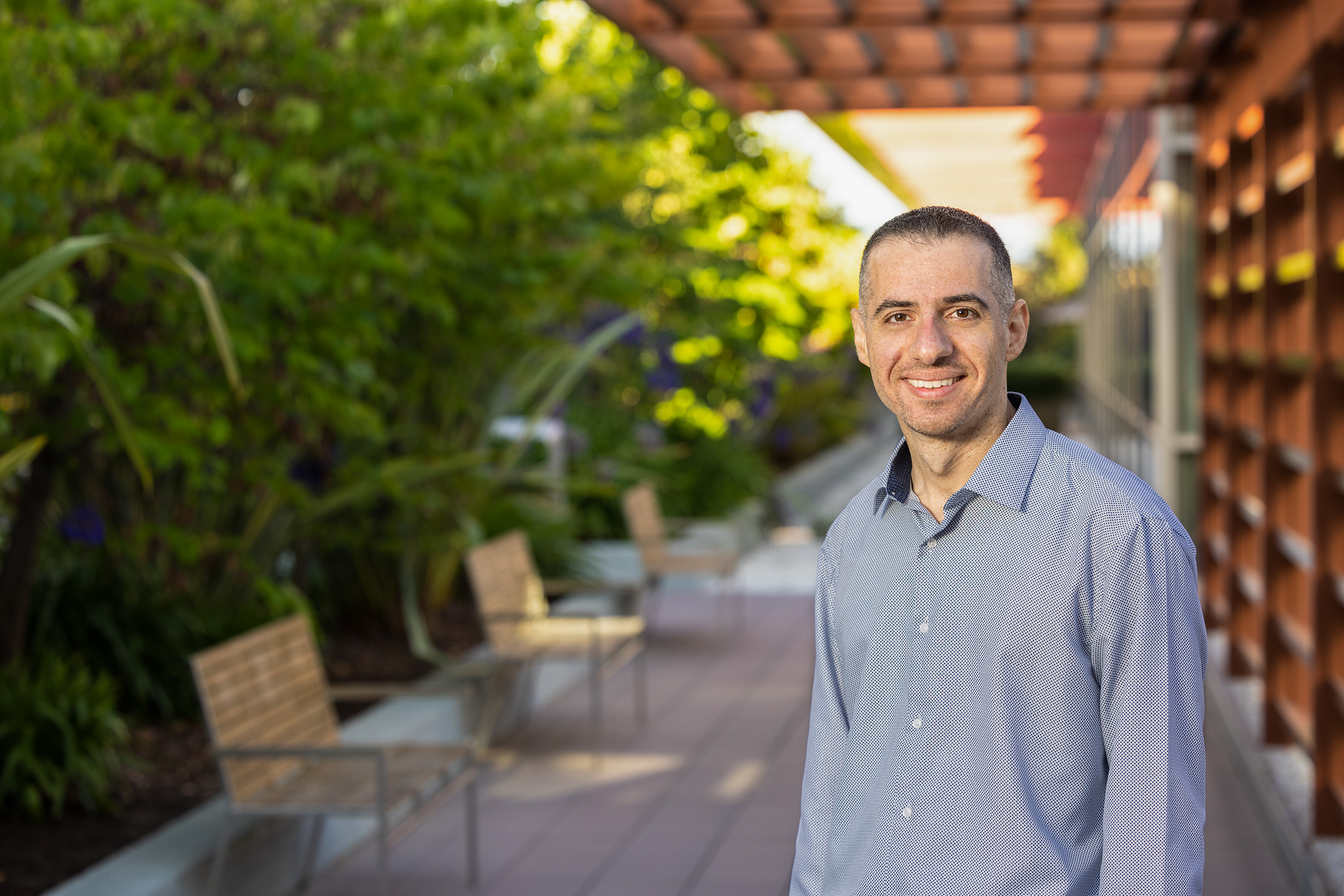
Nathaniel Myall, MD
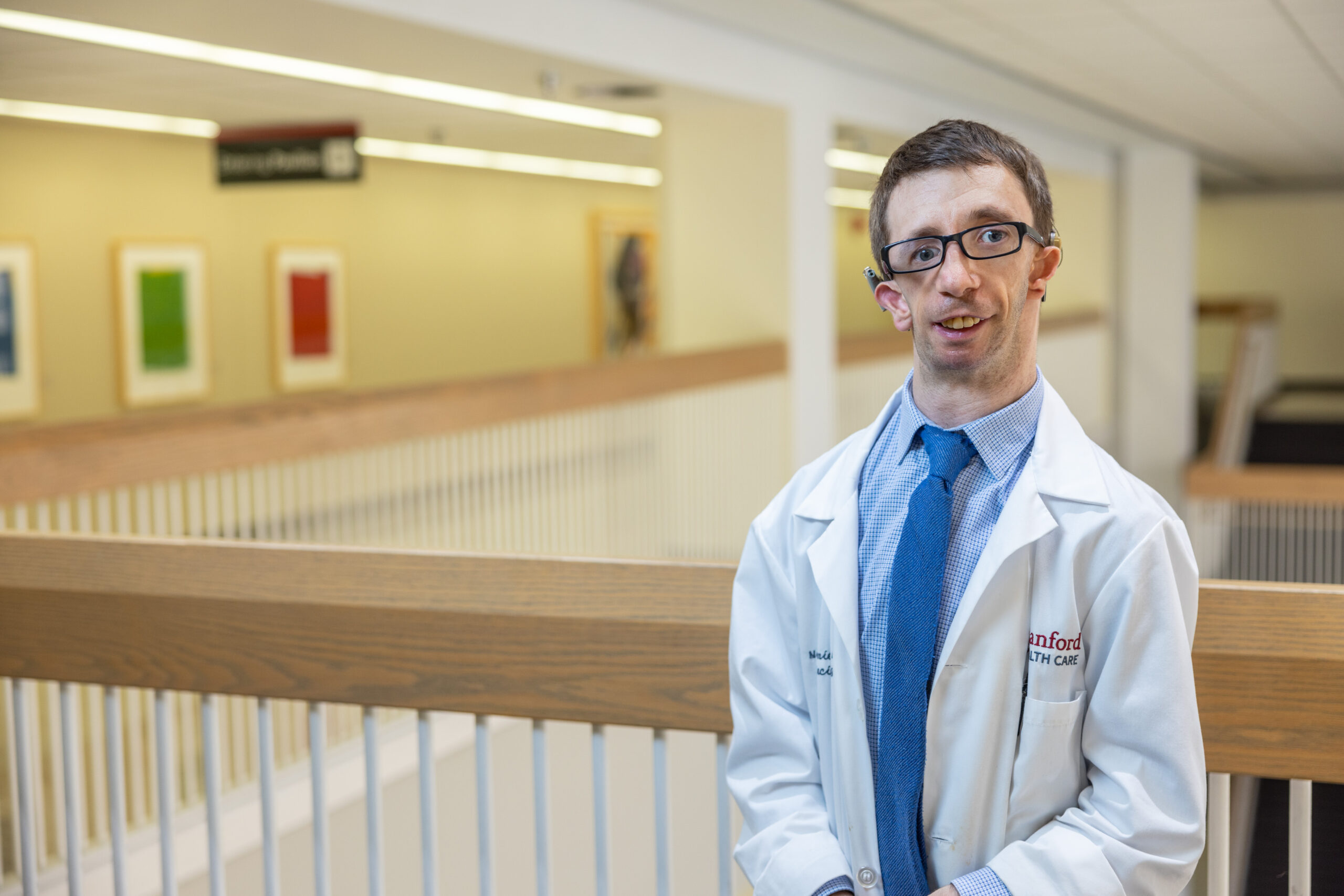
Nathaniel Myall, MD

A Desire For Holistic Medicine Drives Nathaniel Myall’s Treatment of Lung Cancer Patients

According to Nathaniel Myall, MD, a good doctor is one who looks at medicine holistically.

“Holistic medicine for me is not defining a patient by XYZ conditions, but looking beyond that,” he says.

This view of medicine developed, in large part, from Myall’s own experience as a patient. He was born with a rare genetic condition called Nager syndrome, which leads to underdeveloped bones in a person’s face, hands, and arms. This can cause delayed speech development and feeding and breathing problems during childhood, along with hearing loss.

“I wanted to use that experience in a productive way and apply it knowing what the patient experience is like,” says Myall, who grew up in Redwood City and received all of his childhood care at Stanford Medicine. “I learned how important it is in medicine to see our patients as full people.”

Myall’s experience as a patient and his fascination for medicine spurred him to become a doctor. He took premed courses as an undergraduate at Stanford and then attended Stanford School of Medicine. After graduating in 2012, he started his residency in internal medicine at Stanford, where he was exposed to the inpatient oncology ward. This experience motivated him to specialize in oncology, and he spent four years following his residency as a hematology/oncology fellow with Heather Wakelee, MD, who concentrates on lung cancer treatment.

“Once he started his fellowship, he really distinguished himself in his humanism. He’s just so caring and thoughtful, and has an incredible depth of medical knowledge,” says Wakelee.

For the past two years, Myall has been a clinical assistant professor at the Stanford Cancer Institute, where he focuses on non-small cell lung cancer (NSCLC)—one of the two major types of lung cancer that make up about 85% of all cases.

“I knew I wanted to be in an area of medicine where I could really have strong relationships with my patients,” Myall says. “There’s that relational aspect where you really have to walk alongside your patients and get to know them as individuals—what their goals are, who they are as people. That really informs how they approach their treatment.”

A Focus on Lung Cancer

The “non-small cell” part of NSCLC refers to how the cancer cells look under a microscope. Unlike the cells in small cell lung cancer, which appear small and round, the cells that make up NSCLC are larger and typically grow at a slower rate.

Myall also sees patients with neuroendocrine tumors, which are cancers that begin in the specialized neuroendocrine cells that produce hormones and allow the body to function properly. Most of these tumors occur in the appendix, small intestine, rectum, pancreas, and lung — which is where Myall focuses his efforts.

He was drawn to lung cancer, in part, because of the variety of treatment options, including chemotherapy, immunotherapy, and other oral drugs that target specific genetic mutations that may appear in lung cancer. “We can tailor those treatments based on any one person’s type of lung cancer and genetics,” Myall says. In a typical week, he spends two days seeing patients in his thoracic oncology clinic (which focuses on cancers in the chest area). Additionally, he spends about 12 weeks per year doing inpatient work for cancer patients who are admitted to Stanford Hospital, which includes managing chemotherapy treatment and medical complications of cancer.

“Holistic medicine for me is not defining a patient by XYZ conditions, but looking beyond that.”

– Nathaniel Myall, MD

As a clinical assistant professor, he teaches medical residents and fellows who rotate with him in the thoracic oncology clinic. Along with teaching the basics about proper lung cancer treatment, Myall works to educate the new generation of doctors about holistic care.

“My goal with holistic medicine is to build trust—to let them know that I care,” he says. “It’s a team effort. It’s not me just telling them to do something; it’s about being open and honest and having a dialogue.”

Testing Vital Drugs

That amount of work would be enough for most doctors, but Myall does even more.

On top of his clinical work, Myall has been an investigator for a phase 1 trial on two drugs, afatinib and necitumumab, to see how effective they are in treating patients with a specific type of NSCLC where the gene for epidermal growth factor receptor protein (EGFR) has mutated.

EGFR is a regulatory protein that serves as an on-off switch and helps control cell growth, explains Wakelee, who has worked closely with Myall since his residency. Many times, cancer begins because a regulatory protein is switched on all the time, leading to uncontrolled cell growth and division.

There are oral medications that can turn off mutated proteins like EGFR, but over time the cancer cells may develop secondary mutations that change the way these drugs bind to them, making them resistant to treatment. This is one of the reasons why it’s so important to test the efficacy of new drugs, Wakelee explains.

Myall has been an author on three studies that were published in 2022, which range from a case study on an NSCLC patient who received a novel type of therapy, to an evaluation of 120 NSCLC patients whose cancer spread to other parts of the body, to a comparison of two types of treatments for NSCLC patients with another specific type of gene mutation.

My goal with holistic medicine is to build trust—to let them know that I care. It’s a team effort. It’s not me just telling them to do something; it’s about being open and honest and having a dialogue.

– Nathaniel Myall, MD

My goal with holistic medicine is to build trust—to let them know that I care. It’s a team effort. It’s not me just telling them to do something; it’s about being open and honest and having a dialogue.

– Nathaniel Myall, MD

“Dr. Myall did extra work during his fellowship to learn how to be a clinical investigator,” Wakelee says. “He has kept his work as a clinical investigator an important priority now on top of shouldering a lot of clinical responsibilities as an attending physician. But he never complains; he keeps going. He’s an amazing team player.”

Myall admits that, as a newer attending physician, he is still trying to figure out the best way to balance his research with his clinical duties. He notes that he is lucky to have a team filled with amazing physician assistants, nurse practitioners, and nurse coordinators who help to lighten his load. “I’m fortunate to have a great support group in the clinic,” he says. “That makes a huge difference.”

Informed Treatment

At the end of the day, Myall’s main goal with his research is to better serve his patients. “I try to tie all my work together. The research informs what I’m doing in clinic. It helps to look at it that way: It’s all interconnected,” he explains.

There are still plenty of knowledge gaps in the field of NSCLC, and the more that doctors know, the better informed the recommendations and treatments for their patients are, Myall notes.

Wakelee sees that Myall’s personal experience in the medical system has given him deeper insight into what it means to be a patient, thereby allowing him to be a more attentive and knowledgeable doctor. But, at the same time, she says, “he would be this way regardless of his background. He is just a warm, caring, and brilliant person.”
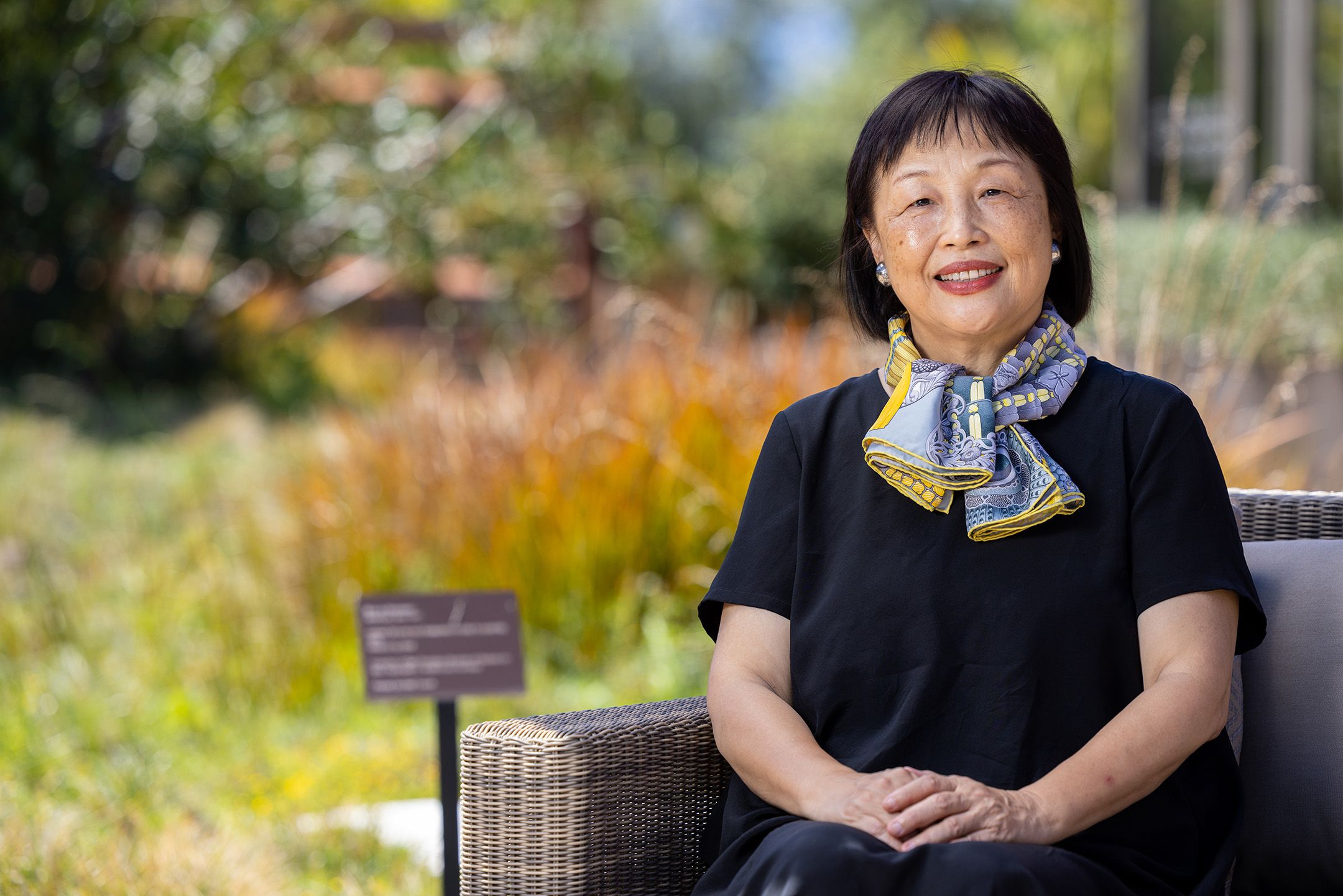
Building the Science of WELL-being on a Global Scale

Building the Science of WELL-being on a Global Scale

Ann Hsing’s Journey to Ensure Improved Physical, Mental, and Spiritual Health

Building the Science of WELL-being on a Global Scale

Ann Hsing’s Journey to Ensure Improved Physical, Mental, and Spiritual Health

During the darkest, dreariest days of the COVID-19 pandemic, humans worldwide became more aware of and interested in their personal well-being. Since 2020, the wellness market has grown twice as quickly as the international economy, with global spending having now reached $4.5 trillion.

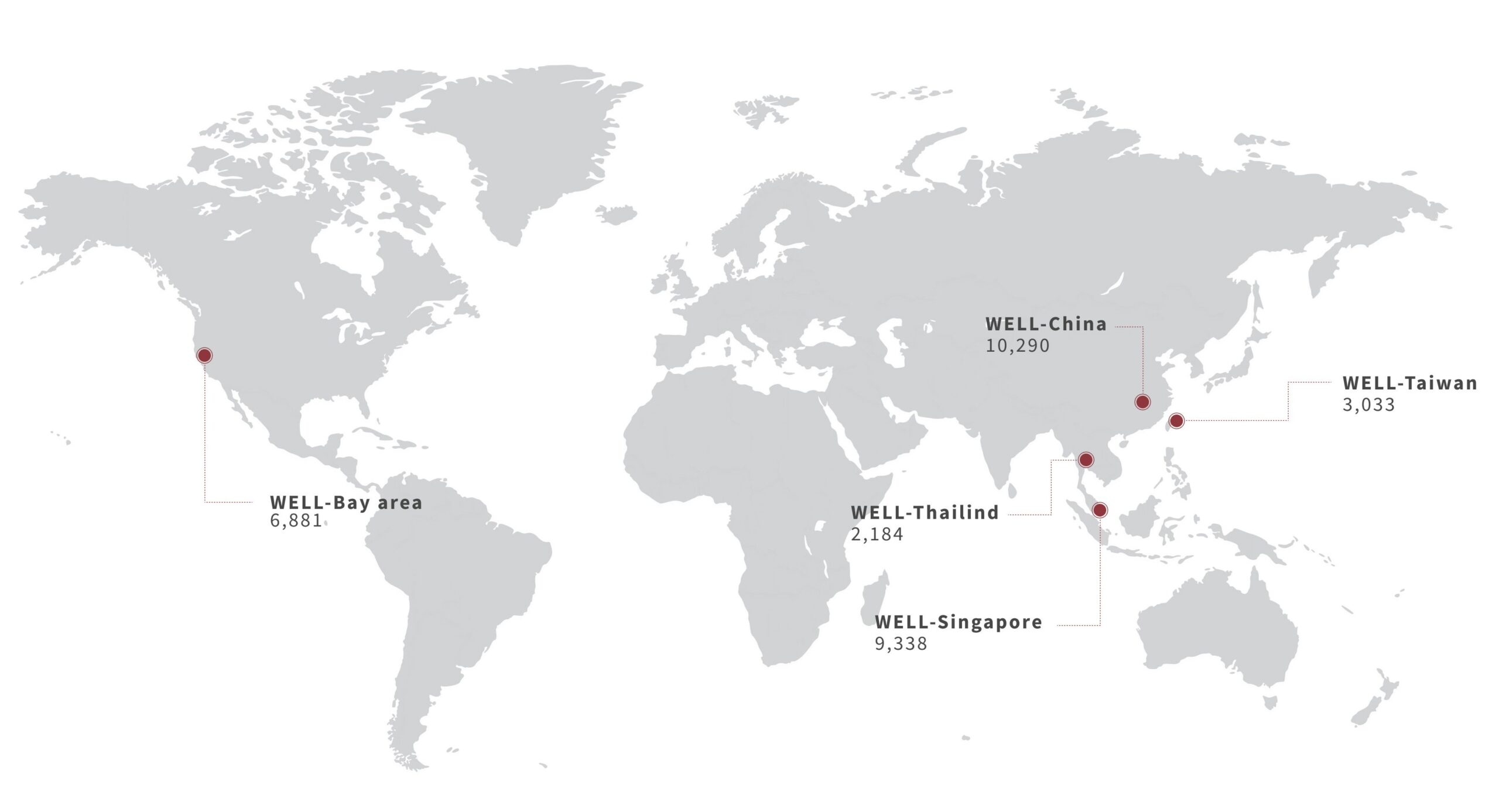
In 2015, faculty in the Stanford Prevention Research Center (SPRC), already deeply interested in well-being, launched a longitudinal, five-country Stanford WELL for Life study, now commonly known as “WELL.” The study, now on the brink of publishing breakthrough research findings, uses novel methods to measure and understand multiple dimensions of well-being across cultures. Since its inception, WELL’s multidisciplinary team of experts has been building the science by studying over 31,000 participants from the U.S., China, Taiwan, Singapore, and Thailand.

“WELL’s unique value is its quest for science-driven answers about well-being in diverse populations and its commitment to engaging and improving well-being in communities through science-based intervention and implementation,” says Ann Hsing, PhD, professor of medicine and principal investigator of WELL. She notes that SPRC defines it as “a holistic synthesis of a person’s biological, psychological, and spiritual experiences, resulting from interplay between individuals and their social, economic, and physical environments, that promote living a fulfilling life.”

“This extends beyond physical health and the absence of disease,” Hsing says. “Everyone wants to live a fulfilling life. With scientifically valid information and practical tips, we believe that it is possible to empower individuals to improve their own well-being and that of their communities. With the help of our international team, Stanford WELL for Life is building the science and learning how to improve well-being in people around the world.”

with translation of science and implementation of interventions that may help lower the cancer burden in individuals and their communities,” she says.

After coming to Stanford, Hsing took on community engagement and leveraged opportunities to educate the public about cancer prevention through presentations at local churches and community centers about cancer epidemiology, risk factors, and early detection of cancer.

Through those engagements, Hsing realized that even great scientific discoveries will have little or no impact if the public does not understand what they mean.

“I learned how important it is for us scientists to share our knowledge with the community in a way that resonates with them. WELL is a perfect example of why implementation and meaningful engagement matter. Our goal is not only to conduct research, but also to ensure that knowledge generated by WELL benefits everyone worldwide. Well-being is multidimensional, encompassing physical, mental, and spiritual health — body, mind, and soul,” Hsing says.

“I realized that the concept and practice needed to be communicated in a simple and effective way to the general public to empower them and to make everyone a little bit better, thereby making our world a bit better. All of us want to live a satisfying life, so the potential impact of our research is enormous. This is why I took on the challenge of serving as WELL’s principal investigator,” she adds.

Well-being is multidimensional, encompassing physical, mental, and spiritual health — body, mind, and soul.

– Ann Hsing, PhD

Well-being is multidimensional, encompassing physical, mental, and spiritual health — body, mind, and soul.

– Ann Hsing, PhD

Breakthrough Research

To facilitate and enhance their research, WELL investigators developed a scale that uses quantitative scores to measure and assess participants’ well-being in seven domains: sense of self, positive emotions, social connectedness, resilience, negative emotions and experiences, purpose and personal growth, and physical health.

In 2021, WELL researchers investigated the impacts of the COVID-19 pandemic, climate change, eco-anxiety, access to nature, and air pollution on well-being. Recent and planned publications show how the promise of WELL data may lead to better health and satisfaction with life.

In one paper, using data from WELL Singapore, researchers showed that use of parks and physical activity in a park were associated with higher well-being scores in an urban setting.

“These data suggest that even in urban settings, connecting with nature and spending time in accessible parks can help improve well-being because spending time in parks is often related to increased physical activity,” says Hsing. She also points to data showing that physical activity helps with stress management and was associated with better well-being during the pandemic.

“These results suggest that nature and physical activity, either alone or with others, can be used to develop effective strategies for the cultivation and promotion of well-being,” she says.

WELL researchers expect to publish an array of papers in 2023 that will include key findings from a collaboration with the Ford Motor Company and from a 1,200-person cohort of WELL participants studied during the COVID-19 pandemic.

The collaboration with Ford led to a 2022 pilot study using wearable technology to assess the effects of daily stress, mobility, physical activity, and sleep quality. The study measured heart rate variability in 120 participants wearing biosensing wristbands around the clock for 60 days. These repeated measurements led researchers to see a correlation between being stressed and having a low well-being score. Hsing notes that these data provide good insights for future interventions.

Within the COVID-19 cohort, WELL established baseline data on day one of shelter-in-place for each of 1,200 participants and followed up with them after 10 days and then at one-, three-, six-, and 12-month intervals.

“We found that early in the pandemic, negative emotions increased, and well-being scores dipped,” Hsing says. “However, over time, the decrease in scores leveled off, suggesting that people are adaptable and resilient.”

Seven Domains of Well-being
In WELL, well-being is composed of seven domains: sense of self, positive emotions, social connectedness, resilience, negative emotions and experiences, purpose and personal growth, and physical health.

Another study also showed that during the pandemic’s shelter-in-place restrictions, individuals who met physical activity guidelines had lower stress. Inactive participants reported sleeping longer and eating more to cope, while active participants reported using physically active stress management strategies.

Hsing adds that they “also found that individuals who engaged in contemplative practice behaviors, such as meditation and cultivation of self-compassion and compassion for others, experienced better well-being, significantly more resilience and positive emotions, and better management of stress during the pandemic.”

She shares these and other advances in the understanding of the subject through a graduate-level course that she launched in January 2022 at Stanford, “CHPR 242: The Science of Well-being: A Global Perspective,” using data from WELL studies in five countries.

In addition, during summer 2022, Hsing and colleagues launched a “curation” project as the basis for many future communications with the general public. Initially, the project will develop lay language summaries and infographics that define well-being, describe the WELL scale and its seven domains, and outline the scope, objectives, long-term goals, methods, and findings of the WELL study.

The Stanford WELL for Life study is an excellent example of achieving humanity through science. I feel extremely lucky and honored to lead such an important and exciting study.

– Ann Hsing, PhD

The Stanford WELL for Life study is an excellent example of achieving humanity through science. I feel extremely lucky and honored to lead such an important and exciting study.

– Ann Hsing, PhD

Breadth of the Study
For the past seven years, WELL’s multidisciplinary team of experts has been studying over 31,000 participants from the U.S., China, Taiwan, Singapore, and Thailand to understand and measure well-being – the synthesis of each person’s biological, psychological, and spiritual experiences.

The Future

Where is WELL headed?

“WELL focused on psychology initially, as well-being is a subjective perception. As a molecular epidemiologist, my goal is to infuse molecular biology, environmental data, technology, and other biological disciplines into WELL to enhance its breadth and depth,” Hsing says.

“For example, we used a multidisciplinary approach and recently added biosensing digital technology and used heart rate variability to measure stress and sleep fragments. We have proposed a functional MRI pilot study to assess brain function and structure among people in our study who chronically and persistently have very low well-being.”

Since 2015, WELL has established a biobank of more than 300,000 specimens, including hair, nail, blood, urine, and stool samples. To build on 

this rich resource, WELL is funded to measure gut microbiome and metabolomics on over 2,000 individuals in China and to determine if these omics profiles correlate with well-being. Using a holistic approach, WELL will integrate self-reported data with objectively measured omic, biosensing, and imaging data to understand the biological basis of well-being. This will provide evidence-based data to guide the development of future intervention studies designed to promote well-being in individuals and communities.

WELL’s investigators collaborate widely with many faculty from the SPRC as well as from various departments and schools within and outside of Stanford. However, Hsing works most closely with two colleagues: Catherine Heaney, PhD, associate professor of psychology and of medicine, who conducts qualitative studies in various countries to develop WELL’s scale for well-being assessment and leads WELL Thailand; and Ying Lu, PhD, professor of biomedical data science, who serves as the principal biostatistician for WELL. Together, the trio developed the methodology and analyses of the study.

“WELL welcomes collaboration. I believe our rich data and resources provide a unique opportunity for partnerships to advance the science of well-being and healthy aging. I invite faculty, postdocs, and graduate students to reach out for potential collaboration at annhsing@stanford.edu. The Stanford WELL for Life study is an excellent example of achieving humanity through science. I feel extremely lucky and honored to lead such an important and exciting study,” Hsing concludes.

Blood is Thicker Than Water

Blood is Thicker Than Water

William Shomali’s Hematologist’s Journey

Blood is Thicker Than Water

William Shomali’s Hematologist’s Journey

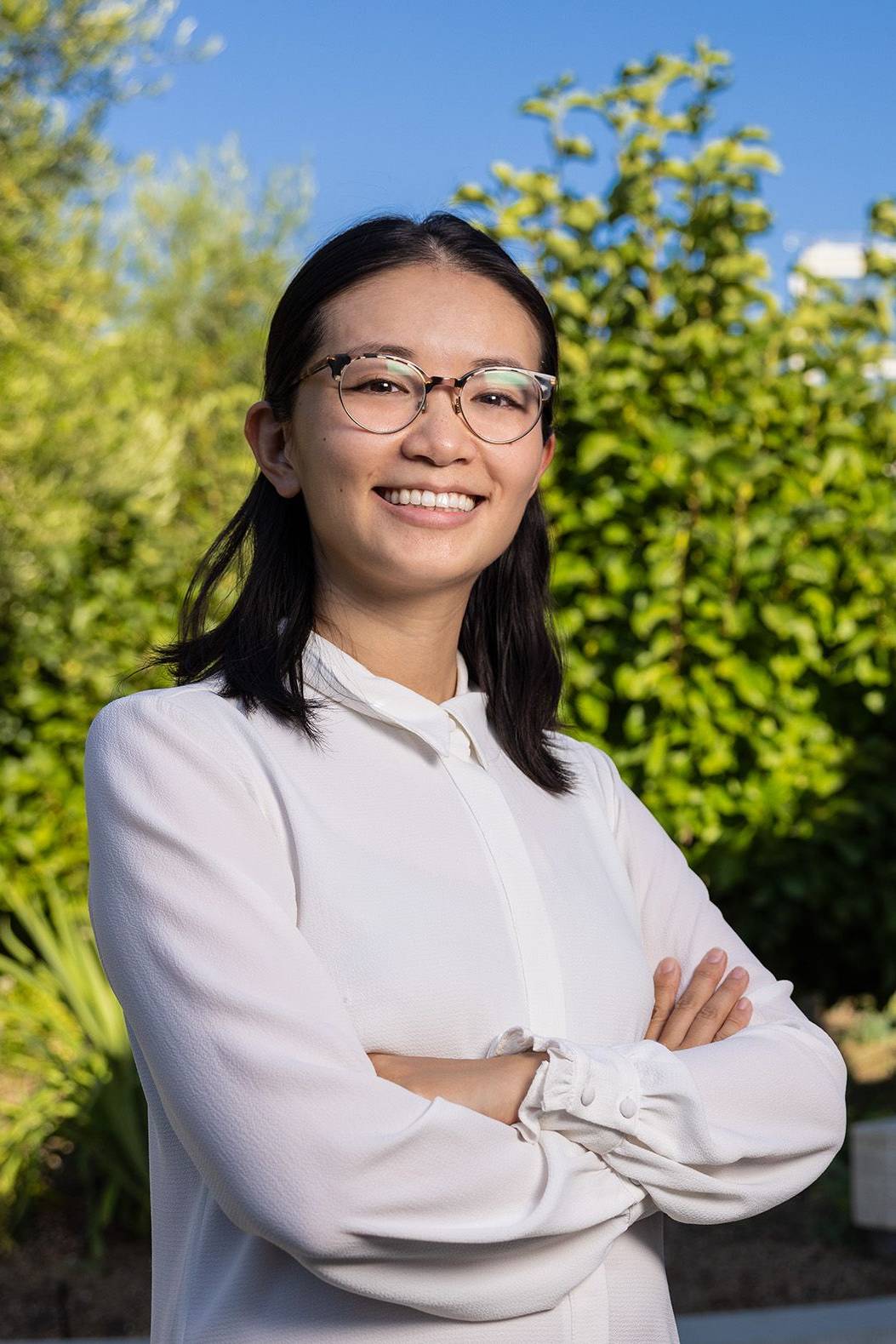
William Shomali, MD, clinical assistant professor of hematology, always knew he wanted to be a doctor. As a child growing up in Jordan, it was basically a foregone conclusion. Maybe he was undecided as a toddler, but as soon as high school hit, it was clear that medicine was the choice for him. And medical school in Jordan, similar to the European system, is slightly different from that in the United States, involving an earlier commitment: After high school, students go directly to medical school, where they study for six years, and then they do an extra “rotating internship” before residency. Shomali did an elective in the United States during this time period, and this set him on the path to his work at Stanford as a hematologist and oncologist.

William Shomali, MD, at work as a clinical investigator.

stayed an extra year in Cleveland, serving as a chief resident, with an educational goal of reviving physical examination skills and coaching the house staff to deliver high-quality, evidence-based, and cost-conscious care.

Terrific Mentors

After that, Shomali ended up at Stanford for his fellowship, where he met Jason Gotlib, MD, MS, professor of hematology, who quickly became a trusted mentor. “He’s one of the main reasons why I stayed at Stanford,” Shomali says. “He’s been very, very supportive of me and my career development. He taught me the essentials of clinical investigation and how to develop investigator-initiated clinical trials. He’s one of the best clinical investigators in the country, exceptionally kind and approachable, and we continue to work closely together as a team.”

Gotlib remembers meeting Shomali as a fellow on the inpatient leukemia service and describes him as “a voracious and joyful learner.” He adds, “William modeled the aphorism that what you get out of fellowship is what you put in. He quickly earned the respect of our family of hematology colleagues for his work ethic, collegiality, citizenship, and passion for teaching the gospel of hematology.

With William, there’s no ego or need to impress — his big heart and vast medical knowledge are exactly the custodial attributes our leukemia patients need during their cancer journey.”

Shomali also calls himself “very fortunate” to train under Peter Greenberg, MD, professor emeritus of hematology, a world-renowned expert in myelodysplastic syndromes (MDS). “We worked closely in the clinic, and his mastery of MDS and joy in evaluating blood smears under the microscope are unparallelled,” Shomali states. He also calls the guidance of Michaela Liedtke, MD, associate professor of hematology, “instrumental” to his knowledge of the complex inpatient care of patients with leukemia. Shomali concludes, “Every faculty member in our division is outstanding, collegial, and always willing to help day or night, and I learn from each and every one of them.”

Hope for Blood Cancer Treatment

During his fellowship, Shomali also began to specialize in blood cancers, specifically myeloproliferative neoplasms (MPNs) and myelodysplastic syndromes (MDS). MPNs are types of blood cancers where there are too many blood cells: white cells, red cells, and/or platelets. This can cause a number of complications, including blood clots and/or bleeding, which can significantly affect a patient’s quality of life and can even progress to acute

“Ultimately, a portrait of William Shomali is a portrait of an exceptional doctor at work, balancing clinical, educational, and research goals as well as a young family.”

leukemia. The other type of cancer he specializes in, MDS, causes patients to have too few blood cells, causing anemia, infections, and/or bleeding (and those can progress to acute leukemia, too).

Shomali’s clinical trial work focuses on novel treatment options for patients suffering from these cancers, including targeted therapies. “There’s an unmet need, and we have room to enhance the current standard of care,” he explains. Gotlib has mentored Shomali through this process as well, passing on “the fundamentals of being a clinical trialist,” as he puts it.

and sees it as part of his own personal mission as well as the larger Stanford mission to pass clinical knowledge on to the next generation. 

And of course he doesn’t work alone. On the clinical and research side, he collaborates with many faculty and staff, including a nurse coordinator, study coordinators, and various others who function as a team. “The hematology division is like family,” Shomali states. “We care for and support each other.”

This has held true during difficult times like the pandemic, with its greater shift to telemedicine, and even during the everyday busyness of normal life. Shomali obviously works hard, but also takes time to relax with his family — if you can call it relaxing. He has two young kids, who, he laughs, keep him and his wife “very busy” with trips to the beach and the park (beyond just the normal business of raising them). He also enjoys working in his new garden.

For his part, Gotlib has found that over the years his work with Shomali has progressed beyond their earlier dynamic. As time goes on, he says, “the roles of mentee-mentor have become more blurred, as I continue to learn a ton from William.” And this learning isn’t all medical: “Most importantly,” Gotlib concludes, “I consider William a good friend and have taken great joy in seeing his professional development and watching him and his wife raise two beautiful kids.”

Ultimately, a portrait of William Shomali is a portrait of an exceptional doctor at work, balancing clinical, educational, and research goals as well as a young family. And he’s always looking to the future. “My focus is on being a thorough clinician and investigator,” he says. “I want to help patients find answers in reaching a diagnosis, offer them state-of-the-art treatment on their medical journeys, and advance the standard of care. In hematology/oncology, many times the standard of care is not enough, and we need to improve on that. I want to be a physician who can offer patients novel therapies that change their lives — that’s what drives me every day.”

Addressing a Difficult Subject

Addressing a Difficult Subject

Anti-Black Racism in Medicine

Addressing a Difficult Subject

Anti-Black Racism in Medicine

A mentoring relationship helps incorporate the voice of the patient in bedside care.

“Having a mentor is like having someone to take you up on an elevator,” says Matthew Burke, a third-year student at Meharry Medical College in Nashville, Tennessee. “Now I’m ready to go back to the lobby and help someone else up.”

Burke spent the summer of 2021 as a virtual participant in the Stanford–Historically Black Medical Colleges (HBMC) Summer Research Program, established by the Stanford Department of Medicine in 2017. He was matched with his mentor, Samantha Wang, MD, clinical assistant professor of medicine, through pure luck.

“When I was accepted into the program, I had to identify which area of research I was interested in. I knew I didn’t want to do laboratory research, but I had little experience with other areas that were considered research opportunities. Social issues? Healthcare policy? Community outreach? I had no idea that research was possible in those arenas, so I checked them all,” he explains. “That’s how I was matched with Dr. Wang!”

The relationship he established with Wang flourished because of the research project she was pursuing: understanding the difficulties of teaching students how structural racism affects clinical decisions and whether educators could teach that subject at the bedside.

“Many clinicians already knew health care was not always equitable or fair,” Wang says. “But it’s only recently that we’ve become willing to consider how we inadvertently contribute to those disparities.”

She wanted to incorporate the voices of patients who have experienced health care in a disadvantaged community. “But I wasn’t sure if talking about racism with one’s doctor, at the bedside, would make the patient uncomfortable or if it would enhance the patient’s trust in that doctor,” says Wang. “It’s such a sensitive topic.”

“I immediately identified with these concepts,” recalls Burke. “As a Black man, I have firsthand experience seeing the prevalence of hypertension, diabetes, obesity, and cardiovascular disease in our community. This, coupled with a lack of trust for health care providers, is common among the underserved,” he says.

“Dr. Wang opened the world of research to me… she fostered my curiosity by recognizing any question I asked as valid. Her support helped push me into considering public policy research as part of my career path.”

– Matthew Burke

“Many clinicians already knew health care was not always equitable or fair… But it’s only recently that we’ve become willing to consider how we inadvertently contribute to those disparities.”

– Samantha Wang, MD

The Five-Minute Moment for Racial Justice

Wang’s research stems from the foundation built by Stanford Medicine 25’s Five Minute Moment for teaching at the bedside. This Stanford Medicine education initiative focuses on teaching physical exam skills. She adapted a teaching framework for the physical exam to create the Five Minute Moment for Racial Justice. This is a curriculum designed to standardize discussing how racism affects the ways that physicians diagnose, evaluate, and treat patients, and how it contributes to health disparities especially among Black patients.

Understanding Patients’ Experiences with Anti-Black Racism in Health Care

“Once the framework and curriculum were completed, I wanted to determine how Black patients would feel about discussions around race during their interactions with physicians,” Wang notes. “That’s where Matthew’s project evolved.”

Mentee Burke’s assignment was to seek input from the Community Advisory Board (CAB), comprising minority patients and health care professionals from Oakland, California; Leeds, Alabama; Nashville, Tennessee; and Rochester, New York. With Wang serving as his guide, he sought to understand patient perceptions about how racial bias affects health care, including CAB members’ own experiences of health inequity with their doctors.

Burke created and led focus group discussions on this subject with CAB members. His findings concluded that relating personal stories of structural racism in health care not only was supported by most CAB members but could also increase trust in the physician who was asking those questions. One caveat: All CAB members agreed that they wanted to be asked first if having that conversation would be acceptable before launching into it.

Burke summarized the results in a poster and presented his findings at a meeting of the American Academy of Medical Colleges in Washington, D.C. “It was thrilling to see Matthew so excited about presenting his work to people outside of Stanford and to see people so interested in what he reported,” recalls Wang. “The experience boosted his confidence and empowered him to see that he is capable of achieving many great things in

the future.”

About her role as a mentor to Burke and to other students, Wang comments, “It’s rejuvenating to share your work with fresh minds that are excited and interested in the project and the future of medicine.”

Mentoring Future Leaders

The foundation for creating a mentor-mentee relationship is often grounded in a specific project, such as an educational innovation, a research paper, or a poster. The end point in some minds is a tangible product or the answer to a specific research question.

But Wang feels the most important component of mentoring someone is the relationship itself, not the end product. “The mentor should serve in a nurturing role, independent of his or her own academic interests. My goal in working with Matthew was to create a good experience for him, giving him autonomy to develop his own skills — not just delegating tasks to him that would further my own research.”

When she was in medical school, Wang recalls, “no one talked about structural racism; we considered broad areas like social determinants of health and left it at that. But talking about it is the only way we can begin to move to increased equity.”

As for the research that Burke carried out, Wang says it was important to have someone leading the focus groups who shared a lived experience with the people in the room.

The mentor should serve in a nurturing role, independent of his or her own academic interests.

– Samantha Wang, MD

The mentor should serve in a nurturing role, independent of his or her own academic interests.

– Samantha Wang, MD

Pride and Joy

Pride and Joy

Julia Chang’s Work with Transgender Health Seeks to Improve Lives and Gather Data

Pride and Joy

Julia Chang’s Work with Transgender Health Seeks to Improve Lives and Gather Data

Finding your vocation is never an exact science, but maybe Julia Chang got lucky. Because on day one of medical school, she found hers.

She’d always wanted to be a doctor — “since I was a kid,” Chang, MD, clinical assistant professor of endocrinology, explains. But her specialty wasn’t settled. And then, on that very first day of medical school in 2012 at Case Western Reserve University in Cleveland, the very first speaker they had was a physician who directed the city’s Pride clinic, a man named Henry Ng, MD. And Julia found her vocation.

“As a first-year med student, I didn’t even really know what a Pride clinic was,” Chang remembers. “But I could sense the compassion Dr. Ng had toward the queer community, which has traditionally been very marginalized in health care. He spoke passionately about diversity, equity, and inclusion at a time when it wasn’t at all an emphasis in medicine. He was very inspiring. I remember thinking, As soon as I finish clerkships, I want to work in that clinic.”

And she did. Many more medical school classes and rotations followed, and Chang developed an interest in endocrinology, which dovetailed neatly with her interest in the PRIDE clinic and other issues of LGBTQIA+ health. She developed research interests in hormone health, diabetes, and other chronic medical conditions as well, and after medical school she matched at Stanford for residency. She’s been here ever since, for her fellowship and now in her first year as an attending.

Answers to Urgent Questions

There are many research questions about transgender health, Chang describes, that have not been fully explored, particularly regarding hormone therapies. For example: “Is there an ideal hormone regimen for trans feminine and trans masculine individuals in terms of safety and efficacy? Do injections work better than patches? What are safe and effective regimens for a nonbinary individual? And what’s safe for older adults? It’s not one-size-fits-all.”

Chang and her team want to know, and they’re specifically interested in progesterone, a hormone often used by transfeminine individuals to help aid their transitions. “We found that more than 25% of transfeminine individuals coming to Stanford were receiving some type of progesterone or progestin 

Julia Chang, MD, discusses her research with a patient.

prescription, but there’s very little mentioned about progesterone in guidelines from the Endocrine Society or the World Professional Association for Transgender Health (WPATH),” she says. “So many trans women are asking for progesterone, but we don’t yet have large studies looking at its safety or its effectiveness for breast development or feminization. It’s a huge gap in our current knowledge.”

To alleviate this, Chang and her faculty mentor Danit Ariel, MD, clinical assistant professor of endocrinology, studied how progesterone was being used at Stanford and presented their findings at the Endocrine Society and USPATH (the United States chapter of WPATH) conferences. One thing Chang discovered was that only about a third of patients on progesterone had documentation in their files regarding why progesterone was started and whether it was helping to achieve the patient’s goals. Many times, progesterone was continued indefinitely.

Fortunately, Chang also found that none of the reviewed patients on progesterone had major cardiovascular or blood clot adverse events, which is a substantial risk of progesterone use as seen in studies with cisgender women. As Chang acknowledges, this result on a small scale means there’s a need for longer-term, larger-scale studies, but it’s a start. Even simply documenting a patient’s reasons for taking progesterone and noting what they’re experiencing can be a step in the right direction, Chang states. She hopes to take her study of progesterone to the next level by launching a nationwide survey in the coming year aimed at transfeminine adults and surveying their use of and experiences with progesterone.

“We need to do a better job as a medical community in trans health care to have those conversations with patients about risks and benefits,” Chang says. “Sometimes, patients will experiment with hormones on their own to try to address clinical questions that we don’t always have the answers to. The online chatter among transgender people is robust and fast-paced, and there are hundreds of threads about hormone regimens on subreddits, on Twitter; people are talking to each other. And we just don’t have a lot of data yet to fully answer some of the questions about long-term risks of gender-affirming hormones. But these are questions that the patients are coming to us with every day, and we owe it to them to conduct the studies and continue the research, so that they can make the most informed decision and take their hormones safely.”

we owe it to [our patients] to conduct the studies and continue the research, so that they can make the most informed decision and take their hormones safely.

– Julia Chang, MD

we owe it to [our patients] to conduct the studies and continue the research, so that they can make the most informed decision and take their hormones safely.

– Julia Chang, MD

It Takes a Clinic

Getting those informed answers, however, is not an easy task. Chang, like many Stanford faculty, splits her time among various clinics and projects: She spends one day a week at the Los Altos LGBTQ+ Clinic and two days a week at the endocrinology clinic at Hoover on the main campus. (The rest of her time is split between medical education, quality improvement, and research efforts.) It makes for a busy schedule, but Chang clearly finds these efforts rewarding.

Particularly in the work she does with gender-affirming hormone care, she really gets to know patients, seeing them often for months or even years and developing “long-term, even lifelong relationships.” She sees patients through various stages of their lives as well, from the young 18- and 19-year-olds just starting hormone therapy to a 50- or 60-year-old patient “who’s grappled with their gender identity for decades and now finally feels comfortable coming out.” She also sees patients who’ve started hormones elsewhere and require follow-up care, and her work involves guiding them through the process and other health issues that may arise.

“I really enjoy ambulatory medicine,” Chang enthuses. “When patients come back for their follow-up visits, and you see the progress that they’ve made, not just in their physical health but in their emotional health, and they can see and feel it too — that’s the best part of my job. You get to establish a relationship with these patients over time and see how you’re making an impact on their lives.” She calls working with the trans community “particularly gratifying in that way, because it’s a community that’s been very stigmatized but is starting to really come into its own publicly on the national stage with a strong voice.”

Chang adds that in the past (and even in the present), “so many of them were afraid of seeing a doctor who really doesn’t understand the challenges they face. And so having that relationship and working with these patients and really being able to make a difference to their physical and emotional health has been extremely rewarding.”

At the Stanford LGBTQ+ Program and Endocrinology Clinic at Hoover, Chang works with a whole team of dedicated providers who are passionate and committed to helping this community, including primary care doctors, psychiatrists and psychologists, OB-GYNs, urologists, nurses, patient care coordinators, medical assistants, and front- and back-office staff.

One misconception is that providers should only see these patients through one particular trans lens.

Julia Chang, MD

required for all first-years. It focuses on big-picture things as well as smaller details, like preclinical issues that may arise when an LGBTQ+ patient walks into an office (including language used by front office staff and pronoun use, among other things). Chang, Gesundheit, Ariel, and Laniakea are also working on a new clinical case module for second-year students to delve deeper into various clinical care scenarios, including hormone suppression and hormone replacement for trans and gender diverse-patients.

All of this is flowing from a basic goal of equality and respect. “One big misconception about transgender health care,” Chang says, “is that transgender people just aren’t like ‘normal’ people who need good-quality health care. They deserve the same quality and same dedication, for all their health concerns, whether they’re coming to you for hormone health or something that may be completely unrelated. One misconception is that providers should only see these patients through one particular trans lens.”

Along with that comes the need for basic sensitivity. Chang says she’s gotten pushback sometimes when she wants to offer training but points out that even small things (like avoiding honorifics, such as using Mr. or Ms, in patient messages) can make a big difference. People can misgender trans patients without realizing it or by not paying attention to flags in a patient’s chart.

“That’s why it’s important to have training at all levels and for all departments, not just in endocrinology or primary care,” Chang says. “Trans patients are going to seek care for a cold or a cut on their arm or for surgical procedures that may not be strictly related to their hormone health, and they deserve to be addressed correctly and have their gender affirmed. By starting that training early in medical school, we are acknowledging that gender identity is an important part of people’s overall health, and health care professionals can start to feel comfortable with this very early on.”