Adventures of a Proud Data Parasite

Baldeep Singh, MD, with staff at Samaritan House

Purvesh Khatri, PhD

Adventures of a Proud Data Parasite
Purvesh Khatri, PhD

Adventures of a Proud Data Parasite

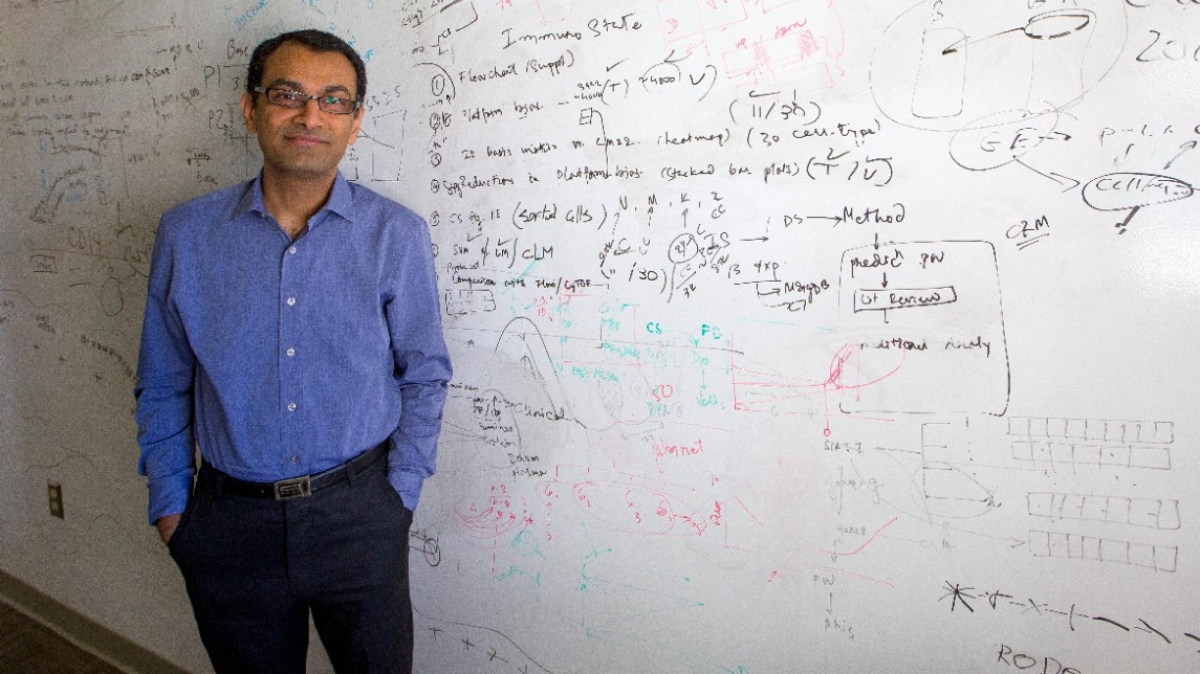
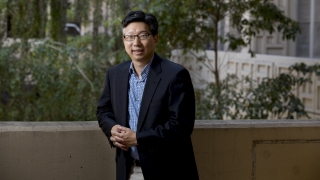
In an era in which analyzing other people’s data has been likened to research parasitism by no less an authority than The New England Journal of Medicine, Purvesh Khatri, PhD, assistant professor of medicine (biomedical informatics research–Institute for Immunity, Transplantation and Infection), declares, “I’m not a research parasite, because that implies that I’m stealing somebody else’s idea. I am repurposing data to ask and answer questions that are not addressable using traditional approaches. I’m a proud data parasite.”

Khatri’s research has asked many questions and produced many answers of significance in the past three years. That is especially unusual for someone who came to this country in the late 1990s with a degree in communications and wanting to be a software engineer. After several career turns, he finds himself a bioinformatician on a quest to improve diagnostics and therapies for infectious diseases. And, perhaps next, autoimmune diseases. 

Informaticians study reams of data about diseases in hopes of recognizing patterns in the data, understanding the causes of these patterns, and designing algorithms to recognize further patterns. Using such a process, Khatri and his group recently showed that they can diagnose patients with an infection two to five days before patients could be clinically diagnosed. They do this by looking at data from gene expressions of the body in response to a given infection. This work was published in Science Translational Medicine in 2015. While this was a useful discovery, it lacked the specificity that Khatri sought: “The problem with that approach was that we could not differentiate between bacterial and viral infections.”

The next step was to try to identify the host response specific to viral infections. Immunity published that study, again looking at gene expression, which demonstrated not only that there is a common host response to multiple viruses different from bacteria, but also that host responses to viruses differed from one another, so that “we could distinguish among viruses.” 

With this information in hand, it was natural to ask another related question, which Khatri indeed asked: “Now that we’ve seen this on the viral side, does the immune response recognize different bacteria?” The bacterium they studied was mycobacterium tuberculosis, and again the result was positive: “Yes, there is a very specific host response to tuberculosis that allows us to distinguish active tuberculosis patients from patients with other bacterial infectious diseases, other respiratory diseases, latent tuberculosis infection and so on.” 

The immediate clinical action once it’s known that a patient has tuberculosis is to give curative antibiotics. But Khatri wondered if the host response might also serve as a biomarker for treatment response, and his group performed another study that was reported in Lancet Respiratory Medicine in 2016: “If the treatment is working, bacteria are going to die. Once there are no bacteria left in the system there will be no host response, and you will know the patient is cured. So it’s not just diagnostic; it should also allow you to monitor patients upon successful treatment.”

In an era in which analyzing other people’s data has been likened to research parasitism by no less an authority than The New England Journal of Medicine, Purvesh Khatri, PhD, assistant professor of medicine (biomedical informatics research–Institute for Immunity, Transplantation and Infection), declares, “I’m not a research parasite, because that implies that I’m stealing somebody else’s idea. I am repurposing data to ask and answer questions that are not addressable using traditional approaches. I’m a proud data parasite.”

Khatri’s research has asked many questions and produced many answers of significance in the past three years. That is especially unusual for someone who came to this country in the late 1990s with a degree in communications and wanting to be a software engineer. After several career turns, he finds himself a bioinformatician on a quest to improve diagnostics and therapies for infectious diseases. And, perhaps next, autoimmune diseases. 

Informaticians study reams of data about diseases in hopes of recognizing patterns in the data, understanding the causes of these patterns, and designing algorithms to recognize further patterns. Using such a process, Khatri and his group recently showed that they can diagnose patients with an infection two to five days before patients could be clinically diagnosed. They do this by looking at data from gene expressions of the body in response to a given infection. This work was published in Science Translational Medicine in 2015. While this was a useful discovery, it lacked the specificity that Khatri sought: “The problem with that approach was that we could not differentiate between bacterial and viral infections.”

The next step was to try to identify the host response specific to viral infections. Immunity published that study, again looking at gene expression, which demonstrated not only that there is a common host response to multiple viruses different from bacteria, but also that host responses to viruses differed from one another, so that “we could distinguish among viruses.” 

With this information in hand, it was natural to ask another related question, which Khatri indeed asked: “Now that we’ve seen this on the viral side, does the immune response recognize different bacteria?” The bacterium they studied was mycobacterium tuberculosis, and again the result was positive: “Yes, there is a very specific host response to tuberculosis that allows us to distinguish active tuberculosis patients from patients with other bacterial infectious diseases, other respiratory diseases, latent tuberculosis infection and so on.” 

The immediate clinical action once it’s known that a patient has tuberculosis is to give curative antibiotics. But Khatri wondered if the host response might also serve as a biomarker for treatment response, and his group performed another study that was reported in Lancet Respiratory Medicine in 2016: “If the treatment is working, bacteria are going to die. Once there are no bacteria left in the system there will be no host response, and you will know the patient is cured. So it’s not just diagnostic; it should also allow you to monitor patients upon successful treatment.”

Collaboration is the best thing about Stanford School of Medicine, especially for a data parasite like me.

Collaboration is the best thing about Stanford School of Medicine, especially for a data parasite like me.

Without antibiotic-like therapies for viral infections, Khatri’s lab sought to look at data from vaccinated patients for more biomarkers. “When you think about vaccination,” he explains, “you are giving patients the infection without the corresponding symptoms. Knowing that there is a virus-specific host response, we wondered if that would also show up when a patient is successfully vaccinated. And the answer was yes!”

In other words, patients who respond to the vaccination they were given — “those we call successfully vaccinated” — have the same response to the vaccination as patients who get the viral infection. The importance of this finding, Khatri says, is that “this gives us the opportunity to develop new immune metrics for successful vaccination.” 

Influenza was the virus of choice for this research because nearly everyone is advised to get vaccinated against it every year. The actual strain of influenza in a given year turns out to be unimportant, as this study demonstrates, because Khatri’s group found “the same host response to 17 different strains of influenza. It doesn’t matter if it’s a Vietnam strain or a California strain or an Australian strain. If you have influenza, then you are going to have this same response as long as you are successfully responding to it. Therefore, as long as a patient mounts a response to an influenza vaccine, you know that they would mount that response to all strains of the flu.”

The next step in this ongoing campaign is to try to determine if it is possible to identify patients who might not need vaccination. Since 50 percent of patients who inhale live virus do not get infected, Khatri explains, “we want to know what is different about the people who literally put their nose into the virus and don’t get infected. The key is to know whether an individual patient falls into the never or the always category of influenza patients.” In the era of personalized medicine, Khatri says, this will help reduce the disease burden by prevention, not by treatment.

A basic question that continues to intrigue Khatri is “How do you understand the immune system? One of the things that my lab is starting to show is that there are different immune responses to different groups of diseases. Organ transplantation looks very different from infectious diseases. And autoimmune diseases look very different from organ transplant and infectious diseases. My lab is working in each one of these areas.” 

Khatri is someone who believes that the more heterogeneity there is in the data he has access to, the better the results he will find. Thus it is not surprising to learn that he feels that there are better ways to study diseases. He explains, “The way we have been studying autoimmune diseases may not be the best way to look at them. There are similarities among autoimmune diseases, and a better way to study them might be to look at them in groups. For example, fibrosis. Everybody looks at fibrosis differently depending on whether it is in lung, skin, heart or kidney. Madeleine Scott, a student in the Medical Scientist Training Program in our lab, is looking at fibrosis across organs, so we can narrow down what causes it. It’s an important disease to study because if you have idiopathic pulmonary fibrosis, the median survival is three years.” 

As a researcher whose chief tool is a computer with access to volumes of publicly available data, Khatri is quick to explain that this “doesn’t mean that we don’t need to do experiments. We are a 100 percent dry lab, but we have been really lucky to have some fantastic collaborators here at Stanford to work with us and validate our findings. The way our collaborators believe our data and our analyses is just fantastic.”

Two examples Khatri mentioned were Jason Andrews, MD, and Shirit Einav, MD, both assistant professors of infectious diseases. “Jason has essentially created two cohorts for us, one in Nepal and one in Brazil, to further test our biomarkers. Shirit is now testing the drugs we predict will work in patients in mice in her lab. She’s amazing; I just have to show her our analyses, and she designs the experiments to test hypotheses from our analyses.”
Without antibiotic-like therapies for viral infections, Khatri’s lab sought to look at data from vaccinated patients for more biomarkers. “When you think about vaccination,” he explains, “you are giving patients the infection without the corresponding symptoms. Knowing that there is a virus-specific host response, we wondered if that would also show up when a patient is successfully vaccinated. And the answer was yes!”

In other words, patients who respond to the vaccination they were given — “those we call successfully vaccinated” — have the same response to the vaccination as patients who get the viral infection. The importance of this finding, Khatri says, is that “this gives us the opportunity to develop new immune metrics for successful vaccination.”

Influenza was the virus of choice for this research because nearly everyone is advised to get vaccinated against it every year. The actual strain of influenza in a given year turns out to be unimportant, as this study demonstrates, because Khatri’s group found “the same host response to 17 different strains of influenza. It doesn’t matter if it’s a Vietnam strain or a California strain or an Australian strain. If you have influenza, then you are going to have this same response as long as you are successfully responding to it. Therefore, as long as a patient mounts a response to an influenza vaccine, you know that they would mount that response to all strains of the flu.”

The next step in this ongoing campaign is to try to determine if it is possible to identify patients who might not need vaccination. Since 50 percent of patients who inhale live virus do not get infected, Khatri explains, “we want to know what is different about the people who literally put their nose into the virus and don’t get infected. The key is to know whether an individual patient falls into the never or the always category of influenza patients.” In the era of personalized medicine, Khatri says, this will help reduce the disease burden by prevention, not by treatment.

A basic question that continues to intrigue Khatri is “How do you understand the immune system? One of the things that my lab is starting to show is that there are different immune responses to different groups of diseases. Organ transplantation looks very different from infectious diseases. And autoimmune diseases look very different from organ transplant and infectious diseases. My lab is working in each one of these areas.”

Khatri is someone who believes that the more heterogeneity there is in the data he has access to, the better the results he will find. Thus it is not surprising to learn that he feels that there are better ways to study diseases. He explains, “The way we have been studying autoimmune diseases may not be the best way to look at them. There are similarities among autoimmune diseases, and a better way to study them might be to look at them in groups. For example, fibrosis. Everybody looks at fibrosis differently depending on whether it is in lung, skin, heart or kidney. Madeleine Scott, a student in the Medical Scientist Training Program in our lab, is looking at fibrosis across organs, so we can narrow down what causes it. It’s an important disease to study because if you have idiopathic pulmonary fibrosis, the median survival is three years.”

As a researcher whose chief tool is a computer with access to volumes of publicly available data, Khatri is quick to explain that this “doesn’t mean that we don’t need to do experiments. We are a 100 percent dry lab, but we have been really lucky to have some fantastic collaborators here at Stanford to work with us and validate our findings. The way our collaborators believe our data and our analyses is just fantastic.”

Two examples Khatri mentioned were Jason Andrews, MD, and Shirit Einav, MD, both assistant professors of infectious diseases. “Jason has essentially created two cohorts for us, one in Nepal and one in Brazil, to further test our biomarkers. Shirit is now testing the drugs we predict will work in patients in mice in her lab. She’s amazing; I just have to show her our analyses, and she designs the experiments to test hypotheses from our analyses.”
Riding the Immunotherapy Wave of the Future

Baldeep Singh, MD, with staff at Samaritan House

Crystal Mackall, MD

Riding the Immunotherapy Wave of the Future

Crystal Mackall, MD

Riding the Immunotherapy Wave of the Future

Today, most pills dispensed to patients — whether for diabetes, cancer or another disease — are made of synthetic proteins or other lifeless molecules. But in the future, infusions of living cells might become the go-to therapies for many conditions. Already, engineered immune cells have shown promise in treating a handful of cancers. And as the field takes off, Crystal Mackall, MD, a professor of bone and marrow transplantation, thinks Stanford has the potential to become a leader in these so-called cell therapies.

“Stanford already has a long history of being a leader in the field of cancer immunotherapy, but we’re at a point in time where the whole field is really exploding in terms of new ideas, new approaches and a wider array of diseases that can be targeted,” says Mackall. “So the program that I am leading will seek to really establish Stanford as a leader in all areas of cell therapy.”

Mackall’s goals don’t just hinge on her own research success; she’s bringing together researchers and clinicians from across Stanford in the effort.

Cell Therapies for Cancer
All cancers are characterized by abnormal, excessive cell growth. In most cases, these growths — which are best known as tumors — are caused by gene mutations that have accumulated in cells, keeping the cells alive and dividing when they wouldn’t otherwise. Because they’re rogue versions of cells from the patient’s own body, these cancer cells generally can evade detection and destruction by the immune system.

With cancer immunotherapy, though, scientists aim to ramp up the activity of the immune system so that it can hunt down and destroy cancer cells. Cell therapy — a subset of immunotherapies — uses altered or synthetic versions of immune cells to accomplish this. 

“Cell therapy really is an area I believe is poised for rapid growth in terms of both clinical application and developing new technologies,” says Mackall. “Our ability to genetically engineer cells and use synthetic biology to direct at will the behavior of cells is in a really big growth phase right now, and Stanford’s strengths lie in many of those areas: human immunology, bioengineering and technology development. And all of those strengths can be brought together.”

Knowing that cell therapy works, the question is what its breadth of application will be, beyond cancers that affect B cells (cells of the immune system that are responsible for generating antibodies).

“It’s absolutely clear that cell therapy for B cell malignancies is here to stay,” she says. “The real question is what effect it will have on other diseases.”

Today, most pills dispensed to patients — whether for diabetes, cancer or another disease — are made of synthetic proteins or other lifeless molecules. But in the future, infusions of living cells might become the go-to therapies for many conditions. Already, engineered immune cells have shown promise in treating a handful of cancers. And as the field takes off, Crystal Mackall, MD, a professor of bone and marrow transplantation, thinks Stanford has the potential to become a leader in these so-called cell therapies.

“Stanford already has a long history of being a leader in the field of cancer immunotherapy, but we’re at a point in time where the whole field is really exploding in terms of new ideas, new approaches and a wider array of diseases that can be targeted,” says Mackall. “So the program that I am leading will seek to really establish Stanford as a leader in all areas of cell therapy.”

Mackall’s goals don’t just hinge on her own research success; she’s bringing together researchers and clinicians from across Stanford in the effort.

Cell Therapies for Cancer
All cancers are characterized by abnormal, excessive cell growth. In most cases, these growths — which are best known as tumors — are caused by gene mutations that have accumulated in cells, keeping the cells alive and dividing when they wouldn’t otherwise. Because they’re rogue versions of cells from the patient’s own body, these cancer cells generally can evade detection and destruction by the immune system.

With cancer immunotherapy, though, scientists aim to ramp up the activity of the immune system so that it can hunt down and destroy cancer cells. Cell therapy — a subset of immunotherapies — uses altered or synthetic versions of immune cells to accomplish this.

“Cell therapy really is an area I believe is poised for rapid growth in terms of both clinical application and developing new technologies,” says Mackall. “Our ability to genetically engineer cells and use synthetic biology to direct at will the behavior of cells is in a really big growth phase right now, and Stanford’s strengths lie in many of those areas: human immunology, bioengineering and technology development. And all of those strengths can be brought together.”

Knowing that cell therapy works, the question is what its breadth of application will be, beyond cancers that affect B cells (cells of the immune system that are responsible for generating antibodies).

“It’s absolutely clear that cell therapy for B cell malignancies is here to stay,” she says. “The real question is what effect it will have on other diseases.”

Parker Institute for Immunotherapy
Earlier this year, Stanford announced the creation of a new center on campus as part of the Parker Institute for Cancer Immunotherapy, a multi-institution effort established with a $250 million grant from the Parker Foundation. Mackall, armed with an initial $10 million grant from the foundation, will be leading the Stanford center.

“Joining the Parker Institute will provide access to new immunotherapeutic drugs, immune monitoring platforms and collaborative clinical trials,” says Mackall. She’s already identified a cadre of researchers who will join the effort and has started designating funds to build new infrastructure.

Engineering New Receptors
Mackall focuses her own research on a type of cell therapy using chimeric antigen receptors (CARs). The engineered molecules are designed to include the best aspects of two other immunotherapies: antibodies and T cells (a type of immune cell).

“Antibodies are useful because they are highly specific and can be generated to target almost any molecule,” says Mackall. “And T cells are attractive because they’re so potent and durable.”

To treat a cancer with CARs, T cells are collected from the blood of a patient. Then the cells are engineered to have CARs on their surface that recognize the patient’s tumor. Next, they are cultured so that clinicians will have many more to use for treatment. When infused back into the patient, the new cells can seek out and kill the cancer cells they recognize.

Mackall has authored numerous papers using CAR T cells, including ones designed to bind to a molecule called CD19 that’s found on the surface of some tumor cells. Recently, she’s been involved in clinical trials of the cells to treat acute lymphoblastic leukemia (ALL) in children and young adults; the results of a phase 1 trial were published in The Lancet in 2015.

“The CD19 CARs have been just spectacular against ALL,” says Mackall, who is also a professor of pediatrics. “Response rates across several institutions have been in the range of 70 to 90 percent; I challenge you to find phase 1 trials of another cancer agent with that high a response.”

So far, CARs have been most successful for hematologic malignancies — leukemias and lymphomas. Scientists don’t know why the approach works better for blood cancers than solid tumors — like breast cancer or liver cancer — but that’s one question Mackall hopes to answer. She also wants to know why the method works so well for some patients but not for others.

Answering these kinds of questions, she says, requires back-and-forth cooperative efforts between bench scientists (who study basic immunology) and clinicians (who test new approaches in patients).

Building a Foundation
With the infrastructure and collaborations in place to study cell therapy for cancer, Mackall says Stanford will be poised to be not only a leader in cell therapies for cancer, but other cell-based therapies as well.

“Giving someone living cells is completely different than giving someone a pill,” she says. “And if we make a commitment now to build a program that specializes in this, we’ll be in a great place to apply the approaches to a wide array of diseases in the coming years.”

The lab spaces, the understanding of how to engineer cells, the experience with genetic engineering and the familiarity with collaborating can all be easily adapted to these other burgeoning research areas as cell therapies take off.

Parker Institute for Immunotherapy
Earlier this year, Stanford announced the creation of a new center on campus as part of the Parker Institute for Cancer Immunotherapy, a multi-institution effort established with a $250 million grant from the Parker Foundation. Mackall, armed with an initial $10 million grant from the foundation, will be leading the Stanford center.

“Joining the Parker Institute will provide access to new immunotherapeutic drugs, immune monitoring platforms and collaborative clinical trials,” says Mackall. She’s already identified a cadre of researchers who will join the effort and has started designating funds to build new infrastructure.

Engineering New Receptors
Mackall focuses her own research on a type of cell therapy using chimeric antigen receptors (CARs). The engineered molecules are designed to include the best aspects of two other immunotherapies: antibodies and T cells (a type of immune cell).

“Antibodies are useful because they are highly specific and can be generated to target almost any molecule,” says Mackall. “And T cells are attractive because they’re so potent and durable.”

To treat a cancer with CARs, T cells are collected from the blood of a patient. Then the cells are engineered to have CARs on their surface that recognize the patient’s tumor. Next, they are cultured so that clinicians will have many more to use for treatment. When infused back into the patient, the new cells can seek out and kill the cancer cells they recognize.

Mackall has authored numerous papers using CAR T cells, including ones designed to bind to a molecule called CD19 that’s found on the surface of some tumor cells. Recently, she’s been involved in clinical trials of the cells to treat acute lymphoblastic leukemia (ALL) in children and young adults; the results of a phase 1 trial were published in The Lancet in 2015.

“The CD19 CARs have been just spectacular against ALL,” says Mackall, who is also a professor of pediatrics. “Response rates across several institutions have been in the range of 70 to 90 percent; I challenge you to find phase 1 trials of another cancer agent with that high a response.”

So far, CARs have been most successful for hematologic malignancies — leukemias and lymphomas. Scientists don’t know why the approach works better for blood cancers than solid tumors — like breast cancer or liver cancer — but that’s one question Mackall hopes to answer. She also wants to know why the method works so well for some patients but not for others.

Answering these kinds of questions, she says, requires back-and-forth cooperative efforts between bench scientists (who study basic immunology) and clinicians (who test new approaches in patients).

Building a Foundation
With the infrastructure and collaborations in place to study cell therapy for cancer, Mackall says Stanford will be poised to be not only a leader in cell therapies for cancer, but other cell-based therapies as well.

“Giving someone living cells is completely different than giving someone a pill,” she says. “And if we make a commitment now to build a program that specializes in this, we’ll be in a great place to apply the approaches to a wide array of diseases in the coming years.”

The lab spaces, the understanding of how to engineer cells, the experience with genetic engineering and the familiarity with collaborating can all be easily adapted to these other burgeoning research areas as cell therapies take off.

Sometimes Diabetes Means Cancer

Baldeep Singh, MD, with staff at Samaritan House

Walter Park, MD

Sometimes Diabetes Means Cancer

Walter Park, MD

Sometimes Diabetes Means Cancer

Walter Park, MD, an assistant professor of gastroenterology & hepatology, acknowledges that it will be many years before he recognizes the fruits of two of his current projects. The first is a large consortium targeting chronic pancreatitis funded by the National Institutes of Health through a U01 grant; one of its goals is to examine a relationship between newly diagnosed diabetes and pancreas cancer. The second is a biobank of pancreatic cyst fluid that he started eight years ago to help unlock some of the secrets of pancreas cancer.

Chronic pancreatitis is a debilitating and painful condition about which little is known. There are few treatments; patients have chronic pain; and it is a difficult disease to manage, especially as many patients are prescribed narcotics and often develop drug dependencies. It is also a risk factor for pancreas cancer.

When the National Institutes of Health announced that two of its institutes, the National Cancer Institute (NCI) and the National Institute of Diabetes and Digestive and Kidney Diseases (NIDDKD), would fund a U01 grant to support a discrete project in chronic pancreatitis, Park and two Stanford colleagues — Aida Habtezion, MD, MSc, assistant professor of gastroenterology & hepatology, and Seung Kim, MD, PhD, professor of developmental biology — applied and were successful, along with nine other centers.  The 10 centers then formed a consortium.

Park explains that the two institutes “realized that this was a poorly understood area where new knowledge would be helpful: from the NCI perspective, particularly as a strategy to identify early cancer; from the NIDDKD perspective, to better understand the natural history of chronic pancreatitis.”

The focus of the U01, therefore, is on studying the natural history of chronic pancreatitis and its complications, specifically including the development of diabetes and pancreas cancer.

Many patients with chronic pancreatitis develop diabetes as a complication. Diabetes became known as an important factor following a study at the Mayo Clinic that looked at patients with pancreas cancer and found that many of them had newly diagnosed diabetes as well. This suggested that a recent diagnosis of diabetes could be connected in some way with pancreas cancer. And interestingly, says Park, “when some of these patients went to surgery because they had local resectable cancer, their diabetes went away after they removed the tumor. This stimulated a hypothesis that for some patients, diabetes is a signal, and the diabetes may have formed as an effect of the tumor in the pancreas.”

Walter Park, MD, an assistant professor of gastroenterology & hepatology, acknowledges that it will be many years before he recognizes the fruits of two of his current projects. The first is a large consortium targeting chronic pancreatitis funded by the National Institutes of Health through a U01 grant; one of its goals is to examine a relationship between newly diagnosed diabetes and pancreas cancer. The second is a biobank of pancreatic cyst fluid that he started eight years ago to help unlock some of the secrets of pancreas cancer.

Chronic pancreatitis is a debilitating and painful condition about which little is known. There are few treatments; patients have chronic pain; and it is a difficult disease to manage, especially as many patients are prescribed narcotics and often develop drug dependencies. It is also a risk factor for pancreas cancer.

When the National Institutes of Health announced that two of its institutes, the National Cancer Institute (NCI) and the National Institute of Diabetes and Digestive and Kidney Diseases (NIDDKD), would fund a U01 grant to support a discrete project in chronic pancreatitis, Park and two Stanford colleagues — Aida Habtezion, MD, MSc, assistant professor of gastroenterology & hepatology, and Seung Kim, MD, PhD, professor of developmental biology — applied and were successful, along with nine other centers.  The 10 centers then formed a consortium.

Park explains that the two institutes “realized that this was a poorly understood area where new knowledge would be helpful: from the NCI perspective, particularly as a strategy to identify early cancer; from the NIDDKD perspective, to better understand the natural history of chronic pancreatitis.”

The focus of the U01, therefore, is on studying the natural history of chronic pancreatitis and its complications, specifically including the development of diabetes and pancreas cancer.

Many patients with chronic pancreatitis develop diabetes as a complication. Diabetes became known as an important factor following a study at the Mayo Clinic that looked at patients with pancreas cancer and found that many of them had newly diagnosed diabetes as well. This suggested that a recent diagnosis of diabetes could be connected in some way with pancreas cancer. And interestingly, says Park, “when some of these patients went to surgery because they had local resectable cancer, their diabetes went away after they removed the tumor. This stimulated a hypothesis that for some patients, diabetes is a signal, and the diabetes may have formed as an effect of the tumor in the pancreas.”

With this as background, Park describes the dual goals of the 10-center consortium: to amass a large enough sample size to make sense of the relationship between diabetes and chronic pancreatitis; and to study the natural history of chronic pancreatitis. “Two major cohorts are being developed,” he explains. “One is 2,000 patients with chronic pancreatitis, who we will follow over 10 to 20 years. The other is new-onset diabetics over the age of 50 who are otherwise well, and we’ll follow them with the expectation that in about one percent of the patients the diabetes is actually a reflection of cancer. We have to recruit 10,000 new-onset diabetic patients to get to 100 patients with pancreas cancer.”

The two other principal investigators in the Stanford group bring expertise in immunology and candidate biomarkers. Park describes the contributions his two co-PIs anticipate making to the study: “Aida Habtezion, who is an immunologist in our division, will enable us to better define certain immune profiles to try to predict cancer as well as to predict whose chronic pancreatitis is going to be worse. Seung Kim, who is a Howard Hughes investigator in the department of developmental biology, has identified a potential biomarker called Neuromedin U that could explain this tumor effect on diabetes and could be detected in the blood. In our proposal, we highlighted his work and suggested that we have some potential candidate biomarkers that we could use to try to identify whose diabetes might be related to the early onset of cancer.”

Because of the difficulty of enrolling large numbers of patients with either chronic pancreatitis or new-onset diabetes, a consortium was necessary. “Once patients are recruited,” Park says, “we’ll be collecting and banking biospecimens for biomarker evaluation and validation from a sample size large enough to allow us to develop some meaningful observations. This material becomes the substrate for all the different ideas each center has.”

Organizing a consortium of 10 centers, each with its own principal investigators, hypotheses, and expertise, is not an exercise for the faint of heart, and it takes time. Park describes it as having “a lot of chefs in the kitchen. There’s a process of consensus that takes a bit of time. But we’re almost done completing the study design for the prospective cohorts. We hope to launch these cohorts in January 2017 and to recruit all the patients we need in three years, ending in 2020. Then we follow them for as long as possible.”

“This study will probably take me through to the mid to end of my career.”

A Clinician for Patients with Pancreas Cancer
When not tending to the U01, Park devotes his clinical and research time to early detection strategies for pancreas cancer, which is one of the few cancers that are rising in incidence, lacking much progress in either screening or prevention.

Park has been focusing on pancreatic cysts, known precursor lesions for pancreas cancer. Thanks to the use of CT and MRI in clinical practice there have been many incidental findings on the pancreas, and these include pancreatic cysts. Park points out that it is important to recognize that “not all pancreatic cysts have potential to become cancer but approximately half do. As our imaging has gotten better, we are finding these at an increasingly alarming rate. And because we can’t reassure the patient that this is just a benign incidental finding, it has caused a lot of anxiety over the past 10 years.”

The way to calm the anxiety is to remove the cyst, but that is not without significant risk. “It carries a mortality rate of at least two percent in the hospital, and complications are quite common, as high as 30 percent,” says Park. Equally important, he continues, “what patients don’t realize is that the risk of cancer from many of these cysts is actually quite low. The risk of taking them to surgery is probably higher than the chance that it would become cancer in the next year.”

So, back in 2008, when he was finishing his fellowship at Stanford, he started collecting cyst fluid from patients during endoscopic procedures. “We’d send part of it for clinical care,” he says, “and the other part to our freezer. Since then we’ve maintained a database of these samples, and we have over 300 now, which is a wonderful resource for quickly identifying and validating potential promising biomarkers.”

Park also works with Stanford colleagues to try to discover new biomarkers. So far two successful collaborations have identified potentially new biomarkers which are currently being validated. One collaboration is with Gary Peltz, MD, professor of anesthesiology, perioperative and pain medicine, who is interested in metabolomics. And the other collaboration is with Anson Lowe, MD, associate professor of gastroenterology & hepatology, with whom Park is looking at another biomarker called amphiregulin.

Park is on a mission to fulfill some of the needs of patients with pancreatic cysts. “We need better biomarkers, better tools to help us discern which cysts have any potential to become cancer and then, more importantly, which of them have features that show that cancer may be imminent.”

With this as background, Park describes the dual goals of the 10-center consortium: to amass a large enough sample size to make sense of the relationship between diabetes and chronic pancreatitis; and to study the natural history of chronic pancreatitis. “Two major cohorts are being developed,” he explains. “One is 2,000 patients with chronic pancreatitis, who we will follow over 10 to 20 years. The other is new-onset diabetics over the age of 50 who are otherwise well, and we’ll follow them with the expectation that in about one percent of the patients the diabetes is actually a reflection of cancer. We have to recruit 10,000 new-onset diabetic patients to get to 100 patients with pancreas cancer.”

The two other principal investigators in the Stanford group bring expertise in immunology and candidate biomarkers. Park describes the contributions his two co-PIs anticipate making to the study: “Aida Habtezion, who is an immunologist in our division, will enable us to better define certain immune profiles to try to predict cancer as well as to predict whose chronic pancreatitis is going to be worse. Seung Kim, who is a Howard Hughes investigator in the department of developmental biology, has identified a potential biomarker called Neuromedin U that could explain this tumor effect on diabetes and could be detected in the blood. In our proposal, we highlighted his work and suggested that we have some potential candidate biomarkers that we could use to try to identify whose diabetes might be related to the early onset of cancer.”

Because of the difficulty of enrolling large numbers of patients with either chronic pancreatitis or new-onset diabetes, a consortium was necessary. “Once patients are recruited,” Park says, “we’ll be collecting and banking biospecimens for biomarker evaluation and validation from a sample size large enough to allow us to develop some meaningful observations. This material becomes the substrate for all the different ideas each center has.”

Organizing a consortium of 10 centers, each with its own principal investigators, hypotheses, and expertise, is not an exercise for the faint of heart, and it takes time. Park describes it as having “a lot of chefs in the kitchen. There’s a process of consensus that takes a bit of time. But we’re almost done completing the study design for the prospective cohorts. We hope to launch these cohorts in January 2017 and to recruit all the patients we need in three years, ending in 2020. Then we follow them for as long as possible.”

“This study will probably take me through to the mid to end of my career.”

A Clinician for Patients with Pancreas Cancer
When not tending to the U01, Park devotes his clinical and research time to early detection strategies for pancreas cancer, which is one of the few cancers that are rising in incidence, lacking much progress in either screening or prevention.

Park has been focusing on pancreatic cysts, known precursor lesions for pancreas cancer. Thanks to the use of CT and MRI in clinical practice there have been many incidental findings on the pancreas, and these include pancreatic cysts. Park points out that it is important to recognize that “not all pancreatic cysts have potential to become cancer but approximately half do. As our imaging has gotten better, we are finding these at an increasingly alarming rate. And because we can’t reassure the patient that this is just a benign incidental finding, it has caused a lot of anxiety over the past 10 years.”

The way to calm the anxiety is to remove the cyst, but that is not without significant risk. “It carries a mortality rate of at least two percent in the hospital, and complications are quite common, as high as 30 percent,” says Park. Equally important, he continues, “what patients don’t realize is that the risk of cancer from many of these cysts is actually quite low. The risk of taking them to surgery is probably higher than the chance that it would become cancer in the next year.”

So, back in 2008, when he was finishing his fellowship at Stanford, he started collecting cyst fluid from patients during endoscopic procedures. “We’d send part of it for clinical care,” he says, “and the other part to our freezer. Since then we’ve maintained a database of these samples, and we have over 300 now, which is a wonderful resource for quickly identifying and validating potential promising biomarkers.”

Park also works with Stanford colleagues to try to discover new biomarkers. So far two successful collaborations have identified potentially new biomarkers which are currently being validated. One collaboration is with Gary Peltz, MD, professor of anesthesiology, perioperative and pain medicine, who is interested in metabolomics. And the other collaboration is with Anson Lowe, MD, associate professor of gastroenterology & hepatology, with whom Park is looking at another biomarker called amphiregulin.

Park is on a mission to fulfill some of the needs of patients with pancreatic cysts. “We need better biomarkers, better tools to help us discern which cysts have any potential to become cancer and then, more importantly, which of them have features that show that cancer may be imminent.”


The Center for Digital Health Is Open for Business

Baldeep Singh, MD, with staff at Samaritan House

Lauren Cheung, MD, MBA, Mintu Turakhia, MD, Sumbul Desai, MD

The Center for Digital Health Is Open for Business

Lauren Cheung, MD, MBA, Mintu Turakhia, MD, Sumbul Desai, MD

The Center for Digital Health Is Open for Business

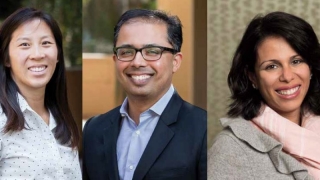
Recent conversations with architects of the School of Medicine’s new Center for Digital Health painted a picture of how the center will address several questions: How useful are digital tools in today’s medical arena? How can they be incorporated into clinical practice? How can patients figure out if products designed for them work or are worth the price? Those architects are Sumbul Desai, MD, a clinical associate professor of general medical disciplines; Lauren Cheung, MD, MBA, a clinical instructor of general medical disciplines; and Mintu Turakhia, MD, an assistant professor of cardiovascular medicine.

Desai described three situations that led to the creation of the center: “First, faculty were being approached by tech companies interested in health care, but there was no mechanism to track that work back to Stanford. They were working with these companies on their own, often without the resources or expertise the school offers nor working with other faculty with complementary expertise.

Second, we noted a lot of interest around digital health and medical education and training: How does the next generation of physicians make a mark in this space? Third, after implementing digital health initiatives on the hospital side, Lauren and I were often called upon by startups and other health systems to explain how we did what we did. We wanted to leverage that interest and generate more opportunities for the faculty.”

The center, according to Cheung, “provides an opportunity for us to build infrastructure and resources to enable collaboration between faculty and industry. At Stanford we are blessed with the School of Engineering, the School of Design and the Graduate School of Business in addition to the School of Medicine and others, and we’re right here in Silicon Valley. But we’ve lacked a way to connect faculty to the work being done outside the academic institution, especially in digital health.”

As a cardiologist with expertise in atrial fibrillation, Turakhia wants to generate data that support digital health interventions for cardiovascular disease. “We generate evidence ranging from technology assessments and implementation studies to full-scale multicenter trials working with experts across the university. My role straddles the Center for Digital Health and the Stanford Center for Clinical Research (SCCR),” he says.

Two trials that Turakhia is spearheading combine the two centers. The first is an observational study looking for undiagnosed atrial fibrillation with wearable patch ECG technology rather than a Holter monitor. The second is a randomized trial in afib patients to see whether an app plus a care team is better than usual care in improving adherence to newer anticoagulants. “My goal is to execute studies quickly and inexpensively,” he says.

Recent conversations with architects of the School of Medicine’s new Center for Digital Health painted a picture of how the center will address several questions: How useful are digital tools in today’s medical arena? How can they be incorporated into clinical practice? How can patients figure out if products designed for them work or are worth the price? Those architects are Sumbul Desai, MD, a clinical associate professor of general medical disciplines; Lauren Cheung, MD, MBA, a clinical instructor of general medical disciplines; and Mintu Turakhia, MD, an assistant professor of cardiovascular medicine.

Desai described three situations that led to the creation of the center: “First, faculty were being approached by tech companies interested in health care, but there was no mechanism to track that work back to Stanford. They were working with these companies on their own, often without the resources or expertise the school offers nor working with other faculty with complementary expertise. Second, we noted a lot of interest around digital health and medical education and training: How does the next generation of physicians make a mark in this space? Third, after implementing digital health initiatives on the hospital side, Lauren and I were often called upon by startups and other health systems to explain how we did what we did. We wanted to leverage that interest and generate more opportunities for the faculty.”

The center, according to Cheung, “provides an opportunity for us to build infrastructure and resources to enable collaboration between faculty and industry. At Stanford we are blessed with the School of Engineering, the School of Design and the Graduate School of Business in addition to the School of Medicine and others, and we’re right here in Silicon Valley. But we’ve lacked a way to connect faculty to the work being done outside the academic institution, especially in digital health.”

As a cardiologist with expertise in atrial fibrillation, Turakhia wants to generate data that support digital health interventions for cardiovascular disease. “We generate evidence ranging from technology assessments and implementation studies to full-scale multicenter trials working with experts across the university. My role straddles the Center for Digital Health and the Stanford Center for Clinical Research (SCCR),” he says.

Two trials that Turakhia is spearheading combine the two centers. The first is an observational study looking for undiagnosed atrial fibrillation with wearable patch ECG technology rather than a Holter monitor. The second is a randomized trial in afib patients to see whether an app plus a care team is better than usual care in improving adherence to newer anticoagulants. “My goal is to execute studies quickly and inexpensively,” he says.

The center has three approaches to addressing the needs of Silicon Valley industries while engaging Stanford faculty in interesting and rewarding collaborations. Desai describes them:

  1. Faculty Engagement and Consultation. We connect our faculty to companies while decreasing the burden on them to figure it out on their own. We envision the center serving as a connector joining Silicon Valley to Stanford.
  2. Education. We want our faculty to become thought leaders in the precision health initiative. We will train the next generation of physicians to become leaders in digital health via fellowships, internship opportunities, conferences and traditional education methods. And we will offer educational programs to startups and other outside companies.
  3. Research. We answer simple questions about digital health tools and interventions: “Does it work?” “Does it improve value?” And we validate digital health tools by creating a research validation method, leveraging the SCCR.

Look for exciting results from the new center.

The center has three approaches to addressing the needs of Silicon Valley industries while engaging Stanford faculty in interesting and rewarding collaborations. Desai describes them:

  1. Faculty Engagement and Consultation. We connect our faculty to companies while decreasing the burden on them to figure it out on their own. We envision the center serving as a connector joining Silicon Valley to Stanford.
  2. Education. We want our faculty to become thought leaders in the precision health initiative. We will train the next generation of physicians to become leaders in digital health via fellowships, internship opportunities, conferences and traditional education methods. And we will offer educational programs to startups and other outside companies.
  3. Research. We answer simple questions about digital health tools and interventions: “Does it work?” “Does it improve value?” And we validate digital health tools by creating a research validation method, leveraging the SCCR.

Look for exciting results from the new center.

From Bench to Bedside for Pulmonary Hypertension

Baldeep Singh, MD, with staff at Samaritan House

Mark Nicolls, MD

From Bench to Bedside for Pulmonary Hypertension

Mark Nicolls, MD

From Bench to Bedside for Pulmonary Hypertension

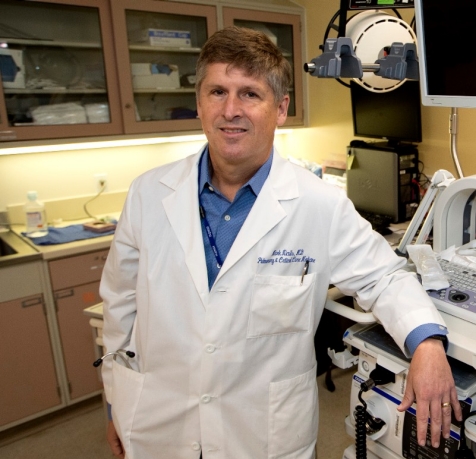
For 15 years, Mark Nicolls, MD — a pulmonary and critical care doctor and researcher — has been studying pulmonary arterial hypertension (PAH), a rare form of high blood pressure in the lungs. The affected arteries stiffen and thicken, making it hard for the heart to pump blood to the lungs. Today, there’s no cure for the disease, and patients have a limited life expectancy. But Nicolls hopes to change that, and his basic research has led to a drug now being investigated by a publicly-traded pharmaceutical company.

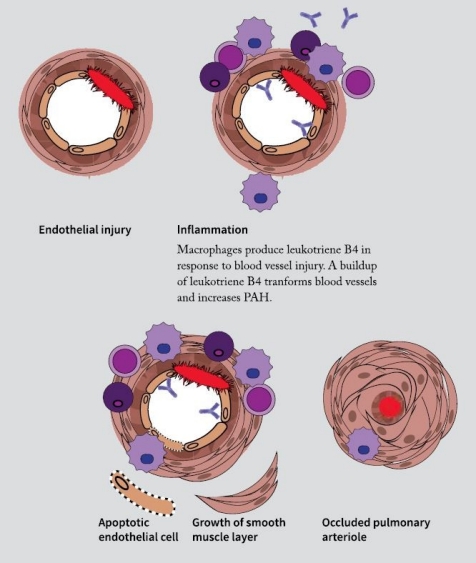
By studying the blood vessels that are injured in PAH at a molecular level, Nicolls and his lab group discovered that immune cells called macrophages tended to cluster in the vessels. Coincidentally, just as they made this finding, a new member of the lab, Amy Tian, PhD, was looking for a project. Her background was in eicosanoids, a type of signaling molecule used by the immune system. That background proved valuable when she began to study the signaling involved in the immune cells congregating in PAH-affected vessels.

“By looking at macrophages around the injured blood vessels, she was pretty quickly able to discern that they were synthesizing a lot of leukotriene B4,” says Nicolls. Leukotriene B4 is an eicosanoid, known to be produced in response to inflammation.

Tian and Nicolls showed that leukotriene B4 wasn’t just a consequence of PAH; it was part of the cycle of inflammation and injury that keeps the disease progressing. When they blocked leukotriene B4 in rats with the disease, their symptoms lessened and blood vessels became less clogged, lowering blood pressure in the lungs. Their results were published in the August 28, 2013, issue of Science Translational Medicine.

Shortly afterward, the researchers turned to Stanford’s SPARK program, a partnership between academia and industry that helps advance research discoveries to clinical trials and commercialization.

“We’re a translational research program, and we work with faculty, post-docs and students who have discoveries that might be turned into drugs for unmet medical needs,” explains Kevin Grimes, co-director of SPARK. “There are a lot of discoveries that never leave universities because they’re considered too risky by potential commercial partners. The expense and time and know-how of getting to the point where a commercial partner would be interested is just perceived to be huge.” The program provides funding, mentorship and education to bridge that gap from bench to bedside.

Blocking leukotriene B4 to treat PAH fit the bill, and Tian and Nicolls started working with Grimes. “Their work is really nice and innovative,” says Grimes. One of the selling points that helped move it along: A drug already existed that blocked leukotriene B4 and had been used on patients in Japan for a different condition.

For 15 years, Mark Nicolls, MD — a pulmonary and critical care doctor and researcher — has been studying pulmonary arterial hypertension (PAH), a rare form of high blood pressure in the lungs. The affected arteries stiffen and thicken, making it hard for the heart to pump blood to the lungs. Today, there’s no cure for the disease, and patients have a limited life expectancy. But Nicolls hopes to change that, and his basic research has led to a drug now being investigated by a publicly-traded pharmaceutical company.

By studying the blood vessels that are injured in PAH at a molecular level, Nicolls and his lab group discovered that immune cells called macrophages tended to cluster in the vessels. Coincidentally, just as they made this finding, a new member of the lab, Amy Tian, PhD, was looking for a project. Her background was in eicosanoids, a type of signaling molecule used by the immune system. That background proved valuable when she began to study the signaling involved in the immune cells congregating in PAH-affected vessels.

“By looking at macrophages around the injured blood vessels, she was pretty quickly able to discern that they were synthesizing a lot of leukotriene B4,” says Nicolls. Leukotriene B4 is an eicosanoid, known to be produced in response to inflammation.

Tian and Nicolls showed that leukotriene B4 wasn’t just a consequence of PAH; it was part of the cycle of inflammation and injury that keeps the disease progressing. When they blocked leukotriene B4 in rats with the disease, their symptoms lessened and blood vessels became less clogged, lowering blood pressure in the lungs. Their results were published in the August 28, 2013, issue of Science Translational Medicine.

Shortly afterward, the researchers turned to Stanford’s SPARK program, a partnership between academia and industry that helps advance research discoveries to clinical trials and commercialization.

By collaborating with Stanford’s SPARK program as well as those outside the university, Stanford clinician-scientist Mark Nicolls has moved a drug into clinical trials.

“We’re a translational research program, and we work with faculty, post-docs and students who have discoveries that might be turned into drugs for unmet medical needs,” explains Kevin Grimes, co-director of SPARK. “There are a lot of discoveries that never leave universities because they’re considered too risky by potential commercial partners. The expense and time and know-how of getting to the point where a commercial partner would be interested is just perceived to be huge.” The program provides funding, mentorship and education to bridge that gap from bench to bedside.

Blocking leukotriene B4 to treat PAH fit the bill, and Tian and Nicolls started working with Grimes. “Their work is really nice and innovative,” says Grimes. One of the selling points that helped move it along: A drug already existed that blocked leukotriene B4 and had been used on patients in Japan for a different condition.

“They’re repurposing a drug that has already been used in humans,” says Grimes. “The fact that there was a safety track record has allowed movement into the clinic to go more rapidly.” With the help of SPARK, Tian and Nicolls were able to get commercial interest in their discovery.

In mid-2016, following FDA approval, Eiger BioPharmaceuticals, Inc. launched the first clinical trial of the drug to treat patients with PAH at 45 sites throughout the United States and Canada. Nicolls is a scientific advisor for the company. “The fact that Mark has moved into the clinic so quickly is really a fantastic achievement,” says Grimes.

It remains to be seen how the drug works in patients, but Nicolls has high hopes. “The main therapeutic approach right now is vasodilation, which really treats the symptoms and not the disease. We’re hopeful that this therapy might actually reverse the disease,” says Nicolls.

By collaborating with Stanford’s SPARK program as well as those outside the university, Stanford clinician-scientist Mark Nicolls has moved a drug into clinical trials.

“They’re repurposing a drug that has already been used in humans,” says Grimes. “The fact that there was a safety track record has allowed movement into the clinic to go more rapidly.” With the help of SPARK, Tian and Nicolls were able to get commercial interest in their discovery.

In mid-2016, following FDA approval, Eiger BioPharmaceuticals, Inc. launched the first clinical trial of the drug to treat patients with PAH at 45 sites throughout the United States and Canada. Nicolls is a scientific advisor for the company. “The fact that Mark has moved into the clinic so quickly is really a fantastic achievement,” says Grimes.

It remains to be seen how the drug works in patients, but Nicolls has high hopes. “The main therapeutic approach right now is vasodilation, which really treats the symptoms and not the disease. We’re hopeful that this therapy might actually reverse the disease,” says Nicolls.

Research Refutes Common Belief about Overprescribing

Baldeep Singh, MD, with staff at Samaritan House

Research Refutes Common Belief about Overprescribing

Research Refutes Common Belief about Overprescribing

Though some research has suggested the opioid epidemic is being stoked by a small group of bad actors operating out of backroom pill mills, researchers with the Center for Primary Care and Outcomes Research (PCOR) have found that prescribing painkillers is widespread among general practitioners.

Despite public policy efforts, overdoses from prescribed narcotics such as morphine, oxycodone and hydrocodone have reached record highs. The Centers for Disease Control and Prevention reports opioid overdoses have quadrupled since 2000.

The PCOR study, which examined Medicare prescription drug claims data for 2013, appeared in a research letter published in JAMA Internal Medicine.

“The bulk of opioid prescriptions are distributed by the large population of general practitioners,” said lead author Jonathan Chen, MD, PhD, an instructor of medicine and former Stanford Health Policy VA Medical Informatics fellow.

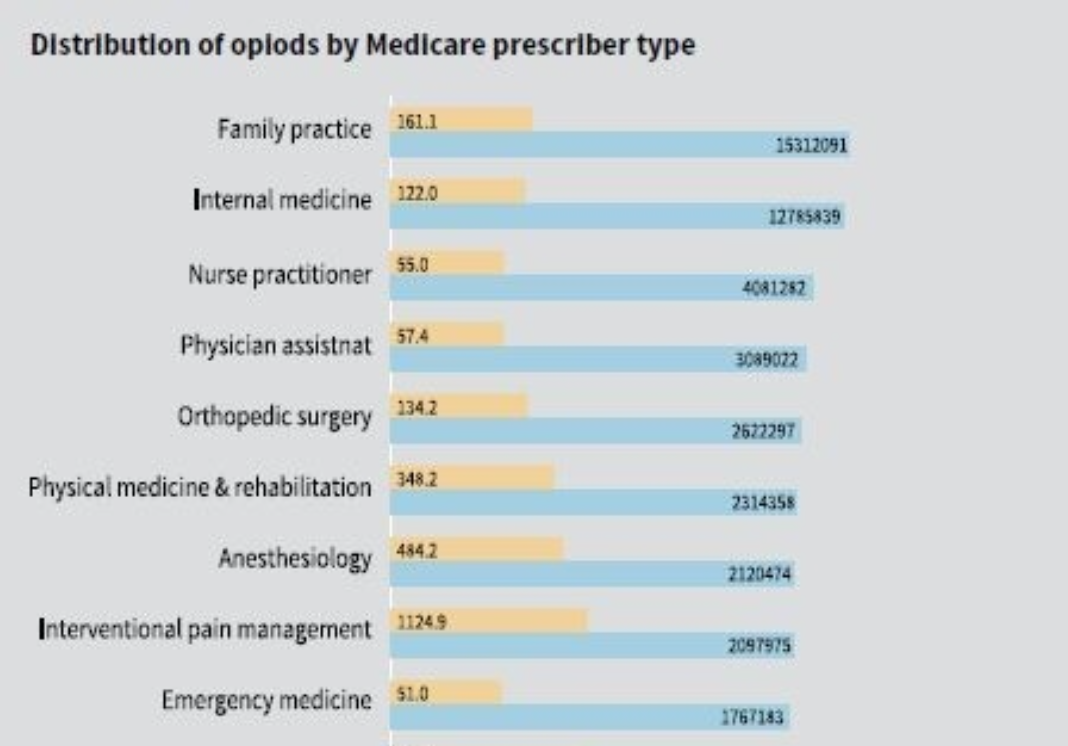
The researchers found that the top 10 percent of opioid prescribers account for 57 percent of opioid prescriptions. This prescribing pattern is comparable to that found in the Medicare data for prescribers of all drugs: The top 10 percent of all drug prescribers account for 63 percent of all drug prescriptions.

The specialties of family practice and internal medicine prescribed the most Schedule II opioids approved by the Food and Drug Administration in 2013, followed by nurse practitioners and physician assistants, according to the study.

“These findings indicate law enforcement efforts to shut down pill-mill prescribers are insufficient to address the widespread overprescribing of opioids,” Chen said. “Efforts to curtail national opioid overprescribing must address a broad swath of prescribers to be effective.”

He noted in a subsequent JAMA essay that, “While many clinical topics compete for education priority, prescription drug misuse and addiction is one that an inadequately trained medical community will routinely contribute to, if not overtly cause. Facing this is challenging, but I recall one of my medical school attending’s teachings: The patient you least want to see is probably the one who needs you the most.”

A study by the California Workers’ Compensation Institute in 2011 found that one percent of prescribers accounted for one-third of opioid prescriptions, and that the top 10 percent accounted for 80 percent of prescriptions.

The newer PCOR study used a different data set. Instead of California Workers’ Compensation prescriptions, it looked at prescriber data from the 2013 Medicare prescription drug coverage claims and investigated whether such disproportionate prescribing of opioids occurs in the national Medicare population.

Both studies looked at Schedule II opioids, which include the commonly abused drugs hydrocodone, codeine and fentanyl, the drug responsible for the recent accidental overdose death of legendary musician Prince.

The data set created by the Centers for Medicare and Medicaid Services included all prescribers and represented all Medicare prescription drug coverage claims for 2013. The researchers focused on the data for Schedule II opioids: 381,575 prescribers and 56.5 million claims.

“The earlier study suggests potentially aberrant behavior among those extreme outlier prescribers, while implying the remaining majority do not contribute much to the problem,” said Chen. “And now we know this is not the case.”

Associate professor of medicine Nigam Shah, MBBS, PhD, was a co-author; assistant professor of psychiatry and behavioral sciences Anna Lembke, MD, was the study’s senior author; and professor of psychiatry and behavioral sciences Keith Humphreys, PhD, was a co-author.

Though some research has suggested the opioid epidemic is being stoked by a small group of bad actors operating out of backroom pill mills, researchers with the Center for Primary Care and Outcomes Research (PCOR) have found that prescribing painkillers is widespread among general practitioners.

Despite public policy efforts, overdoses from prescribed narcotics such as morphine, oxycodone and hydrocodone have reached record highs. The Centers for Disease Control and Prevention reports opioid overdoses have quadrupled since 2000.

The PCOR study, which examined Medicare prescription drug claims data for 2013, appeared in a research letter published in JAMA Internal Medicine.

“The bulk of opioid prescriptions are distributed by the large population of general practitioners,” said lead author Jonathan Chen, MD, PhD, an instructor of medicine and former Stanford Health Policy VA Medical Informatics fellow.

The researchers found that the top 10 percent of opioid prescribers account for 57 percent of opioid prescriptions. This prescribing pattern is comparable to that found in the Medicare data for prescribers of all drugs: The top 10 percent of all drug prescribers account for 63 percent of all drug prescriptions.

The specialties of family practice and internal medicine prescribed the most Schedule II opioids approved by the Food and Drug Administration in 2013, followed by nurse practitioners and physician assistants, according to the study.


“These findings indicate law enforcement efforts to shut down pill-mill prescribers are insufficient to address the widespread overprescribing of opioids,” Chen said. “Efforts to curtail national opioid overprescribing must address a broad swath of prescribers to be effective.”

He noted in a subsequent JAMA essay that, “While many clinical topics compete for education priority, prescription drug misuse and addiction is one that an inadequately trained medical community will routinely contribute to, if not overtly cause. Facing this is challenging, but I recall one of my medical school attending’s teachings: The patient you least want to see is probably the one who needs you the most.”

A study by the California Workers’ Compensation Institute in 2011 found that one percent of prescribers accounted for one-third of opioid prescriptions, and that the top 10 percent accounted for 80 percent of prescriptions.

The newer PCOR study used a different data set. Instead of California Workers’ Compensation prescriptions, it looked at prescriber data from the 2013 Medicare prescription drug coverage claims and investigated whether such disproportionate prescribing of opioids occurs in the national Medicare population.

Both studies looked at Schedule II opioids, which include the commonly abused drugs hydrocodone, codeine and fentanyl, the drug responsible for the recent accidental overdose death of legendary musician Prince.

The data set created by the Centers for Medicare and Medicaid Services included all prescribers and represented all Medicare prescription drug coverage claims for 2013. The researchers focused on the data for Schedule II opioids: 381,575 prescribers and 56.5 million claims.

“The earlier study suggests potentially aberrant behavior among those extreme outlier prescribers, while implying the remaining majority do not contribute much to the problem,” said Chen. “And now we know this is not the case.”

Associate professor of medicine Nigam Shah, MBBS, PhD, was a co-author; assistant professor of psychiatry and behavioral sciences Anna Lembke, MD, was the study’s senior author; and professor of psychiatry and behavioral sciences Keith Humphreys, PhD, was a co-author.