Working with Limited Resources Teaches Humility in Medicine
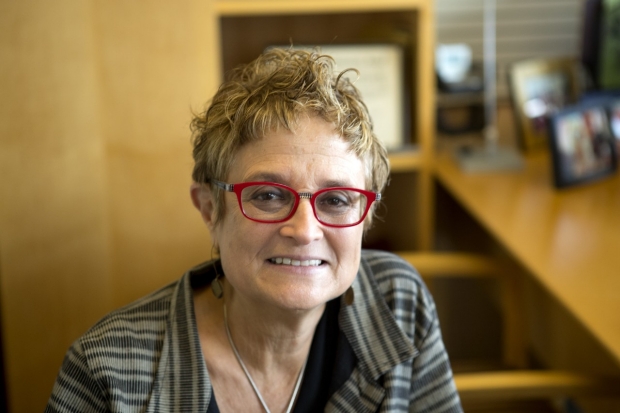
Michele Barry, MD
Working with Limited Resources Teaches Humility in Medicine
Michele Barry, MD
Working with Limited Resources Teaches Humility in Medicine
Throughout the academic year, many Department of Medicine residents and faculty spend time working overseas or hosting international collaborators on campus. Facilitated by the Center for Innovation in Global Health (CIGH) under the direction of Michele Barry, MD, global health programs in the department aim to equip the next generation of physicians with clinical skills, cultural sensitivity and contextual perspective to improve the health of underserved communities worldwide.
More than 60 trainees and faculty traveled to sites in 13 countries during the 2016 academic year. They extended Stanford’s global impact and fostered new and old collaborations with partner institutions around the world. The following stories illustrate how each site is unique, with a range of clinical and cultural experiences:
Ecuador: Cultural Immersion through Medicine
Baldeep Singh, MD, clinical professor of medicine, traveled to Riobamba, Ecuador, in 2015 to explore training opportunities for residents at local hospitals and clinics, and a way for Stanford to bring needed clinical knowledge to the region. There, in the Andean highlands, he worked with local physicians to construct a six-week rotation in which residents split their time between providing inpatient care at local hospitals and visiting the Cacha community clinics, which serve a vast area of indigenous groups. Residents also take medical Spanish classes and live with local host families.
“Participating in the CIGH Ecuador rotation was one of my most fulfilling experiences in residency,” said gastroenterology fellow Aarti Rao, MD.
“With limited resources and large hearts, the physicians in Riobamba treated their patients like family. They reminded me of the importance of the art of medicine and the patient-doctor relationship as an integral part in treating a patient.”
Borneo: Health for People and the Planet
Along the Western coast of Borneo lies Sukadana, a rural village neighboring the largest and most diverse orangutan park in the world. Poor health and poverty in the region push villagers into illegal logging and rainforest destruction to pay for basic needs.
Each year, a select number of residents spend six weeks working at the Alam Sehat Lestari Clinic in Sukadana, which was founded by a former trainee of Barry.
Throughout the academic year, many Department of Medicine residents and faculty spend time working overseas or hosting international collaborators on campus. Facilitated by the Center for Innovation in Global Health (CIGH) under the direction of Michele Barry, MD, global health programs in the department aim to equip the next generation of physicians with clinical skills, cultural sensitivity and contextual perspective to improve the health of underserved communities worldwide.
More than 60 trainees and faculty traveled to sites in 13 countries during the 2016 academic year. They extended Stanford’s global impact and fostered new and old collaborations with partner institutions around the world. The following stories illustrate how each site is unique, with a range of clinical and cultural experiences:
Ecuador: Cultural Immersion through Medicine
Baldeep Singh, MD, clinical professor of medicine, traveled to Riobamba, Ecuador, in 2015 to explore training opportunities for residents at local hospitals and clinics, and a way for Stanford to bring needed clinical knowledge to the region. There, in the Andean highlands, he worked with local physicians to construct a six-week rotation in which residents split their time between providing inpatient care at local hospitals and visiting the Cacha community clinics, which serve a vast area of indigenous groups. Residents also take medical Spanish classes and live with local host families.
“Participating in the CIGH Ecuador rotation was one of my most fulfilling experiences in residency,” said gastroenterology fellow Aarti Rao, MD. “With limited resources and large hearts, the physicians in Riobamba treated their patients like family. They reminded me of the importance of the art of medicine and the patient-doctor relationship as an integral part in treating a patient.”
Borneo: Health for People and the Planet
Along the Western coast of Borneo lies Sukadana, a rural village neighboring the largest and most diverse orangutan park in the world. Poor health and poverty in the region push villagers into illegal logging and rainforest destruction to pay for basic needs.
Each year, a select number of residents spend six weeks working at the Alam Sehat Lestari Clinic in Sukadana, which was founded by a former trainee of Barry. The clinic provides health care to local residents in exchange for their commitment to conservation. Jessie Kittle, MD, clinical instructor of medicine, visited the clinic as a resident in March 2016.
At first, Kittle felt uncomfortable being without her usual tools and interventions, fearful that her “digital-doctoring skills” had replaced her human ones. As the days passed, she gained confidence.
“I felt deep satisfaction in facing a patient, both of us barefoot, using hands, eyes and ears to peel through layers of medical and human knowledge to craft a diagnosis and treatment plan that worked for the patient,” said Kittle. “This was health care not just of people but of the earth, and has provided me with endless inspiration for working toward a better planet as a physician.”
Zimbabwe: Deep Rooted and Ever Growing
Collaborations between Stanford and the University of Zimbabwe College of Health Sciences date back more than two decades. More recently, the NIH Medical Education Program Initiative aimed to strengthen medical capacity at Zimbabwe. That initiative has given Stanford residents the opportunity to spend clinical rotations at Zimbabwe helping fill gaps in the medical curriculum.
“Our partnerships in Zimbabwe draw on Stanford’s interdisciplinary strengths and resources. We’re not just approaching medical education from a clinical perspective, but tackling the interrelated challenges of providing internet access, libraries and e-learning resources. Real impact does not happen overnight, but is made possible through long-standing relationships and bilateral collaboration,” said Barry.
The clinic provides health care to local residents in exchange for their commitment to conservation. Jessie Kittle, MD, clinical instructor of medicine, visited the clinic as a resident in March 2016.
At first, Kittle felt uncomfortable being without her usual tools and interventions, fearful that her “digital-doctoring skills” had replaced her human ones. As the days passed, she gained confidence.
“I felt deep satisfaction in facing a patient, both of us barefoot, using hands, eyes and ears to peel through layers of medical and human knowledge to craft a diagnosis and treatment plan that worked for the patient,” said Kittle. “This was health care not just of people but of the earth, and has provided me with endless inspiration for working toward a better planet as a physician.”
Zimbabwe: Deep Rooted and Ever Growing
Collaborations between Stanford and the University of Zimbabwe College of Health Sciences date back more than two decades. More recently, the NIH Medical Education Program Initiative aimed to strengthen medical capacity at Zimbabwe. That initiative has given Stanford residents the opportunity to spend clinical rotations at Zimbabwe helping fill gaps in the medical curriculum.
“Our partnerships in Zimbabwe draw on Stanford’s interdisciplinary strengths and resources. We’re not just approaching medical education from a clinical perspective, but tackling the interrelated challenges of providing internet access, libraries and e-learning resources. Real impact does not happen overnight, but is made possible through long-standing relationships and bilateral collaboration,” said Barry.