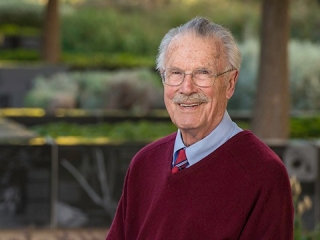
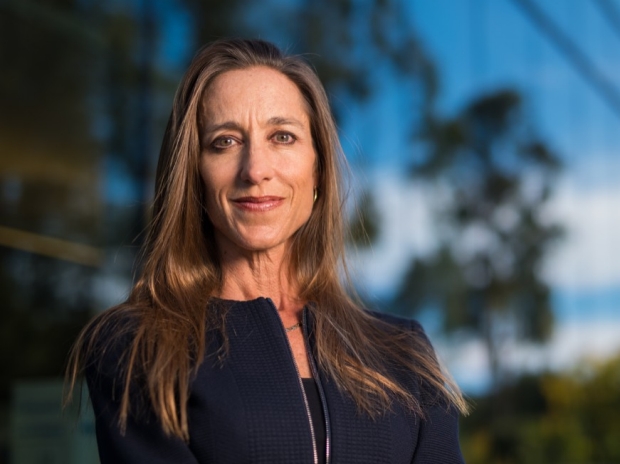
Doctoring in Haiti Twice a Year

Baldeep Singh, MD, with staff at Samaritan House

Timothy Foeller, MD, and Megan Foeller, MD.

Doctoring in Haiti Twice a Year
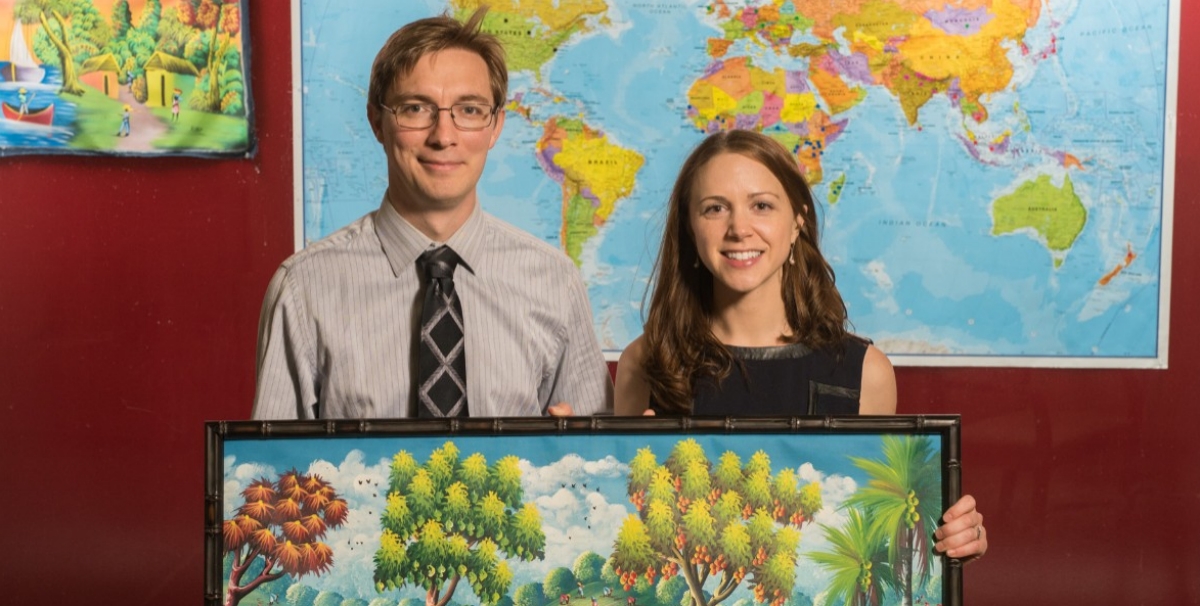
Timothy Foeller, MD, and Megan Foeller, MD.

Doctoring in Haiti Twice a Year

As measured by per capita income, Haiti is the poorest country in the western hemisphere. It has a lot of things working against it: crumbling infrastructure, political instability, an undernourished population, and a location that makes it prone to hurricanes and earthquakes. Its medical resources are few.

In La Croix, population approximately 600, 12 to 14 medical missionaries arrive twice yearly, paying their own expenses, to attend to whatever medical needs they encounter. Word travels fast, because Timothy Foeller, MD, a clinical instructor of hospital medicine, and the other three physicians each treat about 100 patients a day for two weeks. There are also four nurses, a maintenance person, a pharmacist, and a police officer who organizes the 600-plus patients who show up every morning. “Our catchment area is much bigger than La Croix,” says Foeller.

“Once an 85-year-old woman showed up. She seemed a little demented, which is rare because people there usually don’t live long enough to develop dementia. She looked confused and wasn’t responding appropriately. It turned out she was from a town 30 miles away over a mountain, and she had walked most of the way.”

What leads a doctor to a medical mission to Haiti? For Foeller it’s a family trait: “I got involved with Haiti about six years ago through my wife, Megan [Foeller, MD, a clinical instructor in obstetrics and gynecology]. Her uncle, a semi-retired emergency medicine doctor in Rockford, Illinois, and his wife, a cardiac nurse, got involved with missions to Haiti 20 years ago through their church. Megan got involved when she started medical school, and I started going when I met her. The 501(c)3 organization we are affiliated with is Friends of the Children Haiti .”

The illnesses they treat run the gamut. “We see everything,” says Foeller: “high blood pressure, acid reflux, badly infected machete wounds, burns, TB, HIV, malnutrition, birth defects. Everything from pediatrics to geriatrics.”

The group has developed several initiatives aimed at controlling some of the population’s greatest needs in the six months between their visits.

The first initiative concerns high blood pressure, which is the source of many strokes and heart events in Haiti. Addressing it requires both medications and education. “We explain that patients must take one pill a day, and that’s a foreign concept to them,” says Foeller. “We give them a six-month supply and tell them to bring back the bag with any pills they missed taking. If they don’t bring it back they don’t get more pills; they always bring it back.”

We see everything…from pediatrics to geriatrics.

As measured by per capita income, Haiti is the poorest country in the western hemisphere. It has a lot of things working against it: crumbling infrastructure, political instability, an undernourished population, and a location that makes it prone to hurricanes and earthquakes. Its medical resources are few.

In La Croix, population approximately 600, 12 to 14 medical missionaries arrive twice yearly, paying their own expenses, to attend to whatever medical needs they encounter. Word travels fast, because Timothy Foeller, MD, a clinical instructor of hospital medicine, and the other three physicians each treat about 100 patients a day for two weeks. There are also four nurses, a maintenance person, a pharmacist, and a police officer who organizes the 600-plus patients who show up every morning. “Our catchment area is much bigger than La Croix,” says Foeller.

“Once an 85-year-old woman showed up. She seemed a little demented, which is rare because people there usually don’t live long enough to develop dementia. She looked confused and wasn’t responding appropriately. It turned out she was from a town 30 miles away over a mountain, and she had walked most of the way.”

What leads a doctor to a medical mission to Haiti? For Foeller it’s a family trait: “I got involved with Haiti about six years ago through my wife, Megan [Foeller, MD, a clinical instructor in obstetrics and gynecology]. Her uncle, a semi-retired emergency medicine doctor in Rockford, Illinois, and his wife, a cardiac nurse, got involved with missions to Haiti 20 years ago through their church. Megan got involved when she started medical school, and I started going when I met her. The 501(c)3 organization we are affiliated with is Friends of the Children Haiti .”

The illnesses they treat run the gamut. “We see everything,” says Foeller: “high blood pressure, acid reflux, badly infected machete wounds, burns, TB, HIV, malnutrition, birth defects. Everything from pediatrics to geriatrics.”

The group has developed several initiatives aimed at controlling some of the population’s greatest needs in the six months between their visits.

The first initiative concerns high blood pressure, which is the source of many strokes and heart events in Haiti. Addressing it requires both medications and education. “We explain that patients must take one pill a day, and that’s a foreign concept to them,” says Foeller. “We give them a six-month supply and tell them to bring back the bag with any pills they missed taking. If they don’t bring it back they don’t get more pills; they always bring it back.”

We see everything…from pediatrics to geriatrics.

The second initiative selects several local individuals and teaches them to be emergency medicine technicians. “We give them gauze pads and teach them basic wound care,” says Foeller. “We have them take blood pressures in hypertensive patients. We give them glucometers so they can check on the diabetics. They do a good job.”

“The third initiative is Megan’s. Nine years ago she learned that midwives deliver most babies. She asked all the midwives to come to the clinic so she could meet them, and 20 showed up, mostly 60-year-olds with no formal training. She spends one day each visit re-educating them and giving them sterile materials like razors and latex gloves. It takes a long time to teach someone to put gloves on who has never seen gloves.”

In summary, says Foeller, “lots of things are very rewarding about our time there. We provide a good service and we help a lot of people.”
The second initiative selects several local individuals and teaches them to be emergency medicine technicians. “We give them gauze pads and teach them basic wound care,” says Foeller. “We have them take blood pressures in hypertensive patients. We give them glucometers so they can check on the diabetics. They do a good job.”

“The third initiative is Megan’s. Nine years ago she learned that midwives deliver most babies. She asked all the midwives to come to the clinic so she could meet them, and 20 showed up, mostly 60-year-olds with no formal training. She spends one day each visit re-educating them and giving them sterile materials like razors and latex gloves. It takes a long time to teach someone to put gloves on who has never seen gloves.”

In summary, says Foeller, “lots of things are very rewarding about our time there. We provide a good service and we help a lot of people.”
United by Technology: A New Medication Safety Program at the VA

Baldeep Singh, MD, with staff at Samaritan House

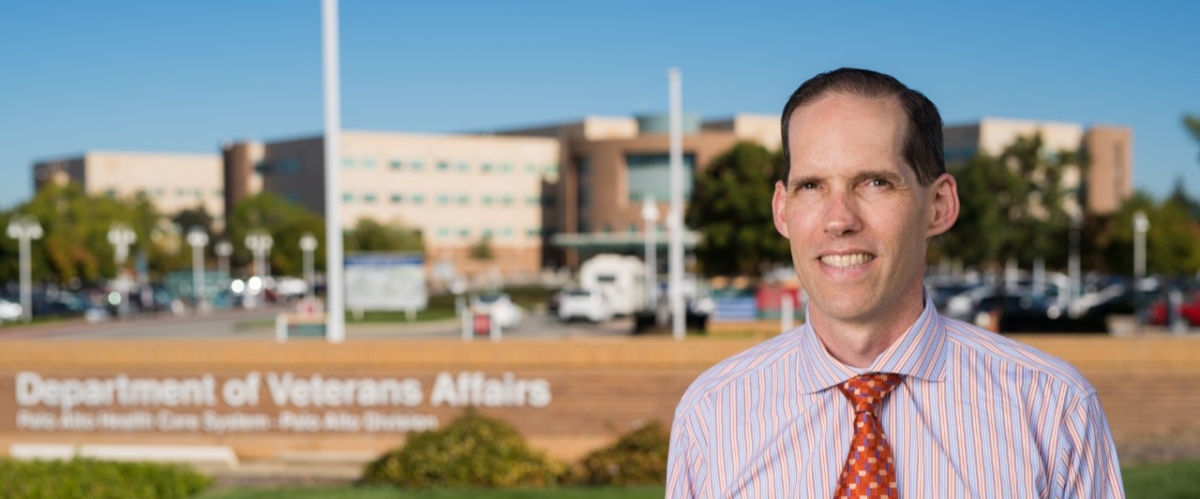
Paul Heidenreich, MD

United by Technology: A New Medication Safety Program at the VA

Paul Heidenreich, MD

United by Technology: A New Medication Safety Program at the VA

Like many other tools, technology can be used for good or ill, to enlarge gaps between people or to bridge them. But for Paul Heidenreich, MD, professor of cardiovascular medicine (and, by courtesy, of health research and policy at the Palo Alto Veterans Affairs Health Care System), technology can be used to create a “community of practice.”

Heidenreich serves as vice chair for clinical, quality, and analytics in the Department of Medicine and is currently heading the MedSafe project, sponsored by the VA’s Quality Enhancement Research Initiative, which seeks to improve medication safety.

This aspect of medicine needs improvement. In 2011, 12 percent of veterans were prescribed a potentially inappropriate new medication with an incidence of six percent per year. Heidenreich explains that this happens for various reasons: Patients may be inappropriately prescribed a high-risk medication or be on a high-risk medication without appropriate lab monitoring. “Our systems are not such that we can catch that or realize it happened every time,” he says.

Interventions to improve safety
The VA has initiated programs to improve medication safety. The interventions come in various forms, from educating physicians about risks, to writing draft medication or lab test orders for physicians to sign, to reaching out to patients to remind them about needed tests or medications. While a variety of these interventions have been implemented, they lacked a way to measure their effectiveness. This is where Heidenreich’s project comes in.

“One of our goals was to look at all the interventions the VAs in different states were using, see which sites were most effective and had the best safety records, and then note what were they doing to manage things,” he states.

To that end, his group designed MedSafe, which is government-funded and set to run for five years with access to all patient records within the VA system. The VA serves more than 8.9 million veterans at 168 VA Medical Centers and 1,053 outpatient clinics each year. Data about all patients is tracked and can be fed back to the various hospitals and clinics.

The project consists of three subprojects. While Heidenreich’s group studies the effectiveness of various interventions, another group is putting the interventions (suggestions, orders, etc.) into the electronic dashboard so physicians and hospital staff can immediately access the information. A third subproject, headed by Mary Goldstein, MD, a professor of medicine at VA Palo Alto Health Care System, focuses on developing “clinical decision support (CDS)” integrated with the dashboard to guide providers through the process of implementing the interventions.

“In addition to updating the knowledge bases to newer evidence and guidelines, we are linking the CDS to a clinical dashboard,” Goldstein states. “For example, if a patient with diabetes is out of range for glucose control, our CDS system will generate recommendations for the primary care team.”

improving patient SAFETY is also important to operations people

Like many other tools, technology can be used for good or ill, to enlarge gaps between people or to bridge them. But for Paul Heidenreich, MD, professor of cardiovascular medicine (and, by courtesy, of health research and policy at the Palo Alto Veterans Affairs Health Care System), technology can be used to create a “community of practice.”

Heidenreich serves as vice chair for clinical, quality, and analytics in the Department of Medicine and is currently heading the MedSafe project, sponsored by the VA’s Quality Enhancement Research Initiative, which seeks to improve medication safety.

This aspect of medicine needs improvement. In 2011, 12 percent of veterans were prescribed a potentially inappropriate new medication with an incidence of six percent per year. Heidenreich explains that this happens for various reasons: Patients may be inappropriately prescribed a high-risk medication or be on a high-risk medication without appropriate lab monitoring. “Our systems are not such that we can catch that or realize it happened every time,” he says.

Interventions to improve safety
The VA has initiated programs to improve medication safety. The interventions come in various forms, from educating physicians about risks, to writing draft medication or lab test orders for physicians to sign, to reaching out to patients to remind them about needed tests or medications. While a variety of these interventions have been implemented, they lacked a way to measure their effectiveness. This is where Heidenreich’s project comes in.

“One of our goals was to look at all the interventions the VAs in different states were using, see which sites were most effective and had the best safety records, and then note what were they doing to manage things,” he states.

To that end, his group designed MedSafe, which is government-funded and set to run for five years with access to all patient records within the VA system. The VA serves more than 8.9 million veterans at 168 VA Medical Centers and 1,053 outpatient clinics each year. Data about all patients is tracked and can be fed back to the various hospitals and clinics.

The project consists of three subprojects. While Heidenreich’s group studies the effectiveness of various interventions, another group is putting the interventions (suggestions, orders, etc.) into the electronic dashboard so physicians and hospital staff can immediately access the information. A third subproject, headed by Mary Goldstein, MD, a professor of medicine at VA Palo Alto Health Care System, focuses on developing “clinical decision support (CDS)” integrated with the dashboard to guide providers through the process of implementing the interventions.

“In addition to updating the knowledge bases to newer evidence and guidelines, we are linking the CDS to a clinical dashboard,” Goldstein states. “For example, if a patient with diabetes is out of range for glucose control, our CDS system will generate recommendations for the primary care team.”

The project is too new to have conclusive data, but Heidenreich expects the “more active, targeted, interruptive interventions” to be the most effective. On a past project they “found that physicians were for the most part very willing to receive a draft order for a diagnostic test,” and he believes that the same will hold true for this CDS project, which plans to provide recommendations for medications and lab tests.

The VA, like many governmental institutions spread across states, is both a local and a national organization. This can sometimes cause friction, but Heidenreich sees his project as potentially both a centralized and a localized effort. “I think in the long run there’s no reason why it couldn’t be centralized,” he says. “It’s not clear that physicians need to see a recognizable name before they’re going to look at the recommendations in the dashboard. The VA system is still fairly decentralized in terms of medical records and care, so our goal would be to see which things are the most effective and then go back to all 100-plus facilities and encourage them to adopt those interventions.”

He’s optimistic about the adoption. “We don’t do these projects just as isolated researchers,” he explains. “We do them in partnership with the operations people. The nice thing is that improving patient safety is also important to operations people, and since everything we’re doing is improving care, we’re all in sync.” 

improving patient SAFETY is also important to operations people

Implementing the interventions
This mutual interest can be drawn on in the next stage, as the project yields results that need to be implemented. Heidenreich’s team has ideas for this as well. In the past, he explains, they used what they called “a community of practice.”

In one case, they invited the lead pharmacists of all VA facilities to get together and then “we would present data or, even better, we’d have different facilities present things that they’d done. We would then show effects and which things seemed to work well. We were able to link people and also provide them with information like, ‘This is how they did it, this is how you can do it, this was the cost to implement it.’ To get them all talking to each other is one of the ways we’ll be implementing MedSafe.”

Goldstein agrees that the project “holds a lot of potential. In working with newer technology, such as dashboards with CDS, it can be helpful for groups to talk with each other to share ideas of what works best. We know of some clinical groups who are using the dashboard to share information within their teams, and we hope that they will be able to take this a step further by using the recommendations from the CDS. We plan to talk with health professionals from multiple teams to learn about what works for them, and we hope later in this project that the teams will share best practices with each other.”

Technology that unites
Goldstein is a believer in the power of this technology to unite: “I think what drives the community of practice is the shared goal of providing best care for patients. I see the technology as something that, if designed and introduced to the clinical setting in a way that is helpful to the health professionals working there, can be part of an overall approach to providing best care. In my view it’s never about the technology per se, but about the technology making it easier for the health professionals, ideally freeing up time from rote work so that they can spend more time interacting with patients— doing the things that humans do well, attending to relationships, emotion, patient goals—and less time with the computer.”

It’s a sentiment echoed by Heidenreich. The efforts, he says, “give a sense of community to those people, especially some who are at smaller facilities. I think it helps them feel engaged in a larger effort.”

The MedSafe project ultimately seeks to do just that: use technology as a tool to create stronger bonds among far-flung hospitals and clinics. This information sharing creates a broad community of practice and practices, funneling research, technology, and real-world knowledge into something that ultimately benefits the individual at the heart of all of this: the patient. 

The project is too new to have conclusive data, but Heidenreich expects the “more active, targeted, interruptive interventions” to be the most effective. On a past project they “found that physicians were for the most part very willing to receive a draft order for a diagnostic test,” and he believes that the same will hold true for this CDS project, which plans to provide recommendations for medications and lab tests.

The VA, like many governmental institutions spread across states, is both a local and a national organization. This can sometimes cause friction, but Heidenreich sees his project as potentially both a centralized and a localized effort. “I think in the long run there’s no reason why it couldn’t be centralized,” he says. “It’s not clear that physicians need to see a recognizable name before they’re going to look at the recommendations in the dashboard. The VA system is still fairly decentralized in terms of medical records and care, so our goal would be to see which things are the most effective and then go back to all 100-plus facilities and encourage them to adopt those interventions.”

He’s optimistic about the adoption. “We don’t do these projects just as isolated researchers,” he explains. “We do them in partnership with the operations people. The nice thing is that improving patient safety is also important to operations people, and since everything we’re doing is improving care, we’re all in sync.” 

Implementing the interventions
This mutual interest can be drawn on in the next stage, as the project yields results that need to be implemented. Heidenreich’s team has ideas for this as well. In the past, he explains, they used what they called “a community of practice.”

In one case, they invited the lead pharmacists of all VA facilities to get together and then “we would present data or, even better, we’d have different facilities present things that they’d done. We would then show effects and which things seemed to work well. We were able to link people and also provide them with information like, ‘This is how they did it, this is how you can do it, this was the cost to implement it.’ To get them all talking to each other is one of the ways we’ll be implementing MedSafe.”

Goldstein agrees that the project “holds a lot of potential. In working with newer technology, such as dashboards with CDS, it can be helpful for groups to talk with each other to share ideas of what works best. We know of some clinical groups who are using the dashboard to share information within their teams, and we hope that they will be able to take this a step further by using the recommendations from the CDS. We plan to talk with health professionals from multiple teams to learn about what works for them, and we hope later in this project that the teams will share best practices with each other.”

Technology that unites
Goldstein is a believer in the power of this technology to unite: “I think what drives the community of practice is the shared goal of providing best care for patients. I see the technology as something that, if designed and introduced to the clinical setting in a way that is helpful to the health professionals working there, can be part of an overall approach to providing best care. In my view it’s never about the technology per se, but about the technology making it easier for the health professionals, ideally freeing up time from rote work so that they can spend more time interacting with patients— doing the things that humans do well, attending to relationships, emotion, patient goals—and less time with the computer.”

It’s a sentiment echoed by Heidenreich. The efforts, he says, “give a sense of community to those people, especially some who are at smaller facilities. I think it helps them feel engaged in a larger effort.”

The MedSafe project ultimately seeks to do just that: use technology as a tool to create stronger bonds among far-flung hospitals and clinics. This information sharing creates a broad community of practice and practices, funneling research, technology, and real-world knowledge into something that ultimately benefits the individual at the heart of all of this: the patient. 

A Medical Task Force That Impacts Virtually Every Primary Care Patient and Practice

Baldeep Singh, MD, with staff at Samaritan House

Douglas K. Owens, MD, MS.

A Medical Task Force That Impacts Virtually Every Primary Care Patient and Practice

Douglas K. Owens, MD, MS.

A Medical Task Force That Impacts Virtually Every Primary Care Patient and Practice

Most Americans outside the field of medicine likely would give you a puzzled look if you asked what they thought of the U.S. Preventive Services Task Force.

But ask primary care clinicians and they’ll tell you the task force is one of the key sources for recommendations about preventive health care. The guidelines issued by the 16-member task force—a volunteer panel of nationally recognized experts in prevention and evidence-based medicine—impact virtually every primary care patient and practice in the United States.

Douglas K. Owens, the Henry J. Kaiser, Jr. Professor and director of both the Center for Primary Care and Outcomes Research in the Department of Medicine and the Center for Health Policy at Freeman Spogli Institute for International Studies, was named vice chairperson of the task force in spring 2017. He will serve as vice chair for two years, then chair the independent body of experts who issue evidence-based guidelines about preventive care.

“Our goal is to provide guidelines clinicians trust. To do that, we review the scientific evidence very comprehensively, we get input from some of the nation’s leading experts in primary care and evidence evaluation, and we have very robust policies to prevent conflicts of interest,” Owens says. “Under the Affordable Care Act, preventive interventions that we recommend as grade A or B must be covered by commercial payers without a co-pay, which means our guidelines can have a huge impact on preventive services delivered in primary care.”

Most Americans outside the field of medicine likely would give you a puzzled look if you asked what they thought of the U.S. Preventive Services Task Force.

But ask primary care clinicians and they’ll tell you the task force is one of the key sources for recommendations about preventive health care. The guidelines issued by the 16-member task force—a volunteer panel of nationally recognized experts in prevention and evidence-based medicine—impact virtually every primary care patient and practice in the United States.

Douglas K. Owens, the Henry J. Kaiser, Jr. Professor and director of both the Center for Primary Care and Outcomes Research in the Department of Medicine and the Center for Health Policy at Freeman Spogli Institute for International Studies, was named vice chairperson of the task force in spring 2017. He will serve as vice chair for two years, then chair the independent body of experts who issue evidence-based guidelines about preventive care.

“Our goal is to provide guidelines clinicians trust. To do that, we review the scientific evidence very comprehensively, we get input from some of the nation’s leading experts in primary care and evidence evaluation, and we have very robust policies to prevent conflicts of interest,” Owens says. “Under the Affordable Care Act, preventive interventions that we recommend as grade A or B must be covered by commercial payers without a co-pay, which means our guidelines can have a huge impact on preventive services delivered in primary care.”

The task force assigns each recommendation a letter grade based on the strength of the evidence and the balance of benefits and harms of a preventive service

Task force members come from health-related fields including internal medicine, family medicine, pediatrics, behavioral health, obstetrics and gynecology, and nursing. They have a broad portfolio that covers child, adult, and obstetrical primary care, with some 70 active guidelines.

“We evaluate screenings, preventive medications, and behavioral interventions,” Owens says.

Topics include screening for lung, breast, colon, prostate, cervical, skin, and thyroid cancer as well as screening for infectious diseases including HIV, hepatitis C, tuberculosis, and syphilis and other sexually transmitted diseases. Recommendations on preventive medications include statins and aspirin for prevention of cardiovascular disease and colorectal cancer.

“We also make lifestyle and behavioral recommendations,” Owens adds, “which are of course among the most important activities that people can do to stay healthy.”

A recent draft task force recommendation, for example, called on seniors to get more exercise to prevent falls, rather than rely on Vitamin D supplements.

“Through his work, Dr. Owens enables Stanford Medicine to advance its mission to precisely predict and prevent disease,” says Stanford School of Medicine Dean Lloyd Minor, MD. “As our country faces an increasingly diverse, aging patient population and rising health care costs, I am thrilled that Dr. Owens will contribute his perspective and expertise to this national task force.”

The task force was created in 1984 and is supported by the Agency for Healthcare Research and Quality (AHRQ) within the U.S. Department of Health and Human Services. All recommendations are published on the task force’s website and/or in a peer-reviewed journal.

“The task force has very rigorous methods for assessing evidence, and we are fortunate to have state-of-the-art evidence reviews provided by AHRQ-funded Evidence-Based Practice Centers,” Owens says.

Each year, the task force makes a report to Congress that identifies critical evidence gaps in research related to clinical prevention services and recommends priority areas that deserve further attention. All their reports and recommendations are made public on the task force website and leave room for public comment.

The task force assigns each recommendation a letter grade based on the strength of the evidence and the balance of benefits and harms of a preventive service

Task force members come from health-related fields including internal medicine, family medicine, pediatrics, behavioral health, obstetrics and gynecology, and nursing. They have a broad portfolio that covers child, adult, and obstetrical primary care, with some 70 active guidelines.

“We evaluate screenings, preventive medications, and behavioral interventions,” Owens says.

Topics include screening for lung, breast, colon, prostate, cervical, skin, and thyroid cancer as well as screening for infectious diseases including HIV, hepatitis C, tuberculosis, and syphilis and other sexually transmitted diseases. Recommendations on preventive medications include statins and aspirin for prevention of cardiovascular disease and colorectal cancer.

“We also make lifestyle and behavioral recommendations,” Owens adds, “which are of course among the most important activities that people can do to stay healthy.”

A recent draft task force recommendation, for example, called on seniors to get more exercise to prevent falls, rather than rely on Vitamin D supplements.

“Through his work, Dr. Owens enables Stanford Medicine to advance its mission to precisely predict and prevent disease,” says Stanford School of Medicine Dean Lloyd Minor, MD. “As our country faces an increasingly diverse, aging patient population and rising health care costs, I am thrilled that Dr. Owens will contribute his perspective and expertise to this national task force.”

The task force was created in 1984 and is supported by the Agency for Healthcare Research and Quality (AHRQ) within the U.S. Department of Health and Human Services. All recommendations are published on the task force’s website and/or in a peer-reviewed journal.

“The task force has very rigorous methods for assessing evidence, and we are fortunate to have state-of-the-art evidence reviews provided by AHRQ-funded Evidence-Based Practice Centers,” Owens says.

Each year, the task force makes a report to Congress that identifies critical evidence gaps in research related to clinical prevention services and recommends priority areas that deserve further attention. All their reports and recommendations are made public on the task force website and leave room for public comment.

The Project Baseline Study: Offering a Unique Contribution to Mankind

Baldeep Singh, MD, with staff at Samaritan House

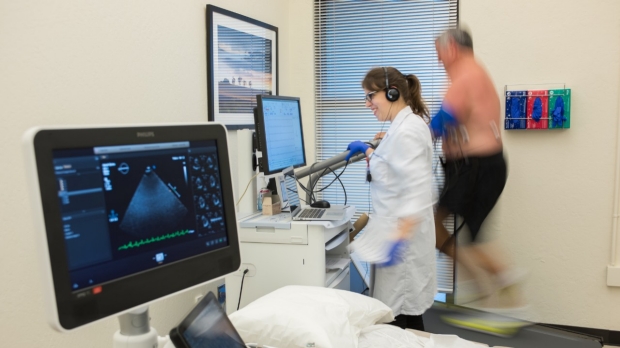
A Project Baseline participant undergoes an exercise stress test.

The Project Baseline Study: Offering a Unique Contribution to Mankind

A Project Baseline participant undergoes an exercise stress test.

The Project Baseline Study: Offering a Unique Contribution to Mankind

The Project Baseline study is no less than an ambitious effort to map human health. It came about as the result of discussions that began in 2013 between Drs. Sanjiv (Sam) Gambhir of Stanford, Robert Califf from Duke, and Andrew Conrad (then from Google X, now the chief executive officer of Verily Life Sciences).

Gambhir provides the background: “Google X was looking to undertake a landmark study in human health. I was initially contacted by Dr. Conrad due to my focus on early cancer detection and the potential for studying large cohorts of individuals at low and high risk for cancer. Dr. Califf was brought into the discussions due to his experience in running large cardiovascular trials at Duke. Over the course of many months and several discussions, the study evolved to what is now referred to as the Project Baseline study.”

The Project Baseline study is enrolling approximately 10,000 participants across the United States in an extraordinarily detailed, four-year examination of what it means to be healthy and to identify what happens during a transition to disease.

The leadership at Stanford includes Gambhir, MD, PhD, a professor and chairman of radiology; Kenneth Mahaffey, MD, a professor of cardiovascular medicine and director of the Stanford Center for Clinical Research (SCCR); and Rebecca McCue and Susan Spielman, who wear several hats in the School of Medicine.

Volunteers who elect to enroll are in for a comprehensive two days of tests, says McCue, who is the associate director of the SCCR and oversees site-based research in the Department of Medicine.

“The staff who work with the enrollees have prioritized ensuring that their experience is positive and treating them as engaged participants. We’ve focused on that across all the institutions involved since day one as we’ve designed the workflows and the protocol, because we recognize we’re asking the participants to do a lot.”

McCue gives a glimpse of the testing participants undergo: “They get an extensive battery of tests: basic medical history and vitals, electrocardiogram, ankle-brachial index, some physical performance testing, cognitive testing, eye exam, echocardiogram and stress echocardiogram, X-ray, coronary artery scan, audiometry. We’re trying to get a comprehensive view of each person’s health.”

The Project Baseline study is no less than an ambitious effort to map human health. It came about as the result of discussions that began in 2013 between Drs. Sanjiv (Sam) Gambhir of Stanford, Robert Califf from Duke, and Andrew Conrad (then from Google X, now the chief executive officer of Verily Life Sciences).

Gambhir provides the background: “Google X was looking to undertake a landmark study in human health. I was initially contacted by Dr. Conrad due to my focus on early cancer detection and the potential for studying large cohorts of individuals at low and high risk for cancer. Dr. Califf was brought into the discussions due to his experience in running large cardiovascular trials at Duke. Over the course of many months and several discussions, the study evolved to what is now referred to as the Project Baseline study.”

The Project Baseline study is enrolling approximately 10,000 participants across the United States in an extraordinarily detailed, four-year examination of what it means to be healthy and to identify what happens during a transition to disease.

The leadership at Stanford includes Gambhir, MD, PhD, a professor and chairman of radiology; Kenneth Mahaffey, MD, a professor of cardiovascular medicine and director of the Stanford Center for Clinical Research (SCCR); and Rebecca McCue and Susan Spielman, who wear several hats in the School of Medicine.

Volunteers who elect to enroll are in for a comprehensive two days of tests, says McCue, who is the associate director of the SCCR and oversees site-based research in the Department of Medicine. “The staff who work with the enrollees have prioritized ensuring that their experience is positive and treating them as engaged participants. We’ve focused on that across all the institutions involved since day one as we’ve designed the workflows and the protocol, because we recognize we’re asking the participants to do a lot.”

McCue gives a glimpse of the testing participants undergo: “They get an extensive battery of tests: basic medical history and vitals, electrocardiogram, ankle-brachial index, some physical performance testing, cognitive testing, eye exam, echocardiogram and stress echocardiogram, X-ray, coronary artery scan, audiometry. We’re trying to get a comprehensive view of each person’s health.”

It doesn’t end after two days. Participants will return to their site of enrollment for a visit each year for four years. Some participants will be asked to return quarterly. All participants will receive tools to use, including an investigational study watch designed by Verily that tracks things like heart rate and activity level as well as a bed sensor that reports on quality of sleep. They will also have access via a mobile app to a portal where they will be able to respond to surveys and enter data of their own.

It will be a tremendous resource for the whole global COMMUNITY.

Every effort is being made to enroll a participant population that reflects the US population by age, ethnicity, health status, and other demographic variables, according to Spielman, director of strategic initiatives for radiology. She was involved in project discussions among the three principals from the beginning and currently co-leads Stanford’s strategy and development plans for the Project Baseline study with McCue.

She describes how the enrollment cohort came to be defined: “There’s a broad definition of who we’re targeting, so it allows for an easier recruitment process that is more inclusive and more realistic. Collecting information from a diverse group of people with different health histories is critical to the success of the study. Because it’s so difficult to recruit and retain in research, by redefining the cohort structures we’re able to bring in a bigger range of people more easily and enroll the diversity of the population that we need to be successful.”

Recruitment began in June 2017, and Stanford continues to enroll several new participants every day.

Most sponsors of clinical research studies provide the funding and are otherwise mostly silent partners. In the case of the Project Baseline study, it is the true partnership between academia and industry that makes the study possible, as Spielman explains:

“The mission of the study was developed collaboratively among Stanford, Verily, and Duke. Verily is developing many tools that are enabling us to perform the study as envisioned. As we are doing all these assessments to collect the data at each site, they are creating the necessary infrastructure that allows people to consent and enroll, developing the electronic data capture system for all the data to be entered, and implementing the software platforms for robust multi-dimensional data analyses at a later time.”

The intention is to make data available to anyone with an institutional review board-approved research study in accordance with guidelines established by a committee set up to handle such requests. It will be a tremendous resource for the whole global community.

Both Spielman and McCue express excitement about how well the study is going so far. Spielman recalls that “there were a lot of people who thought the scope was so big and the depth of the data being collected was so comprehensive that there would be many roadblocks. So the fact that we’ve been able to get started and are gaining momentum in enrollment is thrilling.”

McCue concurs, saying, “It’s remarkable how much effort has gone into this study from all sides. It took many years for the collaboration and the study protocol to come to fruition, through the efforts of a lot of dedicated individuals from Verily and Stanford and Duke. I’ve been really impressed by the intensity with which the faculty and everybody across the board have been engaged. What excites me most is seeing how motivated the teams are and how much people believe in the study and want to make something really good come of it.”

Sites at Stanford Medicine, the Duke University School of Medicine, and the California Health and Longevity Institute are currently enrolling. Additional sites may be added over time. Sometime in the coming years, when all approximately 10,000 participants have completed four years of tests and surveys and measurements, a vast treasure trove of data will have been amassed. It will be uniquely capable of answering questions about health and disease that have never been able to even be asked before.

It will be a tremendous resource for the whole global COMMUNITY.

It doesn’t end after two days. Participants will return to their site of enrollment for a visit each year for four years. Some participants will be asked to return quarterly. All participants will receive tools to use, including an investigational study watch designed by Verily that tracks things like heart rate and activity level as well as a bed sensor that reports on quality of sleep. They will also have access via a mobile app to a portal where they will be able to respond to surveys and enter data of their own.

Every effort is being made to enroll a participant population that reflects the US population by age, ethnicity, health status, and other demographic variables, according to Spielman, director of strategic initiatives for radiology. She was involved in project discussions among the three principals from the beginning and currently co-leads Stanford’s strategy and development plans for the Project Baseline study with McCue.

She describes how the enrollment cohort came to be defined: “There’s a broad definition of who we’re targeting, so it allows for an easier recruitment process that is more inclusive and more realistic. Collecting information from a diverse group of people with different health histories is critical to the success of the study. Because it’s so difficult to recruit and retain in research, by redefining the cohort structures we’re able to bring in a bigger range of people more easily and enroll the diversity of the population that we need to be successful.”

Recruitment began in June 2017, and Stanford continues to enroll several new participants every day.

Most sponsors of clinical research studies provide the funding and are otherwise mostly silent partners. In the case of the Project Baseline study, it is the true partnership between academia and industry that makes the study possible, as Spielman explains:

“The mission of the study was developed collaboratively among Stanford, Verily, and Duke. Verily is developing many tools that are enabling us to perform the study as envisioned. As we are doing all these assessments to collect the data at each site, they are creating the necessary infrastructure that allows people to consent and enroll, developing the electronic data capture system for all the data to be entered, and implementing the software platforms for robust multi-dimensional data analyses at a later time.”

The intention is to make data available to anyone with an institutional review board-approved research study in accordance with guidelines established by a committee set up to handle such requests. It will be a tremendous resource for the whole global community.

Both Spielman and McCue express excitement about how well the study is going so far. Spielman recalls that “there were a lot of people who thought the scope was so big and the depth of the data being collected was so comprehensive that there would be many roadblocks. So the fact that we’ve been able to get started and are gaining momentum in enrollment is thrilling.”

McCue concurs, saying, “It’s remarkable how much effort has gone into this study from all sides. It took many years for the collaboration and the study protocol to come to fruition, through the efforts of a lot of dedicated individuals from Verily and Stanford and Duke. I’ve been really impressed by the intensity with which the faculty and everybody across the board have been engaged. What excites me most is seeing how motivated the teams are and how much people believe in the study and want to make something really good come of it.”

Sites at Stanford Medicine, the Duke University School of Medicine, and the California Health and Longevity Institute are currently enrolling. Additional sites may be added over time. Sometime in the coming years, when all approximately 10,000 participants have completed four years of tests and surveys and measurements, a vast treasure trove of data will have been amassed. It will be uniquely capable of answering questions about health and disease that have never been able to even be asked before.

Reflections on a Lifetime of Disease Prevention

Baldeep Singh, MD, with staff at Samaritan House

John Farquhar, MD

Reflections on a Lifetime of Disease Prevention

John Farquhar, MD

Reflections on a Lifetime of Disease Prevention

The year 1927 was certainly noteworthy! In that year, nine decades ago, Werner Heisenberg described his uncertainty principle. Philo Farnsworth transmitted the first image from a television camera tube. Charles Lindbergh made the first solo non-stop trans-Atlantic flight. The success of The Jazz Singer marked the end of the silent film era. António Egas Moniz developed cerebral angiography.

It was also the year that a pioneer in preventive medicine, John W. “Jack” Farquhar, MD, was born. Among myriad accomplishments, Farquhar (with Nathan Maccoby) co-founded the Stanford Heart Disease Prevention Program to activate communities to change their lifestyle, preventing disease and improving health. As the scope of the organization widened to include multiple aspects of disease prevention and health promotion, its name changed to the Stanford Center for Research in Disease Prevention and later to the Stanford Prevention Research Center (SPRC). 

At 90, Farquhar, the C.F. Rehnborg Professor in Disease Prevention, emeritus, and professor of medicine and health research and policy, emeritus, attributes his longevity in part to practicing what he’s been preaching—paying attention to lifestyles that are relevant to successful aging. In a recent interview, he discussed how the SPRC got started, some of its seminal achievements, and where he’d like to see the SPRC in the future.

What brought you to Stanford originally?
Well, let’s see… I was at the Rockefeller Institute (now Rockefeller University) with Hal Holman, who was invited to Stanford to become its youngest ever chair of the Department of Medicine. At the time, there was a desire to bring what they hoped was a youthful figure into a rather elderly faculty, and he was part of that revolution. In 1962 he asked me to come here with several other eager young faculty who were research oriented rather than clinically oriented.

What led you to start the SPRC?
As an intern I had a patient in his 40s who died, and I had to comfort his widow. That led me to think of the potential for prevention because we were in the middle of an epidemic of post–World War II expansion of smoking, and of poor diet, and the beginning of a decrease in physical activity due to automation. After World War II we were the richest nation in the world, and the returning veterans were all feeling this post-war irrational exuberance. But smoking rates went up, and there was a return to an expansion of dietary intake of saturated fat from meat and dairy products with a disregard for some of the foundations of atherosclerosis.

There was a combination of increased smoking rates and cholesterol levels from diet along with decreased physical activity. We entered into an epidemic of preventable coronary disease, and I was a pioneer in that from my exposure to it during my residency training. It led me to write the book The American Way of Life Need Not Be Hazardous to Your Health.

The year 1927 was certainly noteworthy! In that year, nine decades ago, Werner Heisenberg described his uncertainty principle. Philo Farnsworth transmitted the first image from a television camera tube. Charles Lindbergh made the first solo non-stop trans-Atlantic flight. The success of The Jazz Singer marked the end of the silent film era. António Egas Moniz developed cerebral angiography.

It was also the year that a pioneer in preventive medicine, John W. “Jack” Farquhar, MD, was born. Among myriad accomplishments, Farquhar (with Nathan Maccoby) co-founded the Stanford Heart Disease Prevention Program to activate communities to change their lifestyle, preventing disease and improving health. As the scope of the organization widened to include multiple aspects of disease prevention and health promotion, its name changed to the Stanford Center for Research in Disease Prevention and later to the Stanford Prevention Research Center (SPRC). 

At 90, Farquhar, the C.F. Rehnborg Professor in Disease Prevention, emeritus, and professor of medicine and health research and policy, emeritus, attributes his longevity in part to practicing what he’s been preaching—paying attention to lifestyles that are relevant to successful aging. In a recent interview, he discussed how the SPRC got started, some of its seminal achievements, and where he’d like to see the SPRC in the future.

What brought you to Stanford originally?
Well, let’s see… I was at the Rockefeller Institute (now Rockefeller University) with Hal Holman, who was invited to Stanford to become its youngest ever chair of the Department of Medicine. At the time, there was a desire to bring what they hoped was a youthful figure into a rather elderly faculty, and he was part of that revolution. In 1962 he asked me to come here with several other eager young faculty who were research oriented rather than clinically oriented.

What led you to start the SPRC?
As an intern I had a patient in his 40s who died, and I had to comfort his widow. That led me to think of the potential for prevention because we were in the middle of an epidemic of post–World War II expansion of smoking, and of poor diet, and the beginning of a decrease in physical activity due to automation. After World War II we were the richest nation in the world, and the returning veterans were all feeling this post-war irrational exuberance. But smoking rates went up, and there was a return to an expansion of dietary intake of saturated fat from meat and dairy products with a disregard for some of the foundations of atherosclerosis.

There was a combination of increased smoking rates and cholesterol levels from diet along with decreased physical activity. We entered into an epidemic of preventable coronary disease, and I was a pioneer in that from my exposure to it during my residency training. It led me to write the book The American Way of Life Need Not Be Hazardous to Your Health.

It was a new way of thinking, but it was gaining momentum internationally. Within the United States, our colleagues at the University of Minnesota in particular were similarly inclined. We formed policy groups and became a pressure group to influence the National Institutes of Health to pay attention to the prevention side of cardiovascular disease.

There was a lot of attention on techniques like heart transplants, but I was convinced that saving people one by one was not the most effective way to address the problem. I realized the need to make permanent lifestyle changes to prevent cardiovascular disease by reaching people in the community where it was needed the most. That led me, with Henry Breitrose and Nathan Maccoby in the Stanford Department of Communication, to create a multimedia campaign to motivate and educate communities to undertake major lifestyle changes. That was really the beginning of the “total community” approach.

The advent of the total COMMUNITY approach to prevention was really our invention.

Can you name some achievements that came out of the SPRC?
The advent of the total community approach to prevention was really our invention. It was the idea that you could mobilize a community through a campaign using newspapers, radio, television, and medical authorities to provide information and training that people needed in order to change their lifestyle toward a healthier one that would prevent cardiovascular disease.

Peter Wood, Bill Haskell, and I were involved in showing that exercise increased the HDL fraction of blood lipoproteins. That particular discovery then was taken up throughout the world, and hundreds of papers came out about the role of HDL as the protective fraction and LDL as the harmful fraction of blood lipids. 

Another area of achievement was some of the methods for smoking cessation. The use of nicotine replacement was a new thing, and we were one of the first groups working on that. Later, a few of our people, including Tom Robinson, who happens to be a pediatrician, developed the methods for educating high school students on risk factors associated with smoking, poor diet, and lack of exercise. That was quite an important chapter, which I would call adolescent or youth education.

We took up the battle over obesity, too. The theme that runs through all this is prevention of disease through lifestyle issues. The whole lifestyle category would include smoking, exercise, and diet. And you could toss in stress management.

Today’s SPRC includes the WELL for Life initiative that is aimed at changing the global well-being landscape. There’s also a new master’s degree program in community health and prevention research.

Where would you like to see the center in the future?
I’d like the center to continue to grow in importance to the department and the university as a source of knowledge for methods to promote healthy living. And to have the School of Medicine and the university play an important part in the restoration of what should have been present 30 or 40 years ago—attention to the prevention side of the equation. In the last five years there has been increased attention to prevention within the medical school and the university.

I hope that the center remains important in developing methods of influencing policy and/or of educating society and people in positions of authority. I’d like to see a change in our training system so that people with higher degrees are cognizant of the principles of ecology, economics, and political science such that they can be participants in health policy change.

I want education to remain accepted as part of the equation to have optimal public health. Who you are educating and how they will influence public policy is all part of the dream to produce people who are smart, knowledgeable, and trained to tackle these problems.

The advent of the total COMMUNITY approach to prevention was really our invention.

It was a new way of thinking, but it was gaining momentum internationally. Within the United States, our colleagues at the University of Minnesota in particular were similarly inclined. We formed policy groups and became a pressure group to influence the National Institutes of Health to pay attention to the prevention side of cardiovascular disease.

There was a lot of attention on techniques like heart transplants, but I was convinced that saving people one by one was not the most effective way to address the problem. I realized the need to make permanent lifestyle changes to prevent cardiovascular disease by reaching people in the community where it was needed the most. That led me, with Henry Breitrose and Nathan Maccoby in the Stanford Department of Communication, to create a multimedia campaign to motivate and educate communities to undertake major lifestyle changes. That was really the beginning of the “total community” approach.

Can you name some achievements that came out of the SPRC?
The advent of the total community approach to prevention was really our invention. It was the idea that you could mobilize a community through a campaign using newspapers, radio, television, and medical authorities to provide information and training that people needed in order to change their lifestyle toward a healthier one that would prevent cardiovascular disease.

Peter Wood, Bill Haskell, and I were involved in showing that exercise increased the HDL fraction of blood lipoproteins. That particular discovery then was taken up throughout the world, and hundreds of papers came out about the role of HDL as the protective fraction and LDL as the harmful fraction of blood lipids. 

Another area of achievement was some of the methods for smoking cessation. The use of nicotine replacement was a new thing, and we were one of the first groups working on that. Later, a few of our people, including Tom Robinson, who happens to be a pediatrician, developed the methods for educating high school students on risk factors associated with smoking, poor diet, and lack of exercise. That was quite an important chapter, which I would call adolescent or youth education.

We took up the battle over obesity, too. The theme that runs through all this is prevention of disease through lifestyle issues. The whole lifestyle category would include smoking, exercise, and diet. And you could toss in stress management.

Today’s SPRC includes the WELL for Life initiative that is aimed at changing the global well-being landscape. There’s also a new master’s degree program in community health and prevention research.

Where would you like to see the center in the future?
I’d like the center to continue to grow in importance to the department and the university as a source of knowledge for methods to promote healthy living. And to have the School of Medicine and the university play an important part in the restoration of what should have been present 30 or 40 years ago—attention to the prevention side of the equation. In the last five years there has been increased attention to prevention within the medical school and the university.

I hope that the center remains important in developing methods of influencing policy and/or of educating society and people in positions of authority. I’d like to see a change in our training system so that people with higher degrees are cognizant of the principles of ecology, economics, and political science such that they can be participants in health policy change.

I want education to remain accepted as part of the equation to have optimal public health. Who you are educating and how they will influence public policy is all part of the dream to produce people who are smart, knowledgeable, and trained to tackle these problems.

Why Being Overweight Make (Some) People Sick

Baldeep Singh, MD, with staff at Samaritan House

Tracey McLaughlin, MD

Why Being Overweight Make (Some) People Sick

Tracey McLaughlin, MD

Why Being Overweight Make (Some) People Sick

Most Americans today have a body mass index (BMI) that, by definition, puts them somewhere in the range of overweight to obese. But those on the upper end of the BMI spectrum aren’t always the least healthy, even when it comes to diseases linked to weight. Someone whose BMI is barely in the “overweight” range may be plagued with diabetes, heart disease, fatty liver, and high blood pressure, while an obese individual may be metabolically healthy. It’s a conundrum that’s puzzled doctors in recent decades, even as the waistline of the average American has grown.

“We still don’t know what causes some people to get insulin resistance when they gain weight, while others seem to be protected,” says Tracey McLaughlin, MD, an associate professor in the Division of Endocrinology. But McLaughlin is on the hunt to find out.

She and Michael Snyder, PhD, a professor of genetics, received a $3.2 million grant from the National Institute of Diabetes and Digestive and Kidney Diseases (NIDDKD). Their plan is to survey the molecular signatures of blood and fat cells in overweight and obese individuals in whom insulin resistance will be induced and then reversed by, respectively, dietary weight gain and loss.

Researchers know that, in general, insulin resistance—the first sign that the body isn’t processing blood glucose correctly—is linked to weight gain. In turn, insulin resistance can lead to prediabetes and type 2 diabetes, as well as high triglycerides, hypertension, heart disease, stroke, fatty liver disease, and many cancers. Weight loss, in most cases, reverses insulin resistance and prevents the development of metabolic syndrome and associated clinical morbidities.

During the past 10 years McLaughlin has been working out some of the details that make some overweight people more prone to insulin resistance than others. “It has to do more with the qualitative aspects of fat than the quantitative aspects,” she says.

McLaughlin has completed both metabolic phenotyping and radiologic measures of where fat is stored. She has also performed fat biopsies on over 600 human subjects. And she performed further research with Samuel W. Cushman, PhD, of the NIDDKD.

Based on that work, McLaughlin and Snyder now want to do even more in-depth studies of fat and blood from overweight and obese individuals who are subjected to a weight-challenge intervention.

Most Americans today have a body mass index (BMI) that, by definition, puts them somewhere in the range of overweight to obese. But those on the upper end of the BMI spectrum aren’t always the least healthy, even when it comes to diseases linked to weight. Someone whose BMI is barely in the “overweight” range may be plagued with diabetes, heart disease, fatty liver, and high blood pressure, while an obese individual may be metabolically healthy. It’s a conundrum that’s puzzled doctors in recent decades, even as the waistline of the average American has grown.

“We still don’t know what causes some people to get insulin resistance when they gain weight, while others seem to be protected,” says Tracey McLaughlin, MD, an associate professor in the Division of Endocrinology. But McLaughlin is on the hunt to find out.

She and Michael Snyder, PhD, a professor of genetics, received a $3.2 million grant from the National Institute of Diabetes and Digestive and Kidney Diseases (NIDDKD). Their plan is to survey the molecular signatures of blood and fat cells in overweight and obese individuals in whom insulin resistance will be induced and then reversed by, respectively, dietary weight gain and loss.

Researchers know that, in general, insulin resistance—the first sign that the body isn’t processing blood glucose correctly—is linked to weight gain. In turn, insulin resistance can lead to prediabetes and type 2 diabetes, as well as high triglycerides, hypertension, heart disease, stroke, fatty liver disease, and many cancers. Weight loss, in most cases, reverses insulin resistance and prevents the development of metabolic syndrome and associated clinical morbidities.

During the past 10 years McLaughlin has been working out some of the details that make some overweight people more prone to insulin resistance than others. “It has to do more with the qualitative aspects of fat than the quantitative aspects,” she says.

McLaughlin has completed both metabolic phenotyping and radiologic measures of where fat is stored. She has also performed fat biopsies on over 600 human subjects. And she performed further research with Samuel W. Cushman, PhD, of the NIDDKD.

Based on that work, McLaughlin and Snyder now want to do even more in-depth studies of fat and blood from overweight and obese individuals who are subjected to a weight-challenge intervention. One goal is to find a biomolecular signature that can help tell clinicians which people are insulin resistant and at risk of developing metabolic syndrome; another goal is to find molecular pathways that link excess body fat to insulin resistance.

Not everyone who gains weight develops insulin resistance and metabolic disease. Can research reveal why?

“Not all overweight and obese people are metabolically unhealthy. Only about half of them have insulin resistance, and the obesity-related health consequences are concentrated in this group,” says McLaughlin. “So it’s important to try to figure out who’s at risk for those diseases and focus resources on keeping them from gaining weight.”

Furthermore, she says, identifying the molecular pathways that link weight gain and insulin resistance may lead to new drugs.

As part of their studies, the researchers are taking blood, fat, and stool samples as participants gain and lose weight to study how levels of different molecules—from RNA to proteins, along with immune cells and the microbiome—change during weight perturbations. They’ve already collected data on 66 people and are recruiting more individuals toward their goal of 100 people for the study.

“Once we can identify people in this very early disease state, the first intervention is very easy and cost effective—it’s lifestyle changes,” McLaughlin points out.

Not everyone who gains weight develops insulin resistance and metabolic disease. Can research reveal why?

One goal is to find a biomolecular signature that can help tell clinicians which people are insulin resistant and at risk of developing metabolic syndrome; another goal is to find molecular pathways that link excess body fat to insulin resistance.

“Not all overweight and obese people are metabolically unhealthy. Only about half of them have insulin resistance, and the obesity-related health consequences are concentrated in this group,” says McLaughlin. “So it’s important to try to figure out who’s at risk for those diseases and focus resources on keeping them from gaining weight.”

Furthermore, she says, identifying the molecular pathways that link weight gain and insulin resistance may lead to new drugs.

As part of their studies, the researchers are taking blood, fat, and stool samples as participants gain and lose weight to study how levels of different molecules—from RNA to proteins, along with immune cells and the microbiome—change during weight perturbations. They’ve already collected data on 66 people and are recruiting more individuals toward their goal of 100 people for the study.

“Once we can identify people in this very early disease state, the first intervention is very easy and cost effective—it’s lifestyle changes,” McLaughlin points out.