CREDENCE Brings Together Multiple Groups in Successful Trial

Baldeep Singh, MD, with staff at Samaritan House

Sun Kim, MD, MS, a principal investigator for CREDENCE, examines a patient with Type 2 diabetes.

CREDENCE Brings Together Multiple Groups in Successful Trial
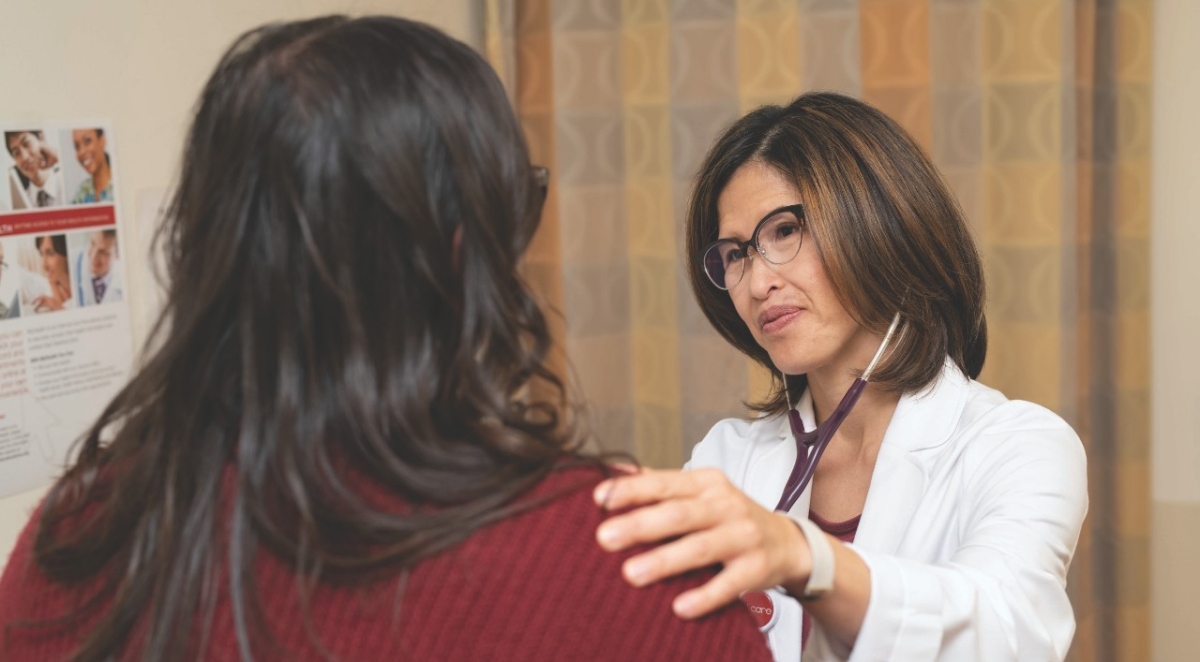
Sun Kim, MD, MS, a principal investigator for CREDENCE, examines a patient with Type 2 diabetes.

CREDENCE Brings Together Multiple Groups in Successful Trial

Sun Kim, MD, MS, associate professor of endocrinology, was a principal investigator at Stanford for a recent randomized, placebo-controlled clinical trial of the drug canagliflozin, which is a sodium glucose co-transporter 2 inhibitor. This class of drug for Type 2 diabetes controls high blood sugar while lowering the risk of death from heart attack or stroke in patients who also have heart disease.

Canagliflozin was approved by the Food and Drug Administration based on the CANagliflozin cardioVascular Assessment Study, or CANVAS, which assessed the drug in patients with or at high risk of cardiovascular disease. Patients were excluded unless they had “almost normal kidneys,” according to Tara Chang, MD, associate professor of nephrology, who is director of clinical research for the division of nephrology.

Yet patients with Type 2 diabetes are at high risk for kidney disease, so testing the drug in diabetic patients with kidney disease became the aim of another clinical trial, CREDENCE (Evaluation of the Effects of Canagliflozin on Renal and Cardiovascular Outcomes in Participants with Diabetic Nephropathy).

“What made us so excited about CREDENCE was that we focused on people with advanced kidney disease,” says Chang. “CREDENCE was a sicker population than CANVAS with regard to kidney disease, and canagliflozin worked amazingly well.”

The primary composite end point of the study included end-stage kidney disease, doubling of serum creatinine, or renal or cardiovascular death. End-stage kidney disease was defined as needing dialysis, getting a kidney transplant, or having kidney function less than 15% of normal. 

In the end, says Chang, “People randomized to canagliflozin had a 30% lower rate of this primary outcome compared with patients who were randomized to placebo.”

That was a home run: The trial was ended early because of benefit, a rarity. It is the first trial in nearly 20 years to identify a therapy that slows progression to renal failure in patients with Type 2 diabetes.

A few years ago, says Kim, Stanford’s Department of Medicine participated in few clinical trials. “Stanford has a long history of strength in basic science research,” she explains, “and we have really great mechanistic and physiology studies. But we weren’t focusing much on clinical trials. The infrastructure to support clinical research was very cumbersome; just simple Institutional Review Board approval was very time-consuming.”

Sun Kim, MD, MS, associate professor of endocrinology, was a principal investigator at Stanford for a recent randomized, placebo-controlled clinical trial of the drug canagliflozin, which is a sodium glucose co-transporter 2 inhibitor. This class of drug for Type 2 diabetes controls high blood sugar while lowering the risk of death from heart attack or stroke in patients who also have heart disease.

Canagliflozin was approved by the Food and Drug Administration based on the CANagliflozin cardioVascular Assessment Study, or CANVAS, which assessed the drug in patients with or at high risk of cardiovascular disease. Patients were excluded unless they had “almost normal kidneys,” according to Tara Chang, MD, associate professor of nephrology, who is director of clinical research for the division of nephrology.

Yet patients with Type 2 diabetes are at high risk for kidney disease, so testing the drug in diabetic patients with kidney disease became the aim of another clinical trial, CREDENCE (Evaluation of the Effects of Canagliflozin on Renal and Cardiovascular Outcomes in Participants with Diabetic Nephropathy).

“What made us so excited about CREDENCE was that we focused on people with advanced kidney disease,” says Chang. “CREDENCE was a sicker population than CANVAS with regard to kidney disease, and canagliflozin worked amazingly well.”

The primary composite end point of the study included end-stage kidney disease, doubling of serum creatinine, or renal or cardiovascular death. End-stage kidney disease was defined as needing dialysis, getting a kidney transplant, or having kidney function less than 15% of normal. In the end, says Chang, “People randomized to canagliflozin had a 30% lower rate of this primary outcome compared with patients who were randomized to placebo.”

That was a home run: The trial was ended early because of benefit, a rarity. It is the first trial in nearly 20 years to identify a therapy that slows progression to renal failure in patients with Type 2 diabetes.

A few years ago, says Kim, Stanford’s Department of Medicine participated in few clinical trials. “Stanford has a long history of strength in basic science research,” she explains, “and we have really great mechanistic and physiology studies. But we weren’t focusing much on clinical trials. The infrastructure to support clinical research was very cumbersome; just simple Institutional Review Board approval was very time-consuming.”

Then Ken Mahaffey, MD, professor of cardiovascular medicine, started up the Stanford Center for Clinical Research, and the department began to grow its participation in clinical trials. Kim mentions a few pain points that have eased in recent years: “Ken streamlined a lot of logistics and helped with operational aspects of the larger programs for grant and proposal submissions.”

Much of the reward of participating in CREDENCE for Kim was working with a team to design and conduct the trial, including other Stanford researchers with important roles: Mahaffey as the overall study co-principal investigator with Vlado Perkovic from Australia as well as Chang and Glenn Chertow, MD, MPH, professor of nephrology, as national leaders in the United States responsible for site recruitment and retention and data quality. Mahaffey also co-led and Chang was a member of the event adjudication committee.

Kim affectionately calls her partnership with Mahaffey and Chang the CKD (cardiology, kidney, diabetes) group. As a caregiver, she says, “It’s exciting to tell a patient that this drug can control glucose, and it has other benefits like helping the kidneys and the heart.”

The CREDENCE database is a rich one, and abstracts are already underway for upcoming meetings in endocrinology, nephrology, and cardiology to inform the medical community about the striking results.
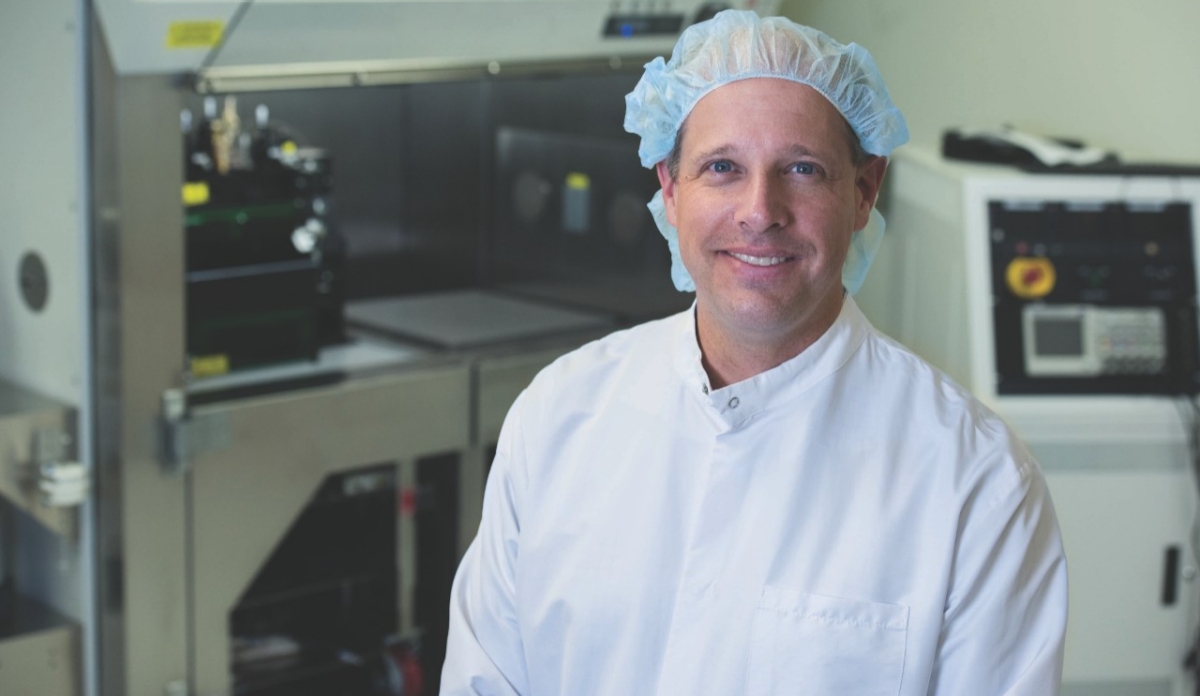
Then Ken Mahaffey, MD, professor of cardiovascular medicine, started up the Stanford Center for Clinical Research, and the department began to grow its participation in clinical trials. Kim mentions a few pain points that have eased in recent years: “Ken streamlined a lot of logistics and helped with operational aspects of the larger programs for grant and proposal submissions.”

Much of the reward of participating in CREDENCE for Kim was working with a team to design and conduct the trial, including other Stanford researchers with important roles: Mahaffey as the overall study co-principal investigator with Vlado Perkovic from Australia as well as Chang and Glenn Chertow, MD, MPH, professor of nephrology, as national leaders in the United States responsible for site recruitment and retention and data quality. Mahaffey also co-led and Chang was a member of the event adjudication committee.

Kim affectionately calls her partnership with Mahaffey and Chang the CKD (cardiology, kidney, diabetes) group. As a caregiver, she says, “It’s exciting to tell a patient that this drug can control glucose, and it has other benefits like helping the kidneys and the heart.”

The CREDENCE database is a rich one, and abstracts are already underway for upcoming meetings in endocrinology, nephrology, and cardiology to inform the medical community about the striking results.
New Approaches to Tobacco Control

Baldeep Singh, MD, with staff at Samaritan House

New Approaches to Tobacco Control

New Approaches to Tobacco Control

The tobacco products of today are not just your grandfather’s unfiltered Lucky Strikes or Camels, but rather natural and organic cigarettes, confectionary-flavored e-cigarettes and vapes, and emerging heated tobacco products. Jodi Prochaska, PhD, MPH, associate professor of medicine with the Stanford Prevention Research Center, is making seminal contributions to the rapidly changing field of tobacco control.

Prochaska has over a dozen active grants, all directed at addressing tobacco and nicotine use, from evaluations of novel treatments to study of policy dissemination to advances in medical education.

Tobacco Use in Alaska
Prochaska’s most scenic project is centered in the Norton Sound region, an inlet in the Bering Sea off the west coast of Alaska. Funded by the National Heart, Lung, and Blood Institute, the Healing and Empowering Alaskan Lives Toward Healthy Hearts (HEALTHH) project uses telemedicine to address significant inequities in tobacco use and tobacco-related disease in the region. About half of Alaska Native men and a third of Alaska Native women smoke—a level of prevalence that hasn’t been seen in the continental United States since the 1960s. “It’s a very high smoking prevalence in a remote location, without easy access to treatment. Developing partnerships and trust is critical,” Prochaska states.

The HEALTHH project works closely with the local tribal health council, in collaboration with a team in Anchorage, including two doctoral students of Alaska Native heritage who received their own fellowship awards on the project.

Launched in 2012, the HEALTHH team has made over 125 trips to the Norton Sound region. “Half the 299 participants are randomized to telemedicine-based counseling for quitting smoking and exercising, and half are randomized to telemedicine-based counseling for a heart-healthy Native diet and compliance with medications for hypertension and/or high cholesterol,” Prochaska explains. Though too early for outcome results, Prochaska says, “The telemedicine treatment approach has been rated highly, and participants are sharing their successes.”

The tobacco products of today are not just your grandfather’s unfiltered Lucky Strikes or Camels, but rather natural and organic cigarettes, confectionary-flavored e-cigarettes and vapes, and emerging heated tobacco products. Jodi Prochaska, PhD, MPH, associate professor of medicine with the Stanford Prevention Research Center, is making seminal contributions to the rapidly changing field of tobacco control.

Prochaska has over a dozen active grants, all directed at addressing tobacco and nicotine use, from evaluations of novel treatments to study of policy dissemination to advances in medical education.

Tobacco Use in Alaska
Prochaska’s most scenic project is centered in the Norton Sound region, an inlet in the Bering Sea off the west coast of Alaska. Funded by the National Heart, Lung, and Blood Institute, the Healing and Empowering Alaskan Lives Toward Healthy Hearts (HEALTHH) project uses telemedicine to address significant inequities in tobacco use and tobacco-related disease in the region. About half of Alaska Native men and a third of Alaska Native women smoke—a level of prevalence that hasn’t been seen in the continental United States since the 1960s. “It’s a very high smoking prevalence in a remote location, without easy access to treatment. Developing partnerships and trust is critical,” Prochaska states.

The HEALTHH project works closely with the local tribal health council, in collaboration with a team in Anchorage, including two doctoral students of Alaska Native heritage who received their own fellowship awards on the project.

Launched in 2012, the HEALTHH team has made over 125 trips to the Norton Sound region. “Half the 299 participants are randomized to telemedicine-based counseling for quitting smoking and exercising, and half are randomized to telemedicine-based counseling for a heart-healthy Native diet and compliance with medications for hypertension and/or high cholesterol,” Prochaska explains. Though too early for outcome results, Prochaska says, “The telemedicine treatment approach has been rated highly, and participants are sharing their successes.”

The Challenge of Vaping
As for e-cigarettes, Prochaska notes, “The science is trying to catch up with the unregulated free-market growth of e-cigarettes, and there’s a huge gap in training for clinicians in terms of best practice for when a patient asks about vaping.” She and her colleagues created a free online CME course to help clinicians work through scenarios with patients asking about e-cigarettes. From an earlier project, Prochaska and her colleagues, in collaboration with HealthTap, studied hundreds of patient-doctor interactions on e-cigarettes, then designed and evaluated a highly interactive course to address the most prevalent concerns. Prochaska describes the course as “a non-linear, Go-Pro, first-person, choose-your-own-adventure, clinician-led experience.” She explains, “The course features a day in the life of a clinician—exposed to media reports on e-cigarettes; in the exam room, encountering patient questions about vaping; and venturing out to visit a virtual vape shop.” So far, over 1,000 health care providers from 70 nations have taken the course. Knowledge scores have significantly improved, and course ratings have been high.

Prochaska is also the faculty director for the Department of Medicine’s Master of Science (MS) Program in Community Health and Prevention Research. She teaches a highly rated course on theories of behavior change and community-based interventions.

Prochaska is a product of social scientists who emphasized “higher education, service to the community, and well-being.” Her father, James Prochaska, developed one of the field’s leading theories of behavior change. Her early start, with an emphasis on “encouragement to ask questions and seek out answers,” has served her well through two decades in the tobacco control field and will continue to help her pursue solutions on the increasingly complicated tobacco frontier.

The Challenge of Vaping
As for e-cigarettes, Prochaska notes, “The science is trying to catch up with the unregulated free-market growth of e-cigarettes, and there’s a huge gap in training for clinicians in terms of best practice for when a patient asks about vaping.” She and her colleagues created a free online CME course to help clinicians work through scenarios with patients asking about e-cigarettes. From an earlier project, Prochaska and her colleagues, in collaboration with HealthTap, studied hundreds of patient-doctor interactions on e-cigarettes, then designed and evaluated a highly interactive course to address the most prevalent concerns. Prochaska describes the course as “a non-linear, Go-Pro, first-person, choose-your-own-adventure, clinician-led experience.” She explains, “The course features a day in the life of a clinician—exposed to media reports on e-cigarettes; in the exam room, encountering patient questions about vaping; and venturing out to visit a virtual vape shop.” So far, over 1,000 health care providers from 70 nations have taken the course. Knowledge scores have significantly improved, and course ratings have been high.

Prochaska is also the faculty director for the Department of Medicine’s Master of Science (MS) Program in Community Health and Prevention Research. She teaches a highly rated course on theories of behavior change and community-based interventions.

Prochaska is a product of social scientists who emphasized “higher education, service to the community, and well-being.” Her father, James Prochaska, developed one of the field’s leading theories of behavior change. Her early start, with an emphasis on “encouragement to ask questions and seek out answers,” has served her well through two decades in the tobacco control field and will continue to help her pursue solutions on the increasingly complicated tobacco frontier.

Regulatory T Cells Join the Mainstream

Baldeep Singh, MD, with staff at Samaritan House

Everett Meyer, MD, PhD, leads a team that replaces immunosuppressive agents with T regulatory cells for patients with specific cancers.

Regulatory T Cells Join the Mainstream

Everett Meyer, MD, PhD, leads a team that replaces immunosuppressive agents with T regulatory cells for patients with specific cancers.

Regulatory T Cells Join the Mainstream

Just 70 years ago, cancers of the blood were essentially untreatable while other cancers, of solid organs for instance, could be cut out with surgery or burned out with radiation. Eventually chemotherapeutic agents became capable of killing a cancer without killing the patient, but they were brutal. Then along came blood and marrow transplantation which could give patients a new lease on life. However, they required immunosuppressive agents to keep the patient’s immune system from rejecting the transplant—and those came with serious side effects. Consistent steps forward but always with asterisks.

Today some high-risk patients at Stanford with severe cancers, including leukemias, lymphoma, and myelodysplastic syndrome, are enrolled in a Phase 2 randomized clinical trial in which they forgo immunosuppression in favor of treatment with T regulatory cells, known as T regs, thanks to work by a team led by Everett Meyer, MD, PhD, assistant professor of blood and marrow transplantation.

Progress has been slow and steady. According to Meyer, “It’s actually been a 20-year effort. The proof of concept was done in 2003, and the trial itself opened in 2011.

After I joined as faculty in 2015 and the person who had opened the trial left, I revamped it and did some basic science to fix some problems. Once we reopened the trial we had pretty good success.”

Patients in the trial are quite sick, Meyer explains, and their course is rigorous: “They’ve either failed an initial therapy or they’re so high risk that we expect their disease to come back. They need a bone marrow transplant, and we have to get donor grafts into them and then prevent their grafts from causing graft-versus-host disease, a major complication.

Just 70 years ago, cancers of the blood were essentially untreatable while other cancers, of solid organs for instance, could be cut out with surgery or burned out with radiation. Eventually chemotherapeutic agents became capable of killing a cancer without killing the patient, but they were brutal. Then along came blood and marrow transplantation which could give patients a new lease on life. However, they required immunosuppressive agents to keep the patient’s immune system from rejecting the transplant—and those came with serious side effects. Consistent steps forward but always with asterisks.

Today some high-risk patients at Stanford with severe cancers, including leukemias, lymphoma, and myelodysplastic syndrome, are enrolled in a Phase 2 randomized clinical trial in which they forgo immunosuppression in favor of treatment with T regulatory cells, known as T regs, thanks to work by a team led by Everett Meyer, MD, PhD, assistant professor of blood and marrow transplantation.

Progress has been slow and steady. According to Meyer, “It’s actually been a 20-year effort. The proof of concept was done in 2003, and the trial itself opened in 2011. After I joined as faculty in 2015 and the person who had opened the trial left, I revamped it and did some basic science to fix some problems. Once we reopened the trial we had pretty good success.”

Patients in the trial are quite sick, Meyer explains, and their course is rigorous: “They’ve either failed an initial therapy or they’re so high risk that we expect their disease to come back. They need a bone marrow transplant, and we have to get donor grafts into them and then prevent their grafts from causing graft-versus-host disease, a major complication. We also need to allow their new donor immune system the space and freedom to attack and kill the cancer. That graft-versus-leukemia effect is the secret sauce of our transplant.”

Once a patient receives a bone marrow transplant, T regs attempt to teach the patient’s new immune system how to regrow in a way that will help the anti-leukemia response and prevent complications. Using immunosuppressive medications, on the other hand, is a “strategy that essentially says we’re going to cripple the immune system just enough to make it work,” according to Meyer.

Not all patients in the ongoing randomized trial get to skip immunosuppressive medications. Only half the patients get T regs alone while the other half get T regs plus a single-agent immunosuppressive. By comparing the two groups, Meyer will be able “to understand how effective these T regulatory cells are. So far, we’ve seen very few mild cases of graft-versus-host disease in the 17 patients we’ve treated.”

T regulatory cells have shown promise in newer frontiers such as solid organ transplant and islet tolerance, and the treatment of autoimmune disorders such as rheumatic disease or Type 1 diabetes. Meyer considers himself fortunate to have collaborators in many divisions: Seung Kim, MD, PhD, professor of developmental biology; Justin Annes, MD, PhD, assistant professor of endocrinology; Sam Strober, MD, professor of rheumatology and immunology; Robert Negrin, MD, professor and chief of blood and marrow transplantation; and Judith Shizuru, MD, professor of blood and marrow transplantation, have been “guiding forces.”

He is especially pleased to work with “the people who do cell therapy, because they’re the quiet, unsung, committed heroes moving things forward. I know certain things, but I know I don’t know more. And they do. Being able to interact with them is a gift.”

“It’s nice to talk to students and fellows, tell them this is the future, and wonder how much further they’re going to take it.”

We also need to allow their new donor immune system the space and freedom to attack and kill the cancer. That graft-versus-leukemia effect is the secret sauce of our transplant.”

Once a patient receives a bone marrow transplant, T regs attempt to teach the patient’s new immune system how to regrow in a way that will help the anti-leukemia response and prevent complications. Using immunosuppressive medications, on the other hand, is a “strategy that essentially says we’re going to cripple the immune system just enough to make it work,” according to Meyer.

Not all patients in the ongoing randomized trial get to skip immunosuppressive medications. Only half the patients get T regs alone while the other half get T regs plus a single-agent immunosuppressive. By comparing the two groups, Meyer will be able “to understand how effective these T regulatory cells are. So far, we’ve seen very few mild cases of graft-versus-host disease in the 17 patients we’ve treated.”

T regulatory cells have shown promise in newer frontiers such as solid organ transplant and islet tolerance, and the treatment of autoimmune disorders such as rheumatic disease or Type 1 diabetes. Meyer considers himself fortunate to have collaborators in many divisions: Seung Kim, MD, PhD, professor of developmental biology; Justin Annes, MD, PhD, assistant professor of endocrinology; Sam Strober, MD, professor of rheumatology and immunology; Robert Negrin, MD, professor and chief of blood and marrow transplantation; and Judith Shizuru, MD, professor of blood and marrow transplantation, have been “guiding forces.”

He is especially pleased to work with “the people who do cell therapy, because they’re the quiet, unsung, committed heroes moving things forward. I know certain things, but I know I don’t know more. And they do. Being able to interact with them is a gift.”

“It’s nice to talk to students and fellows, tell them this is the future, and wonder how much further they’re going to take it.”

Diagnosing Lung Disease with Help from Computers

Baldeep Singh, MD, with staff at Samaritan House

Joe Hsu, MD (left) and Husham Sharifi, MD, discuss diagnostic techniques using machine learning.

Diagnosing Lung Disease with Help from Computers

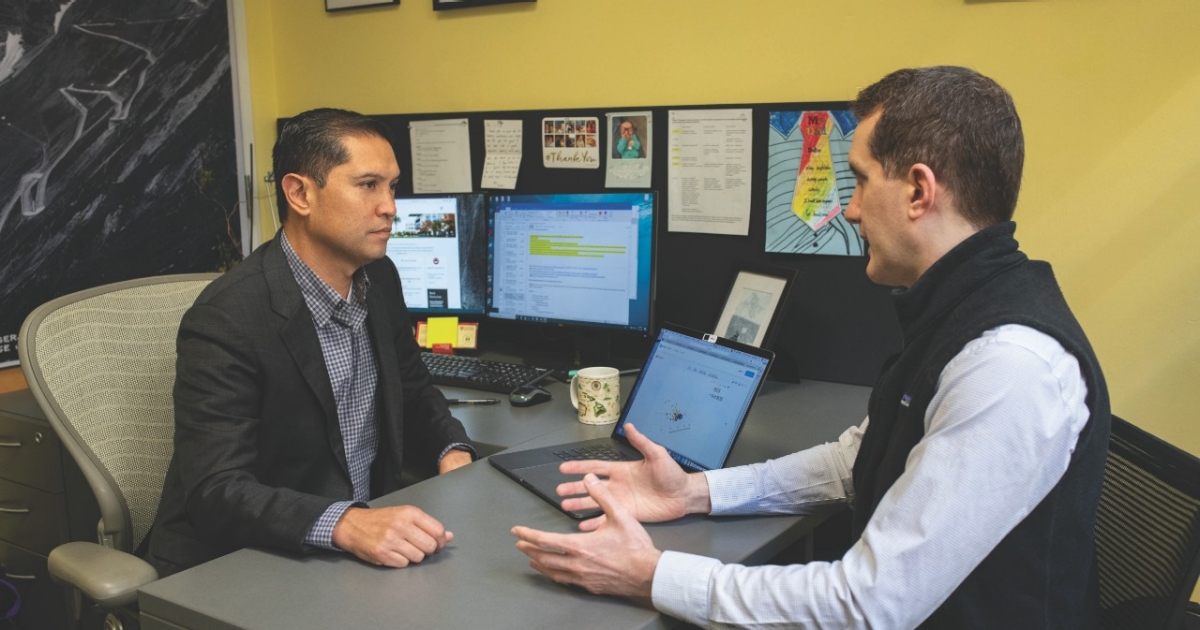
Joe Hsu, MD (left) and Husham Sharifi, MD, discuss diagnostic techniques using machine learning.

Diagnosing Lung Disease with Help from Computers

APPLYING MACHINE LEARNING ALGORITHMS TO PATIENT DATA IS HELPING STANFORD RESEARCHERS BETTER DIAGNOSE AND TREAT LUNG DISEASE.

Parts of medicine can be trial and error—if one drug doesn’t work, try another; if a diagnosis isn’t leading to a cure, maybe the diagnosis is wrong. But eliminating that trial and error, through more informed diagnostic tests, saves time for both clinicians and patients. In the division of pulmonary, allergy and critical care medicine, machine learning algorithms are now guiding those more personalized treatment decisions.

“We’re at a critical juncture in pulmonary medicine, where innovative analysis approaches are needed to handle the large number of patient samples and clinical variables we are collecting for research,” says Andrew Sweatt, MD, a clinical assistant professor of pulmonary, allergy, and critical care medicine. “Machine learning is a promising tool that can help us with most of this high-throughput data.”

In machine learning, a computer program sifts through data—whether it’s information on the levels of different molecules in a blood sample or scans of the lungs—and finds otherwise hidden patterns. Often, such programs can do a better job than the human eye at spotting structure in the data, finding correlations between data and patient outcomes, or pinpointing groups of variables that set some patients apart.

“We’re not trying to replace doctors, but with machine learning, there’s a huge potential for augmenting clinical decisions by physicians,” says Husham Sharifi, MD, instructor of pulmonary, allergy, and critical care medicine.

Guiding the Treatment of a Rare Disease
Many patients with pulmonary arterial hypertension (PAH) have other underlying diseases—scleroderma, lupus, cirrhosis, congenital heart disease, or HIV, to name a few.

Others have been exposed to drugs or toxins, such as methamphetamine. And in roughly a third to half of patients, the rare lung disease appears without any explanation. In all cases, though, the underlying disease is the same: The small arteries that carry blood through the lungs narrow over time due to structural changes. This progression leads to high blood pressure in the lungs and places strain on the heart.

“It’s a very aggressive disease, and there’s a lot of room to improve patient outcomes,” says Sweatt.

Without treatment, nearly half of all patients die within five years of their diagnosis. Over the past decade, several drugs have been approved to treat PAH. The treatments don’t consistently work in all patients, however, although they all have the same mechanism—to relax and open blood vessels.


APPLYING MACHINE LEARNING ALGORITHMS TO PATIENT DATA IS HELPING STANFORD RESEARCHERS BETTER DIAGNOSE AND TREAT LUNG DISEASE.

Parts of medicine can be trial and error—if one drug doesn’t work, try another; if a diagnosis isn’t leading to a cure, maybe the diagnosis is wrong. But eliminating that trial and error, through more informed diagnostic tests, saves time for both clinicians and patients. In the division of pulmonary, allergy and critical care medicine, machine learning algorithms are now guiding those more personalized treatment decisions.

“We’re at a critical juncture in pulmonary medicine, where innovative analysis approaches are needed to handle the large number of patient samples and clinical variables we are collecting for research,” says Andrew Sweatt, MD, a clinical assistant professor of pulmonary, allergy, and critical care medicine. “Machine learning is a promising tool that can help us with most of this high-throughput data.”

In machine learning, a computer program sifts through data—whether it’s information on the levels of different molecules in a blood sample or scans of the lungs—and finds otherwise hidden patterns. Often, such programs can do a better job than the human eye at spotting structure in the data, finding correlations between data and patient outcomes, or pinpointing groups of variables that set some patients apart.

“We’re not trying to replace doctors, but with machine learning, there’s a huge potential for augmenting clinical decisions by physicians,” says Husham Sharifi, MD, instructor of pulmonary, allergy, and critical care medicine.

Guiding the Treatment of a Rare Disease
Many patients with pulmonary arterial hypertension (PAH) have other underlying diseases—scleroderma, lupus, cirrhosis, congenital heart disease, or HIV, to name a few. Others have been exposed to drugs or toxins, such as methamphetamine. And in roughly a third to half of patients, the rare lung disease appears without any explanation. In all cases, though, the underlying disease is the same: The small arteries that carry blood through the lungs narrow over time due to structural changes. This progression leads to high blood pressure in the lungs and places strain on the heart.

“It’s a very aggressive disease, and there’s a lot of room to improve patient outcomes,” says Sweatt.

Without treatment, nearly half of all patients die within five years of their diagnosis. Over the past decade, several drugs have been approved to treat PAH. The treatments don’t consistently work in all patients, however, although they all have the same mechanism—to relax and open blood vessels.

A large body of research has suggested that there’s a component of PAH that’s mediated by the immune system, and new drugs are in development to target this inflammation. Sweatt wanted to know whether some patients would be better helped by these new drugs. Until now, PAH has been grouped into subtypes based on the patient’s underlying predisposition, and all subtypes have been treated the same.

Sweatt and his colleagues collected blood samples from 385 PAH patients and measured levels of 48 immune proteins and signaling molecules. Then they let a machine-learning program parse the data set.

“My goal was to remain agnostic by avoiding common pre-conceived notions about the disease, and instead let the molecular data alone tell the story,” says Sweatt.

It worked—the program revealed four previously unknown subtypes of PAH based on the immune profiles of the patients. One-third of the patients studied had minimal inflammation, suggesting that drugs targeting the immune system may not be helpful for them. The three other groups were each distinguished by their unique inflammatory signatures in the blood.

Importantly, the clinical disease severity and risk of death also differed among the four subgroups.

“What really stood out is that these immune phenotypes were completely independent of the cause of PAH,” says Sweatt. In other words, patients who had underlying immune diseases like lupus or scleroderma were just as likely to be in each subcategory of PAH as patients with no underlying disease. “It means we really detected a hidden system for classifying patients that is highly relevant to underlying disease biology and clinical outcomes,” he says.

The data suggest that different types of immune drugs may work against PAH for different patients, but more work is needed to determine whether the new immune subtypes can help guide treatment. Sweatt’s research has been recognized as an innovative first step toward precision medicine in PAH. Building on this foundational work, Sweatt also has additional machine learning–based studies planned to better understand the biological underpinnings and therapy ramifications of each immune subtype.

It was seeing things that the eye couldn’t necessarily pick up on and improving the diagnosis

Narrowing Down a Diagnosis
Another challenge involves graft-versus-host disease of the lungs—also known as bronchiolitis obliterans syndrome (BOS). In that case, the challenge is not differentiating subtypes of patients, but diagnosing them in the first place. Graft-versus-host disease is a complication of a bone marrow or blood stem cell transplant in which the donated bone marrow or stem cells start attacking the body. But BOS can closely resemble other common complications of a transplant, including infections and inflammatory disorders.

“All these types of lung disease are poorly defined,” says Joe Hsu, MD, an assistant professor of pulmonary, allergy, and critical care medicine. “The way we typically diagnose graft-versus-host disease is to look for everything else and, if we don’t find anything else, diagnose that.”

Hsu and Sharifi wanted to do better at diagnosing BOS. They started collecting CT scans from patients with BOS as well as from transplant patients who had similar symptoms but did not have BOS. Then they used a machine learning approach—telling a computer program which cases were which and letting it learn how to differentiate them.

The machine, it turned out, became so good at telling BOS apart from other lung diseases that it was even slightly better than thoracic radiologists, who regularly read CT scans of the chest. The program learned to differentiate normal lung, mild BOS, severe BOS, and alternative diagnoses.

“It was seeing things that the eye couldn’t necessarily pick up on and improving the diagnosis quite a bit,” says Hsu.

Since each diagnosis is treated differently, fast and easy diagnosis is critical. Hsu and Sharifi say in the future, similar programs might be able to differentiate other diagnoses as well, such as chronic obstructive pulmonary disease (COPD). Pulmonology, Sharifi points out, is full of numerical and imaging data that can be leveraged with machine learning.

“For a lot of other aspects of medicine, it’s a bigger challenge to integrate artificial intelligence because clinical notes can be so messy and unstructured,” he says. “But this is a good example of where algorithmic and computational analysis can be used hand in hand with a doctor’s advanced training and experience.”

A large body of research has suggested that there’s a component of PAH that’s mediated by the immune system, and new drugs are in development to target this inflammation. Sweatt wanted to know whether some patients would be better helped by these new drugs. Until now, PAH has been grouped into subtypes based on the patient’s underlying predisposition, and all subtypes have been treated the same.

Sweatt and his colleagues collected blood samples from 385 PAH patients and measured levels of 48 immune proteins and signaling molecules. Then they let a machine-learning program parse the data set.

“My goal was to remain agnostic by avoiding common pre-conceived notions about the disease, and instead let the molecular data alone tell the story,” says Sweatt.

It worked—the program revealed four previously unknown subtypes of PAH based on the immune profiles of the patients. One-third of the patients studied had minimal inflammation, suggesting that drugs targeting the immune system may not be helpful for them. The three other groups were each distinguished by their unique inflammatory signatures in the blood.

Importantly, the clinical disease severity and risk of death also differed among the four subgroups.

“What really stood out is that these immune phenotypes were completely independent of the cause of PAH,” says Sweatt. In other words, patients who had underlying immune diseases like lupus or scleroderma were just as likely to be in each subcategory of PAH as patients with no underlying disease. “It means we really detected a hidden system for classifying patients that is highly relevant to underlying disease biology and clinical outcomes,” he says.

The data suggest that different types of immune drugs may work against PAH for different patients, but more work is needed to determine whether the new immune subtypes can help guide treatment. Sweatt’s research has been recognized as an innovative first step toward precision medicine in PAH. Building on this foundational work, Sweatt also has additional machine learning–based studies planned to better understand the biological underpinnings and therapy ramifications of each immune subtype.

It was seeing things that the eye couldn’t necessarily pick up on and improving the diagnosis

Narrowing Down a Diagnosis
Another challenge involves graft-versus-host disease of the lungs—also known as bronchiolitis obliterans syndrome (BOS). In that case, the challenge is not differentiating subtypes of patients, but diagnosing them in the first place. Graft-versus-host disease is a complication of a bone marrow or blood stem cell transplant in which the donated bone marrow or stem cells start attacking the body. But BOS can closely resemble other common complications of a transplant, including infections and inflammatory disorders.

“All these types of lung disease are poorly defined,” says Joe Hsu, MD, an assistant professor of pulmonary, allergy, and critical care medicine. “The way we typically diagnose graft-versus-host disease is to look for everything else and, if we don’t find anything else, diagnose that.”

Hsu and Sharifi wanted to do better at diagnosing BOS. They started collecting CT scans from patients with BOS as well as from transplant patients who had similar symptoms but did not have BOS. Then they used a machine learning approach—telling a computer program which cases were which and letting it learn how to differentiate them.

The machine, it turned out, became so good at telling BOS apart from other lung diseases that it was even slightly better than thoracic radiologists, who regularly read CT scans of the chest. The program learned to differentiate normal lung, mild BOS, severe BOS, and alternative diagnoses.

“It was seeing things that the eye couldn’t necessarily pick up on and improving the diagnosis quite a bit,” says Hsu.

Since each diagnosis is treated differently, fast and easy diagnosis is critical. Hsu and Sharifi say in the future, similar programs might be able to differentiate other diagnoses as well, such as chronic obstructive pulmonary disease (COPD). Pulmonology, Sharifi points out, is full of numerical and imaging data that can be leveraged with machine learning.

“For a lot of other aspects of medicine, it’s a bigger challenge to integrate artificial intelligence because clinical notes can be so messy and unstructured,” he says. “But this is a good example of where algorithmic and computational analysis can be used hand in hand with a doctor’s advanced training and experience.”

The Medical Promise of Artificial Intelligence

Baldeep Singh, MD, with staff at Samaritan House

The Medical Promise of Artificial Intelligence

The Medical Promise of Artificial Intelligence

Now that computers can be taught to process large amounts of data and to recognize patterns in them, their usefulness in medicine is greatly enhanced.

In the hands of Olivier Gevaert, PhD, assistant professor of biomedical informatics, patients with a variety of diseases including cancers, neurodegenerative diseases, and cardiovascular diseases are being helped without even knowing it, thanks to artificial intelligence.

Gevaert fuses data from disparate sources to create algorithms to guide clinicians making diagnoses, prognoses, and treatment decisions. Since medical knowledge is said to double every few months, there will always be a plethora of data for him and his colleagues to work with.

About the methods he uses to study reams of data, Gevaert says, “I see them as different tools in the toolbox of machine learning. Some of them have more of a statistical flavor, some are more mathematical, some are pure machine learning. They are all part of the big brother field of machine learning.”

From Cancers in General to Specific Cancers
Besides using different tools, Gevaert and his colleagues use many different types of data: radiographic images, genetics, clinical data, even economic data. Much of this work has been focused on cancers since he came to Stanford as a postdoctoral fellow in 2010 after completing his master’s and PhD at the University of Leuven in Belgium.

“For example,” he says, “we developed computational algorithms for identifying cancer-causing genes using multi-omics data from genes, molecules, and proteins, among others. We use any type of machine-learning algorithm to integrate these different types of data.”

In addition to employing omics data, those in Gevaert’s lab fuse multiscale biomedical data—bridging the molecular-using omics data, the cellular-using pathology data, and tissue-using medical imaging data. They hope to learn which data source is most predictive of diagnosis, treatment, outcome, and prognosis.

Now that computers can be taught to process large amounts of data and to recognize patterns in them, their usefulness in medicine is greatly enhanced.

In the hands of Olivier Gevaert, PhD, assistant professor of biomedical informatics, patients with a variety of diseases including cancers, neurodegenerative diseases, and cardiovascular diseases are being helped without even knowing it, thanks to artificial intelligence.

Gevaert fuses data from disparate sources to create algorithms to guide clinicians making diagnoses, prognoses, and treatment decisions. Since medical knowledge is said to double every few months, there will always be a plethora of data for him and his colleagues to work with.

About the methods he uses to study reams of data, Gevaert says, “I see them as different tools in the toolbox of machine learning. Some of them have more of a statistical flavor, some are more mathematical, some are pure machine learning. They are all part of the big brother field of machine learning.”

From Cancers in General to Specific Cancers
Besides using different tools, Gevaert and his colleagues use many different types of data: radiographic images, genetics, clinical data, even economic data. Much of this work has been focused on cancers since he came to Stanford as a postdoctoral fellow in 2010 after completing his master’s and PhD at the University of Leuven in Belgium.

“For example,” he says, “we developed computational algorithms for identifying cancer-causing genes using multi-omics data from genes, molecules, and proteins, among others. We use any type of machine-learning algorithm to integrate these different types of data.”

In addition to employing omics data, those in Gevaert’s lab fuse multiscale biomedical data—bridging the molecular-using omics data, the cellular-using pathology data, and tissue-using medical imaging data. They hope to learn which data source is most predictive of diagnosis, treatment, outcome, and prognosis.

Importantly, says Gevaert, “You can imagine that if you treat each data source in isolation, you will have some predictive value. But what happens if we put them together? Is the sum greater than the parts?”

“We did one study where we showed that combining clinical data, genomic activity, imaging, and pathology data improved our ability to predict outcomes for a number of cancers.”

Transfer Learning to Pre-train a Model
If Gevaert and his colleagues are able to make their toolbox more generic and flexible, it can be used in different disease areas. Because the models that they train are very complex, they need a lot of data.

“What we’re trying to do,” he explains, “is called transfer learning, which means we’re using data in one disease area to train the models before we transfer them to another disease area where we have fewer data. This is pre-training.”

Using thousands of MRI images from a large cohort of healthy people and people with neurodegenerative diseases, for example, they can pre-train a model so it knows what a brain is and what an MRI image looks like. And then they can further train it using a cohort of as few as 200 brain tumor patients at Stanford.

For the past year, the Gevaert lab has also focused on cardiovascular diseases. For now they are most interested in diagnostics. “We have some preliminary results where we have looked at labs and symptoms in patients over time,” he explains. “We have clinical records of all Stanford patients for the past 15 years and we have looked at a subset of about 150,000 patients with up to 20 cardiovascular diseases. We’re now trying to distinguish them from people who are healthy.”

Artificial intelligence has opened many doors for study within the health care realm. And Olivier Gevaert and his colleagues will walk through as many of those doors as possible.

Importantly, says Gevaert, “You can imagine that if you treat each data source in isolation, you will have some predictive value. But what happens if we put them together? Is the sum greater than the parts?”

“We did one study where we showed that combining clinical data, genomic activity, imaging, and pathology data improved our ability to predict outcomes for a number of cancers.”

Transfer Learning to Pre-train a Model
If Gevaert and his colleagues are able to make their toolbox more generic and flexible, it can be used in different disease areas. Because the models that they train are very complex, they need a lot of data.

“What we’re trying to do,” he explains, “is called transfer learning, which means we’re using data in one disease area to train the models before we transfer them to another disease area where we have fewer data. This is pre-training.”

Using thousands of MRI images from a large cohort of healthy people and people with neurodegenerative diseases, for example, they can pre-train a model so it knows what a brain is and what an MRI image looks like. And then they can further train it using a cohort of as few as 200 brain tumor patients at Stanford.

For the past year, the Gevaert lab has also focused on cardiovascular diseases. For now they are most interested in diagnostics. “We have some preliminary results where we have looked at labs and symptoms in patients over time,” he explains. “We have clinical records of all Stanford patients for the past 15 years and we have looked at a subset of about 150,000 patients with up to 20 cardiovascular diseases. We’re now trying to distinguish them from people who are healthy.”

Artificial intelligence has opened many doors for study within the health care realm. And Olivier Gevaert and his colleagues will walk through as many of those doors as possible.

Marina Basina’s Masterful Teaching and Patient Care

Baldeep Singh, MD, with staff at Samaritan House

Marina Basina’s Masterful Teaching and Patient Care

Marina Basina’s Masterful Teaching and Patient Care

Clinical associate professor of endocrinology Marina Basina, MD, has been caring for patients with Type 1 diabetes since she completed her fellowship and joined the Stanford faculty in 2003. She heads the inpatient diabetes service and has chaired the diabetes task force since 2009. Not only is she a beloved and highly regarded expert in diabetes and glucose control, but she also is an award-winning educator.

Basina has well-recognized and truly extraordinary teaching skills. After her first year on faculty, she won the 2004 House Staff Award for Demonstrating Excellence in Clinical Teaching. She was awarded her division’s Fellows Teaching Award in 2009 and 2010, and yearly from 2012 to 2018. Also in 2018, she received the Stanford University Master Teacher Award, which colleagues jokingly suggest might have been created to honor a teacher “who won so many awards a new one was needed.”

Expanding Her Teaching Skills
In addition to coaching trainees about the disease, the patients, and the technology, such as insulin pumps and glucose monitors that simplify life for these patients, Basina also teaches patients and their families, both in person and online. She serves as an advisor to several community groups, each of which was organized to meet the needs of a few patients and now has much greater reach via the internet.

Clinical associate professor of endocrinology Marina Basina, MD, has been caring for patients with Type 1 diabetes since she completed her fellowship and joined the Stanford faculty in 2003. She heads the inpatient diabetes service and has chaired the diabetes task force since 2009. Not only is she a beloved and highly regarded expert in diabetes and glucose control, but she also is an award-winning educator.

Basina has well-recognized and truly extraordinary teaching skills. After her first year on faculty, she won the 2004 House Staff Award for Demonstrating Excellence in Clinical Teaching. She was awarded her division’s Fellows Teaching Award in 2009 and 2010, and yearly from 2012 to 2018. Also in 2018, she received the Stanford University Master Teacher Award, which colleagues jokingly suggest might have been created to honor a teacher “who won so many awards a new one was needed.”

Expanding Her Teaching Skills
In addition to coaching trainees about the disease, the patients, and the technology, such as insulin pumps and glucose monitors that simplify life for these patients, Basina also teaches patients and their families, both in person and online. She serves as an advisor to several community groups, each of which was organized to meet the needs of a few patients and now has much greater reach via the internet.

The first of these is CarbDM which was started by the mother of a newly diagnosed 8-year-old who couldn’t find much support in the community. Beyond Type 1 is a second such organization; it currently has over 2 million members in more than 150 countries. The third organization, Sugar Mommas, is for women with Type 1 diabetes who have small children or are pregnant or trying to get pregnant.

Fifteen Years of Technological Change
Basina points out that things are much better for her patients with diabetes than they were when she completed her fellowship more than 15 years ago. She describes diabetes as “a 24-hours-a-day, 7-days-a-week, 365-days-a-year condition. Anyone who has Type 1 diabetes will likely tell you that it is a difficult, demanding, and challenging condition, requiring daily attention. It is upsetting, and it never goes away.” Between personal glucose monitors and insulin pumps, daily life has improved somewhat but remains challenging. However, now there are options for those who qualify.

One option, which would eradicate the disease, is transplantation. There are two types of transplantation for diabetes: pancreas as an organ transplant and islet cell transplantation. Basina points out that organ transplantation has been used for many years, but only certain patients with significant diabetes complications are eligible for it. Patients are on a wait list for a long time and afterward must take immunosuppressive medications to avoid rejection of the pancreas. Many patients become insulin-independent for 10 years or longer, but some need to start using insulin again within a decade.

But, explains Basina, things continue to change: “Islet cell transplantation is a promising and developing field that has been shown in some studies to improve patients’ quality of life and prevent severe low blood sugars. This procedure is approved in Canada, Australia, and several European countries. Hopefully, it will be FDA approved and available here in the U.S. after clinical trials in the near future.”

Fredric Kraemer, MD, chief of the division of endocrinology, gerontology, and metabolism, recently had this to say about Basina: “Marina is a tremendous asset for the division, department, hospital, and school. She is the consummate master clinician and educator par excellence. We are all fortunate to benefit from having her on our faculty.”

The first of these is CarbDM which was started by the mother of a newly diagnosed 8-year-old who couldn’t find much support in the community. Beyond Type 1 is a second such organization; it currently has over 2 million members in more than 150 countries. The third organization, Sugar Mommas, is for women with Type 1 diabetes who have small children or are pregnant or trying to get pregnant.

Fifteen Years of Technological Change
Basina points out that things are much better for her patients with diabetes than they were when she completed her fellowship more than 15 years ago. She describes diabetes as “a 24-hours-a-day, 7-days-a-week, 365-days-a-year condition. Anyone who has Type 1 diabetes will likely tell you that it is a difficult, demanding, and challenging condition, requiring daily attention. It is upsetting, and it never goes away.” Between personal glucose monitors and insulin pumps, daily life has improved somewhat but remains challenging. However, now there are options for those who qualify.

One option, which would eradicate the disease, is transplantation. There are two types of transplantation for diabetes: pancreas as an organ transplant and islet cell transplantation. Basina points out that organ transplantation has been used for many years, but only certain patients with significant diabetes complications are eligible for it. Patients are on a wait list for a long time and afterward must take immunosuppressive medications to avoid rejection of the pancreas. Many patients become insulin-independent for 10 years or longer, but some need to start using insulin again within a decade.

But, explains Basina, things continue to change: “Islet cell transplantation is a promising and developing field that has been shown in some studies to improve patients’ quality of life and prevent severe low blood sugars. This procedure is approved in Canada, Australia, and several European countries. Hopefully, it will be FDA approved and available here in the U.S. after clinical trials in the near future.”

Fredric Kraemer, MD, chief of the division of endocrinology, gerontology, and metabolism, recently had this to say about Basina: “Marina is a tremendous asset for the division, department, hospital, and school. She is the consummate master clinician and educator par excellence. We are all fortunate to benefit from having her on our faculty.”