Patients Find Peace and Answers at Stanford’s Long Covid Clinic

Patients Find Peace and Answers at Stanford’s Long Covid Clinic

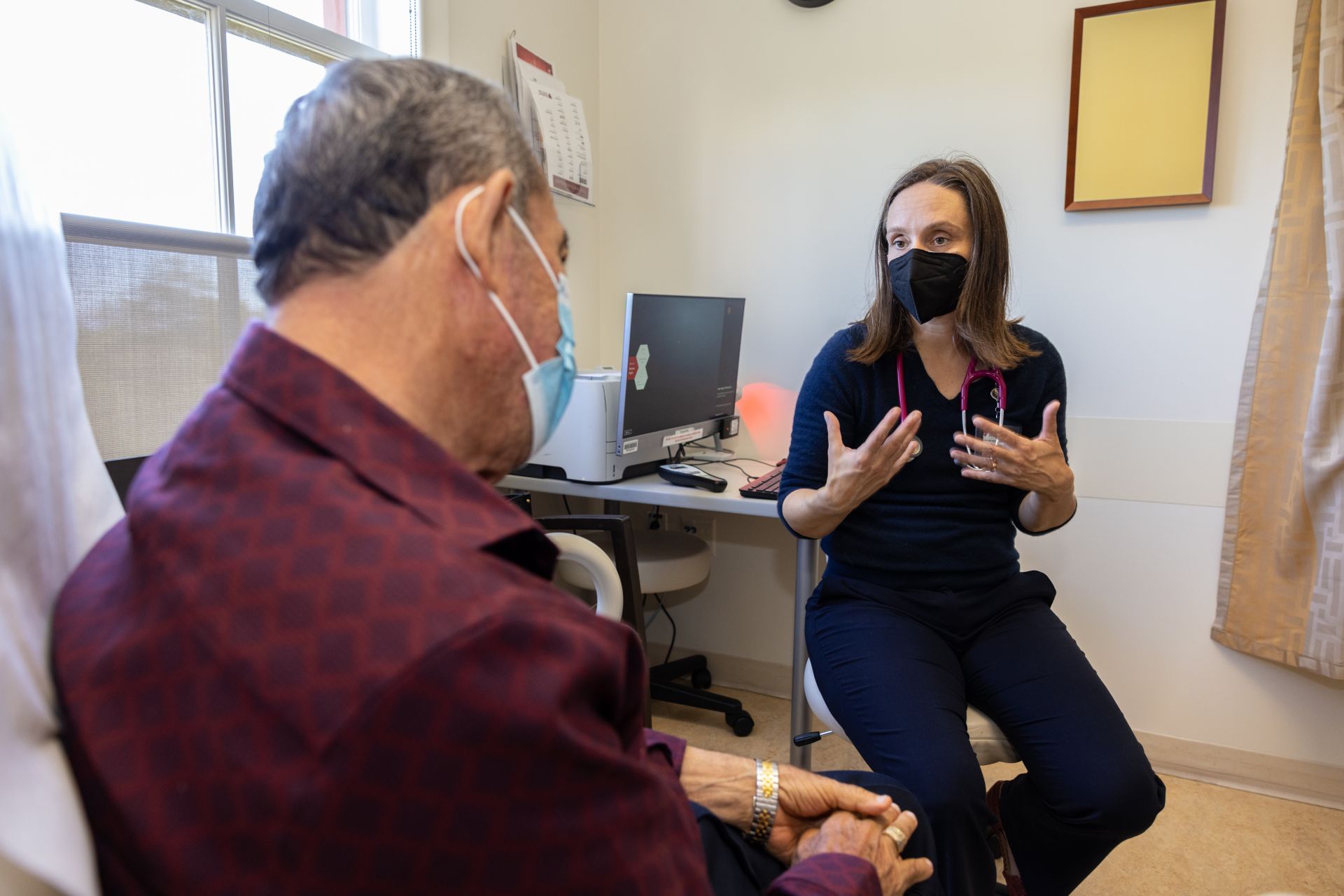
Hector Bonilla, MD (left) and Linda Geng, MD, PhD
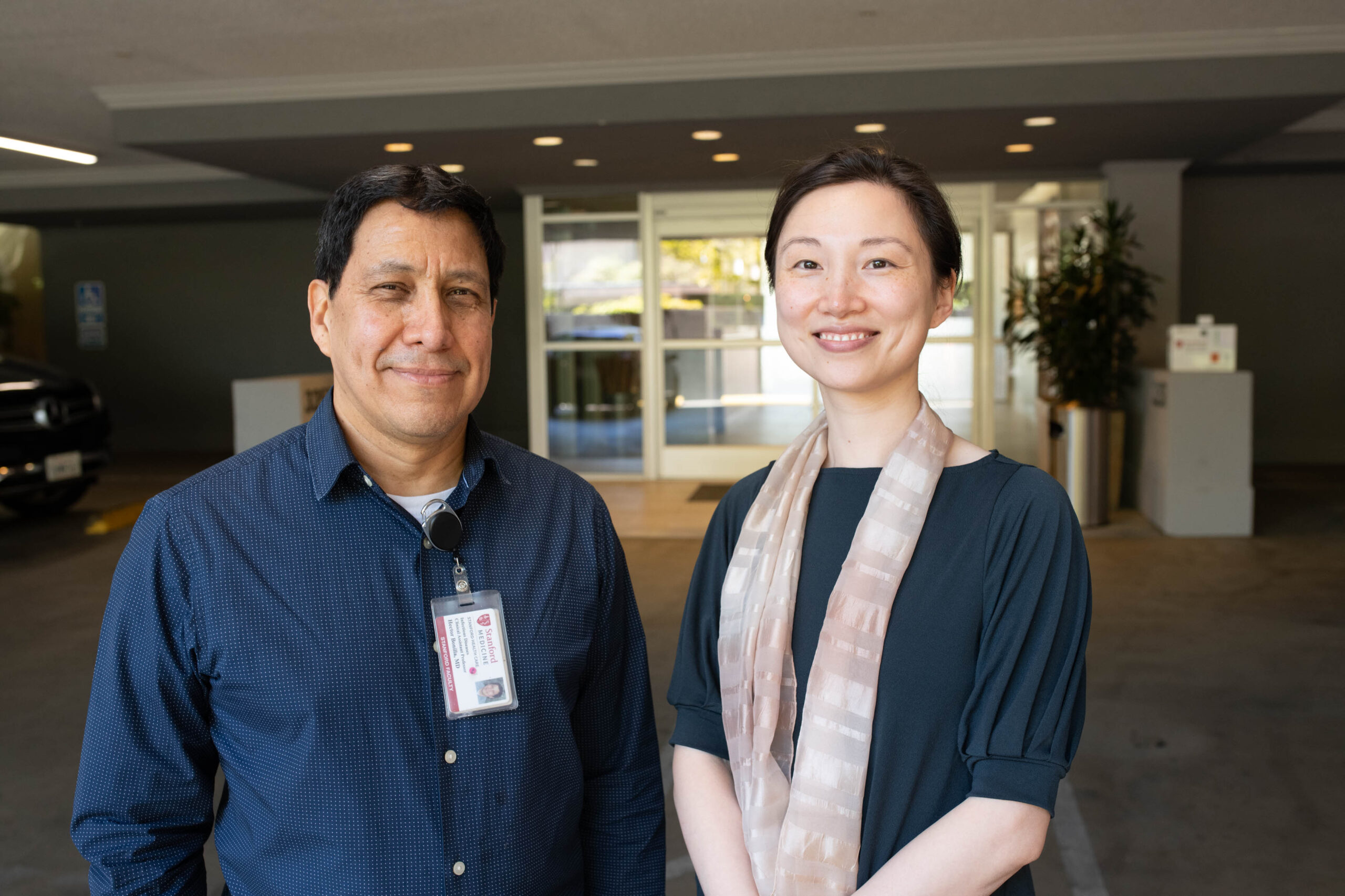
Hector Bonilla, MD (left) and Linda Geng, MD, PhD

Patients Find Peace and Answers at Stanford’s Long Covid Clinic

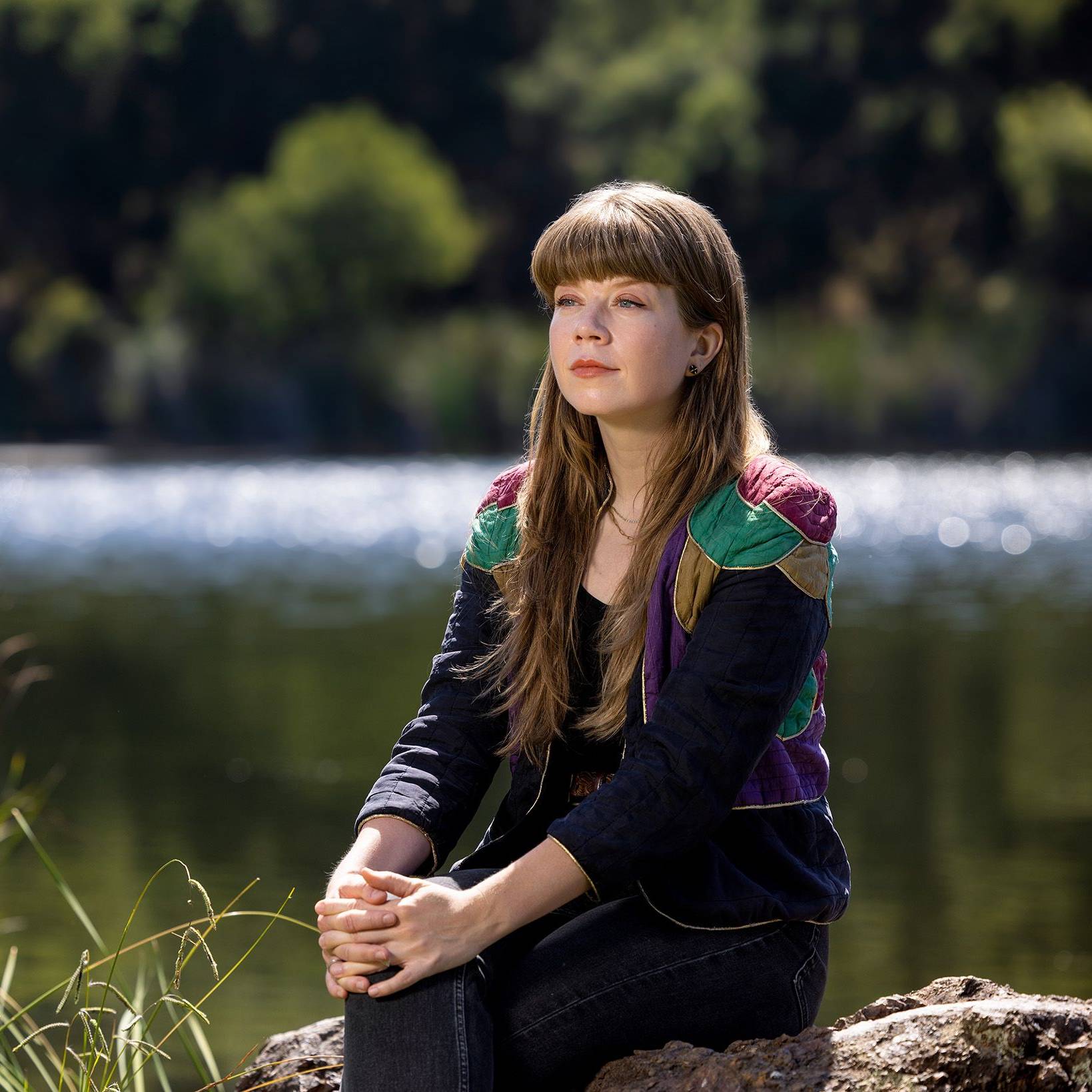
As symptoms persisted, Parshall joined a growing number of people who hadn’t fully recovered from COVID-19 even though the virus had left their bodies months prior. Patient groups and media dubbed this phenomenon long COVID-19.

As Parshall struggled to make sense of her illness, long COVID was gaining national attention. Congress approved $1.15 billion in December 2020 to fund the National Institutes of Health’s research on the long-term health impacts of COVID.

In February 2021, Anthony Fauci, MD, chief medical adviser to the president, announced in a White House briefing that the first study on long COVID, by the University of Washington, had found “something alarming”: 30% of patients had persistent symptoms up to nine months after the initial onset of illness.

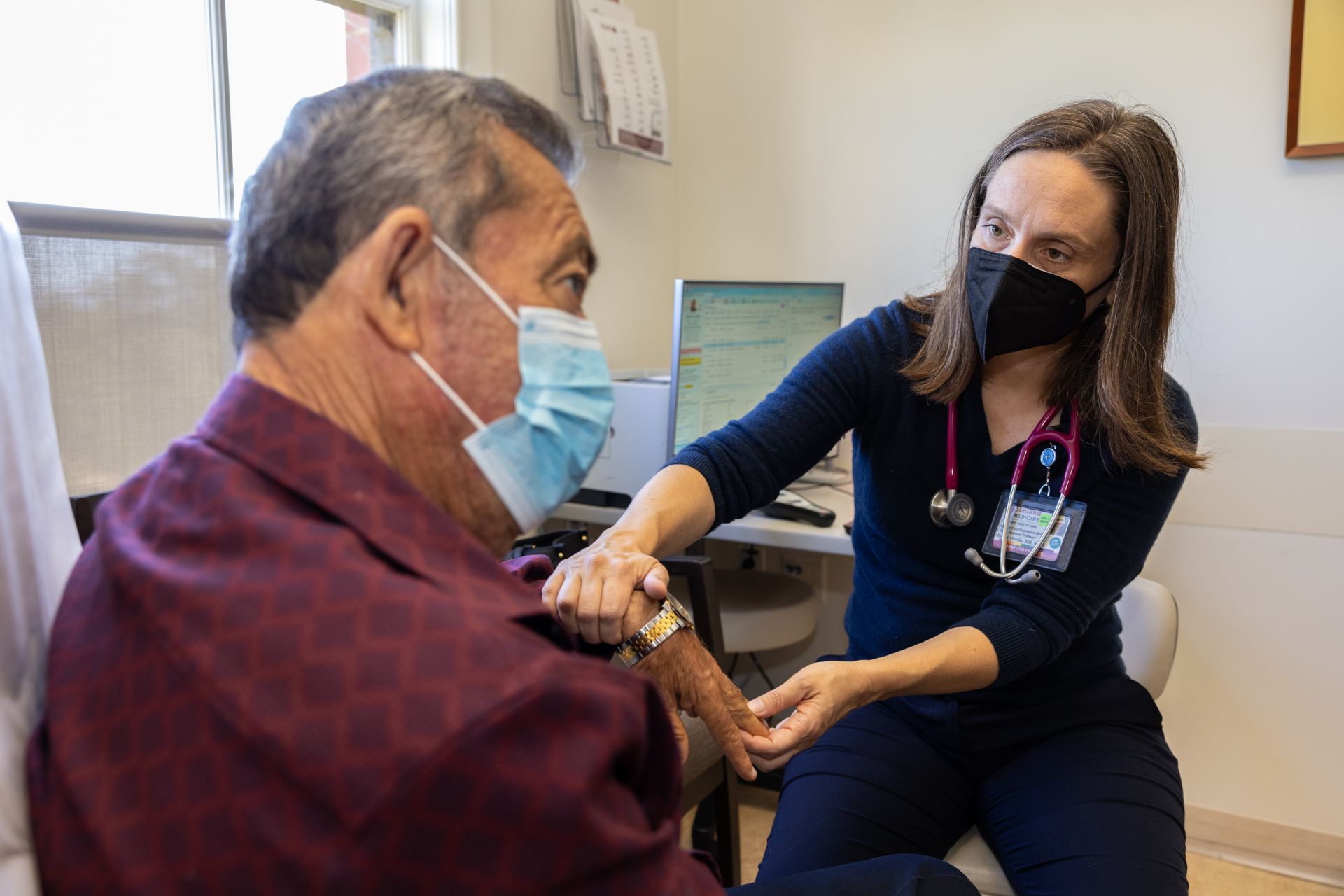
Linda Geng, MD, PhD, assesses a patient.

Post-Acute COVID-19 Syndrome (PACS) Clinic.More than six months after Parshall came down with COVID, her primary care doctor referred her to specialty care at Stanford’s recently launched

As more people like Parshall reported puzzling symptoms related to their COVID infection, says Linda Geng, MD, PhD, clinical assistant professor of primary care and population health and co-director of the PACS Clinic, there was a clear and urgent need to better understand the enigmatic illness.

Geng, who has gravitated toward rare and puzzling illnesses since medical school and has been co-director of Stanford’s second opinion clinic since 2019, has seen many mysterious symptoms arise from viral infections, but nothing at the scale that the pandemic brought.

“Because of the sheer scale of the pandemic,” Geng says, “we’re talking about millions and millions of people at the same time experiencing these mysterious symptoms.”

Because of the sheer scale of the pandemic… we’re talking about millions and millions of people at the same time experiencing these mysterious symptoms.

– Linda Geng, MD, PhD

Because of the sheer scale of the pandemic… we’re talking about millions and millions of people at the same time experiencing these mysterious symptoms.

– Linda Geng, MD, PhD

On paper, patients with long COVID appear in good health, says Hector Bonilla, MD.

A Hub and Spoke Model

The PACS clinic is a multidisciplinary effort for advancing both the care of patients with long COVID and clinical research. Since the clinic opened its doors in May 2021, it has been inundated with patients. Today, the clinic has nearly 300 patients, with a huge waiting list booked several months out.

PACS follows a hub and spoke model of care. The clinic is the hub. Patients begin there and receive a comprehensive medical evaluation to ensure that their symptoms aren’t due to other health conditions. Depending on their needs, patients then connect with a network of doctors (spokes) across disciplines.

The origin of the clinic came out of the synergism and collaboration of those of us who already had patients struggling with these puzzling conditions and had a passion to help them.

– Linda Geng, MD, PhD

The origin of the clinic came out of the synergism and collaboration of those of us who already had patients struggling with these puzzling conditions and had a passion to help them.

– Linda Geng, MD, PhD

“Talk about having foresight”

On a Saturday afternoon in May 2020, Upinder Singh, MD, division chief and professor of infectious diseases, and Bonilla were working as part of a research team seeing COVID-19 patients in a tent in the Galvez parking lot at Stanford.

Bonilla, who discovered an interest in ME/CFS early in his career and never looked back, turned to his boss, Singh, and said, “Upi, I wonder if some people who get COVID will develop chronic fatigue syndrome.”

“Hector, you see chronic fatigue syndrome in everything. But I guess we’ll see,” Singh remembers saying.

Two years later, they now know that chronic fatigue is one of the most common symptoms.

“Talk about having foresight,” Singh says.

Bonilla spent the rest of 2020 and half of the following year thinking about how to open a clinic to research this condition and find possible therapeutics for long COVID. One day he received an email from Geng with the same ideas.

Independently of Bonilla, Geng had come to observe that long COVID was shaping up to be another public health emergency, and she also saw a connection between some of its symptoms and ME/CFS. So one day she reached out to Bonilla to see if he was interested in collaborating. Since many long COVID patients reported neurological problems, Geng also connected with Mitchell Miglis, MD, clinical associate professor of neurology and neurological sciences, an expert in autonomic neurology.

After securing clinical space in the division of infectious diseases building, their team grew to include Robert Shafer, MD, professor of infectious diseases, and Phillip Yang, MD, professor of cardiovascular medicine. Today, the clinic collaborates with more than a dozen medical providers.

In October 2021, PACS joined other research hospitals nationwide to act as a site for RECOVER, a wide-ranging, NIH-funded research effort aimed at learning the epidemiology and pathophysiology of long COVID, as well as defining the actual illness and finding ways to prevent and treat it.

Singh, who oversees the RECOVER initiative at Stanford, says she is very interested to learn what causes the illness — is it inflammatory or autoimmune, or is it viral? The answers could be used to help other postviral illnesses that currently are less researched but still impact large numbers of sick people.

“They listen to me, they understand me, and they’re trying to help me. That does give me some peace.”

– Brandie Parshall

At Least, “Some Peace”

After Parshall received her comprehensive assessment at PACS, she was connected to a team of specialists that she visits every few months to address her ongoing symptoms, including chronic fatigue, brain fog, and tachycardia. Doctors confirmed that she had postural orthostatic tachycardia syndrome, a disorder affecting the autonomic nervous system that has been linked to patients with long COVID.

By the fall of 2021, Parshall’s long COVID had gotten worse; especially debilitating were the extreme fatigue and bouts of brain fog. Despite these persistent symptoms, Parshall returned to work as an accountant after 10 months of medical leave. It was a disaster. The stress was incapacitating. She lasted only a month, every day of which she felt sick and miserable.

“I would cry every day,” she remembers. “I was trying to get through it, trying to be strong, but my body was not having it at all.”

Then, earlier this year, her brain fog got so bad that she had a hard time remembering the days of the week and couldn’t keep appointments straight. Parshall’s mother moved into her house in Hughson, California, to help with daily chores like doing laundry, washing dishes, and running errands.

For Parshall’s chronic fatigue, Bonilla prescribed off-label naltrexone, an opioid receptor blocker that has reduced inflammation and modulates the immune system for those with ME/CFS. Some patients had positive responses to this drug, but unfortunately for Parshall, the medication hasn’t seemed to work — another frustrating setback for her.

Some long COVID patients have gotten better and even graduated from the clinic, Geng says. But for Parshall, while some of her symptoms have improved, others, like the brain fog and fatigue, have not. She has gone through some dark times. Long COVID can be isolating for patients. Even today, people with long COVID struggle to be taken seriously among friends and family, some of whom don’t believe the symptoms are real.

At PACS, though, she is validated and knows there is hope.

“I’m not being gaslit: They listen to me, they understand me, and they’re trying to help me,” Parshall says. “That does give me some peace.”
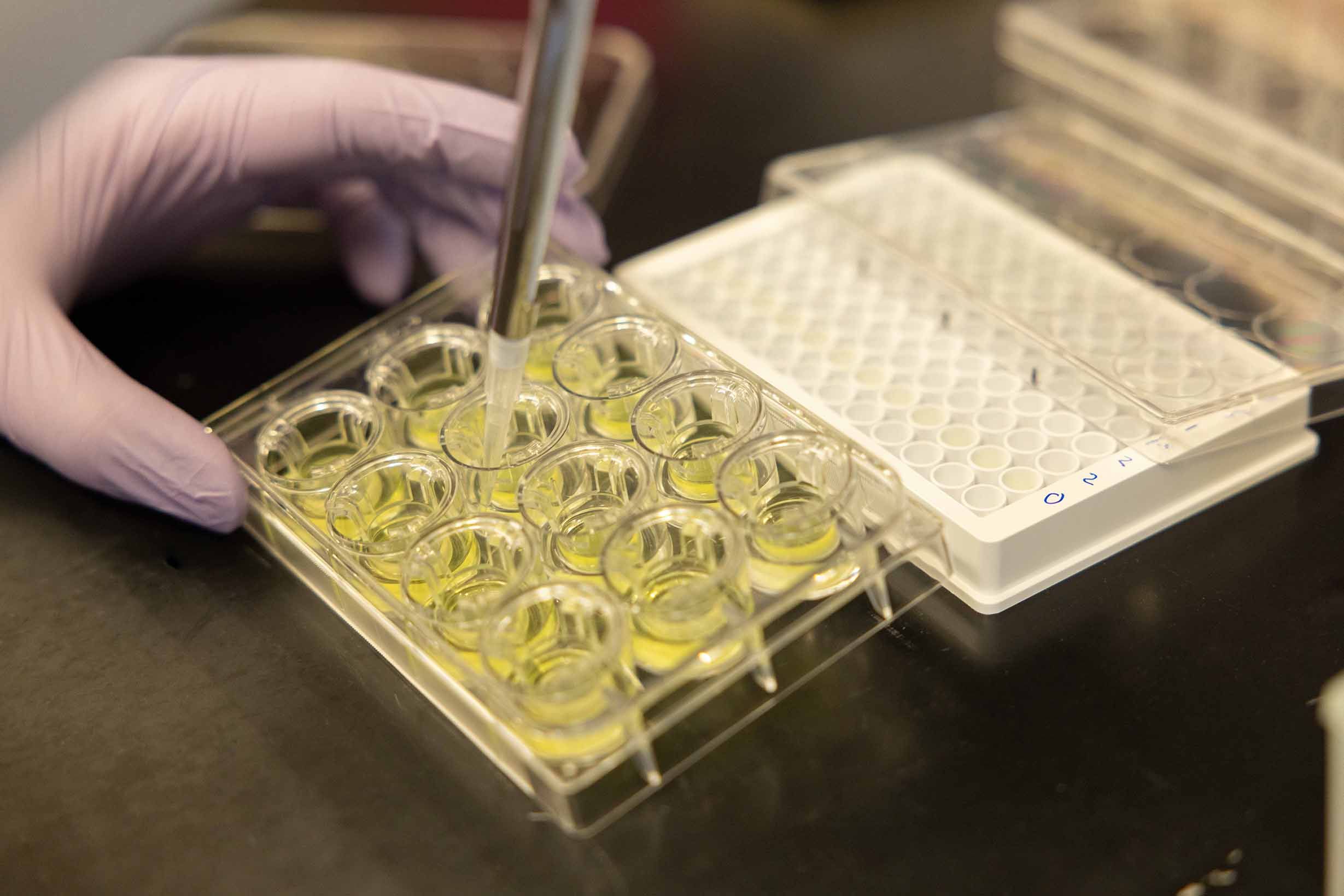
Developing Antivirals for COVID-19 and Beyond

Developing Antivirals for COVID-19 and Beyond

Stanford Researchers Design Novel Therapies to Prevent Drug Resistance

Developing Antivirals for COVID-19 and Beyond

Stanford Researchers Design Novel Therapies to Prevent Drug Resistance

Almost every day, news outlets report on highly infectious COVID-19 variants threatening to sneak past the front-line antibody defenses developed by our bodies after vaccination or previous infection. That’s because the coronavirus strain responsible for COVID-19, SARS-CoV-2, is doing what most viruses do: evolving and naturally selecting toward becoming more resistant to vaccines and antiviral drugs.

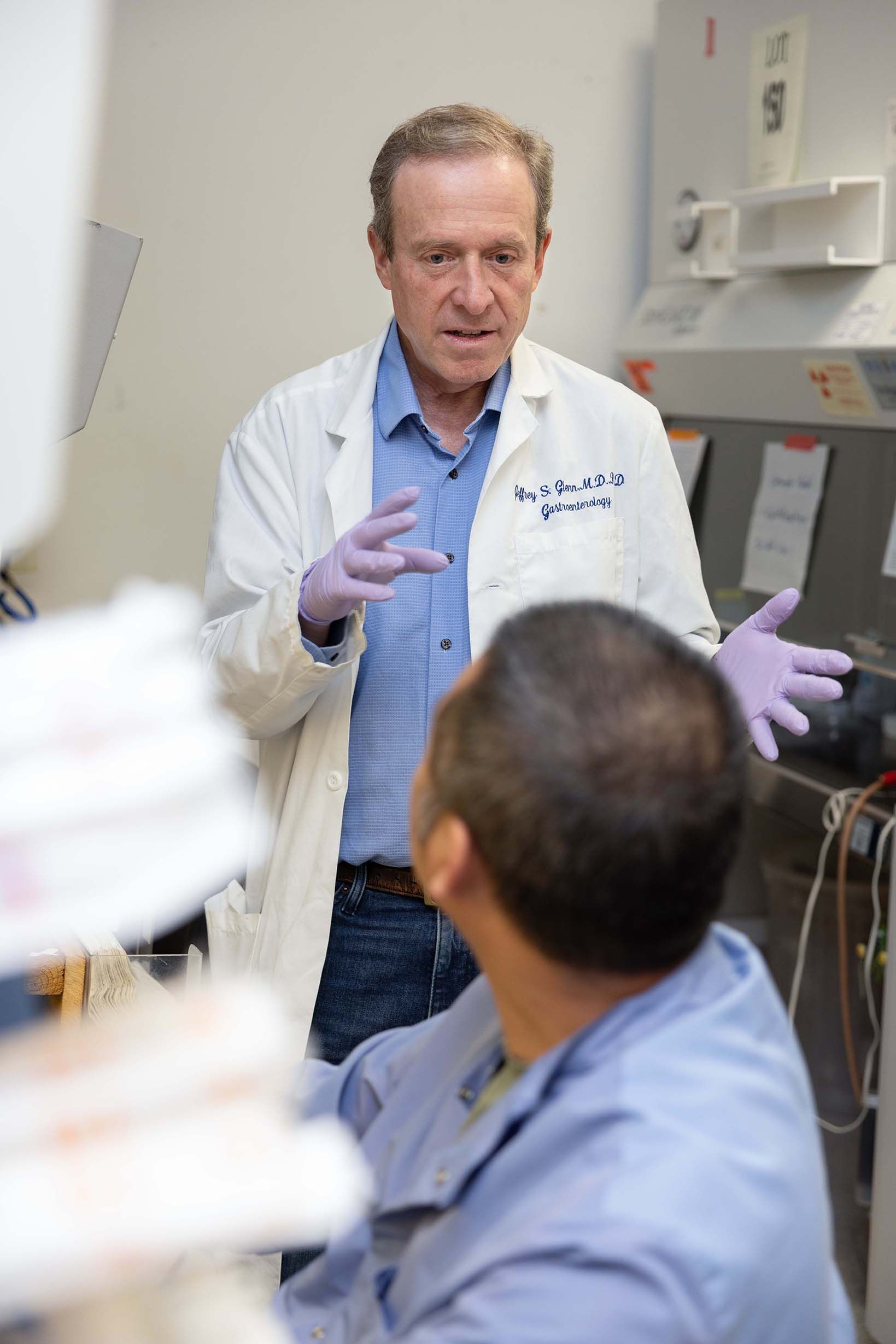
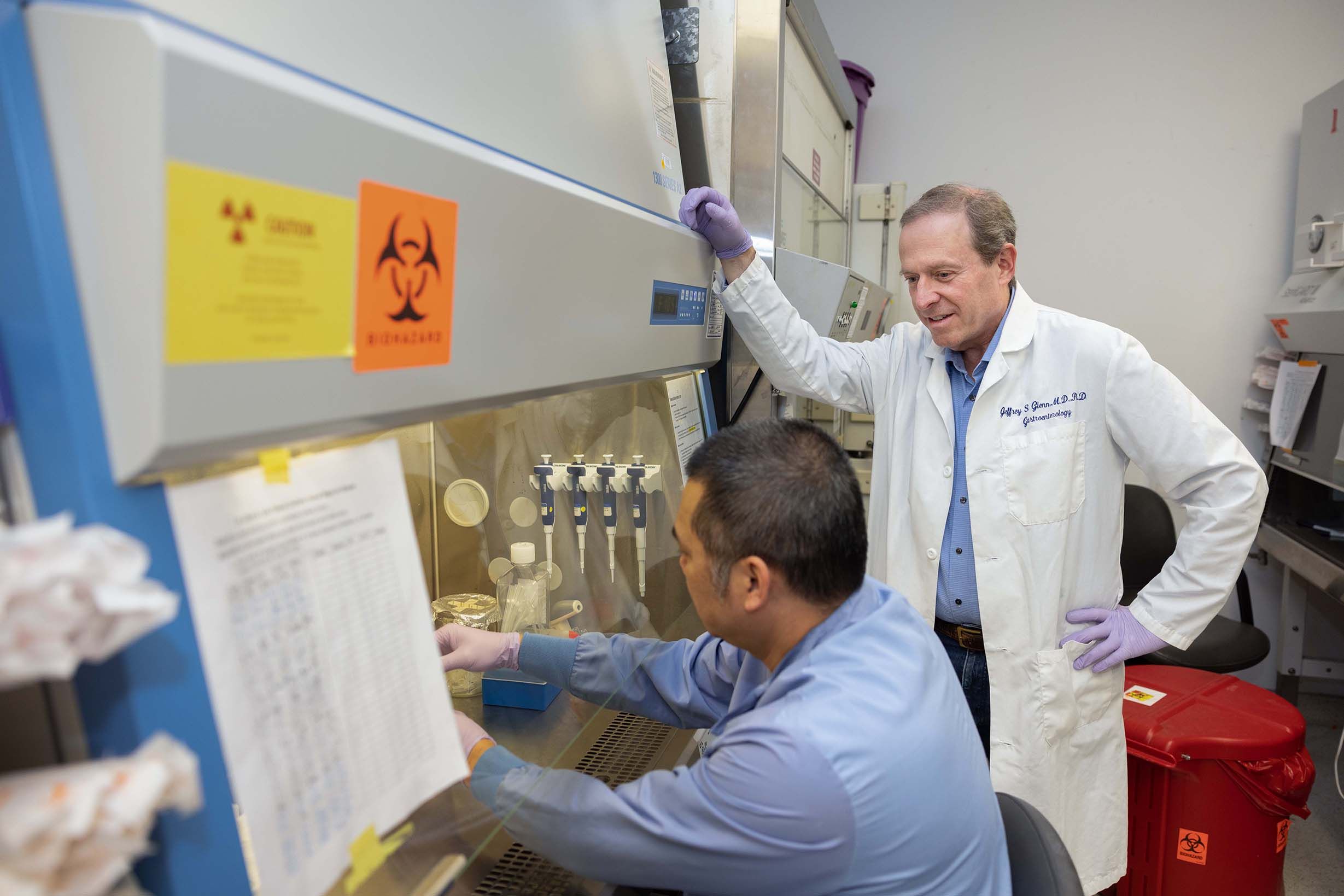
This isn’t surprising to Stanford researcher Jeffrey Glenn, MD, PhD, professor of medicine and of microbiology and immunology, who has spent years developing novel antiviral therapies for hepatitis, influenza, and enteroviruses. Fortunately, he and his international collaborators quickly pivoted and applied their expertise to COVID-19 too.

“When all of Stanford was shut down, we were considered essential. In fact, we’d never been busier. We worked 24/7 in shifts, wearing masks and social distancing,” describes Glenn, the Joseph D. Grant Professor. “This is what we’ve trained our whole lives to do — help develop drugs that could counter this and future pandemics. It’s an honor and privilege to do this work.”

Glenn’s research focuses on two approaches for creating antivirals for various diseases. The first strategy targets factors in the host that the virus depends on. The second one targets the structure of the virus itself.

Targeting Factors in the Host to Treat Hepatitis

Although viruses mutate quickly, they rely on their hosts’ cells to reproduce. So, researchers are developing host-targeting drugs. These are novel antivirals that interfere with host factors essential for the life cycle of the virus or that boost the host’s innate immunity. For example, some antivirals target specific proteins in the host to prevent the virus from replicating its genome inside the host’s cells.

Jeffrey Glenn, MD, PhD

Host-targeting drugs have several advantages. They act on something in the host that isn’t under the genetic control of the virus, Glenn explains, so it’s much harder for the virus to mutate, escape the drug, and still be viable.

“Another advantage is in the biology,” he says. “If one virus has evolved to depend on a particular host factor, many other viruses may have too. So, you can create a broad-spectrum antiviral therapy: one drug for multiple bugs.”

Glenn’s team pursued this strategy for hepatitis delta, the most severe form of viral hepatitis.

First they discovered a specific process occurring inside a host’s liver cells that the virus depends on. Then they performed animal studies and human clinical trials to test the safety and effectiveness of treating hepatitis delta with lonafarnib, a drug originally designed to treat various cancers. They demonstrated that lonafarnib inhibits the identified host-cell process and prevents the virus from replicating.

“Our phase 2 trial showed no evidence of drug resistance — one of the first examples in humans to validate this advantage of a host-targeting drug,” Glenn says. “A company that I founded, Eiger Biopharmaceuticals, is completing by year’s end a phase 3 trial. Hopefully, lonafarnib will become the first oral drug approved by the U.S. Food and Drug Administration (FDA) for hepatitis delta based on that data.”

Glenn takes this success to heart, as evidenced by a photograph on his cell phone of three Turkish young men standing together in Ankara, where the study was conducted. “They are the first three patients in history to have their hepatitis delta virus become undetectable from lonafarnib,” he says. “There is nothing cooler for a physician-scientist than seeing something you’ve made actually make a difference in patients’ lives.”

Lonafarnib also demonstrates the potential advantage of using host-targeting drugs for nonviral applications. The FDA has approved the drug to treat Hutchinson-Gilford progeria syndrome, a rare genetic condition that causes children to prematurely age and die, and lonafarnib was shown to prolong their lives.

This is what we’ve trained our whole lives to do — help develop drugs that could counter this and future pandemics. It’s an honor and privilege to do this work.

– Jeffrey Glenn, MD, PhD

This is what we’ve trained our whole lives to do — help develop drugs that could counter this and future pandemics. It’s an honor and privilege to do this work.

– Jeffrey Glenn, MD, PhD

Pivoting to Treat COVID-19

Glenn and his collaborators have developed other host-targeting drugs — including peginterferon lambda, which was originally designed to treat hepatitis delta by boosting a host’s immune system.

When the pandemic hit, they realized peginterferon lambda may be the perfect drug to treat COVID-19, because it is a broad-spectrum antiviral that targets the body’s first line of defense against viruses. Importantly, it had already been safely given to more than 3,000 patients in 20 different clinical trials, mostly treating chronic hepatitis, for which it is administered weekly for up to a year, he says.

Since Eiger Biopharmaceuticals wasn’t funded for COVID-19 studies, it made peginterferon lambda available at no cost to outside researchers. Glenn’s colleagues responded with tremendous interest within minutes of getting his email offer. Stanford was the first site to finish a phase 2, randomized, placebo-controlled clinical trial, but other studies soon followed, including one in Toronto.

These phase 2 trials treated COVID-19 outpatients. Collectively, they showed a single dose of peginterferon lambda was well tolerated and significantly reduced the amount of SARS-CoV-2 virus in the nasal passages — particularly for patients who initially had a high level of detectable virus, Glenn explains.

Next, his colleagues in Brazil performed a large, randomized, placebo-controlled outcomes study to evaluate the effectiveness of peginterferon lambda. This TOGETHER Trial uses an adaptive trial design that analyzes data as it emerges rather than waiting until the end of the study, saving valuable time and money. The study ran from June 2021 to February 2022.

Even though the majority of more than 1,900 patients enrolled were vaccinated, a single dose of peginterferon lambda reduced the number of COVID-related hospitalizations by 51% and deaths by 61%, as reported in a Grand Rounds presentation. For unvaccinated patients treated early, there was an 89% reduction in COVID-19 hospitalizations or death. And it worked across all variants, including omicron.

“This has been a frustrating journey in the sense that I know this drug could have saved millions of lives if we had it ready at the beginning of the pandemic,” says Glenn. “But it can still save many lives. The phase 3 study is done, and hopefully that’ll be the basis of an emergency use authorization before the end of this year.”

Once approved, peginterferon lambda could be used on its own or in combination with Pfizer’s Paxlovid, an antiviral with a different underlying mechanism. Giving both antivirals together could help prevent drug resistance to Paxlovid from developing, says Glenn.

Glenn is also looking beyond COVID-19 treatment uses for the drug, believing it should work against influenza and other viruses too. In the future, he envisions a patient with a respiratory virus getting a shot of peginterferon lambda at a clinic, going home, and having the doctors sort out later which virus caused the infection.

COVID-19 is tragic, but it isn’t what keeps me up at night… We are extremely vulnerable to a highly pathogenic, drug-resistant influenza virus. That fear is really what motivates us.

– Jeffrey Glenn, MD, PhD

COVID-19 is tragic, but it isn’t what keeps me up at night… We are extremely vulnerable to a highly pathogenic, drug-resistant influenza virus. That fear is really what motivates us.

– Jeffrey Glenn, MD, PhD

Targeting RNA Structures in the Virus

In addition to developing host-targeting drugs, Glenn’s team is developing programmable antivirals that target a virus’s genome structure. After identifying essential RNA secondary structures for a virus, they design or “program” a drug to act against these structures. The aim is to use the virus’s own biology against itself, limiting its ability to mutate to escape the effect of the drug.

Glenn and his collaborators have developed such antivirals for influenza A and COVID-19 and have shown drug efficacy in animal models, but not in people yet. In the influenza study, a single intranasal injection of the antiviral allowed mice to survive a lethal dose of influenza A virus — when the drug was given 14 days before or even three days after viral inoculation.

Additionally, the antiviral provided immunity against a tenfold lethal dose of influenza A given two months later.

“We call this a single-dose preventive, therapeutic, and just-in-time universal vaccination that works against all influenza A virus strains, including drug-resistant ones,” says Glenn. “The primary goal is to prevent a severe influenza pandemic, but the same drug could be used for regular seasonal flu.”

Preparing for Future Pandemics

Glenn hopes the current pandemic is a wake-up call to better prepare against future pandemics.

“COVID-19 is tragic, but it isn’t what keeps me up at night,” admits Glenn. “We are extremely vulnerable to a highly pathogenic, drug-resistant influenza virus. That fear is really what motivates us.”

Fear of an influenza and other serious pandemics also inspired Glenn to start ViRx@Stanford, a Stanford Biosecurity and Pandemic Preparedness Initiative. Its goal is to proactively build up our collective antiviral tool kit to protect against future pandemics.

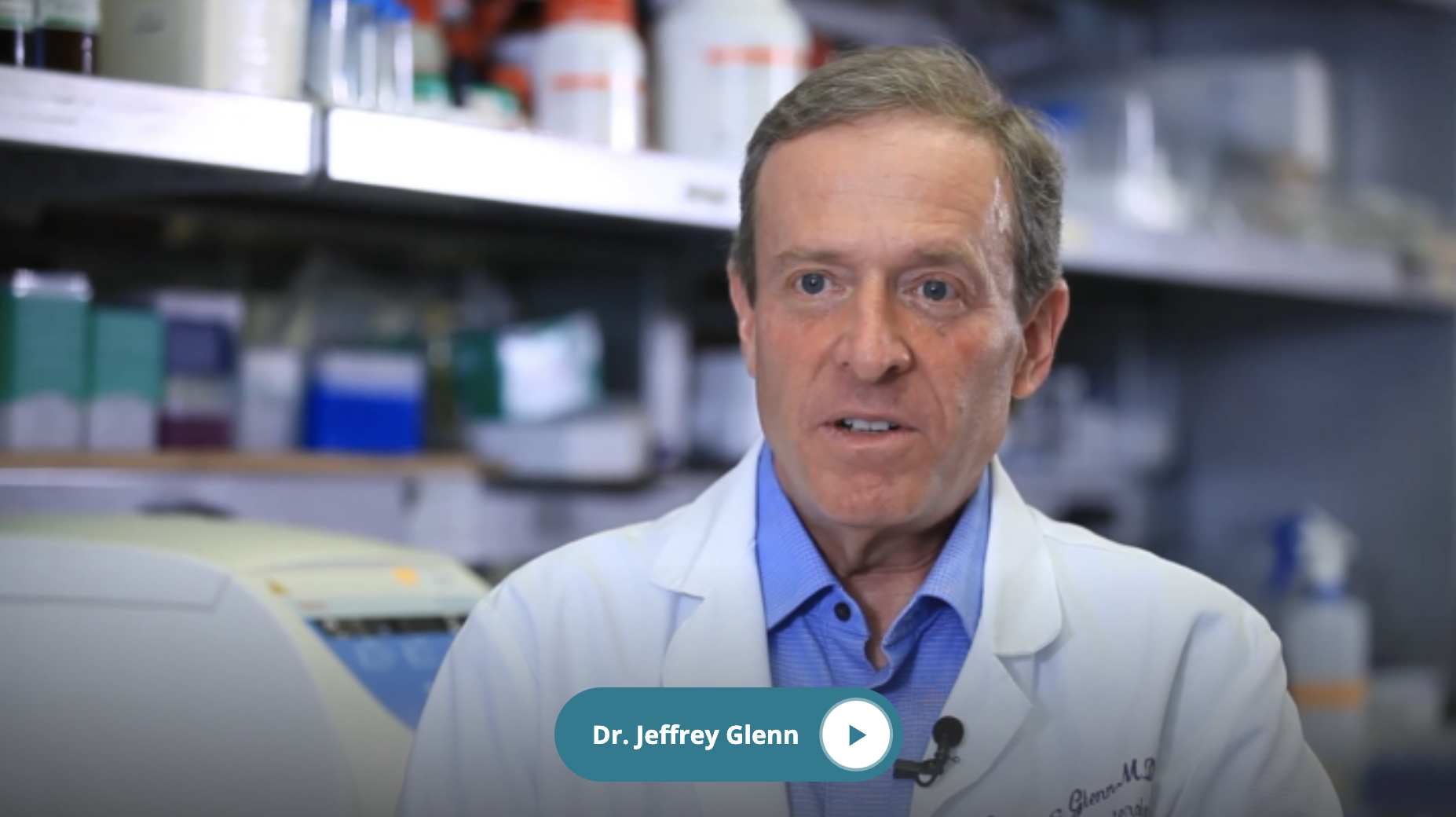
Click above to watch Jeffrey Glenn in “Excellence Across Team Members Examples” —Created by Harrington Foundation.

ViRx@Stanford’s subsection SyneRx was recently selected as one of nine Antiviral Drug Discovery Centers by the National Institutes of Health. Stanford’s center will involve more than 60 faculty and consultants working on seven research projects and three scientific cores. And ViRx@Stanford is now expanding, establishing hubs in Vietnam, Israel, Brazil, Singapore, and beyond.

“Innovative drug development is expensive. This is the kind of support that can actually help us do what we’ve never been able to do here before,” says Glenn. “The goal of all of this is to develop real-world drugs that can make a big difference for patients across the world. And I think we’re on track to do that.”

Turning Climate Despair into Action Generation Dread

Turning Climate Despair into Action Generation Dread

Confronting Climate Change’s Toll on Mental Health

Britt Wray, PhD

Britt Wray, PhD

Turning Climate Despair into Action Generation Dread

Confronting Climate Change’s Toll on Mental Health

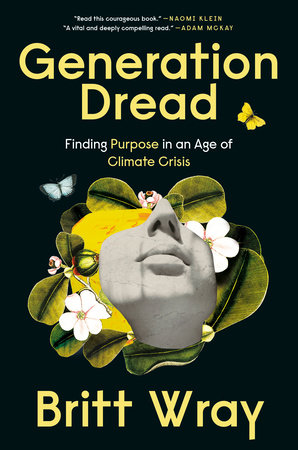
In her new book Generation Dread: Finding Purpose in an Age of Climate Crisis, Britt Wray, PhD, tells the story of a young man on a walk during the early days of COVID-19 who was struck by a sudden fear that the pandemic was driven by ecological breakdowns resulting from humanity’s destruction of the natural world. The young man, Charlie Glick, felt a sense of dread and doom considering a “series of increasingly dire crises” bound to arise in the years to come.

Three-quarters of respondents felt that the “future is frightening,” about half said climate anxiety affected their daily lives, and nearly four in 10 feared having children due to the climate crisis.

Yet, Wray says, many suffer in isolation: “A lot of the despair becomes as strong as it does because people don’t have another person who can validate and embrace their tough climate emotions, and reassure them that they’re not crazy.”

She knows from personal experience. Her own journey and current path were spurred by climate grief and anxiety.

An under-recognized but essential aspect of this global health threat is emotional distress. Britt has provided the hard data we need to get people thinking and acting on climate and eco-anxiety.

– Michele Barry, MD

An under-recognized but essential aspect of this global health threat is emotional distress. Britt has provided the hard data we need to get people thinking and acting on climate and eco-anxiety.

– Michele Barry, MD

Forging Purpose Through a Crucible of Emotion

In 2017, Wray felt forced to confront the climate crisis on a personal level when she and her husband, Sebastian, began seriously discussing having a baby. By then, she had been absorbing grim news of planetary destruction for years as a biology student turned science communicator. The question of whether or not to bring new life into a seemingly doomed world caused simmering fear, frustration, and anger to boil over.

“A deep sense of grief and despair came crashing over me when I considered what it would mean to deliver a child into this world,” she recalls in Generation Dread.

A feeling of isolation deepened the crisis, which drove her to explore whether others were experiencing similar existential fears. Through conversations and research, she learned that she was not alone and became connected to a burgeoning community that offered strength and resolve.

Over the last five years, Wray worked her way through this crucible of emotion and forged a new sense of purpose — and a new livelihood. She began to research the mental and emotional toll exacted by the climate crisis and environmental destruction and in 2017 launched a popular newsletter about eco-anxiety.

Through this work, she met Glick and many others like him. Glick, Wray writes, eventually found support and purpose by connecting with like-minded groups, working with a climate-aware therapist to understand and cope with his emotions, and moving in with his aging aunt to save resources and forge connections. “He was learning to live with the planetary health crisis and accept its gravity with some lightness, in his own way,” says Wray.

But not everyone Wray spoke with found their way to this place of acceptance and beyond it towards constructive responses. Her research made clear the gap between the devastating nature of many people’s climate anxiety and the mental health support that existed for them. Wray herself continued to struggle with deep emotional distress over the climate crisis.

“I figured that I could contribute to helping close this gap if I devoted my career to it,” she says, “and that this purposeful mission would give my work meaning and simultaneously help with my own coping.”

Around that time, she learned about the new Stanford/LSHTM Planetary Health Fellowship and applied.

A deep sense of grief and despair came crashing over me when I considered what it would mean to deliver a child into this world.

– Britt Wray, PhD

A deep sense of grief and despair came crashing over me when I considered what it would mean to deliver a child into this world.

– Britt Wray, PhD

A Pioneering Fellowship

The Planetary Health Fellowship is a postdoctoral program created in 2020 by Stanford and LSHTM to generate more research and evidence about the health impacts of climate change and environmental degradation. The unique partnership enables wide-ranging multidisciplinary support for early-career researchers in tackling pressing questions, with each institution’s distinct strengths complementing the other’s.

The fellowship was envisioned by Barry and LSHTM’s former dean Peter Piot, with inspiration from Kathy Burke, CIGH senior adviser and current planetary health lead at the Stanford Woods Institute for the Environment. It was made possible with support from CIGH Executive Director Allison Phillips and Kari Nadeau, MD, PhD, the Naddisy Foundation Professor of Pediatric Food Allergy, Immunology, and Asthma, who helped secure funding from the Sean N. Parker Center for Allergy and Asthma Research.

Wray was joined by another inaugural fellow also focusing on the effects of climate change on mental health and well-being: Elaine Flores-Ramos, MD, PhD, a Peruvian doctor at LSHTM’s Centre on Climate Change and Planetary Health and Centre for Global Mental Health, who has studied chronic posttraumatic stress disorder following disasters in Peru. During the fellowship, Flores-Ramos has focused on climate and environmental disasters’ impact on women’s mental health in low- and middle-income countries. “I believe that empowering women as educators, caregivers, holders of knowledge, researchers, and agents of social change will improve mitigation and adaptation policy interventions and will help inspire new ways of thinking that will develop a resilient and sustainable planet,” she says.

The center recently announced its second cohort of three fellows and hopes to secure funding to expand the fellowship — for instance, bringing on more fellows each year or partnering with universities in Africa and Asia to host additional fellows, says Phillips.

The fellowship, Wray says, has provided a platform for conducting collaborative scientific research in a burgeoning field with outstanding global researchers. She considers this work a form of “scholarly activism” that also enables her to influence policy makers.

Hope and Hard Work

Through her professional journey, Wray has discovered the importance of “holding a balance between hope and fear” without giving in to the binary that often separates them.

Through her parallel personal journey, she says, she experienced a fundamental change in outlook forged by gaining connections, joining climate action groups, and processing her climate emotions. One result of this change? Last fall, she and her husband welcomed a baby into the world.

“All this helped me to move through my feelings and use them in a way to ask: ‘OK, how am I going to be at this time with this one life I have?’” she recalls. “I found that I could accept things for being as turbulent as they are and move towards them with a disposition of joy. Once I made these shifts and devoted myself to working on planetary health issues, I felt connected to a deeper meaning and purpose. It was only then that I finally felt like I could have a child.”

With a growing family, a newly published book, and a year of fellowship research behind her, Wray finds herself hopeful — “in a gritty way.” She finds hope in the increased awareness and movement to solve these problems. But she also sees considerable work yet to be done in normalizing, rather than pathologizing, climate-driven emotional distress and providing adequate support for the millions of people suffering from it.

To this end, Wray secured a Stanford Global Health Seed Grant alongside Daryn Reicherter, MD, clinical professor of psychiatry and behavioral services, to pilot supports for youth and elders with eco-anxiety in Nigeria, London, and several U.S. sites. It will be one of the first interventions for eco-anxiety to be evaluated in the growing field of climate change and mental health, she says.

“At the same time that people are waking up to climate awareness and feeling really emotionally distressed, there is also the rise of awareness, research, and support around what to do with these challenges,” Wray reflects. “And that is incredible because it wasn’t there before.”

“I figured that I could contribute to helping close this gap if I devoted my career to it… and that this purposeful mission would give my work meaning and simultaneously help with my own coping.”

– Britt Wray, PhD

Resources for working with climate emotions

A sampling of a larger resource list developed by Gen Dread and The All We Can Save Project

Climate-aware therapy
If you find yourself feeling so depressed, anxious, or overwhelmed by the climate crisis that you’re struggling to stay afloat or stay in the work, it might be a great time to call a climate-aware therapist

Climate-aware therapist directory

Emotional methodologies
These emotional practices, often group-based, are designed to help people process climate emotions and are not necessarily facilitated by a mental health professional.

The Work That Reconnects

The Good Grief Network

Climate conversations
These platforms enable connections with others experiencing similar emotions and provide the opportunity to share openly.

Climate Awakening Listening Sessions

Climate Cafes

Online resource hubs
These storehouses of resources and stories of how others are integrating these tough feelings into their lived experiences can help one feel less alone and more engaged.

Eco-Anxious Stories

Gen Dread (Wray’s newsletter)

Smoothing the Pathway Home for Older Patients

Smoothing the Pathway Home for Older Patients

Smoothing the Pathway Home for Older Patients

As part of her training in geriatric medicine, Marina Martin, MD, MPH, spent time in assisted living facilities and visited patients at home. She knew that after a hospital stay, older patients often struggled to get their needs met — from filling prescriptions and buying groceries to scheduling and remembering follow-up appointments.

Then, shortly after Martin finished her fellowship, doctors diagnosed her father with glioblastoma. He moved into her house, and she became his primary caretaker. Suddenly, she gained a new appreciation for the day-to-day difficulties that many of her patients wrestled with.

“I experienced firsthand what it’s like for seriously ill patients and their families,” Martin says. “A lot of support and resources are offered to you all at once, but there’s often no one acting like the quarterback and coordinating it all.”

The experience inspired Martin, who is now a clinical associate professor of primary care and population health, to work harder to bridge hospital care with home health. Supporting geriatric patients after they leave the hospital, she reasoned, could help reduce the number of patients who end up back at the emergency room.

“The time immediately after a patient is discharged is very complicated; there are a lot of things thrown at the patient, a lot to manage, and often a lot of changes to their daily life,” says Martin. “It’s a very vulnerable time, but it’s also a time of great opportunity to change the trajectory of what happens to these patients.”

“Because we’re in the Stanford system, it’s much easier for us to do things like schedule a new appointment, fix medication errors, or get a new symptom quickly addressed.”

– Marina Martin, MD, MPH

Marina Martin, MD, MPH

Others at Stanford agreed, and in 2021, Martin became the medical director of the newly formed Aging Adult Services Transitions of Care Program, with Carolyn Bogard, MS, RN, acting as nursing director.

If a patient at Stanford Hospital over the age of 65 has complex and serious health problems, a nurse, social worker, or occupational therapist affiliated with the Transitions of Care Program meets with the patient before he or she is discharged. A few days later, they follow up by phone, often arranging a home visit. During the visit, they spend time reviewing a patient’s medications, medical follow-up care, and home environment. If a prescription or appointment needs tweaking, the program’s easy access to doctors and nurses makes it easier to do so.

Even when patients are living in a skilled nursing facility, these kinds of problems often go unnoticed or are difficult for staff members to fix.

“Skilled nursing facilities are kind of like islands in the healthcare system,” she says. “A lot of information can be lost on transfer between a hospital and skilled nursing facility, and then again between skilled nursing and home.”

The Transitions of Care Program, Martin says, enables continuity of health care during these transitions. Over the first year of the program, Martin says, doctors and nurses have already helped patients solve a broad array of problems, from discarding expired medications to discussing end-of-life care.

“Because we’re in the Stanford system, it’s much easier for us to do things like schedule a new appointment, fix medication errors, or get a new symptom quickly addressed,” she says.

Martin recalls one recent case — a man with a broken hip treated at Stanford who was then transferred to a nursing facility. When her colleagues visited him there to review his follow-up plan, they learned that he needed a new primary care physician. They not only found a physician for him but also helped ensure that all the records from his hospital stay were forwarded to the new doctor so that nothing was missed.

“We’re kind of like professional gap fillers,” Martin jokes.

Seeing patients in the environment they live in and interacting with them face-to-face is the most powerful thing we can do.

– Marina Martin, MD, MPH

Seeing patients in the environment they live in and interacting with them face-to-face is the most powerful thing we can do.

– Marina Martin, MD, MPH

A Model to Follow

There are many ways to measure the success of the new Transitions of Care Program; already, patients and caregivers have expressed appreciation for the extra help. But Martin and her colleagues are also tracking metrics that are more quantitative. Among the population they help, they’ve already reduced the hospital readmission rate — how many people end up back in the hospital within 30 days — from 24% to 16%. In the future, they hope to collect additional data on patient satisfaction and quality of life.

As the data on the effectiveness of the program grows, Martin hopes that it helps Transitions of Care grow to serve more patients at Stanford and inspires other institutions to develop similar programs.

“There’s increasing interest in this kind of care across the country right now, because of some of the changes in the Medicare payment structure, where there’s more incentive to coordinate care and prevent readmissions,” explains Martin.

Many hospitals already have phone-call-based programs, where a nurse calls patients after hospitalizations, but Martin thinks the in-person visits that her team relies on are more effective at building rapport with patients and catching problems. “Seeing patients in the environment they live in and interacting with them face-to-face is the most powerful thing we can do,” she says.

A Growing Need for Geriatrics

Over the next 40 years, the number of Americans aged 65 and older — the population that Martin works with — is expected to double. This means that programs like Transitions of Care will only become more important, as the number of older people hospitalized for everything from broken hips to cancer increases with the aging population.

That’s one reason why Martin and her colleagues have also been working with Stanford School of Medicine to better train future doctors on the needs of older patients when they leave the hospital. Today, most medical trainees — other than geriatrics fellows — never set foot in a skilled nursing facility, see how a home health agency works with older people in their homes, 

or visit patients in settings other than the hospital or clinic. Martin thinks there is a need to change this.

“Most geriatric patients spend the majority of their time at home or in a nursing home and visit the clinic once or twice a year,” says Martin. “Most of their health happens at home, and I think it’s important for doctors to understand how the home environment can shape the needs of their older patients.”

Through integrating more geriatrics training into the medical school curriculum, and pushing the limits of how Transitions of Care can help older patients at home, Martin hopes she can not just treat patients while they’re in the hospital but improve their life after a hospital stay as well.

Surge Teams to the Rescue

Surge Teams to the Rescue

Surge Teams to the Rescue

An influx of patients both during and after pandemic waves forced physicians and administrators to get creative and provide optimal care.

Even though the COVID-19 outbreak was declared a pandemic in March 2020, the first surge of cases didn’t hit Stanford’s hospitals until July 2020. Residents worked together to create surge teams staffed by volunteer internal medicine residents. Administrators canceled elective surgeries. The parking garage of the newest hospital building became a drive-up testing center.

“Just a few months after they opened the new hospitals, we had the onset of the pandemic. And the pandemic sort of threw everything for a loop,” says Tyler Johnson, MD, clinical assistant professor of oncology. “It was an all-hands-on-deck approach.”

But shortly after it started, the surge subsided, and the surge teams disbanded in early fall.

Then, near the end of the year, COVID came roaring back, with far more cases than before. Doctors from all departments were pulled to take care of COVID patients in the intensive care unit and COVID wards.

Administrators had anticipated that they’d have to pull staff from other departments during the surge, and with the discharging of patients who didn’t absolutely need to be in the hospital, there ended up being enough physicians and other health care providers to take care of the COVID patients. What surprised the health care team, however, was that after the winter holidays, as COVID cases started to wane, hospital admissions for other conditions, such as heart disease and cancer, soared.

“During the pandemic, the internal medicine residents had borne a heroic load, taking care of a huge number of very sick patients, and doing so with great bravery,” says Johnson. “When the pandemic numbers started to fall, however, and the regular numbers started to rise, it quickly became clear that we could not long place the entire burden on house staff — a new care delivery model would be necessary.”

The situation was untenable, and the directors of the Internal Medicine Residency program announced that residents should be more limited in the number of patients they see at a time. “It’s just not reasonable to think that the number of residents, which is fixed, is going to care for an infinitely increasing number of patients,” says Johnson.

“We are extremely proud of our doctors for stepping up, taking on these extra duties, and making sure SHC patients have the very best care possible.”

– Cathy Garzio

“We are extremely proud of our doctors for stepping up, taking on these extra duties, and making sure SHC patients have the very best care possible.”

– Cathy Garzio

It was clear to physician leaders that the Department of Medicine needed a new way to handle the inpatient volume to avoid overburdening the house staff. And so, out of necessity, new surge teams were born. On Jan. 4, 2021, explains Cathy Garzio, vice chair and director of finance and administration, the department launched its three new surge teams.

These surge teams were staffed by attending physicians and fellows from a variety of medical specialties who signed up for shifts to care for up to 10 patients per team without interns or residents. “Then, over time, with volume remaining high and growing, we added four additional teams, plus swing and night shifts,” says Garzio.

All this activity was coordinated by leaders in Hospital Medicine, oncology, and cardiovascular medicine, among others. Jeff Chi, MD, an internal medicine specialist at Stanford Health Care, coordinated the extremely complex schedule with Vicki Parikh, MD, assistant professor of cardiovascular medicine, and Dan Gerber, MD, clinical assistant professor of cardiovascular medicine. “We are extremely proud of our doctors for stepping up, taking on these extra duties, and making sure SHC patients have the very best care possible,” Garzio adds.

How Do Surge Teams Work?

Every new patient who comes to the hospital is assigned to a treatment team. That’s the team that puts orders into the computer, communicates with the nursing staff, and receives pages for urgent issues. “The primary team ends up functioning like the hub at the center of the wheel with all those other spokes feeding into them,” says Johnson. The spokes are the other specialists and staff members with whom the team works.

Because the number of health care providers wasn’t enough to manage the patients coming in during the winter, the department devised a program where they asked doctors from within medicine (including medicine subspecialties) to sign up for shifts working as general hospitalists or internal medicine doctors. “So doctors who would normally be working as nephrologists and pulmonologists and cardiologists and oncologists,” says Johnson, “were able to work temporarily as general hospitalists or internal medicine doctors to take care of these additional patients coming in.”

Administrators started by creating a Google Doc listing shifts during which the hospital needed extra physicians. Doctors signed up for 12-hour shifts, some of which were overnight, and six-hour shifts from 5 p.m. to 11 p.m. to help fill gaps in the treatment teams and provide safe, high-quality patient care.

It was just an enormously complicated logistical undertaking. We’ve often joked that it’s like building a plane while you’re flying it.

– Tyler Johnson, MD

It was just an enormously complicated logistical undertaking. We’ve often joked that it’s like building a plane while you’re flying it.

– Tyler Johnson, MD

The Surge Team’s Players

Initially, only attending physicians were invited to sign up. However, over time, both interest and need grew, and soon residents and fellows were invited to sign up for extra shifts.

Even though the effort started as a stopgap measure, those involved say that it’s been popular. “A lot of faculty that only do clinic work come and cover these surge teams,” says Rita Pandya, MD, clinical assistant professor of medicine, who runs the nocturnist staff in Hospital Medicine. “I was really happy to find out how excited some of these faculty members are to do inpatient work … for them it was like being a resident again.”

Building a Program on the Fly

The first, and biggest, challenge was building the program with so little time. “It was just an enormously complicated logistical undertaking,” says Johnson. “We’ve often joked that it’s like building a plane while you’re flying it.”

To get the system running as quickly as possible, administrators asked physicians to sign up for shifts via Google Docs. “Back in January, if we knew we would still be doing this in June and July,” says Garzio, “I’m not sure we would have organized this via a Google Doc.” The next logistical challenge for Garzio was processing payments. The attendings, residents, and fellows all use different payroll systems.

Lastly, unpredictability has been a major challenge. Pandya runs the nocturnist program and covers all the surge teams overnight. She explains 

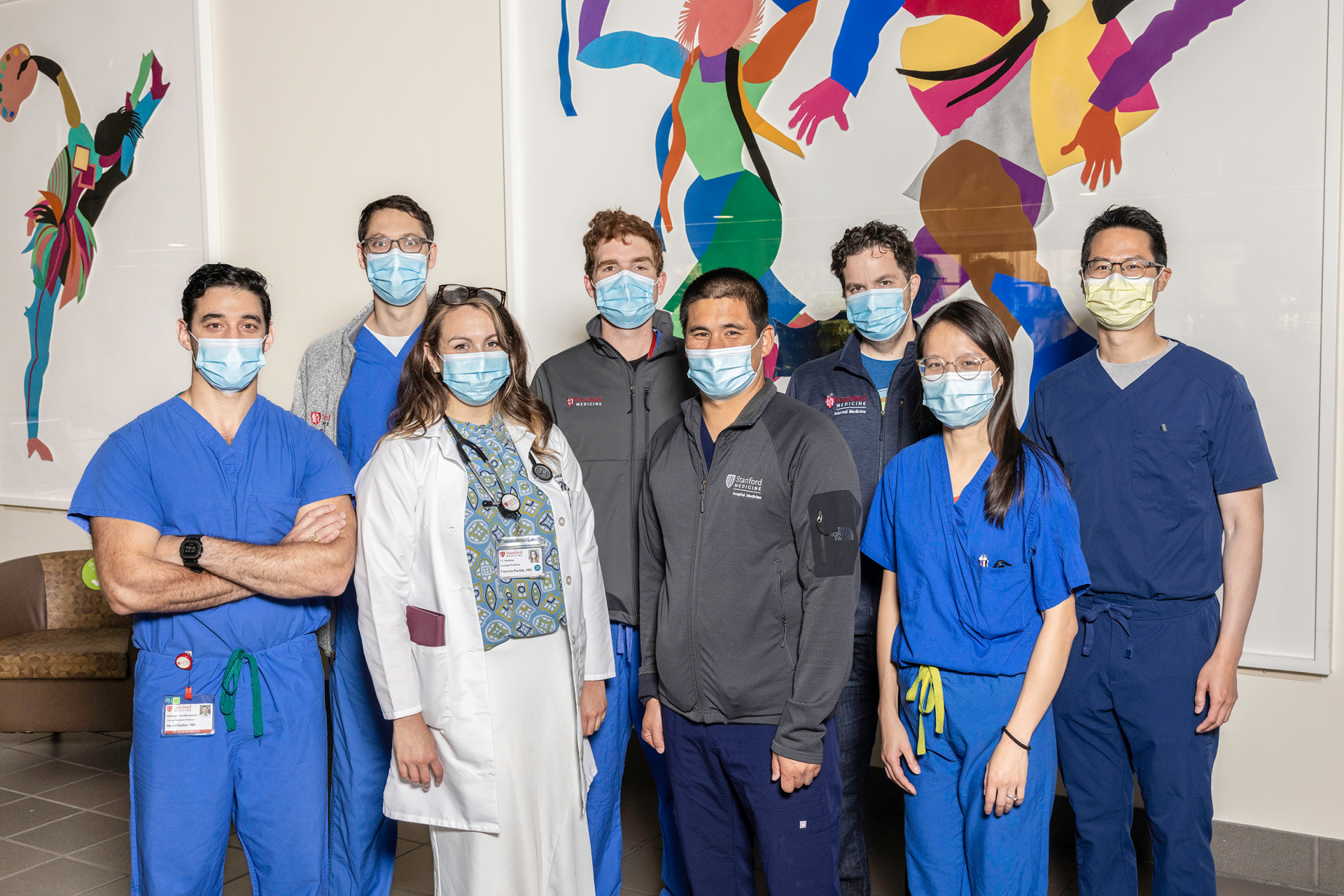
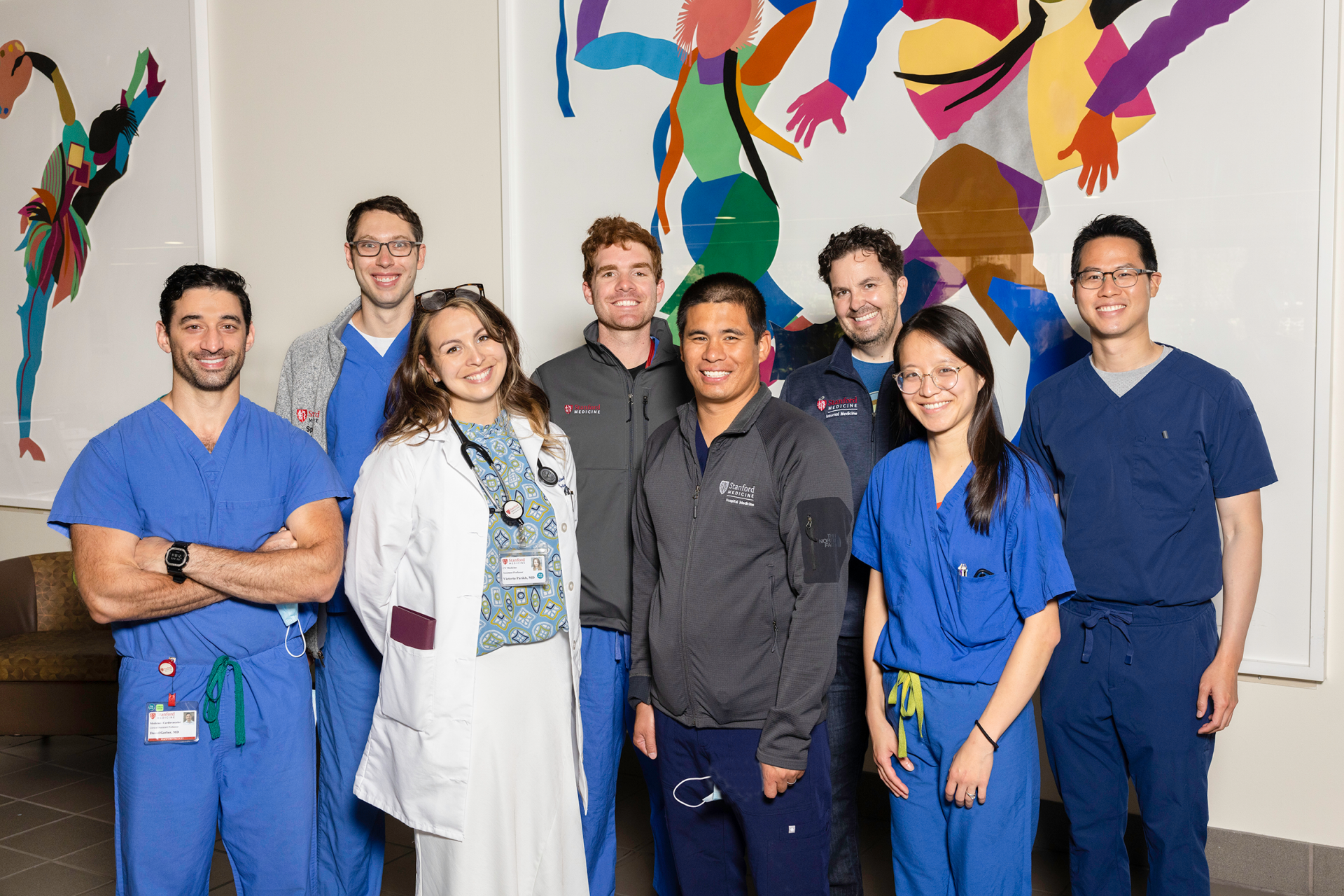
From left: Daniel Gerber, MD; Spencer Frost, MD; Victoria Parikh, MD; Alex Wright, MD, MBA; Jeffrey Chi, MD; Tyler Johnson, MD; Lichy Han, MD, PhD; and Charles Liao, MD.

that it’s impossible to predict how many patients will come in overnight and what level of staffing they’ll need. “There have been some nights that have been kind of quiet, and other nights there were over 100 patients in the ER,” she says. “There have been a couple of nights where I’ve even had to help out from home.”

The Future of Stanford’s Surge Teams

During the summer of 2022, there were six surge teams covered by six teams of providers during the day, a nocturnist at night, and a swing shift provider who overlapped with both the day and nocturnist providers. “The patient care has been outstanding, and we’ve taken good care of people,” says Garzio. But the surge teams lasted longer than some staff had anticipated, as COVID spikes, illness among providers, and simple exhaustion exacerbated existing shortages of health care providers.

While some teams may stick around for the longer term, the goal is to phase out all surge teams by January 2023, one year after starting this new care model.

“It’s been quite an experience. I don’t think it’s anything any of us had anticipated and has definitely outgrown what we thought we would need,” says Pandya.

Open Science at Stanford

Open Science at Stanford

Promoting Data Access, Credibility, and Reproducibility For All

Open Science at Stanford

Promoting Data Access, Credibility, and Reproducibility For All

Ten years ago, Amgen, a biotech company in Los Angeles, tried to replicate what it considered to be the hundred most important studies done in cancer biology. The results of the project showed that Amgen was able to replicate only six study findings out of 53 landmark cancer papers. This study from Amgen caught the attention of many people in the field, who worried about the scientific credibility of the 53 cancer papers, according to Mark Musen, MD, PhD, director of the Stanford Center for Biomedical Informatics Research. Lines of investigation were launched on the basis of those papers, as the assumptions that underpinned considerable research activity in the field were suddenly called into question.

Musen is working to fix this problem of data management and spreading the information to all relevant people. His goal is to create guidelines and templates that will give researchers the tools needed to duplicate their work. This comes on the heels of an October 2020 announcement of new National Institutes of Health (NIH) requirements that many researchers will soon have to follow.

The National Institutes of Health issued new requirements that many researchers will soon have to follow.

NIH Requirements

Scientists dealing with billions of pieces of raw data will find it much easier to do their work after Jan. 25, 2023. That’s when the NIH will adopt a new Data Management and Sharing Policy. Researchers funded by the NIH will be required to submit a formal plan detailing how they will share their research data. The new policy, in part, follows principles first laid out in a paper published in 2016 in Scientific Data.

The Scientific Data paper argued for scientific data to be findable, accessible, interoperable, and reusable (FAIR). That is, they need to be easy to find in a common database, accessible by those with disabilities, able for others to use and exchange the information, and able to be used again. The creation of FAIR Principles provides an essential set of guidelines for stakeholders who wish to go FAIR.

The NIH’s new policy requires that researchers share all scientific data so that others can more easily use findings from previous studies in future studies. Furthermore, researchers must include a plan for sharing their data whenever they apply for NIH funding. The NIH will cover the costs of data collection, sharing, and storage.

Many leaders in the field of biomedical informatics see the NIH policy as a giant step toward Open Science, a concept that makes science much more accessible, inclusive, and available for everyone. Open Science seeks to eliminate the barriers to access of data and to provide scientific credibility by allowing everyone to verify study findings. Stanford experts are in favor of the Open Science concept, but they differ in how they approach and use it.

Purvesh Khatri, PhD

Open Science in Action

Purvesh Khatri, PhD, an associate professor of biomedical informatics research and an associate professor in the Institute for Immunity, Transplantation and Infection, has used Open Science to create new findings using existing data. Khatri and his lab were able to comb through many publicly available data sets to examine and analyze what factors could lead to new developments in tuberculosis (TB) patterns in gene expression.

Khatri’s research in TB led to the development of TB testing using only finger-stick blood samples. The Khatri lab found that three gene signatures could be used to diagnose TB. Using publicly available data that represented various real-world patient populations, the lab concluded that three genes could indicate whether someone has TB. These findings led the lab to move 

past the discovery stage and produce a clinical result in five years.

For Khatri, the process of searching through different publicly available data remains a challenging endeavor. He says, “We know that these data sets exist out in the public domain, but we have to go out and look for them. Looking for this information is exhausting and labor-intensive. Since there is no centralized method of labeling data, every single piece of data could have different labels for many various things. Researchers who are reading these papers may not be able to find the information they need to get the information. There has to be a solution to this problem.”

Reproducibility: Approaching Scientific Data Like a Librarian

Reproducibility helps interested researchers re-create a study so they can follow similar steps when forming their own results. Reproducibility also allows other researchers to find and share the information with ease. “I became interested in all of this because Open Science is actually more broadly about making science itself accessible and transparent,” says John Borghi, PhD, manager of research and instruction at Lane Medical Library at Stanford.

Borghi plays a large role in educating Stanford School of Medicine faculty about the new NIH data-sharing requirement, and he helped Lane Library acquire a license for Dryad, a highly used, general-purpose data repository that was developed by the University of California to make it easy to archive and share scientific data sets.

Imagine a hobbyist with all the pieces of a complicated model car laid out in front of him, but with no instructions. He could end up with a completed model car, but he may have put some pieces in the wrong places. “Open Science practices really help you facilitate a step-by-step process that is much more like building a model where you have instructions that make sense,” says Borghi. “If two people have all the pieces readily available, then one person will create one version of the model, and the other may create another version. Without instructions on how to duplicate the model, you can come up with a vastly different outcome.”

“I was a neuroscience researcher before I was a librarian,” Borghi explains.

Photo Caption Here

“I was not thinking about the people who would read our data. We were creating data sets and maybe sharing them, but not really describing them in such a way that they could be found.” Creating and standardizing metadata and creating methods and forms to list them ensures that researchers can properly file and store data for researchers who wish to look up studies.

Metadata is a type of data that describes information inside something like a written document or file, which informs users of the content. Just as an abstract gives basic information about a scientific journal article, metadata offers the same for data. Consider a researcher who locates a book in a library on a subject of interest. Metadata would inform the researcher of what the book holds and where to find that information. The book metadata would include the title, subtitle, publication date and ISBN, keywords and key phrases, book description, and author bio. This information would be listed in the metadata, and the book’s information would be cataloged, thereby easily found in a library, similar to a data repository.

Open Science seeks to eliminate the barriers to access of data and to provide scientific credibility by allowing everyone to verify study findings.”

­–Steve Goodman, MD, MHS, PhD

He plans to work with Borghi this fall to survey School of Medicine investigators and learn how databases are being managed to determine training and support needs. SPORR is also planning a school-wide symposium on Jan. 23, 2023 — the day the NIH requirements go into effect — to educate faculty and provide on-site consultation for investigators. It is also presenting a three-week mini-course on the topic for trainees during Stanford’s winter 2023 term.

Goodman stresses that the SPORR team is looking to support research groups that need assistance and to identify those that use best practices, recognizing them through prizes and dissemination. As Goodman says, “Our responsibility as an initiative and as a school is to make rigorous data handling easy; each researcher shouldn’t have to invent their own wheel. We want to help Stanford investigators learn from each other about what works best here.”

Open Science practices really help you facilitate a step-by-step process that is much more like building a model where you have instructions that make sense.

– John Borghi, PhD

Open Science practices really help you facilitate a step-by-step process that is much more like building a model where you have instructions that make sense.

– John Borghi, PhD

Mark Musen, MD, PhD

CEDAR is trying to streamline the authoring of this metadata, which will enable researchers to eliminate deviations when describing different data in the same subject. As mentioned above, the process of combing through different publicly available data is a continuing challenge for scientists like Khatri. The lack of standard terms within the metadata makes it hard for investigators to find what they’re looking for.

CEDAR’s primary contribution is to ensure that new metadata adheres to whatever standards the research community has settled upon. Once it’s simplified and centralized, researchers will have an easier time finding the information they need to continue with their research. As Musen explains, “The good news — or the bad news, depending on your perspective — is that scientists didn’t start putting their data in online repositories until the 1980s.” There has been a lot of data since the 1980s, and not all of it adheres to proper metadata search terms. However, there is hope.

The National Science Foundation has issued a grant to a small business called Metadata Game Changers to integrate CEDAR into Dryad, the general-purpose data repository. The expectation is that people who upload data sets into Dryad will be able to use CEDAR to create appropriate metadata. For Borghi, who is working with School of Medicine faculty, integrating CEDAR into Dryad will enable faculty to share data using Dryad if there is no other appropriate repository for them to use — just in time for the new NIH policy.

CEDAR is a starting point for researchers and scientists to correct the mistakes of past studies and to modernize how information from those studies is shared. If all things come together, using Open Science and FAIR principles will ensure that future studies based on previous landmark science papers will be able to reproduce results with few to no problems. What a difference that would have made for Amgen back in 2012!