Expanding Equity and Diversity Is Paramount to Stanford Medicine Mission

Expanding Equity and Diversity Is Paramount to Stanford Medicine Mission

Alyce Adams, PhD

Alyce Adams, PhD

Expanding Equity and Diversity Is Paramount to Stanford Medicine Mission

The coinciding crises of the murder of George Floyd and the COVID-19 pandemic marked a transformative moment in our nation’s history. One reignited the demand for social justice; the other highlighted the glaring inequities in health outcomes due to ethnicity and zip code.

Together they galvanized the Department of Medicine’s existing commitment to focus on the social determinants of health, as one’s environment, ethnicity, food security, and access to clinicians and pharmacies all impact one’s lifelong health. The department launched a slew of new health equity activities and programs in the 2021–2022 academic year, and new research spinning off pandemic data helped government agencies and health care providers discover ways to address their own deficiencies in treating underserved populations.

The coinciding crises also prompted the department to pledge to take a louder stand against racism moving forward.

“Our Stanford Medicine community came together to declare, ‘Enough is enough,’” says Terrance Mayes, EdD, associate dean of equity and strategic initiatives and executive director of the Commission on Justice and Equity at Stanford Medicine. “We pledged that at Stanford Medicine we will not remain silent. We will do everything we can to effect meaningful change.”
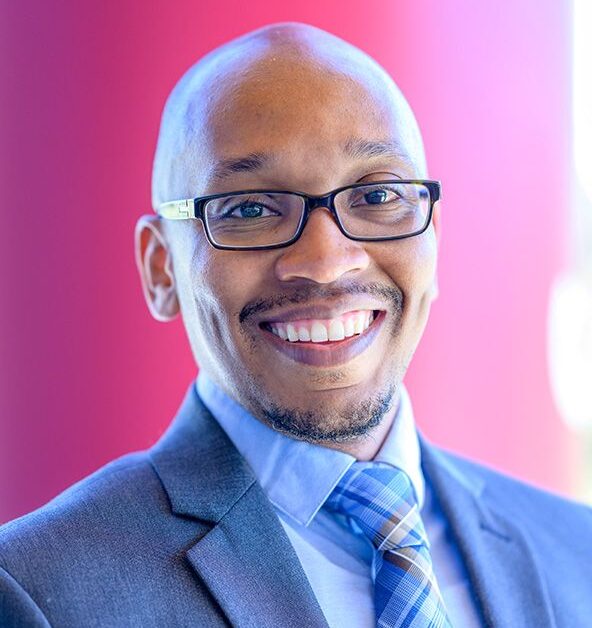
“Our Stanford Medicine community came together to declare, ‘Enough is enough… We will do everything we can to effect meaningful change.”

– Terrance Mayes (Photo by Robert Most)
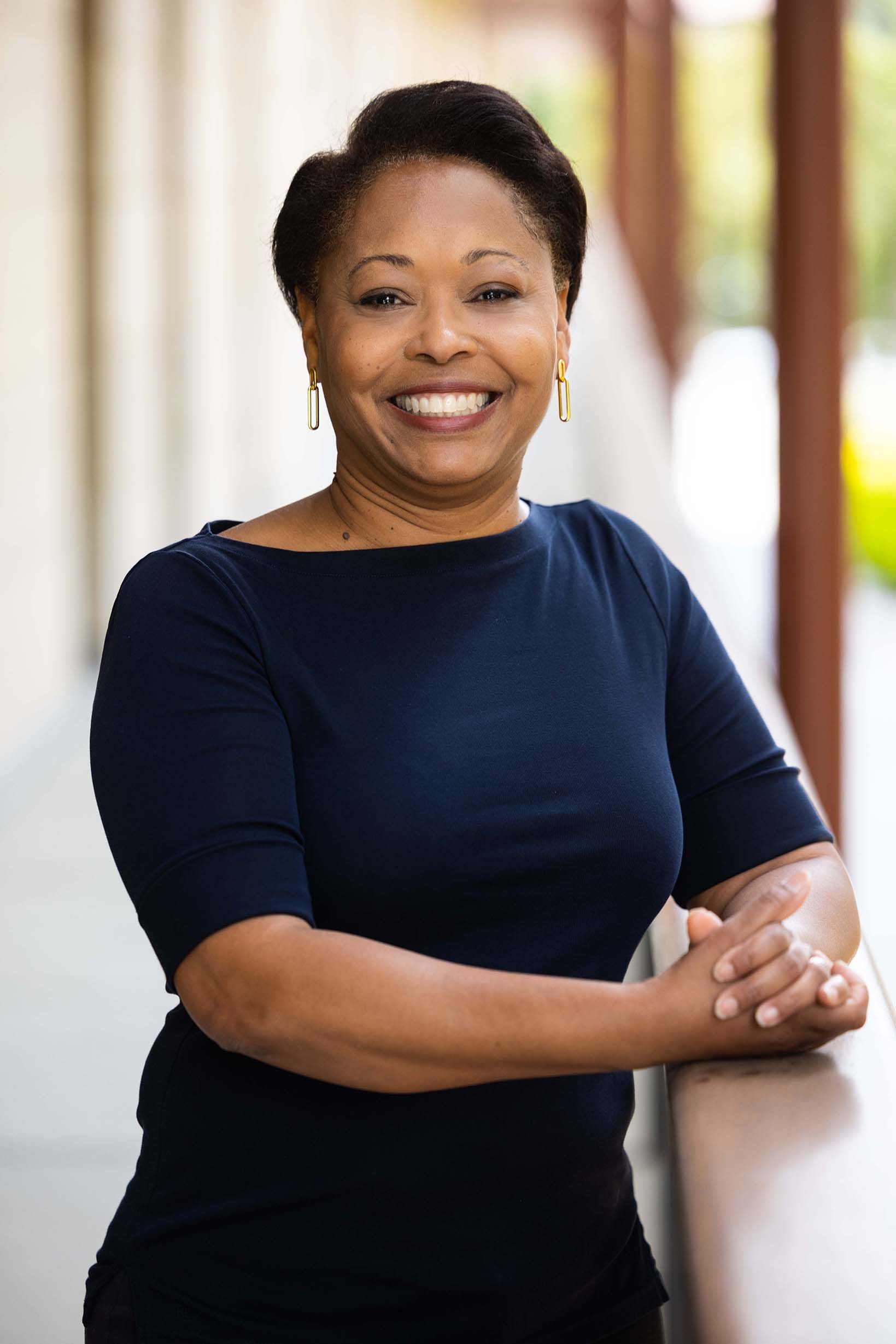
“We have an opportunity to be leaders in leveraging data and technology advancement to inform the development of health systems and policies that promote health equity.”

– Alyce Adams, PhD

Taking Up the Challenge

The Department of Medicine has long strived for more equity and diversity in its own healthcare system and within the Stanford School of Medicine curriculum, with dozens of programs on the medicine campus, as well as community outreach programs nationwide.

In 2004, the medical school created a new leadership position meant to attract more women and underrepresented minorities to postgraduate and faculty positions. Hannah Valantine, MD, professor of cardiovascular medicine, was the first to hold the post of senior associate dean of diversity and leadership. The school has since implemented dozens of programs for students, residents, postdoctoral scholars, and faculty members to promote diversity, equity, and inclusion.

Valantine notes that women now comprise 47% of all Stanford Medicine department chairs.

“Stanford Medicine has been working on faculty diversity and has made great progress with gender equity,” Valantine says in this Q&A. “My point is that if we can do this for gender inequality, we can do this for race and ethnicity, because the pool of qualified people exists.”

She is promoting additional training to combat unconscious bias and racism and gathering diverse groups to conduct team science and apply for NIH grants.

“The key to team science is bringing together a diverse group of people,” she says. “We want that collection of different ways of thinking to enhance our research and patient care.”

That focus on team science is one of the chief reasons why Alyce Adams, PhD, joined the Stanford Medicine faculty.

“I came to Stanford because of the opportunity to collaborate with scientists from across diverse disciplines to understand and address the drivers of health inequities,” says Adams, the inaugural Stanford Medicine Innovation Professor and professor of epidemiology and population health.

“Few places have the potential to conduct transdisciplinary health equity research on a single campus,” she says. “Plus, Stanford is known for 

innovation and data science. We have an opportunity to be leaders in leveraging data and technology advancement to inform the development of health systems and policies that promote health equity.”

Equity in Cardiology

While cardiovascular disease is the number one killer of women in the United States — causing one in three deaths each year — fewer than 15% of cardiologists are women. Women make up fewer than one-fourth of surgeons in the United States, yet a recent study shows that 32% are more likely to die during postoperative care if their surgeon is a man.

When Department of Medicine Chair Robert Harrington, MD, a cardiologist, was chair of the American Heart Association, he helped launch Research Goes Red, part of the Go Red for Women initiative designed to encourage women to take charge of their heart health.

“We’ve also created a women’s research working group designed to make sure that we’re reviewing submitted grants in a gender-equitable way, and that we’re including more women as part of all of our science committees,” Harrington says in this Q&A about health equity and the gender gap in cardiology. “Right now, our committees are roughly 42% women, and we’ve made a public commitment to get that to 50% in the next few years.”

Revelations Born of COVID and Racism

The Stanford Medicine magazine devoted an issue, Closing the Gap, to address racial inequity in medicine — and some of that meaningful change has come from research born of COVID-19.

Stanford Health Policy research discovered that unequal vaccination rates in the U.S. compounded existing disparities in cases, hospitalizations, and deaths among Black and Hispanic populations. Data from a slew of projects by a new COVID modeling team of faculty and students aided public health officials, hospitals, state governments, and policy makers as they planned for and mitigated the impact of the virus that has taken more than a million lives in this country.

“Narrowing vaccination disparities to produce better and more fairly distributed health outcomes is simple enough to say and appeals to ideals of equal access and justice,” says Jeremy Goldhaber-Fiebert, PhD, professor of health policy. “But achieving this goal is as challenging as it is important.”

Indeed, Stanford School of Medicine Dean Lloyd Minor, MD, stated in a letter to readers of the Stanford Medicine magazine that the best predictor of a person’s health remains the zip code.

“The insidious effects of racism have become abundantly clear during the pandemic. Anti-Asian hate crimes have soared nearly 150% amidst rising xenophobic rhetoric,” Minor wrote. “And nationally, Black, Latinx, and American Indian people are about four times as likely to be hospitalized with

COVID-19 as white people, and nearly three times as likely to die of it, according to the Centers for Disease Control and Prevention.”

Minor emphasized that all departments within Stanford Medicine must acknowledge and address institutionalized racism within the U.S. healthcare system. He noted that in 2002, the Institute of Medicine published the report Unequal Treatment, which revealed that racial and ethnic minorities receive poorer quality care even after controlling for factors such as insurance status and income.

“Nearly 20 years later, we continue to see reports of differential treatment for patients of color at hospitals around the country,” he said, pledging that Stanford Medicine would make social determinants of health a research priority as well as the recruitment and training of a more diverse workforce.

The ability to reach our patients where they truly live … makes it easier for our patients to see us and for them to potentially participate in research. These ambulatory sites are a critical part of our future.

– Robert Harrington, MD

The ability to reach our patients where they truly live … makes it easier for our patients to see us and for them to potentially participate in research. These ambulatory sites are a critical part of our future.

– Robert Harrington, MD

Furthermore, Minor said, the medical school intends to grow its care for the greater Bay Area community through its outpatient centers along the Peninsula and in the East Bay, like those in the often-underserved cities of Oakland and San Jose. Minor noted that clinics like the Stanford Medicine Cancer Center in South Bay and Stanford Medicine Cancer Center in Emeryville, both staffed by Stanford faculty, expand the network of clinical trials for rare diseases and cancer to a more demographically diverse population.

Department Chair Harrington echoed the need for this increased accessibility.

“The ability to reach our patients where they truly live … makes it easier for our patients to see us and for them to potentially participate in research,” Harrington told The Stanford Daily. “These ambulatory sites are a critical part of our future.”

Being Black in a White Coat

Acknowledging that there are too few Black clinicians in white coats and too few women surgeons in cardiovascular and orthopedic surgery is among the other keys to health equity — and better outcomes for patients. A Stanford study showed that Black men being treated by Black physicians have better health outcomes. Yet according to a report by the Association of American Medical Colleges, as of 2018, only 5% of physicians were Black and 5.8% of doctors were of Hispanic ethnicity.

Stanford emergency room physician Italo Brown, MD, says he uses his ethnicity as a strength and strives to help aspiring minority clinicians to meet their full potential.

“It’s important to me to be a river to one’s people,” he said in this Stanford Medicine magazine article about trust in medicine, explaining that the phrase comes from Lawrence of Arabia. “It means to be somebody who, with everything else you get, everything that you receive, you flood it to the communities you come from — to the people who have no access to it. To be a reservoir, a tributary, is living up to your ultimate potential.” It’s a constant reminder, he said, of why he chose health care. “Tons of people sacrificed, died, prayed, and invested for me to be able to do this.”

In 2021, the medical school launched a new health equity project called 

Italo Brown, MD, from Stanford Medicine Magazine

The REACH Initiative, a series of programs dedicated to training a new generation of leaders in medicine and science who will actively promote health equity, racial equity, and social justice work to reduce our society’s devastating health disparities. With a $25 million gift from an anonymous donor, REACH will fund more than 700 students from historically underserved communities who will pursue health equity.

Stanford Medicine’s New Department of Health Policy

The Center for Primary Care and Outcomes Research within the Department of Medicine became its own full-fledged Department of Health Policy in fall 2021 — the 13th basic science department within Stanford School of Medicine.

The new department provides a focal point for health policy at Stanford University and the medical school at a time when policy research, decision science, and data modeling have played a vital role in the understanding and prevention of the coronavirus pandemic. The department will also be a major hub for research and policy impact to promote health equity.

Stanford Health Policy (SHP) remains the umbrella organization across campus representing the medical school with the new department as well as the Center for Health Policy in the Freeman Spogli Institute for International Studies within the university. SHP faculty, fellows, students, and researchers investigate how social factors, economics, law, financial and insurance organizations, health technologies, and personal behaviors impact the accessibility, quality, and cost of health care.


Jason Gotlib’s Global Photography

Jason Gotlib’s Global Photography

Jason Gotlib’s Global Photography

Jason Gotlib, MD, MS, professor of hematology, has been passionate about photography for decades. His passion has taken him all over the world, from a planned trip to Patagonia in 2023 to Japan, New Zealand and many other far-flung locations (although he also loves the national parks closer to home). In a recent conversation, Gotlib reveals his deep love of photography, as well as his thoughts about what photography has meant to his life.

What is your role at Stanford?

I am a clinical trialist with a focus on developing new therapies for a group of diseases referred to as myeloproliferative neoplasms (MPNs). These are chronic blood cancers characterized by overproduction by one or more types of blood cells, which can lead to an increased risk of clotting, bleeding, and transformation to acute leukemia. A large part of my work involves collaboration with lab-based researchers who have helped provide a biologic and molecular context for our clinical observations. I have led clinical development of several drugs that have received FDA approval, including the JAK inhibitor ruxolitinib for myelofibrosis and midostaurin and avapritinib for advanced systemic mastocytosis. I previously served as director of the hematology fellowship program and currently serve as vice chair of the Stanford Cancer Institute Data Safety Monitoring Committee (DSMC).

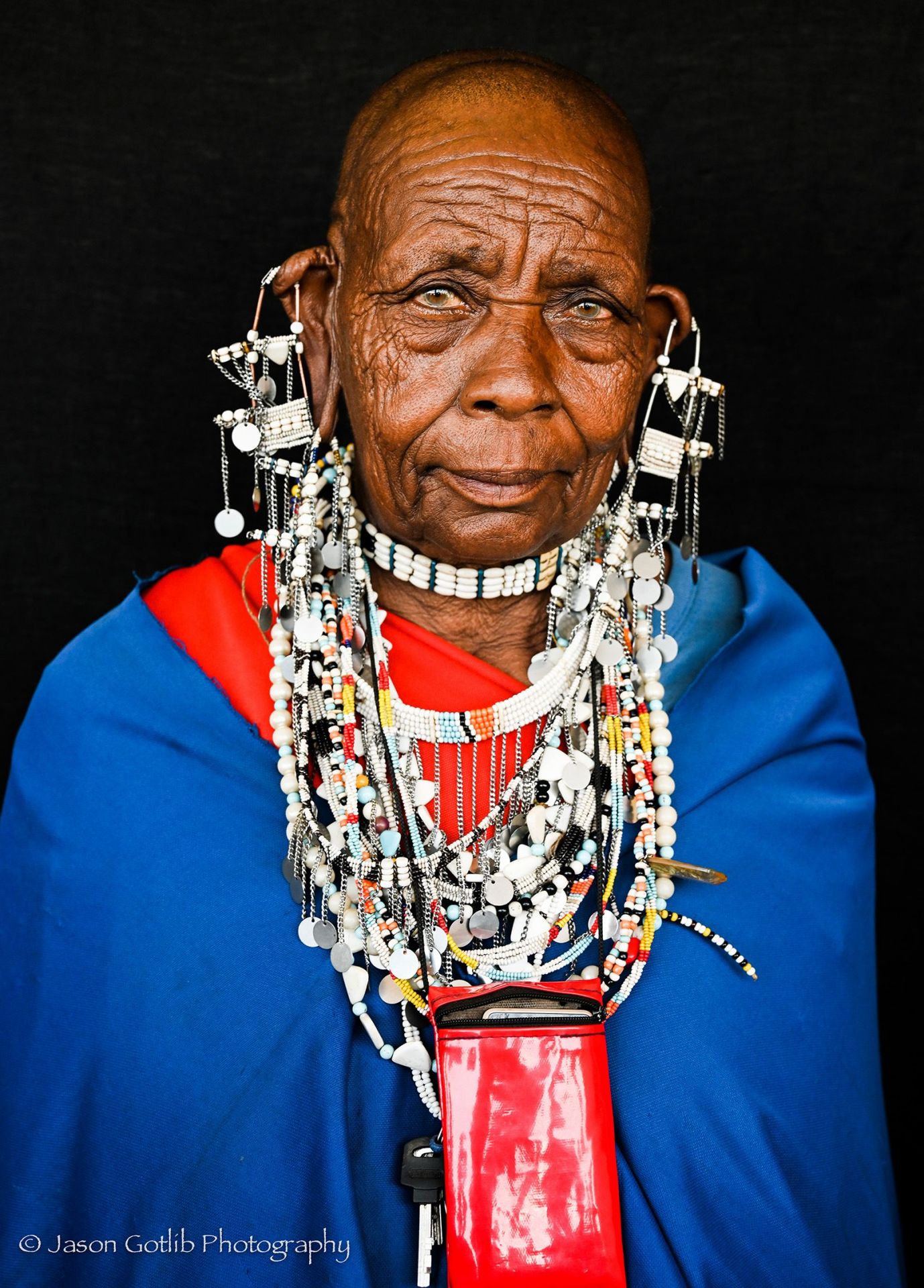
Maasai Warrior 1

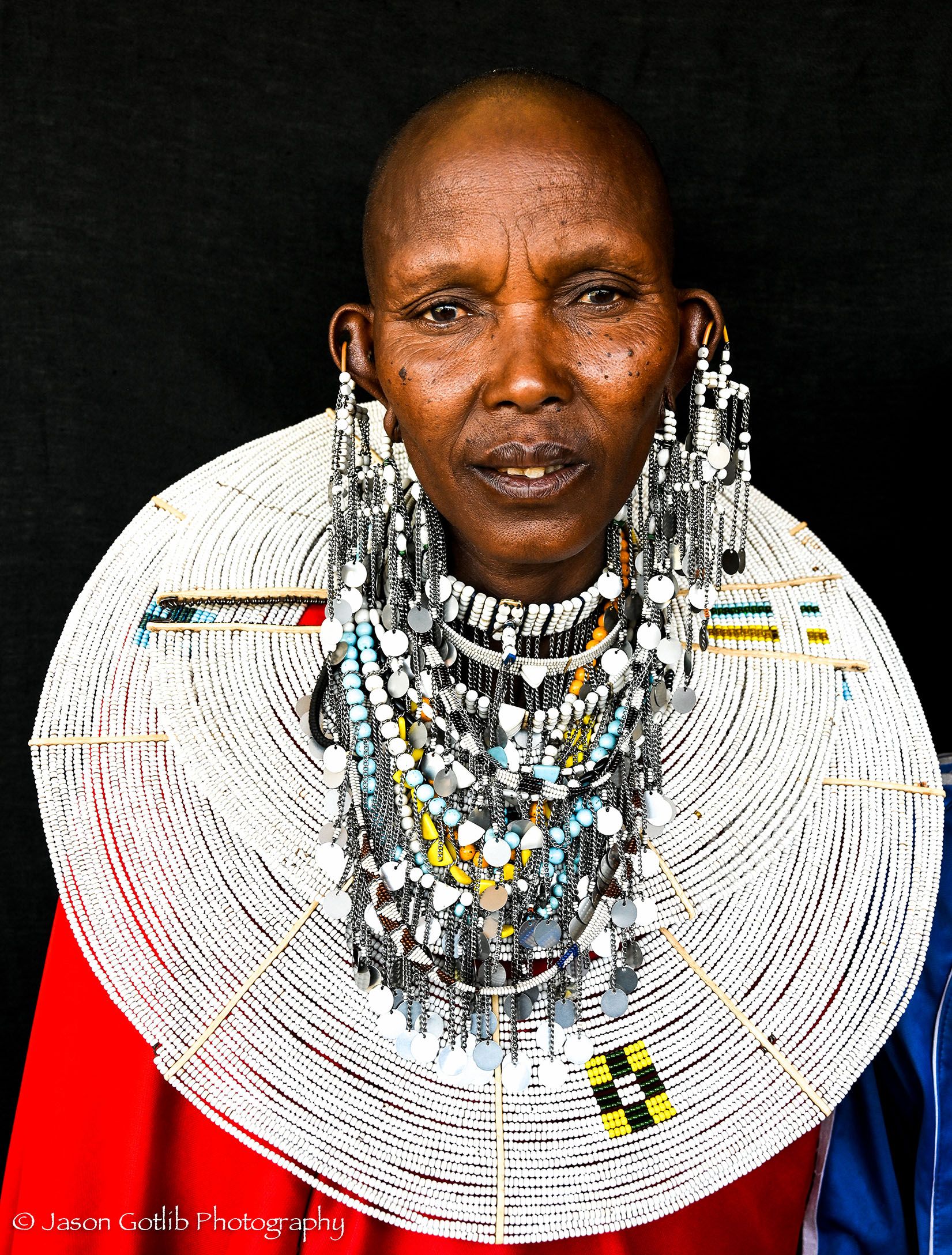
Maasai Warrior 2

How long have you been at Stanford?

September 2022 marks 32 years at Stanford for me. I arrived at Stanford in September 1990 for medical school and haven’t left. I undertook five years of medical school training, followed by three years of internal medicine residency training; five years of combined hematology/oncology fellowship training, including a master’s in clinical epidemiology; and one and a half years as an instructor in hematology, leading to my hire as assistant professor of hematology in 2005. I’ve been faculty for over 17 years. Although I describe myself as a “Stanford lifer,” I have some catching up to do relative to some of my mentors, who have been at Stanford for five to six decades, including the legendary hematologists Stan Schrier and Peter Greenberg.

When did you first become interested in photography?

When my sister and I were growing up in Queens, New York, and then New Jersey, my father was incessantly placing us in front of his camera. I can remember being annoyed by how often we were asked to pose for the lens, but his refrain was that we would someday appreciate having all these family photos. After retirement, his bedroom closet in Boca Raton, Florida, doubled as a sort of Library of Congress of his Kodachrome slide carousels. He has since digitized most of his collection. Every few months, he would email me a 40–50+ year-old photo: our young family decked out in ’70s fashion with the architectural décor of the day — plaid pants that matched our couch, oversized collars, and our faux wood–paneled den. His habit of emailing digitized photos greatly accelerated during the COVID-19 pandemic, when travel was put on hold. His photos were no longer an annoyance; they served up a nostalgic version of “The Story of Us” in order to cope with a world tossed upside down by the virus.

During the early days of the pandemic, new television production was put on hiatus, and many channels reverted to airing “The Best of” series from 30–40 years ago, including classic TV game shows or era-defining sports battles. Together with my father’s photos, these visual cues fed a rush of childhood memories. Most were very special, but some I had not thought about for decades and had purposefully put behind me. Sometimes, when the dam breaks, you can’t control how the floodwaters run. Everyone takes something different away from a photograph.

My love affair with photography began around the time of my Stanford medical school graduation in 1995, when I spent a month in Maui. I traveled the island, seeking the golden hours to photograph landscapes and sunsets and to gain experience with macro shots. I had my father’s camera in hand and one of my own — both traditional film cameras. It was during this trip that I left auto-focus behind and began experimenting with shutter speed and aperture so I could develop the craft of manual exposure. I purchased a tripod and graduated density filters, read countless books on composition and lighting, and tried to practice some of Ansel Adams’ photography fundamentals, including the art of pre-visualization. My growing interest in photography occurred in parallel with the revolution in digital cameras as well as post-processing software.

What kind of camera do you use? What’s the process you go through to develop photos?

I’m a Nikon devotee. Currently, I shoot RAW and JPEG using a D850 full-frame DSLR and a Z6 mirrorless. I use lenses that span the spectrum of focal lengths, including an ultra-wide-angle AF-S Nikkor 14–24mm F2.8G ED for expansive landscapes, a 24–70mm Z-mount lens for the mirrorless, and AF-S Nikkor zoom lenses that cover the 70–200mm and 200–500mm spectrum. I used the latter lens for 90% of my shots while I was on safari in Tanzania in 2019; I was able to get crisp shots of distant wildlife by placing the camera body and lens on a beanbag full of rice placed on my jeep’s window frame to act as a shock absorber against the bumpy dirt roads.

For my next trip to South America’s Patagonia, Atacama Desert, and the Uyuni Salt Flats in Bolivia in January 2023 (canceled twice due to COVID), I plan to purchase a Nikon Z9, which is their new flagship mirrorless camera. I use the program Lightroom for post-processing my photos, but I try to get the best shot in camera to minimize the time spent on optimizing photos after the fact. I’ve worked with a few custom photography services; now I turn almost all my prints into gallery-style acrylic mounts, some which are up to 5 by 7 feet in size. They cover the walls of my house, and I have hung several of them in the hallways of our staff offices at the Cancer Center.

What are some of the difficulties involved in photography?

Digital cameras have democratized photography for the masses, allowing untold numbers of hobbyists to take high-quality photos at low cost. However, many iconic landscape locations, many of which were a best-kept secret of semi-pro and professional photographers, have lost their anonymity and have been overrun by tourists. In order to secure a camera shot, I have to sometimes wake up at 3:00 or 4:00 a.m. with headlamp in tow to stake my ground for a shot at dawn. This was the case for my shot of Mesa Arch in Canyonlands in March 2020, just before Moab closed down for COVID.

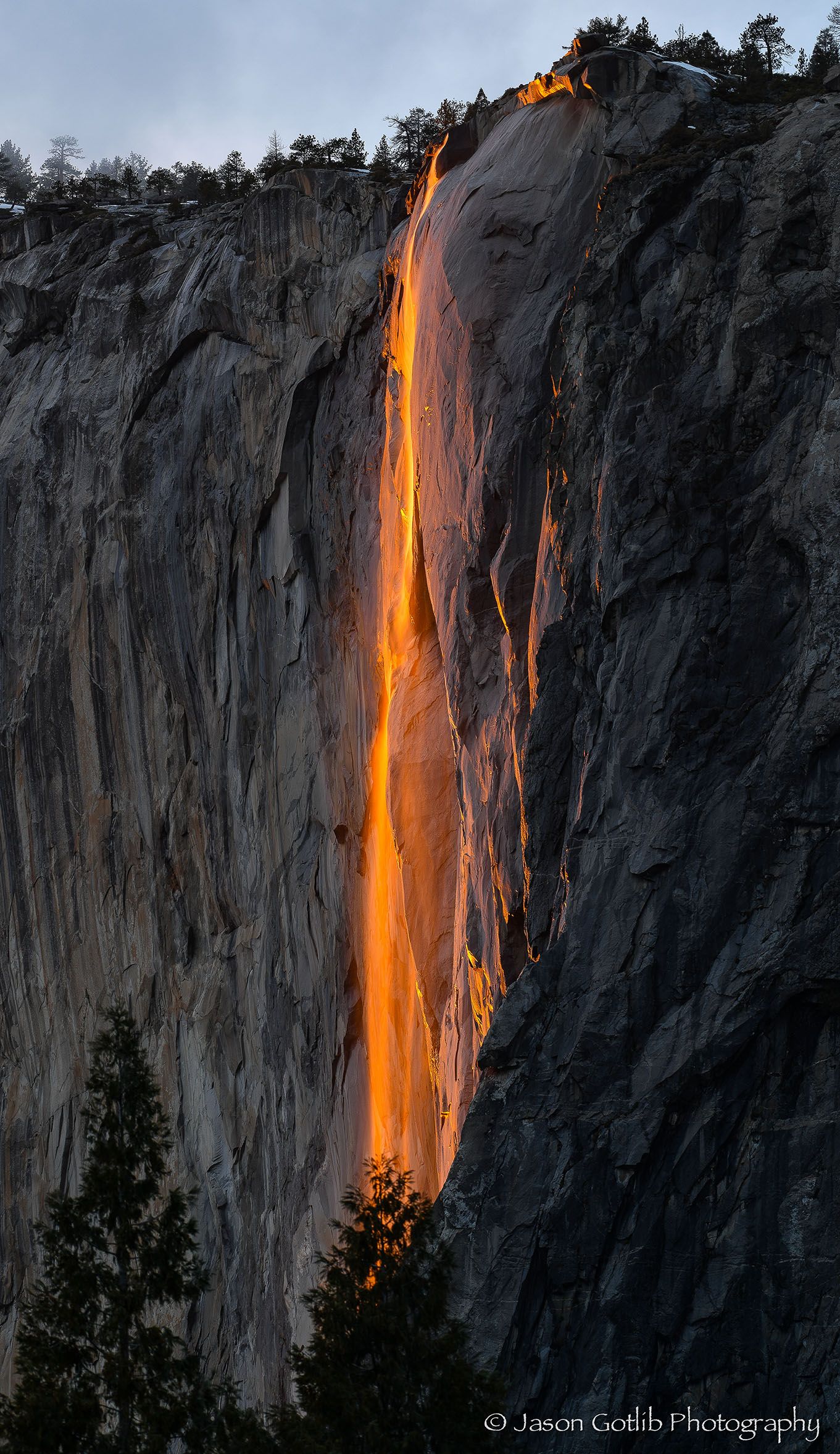
In February 2021, I photographed Firefall in Yosemite. This can be captured during a two-week block of time in February when the sun hits El Capitan, and Horsetail Falls glows orange when it’s backlit by sunset. When I visited in 2008, I saw only a handful of photographers trying to capture the ephemeral event. In 2021, despite COVID, the number of photographers had swelled to easily over some 1,500 on one evening, in a viewing area less than an acre. Several years ago, I set up my tripod two hours early for a sunset shot of Utah’s Delicate Arch. I was part of a 50-person gallery of (usually patient) photographers who had to give up on courteous pleas — in favor of more vocal rebukes — to ask tourists not to loiter endlessly in front of the Arch taking selfies. We were all desperate to capture a clean shot of the Arch before the sun barreled below the horizon.

Antelope Canyon

Pfeiffer Arch

Firefall

Jason Gotlib & Ice Cave

Maasai Children

What’s your favorite thing about photography?

Photography serves many functions for me. First, traveling to the national parks and other landscapes is restorative. It’s quality, quiet time with my wife, Lenn, who loves to hike. While caring for patients with leukemia has been immensely rewarding, the journey is filled with too many fleeting acquaintances — close relationships with patients (and also mentors) who have passed, as well as trainees who have moved on from our program. I find the national parks are a counterbalance to this blur of human turnover. The parks will always be there when I choose to return. My favorite spots will change little during my lifetime. This constancy is comforting. A pause in the middle of nature — a little bit of stasis to recalibrate an otherwise hectic life — is more than welcome. However, I do worry that the assault of climate change on the parks may require me to adjust my expectations of what the parks will look like when I return.

How do you get a really good photograph?

Getting the good shot requires several things: knowing how to get the most out of your camera’s functionality, tack-sharp lenses, a sturdy (but lightweight) tripod, a cable release so I don’t have to touch my camera, and, most importantly, waiting for the right light. And sprinkle in patience, pre-trip research, and luck. I’ll set up my tripod for hours around the golden hours to get my shot. For all the times I’ve checked all these boxes, I can count many more times where I’ve failed miserably. I remember one time in Kyoto, Japan, where I was bumbling around with my clunky tripod taking pictures of architecture of the Geisha district because I had given up on capturing an actual geisha. Lenn tapped my shoulder, and I turned around and barely glimpsed a geisha before she ran into an ochiya, one of the teahouses used for entertaining guests. Meanwhile, my wife caught an amazing still of the geisha with a blurred background on her iPhone, one of my all-time favorite photographs. Sometimes you have to know when to free yourself of your tripod.

Perhaps part of the zen of photography, like other aspects of life, is managing expectations. When you hit the road or hop on a plane for a shoot, it’s like playing casino slots. You don’t know if you’ll hit triple 7s with a stunner photo or leave empty-handed. Mother Nature has a lot to say, and I’m often playing the Goldilocks game with her. I don’t want completely clear skies or completely cloudy skies, but just enough clouds to create interesting patterns of reflected light. I’ve stopped becoming dispirited about trips washed out by weather — as the next trip could end up with a surfeit of photo ops. It all evens out in the end. However, if I can get two or three photos a year that I really love, that’s a good year.

What are some of your favorite photographs and memories of taking them?

During a visit to Glacier National Park, I was shooting snow-capped mountain peaks; this time, Lenn’s shoulder tap came in time, and she whispered, “You may want to turn around.” I did so slowly and saw two white mountain goats just behind me, camouflaged by the snowy background, another one of my favorites. The unexpected shots can be the most rewarding and memorable. Lenn has a great eye and has been so generous in her support of my passion for photography, waiting with me for hours just for the right light to cast its glow on my subject.

On another trip, I spent five days doing a photography workshop in the Grand Tetons, but it was cloudy and raining the whole time. The group departed for home, but Lenn and I decided to stay. Our persistence paid off; at twilight, the skies opened up with the most spectacular hues of purples, reds, and yellows. Meteorologists talk about one-in-a-thousand-year floods. For me, this may have been a one-in-a hundred-year night; we raced around the park — from Oxbow Bend to along the Grand Teton Mountain Range — before the deep colors faded. It was a hall-of-fame photographic experience, and the images from that evening line the walls of my house.

Some of my favorite shots are the ones that take the most work to get. One is from a nine-hour backcountry hike in Zion National Park, following the path of the Virgin River to the Archangel Cascades and the Subway, to a rock formation that creates a tunnel of light leading to glowing blue and green tidal pools. On my first attempt I fell short; I returned with Dr. Jim Malone (we started hematology fellowship together in 1998) and his wife, Jessica, who is a nurse. Jim’s military experience and leadership skills (he’s a colonel in the Army Reserve) successfully navigated us along the challenging terrain. It’s an experience we look back upon fondly, and we have talked about going back for an encore.

Where has your photography taken you?

Besides the Grand Tetons and Utah national parks, I’ve been able to collect 20 of the 63 U.S. national parks. I’ve photographed in many European countries, Canada, Alaska, China, Israel, Jordan (Petra), Japan, Cuba, and New Zealand (including photography of White Island the year before its active volcano exploded, killing 22 people), and Tanzania in 2019, where I spent time with the Maasai from Olmoti village, volunteering time in their medical clinic and learning about their local culture and customs. Lenn purchased a black sheet in our pre-Africa travels in Amsterdam, and we hung it on the medical clinic wall, and I took many portraits of the Maasai. I borrowed this idea from National Geographic photographer Joel Sartore and his photo ark project, whose mission is to document species before they disappear. It was a bonding experience, and many of them saw pictures of themselves for the first time in my camera’s LCD screen. With the safari that followed, it was the most rewarding experience I’ve participated in.

After my January 2023 Patagonia trip, my bucket list includes a trek to Everest Base Camp, Bhutan, Iceland’s chain of volcanoes, and a trip with National Geographic to Antarctica, South Georgia Island, and the Falkland Islands to walk among penguins and experience glacier calving.

Valley View

Grand Tetons

Zion Subway

Wanaka Tree, New Zealand

Monument Valley

How do you think your hobby has influenced your work at Stanford?

Photography can be a wonderful icebreaker. Patients open up about their own trips and memories, and many times this segues into their own love of photography or other hobbies. Such conversations allow me and the patient to learn more about each other and our families. It’s an organic conversation but can serve as a useful distraction from the constant focus on their illness. For my colleagues, I hope my photos excite them to travel. Certainly, I get excited when I hear their travel stories. And similar to our patients, it opens up an opportunity to discuss their lives and how they are pursuing their passions outside of the hospital.

I am a huge fan of the chef Anthony Bourdain, although he apparently preferred the label “writer” or “storyteller.” After his suicide in 2018, many pontificated about what made him and his food and travel show Parts Unknown so special. His suicide devastated many people who had no personal relationship to him. I am one of them. Why? He had a preternatural ability to break bread with and listen to people from disparate cultures — sometimes marginalized or poorly resourced, or with viewpoints that may reside on the other side of the political spectrum. He was an empath who rooted for the underdog and cast his guests in a dignified light. In the documentary about his life, Roadrunner, one of his friends explained, “It was almost never about food. It was about Tony learning how to be a better person.” His life and suicide reminded me of the line from Alan Ball’s 1999 film American Beauty, where the character Ricky Fitts says, “Sometimes there’s so much beauty in the world, I feel like I can’t take it.”

Looking forward, I see photography, like Bourdain’s sit-down meals, as a means of engaging other peoples and extending my worldview. I was able to accomplish this to some degree with the Maasai. I can’t help but think this would add great value and perspective to my professional and personal life.

Young Lee’s Need to Dance

Young Lee’s Need to Dance

Young Lee’s Need to Dance

Young Lee, finance and grants management specialist, has been at Stanford Prevention Research Center (SPRC) for two and half years now. Her current job focuses on finance, including the management of grants and contracts for SPRC. She’s been at Stanford since 2000, when she moved to California from the east coast. She’s a kind, warm person and an excellent employee, but this article is about something else: her dancing.

Because Young Lee leads a double life: Stanford employee by (week)day and competitive ballroom dancer by night (or, at the very least, evenings and weekends). In fact, she competed six times in the nine months between September 2021 and June 2022, and she won her last two competitions. Her division, among many others, is very proud of her. We spoke with Lee about her background in dancing and all the gritty details of training and competing.

What is your current role at Stanford?

I’ve been a financial analyst for SPRC for more than two years. Before that, I worked at the Freeman Spogli Institute for International Studies for many years.

How long have you been interested in dance?

My body was always moving whenever I listened to music. I don’t have a dance background but was kind of athletic. I started dancing when I became single not long after I came to California. We have to do something when we’re alone, right?

When did you get more serious about dancing?

I was a social dancer for many years while taking some group and private lessons. But when the pandemic started, that was another turnaround in my life. I was working from home and alone most of the time. I started dancing more and started training to compete with my current teacher, who was a successful professional dancer. Now I’m a more serious dancer than I ever was. I’m focused and motivated; I want to get better and better. Dancing is a demanding activity. To dance well, we have to be physically strong, fit, and flexible, and be able to connect with a partner.

How did you meet your teacher and start doing competitions?

I started going to the Starlight Ballroom Studio in San Jose about six years ago, and that’s where I met my current teacher, who used to compete as a professional. He trains me in standard ballroom dances, which include waltz, tango, foxtrot, quickstep, and Viennese waltz. My first competition was in September 2021.

What’s your training schedule like?

I’ve been taking private lessons with my teacher three or four times a week, and usually each lesson is about 45 minutes. But when it gets closer to competition time, I have to do more.

I also am trying to practice more on my own. A lot of times I get there early before my lesson to stretch and practice my weak points and go through my steps.

Do you have a favorite dance?

I always liked foxtrot because it’s so classic. But I also love waltz; dancing waltz well to beautiful music can be quite an amazing experience. I also like quickstep. You have to move fast, so it’s fun and cheerful. Each dance is beautiful and challenging in its own way.

Can you describe what the competitions look like?

Several competitors, in formal competition attire (including hair and makeup), are out on the floor dancing in front of judges and audiences. In my case, my male teacher is a professional and I’m an amateur, but there are female teachers competing with male students, too. It can be quite crowded on the dance floor. The judges score us while we dance. The first time I won, in Las Vegas in March 2022, it felt quite good. I never thought I was a competitive person, but it was still very nice.

What’s next? Are you planning to compete regularly?

I will definitely compete more. The next one will be in early September in Los Angeles. There are different levels of competition: bronze, silver, gold, and open. Lately I’ve been dancing at the gold level, but at some point, I’d like to compete in an open category, which is the most competitive level.

And finally, why do you love to dance?

Dancing brings me closer to my true inner self. So it’s been fascinating. I always enjoyed dancing, and it only gets better the longer I dance. This is how I get to know myself and connect to others.

Young Lee performs the Viennese Waltz

Wen-Kai Weng: A True Birder at Heart

Wen-Kai Weng: A True Birder at Heart

Wen-Kai Weng: A True Birder at Heart

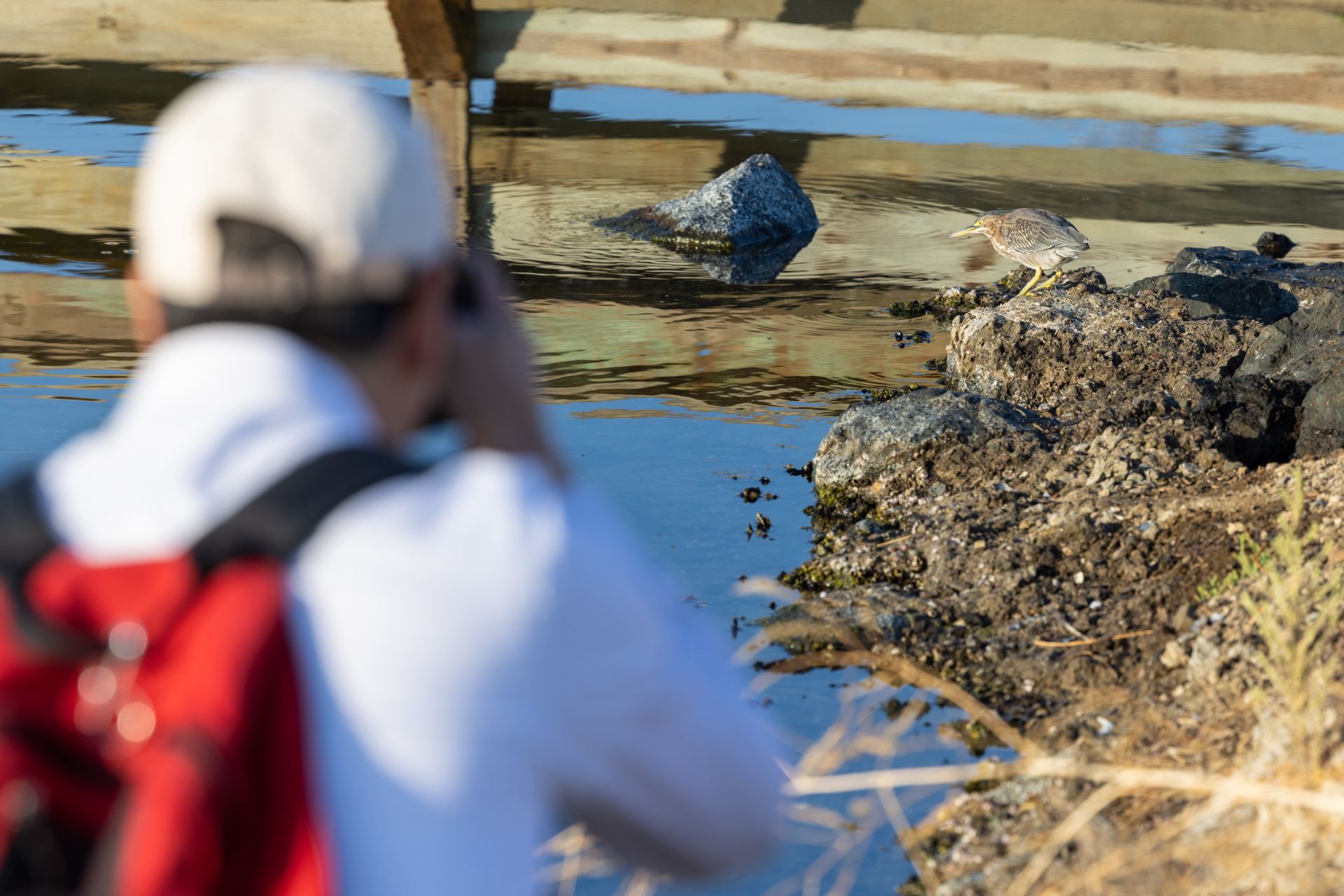
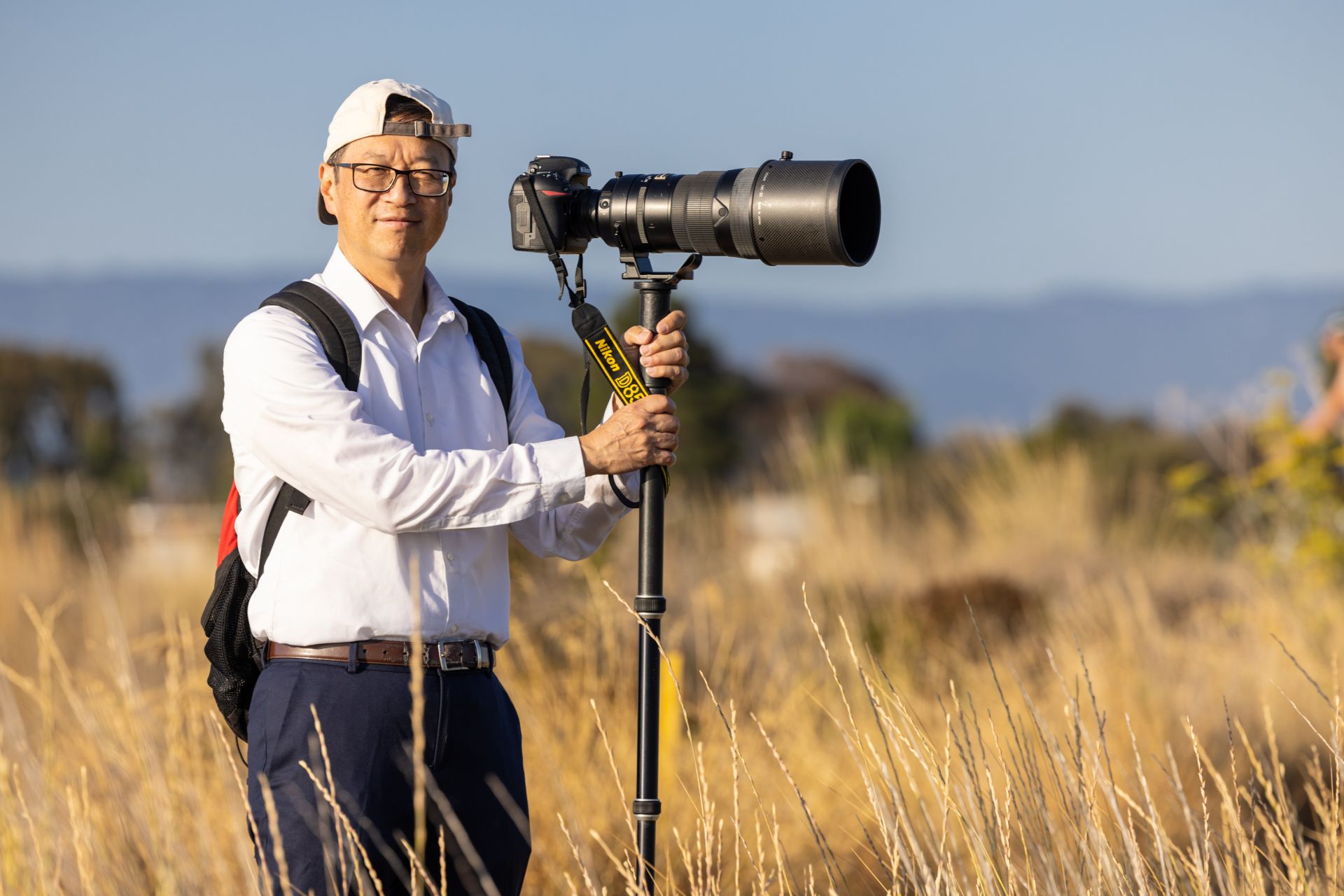
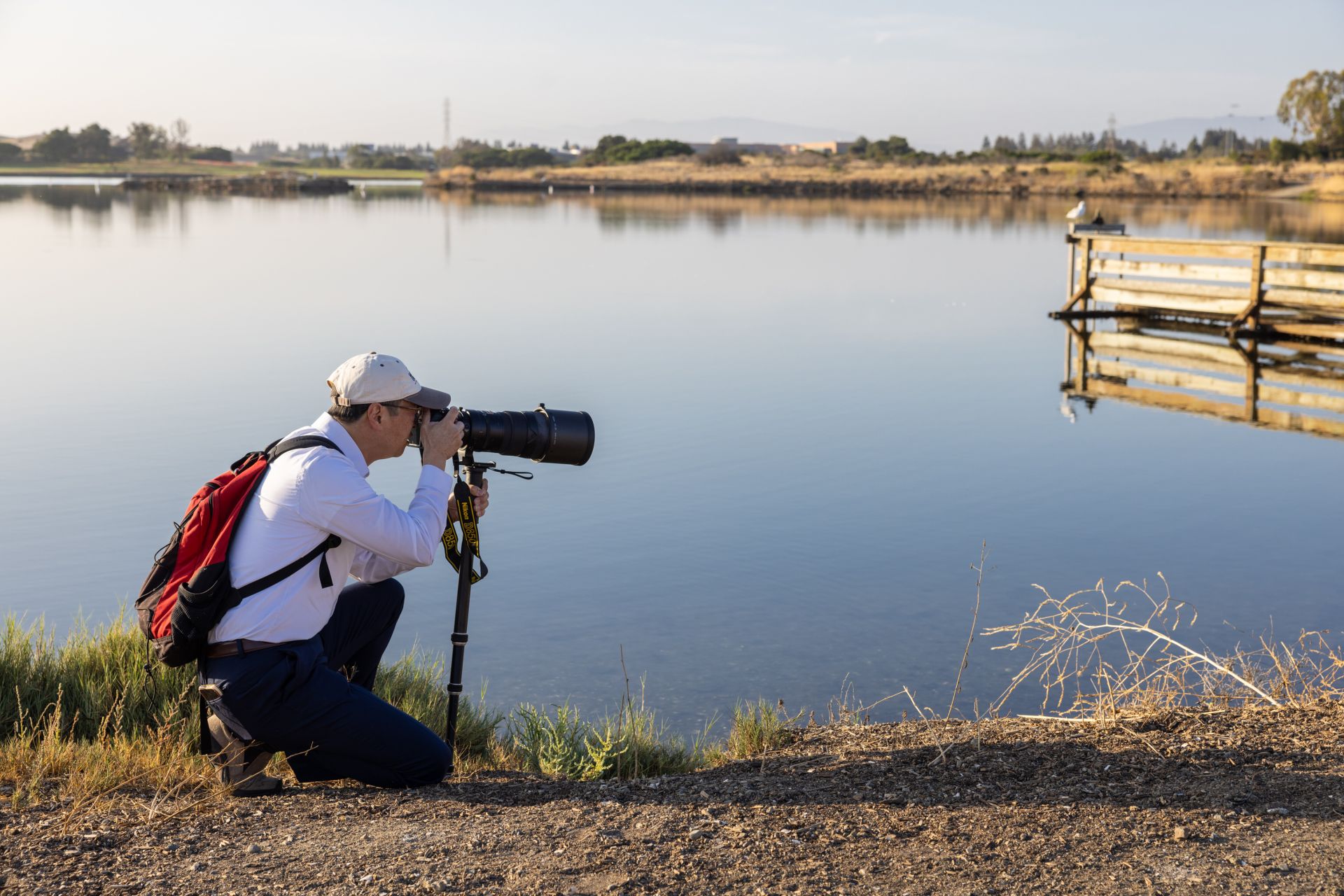
Wen-Kai Weng, MD, PhD with his camera in Palo Alto Baylands Nature Preserve.

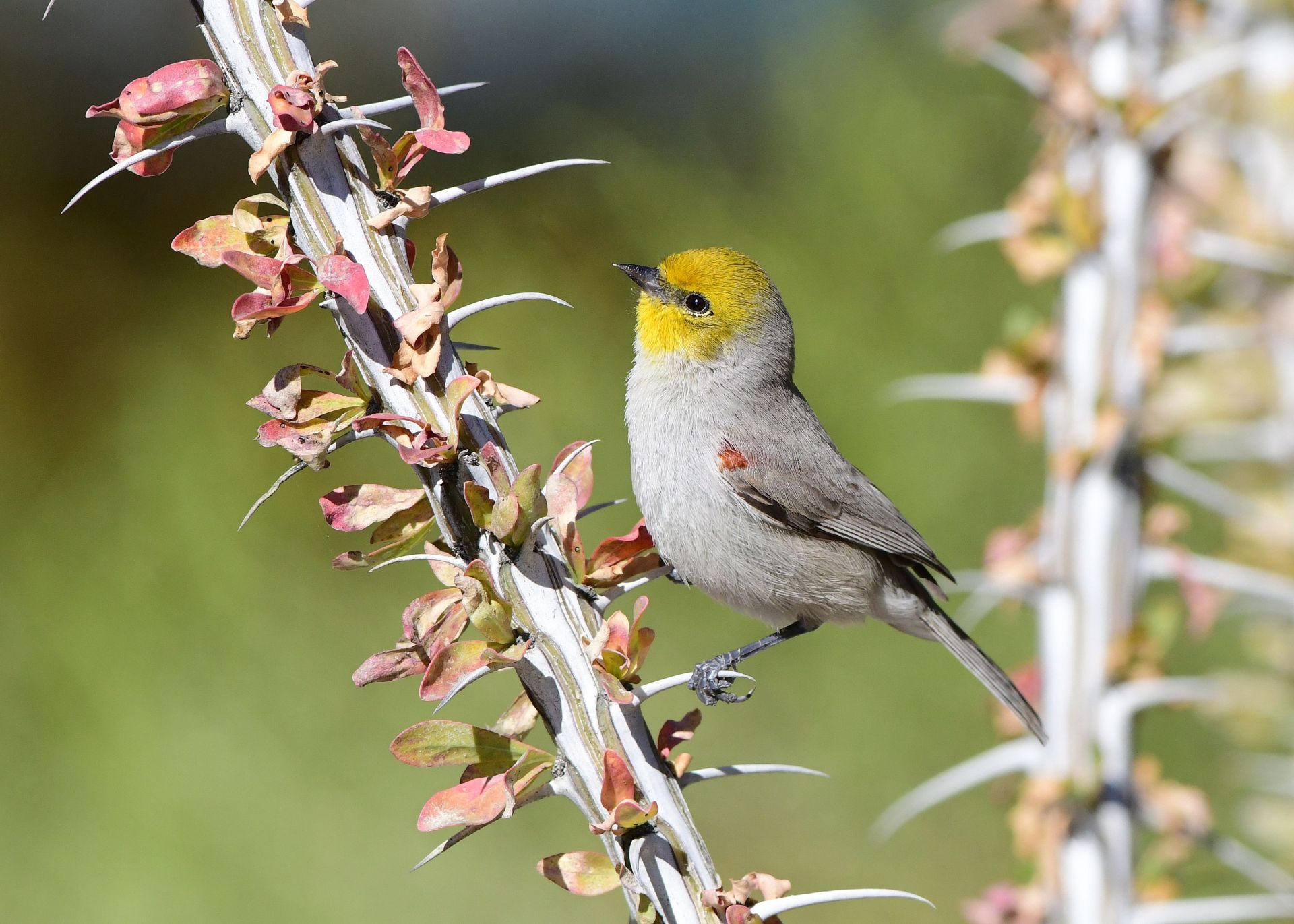
Wen-Kai Weng, MD, PhD, associate professor of blood and marrow transplantation (BMT), has a hobby. No, more than a hobby, really: a passion. In addition to being a doctor and cell therapist and a newly awarded 2021 Master Teacher in the Department of Medicine, Weng is a dedicated nature photographer (specifically focusing on birds) who develops a yearly calendar of his nature photography and gives all the proceeds to BMT patients. Below, he answers our most pressing bird-photography questions.

What is your role at Stanford, and how long have you been here?

I am a transplanter and cell therapist, who specializes in treating people with hematologic malignancy. My clinical and research focus is on lymphoma. I started my medical oncology fellowship at Stanford in 1999 and joined the faculty of the division of blood and marrow transplantation in 2007.

When did you first become interested in photography? Did your love of birds or your love of photography come first?

I started playing with my camera when I was in high school. However, I got really interested in birding in medical school. Once I became a serious birder, bird photography was a natural next step. I mostly photograph birds, since they don’t complain about the results.

What kind of camera do you use? What’s the process you go through to develop photos?

I’ve always used a Nikon system. My current camera is a Nikon D850 with 300 mm telephoto lens. Since all the photos are digital now, I use Photoshop to help me edit. But I don’t edit heavily — I just try to reflect what I see in the field.

What’s your favorite thing about photography?

Birding needs patience, and so does photography. Bird photography forces me to practice delayed gratification. I also enjoy the challenges involved.

How did you get the idea to make a calendar of your bird photography?

The idea first came to me when I donated two old prints of my photos to an auction to raise funds for transplant patients in need and their families. They sold, and I thought that making a calendar would be a natural way to make use of the photos I took and link them to a meaningful purpose. I’ve been making and selling the bird calendars since 2017, and I use the proceeds to set up a fund to help those same patients and families. I have been humbled by people’s generosity in helping this project for all these years. It has raised more than $50,000 thus far.

How do you think your hobby has influenced your work at Stanford, if at all?

To me, it’s a pleasure to be able to link my two passions together, medicine and photography. Doing the calendar also obviously motivated me to go out to the field and get more good photography.

What’s your favorite bird you’ve ever seen and photographed?

It is hard to pick a favorite bird. However, I can pick a favorite experience. It was at Hawk Ridge at Duluth, Minnesota, in the fall when the raptors were migrating south for the winter. Seeing more than 40,000 birds (mostly broad-winged hawks) fly through in one day was an experience I will never forget.

Any favorite spots for birding?

I do a mix of planned and casual trips for birding and photography. Given my busy work schedule, the planned trips happen less and less. I like seeing and photographing any birds, even the common ones. And it’s nice because in the United States, there are three major flyways for bird migration, including the Pacific Flyway crossing California. And as part of the flyway, the Sacramento River Valley is a great spot for wintering ducks and geese.

Finally, what advice do you have for amateur photographers who want to do what you do?

Pick up a camera and start taking pictures. You will find your vision in time.

Having a Blast Teaching Residents How to Teach

Having a Blast Teaching Residents How to Teach

Medical Education Elective Teaches Teaching Skills for Future Attending Physicians

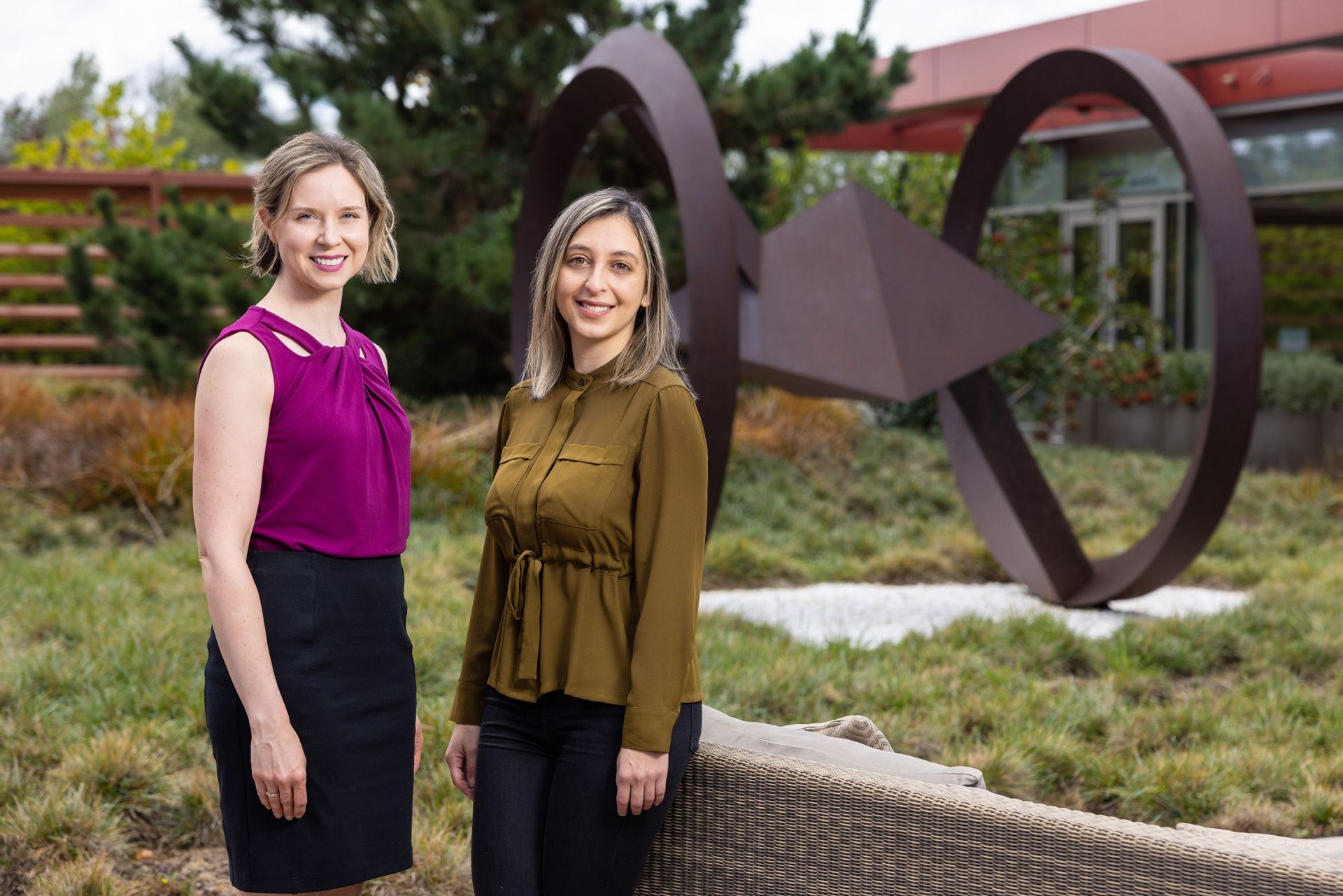
Sharmin Shekarchian, MD (left) and Julia Armendariz, MD

Sharmin Shekarchian, MD (left) and Julia Armendariz, MD

Having a Blast Teaching Residents How to Teach

Medical Education Elective Teaches Teaching Skills for Future Attending Physicians

Much of medical training is based on one person passing on knowledge to the next person in line. A fellow teaches a third-year resident, who teaches an intern, and so on down to students in medical school.

But for all the education that takes place at an academic medical center like Stanford, there is surprisingly little formal training in how to be an effective educator.

That’s the scenario Poonam Hosamani, MD, clinical associate professor of medicine, set out to change. Hosamani is one of six associate program directors in the Stanford Medicine residency program and also a full-time hospitalist, caring for patients and leading bedside rounds with residents.

Creating Medical Educators

The underpinning of medical residency training is a series of brief, intensive experiences in mostly hands-on patient care. Each rotation lasts two to four weeks. Stanford Medicine offers 65 rotations in emergency medicine, intensive care, cardiology, global health, and many other specialized areas. There is a core of required rotations, but residents choose to enroll in additional rotations, called electives, based on their interests.
Most Stanford Medicine residents want to stay in academic medicine, so their ability to be effective teachers is important to their future roles as attending physicians. Hosamani wanted to address that issue through a pilot program called the Medical Education Elective. The key question was: How can residents build skills to be more effective educators?

The opportunity to focus on effective education arose in 2021 when an international rotation was canceled because of COVID-19. Residents who had been scheduled to go abroad asked Hosamani to create an alternative rotation for them. “I immediately saw the opportunity to solidify teaching skills earlier in the rigorous training all physicians go through, from medical school to fellowship training,” she recalls.

Poonam Hosamani, MD

The pilot was launched in spring 2021 with five residents. “We organized lectures and workshops for them with faculty from the Palo Alto Veterans Affairs Medical Center and Stanford School of Medicine,” Hosamani explains. To date, the Medical Education elective has been offered five times for 25 residents.

Sharmin and I have an absolute blast doing this. We love it with all our hearts, and we’ve both grown a lot through this experience… This elective enables learners to take the time to think about how they can be better educators, and to enrich their career path with joy.

– Julia Armendariz, MD

Sharmin and I have an absolute blast doing this. We love it with all our hearts, and we’ve both grown a lot through this experience… This elective enables learners to take the time to think about how they can be better educators, and to enrich their career path with joy.

– Julia Armendariz, MD

Julia Armendariz, MD, and Sharmin Shekarchian, MD

Two Course Directors Added

Having established the program and seen it through its pilot phase, Hosamani passed its implementation on to two junior faculty members who are as passionate about educating educators as she is: Julia Armendariz, MD, affiliated clinical assistant professor of hospital medicine, and Sharmin Shekarchian, MD, affiliated clinical assistant professor of hospital medicine.

“Sharmin and I have an absolute blast doing this. We love it with all our hearts, and we’ve both grown a lot through this experience,” comments Armendariz. “Medicine is hard, and being a physician is not easy. A person could get lost doing all the things it takes to learn how to be a good doctor. This elective enables learners to take the time to think about how they can be better educators, and to enrich their career path with joy.”

Shekarchian adds, “For me, the highlight of the rotation is the four hours observing and listening to all the residents present their talks. We celebrate their achievements, and we always learn from the residents through their presentations.”

Tools of the Trade

The rotation includes daily lectures on topics such as how to present a chalk talk (using a whiteboard and markers), how to set expectations with learners, principles of adult learning, how to give feedback, how to design teaching objectives, and many others.

“One of the best parts of the rotation is observing the residents presenting their own work,” Hosamani says. “I remember vividly one resident who used a football as part of his chalk talk to demonstrate teaching how to place the probes for a bedside cardiac ultrasound. He held the football over his heart as he walked through the process, moving the probes into their appropriate places on the football.”

Much of the learning occurs in small-group interactions among the residents as they apply learning concepts to the clinical setting.

Muhammad Fazal, MD, was a third-year resident when he enrolled in the Medical Education elective; he is now a fellow in cardiology at Stanford. “The whole process was very rewarding,” he recalls. “It made me realize how hard it is to give an effective chalk talk that is short enough to maintain interest yet long enough to present the information.” He regrets not having taken the elective sooner in his training and hopes to see it as a requirement at some point.

Fazal also appreciated the emphasis on the “softer science” of medicine: how to communicate and listen. “These are skills you don’t learn in a textbook,” he notes. “It made me realize that often just being there to listen and be supportive is what the patient needs.”

The Sky’s the Limit

“It’s a great honor to have Dr. Hosamani endow us with the opportunity to further develop this program,” Armendariz states. “She is a great mentor and will continue to advise us on how to get things done.”

Looking ahead, Armendariz, Hosamani, and Shekarchian all envision adding topics to the curriculum, adapting the elective for other medical subspecialties, inviting more faculty members to participate, incorporating technology into some of the teaching modalities, and presenting their work at medical conferences to enable others to create their own programs.

“The sky’s the limit,” Hosamani declares. “Our only constraint is the availability of resources to expand and further enrich this elective.”

Apply Here for Support and Growth

Apply Here for Support and Growth

New Department of Medicine Staff Share Their Stories

Apply Here for Support and Growth

New Department of Medicine Staff Share Their Stories

Workers across the United States have faced multiple challenges during the COVID-19 pandemic. Many workers have lost jobs, gotten sick, relocated, or left jobs to care for loved ones and relatives. For some workers, however, the pandemic presented opportunities to leave their jobs for something better. This was true for four recent hires in the Department of Medicine, profiled below, which include a former real estate administrator, a preschool teacher, a newly married mother juggling work and her personal life, and a government worker in San Mateo County.

When these four applied to new positions, they had their eyes set on jobs with career growth opportunities, supportive management, positive work environments, and more, and the Stanford Department of Medicine fit the bill.

Greater Engagement and Work-Life Balance

Lisa Moore-Long, an administrative coordinator in the Chair’s Office and a former administrator at several commercial real estate companies, came to Stanford in spring 2021, in pursuit of something new. Like many others, she had started to work remotely during the pandemic and felt that she needed to “shake things up.”

Before the pandemic, Moore-Long saw there wasn’t enough work-life balance at previous jobs. As she recalls, “It was that old-school feeling that, if you didn’t stay late and work weekends, you weren’t really working hard.” Working at Stanford was a welcome change. “You’re super-busy during the day here,” Moore-Long explains, “but there’s a conscious effort to say, when 5:00 p.m. comes, you’re not expected to answer emails and you’re not expected to work over the weekends.”

As her previous office changed to a work-from-home model due to COVID, there was less engagement among co-workers. Moore-Long remarks, “There would be days where no one would talk to me at all. I mean, not even an email, nothing.” The lack of connection among the staff compelled her to look elsewhere, so she applied for her current role at Stanford.

“They’re really training you for your future, and they’re hoping it is with Stanford.”

– Lisa Moore-Long

Moore-Long recalls that when she came to Stanford, everyone was consistently engaged. Leadership would speak to her about her day, and there was an active interest in staff training. Professional development and wellness programs like the BeWell program are available to help staff improve their lives. “They go above and beyond because they’re not only interested in training you for whatever job you’re in right now,” says Moore-Long. “They’re really training you for your future, and they’re hoping it is with Stanford. They want you to progress, and they want to include everybody, and they’ll go to great lengths to do that. They want you to grow and learn and prosper, all those good things.”

She remembers that her supervisor pulled her aside once and asked where she wanted to be in five years. “I want to be here,” Moore-Long replied. “I’m happy in my department. I don’t know what all the possibilities are yet.”

“Here at Stanford, everyone wants to share credit for successes.”

– Tiffany Woo Sung

Skills Development and a Truly Collaborative Environment

Before coming to Stanford in March 2021, Tiffany Woo Sung, an administrative associate in the Division of Hospital Medicine, worked for six years as a preschool teacher in Mountain View. “I loved being around and working with children,” says Sung. “I loved the classroom environment.”

Eventually, however, Sung started feeling the need to apply her skills in a different field. “I have always believed that in order for me to be successful professionally, I need to continue to feel challenged in what I am doing,” she says. “I had gotten to the point where I felt like I wasn’t getting enough opportunities to build upon the existing skills that I had.”

Like others experiencing the pandemic, Sung started to reflect on what she wanted for her professional life and began seeking other opportunities. “I thought, OK, what better time than now to make a change?

“When I came to Stanford, it felt like starting with a blank slate,” Sung recalls. “I didn’t know what to expect other than what I read in the job description.

It’s great that my team is full of wonderful individuals who are so patient, open, and willing to support me during my transition into the new role.”

Sung truly values the people she works with. After accepting her role at Stanford, she was greeted warmly by her manager and team. She became engrossed in her role, enjoying the chance to work alongside other professionals and collaborators. “I didn’t expect everyone to encourage collaboration so highly,” says Sung. “At a lot of places I’ve either worked at or heard of, if you’re successful, you want everyone to know it was your success so that you can stand out from the rest of the employees. But here at Stanford, everyone wants to share credit for successes.”

Elsie J. Wang, division manager of hospital medicine, offered Sung resources to encourage personal growth by pointing out the numerous classes that Stanford offers to its staff, furthering their education and providing them with leadership opportunities. Sung also appreciates the opportunity to network at Stanford. “All these benefits have been refreshing and encouraging,” Sung says. “It shows me that the people around me want to invest in my future.”

“I’m learning every day. My team feels more like a family than a group of co-workers.”

– Asmaa Ali

questions, and she knows they’ll give her the help she needs to be successful. She claims with confidence, “With the right tools, I’m able to succeed.”

When Ali’s manager, Erica Dapelo-Garcia, primary care and population health (PCPH) division manager, took maternity leave, Ali received support from another division manager, and she was always able to reach someone for support. This made her adjustment into her current role much simpler. As Ali says, “The support I got made for smooth sailing.”

Limitless Potential for Impact and Career Advancement

Erica Zuniga-Lumidao, assistant division manager in PCPH with a bachelor’s degree in accounting and business, originally worked as a human resources technician for San Mateo County.

But when she started to feel the limitations of her ability to have an impact in that environment, Zuniga-Lumidao looked for different job opportunities and applied at Stanford.

She recalls, “In some Zoom interviews, you could feel the energy and the atmosphere of the workplaces, even in a virtual environment. In some cases, I could see the people interviewing me not paying attention, and I could tell they weren’t engaged or excited.” During her interview with Stanford, however, Zuniga-Lumidao’s interviewers made a great impression that stayed with her as she interviewed for other jobs. She kept thinking back to her virtual Stanford interview.

Zuniga-Lumidao accepted a role at Stanford in July 2021 and transitioned

“Here, I can progress with my career and I don’t feel any limits.”

– Erica Zuniga-Lumidao

quickly into her new job. She enjoys the challenges of her new position, saying, “Here, I can progress with my career and I don’t feel any limits.”

Recently, PCPH division manager Erica Dapelo-Garcia asked Zuniga-Lumidao about her goals, and she realized that she now has a whole new set of opportunities for career advancement. “That’s been really exciting,” she says. “I don’t necessarily know exactly what the next step in my career will be, but I know what’s available to me, and I think that’s important.”