Pioneering Digital Health: Stanford’s Center Transforms Lives Through Innovation and Collaboration

Pioneering Digital Health: Stanford’s Center Transforms Lives Through Innovation and Collaboration

#Methods

Eleni Linos, MD, DrPH, MPH (third from left), with delegates at the 2024 Digital Health Summit, hosted by the Stanford School of Medicine Center for Digital Health

After a splashy fall 2023 relaunch, the Stanford School of Medicine Center for Digital Health (CDH) continues to pioneer new frontiers in health care. “The accelerated pace of innovation in artificial intelligence (AI), telemedicine, informatics, and virtual reality, combined with the fact that after the COVID-19 pandemic, everyone is comfortable online, makes this a critical moment for digital health,” says CDH Director Eleni Linos, MD, DrPH, MPH, who is also an associate dean of research and a professor at Stanford. “Our role building a center at Stanford focusing on health in a digital world couldn’t come at a better time.”

CDH’s mission is anchored to three pillars: education, research, and thought leadership. “My hope is that CDH will be the best place for catalyzing innovative research and training the next generation of leaders, and in addition act as a hub that brings together the best minds, not just within the School of Medicine but across the university – academics from the fields of computer science, engineering, law, the business school, and the School of Sustainability, as well as Silicon Valley industry, regulators, nonprofits, and philanthropists,” says Linos. “The idea is to really become that connector across all of these different fields.”

Linos’ infectious enthusiasm is well merited. She and her team – which includes CDH Executive Director Michael Avanti Lopez; Department of Medicine Chair and Associate Director Euan Ashley, MD, PhD; associate directors Maya Adam, MD, and Fatima Rodriguez, MD, MPH; affiliated faculty; an impressive roster of fellows; and an advisory board representing a wide range of expertise in and outside of healthcare – are well on their way to achieving their lofty goals.

Breaking Down Barriers to Foster Cross-Disciplinary Partnerships

CDH fosters collaboration across disciplines that have traditionally been siloed. Their Digital Health Leaders Lunch Series brings together Stanford faculty with expertise in biodesign, medicine, engineering, and wearable electronics (eWear) to discuss their work in digital health, explore common areas of interest, and share resources. They also boast a new Digital Health Scholars program to develop the next generation of digital health researchers through individualized learning and mentorship for trainees and junior faculty.

In February 2024, CDH hosted the 2024 Digital Health Summit, in partnership with Times Higher Education and the Stanford Healthcare Innovation Lab. The two-day hybrid online/in-person conference included 192 attendees from 23 countries representing 123 institutions or organizations across the globe, as well as 38 expert speakers.
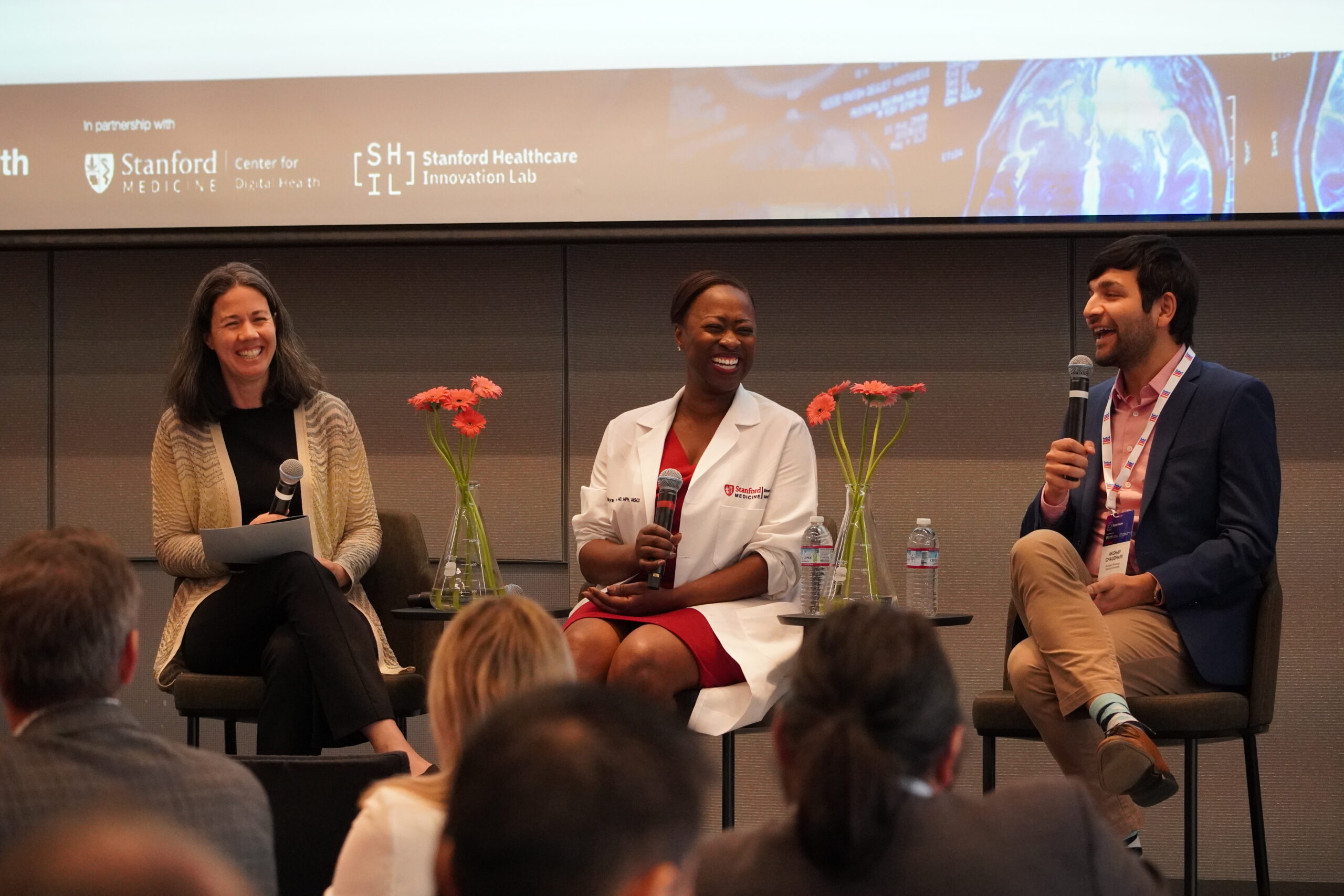
Eleni Linos, MD, DrPH, MPH (left), participates in a panel discussion at the 2024 Digital Health Summit, hosted by the Stanford School of Medicine Center for Digital Health

“The accelerated pace of innovation in artificial intelligence (AI), telemedicine, informatics, and virtual reality, combined with the fact that after the COVID-19 pandemic, everyone is comfortable online, makes this a critical moment for digital health.”

– Eleni Linos, MD, DrPH, MPH

Where Music Meets Anesthesia

Unique cross-disciplinary teamwork yields innovative, boundary-pushing projects. CDH has awarded five $50,000 inaugural Pilot Grants supporting work related to digital health. One example is an unusual collaboration between the departments of anesthesiology, perioperative pain medicine, and music to develop Tracheal Acoustic Monitoring, a wearable device designed for the pediatric setting that detects acoustic data with a high degree of sensitivity in real time while patients are under sedation or anesthesia. Using machine learning, the device detects early signs of airway obstruction with the aim of reducing the incidence and severity of hypoxia during procedures and in the recovery room.

“We are so proud of the work our pilot award teams are doing,” says Linos. “We create opportunities to bring these teams together at regular intervals to discuss updates, focus on future grant writing, and to help one another through challenges and to overcome roadblocks. There is so much value to bringing people together in person because it sparks collaborations that wouldn’t otherwise happen.” CDH is expecting to fund another five pilot grants for 2024-25 that explicitly call for multidisciplinary collaboration, bringing their total investment in these teams to date to $500,000. Winners of this second round of pilot grants will be announced in October 2024.

The Right Message to the Right People in the Right Way

CDH faculty have already published several research projects that span a broad range of disciplines and leverage digital solutions to improve human health. In one international collaboration, CDH investigators helped develop an Instagram-based public messaging campaign about the dangers of indoor tanning. They targeted specific groups known to be most likely to indulge in this skin-cancer-promoting activity – women ages 18 to 30 years in Kentucky, Nebraska, Ohio, or Tennessee, and men ages 18 to 45 years in California – using messaging that would resonate with them specifically, such as its rapid aging effects. They employed Meta algorithms to ensure that the messages reached their intended targets, resulting in a high degree of engagement. Other CDH collaborations have leveraged online messages to address loneliness and increase vaccine acceptance.

“We’re at this critical moment in human history where technology and AI are transforming people’s lives, including the way they care for their bodies and minds to prevent disease, and the way they receive treatment for medical conditions,” says Linos. “These types of technologic innovations are transforming healthcare now; it’s not just a future goal we are aiming to solve.” This innovation benefits both patients and providers. “There is a huge problem with burnout with the healthcare workforce right now [following the COVID-19 pandemic],” says Linos. “If technology can be used to not only improve the patients’ experience but also improve the doctors’ life, then it’s a win-win.”

Preparing for a Very Different Future

“My hope is that CDH will help catalyze research that wouldn’t otherwise be possible. Research that’s collaborative, multidisciplinary, and is nimble in responding to the challenges that our world faces,” says Linos. “I’m also really hopeful that we can train the next generation of scientists and leaders in rigorous scientific methods in digital health as well as in the ethical implications of their research.” With a committed team, dedicated advisers both within and outside of Stanford, and the support of leadership from the School of Medicine and Department of Medicine, CDH is well on its way to becoming a global leader in digital health.

The Recipe for a Top 10 Netflix Docuseries: Good Science and Exceptional Researchers

The Recipe for a Top 10 Netflix Docuseries: Good Science and Exceptional Researchers

#Methods

Crafting top-tier science that earns publication in an esteemed journal like JAMA Network Open, then later finds itself featured in a Netflix Top 10 docuseries, is no easy feat. However, on Jan. 1, 2024, audiences around the world tuned in for the premiere of You Are What You Eat: A Twin Experiment, which highlighted groundbreaking research conducted by the Nutrition Studies Research Group at Stanford Prevention Research Center, directed by Christopher Gardner, PhD, the Rehnborg Farquhar Professor of Medicine.

While the study was intriguing with its use of twins, and the docuseries was compelling with its use of storytelling, the triumph of both the study and the docuseries can be attributed to the dedication of a small team of women researchers, led by the group’s associate director, Jennifer Robinson, PhD, who were all working behind the scenes, cooking up “good science.”

“When I think of ‘good science,’ I think of ‘good clinical practices,’ or GCPs,” explains Robinson. “GCPs are rigorously upheld in drug-based clinical trials due to the high stakes, but nutrition science and dietary research sometimes lack similar standards. Our aim in this study, as with all our studies, was to elevate nutrition research to GCP standards. We conducted a well-designed study with the appropriate safeguards, making it worthy of publication in a high-impact journal and coverage in a Netflix docuseries.”

The research compared healthy vegan and omnivorous diets in 22 pairs of identical twins and found that a vegan diet can improve cardiovascular health in just eight weeks. The study garnered significant attention, with over 275,000 views and coverage by hundreds of national news outlets. The docuseries has been watched millions of times worldwide, sparking critical conversations in both mainstream and social media.

“Having our group’s research featured on Netflix was the most impactful work we’ve done,” says Gardner. “We’re always trying to get people to eat healthier, and it’s always challenging, but we’ve been flooded with success stories since You Are What You Eat: A Twin Experiment aired. Utilizing storytelling to disseminate science has given us a new sense of what it means to engage the community to make impact.”

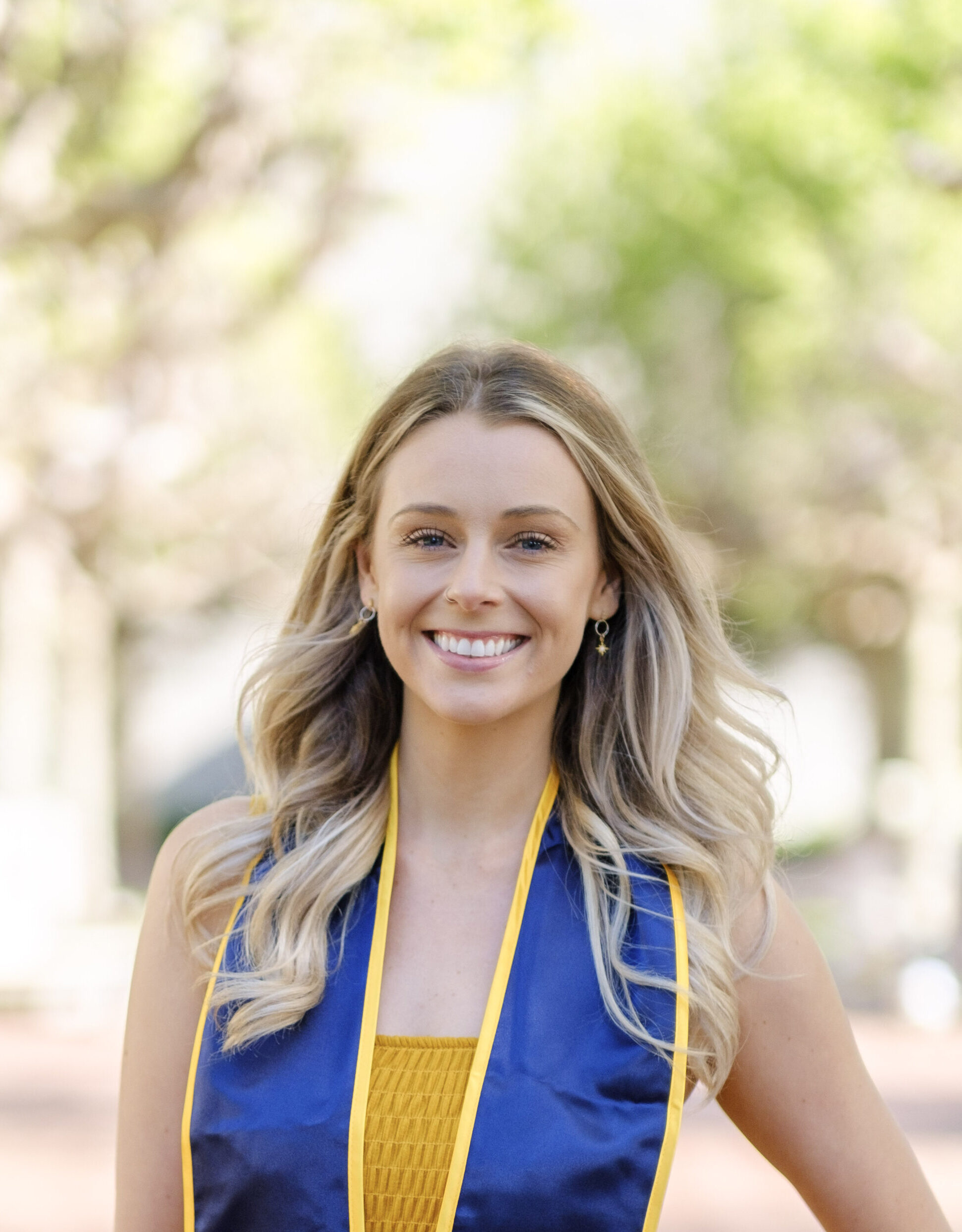
Who were the driving forces behind this groundbreaking study? Meet Tayler Hennings, MPH, Dalia Perelman, MS, RD, Lindsay Durand, MS, MPH, RD, and Diane Demis, whose dedication to conducting exceptional research helped change the way we understand our diet’s impact on health and the environment, all while captivating millions.

Twins Pam and Wendy participated in a Stanford study examining the effect of a vegan versus omnivore diet on cardiovascular health as well as in the Netflix series You Are What You Eat: A Twin Experiment. (Netflix)

"

Tayler Hennings, MPH

Study Coordinator Tayler Hennings, MPH, managed the study’s logistics from start to finish. She orchestrated everything from protocol approval to participant recruitment, tracking, and close-out procedures. She also ensured that the team upheld Stanford’s rigorous research standards.

“I am proud of how the nutrition studies team consistently upholds the principles of ‘good science,’ regardless of whether our work ends up on Netflix,” says Hennings. “Our adherence to Stanford’s rigorous research training ensured our study was scientifically sound and our results were reliable.” 

Her favorite part of the study was recruiting participants from outside the Bay Area, which enhanced sample diversity and broadened the impact of the results. 

“We had a few out-of-state participants who traveled to Palo Alto for blood draws,” Hennings shares. “To accommodate this, we used at-home sample kits, which required careful planning to ensure they were shipped back to us with their quality intact. I’m proud of this process, as it enabled us to recruit participants from beyond our backyard, leading to more diverse samples and reducing participant burden.”

Hennings hopes her work leaves a lasting impact. “I hope my work can empower people to make informed decisions about what they eat and the impact it has on their health and the environment.”

"

Dalia Perelman, MS, RD

Health educator and dietitian Dalia Perelman, MS, RD, led the health education team. She, along with health educators Erika Tribett, MPH, and Mandy Murphy Carroll, MPH, RD, conducted weekly educational check-ins with participants.

What Perelman enjoyed most about the study was defining and designing the diets. “We wanted both diets to be equally healthy to ensure optimal nutrient balance for both groups,” Perelman explains. “During the meal-delivery phase, we provided equal calories to all participants. We also taught them how to maintain these nutritious diets even after the meal deliveries ended.”

Reflecting on the broader impact of her work, Perelman hopes her work will inspire healthy-eating conversations. “I hope my work will help keep people excited about the control they have over their health and the health of our environment with their food choices.”

"

Lindsay Durand, MS, MPH, RD

Lead Diet Assessor and Research Assistant Lindsay Durand, MS, MPH, RD, was in charge of tracking and analyzing the participants’ dietary journeys throughout the study. Using state-of-the-art diet assessment software, she tracked what each participant ate over a specific period of time. Together with her team, Durand collected and analyzed 385 days’ worth of dietary data from participants.

“I am proud of our team’s meticulous attention to detail and consistency in collecting and analyzing high-quality data,” says Durand. “Everyone on the team transparently shared their progress, from data collection and participant interactions to overall study progression. This transparency ensured we maintained consistent data recording, leading to high-quality results.”

Working on this study enabled Durand to expand her passion for nutrition beyond individual treatment. “While my early career focused on treating symptoms in hospitals, my background in public health nutrition emphasized the importance of prevention. This research allowed me to blend both worlds, working on studies aimed at policy change and prevention strategies.”

"

Diane Demis

Diet Assessor and Research Assistant Diane Demis took on many roles, including participating in dietary assessments with participants, collecting and interpreting nutrition data, and managing and shipping blood samples. 

Demis is proud of the team’s commitment to excellence. “We never settled for good enough,” she says. “Our research standards are incredibly high. We used a state-of-the-art dietary recall system, implemented systems and processes to triple-check our work, and stayed up-to-date on food and nutrition. We ensured our data were clean and reliable, making it valuable not only for our own research but also for others’ in the future.”

She is most inspired by the significant influence one study can have. “It’s very rewarding to see what impact our small but influential Nutrition Studies Group can have on the world of nutrition and on the world itself!”

"

Jennifer Robinson, PhD

“Thanks to these incredible women and their dedication to scientific excellence and rigor, we have entered a new frontier of science communication.”

– Jennifer Robinson, PhD

Driven by curiosity and a shared commitment to promoting healthier lifestyles, Hennings, Perelman, Durand, and Demis all played pivotal roles in the success of the research featured in You Are What You Eat: A Twin Experiment.

“Thanks to these incredible women and their dedication to scientific excellence and rigor, we have entered a new frontier of science communication,” says Robinson. “Through the power of storytelling, coupled with impeccable science, I can confidently say we’ve made a profound impact on public health. I could not be more proud of this team and the work they did on this study.”

New Frontiers in Team Science: Empowering Patients With AI-Driven E-Consults

New Frontiers in Team Science: Empowering Patients With AI-Driven E-Consults

#Methods

From left: Olivia Jee, MD; Vijaya Parameswaran, PhD; Ron Li, MD; and Srikanth Muppidi, MD

For patients with rare diseases, the time to obtain a definite diagnosis can be months or even years. During that period, even minor communication gaps can lead to dead ends and lengthen the journey. Here is a typical scenario:

Patient A goes to see their primary care physician complaining of diffuse symptoms that have plagued them for some time. The physician suspects a neurological disorder and initiates what is known as an e-consult – a digital, physician-to-physician communication. The patient’s symptoms are described in medical shorthand, including numerous acronyms and technical terms. The consulted neurologist suggests a series of tests, which are ordered and performed in the following days and weeks, all with negative or inconclusive results. 

The primary care physician refers the patient for an in-person visit to the neurologist, who is not available for some months. When that date finally arrives, the neurologist consults the notes received and discusses them with the patient. The patient clarifies one particular symptom as well as its timing: “No, that is incorrect. Here’s what actually happened…”

That clarification serves as a clue, and after a careful examination and more questions, the neurologist confirms the diagnosis of a rare disease, at which point the patient is put on appropriate medication. The time from initial visit to treatment: several months, during which the patient’s condition has worsened.

Patient A knew how to access the physician’s notes and the response from the neurologist. But the medical terminology and the acronyms used obscured the fact that there was a miscommunication about one crucial symptom and its timing, which then led to a series of mistaken assumptions. 

What if an AI tool could serve as an interpreter to translate physicians’ notes into lay language? What if patients could easily access this translation and directly respond with corrections or additional details? 

These questions will be explored in a new pilot study at Stanford. In an example of true team science, the project brings together professionals from different fields. Primary care physicians, neurologists, and experts in AI tools for medicine will investigate how patients communicate with their care team and how they could be active participants when their primary care physician consults a specialist.

“Timely communication is essential in healthcare delivery. We are exploring whether the integration of large language models can augment human clinical care by improving the efficiency and effectiveness of patient communication,” says Vijaya Parameswaran, PhD, a social scientist in the Division of Cardiology and co-principal investigator of the study. Large language models, she explains, are the foundation for chatbots like ChatGPT – computer programs that simulate and process human conversation, either written or spoken.

The research will also study how physicians consult with each other and with their patients during an e-consult to see if artificial intelligence language models can improve these interactions and information sharing.

“The time it takes the primary care physician to formulate a tight, well supported clinical question and the specialist’s time providing a clinical assessment and recommendations impact the quality and quantity of e-consults. If AI can aid to overcome these barriers, it will help us continue to grow the program and provide more efficient clinical care,” says Olivia Jee, MD, a primary care physician, clinical assistant professor of primary care and population health, and medical director of the Stanford Health Care eConsult Program.

"

“Timely communication is essential in healthcare delivery. We are exploring whether the integration of large language models can augment human clinical care by improving the efficiency and effectiveness of patient communication,” says Vijaya Parameswaran, PhD

For example, an AI language tool could be used by a specialist to quickly scan and condense what is often hundreds of pages of history and data that patients with rare diseases typically bring to a consultation. The most brilliant human minds do not have the capacity to digest thousands of pieces of information in a few minutes and come to rational conclusions. A large language model tool can serve as an “extra brain” to sift through the data, bring the most relevant facts into focus, and suggest the most likely diagnosis and possible treatments, according to Srikanth Muppidi, MD, clinical professor of neurology and neurological sciences and co-investigator in the study.

“With the increasing complexity of care and silos of knowledge, it is impossible for primary care or referring physicians to always obtain and interpret relevant clinical information. This study will help us understand how best to use AI tools to review referrals, both to reduce the time to diagnosis and to help choose the best therapy for each individual,” says Srikanth Muppidi, MD.

On the patient side, the same tools could empower them with language and technological resources that would help them communicate about their symptoms and disease history. A rare disease forces patients on a journey from primary care to specialists to subspecialists, each time having to explain the course of their condition, pointing out tests that have been administered, and describing the effects of attempted treatments. By making it easier for patients to be actively involved in the process of diagnosis and disease management, the Stanford team hopes to shorten these difficult journeys and improve outcomes for patients.

The study is a joint project of the Stanford Department of Medicine Team Science program, the Stanford Health Care Digital Healthcare Integration Team, and UCB Biopharma, the industry sponsor.

“Large language models have shown tremendous promise in improving clinical workflows by helping to summarize and translate information,” says Ron Li, MD, a clinical associate professor of medicine and medical informatics director for digital health, who is the principal investigator of the study. “The goal of this project is to explore how we can apply this capability to enable and transform care models such as e-consults while keeping patients at the center.”       

Social Scientist in Cardiovascular Medicine Vijaya Parameswaran, PhD

New Digital Tools Advance DEI in Global Clinical Trial

New Digital Tools Advance DEI in Global Clinical Trial

#Methods

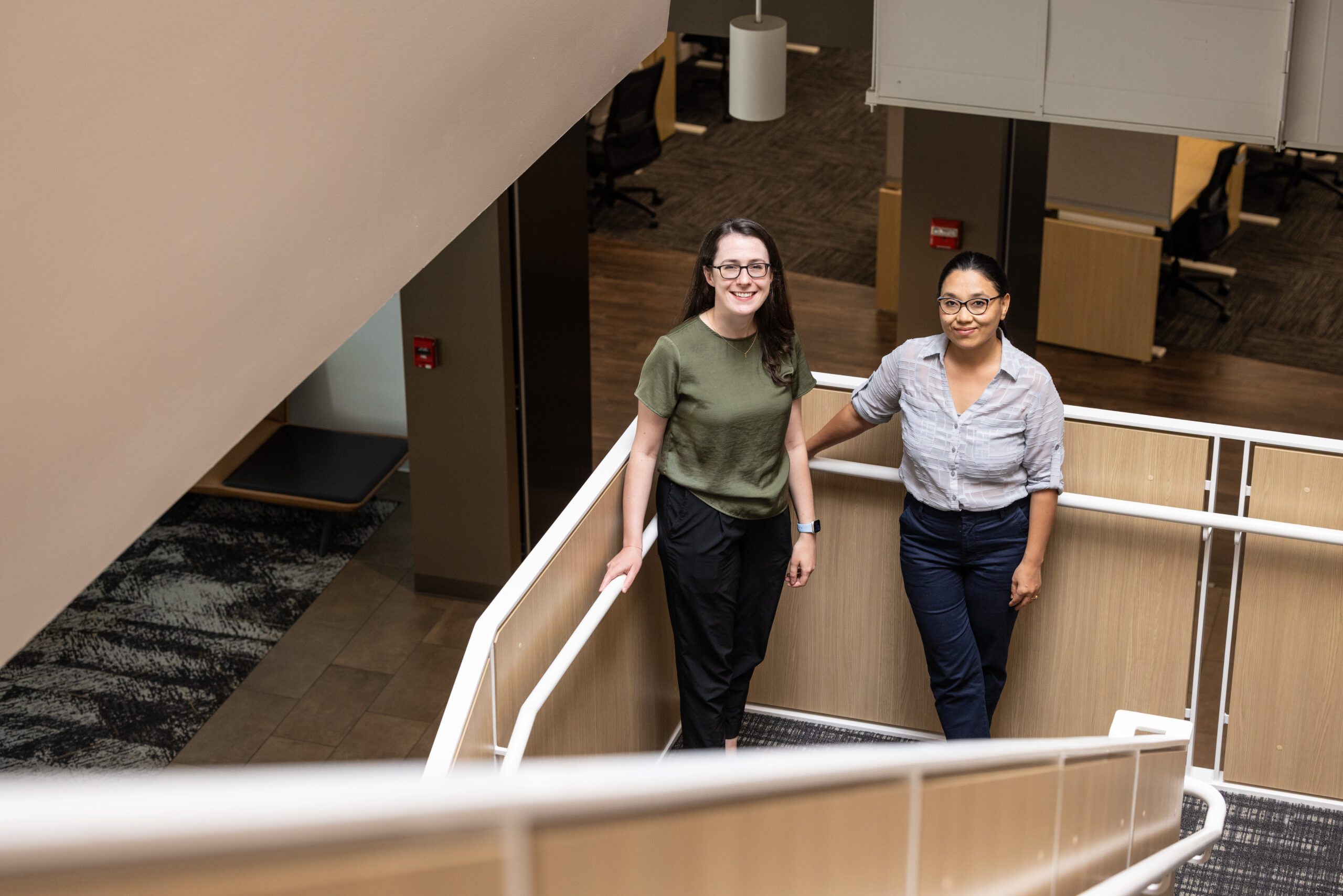
Julia Donahue (left) and Karma Lhamo are working to increase diversity, equity, and inclusion in global clinical trials.

Tackling racial bias in health care takes many forms. The Stanford Center for Clinical Research (SCCR) is doing its part from the research side by working to increase diversity, equity, and inclusion (DEI) throughout its programs – from observational research studies to clinical drug and device trials. 

“Despite best efforts, certain demographic groups continue to be underrepresented in clinical research,” says Julia Donahue, senior project manager at SCCR. “We want to ensure we have full representation from all different backgrounds when testing the efficacy and safety of drugs, devices, and other interventions. Collecting the highest-quality data benefits patients – not just at Stanford but around the world.”     

“We know from medical literature that participants from certain racial and ethnic minorities tend to be underrepresented in clinical trials, especially in cardiology,” explains Sneha S. Jain, MD, clinical assistant professor of cardiovascular medicine. “To mitigate this disparity, the FDA now requires minimum representation from certain groups in clinical trials. For example, Black participants should comprise at least 6 percent of our trial population in the U.S.” 

“Additionally, we’re looking to enroll more women in clinical trials,” says Donahue. “A recent study found that just over 41 percent of people enrolled in clinical trials for investigational drugs for cardiovascular disease are women, despite representing 51 percent of the patient population. We know we can do better.”

Clinical Trial for A-fib Drug to Have DEI Focus

SCCR has an exciting opportunity to boost DEI participation in a global clinical trial sponsored by Janssen Research and Development, LLC, and Bristol Myers Squibb called LIBREXIA-AF. Stanford is one of hundreds of sites involved in testing the effectiveness of a new anticoagulation drug for patients with atrial fibrillation (A-fib or AF), and it’s been tapped to serve a leadership role in participant recruitment. Jain, a member of the executive team for the LIBREXIA-AF study, is one of many SCCR staff and Stanford faculty working on multiple clinical trials involving nearly 50,000 patients for this comprehensive drug development program. 

Says Marco Perez, MD, associate professor of cardiovascular medicine, “We’re involved in much of the operations, the scientific development, clinical events adjudication, biostatistics, as well as DEI efforts, not only for atrial fibrillation but also for separate clinical trials related to stroke and acute coronary syndrome.” 

A DEI focus is particularly important for the A-fib trial, explains Perez, because “underrepresented groups are less likely to be prescribed anticoagulation medication, and we want to find new outreach methods to help us identify people who would benefit from this drug.”

Introducing the Stanford Heartbeat Study     

To achieve its DEI goals, the SCCR team engaged the Stanford Medicine Technology and Digital Solutions team to develop a set of digital tools that would allow Stanford to recruit more minority participants. Digital recruitment methods have proved successful with past clinical trials, allowing Stanford to cast a wider net in recruiting participants for the Apple Heart Study and Project Baseline

Digital tools will enable Karma Lhamo (left) and Julia Donahue to recruit more women and minority patients to participate in clinical trials for atrial fibrillation.

“We want to ensure we have full representation from all different backgrounds when testing the efficacy and safety of drugs, devices, and other interventions. Collecting the highest-quality data benefits patients – not just at Stanford but around the world.”

– Julia Donahue

The first phase of SCCR’s digital recruitment efforts – the Stanford Heartbeat Study website – launched in winter 2024.

The website makes it easy for people to express interest in participating in clinical trials related to atrial fibrillation. Describes Karma Lhamo, SCCR senior project manager for the Stanford Heartbeat Study, “The website is a digital platform that facilitates various functions of the study such as participant identification, screening, enrollment consent, and data collection. Potential participants can review and provide informed consent for the Stanford Heartbeat Study, confirm they have atrial fibrillation, and are at least 18 years old. If they meet those criteria, they’re directed to provide baseline screening information specifically tailored for LIBREXIA-AF, including their gender and ethnicity.”

The SCCR team hopes the website will generate excitement about clinical trial participation. Says Jain, “When you participate in research, there is a chance you will be randomized into a cohort that provides state-of-the-art therapeutics. With the LIBREXIA-AF study, participants will either be taking a drug that is the standard of care for atrial fibrillation today or a new drug – where we already have rigorous safety data – that could potentially be the best new therapy that we have.” The LIBREXIA-AF Study is a global, Phase III, randomized, double-blind, parallel-group, event-driven clinical trial comparing milvexian (an investigational oral Factor XIa inhibitor) with apixaban (an FDA-approved oral anticoagulant) in participants with atrial fibrillation or atrial flutter.

"

Digital Tools Will Revolutionize Clinical Trial Recruitment and Engagement

Recruitment efforts for clinical trials traditionally occur in clinical inpatient and outpatient settings, making the process labor-intensive and site-specific. The Stanford Heartbeat Study enables recruitment over a wider geographic area and with an increased range of outreach partners. Explains Jain, “We want to partner with groups that serve A-fib patients, and the Stanford Heartbeat Study is a resource to engage people in the research process and make recruitment and enrollment easier.” While Stanford is using the tool to identify candidates, those who join the clinical trial will participate at the research site closest to them.

The second phase of the Stanford Heartbeat Study is a mobile app scheduled for release in early 2025. The app is designed to be an engaging and educational tool for LIBREXIA-AF participants as well as for those unable to enroll in this A-fib clinical trial but who might be eligible for a future one. An added benefit for those who join the Stanford Heartbeat Study through the mobile app is the option to have data collected from their wearable device, such as a smartwatch.

“We want the app to help us build a community for people with atrial fibrillation,” says Perez, who is the principal investigator for the Stanford Heartbeat Study. “We hope it will serve as a hub that will allow people to track all of their A-fib-related information: their medication doses, procedures such as cardioversion and ablation, as well as data from their mobile devices.”

The app will enable Stanford to expand beyond hospital- and clinic-based recruitment by reaching out directly to potential clinical trial participants. “This is a completely different approach to outreach where we’ll be using new strategies like social media ads,” notes Perez. “So, for example, people who search for the term ‘atrial fibrillation’ on Google or who have a certain profile on Facebook will see an ad for our study.”

Participants will be able to upload their A-fib data from a wide variety of devices, including Apple, Android, Samsung, and Fitbit. Targeted messaging will be used to enlist those who are located near an enrolling site or whose data show they are now eligible for a clinical trial.

Ultimately, says Jain, “we’re hoping the Stanford Heartbeat Study is a pathway to help us build a diverse community of people who are excited to contribute to research and advance science by participating in clinical trials.” 

More About LIBREXIA-AF

The LIBREXIA-AF study will compare a new blood thinner medication, milvexian, with one commonly prescribed today (apixaban, also known as Eliquis). Patients with atrial fibrillation, a common type of heart arrhythmia, may be prescribed this type of anticoagulation medication to reduce the risk of stroke and blood clots. The study will evaluate if milvexian is at least as effective as apixaban and if it is associated with less bleeding risk. To learn more about the LIBREXIA-AF clinical trial, check out The Stanford Heartbeat Study.

Stanford Uses Team Science Approach in LIBREXIA-AF Study

SCCR’s program is an example of Stanford’s team science approach to medicine, with participation from more than 20 Stanford faculty and staff in cardiology, neurology, primary care, emergency medicine, and data sciences, along with trial operational experts. Says Kenneth Mahaffey, MD, director of SCCR and principal investigator for the LIBREXIA-AF trial, “This program highlights the potential for impactful, rigorous science through collaborations between academia and industry and is a great opportunity for Stanford. The breadth and depth of our involvement is also going to provide great mentoring and training opportunities for our young faculty, trainees, and staff.”

Pioneering New Frontiers in Cancer Therapy: Stanford’s Breakthrough With CD22 CAR T Cells

Pioneering New Frontiers in Cancer Therapy: Stanford’s Breakthrough With CD22 CAR T Cells

#Methods

T cell attacking a cancer cell. Meletios Verras/Shutterstock.com

Most of the lymphoma patients who agreed to a new, experimental therapy at Stanford were told that they had only months to live. Enrolling in a clinical trial – in which their immune cells would be removed from their bloodstream, grown and altered in a lab, and then infused back into their body – was a last resort. So when more than half of the patients had a complete response, with their tumors becoming undetectable, even the researchers running the trial were surprised. 

“These are patients who have really run out of options. They have huge tumors that are not responding to other therapies,” says Matthew Frank, MD, PhD. “So to have durable responses in this very high-risk population really blew us away.”

Today, when people with large B-cell lymphoma don’t respond to chemotherapy, they often receive CAR T-cell therapy, in which their immune cells are reengineered to recognize and destroy cancer cells. But the standard CAR T-cell therapy, which makes immune cells target a protein called CD19, does not always work. 

Since 2018, Stanford researchers and clinicians have been working to make a CAR T-cell therapy that attacks a different protein found in some cancer cells, CD22. They began with basic research to design the CAR T cells, followed by studies on how to grow enough copies of the cells to make effective treatments. Then, they brought the therapy to patients. 

The results of that phase I trial – which included 38 patients at Stanford whose tumors had not responded to CD19-directed CAR T-cell therapy – were published in The Lancet. Sixty-eight percent of the patients saw their tumors shrink, and 53% had a complete remission. Frank was one of the lead authors of the paper, along with David Miklos, MD, PhD, chief of the Blood and Marrow Transplantation and Cellular Therapy Division. 

“We think this study is a big deal because it is so unusual for a single academic institution to carry a trial completely from concept through basic research and then patient treatment,” says Miklos. “We showed that this cell therapy is safe and effective, and we did it without venture capital funding or pharmaceutical company support, because Stanford Medicine funded the cell manufacturing costs.”

Stanford was able to carry out the full breadth of the work because of close collaboration between basic researchers and clinicians, says Miklos. 

“Stanford is a nexus for cell therapy research and treatment right now; this is where we can bring it all together,” he says. “We can develop the preclinical ideas, we have the technical capabilities to produce cells, and we have dedicated clinicians who bring the therapy to patients.”

"

“Stanford is a nexus for cell therapy research and treatment right now; this is where we can bring it all together. We can develop the preclinical ideas, we have the technical capabilities to produce cells, and we have dedicated clinicians who bring the therapy to patients.”

– David Miklos, MD, PhD

Matthew Frank, MD, PhD

Unrivaled Manufacturing Ability

One of the key players in the collaboration to develop and study CD22-directed CAR T-cell therapy was the Laboratory for Cell and Gene Medicine, which houses a state-of-the-art cell manufacturing facility that can grow the cells isolated from patients. 

“Our manufacturing facility provides the opportunity for research to move smoothly through to patients,” says Steven Feldman, PhD, the laboratory’s scientific director. “We have control over the process, the infrastructure, and the data.”

When many academic medical centers study new cell therapies, they do so in collaboration with pharmaceutical companies. This means the data they collect on patients is sent back to the company for analysis, giving the clinicians themselves little control over the direction of the research. 

Thanks to the manufacturing capabilities of the Laboratory for Cell and Gene Medicine, however, Stanford researchers and clinicians controlled every aspect of the CD22-directed CAR T-cell therapy trial. This sped up the process of innovation, and it continues to give researchers the ability to ask new questions about the therapy with the data they have already collected. 

“We’re still analyzing lots of the samples we collected, to get some insight into why the therapy worked better for some patients than others,” says Frank. “That’s giving us a much richer understanding of how we make this go even better the next time.”

In the wake of the phase I trial, Frank is already helping lead a phase II trial at institutions around the country. He is also studying the use of the therapy in other cancer types and in combination with other CAR T-cell products. The Laboratory for Cell and Gene Medicine is producing the cells for all the avenues of research. 

“Now that we have this infrastructure to run a trial, we can do this for anything,” says Feldman. 

Cutting-Edge Science Delivers Insights Into the Inner Workings of Autoimmune Diseases

Cutting-Edge Science Delivers Insights Into the Inner Workings of Autoimmune Diseases

#Methods

Suzanne Tamang, PhD; PJ Utz, MD; and Titilola Falasinnu, PhD

Autoimmune and rheumatic diseases can impact anyone, often affecting individuals in the prime of their lives—during their 20s, 30s, and 40s. The consequences not only are personal, as these conditions can disable the most active members of our society, but also have profound societal impacts. Families are burdened, and economic productivity is lost. Despite this significant impact, these diseases remain some of the most misunderstood and neglected areas in medicine.

“The challenges we face in understanding and managing autoimmune and rheumatic diseases are substantial. Yet, they are not insurmountable,” says Bill Robinson, MD, PhD, professor and division chief of immunology and rheumatology. “With the convergence of computational power and biomedical expertise, we are now poised to unravel these complexities.”

In the Division of Immunology and Rheumatology, three pioneering researchers – Suzanne Tamang, PhD, PJ Utz, MD, and Titilola Falasinnu, PhD – are at the forefront of an exciting scientific frontier. They are using cutting-edge computational and informatics techniques to redefine our understanding and management of autoimmune and rheumatic diseases. 

“Better understanding the mechanisms underlying autoimmune rheumatic diseases will provide insights that will lead to the development of next-generation therapeutics with the potential to provide more effective and fundamental treatment, thereby enabling people with autoimmune diseases to live healthy, productive, and vibrant lives,” Robinson says.

Synthetic Patients Help Uncover Environmental Impacts on Autoimmune Diseases

Assistant Professor Suzanne Tamang, PhD, is unleashing the latest in AI technologies with a rich and vast veteran database to better understand the effects of environmental factors such as air pollution on autoimmune disorders and rheumatic diseases.

Through her work with the Department of Veterans Affairs medical database, Tamang has developed a natural language processing system that analyzes over a million patient notes daily, extracting important risk factors previously locked up in unstructured text. This information helps the VA better address the complex needs of veterans nationwide. 

Tamang is also creating “synthetic populations” with her collaborators at the start-up MDClone to enable new studies on the environmental triggers of autoimmune disorders and rheumatic diseases like rheumatoid arthritis. By anonymizing real patient data and linking it to environmental exposures, Tamang aims to understand disease flares and improve patient outcomes.

“They are synthetic patients,” Tamang says of the AI-created population. “It was derived from real veterans, although it’s synthetic. It’s a new method, based on generative AI, and it allows us to bring in environmental data to explore different ways to link it to population health.”

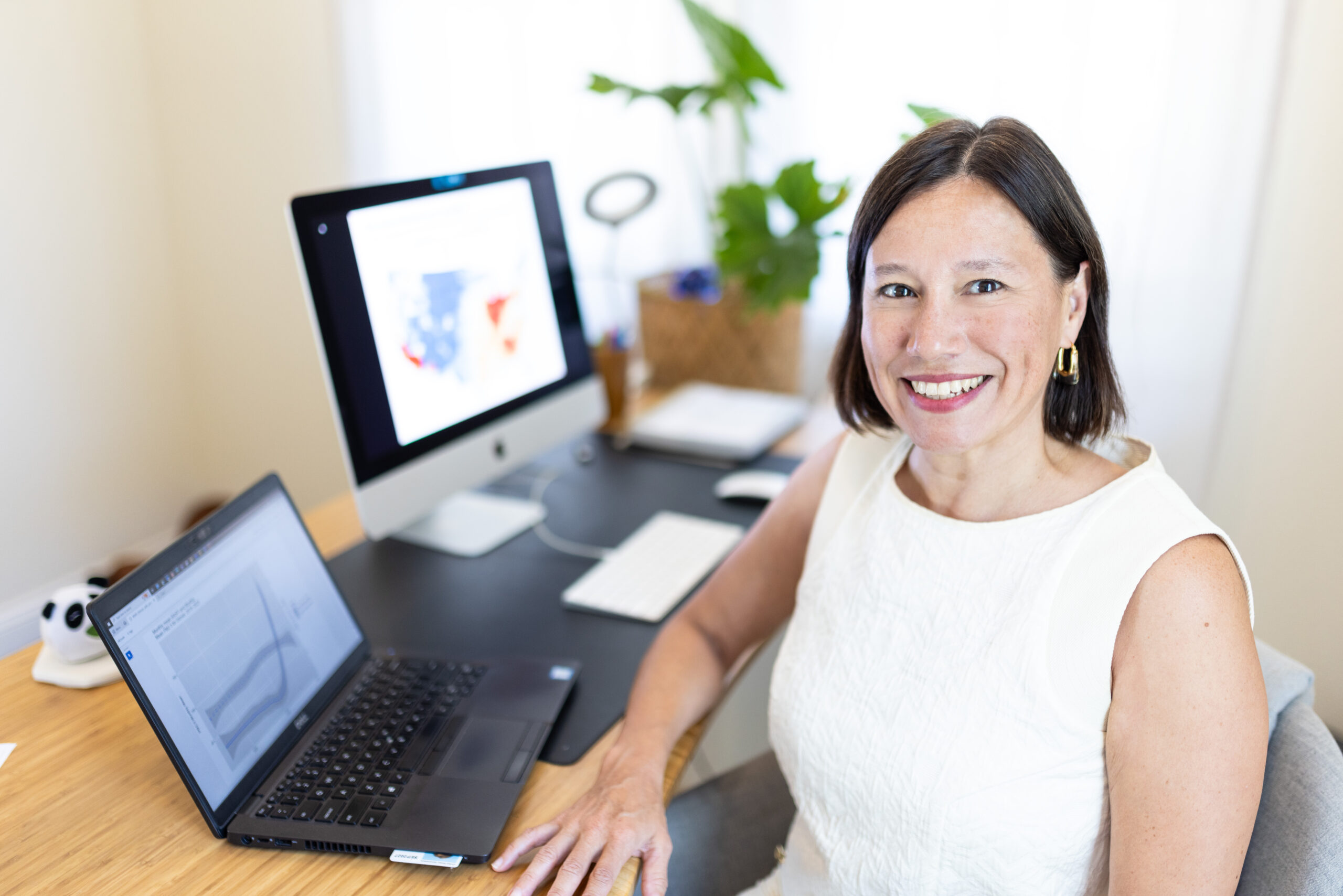
Professor Suzanne Tamang, PhD, applies cutting-edge AI to veteran data to uncover how environmental factors like air pollution affect autoimmune and rheumatic diseases.

“‘They are synthetic patients,’ Suzanne Tamang, PhD, says of the AI-created population. ‘It was derived from real veterans, although it’s synthetic. It’s a new method, based on generative AI, and it allows us to bring in environmental data to explore different ways to link it to population health.’”

Tamang’s population health approach considers how the interplay of clinical, social, and environmental factors influences health outcomes. Her research using air pollution data from the U.S. could help clinicians mitigate flares caused by factors like wildfire smoke. 

The synthetic population, encompassing a diverse range of demographics and geographic locations across the U.S., not only enhances the generalizability of her findings but also maintains patient privacy. This innovative method supports the development of predictive models that could significantly improve healthcare responses to environmental triggers.

Tamang’s work advances autoimmune research by translating complex AI technologies into practical tools that improve access to quality health care for vulnerable populations. Her pioneering efforts aim to empower health systems with data to better anticipate and mitigate the impacts of environmental factors on health outcomes.

“Our work aims to unite various experts to tackle these significant challenges by providing them with comprehensive datasets,” she says. “This approach marks a critical advancement in our ongoing projects within the new climate and health space.”

"

Massive Scale of COVID-19 Unlocks New Insights Into Autoimmune Responses

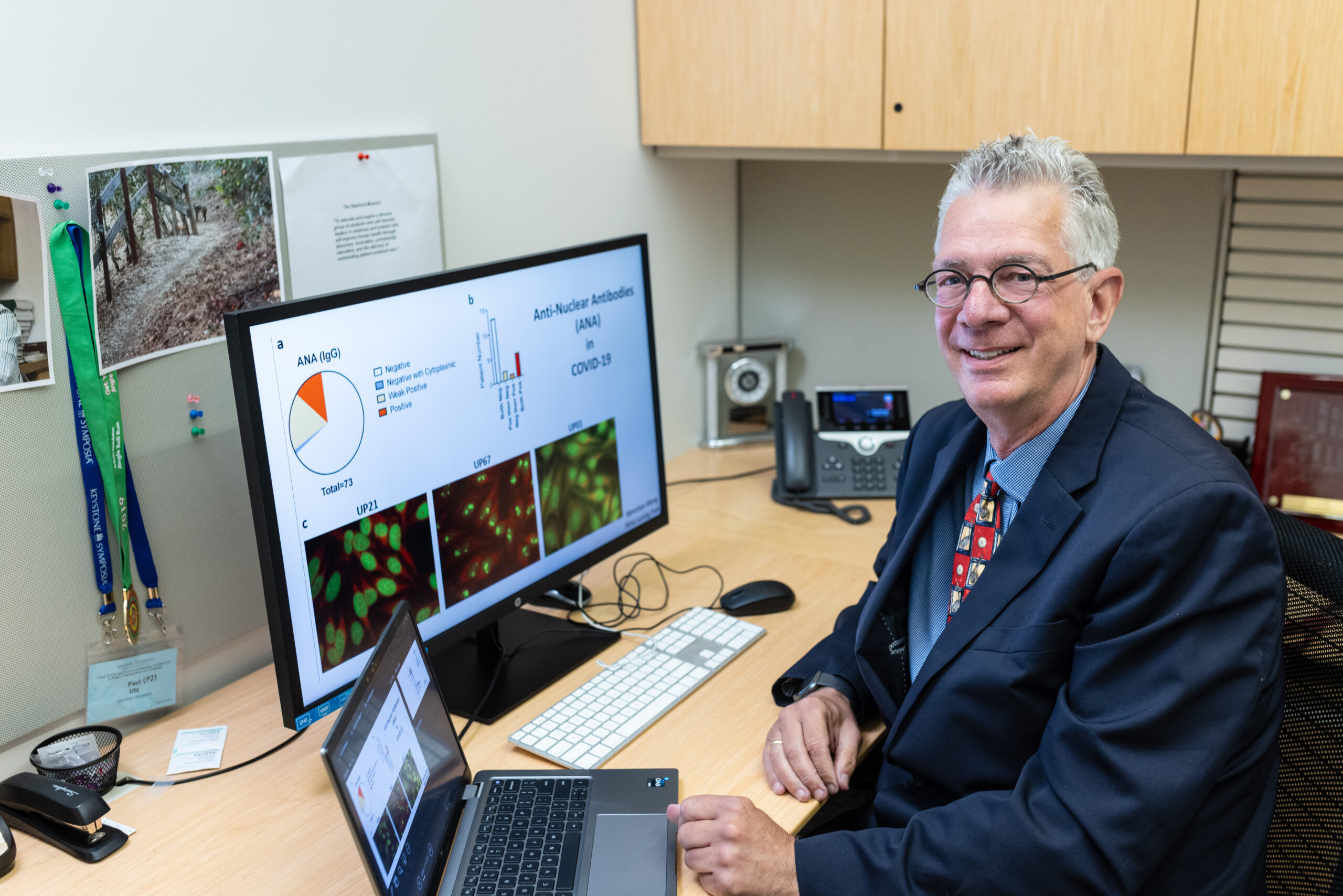
In a significant shift in understanding autoimmune diseases, PJ Utz, MD, professor of immunology and rheumatology, leads Stanford’s research efforts to leverage the unprecedented scale of COVID-19 to reveal how the virus may initiate long-term autoimmune processes.

Utz and his team are using advanced technology to study thousands of proteins at once, helping them understand the complex immune system issues in long COVID-19. Their research has found that some COVID-19 patients develop autoantibodies, which are proteins that mistakenly attack the body. This supports the idea that the virus can trigger autoimmune diseases. These findings, driven by the widespread effects of the pandemic, are leading doctors to rethink how they approach the treatment and understanding of infectious diseases and autoimmunity.

Leading a groundbreaking exploration of post-viral autoimmunity, PJ Utz, MD, harnesses the massive scale of COVID-19 to unravel hidden complexities of the autoimmune response.

“We have such a unique opportunity here with this pandemic that I’ll spend the rest of my career studying how COVID-19 triggers autoimmunity and how we can treat it.”

– PJ Utz, MD

When the pandemic began, Stanford and other institutions proactively started to collect samples, enroll patients, and study the disease as it evolved. 

“We were essentially building the new immunological frontier while the airplane was being built,” Utz explains. This proactive approach has allowed researchers to capture unprecedented data on the immune responses triggered by COVID-19.

Building on the knowledge gained from past pandemics, today’s researchers, equipped with unparalleled clinical samples and molecular tools, are now able to conduct detailed studies of viral effects on the immune system and advance theories about post-viral autoimmune effects that were previously speculative.

“We have such a unique opportunity here with this pandemic,” Utz says, “that I’ll spend the rest of my career studying how COVID-19 triggers autoimmunity and how we can treat it.”

"

New Research Offers Solutions and Hope for People With Chronic Pain

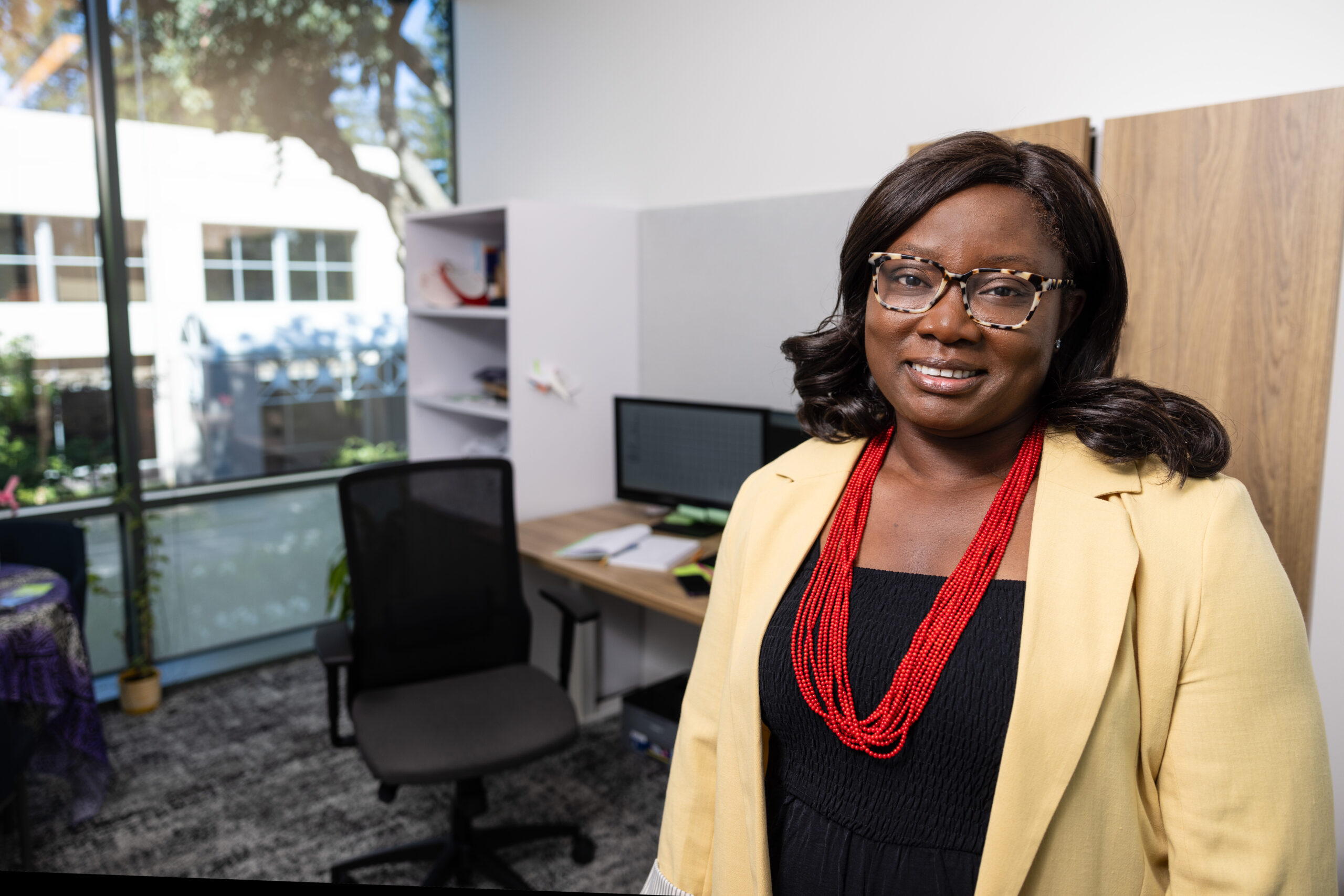
Motivated by helping individuals with chronic pain, Titilola Falasinnu, PhD, assistant professor of immunology and rheumatology, is dedicated to developing innovative methods to alleviate the suffering of patients with autoimmune rheumatic diseases. Her work aims to enhance daily living and improve quality of life by addressing pain that often impairs everyday activities.

Despite treatment advances in rheumatology, pain remains the most prominent, unaddressed patient complaint. Depending on the diagnosis, upwards of 65% of patients are on long-term opioid therapies and have higher rates of opioid overdose hospitalizations than the general population, Falasinnu says.

“Given these significant burdens, there is a critical need for innovative research to develop better pain management strategies and improve patient outcomes,” she says. “It is imperative to study pain not just as a symptom but as a disease in its own right to understand its impact better and develop effective treatments.”

Dedicated to reducing opioid dependence and enhancing the quality of life for people with autoimmune diseases, Titilola Falasinnu’s research paves the way for personalized treatments that address both biological and psychosocial factors.

“Our research not only advances our understanding of chronic pain and autoimmune diseases but also transforms patient care through personalized medicine and predictive modeling, shaping future public health strategies.”

– Titilola Falasinnu, PhD

The Falasinnu Lab is composed of epidemiologists, clinicians, pain scientists, and informaticists who use large datasets and advanced computational methods to understand the complex nature of pain in patients with autoimmune rheumatic diseases, such as lupus. They are developing predictive models to forecast pain episodes in patients to enable personalized medicine and treatment plans. 

Their research has illuminated overlapping factors that influence chronic pain, paving the way for interventions that address both biological and psychosocial aspects of pain management. The aim is to improve patient quality of life and reduce reliance on long-term opioid therapies, which carry significant health risks.

“Our research not only advances our understanding of chronic pain and autoimmune diseases but also transforms patient care through personalized medicine and predictive modeling, shaping future public health strategies,” she says.