Price Defines the Generic Drug Market

Price Defines the Generic Drug Market

#Interventions

Kevin Schulman, MD, MBA, is a Stanford health economist dedicated to revealing the downside of the generic drug marketplace – one that has saved consumers billions of dollars in drug costs annually but that is still “deeply flawed.”

A shortage of cisplatin, a key cancer chemotherapy agent, resulted in a crisis for Stanford Medicine and many other healthcare systems in 2023. A Food and Drug Administration (FDA) inspection had found severe quality problems at one of the largest foreign manufacturers of this generic drug.

Guided by principles of ethics, potential impact on prognosis, and clinical judgment, a multidisciplinary committee helped determine the allocation of cisplatin to patients on a case-by-case basis. At that time, Neera Ahuja, MD, was medical director of pharmacy. She recalls that “all the patients at Stanford received the care they needed, and there were no negative impacts to clinical care.” Ahuja is currently associate chief medical officer, Inpatient Care Services.

Drug Detective Seeks Answers

While the Stanford bioethics committee was developing criteria for rationing the available supply of cisplatin for its cancer patients, Kevin Schulman, MD, MBA, was working to explain the economic factors that resulted in this crisis. Schulman is a health economist and professor of medicine at Stanford and is interim division co-chief for the Division of Hospital Medicine.

“There is a lot of focus in this country on the high cost of branded drugs,” says Schulman, whose research on generic drugs is carried out within the Stanford Department of Medicine’s Clinical Excellence Research Center (CERC). “However, 90% of all prescriptions are written for generic versions of formerly branded products – drugs whose patent protection has expired.” This process has saved billions of dollars for consumers. At the same time, the generic drug marketplace has become deeply flawed, according to Schulman.

"

“Generic drug shortages and generic drug quality are solvable problems. We need a new economic model that incorporates both price and quality into its infrastructure to deliver more for our patients.”

– Kevin Schulman, MD, MBA

The Generic Drug Market’s Sole Platform

In the branded drug market, manufacturers have the power to set prices. By contrast, in the generic market, distributors and other drug purchasers have consolidated into a limited number of purchasing coalitions that have the power to drive down prices. In fact, they can push prices so low that many generic drug manufacturers leave the market because they can no longer make a profit. And since the generic drug market is entirely based on price, there is no incentive for manufacturers to invest in quality – both product quality (its safety and efficacy) and supply chain quality (the assurance that high-quality products are always available).

“Unlike other industries,” notes Schulman, “the generic drug market is solely based on price. Drug distributors and purchasing groups claim the FDA oversees drug quality, but the FDA is struggling to police every transaction in a global market.”

Schulman has worked with Intermountain Healthcare (a large healthcare system based in Salt Lake City) to create Civica Rx, a not-for-profit generic drug company designed to change the incentives in the generic market for purchasers and health systems. Schulman is an unpaid member of the Scientific Advisory Board for Civica Rx, which offers stable, long-term procurement contracts that supply up to half of the needs for generic drugs for member health systems.

This model starts with a slightly higher but more stable price for generic drugs. Over time, the Civica model has resulted in reduced costs for generic drugs by eliminating the shortages and price swings that are typical of the generic market.

Product Recalls and Shortages

Schulman believes we can largely eliminate the challenge of generic drug quality and the larger issue of shortages if we force the purchasers in the market to consider both price and quality in contracting with generic drug manufacturers. “We have sophisticated purchasers buying millions of units of product, but not asking anything about product quality. I can’t imagine any other market in the world that functions this way.”

He argues that the FDA always lags behind purchasers’ procurement decisions. During the COVID-19 pandemic, the FDA fell way behind in its inspections. The Government Accountability Office reported that at the end of 2022, the FDA had not inspected 61% of critical overseas sites in five years. “And an FDA inspection merely reviews quality documents maintained by the manufacturer. They do not routinely test the medications themselves for quality,” Schulman says. In fact, he recently detected carcinogens in some generic drugs, even after FDA recalls, likely resulting from low-quality manufacturing processes.

“It’s been both exciting and frustrating to examine this market, which is a critical part of our healthcare system that has been largely neglected by the research community,” he says. “Generic drug shortages and generic drug quality are solvable problems. We need a new economic model that incorporates both price and quality into its infrastructure to deliver more for our patients.”

New Division to House Research Centers

In September 2023, a new administrative division was created for the Stanford Department of Medicine. CERC and five other research entities are now organized under one umbrella, called the Division for Research and Education in Academic Medicine (DREAM). “This is an exciting moment for the Department of Medicine. I am confident that DREAM will contribute great value to the department and to each of the programs and centers within this new division,” says Interim Chair of the Department of Medicine Bonnie Maldonado, MD. The six entities in this new division are as follows:

  • Program for Bedside Medicine
  • Center for Asian Health Research and Education
  • Center for Digital Health
  • Clinical Excellence Research Center
  • Translational Research and Applied Medicine Center
  • Translational Applications Service Center
Mentorship Reimagined: The MODEL Program’s Impact on Faculty Development at Stanford

Mentorship Reimagined: The MODEL Program’s Impact on Faculty Development at Stanford

#Communities

With an inaugural cohort of seven faculty mentors and 87 mentees, the MODEL program has already had significant impacts on faculty across department divisions and organizations.

“One of the best things that has happened to me as a result of the MODEL program is to make connections with other early-career women faculty,” says Clinical Assistant Professor of Cardiovascular Medicine and MODEL mentee Jennifer Woo, MD. “I was waiting to give my talk at a major international scientific meeting. I could not feel my fingers, I was so nervous.” 

Woo texted two fellow MODEL mentees, who talked her through her nerves. They told her to write down the names of several people and imagine she was giving the talk to them. “It worked!” Woo says. “I won the Young Investigator Award!” 

MODEL program leaders, alongside the inaugural cohort of participating faculty mentors and mentees, have been hard at work since the program launched in January 2024. MODEL, shorthand for Mentorship | Opportunity | Development | Empathy | Leadership, champions a dynamic new mentoring culture across the Department of Medicine. 

With an inaugural cohort of seven faculty mentors, called MODEL leads, and 87 mentees, the program has already had significant impacts on faculty across department divisions and organizations. 

“The MODEL program helps relieve the burden of finding (and providing) mentorship, because it broadens the definition of mentorship beyond the classic one-to-one ‘advisor-advisee’ relationship most of us think of,” says the department’s senior vice chair for clinical affairs, Ann Weinacker, MD. MODEL, she says, “allows experienced faculty to share their knowledge and experience with groups of early-career faculty in a casual and relaxed atmosphere that promotes open dialogue.”

The group format also provides opportunities for networking with colleagues and other more senior faculty and for developing relationships that are mutually beneficial, including classic mentoring and sponsorship relationships that, according to Weinacker, often seem elusive.

"

“There’s something magical about regular group meetings, and MODEL is proof. To me, the mutual support, the sense of community, and connection is as precious as the mentorship. Why else would its members carve out time they don’t have to be there?”

– Abraham Verghese, MD

Trained, Dedicated Mentors

The MODEL leads’ commitment to this initiative is as impressive as it is inspiring. In addition to the myriad personal and professional demands on clinical faculty, MODEL leads undergo three months of formal training with the Teaching and Mentoring Academy in the School of Medicine. The curriculum covers, among other topics, mentorship principles, communication strategies, and teaching methodologies. Leads also engage in continuing learning from the medical school’s Office of Academic Affairs, as well as the department’s Diversity, Equity, and Inclusion Council; Team Science initiatives; and Making SPACE program.

MODEL leads serve their term as dedicated faculty to help facilitate promotion and advancement of their colleagues, train others to develop strong mentoring relationships, and provide ongoing workshops to promote networking and mentorship. 

Behind the leads’ dedication to the program’s mission is a sense of the importance of establishing mentorship as a core cultural value in the department and converting that shared belief into regular practice across divisions. 

“Mentorship has traditionally been an expectation in academic departments, rather than an intentional investment and strategy to support the success, well-being, and belonging of our early-career faculty,” says Niraj Sehgal, MD, clinical professor of hospital medicine and senior associate dean for clinical affairs in the School of Medicine. “MODEL is such an exemplary program to achieve those goals.”

Connecting Mentees and Mentors Across Divisions and Career Stages

To achieve that common objective, MODEL mentors and mentees initiate and engage in small and large group discussions celebrating mentorship as beneficial for faculty members at all stages of their careers.

For example, “For clinician educators (CEs), the majority of our interactions with colleagues in the department are to discuss mutual patients,” says MODEL mentee and Clinical Associate Professor of Endocrinology Marilyn Tan, MD. “But MODEL provides a chance to have exchanges with colleagues across divisions, with a focus on career and work-life balance.”

“There’s something magical about regular group meetings, and MODEL is proof,” concurs Vice Chair for the Theory and Practice of Medicine Abraham Verghese, MD. “To me, the mutual support, the sense of community, and connection is as precious as the mentorship. Why else would its members carve out time they don’t have to be there?”

"

Mentorship Matters

With the first year of operation complete and planning for the next year underway, the MODEL program is very much in the hearts and minds of department participants and leaders, and many are invested in its continuing success. 

“MODEL reminds us of why we’re grateful to be at Stanford and in an environment where we’re continually finding ways to invest in ourselves and each other,” Sehgal reflects.  

Former program leader Upinder Singh, MD, shares, “We should call the story ‘a labor of love,’ since that really is what we are talking about.” Her program co-leads, Kavitha Ramchandran, MD, and Rebecca Geraldi, readily agree.

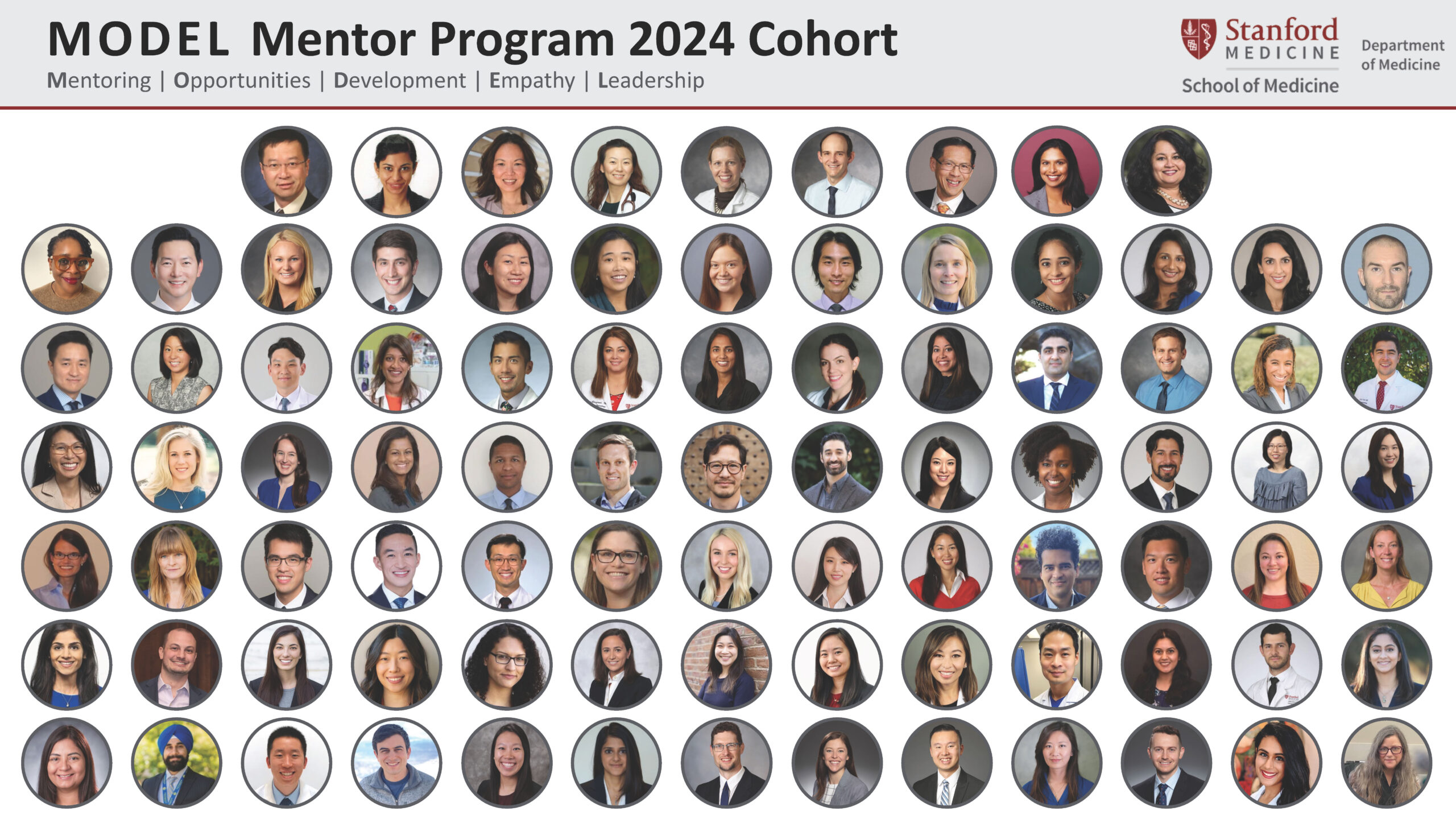
The 2024 cohort of MODEL Leads is dedicated to the importance of establishing mentorship as a core cultural value in the department and converting that shared belief into regular practice across divisions.

New Frontiers in Team Science: Empowering Patients With AI-Driven E-Consults

New Frontiers in Team Science: Empowering Patients With AI-Driven E-Consults

#Methods

From left: Olivia Jee, MD; Vijaya Parameswaran, PhD; Ron Li, MD; and Srikanth Muppidi, MD

For patients with rare diseases, the time to obtain a definite diagnosis can be months or even years. During that period, even minor communication gaps can lead to dead ends and lengthen the journey. Here is a typical scenario:

Patient A goes to see their primary care physician complaining of diffuse symptoms that have plagued them for some time. The physician suspects a neurological disorder and initiates what is known as an e-consult – a digital, physician-to-physician communication. The patient’s symptoms are described in medical shorthand, including numerous acronyms and technical terms. The consulted neurologist suggests a series of tests, which are ordered and performed in the following days and weeks, all with negative or inconclusive results. 

The primary care physician refers the patient for an in-person visit to the neurologist, who is not available for some months. When that date finally arrives, the neurologist consults the notes received and discusses them with the patient. The patient clarifies one particular symptom as well as its timing: “No, that is incorrect. Here’s what actually happened…”

That clarification serves as a clue, and after a careful examination and more questions, the neurologist confirms the diagnosis of a rare disease, at which point the patient is put on appropriate medication. The time from initial visit to treatment: several months, during which the patient’s condition has worsened.

Patient A knew how to access the physician’s notes and the response from the neurologist. But the medical terminology and the acronyms used obscured the fact that there was a miscommunication about one crucial symptom and its timing, which then led to a series of mistaken assumptions. 

What if an AI tool could serve as an interpreter to translate physicians’ notes into lay language? What if patients could easily access this translation and directly respond with corrections or additional details? 

These questions will be explored in a new pilot study at Stanford. In an example of true team science, the project brings together professionals from different fields. Primary care physicians, neurologists, and experts in AI tools for medicine will investigate how patients communicate with their care team and how they could be active participants when their primary care physician consults a specialist.

“Timely communication is essential in healthcare delivery. We are exploring whether the integration of large language models can augment human clinical care by improving the efficiency and effectiveness of patient communication,” says Vijaya Parameswaran, PhD, a social scientist in the Division of Cardiology and co-principal investigator of the study. Large language models, she explains, are the foundation for chatbots like ChatGPT – computer programs that simulate and process human conversation, either written or spoken.

The research will also study how physicians consult with each other and with their patients during an e-consult to see if artificial intelligence language models can improve these interactions and information sharing.

“The time it takes the primary care physician to formulate a tight, well supported clinical question and the specialist’s time providing a clinical assessment and recommendations impact the quality and quantity of e-consults. If AI can aid to overcome these barriers, it will help us continue to grow the program and provide more efficient clinical care,” says Olivia Jee, MD, a primary care physician, clinical assistant professor of primary care and population health, and medical director of the Stanford Health Care eConsult Program.

"

“Timely communication is essential in healthcare delivery. We are exploring whether the integration of large language models can augment human clinical care by improving the efficiency and effectiveness of patient communication,” says Vijaya Parameswaran, PhD

For example, an AI language tool could be used by a specialist to quickly scan and condense what is often hundreds of pages of history and data that patients with rare diseases typically bring to a consultation. The most brilliant human minds do not have the capacity to digest thousands of pieces of information in a few minutes and come to rational conclusions. A large language model tool can serve as an “extra brain” to sift through the data, bring the most relevant facts into focus, and suggest the most likely diagnosis and possible treatments, according to Srikanth Muppidi, MD, clinical professor of neurology and neurological sciences and co-investigator in the study.

“With the increasing complexity of care and silos of knowledge, it is impossible for primary care or referring physicians to always obtain and interpret relevant clinical information. This study will help us understand how best to use AI tools to review referrals, both to reduce the time to diagnosis and to help choose the best therapy for each individual,” says Srikanth Muppidi, MD.

On the patient side, the same tools could empower them with language and technological resources that would help them communicate about their symptoms and disease history. A rare disease forces patients on a journey from primary care to specialists to subspecialists, each time having to explain the course of their condition, pointing out tests that have been administered, and describing the effects of attempted treatments. By making it easier for patients to be actively involved in the process of diagnosis and disease management, the Stanford team hopes to shorten these difficult journeys and improve outcomes for patients.

The study is a joint project of the Stanford Department of Medicine Team Science program, the Stanford Health Care Digital Healthcare Integration Team, and UCB Biopharma, the industry sponsor.

“Large language models have shown tremendous promise in improving clinical workflows by helping to summarize and translate information,” says Ron Li, MD, a clinical associate professor of medicine and medical informatics director for digital health, who is the principal investigator of the study. “The goal of this project is to explore how we can apply this capability to enable and transform care models such as e-consults while keeping patients at the center.”       

Social Scientist in Cardiovascular Medicine Vijaya Parameswaran, PhD

Transforming Women Veterans’ Health Care: Susan Frayne’s Leadership in Advancing VA Initiatives

Transforming Women Veterans’ Health Care: Susan Frayne’s Leadership in Advancing VA Initiatives

#Interventions

Susan Frayne, MD, a pioneer in women’s health at the VA, stands at the forefront of expanding research and clinical care to better serve the rapidly growing population of women veterans.

When Susan Frayne, MD, began her career in the early 1990s, Veterans Affairs (VA) medical services were almost entirely geared toward men.

“If a woman did show up in the clinic,” Frayne recalls, “it would take a half hour to locate a speculum to do a pelvic exam.”

Back then, VA clinicians saw very few women patients and were often rusty on how to care for them, says Frayne, who is now the director of the VA Health Systems Research Center for Innovation to Implementation (Ci2i) and a Stanford Medicine professor in the Division of Primary Care and Population Health. 

As part of its mission, faculty in the Division of Primary Care and Population Health are committed to service at the VA. To that end, Frayne divides her time between VA activities and service at Stanford University. 

Women have served in the U.S. military since the American Revolution, but it wasn’t until 1948 that Congress granted them entitlement to veterans benefits and not until 2015 that they were approved to serve in combat roles. Despite their long history of service, women have been an extreme numeric minority within the VA system, leading to historical gaps in addressing their healthcare needs.

Today women represent the fastest-growing population in the VA, comprising 10% of VA patients. This has heightened the need for a stronger evidence base to systematically enhance care at the bedside.

“Women veterans have been in the VA for a long time but used to receive less attention due to their small numbers. It is heartening to now be seeing how VA has been making it a priority to ensure that their healthcare needs receive the focus they deserve,” Frayne says.

Supported by the efforts of Frayne and her colleagues to advance the boundaries of women’s health research and care, the VA has implemented several key initiatives to advance clinical research and advocate for women veterans. 

Prominent among these is the Women’s Health Research Network, which has accelerated the scope and impact of VA health research since Frayne and two colleagues at VA Greater Los Angeles and the University of California, Los Angeles – Elizabeth Yano, PhD, and Alison Hamilton, PhD – founded it in 2010. Its Women’s Health Practice-Based Research Network (WH-PBRN) component, which Frayne leads, connects 76 VA medical centers across the country – together representing over half of the women veterans served by the federal agency – and provides a national platform for multisite studies. While the number of women veterans at any one VA campus is still typically too low to supply enough study participants to yield meaningful conclusions, recruiting from multiple WH-PBRN member sites ensures better representation. 

To date, over 100 multisite studies have been conducted through the WH-PBRN. These cover a wide range of high-priority areas such as mental health and suicide, pain and opioids, reproductive health, military sexual trauma, access to women’s health primary care providers, rural health care, and more. Responding to the aging of the women veterans population, the WH-PBRN has been supporting studies on conditions like heart disease and menopause.  

The WH-PBRN also brings research to diverse patient populations and healthcare settings. “We’re able to reach populations that often tend to be underrepresented in research,” Frayne explains. “The WH-PBRN stretches all the way from Samoa to Puerto Rico and Alaska, and from big cities like New York, Houston, and San Francisco to facilities that serve largely rural populations like Fresno and Iowa City.”

"

“We are working to ensure that women veterans are better represented in clinical research, which is crucial for developing effective treatments and interventions tailored to their unique needs.”

– Susan Frayne, MD

Findings from research conducted in a predominantly male patient population cannot reliably be used to guide the care of female veterans. As a spin-off of the Women’s Health Research Network, another initiative, the Women’s Enhanced Recruitment Process, is designed to improve the equitable representation of women in clinical trials. Led by Frayne and Karen Goldstein, MD, at VA Durham and Duke University, this program addresses the historical underrepresentation of women veterans in research to increase the inclusiveness of large VA trials. 

“We are working to ensure that women veterans are better represented in clinical research, which is crucial for developing effective treatments and interventions tailored to their unique needs,” Frayne says. 

To further support these efforts, the Women’s Health Evaluation Initiative (WHEI) leverages VA databases to inform national VA strategic planning and policy development. WHEI’s data-driven approach helps identify gaps in current research and care, guiding the development of targeted studies and interventions, and contributes to the VA as a learning healthcare system. 

While Frayne cautions that more is still needed, she has seen steady improvement in VA services for women veterans since she started as a primary care doctor more than three decades ago. The implementation of women veteran program managers and women’s health medical directors at every VA facility has expanded access to specialized care. Dedicated women’s health clinics are now common. 

The VA has also been focusing on culture change. For example, Women’s Health Research Network findings that identified harassment of women veterans led to national VA anti-harassment campaigns, and studies have shown subsequent improvements in women’s perceptions of the VA environment of care as safe and welcoming.

The Women’s Health Research Network’s body of work around culture change is just one example of its impact. As Frayne notes, “Our ability to quickly adapt and respond to emerging priority areas speaks to the robust infrastructure and partnerships we’ve built over the past 15 years.” 

Tracking a Mysterious Kidney Disease Across Time and Continents

Tracking a Mysterious Kidney Disease Across Time and Continents

#Partnerships

Stanford nephrologist Shuchi Anand, MD

The patient, age 30, arrives at the dialysis clinic at 4 a.m. He sits through four hours of dialysis that filters from his blood the waste and water his kidneys no longer can – leaving him exhausted. He rests for another hour, but rather than returning home to recover, he drives to the fields to harvest lettuce under the scorching sun.  

Stories like this are common in Salinas Valley, the “Salad Bowl of the World,” and agricultural regions in Central California. They motivate researchers such as Stanford nephrologist Shuchi Anand, MD, to better understand a mysterious kidney disease impacting young farmworkers in hot agricultural areas around the globe. 

Since 2018, Anand has been studying this illness in agricultural communities in Sri Lanka. Now, she and Marimar Contreras Nieves, MD, a Stanford nephrology fellow, are pushing the boundaries of what is known about the condition by investigating these two regions in parallel. 

Unlike Sri Lanka, the predominantly Hispanic Central Valley and Central Coast of California are not yet confirmed hot spots and lack extensive analysis, largely due to a lack of data in a difficult-to-study population: migrant farmworkers. 

To better understand what’s driving the high rates of end-stage kidney disease in Central California – a relatively unexplored yet critical frontier in kidney disease epidemiology – Anand and Contreras are interviewing patients in dialysis clinics in the five largest agricultural counties in the region, beginning in Salinas and Fresno. They’re developing innovative collaborations with local nephrologists, research students, and community groups to seek out possible causes and ultimately help prevent the devastating condition. 

A Global but Underrecognized Problem

In the past two decades, younger adults without any of the usual risk factors have begun suffering irreversible kidney damage. In the U.S., kidney disease typically disproportionately affects poor communities in urban areas. However, this “chronic kidney disease of unknown origin,” or CKDu, is most common in hot, low-lying agricultural regions across the world. It primarily impacts young and middle-aged males whose livelihoods involve strenuous agricultural and manual labor.

The progressive disease is often not diagnosed until the patient has reached the final stage – at which point their kidneys are so damaged, they require costly, time-consuming dialysis or a kidney transplant for survival. 

In recent years, analyses from the U.S. Renal Data System have revealed unusually high rates of end-stage kidney disease in Central California. While this region and Sri Lanka are separated by nearly 9,000 miles, they share similar geographic features and high temperatures. 

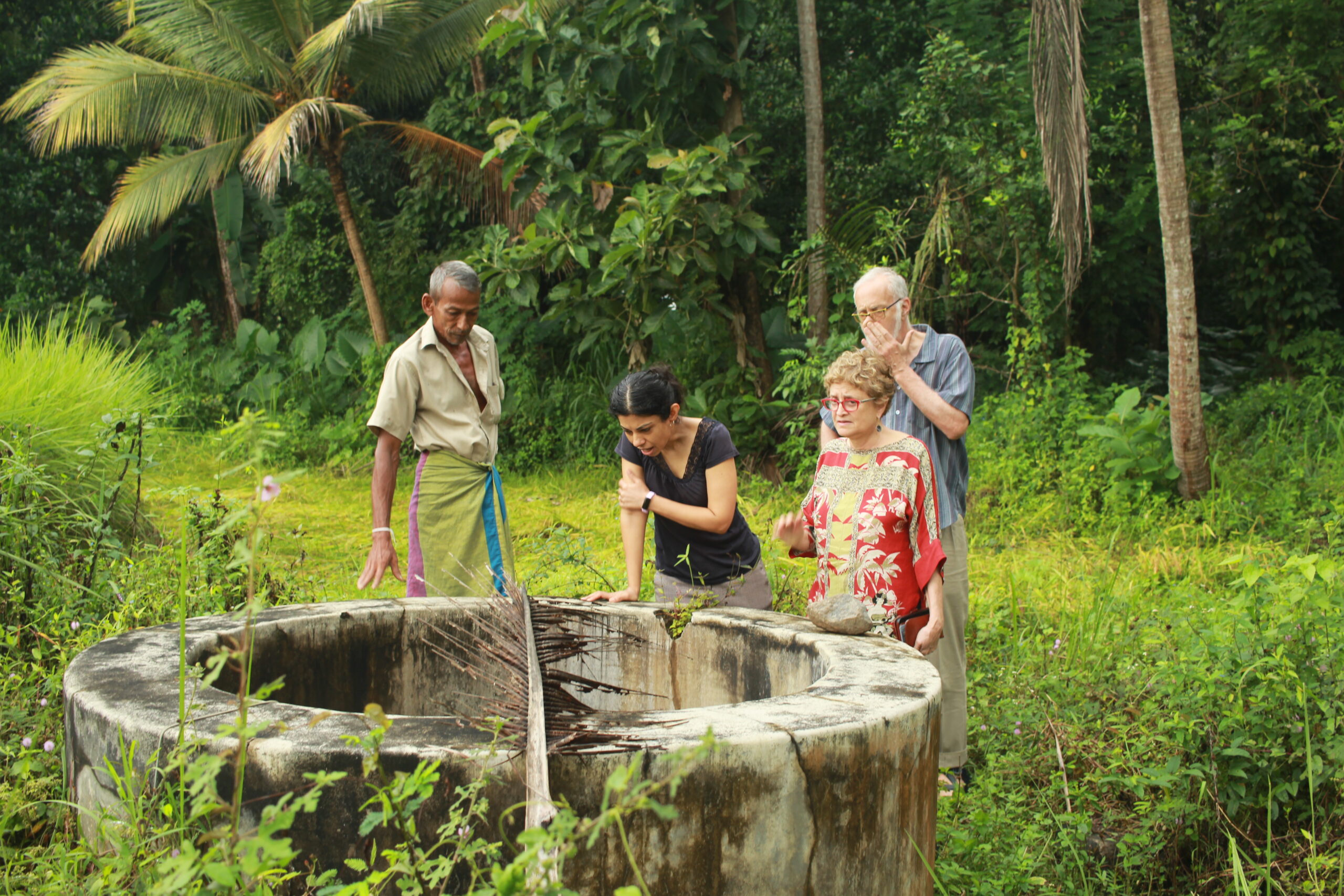
A Sri Lankan man with kidney disease shows Dr. Anand and colleagues the household well as they investigate possible causes. A suspected risk factor for kidney disease of unknown origin is contaminated groundwater. Also pictured: Michele Barry, MD, Senior Associate Dean of Global Health and Director of the Stanford Center for Innovation in Global Health, and Mark Cullen, MD, a retired Senior Associate Dean of Research at the Stanford School of Medicine.

Devastating to Local Communities

From Sri Lanka to the Salinas Valley, the impacts of this mysterious kidney disease are devastating for the patient, their family, and their community. 

“Life changes overnight when you give patients a diagnosis,” says Gopal Krishna, MD, a nephrologist with Central Coast Nephrology who grew up in a region of India that has become a hot spot for CKDu. 

Krishna believes that up to 20% of his patients have been affected by the illness. He’s now partnering with Anand and Contreras by providing them access to interview patients on dialysis.

Anand, who also directs Stanford Medicine’s Center for Tubulointerstitial Kidney Disease, is motivated by the stories of those impacted. In Sri Lanka, she says, farmers have committed suicide to prevent their families from suffering the financial burden of treatment. In other cases, children left school early, or mothers left the home, to work.

“Progressive kidney disease in a working-age person impoverishes families and robs them of a loved one,” she says.

A Puzzle Spread Across Time

Despite the impact, few nephrologists, patients, and community members in Central California are aware of this condition, and an understanding of causes and solutions remains elusive.

Because the disease is difficult to detect in its early stages, researchers struggle to understand which exposures in a person’s life may have contributed to their illness. Compounding this, many impacted communities lack sufficient epidemiological data and research capacity to investigate the condition.

“It’s a puzzle that is very difficult to piece together – a puzzle not only with many pieces, but pieces spread across time,” says Anand.

Strenuous activity in extreme heat is one highly suspected risk factor – and a growing one in light of climate change, says Anand. Other possible contributors include drinking water contaminated by pesticides or naturally occurring elements, silica exposure from the burning of certain crops, and infection by viral diseases.

"

“It’s a puzzle that is very difficult to piece together – a puzzle not only with many pieces, but pieces spread across time.”

– Shuchi Anand, MD

Two Hot Spots, Two Approaches

In Sri Lanka, Anand and community researchers have been following healthy people over time to identify risk factors and exposures in those who eventually fall ill. Anand is also helping communities build their local capacity for research, including blood testing, gathering environmental samples, and testing interventions, such as filtering drinking water for potential contaminants. This work has been supported by the Stanford Center for Innovation in Global Health through Global Health Seed Grants, an NIH/Fogarty Global Health Equity Scholarship, and mentorship from Michele Barry, MD, the center’s director. 

A team of faculty at Stanford are collaborating to tackle the disease locally and in Sri Lanka, including Vivek Bhalla, MD, associate professor of nephrology; Kurella Tamura, MD, professor of nephrology; Neeraja Kambham, MD, professor of pathology; Andrew Fire, PhD, professor of pathology and genetics; and Maria Montez-Rath, PhD, senior research engineer.

Yet Central California requires a different approach, since those most impacted – farmworkers – move frequently, are hard to reach, may not trust the healthcare system, and usually aren’t aware of the illness. Anand and Contreras realized they needed to start with patients in the end stage of the disease and work backward to fully understand the relationship between a patient’s work, environmental exposure, residential history, and CKDu. The Stanford Woods Institute for the Environment has funded recent work in the Central Valley through an Environmental Venture Project grant.

“The base for this project is gathering information from patients and understanding their stories,” Contreras says. They’ve established strong relationships with local nephrologists serving patients in Central California, including Krishna, and begun interviewing dialysis patients. They’ve also collaborated with Clovis Community College, near Fresno, to identify young, bilingual research assistants from the community to interview patients.

Research Assistant Esteban Banda remembers the first time he entered a quiet Salinas dialysis clinic in the early morning, hesitant to disturb the sleeping patients’ rest and unsure whether they’d want to talk with him. Yet he was quickly surprised by how eager they were to discuss their lives and contribute information.

Stanford researchers and their global colleagues are investigating a mysterious kidney disease impacting young farmworkers in hot agricultural areas around the globe. To better understand possible causes and risk factors, they’re exploring the similarities and differences between a known hot spot, Sri Lanka, and a possible new hot spot in Central California.

As a Clovis Community College and UC San Diego graduate who hopes to attend medical school, Banda says that this experience is motivating him to become a doctor capable of engendering trust in his patients.

‘Hope to Find Solutions’

While researchers hope to better understand the causes of CKDu, their ultimate goal is prevention across borders.

Meanwhile, researchers are collaborating with universities in Central California, as well as local farmworker rights organizations, to develop a project focused on protecting at-risk workers – particularly as rising temperatures put laborers at greater risk.

Krishna hopes the initiative can help catch or prevent the disease before it reaches its terrible end stage for many of his prospective patients. 

“As we begin to recognize and appreciate that this entity exists,” he says, “I think there is a lot of hope to find solutions.”

Harmony and Healing: How Stanford’s Department of Medicine Staff Find Resilience Through Music

Harmony and Healing: How Stanford’s Department of Medicine Staff Find Resilience Through Music

#Communities

From left: Staff members Winnie Ellerman, Elizabeth Chen, Loto Reed, and Brenda Padia find expression, connection, and healing through the act of making music.

“Making music is healing for the body, mind, spirit, and soul. Music is an invitation to step into a different space that can be healing, fun, wild, and peaceful,” says Elizabeth Chen, a research coordinator in the Division of Nephrology.

Chen is one of many staff members in the Department of Medicine who are also talented musicians. Several shared the different ways they’ve embraced music as a way to navigate challenging periods in their lives. For some, making music presents a much-needed path to the self and a way of practicing mindfulness. For others, it offers a chance to process and manage difficult emotions or to find meaningful connection with others. 

Music as a staircase to healing: Staff musicians find solace and strength in their craft, using their art to navigate adversity and explore new frontiers of personal growth. Courtesy of DALL-E.

"

Music as a Path to Self-Expression and Presence

For Winnie Ellerman, administrative manager of nephrology and a dedicated piano teacher, making music is first and foremost a mode of self-expression.

“Even though a composer can write a piece of music with an intended emotion in mind, a musician has the power of interpreting and expressing that emotion or others,” Ellerman says. “When I learn a piece on the piano, the notes and fingering quickly become muscle memory, but the style and delivery changes almost every time I sit down to play the piece. It takes me a while to figure out my own version.” 

For Fellowship Program Manager and vocalist Brenda Padia, singing classical arias represents a method of practicing mindfulness where the goal is to be fully present for the length of a song.

Brenda Padia performing “Batti, batti”

“If I mess up in a performance, I have to continue,” Padia says. “I have to accept what is in the moment so I can remain focused on the rest of my aria and then, afterward, reflect and learn from it. I’ve also noticed applying this approach to work-related or life challenges improves my mental well-being and reduces self-judgment.”

Music as a Way of Navigating Change and Processing Difficult Emotion

In addition to experiencing music as a means of self-expression and presence, staff in the department describe making music as a method for navigating periods of change. 

For Loto Reed, administrative supervisor and program manager in Primary Care and Population Health, in the peak of the COVID-19 pandemic, playing the piano became an essential source of healing and refuge from the pressures of life and work. During this period, she kept a full-size digital piano in her office. When she felt the need to reset and recharge energetically and emotionally, she stepped away from her desk for a few minutes to play a song or a few chords.

Like Reed, Chen, a pianist and vocalist, recognizes the therapeutic potential of music to help musicians manage the difficult and common workplace emotions of stress and pressure. “Music is a stress reliever, stepping into a world away from obligations, and it brings so much joy and relief, peace, and gratitude,” she says. 

For Chen, that joy is linked to the fact that making music is a choice she makes for herself on a daily basis. Her practice is what she makes of it, and it doesn’t depend on anyone else’s schedule or expectations.

"

“As a Pacific Islander, music is woven deeply into our cultural traditions and identities. It is truly a healing art form and a creative way to bring communities together and share the richness of the cultures.”

– Loto Reed

Music as a Means of Connection

Many musicians in the department also expressed that music has the potential to heal the body, mind, soul, and spirit when it is made in the company or in the service of others. 

Reed, for example, found relief from extreme social isolation during the pandemic in making and sharing music with others over social media. Though it was frightening to share recordings with others for consumption and critique, she experienced supportive outpourings of appreciation from listeners. The response served as a reminder that she was not alone, lifting her spirits and helping her get through a difficult period of her life. 

Chen describes the critical role that making music played in forging lasting friendships (especially with other musicians): “The ability to make music has brought me so many close friendships. It brings together various people with musical gifts to serve a greater purpose.”

For Ellerman, making music has served the greater purpose of connecting her across time and space to past generations of family musicians. Sometime after her grandmother’s passing, Ellerman found among her things a book of sheet music that Ellerman’s great-grandmother (and namesake) Winnie used in the ’60s and ’70s to teach her mother and aunts. 

Winnie Ellerman playing the piano

It was the same book that Ellerman was using to teach one of her young students at the time, and at the top of the piece they had most recently worked on together was a date showing when her aunt had learned that same piece, 50 years earlier to the day. 

“That moment was so surreal and grounding,” recalls Ellerman, “and it made me feel connected to a piece of my family history that I hadn’t really thought about before – I never met my great-grandmother Winnie.”

For Reed, the connective power of making music extends to the broader community. “As a Pacific Islander, music is woven deeply into our cultural traditions and identities,” she says. “It is truly a healing art form and a creative way to bring communities together and share the richness of the cultures.” 

Reed’s family has made it a yearly tradition to host a “Music for the Soul” recital at their home, in honor of her father Nifai Tonga’s lifelong love of making music and his passing five years ago. The recital reunites Tonga’s grandchildren with other members of their small community, helping the family recover from grief and loss – and, in Reed’s words, “keeping music alive and well” in the hearts of all.