That Was Me: Latin American Individuals and Identities in Medicine

That Was Me: Latin American Individuals and Identities in Medicine

#Communities

Maria Juarez-Reyes, PhD, MD; Dalia VanderZee, Department of Medicine staff; and Enrique Menendez, Department of Medicine staff

No two people are the same, especially in the Latin American community.

“I am different from others – we are all different in the Latin American community,” says Associate Director of Finance and Administration, Enrique Menendez.

Despite this, many still unfairly dismiss this widely diverse population of Americans. Menendez saw this when he first arrived in the United States from Guatemala more than 30 years ago. It took months for him to find employment, even though he already had a medical degree.

“Not even McDonald’s wanted to take a chance on me. It really was incredible,” Menendez remembers.

His first chance came from what might seem an unlikely place in such a prejudiced environment.

“I started working, actually, at Stanford, believe it or not,” Menendez laughs. “Even though I was rejected by everybody else, the only group, the only company that took a chance to hire me, was Stanford.”

Menendez’s expertise in medical research led him to administrative positions at UCSF and now back at Stanford. He capitalized on that first opportunity to create a career, proving again and again that he is a uniquely talented professional. 

Being given that opportunity to succeed is crucial for members of the Latin American community who are often denied the chances their white counterparts get.

“When somebody comes to you, like I did with my chief, and says, ‘Hey, I’d really like to do this,’ say, ‘Go! Do it!’” Clinical Associate Professor of Primary Care and Population Health Maria Juarez-Reyes, PhD, MD, nods.

When Juarez-Reyes wanted to institute a new practice of behavioral health group medical visits in the Division of Primary Care and Population Health, Division Chief Sang-ick Chang, MD, gave her the go-ahead. She is grateful for that approval, but approval for such medically generative projects should be the norm for Latin American medical professionals, not contingent upon individual supervisors.

“I was bold enough to ask. He was generous enough to offer support. Offer that space more. People have ideas. Just encourage them,” Juarez-Reyes emphasizes.

"

“Latino medical students and African American students are still struggling at Stanford. That should not be a culture here anymore. Start figuring out what we’re missing by talking to them. How can we make this culture better?”

– Maria Juarez-Reyes, PhD, MD

Far too often, medical institutions don’t offer that space and instead enable others to dismiss Latin American individuals with talent and experience.

“I’ve had physicians say, ‘What are you doing here? Why are you telling me what to do? You’re female. You’re from México,’ because I don’t introduce myself as a trained physician,” Dalia VanderZee affirms.

VanderZee practiced medicine in Mexico before moving to the United States and now works as an administrative division director at Stanford. Despite being in the Department of Medicine, she still is greeted with disbelief when she brings up her experience as a physician.

“What? You? From México?” people ask her, to which she replies, “Yes. Sure. Me.”

Latino/a/x community members don’t only face pressures to perform a certain identity from outside the community. Such pressure to be “correct” even comes from within the Latin American community, an extension of pressures to conform to ideas of what being “Latino/a/x” means. When VanderZee finished the paperwork to live in America, her lawyers told her that she would have more success getting jobs in the U.S. if she took her Dutch husband’s last name.

“So, I did. My dad was not very happy,” VanderZee says. “I also have been alienated from my community at times because I’m not the ‘typical migrant’ into California. Some people think you come here and work in the fields or you come here without papers. I’ve had the privilege of coming here differently. That doesn’t mean I’m going to lose my Mexican identity. There are a lot of people who don’t understand it, people who are going to resent it, and people who say, ‘You are one of us.’”

With such pressures on Latin Americans to perform, both within and outside the medical community, institutions need to reduce the disparities that they create. This gives Latino/a/x medical professionals the same space to excel as their peers.

"

“Latino medical students and African American students are still struggling at Stanford. That should not be a culture here anymore,” Juarez-Reyes states sternly. “Start figuring out what we’re missing by talking to them. How can we make this culture better?”

Juarez-Reyes emphasizes that institutions can’t just focus on racial inequities among students and positions of lower authority. Stanford already focuses on medical inequities, making this the perfect place to continue positively redressing areas where we still fall short.

“Stanford is doing such a conscious effort to tackle health disparities and really looking at it from a policy standpoint and a research standpoint – which is wonderful. Can we recruit underrepresented minorities in medicine not just to be the ‘diversity chairman’?” Juarez-Reyes asks. “You want them to be the department chair, a division chief – don’t box us in.”

When institutions open doors for Latin Americans and other underrepresented minorities, they can broaden possibilities for health care and education in ways others do not imagine.

“I think the Department of Medicine is doing a concerted effort to reach out to the Latino/a/x community,” Menendez says. “They want to hear our experiences, to make sure we know about those individuals we otherwise wouldn’t know about. You don’t know what you don’t know about.”

Menendez links this back to his start at Stanford: No one knew him, but he just needed one opening to parlay that opportunity into a long career.

“I think it would be great if something like that could happen not only for people who come with a medical degree or a college background but for other individuals as well,” he says.

Regardless of the stories that each member of the Latin American community carries with them in the medical field and healthcare administration, everyone does so as an individual. An open door gives everyone a chance to show who they already are.

As VanderZee puts it, “Everything that happened after that was me.”
New Digital Tools Advance DEI in Global Clinical Trial

New Digital Tools Advance DEI in Global Clinical Trial

#Methods

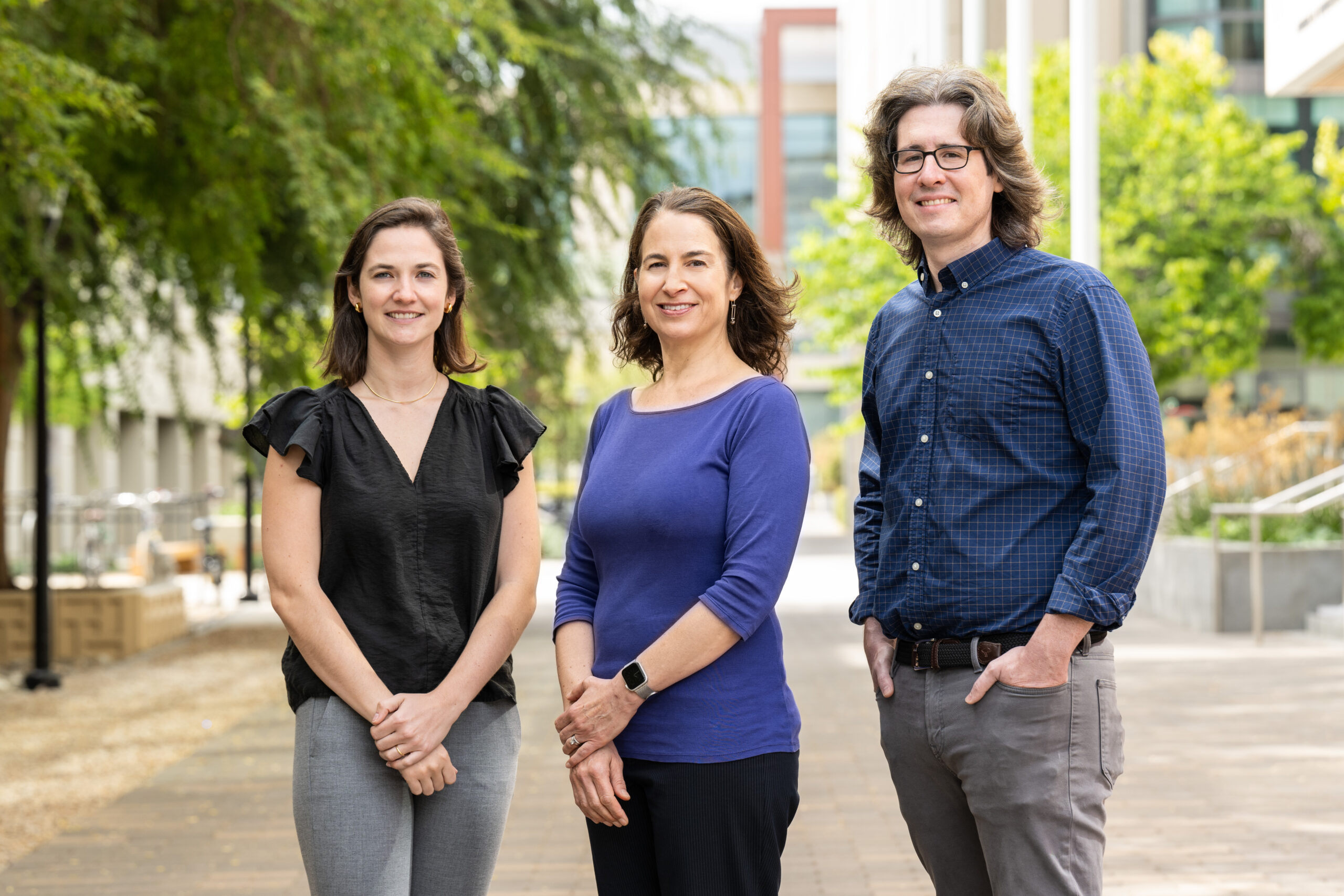
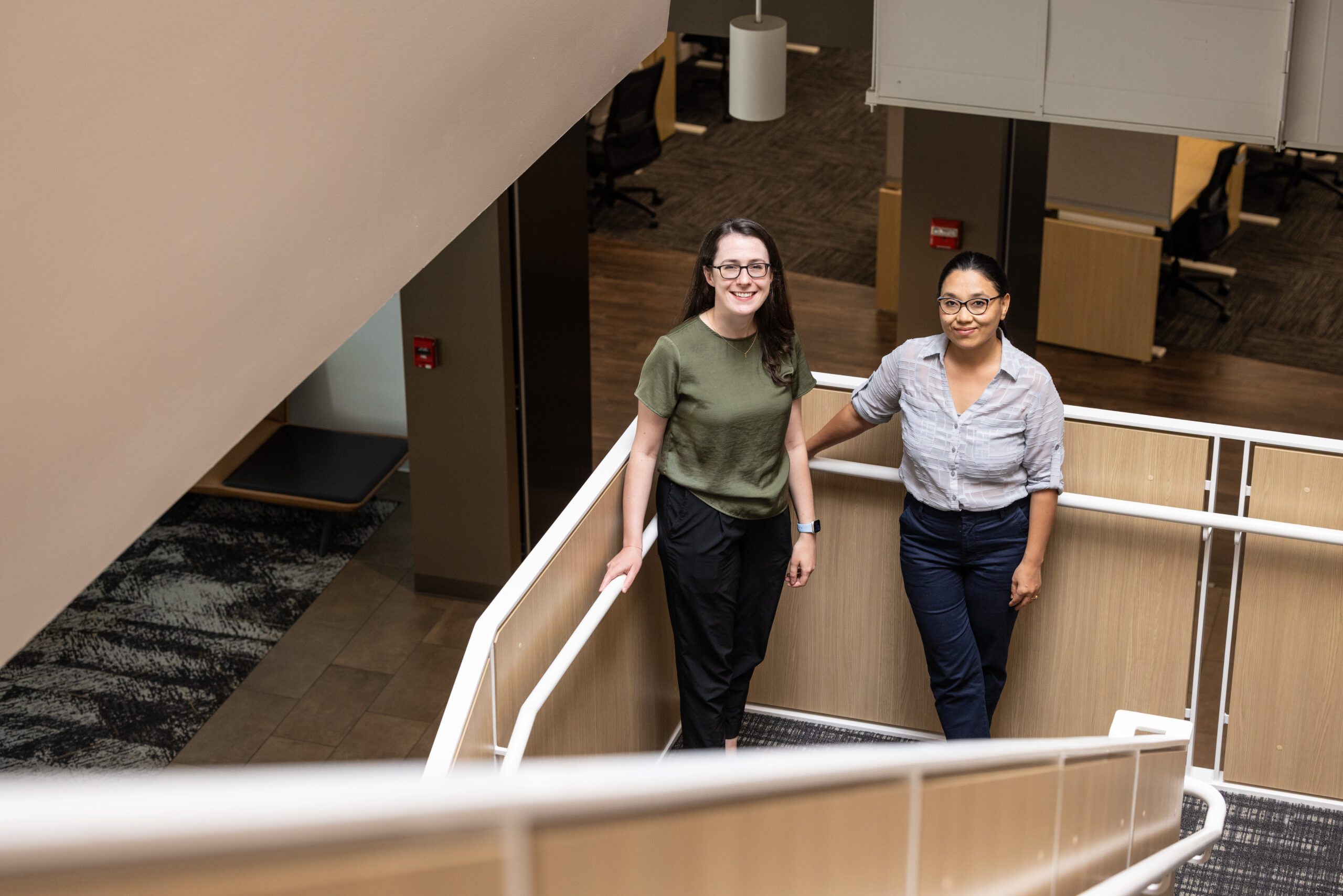
Julia Donahue (left) and Karma Lhamo are working to increase diversity, equity, and inclusion in global clinical trials.

Tackling racial bias in health care takes many forms. The Stanford Center for Clinical Research (SCCR) is doing its part from the research side by working to increase diversity, equity, and inclusion (DEI) throughout its programs – from observational research studies to clinical drug and device trials. 

“Despite best efforts, certain demographic groups continue to be underrepresented in clinical research,” says Julia Donahue, senior project manager at SCCR. “We want to ensure we have full representation from all different backgrounds when testing the efficacy and safety of drugs, devices, and other interventions. Collecting the highest-quality data benefits patients – not just at Stanford but around the world.”     

“We know from medical literature that participants from certain racial and ethnic minorities tend to be underrepresented in clinical trials, especially in cardiology,” explains Sneha S. Jain, MD, clinical assistant professor of cardiovascular medicine. “To mitigate this disparity, the FDA now requires minimum representation from certain groups in clinical trials. For example, Black participants should comprise at least 6 percent of our trial population in the U.S.” 

“Additionally, we’re looking to enroll more women in clinical trials,” says Donahue. “A recent study found that just over 41 percent of people enrolled in clinical trials for investigational drugs for cardiovascular disease are women, despite representing 51 percent of the patient population. We know we can do better.”

Clinical Trial for A-fib Drug to Have DEI Focus

SCCR has an exciting opportunity to boost DEI participation in a global clinical trial sponsored by Janssen Research and Development, LLC, and Bristol Myers Squibb called LIBREXIA-AF. Stanford is one of hundreds of sites involved in testing the effectiveness of a new anticoagulation drug for patients with atrial fibrillation (A-fib or AF), and it’s been tapped to serve a leadership role in participant recruitment. Jain, a member of the executive team for the LIBREXIA-AF study, is one of many SCCR staff and Stanford faculty working on multiple clinical trials involving nearly 50,000 patients for this comprehensive drug development program. 

Says Marco Perez, MD, associate professor of cardiovascular medicine, “We’re involved in much of the operations, the scientific development, clinical events adjudication, biostatistics, as well as DEI efforts, not only for atrial fibrillation but also for separate clinical trials related to stroke and acute coronary syndrome.” 

A DEI focus is particularly important for the A-fib trial, explains Perez, because “underrepresented groups are less likely to be prescribed anticoagulation medication, and we want to find new outreach methods to help us identify people who would benefit from this drug.”

Introducing the Stanford Heartbeat Study     

To achieve its DEI goals, the SCCR team engaged the Stanford Medicine Technology and Digital Solutions team to develop a set of digital tools that would allow Stanford to recruit more minority participants. Digital recruitment methods have proved successful with past clinical trials, allowing Stanford to cast a wider net in recruiting participants for the Apple Heart Study and Project Baseline

Digital tools will enable Karma Lhamo (left) and Julia Donahue to recruit more women and minority patients to participate in clinical trials for atrial fibrillation.

“We want to ensure we have full representation from all different backgrounds when testing the efficacy and safety of drugs, devices, and other interventions. Collecting the highest-quality data benefits patients – not just at Stanford but around the world.”

– Julia Donahue

The first phase of SCCR’s digital recruitment efforts – the Stanford Heartbeat Study website – launched in winter 2024.

The website makes it easy for people to express interest in participating in clinical trials related to atrial fibrillation. Describes Karma Lhamo, SCCR senior project manager for the Stanford Heartbeat Study, “The website is a digital platform that facilitates various functions of the study such as participant identification, screening, enrollment consent, and data collection. Potential participants can review and provide informed consent for the Stanford Heartbeat Study, confirm they have atrial fibrillation, and are at least 18 years old. If they meet those criteria, they’re directed to provide baseline screening information specifically tailored for LIBREXIA-AF, including their gender and ethnicity.”

The SCCR team hopes the website will generate excitement about clinical trial participation. Says Jain, “When you participate in research, there is a chance you will be randomized into a cohort that provides state-of-the-art therapeutics. With the LIBREXIA-AF study, participants will either be taking a drug that is the standard of care for atrial fibrillation today or a new drug – where we already have rigorous safety data – that could potentially be the best new therapy that we have.” The LIBREXIA-AF Study is a global, Phase III, randomized, double-blind, parallel-group, event-driven clinical trial comparing milvexian (an investigational oral Factor XIa inhibitor) with apixaban (an FDA-approved oral anticoagulant) in participants with atrial fibrillation or atrial flutter.

"

Digital Tools Will Revolutionize Clinical Trial Recruitment and Engagement

Recruitment efforts for clinical trials traditionally occur in clinical inpatient and outpatient settings, making the process labor-intensive and site-specific. The Stanford Heartbeat Study enables recruitment over a wider geographic area and with an increased range of outreach partners. Explains Jain, “We want to partner with groups that serve A-fib patients, and the Stanford Heartbeat Study is a resource to engage people in the research process and make recruitment and enrollment easier.” While Stanford is using the tool to identify candidates, those who join the clinical trial will participate at the research site closest to them.

The second phase of the Stanford Heartbeat Study is a mobile app scheduled for release in early 2025. The app is designed to be an engaging and educational tool for LIBREXIA-AF participants as well as for those unable to enroll in this A-fib clinical trial but who might be eligible for a future one. An added benefit for those who join the Stanford Heartbeat Study through the mobile app is the option to have data collected from their wearable device, such as a smartwatch.

“We want the app to help us build a community for people with atrial fibrillation,” says Perez, who is the principal investigator for the Stanford Heartbeat Study. “We hope it will serve as a hub that will allow people to track all of their A-fib-related information: their medication doses, procedures such as cardioversion and ablation, as well as data from their mobile devices.”

The app will enable Stanford to expand beyond hospital- and clinic-based recruitment by reaching out directly to potential clinical trial participants. “This is a completely different approach to outreach where we’ll be using new strategies like social media ads,” notes Perez. “So, for example, people who search for the term ‘atrial fibrillation’ on Google or who have a certain profile on Facebook will see an ad for our study.”

Participants will be able to upload their A-fib data from a wide variety of devices, including Apple, Android, Samsung, and Fitbit. Targeted messaging will be used to enlist those who are located near an enrolling site or whose data show they are now eligible for a clinical trial.

Ultimately, says Jain, “we’re hoping the Stanford Heartbeat Study is a pathway to help us build a diverse community of people who are excited to contribute to research and advance science by participating in clinical trials.” 

More About LIBREXIA-AF

The LIBREXIA-AF study will compare a new blood thinner medication, milvexian, with one commonly prescribed today (apixaban, also known as Eliquis). Patients with atrial fibrillation, a common type of heart arrhythmia, may be prescribed this type of anticoagulation medication to reduce the risk of stroke and blood clots. The study will evaluate if milvexian is at least as effective as apixaban and if it is associated with less bleeding risk. To learn more about the LIBREXIA-AF clinical trial, check out The Stanford Heartbeat Study.

Stanford Uses Team Science Approach in LIBREXIA-AF Study

SCCR’s program is an example of Stanford’s team science approach to medicine, with participation from more than 20 Stanford faculty and staff in cardiology, neurology, primary care, emergency medicine, and data sciences, along with trial operational experts. Says Kenneth Mahaffey, MD, director of SCCR and principal investigator for the LIBREXIA-AF trial, “This program highlights the potential for impactful, rigorous science through collaborations between academia and industry and is a great opportunity for Stanford. The breadth and depth of our involvement is also going to provide great mentoring and training opportunities for our young faculty, trainees, and staff.”

Knowledge Without Borders: Collab With Ethiopian Medical School Awakens Stanford Residents to Global Possibilities

Knowledge Without Borders: Collab With Ethiopian Medical School Awakens Stanford Residents to Global Possibilities

#Partnerships

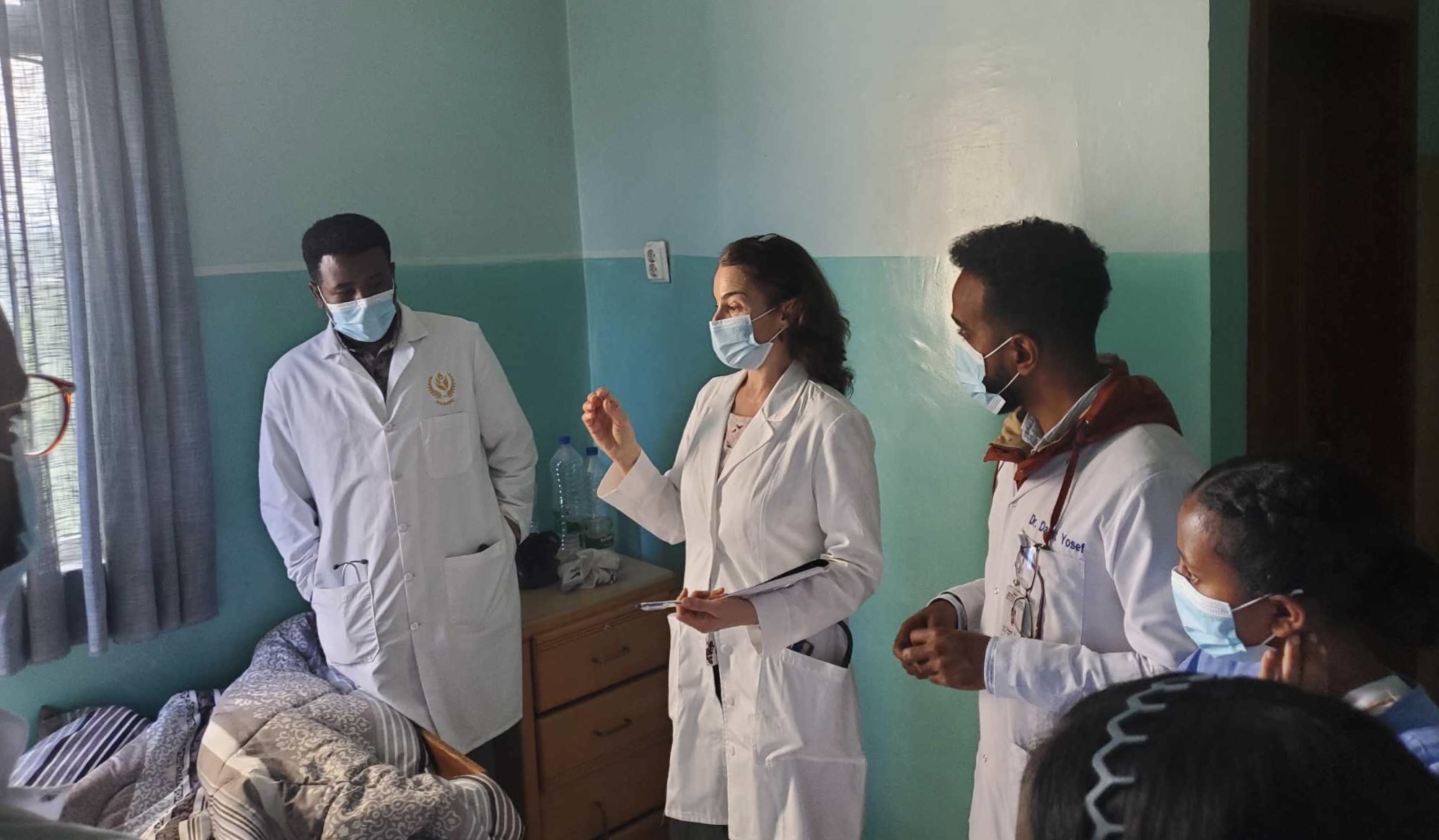
Stanford physician Cybele Renault, MD, rounds and teaches on the wards with the attentive internal medicine faculty at Negele Arsi General Hospital.

Imagine starting a virtual education program at a site without reliable internet in an environment where the basic medical tools we take for granted in the U.S. are scarce or unavailable. That is exactly what Cybele Renault, MD, has done. Her infectious passion for both medical education and program development has led to a Stanford collaboration with a medical school in rural Ethiopia that offers a uniquely rewarding educational opportunity for everyone.

In 2019, Renault was forever changed following a site visit to Negele Arsi General Hospital and Medical College (NAGHMC) that was sponsored by Stanford’s Center for Innovation in Global Health (CIGH), where she is a faculty fellow. Negele Arsi, located a four-hour drive from the country’s capital of Addis Ababa, is a small city in rural Ethiopia nestled within the state of Oromia.

The potential for an educational collaboration with her Stanford Internal Medicine Global Health Track residents was immediately obvious. Historically, Stanford Medicine residents have contributed to global health via onsite clinical service and teaching.

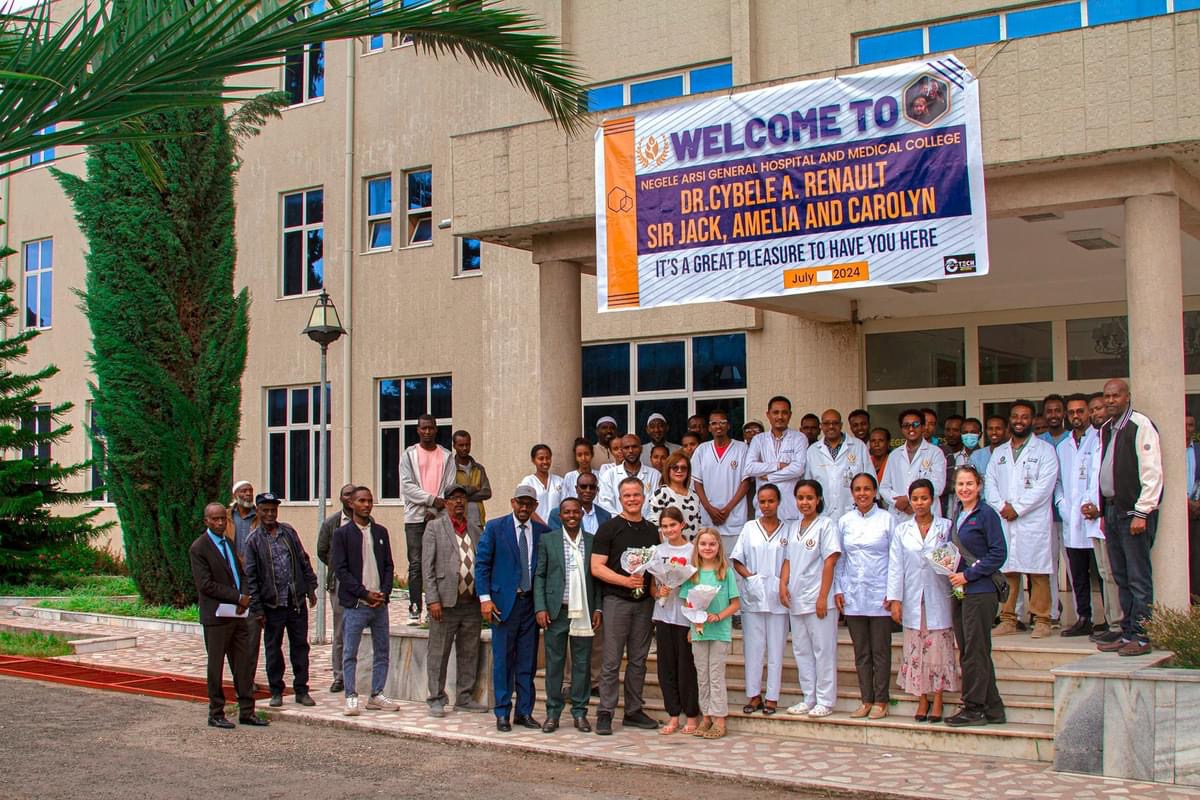
On the arrival of Cybele Renault, MD, to Negele Arsi, the faculty of NAGHMC give a warm welcome to Dr. Renault and her family with a ceremony that includes banners, bouquets of flowers, and a cake.

Savannah Karmen-Tuohy, Cybele Renault, Nick Zehner

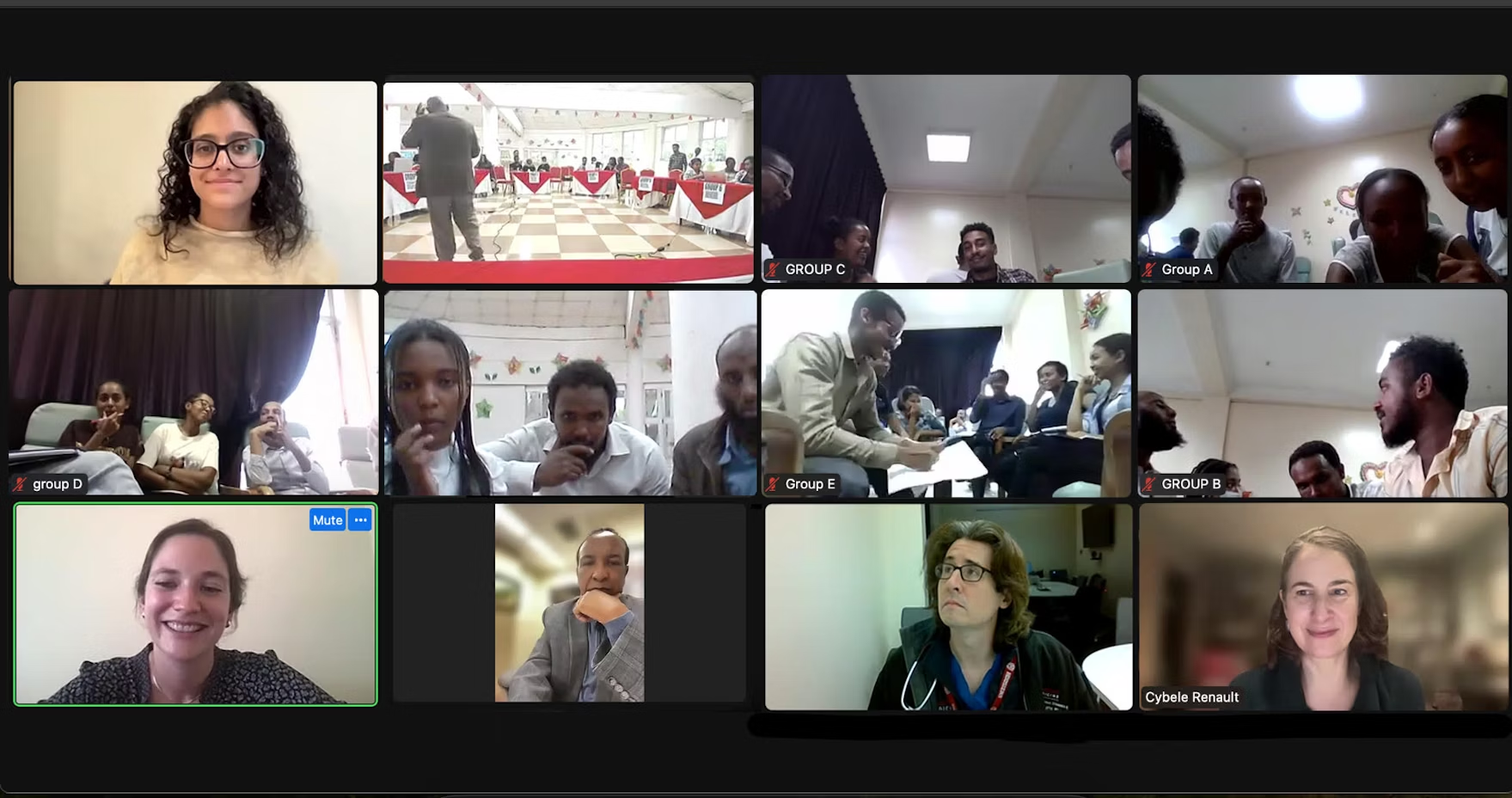
After delays due to COVID-19 followed by political instability in the northern Tigray region, Renault adapted this plan to monthly two-hour virtual case-based clinical reasoning sessions, for which NAGHMC medical students congregate on the medical school campus where the internet might last the duration.

Bidirectional Learning

Renault led the first session, but then her Global Health Track residents took the lead, with Natasha Mehta, MD, MS, the first to take the plunge. “It fascinates me how we can adapt and train learners side-by-side in very different contexts and in very different countries,” Mehta says. “[This program is] a perfect example of how you can leverage an international collaboration to make people stronger physicians and clinicians. Bidirectional learning [is something] a lot of us are really interested in furthering in global health. If we can keep these connections going past these two-hour sessions every month and form a true network of learners, I think that could be extremely impactful.”

Mehta recently graduated from her residency program and has moved on to Duke University, where she intends to co-lead the program alongside Renault, her residency mentor.

Universal Enthusiasm

Another Global Health Track resident, Savannah Karmen-Tuohy, MD, has found the NAGHMC medical students inspirational. “The enthusiasm with which they do their pre-work and how prepared they are … is truly unparalleled,” she says. They are learning and working in the absence of much of the technology taken for granted in the U.S. Forget CT scans and other expensive diagnostic technology; they don’t even have reliable or affordable internet access. “We are adjusting each session as we go and have a debrief call before and after with members of the NGO and the on-site faculty to think about how to work best during these sessions. That’s exciting from an educator’s perspective.”

The enthusiasm is as bidirectional as the learning. In a letter of thanks to Stanford University, the participating NAGHMC students wrote, “These lectures have been invaluable in expanding our knowledge and understanding of various medical conditions and their treatment. The case studies presented in these lectures have provided us with a deeper insight into the practical aspects of medicine and have equipped us with the necessary skills to approach similar cases in a clinical setting. The real-life scenarios discussed have helped us develop critical thinking and problem-solving abilities that are essential for a successful medical career. The expertise and professionalism of the instructors who have conducted these lectures are truly commendable.”

"

“It’s incredible to see how the rewards of this initiative have prompted our residents to reflect on what they ultimately want to do and the impact they could have in their careers.”

– Cybele Renault, MD

Stanford resident Savannah Karmen-Tuohy, MD, leads a virtual clinical reasoning session with the NAGHMC medical students.

A Model for Future Educational Collaboration

A third participating Stanford resident, Nick Zehner, MD, MS, sees this collaboration as a scalable model for global education. “It takes advantage of technology that wasn’t as widespread before the pandemic, so we are on the cutting edge of a new way to transfer knowledge and education,” he says. He hopes this program can help in the development of best practices to replicate it all over the globe.

He also appreciates its nonpaternalistic approach. “One of the liabilities of global health is this colonial legacy of the haves giving to the have-nots,” he says. “But we probably get as much out of these sessions as the students. It takes so much dedication for the Ethiopian students to reach the point of becoming medical students. These students are on top of things. … I think that makes us better educators.”

Renault is effusive in her praise of the residents working with her. “It’s incredible to see how the rewards of this initiative have prompted our residents to reflect on what they ultimately want to do and the impact they could have in their careers,” she says.

In return, Renault’s Stanford residents cannot say enough good things about her leadership or the NAGHMC initiative. In July of 2024, Renault returned to Ethiopia to advance the initiative by meeting with the leadership and the students, familiarizing herself with the curriculum, and teaching in-person classes in infectious diseases for medical students and NAGHMC faculty.

Specialty Care Services Available Through Virtual Consults

In addition to its native population, Oromia is home to 100,000 internally displaced refugees. The region has limited access to health care and medical education. A decent standard of living for a family in the region is estimated to cost just $238 USD monthly, yet 90% of the population live below the poverty line.  

NAGHMC was founded by Ethiopia Health Aid, an NGO co-founded in 2007 by Gudata Hinika, MD, an Ethiopian trauma surgeon who grew up in Oromia, and Katreena Salgado, an expert in public affairs and communication who is originally from the Philippines. Both founders are currently working at California Hospital Medical Center in Southern California.

Navigating New Frontiers: The Pediatric-to-Adult Transition at Stanford Health

Navigating New Frontiers: The Pediatric-to-Adult Transition at Stanford Health

#Partnerships

Kian Keyashian, MD, leads a team of providers who help adolescents with inflammatory bowel disease transition from pediatric to adult care.

“I can’t go to the hospital now. I have a math test tomorrow!”

That was Sofia Laiton’s reaction to her father’s insistence that he take her to seek care immediately for her worsening inflammatory bowel disease (IBD) symptoms. She was 15 then and had recently been diagnosed with Crohn’s disease (a type of IBD). “In my junior year in high school, I had every symptom in the book: fatigue, blood loss, weight loss – it was scary,” she recalls. 

Her father took her to Valley Children’s Hospital in Madera, California, a part of the Stanford Health Care system. What she thought would be an overnight stay turned into a 10-day admission for tests and treatment of an infection.

“I was in my worst condition back then,” she says. She was taking several medications, including monthly infusions of infliximab, an anti-inflammatory medication. “But over time I’ve come to see IBD as a journey. I couldn’t run to the finish line, but I could live a stable life by adapting and defining a new normal for me.”

In 2022, when Laiton was 21, her pediatric gastroenterologist suggested that she transition to adult care at Stanford Health Care. That was when she participated in the Pediatric-to-Adult IBD Transition Program and became a patient in the adult gastroenterology division.

Pediatric and Adult Care Are Different

Adolescence is a time of transition that is often fraught with emotional ups and downs. Teens begin to evolve from a state of total dependence on their parents into independent adults who are responsible for their own finances, health care, housing, and other segments of everyday life.

When you add coping with a chronic condition such as IBD to the list of skills needed to stay healthy without parental supervision, the transition to adulthood may become even more daunting.

Most teenagers with IBD are cared for by a pediatric gastroenterologist. But as these patients become young adults, their health care needs change too. At Stanford Health Care, the Pediatric-to-Adult Transition Program for IBD patients supports these changing needs for how, where, and when to seek a gastroenterologist who cares for adult IBD patients.

“Young adults who have IBD are at high risk for flares and lapses in treatment if they aren’t guided across the gap from pediatric to adult care,” says Kian Keyashian, MD. “I’m proud of what we have achieved in the first four years of this transition program.” Keyashian is a clinical associate professor of gastroenterology and hepatology, and clinical director for inflammatory bowel disease.

Inflammatory bowel disease is a chronic condition that is often accompanied by fatigue, pain, blood loss, diarrhea and other gastrointestinal symptoms.

“Young adults who have IBD are at high risk for flares and lapses in treatment if they aren’t guided across the gap from pediatric to adult care. I’m proud of what we have achieved in the first four years of this transition program.”

– Kian Keyashian, MD

Since the IBD Pediatric-to-Adult Transition Program was launched in 2020, more than 35 IBD patients, including Sofia Laiton, have made a smooth transition from pediatric to adult care, under the leadership of Keyashian and Rachel Bensen, MD, a clinical associate professor of gastroenterology at Stanford Medicine Children’s Health.

The need for this kind of support arises from some key differences between pediatric and adult healthcare delivery:

  • Pediatric care is family-centered, with parents serving as decision makers on behalf of the patient. Adult care is focused on the individual patient who acts on his or her own behalf.

  • Pediatric care is often multidisciplinary and team-based; adult care is usually driven by a single provider who taps into subspecialty care as needed.
"

How the Transition Program Works

The foundation for the Stanford IBD Transition Program is a joint video meeting with the pediatric and adult gastroenterologists, and other members of the team as appropriate. These may include a pediatric social worker, psychologist, and registered dietitian, as well as an adult gastroenterologist nurse.

With the patient and parents present, the team reviews the patient’s history, most recent visit, work or school issues, patient concerns, and other relevant topics. The adult gastroenterologist explains what to expect from his or her practice. The nurse in the adult practice walks the patient through MyChart, a patient portal that allows people to view and manage their health information and to message their physician and care team.

Laiton says that she is “very grateful for the meeting we had with all the providers on one call. They made me feel I was in a safe space where I could ask questions and provide input. I felt respected.”

“In the past, we would do our best to collect and assess a new patient’s records,” notes Keyashian. “But it often felt as though we were either starting from scratch or playing catch-up.”

Now, the joint visit creates a true transition. Patients are free to have a final check-in after the adult visit with the pediatric social worker before becoming a full-fledged adult patient.

Laiton, now 23, graduated from the University of California, Davis, in 2022. She works in a high school as a student assistance specialist. She still needs medication to manage her condition, but with Keyashian’s help she’s down to one infusion every six weeks and no oral medications. Her Crohn’s disease is in remission.

Patient Feedback Is Positive

The frontier has been opened for establishing this program as the standard. Now, physicians are considering how to analyze available data to demonstrate outcomes and effectiveness of this way of providing care. 

“I love this program,” declares Keyashian. “It’s what I’d want for my own kid.” 

Redefining Cardiovascular Care for Athletes

Redefining Cardiovascular Care for Athletes

#Interventions

Jason Tso, MD, sports cardiologist and medical director of the Sports Cardiology Program at Stanford, is himself a dedicated cyclist and runner.

It’s a scenario that Jason Tso, MD, assistant professor of cardiovascular medicine, has heard too many times: An avid runner detects that something is possibly awry with their cardiovascular system. Their sports watch alerts them to an arrhythmia, or they find their heart rate spiking at paces that once felt easy. The runner’s primary care provider refers them to a general cardiologist, who tells them that if it only happens when they run, they should stop running. 

His frustration is palpable when he hears the latest instance of this story. “See, I hate that. That’s what people come to see me for. They hear that, and that’s just not acceptable.”

The Nuanced Athlete’s Heart

Though common wisdom states that exercise is the best medicine, runners and other athletes are not immune to cardiovascular issues. Some young athletes have inherited cardiovascular diseases that pose risks regardless of fitness.

As athletes age, a percentage eventually face the standard ailments common in older adults, including coronary artery disease. And still other athletes discover through testing that they have an enlarged heart ventricle or aorta. It could be a heart condition. Or it could be the hypertrophy that any muscle experiences when it is regularly exercised.

“Taken out of context, a very healthy 25-year-old runner’s heart can look like someone with early heart failure,” Tso says. As the medical director of the Sports Cardiology Program at Stanford and Stanford’s first dedicated sports cardiologist, he specializes in that context. 

In the case where an otherwise healthy athlete notices that something feels different, practitioners who do not usually care for athletes may dismiss their concerns. The patient is so fit, they must be well. “A general physician will have a lot of trouble distinguishing an unhealthy athlete from a healthy nonathlete,” says Jeff Christle, PhD, a clinical exercise physiologist and Tso’s colleague in the Stanford Sports Cardiology clinic.

 That’s when the persistent athlete ends up seeing someone like Jason Tso.

"

“We’re just seeing so many very active people now. It’s not just the running and the cycling. People like going to the gym. People like working out, and they find enjoyment in just being fit. Whether it’s weightlifting, mountain biking, whatever… it’s important that we support people through that.”

– Jason Tso, MD

An Athlete Treating Athletes

Too often, general cardiologists give athletes with cardiovascular concerns a rote mandate: Stop exercising, or stop exercising intensely. But this type of advice is anathema to athletes. For some, sports may be their career. For others, pushing their physical limits is central to their identity and quality of life. Many athletes, if simply told to stop, will not. 

Tso is himself an athlete. Between university and medical school, he spent two years as a competitive cyclist an amateur, but the kind of amateur whose name appears near the very top of race results and Strava leaderboards for fastest times on a given map segment. He runs as well, with a 2023 California International Marathon (CIM) time of 2:52, a time fast enough to qualify for the prestigious Boston Marathon. 

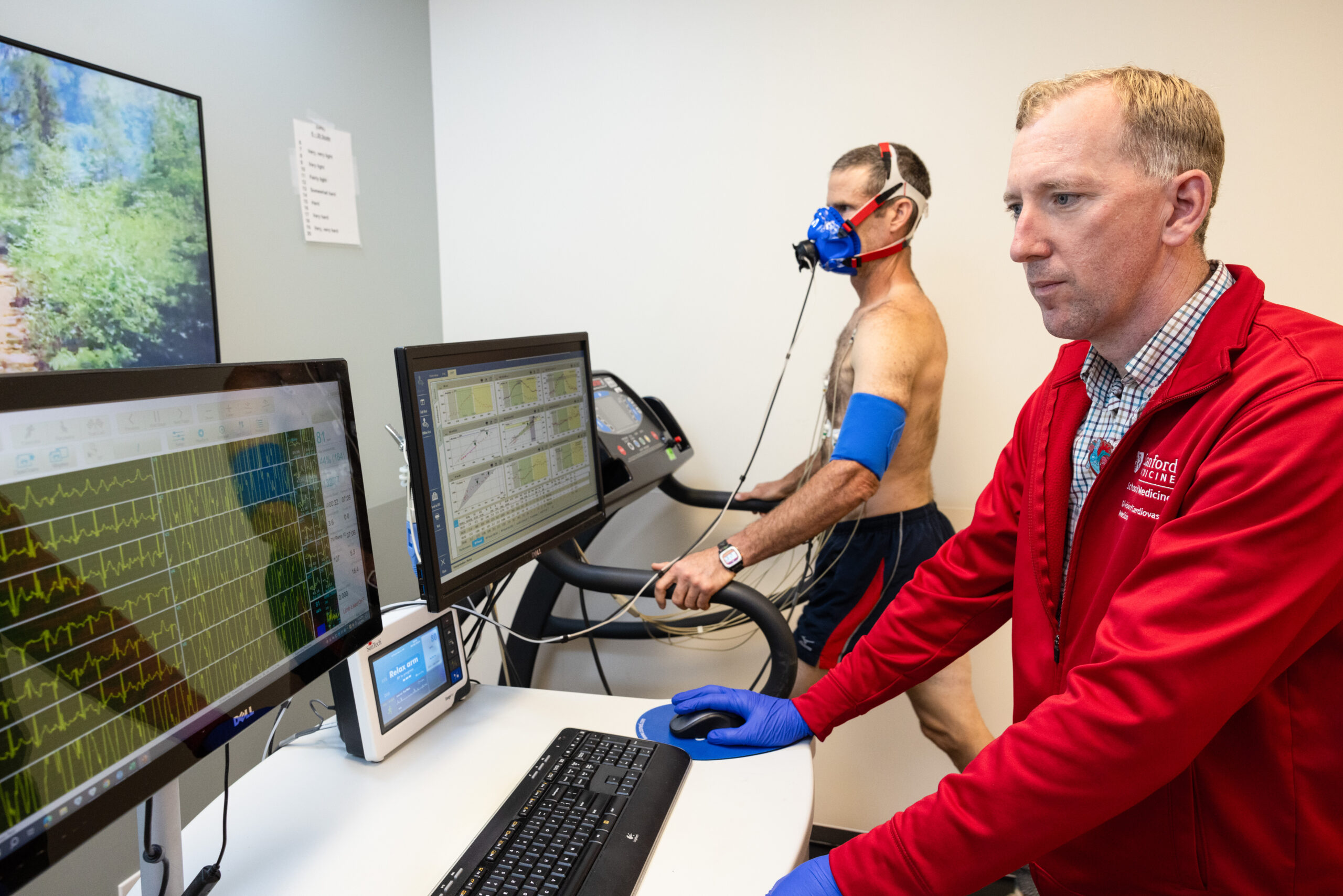
In the clinic, Tso sees people ranging from Stanford student-athletes who undergo routine screening to Bay Area professional and recreational athletes with cardiovascular concerns. Patients undergo cardiopulmonary exercise testing (CPET), usually on a treadmill or stationary bike, to evaluate their cardiovascular system. The test measures a person’s VO2 max, a common aerobic fitness metric that measures how much oxygen the body can use during exercise. It can also detect exercise-induced asthma and re-create exercise-induced symptoms, such as chest pain, in a controlled environment. Some patients receive additional testing, such as electrocardiograms to monitor their heartbeat or pre- and post-CPET ultrasounds to image the structure of the heart.

Defining Risk Thresholds

If the testing does reveal a heart condition, Tso assesses the condition’s severity level and works with the patient to set risk-based exercise thresholds. 

Quantifying the danger is helpful. Most athletes want to keep exercising, he says, “but they don’t really want to push so hard they’re endangering themselves.” He may counsel an older runner with mild heart failure, for example, on safe intensity zones based on their own test results. The patient gets to continue doing what they love, and what may ultimately help their overall health, with a better understanding of where the risk lies.

Jeffrey Christle, PhD, with a test subject in the Stanford cardiopulmonary exercise testing lab

"

Practicing at the Frontiers of Sports Technology

Patients’ ability to follow guidelines and adhere to risk thresholds is aided in part by rapidly evolving technology. 

Athletes from professionals to amateurs have access to sophisticated sports watches, heart rate monitors, and other fitness wearables that track an array of cardiovascular data, such as resting heart rate, heart rate variability, and approximate VO2 max.  

“Athletes are coming in more now with their own data that might indicate something’s wrong,” Tso says. 

It’s not perfect, he cautions. Along with quality data, “right now, we see a lot of nonsense.” Nonsense such as a purported abnormal heart rate that actually is a sports watch confounding a runner’s cadence with their heartbeat, which can result in an alarmingly high but ultimately incorrect reading. But there are also more reliable wearables on the market, such as chest strap heart rate monitors. As technology has improved, Tso considers it increasingly important. 

Supporting the Full Spectrum of Active Individuals

The technological advancement in fitness wearables is driven in part by swelling consumer demand. 

“People see sports cardiology as seeing super-high-level athletes and helping to prevent illness and disease, as well as trying to get them to perform at the highest level they can,” says Christle. Tso, Christle, and their Sports Cardiology clinic colleagues treat professional and Division I athletes for just those purposes. 

But as institutions like the American College of Sports Medicine promote “exercise as medicine,” Christle says, and people follow that advice, it creates a huge demand for sports cardiology in the broader population.

“We’re just seeing so many very active people now,” Tso says.  “It’s not just the running and the cycling. People like going to the gym. People like working out, and they find enjoyment in just being fit. Whether it’s weightlifting, mountain biking, whatever.” 

As this cultural shift unfolds, he says, “it’s important that we support people through that.” 

Pioneering New Frontiers in Cancer Therapy: Stanford’s Breakthrough With CD22 CAR T Cells

Pioneering New Frontiers in Cancer Therapy: Stanford’s Breakthrough With CD22 CAR T Cells

#Methods

T cell attacking a cancer cell. Meletios Verras/Shutterstock.com

Most of the lymphoma patients who agreed to a new, experimental therapy at Stanford were told that they had only months to live. Enrolling in a clinical trial – in which their immune cells would be removed from their bloodstream, grown and altered in a lab, and then infused back into their body – was a last resort. So when more than half of the patients had a complete response, with their tumors becoming undetectable, even the researchers running the trial were surprised. 

“These are patients who have really run out of options. They have huge tumors that are not responding to other therapies,” says Matthew Frank, MD, PhD. “So to have durable responses in this very high-risk population really blew us away.”

Today, when people with large B-cell lymphoma don’t respond to chemotherapy, they often receive CAR T-cell therapy, in which their immune cells are reengineered to recognize and destroy cancer cells. But the standard CAR T-cell therapy, which makes immune cells target a protein called CD19, does not always work. 

Since 2018, Stanford researchers and clinicians have been working to make a CAR T-cell therapy that attacks a different protein found in some cancer cells, CD22. They began with basic research to design the CAR T cells, followed by studies on how to grow enough copies of the cells to make effective treatments. Then, they brought the therapy to patients. 

The results of that phase I trial – which included 38 patients at Stanford whose tumors had not responded to CD19-directed CAR T-cell therapy – were published in The Lancet. Sixty-eight percent of the patients saw their tumors shrink, and 53% had a complete remission. Frank was one of the lead authors of the paper, along with David Miklos, MD, PhD, chief of the Blood and Marrow Transplantation and Cellular Therapy Division. 

“We think this study is a big deal because it is so unusual for a single academic institution to carry a trial completely from concept through basic research and then patient treatment,” says Miklos. “We showed that this cell therapy is safe and effective, and we did it without venture capital funding or pharmaceutical company support, because Stanford Medicine funded the cell manufacturing costs.”

Stanford was able to carry out the full breadth of the work because of close collaboration between basic researchers and clinicians, says Miklos. 

“Stanford is a nexus for cell therapy research and treatment right now; this is where we can bring it all together,” he says. “We can develop the preclinical ideas, we have the technical capabilities to produce cells, and we have dedicated clinicians who bring the therapy to patients.”

"

“Stanford is a nexus for cell therapy research and treatment right now; this is where we can bring it all together. We can develop the preclinical ideas, we have the technical capabilities to produce cells, and we have dedicated clinicians who bring the therapy to patients.”

– David Miklos, MD, PhD

Matthew Frank, MD, PhD

Unrivaled Manufacturing Ability

One of the key players in the collaboration to develop and study CD22-directed CAR T-cell therapy was the Laboratory for Cell and Gene Medicine, which houses a state-of-the-art cell manufacturing facility that can grow the cells isolated from patients. 

“Our manufacturing facility provides the opportunity for research to move smoothly through to patients,” says Steven Feldman, PhD, the laboratory’s scientific director. “We have control over the process, the infrastructure, and the data.”

When many academic medical centers study new cell therapies, they do so in collaboration with pharmaceutical companies. This means the data they collect on patients is sent back to the company for analysis, giving the clinicians themselves little control over the direction of the research. 

Thanks to the manufacturing capabilities of the Laboratory for Cell and Gene Medicine, however, Stanford researchers and clinicians controlled every aspect of the CD22-directed CAR T-cell therapy trial. This sped up the process of innovation, and it continues to give researchers the ability to ask new questions about the therapy with the data they have already collected. 

“We’re still analyzing lots of the samples we collected, to get some insight into why the therapy worked better for some patients than others,” says Frank. “That’s giving us a much richer understanding of how we make this go even better the next time.”

In the wake of the phase I trial, Frank is already helping lead a phase II trial at institutions around the country. He is also studying the use of the therapy in other cancer types and in combination with other CAR T-cell products. The Laboratory for Cell and Gene Medicine is producing the cells for all the avenues of research. 

“Now that we have this infrastructure to run a trial, we can do this for anything,” says Feldman.