Caring for COVID-19 Patients: Department of Medicine Comes Together to Serve Community Impacted by COVID-19

Caring for COVID-19 Patients:
Department of Medicine Comes
Together to Serve Community
Impacted by COVID-19

From the beginning of the COVID-19 pandemic, through two surges, and now during a “new normal,” one thing has never changed: The Stanford Department of Medicine staff and faculty have provided the best care possible to their patients, offering hope during a dark time.

Doctors, trainees, and staff held patients’ hands, arranged Zoom calls to family members, and performed clinical trials to find drugs to treat the virus.

Dedicated members from the infectious diseases, pulmonary and critical care medicine, and hospital medicine groups worked together to provide inpatient care for their COVID-19 patients, bolstered by Department of Medicine leadership and volunteers from other divisions and departments.

They found meaning in providing this necessary care and are proud to have come together to serve their community during this unprecedented time.

Infectious Disease at the Forefront

When the novel coronavirus started spreading within and beyond China in early 2020, people throughout Stanford Medicine began making plans for handling infected patients. According to laboratory tests, COVID-19 patients began showing up at Stanford clinics in late February and early March. By mid-March, elective surgeries were put on hold, visitors were temporarily barred, and medical students paused their clinical rotations. A few days later, the governor of California announced a statewide lockdown.

When COVID-19 patients arrived, infectious disease (ID) doctors were ready. They created a consult service specifically for COVID-19 patients at the Stanford Hospital. “We were very much at the forefront of providing care from the very beginning at Stanford,” says Upinder Singh, MD, professor and division chief of infectious diseases. “Even early in the pandemic, we were comfortable with infection control practices, and we have experience seeing patients with new emerging infections.”

Early on, with so little known about the virus, there was much anxiety about how it spread, how to protect patients and staff, and the best way to treat the infection. No one knew the right time to intubate a struggling patient or which drugs could be repurposed for treatment.

In that first month, new study results appeared daily, sometimes with conflicting results. Shanthi Kappagoda, MD, clinical associate professor of infectious diseases, sorted through the information to develop clinical care, education, and treatment guidelines, in concert with colleagues in hospital medicine and pulmonary and critical care medicine.

“When we saw our first hospitalized COVID-19 patients at Stanford, there were almost no clinical trial data on how to treat COVID-19 and no national guidelines,” says Kappagoda. “At the same time, there was a flood of anecdotal information from colleagues in Seattle, Boston, and New York, which changed from day to day.”

Kappagoda and David Ha, PharmD, infectious diseases pharmacist, worked with a committee of clinicians to develop evidence-based treatment guidelines and present them in a simple, easy-to-disseminate format.

“We are fortunate in the ID division to have a deep bench of virologists, immunologists, and data scientists who helped us assess the early data—in vitro, preclinical, and clinical—and sift out what could help us improve our care and what experimental therapies were likely to cause harm,” says Kappagoda. “As chair of the ID COVID-19 treatment guidelines committee, I am proud of how our division stepped up to support the Department of Medicine.”

Infection Control

Another key role of the ID division is keeping patients and staff safe through infection control. Lucy Tompkins, MD, PhD, Lucy Becker, professor of medicine and microbiology and immunology, and the hospital epidemiologist for Stanford Health Care, has carried the enormous burden of halting the spread of infections within the hospital, including COVID-19. “It’s been a nonstop job,” she says—the hardest of her 38 years at Stanford.

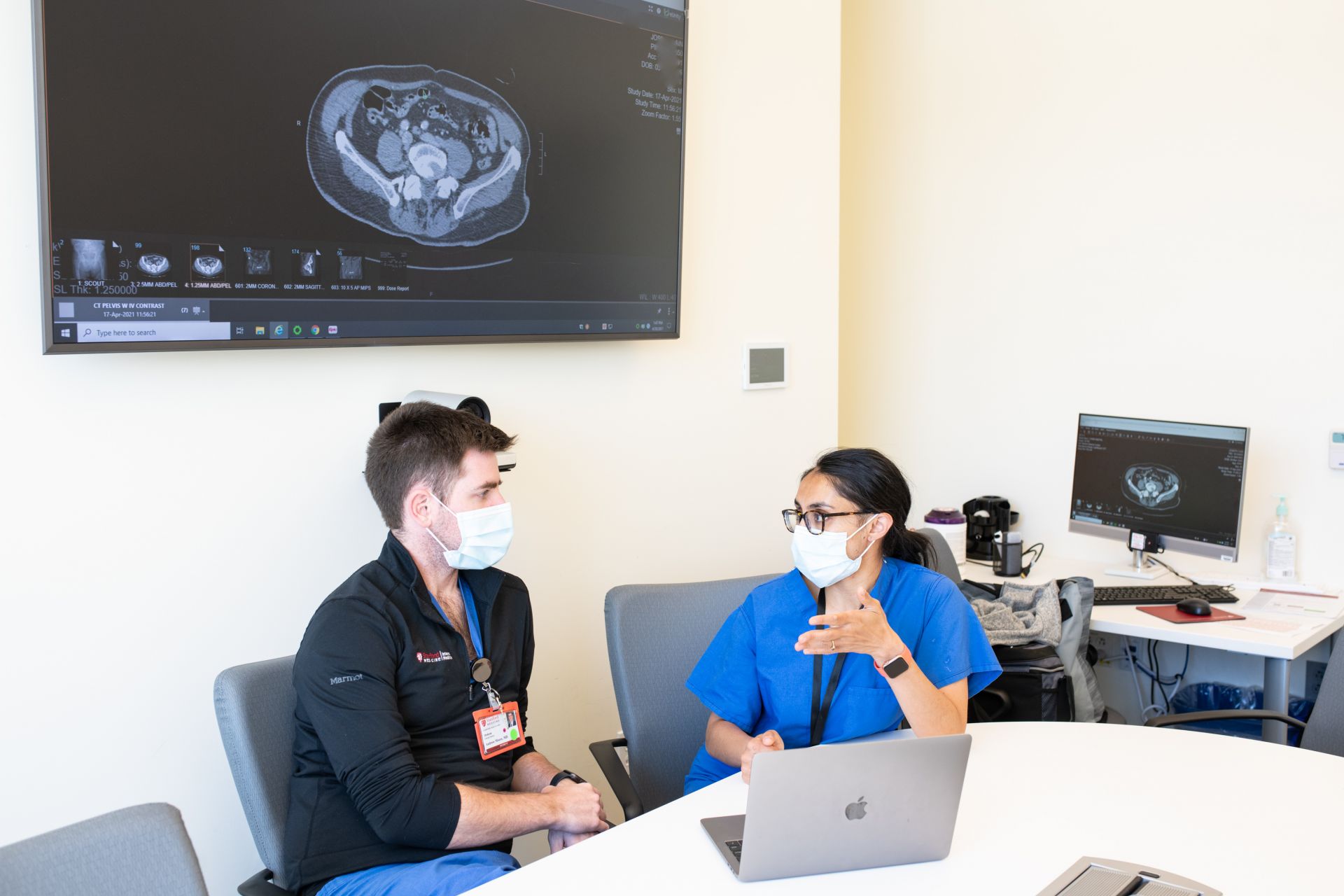
Along with a team of nine infection preventionists, including Sasha Madison, administrative director of infection prevention and control at Stanford Health Care, Tompkins decides, implements, and enforces infection control policies, covering correct testing and quarantine protocols and the use of proper personal protective equipment (PPE) for each medical procedure.

“The infection control group was dealing with changing guidelines that were morphing on a daily basis,” says Marisa Holubar, MD, clinical associate professor of infectious diseases, who was also involved in infection control efforts. She says it was challenging to take in and communicate that information effectively to the thousands of staff members at the hospital and clinics. “Our efforts really minimized the exposure of health care workers to COVID-19 in the hospital. We armed them with information so they could protect themselves.”
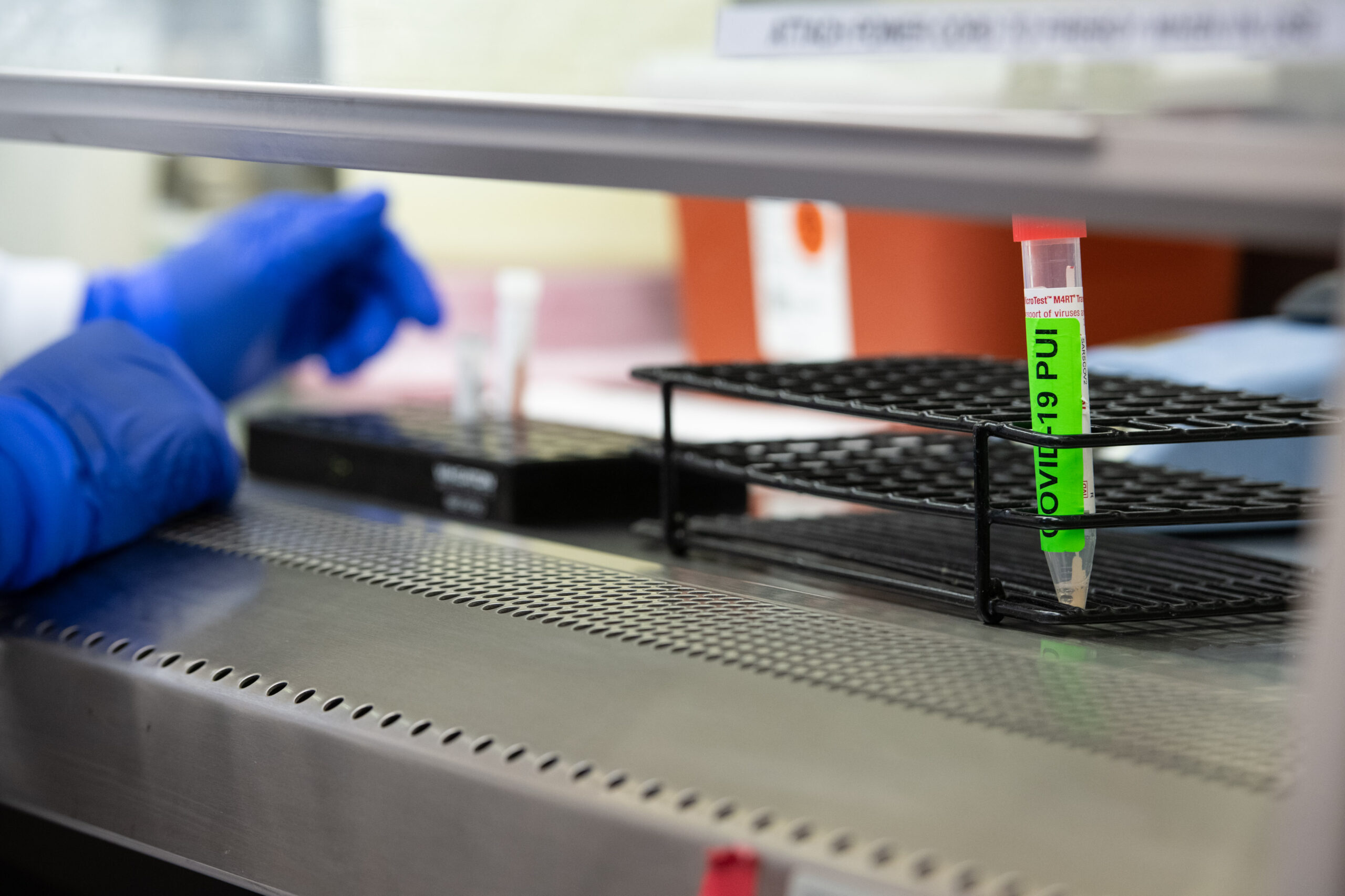
A swab awaits testing for COVID-19 in the Clinical Virology Laboratory
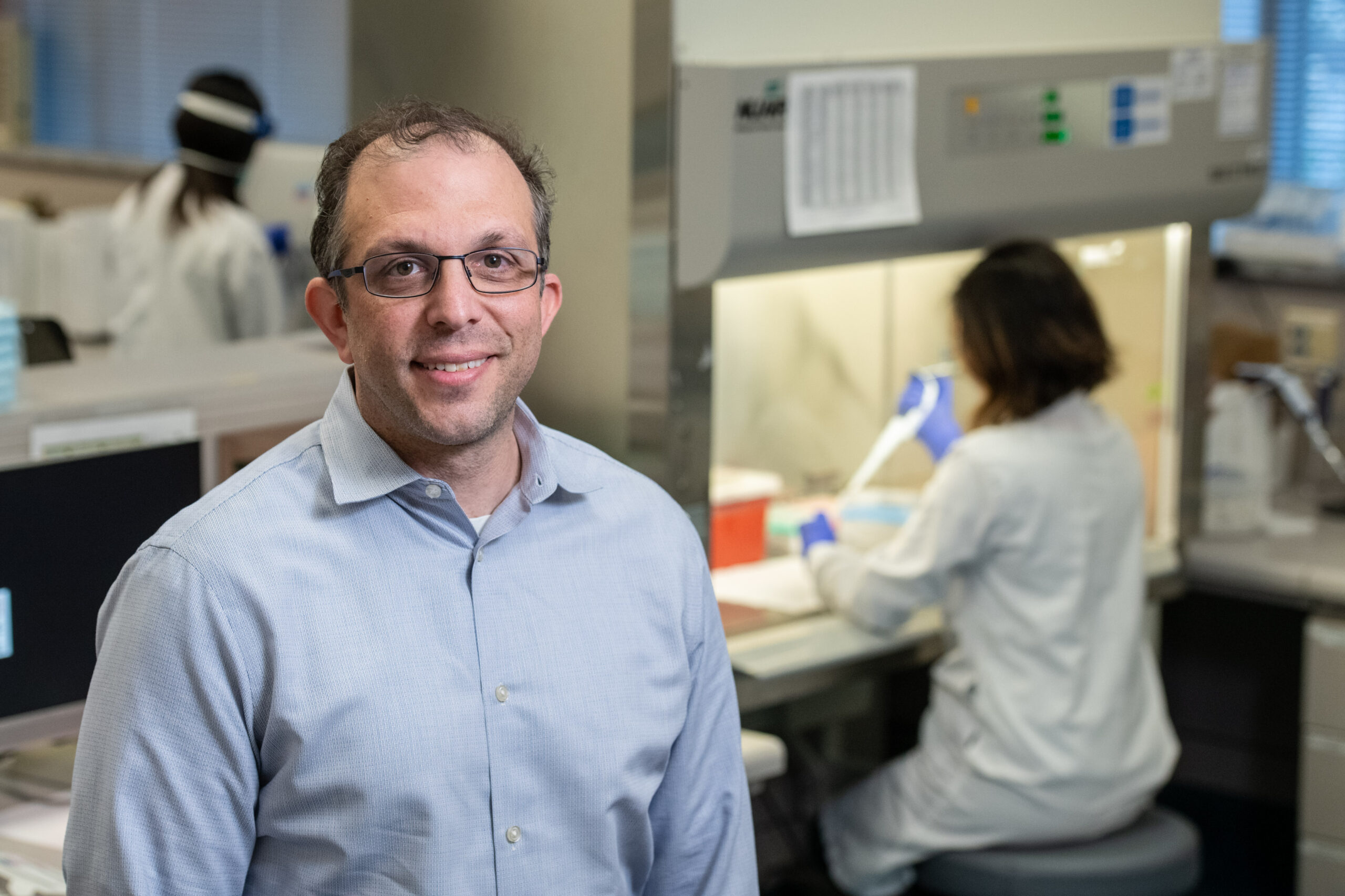
Benjamin Pinsky, MD, PhD

Stanford Hospital and the clinics were fortunate to have adequate PPE supplies throughout the pandemic to keep staff and patients safe. The single occupancy rooms at the new hospital helped with patient isolation.

Tompkins oversees contact tracing within the hospital in the event of an outbreak. Only once was there an exposure event where a patient infected staff members—resulting from a false negative COVID-19 test at another facility. She reviews each hospitalized COVID-19 patient’s chart to determine when the person can leave isolation, using a diagnostic test developed by Benjamin Pinsky, MD, PhD, associate professor of pathology and infectious diseases, and medical director of the Clinical Virology Laboratory for Stanford Health Care.

Family visitation falls under Tompkins’ purview. She has been instrumental in enacting protocols for safe visitation, which resumed in March 2021. “I think that is the only humane thing to do, especially for patients who are truly ill and when they’re going to be in the hospital for any length of time,” says Tompkins.

Making Progress through Clinical Trials

ID faculty began enrolling patients in clinical trials early on—the first on March 14, 2020. Aruna Subramanian, MD, clinical professor of infectious diseases, and Philip Grant, MD, assistant professor of infectious diseases, participated in trials for remdesivir, which is now the backbone of patient treatment. They were involved in the National Institutes of Health (NIH) Accelerating COVID-19 Therapeutic Interventions and Vaccines (ACTIV-1) trial, which evaluated several immune modulators for their ability to tamp down an overactive immune response in COVID-19 patients. They collaborated with hospital medicine and pulmonary, allergy, and critical care medicine teams. Grant led the Johnson & Johnson vaccine trial at Stanford.

“It’s unbelievably gratifying to be involved in trials that were effective,” says Subramanian. “Patients were so interested in getting treatment, you could see the gratitude on their faces.”

With support from the Dean’s Office, Catherine Blish, MD, PhD, professor of infectious diseases, set up a state-of-the-art biosafety level 3 lab space so that researchers could safely study cultures of the virus—an improvement over their previous smaller space.

“There was just an amazing amount of work they did behind the scenes,” says Subramanian. “I feel like the entire ID group was involved in so many aspects of COVID-19, not always known to the world.”

Hospital medicine faculty members also participated in clinical trials from the earliest days of the pandemic, under the leadership of Neera Ahuja, MD, clinical professor of medicine, and Kari Nadeau, MD, PhD, Naddisy Foundation Professor of Pediatric Food Allergy, Immunology and Asthma.

At Stanford Hospital, Nidhi Rohatgi, MD, clinical associate professor of hospital medicine; Jessie Kittle, MD, clinical assistant professor of hospital medicine; Andre Kumar, MD, MEd, clinical assistant professor of hospital medicine; Rita Pandya, MD, clinical assistant professor of hospital medicine; and Jeffrey Chi, MD, clinical associate professor of hospital medicine, participated in the NIH Adaptive COVID-19 Treatment Trial (ACTT) that led to the approval of remdesivir and the granting of emergency use authorization for the anti-inflammatory drug baricitinib. This clinical trial was the first ever conducted at ValleyCare, Stanford Health Care’s sister hospital located in the East Bay’s Tri-Valley region, through the efforts of Evelyn Bin Ling, MD, clinical assistant professor of hospital medicine; Minjoung Go, MD, clinical assistant professor of hospital medicine; and David Svec, MD, MBA, clinical associate professor of hospital medicine. “When COVID-19 hit in March, we had a sense of urgency to bring more COVID-19-related studies to the university and to ValleyCare, and to make that available for patients,” says Ling.
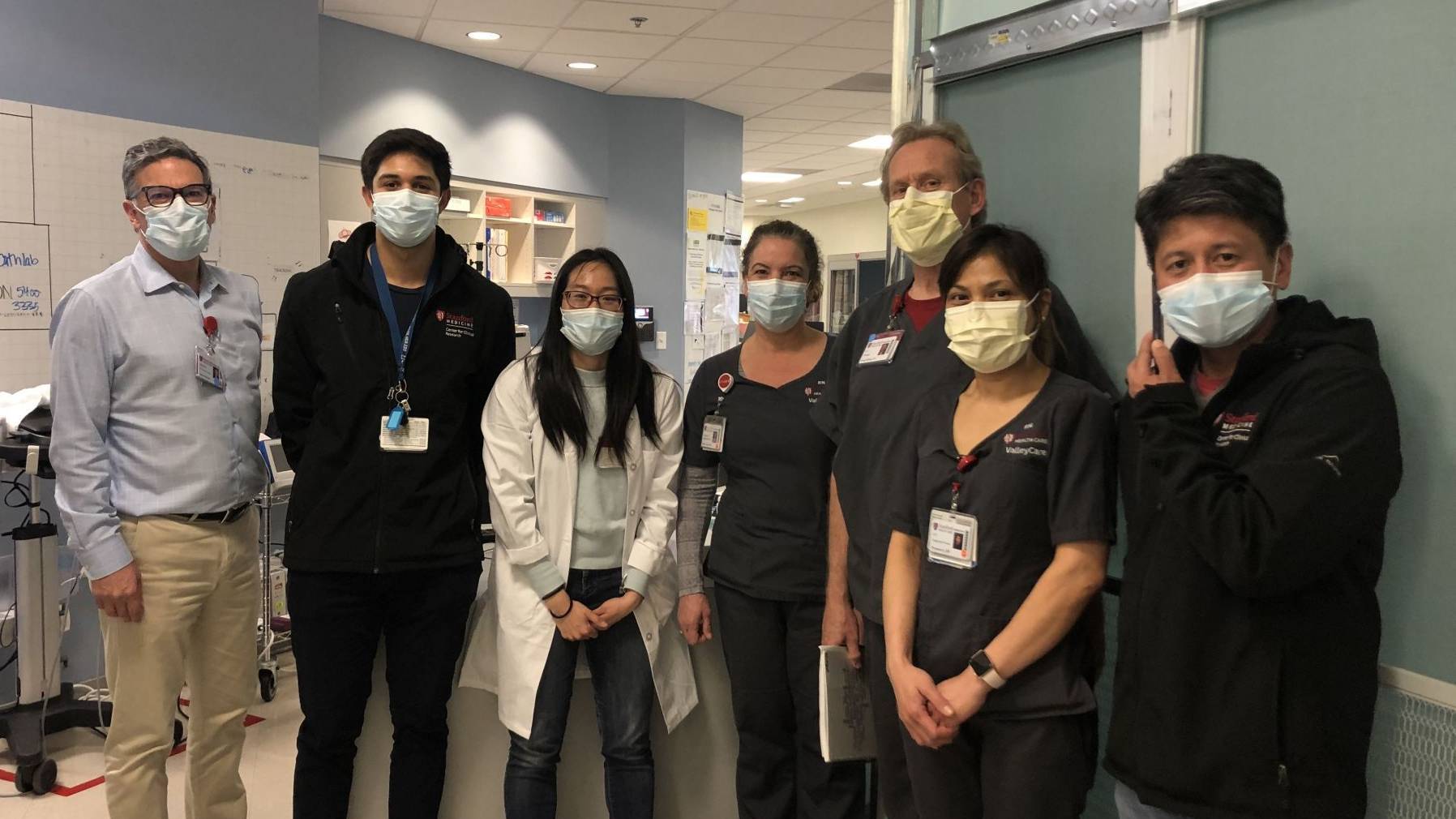
This clinical trial was the first ever conducted at Stanford ValleyCare
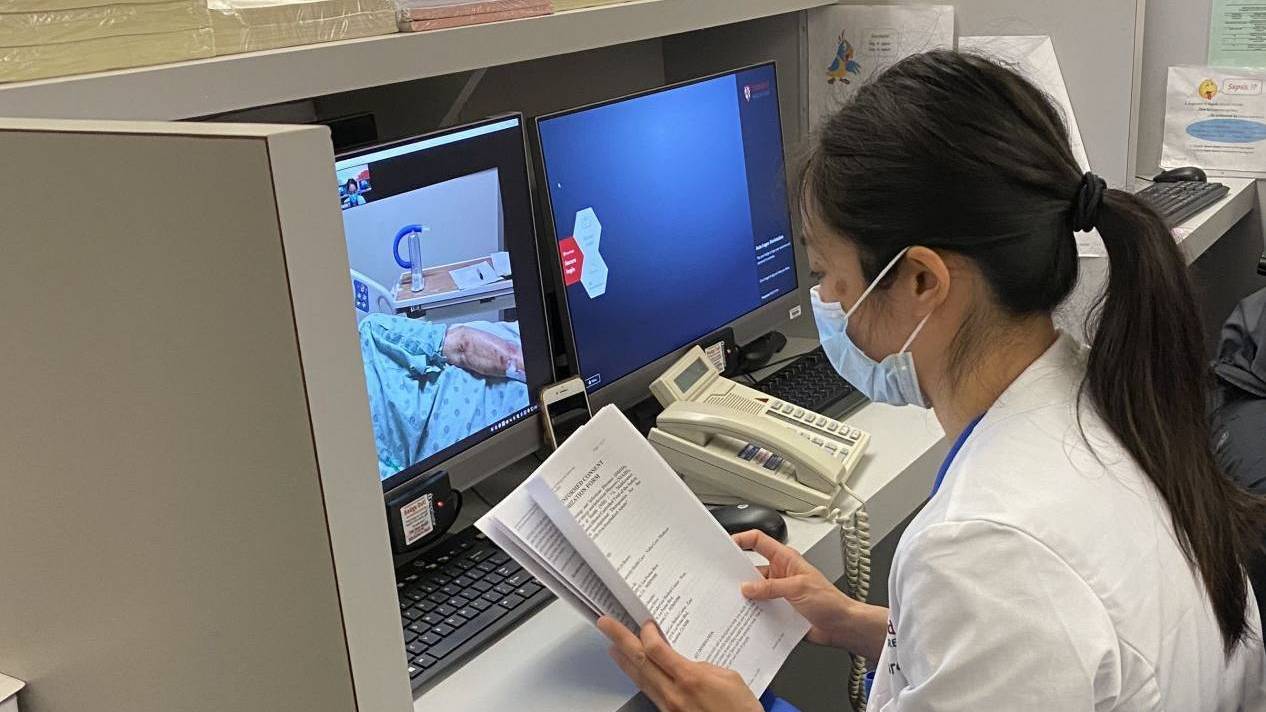
Minjoung Go, MD reviews procedures
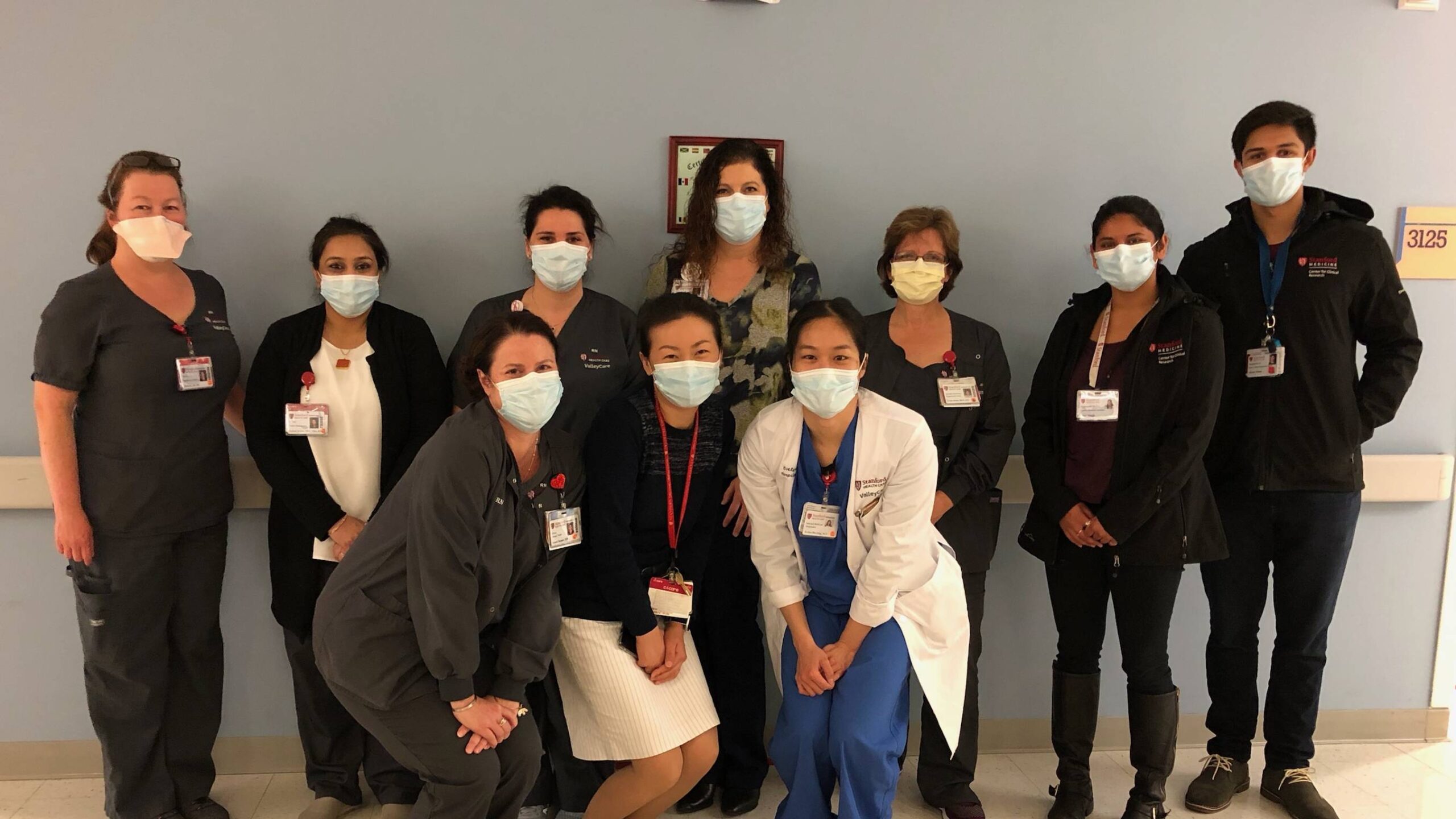
Stanford ValleyCare faculty and staff on the first day of clinical trial enrollment

Rohatgi enrolled the first Stanford patient in the ACTT trial. “It was heartwarming to see how much our patients trust us,” she says. “They were willing to contribute to science just based on that trust so we could find an answer for other patients.”

Rohatgi was also the site principal investigator on the COVACTA clinical trial for tocilizumab, a monoclonal antibody that modulates the immune response, which is now part of the treatment algorithm for patients with worsening COVID-19 symptoms, and on the NIH ACTIV-5 trial. She and her colleagues worked with others in emergency medicine to investigate the combination of monoclonal antibodies with remdesivir. “With the question of resistant strains coming up all across the world, we want to be prepared with more therapeutics,” says Rohatgi. “We don’t know what the next few years of our life are going to bring.”

Looking to the future of post-COVID-19 surgeries, Rohatgi is involved in research on surgical co-management, a system where hospitalists partner with surgeons to prevent postsurgical complications. The coronavirus can wreak havoc on multiple organ systems, so Rohatgi and colleagues are investigating whether surgical patients who had COVID-19 have different outcomes compared with patients who didn’t contract the virus.

Lisa Shieh, MD, PhD, clinical professor of hospital medicine, led multiple quality improvement studies to institute stronger safety protocols, leading to better patient outcomes. In one study, her team sent each patient home with a pulse oximeter, which measures the blood oxygen saturation level. “I always worry about patients when we discharge them,” says Shieh. The oximeter results were vital for follow-up telemedicine visits and informed patients if their symptoms had worsened and they needed to return to the hospital.

Through these diverse studies, the hospital medicine faculty endeavored to learn more about the novel coronavirus to provide the best possible care for COVID-19 patients, now and in the future.

Hospital Medicine Faces the Pandemic Head-On

The hospital medicine division saw the majority of COVID-19 patients throughout the pandemic, providing care as case numbers waxed and waned.

“All of the non-ICU symptomatic COVID-19 patients were admitted to our general medicine wards,” says Ahuja. The hospitalists quickly adapted to caring for these patients, protecting themselves with proper PPE and working with IT to develop “Zoom rooms” to connect with patients’ family members. In collaboration with ID and the ICU, they established the protocol for patient care early on, and Ahuja was frequently asked to share their clinical COVID-19 guidelines.

The hospital had braced for an influx of patients at the pandemic’s start, but thanks to the state lockdown, that spring surge never happened. In fact, the hospital was eerily empty, with elective surgeries paused and many non-COVID-19 patients staying away for fear of the virus. This was a stark change from the new hospital’s opening in late 2019, when it was filled with patients and family.

The first surge finally hit in July. Chief residents organized surge teams for the general COVID-19 wards, staffed primarily by volunteer internal medicine residents. Cases dropped off again, and the surge teams ended in early fall. In hindsight, this small wave was a warm-up for the larger surge that hit in November.

The Winter Surge

As in many parts of the country, COVID-19 cases ramped up quickly in mid-November. At the peak of the surge, the general wards held more than 100 patients, about half of them with COVID-19. Chi organized faculty to staff the surge teams. “People were going two weeks, or in some cases even three weeks, straight without a day off,” he says.

“Seeing that spirit of camaraderie, and the willingness to serve, was just heartwarming for me,” says Ahuja. “Some of my faculty are young and have small children at home. Some were actually pregnant themselves, and they never said no. They just showed up time and time again, ready to serve our patients.”

Other divisions loaned their faculty to staff the surge teams, adding to the spirit of collaboration.

Ultimately, about 20% of patients from the general COVID-19 wards were transferred to the ICU, but some returned and recovered. Overall, the COVID-19 mortality rate at Stanford Hospital reached just 6%, far lower than the average U.S. in-hospital mortality rate of 13.6%.

The sacrifices of the hospitalists were perhaps most acute during the holiday season. Physicians often work holidays, but staff couldn’t even gather at work to celebrate during the pandemic. Many faculty and staff decided to isolate from their families for fear of bringing the virus home.

Poonam Hosamani, MD, clinical associate professor of medicine, was not yet vaccinated during the winter surge, so she sent her husband and 4-year-old daughter to live with her elderly parents. She celebrated Christmas and New Year’s with her family over Zoom.

Of course, the holidays were more difficult for the patients. Hosamani was shocked by how many patients had multiple relatives also hospitalized due to COVID-19.
Underserved Communities

Throughout the pandemic, suffering concentrated within families. People with multiple infected family members often were Latinx and lived in multigenerational households where strict quarantining wasn’t possible. Many of these patients were essential workers. At one point, a mother and son were in adjacent rooms. The mother went home, but the son didn’t recover.

“It was patients that were otherwise underserved or didn’t have easy access to the health care system that were most dramatically hit by COVID-19 infections,” says Mita Hoppenfeld, MD, internal medicine chief resident, who organized residents on the surge teams in the general wards. “That was really tough to see because you knew that their recovery would be rough and that they didn’t have the financial means to make that recovery easier.”

Hoppenfeld also cared for patients—many from the same underserved populations—who put off necessary care for fear of the virus. One patient had suffered a heart attack but waited five days to seek help. Three of her patients were recovering from opiate use disorder but relapsed or suffered from withdrawal when they couldn’t access necessary medication through methadone clinics or pharmacies. “It was really sad to see people who are on the path to recovery having this issue,” says Hoppenfeld. “There was no good safety net for these patients.”

COVID-19’s disproportionate socioeconomic impacts were especially apparent in the patient demographic data collected by William Collins, MD, clinical assistant professor of hospital medicine. He began these efforts in spring 2020 to help with pandemic planning and put a human face on the suffering caused by COVID-19. “One thing that was very apparent from our data from early on was disparities—certain communities were obviously more affected than others,” says Collins. He frequently presented his data to the larger Stanford Health Care community during virtual grand rounds, organized and hosted by Errol Ozdalga, MD, clinical associate professor of hospital medicine. These conferences sometimes attracted more than 800 viewers.

One elderly Latinx man who was a former physician was cared for by Ahuja. When it became clear that he would not survive, he requested to go home to be in hospice. Soon after his death, his wife sent a thank-you card.

“It’s so heartbreaking, and it almost brings tears to my eyes remembering this,” says Ahuja. “She should have been focusing on her grief and her family, but she took the time to reach out and thank us for listening to their request.”

The Pandemic’s Sickest Patients

Throughout the pandemic, the pulmonary, allergy, and critical care medicine division cared for COVID-19 patients with the most severe infections in the ICU. Besides respiratory symptoms, patients presented with kidney problems, strokes, blood clots, heart conditions, and metabolic issues that interfered with blood sugar control.

To address these complex issues, Angela Rogers, MD, associate professor of pulmonary and critical care medicine, chaired a multidisciplinary Stanford COVID-19 Critical Care Task Force. In the early days, it met for three hours each week and numbered up to 50 people. Members came from hospital medicine, anesthesia, emergency medicine, surgery, infectious diseases, neurocritical care, respiratory therapy, nutrition, and other divisions to weigh in on patient treatment. The group also announced new clinical trials being held at Stanford.

“Stanford’s response was amazing,” says Rogers. “Just the way people came together to take the best care of their patients was really remarkable.”

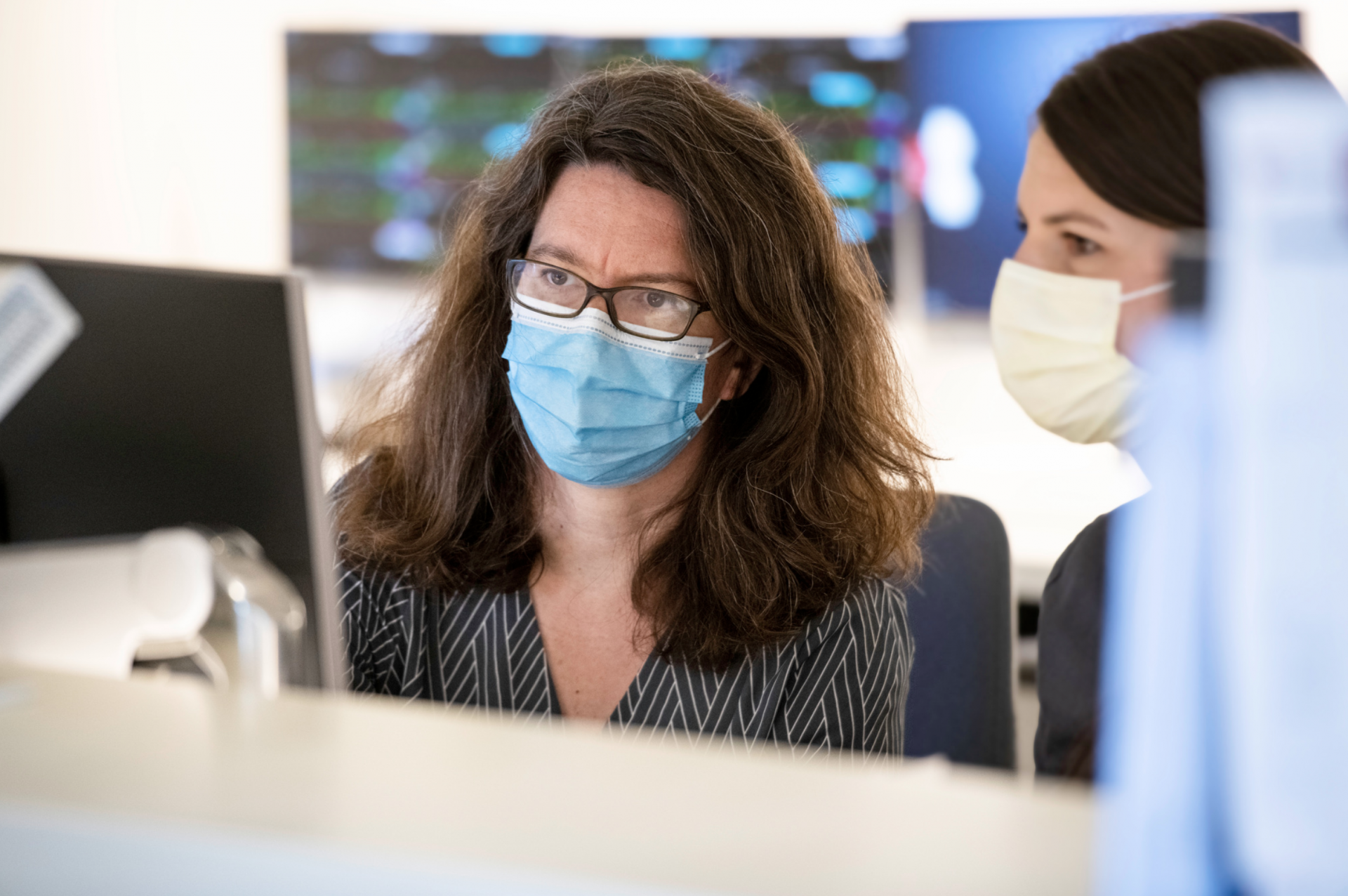
Angela Rogers, MD (left), reviews treatment guidelines for patients with COVID-19 with a colleague

When the pandemic started, there were few COVID-19 patients but a huge need for clinical trials to understand how best to care for them. Like colleagues in hospital medicine and ID, Rogers; Joseph Levitt, MD, assistant professor of pulmonary and critical care medicine; and Jenny Wilson, MD, clinical associate professor of emergency medicine, recruited sick patients into numerous NIH multicenter clinical trials, for therapies including hydroxychloroquine and multiple monoclonal antibodies and anticoagulants.

Stanford’s multidisciplinary teams also enrolled more than 500 patients into a Stanford COVID-19 biobank, led by Blish; Samuel Yang, MD, associate professor of emergency medicine; Andra Blomkalns, MD, professor of emergency medicine and the Redlich Family Professor; Nadeau; Rogers; and Ruth O’Hara, PhD, senior associate dean of research and Lowell W. and Josephine Q. Berry Professor of psychiatry and behavioral medicine. O’Hara was instrumental in instituting the research infrastructure necessary for biobanking and conducting trials.

“Stanford, from its earliest days, has really tried hard to enroll people into as many clinical trials as we can to quickly improve the care of our patients,” says Rogers. “The vast majority of patients admitted to Stanford with COVID-19 have been approached to participate in biobanking and potential clinical trials. We have worked hard to use all of Stanford’s resources to try to learn from our patients.”

Isolation in the ICU

Christopher Thomas, MD, a chief pulmonary and critical care medicine fellow, said that among all the challenges of treating COVID-19 patients in the ICU, the hardest was communicating with family at home over the phone or Zoom, especially when discussing end-of-life care. “Normally, if someone were dying, you would have the family come in and have a conversation—you’d have 10 people in the room—and they could spend as much time as they wanted,” says Thomas. “It made a particularly tough thing that much harder.”

Due to the disparities in the most affected populations, many of those tough conversations took place in Spanish, Mandarin, or Tagalog, usually through a translator. Thomas recalls one young patient in his mid-30s who had been in the ICU for a week, struggling despite being on high-flow oxygen. Thomas communicated to his wife through a Spanish translator that intubation was the best course of action. He could hear the man’s two small children in the background. While some patients never came off the ventilator, Thomas’ patient ultimately went home to his family.

When the surge hit the ICU in November, more and more physicians were pulled onto the surge teams to care for patients. Rogers and Arthur Sung, MD, clinical associate professor of pulmonary, allergy, and critical care medicine, gathered faculty members to staff teams. Paul Mohabir, MD, clinical professor of pulmonary, allergy, and critical care medicine, and Ann Weinacker, MD, professor of pulmonary, allergy, and critical care medicine, were also instrumental in coordinating the response. As patient numbers grew, two teams grew to four, with teams caring for 15 patients each. The ICU even received overflow patients from as far away as Imperial County, on the border with Mexico.

Internal medicine residents, pulmonary and critical care medicine fellows, and critical care medicine fellows performed the bulk of the ICU care, along with hardworking respiratory therapists and the nursing, transportation, and environmental staff. Members of the departments of surgery, anesthesia, and emergency medicine also contributed to patient care in Stanford’s multidisciplinary ICU.

At its peak, the ICU held about 45 COVID-19 patients, but modeling predicted that case numbers might rise to 80 or 90. The task force had contingency plans to convert inferior spaces into hospital rooms, assign extra patients to each nurse, and reduce time off. Fortunately, after the winter holidays, the caseload flattened and the ICU was never overwhelmed, as occurred elsewhere in the country.

“We were able to give our full care to every patient,” says Rogers. “We’re proud, we’re tired. But it never got as bad as we feared.”

Small Victories

There were some bright spots in the ICU during the pandemic. While many critical care patients never leave the ICU, large numbers of COVID-19 patients recovered. Staff rang bells and cheered as long-term patients were wheeled off to rehab.

“Seeing people get better in the ICU was really encouraging and really something that made me interested in doing pulmonary and critical care,” says Kyle Fahey, MD, a resident who gave up two of his rotations to volunteer in the ICU. “There was a really strong sense of camaraderie in the COVID-19 ICU. I think that was a big part of what made it so bearable, even given the difficult circumstances.”

Carrie Cao, MD, a second-year resident, initially had selected a different specialty, but her time volunteering in the COVID-19 ICU ward crystallized her interest in pulmonary medicine and critical care, and she has now switched her focus

“Every COVID extubation was really emotional,” says Cao. “It felt like a victory.”

Despite the utter exhaustion that many physicians have felt after caring for COVID-19 patients in the last year, Rogers and others said that it was an honor to serve their community and it brought them a deep sense of fulfillment.

“I’ll have this experience for the rest of my life as I take care of people,” says Thomas. “Overall, it’s confirmed that this is where I’m meant to be.”
Residents and Fellows—the Foundation of COVID-19 Patient Care

The pandemic touched everyone, but it especially disrupted the lives and education of residents. “The residents and fellows have really stepped up to provide care for these patients in every single way,” says Hosamani, who serves as an associate program director of the Stanford Internal Medicine Residency Program.

In mid-March 2020, leadership within the residency program took steps to protect their trainees. They moved the Morning Report meetings and the Daily Core Curriculum Conference—the residency program’s main educational components—to an online format. Initially, they feared this was an overreaction, but soon they realized it was the right decision.

This transition to online interaction was especially difficult for the first-year residents who arrived in June 2020 during the pandemic. Their orientation was remote, and they lost out on the bonding and in-person social events that balance the many demanding aspects of residency.

Residents also saw patients remotely, and Hosamani was impressed by how quickly they adapted. “Knowing that telemedicine and telehealth initiatives are probably the way of the future, it’s been wonderful to see them learn those strategies and implement them as they enter the clinical setting.”

Residents were especially instrumental in keeping family members updated on patient care. Hoppenfeld recalls seeing the residents she oversaw staying late into the night, making calls to reassure family members that someone was looking out for their loved one. Residents also acted as IT, helping people at home to download Zoom and use the app to talk with patients.

Learning in a Pandemic

During the summer and winter surges, residents gave up their normal rotations to volunteer for the surge teams that cared for COVID-19 patients.

“It was clear that the residents were going to be a critical part of our ability to care for the community and were one of the most valuable resources at Stanford,” says Ronald Witteles, MD, professor of cardiovascular medicine and program director for the internal medicine residency program. “You’re talking about a group of people who understand the logistics of the hospital and how to get things done.”

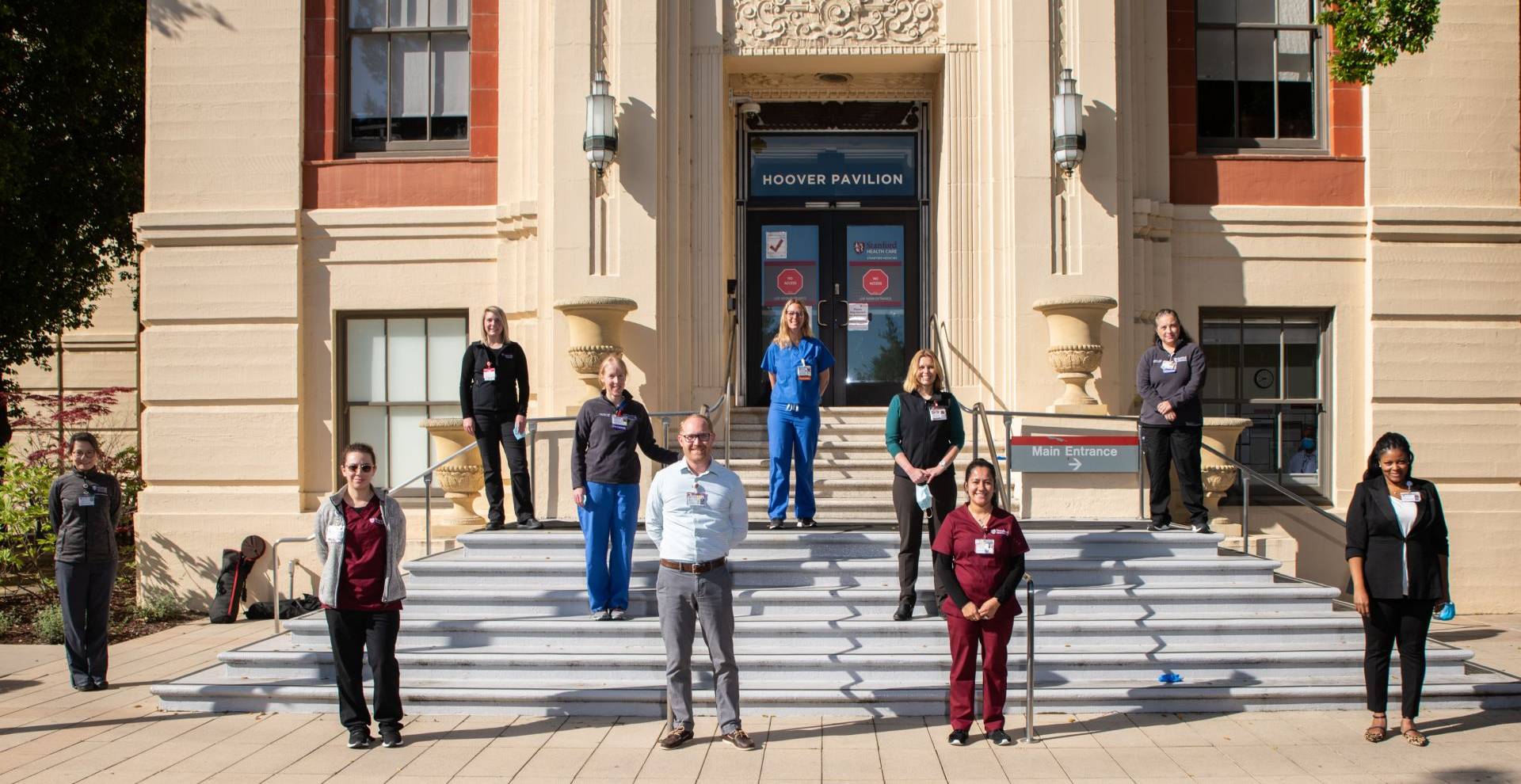
Chief residents Andrew Moore, MD (left), and Mita Hoppenfeld, MD (right), organized residents to staff the surge teams during the height of the COVID-19 pandemic
Residents from otolaryngology (ear, nose, and throat), psychiatry, and urology—doctors who rarely treat infectious disease—stepped in to take shifts on the surge teams. Residents worked more than 80 hours per week to ensure that COVID-19 patients received the best possible care.

“It’s just been unreal. I never imagined being a trainee during a pandemic of this magnitude,” says Cao. “There were a lot of really fast-paced changes this past year, as well as really emotional moments, both in terms of caring for patients and this sense of we’re all in this together.”

The ‘COVID-19 Generation’

Andrew Moore, MD, chief resident, who helped organize and staff the surge teams, is proud of the residents for offering excellent care under the difficult surge conditions. “It’s been a tough year, and residents have really, really stepped up in ways that have been incredibly inspiring for me.”

Moore also applauds the Department of Medicine for advocating for residents and fellows to be first to receive the COVID-19 vaccine. After the algorithm used to plan vaccine distribution left out most residents and fellows due to their young ages, some Department of Medicine faculty refused vaccination until their trainees were protected. Within days, the administration included these groups, who had been so vital for patient care. “That really speaks to how much this department values their residents and how much they recognize how hard we work to keep patients safe,” says Moore.

“It’s been a tough year, and residents

have really, really stepped up in ways that

have been incredibly inspiring”

Despite—or because of—these tremendous challenges, the pandemic has been an incredible learning experience for residents and fellows.

Ralph Tayyar, MD, an infectious disease fellow, arrived during the July surge. He saw many COVID-19 patients die early on, as a resident at another hospital. “It’s heartbreaking for doctors not to be able to save lives,” says Tayyar. Thinking back to a night when he lost three patients, he says he felt like he was “carrying a mountain.” Later he realized, “I’m going into infectious diseases to help figure out a better treatment to prevent patients from dying and help their families. It pushed me to do a better job, and joining the division of infectious diseases and geographic medicine at Stanford provided me with the best support to do so.”

In the future, Hosamani says, it will be especially important to focus on residents’ mental health needs and to offer support services for post-traumatic stress disorder or other health conditions that may arise in the wake of this difficult year. She expects that, much like doctors who received their training during the HIV epidemic, physicians from the “COVID-19 generation” will remember the missteps, the successes, and the socioeconomic factors that worsened the pandemic’s impact.

“I think it’s something that they will never forget and will always shape their training,” says Hosamani. “They will truly go forward to shape medicine for the better because of the experiences they have had.”

The New Normal

With the end of the surge teams and the vaccination of medical workers, staff at the Stanford hospitals and clinics have entered a new normal, where COVID-19 may continue be a threat, much like the seasonal flu.

When asked to reflect on the pandemic, faculty and staff said they were proud to care for their community during the pandemic.

They also were impressed with the leadership displayed by Robert Harrington, MD, chair of the Department of Medicine, during this time of crisis. “Harrington did an excellent job in coordinating very complex care, with outstanding communication between the leaders of infectious disease; hospital medicine; and pulmonary, allergy, and critical care medicine, and their teams,” says Mark Nicolls, MD, professor in pulmonary and critical care medicine.

One silver lining of the pandemic is that it has engendered collaboration between faculty across divisions in the Department of Medicine, with support and encouragement from Harrington and Cathy Garzio, vice chair and director of finance and administration. These partnerships led to new research collaborations and advanced patient care—changes that will persist in the post–COVID-19 era.

A Dedicated Clinic for COVID-19 Patients

A Dedicated Clinic for COVID-19 Patients

How Stanford’s CROWN Clinic provides support after a COVID-19 diagnosis

A Dedicated Clinic for COVID-19 Patients

How Stanford’s CROWN Clinic provides support after a COVID-19 diagnosis

Linda Barman, MD, associate director of the Stanford CROWN and Express Care clinic, turns on her computer and camera to begin a video visit with a patient who recently tested positive for the coronavirus. She starts with an assessment of the patient’s current condition, asking questions about her pulse oximeter reading and her temperature. Satisfied with the response, Barman begins to delicately probe the patient’s mental and emotional health: Has she been experiencing anxiety? What is her support like at home?

A COVID-19 diagnosis can be extremely nerve-racking, Barman explains. People are scared, and conversations like these can help patients manage their anxiety and distress.

This multilayered, specialized support is a hallmark of Stanford Express Care’s CROWN (care and respiratory observation of patients with novel coronavirus) clinic, which was designed to provide care for patients who have tested positive for the virus but don’t require hospitalization.

CROWN clinic staff is a multidisciplinary group that includes physicians, medical assistants, nurses, advanced care providers, and social workers

CROWN clinic staff is a multidisciplinary group that includes physicians, medical assistants, nurses, advanced care providers, and social workers

Here’s how the process works: A patient receives an initial COVID-19 diagnosis. This diagnosis is passed to CROWN clinic staff, who contact the patient to ask if he or she is interested in receiving care. Interested patients are immediately enrolled in CROWN’s treatment protocol, and their risk level is evaluated using a unique risk stratification system designed by Maja Artandi, MD, medical director of the Stanford CROWN and Express Care clinic, and the clinic team. They are then given access to a multidisciplinary group that includes physicians, medical assistants, nurses, advanced care providers, translators, and social workers. They are also sent a pulse oximeter to monitor their blood oxygen level and heart rate and provided a direct line to call with any concerns or questions.

CROWN staff follows up with their patients at regular intervals, increasing the frequency of check-ins for patients that they’ve deemed high risk. “If we see patients during a video check-in and they don’t look good,” Artandi says, “we bring them in for an exam. In addition to a thorough physical exam, we do x-rays, labs, EKGs, and we can start medications. We also assess whether they can recover at home or if we have to send them to the emergency room.”

The clinic celebrated its one-year anniversary on April 12, 2021. In a recent interview, Artandi and Barman recalled the early days of the pandemic and reflected on the ways their work at CROWN has reshaped their conception of teamwork and patient care.

Reports of coronavirus began to emerge from China in late 2019. By February 2020 awareness of the virus was growing, and by March the World Health Organization had declared it a global pandemic. What were those early days like?

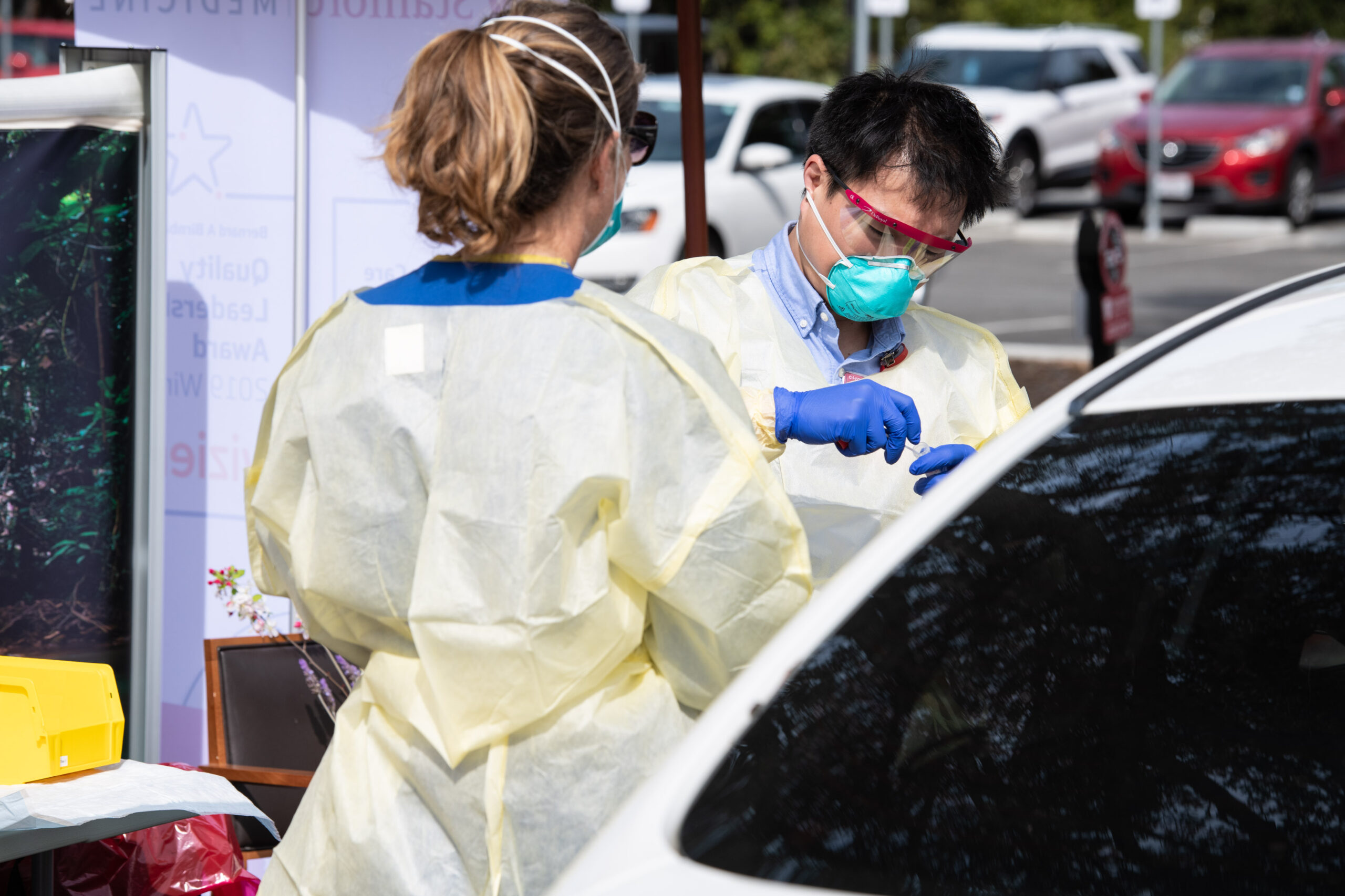
Maja Artandi: The early days were difficult and exciting. In the beginning, when testing was limited, we had to get permission from the health department to test patients for coronavirus, and most of the time they said no. Stanford soon developed its own coronavirus test, and on March 3 we launched a drive-through testing site. It was one of the first in the country. On the first day of testing, I was out in the parking lot with the Express Care clinic manager, Chris Lentz, and we were scrambling to get everything set up. We started out with a Stanford umbrella and some room dividers to give patients privacy. It was very bare bones. But we ramped up quickly. It was wonderful to see how everyone came together in the early days to work on the same goal and how quickly things started to happen.

Linda Barman: I remember that first day we launched drive-through testing! People came out of the woodwork to help. People were taping signs on a table for us, running to get duct tape, and procuring supplies like room dividers for us.

Overnight, we also had to change our care template to mostly remote video. There was so much to figure out—we had to figure out the scheduling and how to triage patients. At the time, we were still learning about COVID-19. We thought everyone had a fever. We didn’t know that many patients lost their sense of smell. We had to come up with guidelines with very limited information. We were figuring out how to screen people, how to keep sick people out of the clinic, and how to protect our patients and our staff members.

What was the impetus for launching the CROWN clinic?

Maja Artandi: Once we had drive-through testing in place, we had all these patients who had received a positive test result. They were stuck. They didn’t know what to do about their diagnosis. They were incredibly scared because they didn’t know what was going to happen. They were isolated at home, they had no resources, and they had no one to talk to. We were also concerned that the emergency department would get swamped with coronavirus patients who were experiencing mild symptoms. And we were also concerned that coronavirus patients who were really sick might not realize how sick they were and wouldn’t go to the emergency room early enough, which could cause major complications. We launched CROWN to provide a space for all of these patients.

The CROWN clinic has cared for hundreds of patients and dealt with constantly changing care guidelines and treatment protocols. What do you think has made your team so successful?

Maja Artandi: It was essential that everybody on the team had the same level of input. We developed the protocols, and our wonderful team of medical assistants, nurses, and providers all gave their feedback. There was really no hierarchy; we all worked closely together. Every person on the team was invested in the outcome, and everybody wanted to improve the workflow. It was fun to work that way, and decisions could be made quickly. Everyone volunteered to put their health at risk because they just wanted to help patients. I think that’s incredibly memorable. I’m so lucky to be part of a group like that.

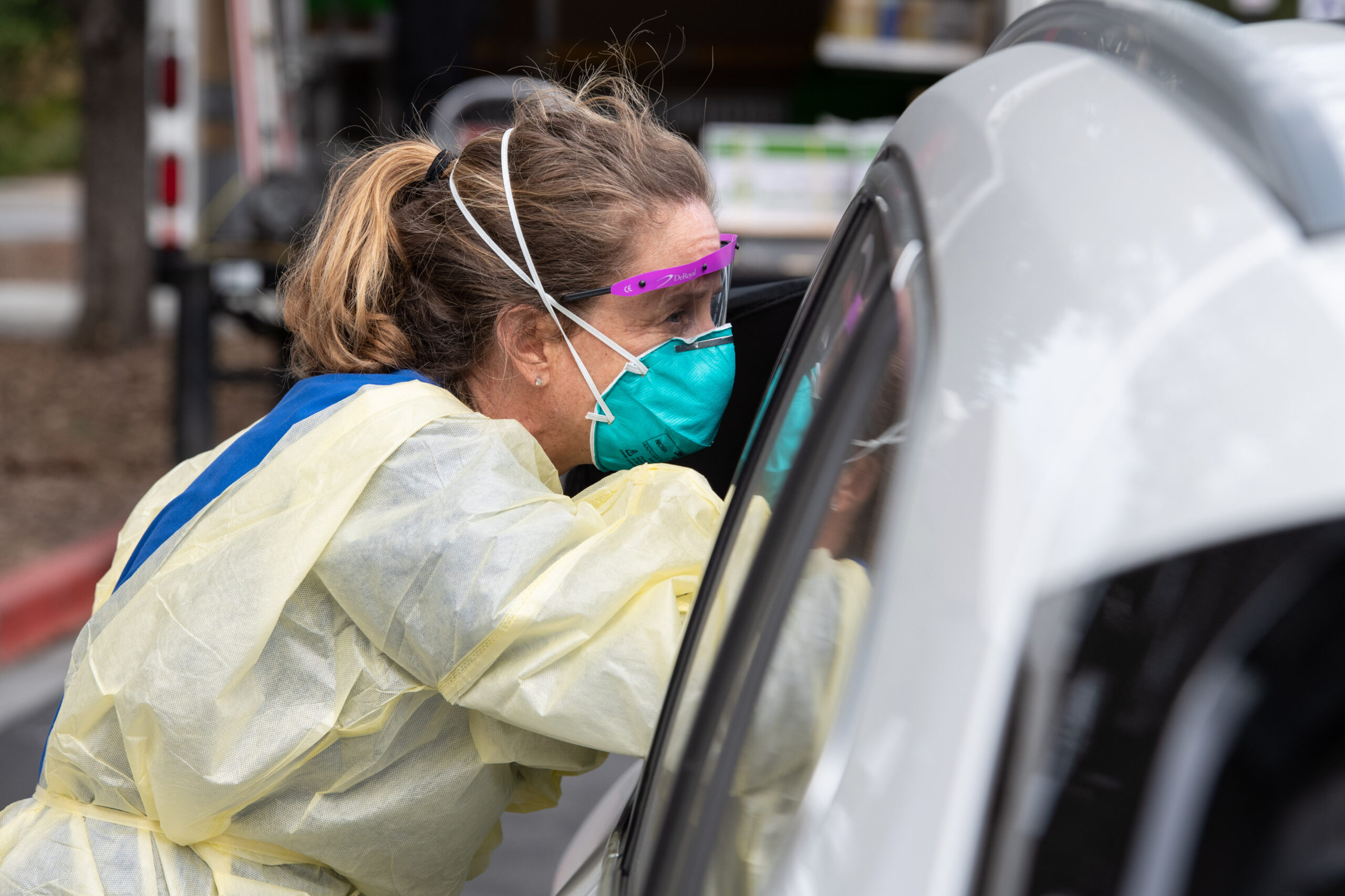
Linda Barman, MD, checks a vehicle during drive-through COVID testing

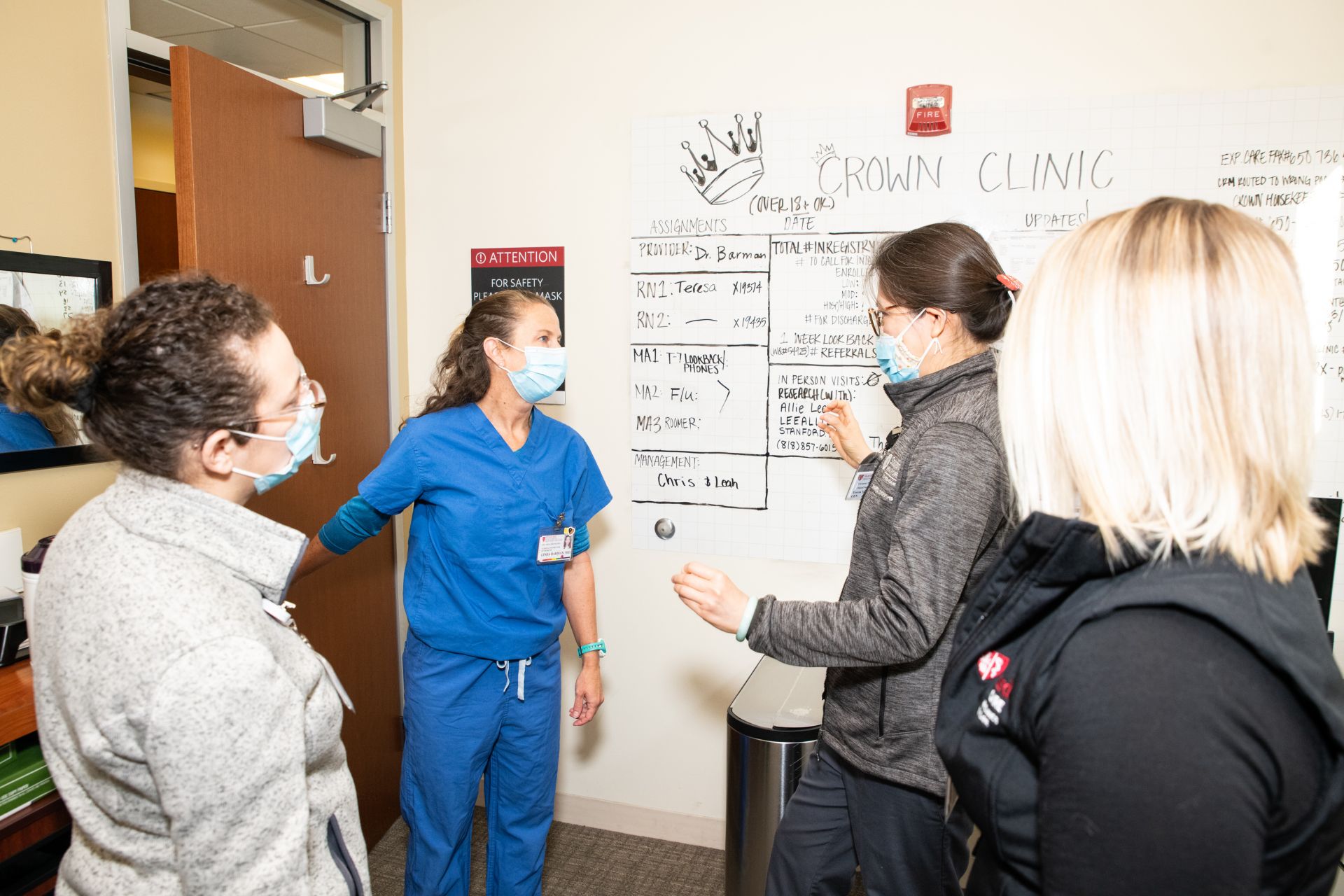
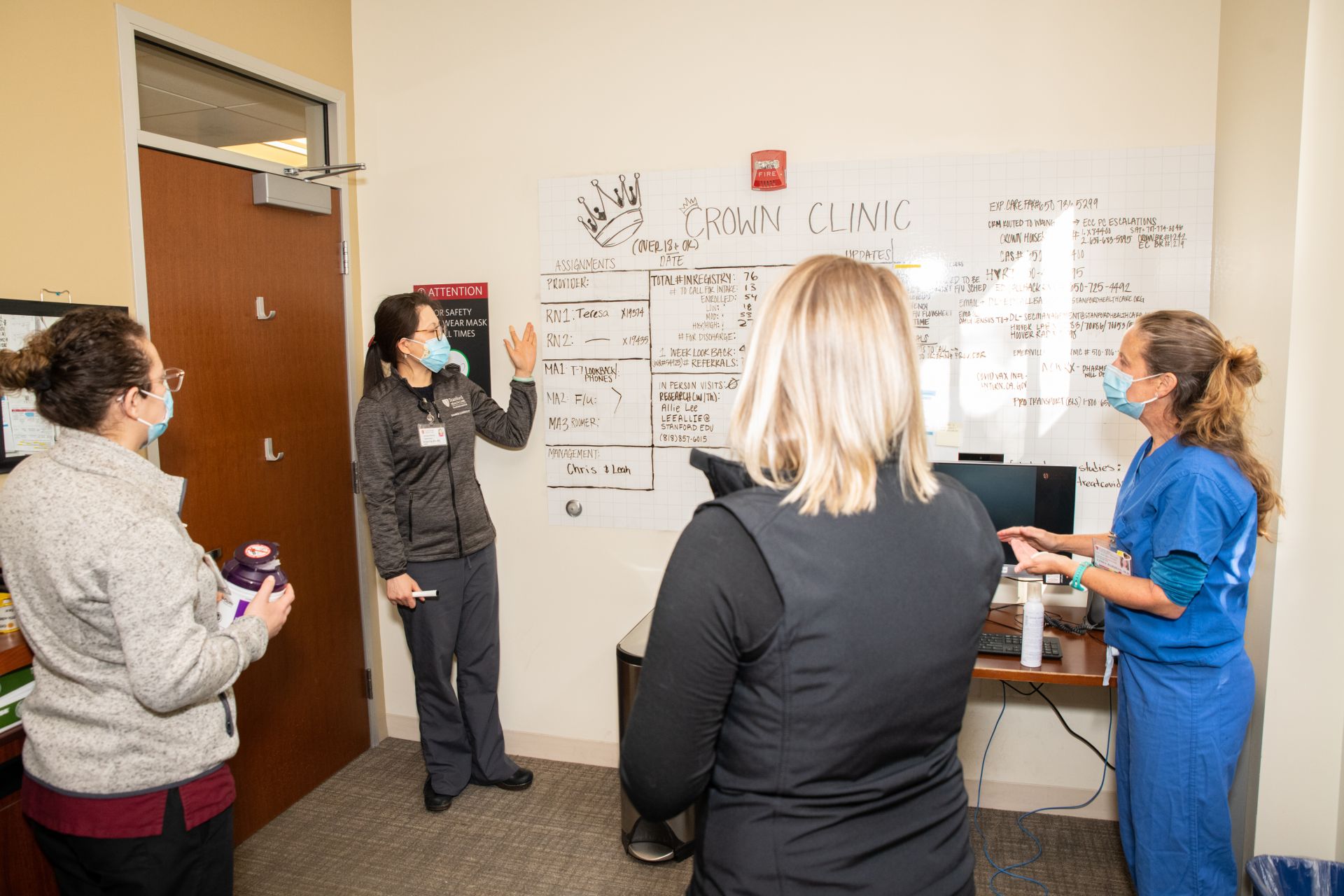
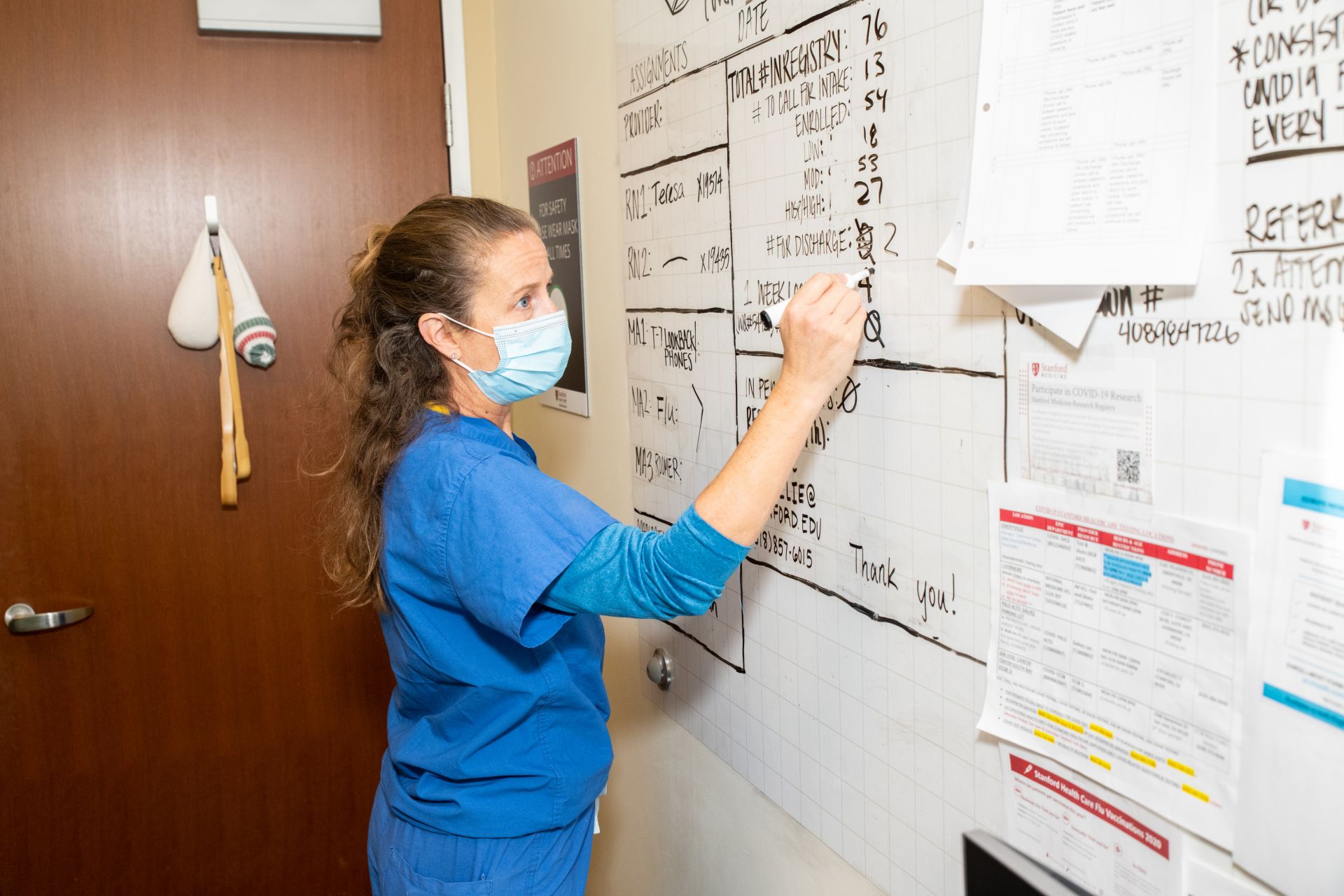
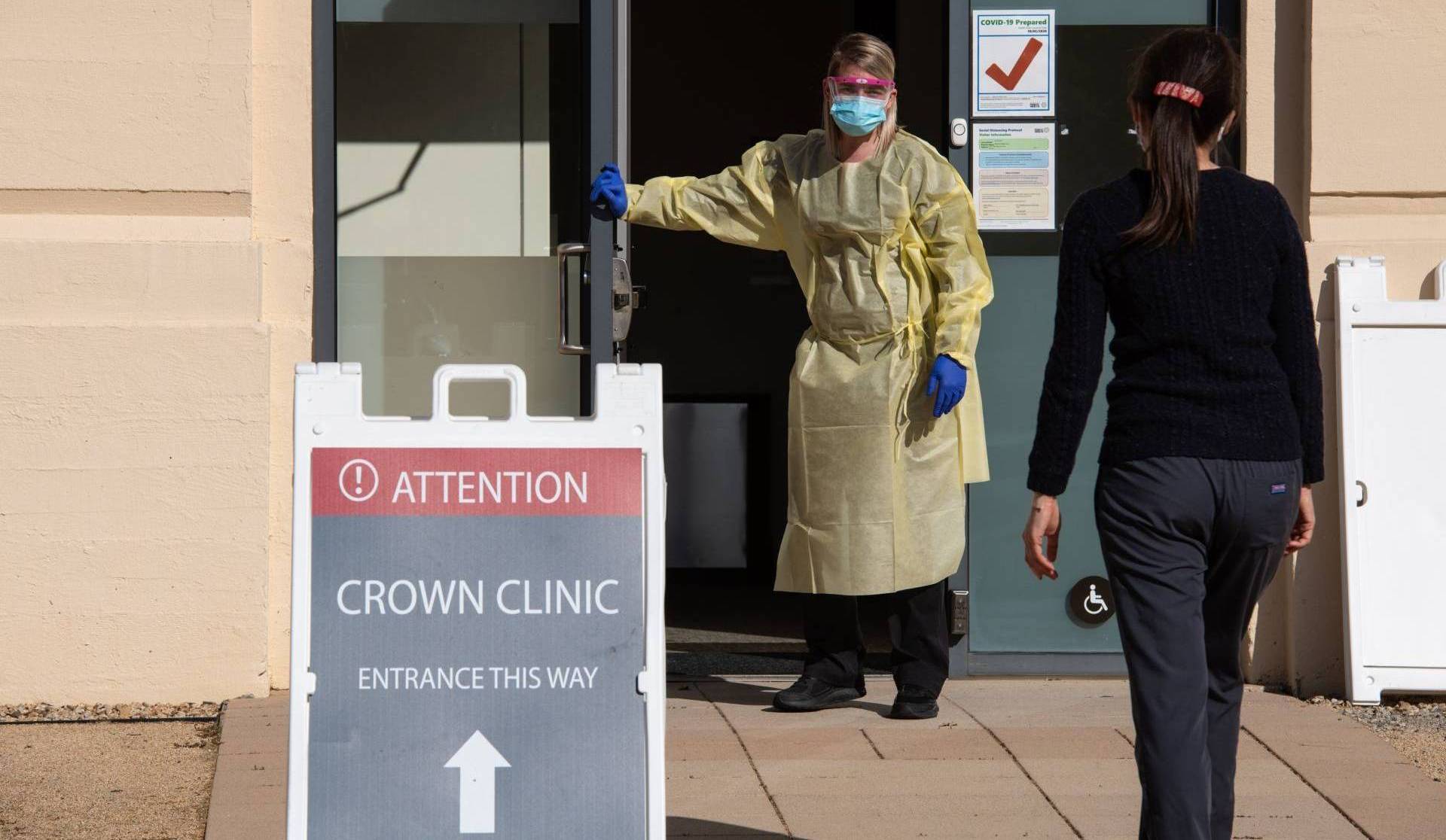
Linda Barman, MD (in blue scrubs), reviews patients’ status with (from left) patient care coordinator Coralia Alvarado, MS; clinical nurse Teresa Yip, RN; and patient care coordinator Brittany Barkey

In winter, the Bay Area experienced a surge of COVID-19 cases and hospitalizations. How did your team handle a large influx of patients?

Maja Artandi: In January 2021, we suddenly had more than 100 patients in our clinic. We had to change our workflows within a few days and had to readjust to take care of everyone who needed care—including many patients who didn’t speak English. To address the surge, we temporarily changed our risk stratification system to prioritize high-risk patients. We raised the age cutoff from 65 to 70 for our moderate-risk patients, who received more frequent follow-ups and video visits by MDs or APPs. We also reprioritized who we proactively reached out to. This allowed us to care for all our patients.

A positive COVID diagnosis can be unsettling. Did you find yourself connecting with your patients in a different way?

Linda Barman: There’s a lot of intense emotions around a positive COVID-19 diagnosis. Every visit you have is going to be at least a half hour long. Everyone has questions and needs a lot of social and emotional support. We were always working with patients to figure out ways that they could stay safe and keep their families safe. One thing that I found incredibly touching is the length that all of our patients would go to protect their family members. I remember one patient, a single mom with an 8-year-old son, wore her mask 24 hours a day for 14 days straight. She never took it off because she wanted to keep her son safe.

Maja Artandi: Typically, a patient comes in, has some medical concern, you diagnose, you order the test, and you tell them exactly what’s going on. With COVID-19 it’s so different. You’re on a journey with the patient.

In addition to being the physician, I was the respiratory therapist because I would help many discharged patients wean off their oxygen. I was the social worker. I was the counselor because they were scared and they had so many questions. Each patient visit was very long, but I felt that we did a lot of good. When you talk to someone for 30 minutes and you try to help them—there’s a real connection there. You have to listen and understand what they’re going through.

Many of our patients didn’t have adequate health insurance. I couldn’t send them to a mental health provider. So we did a lot of listening. We also saw a lot of people who have long-term COVID-19 symptoms and are just exhausted and fatigued, and we validated what they were feeling and acknowledged them. Just being there with the patients and calling them on a regular basis made a big difference.

Meet the CROWN Clinic Team

Medical Assistants


Coralia Alvarado, MS
Monica Barajas
Brittany Barkey
Sarah Chung
Gloria Corona
Heidi Coty
Katherine Cummings
Marissa Guzman
Lizett Leon
Robert Martinez
Jesus Mendoza
Asefash Rivera
Isamar Rodriguez
Maria Tunchez
Manry Valena, CCMA-AC

Administration


Heather Filipowicz, MS
Megan Mahoney, MD
Kirsti Weng, MD, MPH

Infection Control


Richard Giardina, MPH

Medical Assistants


Coralia Alvarado, MS
Monica Barajas
Brittany Barkey
Sarah Chung
Gloria Corona
Heidi Coty
Katherine Cummings
Marissa Guzman
Lizett Leon
Robert Martinez
Jesus Mendoza
Asefash Rivera
Isamar Rodriguez
Maria Tunchez
Manry Valena, CCMA-AC

Administration


Heather Filipowicz, MS
Megan Mahoney, MD
Kirsti Weng, MD, MPH

Infection Control


Richard Giardina, MPH

Stanford Lends a Hand

Stanford Lends a Hand

————————–

From grocery runs to online fundraisers, the Department of Medicine community found ways to help others amid the coronavirus pandemic

Stanford Lends a Hand

————————–

From grocery runs to online fundraisers, the Department of Medicine community found ways to help others amid the coronavirus pandemic

It was a busy day in early April 2020 at Stanford’s newly opened drive-through COVID-19 testing site. People were already lined up in their cars outside the Express Care Clinic parking garage, waiting for a nasal swab that would tell them if they had been exposed to the virus.

It was a busy day behind the scenes, too, as practitioners, nurses, assistants, and physicians, all dressed in full protective gear, rushed around the premises administering tests, transporting samples to the lab, and triaging patients.

Thanh Khong, PA-C, a physician assistant who was overseeing testing operations and logistics at the site, noticed that many of his colleagues had been on their feet for hours and looked tired. He went out to buy standing mats, which allowed them to perform their jobs more comfortably, and brought in heaters and a music speaker to keep their energy and spirits high. He made sure they were fed and became known—and beloved—for bringing in banh mi sandwiches for lunch.

Khong’s acts of generosity characterize the entire Department of Medicine’s response to the pandemic. As the country plunged into lockdown, people went to great lengths to ease the burdens of others and find ways to lend their expertise and resources to help those most in need.

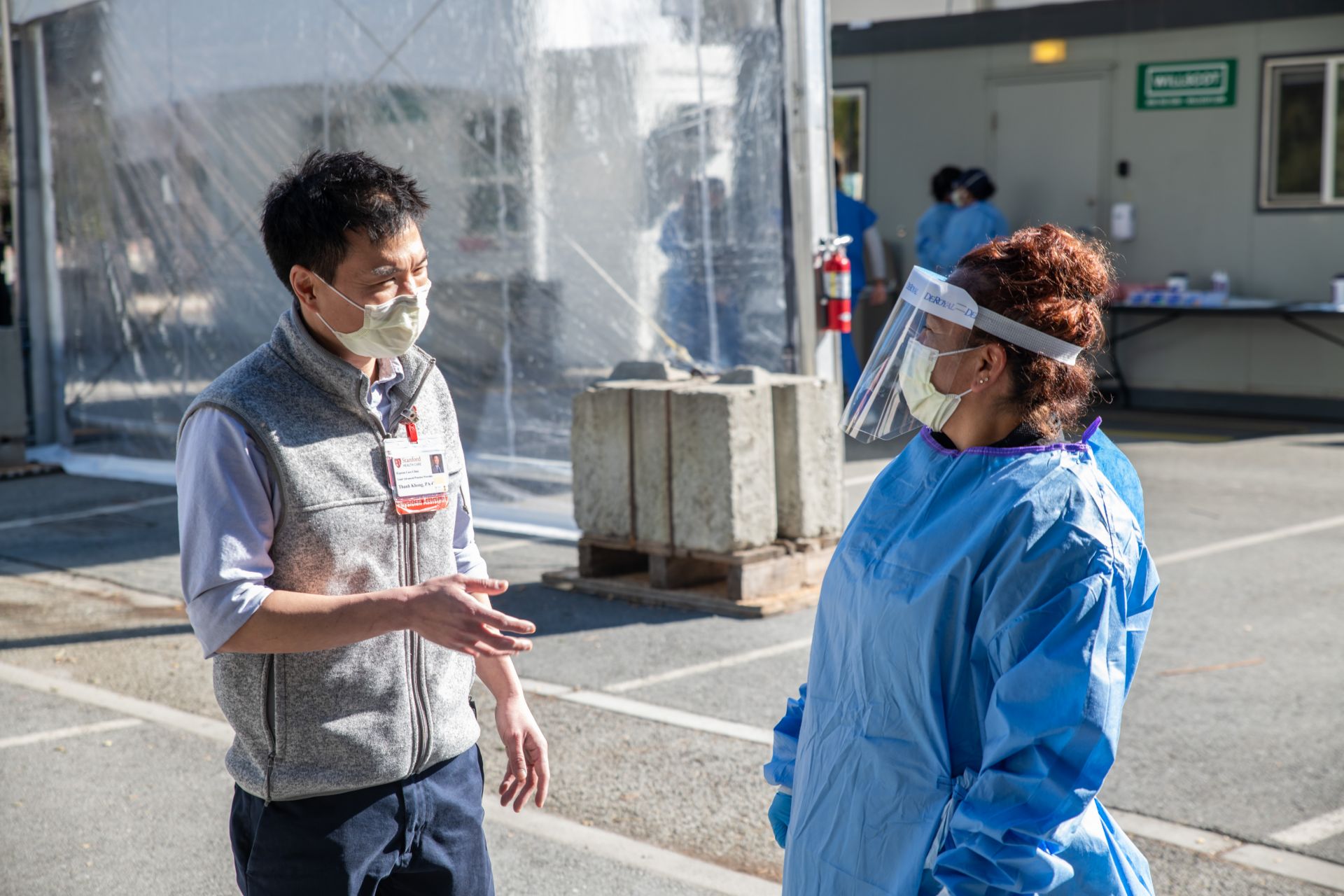
Thanh Khong, PA-C (left), noticed that many of his colleagues had been on their feet for hours and looked tired

People were lined up in their cars waiting for a nasal swab

This help took many forms. Residents organized fundraisers to provide meal delivery gift cards to fellow residents working the frontlines in New York City. Nurses coordinated grocery runs to ensure that patients had enough to eat. Physicians kept families afloat during the holiday season. Lab technicians worked around the clock. Patients offered up masks and gloves to drive-through clinic staff when supplies were hard to find. People from the community reached out to see how they could help, even offering up a 3D printer to make face shields. “One amazing thing that we’ve seen throughout the pandemic is people helping each other out on all different levels,” Linda Barman, MD, clinical assistant professor of primary care and population health, explains. “Everyone has gone above and beyond. The whole community came together.”

Delivering Care, and Groceries

Stanford’s CROWN clinic (an acronym for care and respiratory observation of patients with novel coronavirus) sees hundreds of people who have tested positive for COVID-19 each week, many of whom are low income or don’t have adequate health insurance. Barman and other clinic practitioners were worried not only about their patients’ health but also about the heavy burden that a positive COVID-19 diagnosis would put on them and their families.

“A lot of our patients live paycheck to paycheck. When they have coronavirus, they can’t work,” says Barman. “Early on during the pandemic, we realized we needed to ask all of our patients how they were doing and how their families were doing, because COVID-19 impacts everyone.

“We’d ask patients how much food they had at home, and whether they were able to get groceries or go to a food bank,” Barman says. “Many weren’t able to, because their families were sick as well, or because they didn’t have enough money, or because they didn’t have access to the internet and delivery services.”

Linda Barman, MD

So Barman came up with a plan to bring meals and groceries to them. She set up a computer in an exam room that stayed signed in to her Instacart account. If she saw a patient who needed groceries, she would confirm the patient’s home address, head to the computer in the exam room, and order him or her supplies.

Some of Barman’s colleagues would even do the shopping themselves. When Mirella Nguyen, NP, a nurse practitioner, heard that one of her patients, a single mother, was running out of food at home, she took swift action. “Mirella immediately went to the grocery store,” Barman remembers. “When the patient came in the next day for her scheduled chest x-ray and physical exam, Mirella handed her a week’s worth of fresh items.”

Clinic staff also found other ways to lend a hand. During a routine checkup with a new patient, a mother of two who had recently been discharged from the hospital, Barman learned that she didn’t have enough money for Christmas presents. “When I asked how her family was doing, she told me that her kids were disappointed there wouldn’t be Christmas presents this year, but that they all were finally in good health and that was what was important. She had enough money to pay her landlord and buy food, but she had nothing left for gifts. I asked a few more questions about the kids: How old are they, what do they like … and I immediately rushed home and told my own children: We’re playing Santa.”

Barman and her family bought presents and mailed everything to her patient in time for the holidays.

After Christmas, Barman received a call from her patient, who told her just how much her generosity had meant during such a stressful time. “I said that I was glad to help, and that I knew she would have the chance to pay it forward and take care of someone else like this in the future.”

Barman’s prediction came true. Several months later, the patient’s brother showed up at the CROWN clinic after being diagnosed with COVID-19. When Barman asked who was caring for him and helping him with medical supplies and groceries, she was delighted by the answer. “He said it was his sister, my former patient,” Barman recalls. “She was back on her feet, taking care of her brother. She was passing it on.”

Feeding Residents on the Frontlines

In late March 2020, shortly after nationwide shelter-in-place orders took effect, internal medicine chief residents Mita Hoppenfeld, MD, Andrew Moore, MD, and Adrian Castillo, MD went online and set up a GoFundMe campaign called Residents Helping Residents to raise $5,000 for food gift cards to donate to residents in New York hospitals, which at the time was the epicenter of the COVID-19 pandemic.

Hoppenfeld started the project partly to assuage a feeling of survivor’s guilt. “You get trained in medicine to be a health care provider and to give as much help as you can,” she explains. “I can only imagine the sort of decisions that my colleagues in New York hospitals had to make. I felt very helpless, and I wanted to do something, and I thought, ‘One of the things that always brings me joy is food. I wish I could just make sure that they feed themselves because that’s the first thing that I stop doing when I’m on really busy rotations.’”

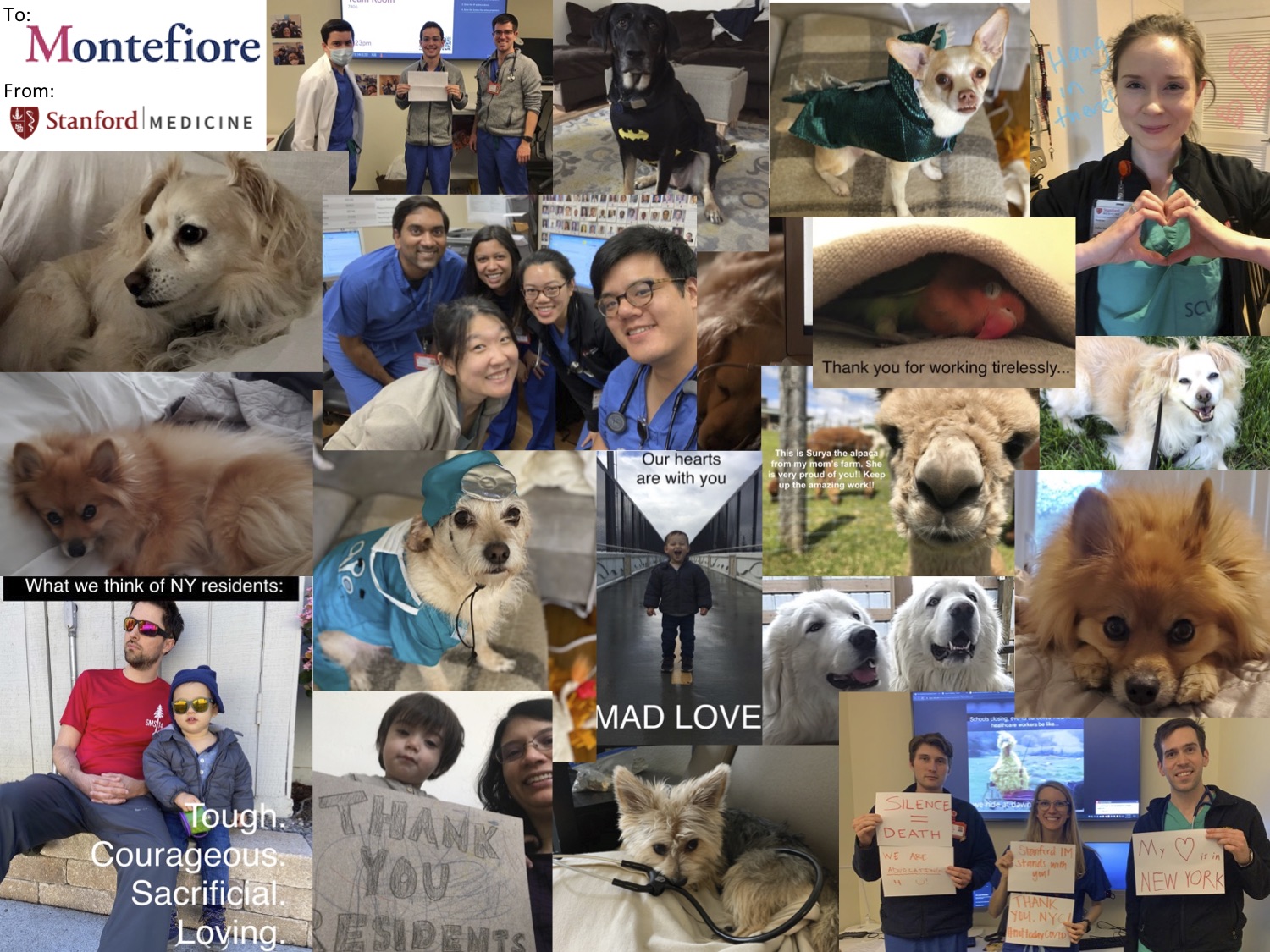
A sampling of the thank-yous Stanford residents sent to residents at Montefiore Hospital

Donations and comments came pouring in, as people from all over the country joined together to contribute and show their support.

“I believe in the work these young, dedicated physicians are doing for the people of NYC,” wrote one anonymous contributor.

“Thank you, Stanford internal medicine, for coordinating and thank you to all of our NYC friends for your bravery and hard work,” wrote a group of internal medicine residents from UCSF.

“The world appreciates everything you are doing for us,” another commenter chimed in.

Within days, the chief residents doubled their fundraising goal to $10,000. By the end of the week, they moved their goal even further, to $20,000. The hospitals they supported expanded as well, from Columbia, NYU, and Lenox Hill to “areas that were disproportionately affected because of multiple social determinants of health,” like SUNY Downstate, New York-Presbyterian Queens, and Elmhurst Hospital.

“It’s been a tough year, and residents

have really, really stepped up in ways that

have been incredibly inspiring”

“It’s been a tough year, and residents have really, really stepped up in ways that have been incredibly inspiring”

The chief residents worked with each hospital to see how they wanted to use the money—some opted for restaurant delivery gift cards and coffee, while others used donations for ride share apps to take exhausted doctors home at night.

One hospital specifically requested words of support from Hoppenfeld and her fellow residents. They were happy to oblige, and she and her colleagues sent over a bundle of encouragements.

“I can only imagine what these people are going through, exhausted, giving not just 100% of their physical selves but also their emotional selves, their decision-making selves, constantly,” Hoppenfeld says. “And to be able to give them something small, tangible, but meaningful in a way that says, ‘You’re seen, you’re supported, you’re loved, you’re thanked,’ is huge.”

Revitalizing the Residents Helping Residents Initiative

The initial Residents Helping Residents fundraising effort was so successful that Hoppenfeld and her fellow chief residents revitalized the campaign during the holiday season to raise funds for Second Harvest of Silicon Valley, a local food bank. The new initiative—called Residents Helping Residents of San Mateo and Santa Clara County—raised $10,000 and secured an additional donation of $48,000 from Faculty Connection, a consulting group founded by Department of Medicine faculty members at Duke University and Stanford. “This campaign was another way for us to give back to our community by helping to alleviate the health care crisis that is food insecurity,” Hoppenfeld says.

From California,
with Love

Words of support from Stanford Internal Medicine residents to their colleagues in New York

“We are living through times that many generations never see, and you are on the front lines of it. … We are deeply grateful, inspired, and humbled by your service at this time.”

“Every single one of you exemplifies the type of physician I can only aspire to be and reminds me exactly why I decided and chose to go into the field of medicine in the first place.”

“There are no words to express how much we are all pulling for you, supporting you from afar, afraid for you, feeling for you. … I know you’re the right people for a job no one should have to do.”

From California,
with Love

Words of support from Stanford Internal Medicine residents to their colleagues in New York

“We are living through times that many generations never see, and you are on the front lines of it. … We are deeply grateful, inspired, and humbled by your service at this time.”

“Every single one of you exemplifies the type of physician I can only aspire to be and reminds me exactly why I decided and chose to go into the field of medicine in the first place.”

“There are no words to express how much we are all pulling for you, supporting you from afar, afraid for you, feeling for you. … I know you’re the right people for a job no one should have to do.”

A COVID Trial Pitches a Tent in the Great Outdoors

A COVID Trial Pitches a Tent in the Great Outdoors

When you think of advanced clinical trials, you usually don’t think of a tent. But that’s where you’d be wrong—in April 2020, when COVID felt new and every breath was terrifying, a tent was just what the doctor ordered.

Why Not in California?

The idea came to the team very early in the pandemic—so early, in fact, that Upi Singh, MD, division chief and professor of infectious diseases, remembers that it was before social distancing, when a group of doctors including herself and Julie Parsonnet, MD, George DeForest Barnett professor of medicine, started to think outside the box.

Jason Andrews, MD, associate professor of infectious diseases; Bonnie Maldonado, MD, senior associate dean of faculty development and diversity, and Taube professor of global health and infectious diseases; Prasanna Jagannathan, MD, assistant professor of infectious diseases; and Hector Bonilla, MD, clinical associate professor of infectious diseases, were also quickly made part of the team.

Like many others, they realized that COVID trials would need to be set up quickly and that outpatient trials would be ideal because they enable doctors to see and treat patients in a low-touch environment. They decided on a clinical and translational research unit (CTRU) and ended up with the idea for a tent.

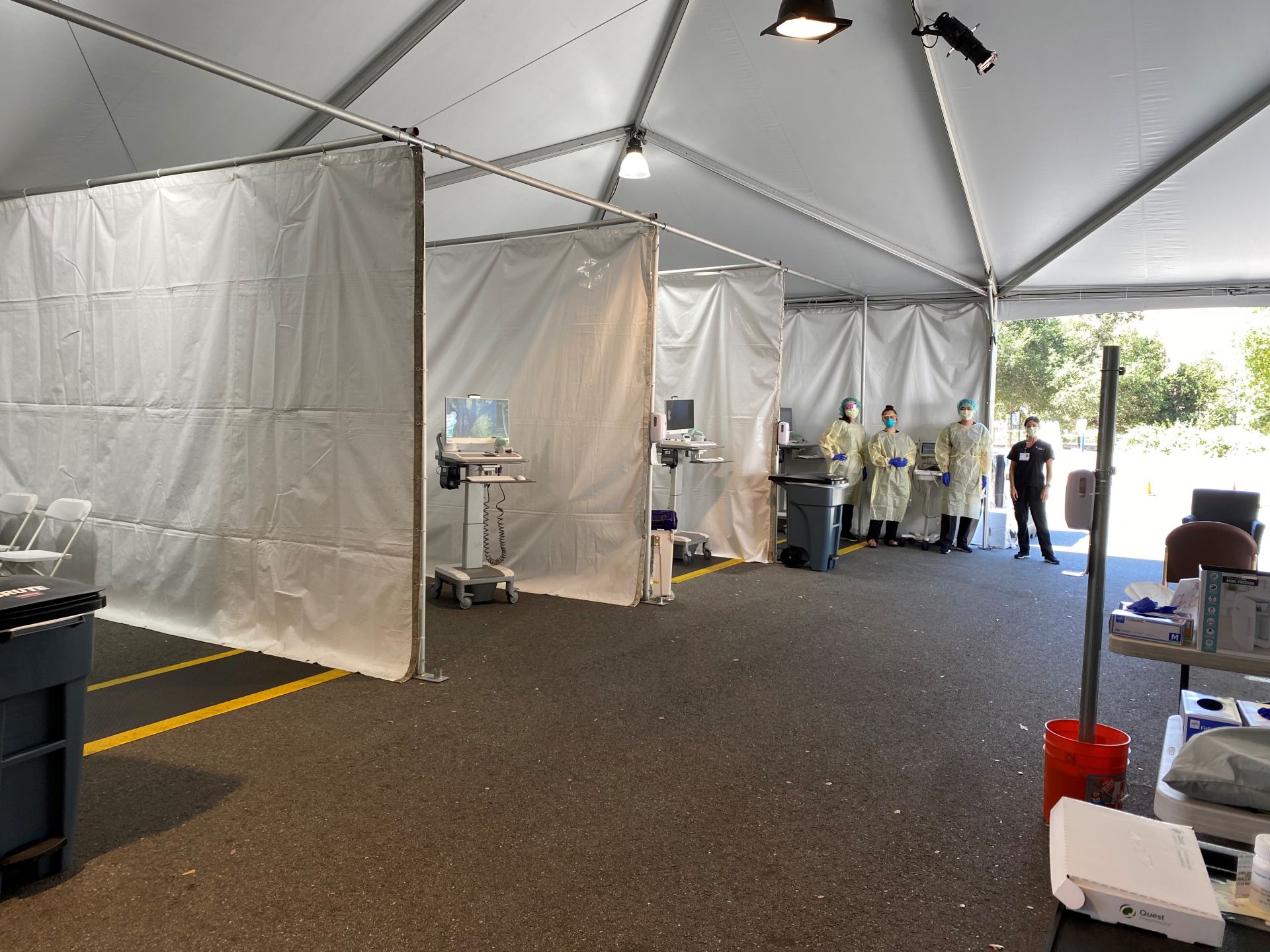
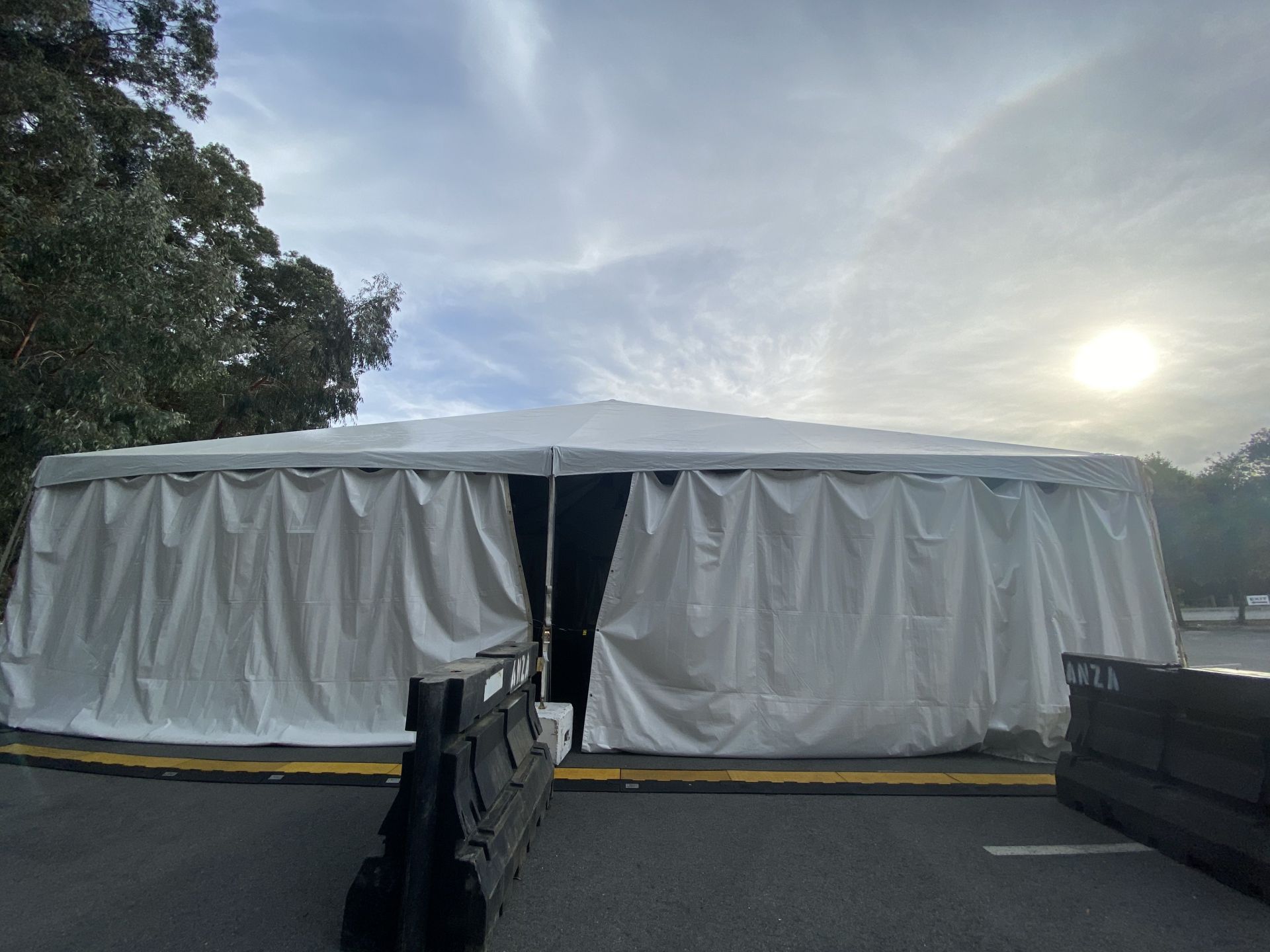
As Maldonado explains, some tents had already been set up for COVID testing and were about to be decommissioned, so repurposing them made a lot of sense. “We thought they’d be suitable and safe,” she says.

“Bringing people to the hospital to do COVID research was almost taboo. There was too much anxiety around it back then,” Singh adds. “We were seeing some of the drive-through tents in various places around the country, so we thought, well, why not? We live in California, it’s good weather, we could do it here.”

Turning an Idea Into Reality

Chaitan Khosla, PhD, Wells H. Rauser and Harold M. Petiprin professor of chemical engineering and chemistry, as well as director of the Innovative Medicines Accelerator (IMA), was brought in early too. The IMA, an initiative born out of the long-range-planning mission at Stanford, seeks to help turn research ideas into actual real-world drug trials or programs by, among other things, helping to fund promising early-stage research and form alliances with biotechnology and pharmaceutical companies, governments, and nongovernmental organizations to exchange knowledge and expertise.

In this case, “This was an obvious thing for us to support,” Khosla says. His role was to help with fundraising and operational aspects and to “understand how to bring the vision of the IMA to reality in the context of a disease that occurred after the IMA was created.” And that reality had to happen quickly.

The team talked to leadership, administration, the CTRU, and the people at the IMA, as well as writing to donors for funds, and in a matter of weeks, the tent was up. The idea was raised at the end of March, and April 25, “a sunny Saturday,” Singh remembers, was the first day in the tent.

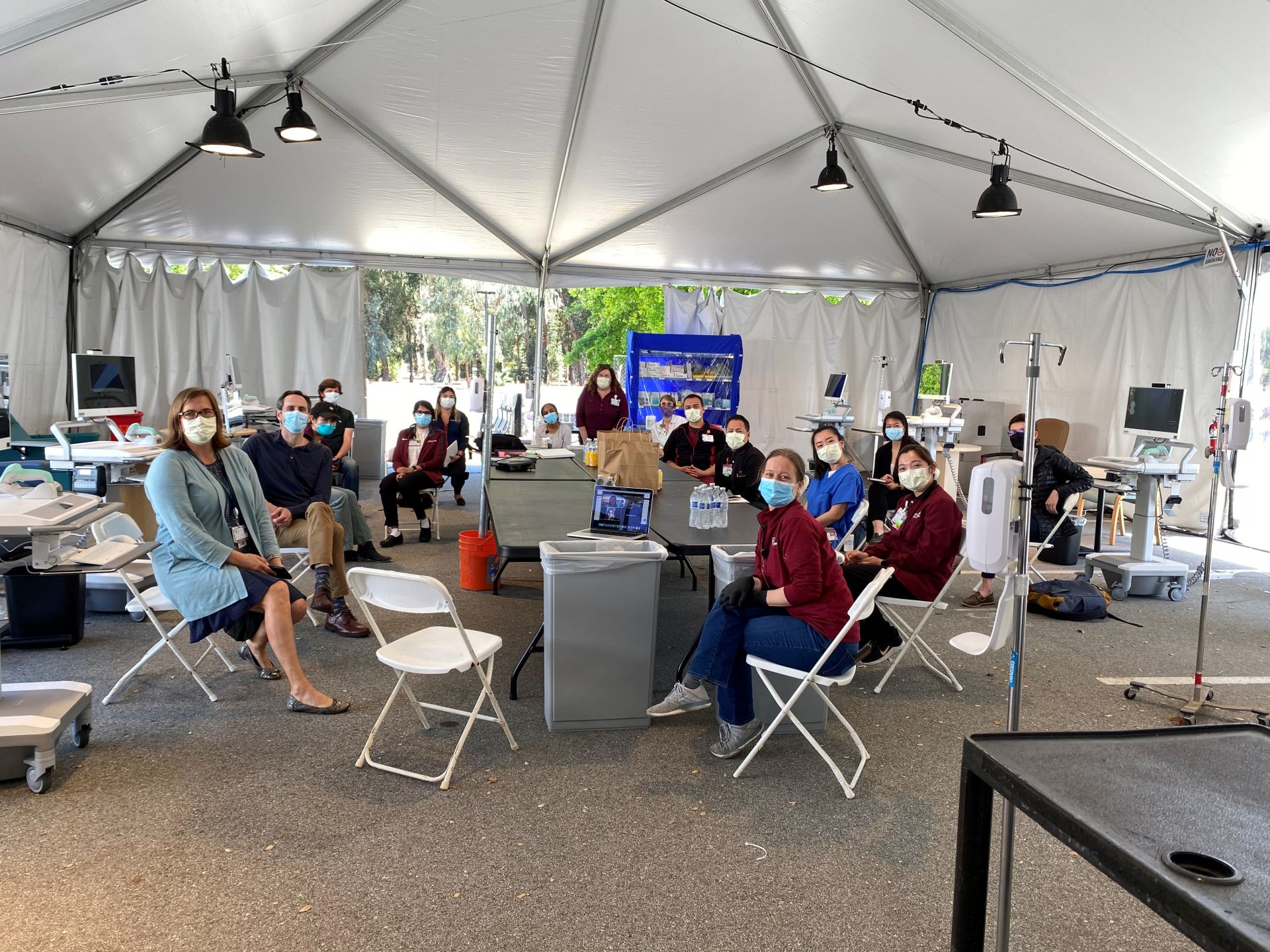
COVID team members at work in the tent

The CTRU tent under a beautiful sky

Jagannathan was co-principal investigator (PI) of the first trial, the peginterferon lambda, with Singh, and remembers the fast growth of the idea. “Within a few days after the shelter in place began, we began work on the study,” he remembers. “We started as a small group of investigators—Upi, Julie Parsonnet, Jason Andrews, myself—but grew our team rapidly (with almost daily Zoom calls that went into the wee hours of the night).”

Andrews agrees: “In hindsight, it was remarkable how fast things came together! At that time, clinical trials among inpatients were underway, but there was no attention towards the needs of patients who were not yet hospitalized (which at the time comprised about 90% of all COVID patients).” The questions, he says, were: “Could we treat them early, avert serious disease and complications, and prevent hospitalizations? Could we reduce risk of transmission to their families? Everyone was understandably focused on inpatients, but this was the proverbial tip of the iceberg. So we went to work and initiated some of the first outpatient clinical trials for COVID in the country.”

The Early Days

During the tent’s run from April 2020 to January 2021, it hosted six trials for COVID treatment, including peginterferon lambda, camostat, favipiravir, and multiple Regeneron monoclonal antibody trials. The early days were particularly challenging.

For one thing, even just setting up the tent involved a lot of teamwork and creative thinking, not to mention just plain old getting your hands dirty. In the early days, there wasn’t even furniture. Singh bought chairs on Amazon and put them together with fellow faculty and staff members, which she found to be a surprising bonding experience.

“I’m a pretty engaged faculty member,” she says, “but you get to know people differently in a situation like the tent. You’re not just sitting in meetings and having intellectual discussions. You’re seeing who will come help you put chairs together, and you’re having a cup of coffee outdoors when COVID is there and everyone’s scared. You learn about people in a different way.”

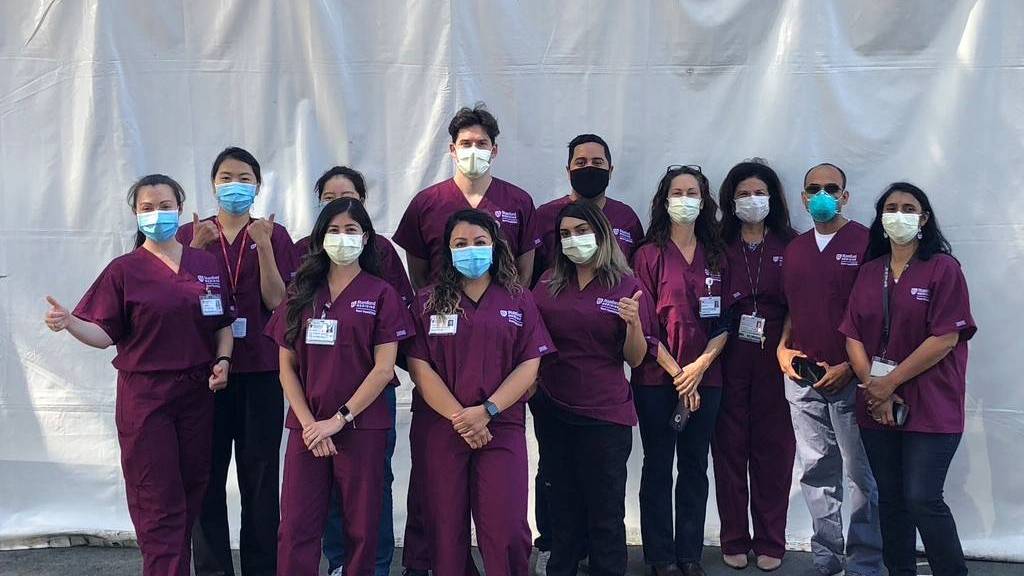
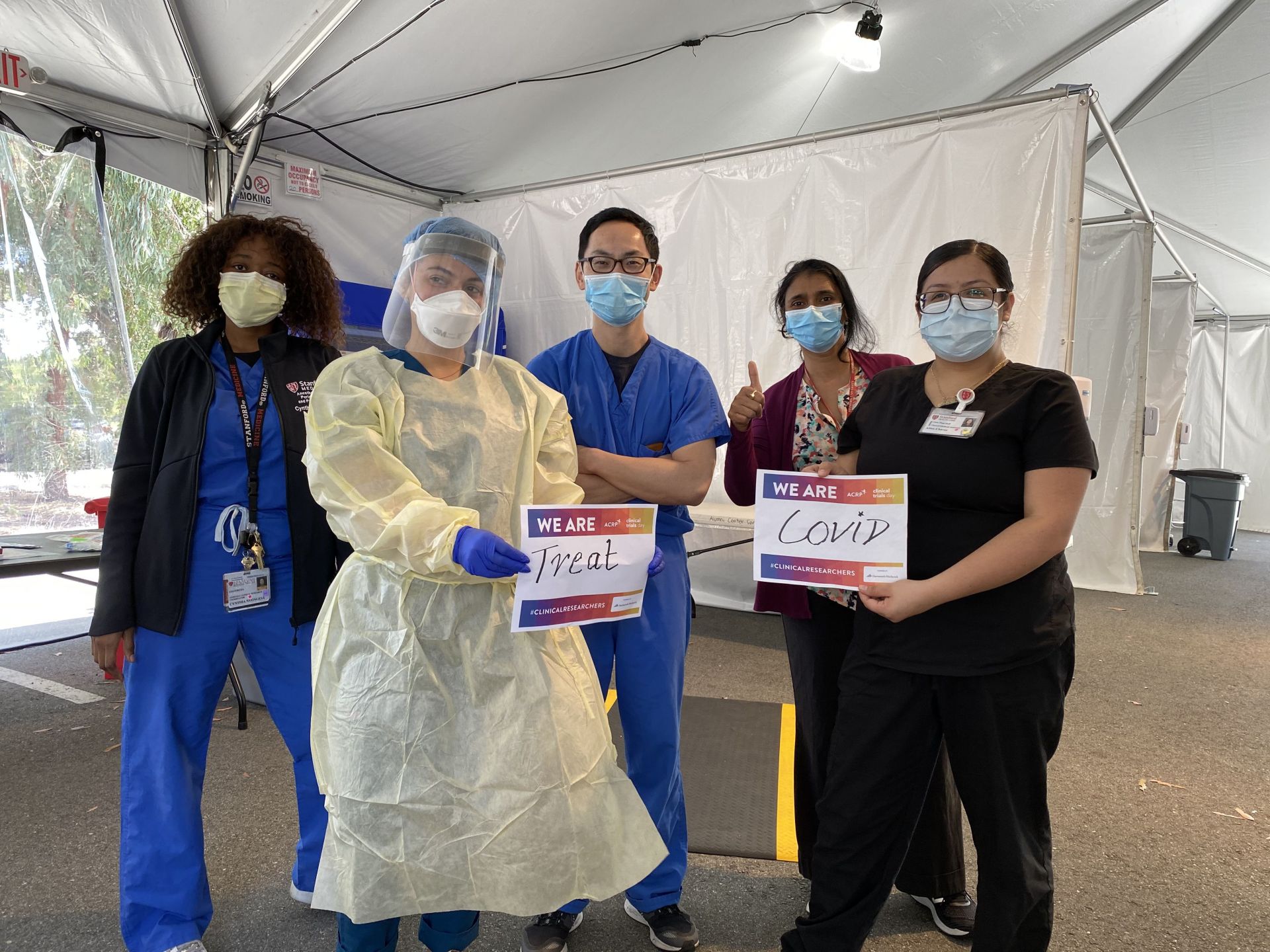
Team Treat COVID staff

Parsonnet agrees. “It could be cold sometimes in the tent, and it could be wet and rainy and windy, but it felt like we had this great team—the subjects and the research staff together working to bring something good out of the pandemic. It was innovative, interesting, and exciting; we were out at the forefront.”

Singh likened it to a start-up—at first, the CEO does everything. In the early days, she would get the drug, draw blood, label tubes for the trial, and even recruit patients. She managed the trials and the project while also managing her other work as division chief and her various other projects, including her lab. And team members often worked seven days a week, including the many staff members from the Stanford Center for Clinical Research Center: clinical research coordinators, nurses, lab staff, phlebotomists, and countless others

Singh had never worked like this before. “I’d never done a clinical trial. I’m a basic science parasitologist, I’m not a virologist. I hadn’t done any of that. So,” she laughs, “it was a little unusual.”

Outdoors in a Pandemic

The team faced numerous challenges. For one thing, the administrative and operational work was very difficult. “We were trying to set up a CTRU that could support multiple faculties’ goals and be operated and deployed with the resources of the CTRU in a fair, democratic manner,” Khosla describes, “while also promoting the best possible science. Trying to deliver on the enormous value of what was being envisioned was my biggest challenge.”

For Jagannathan, “One of the biggest challenges of working in that setting was the unknown, the risk we were putting ourselves and our study staff in and the risks we were putting our families in at home.”

Keeping up morale in the tent with Team Treat COVID

In addition, there were challenges with patients. The patients (120 in total for some early trials) had to visit the tent nine times each during the course of the trials, and they were given the drug on the first visit, so there were concerns that they wouldn’t show up again. But they did, to everyone’s relief—the tent’s trials had a 95% retention rate. Over the last year, the team handled more than 3,000 patient visits in the COVID CTRU.

Yet another issue was the weather. There were brutally hot days in the summer, when it was over 100 degrees in the tent, making things difficult for everyone, particularly staff and doctors in full personal protective equipment. During October, Northern California wildfires made the air quality so bad that the tent had to be shut down. For a period of three weeks, Singh remembers, she was checking the air quality website PurpleAir first thing in the morning, and sometimes patient appointments were canceled or the whole operation was moved indoors to the CROWN clinic.

And then, of course, there was the obvious fear of COVID infection. Patients were anxious, and often very ill, and the staff were scared too. One of the nursing staff later confided in Singh that he was convinced he would get COVID at some point from working in the tent, but he figured he was young and he’d be OK.

But that story had a happy ending: There were zero COVID transmissions in the tent. It was a successful experiment in many ways. “We had the first outpatient clinical trials site in the United States, I believe,” Parsonnet says.

Singh agrees: “We were able to show that we could do really high-quality science at the beginning of a pandemic. I presented the idea and the concept at a national infectious diseases meeting in October 2020, and people were shocked that we had already completed an outpatient clinical trial for COVID-19 and that we had been able to do it so quickly.”

A Team Effort

All the members of the team emphasize that across the board, this was a team effort. The tent hosted anywhere from to four to 10 team members at a time, but there were numbers of people in administration and staff working behind the scenes.

And no one wants to forget the patients’ contributions, either. “I knew that patients were upset and scared, but we would enroll somebody in a trial, and we would see them every other day for a month or nine times in the next three weeks,” Singh says. “You got to know them. And they were nervous. Try to remember back to April and May of 2020. Very few people had COVID; people didn’t really know what to do. And patients were so appreciative that we were there, smiling, that we were happy to see them. And we were grateful that they didn’t cancel their visits, and we were there to take care of them. It reminded me why I went to medical school.”

“People who are involved in clinical trials are

often really motivated by doing good for the world.

These people who join these clinical trials are heroes”

“People who are involved in clinical trials are often really motivated by doing good for the world. These people who join these clinical trials are heroes”

Parsonnet agrees: “People who are involved in clinical trials are often really motivated by doing good for the world. These people who join these clinical trials are heroes. They’re doing something that’s a little risky when they’re not feeling well. And remember, these are randomized trials, so they know there’s a 50% chance they’re getting nothing. And they do it anyway. The altruism of all involved made for a really cohesive, wonderful community between the patients and the staff.”

The People

“To me, it’s all about people,” Singh concludes. “The leadership supported us, the people we included who were doing the work worked hard, and then people were just open-minded and innovative.” And the army of staff members carrying out research duties and trial tasks were, as Singh remembers, “the real backbone of the work in the tent.”

In fact, those staff continue to be crucial. Since the tent’s closure in January 2021, the trials have moved from the tent in the Galvez parking lot to the modulars, where a larger clinical research staff is continuing the crucial COVID treatment trials.

Jagannathan was amazed by “how impressive, collegial, and committed our study staff and volunteer physicians were. We would have long days in the tent and then ask our teams to join study calls multiple times a week, going from 7 p.m. until 10 p.m. or later at night. Everyone would participate to get the study off the ground and make sure that we were conducting the study with integrity.”

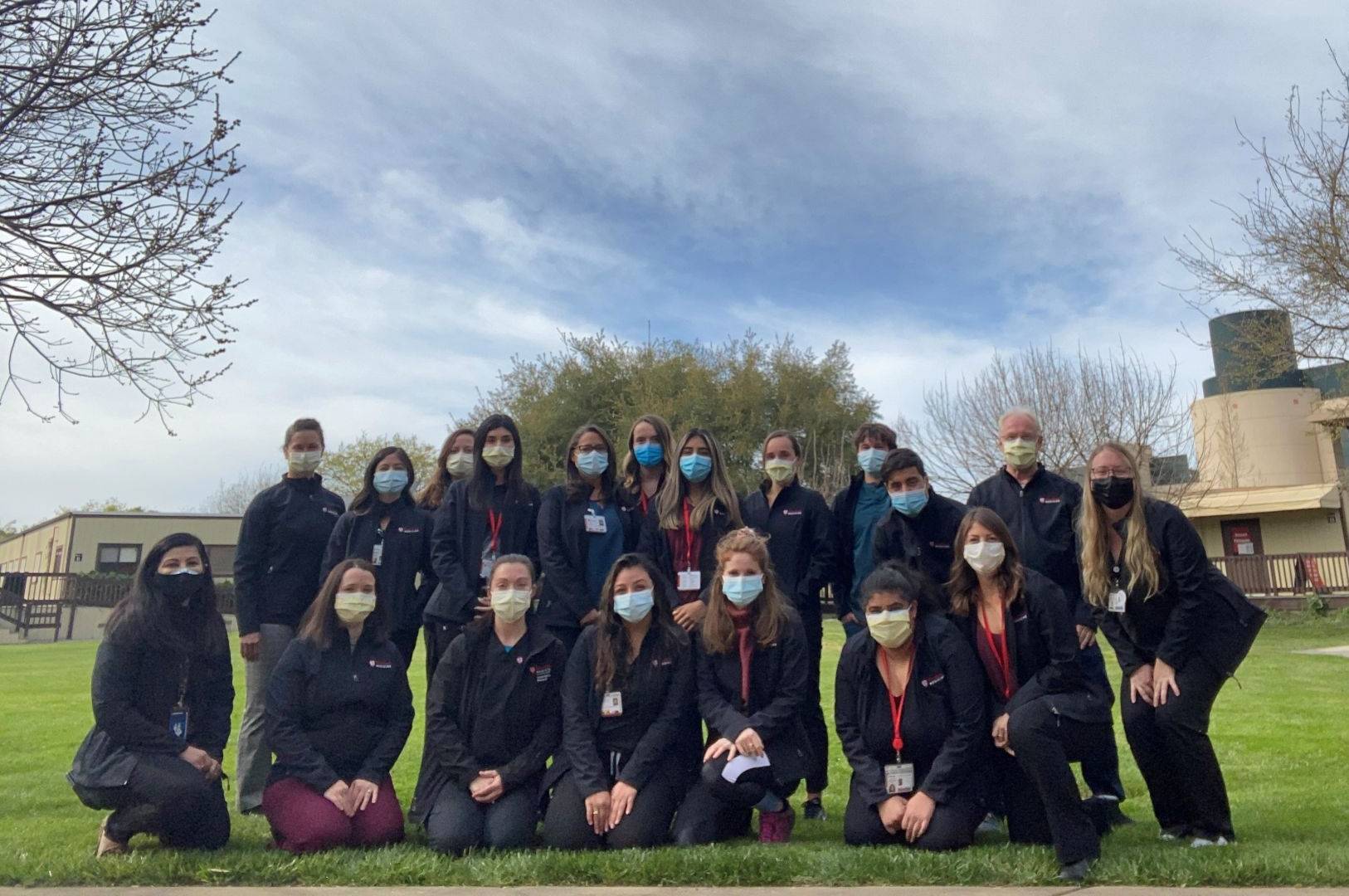
Matching jackets for Team TreatCOVID, Clinical Trials Research Unit

“Everybody understood that this was a moment that was not about ourselves,” Khosla states. “It was essentially a calling. They weren’t doing it to promote their own careers or to feather their own nests. There was a real altruism associated with this whole initiative. I think sometimes you have to be in the depths of a really miserable situation to see people have such noble goals.”

Bonilla was full of praise for each member of the team, calling Singh “the mayor of the village” and citing others’ “warm personalities, great knowledge,” and “incredible support.” “We became a real family,” he adds. “I have never been so happy doing this kind of job.”

“It really was an impressive organizational effort that involved a lot of different people with a variety of talents,” Parsonnet says. She remembers the early days of the tent almost fondly: “It gave us a wonderful feeling of doing something transformative and doing something as a community.”

And Maldonado echoes, “The camaraderie that developed among staff, faculty, and most importantly our participants was surprising and rewarding. We’ve all been in this together!”

If you have any questions about COVID-19 trials at Stanford, please email us at treatcovid@stanford.edu.

Working in the Tent

Jason Andrews, who has worked on many global health initiatives, from a renovated grain shed in Nepal to a renovated truck in Brazil, was a little more familiar with nontraditional medical environments. But, he adds, “it was exciting to find creative ways to extend access to these investigational treatments for COVID to patients who otherwise might not have options.”

He worked regularly in the tent, as well as serving as a co-investigator on several of the studies and principal or co-principal investigator on others, and found the experience invigorating. “There was a real esprit de corps among the CTRU team, particularly in the earliest days,” he remembers. “There was a strong can-do spirit, with all of us finding solutions to overcome obstacles and fulfill our commitment to the patients. It was really fulfilling to be part of a team that was so focused and committed.”

Prasanna Jagannathan also worked regularly in the tent and was familiar with clinical trials (although not in this particular setting.) “As the saying goes,” he says, “in the lambda study, we built the plane (tent) as we flew (occupied) it.” He was part of the early group of staff who worked seven days a week during the tent’s early days, and also served as a co-PI on the first study.

Bonnie Maldonado was no stranger to unique clinical trials, having set them up in small villages in Veracruz and in the highlands of Chiapas, Mexico, among Indigenous Nahuatl and Mayan populations, among many others, but she agrees that there were distinct challenges involved in this work. “Very early on, most of the work was actually being done by our infectious diseases faculty,” Maldonado remembers, “seven days a week, on top of their routine clinical, teaching, and research responsibilities. The biggest challenge so far has been trying to build new programs and clinical trials de novo, from identifying a novel therapeutic to understanding the construction and equipment needed to maintain the COVID CTRU tent and buildings.”

She took her turn as the PI of one of the studies and co-PI of others, working weekly in the tent to enroll and attend patients, and has now moved on to thinking about how to build new strategies for therapeutic studies.

Julie Parsonnet also helped recruit, monitor, and treat patients. She is the PI for the camostat trial and helped design and implement the lambda trials (not to mention her other projects and duties).

Hector Bonilla, who was part of the original team voting for the tent and its location, was invited to be part of the first outpatient trial of lambda. He remembers that the tent “became our second home” and calls the work “the opportunity of a lifetime.” He worked nights (recruiting mainly Spanish speakers for the trial) as well as days (enrolling patients, collecting samples, drawing blood, and answering patient questions, among many other duties). He remembers colleagues doing the same, sharpening their Spanish as the trial went along. “It was a real village,” he concludes, remembering how the work and interactions with colleagues made him “feel proud and respected by each division member.”

Chaitan Khosla, who worked mostly offsite, was “in complete awe of the clinical team in the tent,” he says. “And not just the doctors but also the clinical staff over there—the nurses, the clinical research coordinators, and the other support staff.”

“There is no way we could have done any of this without the staff,” Upi Singh agrees. “They also took a chance early on in the pandemic, trusting that they would be safe. And they very quickly became addicted to the positive impact of the work and the connections with patients.”

COVID-19 Modeling Team at Forefront of Pandemic Projections and Planning

COVID-19 Modeling Team at Forefront of Pandemic Projections and Planning

COVID-19 Modeling Team at Forefront of Pandemic Projections and Planning

Just weeks after the World Health Organization declared the coronavirus a global pandemic in March 2020, a team of Stanford Health Policy faculty and researchers scrambled to launch a modeling framework to investigate the epidemiology of COVID-19 and to evaluate policy responses.

A year later, the Stanford-CIDE Coronavirus Simulation Model (SC-COSMO) remains at the forefront of dozens of projection models in the United States and Mexico, while helping the state of California and its prison system, hospitals, and health care providers plan for and mitigate the impact of the pandemic. As of May 2021, the SC-COSMO team’s work has resulted in a half dozen studies published in medical journals and open data sites.

“The pandemic has continued to evolve, as have the policy questions and available interventions,” says Jeremy Goldhaber-Fiebert, PhD, associate professor of medicine at Stanford Health Policy (SHP). “Basic questions about how quickly the virus would spread in diverse populations were followed by urgent planning for hospital capacity during the surges and then nonpharmaceutical interventions and social distancing questions.”

Jeremy Goldhaber-Fiebert, PhD

Goldhaber-Fiebert is one of the principal investigators of the SC-COSMO project, along with Fernando Alarid-Escudero, assistant professor at the Center for Research and Teaching in Economics in Mexico, and Jason Andrews, MD, associate professor of infectious diseases at Stanford Medicine. Other SHP faculty, among two dozen investigators on the team, are Joshua Salomon, PhD, and David Studdert, LLB, ScD, MPH, both Stanford Health Policy professors of medicine. Studdert is also a professor of law at Stanford Law School.

“We have had to consider the timing and magnitude of subsequent epidemic waves, what fraction of the population may have acquired natural immunity, and what waning immunity might mean. The team has risen to the challenge time after time,” Goldhaber-Fiebert says.

In the summer and fall of 2020, the team focused on school re-openings and how to prevent and control outbreaks in state prisons. Since then, they have been looking at questions regarding vaccination rollout and scale-up, especially in the context of the viral variants that may be threatening yet another surge. Other key analyses have focused on the geographic, socioeconomic, and race and ethnic disparities in COVID-19 risk, access, and outcomes.

“The vaccination rollout effort suggests that prioritizing interventions based on both individual characteristics and geographic concentration of risk might help to achieve better outcomes in terms of reducing illness and mortality overall, and reducing disparities,” says Salomon, a senior fellow at the Freeman Spogli Institute for International Studies who heads up the Stanford Prevention Policy Modeling Lab.

The Prisons and Jails Project

One of the team’s first projects was working with county jails and the California Department of Corrections and Rehabilitation to reduce the spread of COVID-19 among the incarcerated.

“Incarcerated people are a particularly vulnerable group: They reside in close proximity, making it difficult or impossible to employ the same disease control measures that are being used in the general population,” says Goldhaber-Fiebert, who co-leads the prison project with Andrews and Studdert.

Andrews describes the work in jails and some of its important milestones.

“We partnered locally with county jails in San Mateo and Santa Clara and with California’s prison system,” he says, noting that Stanford students Yiran Liu, who is pursuing her PhD in cancer biology, and Chris LeBoa, an undergraduate human biology major, led a study of infection rates and prevention measures in the jails.

Jason Andrews, MD

“Incarcerated individuals are heavily impacted by certain measures being taken to prevent spread,” Andrews says. “For example, many of them have had their court dates delayed, they haven’t been able to see their family members in person, and their classes have been suspended. These measures are all taken to protect health, but their impact on mental health and well-being may be underappreciated.”

Goldhaber-Fiebert says that the work in the jails allowed the team to address COVID-19 challenges on a larger scale, using data on more than 100,000 men and women incarcerated in California state prisons. Two other Stanford students, Tess Ryckman, a PhD candidate in health policy, and Elizabeth Chin, a PhD candidate in bioinformatics, led the work to analyze these data, create high-resolution models of transmission, and simulate the effects of prevention interventions, including vaccination.

Shortly after the prison project was launched, some 44,000 people in U.S. prisons had tested positive for COVID-19, according to the Marshall Project. That figured skyrocketed to 396,265 by May of 2021, with 2,886 deaths.

Through a $1 million gift from the Horowitz Family Foundation, Stanford Medicine established a COVID-19 Emergency Response Fund to support research and prevention strategies to slow and eventually stop the spread of COVID-19 infection in California prisons and jails.

The Golden State

Another major SC-COSMO project is providing the state of California with county-level COVID-19 estimates for such things as infection counts, detected cases, and projections of future needs for hospital beds. SC-COSMO modeling is featured in the California COVID Assessment Tool, or CalCAT, which provides assessments of the short-term forecasts of COVID-19 trends and presents scenarios of the course of the disease across the 58 counties in the Golden State.

Instead of relying on one or two projection models—as some countries and U.S. states did when the pandemic first hit—the CalCAT tool incorporates COVID-19 estimates from a number of respected organizations, including Stanford, UCLA, MIT, Johns Hopkins University, and Imperial College London. The Stanford team provided more than 10 rounds of projections for the state from June through December 2020.

“It’s like using the wisdom of the crowd,” says Goldhaber-Fiebert. “Instead of hanging your hat on one model, you’re looking at a range of predictions to help you plan and forecast—and leveraging the whole community of researchers and analysts who are working on this problem.”

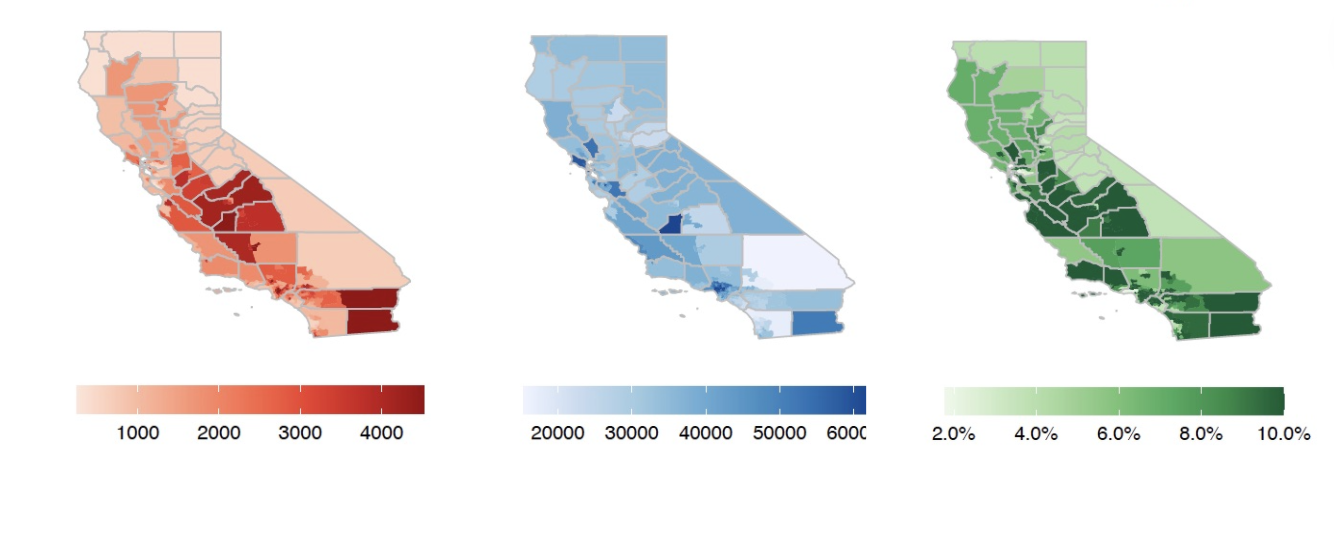
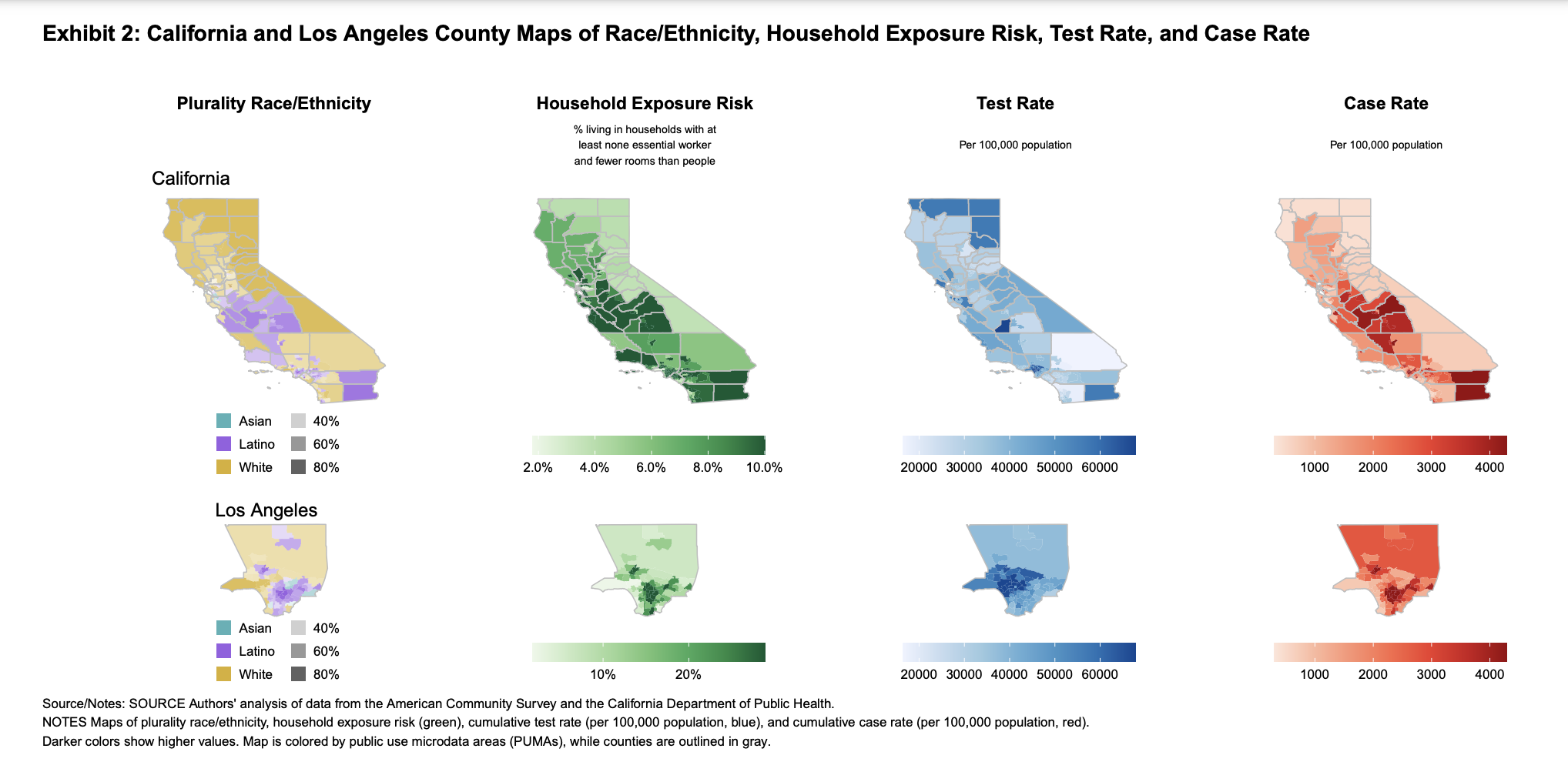
Latino populations throughout California have higher average levels of exposure risk due to occupation and housing characteristics. Areas with high exposure risk tend to have higher case rates but below average testing rates

The team looked at more than 1,900 California county and state-level public health orders related to the virus from January 2020 through February 2021 and made the data publicly available as well as MedRxiv, an open-source medical research website for pre-peer-reviewed studies and public comment. They also developed a data visualization tool that allows users to easily visualize and compare information within and across counties.

“Stanford’s new health order data set helps California officials understand the course of COVID and plan the ongoing response,” says Ryan McCorvie, a statistician working for the California Department of Public Health’s COVID-19 modeling group. “Analysis of the detailed local response in each county can help policy makers across the state judge outcomes effectively.”

Partners in Mexico

The Stanford members of the SC-COSMO team also collaborate with their partners in Mexico, working on strategies to mitigate the pandemic by collecting, synthesizing, and openly sharing the most relevant and useful data, while adapting the SC-COSMO model to the Mexican context.

“Having real-world impact requires conducting high-quality analytic work as well as engagement with policy makers and communicating findings in understandable ways to the media and the public,” says Alarid-Escudero. The team in Mexico has helped inform COVID-19 policy making in several states, including Hidalgo and Aguascalientes, providing analyses of data on cases, hospitalizations, and deaths, as well as projections.

“We are motivated because timely and rigorous

science can be used to protect people’s health

and well-being, especially those who are often

neglected or are at greatest risk”

“We are motivated because timely and rigorous

science can be used to protect people’s health

and well-being, especially those who are often

neglected or are at greatest risk”

“We also communicated our findings from modeling analyses focused on end-of-year holiday social gatherings, distancing, and implications for school reopening for the 20 million people living in the Mexico City Metropolitan area,” Alarid-Escudero says. “Shortly, we will be launching an interactive tool with model projections for all of the states of Mexico.”

Team members who led this work include Andrea Luviano, Valeria Gracia, and Yadira Peralta.

“For the team, this past year’s focus on COVID-19 has been very productive but also extremely intense,” says Goldhaber-Fiebert. “We are motivated because timely and rigorous science can be used to protect people’s health and well-being, especially those who are often neglected or are at greatest risk. While we hope the pandemic will soon recede and with it the pace of COVID-19-specific work, we have developed long-term collaborations, tools, and research programs around infectious disease modeling, health in incarcerated populations, and disparities in health equity that will carry on for years to come.”

Stanford Student Collaborations

——————–

Marissa Reitsma

Anneke Claypool

The SC-COSMO project has allowed Stanford students to use the modeling and data analytic tools to shed light on important questions about the pandemic.

Marissa Reitsma, a PhD candidate in health policy, for example, used five years of the American Community Survey of the Census Bureau to map out areas with a high proportion of people at increased risk of being exposed to COVID-19 due to their occupation and housing characteristics. She and her colleagues published their findings in the Journal of General Internal Medicine. Their study found that communities of color may be most susceptible to low vaccine coverage due to long-standing disparities in health care, mistrust fueled by a history of exploitation in clinical trials, and other structural risk factors.

“This study provides hard numbers to what has been acknowledged in public discourse,” Reitsma says. “We hope our study motivates equity-focused policies like support for safe self-isolation, cash assistance, and paid sick leave for low-income individuals that need to quarantine.”

Reitsma also worked with Anneke Claypool, a PhD candidate in management science and engineering, focusing on the fact that Black and Hispanic populations are being hit harder than most by the pandemic due to a variety of socioeconomic and economic reasons. The two students won an early-career grant from the Stanford Center for Population Health Sciences to analyze multiple streams of data, which they are using to evaluate the effects of different interventions and policies in order to identify the most important drivers of racial disparities. They believe their results will help decision makers prioritize effective interventions. Their work has been focused on approaches to vaccine access and acceptance to improve population health.