It’s Been a Busy Year for Hospital Medicine

It’s Been a Busy Year for Hospital Medicine

Hospitalists are always on the frontlines caring for patients with many types of illnesses. COVID-19 broke the mold, significantly increasing the number of hospitalized patients and thus the work for the hospitalists. But it also created some opportunities they were able to take advantage of.

For one thing, according to clinical professor Neera Ahuja, MD, chief of the hospital medicine division, “hospitalists have become experts in the care of COVID-19 patients. It’s almost protocolized. We have protocols around quarantining, around discharge. We know what meds to start, when to start them, when patients are turning the corner and improving. It’s almost like a checklist. We start with ‘Do they need oxygen? Do they have enough oxygen that they now need steroids? Have we started remdesivir? Do they need IV fluids?’ and so on.

“We have become very comfortable using personal protective equipment when we see any patient in the hospital because we know the risk of COVID-19 is there,” she continues. “We have to wear masks when we see patients, so it’s impossible for them to see our facial expressions. When we’re at the bedside, showing compassion has had to change a bit.”
Tracking the COVID-19 Numbers

Clinical assistant professor of hospital medicine William Collins, MD, carved out a useful data-driven path during spring 2020. As COVID-19 began to grow in numbers, he says, “we were trying to understand all the different ways that we could gather data about our patients and then streamline it. I’ve been working with professor of biomedical informatics Manisha Desai, PhD, and Yingjie Weng, MHS,and the Quantitative Sciences Unit to regularly update how many patients we’ve seen, their demographics, length of stay, and if they are having to come back into the hospital soon after discharge.”

They have also focused on preventing additional illness and addressing long-term follow-up. Collins details those efforts: “We have also looked at how we should use anticoagulation to prevent thrombotic events in COVID-19 patients, who appear to be at higher risk for deep vein thromboses and pulmonary emboli. I was part of a national, NIH-sponsored clinical trial looking at what’s the best strategy for preventing clots in COVID-19 patients. We’re also looking at longer-term symptoms in COVID-19 patients, which seems to be a big area in the coming year. As we move past the pandemic stage, there are going to be a lot of people who are profoundly affected by COVID-19. There’s a big push to understand how to best serve those patients.”

Introducing Point-of-Care Ultrasound for COVID-19 Patients

Creative initiatives sometimes follow emergencies. One that Ahuja is particularly proud of is using bedside ultrasound for COVID-19 patients, following a national trial led by clinical assistant professor of hospital medicine Andre Kumar, MD, MEd.

Ahuja explains that “patients with COVID-19 would have to get X-rays and CT scans, especially when our numbers were very high and we weren’t sure what was happening. Kumar hypothesized that it would be easier to bring a portable ultrasound to the bedside and diagnose COVID-19 pneumonia that way. Sure enough, ultrasound has shown specific findings in the lungs in patients with COVID-19. Through March 2021, Kumar was finalizing his findings and working on the publication. There were some limitations: You have to have someone trained in ultrasound do the procedure and be exposed to COVID-19 patients. But it saved patients from radiation and could be done more conveniently than bringing a COVID-19 patient down to radiology.”

COVID Surge Team Staffing

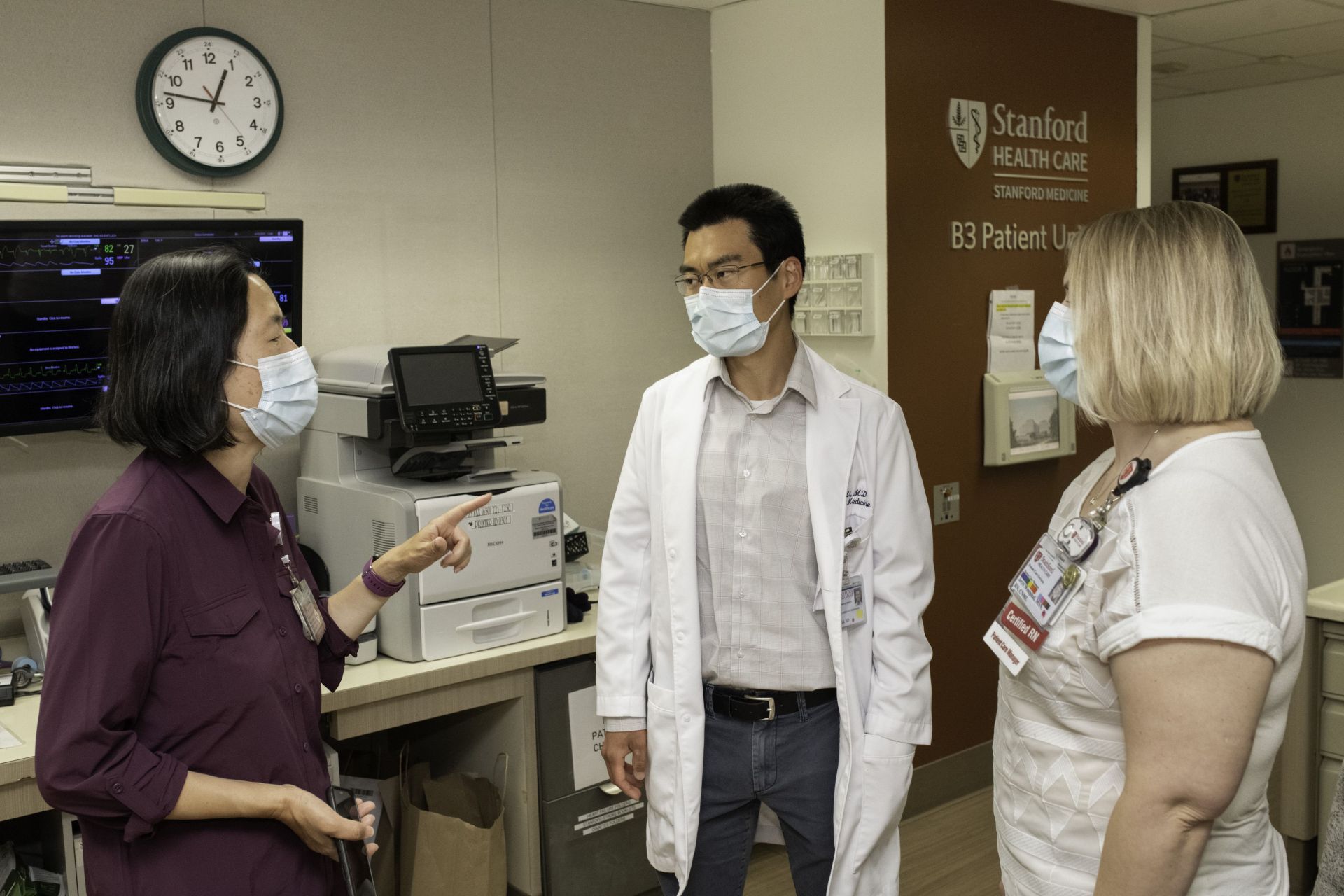
Even before the first cases arrived in the U.S., clinical associate professor Jeffrey Chi, MD, started thinking about how to manage the division’s personnel needs during a surge. “We were hearing stories of hospitals abroad being overwhelmed,” he said. “We thought about how to anticipate what patient volumes would be like and if we would have the staffing we need. The hospital service was already quite busy pre-COVID-19. When the pandemic arrived, our faculty stepped up and everyone sacrificed, adding many additional weeks of service on top of their existing schedules.”

“When the pandemic arrived, our faculty stepped up and everyone

 sacrificed, adding many additional weeks of service on top of their

existing schedules”
“When the pandemic arrived, our faculty stepped up and everyone

 sacrificed, adding many additional weeks of service on top of their

existing schedules”
Sacrifice came with the unusual territory, Chi explains. “We are a young division. Many of us have children under the age of 6. In fact, four or five more were born during COVID-19. Faculty were self-isolating from families at home. Everyone was completely overwhelmed but recognized that these were unique circumstances and part of the job to help our community. Staffing needs could change with little notice and at times we were operating at 120% of our normal capacity. Without extra available faculty, the existing staff were asked to work more, sometimes as much as three weeks without a day off. Thankfully, other divisions and departments like gastroenterology, oncology, and neurology were able to help out by taking additional patients to offload our service to allow more capacity for the COVID-19 patients.”

The surge team finally shut down in late February 2021.

Keeping the Train Running

Chi pointed to the contribution that the medical residents have made during the pandemic. Associate residency program director and clinical associate professor Poonam Hosamani, MD, as Chi says, “was instrumental in getting buy-in from the residents to mobilize when they were needed.”

Hosamani talks about what the residents did: “I cannot highlight enough all of the amazing work that residents did caring for COVID-19 patients; they kept the train running. After we created the COVID-19 surge team for the internal medicine wards in December 2020, the residents did an amazing job creating workflows for that team. They created tons of materials about how to care for COVID-19 patients for those rotating through, then others added to those materials as they had a rotation with COVID-19 patients.”

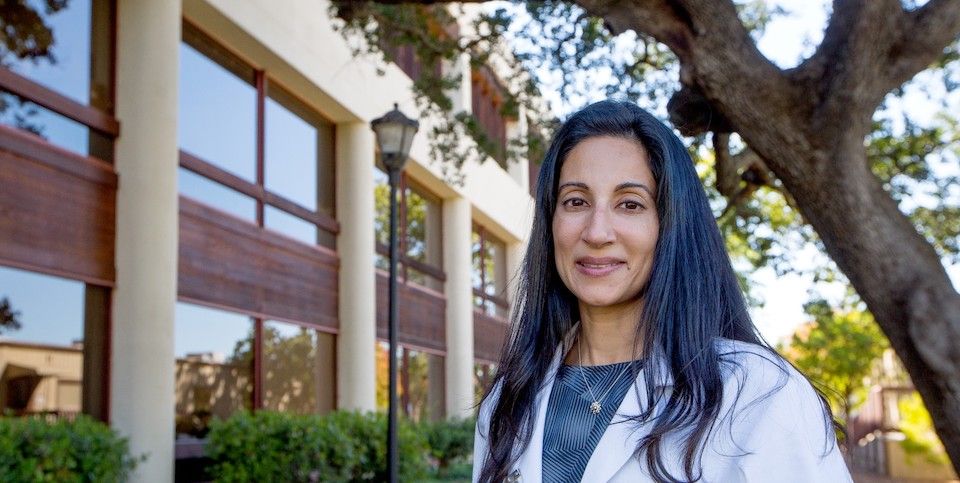
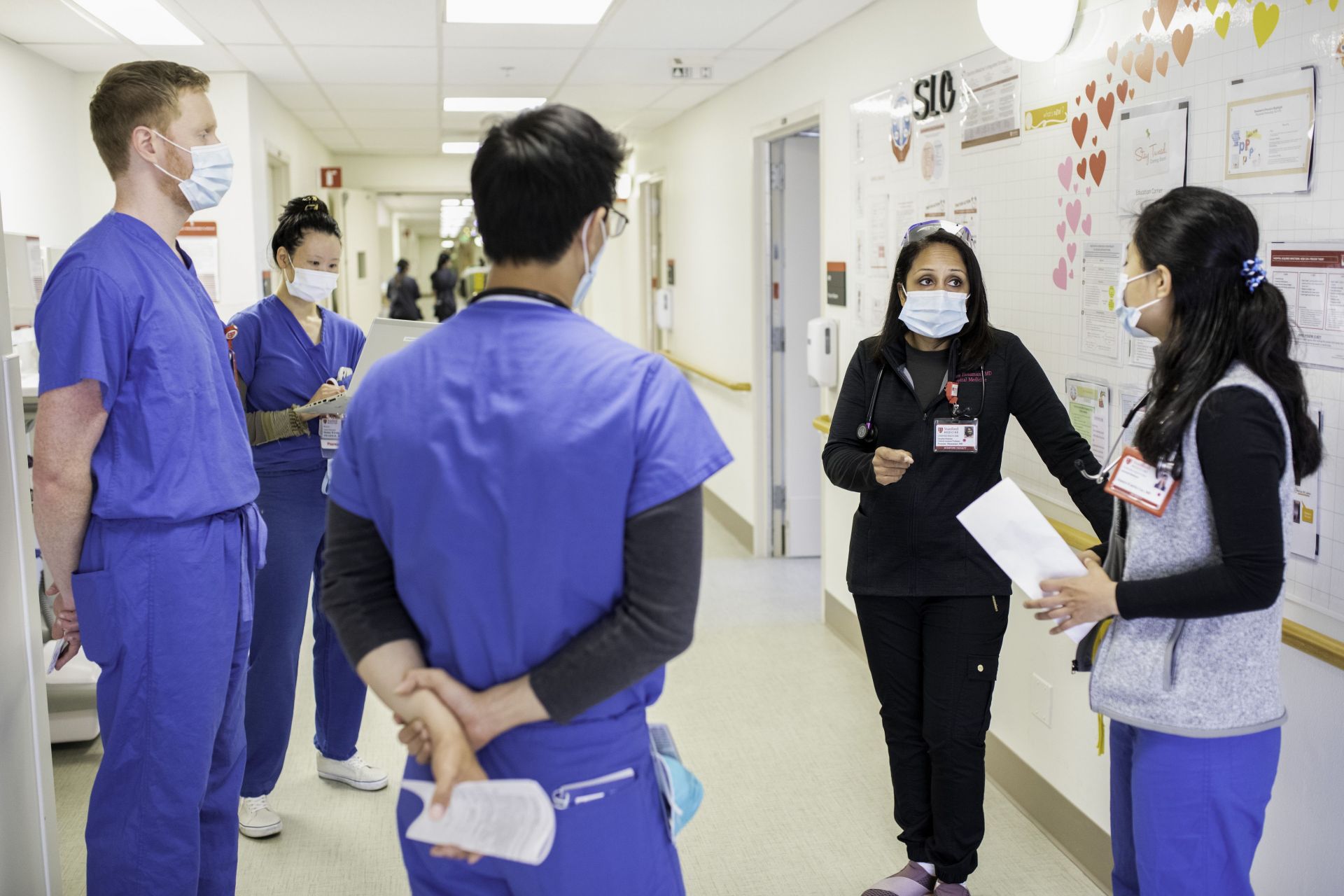
Poonam Hosamani, MD (second from right)

It was important for medical students, with whom hospital medicine has a very strong presence in the preclinical years, to be able to continue their education despite COVID-19. Hosamani says that “the curriculum was quickly revised to teach communication skills to early students remotely through a telemedicine lens because they couldn’t have the usual encounters with standardized patients.

Students were able to apply these skills to clinical encounters in our free clinics that they staff, as well as in shadowing encounters with providers in the community.”

Students were eventually able to have bedside time with patients during COVID-19. Hosamani credits Chi and clinical associate professor Jason Hom, MD, with “spearheading retaining that critical part of our curriculum. It was a heroic effort and took a lot of hard work to get students to be able to see patients in person,” she says.

Keeping Staff Members Involved Remotely

As is the case for all divisions, hospital medicine staff have been working remotely. Division chief Ahuja recognizes the drawbacks of this situation, in large part because, she says, “they don’t see their faculty physicians anymore. My division manager, Elsie Wang, has really been creative in terms of keeping them engaged.”

Wang points out that staff had previously become familiar with using collaboration platforms like Slack, Jabber, and Zoom. “I used our daily Zoom team huddles to share any updates I had learned in the course of the previous day. One thing that I tried to do for the staff beyond being transparent and sharing information was trying to engage them in different ways. I tried to encourage creativity with a little bit of a surprise each morning: During our huddles we would do scavenger hunts, acrostic poems about COVID-19, and drew inspiration from the Stanford Medicine shield to create our own to share. We basically tried to flex a different muscle.” Staff also helped faculty transition to the online environment and put some thought into transitioning orientations online. “It was a complete team effort,” Wang says. “A stretch project.”

Jumping Into Clinical Trials

To Ahuja, initiating clinical trial work seemed like the right thing to do despite being in the middle of COVID-19. She explains, “We thought: Let’s study what we do and do what we study. Professor of pediatrics Kari Nadeau, MD, PhD, was a brilliant part of our decision to get involved in clinical research. She is hospital medicine’s senior director of clinical research.”

They started out with a series of trials aimed at COVID-19. Ahuja describes their early trials: “We started in March 2020 with the National Institute of Allergy and Infectious Diseases–funded Adapted COVID-19 Treatment Trial (ACTT). ACCT-1 got remdesivir approved by the FDA. It was a real privilege to study that drug. I was the Stanford site’s principal investigator. ACTT-2 brought us baricitinib, a drug that was used in rheumatoid arthritis that showed promise in COVID-19, and we’re doing deeper studies of it in ACTT-4. ACTT-3 brought us interferon beta, and we’re not sure that is going to be efficacious after all. There are several other studies that our division has done and is doing for hospitalized COVID-19 patients.”

Clinical associate professor Nidhi Rohatgi, MD, MS, takes up the story of hospital medicine’s clinical trials at Stanford Hospital: “We had strong support from multidepartmental collaborators across Stanford Medicine. Professor of cardiovascular medicine Ken Mahaffey, MD, and the Stanford Center for Clinical Research (SCCR) were instrumental in helping us with our clinical trials. I enrolled the first patient for ACTT-1 in March 2020 when we were just learning about COVID-19.” She is site principal investigator for an ongoing trial “finding more therapeutic options for COVID-19, especially as new strains of the virus are appearing. We hope to reach a point where we have enough therapeutics that will lower the mortality rate.”

ValleyCare Gets Involved in Clinical Trials

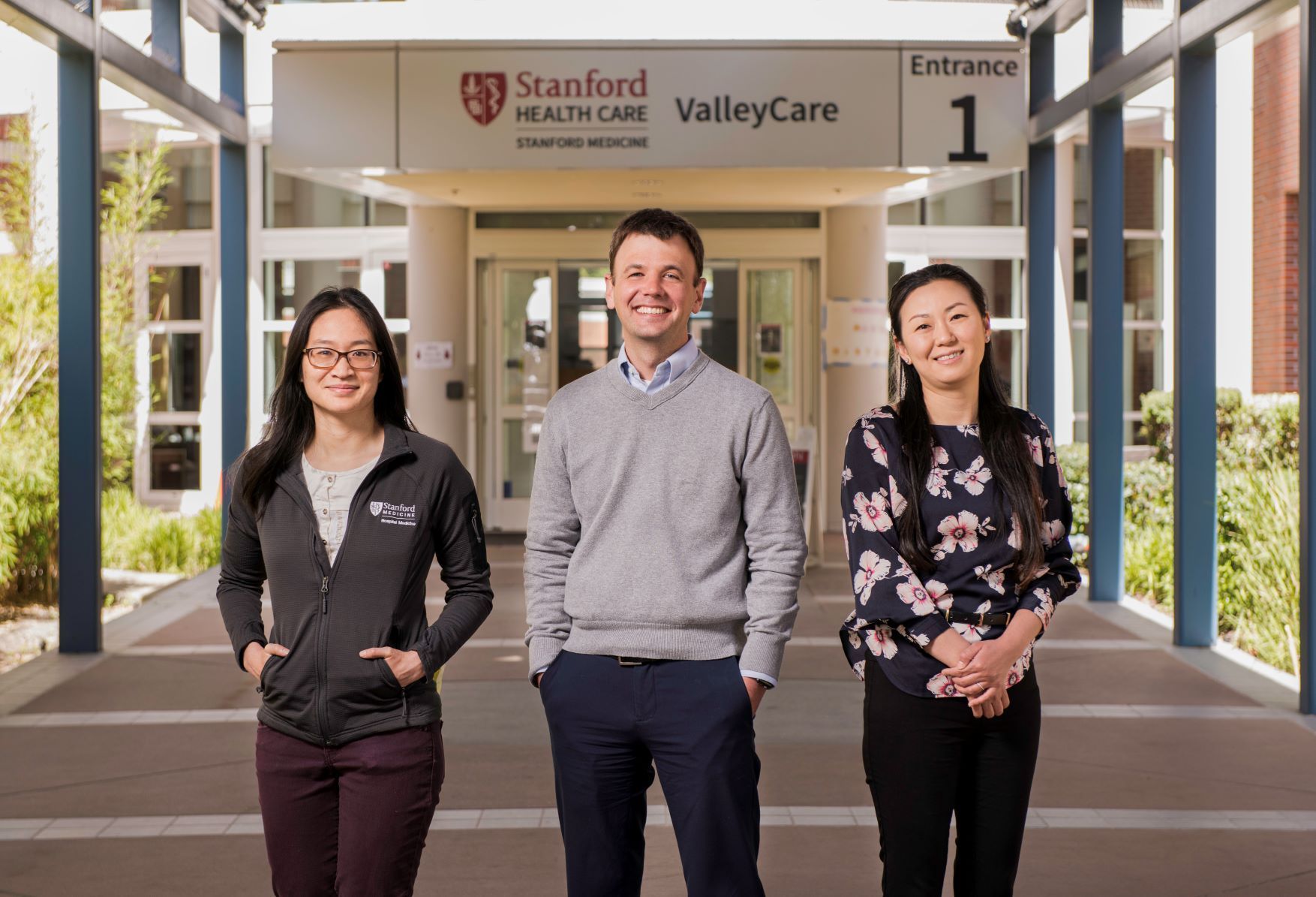
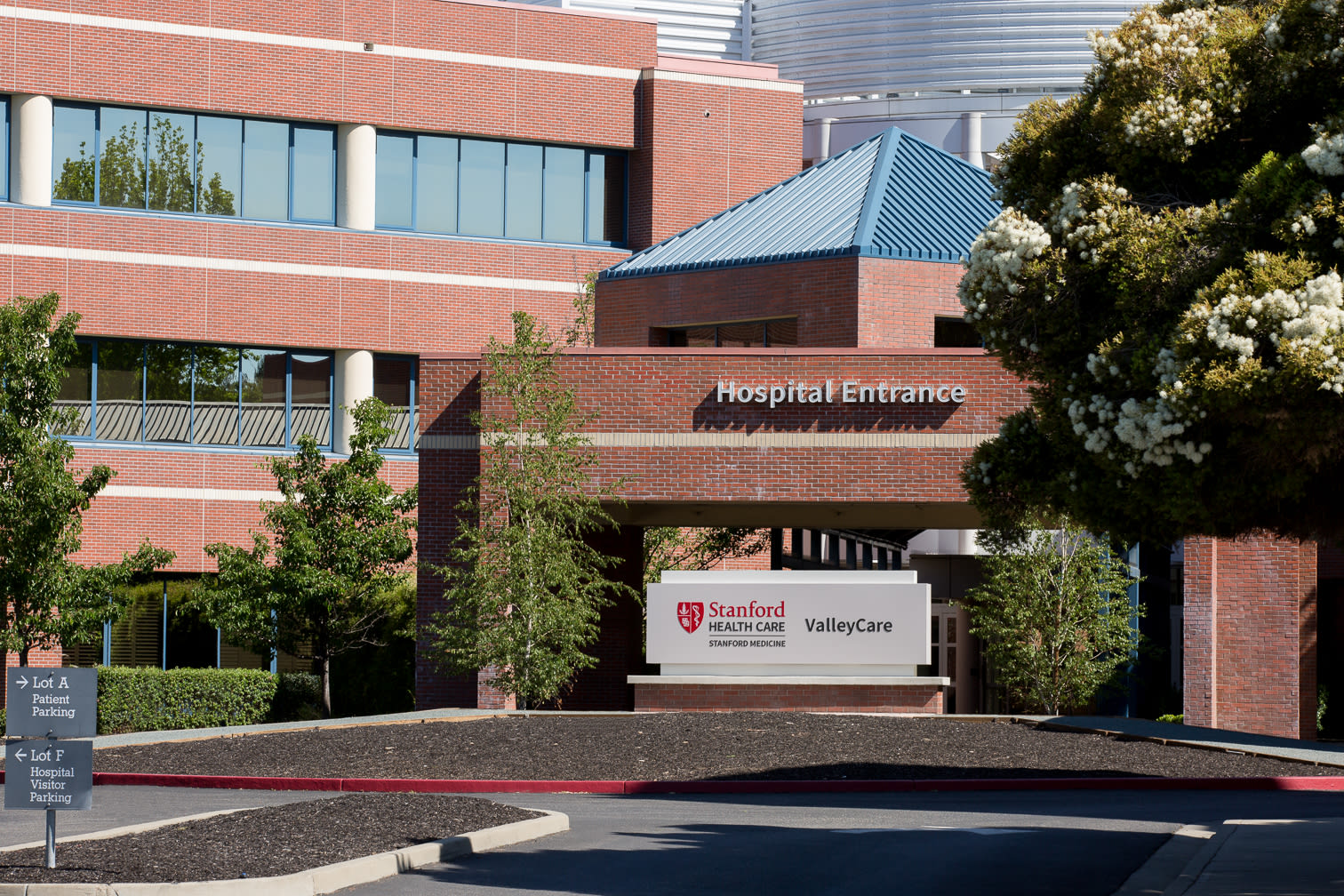
When hospital medicine first launched their clinical trial efforts,they realized that one-third of their division was at Stanford Health Care – ValleyCare, and they decided to see if they could launch their trials there as well.

Clinical assistant professor of hospital medicine Evelyn Ling, MD, MS, led the ValleyCare launch. “We had no experience with clinical trials. It was a collaborative effort with Kari Nadeau and SCCR. Everyone—pharmacy, labs, nursing—was so eager to work with us. It was awesome to be a part of the remdesivir trial, now standard of care for COVID-19 patients.”

Ling foresees bringing non-COVID-19 trials to ValleyCare soon, as well as observational studies and chart reviews.
Introducing AI to Enhance Important Patient Care Planning

According to Ahuja, several members of her division have been working on various modalities of clinical medicine with AI (artificial intelligence). “One question we addressed is whether we can predict early on which patients are going to die within six months in order to introduce the idea of palliative care or hospice to them sooner, with the goal of optimizing their quality of life near the end of life. We’re looking at predictive features in the electronic medical record such as age, associated comorbidities, the number of visits to the ER or admissions to the hospital, and how severe the progression of their disease has been.”

Clinical assistant professor Ron Li, MD, is leading the AI projects along with clinical assistant professor Samantha Wang, MD; assistant professor Jonathan Chen, MD, PhD; and clinical professor Lisa Shieh, MD, PhD. Professor of biomedical informatics Nigam Shah, MBBS, PhD, and clinical associate professor of primary care and population health Winnie Teuteberg, MD, collaborated on the advance care planning project. A second AI project, as described by Li, “tries to identify patients at risk of having to go to the ICU or having an acute event in the next six to 18 hours. The goal is to decrease the rate of unexpected mortality in the hospital.”

Both of these AI projects are resulting in basic redesigns of workflows and clinical teams, making teams less hierarchical, more collaborative, and more democratized. Li says that they “are showing that we can creatively use a machine learning model to make a prediction and redesign a workflow and a team that solves a pretty important problem.”

Lisa Shieh, MD, PhD, and colleagues

A Few Notable Contributors to the Greater Good

Ahuja recognizes the important contributions of three additional members of the division of hospital medicine that go beyond the division’s clinical and research efforts. She says this about them: “Clinical associate professor Errol Ozdalga, MD, has led Medicine Grand Rounds via Zoom every week during COVID-19 and in the process has increased attendance to record levels. Two of our faculty have significant new roles with Stanford Hospital and Stanford ValleyCare: Niraj Seghal, MD, is new to our division, a clinical professor, senior associate dean, and Stanford Hospital’s chief medical officer; clinical associate professor David Svec, MD, MBA, is ValleyCare’s recently appointed chief medical officer.”

Clearly it’s been a busy and rewarding year in hospital medicine.

Infectious Diseases and Hospital Medicine Act Swiftly to Launch Clinical Trials for Remdesivir

Infectious Diseases and Hospital Medicine Act Swiftly to Launch Clinical Trials for Remdesivir

Less than two months after the World Health Organization characterized COVID-19 as a pandemic, the U.S. Food and Drug Administration (FDA) approved emergency use of remdesivir for the treatment of the virulent disease. Later, the FDA gave full approval to remdesivir, which remains the standard of care for hospitalized patients with COVID-19.

Clinical trials, which took place at Stanford and dozens of other sites, yielded convincing data that led to the FDA’s emergency use authorization.

Department of Medicine researchers began recruiting participants for the trials in early March 2020. One pair of trials was sponsored by Gilead Sciences, a company based in Foster City, California, that makes the drug. The other was by the National Institutes of Health (NIH) and one of its institutes, the National Institute of Allergy and Infectious Diseases (NIAID).

The Gilead Trials

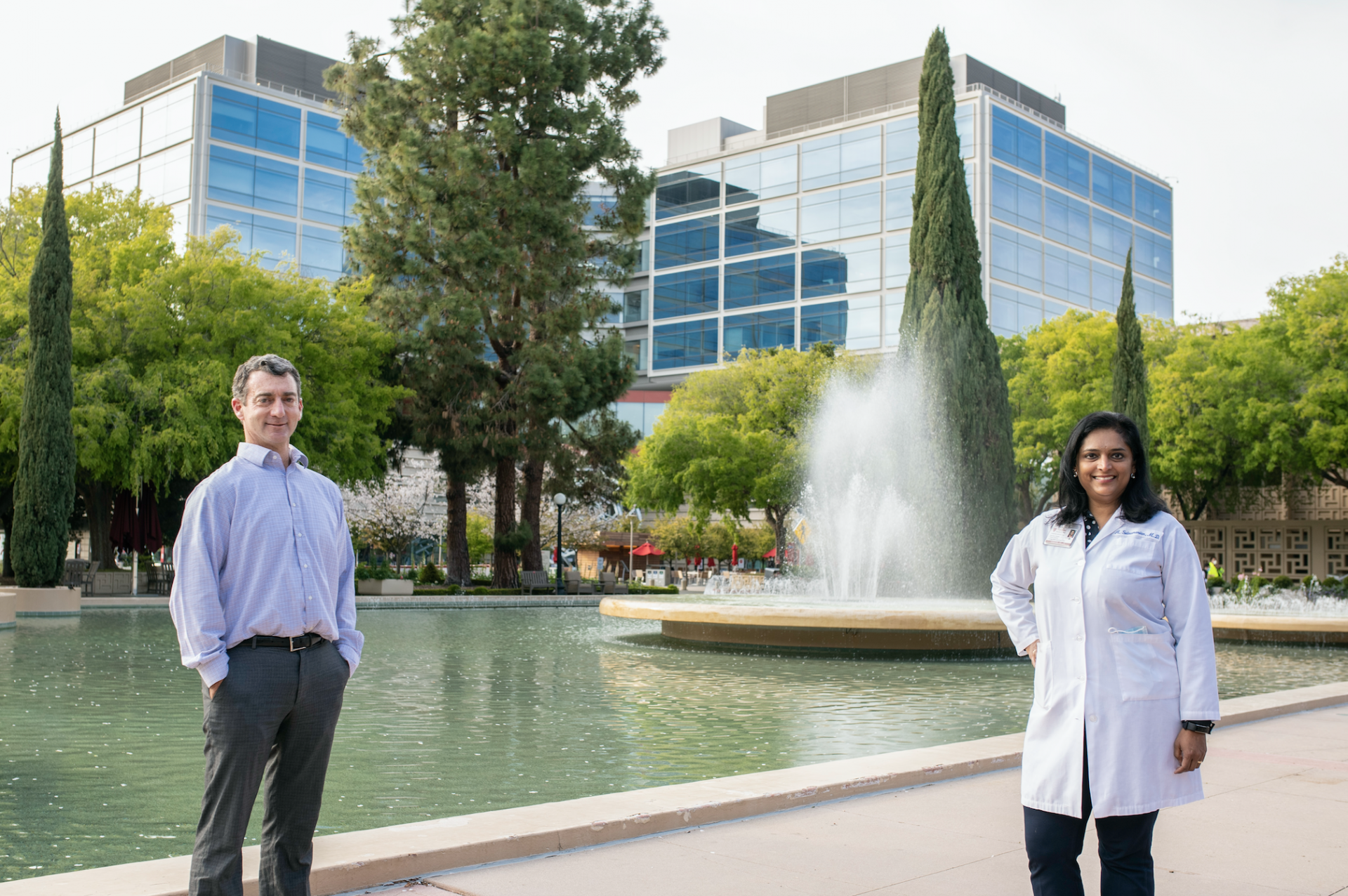
Aruna Subramanian, MD, clinical professor of infectious diseases, was the principal investigator of the Gilead trials at Stanford. Subramanian was joined by co-principal investigator Philip Grant, MD, assistant professor of infectious diseases, who helped enroll 46 participants at Stanford and execute these studies. Results were published in the New England Journal of Medicine and the Journal of the American Medical Association.

In results reported April 29, Gilead announced that a five-day treatment course with remdesivir was potentially as effective as 10 days of treatment in its trial of severely ill patients. Later that same day, the NIH reported that early data from its remdesivir trial indicated that the drug helps to accelerate the time to recovery in severely ill patients.

On June 1, results from the remdesivir trial for people with moderate disease stated that a five-day treatment course of remdesivir resulted in a significant clinical improvement over standard of care.

Subramanian says the results from both trials were reassuring to her, both as a scientist and as a doctor who treats patients in the hospital with COVID-19.

“To at least have something that we can potentially use as a treatment for this virus was very assuring,” she says. “In the early course of the pandemic, we were all so scared and disheartened by patients going downhill and needing to be on a ventilator for so long. To see that even those people could potentially be turned around was very encouraging.”

“To at least have something that we can potentially use as a treatment for this virus was very assuring”

Philip Grant, MD (left) and Aruna Subramanian, MD (right)

“To at least have something that we can potentially use as a treatment for this virus was very assuring”

Philip Grant, MD (left) and Aruna Subramanian, MD (right)

The NIH Trial

The process of setting up an infrastructure for clinical trials, slow-moving and deeply complicated under normal circumstances, was accelerated with the outbreak of COVID-19. A team of researchers needs to be assembled, patients need to be recruited, and sites need to be established.

But in a matter of weeks, the division of hospital medicine organized an infrastructure at both Stanford Hospital and Stanford Health Care – ValleyCare and implemented Phase 1 of their first trial—to explore the effectiveness of remdesivir—with impressive results.

Neera Ahuja, MD, chief of the division of hospital medicine, was the principal investigator for the global NIH/NIAID Adaptive COVID-19 Treatment Trial (ACTT) at Stanford. The work was greatly facilitated by Kari Nadeau, MD, PhD, the Naddisy Foundation Endowed Professor of Medicine and Pediatrics and hospital medicine’s senior director of clinical research.

Stanford Hospital and SHC – ValleyCare were among the more than 65 sites around the world hosting the ACTT, a randomized, double-blind, placebo-controlled study that included 1,063 patients for its first phase.

Ahuja and Nadeau worked with clinical associate professor Nidhi Rohatgi, MD, MS; associate professor Sharon Chinthrajah, MD; and clinical assistant professor Rita Pandya, MD, to enroll patients quickly at the Stanford Hospital location. At the other location, David Svec, MD, MBA, clinical associate professor of medicine and chief medical officer at SHC – ValleyCare, was instrumental to the process, along with Minjoung Go, MD, clinical assistant professor of medicine, and Evelyn Ling, MD, MS, clinical assistant professor of medicine and SHC – ValleyCare physician research co-champion.

From left: Evelyn Ling, MD, MS; David Svec, MD, MBA; Minjoung Go, MD

The intense time frame put a great deal of pressure on everyone at Stanford Hospital and SHC – ValleyCare, from the physicians to the staff to the lab workers. When the first trial began, there was no real infrastructure for clinical trials.

As physician research champions, both Go and Ling were leaders on the ground at SHC – ValleyCare, although this was the first clinical trial that either of them had taken such a large part in.

“I was on the night shift, so trying to attend all the daily meetings was a little bit challenging,” Go admits. “It felt a little like trying to fly a plane while you’re building it. But it was a really, really rewarding experience. I got to learn a lot of the process of clinical trials and how to operationalize them.”

Results

That study’s trials showed that recovery time for patients infected with COVID-19 was reduced from 15 days to 11 days with the use of intravenous (IV) remdesivir.

“Data shows remdesivir has a clear-cut positive effect in diminishing the time to recovery,” said Anthony Fauci, MD, director of the NIAID, in a televised meeting at the White House on April 29, the day the results were announced. “What this has proven is that a drug can block this virus,” he said.

“This trial represents the fusion of the Stanford mission, bringing

the kind of research that’s typically only at academic centers to a

community center, but still being able to use our local nurses,

pharmacists, and lab”

“This trial represents the fusion of the Stanford mission, bringing

the kind of research that’s typically only at academic centers to a

community center, but still being able to use our local nurses,

pharmacists, and lab”

“I was very excited by the trial results,” says Ahuja. “Still, this is not a panacea. We don’t know if this is the best treatment. We still need to look for the most effective drug. Here we are in May 2021, a year later. We have the benefit of vaccines, but we still do not have the ideal combination of treatments to rapidly abate the virus.”

Ling says that “this trial represents the fusion of the Stanford mission, bringing the kind of research that’s typically only at academic centers to a community center, but still being able to use our local nurses, pharmacists, and lab. It was a really meaningful first trial. ”

Team Science Initiatives Aim to Investigate ‘Long-Haul COVID’

Team Science Initiatives Aim to Investigate ‘Long-Haul COVID’

Two multidisciplinary teams led by Department of Medicine faculty have applied for support to investigate why some people fully recover from COVID-19 while others have long-term effects months later, a condition commonly known as “long-haul COVID.” The groups are taking a team science approach—collaborating across different fields—to understand COVID-19’s myriad effects on the body.

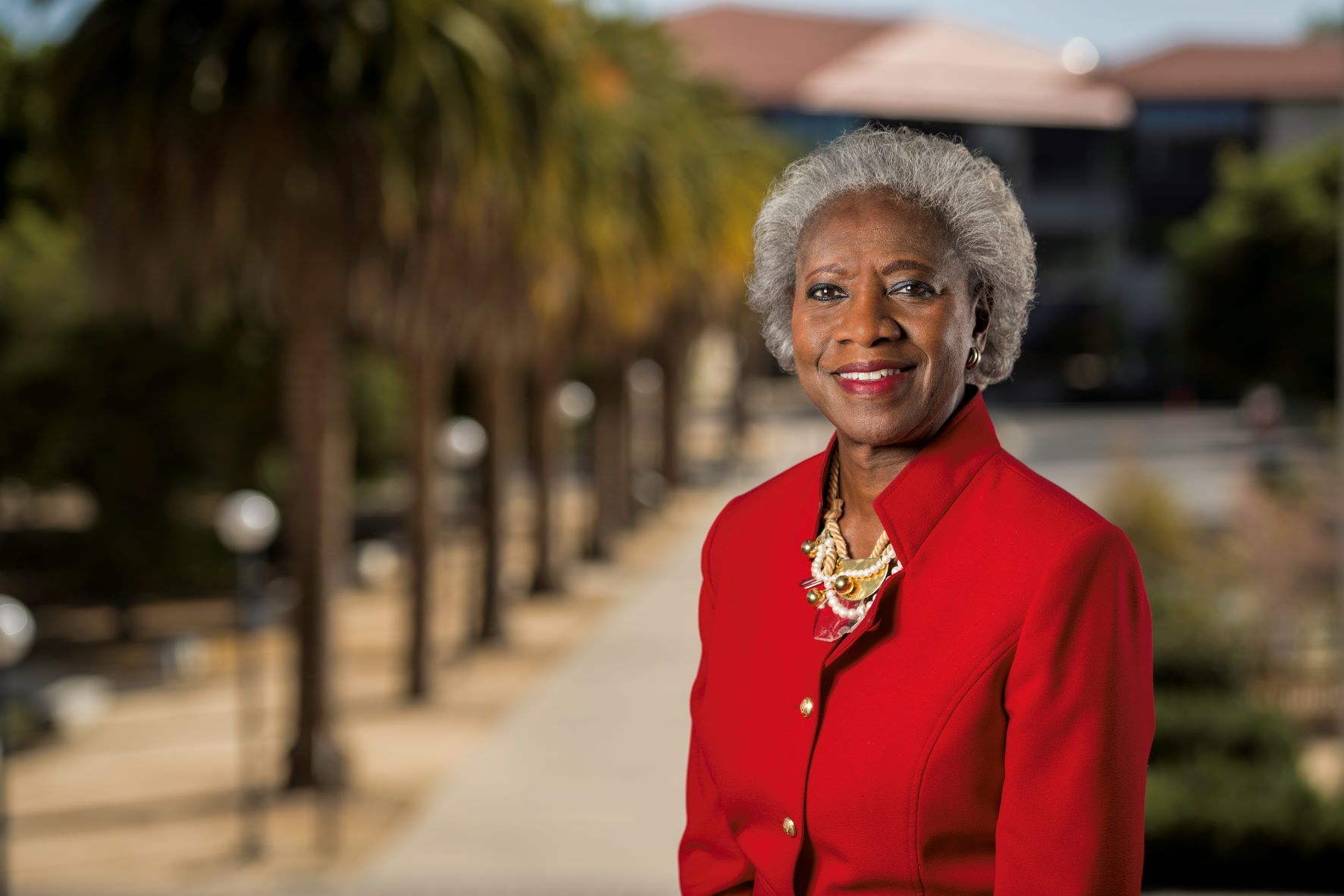
“To solve complex problems, we need teams that bring different expertise to the table,” says Hannah Valantine, MD, professor of cardiovascular medicine and a member of one of the teams who has worked to encourage more team science initatives in the Department of Medicine. “To rapidly translate discoveries that impact the health of patients—that’s when we need the team science approach.”

Large, collaborative clinical research projects are a powerful way to build on the infrastructure established in the last year for COVID-19 clinical trials at Stanford. These include smaller independent trials and collaborations with pharmaceutical companies and the National Institutes of Health (NIH) Accelerating COVID-19 Therapeutic Interventions and Vaccines (ACTIV) program.

Demystifying Long-Haul COVID

At the new frontier of COVID-19 research is the question of why so many coronavirus patients suffer from a diverse collection of long-term symptoms, called post-acute sequelae of COVID-19 (PASC). Patients with PASC report shortness of breath and levels of fatigue that mirror chronic fatigue syndrome. Some experience a neurological symptom called “brain fog” and metabolic changes, including new-onset diabetes. Myocarditis is another frequent consequence of COVID-19, which can lead to arrhythmia or even sudden death. Some researchers suspect that a patient’s immune response may be to blame for the varied symptoms.

Upinder Singh, MD, professor and division chief of infectious diseases, is the lead for one team that applied for NIH funding to understand this complex condition. She has been involved with several multicenter COVID-19 clinical trials. Her co-investigators include PJ Utz, MD, professor of immunology and rheumatology; Catherine Blish, MD, PhD, professor of infectious diseases; and Yvonne Maldonado, MD, professor of pediatrics (infectious diseases) and of epidemiology and population health. Additionally, a steering committee composed of leaders from across the Department of Medicine and the Department of Epidemiology and Population Health will advise the project.

“This is a project that requires a team science effort, not only because you need large cohorts, but because the virus results in many different syndromes, and that expertise lies in various domains”

Hannah Valantine, MD

“This is a project that requires a team science effort, not only because you need large cohorts, but because the virus results in many different syndromes, and that expertise lies in various domains”

Hannah Valantine, MD

The team has already identified more than 2,500 patients who received care at Stanford to be included in study cohorts. Pregnant women and children will be included, as well as patients from Stanford’s transplant program. Since transplant patients receive immune-suppressing drugs, results from this cohort may offer insights into whether these drugs prevent or worsen the chances of a patient developing PASC, and if they interfere with a patient’s response to the vaccine. Researchers will also make use of the biorepository of COVID-19-related specimens, overseen by Blish.

Ultimately, the group hopes to answer basic questions about PASC, such as its incidence, its prevalence, and the full spectrum of symptoms. Moreover, by understanding the immune response, genetics, and life history of patients with PASC, they aim to tease out which factors cause one person to recover completely while another develops chronic effects.

“This is a project that requires a team science effort, not only because you need large cohorts, but because the virus results in many different syndromes, and that expertise lies in various domains,” says Valantine.

Transforming Clinical Research Through Team Science

Historically at Stanford, this type of large, multidisciplinary project has been rare. “There has been incredible clinical research over the decades here, but it has largely been done by relatively small groups or individual faculty members,” says Kenneth Mahaffey, MD, professor of cardiovascular medicine and director of the Stanford Center for Clinical Research (SCCR). Increasingly, however, the culture is shifting to recognize the value of collaborating with researchers across divisions and departments. These collaborations yield innovative, interdisciplinary discoveries that advance medicine and improve outcomes for patients, says Mahaffey. “Transformative clinical research that is going to alter how we deliver care and improve patient outcomes needs large, impactful science, and that requires large teams and large projects.”

To support faculty in performing large multicenter clinical trials, the Department of Medicine, through the efforts of Nancy Lonhart, associate director of finance and administration, has invested in a number of resources to help realize these projects.

Under the directorship of Mahaffey, SCCR has grown to almost 100 people dedicated to designing and running multicenter research programs. They can enroll Stanford patients in clinical trials, create opportunities for educational events, and assemble teams of faculty, project managers, and – through partnership with the Quantitative Sciences Unit (QSU) – data scientists, biostatisticians, and bioinformaticians for team science research.

The QSU includes practicing data scientists at the faculty, PhD, and master’s levels who can become fully integrated into a collaborating faculty member’s team to leverage all perspectives for effective study design and analysis. Through partnerships with other clinical departments within the Stanford University School of Medicine, the QSU is able to create teams that bridge multiple disciplines to solve particularly complex biomedical problems.

For researchers interested in the interface between health care and digital technologies, the Stanford Center for Digital Health, run by executive director Mintu Turakhia, MD, associate professor of cardiovascular medicine, can foster industry collaboration and help researchers develop innovative mobile and digital health projects.

While individual science will always be necessary for discovery, says Valantine, team science approaches can transform those discoveries into solutions that improve the health and well-being of patients. She credits Bob Harrington, MD, chair of the Department of Medicine, for creating the infrastructure necessary for faculty to participate seamlessly in this type of large, collaborative project. “This is his vision, to have team science as a core element of the research agenda for the Department of Medicine.”

Finding Answers From Data ‘in the Wild’

Another team, led by Melissa Bondy, PhD, professor of epidemiology and population health, and Manisha Desai, PhD, professor of biomedical informatics and director of the QSU, is applying for a second NIH PASC funding opportunity. Their project will ask similar questions and develop new inquiries using real-world data not collected for research purposes—electronic health records, claims information, and data collected “in the wild” from phones, smart watches, and other mobile devices.

As part of a larger research consortium, the team will use these unconventional data sources to understand the incidence and prevalence of PASC and who is at risk of developing the condition. They are also interested in the trajectory of the symptoms and whether those symptoms vary in relation to socioeconomic and demographic factors.

“It’s really an opportunity for us at Stanford to show off our team science skills and our willingness to play in the sandbox with other institutions,” says Desai.

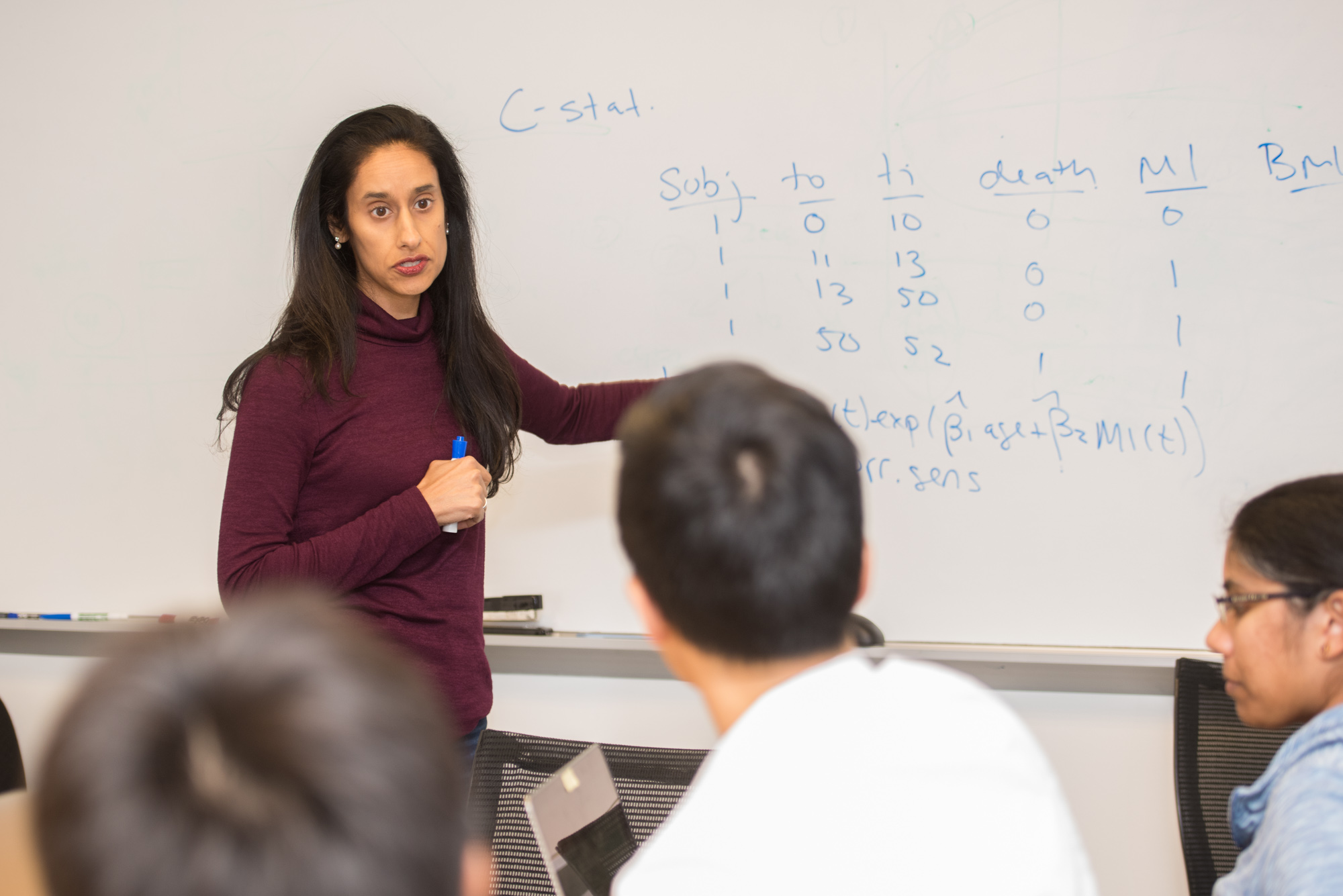
Manisha Desai, PhD

The multiple principal investigators on the project include David Rehkopf, PhD, MPH, associate professor of primary care and population health; Steven Goodman, MD, MHS, PhD, professor of primary care and population health and co-director of the Meta-Research Innovation Center (Metrics); and Abby King, PhD, professor of epidemiology and population health and medicine at the Stanford Prevention Research Center.

The team will use data from a number of real-world data resources, including the American Family Cohort, which comprises 6 million people with diverse backgrounds and was gathered by the Stanford Center for Population Health Sciences, which Bondy and Rehkopf co-direct.

“From a statistical standpoint, these resources are appealing because we love having lots and lots of data,” says Desai. “But it often comes with a price.” Real-world data tend to be noisy and messy, because often they are collected for reasons other than research, but Desai’s QSU group has data scientists who are well-versed in study design, data management, and analysis for biomedical studies that leverage real-world data.

The Impacts of COVID-19 on the Community

Both projects will involve a strong community engagement piece, led by King, to gain perspectives and insights from affected individuals, especially those from the communities of color who have been so disproportionately impacted by the virus. Lisa Goldman Rosas, PhD, MPH, assistant professor of epidemiology and primary care and population health, will also be involved as the faculty director for the School of Medicine Office of Community Engagement.

“In taking a team science approach, we have learned that it is critical to bring in the knowledge and perspectives of community members themselves—those who are living day-to-day with COVID-19 and its longer-term effects,” says King. “They can contribute a wealth of knowledge concerning the real-world impacts of this disease and how we may be able to address those impacts.”

“In taking a team science approach, we have learned that it is

critical to bring in the knowledge and perspectives of community

members themselves—those who are living day-to-day with

COVID-19 and its longer-term effects”

“In taking a team science approach, we have learned that it is

critical to bring in the knowledge and perspectives of community

members themselves—those who are living day-to-day with

COVID-19 and its longer-term effects”

For both projects, King proposes to use a community-engaged citizen science method called Our Voice. This includes a mobile app available in multiple languages, called the Discovery Tool, to capture aspects of the users’ daily lives that impact their health and well-being.

If funded, these team science initiatives have the potential to vastly improve our understanding of the potential long-term effects of coronavirus infection. These answers may inform the development of more effective therapies or even strategies for preventing PASC.

Lung Organoids: A Novel Way to Model COVID Infection

Lung Organoids: A Novel Way to Model COVID Infection

A year into the pandemic, we’ve all heard the stories. A patient is a little short of breath but appears to have a mild case of COVID-19. The next day, she deteriorates so rapidly that she’s rushed to intensive care, put on a ventilator, and hooked up to a dialysis machine to prevent kidney failure. Her overzealous immune system has gone rogue, attacking healthy cells instead of just fighting off the virus.

What triggers this devastating immune response, called a cytokine storm? Researchers are still struggling to identify the underlying processes that initiate a COVID infection and subsequent cytokine storm.

Biologists use advanced technologies and cell cultures in petri dishes to study severe acute respiratory syndrome coronavirus 2 (SARS-CoV-2), the coronavirus strain responsible for COVID-19, identifying its key characteristics such as the famous crownlike spikes on their surfaces. But these short-lived cultures don’t act like real organs. And scientists are limited by their samples.

“When you analyze samples from patients, they’re often at the end stage of the disease, and many of the samples are from autopsy. You can’t understand the initiation process because the tissue is essentially destroyed,” says Calvin Kuo, MD, PhD, professor of hematology.

Understanding how the disease develops and testing potential treatments require better ways to model this coronavirus.

Miniature Organs in a Dish

Kuo’s laboratory develops organoids—three-dimensional miniature organs grown in a petri dish that mimic the shape, structure, and tissue organization of real organs.

Grown from human tissue samples using precisely defined ingredients, these organoids are little spheres of gel up to 1 millimeter in diameter. Healthy tissue samples are mechanically minced and enzyme digested to get to single cells, and then the organoids are grown from single stem cells. They last about six months, significantly longer than the few-weeks lifetime of traditional cell cultures.

Kuo initially developed organoids to study stem cell biology and model cancer. His team was the first to use organoids to convert normal tissues to cancer, as previously reported in Nature Medicine.

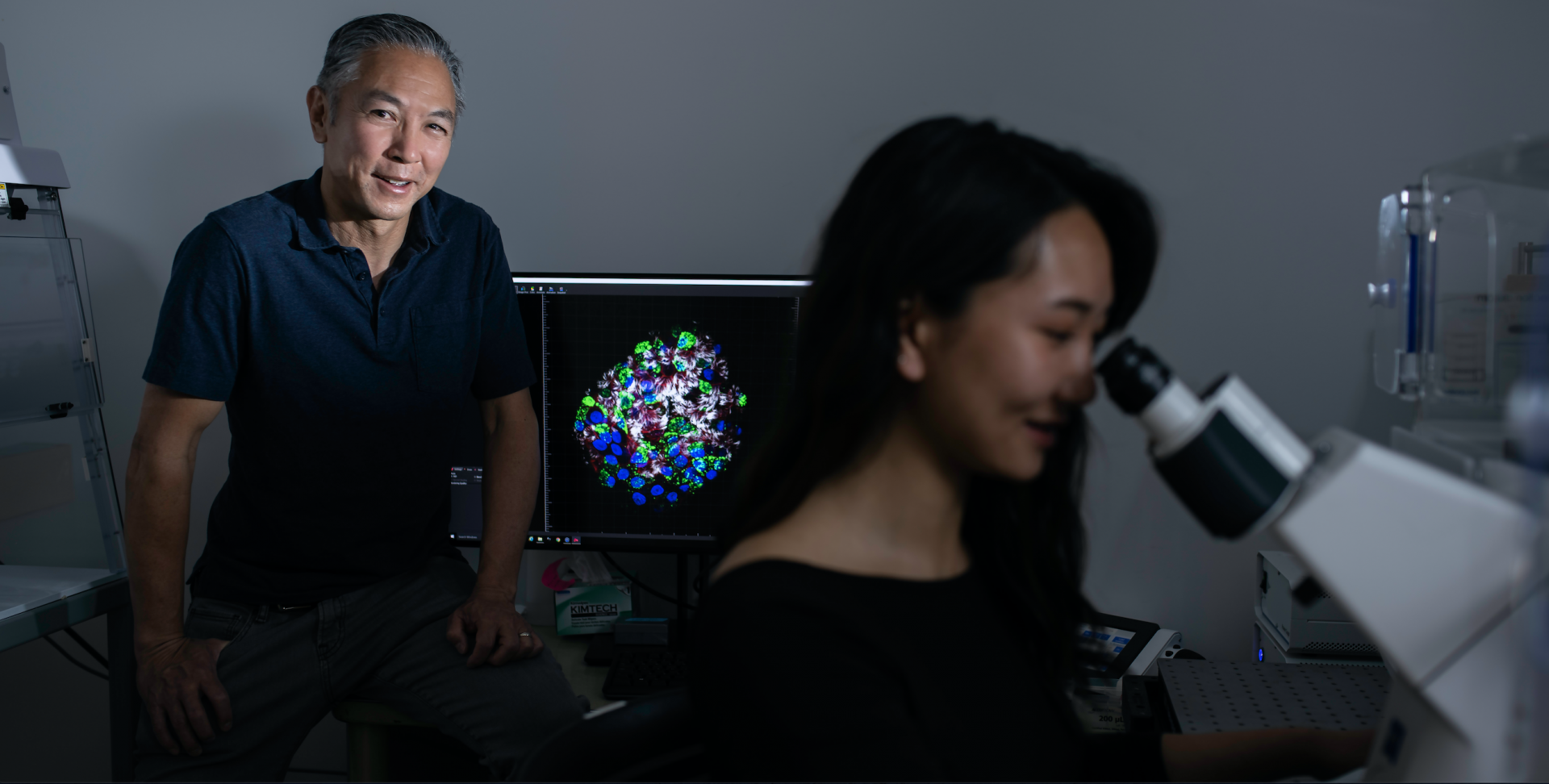
Calvin Kuo, MD, PhD, with Shannon Choi, MD, PhD, a student in the Kuo lab. Courtesy Steve Fisch

But he was passionate about using organoids to model infectious diseases. In 2015, he led a National Institute of Allergy and Infectious Diseases U19 research program, recently renewed for an additional five years, in collaboration with Stanford researchers Manuel Amieva, MD, professor of pediatrics and of microbiology and immunology; Harry Greenberg, MD, the Joseph D. Grant Professor in the Stanford University School of Medicine and professor of microbiology and immunology; Elizabeth Mellins, MD, professor of pediatrics; and Sarah Heilshorn, PhD, professor of materials science and engineering. Focusing mainly on the gastrointestinal tract, this multidisciplinary team provided proof of principle that organoids could model infectious diseases.

“With an organoid system, you can start at the infection and look at the very earliest events that occur after infection. And those can give insights as to what needs to be blocked therapeutically,” Kuo explains.

Distal Lung Organoids

After the initial success with gastrointestinal organoids, Ameen Salahudeen, MD, PhD, a hematology and oncology postdoctoral fellow working in Kuo’s lab, led efforts to expand this work by developing distal lung organoids. He partnered with lung stem cell expert Tushar Desai, MD, associate professor of pulmonary, allergy, and critical care medicine at Stanford.

The distal lung is composed of terminal bronchioles and alveolar air sacs, where inhaled air passes through the tiny ducts from the bronchioles into the elastic air sacs. It performs essential respiratory functions that can be compromised by inflammatory or infectious disorders, such as COVID-19 pneumonia.

“Growing distal lung cultures in a pure way that doesn’t require any supporting feeder cells and is in a chemically defined media had not been possible,” Kuo says. “We were able to do this very beautifully—to grow alveoli at the terminal bronchioles as long-term human cultures.”

The team developed two types of distal lung organoids. Both were made from human distal lung samples provided by Stanford cardiothoracic surgeon Joseph Schrager, MD.

They grew the first type, alveolar organoids, from single alveolar type 2 (AT2) stem cells. AT2 cells have several important functions that together help control the immune response to decrease lung injury and repair. The scientists then induced the AT2 cells to produce alveolar type 1 (AT1) cells, which are the thin-walled cells lining the alveolar air sacs; they are essential for the lung’s gas-exchange function.

“The second type are the basal organoids, which grow from single basal stem cells. They give rise to the mucus-secreting club cells and the ciliated cells with beating hair. And we can see the beating hair under the microscope—it’s quite dramatic,” describes Kuo. “That’s a very nice reproduction of the differentiation and function of the lung.” The team also grows a mixture of alveolar and basal organoids.

They selected these organoid types to determine which cell types in the bronchioles and alveoli were infectible—in hopes of identifying the different mechanisms for how viruses cause respiratory compromise.

Initially, they tested the distal lung organoids using the H1N1 influenza virus, collaborating with Stanford molecular virology expert Jeff Glenn, MD, PhD.

The team fluorescently labeled the virus and infected the lung organoids, demonstrating that the virus replicated in both basal and alveolar organoids. Next, they did more sophisticated PCR-based testing to show that the virus replicated its genome.

COVID-19 Model

“But then the COVID-19 pandemic hit, so we initiated a fabulous collaboration with infectious disease expert Catherine Blish, MD, PhD, in the Department of Medicine, to infect our lung organoids with SARS-CoV-2. This was driven by a talented MD-PhD student in my lab, Shannon Choi,” says Kuo. “She worked with Arjun Rustagi, an infectious disease fellow in Catherine Blish’s lab, who infected the organoids in a biosafety-level-3 lab.”

Another partnership was critical, though. An important coronavirus receptor, called angiotensin-converting enzyme 2, or ACE2, resides inside the lung organoids. But ACE2 needed to be on the outside of the organoid to get the infection going.

“We discovered an unknown basal cell

subpopulation containing the stem cell activity.

And then we showed this subpopulation

actually existed in human lungs in very

interesting anatomic locations”

“We discovered an unknown basal cell

subpopulation containing the stem cell activity.

And then we showed this subpopulation

actually existed in human lungs in very

interesting anatomic locations”

Luckily, Amieva previously devised a way to flip intestinal organoids inside out. Working together, Choi and Amieva turned the lung organoids inside out.

As reported in Nature in November 2020, the team demonstrated that the coronavirus infected their distal lung organoids, including the alveolar air sacs, where COVID-19 pneumonia originates. They also identified a new airway subpopulation as a COVID-19 virus target cell.

“Everyone knew basal cells were stem cells in the lung, but they thought they were all equivalent. Using our organoids, we discovered an unknown basal cell subpopulation containing the stem cell activity. And then we showed this subpopulation actually existed in human lungs in very interesting anatomic locations,” Kuo says.

COVID-19 Applications

According to Kuo, their distal lung organoids have three major applications for COVID-19.

They are using them to screen potential coronavirus therapeutic antibodies and to understand how these treatments work. Although initially focused on COVID-19, this screening will likely expand to other kinds of lung infections in the future.

Because the distal lung with the alveoli is the site of the COVID-19 pneumonia, they also plan to use the organoids to identify the underlying biological mechanisms behind coronavirus infection. Finally, they plan to extend their organoid system to incorporate immune cells and understand more complex processes. In particular, they plan to model the dreaded cytokine storm.

Overall, Kuo emphasizes that this organoid research represents a huge team effort involving many investigators with wide-ranging expertise from various departments at Stanford, as well as an “interesting evolution of events.”

“Now we have a human experimental system to model SARS-CoV-2 infection of the distal lung with alveoli, which is the site of the lung disease that kills patients,” he summarizes. “We know patients die because of severe pneumonia and lung failure. We can now recapitulate this in the dish. So, we can study how it works, and also test drug treatments.”

Biomedical Informatics Research: High Schoolers Show How Data Analysis Can Shape Public Health Policy

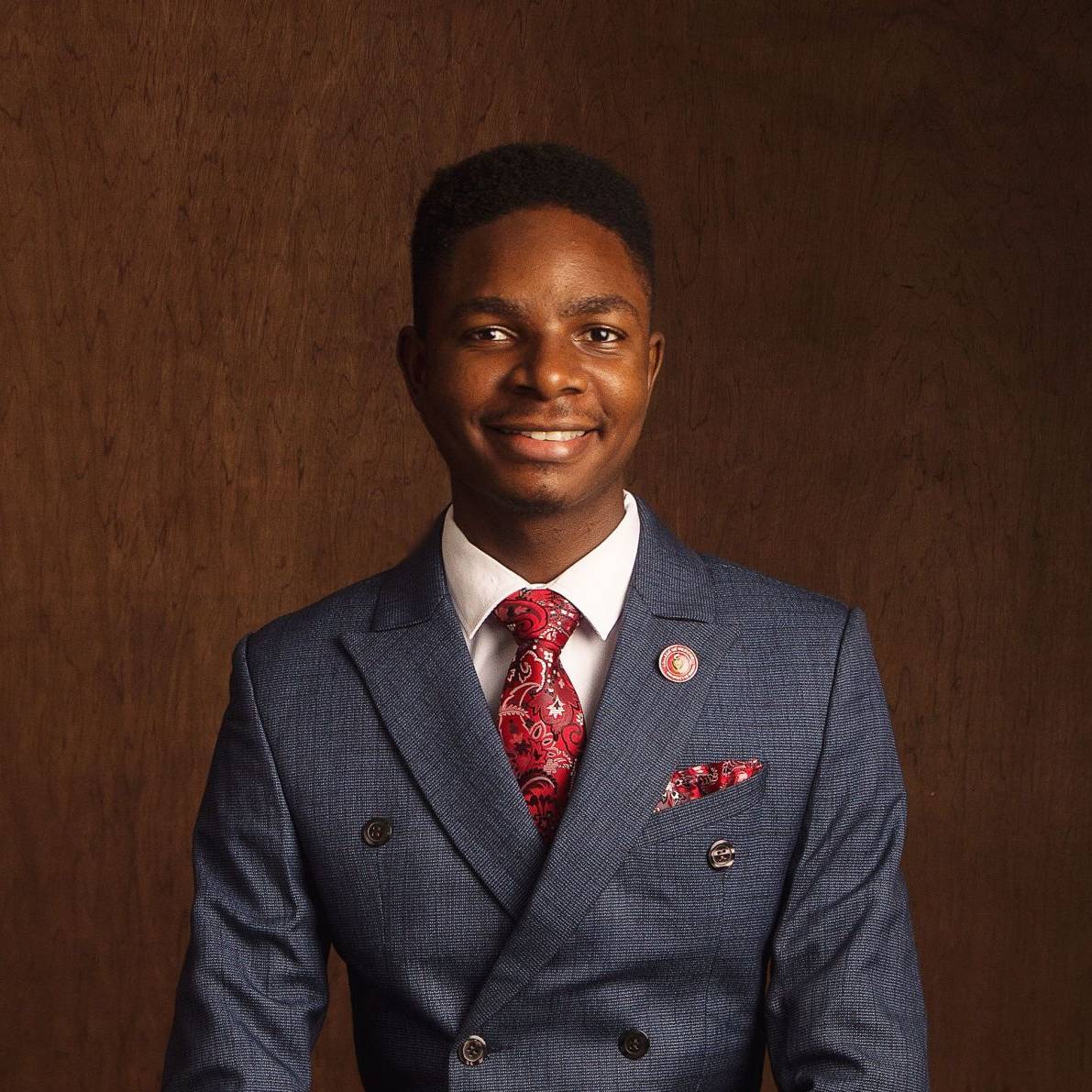
Tofunmi Omiye

High Schoolers Show How Data Analysis Can Shape Public Health Policy

Tofunmi Omiye

High Schoolers Show How Data Analysis Can Shape Public Health Policy

Remember the game where you’re given several disparate items and you get two minutes to make up a skit using all of them? Well, that’s not too different from what happened to Nigam Shah, MBBS, PhD, during late spring 2020.

Shah is professor of biomedical informatics at the Stanford University School of Medicine and associate chief information officer for data science at Stanford Health Care. In June, he received emails from four high school students looking for research experience during their summer vacation. The students approached Shah because the pandemic forced a temporary shutdown of programs such as the Stanford Institutes of Medicine Summer Research Program (SIMR), which is the primary mechanism by which faculty accept high school interns.

At the same time, Shah was in touch with Tofunmi Omiye, a physician in Nigeria, who had been admitted to a master’s degree program in health policy at Stanford but was delayed entrance because of the pandemic. Omiye said he was seeking a research assistant position to help fund his Stanford education and asked if Shah had a research project he could work on.

“At that point, I wondered if I could combine these two problems: Here’s a master’s student doing a research project, and here’s a bunch of kids wanting to do something so they’re not bored out of their minds sitting at home all summer long. So I asked each of them if they would be OK working on a team project as opposed to me working with them one-on-one, and they all said yes,” Shah says.

The result exceeded all expectations and led to a March 2021 presentation during the American Medical Informatics Association (AMIA) 2021 Virtual Informatics Summit.

The Backstory

The four students had written to Shah completely on their own to inquire about summer research opportunities in his lab. Logan Pageler (son of clinical professor of biomedical informatics research Natalie Pageler, MD) and Nikhil Majeti (son of professor and division chief of hematology Ravi Majeti, MD, PhD) were given Shah’s name by their parents. The other two—Ron Nachum and William Ding—found Shah independently.

As Ding says, “I first saw Professor Shah in one of Stanford Medicine’s virtual town hall videos about COVID-19. I then found his various projects on Stanford’s website and reached out to him to see what I could help with.”

Not long after that, Omiye, who holds the equivalent of an MD degree from the University of Ibadan in Nigeria, approached Shah and several other Stanford faculty to ask about serving as a paid research assistant. Omiye noted that Shah’s focus coincided with Omiye’s interests in big data and medicine.

When Shah asked if Omiye was willing to serve as an unpaid mentor to four high school students on a project he was thinking about, the master’s candidate jumped at the opportunity.

The Assignment

Shah gave his “assignment” to Omiye and the four high school students during June 2020, when COVID-19 cases were decreasing and some states were beginning to loosen shelter-in-place orders.

“I posed a research question to them, asking if we could use public data to identify the effect of various states’ reopening orders. That is: ‘Using public data, can we identify which reopening orders are good and which are bad?’” Shah says.

Shah gave a few hints at how to approach the problem and then left the mentor and the four students alone.

“I pointed them to a few data sets and told them that the best way to figure out whether a policy like masks, distancing, curfew, or whatever is working or not working is to look at how many people are going into hospital beds, because an increasing number of inpatients puts a burden on the entire system. So we figured we would count hospitalizations and ask questions like ‘If people are ordered to wear masks, what happens to hospitalizations?’ and ‘If you allow restaurants to reopen, what happens to hospitalizations?’” he says.

Omiye, who was working full-time as a medical intern in Lagos, Nigeria, created a framework with milestones for the project, and he arranged weekly meetings by Zoom so that he and the teenagers could discuss accomplishments and challenges in real time from their locations in California, Virginia, and Nigeria.

The students devised and maintained schedules for completing the work, they created a WhatsApp group where they would post daily progress notes, and they used Google Docs to keep meeting minutes that they would share with Shah.

Working Quickly

Less than two months later, the team had developed a presentation for the members of Shah’s lab.

Using their own computers and publicly accessible data, they learned how to figure out how long it takes for a policy decision made today to affect the rate of hospitalizations down the road.

Specifically, they investigated the effect of reopening orders on COVID-19 hospitalizations in the U.S. They discovered that reopening restaurants/bars and houses of worship correlated with the most significant spikes in hospitalization cases. “In the end, they determined that if you open up restaurants, that’s bad; and that’s exactly what all the famous public health scientists concluded four to six weeks later! So some kids who knew nothing about epidemiology used their computers and some data sets to match wits with the best in the field,” Shah boasts.

Furthermore, Omiye taught his mentees the basics of writing a scientific research paper and led the team into expanding the presentation into a paper worthy of submission to a peer-reviewed journal.

“These kids had never written a paper before in their lives,” Shah says, “but just a few weeks after the presentation to my lab, they completed a paper that was submitted to AMIA, and it was accepted.”

“In the end, they determined that if you open up restaurants,

that’s bad; and that’s exactly what all the famous public health

scientists concluded four to six weeks later! So some kids who

knew nothing about epidemiology used their computers and some

data sets to match wits with the best in the field”

“In the end, they determined that if you open up restaurants,

that’s bad; and that’s exactly what all the famous public health

scientists concluded four to six weeks later! So some kids who

knew nothing about epidemiology used their computers and some

data sets to match wits with the best in the field”

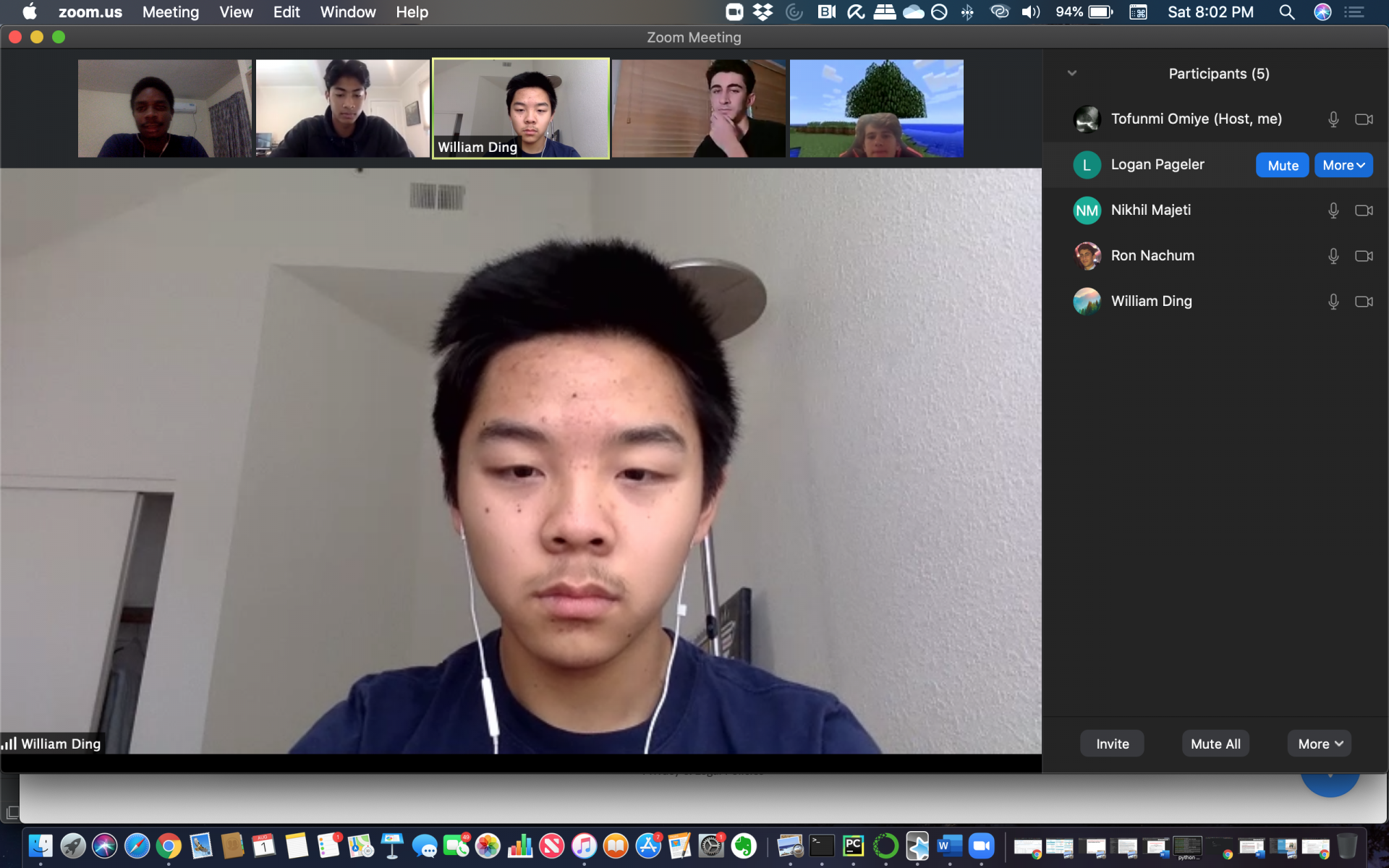
William Ding ponders comments made during a Zoom teleconference call with his fellow high school research colleagues and mentor Tofunmi Omiye

Camaraderie

Among the benefits for the high school students was the experience of teamwork.

“I really enjoyed working together with the team, with the virtual setting allowing us to work together from different parts of the country and share our knowledge in computer science, data analysis, epidemiology, and more,” Nachum says.

“I was so impressed at how hardworking these students were,” Omiye adds. “They were willing to respond to every comment from me, Dr. Shah, and the AMIA reviewers.

”What’s more, says Omiye, the reviewers were “really impressed by the quality of the project, and the feedback was overwhelming.”

Among the comments:

“I noticed that the authors are in high school. Well done! And kudos on a great effort on a very interesting study.”

“Analysis in this paper is clearly conducted and easy to digest as well as the limitations of the study.”

“The submission clearly presents how the methods are structured. The submission follows standard scientific writing.”

Summing up the experience, Omiye says that “we were five strangers from different parts of the world, and we just connected to build an impactful project.”