Innovative Antibody Treatment Proves Safe and Effective for Immune Disorders

Innovative Antibody Treatment Proves Safe and Effective for Immune Disorders

Many blood and immune disorders could be cured by transplanting healthy blood stem cells from a matched donor. But first the patients need a pretreatment procedure to eliminate their own blood stem cells, making room in the bone marrow for the donor cells to take their place.

The problem is that the standard pretreatments—chemotherapy or radiation—are very toxic. Doctors don’t want to give them to vulnerable children, such as those with a rare genetic disorder called severe combined immunodeficiency (SCID).

Infants with SCID have compromised immune systems that struggle to fight off even common infections caused by viruses and fungi. These babies have many chronic and life-threatening problems, including frequent lung infections, chronic diarrhea, and recurrent sinus infections.

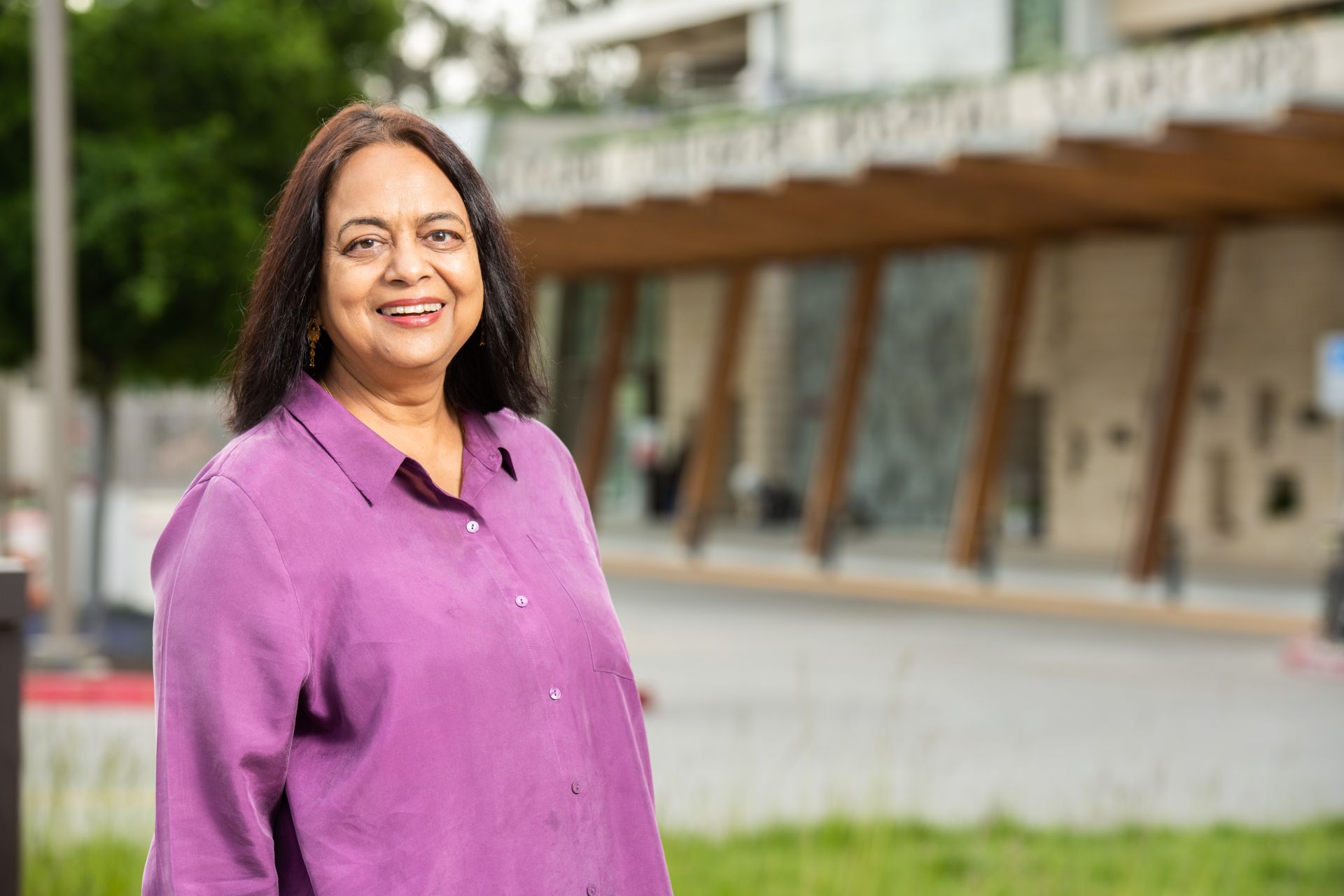
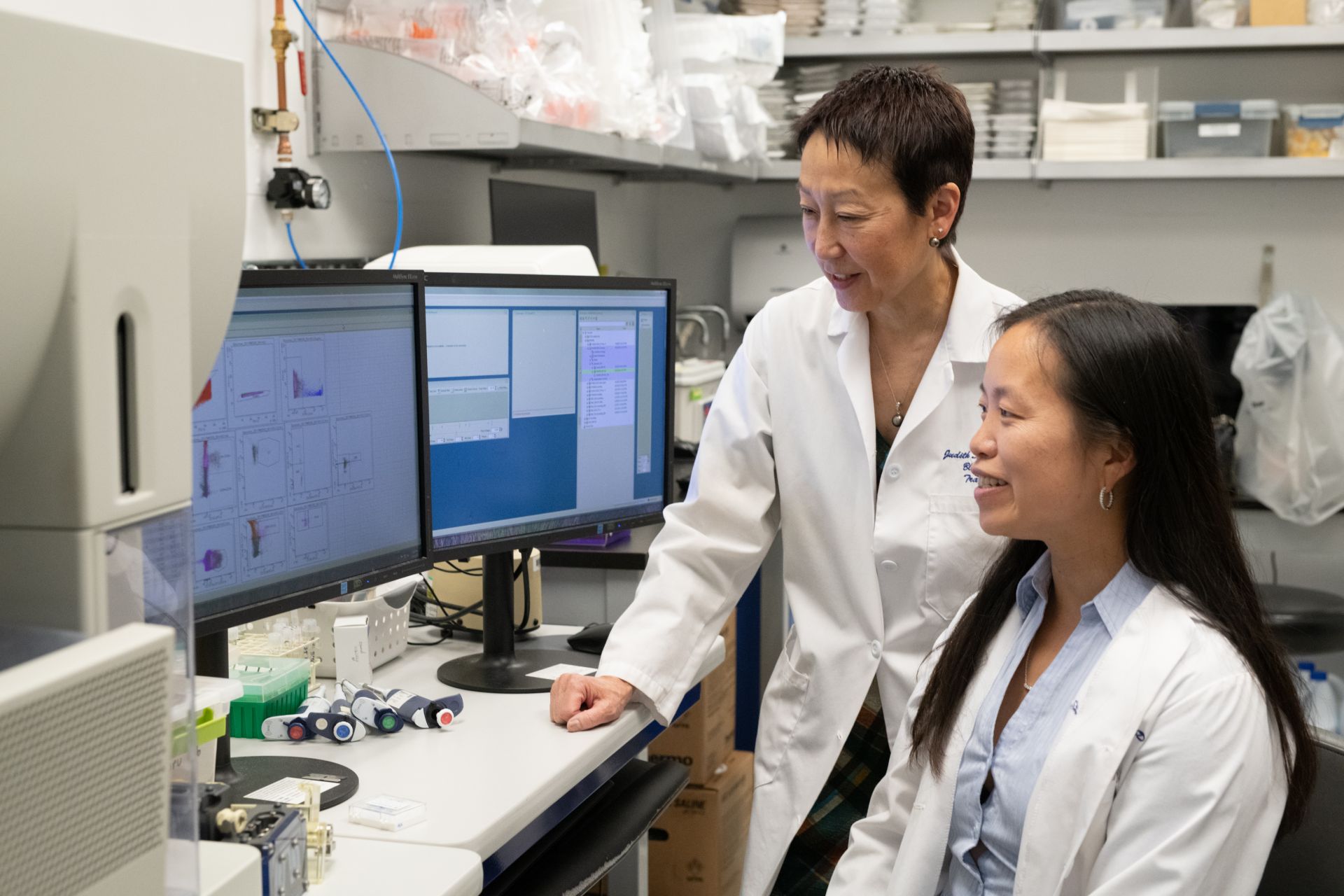
Judy Shizuru, MD, PhD, reviews data with Wendy Pang, MD, PhD

“Without treatment, SCID infants usually die from infections within the first two years of life. Blood stem cell transplants are the only definitive cure for this disease,” says Judith Shizuru, MD, PhD, professor of blood and marrow transplantation and cellular therapy and of pediatrics. “But transplants usually involve chemotherapy, and we don’t want to give these agents to these children because they’re particularly susceptible to the damaging short-term and long-term effects—including growth defects, neurological problems, and increased risk of cancers. This is especially true for certain subtypes of SCID.”

Instead, SCID patients are often given a blood stem cell transplant without pretreating with chemotherapy to create space in their bone marrow. But then the donors’ self-renewing blood stem cells may not fully engraft, so the kids can’t robustly regenerate their immune systems. These children have to rely on regular intravenous immunoglobulin infusions to boost their immune response, and the effectiveness of donor immune cells can wane over time.

The great need for a less toxic pretreatment for blood stem cell transplants inspired Shizuru to initiate a Stanford study testing a novel antibody pretreatment in SCID patients—in collaboration with Rajni Agarwal-Hashmi, MD, associate professor of pediatrics, and other stem cell transplantation and regenerative medicine specialists at Stanford and UC-San Francisco.

Targeting Blood Stem Cells

The novel pretreatment uses the JSP191 antibody to target a protein called CD117, found on the surface of blood stem cells. The antibody binds to this protein, which then blocks CD117 from binding to a stem cell factor critical for keeping blood stem cells alive. When the interaction between CD117 and the essential stem cell factor is interrupted, the patient’s blood stem cells are depleted—making space for the donor’s healthy cells to engraft.

“It’s not like chemotherapy or radiation,” says Shizuru. “It’s a targeted way to deplete the blood stem cells without damaging normal healthy cells.”

The Stanford team chose SCID patients for their first human JSP191 clinical trial in part because these children have a unique biology—they lack lymphocytes, so they are less likely to immunologically reject the blood stem cells from a donor. Since immune suppressive medications aren’t necessary, the researchers can more easily see if the antibody therapy clears space in the bone marrow and the transplant works.

Initially, the clinical trial studied older children and adults with SCID whose first blood stem cell transplant had failed, so that they could evaluate whether JSP191 therapy was safe and well tolerated. The participants ranged in age from 3 years old to mid-30s, but most were between 11 and 13 years old. According to Shizuru, many of these kids had chronic infections and also wanted to be liberated from having intravenous immunoglobulin infusions.

Rajni Agarwal-Hashmi, MD

Rajni Agarwal-Hashmi, MD

Promising Results

The results are very promising, as Shizuru reported in 2019 at the American Society of Hematology annual conference. The antibody safely created room in the patients’ bone marrow, allowing healthy donor stem cell engraftment without common side effects like transfusion reactions, treatment-related toxicities, or bone marrow suppression.

“The wonderful thing about the antibody JSP191 is it’s super-safe. This conditioning agent doesn’t affect the DNA or any other organ, as far as we can tell,” explains Shizuru. “We give it as a onetime, really low dose. And it’s not showing any side effects. It’s an amazing drug.”

The study’s clinicians even remarked that the re-transplant kids looked bored in the hospital because the expected complications didn’t happen, says Shizuru. “The patients’ counts didn’t drop. They didn’t have increased infections. They didn’t need blood transfusions,” she says. “So, we decided to give the antibody as an inpatient treatment and then do everything else as outpatient after 48 hours.”

The results were promising from the start. The first participant pretreated with JSP191 was a 3-year-old girl with chronic diarrhea and infections. After about a year, she no longer had diarrhea and started going to school for the first time. In fact, her family was infected with COVID-19 and she did fine, as Shizuru learned during a public discussion.

Expanding the Clinical Trial

Based on the safety and success of the first phase, the JSP191 trial expanded to include infants newly diagnosed with SCID. Two infants have received the antibody pretreatment followed by a blood stem cell transplant.

The first infant did really well, demonstrating signs that his donor cells may fully restore his immune function. The second infant’s response was more complicated; the researchers determined that she had some immune function that may have rejected the maternal stem cells. She subsequently underwent another transplant without the antibody agent, using a mix of chemotherapies.

After their initial success, Shizuru’s team expanded the use of JSP191 to include other vulnerable populations—older adults with acute myeloid leukemia (AML) or myelodysplastic syndromes (MDS). AML is a type of leukemia in which DNA mutations cause the rapid growth of abnormal cells that build up in the bone marrow. Although it starts in the bone marrow, AML often quickly moves to the blood and sometimes spreads to other parts of the body. MDS are a group of diverse bone marrow disorders in which the bone marrow does not produce enough healthy blood cells. Both AML and MDS primarily occur in people over 65 years old.

“It’s not like chemotherapy or radiation. It’s a

targeted way to deplete the blood stem cells

without damaging normal healthy cells”

“It’s not like chemotherapy or radiation. It’s a

targeted way to deplete the blood stem cells

without damaging normal healthy cells”

This adult study is based on the preclinical work of Wendy Pang, MD, PhD, who was a postdoctoral fellow in the Shizuru laboratory. She showed that the disease-causing MDS and AML stem cells express CD117, so they can be targeted by JSP191. Further, the team observed synergistic eradication of stem cells when these anti-CD117 antibodies were combined with low-dose radiation.

The ongoing clinical trial utilizing JSP191 combined with low-dose radiation is led by Lori Muffly, MD, assistant professor of blood and marrow transplantation and cellular therapies. The preliminary results are encouraging based on the first six participants, who were older adults (64–74 years old) with AML or MDS. The researchers observed no side effects associated with JSP191, and the patients’ blood stem cell transplants were successful.

“We transplanted our first SCID babies and then opened the trial up to older patients with AML and MDS. So, now we’re covering the full spectrum for this targeted therapy: from a 3-month-old infant with SCID to a 74-year-old with AML,” Shizuru says.

The JSP191 project has now moved to a biotechnology company, Jasper Therapeutics, which Shizuru founded and Pang now works at. Shizuru expects that in the future, the studies will expand to include sickle cell disease, a group of inherited red blood cell disorders, where the JSP191 antibody can help to engraft the donor cells.

“In terms of pretreatment, there’s been no innovation on transplant agents in decades. People have been innovating on transplant by simply reducing the dose of chemotherapies, but we haven’t seen a successful new agent,” explains Shizuru. “The development of JSP191 leverages our understanding of the biology of blood stem cells by targeting a critically important molecule. JSP191 antibody is now the platform agent.”

‘Born to Be Bad’: Cancer Researcher Christina Curtis Presses for Answers on the Origins of Tumors

‘Born to Be Bad’: Cancer Researcher Christina Curtis Presses for Answers on the Origins of Tumors

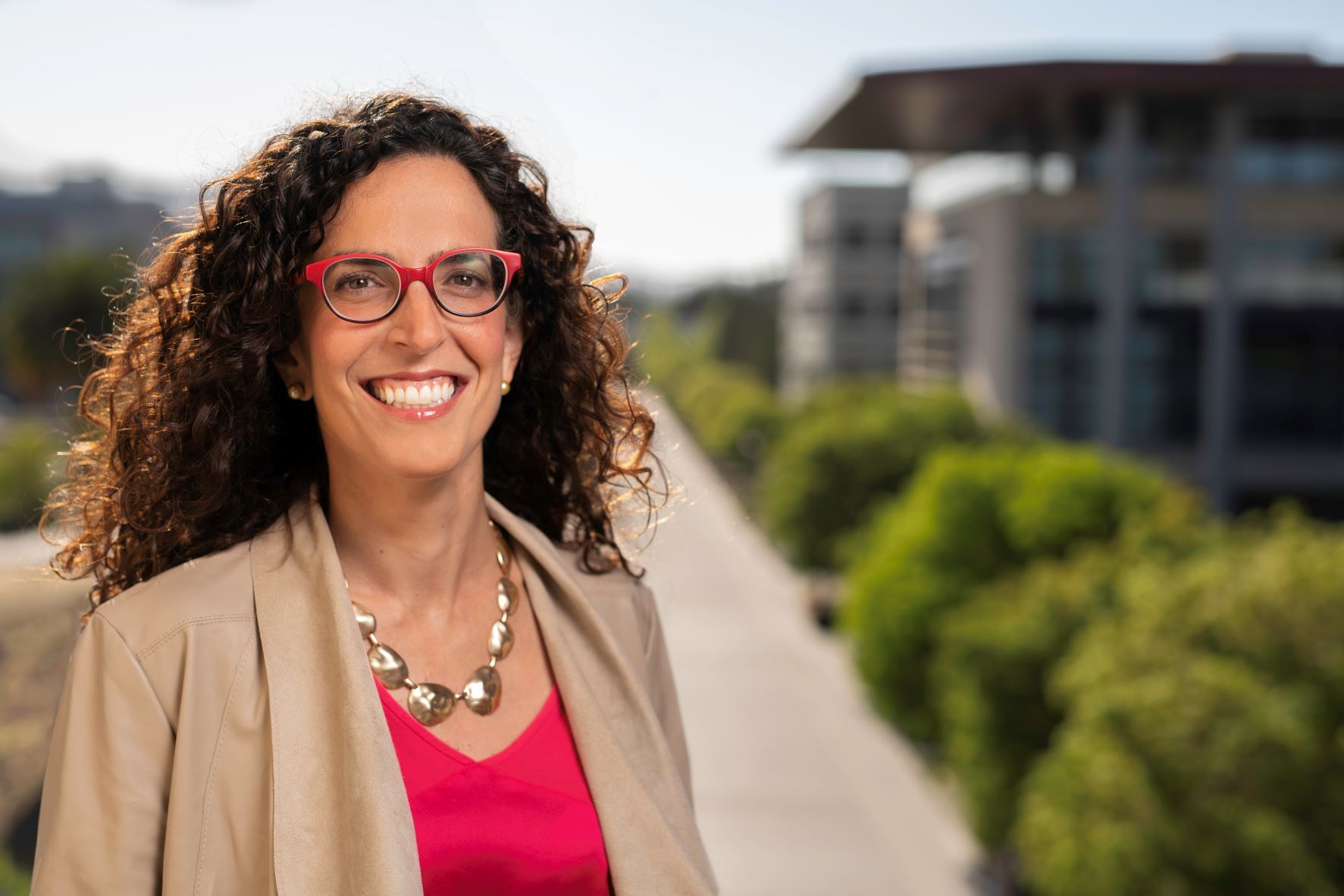
Christina Curtis, PhD

Christina Curtis, PhD

‘Born to Be Bad’: Cancer Researcher Christina Curtis Presses for Answers on the Origins of Tumors

Through all the discoveries that cancer researcher Christina Curtis, PhD, has made so far, there has been one big-picture question driving her forward. It has preoccupied Curtis since she was a curious high school student who lost her grandfather to the disease.

How does a tumor begin?

While scientists proved decades ago that cancer begins with genetic mutations that allow malignant cells to develop different characteristics than other cells, the exact process of how the tumor begins—and which cells acquire those mutations—is still poorly understood, says Curtis, associate professor of oncology and genetics, director of breast cancer translational research, and co-director of the Molecular Tumor Board at the Stanford Cancer Institute.

“What does it take to form a cancer?” Curtis asks. “We’re beginning to have the tools and technologies, both experimental and computational, to start to address that. There’s so much potential.”

To discover the origins of cancer, Curtis and her colleagues are working to trace the life cycle of a tumor, beginning with the first error in a cell’s DNA, to the point where it spreads, or metastasizes, to other organs. The Curtis laboratory analyzes patient tumor samples, creates virtual tumors that simulate the process in a human being, and grows miniature versions of organs—called organoids—on which the scientists can use CRISPR gene-editing technology to introduce alterations that are common in certain cancers and observe what it takes for a tumor to develop.

A New Era in Breast Oncology

While Curtis has made contributions across a number of areas in oncology research, she may be best known for her discovery of 11 genetically distinct subgroups of breast cancer. This work, published in Nature in 2012, has formed a key pillar of the Curtis lab’s work, culminating in a landmark 2019 Nature paper showing that four of these subgroups have a high risk of late metastasis and collectively account for about 25% of women whose tumors express the estrogen receptor and not the HER2 receptor. In some cases, the recurrence comes decades after the women thought they were cured.

Allison Kurian, MD, MSc, professor of oncology and of epidemiology and population health and director of the Stanford Women’s Clinical Cancer Genetics Program, says she can’t think of another scientist who has made such advances in the field of breast oncology so early in their career.

“Dr. Curtis is a brilliantly original thinker whose work has already begun to have a transformative impact on the field of breast oncology,” says Kurian. “Late recurrence of favorable-diagnosis, hormone receptor–positive breast cancer is a problem of tremendous importance, affecting thousands of women annually. Dr. Curtis’ discovery of molecular drivers of this disease offers excellent potential for the development of targeted therapies.”

“Dr. Curtis is a brilliantly original thinker

whose work has already begun to have a transformative

impact on the field of breast oncology”

“Dr. Curtis is a brilliantly original thinker

whose work has already begun to have a transformative

impact on the field of breast oncology”

This work has led to a Department of Defense–funded clinical trial, of which Curtis is the principal investigator, together with George Sledge, MD, professor of oncology, to test new therapies for these high-risk breast cancer patients. The trial is being led by Sledge and Jennifer Caswell-Jin, MD, assistant professor of oncology, who trained in Curtis’ lab. It will be the first of what Curtis believes will be many trials that could help usher in precision medicine for this biomarker-defined group of cancer patients.

The Quest Becomes Personal

Curtis knows from personal experience that these discoveries can’t come fast enough. In 2017, when Curtis was in the throes of deep thinking about the problems of metastasis and late-stage cancers, her parents were diagnosed with different cancers one month apart. Her mother lived just three and a half months; her father recovered, but Curtis worries about recurrence.

The experience pushed Curtis to place even more focus on tracing a tumor’s starting points.

She was the mother of two young children, facing two parents sick with cancer, and it was all happening so fast.

We were doing research on late-stage cancers—and had made really important insights there—but the whole experience impressed on me a renewed need to intercept earlier,” Curtis says. “It’s not enough to detect a tumor when it’s already metastasized.”

Seeds of Metastasis Start Early

The lab’s recent findings have reinforced the message that metastasis can happen earlier than previously suspected.

One study, published in Nature Genetics, expanded on Curtis’ 2019 discovery that some tumors are “born to be bad.” She and colleagues coined the term after observing that in most patients with metastatic colorectal cancer, the cancer cells spread to distant organs, like the brain or liver, years before the initial tumor was diagnosed.

In the new paper, she and her collaborators showed that early metastasis can happen in breast and lung cancer too, two to four years before the first tumor is detected—illuminating the need for improved strategies to detect cancers earlier. What’s more, their findings illuminated the need to consider the timing and types of therapy to avoid the emergence of drug resistance.

While these are not easy messages to convey, and more research is needed, “they open our eyes to the need to study patient tumors sampled during the course of therapy, and to anticipate resistance,” Curtis says. “The seeds of metastasis can be sown early, and we need to study the continuum of disease with this in mind. It can empower the field to address some of those harder questions, particularly as new technologies are at hand.”

Recently, Curtis and colleagues also identified a long-sought-after biomarker for women with early-stage, newly diagnosed, HER2-positive breast cancer. Up to 50% of patients with HER2-positive tumors, which produce too much HER2 protein, have residual cancer following treatment.

“Many clinical trials have been designed with the goal of asking, ‘Is there a new biomarker that would predict which women would respond to therapy, above and beyond the fact that they have HER2 amplification?’ and the field has struggled,” Curtis says. “It’s unfortunate, because here’s a place where we have multiple FDA-approved drugs, and we could either combine them to increase a women’s response, or we could give targeted therapy and leave out the chemo and spare this patient the additional toxicity. So we really need predictive biomarkers.”

In a study that deployed a completely new technology called digital spatial profiling to look at 40 different tumor and immune proteins in tumor tissue samples before and during preoperative therapy, Curtis and colleagues found what they were looking for. Patients who had higher levels of an immune marker called CD45 after just a single cycle of HER2-targeted therapy tended to have a dramatic response to treatment, while those with lower levels did not. The findings were published in April 2021 in Nature Cancer.

The next step will be to design a clinical trial that tests these findings.

“If it validates, this has the potential to transform patient care,” Curtis says. “We would be able to personalize therapy with this approach—for example, by eliminating chemotherapy use in a subset of patients who do not require it.”

A Dedicated Mentor

Besides her notable scientific contributions, Curtis is known as a “deeply collaborative” colleague and “gifted lecturer, with exceptional skill in mentoring young investigators,” Kurian says. In particular, Curtis, who had few female mentors when she trained in computational biology, has made an effort to create an environment where women feel supported. Today, more than half of the scientists in her lab are female.

“I’ve had the opportunity to train many stellar trainees that have gone on to be faculty and lead new breakthroughs,” Curtis says. “It’s been really important to me to try to cultivate a laboratory where everybody felt that they had an equal footing, and especially make sure that female scientists felt they could do this whether they wanted to have a family or not.”

Caswell-Jin says she felt lucky to work in Curtis’ lab.

“She is an extraordinary mentor,” Caswell-Jin says. “She cares deeply about the science we work on together and about the potential for it to translate to the clinic to improve people’s lives. She loves helping us grow from trainees in her lab to colleagues and collaborators.”

Eliminating the ‘Chronic’ from COPD

Eliminating the ‘Chronic’ from COPD

People who have chronic obstructive pulmonary disease (COPD) have it forever; that’s why it’s called “chronic.” Though it can be managed, it can’t be reversed. The only known cure is a lung transplant. And though the primary cause of COPD is cigarette smoking, growing evidence is showing that environmental factors such as air pollution are also triggering the disease.

Department of Medicine researchers are taking on this disease with new vigor, and they are uncovering potential pathways for recovery, or at least for improved outcomes, for COPD.

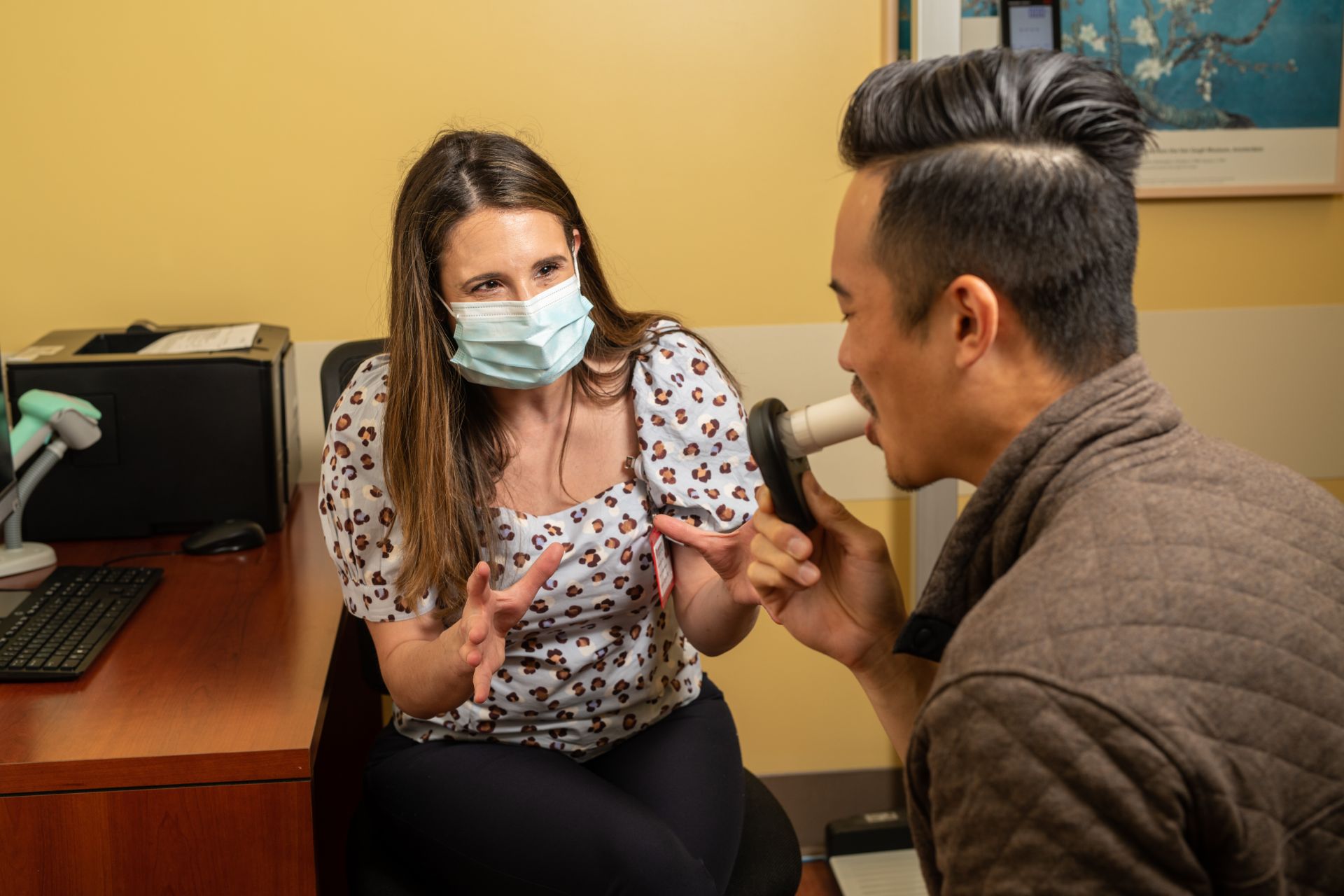
Lauren Eggert, MD, shows a patient how to use a mobile spirometer

Undiagnosed COPD a Key Focus

In the United States, an estimated 16 million people have been diagnosed with COPD. But it is estimated that an additional 8 million may have undiagnosed COPD, putting them at risk for onset of symptoms such as shortness of breath and severe coughing or wheezing.

Researchers are trying to find easy, cost-effective, accessible ways to diagnose more people with COPD so that physicians can intervene earlier and prevent both morbidity and unnecessary costs to the health system. According to Lauren Eggert, MD, clinical assistant professor of pulmonary, allergy, and critical care medicine, “There is growing evidence confirming that COPD is underdiagnosed by at least 50% (and as high as 78% in some studies).”

Much of this undercounting has to do with the lack of routine screening. “A simple procedure called spirometry could easily be incorporated into an annual physical exam,” notes Eggert. “It takes just a couple of minutes to perform and can reveal vital, lifesaving information about the patient and whether or not they have COPD.” That information could be used to develop a plan of care. Though this approach wouldn’t eliminate the disease, it could enable the patient to begin treatment sooner than if advanced COPD were detected because of a life-threatening event.

While the U.S. Preventive Services Task Force (USPSTF), which develops screening guidelines, does not currently recommend screening for COPD, the American Thoracic Society has suggested that this may need to be reevaluated.

“This is an important step forward in tracking down this disease,” says Eggert. She is currently creating a plan to study how inexpensive mobile spirometry units in the primary care setting could identify undiagnosed individuals with COPD.

“There is growing evidence confirming that

COPD is underdiagnosed by at least 50%

(and as high as 78% in some studies)”

“There is growing evidence confirming that

COPD is underdiagnosed by at least 50%

(and as high as 78% in some studies)”

Reversing or Preventing Lung Damage

“It would be great if alternative therapies and treatments were available for COPD,” muses lung transplant specialist Shravani Pasupneti, MD, instructor of pulmonary, allergy, and critical care medicine at Stanford. “Right now, lung transplantation is the only cure for patients with end stage COPD. While it is helpful for some, it has limits and is not a viable option for everyone.”

Pasupneti took one small step closer to achieving that goal with research reported in 2020—the first time anyone at Stanford had published basic science research about COPD. She showed that genetically knocking out a transcription factor called HIF-2 alpha in mice led to COPD, and that increased HIF-2 prevented the disease. Given that cigarette smoke decreases HIF-2 alpha, this finding has important real-world applications and could be used to develop new therapies. She hypothesizes that HIF-2 alpha is a central regulator of lung health, and therapies that manipulate its expression could be used to treat COPD. Pasupneti is now embarking on studies to find the appropriate pathways for this process.

“The overall direction of our work,” comments Pasupneti, “is to find the mechanism of action of HIF-2 alpha in the development of COPD, with a goal of developing better therapies to treat (and ideally prevent) the disease.”

This important work demonstrates the close link between laboratory research and patient care that is the hallmark of Stanford Medicine.

Unique Offerings Help Patients Cope With COPD

“At a big medical center like Stanford, we have the resources to provide aggressive management of COPD,” says Eggert. This includes pulmonary rehabilitation programs, nutrition counseling, and comprehensive medication management.

Often, the upper section of a COPD patient’s lungs stops functioning, which makes breathing more challenging. Air can get in, but the patient can’t expel it. Physicians at Stanford can insert mechanical valves to block off airflow entirely to the top part of the lungs.

“At a big medical center like

Stanford, we have the resources to

provide aggressive management of COPD”

“At a big medical center like

Stanford, we have the resources to

provide aggressive management of COPD”

Working with medical residents, Eggert is developing a digital educational tool to teach patients how to use an inhaler. “There are many types of inhalers, and they’re all different,” she notes. “They’re not intuitive. We want to work with patients before they leave the hospital to make sure they understand how to use theirs.” With an iPad or computer, patients will be able to check on their continued correct use of the inhaler once they get home.

It’s Not Easy

Of course, the most effective step that a patient with COPD can take is to stop smoking. Though this won’t reverse the damage that’s already been done, it will certainly stop its progression.

“But I understand that it’s really hard to do,” says Eggert. “It’s like dieting: It’s easy to tell someone to do it, or to know yourself that you should, but it’s very difficult to break the habit.”

Gastroenterology and Primary Care Partner to Improve Access and Outcomes for Patients

Gastroenterology and Primary Care Partner to Improve Access and Outcomes for Patients

How long should a patient have to wait for an appointment with a medical specialist? Three days? Three weeks? The answer may seem obvious, but in the U.S., many people wait weeks or months for even urgent appointments.

In 2020, the Department of Medicine’s divisions of primary care medicine and gastroenterology (GI) decided to further the progress it had already made in shortening wait times for general gastroenterology clinic appointments.

Primary care is the point of entry to the health care system for most patients. And among the medical subspecialties, GI is one of the most frequent referrals for specialist care.

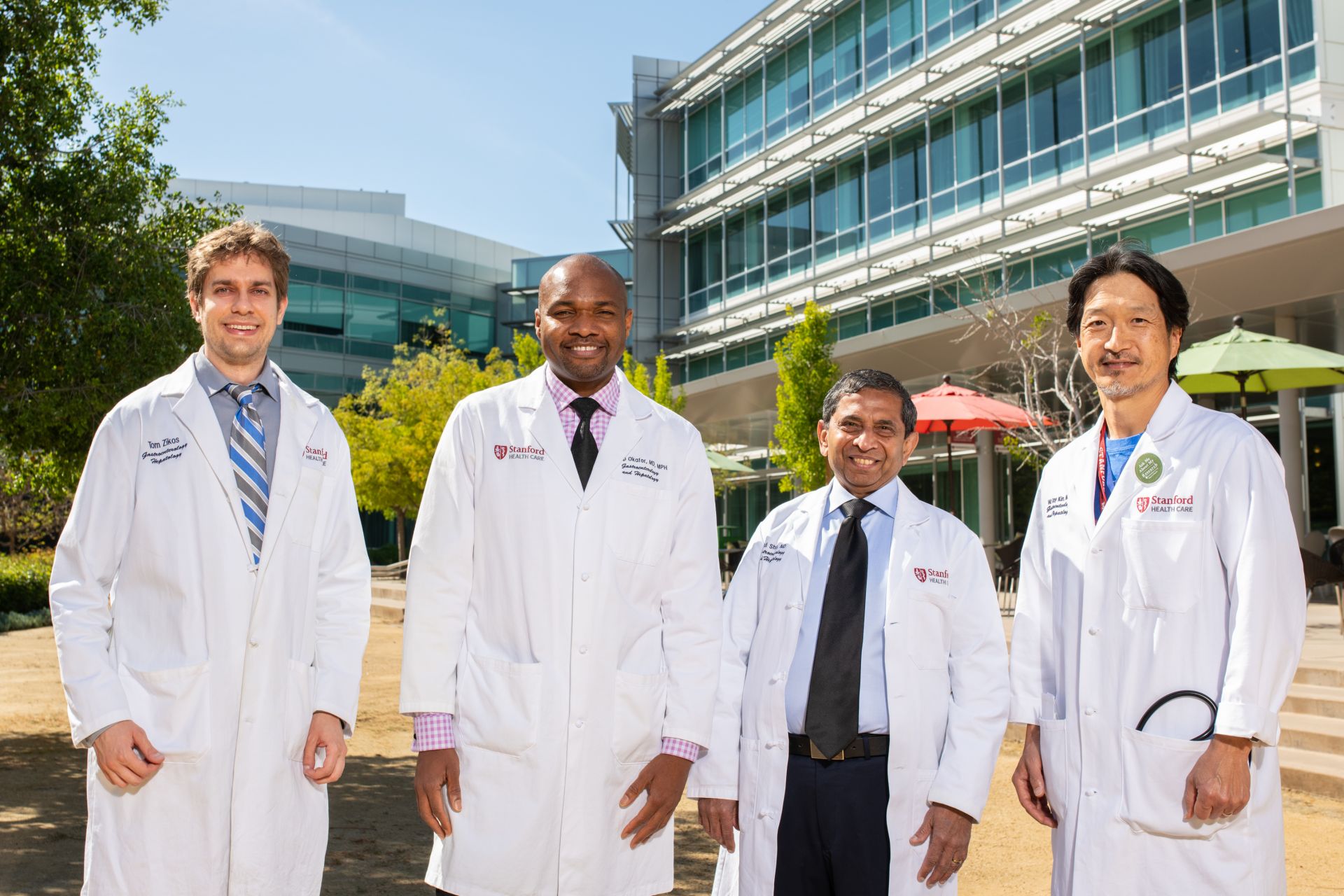
From left: Thomas Zikos, MD; Philip Okafor, MD, MPH; Atul Shah, MD; and W. Ray Kim, MD

With patient volume increasing at Stanford Health Care, this referral pattern prompted the formation of the Primary Care/GI Partnership, an initiative designed to assure that patients are seen by a general gastroenterologist in a timely manner. The goal is to improve both access and quality of care.

Working as a team, the Department of Medicine’s GI division and Stanford Health Care primary care physicians at the Hoover Pavilion (one of Stanford’s largest primary care clinics) created a prototype for achieving these goals.

“If our model works, we could scale it across all primary care locations and possibly to other subspecialities,” says Philip Okafor, MD, MPH, clinical assistant professor in the division of gastroenterology and hepatology.

The framework for the Primary Care/GI Partnership is based on close collaboration to assure prompt access to high-quality specialty care. The expectation is that this partnership will result in improved value and patient satisfaction, which is likely to lead to better patient outcomes.

Four Critical Components

The Primary Care/GI Partnership has four components:

1

The Community GI Group


Three Department of Medicine gastroenterologists (Philip Okafor, MD, MPH; Atul Shah, MD, clinical assistant professor; and Thomas Zikos, MD, clinical assistant professor) form the Community GI Group of academic gastroenterologists. These three physicians are dedicated to accepting referrals from the primary care physicians at the Hoover Pavilion. The group works under the direction of the chief of gastroenterology and hepatology, W. Ray Kim, MD.

The mission of the Community GI Group is to speed access and improve communications for both primary care physicians and patients. The group maintains a dedicated inbox on Epic, Stanford Health Care’s electronic medical record system, to support direct communication between gastroenterologists and primary care physicians.

When a primary care physician enters a gastroenterology referral in Epic, he or she can then reach out directly to the Community GI team via the dedicated Epic inbox, if needed. The primary care physician can discuss details about the patient directly with the Community GI team—for instance, if he or she wants tests done before the clinic visit.

In addition to prompt feedback for the primary care physician, the Community GI Group has reserved slots in their clinic schedules to enable them to see urgent referrals.

The system is working to reduce access time and to provide quality care, according to Okafor.

“For example,” he says, “I received a message in our Epic inbox about a primary care physician’s patient who was anemic. I was able to schedule a visit with that patient within days, using one of our reserved scheduling slots. And at the same time, I proactively reserved time for an endoscopy procedure to follow the clinic visit. Within a week, that patient was seen in clinic, underwent their procedure, and had a diagnosis.”

2

Electronic Consults (eConsults)


In addition to reserving schedule slots for urgent appointments, the Community GI Group covers eConsult referrals to gastroenterology. This platform had been established prior to the start of the Primary Care/GI Partnership and is ideal for managing less urgent clinical issues for lower-acuity patients, freeing up clinic time for patients who need immediate care.

A primary care physician can access one of the community GI physicians to ask a question or get information about a patient’s condition. The specialist can then advise the primary care physician about appropriate medications or tests without the need for a GI visit.

Data collected in 2020 indicate the following:

Most of the GI eConsults take less than 20 minutes.

Sixty-five percent of GI eConsult calls were resolved without the need for additional follow-up.

The expectation is that the issue will be resolved within three days, but nearly 90% of the issues were resolved in less than two days and about 75% on the same day. And for patients who did require a clinic visit, 90% were seen within two days.

3

MD2MD Phone Contact System


The Community GI Group also covers the MD2MD phone system for gastroenterology. When primary care physicians have a case that requires immediate attention, they can contact a gastroenterologist by paging the Community GI team via the Epic system, which connects the two physicians via telephone.

For example, Okafor remembers an MD2MD phone call he received from a primary care physician whose patient was being admitted to the hospital for a kidney procedure. The primary care physician wanted to know if one of the Community GI team members could help facilitate an endoscopy on the patient while the patient was in the hospital so that she could avoid having to return for the procedure later. “We took care of that patient and saved her the inconvenience of coming back,” says Okafor. “She was discharged the very next day.”

4

Clinical Management Pathways


The Primary Care/GI Partnership is creating evidence-based clinical management pathways, which describe the essential steps needed to care for a patient with a clinical problem (in this case, common GI conditions). Designed for use by primary care physicians, the first one is an acid reflux management pathway that guides the physician in the decision-making process, including when a referral to gastroenterology is appropriate.

The pathways are developed in close collaboration with the primary care physicians. They are available through the Epic system for easy access. If this proves useful, the group will develop clinical pathways for other GI conditions, such as irritable bowel syndrome and colorectal cancer screening.

Improving outcomes for patients

The overriding impetus for the Primary Care/GI Partnership is improving quality of care for patients. It is likely that doing so will also decrease the cost of that care, but for now the focus is on access and getting patients into care faster.

“Patients notice how quickly they are able to get an appointment,” Okafor comments. “One patient was amazed that he called for an appointment on a Friday and was able to see me the following Monday!”

“Patients notice how quickly they are able to get

an appointment. One patient was amazed that

he called for an appointment on a Friday and

was able to see me the following Monday”

“Patients notice how quickly they are able to get

an appointment. One patient was amazed that

he called for an appointment on a Friday and

was able to see me the following Monday”

Over the next few years, the team will evaluate the prototype to quantify its impact. If it demonstrates improvements, the program may be scaled into other Stanford Health Care primary care locations.

“A personal outcome of our program has been my getting closer to the primary care physicians,” adds Okafor. “They’re not just names on a form now. I know who they are and what they need, which I believe improves communications for the patient’s benefit.”

The Student Guidance Program: A Road Map to Success

The Student Guidance Program: A Road Map to Success

Danit Ariel, MD, MS

Danit Ariel, MD, MS

The Student Guidance Program: A Road Map to Success

The professional life of clinical assistant professor of endocrinology Danit Ariel, MD, MS, took a pivotal turn one day in 2016. She had completed medical school, residency, fellowship, and an enriching postdoctoral year with professor of endocrinology emeritus Gerald Reaven, MD, during which time she was supported by a career development (K) award from the National Institutes of Health and an American Diabetes Association Mentor-Based Postdoctoral Fellowship Award, and she completed a master’s degree. She also had two children and was about to give birth to a third.

At that point, Ariel was deciding how to curate the next steps of her professional career. So she did a deep self-inventory, she says, to refresh and remind herself of what brought her the most meaning and what she was passionate about. “I’ve always loved to teach. I find it to be incredibly gratifying and fulfilling to be able to impact medical students at the early stages of their medical training, to excite them, and to ignite their passion for problem-solving and compassionate patient care. I realized I wanted to be formally involved with the medical school at the level of the medical student.”

She applied for and was granted the Rathmann Family Foundation Educators-4-CARE Medical Education Fellowship in Patient-Centered Care and spent a year immersed in medical education research, teaching, and curricular development. “My goal,” she says, “was to bridge my background in clinical research and epidemiology with my passion for medical education. It was during that year that I knew without a doubt that I wanted to find my niche within medical education.” Quite soon thereafter, on that pivotal day in 2016, she was recruited to be the designer and founding director of the Student Guidance Program (SGP), an innovative individualized mentoring/coaching program.

Identifying the Students

At a few critical times in the course of medical school, students have comprehensive exams to evaluate how they perform. Those are key junctures where it is possible to identify medical students who need additional clinical skills training, and then they are referred into the program.

In Ariel’s words, here is the backstory:

“Stanford School of Medicine has always held the belief that each student is here for a purpose and will make a unique contribution to medicine, science, society, tech, public health, etc., and we want to be able to support them as much as possible. The support was always there, with various faculty members contributing to individual students, but it was not centralized. Two visionaries pushed to get a program into existence: professor of primary care and population health Lars Osterberg, MD, MPH, and professor of surgery James Lau, MD, MHPE. They were the ones who brought this program into existence and supported its ability to flourish. And now we have a centralized program with a clear structure, created to support medical students who have increased clinical skills training needs.”

“I point out that every single one of us, including me,

comes across road bumps at different points of life.

This program is an opportunity for us to use all

of the resources we have to support them through this”

“I point out that every single one of us, including me,

comes across road bumps at different points of life.

This program is an opportunity for us to use all

of the resources we have to support them through this”

Ariel explains to those students that “each medical student brings something unique to the table. Our approach is designed to be holistic and comprehensive—meaning to think of the entire person before us, including wellness, mental health, diversity, equity, all those things that can impact a person in their ability to grow and expand in their clinical training, and to address all the growth areas of the students’ needs with respect to developing their clinical skills—and it’s done in a supportive and affirming environment, with positive coaching.

“I point out that every single one of us, including me, comes across road bumps at different points of life. This program is an opportunity for us to use all of the resources we have to support them through this. I describe to them that the Student Guidance Program is akin to the coaching that executives in Fortune 500 companies receive.”

Root Causes

A key component of the program is thinking about possible contributors to each student’s particular current challenge. These can range, for example, from being a first-generation student with a lot of family responsibilities and thus lacking crucial time, to having some kind of learning challenge, or even to the difficulty of balancing their medical education with a board of directors position at the start-up they left for medical school.

Ariel sometimes finds initial resistance among students. “We’re working with students who up until now have been incredibly successful, so this can be a really unsettling experience. Some express reticence to meet me. For me, it’s a lot of active listening, trying to understand who they are as a person, and supporting them in their individual needs. I tell them that we want to help them become the best doctor that they can be. I want my guidance to land effectively.”

She works collaboratively one-on-one, supporting six to eight students per year, homing in on the weaknesses in their clinical skills and guiding them to improvement. She has also assembled an SGP advisory committee of faculty volunteers who are educational leaders to provide expertise and advice on next steps in student remediation.

Student Feedback

One measure of the success of the SGP is the letters that Ariel receives from participants.

Here are a few excerpts:

“I wanted to express my gratitude again for all the guidance and support the SGP has provided me over the last few years. It was instrumental in helping me navigate clerkships, professional relationships, and my own self-improvement, and helped me better prepare my application to residency.”

“From your individualized mentorship, I have gained not only tremendous clinical skills but also insight about how to best learn and grow.”

“This experience has not only taught me the valuable clinical skills to succeed as a physician and surgeon but also helped me learn the approach to tackling setbacks and become a more resilient individual.”

“The SGP has been a truly transformative experience for me. It has placed me on the right path to becoming a good clinician and is a reservoir of strength and wisdom from which I will draw to tackle any future challenges.”

A Yardstick for Success

By any measure, the Student Guidance Program is enormously successful. And there are several distinct measurements. First, students receive an exit evaluation to capture their feedback, and these have been overwhelmingly positive. Second, at the end of one year of clinical training, all students have to complete a final clinical skills performance exam. Those in the SGP do very well, with every student passing the exam since 2018. Third, students in the program are successful at matching in competitive specialties and subspecialties for residency training. Fourth, stakeholders are advocating to expand the program to include an additional entry point: students on clinical rotations who are identified as needing additional support.

To help Ariel with the SGP, there is a clinical skills development coordinator who tracks the students and schedules meetings, the volunteer faculty members who are clinical teaching coaches in patient-centered environments, and the advisory committee.

Ariel sums up her philosophy about the Student Guidance Program in this way: “The foundational idea is that every medical student has a tremendous amount to contribute to society. Our responsibility is to support them to be able to advance themselves in their career and their goals. There’s another important piece that drives us at Stanford: our obligation not just to our students but to society as a whole. We have a contract with society to ensure that everyone who is coming out of our School of Medicine is trained to the highest standard.”