
Pioneering New Frontiers: Tri-Valley Hospital’s Family Medicine Residency Tackles Doctor Shortage

Pioneering New Frontiers: Tri-Valley Hospital’s Family Medicine Residency Tackles Doctor Shortage

#Communities

Minjoung Go, MD, a trailblazer at Stanford Health Care Tri-Valley, has transformed the hospital into an academic powerhouse, launching a new Family Medicine Residency to address the primary care shortage.

As one of the first faculty members at Stanford Health Care Tri-Valley in 2015, Minjoung Go, MD, clinical associate professor, never imagined she would lead the hospital’s metamorphosis from a community hospital into an educational powerhouse. 

She spent nine years orchestrating complex internal infrastructures to expand Stanford’s top-notch clinical, educational, and research footprint into the East Bay. The crowning achievement so far is the Family Medicine Residency Program, which has the dual mission of training the next generation of physicians and addressing the Tri-Valley community’s urgent need for primary care doctors. 

The Family Medicine Residency Program integrates academic medicine and community-centric health services to prepare future family physicians for an advancing frontier in medicine that seeks to balance specialized healthcare delivery with community care.

“This hospital has deep roots in the community, and that will always be at its core,” Go says. “We are bringing Stanford’s resources here to grow together with the community.”

Stanford Health Care Tri-Valley (then named Valley Memorial Hospital) was originally established in 1961 to serve the communities of Pleasanton, Livermore, and Dublin – collectively known as the Tri-Valley area. In 2015, Stanford Health Care acquired the hospital system to transform it into a leading medical, academic, and research health system in line with Stanford’s reputation for rigor and quality to meet the healthcare needs of these growing suburban communities.

Under Go’s leadership, Tri-Valley Hospital received accreditation from the Accreditation Council for Graduate Medical Education, and in June 2025, eight inaugural interns will join the Family Medicine Residency Program.

Unlike Stanford’s main campus, the hospital wasn’t designed to be an educational institution.

Go, along with Kathleen Jia, MD, medical director for education, and Lijia Xie, MD, associate medical education director, had to get stakeholder buy-in, create and implement all the inner workings of a medical education system to meet requirements, and obtain accreditation for the Family Medicine Residency Program.

“Everything we’ve done is from scratch,” Go says. “We had to build the entire educational infrastructure and secure the necessary approvals, all while continuing to provide patient care.”

The program’s inclusive curriculum goes beyond the traditionally specialized medical care approach typically observed in academic health systems. It addresses local health challenges and needs, builds strong relationships with local federally qualified health centers and Stanford partners, and offers a mix of inpatient and outpatient experiences.

"

“This hospital has deep roots in the community, and that will always be at its core,” Go says. “We are bringing Stanford’s resources here to grow together with the community.”

– Minjoung Go, MD

In close collaboration with leaders from the Division of Primary Care and Population Health, Go’s team recruited the program director, developed outpatient and inpatient experiences, built relationships with community clinics, and interfaced with future educators in the Tri-Valley.

“Dr. Go has exerted extraordinary efforts that have advanced the missions of Stanford University and Stanford Health Care,” says Tri-Valley’s chief medical officer, David Svec, MD.

As Tri-Valley expanded, Go zeroed in on the lack of family doctors in the area by turning her attention to building out the much-anticipated Family Medicine Residency Program. 
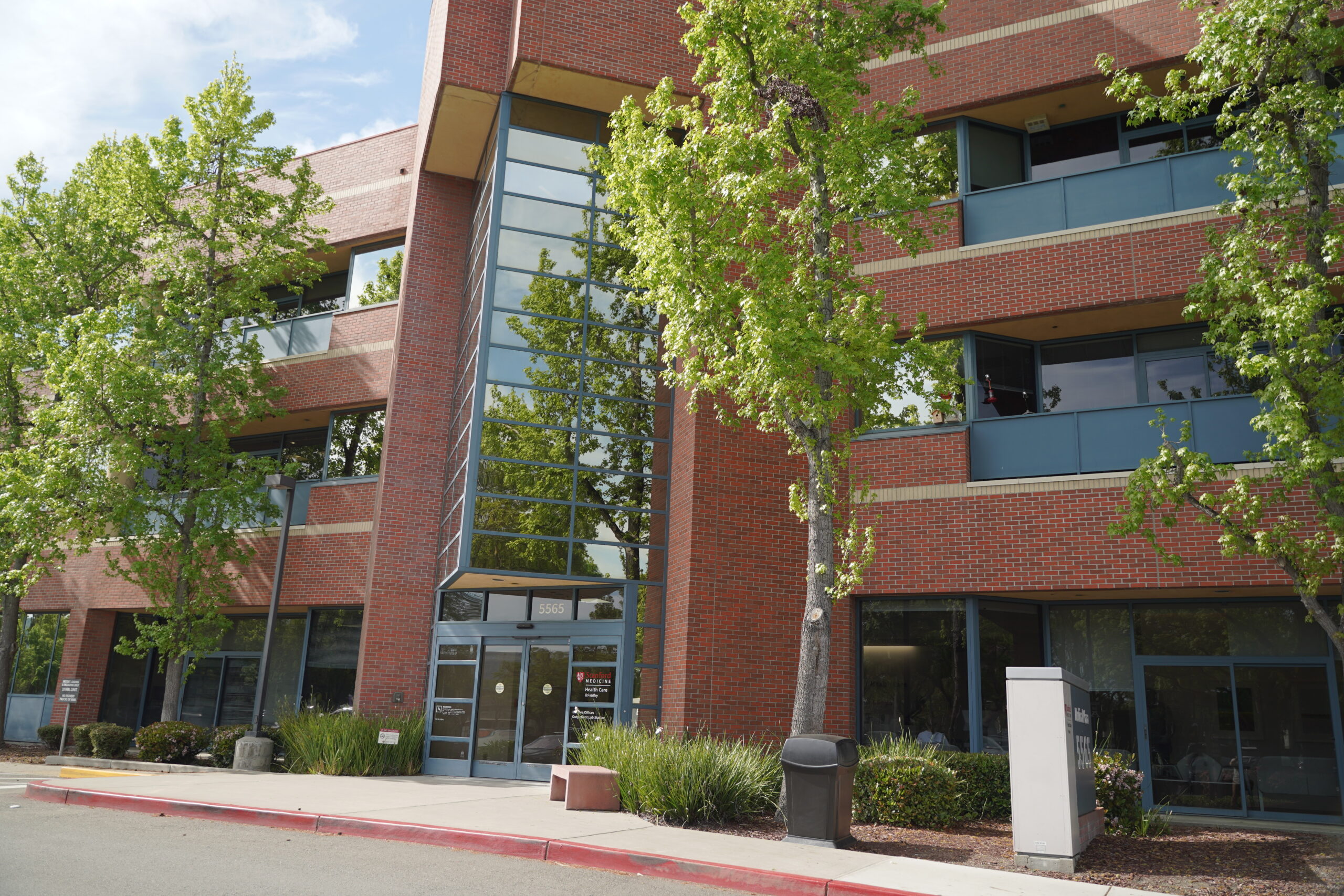
From its community roots to an academic hub, Stanford Health Care Tri-Valley has evolved into a center of clinical, educational, and research excellence, launching a Family Medicine Residency Program to train the next generation of primary care doctors.

In theory, it sounds simple: Residents already at the Stanford campus can quickly hop across the Bay to Tri-Valley to see patients. But it turned out to be much more complex. 

“It doesn’t work that way. We had to go through all the right compliances and regulatory pieces – none of which were present,” Go says. “We had to learn and figure out what the process was and then implement it and get the right approval from the medical staff and the hospital.” 

Tri-Valley needed to become a qualified sponsoring institution to provide graduate medical education, and then Go and her team needed to design and build an entire residency curriculum and hire the faculty.

None of that would have been possible without Go’s extensive efforts to shift the culture of Tri-Valley to focus more on the academic mission of education and research, says Jia.

“She was thorough and meticulous, with a vision of the goal but also focused on the details and made sure things were done right from the beginning steps,” Jia says. “This really speaks to her drive, vision, and dedication to building the frontiers of academic education at Tri-Valley.”

The hard work has been worth it.

“What makes everyone so excited and supportive about this initiative is that we are driven by passions and beliefs that family doctors will make a big difference and impact in this community,” Go says.
Price Defines the Generic Drug Market

Price Defines the Generic Drug Market

#Interventions

Kevin Schulman, MD, MBA, is a Stanford health economist dedicated to revealing the downside of the generic drug marketplace – one that has saved consumers billions of dollars in drug costs annually but that is still “deeply flawed.”

A shortage of cisplatin, a key cancer chemotherapy agent, resulted in a crisis for Stanford Medicine and many other healthcare systems in 2023. A Food and Drug Administration (FDA) inspection had found severe quality problems at one of the largest foreign manufacturers of this generic drug.

Guided by principles of ethics, potential impact on prognosis, and clinical judgment, a multidisciplinary committee helped determine the allocation of cisplatin to patients on a case-by-case basis. At that time, Neera Ahuja, MD, was medical director of pharmacy. She recalls that “all the patients at Stanford received the care they needed, and there were no negative impacts to clinical care.” Ahuja is currently associate chief medical officer, Inpatient Care Services.

Drug Detective Seeks Answers

While the Stanford bioethics committee was developing criteria for rationing the available supply of cisplatin for its cancer patients, Kevin Schulman, MD, MBA, was working to explain the economic factors that resulted in this crisis. Schulman is a health economist and professor of medicine at Stanford and is interim division co-chief for the Division of Hospital Medicine.

“There is a lot of focus in this country on the high cost of branded drugs,” says Schulman, whose research on generic drugs is carried out within the Stanford Department of Medicine’s Clinical Excellence Research Center (CERC). “However, 90% of all prescriptions are written for generic versions of formerly branded products – drugs whose patent protection has expired.” This process has saved billions of dollars for consumers. At the same time, the generic drug marketplace has become deeply flawed, according to Schulman.

"

“Generic drug shortages and generic drug quality are solvable problems. We need a new economic model that incorporates both price and quality into its infrastructure to deliver more for our patients.”

– Kevin Schulman, MD, MBA

The Generic Drug Market’s Sole Platform

In the branded drug market, manufacturers have the power to set prices. By contrast, in the generic market, distributors and other drug purchasers have consolidated into a limited number of purchasing coalitions that have the power to drive down prices. In fact, they can push prices so low that many generic drug manufacturers leave the market because they can no longer make a profit. And since the generic drug market is entirely based on price, there is no incentive for manufacturers to invest in quality – both product quality (its safety and efficacy) and supply chain quality (the assurance that high-quality products are always available).

“Unlike other industries,” notes Schulman, “the generic drug market is solely based on price. Drug distributors and purchasing groups claim the FDA oversees drug quality, but the FDA is struggling to police every transaction in a global market.”

Schulman has worked with Intermountain Healthcare (a large healthcare system based in Salt Lake City) to create Civica Rx, a not-for-profit generic drug company designed to change the incentives in the generic market for purchasers and health systems. Schulman is an unpaid member of the Scientific Advisory Board for Civica Rx, which offers stable, long-term procurement contracts that supply up to half of the needs for generic drugs for member health systems.

This model starts with a slightly higher but more stable price for generic drugs. Over time, the Civica model has resulted in reduced costs for generic drugs by eliminating the shortages and price swings that are typical of the generic market.

Product Recalls and Shortages

Schulman believes we can largely eliminate the challenge of generic drug quality and the larger issue of shortages if we force the purchasers in the market to consider both price and quality in contracting with generic drug manufacturers. “We have sophisticated purchasers buying millions of units of product, but not asking anything about product quality. I can’t imagine any other market in the world that functions this way.”

He argues that the FDA always lags behind purchasers’ procurement decisions. During the COVID-19 pandemic, the FDA fell way behind in its inspections. The Government Accountability Office reported that at the end of 2022, the FDA had not inspected 61% of critical overseas sites in five years. “And an FDA inspection merely reviews quality documents maintained by the manufacturer. They do not routinely test the medications themselves for quality,” Schulman says. In fact, he recently detected carcinogens in some generic drugs, even after FDA recalls, likely resulting from low-quality manufacturing processes.

“It’s been both exciting and frustrating to examine this market, which is a critical part of our healthcare system that has been largely neglected by the research community,” he says. “Generic drug shortages and generic drug quality are solvable problems. We need a new economic model that incorporates both price and quality into its infrastructure to deliver more for our patients.”

New Division to House Research Centers

In September 2023, a new administrative division was created for the Stanford Department of Medicine. CERC and five other research entities are now organized under one umbrella, called the Division for Research and Education in Academic Medicine (DREAM). “This is an exciting moment for the Department of Medicine. I am confident that DREAM will contribute great value to the department and to each of the programs and centers within this new division,” says Interim Chair of the Department of Medicine Bonnie Maldonado, MD. The six entities in this new division are as follows:

  • Program for Bedside Medicine
  • Center for Asian Health Research and Education
  • Center for Digital Health
  • Clinical Excellence Research Center
  • Translational Research and Applied Medicine Center
  • Translational Applications Service Center

Mentorship Reimagined: The MODEL Program’s Impact on Faculty Development at Stanford

Mentorship Reimagined: The MODEL Program’s Impact on Faculty Development at Stanford

#Communities

With an inaugural cohort of seven faculty mentors and 87 mentees, the MODEL program has already had significant impacts on faculty across department divisions and organizations.

“One of the best things that has happened to me as a result of the MODEL program is to make connections with other early-career women faculty,” says Clinical Assistant Professor of Cardiovascular Medicine and MODEL mentee Jennifer Woo, MD. “I was waiting to give my talk at a major international scientific meeting. I could not feel my fingers, I was so nervous.” 

Woo texted two fellow MODEL mentees, who talked her through her nerves. They told her to write down the names of several people and imagine she was giving the talk to them. “It worked!” Woo says. “I won the Young Investigator Award!” 

MODEL program leaders, alongside the inaugural cohort of participating faculty mentors and mentees, have been hard at work since the program launched in January 2024. MODEL, shorthand for Mentorship | Opportunity | Development | Empathy | Leadership, champions a dynamic new mentoring culture across the Department of Medicine. 

With an inaugural cohort of seven faculty mentors, called MODEL leads, and 87 mentees, the program has already had significant impacts on faculty across department divisions and organizations. 

“The MODEL program helps relieve the burden of finding (and providing) mentorship, because it broadens the definition of mentorship beyond the classic one-to-one ‘advisor-advisee’ relationship most of us think of,” says the department’s senior vice chair for clinical affairs, Ann Weinacker, MD. MODEL, she says, “allows experienced faculty to share their knowledge and experience with groups of early-career faculty in a casual and relaxed atmosphere that promotes open dialogue.”

The group format also provides opportunities for networking with colleagues and other more senior faculty and for developing relationships that are mutually beneficial, including classic mentoring and sponsorship relationships that, according to Weinacker, often seem elusive.

"

“There’s something magical about regular group meetings, and MODEL is proof. To me, the mutual support, the sense of community, and connection is as precious as the mentorship. Why else would its members carve out time they don’t have to be there?”

– Abraham Verghese, MD

Trained, Dedicated Mentors

The MODEL leads’ commitment to this initiative is as impressive as it is inspiring. In addition to the myriad personal and professional demands on clinical faculty, MODEL leads undergo three months of formal training with the Teaching and Mentoring Academy in the School of Medicine. The curriculum covers, among other topics, mentorship principles, communication strategies, and teaching methodologies. Leads also engage in continuing learning from the medical school’s Office of Academic Affairs, as well as the department’s Diversity, Equity, and Inclusion Council; Team Science initiatives; and Making SPACE program.

MODEL leads serve their term as dedicated faculty to help facilitate promotion and advancement of their colleagues, train others to develop strong mentoring relationships, and provide ongoing workshops to promote networking and mentorship. 

Behind the leads’ dedication to the program’s mission is a sense of the importance of establishing mentorship as a core cultural value in the department and converting that shared belief into regular practice across divisions. 

“Mentorship has traditionally been an expectation in academic departments, rather than an intentional investment and strategy to support the success, well-being, and belonging of our early-career faculty,” says Niraj Sehgal, MD, clinical professor of hospital medicine and senior associate dean for clinical affairs in the School of Medicine. “MODEL is such an exemplary program to achieve those goals.”

Connecting Mentees and Mentors Across Divisions and Career Stages

To achieve that common objective, MODEL mentors and mentees initiate and engage in small and large group discussions celebrating mentorship as beneficial for faculty members at all stages of their careers.

For example, “For clinician educators (CEs), the majority of our interactions with colleagues in the department are to discuss mutual patients,” says MODEL mentee and Clinical Associate Professor of Endocrinology Marilyn Tan, MD. “But MODEL provides a chance to have exchanges with colleagues across divisions, with a focus on career and work-life balance.”

“There’s something magical about regular group meetings, and MODEL is proof,” concurs Vice Chair for the Theory and Practice of Medicine Abraham Verghese, MD. “To me, the mutual support, the sense of community, and connection is as precious as the mentorship. Why else would its members carve out time they don’t have to be there?”

"

Mentorship Matters

With the first year of operation complete and planning for the next year underway, the MODEL program is very much in the hearts and minds of department participants and leaders, and many are invested in its continuing success. 

“MODEL reminds us of why we’re grateful to be at Stanford and in an environment where we’re continually finding ways to invest in ourselves and each other,” Sehgal reflects.  

Former program leader Upinder Singh, MD, shares, “We should call the story ‘a labor of love,’ since that really is what we are talking about.” Her program co-leads, Kavitha Ramchandran, MD, and Rebecca Geraldi, readily agree.

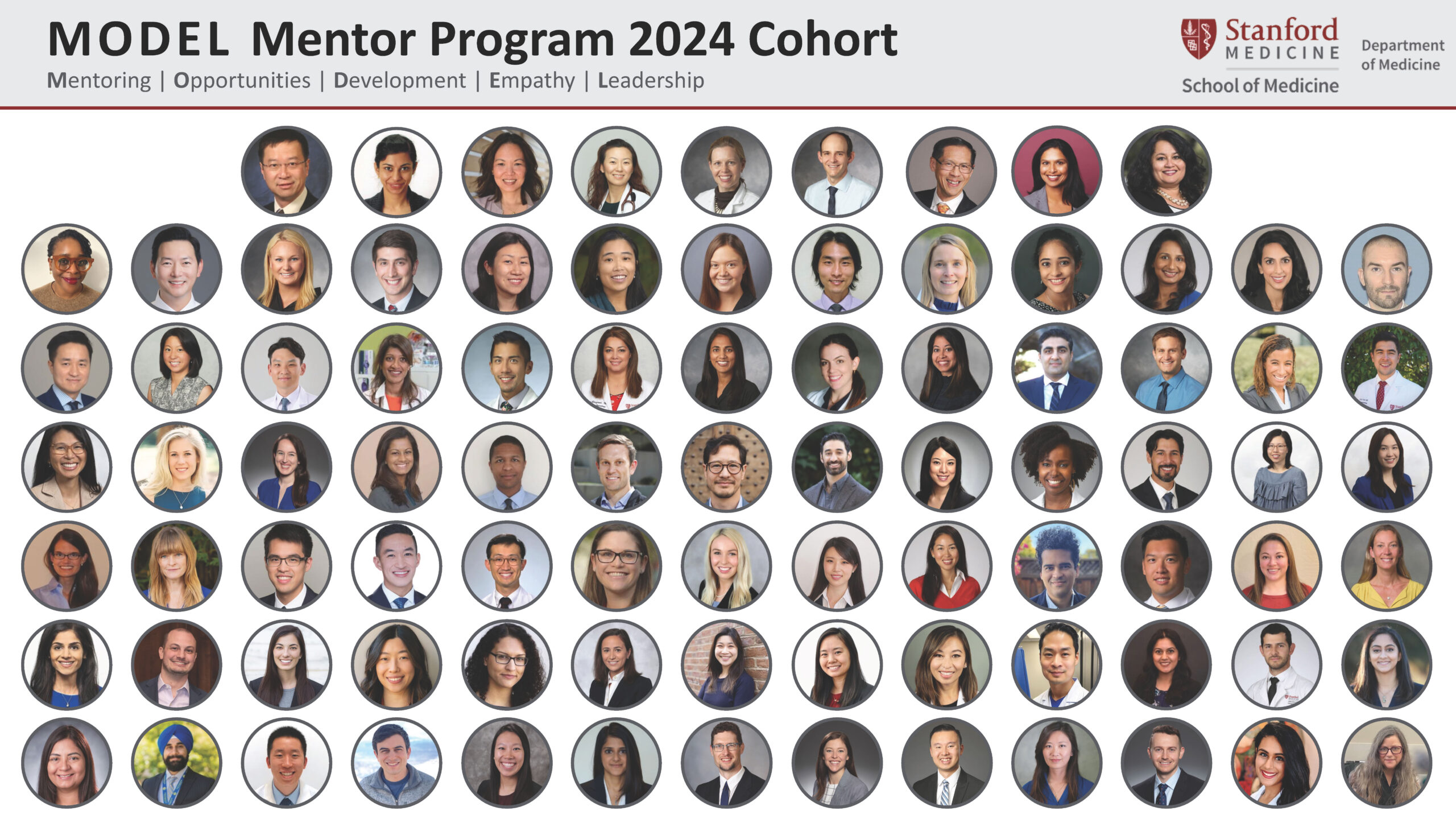
The 2024 cohort of MODEL Leads is dedicated to the importance of establishing mentorship as a core cultural value in the department and converting that shared belief into regular practice across divisions.

New Frontiers in Team Science: Empowering Patients With AI-Driven E-Consults

New Frontiers in Team Science: Empowering Patients With AI-Driven E-Consults

#Methods

From left: Olivia Jee, MD; Vijaya Parameswaran, PhD; Ron Li, MD; and Srikanth Muppidi, MD

For patients with rare diseases, the time to obtain a definite diagnosis can be months or even years. During that period, even minor communication gaps can lead to dead ends and lengthen the journey. Here is a typical scenario:

Patient A goes to see their primary care physician complaining of diffuse symptoms that have plagued them for some time. The physician suspects a neurological disorder and initiates what is known as an e-consult – a digital, physician-to-physician communication. The patient’s symptoms are described in medical shorthand, including numerous acronyms and technical terms. The consulted neurologist suggests a series of tests, which are ordered and performed in the following days and weeks, all with negative or inconclusive results. 

The primary care physician refers the patient for an in-person visit to the neurologist, who is not available for some months. When that date finally arrives, the neurologist consults the notes received and discusses them with the patient. The patient clarifies one particular symptom as well as its timing: “No, that is incorrect. Here’s what actually happened…”

That clarification serves as a clue, and after a careful examination and more questions, the neurologist confirms the diagnosis of a rare disease, at which point the patient is put on appropriate medication. The time from initial visit to treatment: several months, during which the patient’s condition has worsened.

Patient A knew how to access the physician’s notes and the response from the neurologist. But the medical terminology and the acronyms used obscured the fact that there was a miscommunication about one crucial symptom and its timing, which then led to a series of mistaken assumptions. 

What if an AI tool could serve as an interpreter to translate physicians’ notes into lay language? What if patients could easily access this translation and directly respond with corrections or additional details? 

These questions will be explored in a new pilot study at Stanford. In an example of true team science, the project brings together professionals from different fields. Primary care physicians, neurologists, and experts in AI tools for medicine will investigate how patients communicate with their care team and how they could be active participants when their primary care physician consults a specialist.

“Timely communication is essential in healthcare delivery. We are exploring whether the integration of large language models can augment human clinical care by improving the efficiency and effectiveness of patient communication,” says Vijaya Parameswaran, PhD, a social scientist in the Division of Cardiology and co-principal investigator of the study. Large language models, she explains, are the foundation for chatbots like ChatGPT – computer programs that simulate and process human conversation, either written or spoken.

The research will also study how physicians consult with each other and with their patients during an e-consult to see if artificial intelligence language models can improve these interactions and information sharing.

“The time it takes the primary care physician to formulate a tight, well supported clinical question and the specialist’s time providing a clinical assessment and recommendations impact the quality and quantity of e-consults. If AI can aid to overcome these barriers, it will help us continue to grow the program and provide more efficient clinical care,” says Olivia Jee, MD, a primary care physician, clinical assistant professor of primary care and population health, and medical director of the Stanford Health Care eConsult Program.

"

“Timely communication is essential in healthcare delivery. We are exploring whether the integration of large language models can augment human clinical care by improving the efficiency and effectiveness of patient communication,” says Vijaya Parameswaran, PhD

For example, an AI language tool could be used by a specialist to quickly scan and condense what is often hundreds of pages of history and data that patients with rare diseases typically bring to a consultation. The most brilliant human minds do not have the capacity to digest thousands of pieces of information in a few minutes and come to rational conclusions. A large language model tool can serve as an “extra brain” to sift through the data, bring the most relevant facts into focus, and suggest the most likely diagnosis and possible treatments, according to Srikanth Muppidi, MD, clinical professor of neurology and neurological sciences and co-investigator in the study.

“With the increasing complexity of care and silos of knowledge, it is impossible for primary care or referring physicians to always obtain and interpret relevant clinical information. This study will help us understand how best to use AI tools to review referrals, both to reduce the time to diagnosis and to help choose the best therapy for each individual,” says Srikanth Muppidi, MD.

On the patient side, the same tools could empower them with language and technological resources that would help them communicate about their symptoms and disease history. A rare disease forces patients on a journey from primary care to specialists to subspecialists, each time having to explain the course of their condition, pointing out tests that have been administered, and describing the effects of attempted treatments. By making it easier for patients to be actively involved in the process of diagnosis and disease management, the Stanford team hopes to shorten these difficult journeys and improve outcomes for patients.

The study is a joint project of the Stanford Department of Medicine Team Science program, the Stanford Health Care Digital Healthcare Integration Team, and UCB Biopharma, the industry sponsor.

“Large language models have shown tremendous promise in improving clinical workflows by helping to summarize and translate information,” says Ron Li, MD, a clinical associate professor of medicine and medical informatics director for digital health, who is the principal investigator of the study. “The goal of this project is to explore how we can apply this capability to enable and transform care models such as e-consults while keeping patients at the center.”       

Social Scientist in Cardiovascular Medicine Vijaya Parameswaran, PhD

Transforming Women Veterans’ Health Care: Susan Frayne’s Leadership in Advancing VA Initiatives

Transforming Women Veterans’ Health Care: Susan Frayne’s Leadership in Advancing VA Initiatives

#Interventions

Susan Frayne, MD, a pioneer in women’s health at the VA, stands at the forefront of expanding research and clinical care to better serve the rapidly growing population of women veterans.

When Susan Frayne, MD, began her career in the early 1990s, Veterans Affairs (VA) medical services were almost entirely geared toward men.

“If a woman did show up in the clinic,” Frayne recalls, “it would take a half hour to locate a speculum to do a pelvic exam.”

Back then, VA clinicians saw very few women patients and were often rusty on how to care for them, says Frayne, who is now the director of the VA Health Systems Research Center for Innovation to Implementation (Ci2i) and a Stanford Medicine professor in the Division of Primary Care and Population Health. 

As part of its mission, faculty in the Division of Primary Care and Population Health are committed to service at the VA. To that end, Frayne divides her time between VA activities and service at Stanford University. 

Women have served in the U.S. military since the American Revolution, but it wasn’t until 1948 that Congress granted them entitlement to veterans benefits and not until 2015 that they were approved to serve in combat roles. Despite their long history of service, women have been an extreme numeric minority within the VA system, leading to historical gaps in addressing their healthcare needs.

Today women represent the fastest-growing population in the VA, comprising 10% of VA patients. This has heightened the need for a stronger evidence base to systematically enhance care at the bedside.

“Women veterans have been in the VA for a long time but used to receive less attention due to their small numbers. It is heartening to now be seeing how VA has been making it a priority to ensure that their healthcare needs receive the focus they deserve,” Frayne says.

Supported by the efforts of Frayne and her colleagues to advance the boundaries of women’s health research and care, the VA has implemented several key initiatives to advance clinical research and advocate for women veterans. 

Prominent among these is the Women’s Health Research Network, which has accelerated the scope and impact of VA health research since Frayne and two colleagues at VA Greater Los Angeles and the University of California, Los Angeles – Elizabeth Yano, PhD, and Alison Hamilton, PhD – founded it in 2010. Its Women’s Health Practice-Based Research Network (WH-PBRN) component, which Frayne leads, connects 76 VA medical centers across the country – together representing over half of the women veterans served by the federal agency – and provides a national platform for multisite studies. While the number of women veterans at any one VA campus is still typically too low to supply enough study participants to yield meaningful conclusions, recruiting from multiple WH-PBRN member sites ensures better representation. 

To date, over 100 multisite studies have been conducted through the WH-PBRN. These cover a wide range of high-priority areas such as mental health and suicide, pain and opioids, reproductive health, military sexual trauma, access to women’s health primary care providers, rural health care, and more. Responding to the aging of the women veterans population, the WH-PBRN has been supporting studies on conditions like heart disease and menopause.  

The WH-PBRN also brings research to diverse patient populations and healthcare settings. “We’re able to reach populations that often tend to be underrepresented in research,” Frayne explains. “The WH-PBRN stretches all the way from Samoa to Puerto Rico and Alaska, and from big cities like New York, Houston, and San Francisco to facilities that serve largely rural populations like Fresno and Iowa City.”

"

“We are working to ensure that women veterans are better represented in clinical research, which is crucial for developing effective treatments and interventions tailored to their unique needs.”

– Susan Frayne, MD

Findings from research conducted in a predominantly male patient population cannot reliably be used to guide the care of female veterans. As a spin-off of the Women’s Health Research Network, another initiative, the Women’s Enhanced Recruitment Process, is designed to improve the equitable representation of women in clinical trials. Led by Frayne and Karen Goldstein, MD, at VA Durham and Duke University, this program addresses the historical underrepresentation of women veterans in research to increase the inclusiveness of large VA trials. 

“We are working to ensure that women veterans are better represented in clinical research, which is crucial for developing effective treatments and interventions tailored to their unique needs,” Frayne says. 

To further support these efforts, the Women’s Health Evaluation Initiative (WHEI) leverages VA databases to inform national VA strategic planning and policy development. WHEI’s data-driven approach helps identify gaps in current research and care, guiding the development of targeted studies and interventions, and contributes to the VA as a learning healthcare system. 

While Frayne cautions that more is still needed, she has seen steady improvement in VA services for women veterans since she started as a primary care doctor more than three decades ago. The implementation of women veteran program managers and women’s health medical directors at every VA facility has expanded access to specialized care. Dedicated women’s health clinics are now common. 

The VA has also been focusing on culture change. For example, Women’s Health Research Network findings that identified harassment of women veterans led to national VA anti-harassment campaigns, and studies have shown subsequent improvements in women’s perceptions of the VA environment of care as safe and welcoming.

The Women’s Health Research Network’s body of work around culture change is just one example of its impact. As Frayne notes, “Our ability to quickly adapt and respond to emerging priority areas speaks to the robust infrastructure and partnerships we’ve built over the past 15 years.”