Tracking a Mysterious Kidney Disease Across Time and Continents

Tracking a Mysterious Kidney Disease Across Time and Continents

#Partnerships

Stanford nephrologist Shuchi Anand, MD

The patient, age 30, arrives at the dialysis clinic at 4 a.m. He sits through four hours of dialysis that filters from his blood the waste and water his kidneys no longer can – leaving him exhausted. He rests for another hour, but rather than returning home to recover, he drives to the fields to harvest lettuce under the scorching sun.  

Stories like this are common in Salinas Valley, the “Salad Bowl of the World,” and agricultural regions in Central California. They motivate researchers such as Stanford nephrologist Shuchi Anand, MD, to better understand a mysterious kidney disease impacting young farmworkers in hot agricultural areas around the globe. 

Since 2018, Anand has been studying this illness in agricultural communities in Sri Lanka. Now, she and Marimar Contreras Nieves, MD, a Stanford nephrology fellow, are pushing the boundaries of what is known about the condition by investigating these two regions in parallel. 

Unlike Sri Lanka, the predominantly Hispanic Central Valley and Central Coast of California are not yet confirmed hot spots and lack extensive analysis, largely due to a lack of data in a difficult-to-study population: migrant farmworkers. 

To better understand what’s driving the high rates of end-stage kidney disease in Central California – a relatively unexplored yet critical frontier in kidney disease epidemiology – Anand and Contreras are interviewing patients in dialysis clinics in the five largest agricultural counties in the region, beginning in Salinas and Fresno. They’re developing innovative collaborations with local nephrologists, research students, and community groups to seek out possible causes and ultimately help prevent the devastating condition. 

A Global but Underrecognized Problem

In the past two decades, younger adults without any of the usual risk factors have begun suffering irreversible kidney damage. In the U.S., kidney disease typically disproportionately affects poor communities in urban areas. However, this “chronic kidney disease of unknown origin,” or CKDu, is most common in hot, low-lying agricultural regions across the world. It primarily impacts young and middle-aged males whose livelihoods involve strenuous agricultural and manual labor.

The progressive disease is often not diagnosed until the patient has reached the final stage – at which point their kidneys are so damaged, they require costly, time-consuming dialysis or a kidney transplant for survival. 

In recent years, analyses from the U.S. Renal Data System have revealed unusually high rates of end-stage kidney disease in Central California. While this region and Sri Lanka are separated by nearly 9,000 miles, they share similar geographic features and high temperatures. 
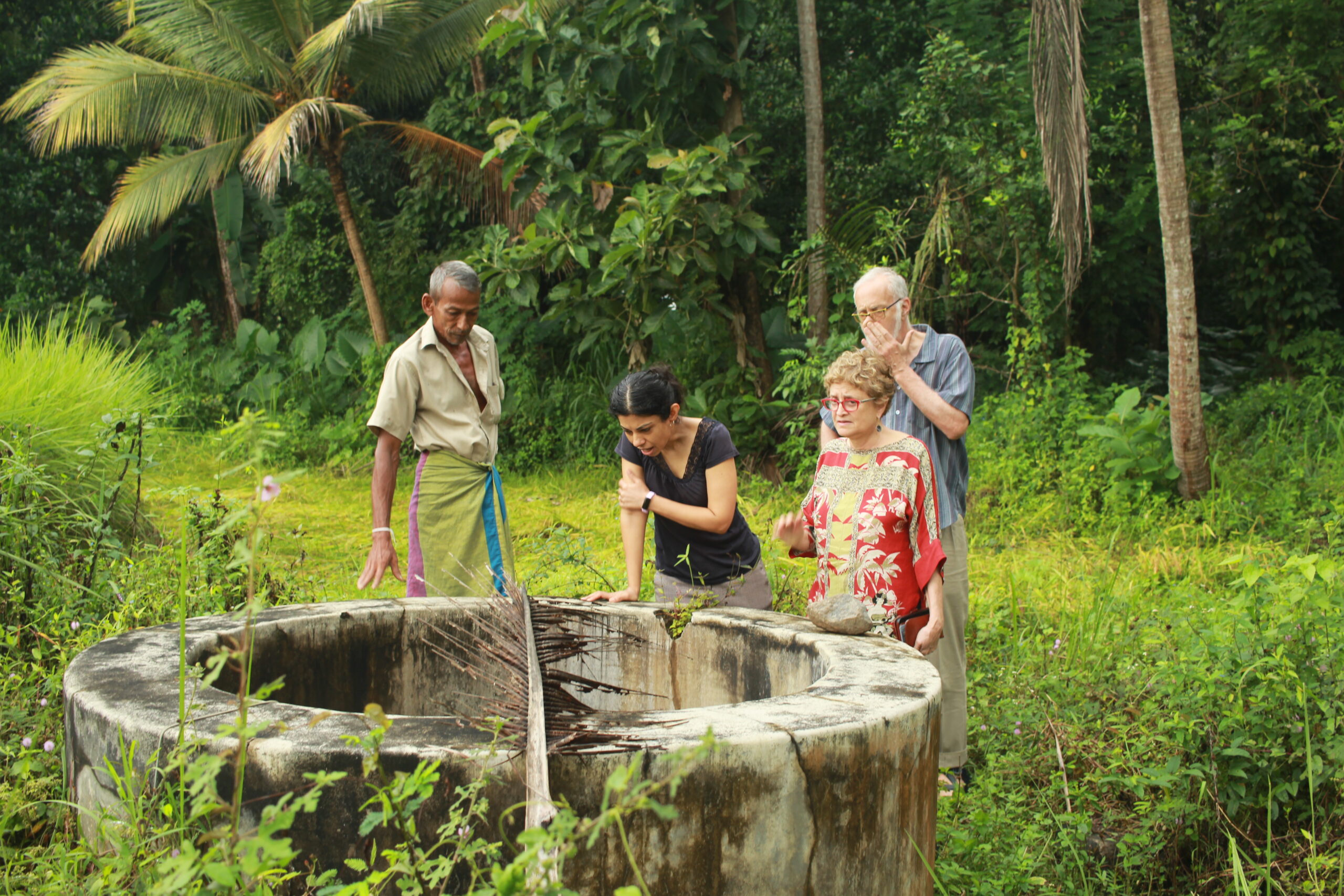
A Sri Lankan man with kidney disease shows Dr. Anand and colleagues the household well as they investigate possible causes. A suspected risk factor for kidney disease of unknown origin is contaminated groundwater. Also pictured: Michele Barry, MD, Senior Associate Dean of Global Health and Director of the Stanford Center for Innovation in Global Health, and Mark Cullen, MD, a retired Senior Associate Dean of Research at the Stanford School of Medicine.

Devastating to Local Communities

From Sri Lanka to the Salinas Valley, the impacts of this mysterious kidney disease are devastating for the patient, their family, and their community. 

“Life changes overnight when you give patients a diagnosis,” says Gopal Krishna, MD, a nephrologist with Central Coast Nephrology who grew up in a region of India that has become a hot spot for CKDu. 

Krishna believes that up to 20% of his patients have been affected by the illness. He’s now partnering with Anand and Contreras by providing them access to interview patients on dialysis.

Anand, who also directs Stanford Medicine’s Center for Tubulointerstitial Kidney Disease, is motivated by the stories of those impacted. In Sri Lanka, she says, farmers have committed suicide to prevent their families from suffering the financial burden of treatment. In other cases, children left school early, or mothers left the home, to work.

“Progressive kidney disease in a working-age person impoverishes families and robs them of a loved one,” she says.

A Puzzle Spread Across Time

Despite the impact, few nephrologists, patients, and community members in Central California are aware of this condition, and an understanding of causes and solutions remains elusive.

Because the disease is difficult to detect in its early stages, researchers struggle to understand which exposures in a person’s life may have contributed to their illness. Compounding this, many impacted communities lack sufficient epidemiological data and research capacity to investigate the condition.

“It’s a puzzle that is very difficult to piece together – a puzzle not only with many pieces, but pieces spread across time,” says Anand.

Strenuous activity in extreme heat is one highly suspected risk factor – and a growing one in light of climate change, says Anand. Other possible contributors include drinking water contaminated by pesticides or naturally occurring elements, silica exposure from the burning of certain crops, and infection by viral diseases.

"

“It’s a puzzle that is very difficult to piece together – a puzzle not only with many pieces, but pieces spread across time.”

– Shuchi Anand, MD

Two Hot Spots, Two Approaches

In Sri Lanka, Anand and community researchers have been following healthy people over time to identify risk factors and exposures in those who eventually fall ill. Anand is also helping communities build their local capacity for research, including blood testing, gathering environmental samples, and testing interventions, such as filtering drinking water for potential contaminants. This work has been supported by the Stanford Center for Innovation in Global Health through Global Health Seed Grants, an NIH/Fogarty Global Health Equity Scholarship, and mentorship from Michele Barry, MD, the center’s director. 

A team of faculty at Stanford are collaborating to tackle the disease locally and in Sri Lanka, including Vivek Bhalla, MD, associate professor of nephrology; Kurella Tamura, MD, professor of nephrology; Neeraja Kambham, MD, professor of pathology; Andrew Fire, PhD, professor of pathology and genetics; and Maria Montez-Rath, PhD, senior research engineer.

Yet Central California requires a different approach, since those most impacted – farmworkers – move frequently, are hard to reach, may not trust the healthcare system, and usually aren’t aware of the illness. Anand and Contreras realized they needed to start with patients in the end stage of the disease and work backward to fully understand the relationship between a patient’s work, environmental exposure, residential history, and CKDu. The Stanford Woods Institute for the Environment has funded recent work in the Central Valley through an Environmental Venture Project grant.

“The base for this project is gathering information from patients and understanding their stories,” Contreras says. They’ve established strong relationships with local nephrologists serving patients in Central California, including Krishna, and begun interviewing dialysis patients. They’ve also collaborated with Clovis Community College, near Fresno, to identify young, bilingual research assistants from the community to interview patients.

Research Assistant Esteban Banda remembers the first time he entered a quiet Salinas dialysis clinic in the early morning, hesitant to disturb the sleeping patients’ rest and unsure whether they’d want to talk with him. Yet he was quickly surprised by how eager they were to discuss their lives and contribute information.

Stanford researchers and their global colleagues are investigating a mysterious kidney disease impacting young farmworkers in hot agricultural areas around the globe. To better understand possible causes and risk factors, they’re exploring the similarities and differences between a known hot spot, Sri Lanka, and a possible new hot spot in Central California.

As a Clovis Community College and UC San Diego graduate who hopes to attend medical school, Banda says that this experience is motivating him to become a doctor capable of engendering trust in his patients.

‘Hope to Find Solutions’

While researchers hope to better understand the causes of CKDu, their ultimate goal is prevention across borders.

Meanwhile, researchers are collaborating with universities in Central California, as well as local farmworker rights organizations, to develop a project focused on protecting at-risk workers – particularly as rising temperatures put laborers at greater risk.

Krishna hopes the initiative can help catch or prevent the disease before it reaches its terrible end stage for many of his prospective patients. 

“As we begin to recognize and appreciate that this entity exists,” he says, “I think there is a lot of hope to find solutions.”

Harmony and Healing: How Stanford’s Department of Medicine Staff Find Resilience Through Music

Harmony and Healing: How Stanford’s Department of Medicine Staff Find Resilience Through Music

#Communities

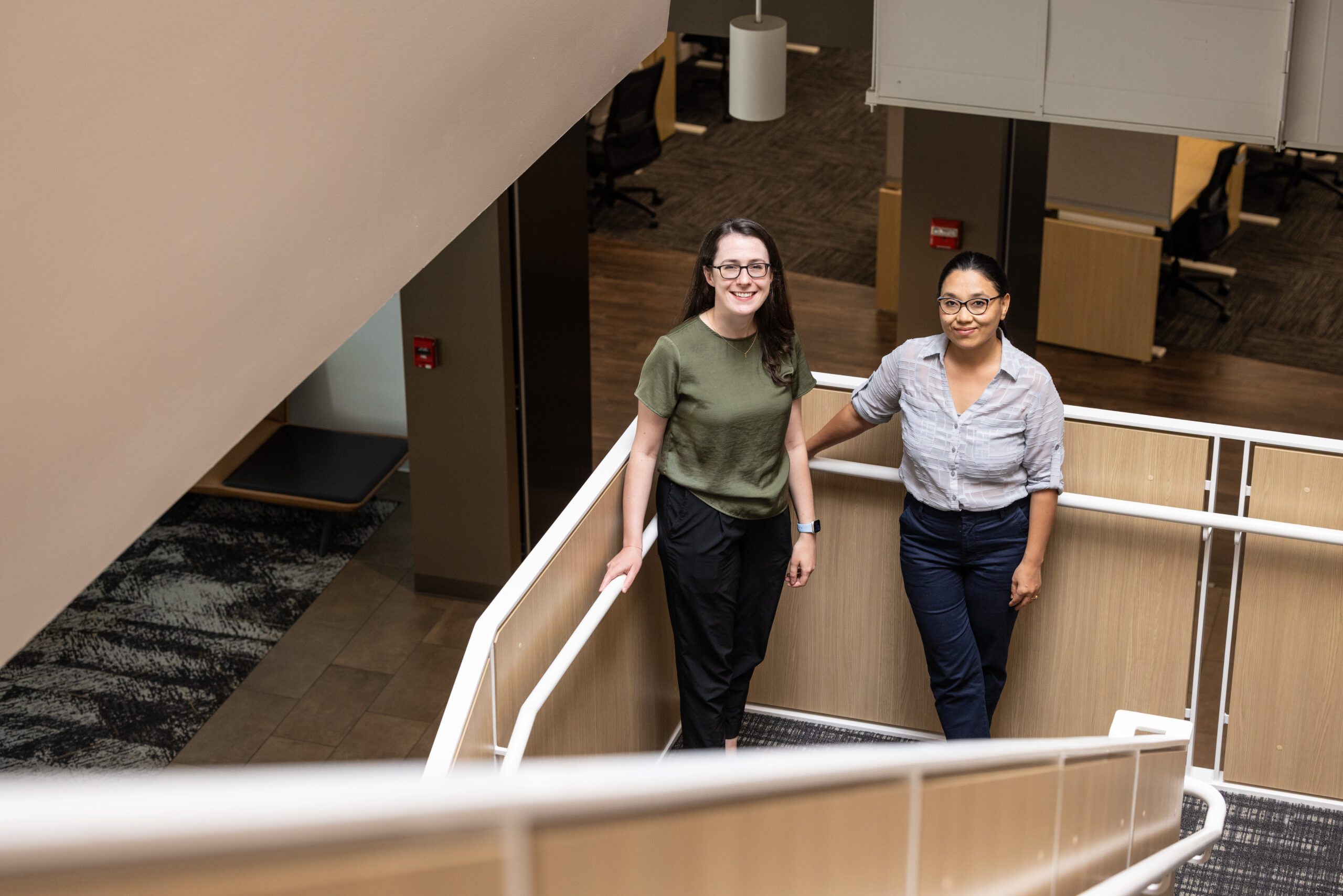
From left: Staff members Winnie Ellerman, Elizabeth Chen, Loto Reed, and Brenda Padia find expression, connection, and healing through the act of making music.

“Making music is healing for the body, mind, spirit, and soul. Music is an invitation to step into a different space that can be healing, fun, wild, and peaceful,” says Elizabeth Chen, a research coordinator in the Division of Nephrology.

Chen is one of many staff members in the Department of Medicine who are also talented musicians. Several shared the different ways they’ve embraced music as a way to navigate challenging periods in their lives. For some, making music presents a much-needed path to the self and a way of practicing mindfulness. For others, it offers a chance to process and manage difficult emotions or to find meaningful connection with others. 

Music as a staircase to healing: Staff musicians find solace and strength in their craft, using their art to navigate adversity and explore new frontiers of personal growth. Courtesy of DALL-E.

"

Music as a Path to Self-Expression and Presence

For Winnie Ellerman, administrative manager of nephrology and a dedicated piano teacher, making music is first and foremost a mode of self-expression.

“Even though a composer can write a piece of music with an intended emotion in mind, a musician has the power of interpreting and expressing that emotion or others,” Ellerman says. “When I learn a piece on the piano, the notes and fingering quickly become muscle memory, but the style and delivery changes almost every time I sit down to play the piece. It takes me a while to figure out my own version.” 

For Fellowship Program Manager and vocalist Brenda Padia, singing classical arias represents a method of practicing mindfulness where the goal is to be fully present for the length of a song.

Brenda Padia performing “Batti, batti”

“If I mess up in a performance, I have to continue,” Padia says. “I have to accept what is in the moment so I can remain focused on the rest of my aria and then, afterward, reflect and learn from it. I’ve also noticed applying this approach to work-related or life challenges improves my mental well-being and reduces self-judgment.”

Music as a Way of Navigating Change and Processing Difficult Emotion

In addition to experiencing music as a means of self-expression and presence, staff in the department describe making music as a method for navigating periods of change. 

For Loto Reed, administrative supervisor and program manager in Primary Care and Population Health, in the peak of the COVID-19 pandemic, playing the piano became an essential source of healing and refuge from the pressures of life and work. During this period, she kept a full-size digital piano in her office. When she felt the need to reset and recharge energetically and emotionally, she stepped away from her desk for a few minutes to play a song or a few chords.

Like Reed, Chen, a pianist and vocalist, recognizes the therapeutic potential of music to help musicians manage the difficult and common workplace emotions of stress and pressure. “Music is a stress reliever, stepping into a world away from obligations, and it brings so much joy and relief, peace, and gratitude,” she says. 

For Chen, that joy is linked to the fact that making music is a choice she makes for herself on a daily basis. Her practice is what she makes of it, and it doesn’t depend on anyone else’s schedule or expectations.

"

“As a Pacific Islander, music is woven deeply into our cultural traditions and identities. It is truly a healing art form and a creative way to bring communities together and share the richness of the cultures.”

– Loto Reed

Music as a Means of Connection

Many musicians in the department also expressed that music has the potential to heal the body, mind, soul, and spirit when it is made in the company or in the service of others. 

Reed, for example, found relief from extreme social isolation during the pandemic in making and sharing music with others over social media. Though it was frightening to share recordings with others for consumption and critique, she experienced supportive outpourings of appreciation from listeners. The response served as a reminder that she was not alone, lifting her spirits and helping her get through a difficult period of her life. 

Chen describes the critical role that making music played in forging lasting friendships (especially with other musicians): “The ability to make music has brought me so many close friendships. It brings together various people with musical gifts to serve a greater purpose.”

For Ellerman, making music has served the greater purpose of connecting her across time and space to past generations of family musicians. Sometime after her grandmother’s passing, Ellerman found among her things a book of sheet music that Ellerman’s great-grandmother (and namesake) Winnie used in the ’60s and ’70s to teach her mother and aunts. 

Winnie Ellerman playing the piano

It was the same book that Ellerman was using to teach one of her young students at the time, and at the top of the piece they had most recently worked on together was a date showing when her aunt had learned that same piece, 50 years earlier to the day. 

“That moment was so surreal and grounding,” recalls Ellerman, “and it made me feel connected to a piece of my family history that I hadn’t really thought about before – I never met my great-grandmother Winnie.”

For Reed, the connective power of making music extends to the broader community. “As a Pacific Islander, music is woven deeply into our cultural traditions and identities,” she says. “It is truly a healing art form and a creative way to bring communities together and share the richness of the cultures.” 

Reed’s family has made it a yearly tradition to host a “Music for the Soul” recital at their home, in honor of her father Nifai Tonga’s lifelong love of making music and his passing five years ago. The recital reunites Tonga’s grandchildren with other members of their small community, helping the family recover from grief and loss – and, in Reed’s words, “keeping music alive and well” in the hearts of all.

That Was Me: Latin American Individuals and Identities in Medicine

That Was Me: Latin American Individuals and Identities in Medicine

#Communities

Maria Juarez-Reyes, PhD, MD; Dalia VanderZee, Department of Medicine staff; and Enrique Menendez, Department of Medicine staff

No two people are the same, especially in the Latin American community.

“I am different from others – we are all different in the Latin American community,” says Associate Director of Finance and Administration, Enrique Menendez.

Despite this, many still unfairly dismiss this widely diverse population of Americans. Menendez saw this when he first arrived in the United States from Guatemala more than 30 years ago. It took months for him to find employment, even though he already had a medical degree.

“Not even McDonald’s wanted to take a chance on me. It really was incredible,” Menendez remembers.

His first chance came from what might seem an unlikely place in such a prejudiced environment.

“I started working, actually, at Stanford, believe it or not,” Menendez laughs. “Even though I was rejected by everybody else, the only group, the only company that took a chance to hire me, was Stanford.”

Menendez’s expertise in medical research led him to administrative positions at UCSF and now back at Stanford. He capitalized on that first opportunity to create a career, proving again and again that he is a uniquely talented professional. 

Being given that opportunity to succeed is crucial for members of the Latin American community who are often denied the chances their white counterparts get.

“When somebody comes to you, like I did with my chief, and says, ‘Hey, I’d really like to do this,’ say, ‘Go! Do it!’” Clinical Associate Professor of Primary Care and Population Health Maria Juarez-Reyes, PhD, MD, nods.

When Juarez-Reyes wanted to institute a new practice of behavioral health group medical visits in the Division of Primary Care and Population Health, Division Chief Sang-ick Chang, MD, gave her the go-ahead. She is grateful for that approval, but approval for such medically generative projects should be the norm for Latin American medical professionals, not contingent upon individual supervisors.

“I was bold enough to ask. He was generous enough to offer support. Offer that space more. People have ideas. Just encourage them,” Juarez-Reyes emphasizes.

"

“Latino medical students and African American students are still struggling at Stanford. That should not be a culture here anymore. Start figuring out what we’re missing by talking to them. How can we make this culture better?”

– Maria Juarez-Reyes, PhD, MD

Far too often, medical institutions don’t offer that space and instead enable others to dismiss Latin American individuals with talent and experience.

“I’ve had physicians say, ‘What are you doing here? Why are you telling me what to do? You’re female. You’re from México,’ because I don’t introduce myself as a trained physician,” Dalia VanderZee affirms.

VanderZee practiced medicine in Mexico before moving to the United States and now works as an administrative division director at Stanford. Despite being in the Department of Medicine, she still is greeted with disbelief when she brings up her experience as a physician.

“What? You? From México?” people ask her, to which she replies, “Yes. Sure. Me.”

Latino/a/x community members don’t only face pressures to perform a certain identity from outside the community. Such pressure to be “correct” even comes from within the Latin American community, an extension of pressures to conform to ideas of what being “Latino/a/x” means. When VanderZee finished the paperwork to live in America, her lawyers told her that she would have more success getting jobs in the U.S. if she took her Dutch husband’s last name.

“So, I did. My dad was not very happy,” VanderZee says. “I also have been alienated from my community at times because I’m not the ‘typical migrant’ into California. Some people think you come here and work in the fields or you come here without papers. I’ve had the privilege of coming here differently. That doesn’t mean I’m going to lose my Mexican identity. There are a lot of people who don’t understand it, people who are going to resent it, and people who say, ‘You are one of us.’”

With such pressures on Latin Americans to perform, both within and outside the medical community, institutions need to reduce the disparities that they create. This gives Latino/a/x medical professionals the same space to excel as their peers.

"

“Latino medical students and African American students are still struggling at Stanford. That should not be a culture here anymore,” Juarez-Reyes states sternly. “Start figuring out what we’re missing by talking to them. How can we make this culture better?”

Juarez-Reyes emphasizes that institutions can’t just focus on racial inequities among students and positions of lower authority. Stanford already focuses on medical inequities, making this the perfect place to continue positively redressing areas where we still fall short.

“Stanford is doing such a conscious effort to tackle health disparities and really looking at it from a policy standpoint and a research standpoint – which is wonderful. Can we recruit underrepresented minorities in medicine not just to be the ‘diversity chairman’?” Juarez-Reyes asks. “You want them to be the department chair, a division chief – don’t box us in.”

When institutions open doors for Latin Americans and other underrepresented minorities, they can broaden possibilities for health care and education in ways others do not imagine.

“I think the Department of Medicine is doing a concerted effort to reach out to the Latino/a/x community,” Menendez says. “They want to hear our experiences, to make sure we know about those individuals we otherwise wouldn’t know about. You don’t know what you don’t know about.”

Menendez links this back to his start at Stanford: No one knew him, but he just needed one opening to parlay that opportunity into a long career.

“I think it would be great if something like that could happen not only for people who come with a medical degree or a college background but for other individuals as well,” he says.

Regardless of the stories that each member of the Latin American community carries with them in the medical field and healthcare administration, everyone does so as an individual. An open door gives everyone a chance to show who they already are.

As VanderZee puts it, “Everything that happened after that was me.”

New Digital Tools Advance DEI in Global Clinical Trial

New Digital Tools Advance DEI in Global Clinical Trial

#Methods

Julia Donahue (left) and Karma Lhamo are working to increase diversity, equity, and inclusion in global clinical trials.

Tackling racial bias in health care takes many forms. The Stanford Center for Clinical Research (SCCR) is doing its part from the research side by working to increase diversity, equity, and inclusion (DEI) throughout its programs – from observational research studies to clinical drug and device trials. 

“Despite best efforts, certain demographic groups continue to be underrepresented in clinical research,” says Julia Donahue, senior project manager at SCCR. “We want to ensure we have full representation from all different backgrounds when testing the efficacy and safety of drugs, devices, and other interventions. Collecting the highest-quality data benefits patients – not just at Stanford but around the world.”     

“We know from medical literature that participants from certain racial and ethnic minorities tend to be underrepresented in clinical trials, especially in cardiology,” explains Sneha S. Jain, MD, clinical assistant professor of cardiovascular medicine. “To mitigate this disparity, the FDA now requires minimum representation from certain groups in clinical trials. For example, Black participants should comprise at least 6 percent of our trial population in the U.S.” 

“Additionally, we’re looking to enroll more women in clinical trials,” says Donahue. “A recent study found that just over 41 percent of people enrolled in clinical trials for investigational drugs for cardiovascular disease are women, despite representing 51 percent of the patient population. We know we can do better.”

Clinical Trial for A-fib Drug to Have DEI Focus

SCCR has an exciting opportunity to boost DEI participation in a global clinical trial sponsored by Janssen Research and Development, LLC, and Bristol Myers Squibb called LIBREXIA-AF. Stanford is one of hundreds of sites involved in testing the effectiveness of a new anticoagulation drug for patients with atrial fibrillation (A-fib or AF), and it’s been tapped to serve a leadership role in participant recruitment. Jain, a member of the executive team for the LIBREXIA-AF study, is one of many SCCR staff and Stanford faculty working on multiple clinical trials involving nearly 50,000 patients for this comprehensive drug development program. 

Says Marco Perez, MD, associate professor of cardiovascular medicine, “We’re involved in much of the operations, the scientific development, clinical events adjudication, biostatistics, as well as DEI efforts, not only for atrial fibrillation but also for separate clinical trials related to stroke and acute coronary syndrome.” 

A DEI focus is particularly important for the A-fib trial, explains Perez, because “underrepresented groups are less likely to be prescribed anticoagulation medication, and we want to find new outreach methods to help us identify people who would benefit from this drug.”

Introducing the Stanford Heartbeat Study     

To achieve its DEI goals, the SCCR team engaged the Stanford Medicine Technology and Digital Solutions team to develop a set of digital tools that would allow Stanford to recruit more minority participants. Digital recruitment methods have proved successful with past clinical trials, allowing Stanford to cast a wider net in recruiting participants for the Apple Heart Study and Project Baseline

Digital tools will enable Karma Lhamo (left) and Julia Donahue to recruit more women and minority patients to participate in clinical trials for atrial fibrillation.

“We want to ensure we have full representation from all different backgrounds when testing the efficacy and safety of drugs, devices, and other interventions. Collecting the highest-quality data benefits patients – not just at Stanford but around the world.”

– Julia Donahue

The first phase of SCCR’s digital recruitment efforts – the Stanford Heartbeat Study website – launched in winter 2024.

The website makes it easy for people to express interest in participating in clinical trials related to atrial fibrillation. Describes Karma Lhamo, SCCR senior project manager for the Stanford Heartbeat Study, “The website is a digital platform that facilitates various functions of the study such as participant identification, screening, enrollment consent, and data collection. Potential participants can review and provide informed consent for the Stanford Heartbeat Study, confirm they have atrial fibrillation, and are at least 18 years old. If they meet those criteria, they’re directed to provide baseline screening information specifically tailored for LIBREXIA-AF, including their gender and ethnicity.”

The SCCR team hopes the website will generate excitement about clinical trial participation. Says Jain, “When you participate in research, there is a chance you will be randomized into a cohort that provides state-of-the-art therapeutics. With the LIBREXIA-AF study, participants will either be taking a drug that is the standard of care for atrial fibrillation today or a new drug – where we already have rigorous safety data – that could potentially be the best new therapy that we have.” The LIBREXIA-AF Study is a global, Phase III, randomized, double-blind, parallel-group, event-driven clinical trial comparing milvexian (an investigational oral Factor XIa inhibitor) with apixaban (an FDA-approved oral anticoagulant) in participants with atrial fibrillation or atrial flutter.

"

Digital Tools Will Revolutionize Clinical Trial Recruitment and Engagement

Recruitment efforts for clinical trials traditionally occur in clinical inpatient and outpatient settings, making the process labor-intensive and site-specific. The Stanford Heartbeat Study enables recruitment over a wider geographic area and with an increased range of outreach partners. Explains Jain, “We want to partner with groups that serve A-fib patients, and the Stanford Heartbeat Study is a resource to engage people in the research process and make recruitment and enrollment easier.” While Stanford is using the tool to identify candidates, those who join the clinical trial will participate at the research site closest to them.

The second phase of the Stanford Heartbeat Study is a mobile app scheduled for release in early 2025. The app is designed to be an engaging and educational tool for LIBREXIA-AF participants as well as for those unable to enroll in this A-fib clinical trial but who might be eligible for a future one. An added benefit for those who join the Stanford Heartbeat Study through the mobile app is the option to have data collected from their wearable device, such as a smartwatch.

“We want the app to help us build a community for people with atrial fibrillation,” says Perez, who is the principal investigator for the Stanford Heartbeat Study. “We hope it will serve as a hub that will allow people to track all of their A-fib-related information: their medication doses, procedures such as cardioversion and ablation, as well as data from their mobile devices.”

The app will enable Stanford to expand beyond hospital- and clinic-based recruitment by reaching out directly to potential clinical trial participants. “This is a completely different approach to outreach where we’ll be using new strategies like social media ads,” notes Perez. “So, for example, people who search for the term ‘atrial fibrillation’ on Google or who have a certain profile on Facebook will see an ad for our study.”

Participants will be able to upload their A-fib data from a wide variety of devices, including Apple, Android, Samsung, and Fitbit. Targeted messaging will be used to enlist those who are located near an enrolling site or whose data show they are now eligible for a clinical trial.

Ultimately, says Jain, “we’re hoping the Stanford Heartbeat Study is a pathway to help us build a diverse community of people who are excited to contribute to research and advance science by participating in clinical trials.” 

More About LIBREXIA-AF

The LIBREXIA-AF study will compare a new blood thinner medication, milvexian, with one commonly prescribed today (apixaban, also known as Eliquis). Patients with atrial fibrillation, a common type of heart arrhythmia, may be prescribed this type of anticoagulation medication to reduce the risk of stroke and blood clots. The study will evaluate if milvexian is at least as effective as apixaban and if it is associated with less bleeding risk. To learn more about the LIBREXIA-AF clinical trial, check out The Stanford Heartbeat Study.

Stanford Uses Team Science Approach in LIBREXIA-AF Study

SCCR’s program is an example of Stanford’s team science approach to medicine, with participation from more than 20 Stanford faculty and staff in cardiology, neurology, primary care, emergency medicine, and data sciences, along with trial operational experts. Says Kenneth Mahaffey, MD, director of SCCR and principal investigator for the LIBREXIA-AF trial, “This program highlights the potential for impactful, rigorous science through collaborations between academia and industry and is a great opportunity for Stanford. The breadth and depth of our involvement is also going to provide great mentoring and training opportunities for our young faculty, trainees, and staff.”

Knowledge Without Borders: Collab With Ethiopian Medical School Awakens Stanford Residents to Global Possibilities

Knowledge Without Borders: Collab With Ethiopian Medical School Awakens Stanford Residents to Global Possibilities

#Partnerships

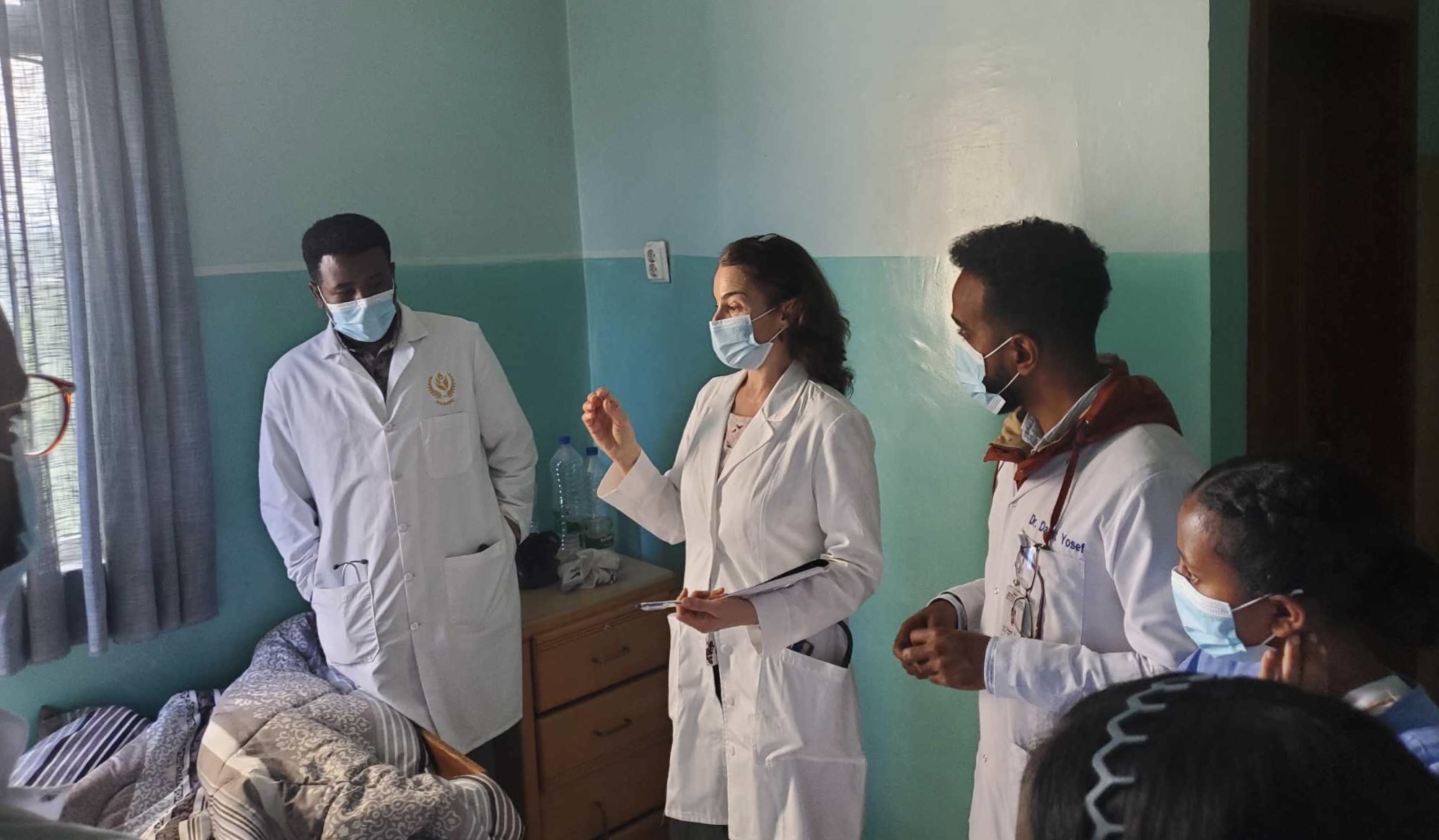
Stanford physician Cybele Renault, MD, rounds and teaches on the wards with the attentive internal medicine faculty at Negele Arsi General Hospital.

Imagine starting a virtual education program at a site without reliable internet in an environment where the basic medical tools we take for granted in the U.S. are scarce or unavailable. That is exactly what Cybele Renault, MD, has done. Her infectious passion for both medical education and program development has led to a Stanford collaboration with a medical school in rural Ethiopia that offers a uniquely rewarding educational opportunity for everyone.

In 2019, Renault was forever changed following a site visit to Negele Arsi General Hospital and Medical College (NAGHMC) that was sponsored by Stanford’s Center for Innovation in Global Health (CIGH), where she is a faculty fellow. Negele Arsi, located a four-hour drive from the country’s capital of Addis Ababa, is a small city in rural Ethiopia nestled within the state of Oromia.

The potential for an educational collaboration with her Stanford Internal Medicine Global Health Track residents was immediately obvious. Historically, Stanford Medicine residents have contributed to global health via onsite clinical service and teaching.

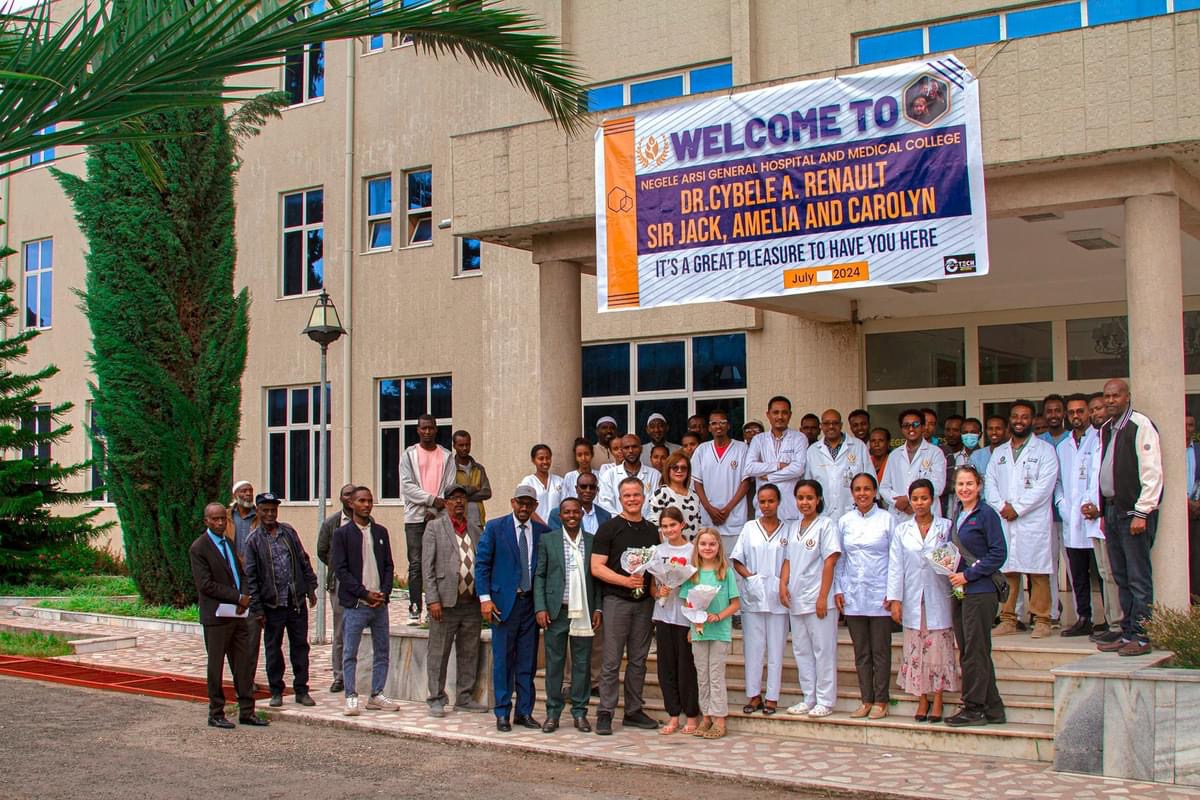
On the arrival of Cybele Renault, MD, to Negele Arsi, the faculty of NAGHMC give a warm welcome to Dr. Renault and her family with a ceremony that includes banners, bouquets of flowers, and a cake.

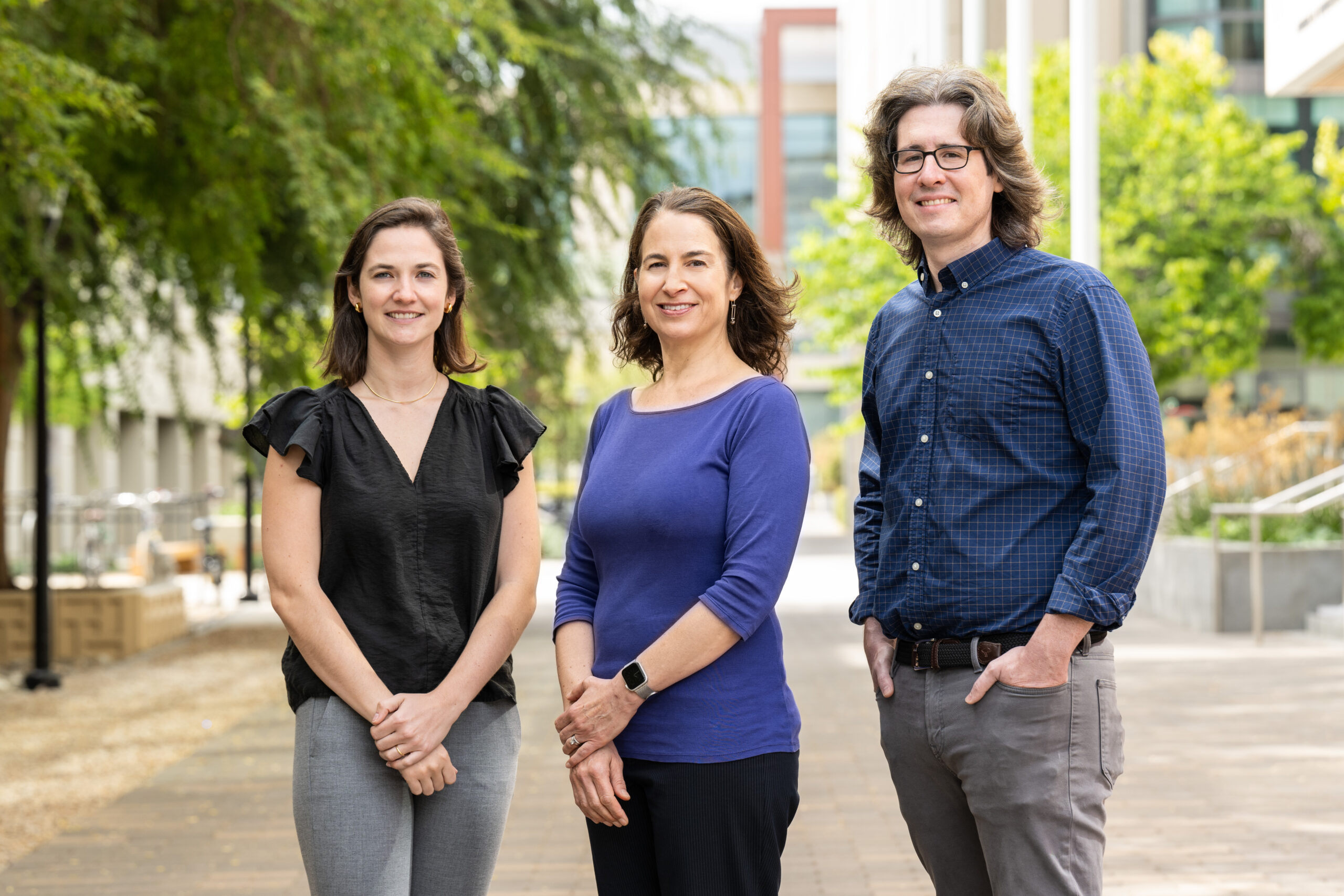
Savannah Karmen-Tuohy, Cybele Renault, Nick Zehner

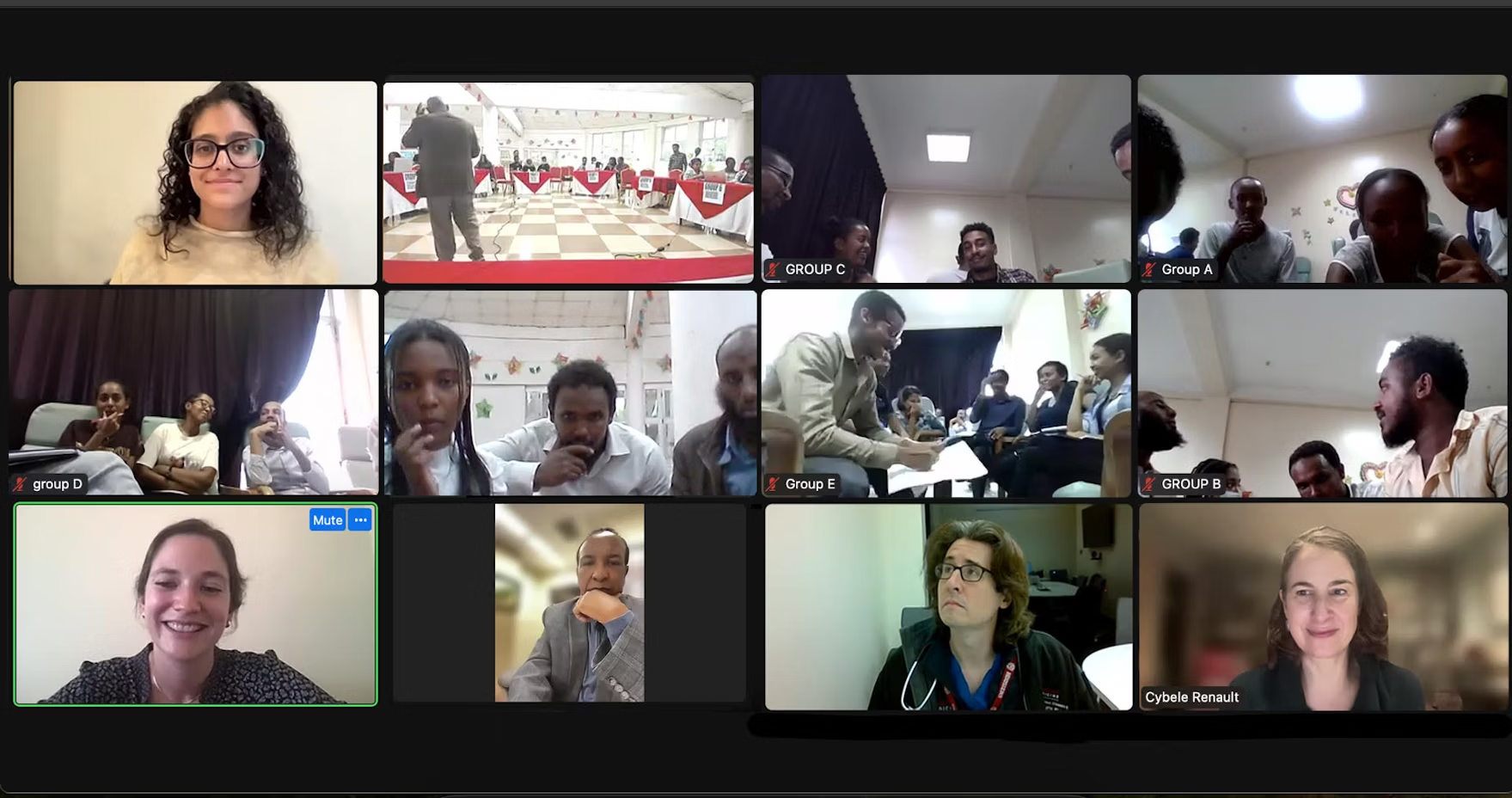
After delays due to COVID-19 followed by political instability in the northern Tigray region, Renault adapted this plan to monthly two-hour virtual case-based clinical reasoning sessions, for which NAGHMC medical students congregate on the medical school campus where the internet might last the duration.

Bidirectional Learning

Renault led the first session, but then her Global Health Track residents took the lead, with Natasha Mehta, MD, MS, the first to take the plunge. “It fascinates me how we can adapt and train learners side-by-side in very different contexts and in very different countries,” Mehta says. “[This program is] a perfect example of how you can leverage an international collaboration to make people stronger physicians and clinicians. Bidirectional learning [is something] a lot of us are really interested in furthering in global health. If we can keep these connections going past these two-hour sessions every month and form a true network of learners, I think that could be extremely impactful.”

Mehta recently graduated from her residency program and has moved on to Duke University, where she intends to co-lead the program alongside Renault, her residency mentor.

Universal Enthusiasm

Another Global Health Track resident, Savannah Karmen-Tuohy, MD, has found the NAGHMC medical students inspirational. “The enthusiasm with which they do their pre-work and how prepared they are … is truly unparalleled,” she says. They are learning and working in the absence of much of the technology taken for granted in the U.S. Forget CT scans and other expensive diagnostic technology; they don’t even have reliable or affordable internet access. “We are adjusting each session as we go and have a debrief call before and after with members of the NGO and the on-site faculty to think about how to work best during these sessions. That’s exciting from an educator’s perspective.”

The enthusiasm is as bidirectional as the learning. In a letter of thanks to Stanford University, the participating NAGHMC students wrote, “These lectures have been invaluable in expanding our knowledge and understanding of various medical conditions and their treatment. The case studies presented in these lectures have provided us with a deeper insight into the practical aspects of medicine and have equipped us with the necessary skills to approach similar cases in a clinical setting. The real-life scenarios discussed have helped us develop critical thinking and problem-solving abilities that are essential for a successful medical career. The expertise and professionalism of the instructors who have conducted these lectures are truly commendable.”

"

“It’s incredible to see how the rewards of this initiative have prompted our residents to reflect on what they ultimately want to do and the impact they could have in their careers.”

– Cybele Renault, MD

Stanford resident Savannah Karmen-Tuohy, MD, leads a virtual clinical reasoning session with the NAGHMC medical students.

A Model for Future Educational Collaboration

A third participating Stanford resident, Nick Zehner, MD, MS, sees this collaboration as a scalable model for global education. “It takes advantage of technology that wasn’t as widespread before the pandemic, so we are on the cutting edge of a new way to transfer knowledge and education,” he says. He hopes this program can help in the development of best practices to replicate it all over the globe.

He also appreciates its nonpaternalistic approach. “One of the liabilities of global health is this colonial legacy of the haves giving to the have-nots,” he says. “But we probably get as much out of these sessions as the students. It takes so much dedication for the Ethiopian students to reach the point of becoming medical students. These students are on top of things. … I think that makes us better educators.”

Renault is effusive in her praise of the residents working with her. “It’s incredible to see how the rewards of this initiative have prompted our residents to reflect on what they ultimately want to do and the impact they could have in their careers,” she says.

In return, Renault’s Stanford residents cannot say enough good things about her leadership or the NAGHMC initiative. In July of 2024, Renault returned to Ethiopia to advance the initiative by meeting with the leadership and the students, familiarizing herself with the curriculum, and teaching in-person classes in infectious diseases for medical students and NAGHMC faculty.

Specialty Care Services Available Through Virtual Consults

In addition to its native population, Oromia is home to 100,000 internally displaced refugees. The region has limited access to health care and medical education. A decent standard of living for a family in the region is estimated to cost just $238 USD monthly, yet 90% of the population live below the poverty line.  

NAGHMC was founded by Ethiopia Health Aid, an NGO co-founded in 2007 by Gudata Hinika, MD, an Ethiopian trauma surgeon who grew up in Oromia, and Katreena Salgado, an expert in public affairs and communication who is originally from the Philippines. Both founders are currently working at California Hospital Medical Center in Southern California.