Unleashing the Power of AI in Primary Care

Steven Lin, MD

Steven Lin, MD

Unleashing the Power of AI in Primary Care
Steven Lin, MD

Steven Lin, MD

Unleashing the Power of AI in Primary Care

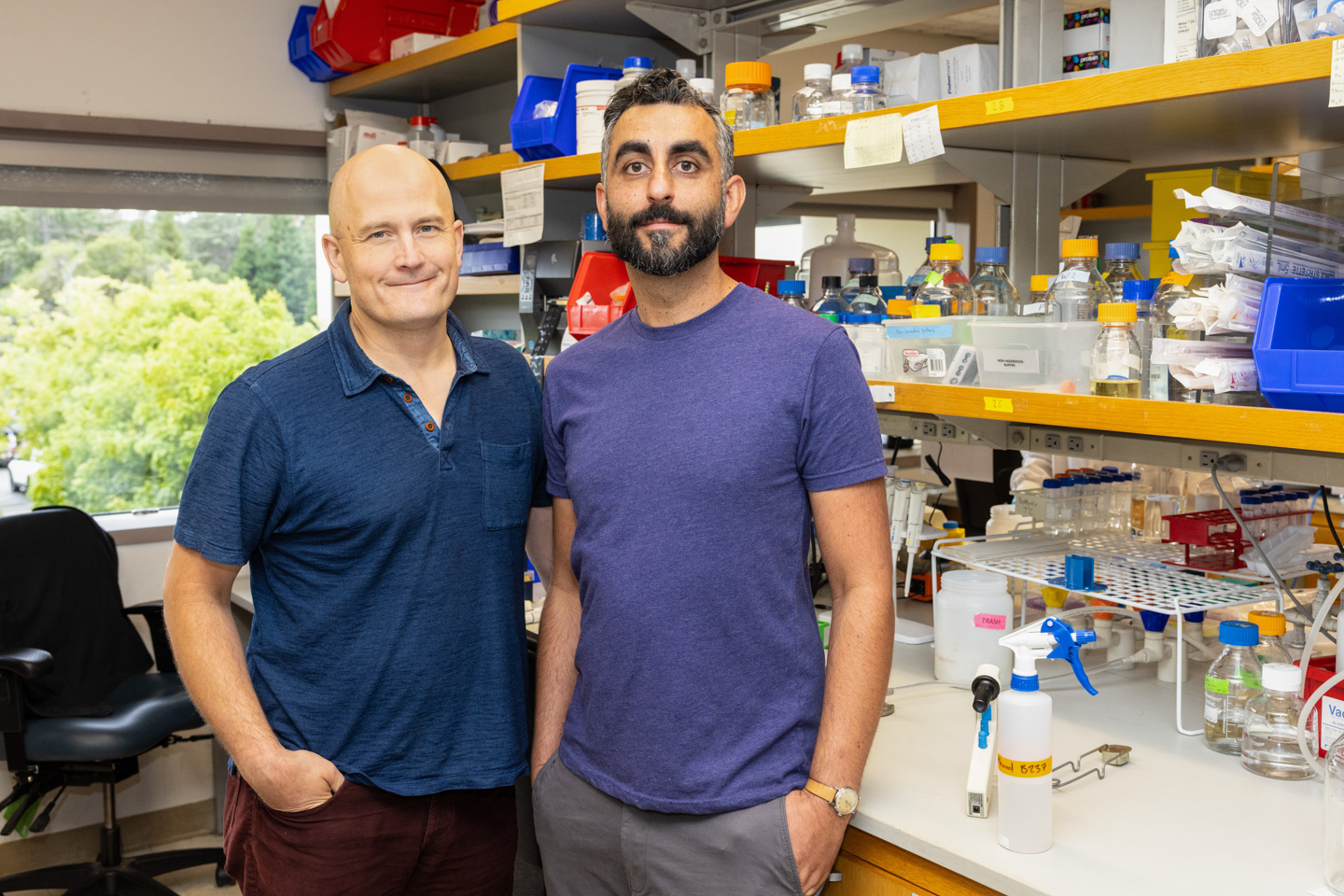
Steven Lin, MD, family physician and section chief of general primary care overseeing 150 clinicians, reached a tipping point as he witnessed the impact of overloading primary care physicians with too many administrative burdens.

“I was seeing rampant burnout,” Lin says. “Faculty were leaving us left and right.”

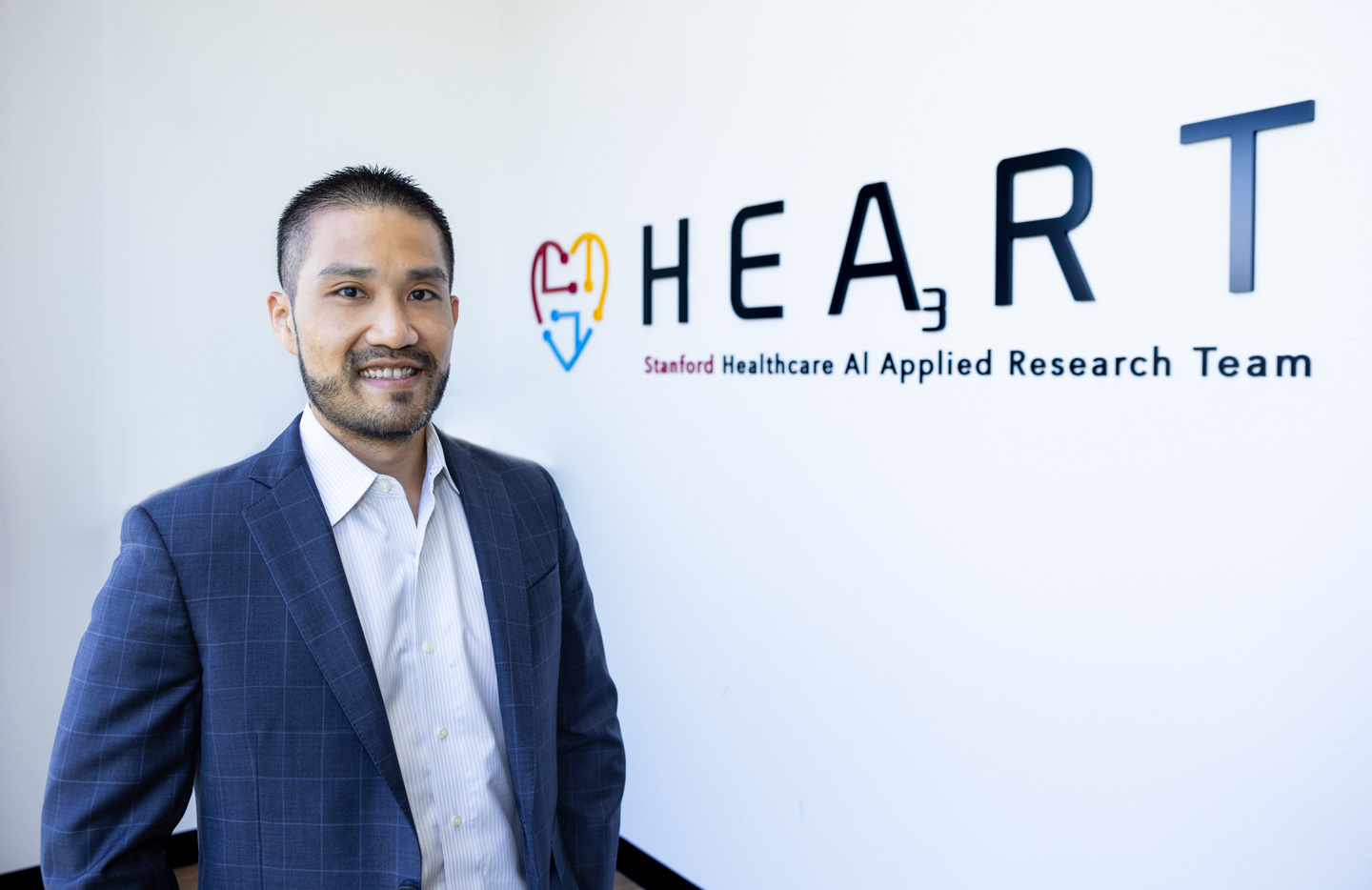
With the aim of revitalizing primary care, in 2019, Lin founded Stanford Healthcare AI Applied Research Team, or HEA₃RT. Its mission is threefold: accelerate the application of artificial intelligence (AI) and machine learning (ML) into the primary care space; support rigorous scientific AI implementation research; and address issues of diversity, equity, and inclusion in AI development. 

HEA₃RT’s approach to fulfilling its ambitious mission is through aggressive collaboration with industry, academia, nonprofits, and government. Partnerships to date include projects with Google, Microsoft, and the National Academy of Medicine.

Automating Processes So Clinicians Can Spend More Time at the Bedside

Lin believed artificial intelligence and machine learning technologies could help alleviate physician burnout. Yet, despite half of all health care delivery occurring in primary care, only 3% of FDA-approved artificial intelligence and machine learning tools are actually built for it. Moreover, only a small fraction of the tools make it to production, and those that do seldom undergo rigorous evaluation.

Lin imagined that by automating burdensome parts of the clinical processes — clinical documentation and patient messaging, for example — it could free up enough space to allow primary care doctors to spend more time at the bedside, rekindling the patient-doctor relationship and allowing physicians to focus on the work they were trained to do.

“Providers are not worried about whether or not they can diagnose and treat patients,” Lin points out. “They’re worried about burning out and leaving medicine altogether because the amount of work they must do is unsustainable.”

A Bridge Between Data Scientists and the Front Lines of Health Care

Lin envisioned a transformative path for primary care, but the disconnect between AI tools designed in the lab and their actual implementation on front lines hindered progress.

To overcome these barriers, the team at HEA₃RT is composed not of data scientists but of quality improvement experts, implementation scientists, clinicians, and nurses.

“We serve as that bridge between the data science and operations world,” says Margaret Smith, HEA₃RT’s director of operations.

Amelia Sattler, MD, addresses Hea3rt Lab staff. From left: Timothy Tsai, DO; Yejin Jeong; Steven Lin, MD; Trevor Cromwell; Betsy Yang, MD.

Smith, who has a background in quality improvement implementation science, said that communication can get “messy” when navigating the different languages spoken by data scientists and operational healthcare experts.

By relying on people gifted in communication and collaboration, HEA₃RT is better positioned to propel the integration of AI solutions into the front line of health care. And by doing so, they are reinvigorating the spirit of primary care with energy-saving technologies.

“We’re well-versed in the operational language, and we’ve learned the technology language,” Smith notes. “We can help translate and bring those groups together.”

Steven Lin, MD (right), with Timothy Tsai and Hea3rt Lab staff

Steven Lin, MD, family physician and section chief of general primary care overseeing 150 clinicians, reached a tipping point as he witnessed the impact of overloading primary care physicians with too many administrative burdens.

“I was seeing rampant burnout,” Lin says. “Faculty were leaving us left and right.”

With the aim of revitalizing primary care, in 2019, Lin founded Stanford Healthcare AI Applied Research Team, or HEA₃RT. Its mission is threefold: accelerate the application of artificial intelligence (AI) and machine learning (ML) into the primary care space; support rigorous scientific AI implementation research; and address issues of diversity, equity, and inclusion in AI development.

HEA₃RT’s approach to fulfilling its ambitious mission is through aggressive collaboration with industry, academia, nonprofits, and government. Partnerships to date include projects with Google, Microsoft, and the National Academy of Medicine.

Automating Processes So Clinicians Can Spend More Time at the Bedside

Lin believed artificial intelligence and machine learning technologies could help alleviate physician burnout. Yet, despite half of all health care delivery occurring in primary care, only 3% of FDA-approved artificial intelligence and machine learning tools are actually built for it. Moreover, only a small fraction of the tools make it to production, and those that do seldom undergo rigorous evaluation.

Lin imagined that by automating burdensome parts of the clinical processes — clinical documentation and patient messaging, for example — it could free up enough space to allow primary care doctors to spend more time at the bedside, rekindling the patient-doctor relationship and allowing physicians to focus on the work they were trained to do.

“Providers are not worried about whether or not they can diagnose and treat patients,” Lin points out. “They’re worried about burning out and leaving medicine altogether because the amount of work they must do is unsustainable.”

Steven Lin, MD (right), with Timothy Tsai and Hea3rt Lab staff

A Bridge Between Data Scientists and the Front Lines of Health Care

Lin envisioned a transformative path for primary care, but the disconnect between AI tools designed in the lab and their actual implementation on front lines hindered progress.

To overcome these barriers, the team at HEA₃RT is composed not of data scientists but of quality improvement experts, implementation scientists, clinicians, and nurses.

“We serve as that bridge between the data science and operations world,” says Margaret Smith, HEA₃RT’s director of operations.

Smith, who has a background in quality improvement implementation science, said that communication can get “messy” when navigating the different languages spoken by data scientists and operational healthcare experts.

By relying on people gifted in communication and collaboration, HEA₃RT is better positioned to propel the integration of AI solutions into the front line of health care. And by doing so, they are reinvigorating the spirit of primary care with energy-saving technologies.

“We’re well-versed in the operational language, and we’ve learned the technology language,” Smith notes. “We can help translate and bring those groups together.”

Providers are not worried about whether or not they can diagnose and treat patients. They’re worried about burning out and leaving medicine altogether because the amount of work they must do is unsustainable.

Google, a Case Study for Success

HEA₃RT doesn’t stop at implementation. The team is dedicated to producing equity-driven health research around artificial intelligence by working with the biggest players in the technology space.

Their collaboration on the Google product DermAssist, an app equipped with advanced machine learning that diagnoses skin conditions from images and alerts users about the urgency of seeing a doctor, is a prime example of how they apply all three prongs — primary care, implementation research, and equity.

The app addresses the issue of limited access to dermatology care worldwide, particularly in rural areas. Primary care physicians handle 70% of skin cases, much more than dermatologists.

When it comes to issues of equity in AI, over the years, an outsize effort has been exerted upon addressing biased algorithms. While it’s important, Lin notes a whole other side of equity that includes involving patients and underserved communities in conversations about AI design and development.

Seeking HEA₃RT’s assistance, Google wanted research conducted to assess the app design and algorithm performance across diverse skin tones and use cases. A study conducted in partnership with Santa Clara Family Health Plan, serving a low-income community of mostly Latinx and Vietnamese individuals, provided valuable feedback and performance data. This collaboration advanced research and demonstrated that the app worked on different skin colors and included underrepresented populations.

Facilitating the collaboration with Google and Santa Clara Family Health Plan illustrated HEA₃RT’s commitment to rebuilding trust among underrepresented communities, Lin says.
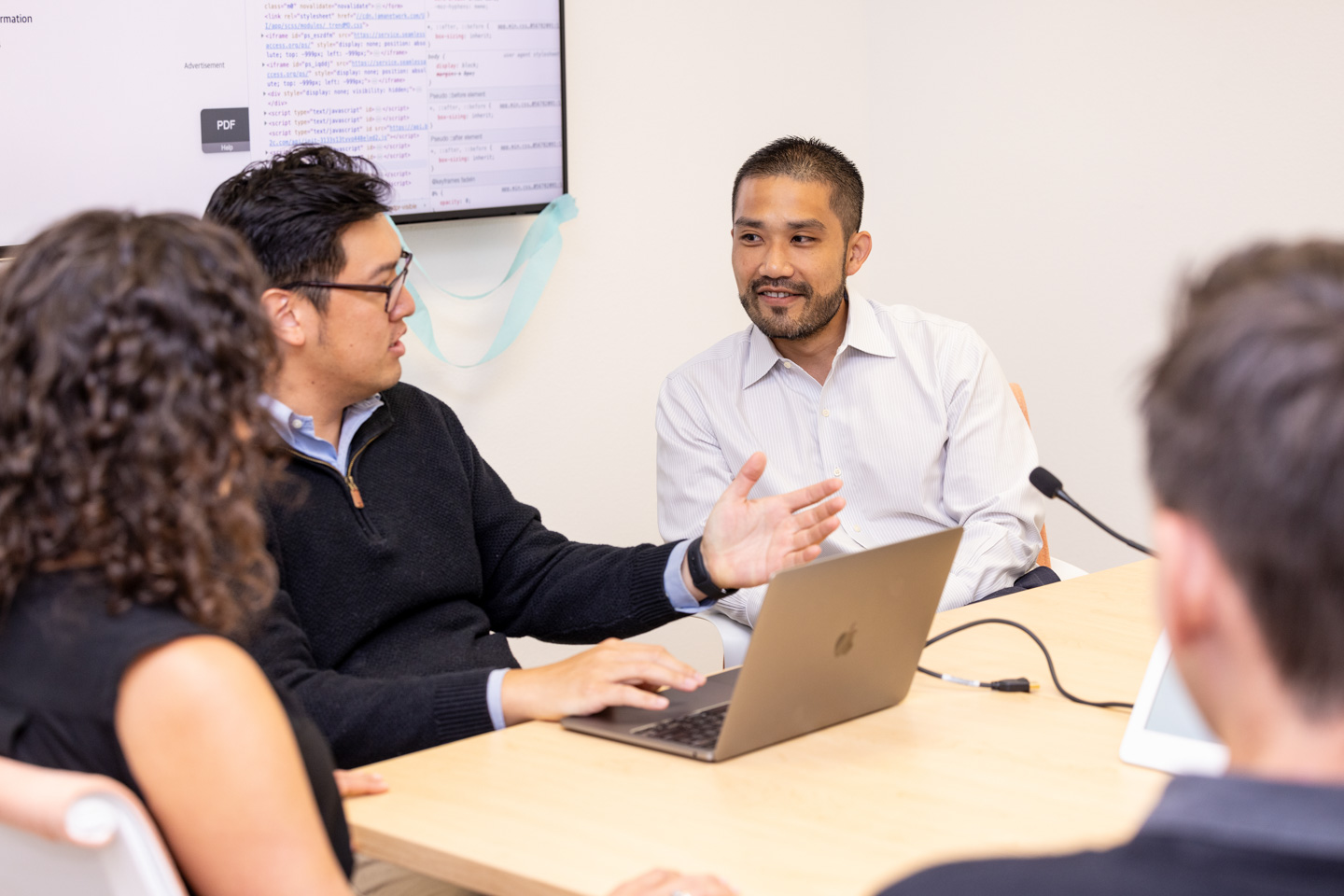
Amelia Sattler, MD, addresses Hea3rt Lab staff. From left: Timothy Tsai, DO; Yejin Jeong; Steven Lin, MD; Trevor Cromwell; Betsy Yang, MD.

ChatGPT Accelerates Innovation

With a successful track record of collaboration, HEA₃RT isn’t afraid to partner on the latest cutting-edge technology. When ChatGPT’s consumer-friendly artificial intelligence program burst on the scene, it completely altered health care’s historically timid approach to adopting artificial intelligence.

“It has completely changed the AI/ML world to the point that every single health system is tripping over itself to incorporate it,” says Lin.

As the ChatGPT boom created a sense of renewed excitement and potential in the industry, HEA₃RT jumped in with both feet. The team is partnering with Stanford Medicine Technology and Digital Solutions to use ChatGPT to draft responses to patient messages, an incredibly burdensome task for primary care physicians.

“That project is not happening in the span of years — it’s happening in weeks,” Lin says. “ChatGPT is an example of how one particular, remarkable piece of technology has just taken the world by storm.”
Providers are not worried about whether or not they can diagnose and treat patients. They’re worried about burning out and leaving medicine altogether because the amount of work they must do is unsustainable.

Google, a Case Study for Success

HEA₃RT doesn’t stop at implementation. The team is dedicated to producing equity-driven health research around artificial intelligence by working with the biggest players in the technology space.

Their collaboration on the Google product DermAssist, an app equipped with advanced machine learning that diagnoses skin conditions from images and alerts users about the urgency of seeing a doctor, is a prime example of how they apply all three prongs — primary care, implementation research, and equity.

The app addresses the issue of limited access to dermatology care worldwide, particularly in rural areas. Primary care physicians handle 70% of skin cases, much more than dermatologists.

When it comes to issues of equity in AI, over the years, an outsize effort has been exerted upon addressing biased algorithms. While it’s important, Lin notes a whole other side of equity that includes involving patients and underserved communities in conversations about AI design and development.

Seeking HEA₃RT’s assistance, Google wanted research conducted to assess the app design and algorithm performance across diverse skin tones and use cases. A study conducted in partnership with Santa Clara Family Health Plan, serving a low-income community of mostly Latinx and Vietnamese individuals, provided valuable feedback and performance data. This collaboration advanced research and demonstrated that the app worked on different skin colors and included underrepresented populations.

Facilitating the collaboration with Google and Santa Clara Family Health Plan illustrated HEA₃RT’s commitment to rebuilding trust among underrepresented communities, Lin says.

ChatGPT Accelerates Innovation

With a successful track record of collaboration, HEA₃RT isn’t afraid to partner on the latest cutting-edge technology. When ChatGPT’s consumer-friendly artificial intelligence program burst on the scene, it completely altered health care’s historically timid approach to adopting artificial intelligence.

“It has completely changed the AI/ML world to the point that every single health system is tripping over itself to incorporate it,” says Lin.

As the ChatGPT boom created a sense of renewed excitement and potential in the industry, HEA₃RT jumped in with both feet. The team is partnering with Stanford Medicine Technology and Digital Solutions to use ChatGPT to draft responses to patient messages, an incredibly burdensome task for primary care physicians.

“That project is not happening in the span of years — it’s happening in weeks,” Lin says. “ChatGPT is an example of how one particular, remarkable piece of technology has just taken the world by storm.”
Renewing the Field

Renewing the Field

Nurturing the Next Generation of Infectious Disease Physician-Scientists

Renewing the Field

Nurturing the Next Generation of Infectious Disease Physician-Scientists

The COVID-19 pandemic highlighted the importance of having a robust workforce of skilled infectious disease physicians and researchers. They played a vital role in vaccine development, understanding the virus’s behavior, diagnosing and treating patients, and studying its transmission.

To cultivate a vibrant field that continues to flourish and attract the sharpest and brightest minds, the division of infectious diseases and geographic medicine prioritizes mentoring and nurturing the next generation of infectious disease physician-scientists. When another pandemic happens, these emerging new scientists will be the ones on the front lines tasked with safeguarding the public’s health.

Many of the Infectious Diseases Fellows gain clinical experience, connecting with patients and helping them live healthier lives before transitioning to become postdoctoral trainees in laboratory collaborations where they don their creative hats and delve into the depths of exploration. A comprehensive understanding of both clinical and research aspects prepares the trainees for leadership roles as physician-scientists.

Mentors provide both the space and guidance for trainees to engage creatively with the work and pursue innovative and novel solutions to pressing health problems, while also actively assisting them in securing National Institutes of Health grants and other sources of funding.

These grants serve as a crucial milestone, enabling trainees to establish their research programs and replenish the infectious disease field with new and exciting findings.

This year, four trainees stand out, having received top scores for their grant proposals on the first try, an “exceedingly rare” achievement, according to John Scroggs, senior administrative division director. In their own words, the four profiles that follow reflect the trainees’ exceptional abilities and the quality of mentorship they receive, as well as examples of how they recharge, renew, and stave off burnout in a rigorous and competitive industry.

“They are going to be the next generation of the best of the best,” Scroggs says.

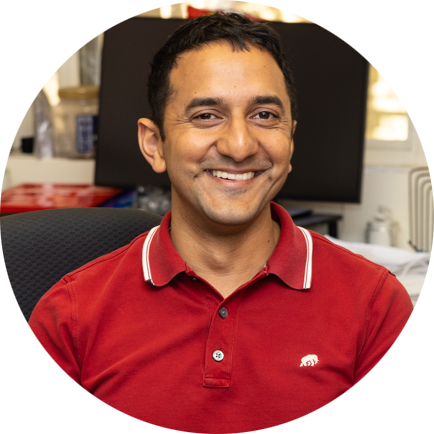
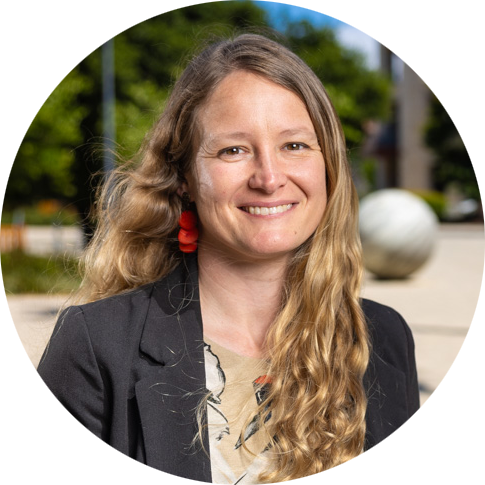
Arjun Rustagi, MD, PhD

Instructor of Medicine, Division of Infectious Diseases and Geographic Medicine, Postdoctoral Research Fellow, Blish Lab

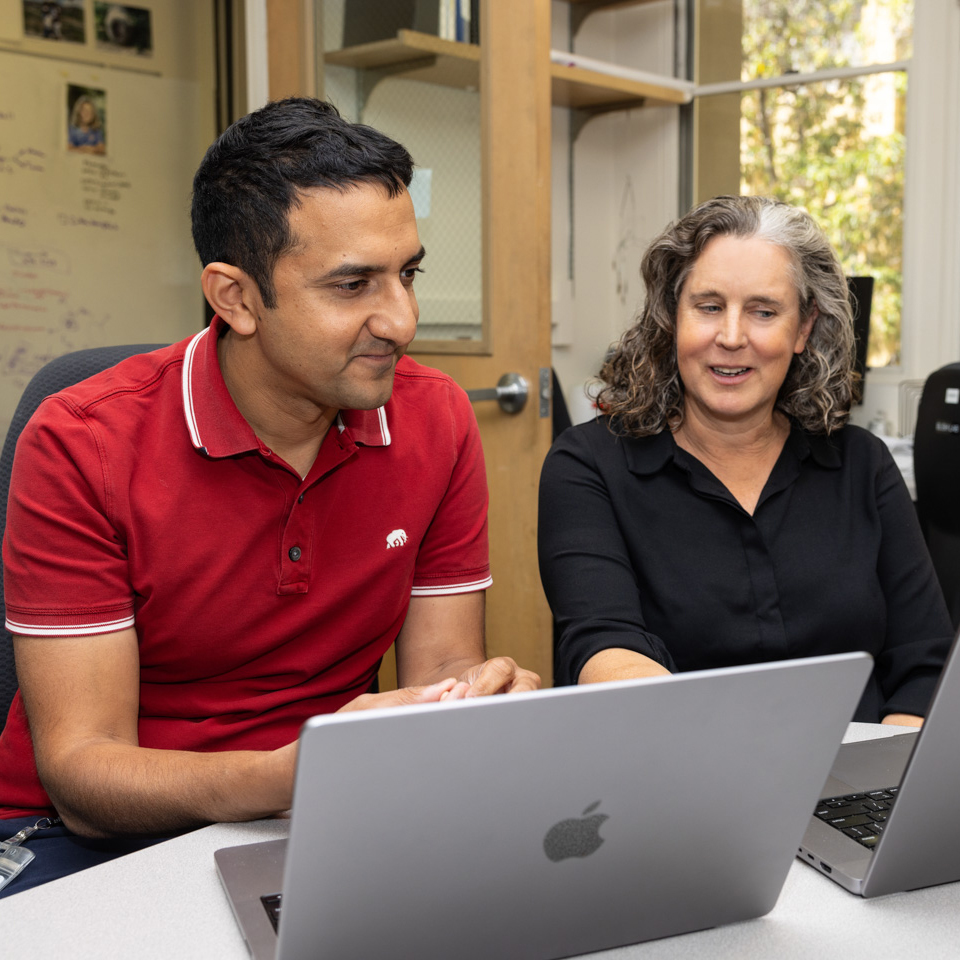
Arya Khosravi, MD, PhD

Postdoctoral Research Fellow, Bollyky Lab

Karen B. Jacobson, MD, MPH

Instructor of Medicine, Division of Infectious Diseases and Geographic Medicine, The Stephen Bechtel Endowed Fellow in Pediatric Translational Medicine, Postdoctoral Medical Fellow, The Jagannathan Lab

Joelle I. Rosser, MD

Instructor of Medicine, Division of Infectious Diseases and Geographic Medicine, Faculty Fellow, Center for Innovation and Global Health, Postdoctoral Research Fellow, Luby Lab

Arjun Rustagi, MD, PhD

Instructor of Medicine, Division of Infectious Diseases and Geographic Medicine, Postdoctoral Research Fellow, Blish Lab

Arya Khosravi, MD, PhD

Postdoctoral Research Fellow, Bollyky Lab

Karen B. Jacobson, MD, MPH

Instructor of Medicine, Division of Infectious Diseases and Geographic Medicine, The Stephen Bechtel Endowed Fellow in Pediatric Translational Medicine, Postdoctoral Medical Fellow, The Jagannathan Lab

Joelle I. Rosser, MD

Instructor of Medicine, Division of Infectious Diseases and Geographic Medicine, Faculty Fellow, Center for Innovation and Global Health, Postdoctoral Research Fellow, Luby Lab

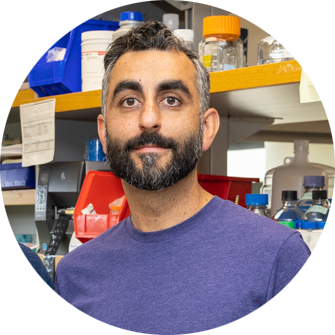
Arjun Rustagi, MD, PhD

Research focus: Reproducing SARS-CoV-2 infection of the human lung in the lab, in order to understand the types of lung inflammation caused by viruses and how to stop them.

How the research advances the field: Identified several pathways that allow SARS-CoV-2’s entry into cells, and determined unexpected cellular targets in the human lung, including macrophages. These findings present new therapeutic targets to reduce SARS-CoV-2 infection and lung inflammation.

Published: 37 publications

Funding: Mentored Career Development Award (K08) from the National Institute of Allergy and Infectious Diseases: $772,000 over four years

Arjun Rustagi, MD, PhD, and Catherine Blish, MD, PhD

Arjun Rustagi, MD, PhD, and Catherine Blish, MD, PhD

Arjun Rustagi, MD, PhD

Research focus: Reproducing SARS-CoV-2 infection of the human lung in the lab, in order to understand the types of lung inflammation caused by viruses and how to stop them.

How the research advances the field: Identified several pathways that allow SARS-CoV-2’s entry into cells, and determined unexpected cellular targets in the human lung, including macrophages. These findings present new therapeutic targets to reduce SARS-CoV-2 infection and lung inflammation.

Published: 37 publications

Funding: Mentored Career Development Award (K08) from the National Institute of Allergy and Infectious Diseases: $772,000 over four years

Arjun is the quintessential triple threat: a clinician scientist who excels in research, teaching, and clinical care. He is a generous collaborator and teacher, working with several other laboratories on complex infection models and training many individuals on virology and immunology. He is clearly a leader and ready to run his own group.

— Catherine Blish, MD, PhD, George E. and Lucy Becker Professor of Medicine

The power of mentorship: Having Catherine as a mentor has been essential. She connected me to collaborators and provided opportunities for me to build research infrastructure at Stanford. When the university shut down during the pandemic, she helped me logistically continue my biobank and BSL3 work.

What the future holds: Looking for a permanent job as a physician-scientist, ideally in the Bay Area, where my partner is also a physician-scientist.

Takeaways from the pandemic: The COVID-19 pandemic has shown us that science in a vacuum or shared only among scientists misses an opportunity to inform the public and help nonscientists think about complex biomedical concepts. I am inspired by programs like Radiolab that mix scientific concepts with audio and visual arts. To help the public better understand my work, I teamed up with art students who helped me translate my main scientific project (studying lung inflammation that happens in response to infection) into artistic concepts.

Preference: Clinical or research? In college, I initially could not decide. Then, the summer before senior year I joined a program working with students in Arusha, Tanzania, to teach basic HIV biology. As I spent time with people living with HIV in the community, I felt that with HIV and infectious disease, I could blend my interests in clinical medicine and basic science and have a fulfilling career. I then worked in a biomedical lab for a couple of years while I applied to MD/PhD programs.

Preventing physician burnout: This is really hard. Our lab has regular social events and retreats, usually overnight at a house in Sonoma or along the coast north of San Francisco. These retreats provide an annual opportunity to take stock. I also benefit from talking and interacting in person with other postdocs and fellows in the lab about the intersection of science, medicine, family, and maintaining balance.

Unwinding with the family: Bike rides through Golden Gate Park with my daughters or playing ultimate Frisbee in the park or on the beach; car camping and trying new restaurants.

Hobbies: Listening to music and podcasts; playing the piano and saxophone; gardening; tending to orchids and my aquarium.

Arya Khosravi, MD, PhD

Research focus: Host-microbial interactions. Specifically, I am studying how some bacteria partner with a virus to establish an ecological niche and cause chronic infections, which are very difficult to treat and are a major cause of suffering and even death.

How the research advances the field: Provides insight into the pathophysiology of chronic infections, allowing for the development of more effective diagnostic and therapeutic interventions.

Published: Three publications (1 article, 2 reviews) while at Stanford; 10 other publications previously

Funding: Cystic Fibrosis Foundation, Doris Duke Charitable Foundation

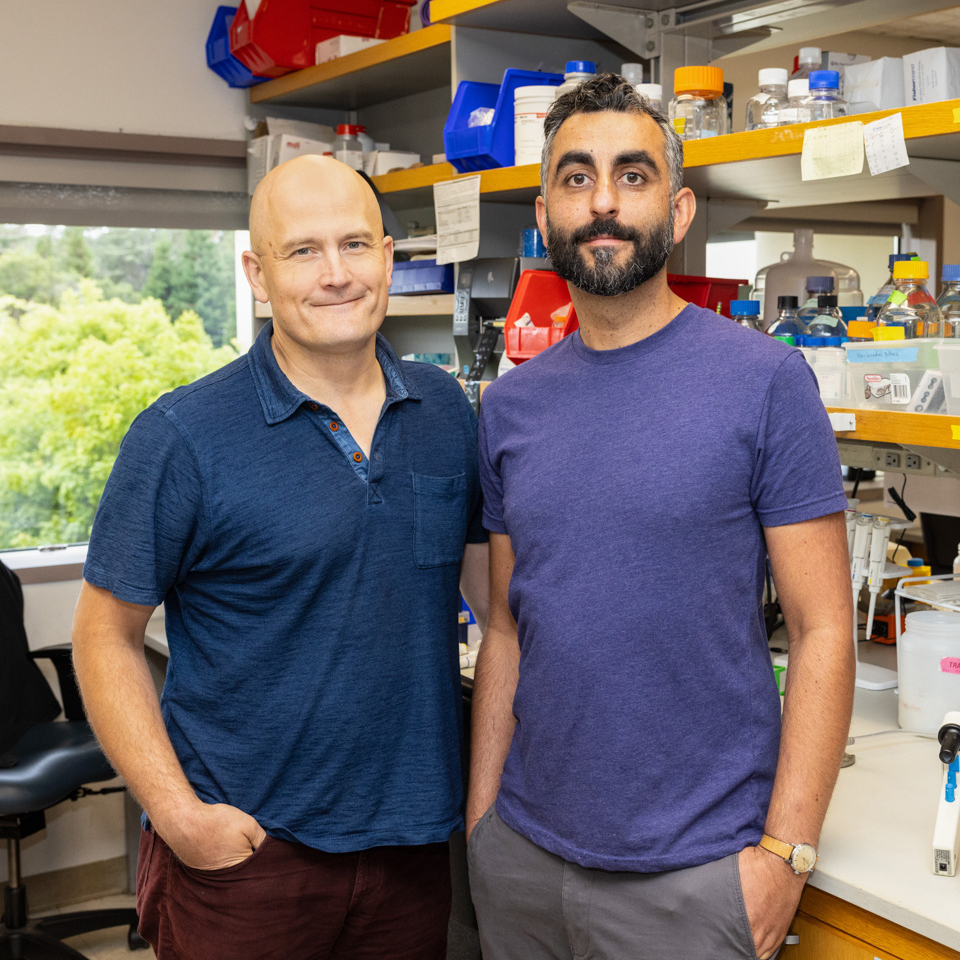
Paul Bollyky, MD, PhD (left), and Arya Khosravi, MD, PhD

Paul Bollyky, MD, PhD (left), and Arya Khosravi, MD, PhD

Arya Khosravi, MD, PhD

Research focus: Host-microbial interactions. Specifically, I am studying how some bacteria partner with a virus to establish an ecological niche and cause chronic infections, which are very difficult to treat and are a major cause of suffering and even death.

How the research advances the field: Provides insight into the pathophysiology of chronic infections, allowing for the development of more effective diagnostic and therapeutic interventions.

Published: Three publications (1 article, 2 reviews) while at Stanford; 10 other publications previously

Funding: Cystic Fibrosis Foundation, Doris Duke Charitable Foundation

Arya is meticulous, rigorous, and committed to excellence in both the clinic and the lab. He is an outstanding physician-scientist.

— Paul Bollyky, MD, PhD, associate professor of infectious diseases and of microbiology and immunology

Why a career as a physician-scientist? In undergrad, I got a job washing glassware in a lab focused on bacteria that cause infections. The principal investigator and lab members included me in discussions and explained to me what they were studying and why, as well as the methods by which they pursued their studies. I attended clinical rounds and got to see how the same bacteria we were studying in the lab were causing disease in patients. I was hooked. This was exciting, precise work that allowed me to be creative and work alongside passionate and incredibly intelligent individuals while at the same time offering the possibility of providing a significant impact on patient outcomes.

When I eventually started my own project, the lab members helped me understand the difference between statistically significant and meaningful data as well as taught me to be my own harshest critic. They also instilled the value that the purpose of science is to advance knowledge and our understanding of life.

Preference: Clinical or research? Research. It provides me more opportunities to be creative and explore ideas. I very much appreciate patient care and feel my time spent on service is more productive and possibly more meaningful than time in the lab. However, there is a lot of repetition. We often see similar cases and have near-identical discussions with the primary teams calling daily for consultations. In contrast, the questions I am trying to answer in the lab can change drastically from week to week. It’s rewarding to watch a project or idea evolve over time.

What do you love about the job? Allows me to be curious and connect dots. It’s fun when immunology intersects with microbiology, metabolism, ecology, and even philosophy.

Preventing burnout: When I am not in the lab, I am sleeping or watching TV shows to unwind. When I can make time, I enjoy reading and woodworking.

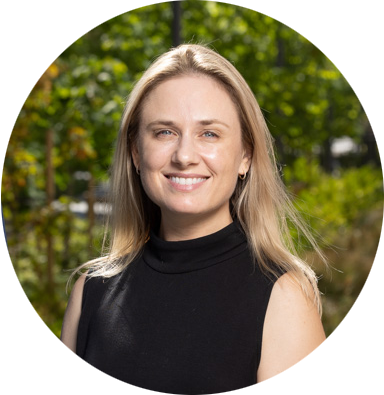
Karen B. Jacobson, MD, MPH

Research focus: Global Health, SARS-CoV-2, Malaria: Studies the natural history, epidemiology, and long-term effects of COVID-19. Most recently, studying the effects of SARS-CoV-2 infection in pregnancy on infant growth and development in Uganda.

How the research advances the field: By leveraging a cohort of pregnant women enrolled in malaria clinical trials in eastern Uganda, my colleagues and I were able to retrospectively document the spread of SARS-CoV-2 during the first pandemic waves when it was spreading undetected due to a lack of available testing. After the first Omicron wave in early 2022, nearly 100% of the cohort had been exposed. The data also hinted that there may be an association between COVID-19 in pregnancy and shorter height in infancy, which has not previously been reported. Further research with larger sample sizes is needed to confirm this finding. Next, further research to examine the mechanisms by which COVID-19 in pregnancy, with and without malaria infection, can adversely affect fetal and infant development, and how vaccination can potentially mitigate these effects.

Funding: K23, National Institute of Allergy and Infectious Diseases, $192,000 per year for 5 years (pending); Burroughs Wellcome Fund/ASTMH Postdoctoral Fellowship in Tropical Infectious Diseases; NIH T32; Stephen Bechtel Endowed Fellowship in Pediatric Translational Medicine; Thrasher Early Career Award recipient.

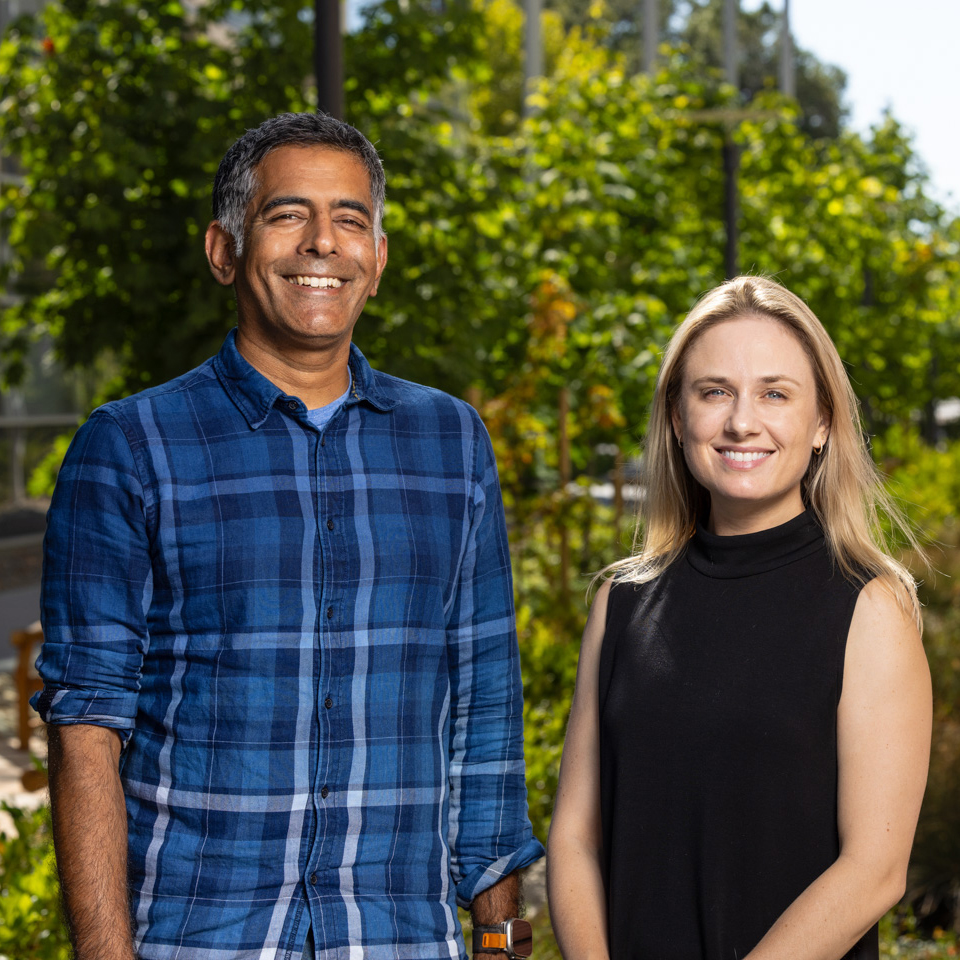
Prasanna Jagannathan, MD, and Karen B. Jacobson, MD

Paul Bollyky, MD, PhD (left), and Arya Khosravi, MD, PhD

Paul Bollyky, MD, PhD (left), and Arya Khosravi, MD, PhD

Karen B. Jacobson, MD, MPH

Research focus: Global Health, SARS-CoV-2, Malaria: Studies the natural history, epidemiology, and long-term effects of COVID-19. Most recently, studying the effects of SARS-CoV-2 infection in pregnancy on infant growth and development in Uganda.

How the research advances the field: By leveraging a cohort of pregnant women enrolled in malaria clinical trials in eastern Uganda, my colleagues and I were able to retrospectively document the spread of SARS-CoV-2 during the first pandemic waves when it was spreading undetected due to a lack of available testing. After the first Omicron wave in early 2022, nearly 100% of the cohort had been exposed. The data also hinted that there may be an association between COVID-19 in pregnancy and shorter height in infancy, which has not previously been reported. Further research with larger sample sizes is needed to confirm this finding. Next, further research to examine the mechanisms by which COVID-19 in pregnancy, with and without malaria infection, can adversely affect fetal and infant development, and how vaccination can potentially mitigate these effects.

Funding: K23, National Institute of Allergy and Infectious Diseases, $192,000 per year for 5 years (pending); Burroughs Wellcome Fund/ASTMH Postdoctoral Fellowship in Tropical Infectious Diseases; NIH T32; Stephen Bechtel Endowed Fellowship in Pediatric Translational Medicine; Thrasher Early Career Award recipient.

Karen is a rising superstar in global maternal and child health. She is well on her way to an outstanding career as a translational scientist in infectious diseases.

— Prasanna Jagannathan, MD, assistant professor of medicine and of microbiology and immunology

The power of mentorship: I have been very lucky to have Dr. Jagannathan as my primary research mentor. He is supportive, enthusiastic, and always available to his trainees, and has cultivated a collaborative yet rigorous lab atmosphere. I feel lucky to have worked with him and learned from his example.

What the future holds: In fall 2023, I joined the Vaccine Study Center within the division of research at Kaiser Permanente Northern California, based in Oakland, as a research faculty member.

Preference: Clinical or research? Both! I prefer to spend most of my time on research because I like to think about the bigger picture, but I think it’s essential to maintain some patient contact and have those personal connections in order to keep a grounded perspective and remember why the bigger picture is so important.

Why a career as a physician-scientist? I knew I wanted to be an infectious disease physician and researcher before going to medical school. The medicine part has always interested me, but I’ve also been intrigued by the societal impact of infections. Pathogens have shaped the course of human history and seem to lay bare so much of our social and political rifts, with infections like HIV, Ebola, and of course COVID-19 more recently. The advances we’ve seen just in the last century — antibiotics, vaccines, a SARS-CoV-2 vaccine developed in less than a year — are astounding. I think it’s such an interesting and important field!

Avoiding burnout: I recently had the opportunity to attend the Gordon Malaria Conference in Spain. Connecting with colleagues from around the world and being able to travel a bit for fun was definitely rejuvenating.

Relaxing after a hard day’s work: Spending time with family and friends and watching TV on my couch.

Joelle I. Rosser, MD

Research focus: Impact of climate change on infectious diseases: evaluating interventions to ameliorate the risks of climate change and foster resiliency and sustainability, employing a combination of field studies and modeling to conduct research. The focus is on populations that are highly vulnerable to climate change in the Asia-Pacific.

How the research advances the field: Climate change poses the greatest threat to human health globally. However, the study of climate change and health — predicting and mitigating the impacts on human health — is still in its infancy. My research focuses on developing new approaches to rigorously studying climate change and health, using a mechanism-based framework and a solution-oriented mindset.

Funding: K23 Career Development Award ($996,0000)

Joelle I. Rosser, MD

Joelle I. Rosser, MD

Joelle I. Rosser, MD

Research focus: Impact of climate change on infectious diseases: evaluating interventions to ameliorate the risks of climate change and foster resiliency and sustainability, employing a combination of field studies and modeling to conduct research. The focus is on populations that are highly vulnerable to climate change in the Asia-Pacific.

How the research advances the field: Climate change poses the greatest threat to human health globally. However, the study of climate change and health — predicting and mitigating the impacts on human health — is still in its infancy. My research focuses on developing new approaches to rigorously studying climate change and health, using a mechanism-based framework and a solution-oriented mindset.

Funding: K23 Career Development Award ($996,0000)

Joelle combines a capacity to identify, interpret, and critically consider key scientific findings in the literature with a commitment to use the scientific process to improve the lives of low-income marginalized communities globally.

Stephen Luby, professor of medicine, infectious disease; associate dean for global health research

What the future holds: Continuing my academic research in climate change and infectious diseases with hopes of getting a faculty position somewhere.

Preference: Clinical or research? This is a very difficult question. I love both. They are fundamentally different but also completely complementary. I love interacting with patients, learning about their lives, and working to make their lives better in a very tangible and gratifying way. But I also love the exploration and creativity that research affords. With research, every day feels like a new adventure, a new opportunity. But what makes the research feel worthwhile is also imagining how it might benefit people and the planet in some way later down the road.

Why a career as a physician-scientist? I wanted to be a primatologist. But while studying wildlife conservation, my deepening appreciation for the interdependency between the environment and human health drove me to become a physician-scientist working at this intersection. I also suppose one could argue that by studying medicine, I still did become a primatologist of sorts, just not studying the kind of primate that typically swings from trees.

For the love of science: I love that I get to work with brilliant, caring people with all sorts of different skills and backgrounds. My work is inherently interdisciplinary, and I love learning from and sharing with people across a whole range of expertise.

Active relaxation: Biking, hiking, pack rafting, Latin dancing, windsurfing, challenging my husband to a fierce game of backgammon, and trying to find the best cheese, scones, and hole-in-the-wall music venues.

SCCR’s Quality and Compliance Team Shows Resilience Amid Pandemic Pivots

Mary Varkey, clinical research coordinator, with a RECOVER participant
Mary Varkey, clinical research coordinator, with a RECOVER participant.

SCCR’s Quality and Compliance Team Shows Resilience Amid Pandemic Pivots

Mary Varkey, clinical research coordinator, with a RECOVER participant
Mary Varkey, clinical research coordinator, with a RECOVER participant.

SCCR’s Quality and Compliance Team Shows Resilience Amid Pandemic Pivots

When COVID-19 hit in 2020, it dramatically disrupted ongoing clinical research, as well as quality and compliance monitoring.

The Quality and Compliance team at the Stanford Center for Clinical Research (SCCR) faced the challenges head-on, pivoting and pivoting again as the situation on the ground shifted. By the time the brunt of the pandemic ended, the Department of Medicine had a larger clinical research portfolio than ever — from $125.7 million in sponsored research in 2019 to $164 million in 2022, and quality and compliance monitoring had entered a new era.

Essential Trials Go Virtual

When COVID hit, the university paused nonessential research, a category that included observational clinical trials unrelated to COVID.

The majority of studies that SCCR participates in are interventional, however, and remained active. At the same time, many new studies that were focused on understanding and treating COVID launched across the department. The SCCR Quality and Compliance team quickly learned how to operate in the new virtual paradigm.

Study monitoring that had been done on-site went remote. Teams moved to use electronic consent forms that participants could sign remotely or on encrypted iPads with plastic covers that could be cleaned after each use. If paper consent forms had to be used, staff took photos of the signature pages for study records. They then quarantined the paper forms for 10 days in sealed bags before removing and filing. Checklists became an essential tool to ensure that study conduct remained as methodical and precise in the new, shifting paradigm as it was prior to COVID.

Restarting Research and Refreshing Protocols

When it was time to resume paused studies, study teams received refreshers on the study protocol, consenting processes, and data entry.

Some studies resumed before pandemic restrictions had entirely lifted. One such study was the Project Baseline study — a large, multiyear observational study that aims to map human health. The project was paused for seven months and then resumed with virtual operations.

The study team worked with the research sponsor to build systems to conduct virtual study visits and temporarily waive on-site assessments. They often met with participants over video to help them through study processes that would typically be done face-to-face.

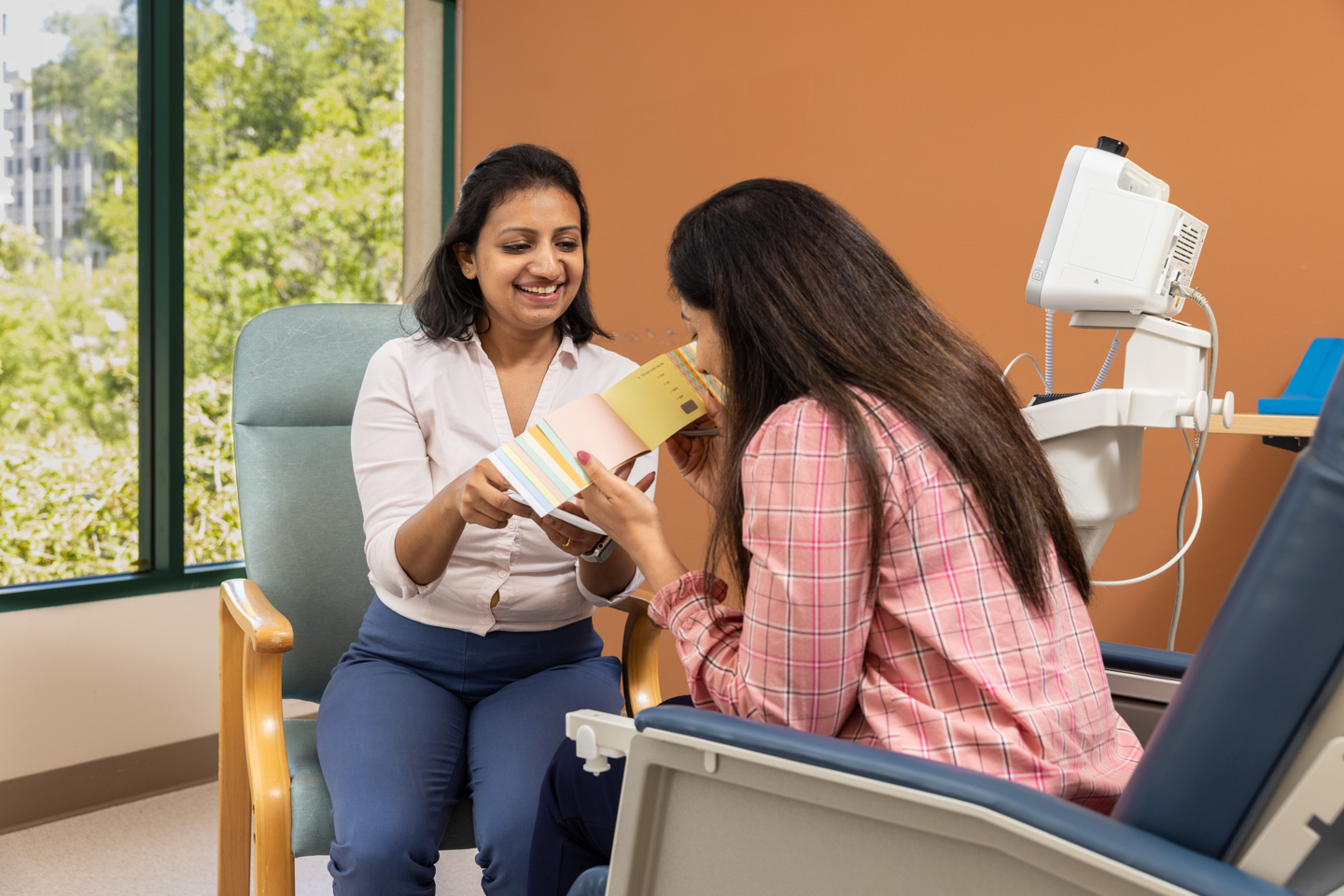
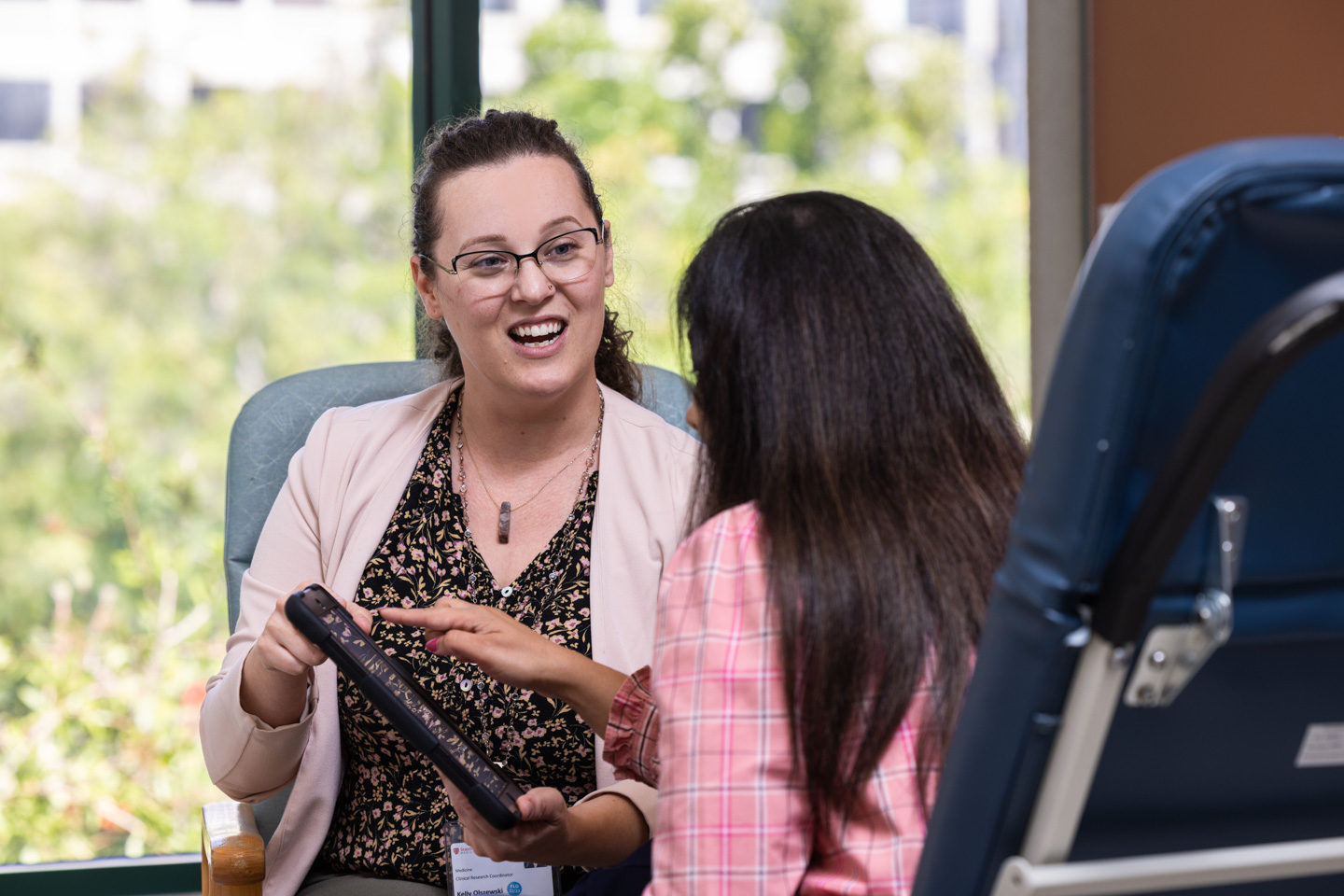
Kelly Olszewski, clinical research coordinator, explains the RECOVER study process.

In February 2021, as vaccines became available, Project Baseline was able to resume some onsite visits for assessments such as specimen collection, vital signs, and EKGs.

The study team’s resilience in the face of multiple hurdles kept the research project alive against the odds. “Retention for this seminal, longitudinal Team Science study remains high (88%) as we approach the end of the study,” says Sumana Shashidhar, SCCR’s associate director of clinical research operations. (Read about Shashidhar’s work with a Johnson & Johnson vaccine study in this Stanford Daily Q&A.)

Yasmin Jazayeri, clinical research coordinator, gathers data for the RECOVER study

When COVID-19 hit in 2020, it dramatically disrupted ongoing clinical research, as well as quality and compliance monitoring.

The Quality and Compliance team at the Stanford Center for Clinical Research (SCCR) faced the challenges head-on, pivoting and pivoting again as the situation on the ground shifted. By the time the brunt of the pandemic ended, the Department of Medicine had a larger clinical research portfolio than ever — from $125.7 million in sponsored research in 2019 to $164 million in 2022, and quality and compliance monitoring had entered a new era.

Essential Trials Go Virtual

When COVID hit, the university paused nonessential research, a category that included observational clinical trials unrelated to COVID.

The majority of studies that SCCR participates in are interventional, however, and remained active. At the same time, many new studies that were focused on understanding and treating COVID launched across the department. The SCCR Quality and Compliance team quickly learned how to operate in the new virtual paradigm.

Study monitoring that had been done on-site went remote. Teams moved to use electronic consent forms that participants could sign remotely or on encrypted iPads with plastic covers that could be cleaned after each use. If paper consent forms had to be used, staff took photos of the signature pages for study records. They then quarantined the paper forms for 10 days in sealed bags before removing and filing. Checklists became an essential tool to ensure that study conduct remained as methodical and precise in the new, shifting paradigm as it was prior to COVID.

Kelly Olszewski, clinical research coordinator, explains the RECOVER study process.

Restarting Research and Refreshing Protocols

When it was time to resume paused studies, study teams received refreshers on the study protocol, consenting processes, and data entry.

Some studies resumed before pandemic restrictions had entirely lifted. One such study was the Project Baseline study — a large, multiyear observational study that aims to map human health. The project was paused for seven months and then resumed with virtual operations.

The study team worked with the research sponsor to build systems to conduct virtual study visits and temporarily waive on-site assessments. They often met with participants over video to help them through study processes that would typically be done face-to-face.

In February 2021, as vaccines became available, Project Baseline was able to resume some onsite visits for assessments such as specimen collection, vital signs, and EKGs.

The study team’s resilience in the face of multiple hurdles kept the research project alive against the odds. “Retention for this seminal, longitudinal Team Science study remains high (88%) as we approach the end of the study,” says Sumana Shashidhar, SCCR’s associate director of clinical research operations. (Read about Shashidhar’s work with a Johnson & Johnson vaccine study in this Stanford Daily Q&A.)

We learned a lot during the pandemic about how we can simplify research conduct and maintain high scientific rigor, quality, and compliance. 

— Ken Mahaffey, MD, SCCR director and department vice chair of research

Yasmin Jazayeri, clinical research coordinator, gathers data for the RECOVER study.

COVID-19 Leaves an Electronic Legacy…

As pandemic restrictions lift, some of the quality and compliance processes created in response to the COVID lockdown have become standard practice. For example, it’s increasingly common to gather participant consent forms electronically and to keep trial documentation in electronic trial master files instead of binders.

“We learned a lot during the pandemic about how we can simplify research conduct and maintain high scientific rigor, quality, and compliance,” says SCCR director and department vice chair of research Ken Mahaffey, MD. “I am incredibly proud of the work that the SCCR Quality and Compliance team has done.”

…and a Clinical Research Legacy

As teams across the department launched COVID-19 studies, SCCR’s regulatory team partnered with investigators to swiftly submit Investigational New Drug (IND) applications to the FDA.

“We launched nearly 20 COVID-19 projects seemingly overnight,” says Toni Nunes, SCCR’s director of operations and strategy.

In 2020, for example, SCCR participated in the Ensemble trial of the Janssen COVID-19 vaccine, enrolling 205 participants in two months. SCCR also operationalized the RECOVER study at Stanford, a National Institutes of Health–funded initiative to study the long-term effects of COVID.

Though COVID threw a logistical curveball at researchers and quality and compliance monitors alike, the pandemic ultimately contributed to growth in clinical research across the department, bringing in organizations and faculty members who had never done research before and now were doing research on COVID and beyond.

A prime example is Stanford Health Care Tri-Valley Hospital (SHC Tri-Valley). In 2020, SHC Tri-Valley hospitalists participated in a trial of treatments for people hospitalized with COVID, with support from SCCR. A series of COVID studies based at SHC Tri-Valley followed, including TRACK COVID, a public health surveillance study. In 2022, SHC Tri-Valley became a site for the Medtronic Ellipsys Vascular Access System Post Market Surveillance Study. The trial evaluates the safety and effectiveness of the Ellipsys Vascular Access System, a device used to create vascular access for hemodialysis — and has nothing to do with COVID.

We learned a lot during the pandemic about how we can simplify research conduct and maintain high scientific rigor, quality, and compliance. 

— Ken Mahaffey, MD, SCCR director and department vice chair of research


COVID-19 Leaves an Electronic Legacy…

As pandemic restrictions lift, some of the quality and compliance processes created in response to the COVID lockdown have become standard practice. For example, it’s increasingly common to gather participant consent forms electronically and to keep trial documentation in electronic trial master files instead of binders.

“We learned a lot during the pandemic about how we can simplify research conduct and maintain high scientific rigor, quality, and compliance,” says SCCR director and department vice chair of research Ken Mahaffey, MD. “I am incredibly proud of the work that the SCCR Quality and Compliance team has done.”

…and a Clinical Research Legacy

As teams across the department launched COVID-19 studies, SCCR’s regulatory team partnered with investigators to swiftly submit Investigational New Drug (IND) applications to the FDA.

“We launched nearly 20 COVID-19 projects seemingly overnight,” says Toni Nunes, SCCR’s director of operations and strategy.

In 2020, for example, SCCR participated in the Ensemble trial of the Janssen COVID-19 vaccine, enrolling 205 participants in two months. SCCR also operationalized the RECOVER study at Stanford, a National Institutes of Health–funded initiative to study the long-term effects of COVID.

Though COVID threw a logistical curveball at researchers and quality and compliance monitors alike, the pandemic ultimately contributed to growth in clinical research across the department, bringing in organizations and faculty members who had never done research before and now were doing research on COVID and beyond.

A prime example is Stanford Health Care Tri-Valley Hospital (SHC Tri-Valley). In 2020, SHC Tri-Valley hospitalists participated in a trial of treatments for people hospitalized with COVID, with support from SCCR. A series of COVID studies based at SHC Tri-Valley followed, including TRACK COVID, a public health surveillance study. In 2022, SHC Tri-Valley became a site for the Medtronic Ellipsys Vascular Access System Post Market Surveillance Study. The trial evaluates the safety and effectiveness of the Ellipsys Vascular Access System, a device used to create vascular access for hemodialysis — and has nothing to do with COVID.

Driving Medical Progress

Susan S. Jacobs, MS, RN

Susan S. Jacobs, MS, RN

Driving Medical Progress

Susan Jacobs’ 25-Year Journey in Clinical Research Leadership

Susan S. Jacobs, MS, RN

Susan S. Jacobs, MS, RN

Driving Medical Progress

Susan Jacobs’ 25-Year Journey in Clinical Research Leadership

When Susan Jacobs, RN, MS, nurse coordinator and research nurse manager, started in the division of pulmonary, allergy, and critical care medicine (PACCM), there was no clinical trial program. “Part of the purpose of my position was to start it,” she says. And over the past 25 years, under her dedicated and driven direction, the clinical research program has grown immensely, from one or two treatment trials for patients with chronic lung diseases to roughly 30 different research projects and protocols overseen by about 15 principal investigators.

“Susan is one of the most competent, diligent, hardworking, and dependable colleagues I’ve ever had,” says Rishi Raj, MD, clinical professor of medicine at Stanford.

The clinical trials that Jacobs coordinates now span a wide variety of treatments and diseases. Some of the pulmonary diseases that the program provides treatment options for are common, like asthma, and some are rarer, like pulmonary fibrosis, lymphangioleiomyomatosis (LAM), post-lung transplantation rejection, and chronic lung infections like non-tuberculous mycobacteria.

The types of trials vary widely: Some are treatment trials for an investigational drug for a particular lung disease. Others are observational studies that utilize registries, where patients are monitored over time, and data such as bloodwork and pulmonary function are collected to try to better understand a disease. 

For example, “we might try to identify some biomarkers that could predict how a disease will progress,” Jacobs says.

One theme that ties all the clinical trials together: Jacobs’ “power and initiative,” as well as her expansive knowledge of clinical trial management, says Stephen Ruoss, MD, professor of pulmonary and critical care medicine. 

“She was the architect of some annual meetings of clinicians and faculty between our institution and others,” he says. “She’s got great organizational initiative and focus.”

When Susan Jacobs, RN, MS, nurse coordinator and research nurse manager, started in the division of pulmonary, allergy, and critical care medicine (PACCM), there was no clinical trial program. “Part of the purpose of my position was to start it,” she says. And over the past 25 years, under her dedicated and driven direction, the clinical research program has grown immensely, from one or two treatment trials for patients with chronic lung diseases to roughly 30 different research projects and protocols overseen by about 15 principal investigators.

“Susan is one of the most competent, diligent, hardworking, and dependable colleagues I’ve ever had,” says Rishi Raj, MD, clinical professor of medicine at Stanford. The clinical trials that Jacobs coordinates now span a wide variety of treatments and diseases. Some of the pulmonary diseases that the program provides treatment options for are common, like asthma, and some are rarer, like pulmonary fibrosis, lymphangioleiomyomatosis (LAM), post-lung transplantation rejection, and chronic lung infections like non-tuberculous mycobacteria.

The types of trials vary widely: Some are treatment trials for an investigational drug for a particular lung disease. Others are observational studies that utilize registries, where patients are monitored over time, and data such as bloodwork and pulmonary function are collected to try to better understand a disease. 

For example, “we might try to identify some biomarkers that could predict how a disease will progress,” Jacobs says.

One theme that ties all the clinical trials together: Jacobs’ “power and initiative,” as well as her expansive knowledge of clinical trial management, says Stephen Ruoss, MD, professor of pulmonary and critical care medicine. 

“She was the architect of some annual meetings of clinicians and faculty between our institution and others,” he says. “She’s got great organizational initiative and focus.”

She’s deeply engaged equally in patient care and in support of the research initiatives we have. Her resilience and endurance really set her apart.

— Stephen Ruoss, MD, professor of pulmonary and critical care medicine

Juggling the coordination of multiple studies in different phases is not without its challenges. Jacobs shares that keeping track of many moving parts is one of her most difficult and critical tasks. “Susan possesses an extensive knowledge of clinical trial protocols, having worked on a diverse range of studies across different therapeutic areas,” says Hope Woodworth, the PACCM finance and grants management specialist. “This expertise enables her to execute study procedures with meticulous precision while adhering to rigorous ethical standards and regulatory guidelines.”

Jacobs’ expertise has been indispensable as the number of trials has grown significantly the past few years. “We’ve had immense growth in the number of principal investigators in our division, the number of trials that are being offered,” says Jacobs. “That’s good — we want to support the fact that we need better treatments. For example, in pulmonary fibrosis, over the past 20 years, despite numerous trials, we only have two drugs that are FDA approved. So with that challenge, we have to keep going.”

That dedication to her patients shines through everything Jacobs does. “The patients love her,” says Ruoss. “They see her as the linchpin of the program. She’s been a committed, enduring support for our patients.” To that end, Jacobs initiated and organized several patient support groups, for LAM and interstitial lung disease. “Many patients are incredibly hard-hit by these diseases, and the support that the groups provide is critical for them,” says Ruoss.

In all that Jacobs does, her dedication to her patients shines. “She’s known by patients as a kind of fairy godmother for these chronic diseases,” he says. Caring for patients feeds right back into supporting research, as far as Jacobs sees it. “Our patients see clinical trials as a great opportunity, especially those who have exhausted all their treatment options,” she says. “Our study participants are incredibly dedicated and committed, and we are so thankful for their participation. We couldn’t complete these trials and get these drugs to market without them.”

Another role Jacobs plays is to help support junior investigators, faculty who are just starting their research careers and writing their own protocols. With her decades of experience, she is able to help guide young researchers along the way as they learn to navigate the ins and outs of clinical trials. “Her strong leadership qualities inspire confidence, foster camaraderie, and contribute to a positive work environment,” says Woodworth.

“She’s always there,” says Ruoss. “She’s deeply engaged equally in patient care and in support of the research initiatives we have. Her resilience and endurance really set her apart.” Raj says, “She is the glue that holds the clinical research in the pulmonary division together.”

She’s deeply engaged equally in patient care and in support of the research initiatives we have. Her resilience and endurance really set her apart.

— Stephen Ruoss, MD, professor of pulmonary and critical care medicine

Juggling the coordination of multiple studies in different phases is not without its challenges. Jacobs shares that keeping track of many moving parts is one of her most difficult and critical tasks. “Susan possesses an extensive knowledge of clinical trial protocols, having worked on a diverse range of studies across different therapeutic areas,” says Hope Woodworth, the PACCM finance and grants management specialist. “This expertise enables her to execute study procedures with meticulous precision while adhering to rigorous ethical standards and regulatory guidelines.”

Jacobs’ expertise has been indispensable as the number of trials has grown significantly the past few years. “We’ve had immense growth in the number of principal investigators in our division, the number of trials that are being offered,” says Jacobs. “That’s good — we want to support the fact that we need better treatments. For example, in pulmonary fibrosis, over the past 20 years, despite numerous trials, we only have two drugs that are FDA approved. So with that challenge, we have to keep going.”

That dedication to her patients shines through everything Jacobs does. “The patients love her,” says Ruoss. “They see her as the linchpin of the program. She’s been a committed, enduring support for our patients.” To that end, Jacobs initiated and organized several patient support groups, for LAM and interstitial lung disease. “Many patients are incredibly hard-hit by these diseases, and the support that the groups provide is critical for them,” says Ruoss.

In all that Jacobs does, her dedication to her patients shines. “She’s known by patients as a kind of fairy godmother for these chronic diseases,” he says. Caring for patients feeds right back into supporting research, as far as Jacobs sees it. “Our patients see clinical trials as a great opportunity, especially those who have exhausted all their treatment options,” she says. “Our study participants are incredibly dedicated and committed, and we are so thankful for their participation. We couldn’t complete these trials and get these drugs to market without them.”

Another role Jacobs plays is to help support junior investigators, faculty who are just starting their research careers and writing their own protocols. With her decades of experience, she is able to help guide young researchers along the way as they learn to navigate the ins and outs of clinical trials. “Her strong leadership qualities inspire confidence, foster camaraderie, and contribute to a positive work environment,” says Woodworth.

“She’s always there,” says Ruoss. “She’s deeply engaged equally in patient care and in support of the research initiatives we have. Her resilience and endurance really set her apart.” Raj says, “She is the glue that holds the clinical research in the pulmonary division together.”

The Pre-Renal Initiative

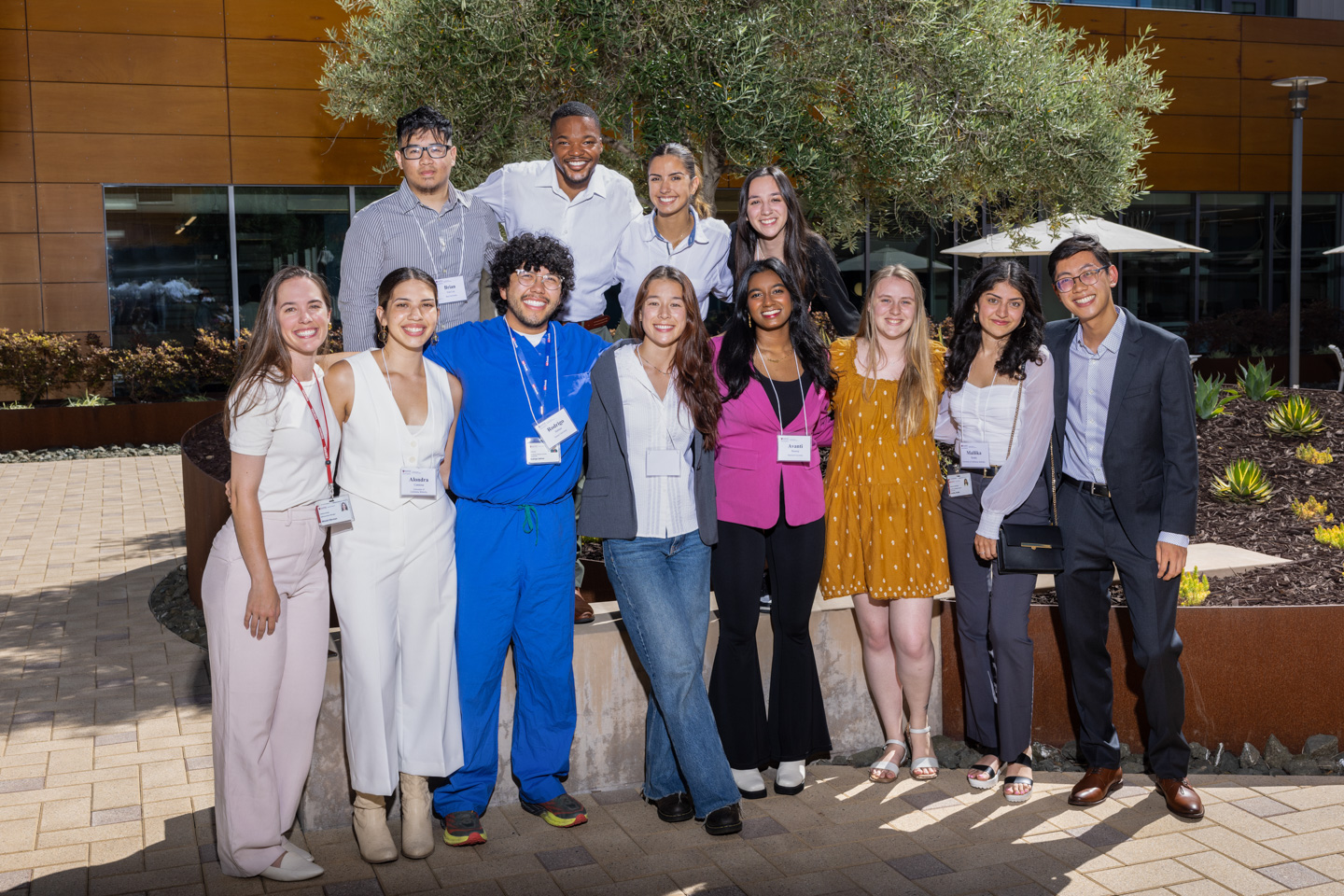
Pre-Renal Initiative participants. Front row, from left: Winnie Ellerman, manager; Alondra Camrena, UC Berkeley; Rodrigo Salinas, Emory University; Angelina Powers, UC Santa Cruz; Avanti Ramraj, Stanford; Alexandra Bibby, coordinator; Mallika Reddy, UC Berkeley; Jeffrey Doeve. Back row, from left: Brian Van Lee, Rice University; Brevyn Belfield, Hampton University; Maria Luiza Periera Ortiz, Mount Holyoke College; Arianna Mejia, University of Pennsylvania.

Pre-Renal Initiative participants. Front row, from left: Winnie Ellerman, manager; Alondra Camrena, UC Berkeley; Rodrigo Salinas, Emory University; Angelina Powers, UC Santa Cruz; Avanti Ramraj, Stanford; Alexandra Bibby, coordinator; Mallika Reddy, UC Berkeley; Jeffrey Doeve. Back row, from left: Brian Van Lee, Rice University; Brevyn Belfield, Hampton University; Maria Luiza Periera Ortiz, Mount Holyoke College; Arianna Mejia, University of Pennsylvania

The Pre-Renal Initiative

Recruiting Nephrologists Early

Pre-Renal Initiative participants. Front row, from left: Winnie Ellerman, manager; Alondra Camrena, UC Berkeley; Rodrigo Salinas, Emory University; Angelina Powers, UC Santa Cruz; Avanti Ramraj, Stanford; Alexandra Bibby, coordinator; Mallika Reddy, UC Berkeley; Jeffrey Doeve. Back row, from left: Brian Van Lee, Rice University; Brevyn Belfield, Hampton University; Maria Luiza Periera Ortiz, Mount Holyoke College; Arianna Mejia, University of Pennsylvania.

Pre-Renal Initiative participants. Front row, from left: Winnie Ellerman, manager; Alondra Camrena, UC Berkeley; Rodrigo Salinas, Emory University; Angelina Powers, UC Santa Cruz; Avanti Ramraj, Stanford; Alexandra Bibby, coordinator; Mallika Reddy, UC Berkeley; Jeffrey Doeve. Back row, from left: Brian Van Lee, Rice University; Brevyn Belfield, Hampton University; Maria Luiza Periera Ortiz, Mount Holyoke College; Arianna Mejia, University of Pennsylvania

The Pre-Renal Initiative

Recruiting Nephrologists Early

Despite the need for more nephrologists, the field of nephrology has suffered an image problem. The subspecialty has been perceived as somewhat stale and stodgy, with limited therapies available for chronic kidney disease (CKD) and a scant research pipeline.

“By the time they enter medical school, many students already know what area of study they intend to pursue, such as cardiology, oncology, or general surgery,” says Vivek Bhalla, MD, associate professor of nephrology and director of the Stanford Hypertension Center. “Early exposure to the field of nephrology is crucial to attract more practitioners and researchers to this dynamic subspecialty, and that is exactly what our initiative is designed to do,” says Bhalla, who is co-director of the Pre-Renal Initiative, a summer research program for undergraduate college students aimed at attracting trainees to the field of nephrology.

Enter the Pre-Renal Initiative

The Pre-Renal Initiative was founded in 2019 to develop an interest in nephrology by planting a seed at the undergraduate level, especially among the very minority and underrepresented populations most affected by CKD. Through this outreach and recruitment effort, Stanford is creating the potential for a clearer path to this subspecialty for those who may not have considered it previously.

Students are recruited through the initiative’s website and social media accounts, as well as with campus outreach at local universities and student groups using targeted emails and virtual talks.

The initiative includes the subspecialties of urology and benign hematology — related areas of study that also need to draw attention as potential career choices.

Bhalla says that in the past 10 years, an explosion of new therapies has emerged for CKD. Multiple new drugs for treating the disease are now available, and amazing insights are revealing how those drugs can manage or even cure CKD. These developments, combined with the current nationwide epidemics of diabetes and obesity, have triggered a need for more nephrologists who can treat the 37 million Americans who have CKD, many of whom are ethnic minorities. 

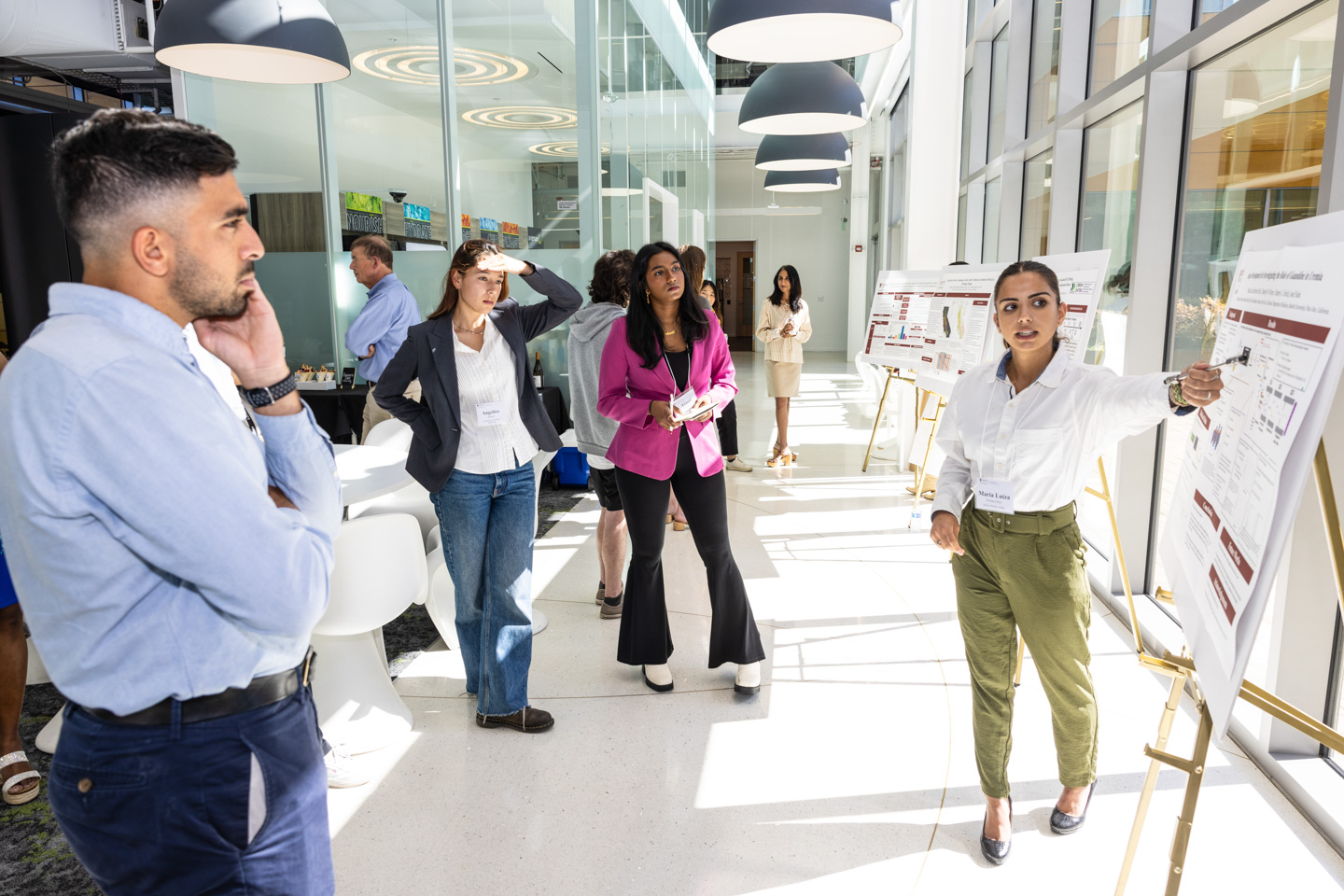
The 10-week program has three components: a research project, a lecture series, and professional development. Each summer includes twice-weekly lectures with nephrology, urology, and hematology faculty members, covering topics in clinical care and research. Additional activities include professional development seminars, social events, and a poster symposium at Stanford and at the National Institutes of Health (NIH), which provides funding for the program.

Glenn M. Chertow, MD, is proud of the initiative’s success in “fostering the interests of women and other underrepresented groups into medicine, nephrology, and urology.” Chertow is a former division chief of nephrology and is currently associate chair of fellowship programs in the Department of Medicine.

Emerging From the Pandemic

The year 2023 was only the second time the Pre-Renal Initiative took place fully in person, with a group of 11 undergraduate students from California, New York, South Carolina, and Texas. They were paired individually with a faculty member and in groups of three with a fellow or resident.

Maria Luiza Periera Ortiz (at easel) is benefiting from early exposure to the field of nephrology. 

“The faculty lectures are multidisciplinary and are a highlight of the Pre-Renal Initiative,” notes Winnie Ellerman, administrative manager for the division of nephrology. She adds that “the most thrilling part of the program has been seeing the students present their research at the end of the summer. They’d been able to establish a hypothesis and see it come to life in the lab.”

Stand By for Results

As for creating a pool of future nephrologists, the success of the program won’t be measurable for at least another 10 years. And, says Bhalla, “even if they don’t go to medical school or specialize in nephrology, they will have benefited from the experience.”

Ellerman adds, “I know the bonds that have formed here will follow these students into their future lives. That is very powerful.”

Brevyn Belfield makes a point during a presentation

I cannot thank you enough for this wonderful program! I feel so happy knowing there is a sphere of medicine that fascinates me as much as urology/nephrology does and that there is so much room for me to join and continue improving renal care!
— Pre-Renal Initiative participant

Despite the need for more nephrologists, the field of nephrology has suffered an image problem. The subspecialty has been perceived as somewhat stale and stodgy, with limited therapies available for chronic kidney disease (CKD) and a scant research pipeline.

“By the time they enter medical school, many students already know what area of study they intend to pursue, such as cardiology, oncology, or general surgery,” says Vivek Bhalla, MD, associate professor of nephrology and director of the Stanford Hypertension Center. “Early exposure to the field of nephrology is crucial to attract more practitioners and researchers to this dynamic subspecialty, and that is exactly what our initiative is designed to do,” says Bhalla, who is co-director of the Pre-Renal Initiative, a summer research program for undergraduate college students aimed at attracting trainees to the field of nephrology.

Maria Luiza Periera Ortiz (at easel) is benefiting from early exposure to the field of nephrology

Enter the Pre-Renal Initiative

The Pre-Renal Initiative was founded in 2019 to develop an interest in nephrology by planting a seed at the undergraduate level, especially among the very minority and underrepresented populations most affected by CKD. Through this outreach and recruitment effort, Stanford is creating the potential for a clearer path to this subspecialty for those who may not have considered it previously.

Students are recruited through the initiative’s website and social media accounts, as well as with campus outreach at local universities and student groups using targeted emails and virtual talks.

The initiative includes the subspecialties of urology and benign hematology — related areas of study that also need to draw attention as potential career choices.

Bhalla says that in the past 10 years, an explosion of new therapies has emerged for CKD. Multiple new drugs for treating the disease are now available, and amazing insights are revealing how those drugs can manage or even cure CKD. These developments, combined with the current nationwide epidemics of diabetes and obesity, have triggered a need for more nephrologists who can treat the 37 million Americans who have CKD, many of whom are ethnic minorities. 

The 10-week program has three components: a research project, a lecture series, and professional development. Each summer includes twice-weekly lectures with nephrology, urology, and hematology faculty members, covering topics in clinical care and research. Additional activities include professional development seminars, social events, and a poster symposium at Stanford and at the National Institutes of Health (NIH), which provides funding for the program.

Glenn M. Chertow, MD, is proud of the initiative’s success in “fostering the interests of women and other underrepresented groups into medicine, nephrology, and urology.” Dr. Chertow is a former division chief of nephrology and is currently associate chair of fellowship programs in the Department of Medicine.

I cannot thank you enough for this wonderful program! I feel so happy knowing there is a sphere of medicine that fascinates me as much as urology/nephrology does and that there is so much room for me to join and continue improving renal care!
— Pre-Renal Initiative participant

Brevyn Belfield makes a point during a presentation.

Emerging From the Pandemic

The year 2023 was only the second time the Pre-Renal Initiative took place fully in person, with a group of 11 undergraduate students from California, New York, South Carolina, and Texas. They were paired individually with a faculty member and in groups of three with a fellow or resident.

“The faculty lectures are multidisciplinary and are a highlight of the Pre-Renal Initiative,” notes Winnie Ellerman, administrative manager for the division of nephrology. She adds that “the most thrilling part of the program has been seeing the students present their research at the end of the summer. They’d been able to establish a hypothesis and see it come to life in the lab.”

Stand By for Results

As for creating a pool of future nephrologists, the success of the program won’t be measurable for at least another 10 years. And, says Bhalla, “even if they don’t go to medical school or specialize in nephrology, they will have benefited from the experience.”

Ellerman adds, “I know the bonds that have formed here will follow these students into their future lives. That is very powerful.”