
How to Secure Competitive R01 Research Grants? Check Out This Program!

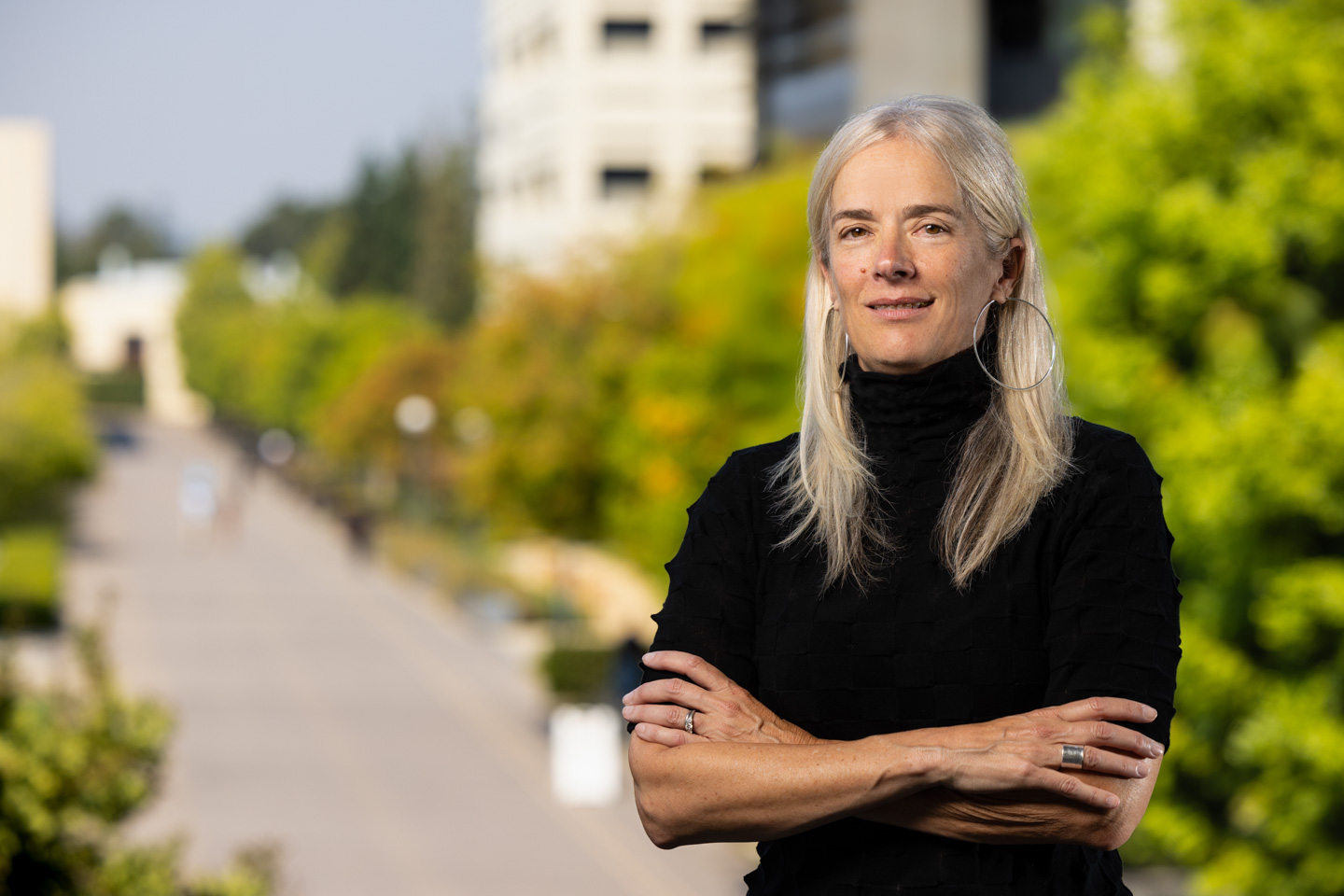
Michaela Kiernan, PhD

Michaela Kiernan, PhD

How to Secure Competitive R01 Research Grants? Check Out This Program!
Michaela Kiernan, PhD

Michaela Kiernan, PhD

How to Secure Competitive R01 Research Grants? Check Out This Program!

One of the hardest parts about being a scientist is obtaining research grants — particularly the very competitive ones from the National Institutes of Health (NIH).

Michaela Kiernan, PhD, a senior research scholar at the Stanford Prevention Research Center, has received a number of NIH grants throughout her career. She and the Stanford Medicine Office of Faculty Development and Diversity (OFDD) wanted to find an effective way to mentor junior faculty through the daunting application process. For the past decade, Kiernan has directed OFDD’s annual R01 Countdown Program — a 15-week intensive grant writing boot camp that teaches junior faculty how to produce clear, organized, and impactful R01 grant applications.

R01 grants are awarded by the NIH to support a project for up to five years, and they are the oldest, most prestigious grants awarded to independent investigators conducting biomedical research. The program also helps researchers who are applying for an R21 grant, which encourages exploratory research by supporting early and conceptual stages of project development.

Kiernan’s efforts have been widely successful; over the years, the R01 Countdown Program has generated over $152 million in NIH grants across 14 different NIH institutes, as well as other government and foundation grant funding.

“Scientists often struggle to write in a concise and approachable manner. As researchers, we had many research methods and stats courses, but not a lot of graduate programs include formal scientific writing courses,” says Kiernan.

The program’s intimate format makes it compelling for Stanford faculty members, says Magali Fassiotto, PhD, associate dean of OFDD. “This psychosocial support, in addition to the multiple proven techniques and specific skills-building provided by the program, makes for an empowering and safe environment for faculty who are submitting NIH R-series grants as a principal investigator.”

One of the hardest parts about being a scientist is obtaining research grants — particularly the very competitive ones from the National Institutes of Health (NIH).

Michaela Kiernan, PhD, a senior research scholar at the Stanford Prevention Research Center, has received a number of NIH grants throughout her career. She and the Stanford Medicine Office of Faculty Development and Diversity (OFDD) wanted to find an effective way to mentor junior faculty through the daunting application process. For the past decade, Kiernan has directed OFDD’s annual R01 Countdown Program — a 15-week intensive grant writing boot camp that teaches junior faculty how to produce clear, organized, and impactful R01 grant applications.

R01 grants are awarded by the NIH to support a project for up to five years, and it is the oldest, most prestigious grant awarded to independent investigators conducting biomedical research. The program also helps researchers who are applying for an R21 grant, which encourages exploratory research by supporting early and conceptual stages of project development.

Kiernan’s efforts have been widely successful; over the years, the R01 Countdown Program has generated over $152 million in NIH grants across 14 different NIH institutes, as well as other government and foundation grant funding.

“Scientists often struggle to write in a concise and approachable manner. As researchers, we had many research methods and stats courses, but not a lot of graduate programs include formal scientific writing courses,” says Kiernan.

The program’s intimate format makes it compelling for Stanford faculty members, says Magali Fassiotto, PhD, associate dean of OFDD. “This psychosocial support, in addition to the multiple proven techniques and specific skills-building provided by the program, makes for an empowering and safe environment for faculty who are submitting NIH R-series grants as a principal investigator.”

Rather than focus on their own grant, faculty first learn how to look at stellar, already funded grants at a 30,000-foot view to see how they are put together.

— Michaela Kiernan, PhD, senior research scholar at the Stanford Prevention Research Center 

Mastering Science Writing Techniques

Each October to February, nine or 10 junior faculty members are selected to participate in the program. Those who have submitted an R01 in the past but have not yet been awarded a grant are prioritized.

Faculty start by learning basic scientific writing techniques. “Rather than focus on their own grant, faculty first learn how to look at stellar, already funded grants at a 30,000-foot view to see how they are put together,” says Kiernan.

The work includes walking through each of eight elements recommended for writing a concise and compelling “specific aims” page — the most vital part of an NIH grant application designed to hook reviewers’ attention and convince them that the work is worth funding. OFDD has made these eight elements available online to investigators at Stanford and beyond, which has garnered strong interest, with over 5,900 page views in the past two years.

Editing and Presenting Your Grant

Next, each faculty member edits their own specific aims page. “One unique part of this program is we spend a lot of time on innovation,” says Kiernan. This involves distinguishing what is new about your scientific methods by juxtaposing them with the limitations of existing methods in the field. “The fact that something has never been done before doesn’t automatically make it innovative,” Kiernan says. Junior faculty also seek out new collaborations to further push their science.

Once a draft is completed, faculty read peers’ specific aims and provide detailed, constructive feedback in a quick round-robin manner. “We don’t want people dragging on in an oral presentation. It’s about trying to mimic how fast grant reviewers move when they work through a stack of grants,” says Kiernan.

For that reason, writing in a concise way that avoids scientific jargon and niche acronyms is key. “Everyone is from different departments and applying to different NIH institutes, so it’s important to make the writing super accessible,” Kiernan says.

A Collaborative Environment

One of the most exciting aspects of this program is that it creates a collaborative environment for a range of Stanford researchers who would otherwise not have the opportunity to dive into cross-disciplinary science.

“There is wonderful camaraderie in the cohorts. For two hours each week, faculty work with colleagues from other disciplines and talk about really cool science,” says Kiernan. “It is extremely intellectually stimulating and collaborative.”

Along with the joy that comes from teaching others valuable grant writing skills, one of Kiernan’s favorite parts about the R01 Countdown Program is hearing from faculty when they cross the finish line and are awarded their NIH R01.

“Faculty come in with different strengths and areas for growth, and it’s just so wonderful to see them expand on their strengths and succeed,” she says.

Fassiotto emphatically agrees. “Michaela and this incredible course, which she has developed and led, are true gems not only of our Office of Faculty Development and Diversity, but of Stanford Medicine as a whole.”
Tying Together Pelvic Health and the Microbiome

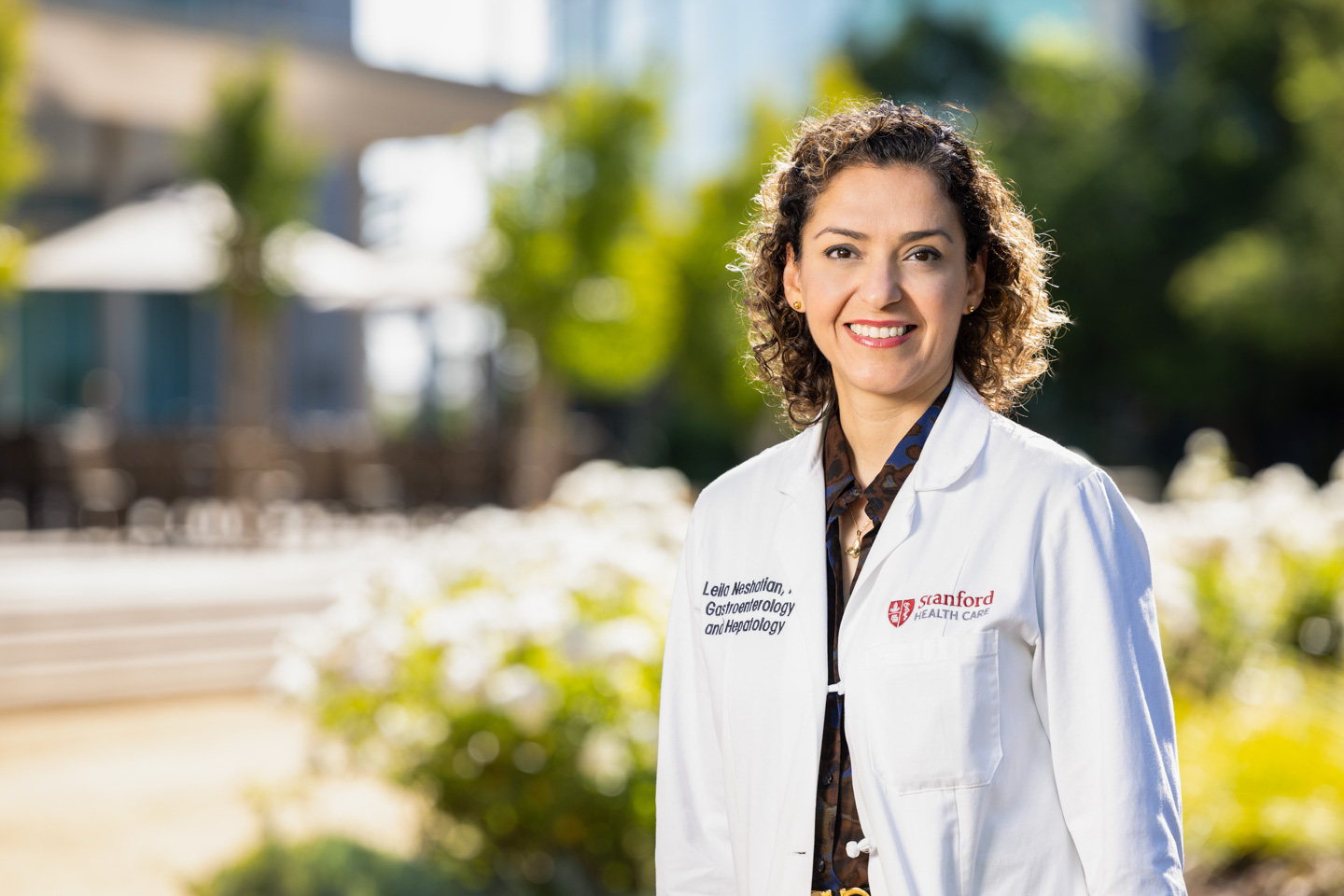
Leila Neshatian, MD

Leila Neshatian, MD

Tying Together Pelvic Health and the Microbiome

Pelvic Health Program Provides Relief From Pain and Shame

Leila Neshatian, MD

Leila Neshatian, MD

Tying Together Pelvic Health and the Microbiome

Pelvic Health Program Provides Relief From Pain and Shame

You laugh, you pee. This is the reality for many middle-aged women, especially if they gave birth vaginally. If it’s just a few drops, it’s usually no big deal. But sometimes it’s not just a few drops. Then there is the flip side of the coin — fecal incontinence. Now we are getting into territory so taboo and embarrassing that people do not even want to bring it up with their physicians.

Pelvic Health Problems — Embarrassing and Undertreated, Patients Suffer in Silence

Pelvic health is fundamental to good quality of life. Nevertheless, comprehensive multidisciplinary care in this area can be hard to come by. That’s why patients travel from all over the country to receive the kind of specialized care given by Leila Neshatian, MD, in collaboration with a team of dedicated clinicians who work alongside her at the Stanford Pelvic Health Center

While the Pelvic Health Center serves all genders, the majority of patients are women of middle or older age suffering from a wide array of pelvic floor disorders.

These conditions negatively impact quality of life with symptoms such as urinary and/or fecal incontinence, constipation, and pain or pressure in the pelvic area. It is not unusual for the center’s patients to have a long history of being dismissed or undertreated elsewhere. The unfortunate reality is that anorectal and pelvic health is not covered adequately in many medical training programs, so physicians simply aren’t equipped to handle the problem. They may recommend Kegel exercises or, in more severe cases, refer patients for surgery, but that is about the limit of their options.

Finally, a Comprehensive, Multidisciplinary Solution

The Stanford Pelvic Health Center, on the other hand, provides coordinated, multidisciplinary care that includes the specialties of gastroenterology, colorectal surgery, urogynecology, urology, pain anesthesiology, and physiotherapy. Neshatian, clinical associate professor of gastroenterology and hepatology, specializes in neurogastroenterology and benign anorectal disorders.  

Her patients receive a comprehensive evaluation, including assessment of anorectal function, coordination, and sensory function via high-resolution anorectal manometry, as well as three-dimensional dynamic ultrasound to evaluate the anal sphincter and surrounding muscles, and magnetic resonance imaging defecography to dynamically visualize overall pelvic organ structure and function.

Following this assessment, the multidisciplinary team works together to determine the best multipronged treatment course. “We offer comprehensive medical management, physical therapy, and combined surgeries,” says Neshatian. By “combined surgeries,” she means that two surgeons, one colorectal and the other specialized in urogynecology, may operate on a single patient during the same surgery to ensure that all the pelvic issues are addressed at once by the most experienced hands.

Innovative Research in Pelvic Health

In addition to seeing patients, the Pelvic Health Center conducts innovative research into an aspect of health that remains poorly understood, so that physicians all over the world can better treat their patients. For instance, Neshatian and her team are working to identify specific targets for measures of pelvic health, such as the size and quality of the skeletal muscles, that must be achieved in order to treat or prevent pelvic symptoms in aging women.

One important learning from her research is the importance of muscle size and quality, not just in the pelvic area but overall. “In order to have better pelvic health, you need better muscles,” says Neshatian. “If the person is deconditioned, the muscle is replaced by fat, and the likelihood of having these problems is certainly higher. We proposed that if we put women through physical activities, such as resistance training, to improve overall physical conditioning, symptoms related to pelvic floor dysfunction such as fecal and urinary incontinence will improve as well.” Research is currently ongoing to evaluate this hypothesis.

Leila Neshatian, MD

You laugh, you pee. This is the reality for many middle-aged women, especially if they gave birth vaginally. If it’s just a few drops, it’s usually no big deal. But sometimes it’s not just a few drops. Then there is the flip side of the coin — fecal incontinence. Now we are getting into territory so taboo and embarrassing that people do not even want to bring it up with their physicians.

Pelvic Health Problems — Embarrassing and Undertreated, Patients Suffer in Silence

Pelvic health is fundamental to good quality of life. Nevertheless, comprehensive multidisciplinary care in this area can be hard to come by. That’s why patients travel from all over the country to receive the kind of specialized care given by Leila Neshatian, MD, in collaboration with a team of dedicated clinicians who work alongside her at the Stanford Pelvic Health Center.

While the Pelvic Health Center serves all genders, the majority of patients are women of middle or older age suffering from a wide array of pelvic floor disorders. These conditions negatively impact quality of life with symptoms such as urinary and/or fecal incontinence, constipation, and pain or pressure in the pelvic area. It is not unusual for the center’s patients to have a long history of being dismissed or undertreated elsewhere. The unfortunate reality is that anorectal and pelvic health is not covered adequately in many medical training programs, so physicians simply aren’t equipped to handle the problem. They may recommend Kegel exercises or, in more severe cases, refer patients for surgery, but that is about the limit of their options.

Finally, a Comprehensive, Multidisciplinary Solution

The Stanford Pelvic Health Center, on the other hand, provides coordinated, multidisciplinary care that includes the specialties of gastroenterology, colorectal surgery, urogynecology, urology, pain anesthesiology, and physiotherapy. Neshatian, clinical associate professor of gastroenterology and hepatology, specializes in neurogastroenterology and benign anorectal disorders. Her patients receive a comprehensive evaluation, including assessment of anorectal function, coordination, and sensory function via high-resolution anorectal manometry, as well as three-dimensional dynamic ultrasound to evaluate the anal sphincter and surrounding muscles, and magnetic resonance imaging defecography to dynamically visualize overall pelvic organ structure and function.

Following this assessment, the multidisciplinary team works together to determine the best multipronged treatment course. “We offer comprehensive medical management, physical therapy, and combined surgeries,” says Neshatian. By “combined surgeries,” she means that two surgeons, one colorectal and the other specialized in urogynecology, may operate on a single patient during the same surgery to ensure that all the pelvic issues are addressed at once by the most experienced hands.

Leila Neshatian, MD

Innovative Research in Pelvic Health

In addition to seeing patients, the Pelvic Health Center conducts innovative research into an aspect of health that remains poorly understood, so that physicians all over the world can better treat their patients. For instance, Neshatian and her team are working to identify specific targets for measures of pelvic health, such as the size and quality of the skeletal muscles, that must be achieved in order to treat or prevent pelvic symptoms in aging women.

One important learning from her research is the importance of muscle size and quality, not just in the pelvic area but overall. “In order to have better pelvic health, you need better muscles,” says Neshatian. “If the person is deconditioned, the muscle is replaced by fat, and the likelihood of having these problems is certainly higher. We proposed that if we put women through physical activities, such as resistance training, to improve overall physical conditioning, symptoms related to pelvic floor dysfunction such as fecal and urinary incontinence will improve as well.” Research is currently ongoing to evaluate this hypothesis.

This is a unique educational opportunity because, to be honest, anorectal and pelvic training is missing from many programs.

— Leila Nehastian, MD, clinical associate professor of gastroenterology and hepatology


In a particularly innovative project, Neshatian and her team will be examining the relationship between pelvic health and the microbiome. “We know that the microbiome changes in patients who are frail,” she explains. “This becomes a vicious cycle in terms of the microbiome causing frailty and frailty changing the microbiome. We think that because frailty can lead to pelvic pathologies, by changing the microbiome, you can prevent frailty and therefore improve pelvic health.”

They would also like to determine how the physical therapy that they offer at the center improves symptoms, looking specifically at how it produces changes in overall muscle strength and whether it affects the microbiome. Findings of this research should be available in the next few years, which will give treating physicians around the world new information and tools to use with their patients.

Training a New Generation

Given the unique nature of the services provided and the research taking place at the Pelvic Health Center, training is an important component of the program. A clinician educator, Neshatian is GI program director of the Neuro-Gastroenterology Fellowship, which includes training at the Pelvic Health Center. Others who receive training at the center are medical residents as well as fellows in Female Pelvic Medicine and Reconstructive Surgery (FPMRS) and Gastroenterology. “This is a unique educational opportunity because, to be honest, anorectal and pelvic training is missing from many programs,” she says.

The need for and interest in a comprehensive approach to pelvic health is so great that there are plans to expand the Pelvic Health Center, with a move to a larger space in Pavilion E anticipated in the near future. This will provide the space they need to increase their clinical staff and ultimately help more patients.