Open Science at Stanford

Open Science at Stanford

Promoting Data Access, Credibility, and Reproducibility For All
Open Science at Stanford

Promoting Data Access, Credibility, and Reproducibility For All

Ten years ago, Amgen, a biotech company in Los Angeles, tried to replicate what it considered to be the hundred most important studies done in cancer biology. The results of the project showed that Amgen was able to replicate only six study findings out of 53 landmark cancer papers. This study from Amgen caught the attention of many people in the field, who worried about the scientific credibility of the 53 cancer papers, according to Mark Musen, MD, PhD, director of the Stanford Center for Biomedical Informatics Research. Lines of investigation were launched on the basis of those papers, as the assumptions that underpinned considerable research activity in the field were suddenly called into question.

Musen is working to fix this problem of data management and spreading the information to all relevant people. His goal is to create guidelines and templates that will give researchers the tools needed to duplicate their work. This comes on the heels of an October 2020 announcement of new National Institutes of Health (NIH) requirements that many researchers will soon have to follow.
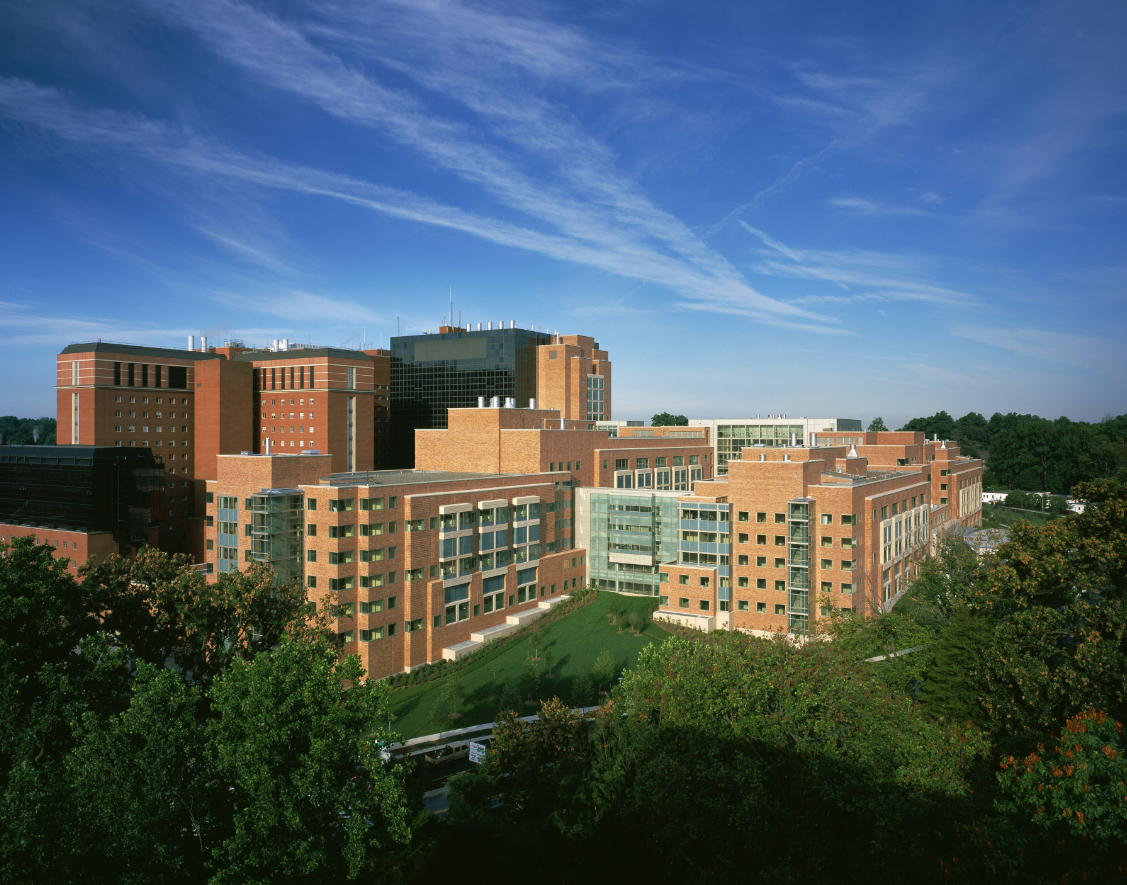
The National Institutes of Health issued new requirements that many researchers will soon have to follow.

NIH Requirements

Scientists dealing with billions of pieces of raw data will find it much easier to do their work after Jan. 25, 2023. That’s when the NIH will adopt a new Data Management and Sharing Policy. Researchers funded by the NIH will be required to submit a formal plan detailing how they will share their research data. The new policy, in part, follows principles first laid out in a paper published in 2016 in Scientific Data.

The Scientific Data paper argued for scientific data to be findable, accessible, interoperable, and reusable (FAIR). That is, they need to be easy to find in a common database, accessible by those with disabilities, able for others to use and exchange the information, and able to be used again. The creation of FAIR Principles provides an essential set of guidelines for stakeholders who wish to go FAIR.

The NIH’s new policy requires that researchers share all scientific data so that others can more easily use findings from previous studies in future studies. Furthermore, researchers must include a plan for sharing their data whenever they apply for NIH funding. The NIH will cover the costs of data collection, sharing, and storage.

Many leaders in the field of biomedical informatics see the NIH policy as a giant step toward Open Science, a concept that makes science much more accessible, inclusive, and available for everyone. Open Science seeks to eliminate the barriers to access of data and to provide scientific credibility by allowing everyone to verify study findings. Stanford experts are in favor of the Open Science concept, but they differ in how they approach and use it.
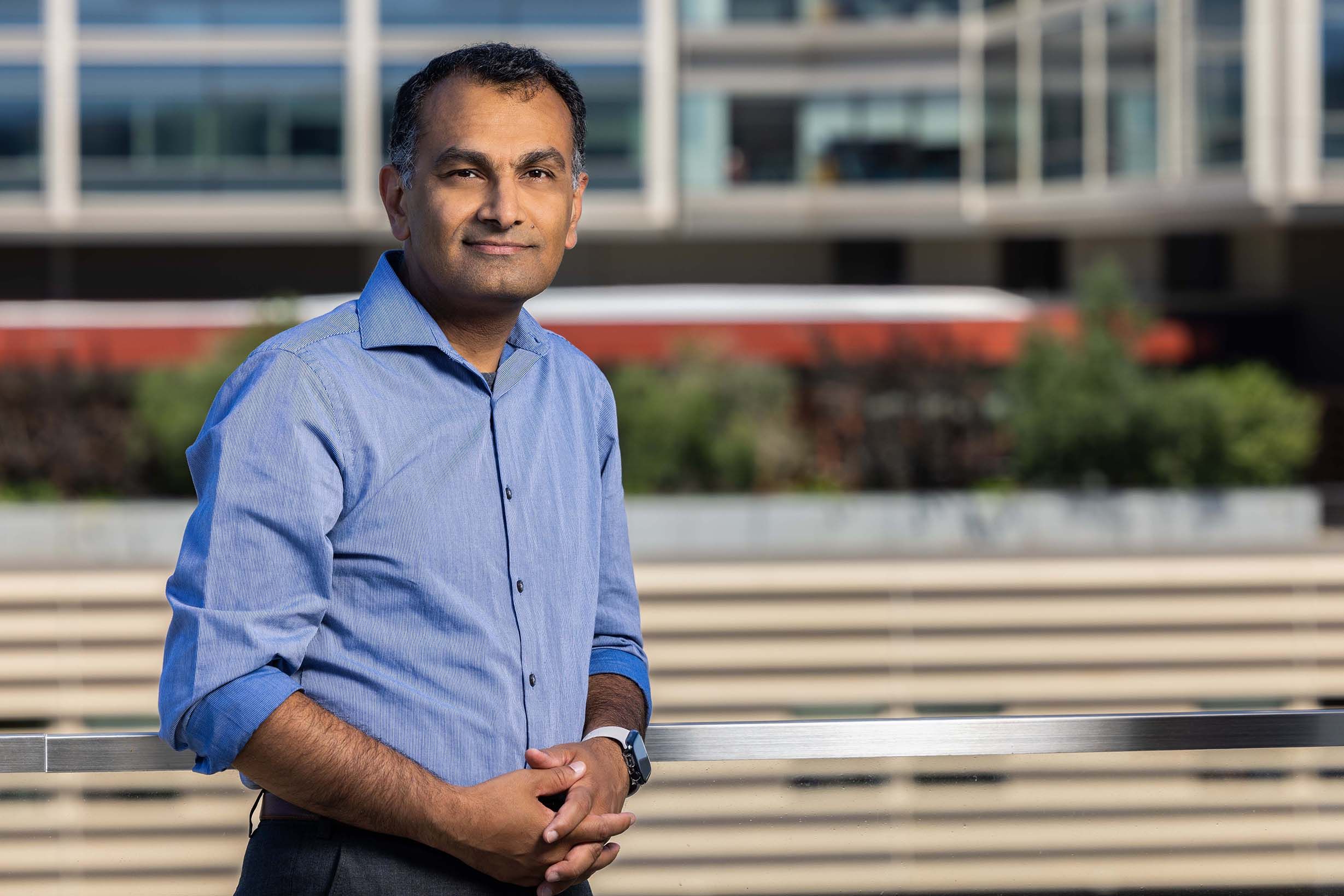
Purvesh Khatri, PhD

Open Science in Action

Purvesh Khatri, PhD, an associate professor of biomedical informatics research and an associate professor in the Institute for Immunity, Transplantation and Infection, has used Open Science to create new findings using existing data. Khatri and his lab were able to comb through many publicly available data sets to examine and analyze what factors could lead to new developments in tuberculosis (TB) patterns in gene expression.

Khatri’s research in TB led to the development of TB testing using only finger-stick blood samples. The Khatri lab found that three gene signatures could be used to diagnose TB. Using publicly available data that represented various real-world patient populations, the lab concluded that three genes could indicate whether someone has TB. These findings led the lab to move 

past the discovery stage and produce a clinical result in five years.

For Khatri, the process of searching through different publicly available data remains a challenging endeavor. He says, “We know that these data sets exist out in the public domain, but we have to go out and look for them. Looking for this information is exhausting and labor-intensive. Since there is no centralized method of labeling data, every single piece of data could have different labels for many various things. Researchers who are reading these papers may not be able to find the information they need to get the information. There has to be a solution to this problem.”

Reproducibility: Approaching Scientific Data Like a Librarian

Reproducibility helps interested researchers re-create a study so they can follow similar steps when forming their own results. Reproducibility also allows other researchers to find and share the information with ease. “I became interested in all of this because Open Science is actually more broadly about making science itself accessible and transparent,” says John Borghi, PhD, manager of research and instruction at Lane Medical Library at Stanford.

Borghi plays a large role in educating Stanford School of Medicine faculty about the new NIH data-sharing requirement, and he helped Lane Library acquire a license for Dryad, a highly used, general-purpose data repository that was developed by the University of California to make it easy to archive and share scientific data sets.

Imagine a hobbyist with all the pieces of a complicated model car laid out in front of him, but with no instructions. He could end up with a completed model car, but he may have put some pieces in the wrong places. “Open Science practices really help you facilitate a step-by-step process that is much more like building a model where you have instructions that make sense,” says Borghi. “If two people have all the pieces readily available, then one person will create one version of the model, and the other may create another version. Without instructions on how to duplicate the model, you can come up with a vastly different outcome.”

“I was a neuroscience researcher before I was a librarian,” Borghi explains.
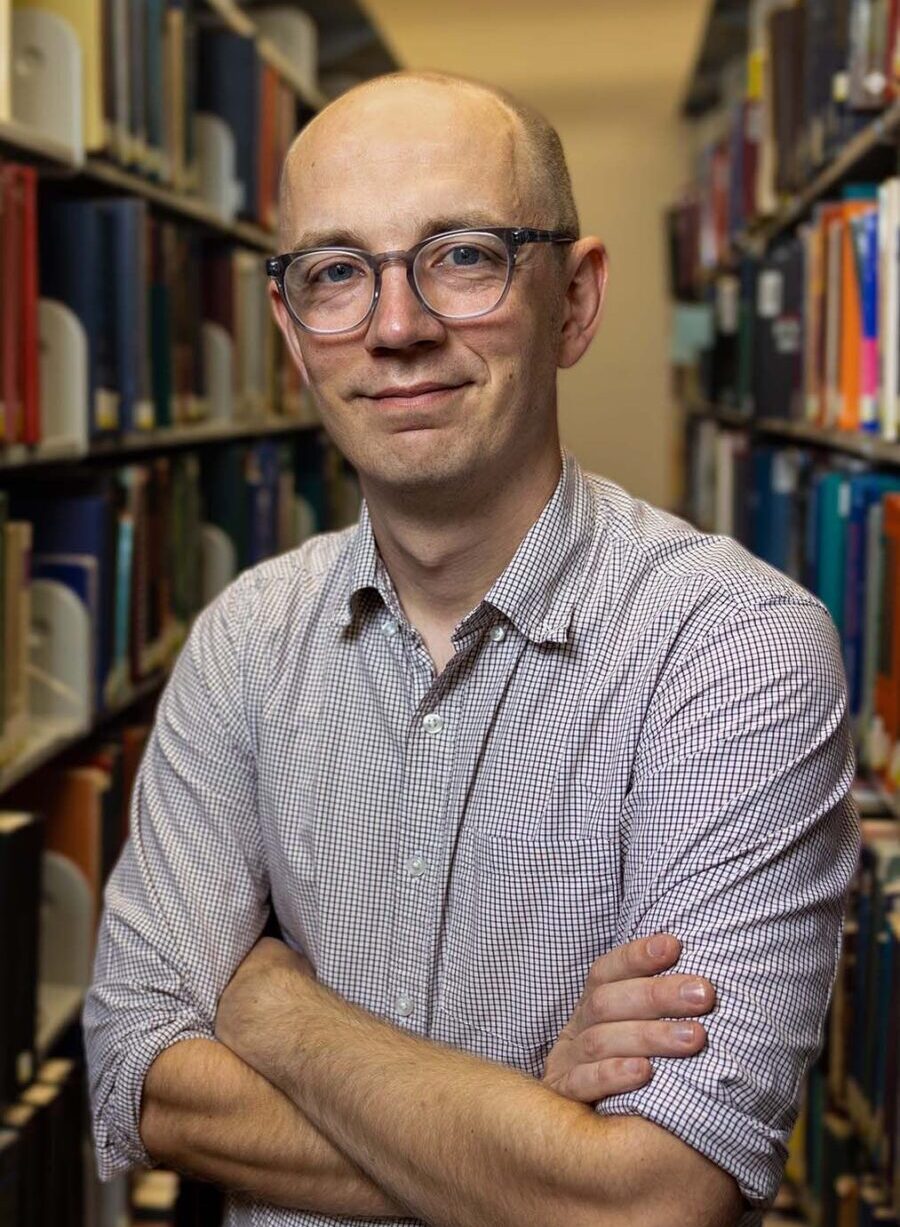
Photo Caption Here

“I was not thinking about the people who would read our data. We were creating data sets and maybe sharing them, but not really describing them in such a way that they could be found.” Creating and standardizing metadata and creating methods and forms to list them ensures that researchers can properly file and store data for researchers who wish to look up studies.

Metadata is a type of data that describes information inside something like a written document or file, which informs users of the content. Just as an abstract gives basic information about a scientific journal article, metadata offers the same for data. Consider a researcher who locates a book in a library on a subject of interest. Metadata would inform the researcher of what the book holds and where to find that information. The book metadata would include the title, subtitle, publication date and ISBN, keywords and key phrases, book description, and author bio. This information would be listed in the metadata, and the book’s information would be cataloged, thereby easily found in a library, similar to a data repository.
Open Science seeks to eliminate the barriers to access of data and to provide scientific credibility by allowing everyone to verify study findings.”

­–Steve Goodman, MD, MHS, PhD

He plans to work with Borghi this fall to survey School of Medicine investigators and learn how databases are being managed to determine training and support needs. SPORR is also planning a school-wide symposium on Jan. 23, 2023 — the day the NIH requirements go into effect — to educate faculty and provide on-site consultation for investigators. It is also presenting a three-week mini-course on the topic for trainees during Stanford’s winter 2023 term.

Goodman stresses that the SPORR team is looking to support research groups that need assistance and to identify those that use best practices, recognizing them through prizes and dissemination. As Goodman says, “Our responsibility as an initiative and as a school is to make rigorous data handling easy; each researcher shouldn’t have to invent their own wheel. We want to help Stanford investigators learn from each other about what works best here.”

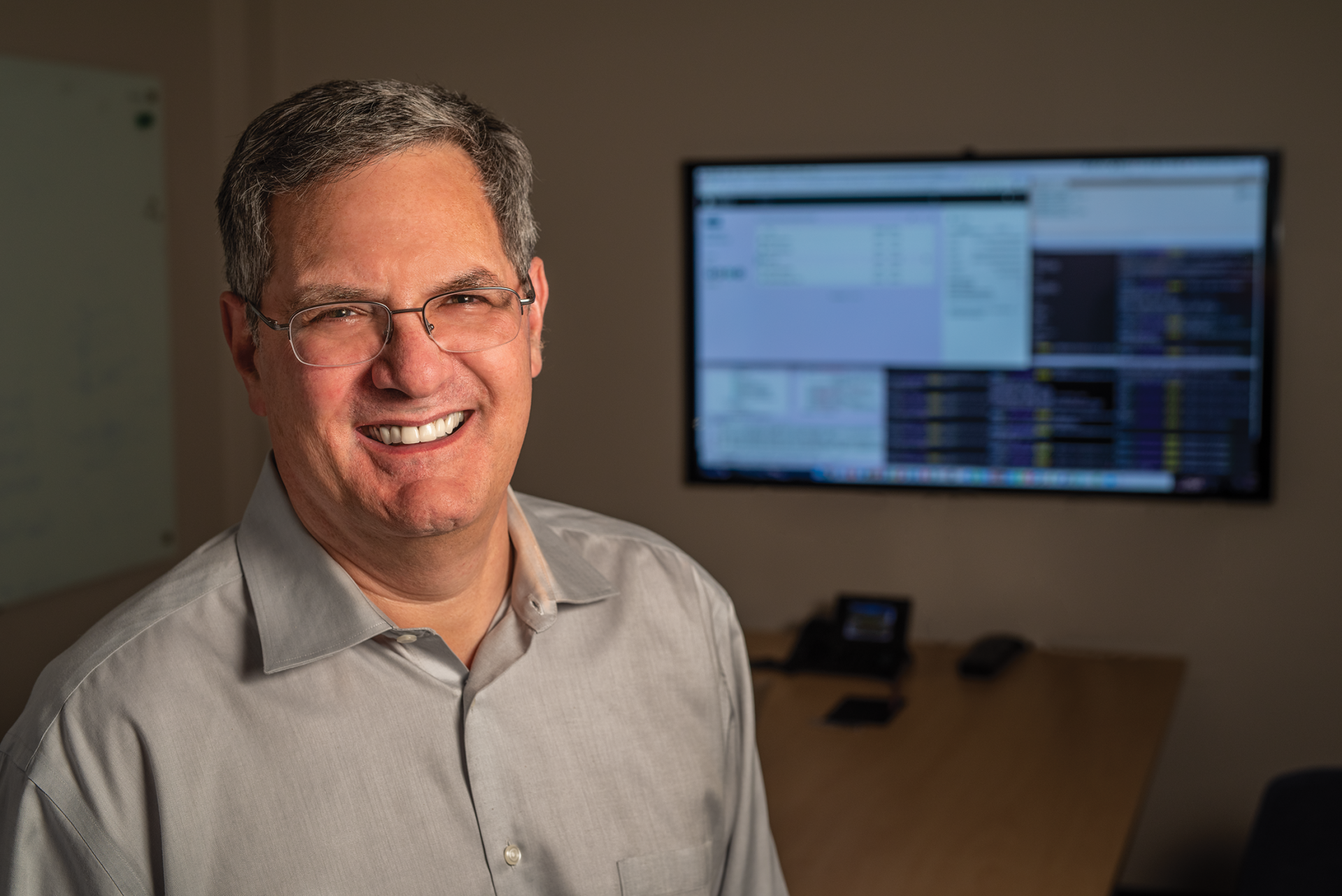
Open Science practices really help you facilitate a step-by-step process that is much more like building a model where you have instructions that make sense.

– John Borghi, PhD
Open Science practices really help you facilitate a step-by-step process that is much more like building a model where you have instructions that make sense.

– John Borghi, PhD

Mark Musen, MD, PhD

CEDAR is trying to streamline the authoring of this metadata, which will enable researchers to eliminate deviations when describing different data in the same subject. As mentioned above, the process of combing through different publicly available data is a continuing challenge for scientists like Khatri. The lack of standard terms within the metadata makes it hard for investigators to find what they’re looking for.

CEDAR’s primary contribution is to ensure that new metadata adheres to whatever standards the research community has settled upon. Once it’s simplified and centralized, researchers will have an easier time finding the information they need to continue with their research. As Musen explains, “The good news — or the bad news, depending on your perspective — is that scientists didn’t start putting their data in online repositories until the 1980s.” There has been a lot of data since the 1980s, and not all of it adheres to proper metadata search terms. However, there is hope.

The National Science Foundation has issued a grant to a small business called Metadata Game Changers to integrate CEDAR into Dryad, the general-purpose data repository. The expectation is that people who upload data sets into Dryad will be able to use CEDAR to create appropriate metadata. For Borghi, who is working with School of Medicine faculty, integrating CEDAR into Dryad will enable faculty to share data using Dryad if there is no other appropriate repository for them to use — just in time for the new NIH policy.

CEDAR is a starting point for researchers and scientists to correct the mistakes of past studies and to modernize how information from those studies is shared. If all things come together, using Open Science and FAIR principles will ensure that future studies based on previous landmark science papers will be able to reproduce results with few to no problems. What a difference that would have made for Amgen back in 2012!
Can New Training Efforts Rein in Health Care Costs?

Can New Training Efforts Rein in Health Care Costs?

Swati DiDonato, MD, MBA

Swati DiDonato, MD, MBA

Can New Training Efforts Rein in Health Care Costs?

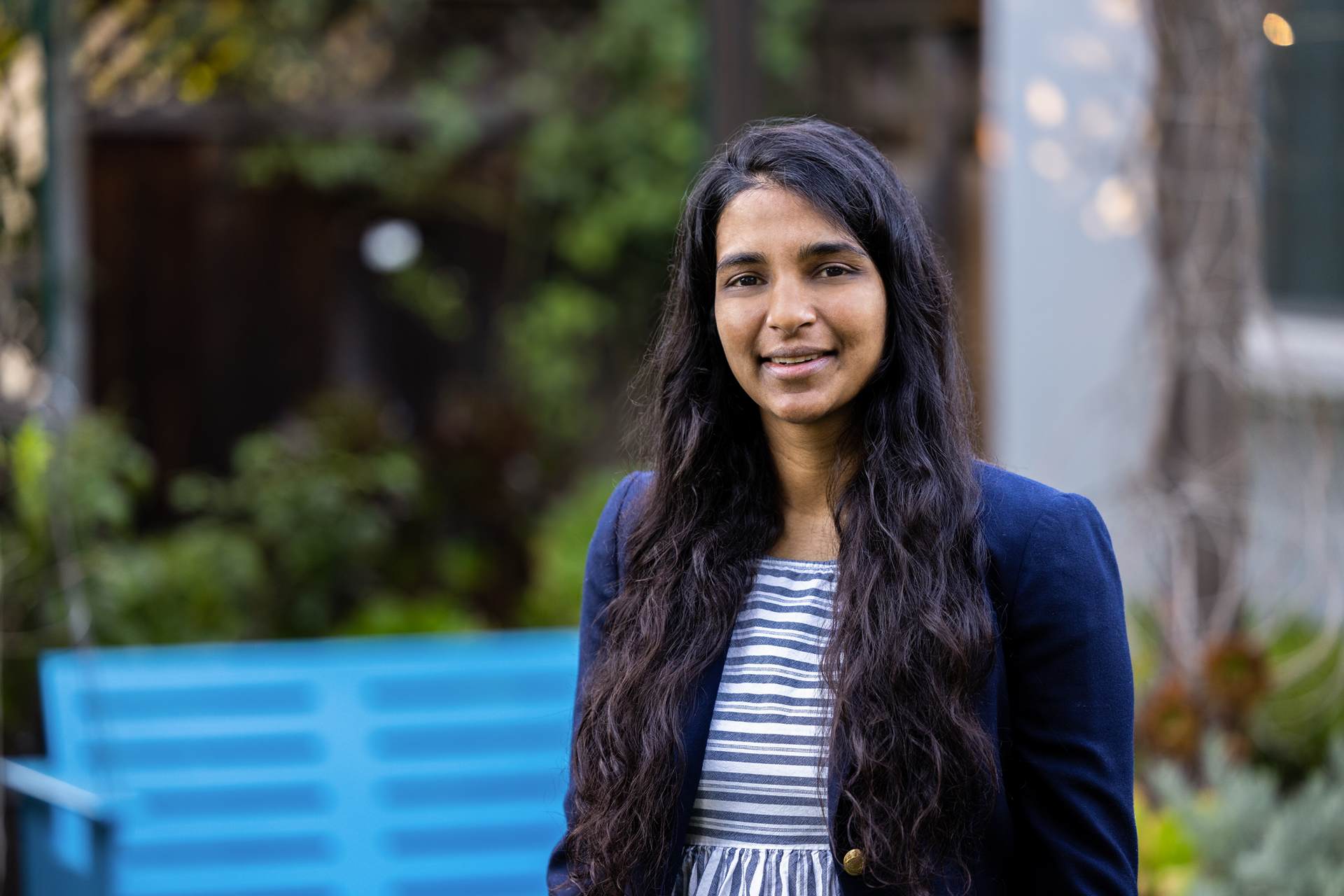
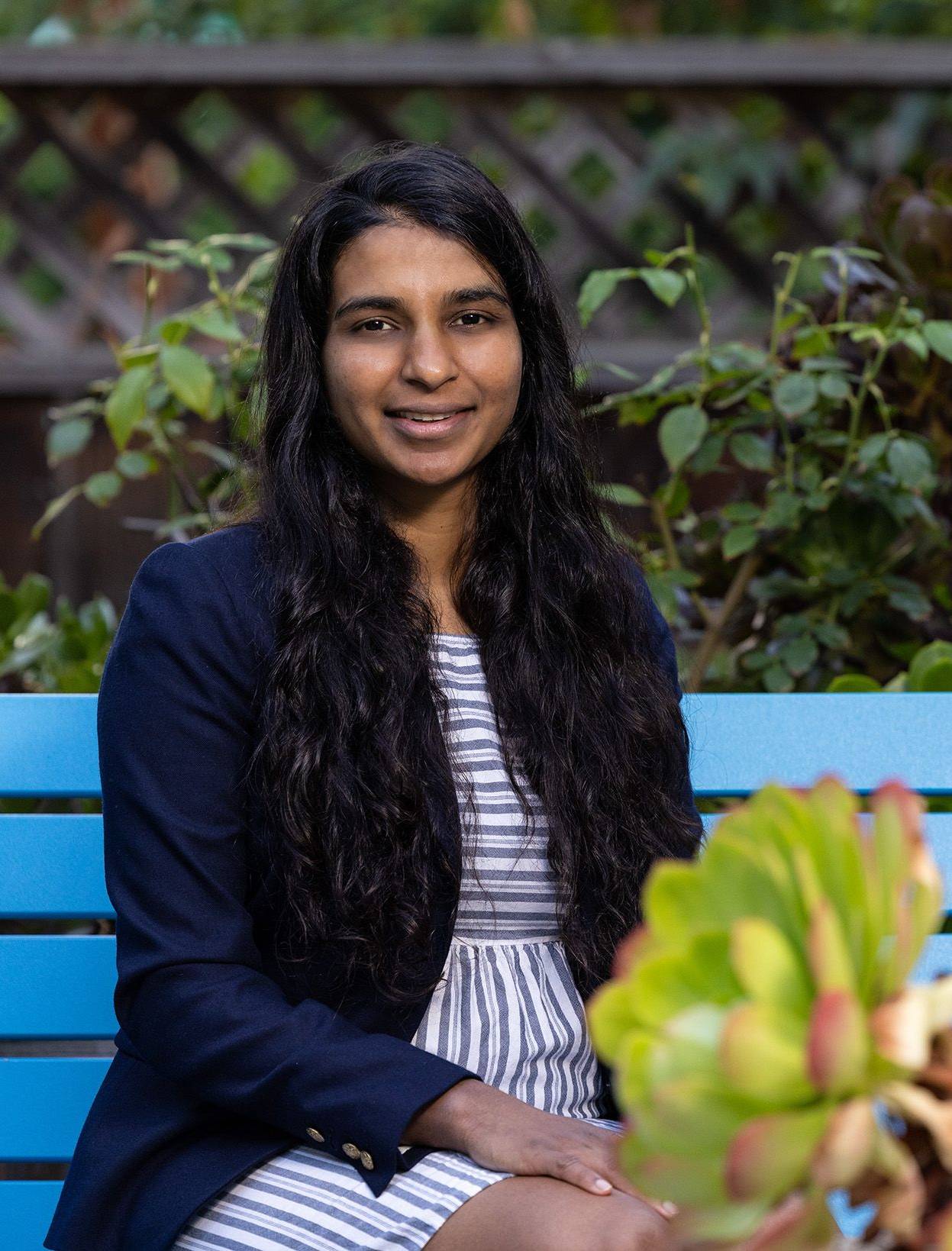
When Swati DiDonato, MD, MBA, accompanies medical trainees on their morning rounds at Stanford Hospital to review admitted patients’ statuses and plans, she finds herself asking the same question again and again: Will that test (or medicine, or therapy) really improve the patient’s overall health and well-being? Is it necessary?

Over recent decades, health care costs in the United States have risen dramatically. Some of this increase is due to administrative costs and the complexity of the healthcare system, and some of it is due to an aging population and increases in chronic illnesses. But a part of the increase can also be attributed to how medicine is practiced — which tests or treatments doctors use for their patients.

DiDonato, a clinical assistant professor of hospital medicine, thinks clinicians can benefit from dedicated training in “value-based care.” Value-based care embraces the idea of prioritizing tests, procedures, and treatments that are likely to improve the quality of care that the patient receives, rather than turning to many tests or interventions right off the bat. It emphasizes the use of drugs and devices most probable to increase a patient’s quality of life or life span.

“Ultimately, by embracing the practice of value-based care, we can better serve our patients and our community.”

– Swati DiDonato, MD, MBA

positions. With support from a Medical Scholars Research Fellowship, she studied how a patient’s demographics and insurance coverage impact the type of prostate cancer surgery they receive. She also led a project asking whether a new electronic health record system changed how patients in the hospital fared.

“As doctors, we have unique insight into the challenges that our patients face,” says DiDonato. “I think we’re going to keep seeing changes to medicine happening from the government and insurance side, and it’s important to have doctors who can advocate for our patients and help shape and implement these policy changes.”

During her training, DiDonato also led the Stanford Resident Safety Council, a group with the goal of developing new, systemic solutions to improve the quality and safety of patient care at Stanford. The group worked on projects such as the effective rollout of Voalte, a new communication tool for Stanford providers that lets them communicate through an encrypted smartphone app, as well as new patient education materials on drug side effects. These kinds of projects can improve health care by reducing medical errors and miscommunications.

Today, as a junior faculty member, DiDonato helps lead that same Resident Safety Council, as the associate program director. She also serves as a career adviser for students in the MD/MBA program.

“I really want to empower our trainees so that when they see issues or opportunities for improvement here at Stanford, they have the tool kits and resources to take things to the next level,” says DiDonato.

Teaching medical trainees how to think like a businessperson is one way to encourage systemic change in healthcare… But getting more senior physicians to think and act in new ways is paramount as well.

Teaching medical trainees how to think like a businessperson is one way to encourage systemic change in healthcare… But getting more senior physicians to think and act in new ways is paramount as well.

A New Curriculum

Teaching medical trainees how to think like a businessperson is one way to encourage systemic change in healthcare — over the coming years, it can lead to more junior faculty like DiDonato, who are inspired and equipped to make a difference. But getting more senior physicians to think and act in new ways is paramount as well, DiDonato says. That’s why she began working with Horomanski on the new CME course, with encouragement from General Medicine Section Chief Jeffrey Chi, MD, clinical associate professor of hospital medicine, and Hospital Medicine Division Chief Neera Ahuja, MD, clinical professor of medicine.

Just like her morning rounds lectures, the course that DiDonato developed aims to make doctors pause and think twice before they order a test or drug.

“We provide examples of what it looks like to use evidence-based guidelines and clinical pathways to guide the ordering of different tests and procedures,” says DiDonato.

The final lesson in the course focuses on how to talk to patients about value-based care. When a patient requests a particular test or drug, for instance, clinicians can struggle to communicate with the patient about why it’s not needed.

Initially, the Stanford Value-Based Care Academy is rolling out the virtual course for faculty members in the Department of Medicine. But DiDonato and Horomanski plan to adapt it for other departments, as well as medical students, residents, and fellows at Stanford. They’re also developing an in-person version of the course, in which staff of a given division can participate together, brainstorming how they can apply value-based care in their own day-to-day practices.

DiDonato hopes that eventually her efforts will inspire similar courses in other health systems.

“Public payers and insurance companies are all making pushes toward value-based models, but the education of physicians on value-based care has lagged behind,” she says. “Our hope is that we can meet the moment with this training to better serve our patients and our community.”

Whatever Is Needed To Provide The Highest Quality Care

Whatever Is Needed To Provide The Highest Quality Care

Model Program Streamlines Care for Veterans of the VISN 21

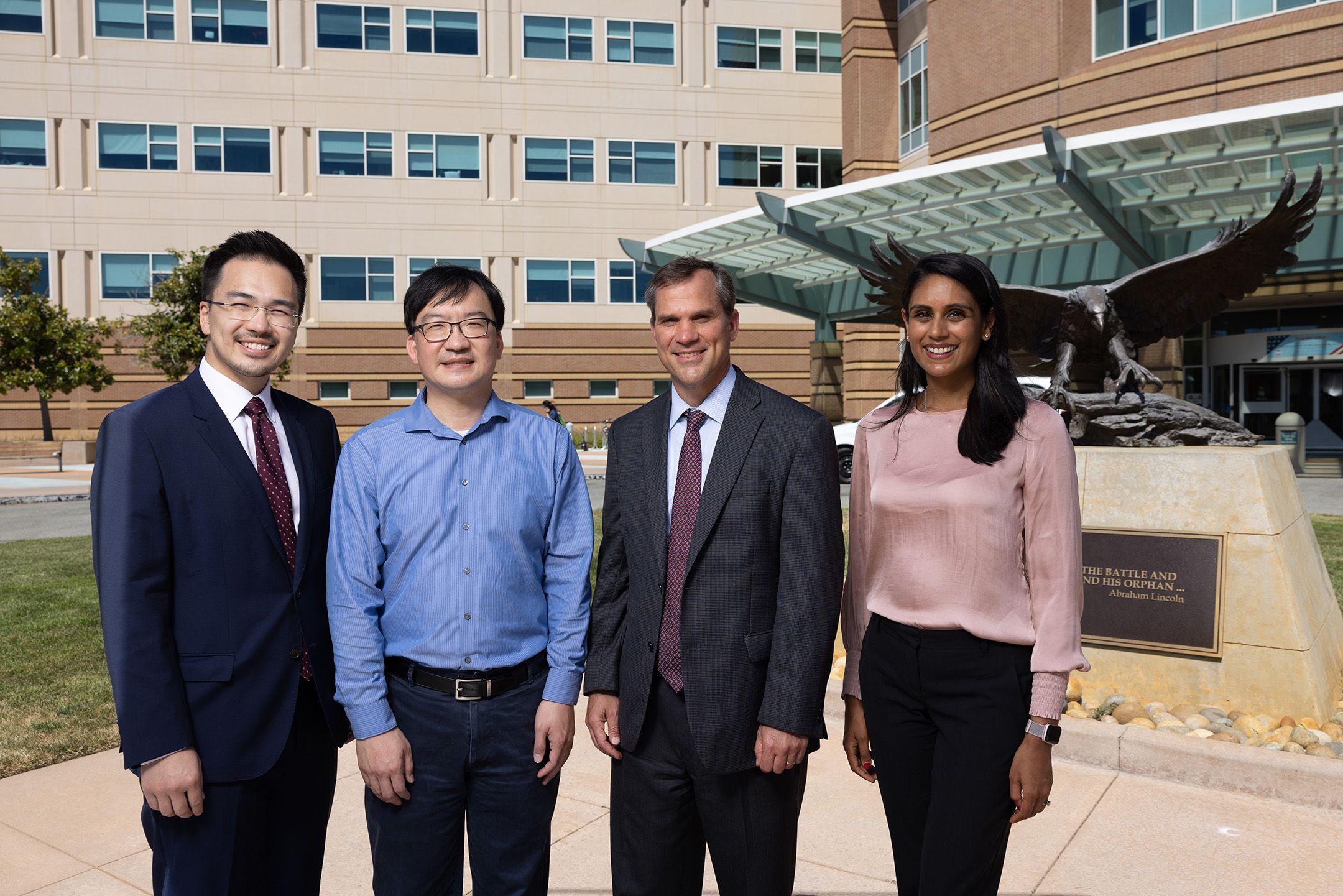
From left: Guson Kang, MD: Ian Chen, MD, PhD; William Fearon, MD; Neha Mantri, MD

From left: Guson Kang, MD: Ian Chen, MD, PhD; William Fearon, MD; Neha Mantri, MD

Whatever Is Needed To Provide The Highest Quality Care

Model Program Streamlines Care for Veterans of the VISN 21

Many veterans in rural locations face the challenges of shortages of physicians and staff. Although veterans can get care in the community if necessary, that can sometimes lead to disjointed care, duplication of effort, and missed diagnoses, says William Fearon, MD, professor in the Division of Cardiovascular Medicine and director of interventional cardiology at the Stanford Department of Medicine, chief of cardiology at the VA. “Ideally, we’d like to keep the veterans within the system for all these reasons. So that’s how the idea of the Clinical Resource Hub, or CRH, came about.”

The Veterans Affairs Palo Alto Health Care System has a long history of providing veterans residing in Palo Alto and neighboring areas with top-notch health care. Starting in 2021, as part of a new program, the VA has offered this high-quality care to other VAs in the region, as it has become the Clinical Resource Hub in Cardiology for all of the VA Sierra Pacific Network, or VISN 21. VISN 21 is one of 18 Veterans Integrated Service Networks (VISNs) in the Veterans Health Administration (VHA). VISN 21 serves veterans in Northern and Central California, Nevada, Hawaii, the Philippines, and U.S. Territories in the Pacific Basin. The hub-and-spoke healthcare service model allows for veterans in rural areas of the VISN to access specialty care at the hub, which is the Palo Alto VA.

This means that veterans outside the Palo Alto area who need more complex cardiology care than they can find at their local VA can access the Palo Alto VA via video visits from either their home or their local clinic. If they need to have a procedure done, the VA arranges transportation and all the preop testing as well as the procedure itself so that the patient can come to Palo Alto for their care in a “one-stop shopping” trip, if at all possible.

“The VA is really focused on providing timely and quality care to veterans,” says Fearon. “And there have been studies that show that veterans have better outcomes when they get their care at the VA compared to in the community, particularly in cardiovascular medicine. So there’s a lot of incentive, from the standpoint of quality care, to keep veterans in the VA system.” Plus, he says, most veterans say they prefer to get their care at the VA.

The veterans are getting really cutting-edge medical care, the kind that is only available at high-end academic facilities. And it’s a concierge-type care, where we have staff that can help them get their needs met.

– William Fearon, MD

The veterans are getting really cutting-edge medical care, the kind that is only available at high-end academic facilities. And it’s a concierge-type care, where we have staff that can help them get their needs met.

– William Fearon, MD

One Patient’s Journey

One of the first patients to benefit from the CRH program was Marvin Rogers, an 85-year-old Army veteran who lives in Reno, Nevada. He had been experiencing shortness of breath and dizziness and had lost 45 pounds over the past year. His VA cardiologist in Reno diagnosed him with major problems in both his aortic and mitral valves.

“The CRH Cardiology team in Palo Alto performed a clinical assessment for Rogers via videoconference, along with his Reno cardiologists,” says Neha Mantri, MD, assistant professor in the Division of Cardiovascular Medicine and a specialist in structural imaging and noninvasive cardiology at Stanford Hospital and the VA, who was on the team that cared for Rogers. After determining which additional cardiac imaging and potential procedures he required, the team transferred him to the Palo Alto VA. Once the physicians on the team knew what Rogers needed, structural heart nurse coordinators Donna Lynch and Cheryl Christianson arranged his flights, transportation to and from the airport, and accommodations at the VA’s on-campus housing in Palo Alto.

“Within one week of his arrival, we were able to conduct all pre-procedural imaging and successfully complete two very specialized minimally invasive cardiac procedures — a TAVR and a MitraClip,” says Mantri. Rogers’ trip combined his clinic visits, scans, and valve procedures. After spending just three nights in the hospital after his procedures, he was home in Reno and back to his regular routine with his new aortic valve and repaired mitral valve. “Previously, the whole thing could have taken months, with the patient first coming out for an evaluation, then having to come out for one procedure and go back home, and so on,” says Fearon. “This allowed us to deliver that care really efficiently.”

It has been incredibly gratifying to be able to provide specialty cardiac care to our veterans both near and far within our VISN.

– Neha Mantri, MD

It has been incredibly gratifying to be able to provide specialty cardiac care to our veterans both near and far within our VISN.

– Neha Mantri, MD

Guson Kang, MD, assistant professor of cardiovascular medicine and a specialist in structural and interventional cardiology at Stanford Hospital and the VA, says that the CRH has provided the resources and staffing to refine their workflow into “a well-oiled machine. It really works well for us and for the veterans. We’ve had people come from Guam, Hawaii, Reno, Albuquerque, everywhere. Most veterans don’t mind traveling, especially when they know that the VA will take care of them and make sure everything is coordinated properly.”

The beauty of the CRH is that it allows a very streamlined method of delivering highly personalized care, says Fearon. “The veterans are getting really cutting-edge medical care, the kind that is only available at high-end academic facilities. And it’s a concierge-type care, where we have staff that can help them get their needs met.” Electronic records allow the VA to communicate seamlessly with the patient’s local VA for follow-up care as needed.

While in most cases patients fly to Palo Alto for specialty procedures and testing, such as structural imaging and electrophysiology, some may need their physicians to come to them at their local clinics. At other times, the team in Palo Alto might consult remotely with the local VA. Everything is individualized to best meet the patient’s needs.

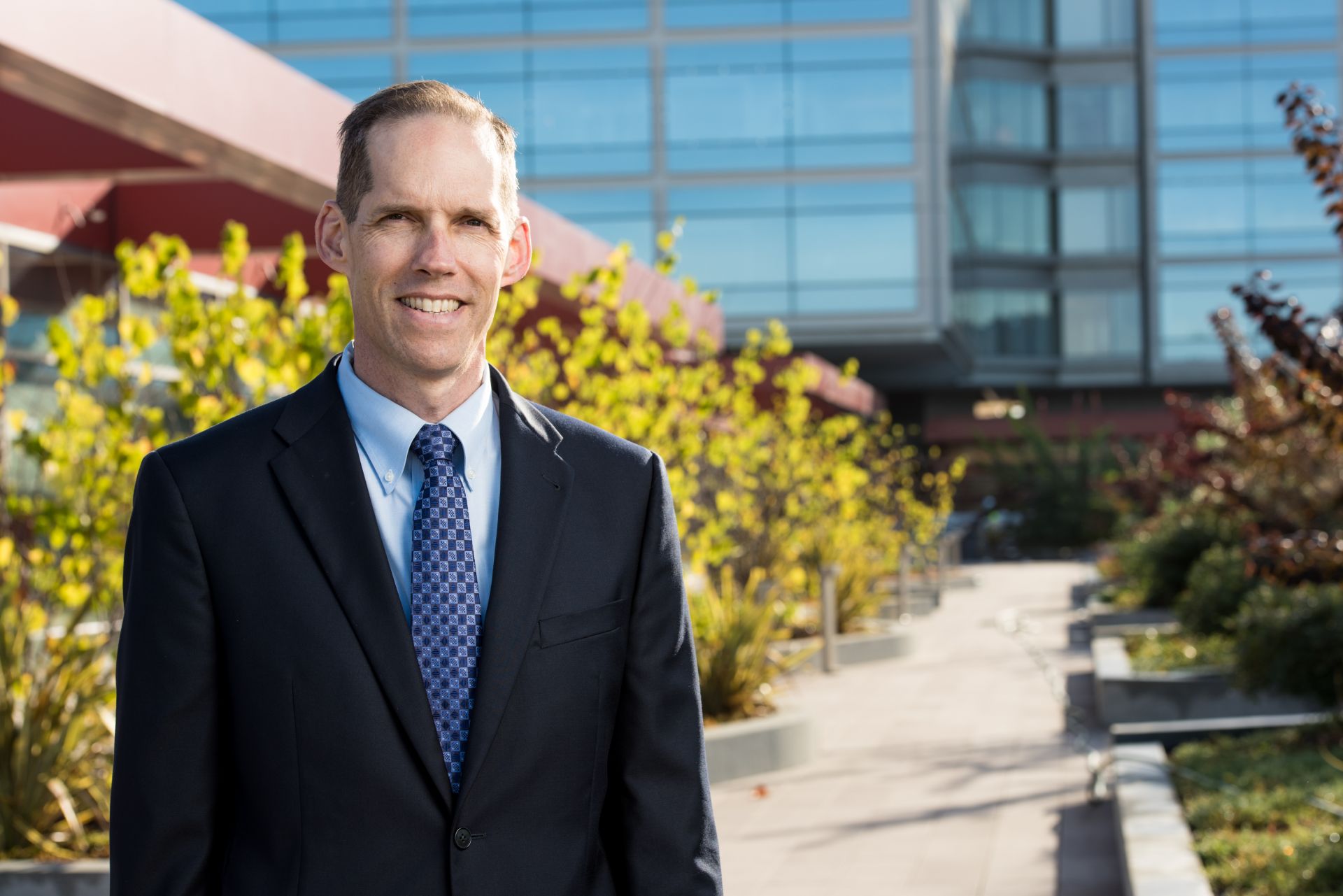
Paul Heidenreich, MD.

department is able to offer general cardiology, electrophysiology, and structural/interventional cardiology, with heart failure care to launch soon.

As the CRH expands, the VA hopes to build a network of providing care for more diverse patient populations, says Chen. They have recently launched a Women’s Health Cardiology Clinic at the Palo Alto VA and will be offering service to all spoke sites within VISN 21 through CRH. Further networking across VISNs may help bring the numbers of patients needed for the VA to offer the expertise to places that might not otherwise have access to this kind of care. Video visits, electronic health records, and other supportive telehealth technologies facilitate providing this kind of care despite geographic barriers.

Back in Reno, Marvin Rogers recovered well. He is breathing easier and walking well without dizziness. “He has done very well,” says Mantri. “It has been incredibly gratifying to be able to provide specialty cardiac care to our veterans both near and far within our VISN.”

One Leukemia Treatment to Rule Them ALL

One Leukemia Treatment to Rule Them ALL

One Leukemia Treatment to Rule Them ALL

For adults with acute lymphoblastic leukemia (ALL) that don’t respond to chemotherapy, the series of treatments that comes next can seem like the spin of a roulette wheel. Some patients receive a bone marrow transplant, which requires a lengthy testing process to ensure a good donor match, and months of recovery if everything goes well. Other patients instead begin with an immunotherapy, which can come with severe side effects and only helps quell disease in a fraction of people. If the first approach doesn’t work, their clinician may turn to the other. For a number of patients, their disease recurs even after both.

Now researchers and clinicians in the blood and marrow transplantation & cellular therapy division have developed a new option for ALL patients. Instead of trying a transplant followed by an immunotherapy—or vice versa—they have combined both therapies into one and added some new twists that could help improve the treatments’ success rates. The result: a single ALL treatment that integrates new avenues of research into the best way to fight the cancer.

“This new protocol really changes the paradigm. It combines multiple avenues of research that have been going on at Stanford for years,” says Lori Muffly, MD, associate professor of blood & marrow transplantation and cellular therapy. “We hope it’s a first step toward something really successful and exciting for our patients.”

This fall, Muffly and her colleagues enrolled the first ALL patients in a clinical trial to test the new combination approach, in which patients receive a customized cocktail of immune cells from a donor. The trial, she says, will advance the science of lymphoma and leukemia treatment, as well as give new hope to patients who have relapsed after chemotherapy.

“This trial is really showcasing Stanford’s strengths in both bone marrow transplantation and cell therapy,” says Muffly’s collaborator Melody Smith, MD, MS, an assistant professor of blood & marrow transplantation and cellular therapy.

Based on Basic Research

The human immune system has the ability to recognize cells and molecules that don’t belong — including tumor cells. In recent years, scientists have discovered how to take advantage of this natural power of the immune system to help fight cancer. One of the new mainstays of cancer immunotherapy is CAR T-cell therapy, in which clinicians remove a patient’s T cells, reengineer them with cutting-edge gene engineering technologies to better recognize cancer, and infuse them back into the patient.

Smith, who recently moved her lab to Stanford from Memorial Sloan Kettering Cancer Center to start her independent research lab, has spent the last eight years using mouse models of cancer to study how to optimize the use of cell therapies like CAR T-cell therapy following bone marrow transplants. Much of her research has revolved around the idea of creating CAR T cells from donor immune cells instead of immune cells harvested from patients themselves. The quality of these cells, she hypothesized, might be better. Plus, the CAR T cells could be given at the same time as a bone marrow transplant — all from the same donor. “I had really strong data in animal models that this combination approach could be successful in lymphomas and leukemias,” says Smith.

Smith’s move to Stanford to start her independent research lab opened up even more opportunities to fine-tune her approach, by combining it with specialized CAR T cells and a new transplant protocol that Stanford clinicians had already been working on.

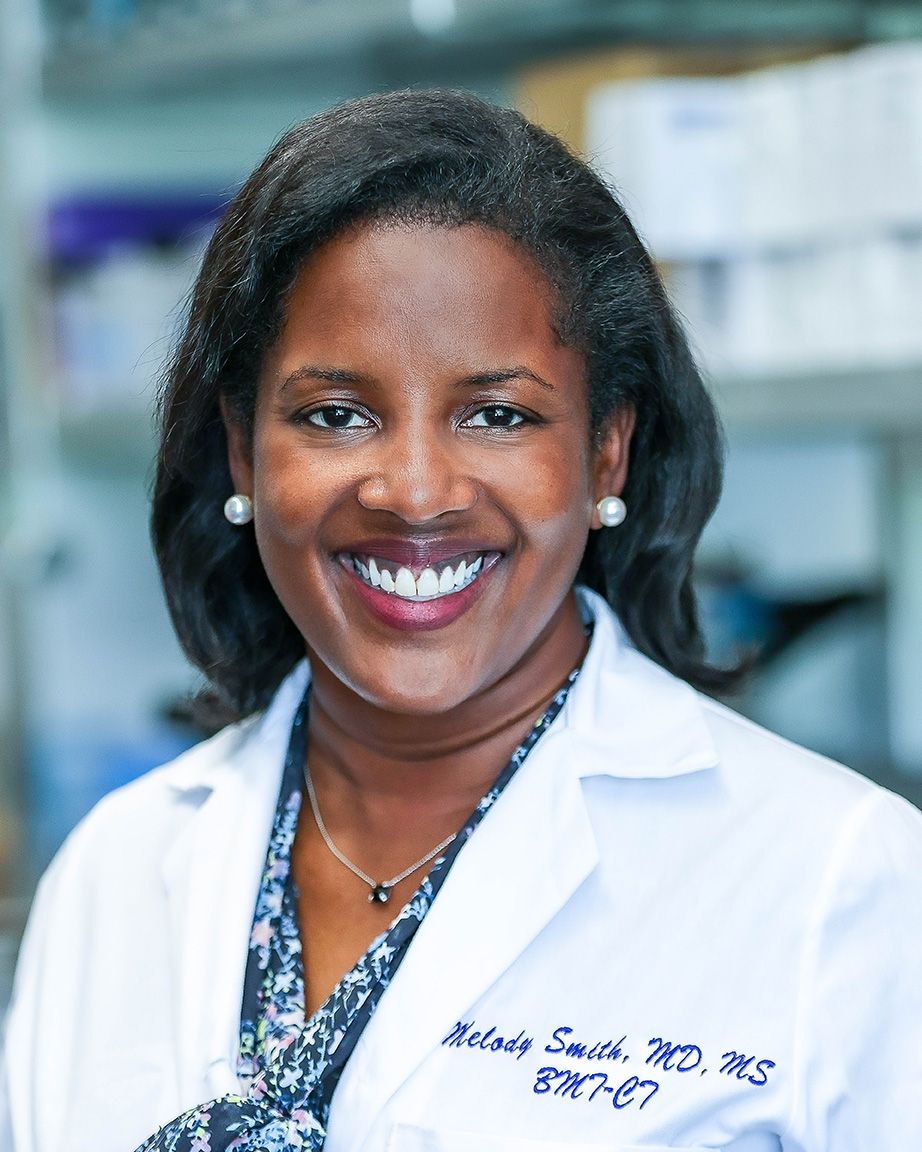
Melody Smith, MD, MS

This trial is really showcasing Stanford’s strengths in both bone marrow transplantation and cell therapy.

– Melody Smith, MD, MS

This trial is really showcasing Stanford’s strengths in both bone marrow transplantation and cell therapy.

– Melody Smith, MD, MS

Lori Muffly, MD

Using Digital Health to Help Doctors Manage Blood Pressure More Easily and Equitably

Using Digital Health to Help Doctors Manage Blood Pressure More Easily and Equitably

Using Digital Health to Help Doctors Manage Blood Pressure More Easily and Equitably

If you don’t have high blood pressure, you probably have family, friends, colleagues, and acquaintances who do. Nearly half of all adults in the United States struggle with hypertension, and only one in four has their condition under control. Managing blood pressure often requires ongoing trial and error on the part of both clinicians and patients, making it difficult to fully treat with only occasional, short medical appointments.

To solve that problem, Stanford clinicians have designed a streamlined system that helps primary care physicians easily and quickly adjust their patients’ medications based on at-home blood pressure readings. The team, funded by a $2.5 million American Heart Association grant to Stanford Medicine’s Center for Digital Health in 2020, found that the new system could reduce patients’ blood pressure in a small pilot study. Now, they’re enrolling hundreds more patients in a larger clinical trial.

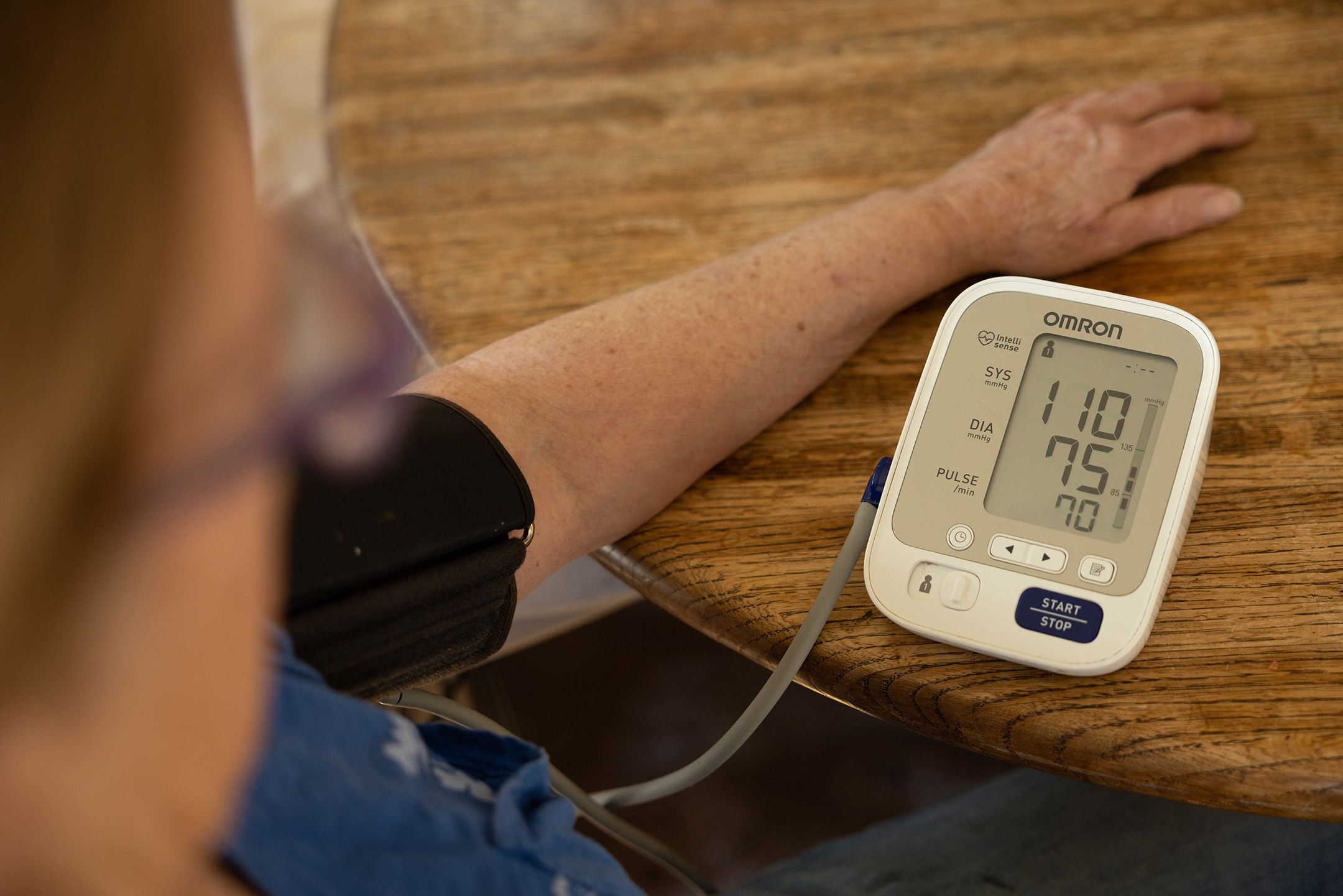
Their new program automatically calculates a two-week average blood pressure. If, at any point, that average blood pressure rises above a chosen threshold, the clinician receives a notification — along with information on the patient’s other medications, their allergies, and the preselected list of hypertension drugs, all in one place in the electronic health record. With a few clicks, the physician can order a new, adjusted prescription for the patient.

“What we’re trying to do with this project is to improve the way we monitor blood pressure,” says Division of Nephrology Chief Tara I. Chang, MD, an associate professor of medicine. “This technology has the potential to help us reach a broad community and level the playing field for typically underserved populations when it comes to hypertension.”

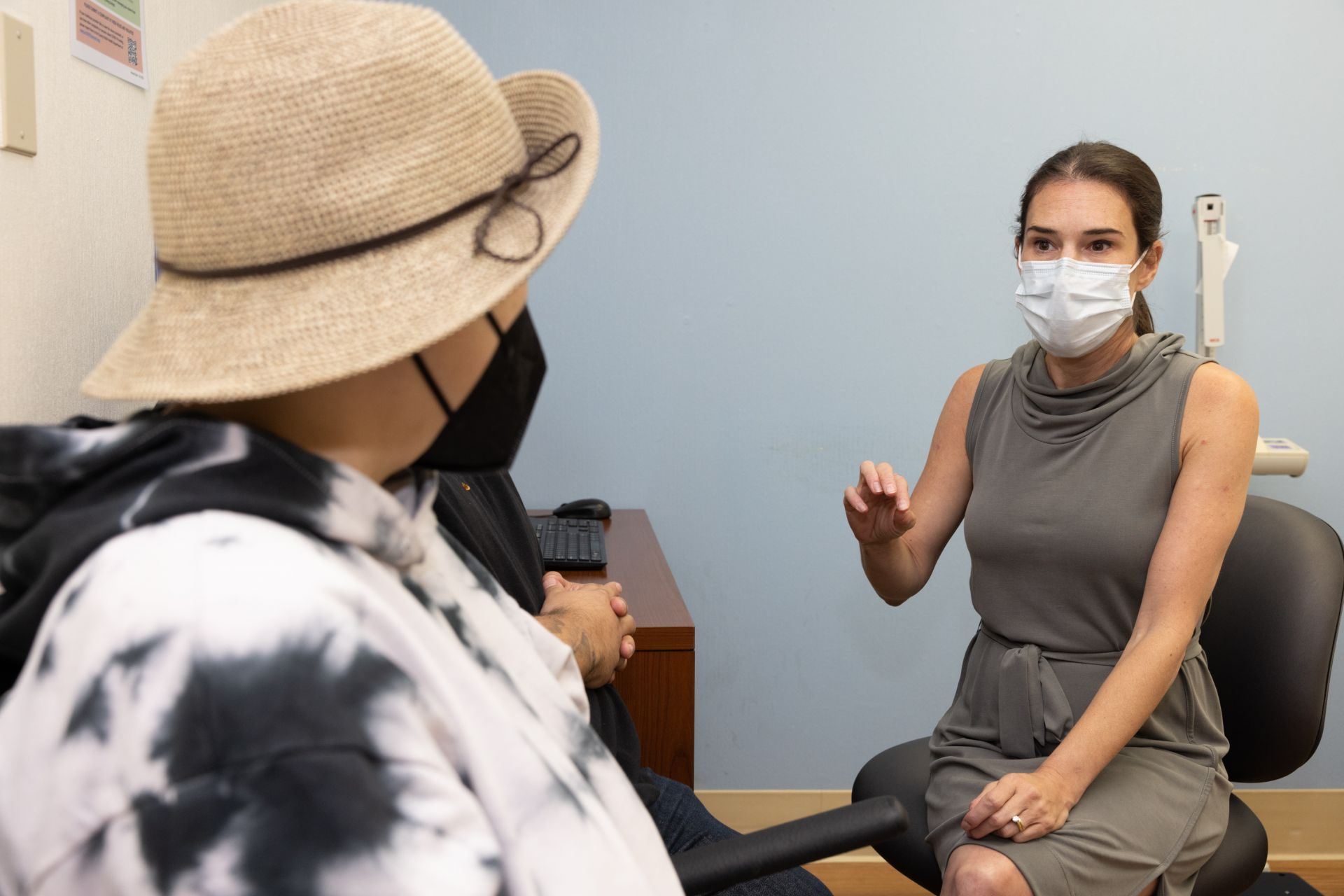
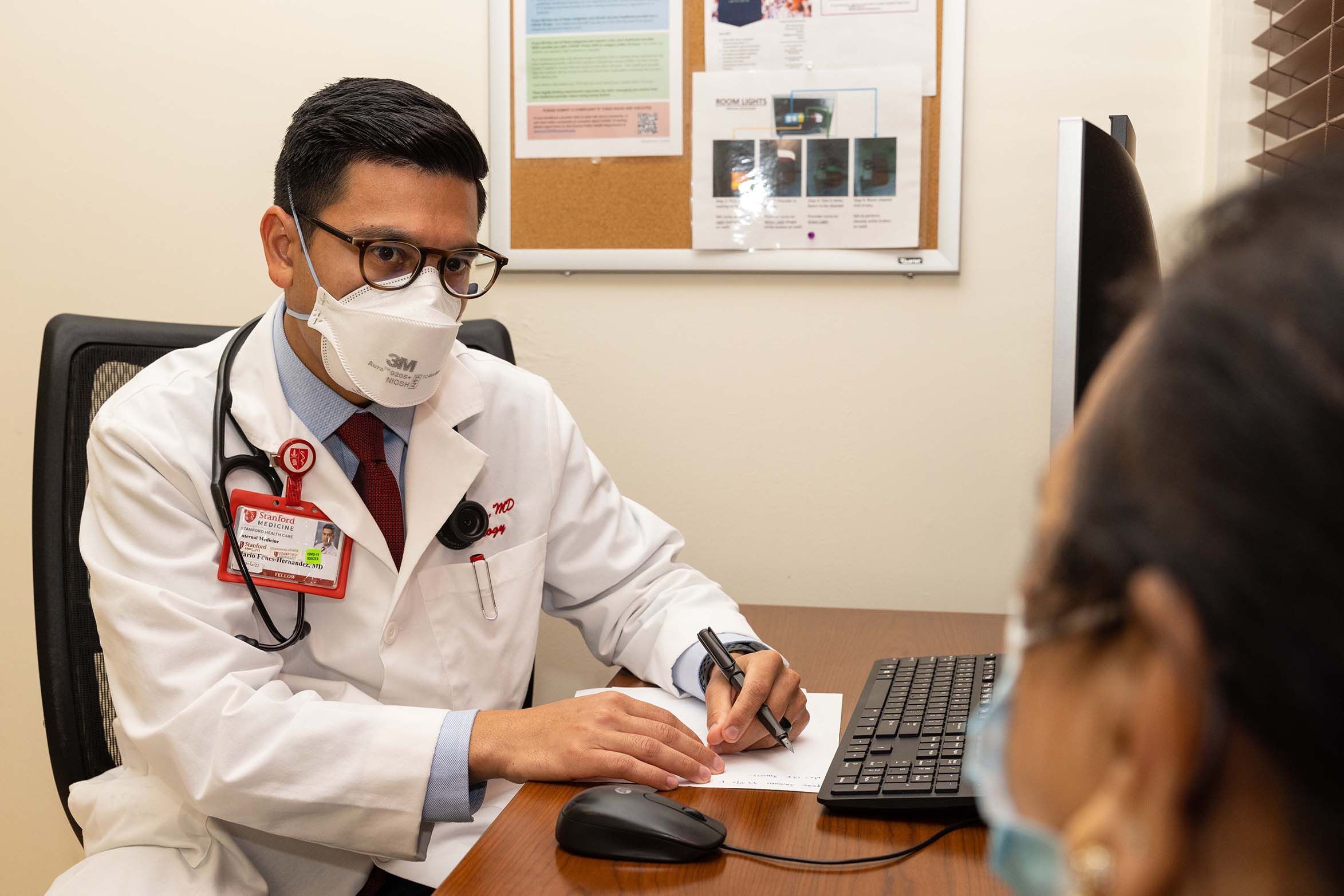
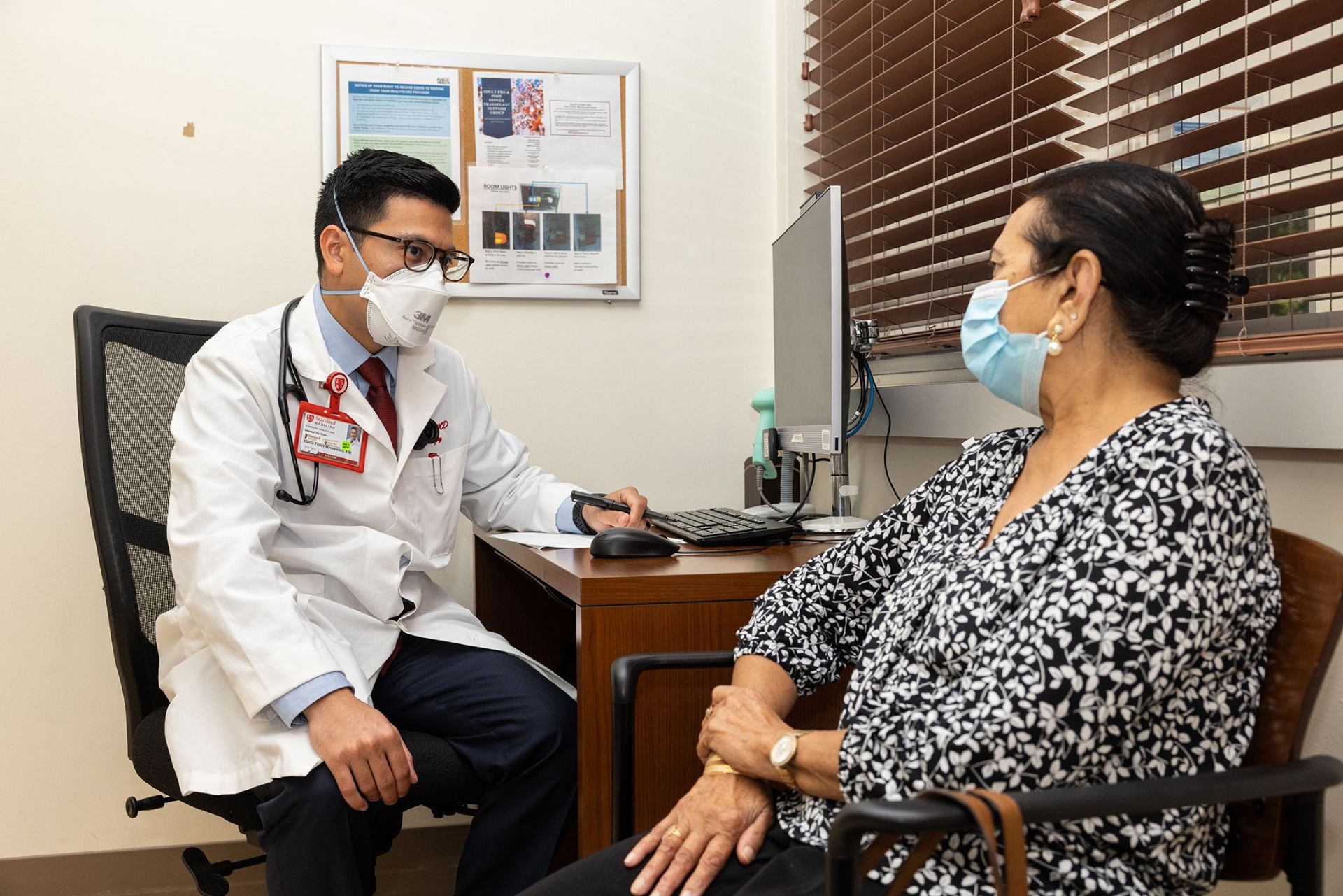
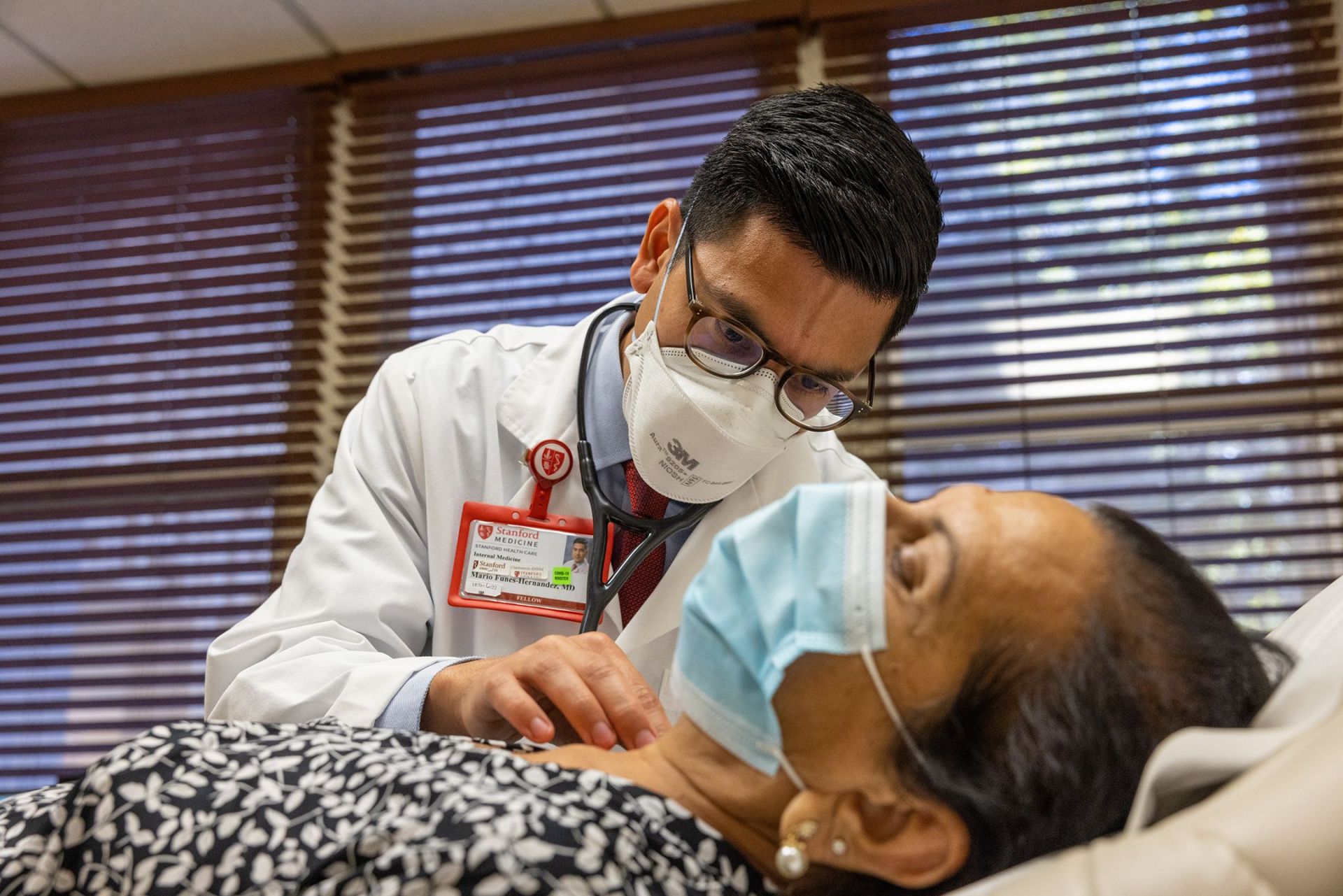
Mario Funes, MD (left), discusses hypertension with a patient.

For some patients who have the time, resources, and insurance coverage, this kind of care is possible. But for many people — including a disproportionate number of people in minority populations — it is not. This is one reason that, on average, hypertension tends to be the least well-controlled among non-Hispanic whites and most well-controlled among people with the greatest insurance coverage and access to health care.

This technology has the potential to help us reach a broad community and level the playing field for typically underserved populations when it comes to hypertension.

– Tara I. Chang, MD

This technology has the potential to help us reach a broad community and level the playing field for typically underserved populations when it comes to hypertension.

– Tara I. Chang, MD

Stepping up to the Challenge

Funes, currently in his third year of nephrology fellowship, has been interested in hypertension control, and the associated disparities, since he was in medical school. So in 2020, he jumped at the opportunity to help apply for a hypertension control grant through the Center for Digital Health, with center leader Mintu Turakhia, MD, MAS, professor of medicine in the division of cardiovascular medicine, and Paul Wang, MD, director of the Stanford Cardiac Arrhythmia Service and professor of medicine and of bioengineering. Now, Funes is a heart health tech fellow with the center, a responsibility he has to juggle alongside his clinical duties and his role as chief nephrology fellow. Since mid-2021, he’s been helping lead the effort to develop new data-driven technology to control patients’ blood pressure.

The interdisciplinary team at the Center for Digital Health wanted to make it easy for patients to track their blood pressure at home, upload the data directly to their primary care physician, and enable the physician to adjust the patient’s medications. In the past, this would have taken the clinician numerous steps — receiving an email or phone call from a patient and then accessing different electronic databases to review their medical history and other prescriptions.

“Most clinicians managing blood pressure already have a heavy burden due to the electronic health record,” says Wang. “Our insight is that by semiautomating the process, we can reduce the burden of blood pressure management, taking less effort but improving results.”

The system that the team settled on is one where a physician can preselect a list of blood pressure–lowering medications, in the order that they’d like a patient to try them. At an initial appointment, they start a patient on the first medication on the list. Then, using a blood pressure cuff and a connected smartphone app, patients track their blood pressure over the coming days and weeks.

“One value in the clinic doesn’t really tell a doctor the whole story of your blood pressure,” says Funes. “But in the past, the ability to get a longer time frame of data from patients was often unreliable; some patients might record their readings in a notebook and bring it to an appointment, but it wasn’t a streamlined process.”

Data-Driven Medicine

With the explosion of personal electronics over recent years has come the ability for people to more easily track measurements of their own health, through smartphones, watches, and other at-home devices. But using this information in the clinic has been trickier.

Some of the most successful systems to connect patient-collected data with clinicians have been for tracking blood sugar levels in people with diabetes. But none of those systems involved the same kind of decision-making tree that the Stanford team wanted to use, with customized lists of medications for each patient to try. That meant that integrating the system into Stanford’s electronic health record system, Epic, was a challenge.

Initial data on the system, though, has been positive, inspiring Funes and his colleagues to keep working. An early version of the system, tested in only a handful of patients and without the full capabilities, showed an average decrease in blood pressure of 12 mmHg for those who used it. That’s a big enough difference to push some patients from an at-risk, high blood pressure reading to a healthier zone.

Now, the researchers are launching the full-scale program in a clinical trial that aims to enroll 600 to 800 patients. They’ll collect data on how clinicians and patients like the system and how well it works at reducing blood pressure.

“For a whole host of chronic diseases, I think this kind of digital management is the future.”

– Mario Funes, MD

“Some digital solutions create a separate workforce to manage chronic conditions,” adds Wang. “Although some of these efforts may be successful, they remove patient care from the primary care team, eliminating opportunities to better integrate care and save resources. Integrated approaches like ours aim to reduce disparities of care rather than increasing them.”

The Stanford Center for Digital Health already has other initiatives aimed at treating conditions as diverse as heart health, atrial fibrillation, migraines, and hyperactivity. The award from the American Heart Association is part of a $14 million grant to several institutions around the country for work on reducing health care disparities with the help of technology. In addition to Funes, the grant is funding fellowships for three Stanford cardiology trainees working on heart failure management. As virtual health moves mainstream and digital apps become routine tools in patient care, these fellows will continue to take the lead in innovating creative new ways for technology to help patients and doctors alike.