Working with Limited Resources Teaches Humility in Medicine

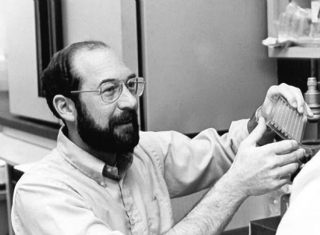
Baldeep Singh, MD, with staff at Samaritan House

Michele Barry, MD

Working with Limited Resources Teaches Humility in Medicine
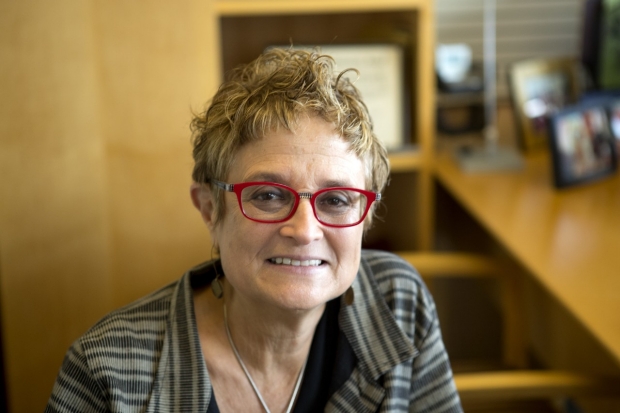
Michele Barry, MD

Working with Limited Resources Teaches Humility in Medicine

Throughout the academic year, many Department of Medicine residents and faculty spend time working overseas or hosting international collaborators on campus. Facilitated by the Center for Innovation in Global Health (CIGH) under the direction of Michele Barry, MD, global health programs in the department aim to equip the next generation of physicians with clinical skills, cultural sensitivity and contextual perspective to improve the health of underserved communities worldwide. 

More than 60 trainees and faculty traveled to sites in 13 countries during the 2016 academic year. They extended Stanford’s global impact and fostered new and old collaborations with partner institutions around the world. The following stories illustrate how each site is unique, with a range of clinical and cultural experiences:

Ecuador: Cultural Immersion through Medicine
Baldeep Singh, MD, clinical professor of medicine, traveled to Riobamba, Ecuador, in 2015 to explore training opportunities for residents at local hospitals and clinics, and a way for Stanford to bring needed clinical knowledge to the region. There, in the Andean highlands, he worked with local physicians to construct a six-week rotation in which residents split their time between providing inpatient care at local hospitals and visiting the Cacha community clinics, which serve a vast area of indigenous groups. Residents also take medical Spanish classes and live with local host families.

“Participating in the CIGH Ecuador rotation was one of my most fulfilling experiences in residency,” said gastroenterology fellow Aarti Rao, MD.

“With limited resources and large hearts, the physicians in Riobamba treated their patients like family. They reminded me of the importance of the art of medicine and the patient-doctor relationship as an integral part in treating a patient.”

Borneo: Health for People and the Planet
Along the Western coast of Borneo lies Sukadana, a rural village neighboring the largest and most diverse orangutan park in the world. Poor health and poverty in the region push villagers into illegal logging and rainforest destruction to pay for basic needs.

Each year, a select number of residents spend six weeks working at the Alam Sehat Lestari Clinic in Sukadana, which was founded by a former trainee of Barry.

Throughout the academic year, many Department of Medicine residents and faculty spend time working overseas or hosting international collaborators on campus. Facilitated by the Center for Innovation in Global Health (CIGH) under the direction of Michele Barry, MD, global health programs in the department aim to equip the next generation of physicians with clinical skills, cultural sensitivity and contextual perspective to improve the health of underserved communities worldwide.

More than 60 trainees and faculty traveled to sites in 13 countries during the 2016 academic year. They extended Stanford’s global impact and fostered new and old collaborations with partner institutions around the world. The following stories illustrate how each site is unique, with a range of clinical and cultural experiences:

Ecuador: Cultural Immersion through Medicine
Baldeep Singh, MD, clinical professor of medicine, traveled to Riobamba, Ecuador, in 2015 to explore training opportunities for residents at local hospitals and clinics, and a way for Stanford to bring needed clinical knowledge to the region. There, in the Andean highlands, he worked with local physicians to construct a six-week rotation in which residents split their time between providing inpatient care at local hospitals and visiting the Cacha community clinics, which serve a vast area of indigenous groups. Residents also take medical Spanish classes and live with local host families.

“Participating in the CIGH Ecuador rotation was one of my most fulfilling experiences in residency,” said gastroenterology fellow Aarti Rao, MD. “With limited resources and large hearts, the physicians in Riobamba treated their patients like family. They reminded me of the importance of the art of medicine and the patient-doctor relationship as an integral part in treating a patient.”

Borneo: Health for People and the Planet
Along the Western coast of Borneo lies Sukadana, a rural village neighboring the largest and most diverse orangutan park in the world. Poor health and poverty in the region push villagers into illegal logging and rainforest destruction to pay for basic needs.

Each year, a select number of residents spend six weeks working at the Alam Sehat Lestari Clinic in Sukadana, which was founded by a former trainee of Barry. The clinic provides health care to local residents in exchange for their commitment to conservation. Jessie Kittle, MD, clinical instructor of medicine, visited the clinic as a resident in March 2016.

At first, Kittle felt uncomfortable being without her usual tools and interventions, fearful that her “digital-doctoring skills” had replaced her human ones. As the days passed, she gained confidence.

“I felt deep satisfaction in facing a patient, both of us barefoot, using hands, eyes and ears to peel through layers of medical and human knowledge to craft a diagnosis and treatment plan that worked for the patient,” said Kittle. “This was health care not just of people but of the earth, and has provided me with endless inspiration for working toward a better planet as a physician.”

Zimbabwe: Deep Rooted and Ever Growing
Collaborations between Stanford and the University of Zimbabwe College of Health Sciences date back more than two decades. More recently, the NIH Medical Education Program Initiative aimed to strengthen medical capacity at Zimbabwe. That initiative has given Stanford residents the opportunity to spend clinical rotations at Zimbabwe helping fill gaps in the medical curriculum.

“Our partnerships in Zimbabwe draw on Stanford’s interdisciplinary strengths and resources. We’re not just approaching medical education from a clinical perspective, but tackling the interrelated challenges of providing internet access, libraries and e-learning resources. Real impact does not happen overnight, but is made possible through long-standing relationships and bilateral collaboration,” said Barry.
The clinic provides health care to local residents in exchange for their commitment to conservation. Jessie Kittle, MD, clinical instructor of medicine, visited the clinic as a resident in March 2016.

At first, Kittle felt uncomfortable being without her usual tools and interventions, fearful that her “digital-doctoring skills” had replaced her human ones. As the days passed, she gained confidence.

“I felt deep satisfaction in facing a patient, both of us barefoot, using hands, eyes and ears to peel through layers of medical and human knowledge to craft a diagnosis and treatment plan that worked for the patient,” said Kittle. “This was health care not just of people but of the earth, and has provided me with endless inspiration for working toward a better planet as a physician.”

Zimbabwe: Deep Rooted and Ever Growing
Collaborations between Stanford and the University of Zimbabwe College of Health Sciences date back more than two decades. More recently, the NIH Medical Education Program Initiative aimed to strengthen medical capacity at Zimbabwe. That initiative has given Stanford residents the opportunity to spend clinical rotations at Zimbabwe helping fill gaps in the medical curriculum.

“Our partnerships in Zimbabwe draw on Stanford’s interdisciplinary strengths and resources. We’re not just approaching medical education from a clinical perspective, but tackling the interrelated challenges of providing internet access, libraries and e-learning resources. Real impact does not happen overnight, but is made possible through long-standing relationships and bilateral collaboration,” said Barry.
Across the Pacific

Baldeep Singh, MD, with staff at Samaritan House

Across the Pacific

Across the Pacific

During her medical school days at Brown University and residency at Stanford, Haruko Akatsu, MD, who was born, raised and educated in Japan, got to thinking about the differences between medical education in the two countries. “I was surprised to encounter so many different ways of educating the next generation,” Akatsu, a clinical associate professor of endocrinology, gerontology and metabolism, recalled thinking. “That was eye-opening for me.” 

She began to share and record her experiences in a Japanese medical journal and was soon approached by a publisher. Her collection of essays, entitled Medical Education in the United States: A Medical Student Journal, was released in 1995. To Akatsu’s surprise, the book was well received. Invitations, and another book deal, soon followed: “I started to be invited to so many different grand rounds and conferences in Japan to give talks. I think people were interested in knowing more about medical education in the United States, which was not very well known to the Japanese medical community at that time.”

Akatsu noted that while typical Japanese medical school curricula were more textbook- and lecture-based, American schools offered more opportunity for system-based and clinical application. She explained: “Generally, education in Japan is more dogmatic, and information is passed top-down from teachers to students. But in America, we encourage different viewpoints and opinions, and we encourage discussion. I think it’s great to see how we can learn from both of these perspectives.”

Though she trained and worked in the United States for the past 25 years, Akatsu’s strong ties to Japan are evident and have shaped the trajectory of her career. She’s sat on committees, organized education exchanges, and hosted training and faculty development workshops, including a Stanford faculty development workshop at Hiroshima University, where, she explained, “I would bring three colleagues from Stanford out to Japan to share their knowledge.”

Last summer, Akatsu took a sabbatical to develop curricula for a new medical school in Japan — the country’s first in roughly 35 years. “We submitted an innovative curriculum to the Ministry of Education.”

The new medical school, International University of Health and Welfare, aims to be a hub for Asian medical students and will train attendees to serve the global community, Akatsu said. “When the government allowed a new medical school to be established, the condition was that this new medical school will be ‘very different’ from any existing medical schools in Japan. This school will invite students from other Asian countries — like Vietnam or Mongolia — and classes will be taught mostly in English, which is unheard of in Japan.”

In August, Akatsu once again traveled the 5,000 miles across the Pacific Ocean to accept a new role as dean for medical education at International University of Health and Welfare School of Medicine.

During her medical school days at Brown University and residency at Stanford, Haruko Akatsu, MD, who was born, raised and educated in Japan, got to thinking about the differences between medical education in the two countries. “I was surprised to encounter so many different ways of educating the next generation,” Akatsu, a clinical associate professor of endocrinology, gerontology and metabolism, recalled thinking. “That was eye-opening for me.” 

She began to share and record her experiences in a Japanese medical journal and was soon approached by a publisher. Her collection of essays, entitled Medical Education in the United States: A Medical Student Journal, was released in 1995. To Akatsu’s surprise, the book was well received. Invitations, and another book deal, soon followed: “I started to be invited to so many different grand rounds and conferences in Japan to give talks. I think people were interested in knowing more about medical education in the United States, which was not very well known to the Japanese medical community at that time.”

Akatsu noted that while typical Japanese medical school curricula were more textbook- and lecture-based, American schools offered more opportunity for system-based and clinical application. She explained: “Generally, education in Japan is more dogmatic, and information is passed top-down from teachers to students. But in America, we encourage different viewpoints and opinions, and we encourage discussion. I think it’s great to see how we can learn from both of these perspectives.”

Though she trained and worked in the United States for the past 25 years, Akatsu’s strong ties to Japan are evident and have shaped the trajectory of her career. She’s sat on committees, organized education exchanges, and hosted training and faculty development workshops, including a Stanford faculty development workshop at Hiroshima University, where, she explained, “I would bring three colleagues from Stanford out to Japan to share their knowledge.”

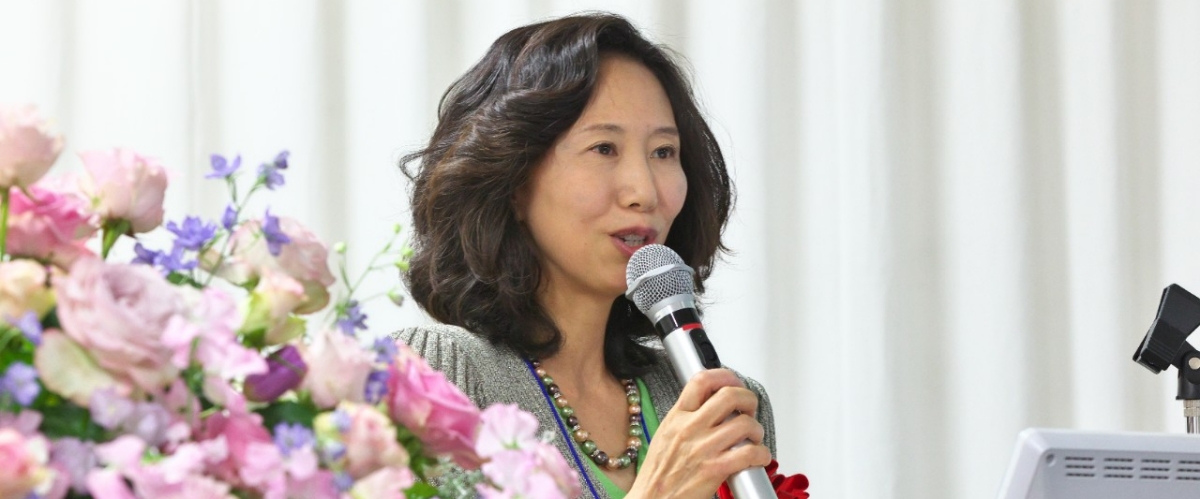
Haruko Akatsu has spent her career strengthening ties between medical schools in the United States and Japan.

Last summer, Akatsu took a sabbatical to develop curricula for a new medical school in Japan — the country’s first in roughly 35 years. “We submitted an innovative curriculum to the Ministry of Education.”

The new medical school, International University of Health and Welfare, aims to be a hub for Asian medical students and will train attendees to serve the global community, Akatsu said. “When the government allowed a new medical school to be established, the condition was that this new medical school will be ‘very different’ from any existing medical schools in Japan. This school will invite students from other Asian countries — like Vietnam or Mongolia — and classes will be taught mostly in English, which is unheard of in Japan.”

In August, Akatsu once again traveled the 5,000 miles across the Pacific Ocean to accept a new role as dean for medical education at International University of Health and Welfare School of Medicine. It’s a natural fit for her, and she will oversee all aspects of education — from curriculum, to teaching, to student affairs. “There’s so much to learn,” she said of the opportunity. “It’s like a start-up in my mind; very exciting, but very challenging.”

Though she’s leaving the Stanford campus, Akatsu says she would like to bring the university’s innovative spirit along with her. “I’m truly grateful for the time I’ve had here. I’ll be bringing along the Stanford attitude and spirit, including entrepreneurship and innovation. That forward-thinking spirit — where you’re not afraid of failure and look for lessons in challenges — that’s what I will miss, and what I’ll carry with me.”

Haruko Akatsu has spent her career strengthening ties between medical schools in the United States and Japan.

It’s a natural fit for her, and she will oversee all aspects of education — from curriculum, to teaching, to student affairs. “There’s so much to learn,” she said of the opportunity. “It’s like a start-up in my mind; very exciting, but very challenging.”

Though she’s leaving the Stanford campus, Akatsu says she would like to bring the university’s innovative spirit along with her. “I’m truly grateful for the time I’ve had here. I’ll be bringing along the Stanford attitude and spirit, including entrepreneurship and innovation. That forward-thinking spirit — where you’re not afraid of failure and look for lessons in challenges — that’s what I will miss, and what I’ll carry with me.”

The World Within Us

Baldeep Singh, MD, with staff at Samaritan House

Ami Bhatt, MD, PhD

The World Within Us

Ami Bhatt, MD, PhD

The World Within Us

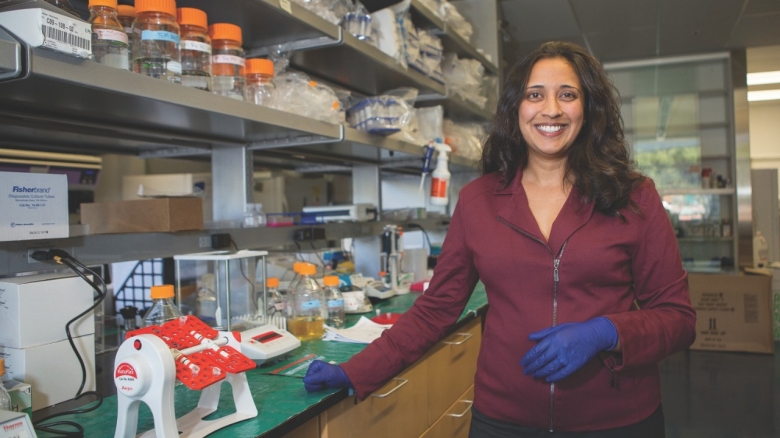
As a child, Ami Bhatt, MD, PhD (assistant professor, Hematology, and assistant professor, Genetics), found herself drawn to science. “I was always curious, and I wanted to apply my curiosity in a way that could help people,” she recalls. These dual instincts led her to medicine, where she found her calling as a physician-scientist. Today Bhatt runs her own laboratory at Stanford, where she studies how shifts in the microbiome—the vast community of bacteria and other microscopic life that live on the body—affect human disease and patient outcomes.

Bhatt first became interested in the intersection of infection and malignancy as a medical student at UCSF. “At UCSF I saw a lot of patients with HIV who died of opportunistic infections,” she explains.  Several years later she encountered a similar trend while on rotation for Brigham and Women’s Hospital’s bone marrow transplantation service.  “A lot of the bone marrow transplant patients were getting sick with syndromes that seemed like infections, but we weren’t able to identify the infectious triggers because we didn’t know what we were looking for.”

Bhatt’s search for answers led her to the laboratory, where she used genomics to understand the diseases that had presented in those bone marrow transplantation patients. Her investigation led to an important discovery—the genome of a new bacterium—and set the stage for her current research. “That’s the moment when my eyes started to open. I realized that there are many more types of bacteria and viruses and fungi that live within us, in our microbiome, than we know about.”

As a child, Ami Bhatt, MD, PhD (assistant professor, Hematology, and assistant professor, Genetics), found herself drawn to science. “I was always curious, and I wanted to apply my curiosity in a way that could help people,” she recalls. These dual instincts led her to medicine, where she found her calling as a physician-scientist. Today Bhatt runs her own laboratory at Stanford, where she studies how shifts in the microbiome—the vast community of bacteria and other microscopic life that live on the body—affect human disease and patient outcomes.

Bhatt first became interested in the intersection of infection and malignancy as a medical student at UCSF. “At UCSF I saw a lot of patients with HIV who died of opportunistic infections,” she explains.  Several years later she encountered a similar trend while on rotation for Brigham and Women’s Hospital’s bone marrow transplantation service.  “A lot of the bone marrow transplant patients were getting sick with syndromes that seemed like infections, but we weren’t able to identify the infectious triggers because we didn’t know what we were looking for.”

Bhatt’s search for answers led her to the laboratory, where she used genomics to understand the diseases that had presented in those bone marrow transplantation patients. Her investigation led to an important discovery—the genome of a new bacterium—and set the stage for her current research. “That’s the moment when my eyes started to open. I realized that there are many more types of bacteria and viruses and fungi that live within us, in our microbiome, than we know about.”

Bhatt and her colleagues use cutting-edge genetic sequencing technologies and a sophisticated understanding of diseases to try to “solve mysteries that occur in immunocompromised patients. The fundamental thesis that drives our research,” she explains, “is that patient outcomes are manipulated or modified by the alterations in their microbiota, and that we can discover these microbes using sequence-based technologies.” Once the microbes are identified, Bhatt’s team works to clarify the mechanistic underpinnings of the microbiota-disease relationship. This information is then used to alter the microbiota through targeted drugs or treatments.

Another of Bhatt’s initiatives aims to unravel a particularly interesting question: What molecular changes occur during a fecal microbiota transfer? To answer this, Bhatt and her colleagues have developed a computational pipeline that will provide a time-based characterization of what actually happens during a transfer.

While her research goals are ambitious and varied, the source of Bhatt’s passion remains the same. “I’m still committed to the idea of being able to help people using science,” she says. “It’s been exciting to see our lab grow from just me in an empty room to a vibrant, interactive environment. We currently have eight talented staff members from all over the world. It’s a fun and bustling place. I feel like I am one of those lucky few who get to do exactly what they want to do.”

Bhatt’s search for answers led her to the laboratory, where she used genomics to understand the diseases that had presented in those bone marrow transplantation patients. Her investigation led to an important discovery—the genome of a new bacterium—and set the stage for her current research. “That’s the moment when my eyes started to open. I realized that there are many more types of bacteria and viruses and fungi that live within us, in our microbiome, than we know about.”

Bhatt and her colleagues use cutting-edge genetic sequencing technologies and a sophisticated understanding of diseases to try to “solve mysteries that occur in immunocompromised patients. The fundamental thesis that drives our research,” she explains, “is that patient outcomes are manipulated or modified by the alterations in their microbiota, and that we can discover these microbes using sequence-based technologies.” Once the microbes are identified, Bhatt’s team works to clarify the mechanistic underpinnings of the microbiota-disease relationship. This information is then used to alter the microbiota through targeted drugs or treatments.

Another of Bhatt’s initiatives aims to unravel a particularly interesting question: What molecular changes occur during a fecal microbiota transfer? To answer this, Bhatt and her colleagues have developed a computational pipeline that will provide a time-based characterization of what actually happens during a transfer.

While her research goals are ambitious and varied, the source of Bhatt’s passion remains the same. “I’m still committed to the idea of being able to help people using science,” she says. “It’s been exciting to see our lab grow from just me in an empty room to a vibrant, interactive environment. We currently have eight talented staff members from all over the world. It’s a fun and bustling place. I feel like I am one of those lucky few who get to do exactly what they want to do.”

Drug Synergy May Upend Cancer Treatment

Baldeep Singh, MD, with staff at Samaritan House

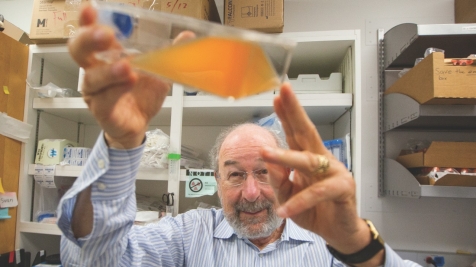
Ronald Levy, MD, today (top) and in 1981 (below)

Drug Synergy May Upend Cancer Treatment

Ronald Levy, MD, today (top) and in 1981 (below)

Drug Synergy May Upend Cancer Treatment

For decades, scientists have diligently been working toward new treatments for cancers by pursuing two lines of research: harnessing the power of the immune system to seek out and destroy tumors, or suffocating the tumors by blocking molecular pathways vital to the cancers’ survival. The best way to cure a cancer, though, may involve combining these two lines of attack, according to new research led by Stanford oncologist Ronald Levy, MD (professor, Oncology).

“Individually, these two kinds of therapies are already changing our cancer therapy paradigm,” says Levy. “But when combined, I think they’re really going to change things.”

The idea behind so-called cancer immunotherapies is that the human body already has built-in defenses that can abolish foreign entities; just as the immune system can fight off a cold virus, many researchers theorize that it can be coaxed to fight off a cancer. In the past few years, drugs based on this idea—which boost the activity of the immune system or trick it into attacking cancer cells—have begun to hit the market.

At the same time, targeted therapeutics are emerging that take advantage of the growing knowledge that scientists have gained about the genetics of cancers. When studies discover a particular mutation in a cancer cell’s DNA that allows it to thrive, researchers can develop drugs that reverse the effects of the mutation, stopping a cancer’s growth in its tracks.

Levy and his colleagues wondered what would happen when they combined drugs based on these two approaches. While immune therapies are only effective in some patients, they can lead to long-term remissions. Targeted therapies, on the other hand, usually cause short-term improvements, but work in more patients.

“We thought that putting the two together had the potential to get the best of both worlds,” says Levy.

So the team launched a preclinical study using anti-PD-L1 antibodies, an immunotherapy, together with the targeted drug ibrutinib.

Both of these drugs have been approved by the FDA and are actively being used in the clinic now. Together, the drugs were even more effective.

For decades, scientists have diligently been working toward new treatments for cancers by pursuing two lines of research: harnessing the power of the immune system to seek out and destroy tumors, or suffocating the tumors by blocking molecular pathways vital to the cancers’ survival. The best way to cure a cancer, though, may involve combining these two lines of attack, according to new research led by Stanford oncologist Ronald Levy, MD (professor, Oncology).

“Individually, these two kinds of therapies are already changing our cancer therapy paradigm,” says Levy. “But when combined, I think they’re really going to change things.”

The idea behind so-called cancer immunotherapies is that the human body already has built-in defenses that can abolish foreign entities; just as the immune system can fight off a cold virus, many researchers theorize that it can be coaxed to fight off a cancer. In the past few years, drugs based on this idea—which boost the activity of the immune system or trick it into attacking cancer cells—have begun to hit the market.

At the same time, targeted therapeutics are emerging that take advantage of the growing knowledge that scientists have gained about the genetics of cancers. When studies discover a particular mutation in a cancer cell’s DNA that allows it to thrive, researchers can develop drugs that reverse the effects of the mutation, stopping a cancer’s growth in its tracks.

Levy and his colleagues wondered what would happen when they combined drugs based on these two approaches. While immune therapies are only effective in some patients, they can lead to long-term remissions. Targeted therapies, on the other hand, usually cause short-term improvements, but work in more patients.

“We thought that putting the two together had the potential to get the best of both worlds,” says Levy.

So the team launched a preclinical study using anti-PD-L1 antibodies, an immunotherapy, together with the targeted drug ibrutinib.

Both of these drugs have been approved by the FDA and are actively being used in the clinic now. Together, the drugs were even more effective.

the immune system is ready to attack cancers if we give it a nudge

In mice with lymphomas, breast cancers, and colon cancers, the combination of anti-PD-L1 and ibrutinib shrank tumors and cured the animals. The therapies were revving up the immune system’s T cells to successfully destroy existing cancer cells. Even in cancers that didn’t respond to either drug alone, the combination yielded positive results. Moreover, the drug combination successfully taught the animals’ immune systems how to fight off the cancers in the future: when new cancer cells were injected into the mice after their original tumor had disappeared, they successfully destroyed the cells before they formed a new tumor.

“It seems that what some people have been hypothesizing all these years—that the immune system is ready to attack cancers if we give it a nudge—is completely true,” Levy says.

Now, the Stanford team is collaborating with the companies that produce anti-PD-L1 antibodies and ibrutinib to launch clinical trials of the drug combination in humans; seven trials are already in progress, including two that will be based at Stanford.

“I think this is the future of cancer therapy,” says Levy. “I hope this will allow us to replace chemotherapy and all those bad side effects that they cause.”

the immune system is ready to attack cancers if we give it a nudge

In mice with lymphomas, breast cancers, and colon cancers, the combination of anti-PD-L1 and ibrutinib shrank tumors and cured the animals. The therapies were revving up the immune system’s T cells to successfully destroy existing cancer cells. Even in cancers that didn’t respond to either drug alone, the combination yielded positive results. Moreover, the drug combination successfully taught the animals’ immune systems how to fight off the cancers in the future: when new cancer cells were injected into the mice after their original tumor had disappeared, they successfully destroyed the cells before they formed a new tumor.

“It seems that what some people have been hypothesizing all these years—that the immune system is ready to attack cancers if we give it a nudge—is completely true,” Levy says.

Now, the Stanford team is collaborating with the companies that produce anti-PD-L1 antibodies and ibrutinib to launch clinical trials of the drug combination in humans; seven trials are already in progress, including two that will be based at Stanford.

“I think this is the future of cancer therapy,” says Levy. “I hope this will allow us to replace chemotherapy and all those bad side effects that they cause.”

Applying the Science of Health and Wellbeing

Baldeep Singh, MD, with staff at Samaritan House

John Ioannidis, MD, DSc

Applying the Science of Health and Wellbeing

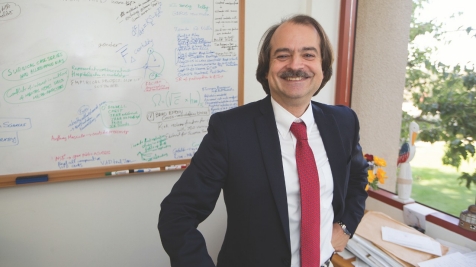
John Ioannidis, MD, DSc

Applying the Science of Health and Wellbeing

To date, wellness has been difficult to define scientifically because it encompasses all the delicate and exciting experiences that make life worth living. Physical vitality, mental alacrity, social satisfaction, a sense of accomplishment and personal fulfillment all contribute to wellness.

“Health seems like a no-brainer, but it is more than the absence of disease,” says John Ioannidis, MD, DSc, director of the Stanford Prevention Research Center (SPRC). The Wellness Living Laboratory (WELL) is the flagship effort of SPRC, and it aims to draw on the strengths and insights of world-renowned researchers at Stanford, using the best that rigorous science has to offer in approaching this important concept. “There’s clearly a lot of enthusiasm for obtaining actionable information about healthy living,” says Ioannidis.

The SPRC is particularly interested in diminishing health inequalities and serving disadvantaged populations, thereby contributing to Stanford University’s service to society.  SPRC is a unique gem within the vibrant Stanford community. For nearly half a century, SPRC has been making leading contributions to the field of disease prevention.

WELL aims to be the definitive platform to investigate, promote, and extend wellness for people across the socioeconomic spectrum. Studies in genetic science suggest that less than a quarter of health is dictated by immutable genetics, leaving over seventy-five percent influenced by other elements, such as lifestyle choices. Great scientific strides have been made in managing disease; yet, the real question is how do we prevent illness in the initial state.

WELL will engage tens of thousands of volunteers—called “citizen scientists”—in two initial locations: Santa Clara County, California, and Hangzhou, China, with plans to expand to other sites as additional funding is secured. The citizen scientists participating in this effort will contribute information to improve our understanding of what makes lives healthier.

Santa Clara County was selected because it is one of the most diverse counties in the United States and is home to people of many cultures and income levels. This diversity provides unique opportunities for investigators to increase current understanding of the complex range of factors that affect the health and wellness of individuals and communities.

To date, wellness has been difficult to define scientifically because it encompasses all the delicate and exciting experiences that make life worth living. Physical vitality, mental alacrity, social satisfaction, a sense of accomplishment and personal fulfillment all contribute to wellness.

“Health seems like a no-brainer, but it is more than the absence of disease,” says John Ioannidis, MD, DSc, director of the Stanford Prevention Research Center (SPRC). The Wellness Living Laboratory (WELL) is the flagship effort of SPRC, and it aims to draw on the strengths and insights of world-renowned researchers at Stanford, using the best that rigorous science has to offer in approaching this important concept. “There’s clearly a lot of enthusiasm for obtaining actionable information about healthy living,” says Ioannidis.

The SPRC is particularly interested in diminishing health inequalities and serving disadvantaged populations, thereby contributing to Stanford University’s service to society.  SPRC is a unique gem within the vibrant Stanford community. For nearly half a century, SPRC has been making leading contributions to the field of disease prevention.

WELL aims to be the definitive platform to investigate, promote, and extend wellness for people across the socioeconomic spectrum. Studies in genetic science suggest that less than a quarter of health is dictated by immutable genetics, leaving over seventy-five percent influenced by other elements, such as lifestyle choices. Great scientific strides have been made in managing disease; yet, the real question is how do we prevent illness in the initial state.

WELL will engage tens of thousands of volunteers—called “citizen scientists”—in two initial locations: Santa Clara County, California, and Hangzhou, China, with plans to expand to other sites as additional funding is secured. The citizen scientists participating in this effort will contribute information to improve our understanding of what makes lives healthier.

Santa Clara County was selected because it is one of the most diverse counties in the United States and is home to people of many cultures and income levels. This diversity provides unique opportunities for investigators to increase current understanding of the complex range of factors that affect the health and wellness of individuals and communities.

Health…is more than the absence of disease

Although the benefits of economic development have created substantial gains in living standards, health outcomes, and health care systems, it has also created new health problems that cannot be solved through disease-focused investment, but only through emphasizing prevention and wellness at the population level. This dynamic is nowhere more evident than in China, where the rapid rise of obesity, diabetes, and other non-communicable diseases threatens hard-won gains in both health outcomes and social equity. “Researchers selected China because of its large population, rapidly expanding economy, and its concomitant growth of chronic disease,” says Ioannidis.

The next generation cohorts of WELL that are being built in multiple countries will help dissect what affects wellness both for individuals and for large populations. Participants will be encouraged to engage in studies that will assess in a rigorous way diverse interventions that may be influential in shaping wellness. WELL’s initial funding is through a gift from the Nutrilite Health Institute Fund provided by Amway.

WELL seeks to scientifically determine the interaction of relevant evidence-based wellness domains to establish best wellness practices to improve health and quality of life among all segments of populations, positively impacting individuals, communities, and policies by using the three-pronged approach of observation, intervention, and biology.

WELL’s aim is to apply the science of health and wellbeing into concrete, scientific evidence that can improve the quality of our lives. WELL is a cutting-edge effort to define, redefine, expand, and materialize wellness.

Health…is more than the absence of disease

Although the benefits of economic development have created substantial gains in living standards, health outcomes, and health care systems, it has also created new health problems that cannot be solved through disease-focused investment, but only through emphasizing prevention and wellness at the population level. This dynamic is nowhere more evident than in China, where the rapid rise of obesity, diabetes, and other non-communicable diseases threatens hard-won gains in both health outcomes and social equity. “Researchers selected China because of its large population, rapidly expanding economy, and its concomitant growth of chronic disease,” says Ioannidis.

The next generation cohorts of WELL that are being built in multiple countries will help dissect what affects wellness both for individuals and for large populations. Participants will be encouraged to engage in studies that will assess in a rigorous way diverse interventions that may be influential in shaping wellness. WELL’s initial funding is through a gift from the Nutrilite Health Institute Fund provided by Amway.

WELL seeks to scientifically determine the interaction of relevant evidence-based wellness domains to establish best wellness practices to improve health and quality of life among all segments of populations, positively impacting individuals, communities, and policies by using the three-pronged approach of observation, intervention, and biology.

WELL’s aim is to apply the science of health and wellbeing into concrete, scientific evidence that can improve the quality of our lives. WELL is a cutting-edge effort to define, redefine, expand, and materialize wellness.