Two-Way Learning for Global Health Equity

Two-Way Learning for Global Health Equity

#Partnerships

The first two cohorts of the Stanford African Scholars in Global Health program, pictured here, will arrive at Stanford in January and April 2025.

Time spent working or learning in other countries is a vital aspect of a global health physician’s or academic’s training. It helps build understanding of other cultures, fosters new relationships and partnerships, and contributes to the exchange of skills, knowledge, and innovative ideas.  

Yet too often, such opportunities are available only to those from high-income countries. A recent review of global health fellowship programs found that just five of 108 offered in the United States were open to candidates from low- and middle-income countries – despite those countries being the focus of much global health research.

Now, the Stanford Center for Innovation in Global Health (CIGH) has launched an initiative to address this inequity. Announced in fall 2023, the Stanford African Scholars in Global Health program, also called SASH, is designed to promote health equity, capacity strengthening, and unique shared learning between African medical institutions and Stanford.

The three-year program will fund 24 midcareer African physicians across four cohorts to travel to Stanford for six weeks. While there, the African scholars will gain a specific skill set they have identified as a need to improve health outcomes at home. At the same time, they will enrich learning at Stanford by sharing their expertise with the community.

"

“We are excited to reciprocate the learning and insights our scholars have gained over the years by now hosting African physicians at Stanford, advancing global health equity through true bidirectional partnerships. We also look forward to learning from our visiting scholars.”

– Michele Barry, MD

They will then return to their academic institutions with additional funding and ongoing virtual Stanford faculty mentorship to conduct a yearlong clinical improvement project focused on the skills they acquired. SASH is funded through an independent educational grant from Pfizer and managed by CIGH, in partnership with the Stanford Center for Continuing Medical Education.

“SASH is unique in its ability to fund the home institution of the scholar upon his or her return to ensure ongoing support of the implementation of health improvement projects,” says Director of the Stanford Center for Innovation in Global Health Michele Barry, MD.

This program builds on CIGH’s longstanding and successful Stanford/Yale Global Health Scholars program, which sends U.S. trainees to partner sites in low- and middle-income countries to train and work alongside local clinicians. 

“We are excited to reciprocate the learning and insights our scholars have gained over the years by now hosting African physicians at Stanford, advancing global health equity through true bidirectional partnerships,” says Barry. “We also look forward to learning from our visiting scholars.”

During the first round of recruitment in early 2024, nearly 450 physicians from 28 African countries applied for the first two of four cohorts. The 13 fellows selected for these first cohorts will arrive in January and April 2025.

“This demonstrates an overwhelming need for programs like SASH, not just on the African continent but in other low-resource settings around the world,” says Barry, adding that she hopes to see increased funding and support for programs like these.
Everyone Deserves a Fair Shot in East Palo Alto: Bridging Crosstown Gaps in Educational and Health Equity

Everyone Deserves a Fair Shot in East Palo Alto: Bridging Crosstown Gaps in Educational and Health Equity

#Partnerships

Andrea Jonas, MD

“I went through the Palo Alto school district myself,” Clinical Assistant Professor Jennifer Williams, MD, nods. “You kind of have a pathway laid out for you; if you grow up just two miles away, you don’t have that pathway laid out for you.”

When many think of Palo Alto, they think of Stanford’s sprawling campus and the opportunities that living so close to the university affords. But just outside the city of Palo Alto, opportunities in East Palo Alto look very different.

“Growing up here, I had friends all over in the area,” says Williams. “You see the contrast of the opportunity or lack of opportunity within just a couple of miles.”

Kids who can get into schools in the Palo Alto Unified School district have educational support that those just outside it do not – that’s where schools like Eastside College Preparatory School come in and where the Stanford Department of Medicine found a community partner.

Chris Bischof, the principal of Eastside College Preparatory School, founded the school in 1996 to fill an education gap in East Palo Alto that had been open since the city’s only high school closed in 1976.

Until Eastside opened, students living in East Palo Alto were bused out of their own community to schools in neighboring, more affluent areas.

“These students were assigned to non-college-track classes, and the results were dramatic: 65% of students from East Palo Alto didn’t finish high school, and fewer than 4% went on to attend a four-year college or university,” Bischof says. “We founded Eastside to turn back this tide that was limiting opportunities for so many young people, creating a college prep program based on high expectations and many layers of support.”

Eastside has succeeded in its mission: The school boasts a 99% graduate acceptance rate to four-year colleges and universities, including to Stanford down the road.

“Today, our students are demonstrating that with hard work and determination, they can succeed at Eastside, in college, and beyond,” Bischof affirms. Eastside built a network of trust with its community that would prove invaluable when an unprecedented crisis struck.

"

“The issues and barriers that I faced as a minority girl growing up were very apparent to me. I can’t even imagine throwing on other factors and barriers. That’s what other children have to deal with. I think everyone deserves a fair shot at developing their career, their life, and their goals. Everyone deserves a fair shot.”

– Jennifer Williams, MD

Responding to COVID-19 in the Community

Across town, the division of Pulmonary, Allergy & Critical Care Medicine (PACCM) founded the Critical Care Diversity Council in 2019 to address healthcare disparities in their practice and their local area.

“It emerged in the wake of the Black Lives Matter protests,” Clinical Assistant Professor Andrea Jonas, MD, recalls. “It was our answer to address healthcare disparities in our community. How could we be part of the solution?”

The Critical Care Diversity Council’s work took on new meaning right away as the COVID-19 pandemic reached the Bay Area. Diversity Council members wanted to connect with local underserved minority groups, such as African American and Latino/a/x populations, who were disproportionately impacted by the pandemic nationwide. Members of these communities, such as many who live in East Palo Alto, wanted answers they could trust, and Eastside agreed to use their trusted role in that community to connect locals with Stanford doctors.

“It started as doing a lot of COVID vaccine information sessions,” Jonas says. “We would meet not just with students but with their families in these open town halls. We had both English and Spanish language sessions. It was an opportunity for community members to meet some of the practitioners who were taking care of their loved ones in the ICU and an opportunity for us to answer any questions about COVID vaccination.”

At the peak of the COVID-19 pandemic there were relatively lower rates of vaccination among populations that were disproportionately impacted by the virus.

Eastside and the Diversity Council used these town halls as a chance to foster connection, understanding, and improved health for the whole community.

Collaborating in New Directions

Fortunately, since the pandemic has subsided, this collaborative relationship has evolved in new directions. Now, Eastside and the Diversity Council host career sessions for students at the high school to learn about careers in the health sciences and to seek mentorship opportunities. These sessions continue to lead to new opportunities for the students, the school, and Stanford.

“We had a larger panel session. It was amazing,” remembers Williams. “We expanded our group. We had their incoming freshman class. We had PACCM faculty, some of our fellows, some internal medicine residents, some medical students, some RNs, some PA, respiratory therapists – a huge panel. Really, it sparked an interest in the students.”

These new sessions have also had small-group conversations, CPR instruction with manikins, and a mixture of discussion and hands-on activities. Such changes to this partnership align well with Eastside’s mission, which has expanded from preparing students for college to supporting their alumni through college and into professional careers.

“We are eager to introduce our students to a variety of career paths, expanding their horizons and showing them what is possible,” Bischof says. “The opportunity to partner with Stanford has been tremendous.”

"

The More, the Better

“Stanford has the foundation and the resources, but you have to look at everyone. The more opportunity and resources you can provide for everyone, the better,” says Williams.

The Diversity Council aims to continue this relationship and expand their outreach programs to new areas, such as other local high schools and community efforts to reduce disparities in healthcare access and education. These physicians see this work as integral to their healthcare mission.

“We can advance the science of medicine to take out and to dismantle the underlying disparities that have been baked into the way that we think about medicine for our patients,” Jonas says.

Willams agrees and stresses the indelibility of professional, academic, and personal interest in medicine.

“The issues and barriers that I faced as a minority girl growing up were very apparent to me. I can’t even imagine throwing on other factors and barriers. That’s what other children have to deal with,” Williams says. “I think everyone deserves a fair shot at developing their career, their life, and their goals. Everyone deserves a fair shot.”

Tracking a Mysterious Kidney Disease Across Time and Continents

Tracking a Mysterious Kidney Disease Across Time and Continents

#Partnerships

Stanford nephrologist Shuchi Anand, MD

The patient, age 30, arrives at the dialysis clinic at 4 a.m. He sits through four hours of dialysis that filters from his blood the waste and water his kidneys no longer can – leaving him exhausted. He rests for another hour, but rather than returning home to recover, he drives to the fields to harvest lettuce under the scorching sun.  

Stories like this are common in Salinas Valley, the “Salad Bowl of the World,” and agricultural regions in Central California. They motivate researchers such as Stanford nephrologist Shuchi Anand, MD, to better understand a mysterious kidney disease impacting young farmworkers in hot agricultural areas around the globe. 

Since 2018, Anand has been studying this illness in agricultural communities in Sri Lanka. Now, she and Marimar Contreras Nieves, MD, a Stanford nephrology fellow, are pushing the boundaries of what is known about the condition by investigating these two regions in parallel. 

Unlike Sri Lanka, the predominantly Hispanic Central Valley and Central Coast of California are not yet confirmed hot spots and lack extensive analysis, largely due to a lack of data in a difficult-to-study population: migrant farmworkers. 

To better understand what’s driving the high rates of end-stage kidney disease in Central California – a relatively unexplored yet critical frontier in kidney disease epidemiology – Anand and Contreras are interviewing patients in dialysis clinics in the five largest agricultural counties in the region, beginning in Salinas and Fresno. They’re developing innovative collaborations with local nephrologists, research students, and community groups to seek out possible causes and ultimately help prevent the devastating condition. 

A Global but Underrecognized Problem

In the past two decades, younger adults without any of the usual risk factors have begun suffering irreversible kidney damage. In the U.S., kidney disease typically disproportionately affects poor communities in urban areas. However, this “chronic kidney disease of unknown origin,” or CKDu, is most common in hot, low-lying agricultural regions across the world. It primarily impacts young and middle-aged males whose livelihoods involve strenuous agricultural and manual labor.

The progressive disease is often not diagnosed until the patient has reached the final stage – at which point their kidneys are so damaged, they require costly, time-consuming dialysis or a kidney transplant for survival. 

In recent years, analyses from the U.S. Renal Data System have revealed unusually high rates of end-stage kidney disease in Central California. While this region and Sri Lanka are separated by nearly 9,000 miles, they share similar geographic features and high temperatures. 

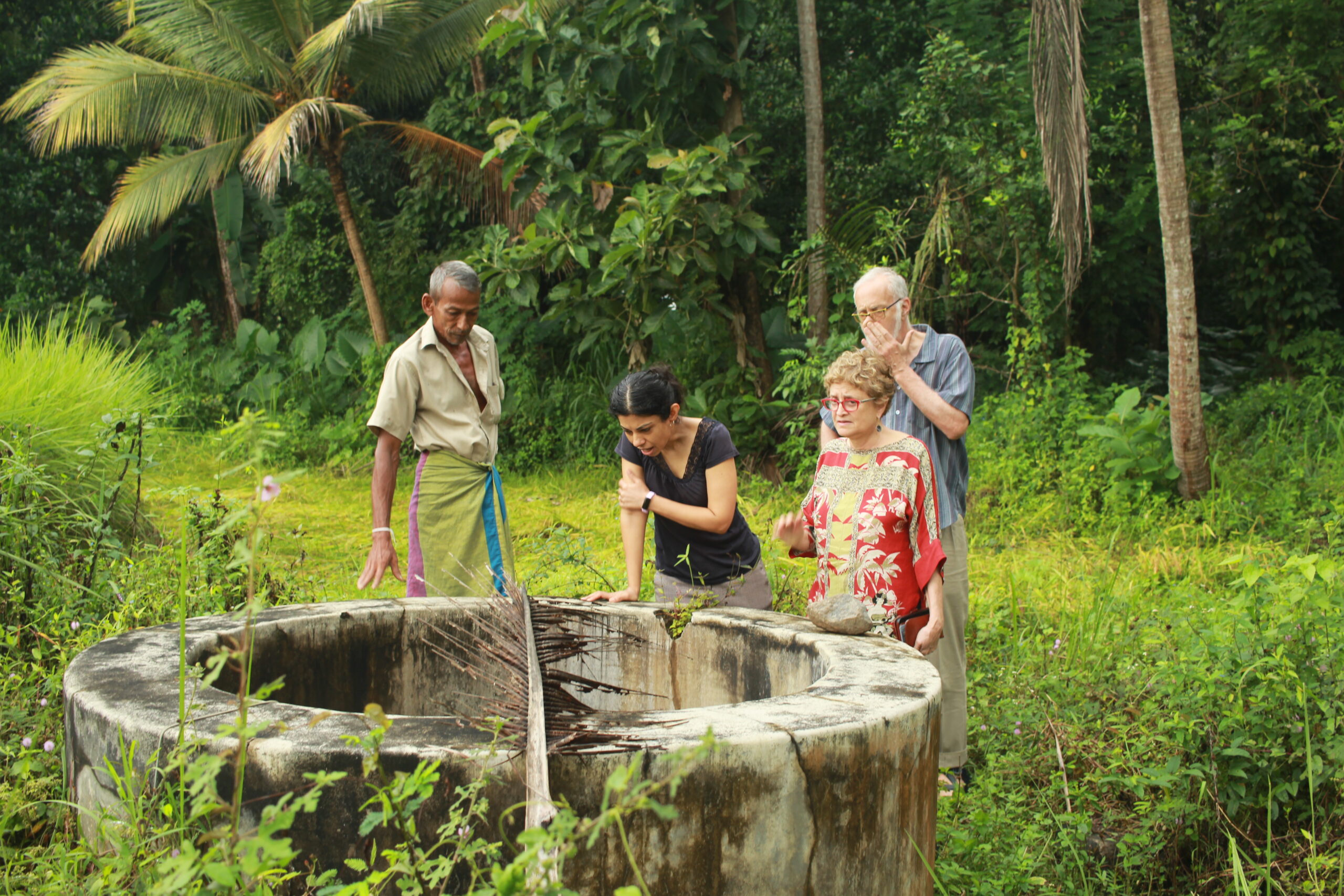
A Sri Lankan man with kidney disease shows Dr. Anand and colleagues the household well as they investigate possible causes. A suspected risk factor for kidney disease of unknown origin is contaminated groundwater. Also pictured: Michele Barry, MD, Senior Associate Dean of Global Health and Director of the Stanford Center for Innovation in Global Health, and Mark Cullen, MD, a retired Senior Associate Dean of Research at the Stanford School of Medicine.

Devastating to Local Communities

From Sri Lanka to the Salinas Valley, the impacts of this mysterious kidney disease are devastating for the patient, their family, and their community. 

“Life changes overnight when you give patients a diagnosis,” says Gopal Krishna, MD, a nephrologist with Central Coast Nephrology who grew up in a region of India that has become a hot spot for CKDu. 

Krishna believes that up to 20% of his patients have been affected by the illness. He’s now partnering with Anand and Contreras by providing them access to interview patients on dialysis.

Anand, who also directs Stanford Medicine’s Center for Tubulointerstitial Kidney Disease, is motivated by the stories of those impacted. In Sri Lanka, she says, farmers have committed suicide to prevent their families from suffering the financial burden of treatment. In other cases, children left school early, or mothers left the home, to work.

“Progressive kidney disease in a working-age person impoverishes families and robs them of a loved one,” she says.

A Puzzle Spread Across Time

Despite the impact, few nephrologists, patients, and community members in Central California are aware of this condition, and an understanding of causes and solutions remains elusive.

Because the disease is difficult to detect in its early stages, researchers struggle to understand which exposures in a person’s life may have contributed to their illness. Compounding this, many impacted communities lack sufficient epidemiological data and research capacity to investigate the condition.

“It’s a puzzle that is very difficult to piece together – a puzzle not only with many pieces, but pieces spread across time,” says Anand.

Strenuous activity in extreme heat is one highly suspected risk factor – and a growing one in light of climate change, says Anand. Other possible contributors include drinking water contaminated by pesticides or naturally occurring elements, silica exposure from the burning of certain crops, and infection by viral diseases.

"

“It’s a puzzle that is very difficult to piece together – a puzzle not only with many pieces, but pieces spread across time.”

– Shuchi Anand, MD

Two Hot Spots, Two Approaches

In Sri Lanka, Anand and community researchers have been following healthy people over time to identify risk factors and exposures in those who eventually fall ill. Anand is also helping communities build their local capacity for research, including blood testing, gathering environmental samples, and testing interventions, such as filtering drinking water for potential contaminants. This work has been supported by the Stanford Center for Innovation in Global Health through Global Health Seed Grants, an NIH/Fogarty Global Health Equity Scholarship, and mentorship from Michele Barry, MD, the center’s director. 

A team of faculty at Stanford are collaborating to tackle the disease locally and in Sri Lanka, including Vivek Bhalla, MD, associate professor of nephrology; Kurella Tamura, MD, professor of nephrology; Neeraja Kambham, MD, professor of pathology; Andrew Fire, PhD, professor of pathology and genetics; and Maria Montez-Rath, PhD, senior research engineer.

Yet Central California requires a different approach, since those most impacted – farmworkers – move frequently, are hard to reach, may not trust the healthcare system, and usually aren’t aware of the illness. Anand and Contreras realized they needed to start with patients in the end stage of the disease and work backward to fully understand the relationship between a patient’s work, environmental exposure, residential history, and CKDu. The Stanford Woods Institute for the Environment has funded recent work in the Central Valley through an Environmental Venture Project grant.

“The base for this project is gathering information from patients and understanding their stories,” Contreras says. They’ve established strong relationships with local nephrologists serving patients in Central California, including Krishna, and begun interviewing dialysis patients. They’ve also collaborated with Clovis Community College, near Fresno, to identify young, bilingual research assistants from the community to interview patients.

Research Assistant Esteban Banda remembers the first time he entered a quiet Salinas dialysis clinic in the early morning, hesitant to disturb the sleeping patients’ rest and unsure whether they’d want to talk with him. Yet he was quickly surprised by how eager they were to discuss their lives and contribute information.

Stanford researchers and their global colleagues are investigating a mysterious kidney disease impacting young farmworkers in hot agricultural areas around the globe. To better understand possible causes and risk factors, they’re exploring the similarities and differences between a known hot spot, Sri Lanka, and a possible new hot spot in Central California.

As a Clovis Community College and UC San Diego graduate who hopes to attend medical school, Banda says that this experience is motivating him to become a doctor capable of engendering trust in his patients.

‘Hope to Find Solutions’

While researchers hope to better understand the causes of CKDu, their ultimate goal is prevention across borders.

Meanwhile, researchers are collaborating with universities in Central California, as well as local farmworker rights organizations, to develop a project focused on protecting at-risk workers – particularly as rising temperatures put laborers at greater risk.

Krishna hopes the initiative can help catch or prevent the disease before it reaches its terrible end stage for many of his prospective patients. 

“As we begin to recognize and appreciate that this entity exists,” he says, “I think there is a lot of hope to find solutions.”

Knowledge Without Borders: Collab With Ethiopian Medical School Awakens Stanford Residents to Global Possibilities

Knowledge Without Borders: Collab With Ethiopian Medical School Awakens Stanford Residents to Global Possibilities

#Partnerships

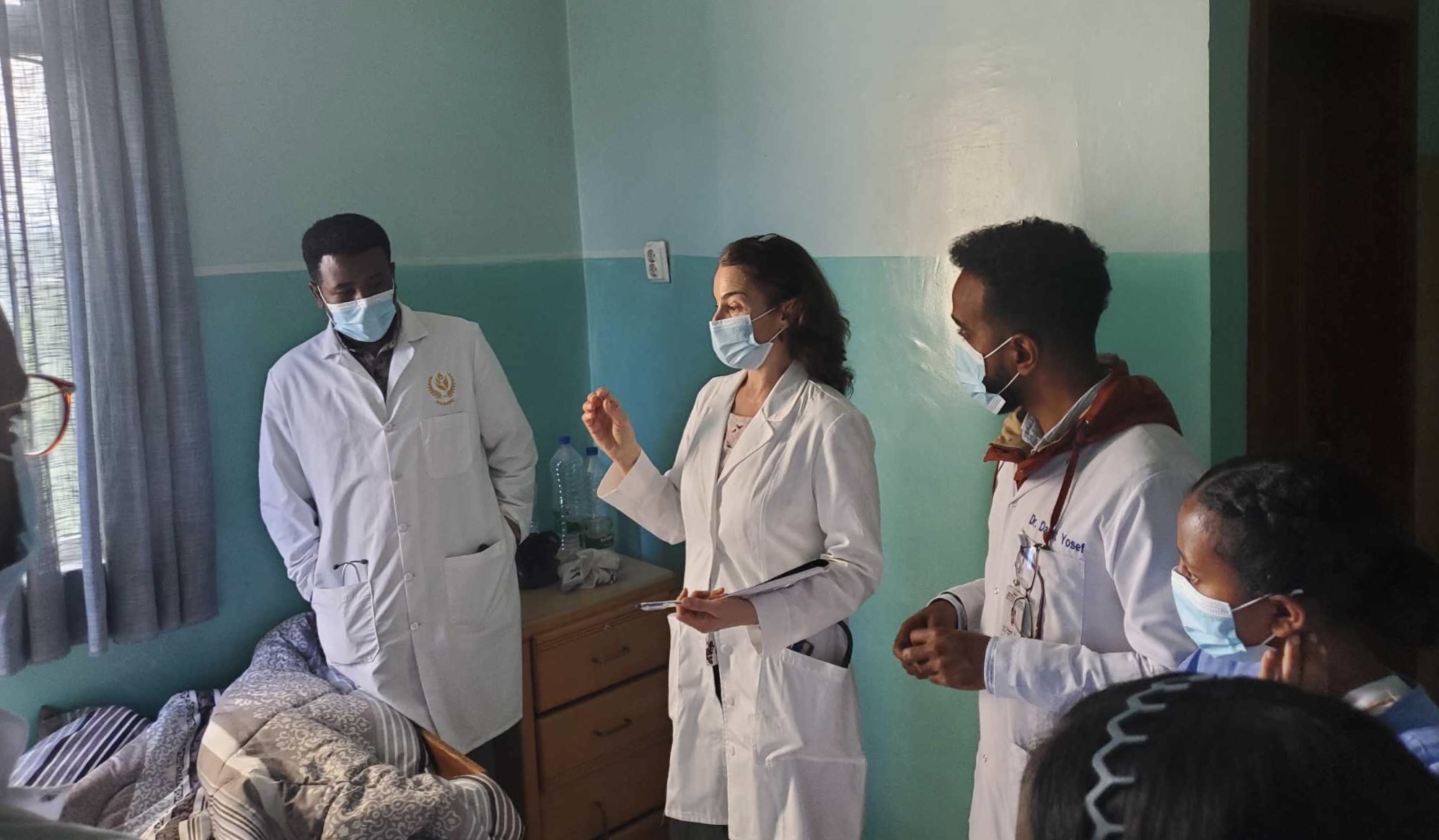
Stanford physician Cybele Renault, MD, rounds and teaches on the wards with the attentive internal medicine faculty at Negele Arsi General Hospital.

Imagine starting a virtual education program at a site without reliable internet in an environment where the basic medical tools we take for granted in the U.S. are scarce or unavailable. That is exactly what Cybele Renault, MD, has done. Her infectious passion for both medical education and program development has led to a Stanford collaboration with a medical school in rural Ethiopia that offers a uniquely rewarding educational opportunity for everyone.

In 2019, Renault was forever changed following a site visit to Negele Arsi General Hospital and Medical College (NAGHMC) that was sponsored by Stanford’s Center for Innovation in Global Health (CIGH), where she is a faculty fellow. Negele Arsi, located a four-hour drive from the country’s capital of Addis Ababa, is a small city in rural Ethiopia nestled within the state of Oromia.

The potential for an educational collaboration with her Stanford Internal Medicine Global Health Track residents was immediately obvious. Historically, Stanford Medicine residents have contributed to global health via onsite clinical service and teaching.

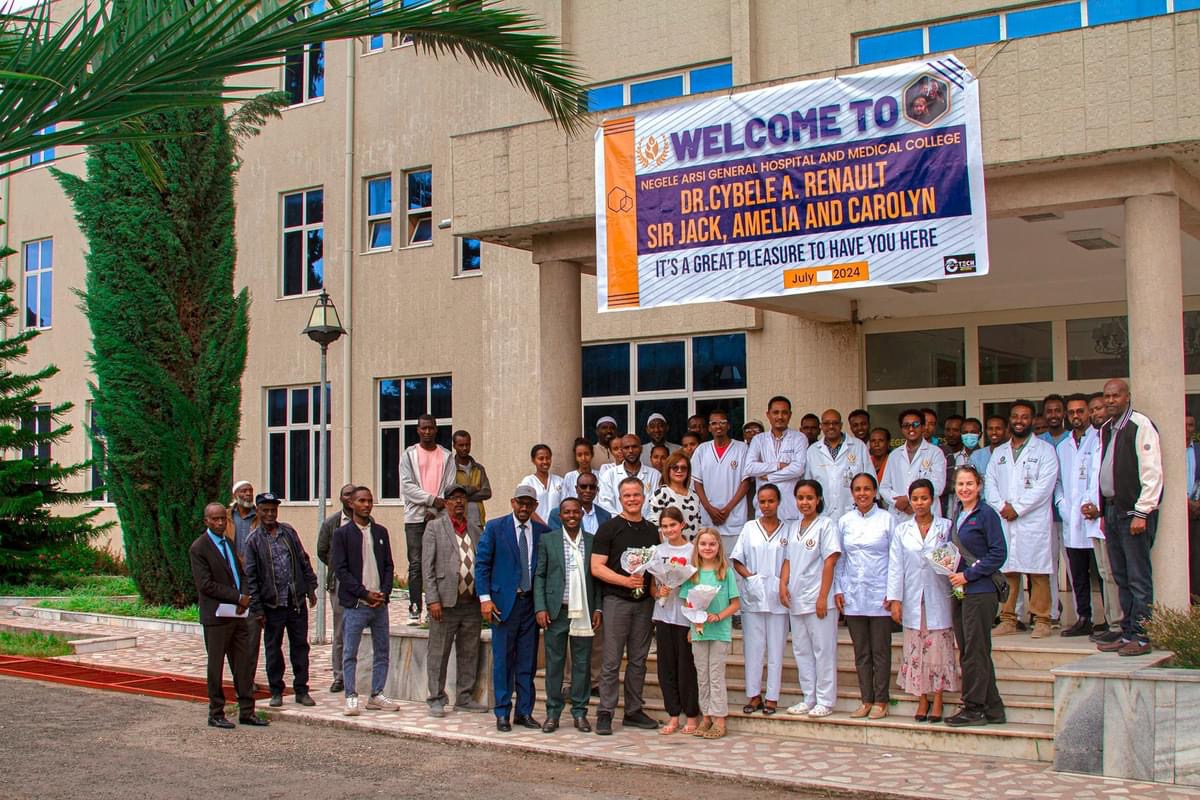
On the arrival of Cybele Renault, MD, to Negele Arsi, the faculty of NAGHMC give a warm welcome to Dr. Renault and her family with a ceremony that includes banners, bouquets of flowers, and a cake.

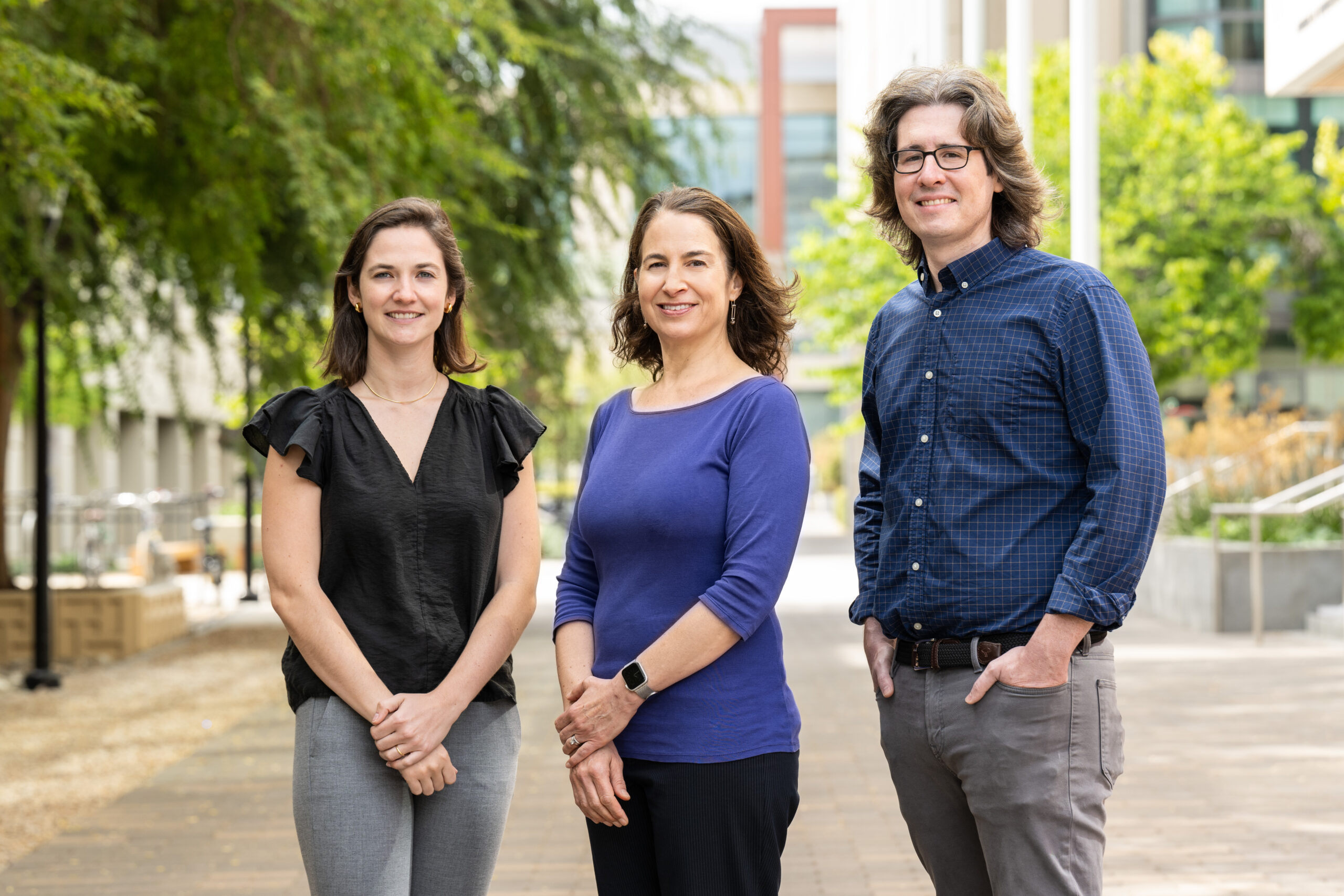
Savannah Karmen-Tuohy, Cybele Renault, Nick Zehner

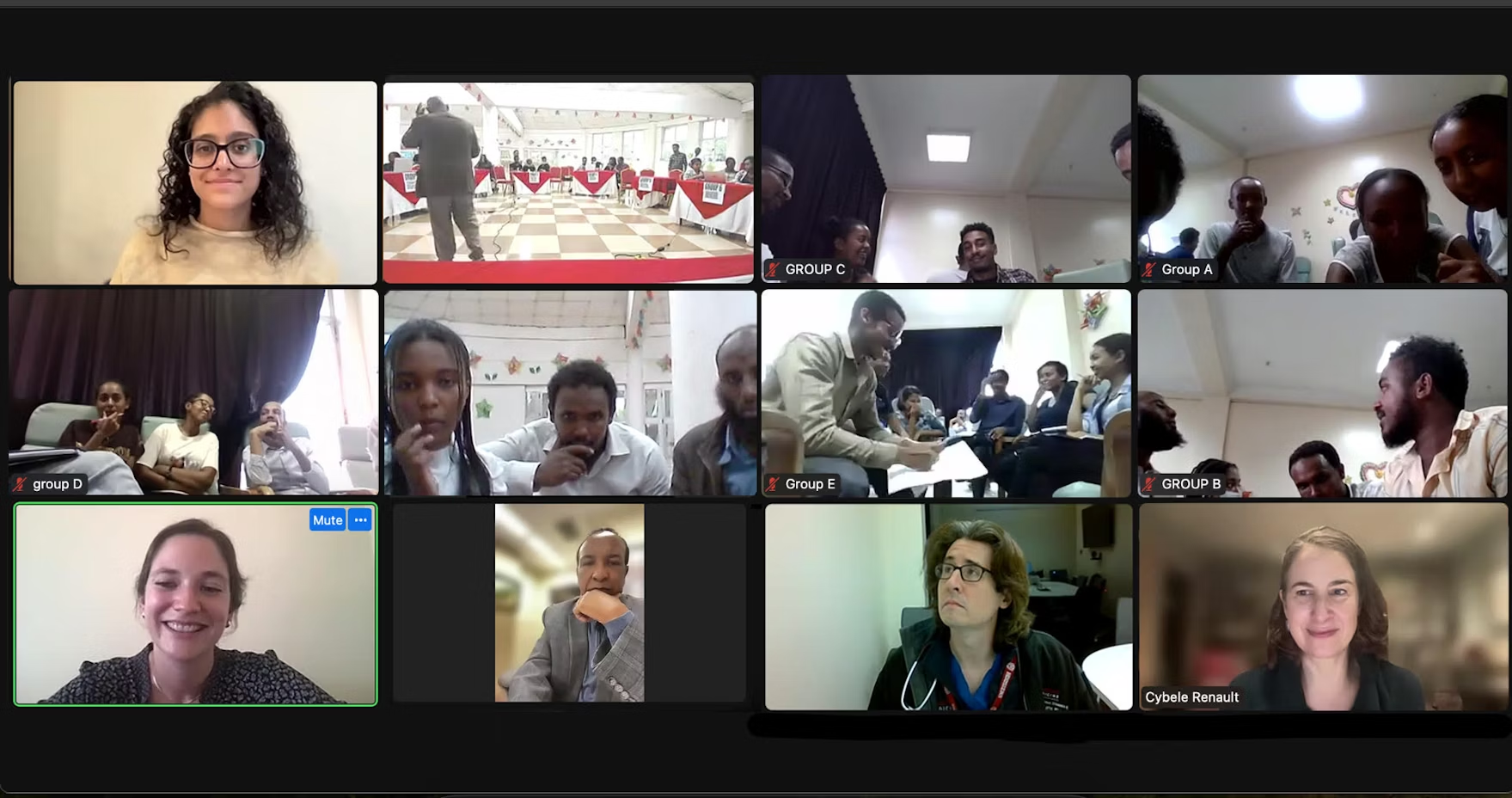
After delays due to COVID-19 followed by political instability in the northern Tigray region, Renault adapted this plan to monthly two-hour virtual case-based clinical reasoning sessions, for which NAGHMC medical students congregate on the medical school campus where the internet might last the duration.

Bidirectional Learning

Renault led the first session, but then her Global Health Track residents took the lead, with Natasha Mehta, MD, MS, the first to take the plunge. “It fascinates me how we can adapt and train learners side-by-side in very different contexts and in very different countries,” Mehta says. “[This program is] a perfect example of how you can leverage an international collaboration to make people stronger physicians and clinicians. Bidirectional learning [is something] a lot of us are really interested in furthering in global health. If we can keep these connections going past these two-hour sessions every month and form a true network of learners, I think that could be extremely impactful.”

Mehta recently graduated from her residency program and has moved on to Duke University, where she intends to co-lead the program alongside Renault, her residency mentor.

Universal Enthusiasm

Another Global Health Track resident, Savannah Karmen-Tuohy, MD, has found the NAGHMC medical students inspirational. “The enthusiasm with which they do their pre-work and how prepared they are … is truly unparalleled,” she says. They are learning and working in the absence of much of the technology taken for granted in the U.S. Forget CT scans and other expensive diagnostic technology; they don’t even have reliable or affordable internet access. “We are adjusting each session as we go and have a debrief call before and after with members of the NGO and the on-site faculty to think about how to work best during these sessions. That’s exciting from an educator’s perspective.”

The enthusiasm is as bidirectional as the learning. In a letter of thanks to Stanford University, the participating NAGHMC students wrote, “These lectures have been invaluable in expanding our knowledge and understanding of various medical conditions and their treatment. The case studies presented in these lectures have provided us with a deeper insight into the practical aspects of medicine and have equipped us with the necessary skills to approach similar cases in a clinical setting. The real-life scenarios discussed have helped us develop critical thinking and problem-solving abilities that are essential for a successful medical career. The expertise and professionalism of the instructors who have conducted these lectures are truly commendable.”

"

“It’s incredible to see how the rewards of this initiative have prompted our residents to reflect on what they ultimately want to do and the impact they could have in their careers.”

– Cybele Renault, MD

Stanford resident Savannah Karmen-Tuohy, MD, leads a virtual clinical reasoning session with the NAGHMC medical students.

A Model for Future Educational Collaboration

A third participating Stanford resident, Nick Zehner, MD, MS, sees this collaboration as a scalable model for global education. “It takes advantage of technology that wasn’t as widespread before the pandemic, so we are on the cutting edge of a new way to transfer knowledge and education,” he says. He hopes this program can help in the development of best practices to replicate it all over the globe.

He also appreciates its nonpaternalistic approach. “One of the liabilities of global health is this colonial legacy of the haves giving to the have-nots,” he says. “But we probably get as much out of these sessions as the students. It takes so much dedication for the Ethiopian students to reach the point of becoming medical students. These students are on top of things. … I think that makes us better educators.”

Renault is effusive in her praise of the residents working with her. “It’s incredible to see how the rewards of this initiative have prompted our residents to reflect on what they ultimately want to do and the impact they could have in their careers,” she says.

In return, Renault’s Stanford residents cannot say enough good things about her leadership or the NAGHMC initiative. In July of 2024, Renault returned to Ethiopia to advance the initiative by meeting with the leadership and the students, familiarizing herself with the curriculum, and teaching in-person classes in infectious diseases for medical students and NAGHMC faculty.

Specialty Care Services Available Through Virtual Consults

In addition to its native population, Oromia is home to 100,000 internally displaced refugees. The region has limited access to health care and medical education. A decent standard of living for a family in the region is estimated to cost just $238 USD monthly, yet 90% of the population live below the poverty line.  

NAGHMC was founded by Ethiopia Health Aid, an NGO co-founded in 2007 by Gudata Hinika, MD, an Ethiopian trauma surgeon who grew up in Oromia, and Katreena Salgado, an expert in public affairs and communication who is originally from the Philippines. Both founders are currently working at California Hospital Medical Center in Southern California.

Navigating New Frontiers: The Pediatric-to-Adult Transition at Stanford Health

Navigating New Frontiers: The Pediatric-to-Adult Transition at Stanford Health

#Partnerships

Kian Keyashian, MD, leads a team of providers who help adolescents with inflammatory bowel disease transition from pediatric to adult care.

“I can’t go to the hospital now. I have a math test tomorrow!”

That was Sofia Laiton’s reaction to her father’s insistence that he take her to seek care immediately for her worsening inflammatory bowel disease (IBD) symptoms. She was 15 then and had recently been diagnosed with Crohn’s disease (a type of IBD). “In my junior year in high school, I had every symptom in the book: fatigue, blood loss, weight loss – it was scary,” she recalls. 

Her father took her to Valley Children’s Hospital in Madera, California, a part of the Stanford Health Care system. What she thought would be an overnight stay turned into a 10-day admission for tests and treatment of an infection.

“I was in my worst condition back then,” she says. She was taking several medications, including monthly infusions of infliximab, an anti-inflammatory medication. “But over time I’ve come to see IBD as a journey. I couldn’t run to the finish line, but I could live a stable life by adapting and defining a new normal for me.”

In 2022, when Laiton was 21, her pediatric gastroenterologist suggested that she transition to adult care at Stanford Health Care. That was when she participated in the Pediatric-to-Adult IBD Transition Program and became a patient in the adult gastroenterology division.

Pediatric and Adult Care Are Different

Adolescence is a time of transition that is often fraught with emotional ups and downs. Teens begin to evolve from a state of total dependence on their parents into independent adults who are responsible for their own finances, health care, housing, and other segments of everyday life.

When you add coping with a chronic condition such as IBD to the list of skills needed to stay healthy without parental supervision, the transition to adulthood may become even more daunting.

Most teenagers with IBD are cared for by a pediatric gastroenterologist. But as these patients become young adults, their health care needs change too. At Stanford Health Care, the Pediatric-to-Adult Transition Program for IBD patients supports these changing needs for how, where, and when to seek a gastroenterologist who cares for adult IBD patients.

“Young adults who have IBD are at high risk for flares and lapses in treatment if they aren’t guided across the gap from pediatric to adult care,” says Kian Keyashian, MD. “I’m proud of what we have achieved in the first four years of this transition program.” Keyashian is a clinical associate professor of gastroenterology and hepatology, and clinical director for inflammatory bowel disease.

Inflammatory bowel disease is a chronic condition that is often accompanied by fatigue, pain, blood loss, diarrhea and other gastrointestinal symptoms.

“Young adults who have IBD are at high risk for flares and lapses in treatment if they aren’t guided across the gap from pediatric to adult care. I’m proud of what we have achieved in the first four years of this transition program.”

– Kian Keyashian, MD

Since the IBD Pediatric-to-Adult Transition Program was launched in 2020, more than 35 IBD patients, including Sofia Laiton, have made a smooth transition from pediatric to adult care, under the leadership of Keyashian and Rachel Bensen, MD, a clinical associate professor of gastroenterology at Stanford Medicine Children’s Health.

The need for this kind of support arises from some key differences between pediatric and adult healthcare delivery:

  • Pediatric care is family-centered, with parents serving as decision makers on behalf of the patient. Adult care is focused on the individual patient who acts on his or her own behalf.

  • Pediatric care is often multidisciplinary and team-based; adult care is usually driven by a single provider who taps into subspecialty care as needed.
"

How the Transition Program Works

The foundation for the Stanford IBD Transition Program is a joint video meeting with the pediatric and adult gastroenterologists, and other members of the team as appropriate. These may include a pediatric social worker, psychologist, and registered dietitian, as well as an adult gastroenterologist nurse.

With the patient and parents present, the team reviews the patient’s history, most recent visit, work or school issues, patient concerns, and other relevant topics. The adult gastroenterologist explains what to expect from his or her practice. The nurse in the adult practice walks the patient through MyChart, a patient portal that allows people to view and manage their health information and to message their physician and care team.

Laiton says that she is “very grateful for the meeting we had with all the providers on one call. They made me feel I was in a safe space where I could ask questions and provide input. I felt respected.”

“In the past, we would do our best to collect and assess a new patient’s records,” notes Keyashian. “But it often felt as though we were either starting from scratch or playing catch-up.”

Now, the joint visit creates a true transition. Patients are free to have a final check-in after the adult visit with the pediatric social worker before becoming a full-fledged adult patient.

Laiton, now 23, graduated from the University of California, Davis, in 2022. She works in a high school as a student assistance specialist. She still needs medication to manage her condition, but with Keyashian’s help she’s down to one infusion every six weeks and no oral medications. Her Crohn’s disease is in remission.

Patient Feedback Is Positive

The frontier has been opened for establishing this program as the standard. Now, physicians are considering how to analyze available data to demonstrate outcomes and effectiveness of this way of providing care. 

“I love this program,” declares Keyashian. “It’s what I’d want for my own kid.” 

Pioneering Partnerships: Stanford and Sequoia Enhance Patient Care with New Hospital-Within-a-Hospital

Pioneering Partnerships: Stanford and Sequoia Enhance Patient Care with New Hospital-Within-a-Hospital

#Partnerships

Staff at the new unit’s ribbon-cutting were excited to launch a hospital-within-a-hospital, a new frontier for patient care at Stanford Hospital.

While the worst of the COVID-19 pandemic is behind us, difficult memories remain. Healthcare providers worked herculean hours to treat the influx of patients, and many contracted the virus themselves. Countless people delayed their routine health care. These factors laid the groundwork for today’s post-pandemic shortages of hospital staffing along with more and sicker patients needing emergency care. 

While Stanford Hospital has maintained its staffing levels, closures of clinical programs throughout the region due to medical personnel shortages have meant more people coming to Stanford Hospital’s Emergency Department. Even with the opening of an 824,000-square-foot, state-of-the-art hospital in 2019, which expanded inpatient capacity to more than 600 beds, Stanford had been struggling to keep up with the needs of the community. 

The Department of Medicine, in conjunction with Stanford Health Care’s Business Development team, came up with a novel solution to its inpatient bed shortage: a partnership with Dignity Health Sequoia Hospital to establish a new frontier of care for Stanford patients through a “hospital-within-a-hospital.”

A Win-Win for Both Hospitals

“We learned that Sequoia Hospital had not been at full capacity and, like Stanford, is patient-centric, well-run, and has good accommodations. Stanford Health Care decided to approach them to see if we could lease a 24-bed unit,” says Division of Hospital Medicine Chief Neera Ahuja, MD, who specializes in building new clinical programs. Another enticement was Sequoia Hospital’s Redwood City location, just a few miles up the road from the Stanford campus.

“A hospital-within-a-hospital is a new model of care for the Department of Medicine,” notes Thomas Lew, MD, clinical assistant professor of medicine and medical director of the Stanford Sequoia unit. “Instead of acquiring a hospital or building from scratch, we realized we could partner with another hospital system that’s not at capacity. Sequoia had a brand-new ward that had only been used briefly during the pandemic,” he adds.

After a year of discussion, planning, and setup, the Stanford Health Care (SHC) Patient Care Unit at Dignity Sequoia Hospital opened May 8, 2024.

"

“A hospital-within-a-hospital is a new model of care for the Department of Medicine. Instead of acquiring a hospital or building from scratch, we realized we could partner with another hospital system that’s not at capacity. Sequoia had a brand-new ward that had only been used briefly during the pandemic.”

– Thomas Lew, MD

Designed for a Positive Patient Experience

While not every patient who goes to the emergency room needs to be admitted to the hospital, those who come to the Stanford Emergency Department and require inpatient care for certain types of issues now don’t have to wait for a hospital bed. Instead, they can be quickly transported to the Stanford Health Care Patient Care Unit at Sequoia via ambulance.

Notes Ahuja, who oversaw the clinical buildout of the unit, “We are aiming for a seamless experience for our patients. The unit is staffed by Department of Medicine hospitalists, Stanford Health Care nurses, and other key personnel. Patients have either a private room or a large, shared room that looks just like one they’d have at Stanford Hospital.” The Stanford Health Care Patient Care Unit at Sequoia has 12 private rooms and six shared rooms, all more spacious than comparable rooms at the Stanford campus.

“An additional benefit is that this unit opens up beds on the Stanford campus for patients with more complex and highly specialized conditions who could only get their care at Stanford Hospital,” Ahuja explains.

As medical director of the new unit, Lew designed the new workflow for the offsite location, hired a team of on-site hospitalists, and was the first physician to see patients there. He continues to oversee clinical care to ensure that patients receive Stanford-level quality. 

A Novel Approach to Specialty Care

The unit draws from a roster of Department of Medicine specialists from endocrinology, nephrology, infectious diseases, and cardiovascular medicine, who are available to consult with patients virtually via a wall-mounted large-screen TV and a camera. 

“We learned during COVID that there are times when virtual interaction is as good as or better than in-person interaction,” says Christopher Sharp, MD, chief medical informatics officer, whose team supported the integration of digital technology into the Sequoia unit. “This is an exciting model that allows us to extend specialty care outside of the Stanford campus by ‘beaming in’ specialists.”

Ron Li, MD, medical informatics director for digital health, designed the virtual consult workflow and helped specialty clinicians learn how to best use the technology to care for patients. As a board-certified informaticist, Li specializes in using technology to improve the care of hospitalized patients.

Stanford has previously used the virtual consult model to bring high-quality specialty care to affiliate hospitals and clinics – in some cases expanding access to specialty care 24/7. Telehealth has proved to be reliable and agreeable to patients. “The expertise and care we bring to patients is at the core of our mission,” says Sharp, “and by being digitally driven, we’re able to scale the reach of this expertise across Stanford Health Care sites.” 

Collaboration Is Key

Ultimately, says Lew, “we found a great partner in Sequoia Hospital – a fantastic community hospital – and everyone has been exceedingly kind and welcoming.” He also appreciated the extensive input from Department of Medicine physicians to help make this new frontier of a hospital-within-a-hospital a reality. “This huge collaboration was an innovative process for the Department of Medicine,” he says, “and hopefully just the start for this new model of care.”

Rooms in the Stanford Health Care Patient Care Unit at Dignity Sequoia Hospital are spacious and equipped with cutting-edge technology.

Pandemic Inspires Outside-the-Box Thinking

This wasn’t the first time the Department of Medicine used an unconventional approach to address an increase in patients caused by the pandemic. In 2020, the department formed surge teams, an all-hands-on-deck way to care for waves of COVID-19 patients. Doctors from a variety of specialties, along with residents and faculty, volunteered for shifts working as hospitalists or internal medicine physicians to treat the overflow of patients.

Specialty Care Services Available Through Virtual Consults

Department of Medicine hospitalists partner with physicians from the most-needed specialty care services for non-complex conditions, enabled through a cutting-edge teleconferencing system.

  • Endocrinology, Gerontology & Metabolism
  • Nephrology
  • Infectious Diseases & Geographic Medicine
  • Cardiovascular Medicine