From Bariatric Surgeon to Accidental Activist

Arghavan Salles, MD, PhD

Arghavan Salles, MD, PhD

From Bariatric Surgeon to Accidental Activist
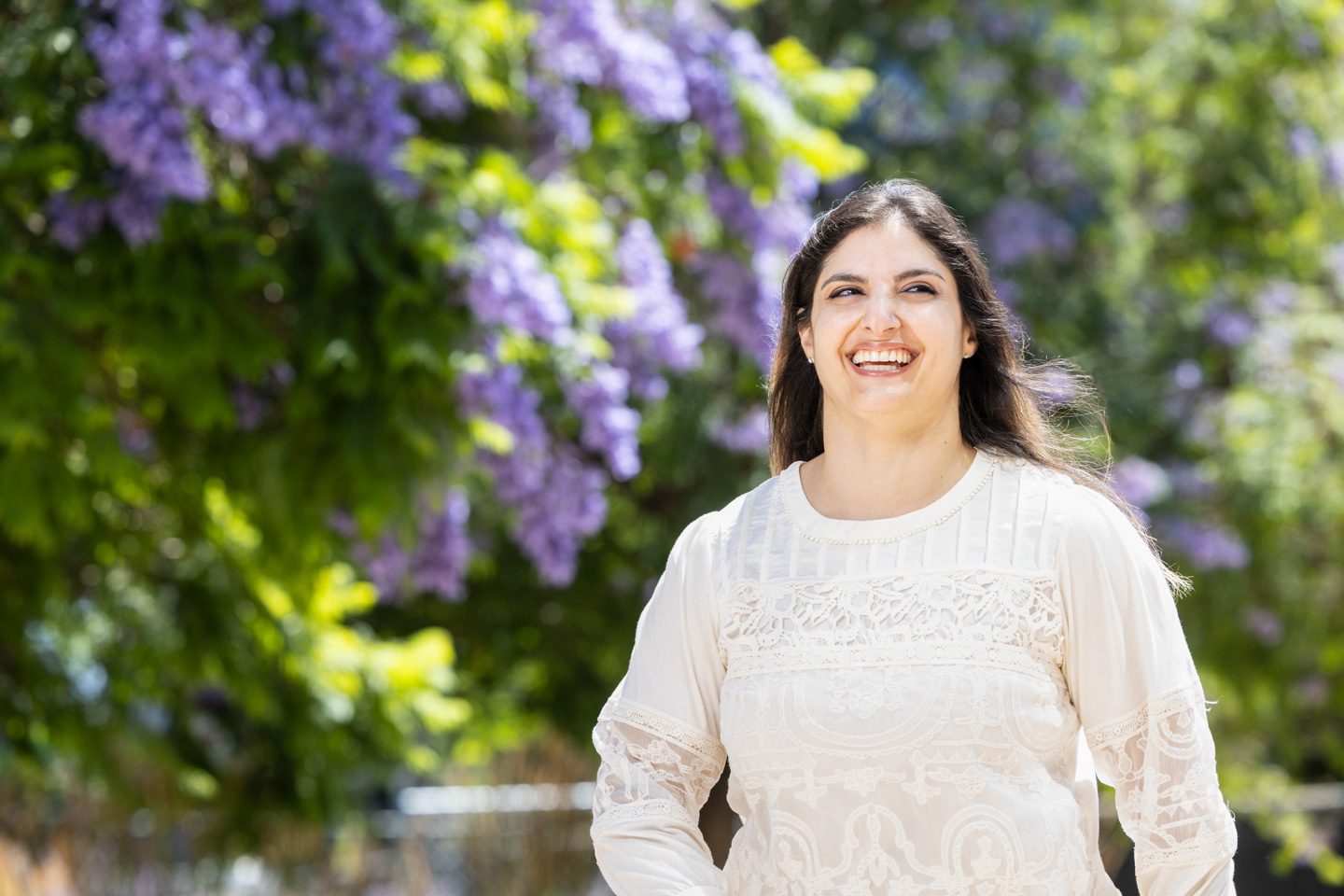
How One MD/PhD Harnesses the Power of Social Media for Advocacy and Career Development

Arghavan Salles, MD, PhD

From Bariatric Surgeon to Accidental Activist

How One MD/PhD Harnesses the Power of Social Media for Advocacy and Career Development

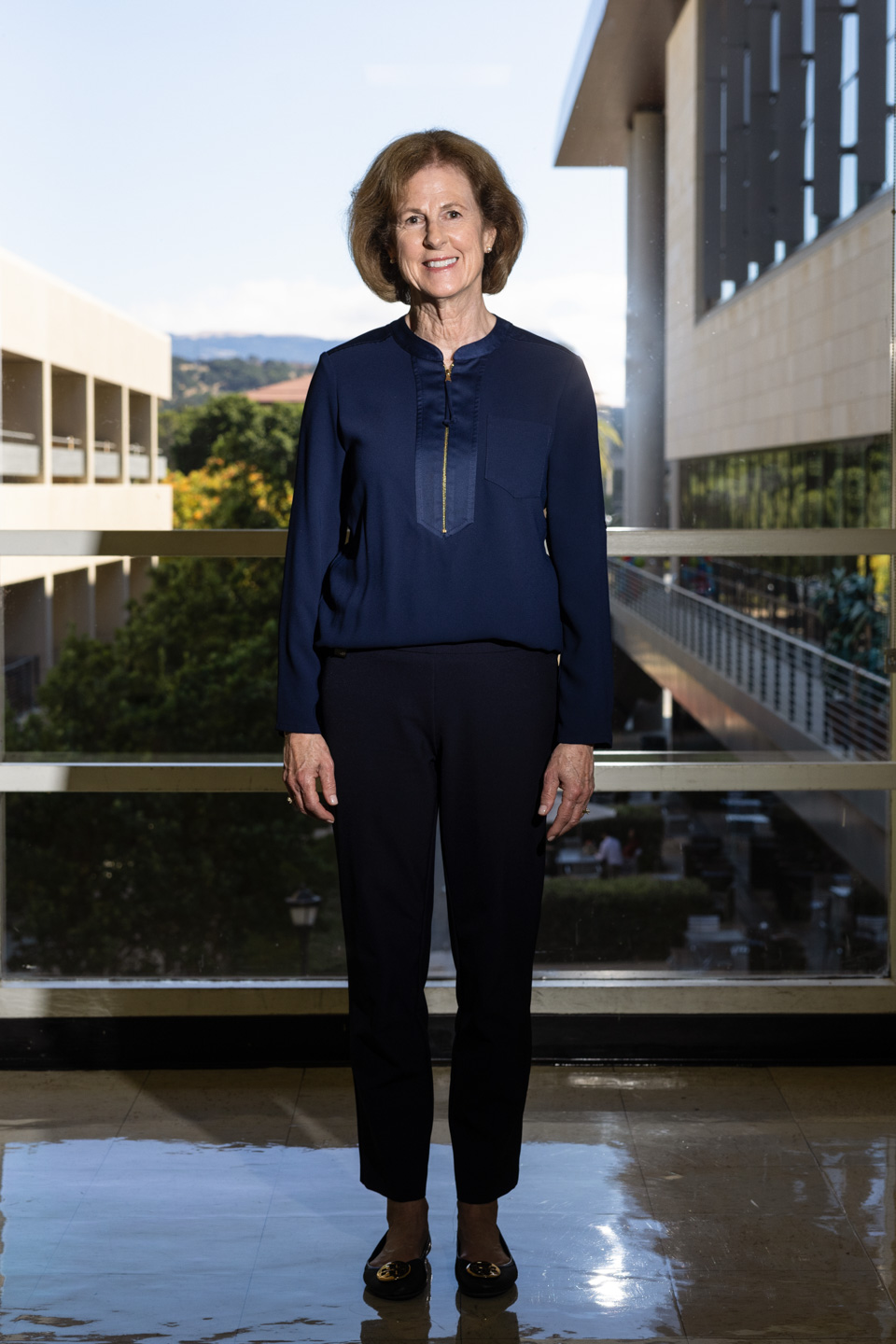
Arghavan Salles, MD, PhD, did not set out to be an activist or social media influencer. After completing medical school, a surgery residency, and a PhD in education at Stanford, Salles worked as a bariatric surgeon and faculty member in St. Louis, Missouri. She now looks back on the toll those years of grueling medical service and an unsuccessful fertility journey took on her energy. In 2019, she returned to Stanford and the Bay Area for a change of scene and an opportunity to renew her energy and drive.

Now, Salles is a clinical associate professor of gastroenterology and hepatology and special adviser of diversity, equity, and inclusion programs in the Department of Medicine. She found renewed motivation in an unexpected place: Twitter, which she joined in 2016.

She initially shared academic posts (research papers and bariatric surgery content, for example). Over time, she shared more personal content grounded in her sense of justice and responsibility.

Salles identifies, in her own words, as “an academic physician who does research to shed light on certain problems and push our institutions and society toward more inclusive policies” and uses social media primarily as a useful tool in that context.

Below, Salles reflects on the energy driving her posts and how to use social media as a tool for both advocacy and career advancement.

People say silence is complicity, and I do think that is true to some extent. The more we ignore things, the more we suggest those things are fine.

What drives you to do the work of social media activism each day?

I think what keeps me going is a little bit of naïveté — feeling like we can make a difference, that more people speaking up can shift culture and open people’s eyes to issues.

There’s also a feeling of discomfort and uncertainty. I feel very unsettled about a lot of the things happening in the world. I can’t just sit on the sidelines and be like, Oh, someone else will figure that out. Or, It’s OK if I don’t say anything. The more we ignore things, the more we suggest those things are fine.

I have a very strong sense of justice, which may not align with someone else’s, but it is all mine. What I think is right is something I often want to fight for and speak up about. That desire doesn’t really fade from day to day.

Is there a post that stands out as especially representative of your work?

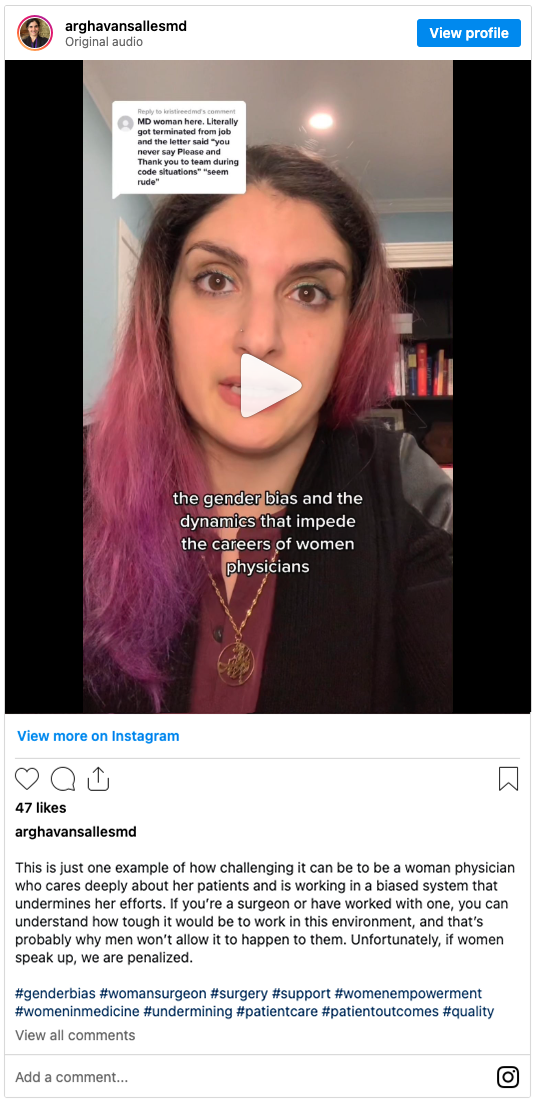
I had this video in January that was about gender schemas, particularly how we view women’s behavior differently just because they’re women, especially in male-dominated professions and anytime we have to be in authoritative roles. There were many women who were like, This is happening every day of my life. They didn’t know the research around this, so my post was validating for them.

There’s a lot we don’t talk about publicly. That leaves people feeling alone and isolated. Even though what they are experiencing is something that’s relatively common, it’s not talked about. I try to communicate to the people who need to hear it: If you’re experiencing this, know that other people experience it too. That doesn’t mean it’s OK, and we should try to fix the systems in place that make this a reality. But also, you’re not alone.

A lot of what I’ve been doing in the last year or so has been about pushing the boundaries of what we think of as professionalism. In most of our organizations, professionalism is weaponized against marginalized people. And it’s really all just made up.

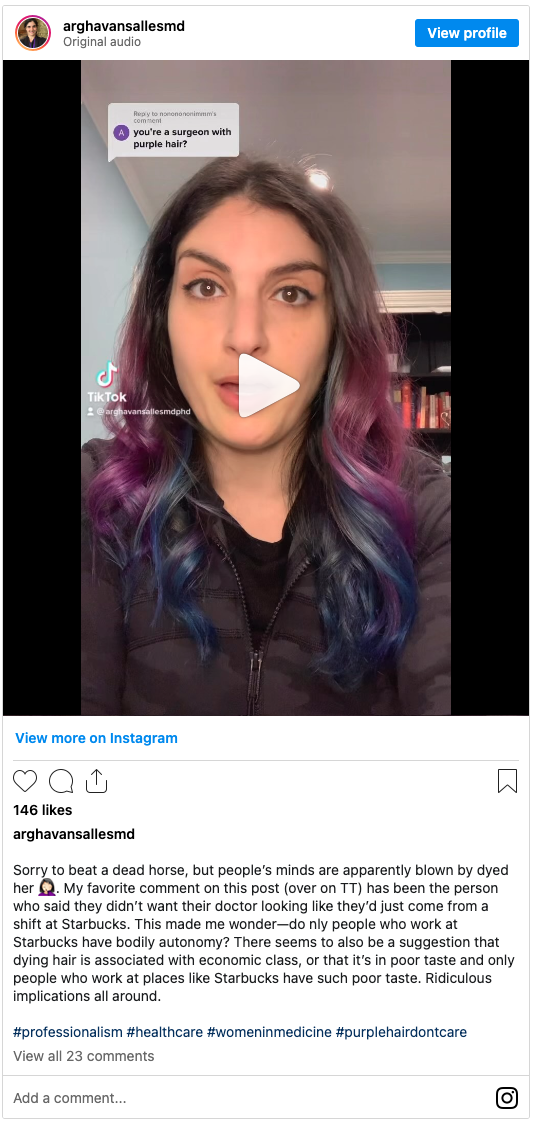
For example, in an Instagram reel I posted in March about being a surgeon with hyper-colored hair, I talk about how I can show up to a place, wearing clean clothes, having showered, having my hair done, whatever, and just because the color of my hair is different than what people are used to, that makes me not professional. So I believe that people should have autonomy over their bodies. It’s not harming anyone else, and it’s not affecting their ability to do their jobs.

What advice would you offer to academics interested in becoming more active on social media, and perhaps in doing advocacy on social platforms?

It’s such an interesting time. Two years ago, I might have said everyone should be on Twitter. But Twitter [rebranded as X in July 2023] is evolving, right? Not necessarily in a positive direction, so it’s hard for me to say that now.

But what I can say is that those of us who are on Twitter have developed collaborations from being in that space. We’ve made friends, and we’ve built community. I’ve found mentors through Twitter who I wouldn’t have met otherwise. I met most of the collaborators on my R01 grant, “Sexual Harassment Training of Primary Investigators (STOP),” via social media.

Social media can be a powerful tool for career development, especially when people are thinking about promotions to associate or full professor, and it can help in developing a regional or national reputation (especially for people who don’t focus on academic publishing).

I don’t think it has to be about activism for everyone. There’s value in networking and in accessing information and scientific research. I think social media is more effective for keeping up on the latest science than going from journal to journal or newspaper to newspaper. Information on research, clinical trials, and the latest things you need to know about the practice of medicine is much more accessible on social media.

People say silence is complicity, and I do think that is true to some extent. The more we ignore things, the more we suggest those things are fine.

Salles identifies, in her own words, as “an academic physician who does research to shed light on certain problems and push our institutions and society toward more inclusive policies” and uses social media primarily as “a useful tool in that context.”

Below, Salles reflects on the energy driving her posts and how to use social media as a tool for both advocacy and career advancement.

What drives you to do the work of social media activism each day?

I think what keeps me going is a little bit of naïveté — feeling like we can make a difference, that more people speaking up can shift culture and open people’s eyes to issues.

There’s also a feeling of discomfort and uncertainty. I feel very unsettled about a lot of the things happening in the world. I can’t just sit on the sidelines and be like, Oh, someone else will figure that out. Or, It’s OK if I don’t say anything. The more we ignore things, the more we suggest those things are fine.

I have a very strong sense of justice, which may not align with someone else’s, but it is all mine. What I think is right is something I often want to fight for and speak up about. That desire doesn’t really fade from day to day.

Is there a post that stands out as especially representative of your work?

I had this video in January that was about gender schemas, particularly how we view women’s behavior differently just because they’re women, especially in male-dominated professions and anytime we have to be in authoritative roles. There were many women who were like, This is happening every day of my life. They didn’t know the research around this, so my post was validating for them.

There’s a lot we don’t talk about publicly. That leaves people feeling alone and isolated. Even though what they are experiencing is something that’s relatively common, it’s not talked about. I try to communicate to the people who need to hear it: If you’re experiencing this, know that other people experience it too. That doesn’t mean it’s OK, and we should try to fix the systems in place that make this a reality. But also, you’re not alone.

A lot of what I’ve been doing in the last year or so has been about pushing the boundaries of what we think of as professionalism. In most of our organizations, professionalism is weaponized against marginalized people. And it’s really all just made up.

For example, in an Instagram reel I posted in March about being a surgeon with hyper-colored hair, I talk about how I can show up to a place, wearing clean clothes, having showered, having my hair done, whatever, and just because the color of my hair is different than what people are used to, that makes me not professional. So I believe that people should have autonomy over their bodies. It’s not harming anyone else, and it’s not affecting their ability to do their jobs.
What advice would you offer to academics interested in becoming more active on social media, and perhaps in doing advocacy on social platforms?

It’s such an interesting time. Two years ago, I might have said everyone should be on Twitter. But Twitter [rebranded as X in July 2023] is evolving, right? Not necessarily in a positive direction, so it’s hard for me to say that now.

But what I can say is that those of us who are on Twitter have developed collaborations from being in that space. We’ve made friends, and we’ve built community. I’ve found mentors through Twitter who I wouldn’t have met otherwise. I met most of the collaborators on my R01 grant, “Sexual Harassment Training of Primary Investigators (STOP),” via social media.

Social media can be a powerful tool for career development, especially when people are thinking about promotions to associate or full professor, and it can help in developing a regional or national reputation (especially for people who don’t focus on academic publishing).

I don’t think it has to be about activism for everyone. There’s value in networking and in accessing information and scientific research. I think social media is more effective for keeping up on the latest science than going from journal to journal or newspaper to newspaper. Information on research, clinical trials, and the latest things you need to know about the practice of medicine is much more accessible on social media.

SCCR’s Quality and Compliance Team Shows Resilience Amid Pandemic Pivots

Mary Varkey, clinical research coordinator, with a RECOVER participant
Mary Varkey, clinical research coordinator, with a RECOVER participant.

SCCR’s Quality and Compliance Team Shows Resilience Amid Pandemic Pivots

Mary Varkey, clinical research coordinator, with a RECOVER participant
Mary Varkey, clinical research coordinator, with a RECOVER participant.

SCCR’s Quality and Compliance Team Shows Resilience Amid Pandemic Pivots

When COVID-19 hit in 2020, it dramatically disrupted ongoing clinical research, as well as quality and compliance monitoring.

The Quality and Compliance team at the Stanford Center for Clinical Research (SCCR) faced the challenges head-on, pivoting and pivoting again as the situation on the ground shifted. By the time the brunt of the pandemic ended, the Department of Medicine had a larger clinical research portfolio than ever — from $125.7 million in sponsored research in 2019 to $164 million in 2022, and quality and compliance monitoring had entered a new era.

Essential Trials Go Virtual

When COVID hit, the university paused nonessential research, a category that included observational clinical trials unrelated to COVID.

The majority of studies that SCCR participates in are interventional, however, and remained active. At the same time, many new studies that were focused on understanding and treating COVID launched across the department. The SCCR Quality and Compliance team quickly learned how to operate in the new virtual paradigm.

Study monitoring that had been done on-site went remote. Teams moved to use electronic consent forms that participants could sign remotely or on encrypted iPads with plastic covers that could be cleaned after each use. If paper consent forms had to be used, staff took photos of the signature pages for study records. They then quarantined the paper forms for 10 days in sealed bags before removing and filing. Checklists became an essential tool to ensure that study conduct remained as methodical and precise in the new, shifting paradigm as it was prior to COVID.

Restarting Research and Refreshing Protocols

When it was time to resume paused studies, study teams received refreshers on the study protocol, consenting processes, and data entry.

Some studies resumed before pandemic restrictions had entirely lifted. One such study was the Project Baseline study — a large, multiyear observational study that aims to map human health. The project was paused for seven months and then resumed with virtual operations.

The study team worked with the research sponsor to build systems to conduct virtual study visits and temporarily waive on-site assessments. They often met with participants over video to help them through study processes that would typically be done face-to-face.

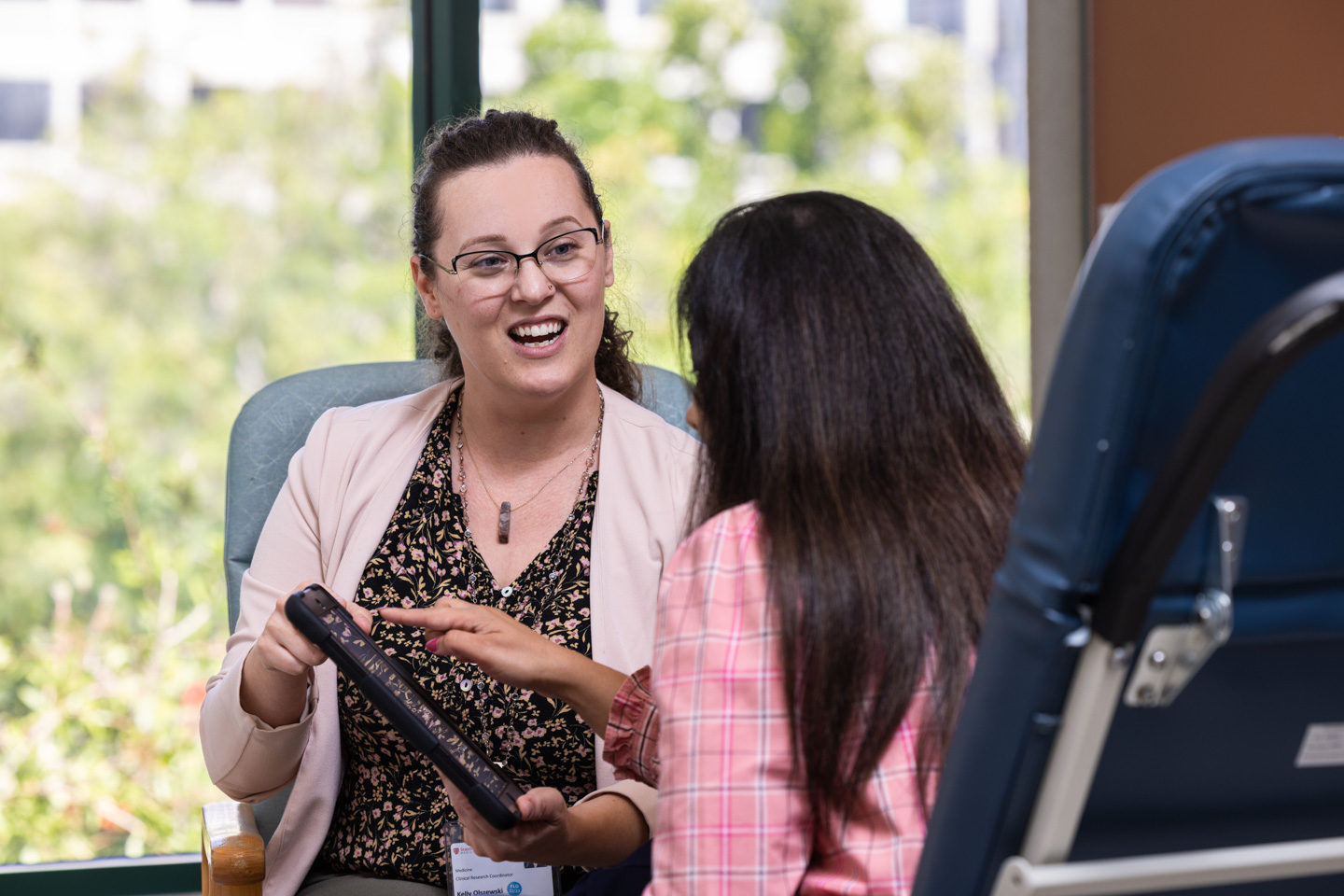
Kelly Olszewski, clinical research coordinator, explains the RECOVER study process.

In February 2021, as vaccines became available, Project Baseline was able to resume some onsite visits for assessments such as specimen collection, vital signs, and EKGs.

The study team’s resilience in the face of multiple hurdles kept the research project alive against the odds. “Retention for this seminal, longitudinal Team Science study remains high (88%) as we approach the end of the study,” says Sumana Shashidhar, SCCR’s associate director of clinical research operations. (Read about Shashidhar’s work with a Johnson & Johnson vaccine study in this Stanford Daily Q&A.)

Yasmin Jazayeri, clinical research coordinator, gathers data for the RECOVER study

When COVID-19 hit in 2020, it dramatically disrupted ongoing clinical research, as well as quality and compliance monitoring.

The Quality and Compliance team at the Stanford Center for Clinical Research (SCCR) faced the challenges head-on, pivoting and pivoting again as the situation on the ground shifted. By the time the brunt of the pandemic ended, the Department of Medicine had a larger clinical research portfolio than ever — from $125.7 million in sponsored research in 2019 to $164 million in 2022, and quality and compliance monitoring had entered a new era.

Essential Trials Go Virtual

When COVID hit, the university paused nonessential research, a category that included observational clinical trials unrelated to COVID.

The majority of studies that SCCR participates in are interventional, however, and remained active. At the same time, many new studies that were focused on understanding and treating COVID launched across the department. The SCCR Quality and Compliance team quickly learned how to operate in the new virtual paradigm.

Study monitoring that had been done on-site went remote. Teams moved to use electronic consent forms that participants could sign remotely or on encrypted iPads with plastic covers that could be cleaned after each use. If paper consent forms had to be used, staff took photos of the signature pages for study records. They then quarantined the paper forms for 10 days in sealed bags before removing and filing. Checklists became an essential tool to ensure that study conduct remained as methodical and precise in the new, shifting paradigm as it was prior to COVID.

Kelly Olszewski, clinical research coordinator, explains the RECOVER study process.

Restarting Research and Refreshing Protocols

When it was time to resume paused studies, study teams received refreshers on the study protocol, consenting processes, and data entry.

Some studies resumed before pandemic restrictions had entirely lifted. One such study was the Project Baseline study — a large, multiyear observational study that aims to map human health. The project was paused for seven months and then resumed with virtual operations.

The study team worked with the research sponsor to build systems to conduct virtual study visits and temporarily waive on-site assessments. They often met with participants over video to help them through study processes that would typically be done face-to-face.

In February 2021, as vaccines became available, Project Baseline was able to resume some onsite visits for assessments such as specimen collection, vital signs, and EKGs.

The study team’s resilience in the face of multiple hurdles kept the research project alive against the odds. “Retention for this seminal, longitudinal Team Science study remains high (88%) as we approach the end of the study,” says Sumana Shashidhar, SCCR’s associate director of clinical research operations. (Read about Shashidhar’s work with a Johnson & Johnson vaccine study in this Stanford Daily Q&A.)

We learned a lot during the pandemic about how we can simplify research conduct and maintain high scientific rigor, quality, and compliance. 

— Ken Mahaffey, MD, SCCR director and department vice chair of research

Yasmin Jazayeri, clinical research coordinator, gathers data for the RECOVER study.

COVID-19 Leaves an Electronic Legacy…

As pandemic restrictions lift, some of the quality and compliance processes created in response to the COVID lockdown have become standard practice. For example, it’s increasingly common to gather participant consent forms electronically and to keep trial documentation in electronic trial master files instead of binders.

“We learned a lot during the pandemic about how we can simplify research conduct and maintain high scientific rigor, quality, and compliance,” says SCCR director and department vice chair of research Ken Mahaffey, MD. “I am incredibly proud of the work that the SCCR Quality and Compliance team has done.”

…and a Clinical Research Legacy

As teams across the department launched COVID-19 studies, SCCR’s regulatory team partnered with investigators to swiftly submit Investigational New Drug (IND) applications to the FDA.

“We launched nearly 20 COVID-19 projects seemingly overnight,” says Toni Nunes, SCCR’s director of operations and strategy.

In 2020, for example, SCCR participated in the Ensemble trial of the Janssen COVID-19 vaccine, enrolling 205 participants in two months. SCCR also operationalized the RECOVER study at Stanford, a National Institutes of Health–funded initiative to study the long-term effects of COVID.

Though COVID threw a logistical curveball at researchers and quality and compliance monitors alike, the pandemic ultimately contributed to growth in clinical research across the department, bringing in organizations and faculty members who had never done research before and now were doing research on COVID and beyond.

A prime example is Stanford Health Care Tri-Valley Hospital (SHC Tri-Valley). In 2020, SHC Tri-Valley hospitalists participated in a trial of treatments for people hospitalized with COVID, with support from SCCR. A series of COVID studies based at SHC Tri-Valley followed, including TRACK COVID, a public health surveillance study. In 2022, SHC Tri-Valley became a site for the Medtronic Ellipsys Vascular Access System Post Market Surveillance Study. The trial evaluates the safety and effectiveness of the Ellipsys Vascular Access System, a device used to create vascular access for hemodialysis — and has nothing to do with COVID.

We learned a lot during the pandemic about how we can simplify research conduct and maintain high scientific rigor, quality, and compliance. 

— Ken Mahaffey, MD, SCCR director and department vice chair of research


COVID-19 Leaves an Electronic Legacy…

As pandemic restrictions lift, some of the quality and compliance processes created in response to the COVID lockdown have become standard practice. For example, it’s increasingly common to gather participant consent forms electronically and to keep trial documentation in electronic trial master files instead of binders.

“We learned a lot during the pandemic about how we can simplify research conduct and maintain high scientific rigor, quality, and compliance,” says SCCR director and department vice chair of research Ken Mahaffey, MD. “I am incredibly proud of the work that the SCCR Quality and Compliance team has done.”

…and a Clinical Research Legacy

As teams across the department launched COVID-19 studies, SCCR’s regulatory team partnered with investigators to swiftly submit Investigational New Drug (IND) applications to the FDA.

“We launched nearly 20 COVID-19 projects seemingly overnight,” says Toni Nunes, SCCR’s director of operations and strategy.

In 2020, for example, SCCR participated in the Ensemble trial of the Janssen COVID-19 vaccine, enrolling 205 participants in two months. SCCR also operationalized the RECOVER study at Stanford, a National Institutes of Health–funded initiative to study the long-term effects of COVID.

Though COVID threw a logistical curveball at researchers and quality and compliance monitors alike, the pandemic ultimately contributed to growth in clinical research across the department, bringing in organizations and faculty members who had never done research before and now were doing research on COVID and beyond.

A prime example is Stanford Health Care Tri-Valley Hospital (SHC Tri-Valley). In 2020, SHC Tri-Valley hospitalists participated in a trial of treatments for people hospitalized with COVID, with support from SCCR. A series of COVID studies based at SHC Tri-Valley followed, including TRACK COVID, a public health surveillance study. In 2022, SHC Tri-Valley became a site for the Medtronic Ellipsys Vascular Access System Post Market Surveillance Study. The trial evaluates the safety and effectiveness of the Ellipsys Vascular Access System, a device used to create vascular access for hemodialysis — and has nothing to do with COVID.

Driving Medical Progress

Susan S. Jacobs, MS, RN

Susan S. Jacobs, MS, RN

Driving Medical Progress

Susan Jacobs’ 25-Year Journey in Clinical Research Leadership

Susan S. Jacobs, MS, RN

Susan S. Jacobs, MS, RN

Driving Medical Progress

Susan Jacobs’ 25-Year Journey in Clinical Research Leadership

When Susan Jacobs, RN, MS, nurse coordinator and research nurse manager, started in the division of pulmonary, allergy, and critical care medicine (PACCM), there was no clinical trial program. “Part of the purpose of my position was to start it,” she says. And over the past 25 years, under her dedicated and driven direction, the clinical research program has grown immensely, from one or two treatment trials for patients with chronic lung diseases to roughly 30 different research projects and protocols overseen by about 15 principal investigators.

“Susan is one of the most competent, diligent, hardworking, and dependable colleagues I’ve ever had,” says Rishi Raj, MD, clinical professor of medicine at Stanford.

The clinical trials that Jacobs coordinates now span a wide variety of treatments and diseases. Some of the pulmonary diseases that the program provides treatment options for are common, like asthma, and some are rarer, like pulmonary fibrosis, lymphangioleiomyomatosis (LAM), post-lung transplantation rejection, and chronic lung infections like non-tuberculous mycobacteria.

The types of trials vary widely: Some are treatment trials for an investigational drug for a particular lung disease. Others are observational studies that utilize registries, where patients are monitored over time, and data such as bloodwork and pulmonary function are collected to try to better understand a disease. 

For example, “we might try to identify some biomarkers that could predict how a disease will progress,” Jacobs says.

One theme that ties all the clinical trials together: Jacobs’ “power and initiative,” as well as her expansive knowledge of clinical trial management, says Stephen Ruoss, MD, professor of pulmonary and critical care medicine. 

“She was the architect of some annual meetings of clinicians and faculty between our institution and others,” he says. “She’s got great organizational initiative and focus.”

When Susan Jacobs, RN, MS, nurse coordinator and research nurse manager, started in the division of pulmonary, allergy, and critical care medicine (PACCM), there was no clinical trial program. “Part of the purpose of my position was to start it,” she says. And over the past 25 years, under her dedicated and driven direction, the clinical research program has grown immensely, from one or two treatment trials for patients with chronic lung diseases to roughly 30 different research projects and protocols overseen by about 15 principal investigators.

“Susan is one of the most competent, diligent, hardworking, and dependable colleagues I’ve ever had,” says Rishi Raj, MD, clinical professor of medicine at Stanford. The clinical trials that Jacobs coordinates now span a wide variety of treatments and diseases. Some of the pulmonary diseases that the program provides treatment options for are common, like asthma, and some are rarer, like pulmonary fibrosis, lymphangioleiomyomatosis (LAM), post-lung transplantation rejection, and chronic lung infections like non-tuberculous mycobacteria.

The types of trials vary widely: Some are treatment trials for an investigational drug for a particular lung disease. Others are observational studies that utilize registries, where patients are monitored over time, and data such as bloodwork and pulmonary function are collected to try to better understand a disease. 

For example, “we might try to identify some biomarkers that could predict how a disease will progress,” Jacobs says.

One theme that ties all the clinical trials together: Jacobs’ “power and initiative,” as well as her expansive knowledge of clinical trial management, says Stephen Ruoss, MD, professor of pulmonary and critical care medicine. 

“She was the architect of some annual meetings of clinicians and faculty between our institution and others,” he says. “She’s got great organizational initiative and focus.”

She’s deeply engaged equally in patient care and in support of the research initiatives we have. Her resilience and endurance really set her apart.

— Stephen Ruoss, MD, professor of pulmonary and critical care medicine

Juggling the coordination of multiple studies in different phases is not without its challenges. Jacobs shares that keeping track of many moving parts is one of her most difficult and critical tasks. “Susan possesses an extensive knowledge of clinical trial protocols, having worked on a diverse range of studies across different therapeutic areas,” says Hope Woodworth, the PACCM finance and grants management specialist. “This expertise enables her to execute study procedures with meticulous precision while adhering to rigorous ethical standards and regulatory guidelines.”

Jacobs’ expertise has been indispensable as the number of trials has grown significantly the past few years. “We’ve had immense growth in the number of principal investigators in our division, the number of trials that are being offered,” says Jacobs. “That’s good — we want to support the fact that we need better treatments. For example, in pulmonary fibrosis, over the past 20 years, despite numerous trials, we only have two drugs that are FDA approved. So with that challenge, we have to keep going.”

That dedication to her patients shines through everything Jacobs does. “The patients love her,” says Ruoss. “They see her as the linchpin of the program. She’s been a committed, enduring support for our patients.” To that end, Jacobs initiated and organized several patient support groups, for LAM and interstitial lung disease. “Many patients are incredibly hard-hit by these diseases, and the support that the groups provide is critical for them,” says Ruoss.

In all that Jacobs does, her dedication to her patients shines. “She’s known by patients as a kind of fairy godmother for these chronic diseases,” he says. Caring for patients feeds right back into supporting research, as far as Jacobs sees it. “Our patients see clinical trials as a great opportunity, especially those who have exhausted all their treatment options,” she says. “Our study participants are incredibly dedicated and committed, and we are so thankful for their participation. We couldn’t complete these trials and get these drugs to market without them.”

Another role Jacobs plays is to help support junior investigators, faculty who are just starting their research careers and writing their own protocols. With her decades of experience, she is able to help guide young researchers along the way as they learn to navigate the ins and outs of clinical trials. “Her strong leadership qualities inspire confidence, foster camaraderie, and contribute to a positive work environment,” says Woodworth.

“She’s always there,” says Ruoss. “She’s deeply engaged equally in patient care and in support of the research initiatives we have. Her resilience and endurance really set her apart.” Raj says, “She is the glue that holds the clinical research in the pulmonary division together.”

She’s deeply engaged equally in patient care and in support of the research initiatives we have. Her resilience and endurance really set her apart.

— Stephen Ruoss, MD, professor of pulmonary and critical care medicine

Juggling the coordination of multiple studies in different phases is not without its challenges. Jacobs shares that keeping track of many moving parts is one of her most difficult and critical tasks. “Susan possesses an extensive knowledge of clinical trial protocols, having worked on a diverse range of studies across different therapeutic areas,” says Hope Woodworth, the PACCM finance and grants management specialist. “This expertise enables her to execute study procedures with meticulous precision while adhering to rigorous ethical standards and regulatory guidelines.”

Jacobs’ expertise has been indispensable as the number of trials has grown significantly the past few years. “We’ve had immense growth in the number of principal investigators in our division, the number of trials that are being offered,” says Jacobs. “That’s good — we want to support the fact that we need better treatments. For example, in pulmonary fibrosis, over the past 20 years, despite numerous trials, we only have two drugs that are FDA approved. So with that challenge, we have to keep going.”

That dedication to her patients shines through everything Jacobs does. “The patients love her,” says Ruoss. “They see her as the linchpin of the program. She’s been a committed, enduring support for our patients.” To that end, Jacobs initiated and organized several patient support groups, for LAM and interstitial lung disease. “Many patients are incredibly hard-hit by these diseases, and the support that the groups provide is critical for them,” says Ruoss.

In all that Jacobs does, her dedication to her patients shines. “She’s known by patients as a kind of fairy godmother for these chronic diseases,” he says. Caring for patients feeds right back into supporting research, as far as Jacobs sees it. “Our patients see clinical trials as a great opportunity, especially those who have exhausted all their treatment options,” she says. “Our study participants are incredibly dedicated and committed, and we are so thankful for their participation. We couldn’t complete these trials and get these drugs to market without them.”

Another role Jacobs plays is to help support junior investigators, faculty who are just starting their research careers and writing their own protocols. With her decades of experience, she is able to help guide young researchers along the way as they learn to navigate the ins and outs of clinical trials. “Her strong leadership qualities inspire confidence, foster camaraderie, and contribute to a positive work environment,” says Woodworth.

“She’s always there,” says Ruoss. “She’s deeply engaged equally in patient care and in support of the research initiatives we have. Her resilience and endurance really set her apart.” Raj says, “She is the glue that holds the clinical research in the pulmonary division together.”

How to Endure in a Pandemic? Magic!

Jonathan Chen, MD, PhD

Jonathan Chen, MD, PhD

How to Endure in a Pandemic? Magic!

Jonathan Chen, MD, PhD

Jonathan Chen, MD, PhD

How to Endure in a Pandemic? Magic!

While the darkest days of the COVID-19 pandemic were challenging for most people, the experience of Jonathan Chen, MD, PhD, was particularly trying. As he documented in a poignant thread on X (then Twitter), Chen, assistant professor of medicine, had to manage a two-career household with two kids who were largely homeschooled during the pandemic. During that time, his mother developed COVID, which required Chen to commute between Northern and Southern California frequently for several months as her condition deteriorated, other medical problems set in, and she ultimately died.

“It’s no exaggeration to objectively say that 2021 was the worst year of my life,” Chen admits.

In addition to his personal trials, he had a full work schedule to maintain.  

He provided clinical care as a hospitalist on the front lines treating COVID patients amid surging hospital volumes, while also leading a clinical informatics research lab as a member of the Stanford Center for Biomedical Informatics Research, the division of hospital medicine, and the Clinical Excellence Research Center.

Besides friends, family, and purposeful work, curiously a blend of magic and music offered him the creative outlet to pull through.

Simple magic tricks that Chen had dabbled in as a kid grew into a serious hobby during the height of the pandemic. Perhaps focusing on magic as a means of engaging and delighting others kept Chen sane while so much of life was anything but routine.  

As he toiled away writing grant proposals, Chen found it therapeutic to rekindle his skills at the piano, which he hadn’t played much since his youth. Slow but steady progress with both hobbies gave him much-needed satisfaction.

When the Stanford School of Medicine’s Medicine & the Muse program started a Stuck@Home concert series over Zoom, Chen chose to play piano for two of those concerts. But, acknowledging that there were many more talented musicians in the School of Medicine than himself, he focused on honing his magic skills and “actually got pretty good at it,” he says.

He has since performed magic for multiple Stuck@Home concerts. He also gave a magic display to open a big show at the Bing Auditorium on the Stanford campus later during the pandemic.

I wanted to show how presentation techniques can make the ordinary seem extraordinary.

— Jonathan Chen, MD, PhD, assistant professor of biomedical informatics

His burgeoning reputation as a magician led to invitations to perform at student recruitment and other events, including the 2021 Stanford School of Medicine MD Program Teaching Awards program (a portion of which can be seen here).

“Early on, I was doing close-up magic because it was just me and another person, but I began attracting larger crowds while performing for students at conferences — until I found myself facing a wall of over 30 pairs of eyes staring at me,” Chen says. “Because a little card trick doesn’t play that well to a larger audience, I’ve expanded my skills and interests to present ‘parlor magic,’ where I entertain with props that everyone can see, such as a newspaper, a rope, large rings, and Rubik’s Cubes.

His enthusiasm as a performer extended to an April 2023 research colloquium that he led for his biomedical informatics research division. In Delivering Compelling Talks: Why, What, and How? he used magic to demonstrate how to manage people’s attention. “I wanted to show how presentation techniques can make the ordinary seem extraordinary,” he says.

For his exceptional abilities, the magician, musician, and bioinformatician was recently recognized with a Department Teaching Award and a competition award from IBM — not the multinational technology corporation, but the International Brotherhood of Magicians!

With the extraordinary challenges of 2021 behind him, Chen continues to balance clinical practice and research. He contributed to a Stanford-Lancet commission on opioids and published multiple perspective commentaries in the Journal of the American Medical Association on the present and future use of computers in medicine. He received funding from the National Institute of Drug Abuse Clinical Trials Network to lead a study on opioid treatment retention and is augmenting human assessments of diagnostic utility of next-generation sequencing tests with support from the Stanford University Institute for Human-Centered AI and the Stanford Center for Artificial Intelligence in Medicine & Imaging.

In July 2023, after several years of grinding, Chen was thrilled and relieved to be notified of his first National Institutes of Health Research Project R01 grant. He will receive $3.8 million from the National Institute of Allergy and Infectious Diseases to lead a multisite study to measure, predict, and recommend appropriate antibiotics in the face of increasing worldwide antibiotic resistance.

As Mark Musen, MD, PhD, chief of the Stanford Center for Biomedical Informatics Research, says, “Jonathan’s commitment to advancing medical knowledge alongside his creative endeavors paints a picture of a well-rounded individual who is an inspiration for others in our department to find their own paths to renewal.

While the darkest days of the COVID-19 pandemic were challenging for most people, the experience of Jonathan Chen, MD, PhD, was particularly trying. As he documented in a poignant thread on X (then Twitter), Chen, assistant professor of medicine, had to manage a two-career household with two kids who were largely homeschooled during the pandemic. During that time, his mother developed COVID, which required Chen to commute between Northern and Southern California frequently for several months as her condition deteriorated, other medical problems set in, and she ultimately died.

“It’s no exaggeration to objectively say that 2021 was the worst year of my life,” Chen admits.

In addition to his personal trials, he had a full work schedule to maintain. He provided clinical care as a hospitalist on the front lines treating COVID patients amid surging hospital volumes, while also leading a clinical informatics research lab as a member of the Stanford Center for Biomedical Informatics Research, the division of hospital medicine, and the Clinical Excellence Research Center.

Besides friends, family, and purposeful work, curiously a blend of magic and music offered him the creative outlet to pull through.

Simple magic tricks that Chen had dabbled in as a kid grew into a serious hobby during the height of the pandemic. Perhaps focusing on magic as a means of engaging and delighting others kept Chen sane while so much of life was anything but routine. As he toiled away writing grant proposals, Chen found it therapeutic to rekindle his skills at the piano, which he hadn’t played much since his youth. Slow but steady progress with both hobbies gave him much-needed satisfaction.

When the Stanford School of Medicine’s Medicine & the Muse program started a Stuck@Home concert series over Zoom, Chen chose to play piano for two of those concerts. But, acknowledging that there were many more talented musicians in the School of Medicine than himself, he focused on honing his magic skills and “actually got pretty good at it,” he says.

He has since performed magic for multiple Stuck@Home concerts. He also gave a magic display to open a big show at the Bing Auditorium on the Stanford campus later during the pandemic.

His burgeoning reputation as a magician led to invitations to perform at student recruitment and other events, including the 2021 Stanford School of Medicine MD Program Teaching Awards program (a portion of which can be seen here).

I wanted to show how presentation techniques can make the ordinary seem extraordinary.

— Jonathan Chen, MD, PhD, assistant professor of biomedical informatics

“Early on, I was doing close-up magic because it was just me and another person, but I began attracting larger crowds while performing for students at conferences — until I found myself facing a wall of over 30 pairs of eyes staring at me,” Chen says. “Because a little card trick doesn’t play that well to a larger audience, I’ve expanded my skills and interests to present ‘parlor magic,’ where I entertain with props that everyone can see, such as a newspaper, a rope, large rings, and Rubik’s Cubes.

His enthusiasm as a performer extended to an April 2023 research colloquium that he led for his biomedical informatics research division. In Delivering Compelling Talks: Why, What, and How? he used magic to demonstrate how to manage people’s attention. “I wanted to show how presentation techniques can make the ordinary seem extraordinary,” he says.

For his exceptional abilities, the magician, musician, and bioinformatician was recently recognized with a Department Teaching Award and a competition award from IBM — not the multinational technology corporation, but the International Brotherhood of Magicians!

With the extraordinary challenges of 2021 behind him, Chen continues to balance clinical practice and research. He contributed to a Stanford-Lancet commission on opioids and published multiple perspective commentaries in the Journal of the American Medical Association on the present and future use of computers in medicine. He received funding from the National Institute of Drug Abuse Clinical Trials Network to lead a study on opioid treatment retention and is augmenting human assessments of diagnostic utility of next-generation sequencing tests with support from the Stanford University Institute for Human-Centered AI and the Stanford Center for Artificial Intelligence in Medicine & Imaging.

In July 2023, after several years of grinding, Chen was thrilled and relieved to be notified of his first National Institutes of Health Research Project R01 grant. He will receive $3.8 million from the National Institute of Allergy and Infectious Diseases to lead a multisite study to measure, predict, and recommend appropriate antibiotics in the face of increasing worldwide antibiotic resistance.

As Mark Musen, MD, PhD, chief of the Stanford Center for Biomedical Informatics Research, says, “Jonathan’s commitment to advancing medical knowledge alongside his creative endeavors paints a picture of a well-rounded individual who is an inspiration for others in our department to find their own paths to renewal.

Hospital Medicine and Oncology Rise to Meet the Needs of More Patients

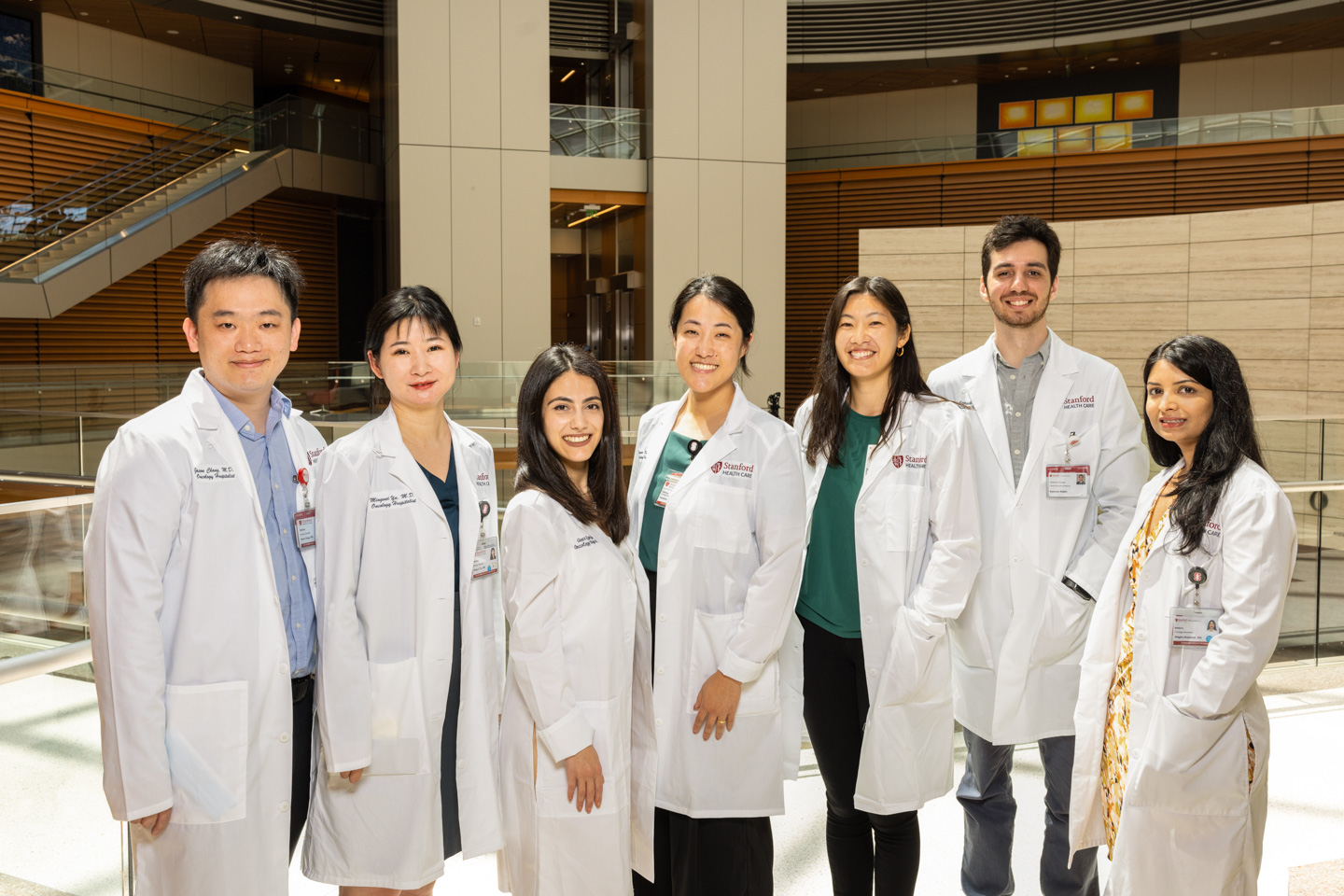
From left: Jason Chang, MD; Mingwei Yu, MD; Goar Egoryan, MD; Susanna Miao, MD; Margaret Shyu, MD; Koorush Kabiri, MD; and Megha Shalavadi, MD

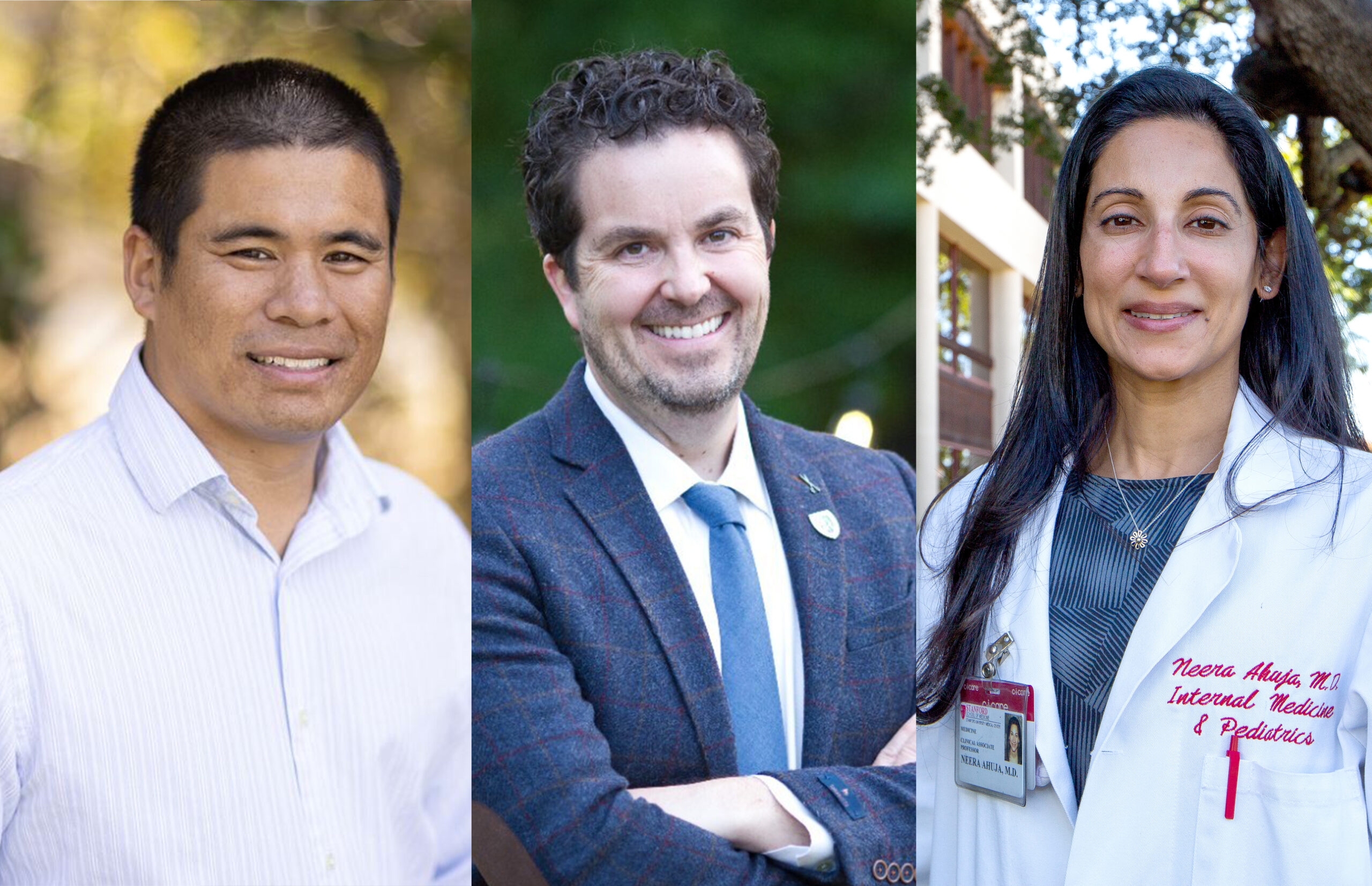
From left: Jeffrey Chi, MD; Tyler Johnson, MD; Neera Ahuja, MD

Hospital Medicine and Oncology Rise to Meet the Needs of More Patients

From left: Jason Chang, MD; Mingwei Yu, MD; Goar Egoryan, MD; Susanna Miao, MD; Margaret Shyu, MD; Koorush Kabiri, MD; and Megha Shalavadi, MD

From left: Jeffrey Chi, MD; Tyler Johnson, MD; Neera Ahuja, MD

Hospital Medicine and Oncology Rise to Meet the Needs of More Patients

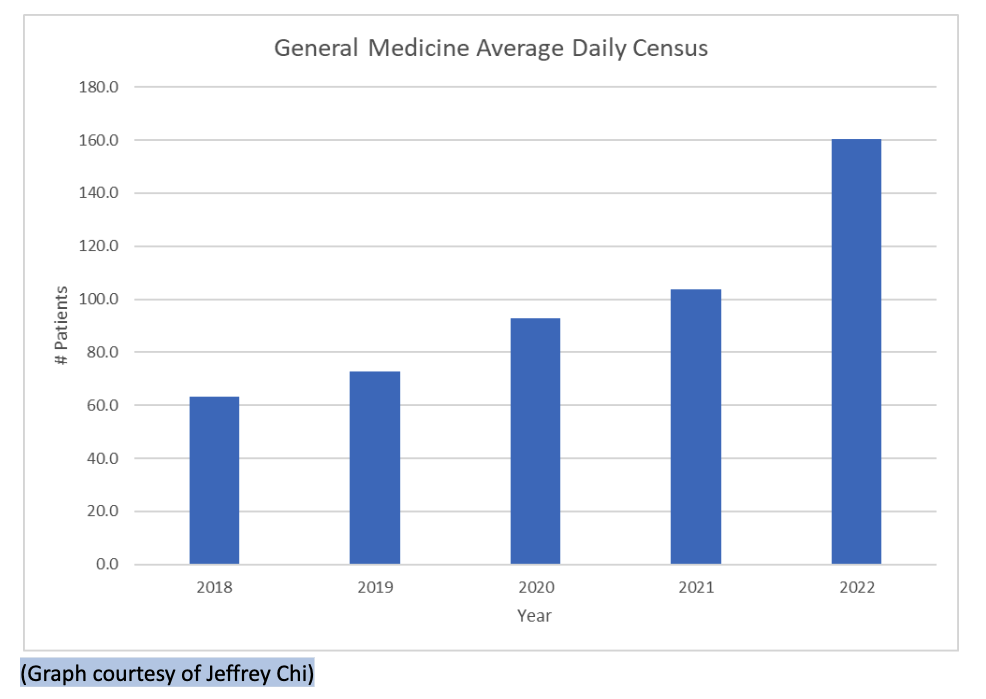
About two years ago, says Tyler Johnson, MD, clinical assistant professor of oncology, the hospital experienced a “perfect storm of events that happened over the course of about six months,” which led to unmanageable numbers of patients relative to the number of health care providers.

Often, in the past, the oncology units experienced occasional high volumes of patients, but internal medicine had always been able to flex up capacity to help in those rare situations. Unfortunately, the increase in patient volumes two years ago was not unique to oncology; internal medicine saw an influx of its own and lacked the capacity to help with patients from other departments. “It became impossible for all of us to provide care for the increasing number of patients, and from the oncology perspective, we no longer had the option of receiving help from other services,” says Johnson.

“There was no contingency in situations of high volume. There was no place for patients to go when the regular services were full,” Johnson recalls.

The excessive and unpredictable volume of new patients started before COVID-19, when Stanford Health Care opened the new hospital at 500 Pasteur Drive. Then, says Neera Ahuja, MD, division chief of hospital medicine, COVID exacerbated the situation.

“During peak portions of the pandemic, the hospital was intermittently filled with COVID patients, and nonemergent procedures and surgeries were canceled or postponed to ensure capacity and safety for patients needing urgent/emergent care. Plus, patients that didn’t have COVID were actually scared to come to the hospital,” she says. Those patients delayed care, which meant that by the time they did return to the hospital, their conditions had often progressed.

“They were a bit sicker, and primary care clinics or specialty clinics were often really full, so for some patients, coming to the ER/hospital was faster,” she adds.

Maintaining high-quality care for all of these patients took a series of Herculean efforts. The hospital needed to renew its strategies and grow its teams.

Click image below to expand

About two years ago, says Tyler Johnson, MD, clinical assistant professor of oncology, the hospital experienced a “perfect storm of events that happened over the course of about six months,” which led to unmanageable numbers of patients relative to the number of health care providers.

Often, in the past, the oncology units experienced occasional high volumes of patients, but internal medicine had always been able to flex up capacity to help in those rare situations. Unfortunately, the increase in patient volumes two years ago was not unique to oncology; internal medicine saw an influx of its own and lacked the capacity to help with patients from other departments. “It became impossible for all of us to provide care for the increasing number of patients, and from the oncology perspective, we no longer had the option of receiving help from other services,” says Johnson.

“There was no contingency in situations of high volume. There was no place for patients to go when the regular services were full,” Johnson recalls.

The excessive and unpredictable volume of new patients started before COVID-19, when Stanford Health Care opened the new hospital at 500 Pasteur Drive. Then, says Neera Ahuja, MD, division chief of hospital medicine, COVID exacerbated the situation.

“During peak portions of the pandemic, the hospital was intermittently filled with COVID patients, and nonemergent procedures and surgeries were canceled or postponed to ensure capacity and safety for patients needing urgent/emergent care. Plus, patients that didn’t have COVID were actually scared to come to the hospital,” she says. Those patients delayed care, which meant that by the time they did return to the hospital, their conditions had often progressed. “They were a bit sicker, and primary care clinics or specialty clinics were often really full, so for some patients, coming to the ER/hospital was faster,” she adds.

Maintaining high-quality care for all of these patients took a series of Herculean efforts. The hospital needed to renew its strategies and grow its teams.

Step 1: Surge Protection

At the start of the influx, “we really needed a solution, more or less right away,” says Johnson. “We created surge services.” Surge services were teams of physicians that were paid per diem to pick up extra shifts and help care for extra patients.

“The standing up of the surge services was a logistical miracle,” says Johnson. “The most challenging aspect of maintaining the surge teams centered around the daily logistics of ensuring constant staffing. Between the days and nights, Rita Pandya, MD, the nocturnist section chief, and myself were, at times, responsible for scheduling up to 16 faculty and trainees per day,” says Jeffrey Chi, MD, section chief of general medicine at hospital medicine, adding that “there was a significant range of experience, ranging from PGY1s to PGY6s, with backgrounds in many specialties.”

The surge teams helped manage the increase in patients while new services like Med12 and LOLA were set up, but since patient loads continued to climb, surge teams have had to continue operating. After two years, explains Chi, the teams have learned a lot about various staffing models. They’ve improved staffing, brought together multiple different specialties, and improved the educational experience for residents.

The standing up of the surge services was a logistical miracle.

— Tyler Johnson, MD, clinical assistant professor of oncology

Step 2: Med12

Between January and July 2022, Heather Wakelee, MD, professor and chief of oncology; Johnson; and their team “advertised, recruited, interviewed, hired, and then got licensed and credentialed, six attending physicians. The new team was developed in just six months, with capacity to care for up to 30 patients a day, which sometimes even went up to 35,” says Johnson.

But the influx of patients continued to grow. Staff had to find even more attending physicians. “We’ve had to increase the number of attendings working at a time from three attendings to five attendings,” says Johnson. “Now, we’re going to have a total of 10 attendings, five on at a time.”

Oncology patients frequently switch between inpatient and outpatient care. Having a dedicated team, dubbed Med12, managing the inpatient care makes communication with the outpatient team more effective, improving the quality of care for the patient.

From left: Jason Chang, MD; Mingwei Yu, MD; Goar Egoryan, MD; Susanna Miao, MD; Margaret Shyu, MD; Koorush Kabiri, MD; and Megha Shalavadi, MD

Med12 team members from left: Jason Chang, MD; Mingwei Yu, MD; Goar Egoryan, MD; Susanna Miao, MD; Margaret Shyu, MD; Koorush Kabiri, MD; and Megha Shalavadi, MD

Step 3: LOLA

As patient volumes continued to grow, the division of hospital medicine created the long length, low acuity (LOLA) service in November 2022. “The physicians were quite busy. And so we thought, ‘What if we take the less sick patients (i.e., low acuity) who still need to be in the hospital … we put them on a special team that just addressed their one need keeping them in the hospital?’ That way, it provided bandwidth for all the other teams to take care of sicker patients more efficiently,” says Ahuja.

Ahuja is extremely proud of the physicians on her team. She says that no matter how tired they were, patient care was “never compromised.” Still, the workload wasn’t sustainable long-term, and the new teams were introduced at just the right time.

“A proxy for a good division is how well you’re able to retain your physicians,” says Ahuja. “And we’ve had excellent retention. This has been successful, and we’ll continue to support our physicians and continue to evolve as times change.”

Step 1: Surge Protection

At the start of the influx, “we really needed a solution, more or less right away,” says Johnson. “We created surge services.” Surge services were teams of physicians that were paid per diem to pick up extra shifts and help care for extra patients.

“The standing up of the surge services was a logistical miracle,” says Johnson. “The most challenging aspect of maintaining the surge teams centered around the daily logistics of ensuring constant staffing. Between the days and nights, Rita Pandya, MD, the nocturnist section chief, and myself were, at times, responsible for scheduling up to 16 faculty and trainees per day,” says Jeffrey Chi, MD, section chief of general medicine at hospital medicine, adding that “there was a significant range of experience, ranging from PGY1s to PGY6s, with backgrounds in many specialties.”

The surge teams helped manage the increase in patients while new services like Med12 and LOLA were set up, but since patient loads continued to climb, surge teams have had to continue operating. After two years, explains Chi, the teams have learned a lot about various staffing models. They’ve improved staffing, brought together multiple different specialties, and improved the educational experience for residents.

The standing up of the surge services was a logistical miracle.

— Tyler Johnson, MD, clinical assistant professor of oncology

Step 2: Med12

Between January and July 2022, Heather Wakelee, MD, professor and chief of oncology; Johnson; and their team “advertised, recruited, interviewed, hired, and then got licensed and credentialed, six attending physicians. The new team was developed in just six months, with capacity to care for up to 30 patients a day, which sometimes even went up to 35,” says Johnson.

But the influx of patients continued to grow. Staff had to find even more attending physicians. “We’ve had to increase the number of attendings working at a time from three attendings to five attendings,” says Johnson. “Now, we’re going to have a total of 10 attendings, five on at a time.”

Oncology patients frequently switch between inpatient and outpatient care. Having a dedicated team, dubbed Med12, managing the inpatient care makes communication with the outpatient team more effective, improving the quality of care for the patient.

From left: Jason Chang, MD; Mingwei Yu, MD; Goar Egoryan, MD; Susanna Miao, MD; Margaret Shyu, MD; Koorush Kabiri, MD; and Megha Shalavadi, MD

Med12 team members from left: Jason Chang, MD; Mingwei Yu, MD; Goar Egoryan, MD; Susanna Miao, MD; Margaret Shyu, MD; Koorush Kabiri, MD; and Megha Shalavadi, MD

Step 3: LOLA

As patient volumes continued to grow, the division of hospital medicine created the long length, low acuity (LOLA) service in November 2022. “The physicians were quite busy. And so we thought, ‘What if we take the less sick patients (i.e., low acuity) who still need to be in the hospital … we put them on a special team that just addressed their one need keeping them in the hospital?’ That way, it provided bandwidth for all the other teams to take care of sicker patients more efficiently,” says Ahuja.

Ahuja is extremely proud of the physicians on her team. She says that no matter how tired they were, patient care was “never compromised.” Still, the workload wasn’t sustainable long-term, and the new teams were introduced at just the right time.

“A proxy for a good division is how well you’re able to retain your physicians,” says Ahuja. “And we’ve had excellent retention. This has been successful, and we’ll continue to support our physicians and continue to evolve as times change.”