Inspired by Their Own Experiences With Type 1 Diabetes, Two Endocrinologists Push for Change

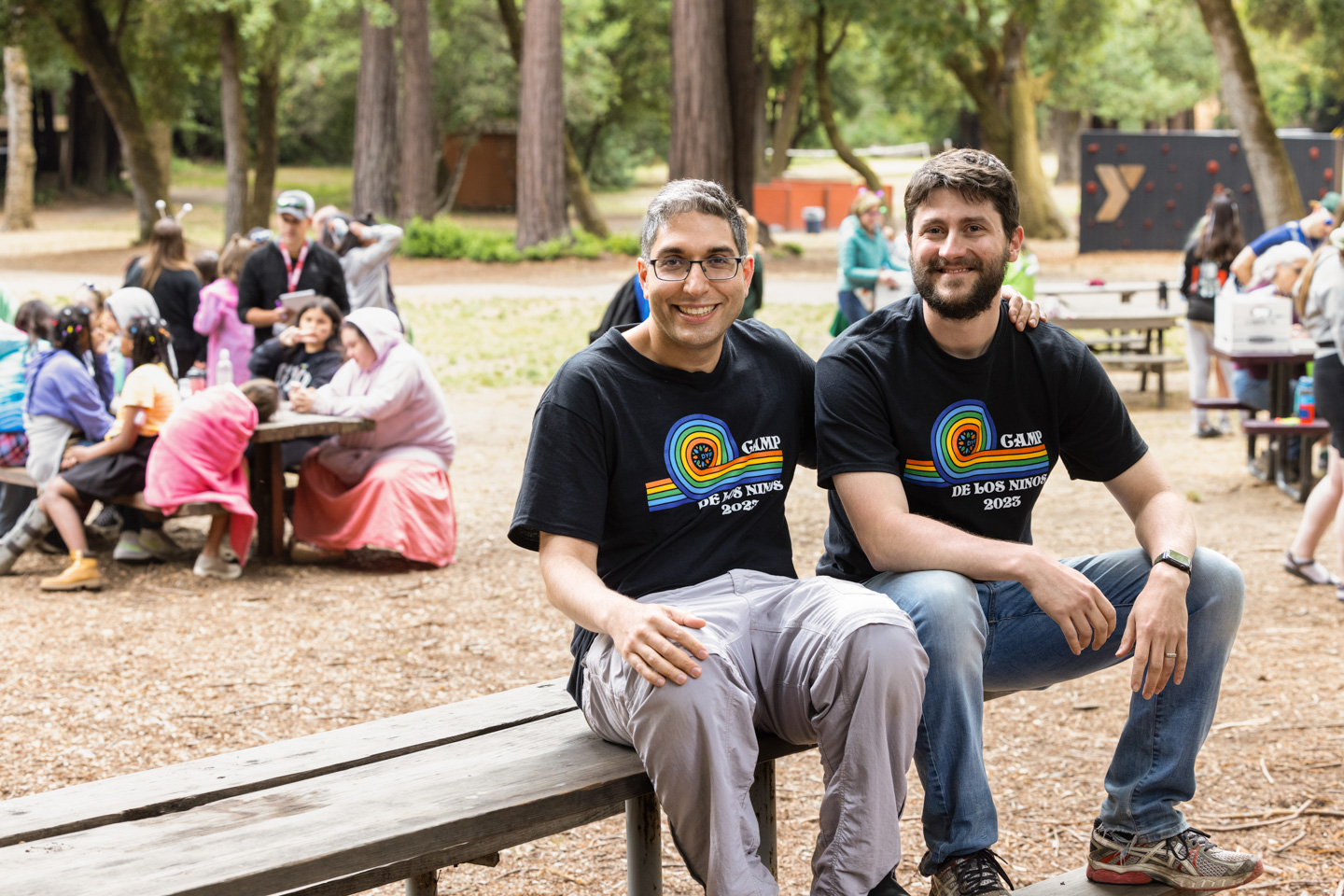
Michael Hughes, MD (left), and Rayhan Lal, MD, at Camp De Los Ninos, a camp for children with diabetes in La Honda, California

Michael Hughes, MD (left), and Rayhan Lal, MD, at Camp De Los Ninos, a camp for children with diabetes in La Honda, California

Inspired by Their Own Experiences With Type 1 Diabetes, Two Endocrinologists Push for Change
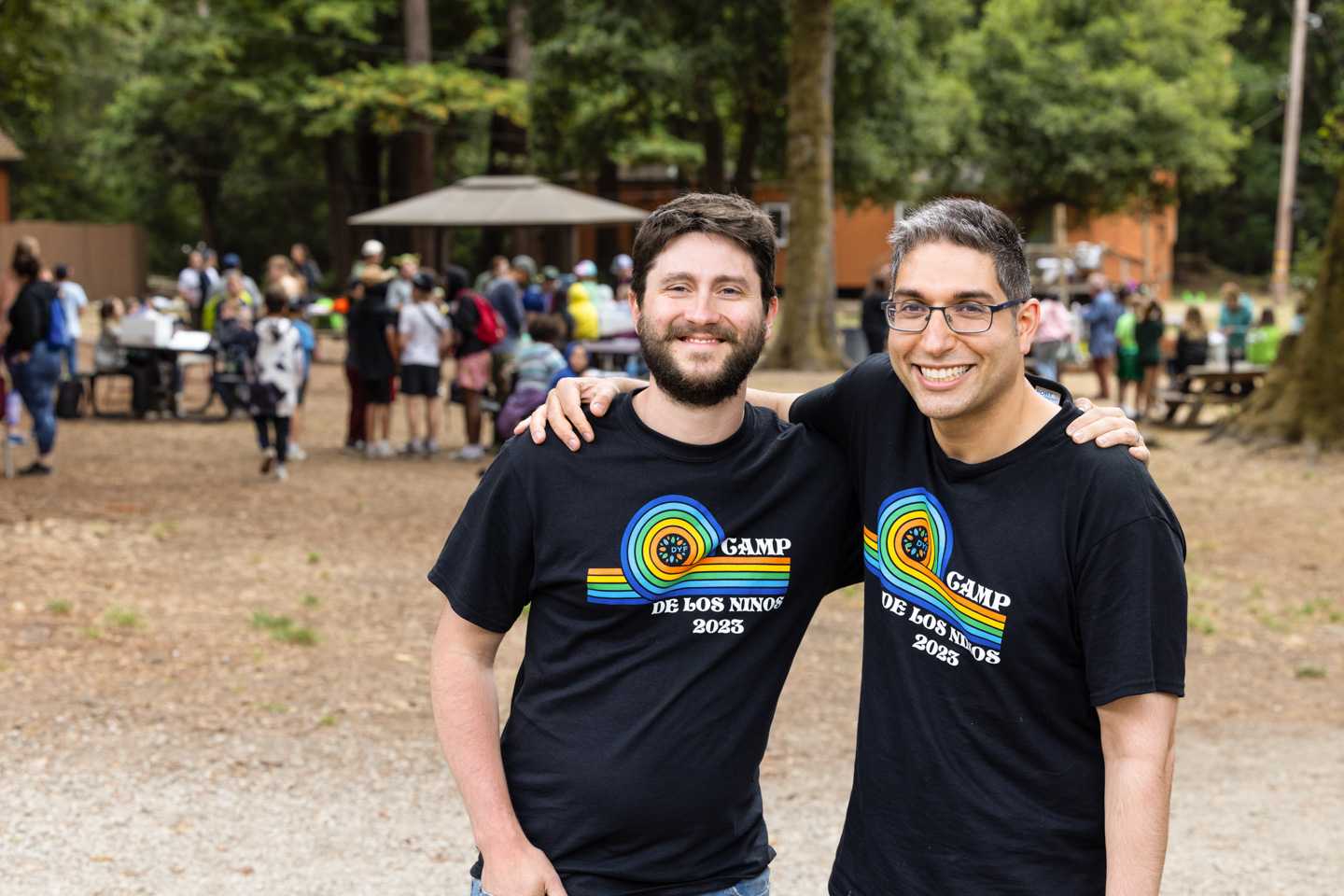
Michael Hughes, MD (left), and Rayhan Lal, MD, at Camp De Los Ninos, a camp for children with diabetes in La Honda, California

Michael Hughes, MD (left), and Rayhan Lal, MD, at Camp De Los Ninos, a camp for children with diabetes in La Honda, California

Inspired by Their Own Experiences With Type 1 Diabetes, Two Endocrinologists Push for Change

When Michael Hughes, MD, was a student at Florida State University, he had no interest in becoming a doctor. His passion was music, and Hughes spent much of his time as an undergraduate studying music performance and touring in a band.

That was until he was diagnosed with type 1 diabetes, which can cause serious health complications such as heart disease, eye damage, and kidney damage. “It’s very intensive developing type 1 diabetes and learning about the medication management,” says Hughes. “It ultimately inspired me to switch my career trajectory from being a music professor to a physician.”

Specifically, he was interested in endocrinology and improving care for others with type 1 diabetes.

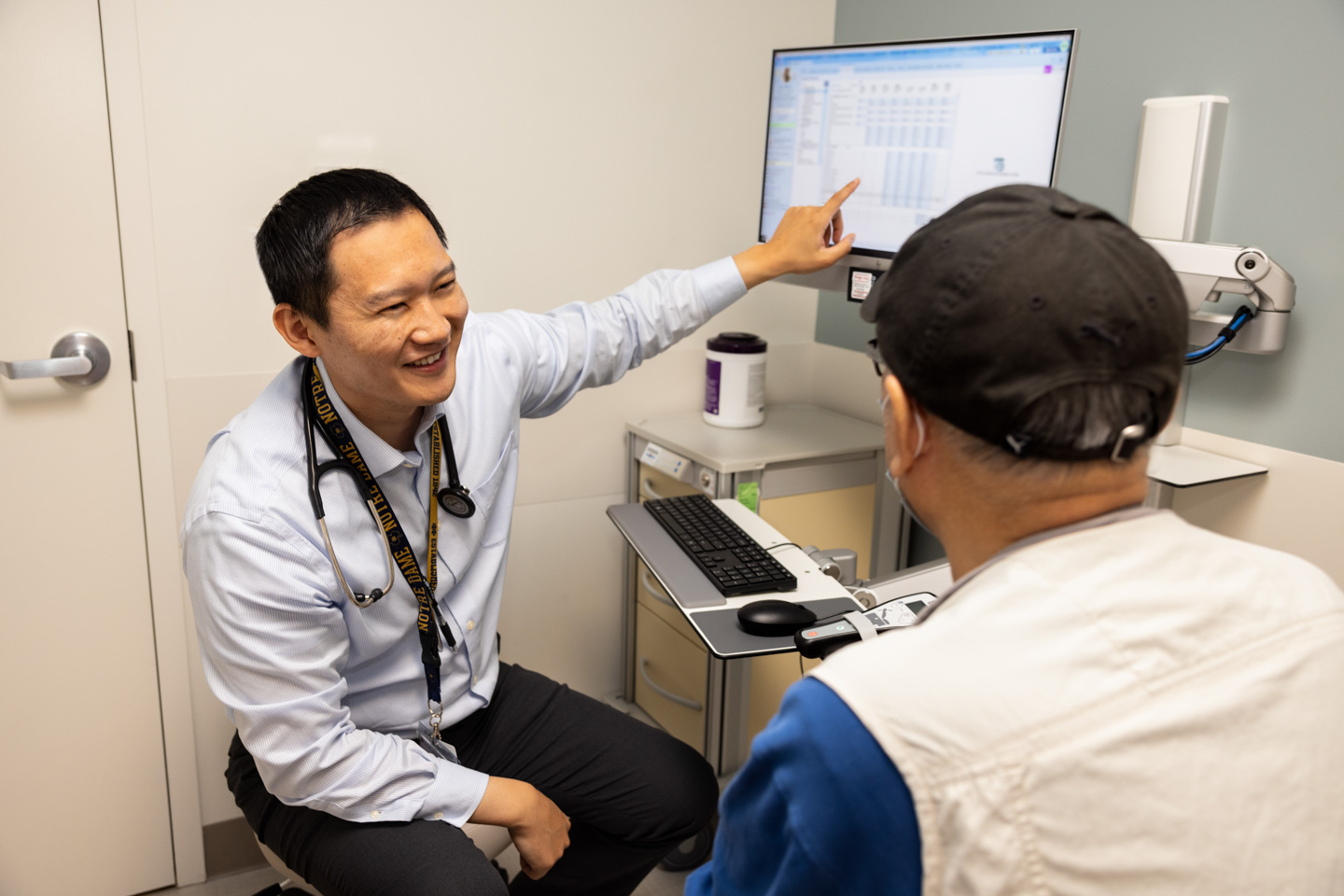
Hughes worked as a research coordinator for a pediatric endocrinologist, which led him to medical school at McGovern Medical School in Houston and, eventually, the Stanford Medicine Endocrinology Fellowship. This was where he met Rayhan Lal, MD, an adult and pediatric endocrinologist who has lived with type 1 diabetes for more than 30 years and has dedicated his career to advancing care for people with diabetes.

Together, Hughes and Lal have worked to improve diabetes technology, including continuous glucose monitors (CGMs), which measure the amount of glucose in the interstitial space just below the skin surface, and insulin pumps, which deliver insulin into the body.

The hope is that with better technology, they can make glucose monitoring and insulin administration easier for people with diabetes, both inside and outside of the hospital.

Gaps in Technology

If you are diagnosed with type 1 diabetes, the old way to monitor blood sugar involved pricking your finger and squeezing a small amount of blood onto a test strip before you ate a meal. Then, you would use that blood glucose number to calculate the correct amount of insulin to inject.
This process can be painful, disruptive, and arduous, says Lal, who has used a variety of technologies over the years to manage his own diabetes.

CGMs are small temporary adhesive devices that insert under the skin to measure glucose levels every few minutes and transmit that information to a dedicated receiver, insulin pump, or smartphone. Insulin pumps deliver insulin through the skin and can be left on the body for days at a time, allowing for smaller, more frequent adjustments that take away the need for multiple daily injections.

But there are still gaps in this technology. Over the years, members of the Stanford Diabetes Research Center, including Lal and his mentor, pediatric endocrinologist Bruce Buckingham, MD, have developed algorithms that connect glucose readings from CGMs to an insulin pump. With this technology, the pump can automatically adjust insulin delivery based on predicted glucose levels — a process known as automated insulin delivery.

“We’re working on making these technologies easier and easier,” says Lal. “We’re trying to get to the point where patients can just put on the device, set it, and forget it. That’s the hope for the future.”

Rayhan Lal (left) and Michael Hughes live with type 1 diabetes and are dedicated to advancing care for people with diabetes.

When Michael Hughes, MD, was a student at Florida State University, he had no interest in becoming a doctor. His passion was music, and Hughes spent much of his time as an undergraduate studying music performance and touring in a band.

That was until he was diagnosed with type 1 diabetes, which can cause serious health complications such as heart disease, eye damage, and kidney damage. “It’s very intensive developing type 1 diabetes and learning about the medication management,” says Hughes. “It ultimately inspired me to switch my career trajectory from being a music professor to a physician.”

Specifically, he was interested in endocrinology and improving care for others with type 1 diabetes. Hughes worked as a research coordinator for a pediatric endocrinologist, which led him to medical school at McGovern Medical School in Houston and, eventually, the Stanford Medicine Endocrinology Fellowship. This was where he met Rayhan Lal, MD, an adult and pediatric endocrinologist who has lived with type 1 diabetes for more than 30 years and has dedicated his career to advancing care for people with diabetes.

Together, Hughes and Lal have worked to improve diabetes technology, including continuous glucose monitors (CGMs), which measure the amount of glucose in the interstitial space just below the skin surface, and insulin pumps, which deliver insulin into the body. The hope is that with better technology, they can make glucose monitoring and insulin administration easier for people with diabetes, both inside and outside of the hospital.

Gaps in Technology

If you are diagnosed with type 1 diabetes, the old way to monitor blood sugar involved pricking your finger and squeezing a small amount of blood onto a test strip before you ate a meal. Then, you would use that blood glucose number to calculate the correct amount of insulin to inject.

Rayhan Lal (left) and Michael Hughes live with type 1 diabetes and are dedicated to advancing care for people with diabetes.

This process can be painful, disruptive, and arduous, says Lal, who has used a variety of technologies over the years to manage his own diabetes.

CGMs are small temporary adhesive devices that insert under the skin to measure glucose levels every few minutes and transmit that information to a dedicated receiver, insulin pump, or smartphone. Insulin pumps deliver insulin through the skin and can be left on the body for days at a time, allowing for smaller, more frequent adjustments that take away the need for multiple daily injections.

But there are still gaps in this technology. Over the years, members of the Stanford Diabetes Research Center, including Lal and his mentor, pediatric endocrinologist Bruce Buckingham, MD, have developed algorithms that connect glucose readings from CGMs to an insulin pump. With this technology, the pump can automatically adjust insulin delivery based on predicted glucose levels — a process known as automated insulin delivery.

“We’re working on making these technologies easier and easier,” says Lal. “We’re trying to get to the point where patients can just put on the device, set it, and forget it. That’s the hope for the future.”

Our goal is to make diabetes technology the standard for management within the hospital.

— Michael Hughes, MD, instructor of endocrinology, gerontology, and metabolism

Keeping Technology in the Hospital

Another issue in diabetes care is the fact that hospital staff are frequently unfamiliar with how to operate patients’ CGMs and insulin pumps because diabetes technology is developing so quickly, says Hughes. Therefore, when a patient is admitted, these devices may be taken away.

There have also been questions about the precision of CGM glucose readings in a hospital setting. However, during the COVID-19 pandemic, data from inpatient CGM readings have suggested that CGMs are accurate.

Hughes, Lal, and other Stanford researchers also conducted a trial using automated insulin delivery systems to manage patients’ glucose levels in the hospital. They examined the accuracy of CGM readings by comparing the devices’ blood glucose values with those of a standard finger poke test. Additionally, they incorporated a system to monitor the accuracy of CGM readings into the hospital’s electronic health record. This work reaffirmed that CGMs are quite accurate at reading patients’ glucose levels.

Using this data, the team implemented a protocol at Stanford that supports diabetes patients who wish to continue using their CGMs while in the hospital. This helps reassure patients and allows them to continue using their automated insulin delivery systems, which data suggest may be superior to the current standard of care in managing high and low glucose levels.

The goal moving forward is to further integrate CGMs and automated insulin delivery systems into Stanford and other hospitals so that patients do not have to endure frequent painful finger poke tests. “Our goal is to make diabetes technology the standard for management within the hospital,” says Hughes.

Furthermore, Hughes and Lal hope to eventually see that diabetes patients at Stanford and beyond have access to easy, available diabetes technology. “I really want to help all of my brothers and sisters out there with diabetes,” says Lal.
From Oncology Staff to Oncology Patient

Being done with treatment allows Kristy Kerivan to focus on the things that really matter.

Being done with treatment allows Kristy Kerivan to focus on the things that really matter.

From Oncology Staff to Oncology Patient

Being done with treatment allows Kristy Kerivan to focus on the things that really matter.

From Oncology Staff to Oncology Patient

Kristy Kerivan thought her fatigue was from a cardiac issue and was not expecting her diagnosis: breast cancer that was HER2+, one of the more aggressive types. As senior administrative division director in the Department of Medicine’s division of oncology, she fortunately had immediate access to resources.

“I was panicked,” Kerivan says about her diagnosis. “The first person I went to was Heather Wakelee, MD, chief of oncology and also one of my bosses, and we talked through what I was facing. After that, it was a whirlwind.”

While Kerivan’s mom had previously been treated for ductal carcinoma in situ (DCIS), a noninvasive early form of breast cancer, Kerivan’s cancer had spread into breast tissue, making treatment lengthier and more complex.

And that treatment lasted a full year, starting with chemotherapy followed by lumpectomy surgery, radiation, and Herceptin, an IV medication that targets HER2+ receptors to stop cancer cell growth. Says Kerivan, “I feel fortunate that the cancer was caught early and that I had access to this medication because without it my prognosis would have been very different.”

Cancer Care at Stanford

Kerivan likes to tell people that if you’re going to get cancer, you might as well get it while working in the division of oncology at a major academic institution like Stanford. “The care I received at Stanford was exceptional,” she says, referring to her 100-plus visits to Stanford during her yearlong course of treatment.

Kerivan has been in her current position since August 2020 and had worked as administrative director for Stanford’s Vera Moulton Wall Center for Pulmonary Vascular Disease for 17 years. Extremely familiar with the administrative side of health care, Kerivan found being a patient to be an eye-opening experience. “I was surprised about the things I didn’t know,” she explains. “While I understood how specialized cancer treatment is, I didn’t know just how complex cancer care is or how treatment impacts every area of your body.”

As a patient, she found it reassuring to visit areas she knew in passing as a staff person. “Because I was familiar with the hospital, it didn’t feel like a big, intimidating medical facility,” she says. 

“And from the people who checked me in, to the radiation therapists and the nurses who administered chemo — all of my personal interactions made me feel like people cared.”

As a comprehensive care center, Stanford offers an extensive array of cancer specialists. Allison Kurian, MD, professor of oncology and of epidemiology and population health at the Stanford School of Medicine, served as Kerivan’s breast oncologist and treatment physician, and her care team included a breast surgeon, a dermatology oncologist, a radiation oncologist, and a neuro-oncologist. Kerivan received periodic calls from a social worker and outreach specialist who helped her manage the emotional and nonmedical aspects of treatment.

“I felt lucky to have access to a wealth of specialists and support services that might not have been available to me at other institutions. I also felt a deeper appreciation for all the work conducted by Stanford researchers to find cures for cancer and other diseases. I like to think that, in some small way, I supported that progress,” she says.

From the people who checked me in, to the radiation therapists and the nurses who administered chemo — all of my personal interactions made me feel like people cared.

Going the Extra Mile

An example of the exceptional care and support Kerivan received occurred one Easter Sunday while she was experiencing side effects from chemotherapy. Wanting to avoid going to the emergency room and possibly exposing herself to COVID-19 and other germs when her resistance was weakened, she was relieved to learn that the Infusion Center was open every day of the year. A nurse practitioner was able to see her that day and helped address her symptoms.

Kerivan took a medical leave at the beginning of her treatment, then worked a reduced 10-hours-per-week schedule from April to October 2022. This allowed her return to full-time work to be less of a shock, and it gave her ongoing support from colleagues, especially from her administrative and finance team. “I’ll never forget the many offers of help and messages of support from staff and faculty throughout this process,” she notes. Among the small acts of kindness were the groceries that Bhuvana Ramachandran, administrative division director in the division of hematology, bought and delivered to her. Kerivan’s bosses, Wakelee and Cathy Garzio, director of finance and administration for the Department of Medicine, were also extremely supportive while she returned to full health. “Cathy checked on me frequently to see how I was doing and sent me flowers and food via DoorDash,” recalls Kerivan. “Heather was a great medical resource for questions, and she made sure I was taking care of myself and not working too much. A big part of their support was what they didn’t do — they never made me feel pressured about work, and they let me do what I felt capable of.”

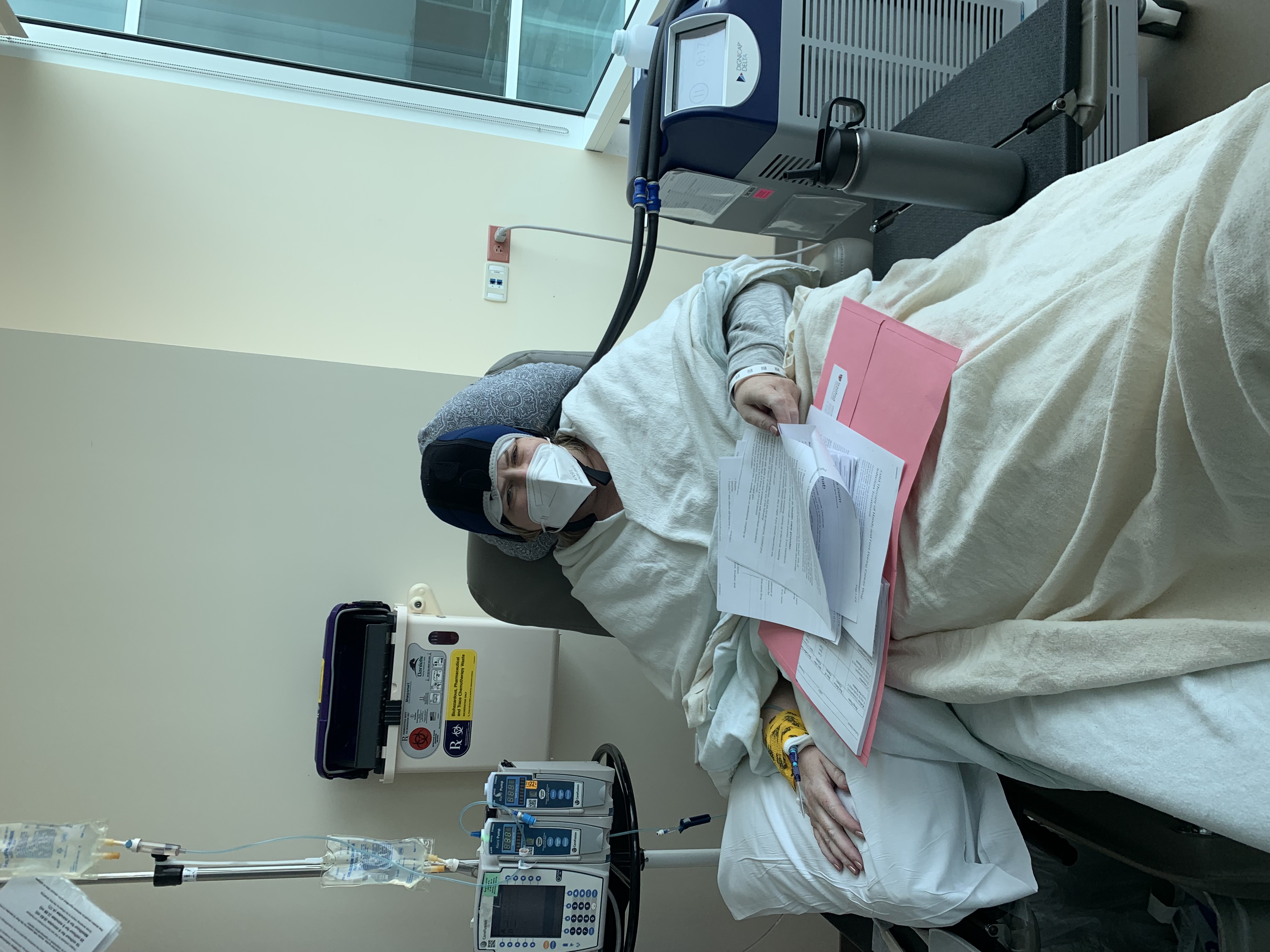
During chemotherapy, Kerivan had cold capping treatment, a scalp cooling therapy that protects hair follicles to help reduce hair loss.

A New Lease on Life

Kerivan felt very lucky to be treated at Stanford and is confident in her prognosis. “People suggested I plan a big vacation after my treatment ended or do something on my bucket list, but I don’t feel the need to do that,” she adds. “Being done with treatment is a weight off my shoulders, and now I have time to focus on the things that really matter: my family, my friends, and a job that I love.”

And Kerivan found a way to help others with HER2+ breast cancer: she’s participating in a clinical trial testing the safety of a vaccine aimed at preventing cancer recurrence by targeting the HER2 protein. Fauzia Riaz, MD, clinical assistant professor of medicine, is the principal investigator of the trial.

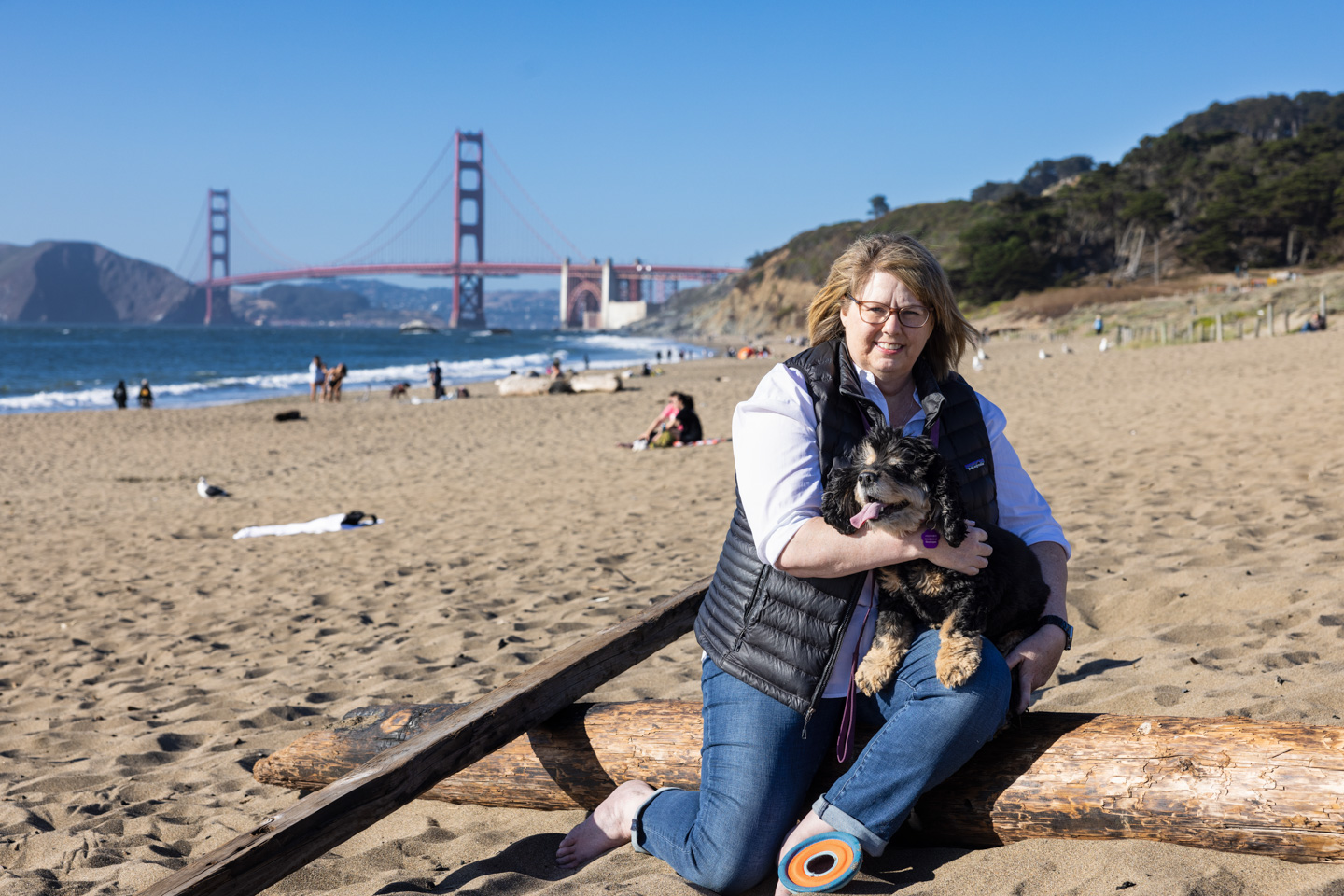
Kerivan enjoys walking her dog at the beach in San Francisco.

Kristy Kerivan thought her fatigue was from a cardiac issue and was not expecting her diagnosis: breast cancer that was HER2+, one of the more aggressive types. As senior administrative division director in the Department of Medicine’s division of oncology, she fortunately had immediate access to resources.

“I was panicked,” Kerivan says about her diagnosis. “The first person I went to was Heather Wakelee, MD, chief of oncology and also one of my bosses, and we talked through what I was facing. After that, it was a whirlwind.”

While Kerivan’s mom had previously been treated for ductal carcinoma in situ (DCIS), a noninvasive early form of breast cancer, Kerivan’s cancer had spread into breast tissue, making treatment lengthier and more complex.

And that treatment lasted a full year, starting with chemotherapy followed by lumpectomy surgery, radiation, and Herceptin, an IV medication that targets HER2+ receptors to stop cancer cell growth. Says Kerivan, “I feel fortunate that the cancer was caught early and that I had access to this medication because without it my prognosis would have been very different.”

During chemotherapy, Kerivan had cold capping treatment, a scalp cooling therapy that protects hair follicles to help reduce hair loss.

Cancer Care at Stanford

Kerivan likes to tell people that if you’re going to get cancer, you might as well get it while working in the division of oncology at a major academic institution like Stanford. “The care I received at Stanford was exceptional,” she says, referring to her 100-plus visits to Stanford during her yearlong course of treatment.

Kerivan has been in her current position since August 2020 and had worked as administrative director for Stanford’s Vera Moulton Wall Center for Pulmonary Vascular Disease for 17 years. Extremely familiar with the administrative side of health care, Kerivan found being a patient to be an eye-opening experience. “I was surprised about the things I didn’t know,” she explains. “While I understood how specialized cancer treatment is, I didn’t know just how complex cancer care is or how treatment impacts every area of your body.”

As a patient, she found it reassuring to visit areas she knew in passing as a staff person. “Because I was familiar with the hospital, it didn’t feel like a big, intimidating medical facility,” she says. “And from the people who checked me in, to the radiation therapists and the nurses who administered chemo — all of my personal interactions made me feel like people cared.”

As a comprehensive care center, Stanford offers an extensive array of cancer specialists. Allison Kurian, MD, professor of oncology and of epidemiology and population health at the Stanford School of Medicine, served as Kerivan’s breast oncologist and treatment physician, and her care team included a breast surgeon, a dermatology oncologist, a radiation oncologist, and a neuro-oncologist. Kerivan received periodic calls from a social worker and outreach specialist who helped her manage the emotional and nonmedical aspects of treatment.

“I felt lucky to have access to a wealth of specialists and support services that might not have been available to me at other institutions. I also felt a deeper appreciation for all the work conducted by Stanford researchers to find cures for cancer and other diseases. I like to think that, in some small way, I supported that progress,” she says.

From the people who checked me in, to the radiation therapists and the nurses who administered chemo — all of my personal interactions made me feel like people cared.

Kerivan enjoys walking her dog at the beach in San Francisco

Going the Extra Mile

An example of the exceptional care and support Kerivan received occurred one Easter Sunday while she was experiencing side effects from chemotherapy. Wanting to avoid going to the emergency room and possibly exposing herself to COVID-19 and other germs when her resistance was weakened, she was relieved to learn that the Infusion Center was open every day of the year. A nurse practitioner was able to see her that day and helped address her symptoms.

Kerivan took a medical leave at the beginning of her treatment, then worked a reduced 10-hours-per-week schedule from April to October 2022. This allowed her return to full-time work to be less of a shock, and it gave her ongoing support from colleagues, especially from her administrative and finance team. “I’ll never forget the many offers of help and messages of support from staff and faculty throughout this process,” she notes. Among the small acts of kindness were the groceries that Bhuvana Ramachandran, administrative division director in the division of hematology, bought and delivered to her. Kerivan’s bosses, Wakelee and Cathy Garzio, director of finance and administration for the Department of Medicine, were also extremely supportive while she returned to full health. “Cathy checked on me frequently to see how I was doing and sent me flowers and food via DoorDash,” recalls Kerivan. “Heather was a great medical resource for questions, and she made sure I was taking care of myself and not working too much. A big part of their support was what they didn’t do — they never made me feel pressured about work, and they let me do what I felt capable of.”

A New Lease on Life

Kerivan felt very lucky to be treated at Stanford and is confident in her prognosis. “People suggested I plan a big vacation after my treatment ended or do something on my bucket list, but I don’t feel the need to do that,” she adds. “Being done with treatment is a weight off my shoulders, and now I have time to focus on the things that really matter: my family, my friends, and a job that I love.”

And Kerivan found a way to help others with HER2+ breast cancer: she’s participating in a clinical trial testing the safety of a vaccine aimed at preventing cancer recurrence by targeting the HER2 protein. Fauzia Riaz, MD, clinical assistant professor of medicine, is the principal investigator of the trial.

Stanford Is Going South

Bryan Wu, MD, takes care of a patient at the Cardiovascular Medicine clinic in San Jose, California.

Bryan Wu, MD, takes care of a patient at the Cardiovascular Medicine clinic in San Jose, California.

Stanford Is Going South

New Cardiovascular Clinic Brings Stanford Care to South Bay Communities

Bryan Wu, MD, takes care of a patient at the Cardiovascular Medicine clinic in San Jose, California.

Bryan Wu, MD, takes care of a patient at the Cardiovascular Medicine clinic in San Jose, California.

Stanford Is Going South

New Cardiovascular Clinic Brings Stanford Care to South Bay Communities

The Department of Medicine’s growth mindset has taken shape in the form of a brand-new Cardiovascular Medicine (CVM) clinic, which opened its doors in spring 2023 at Stanford Health Care in San José, California. The driving force behind the clinic is an interest in expanding not only Stanford’s geographic footprint but also the diversity of its patients.

Expanding to Diversify the Patient Population

According to its champion, Eldrin Lewis, MD, “In California, patients don’t like to travel much for health care, especially routine health care. So, meeting the patient where they live is a rallying cry that I have been seeing during the time that I have been [working at Stanford].” Combined with similar endeavors, the new CVM clinic provides the opportunity for Stanford to expand beyond its traditional role as a “boutique” health care facility that people must travel to in order to receive high-quality tertiary and quaternary care to a system that cares for patients across the spectrum of disease severity and type, right in their own California communities.

Expansion of cardiology services first focused on the East Bay, but when the opportunity arose for a CVM clinic to provide ambulatory care in the South Bay, Lewis and his team jumped on it. Since opening, the clinic facility has had space to see 16 patients at once. 

“This is an opportunity to increase the diversity of the patients that we see in terms of race and ethnicity, with a larger Hispanic and Vietnamese population in the South Bay,” he says. “It allows us to see patients who may not have made the drive up to Palo Alto.” Lewis is Simon H. Stertzer, MD, Professor of Cardiovascular Medicine and chief of the division of cardiovascular medicine in the Department of Medicine.

Growing to Bring Specialty Care to the Doorsteps of New Communities

While several general cardiologists and a few electrophysiologists and interventional cardiologists were already working in the South Bay, the breadth of expertise that Stanford can offer was lacking. 

In addition to standard cardiovascular care, the new CVM clinic provides access to specialists in preventive cardiology as well as experts in heart failure, transplant, and adult congenital heart disease. It currently offers echocardiography and stress echocardiography, and Lewis hopes to eventually add nuclear medicine, cardiac magnetic resonance imaging, and CT angiography. It makes a welcome companion to the Santa Clara location of the Stanford South Asian Translational Heart Initiative (SSATHI) clinic, which is home to cardiologists who specialize in the needs of the South Asian population.

“A lot of patients can [now] stay in San José,” says Lewis. “Those who need more complex procedures or surgeries can come into Palo Alto to Stanford Health Care, then continue to be managed [closer to home]. … I would love to be a resource to the greater South Bay community. … I would also like to see the opportunity for educating the community with health fairs and a variety of other things for people who are not necessarily being seen by one of our providers.”

Renewal Through New Relationships

Lewis has made several forays into the South Bay to talk up the clinic to local cardiologists, regional hospitals, and the community at large, describing what the new clinic has to offer while also emphasizing that the goal is to work in partnership with local physicians to provide excellent patient care. “We want to provide the right care at the right time to the right patient,” he says. “My philosophy is that it should be a bidirectional process.” Patients can remain with their current cardiologists, only venturing to the South Bay clinic when they require specialized care.

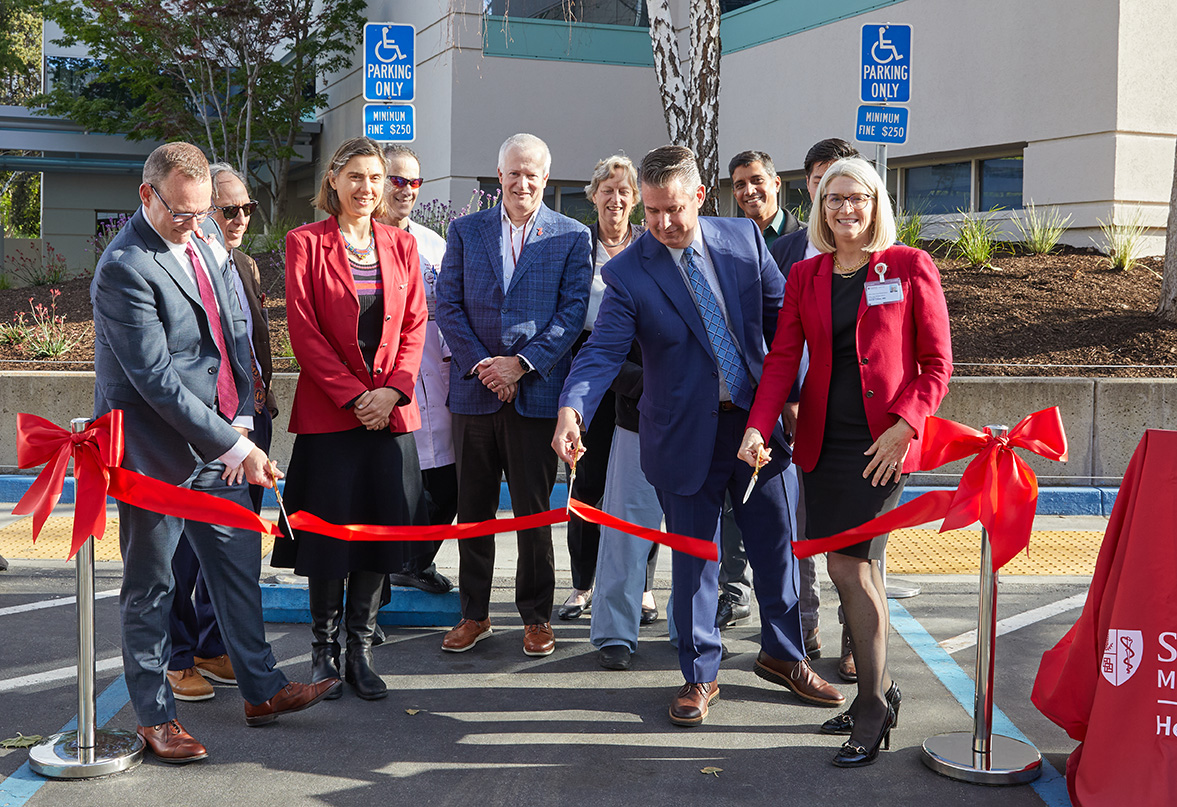
An official ribbon cutting ceremony marked the opening of the Department of Medicine’s cardiovascular medicine clinic at Stanford Health Care in San José, California

The Department of Medicine’s growth mindset has taken shape in the form of a brand-new Cardiovascular Medicine (CVM) clinic, which opened its doors in spring 2023 at Stanford Health Care in San José, California. The driving force behind the clinic is an interest in expanding not only Stanford’s geographic footprint but also the diversity of its patients.

Expanding to Diversify the Patient Population

According to its champion, Eldrin Lewis, MD, “In California, patients don’t like to travel much for health care, especially routine health care. So, meeting the patient where they live is a rallying cry that I have been seeing during the time that I have been [working at Stanford].” Combined with similar endeavors, the new CVM clinic provides the opportunity for Stanford to expand beyond its traditional role as a “boutique” health care facility that people must travel to in order to receive high-quality tertiary and quaternary care to a system that cares for patients across the spectrum of disease severity and type, right in their own California communities.

Expansion of cardiology services first focused on the East Bay, but when the opportunity arose for a CVM clinic to provide ambulatory care in the South Bay, Lewis and his team jumped on it. Since opening, the clinic facility has had space to see 16 patients at once. 

“This is an opportunity to increase the diversity of the patients that we see in terms of race and ethnicity, with a larger Hispanic and Vietnamese population in the South Bay,” he says. “It allows us to see patients who may not have made the drive up to Palo Alto.” Lewis is Simon H. Stertzer, MD, Professor of Cardiovascular Medicine and chief of the division of cardiovascular medicine in the Department of Medicine.

Growing to Bring Specialty Care to the Doorsteps of New Communities

While several general cardiologists and a few electrophysiologists and interventional cardiologists were already working in the South Bay, the breadth of expertise that Stanford can offer was lacking. In addition to standard cardiovascular care, the new CVM clinic provides access to specialists in preventive cardiology as well as experts in heart failure, transplant, and adult congenital heart disease. It currently offers echocardiography and stress echocardiography, and Lewis hopes to eventually add nuclear medicine, cardiac magnetic resonance imaging, and CT angiography. It makes a welcome companion to the Santa Clara location of the Stanford South Asian Translational Heart Initiative (SSATHI) clinic, which is home to cardiologists who specialize in the needs of the South Asian population.

“A lot of patients can [now] stay in San José,” says Lewis. “Those who need more complex procedures or surgeries can come into Palo Alto to Stanford Health Care, then continue to be managed [closer to home]. … I would love to be a resource to the greater South Bay community. … I would also like to see the opportunity for educating the community with health fairs and a variety of other things for people who are not necessarily being seen by one of our providers.”

Renewal Through New Relationships

Lewis has made several forays into the South Bay to talk up the clinic to local cardiologists, regional hospitals, and the community at large, describing what the new clinic has to offer while also emphasizing that the goal is to work in partnership with local physicians to provide excellent patient care. “We want to provide the right care at the right time to the right patient,” he says. “My philosophy is that it should be a bidirectional process.” Patients can remain with their current cardiologists, only venturing to the South Bay clinic when they require specialized care.

The new clinic will partner with South Bay primary care physicians who are part of the Stanford Medical Foundation, acting as a local resource for the cardiology care their patients need. “On average, if you have a single general cardiologist paired to five to 10 primary care doctors, you can create ecosystems where you really get to know those primary care doctors,” says Lewis. “That is something I would like to see develop a little bit more.”

This is just one part of a bigger strategy to expand the network. What I would love to see in five years is Stanford reaching out beyond the East and South Bay, where we are now, to go farther east into the Central Valley.

Looking Forward

“This is just one part of a bigger strategy to expand the network,” he continues. “What I would love to see in five years is Stanford reaching out beyond the East and South Bay, where we are now, to go farther east into the Central Valley.” This is an area of California with limited access to specialized care, and patients experiencing acute cardiac events or with conditions that require special expertise to manage may opt not to drive several hours to obtain the care they need. “The majority of Americans live outside of urban areas, and those are the forgotten people, sometimes.”

Tying Together Pelvic Health and the Microbiome

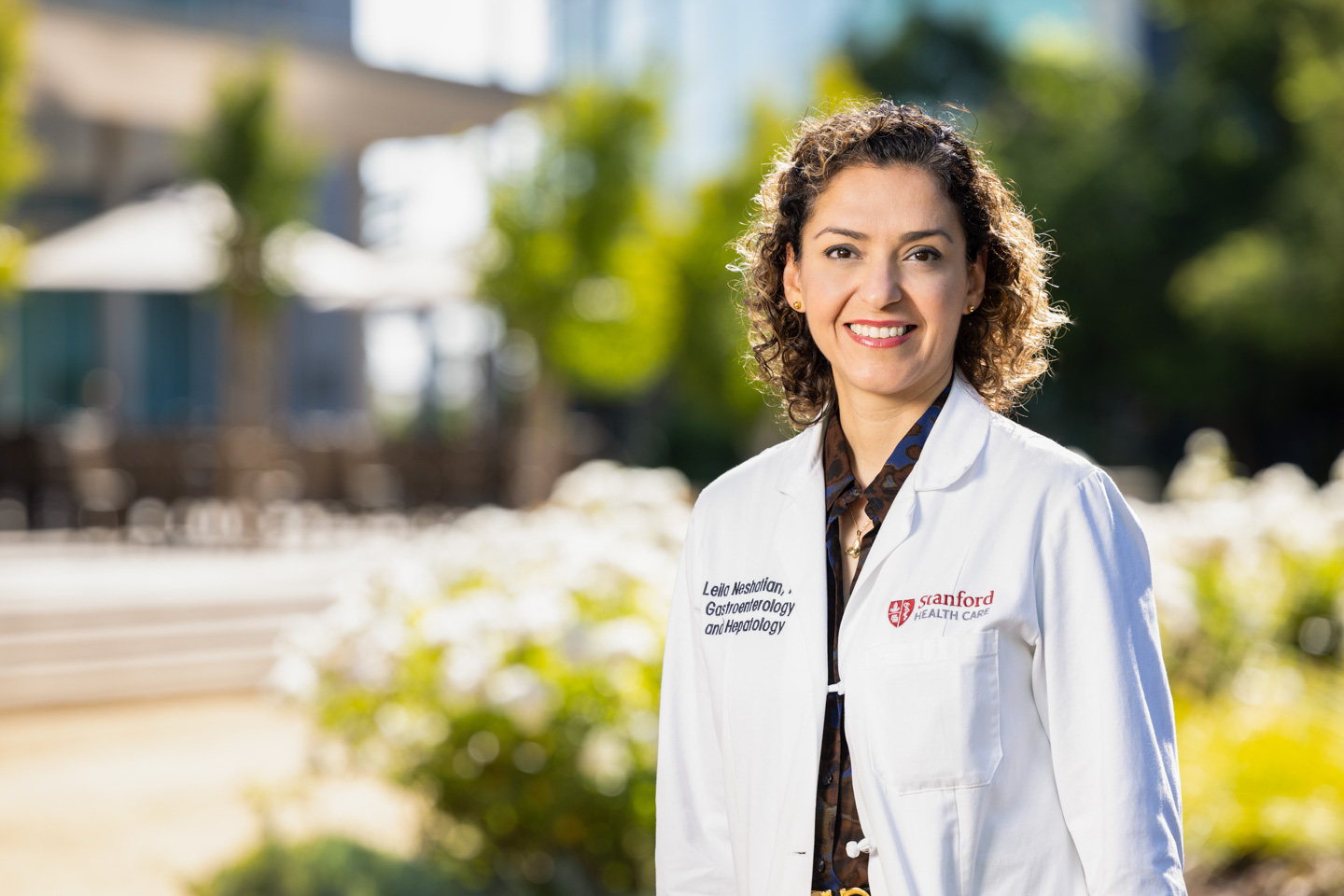
Leila Neshatian, MD

Leila Neshatian, MD

Tying Together Pelvic Health and the Microbiome

Pelvic Health Program Provides Relief From Pain and Shame

Leila Neshatian, MD

Leila Neshatian, MD

Tying Together Pelvic Health and the Microbiome

Pelvic Health Program Provides Relief From Pain and Shame

You laugh, you pee. This is the reality for many middle-aged women, especially if they gave birth vaginally. If it’s just a few drops, it’s usually no big deal. But sometimes it’s not just a few drops. Then there is the flip side of the coin — fecal incontinence. Now we are getting into territory so taboo and embarrassing that people do not even want to bring it up with their physicians.

Pelvic Health Problems — Embarrassing and Undertreated, Patients Suffer in Silence

Pelvic health is fundamental to good quality of life. Nevertheless, comprehensive multidisciplinary care in this area can be hard to come by. That’s why patients travel from all over the country to receive the kind of specialized care given by Leila Neshatian, MD, in collaboration with a team of dedicated clinicians who work alongside her at the Stanford Pelvic Health Center

While the Pelvic Health Center serves all genders, the majority of patients are women of middle or older age suffering from a wide array of pelvic floor disorders.

These conditions negatively impact quality of life with symptoms such as urinary and/or fecal incontinence, constipation, and pain or pressure in the pelvic area. It is not unusual for the center’s patients to have a long history of being dismissed or undertreated elsewhere. The unfortunate reality is that anorectal and pelvic health is not covered adequately in many medical training programs, so physicians simply aren’t equipped to handle the problem. They may recommend Kegel exercises or, in more severe cases, refer patients for surgery, but that is about the limit of their options.

Finally, a Comprehensive, Multidisciplinary Solution

The Stanford Pelvic Health Center, on the other hand, provides coordinated, multidisciplinary care that includes the specialties of gastroenterology, colorectal surgery, urogynecology, urology, pain anesthesiology, and physiotherapy. Neshatian, clinical associate professor of gastroenterology and hepatology, specializes in neurogastroenterology and benign anorectal disorders.  

Her patients receive a comprehensive evaluation, including assessment of anorectal function, coordination, and sensory function via high-resolution anorectal manometry, as well as three-dimensional dynamic ultrasound to evaluate the anal sphincter and surrounding muscles, and magnetic resonance imaging defecography to dynamically visualize overall pelvic organ structure and function.

Following this assessment, the multidisciplinary team works together to determine the best multipronged treatment course. “We offer comprehensive medical management, physical therapy, and combined surgeries,” says Neshatian. By “combined surgeries,” she means that two surgeons, one colorectal and the other specialized in urogynecology, may operate on a single patient during the same surgery to ensure that all the pelvic issues are addressed at once by the most experienced hands.

Innovative Research in Pelvic Health

In addition to seeing patients, the Pelvic Health Center conducts innovative research into an aspect of health that remains poorly understood, so that physicians all over the world can better treat their patients. For instance, Neshatian and her team are working to identify specific targets for measures of pelvic health, such as the size and quality of the skeletal muscles, that must be achieved in order to treat or prevent pelvic symptoms in aging women.

One important learning from her research is the importance of muscle size and quality, not just in the pelvic area but overall. “In order to have better pelvic health, you need better muscles,” says Neshatian. “If the person is deconditioned, the muscle is replaced by fat, and the likelihood of having these problems is certainly higher. We proposed that if we put women through physical activities, such as resistance training, to improve overall physical conditioning, symptoms related to pelvic floor dysfunction such as fecal and urinary incontinence will improve as well.” Research is currently ongoing to evaluate this hypothesis.

Leila Neshatian, MD

You laugh, you pee. This is the reality for many middle-aged women, especially if they gave birth vaginally. If it’s just a few drops, it’s usually no big deal. But sometimes it’s not just a few drops. Then there is the flip side of the coin — fecal incontinence. Now we are getting into territory so taboo and embarrassing that people do not even want to bring it up with their physicians.

Pelvic Health Problems — Embarrassing and Undertreated, Patients Suffer in Silence

Pelvic health is fundamental to good quality of life. Nevertheless, comprehensive multidisciplinary care in this area can be hard to come by. That’s why patients travel from all over the country to receive the kind of specialized care given by Leila Neshatian, MD, in collaboration with a team of dedicated clinicians who work alongside her at the Stanford Pelvic Health Center.

While the Pelvic Health Center serves all genders, the majority of patients are women of middle or older age suffering from a wide array of pelvic floor disorders. These conditions negatively impact quality of life with symptoms such as urinary and/or fecal incontinence, constipation, and pain or pressure in the pelvic area. It is not unusual for the center’s patients to have a long history of being dismissed or undertreated elsewhere. The unfortunate reality is that anorectal and pelvic health is not covered adequately in many medical training programs, so physicians simply aren’t equipped to handle the problem. They may recommend Kegel exercises or, in more severe cases, refer patients for surgery, but that is about the limit of their options.

Finally, a Comprehensive, Multidisciplinary Solution

The Stanford Pelvic Health Center, on the other hand, provides coordinated, multidisciplinary care that includes the specialties of gastroenterology, colorectal surgery, urogynecology, urology, pain anesthesiology, and physiotherapy. Neshatian, clinical associate professor of gastroenterology and hepatology, specializes in neurogastroenterology and benign anorectal disorders. Her patients receive a comprehensive evaluation, including assessment of anorectal function, coordination, and sensory function via high-resolution anorectal manometry, as well as three-dimensional dynamic ultrasound to evaluate the anal sphincter and surrounding muscles, and magnetic resonance imaging defecography to dynamically visualize overall pelvic organ structure and function.

Following this assessment, the multidisciplinary team works together to determine the best multipronged treatment course. “We offer comprehensive medical management, physical therapy, and combined surgeries,” says Neshatian. By “combined surgeries,” she means that two surgeons, one colorectal and the other specialized in urogynecology, may operate on a single patient during the same surgery to ensure that all the pelvic issues are addressed at once by the most experienced hands.

Leila Neshatian, MD

Innovative Research in Pelvic Health

In addition to seeing patients, the Pelvic Health Center conducts innovative research into an aspect of health that remains poorly understood, so that physicians all over the world can better treat their patients. For instance, Neshatian and her team are working to identify specific targets for measures of pelvic health, such as the size and quality of the skeletal muscles, that must be achieved in order to treat or prevent pelvic symptoms in aging women.

One important learning from her research is the importance of muscle size and quality, not just in the pelvic area but overall. “In order to have better pelvic health, you need better muscles,” says Neshatian. “If the person is deconditioned, the muscle is replaced by fat, and the likelihood of having these problems is certainly higher. We proposed that if we put women through physical activities, such as resistance training, to improve overall physical conditioning, symptoms related to pelvic floor dysfunction such as fecal and urinary incontinence will improve as well.” Research is currently ongoing to evaluate this hypothesis.

This is a unique educational opportunity because, to be honest, anorectal and pelvic training is missing from many programs.

— Leila Nehastian, MD, clinical associate professor of gastroenterology and hepatology


In a particularly innovative project, Neshatian and her team will be examining the relationship between pelvic health and the microbiome. “We know that the microbiome changes in patients who are frail,” she explains. “This becomes a vicious cycle in terms of the microbiome causing frailty and frailty changing the microbiome. We think that because frailty can lead to pelvic pathologies, by changing the microbiome, you can prevent frailty and therefore improve pelvic health.”

They would also like to determine how the physical therapy that they offer at the center improves symptoms, looking specifically at how it produces changes in overall muscle strength and whether it affects the microbiome. Findings of this research should be available in the next few years, which will give treating physicians around the world new information and tools to use with their patients.

Training a New Generation

Given the unique nature of the services provided and the research taking place at the Pelvic Health Center, training is an important component of the program. A clinician educator, Neshatian is GI program director of the Neuro-Gastroenterology Fellowship, which includes training at the Pelvic Health Center. Others who receive training at the center are medical residents as well as fellows in Female Pelvic Medicine and Reconstructive Surgery (FPMRS) and Gastroenterology. “This is a unique educational opportunity because, to be honest, anorectal and pelvic training is missing from many programs,” she says.

The need for and interest in a comprehensive approach to pelvic health is so great that there are plans to expand the Pelvic Health Center, with a move to a larger space in Pavilion E anticipated in the near future. This will provide the space they need to increase their clinical staff and ultimately help more patients.