
The Data Driver: How Tina Hernandez-Boussard Is Shaping Inclusive Health Care

The Data Driver: How Tina Hernandez-Boussard Is Shaping Inclusive Health Care

#Methods

Tina Hernandez-Boussard, PhD, exploring the intersections of technology and medicine in bioinformatics, as reflected through the lens of her research

Tina Hernandez-Boussard grew up in a small rural town, where higher education was uncommon. Despite an environment with limited opportunities, she soon discovered a unique passion: data. “Data was my ticket to a different world,” she recalls. Driven by curiosity and determination, Hernandez-Boussard pursued higher education with a focus on bioinformatics, an interdisciplinary field that combines biology, computer science, and data analysis to understand and analyze biological data. 

Fast-forward to today, Hernandez-Boussard, PhD, now serves as the associate dean of research at Stanford University and a professor of medicine. Her journey has been driven by a singular mission: to use data and technology to advance health equity and patient care.

Serving Vulnerable Populations with Data-Driven Insights

One of the most compelling aspects of Hernandez-Boussard’s work is her focus on using AI and data analytics to serve vulnerable patient populations, including those battling opioid addiction, cancer patients experiencing depression, and individuals struggling with mental health issues.

A significant part of her research delves into pain management and the use of opioids. When Hernandez-Boussard and her team started working on pain management and opioids, it was before the opioid epidemic had fully emerged. “Prior to the epidemic, the focus was on ensuring that no one had to deal with pain, leading to a significant promotion of opioid prescriptions,” she says. 

As the opioid crisis began to unfold in 2010, it became clear that the system had flaws. “We saw that prescriptions for opioids were really designated by system protocol, not personalized care,” she says. This approach didn’t account for previous opioid addiction, other medications the patient might be taking, or their individual pain management needs. Consequently, the lack of personalized medicine contributed to inadequate and sometimes harmful patient care.

Hernandez-Boussard and her team knew they had to take action. By analyzing large datasets, her team identified trends in opioid prescriptions and patient outcomes, allowing them to develop more precise pain management strategies. “We’ve identified features associated with high-risk patients, such as a history of addiction or concurrent medications,” she says. This information enables personalized pain management plans that minimize the risk of addiction. 

Similar data-driven methods are used to address the challenges faced by cancer patients experiencing depression. Hernandez-Boussard and her team have been studying depression after a cancer diagnosis. By applying machine learning, a branch of artificial intelligence (AI) that uses algorithms and statistical models to make data-based predictions, they have identified features associated with depression in these patients. One significant finding was the association between loneliness and depression following a cancer diagnosis. “If we can identify recent losses in a patient’s life, like a divorce or the death of a loved one, we can better predict and manage their risk of depression,” explains Hernandez-Boussard. 

Integrating data from a variety of sources, her team crafts comprehensive profiles of patients. This holistic approach allows for targeted interventions that address not only the clinical symptoms of depression but also the social and emotional factors at play. For example, if a patient is flagged for significant loneliness following a divorce, the healthcare team can proactively connect them with support groups, counseling services, or community resources. This not only helps to mitigate their risk of depression but fosters a more supportive and responsive care environment.

"

“We are at the brink of a digital revolution that is going to be equivalent to, if not bigger than, the Industrial Revolution. AI is here. It’s here to stay. We’re using it. It’s being integrated. Understanding how to embrace that is going to be the future.”
– Tina Hernandez-Boussard, PhD

An artistic portrayal of Tina Hernandez-Boussard, PhD, symbolizing the pursuit of health equity through data science and artificial intelligence, as she works to bridge gaps in healthcare outcomes – Courtesy of DALL-E.

Advancing Mental Health Care

Hernandez-Boussard also recognizes the transformative potential of AI in mental health care, especially in identifying and supporting individuals at risk of severe mental health issues. With mental health concerns escalating at an alarming rate, AI offers innovative solutions for early intervention.

Utilizing natural language processing, which focuses on the interaction between computers and human language, Hernandez-Boussard’s team can analyze clinical notes and patient emails to detect language patterns indicative of depression. This capability allows for the identification of high-risk patients and the provision of timely support.

Moreover, Hernandez-Boussard underscores the potential of AI chatbots to bridge the gap during times when human professionals may not be available. “One of the most critical times for suicide risk is at 4 a.m.,” she observes. “During these hours, professionals aren’t available, and while hotlines might be, access can be challenging.” AI chatbots could provide immediate support and resources during these critical moments, offering a lifeline when it’s most needed.

Addressing Bias and Ensuring Equity

Acknowledging the significant influence of AI on health care, Hernandez-Boussard emphasizes the importance of addressing potential biases in these systems. “AI systems often reflect existing biases from historical data,” she says. This can worsen inequalities, especially for marginalized groups.

She stresses the need for diverse datasets to ensure that models represent the entire population. “When analyzing electronic health record (EHR) data, we include social determinants of health like access to food, transportation, and socioeconomic status. This helps us understand a patient’s broader context and its impact on their health.” 

Hernandez-Boussard emphasizes cultural humility in developing models from EHRs. “Patients express their feelings differently based on gender and cultural background. A model trained only on non-Hispanic white women won’t work well for other populations,” she says.

Ultimately, Hernandez-Boussard underscores the importance of developing models trained on diverse data. “Including data from various racial, ethnic, and socioeconomic backgrounds helps avoid perpetuating biases and inequalities,” she states.

Ultimately, Hernandez-Boussard views the current moment in healthcare technology as a pivotal one. “We are at the brink of a digital revolution that is going to be equivalent to, if not bigger than, the Industrial Revolution,” she asserts. “AI is here. It’s here to stay. We’re using it. It’s being integrated. Understanding how to embrace that is going to be the future.”

Pioneering New CLL Treatments for All: Bita Fakhri’s Innovative Approach

Pioneering New CLL Treatments for All: Bita Fakhri’s Innovative Approach

#Methods

Bita Fakhri, MD, MPH

In the last decade, nearly everything about how clinicians treat chronic lymphocytic leukemia (CLL) has changed. The most common leukemia in adults, CLL is a cancer of blood-forming cells in the bone marrow. For many years, the disease was treated with the same chemotherapies as other cancers, which indiscriminately kill all quickly growing cells in the body. But recently, scientists developed more targeted ways of treating CLL by attacking specific proteins that CLL cells rely on or by using the power of the immune system. These drugs have proved to be more effective – and have a better side effect profile – than conventional chemotherapies. 

During the early years of her career, Assistant Professor of Hematology Bita Fakhri, MD, MPH, was involved in many of the seminal clinical trials showing just how effective the new generation of drugs was. She watched experimental drugs become commercially available options to extend the duration and quality of patients’ lives. 

“The advances in this field over the last 10 years have been truly mind-blowing,” says Fakhri. “Seeing the success of these drugs, and just how dynamic the field has been, made me want to keep working on CLL.”

Broad Clinical Trial Options

In 2022, Fakhri became the director of the CLL clinical trial portfolio at Stanford after the passing of Steven Coutre, MD, who had established the clinical research program in the Division of Hematology. Since joining, she has launched five new clinical trials for patients with CLL. She is also hard at work to open clinical trials benefiting patients with Richter’s transformation – a condition in which CLL transforms to a more aggressive lymphoma with currently very poor outcomes. Those trials, she says, range from testing new front-line options for patients who have new CLL diagnoses to comparing treatments for people whose recurrent cancers are not responding to newer targeted agents in the field.

“One of my priorities at Stanford is making sure that we always have trials in both of these settings,” says Fakhri. “Despite all the advances in CLL, there are still a subset of patients with high-risk features that need new treatment options, and we want to meet their needs.”

About 88% of patients newly diagnosed with CLL will survive for at least five years, according to the latest data from the National Cancer Institute. That represents a large increase from the 70% to 75% five-year survival rate in the 1990s and early 2000s. But patients who have recurrence of their cancer, even years later, often fare less well – that is one of the populations Fakhri hopes to help with new clinical trials.

Fakhri adds that the most effective CLL drugs have come out of a detailed molecular understanding of how CLL impacts cells, and this kind of basic research must continue. To that end, she is collaborating with Stanford scientists including Sydney Lu, MD, PhD, who studies the underlying biology of CLL and other cancers. Lu and Fakhri are studying the implications of a gene mutation, known as SF3B1, that is found in about one in 10 CLL cancers and is associated with worse outcomes for patients. If they can understand the molecular consequences of SF3B1, Fakhri says, they may be able to develop new drugs to counteract the mutation or develop a better understanding of the clinical behavior and response to different therapies in patients harboring the SF3B1 mutation.

"

“I’m not involved in DEI efforts because I think it’s a trendy topic. This is the right thing to do, morally, ethically, and scientifically. If we don’t have a diverse patient population in our studies, then we don’t know if our results are applicable to all our patients.”

– Bita Fakhri, MD, MPH

Equal Access for All

Among the many clinical trials that Fakhri is involved in, one thing ties them all together: an emphasis on equity. As the head of diversity, equity, and inclusion (DEI) efforts in the Division of Hematology, Fakhri is passionate about making sure that patients of all backgrounds, identities, and socioeconomic statuses are represented in her research. 

“I’m not involved in DEI efforts because I think it’s a trendy topic,” says Fakhri. “This is the right thing to do, morally, ethically, and scientifically. If we don’t have a diverse patient population in our studies, then we don’t know if our results are applicable to all our patients.”

As more CLL treatments emerge, and each patient’s path to remission becomes more personalized, it is especially important to include a diverse set of patients in every clinical trial. Ultimately, clinicians’ decisions about which drugs will work best for a particular patient may be based on not only clinical data but demographic information as well – from race and ethnicity to gender and education. 

“What I want is to create the machinery that eases enrollment in clinical trials and makes access to these trials feasible for everyone, not only for the most privileged patients,” says Fakhri. 

Fakhri and her colleagues are currently analyzing data on the diversity of Stanford clinical trials in hematology over the last decade to identify which patients are underrepresented. This information, she says, will help guide future clinical trial recruitment efforts.  

“The beauty of medicine is that we are all physiologically different,” says Fakhri. “We need that diversity captured in our trials.”

Empowering Patients: Dr. Graham Abra’s Mission to Expand Home Dialysis

Empowering Patients: Dr. Graham Abra’s Mission to Expand Home Dialysis

#Methods

Graham Abra, MD, is on a mission to optimize access to home dialysis.

The term dialysis frequently brings to mind hours and days sacrificed to sitting in a clinic, hooked up to machinery that does the job of failing kidneys. But many are unaware that home dialysis is available for select patients. Graham Abra, MD, is on a mission to change that. He wants every eligible patient to have the option to dialyze at home, expanding a new frontier in patient care. 

Abra is an associate professor of medicine in the Division of Nephrology. With a clinical focus on dialysis care, he has also worked as an administrative physician at Satellite Healthcare, a nonprofit dialysis organization providing services for patients with end-stage kidney disease.

“Many people can thrive and do well on home dialysis,” he says. “Some have more challenges than others in being able to dialyze at home, but that’s part of the job of the clinician – to understand what barriers and challenges might be there and then figure out how to overcome the barriers, to make it a reality for the patient in a safe and effective way. I really love taking care of patients who are on the home modalities. They’re a really nice way to empower people to take on their own care and to really succeed in taking care of their health and taking care of themselves.” 

While Stanford has been offering home dialysis for decades, it has taken a long time to fully embrace its benefits, and Abra has worked hard to help overcome the systemic barriers to access, which most affect the socioeconomically disadvantaged. This has included three pillars: education, patient support, and identification of patients who are at high risk of stopping therapy.

"

“I really love taking care of patients who are on the home modalities. They’re a really nice way to empower people to take on their own care and to really succeed in taking care of their health and taking care of themselves.”

– Graham Abra, MD

Providing Much-Needed Education

Many clinicians need more education on home dialysis than they currently receive to feel comfortable setting it up for their patients. “We piloted a virtual education program on home dialysis, bringing together experts from around the world to lead case-based discussions with learners on home dialysis,” says Abra. “It was a very rich experience that led to a lot of interaction between the learners and the experts in a setting that was different from the classroom.” It was, in fact, so successful that it was picked up as a national program by the American Society of Nephrology, coupled with a long-running live conference called Home Dialysis University. Abra also chairs the Home Dialysis Academy of Excellence, an educational hands-on immersion program created through a collaboration between Stanford Medicine, UC Davis Health, and Satellite Healthcare.

A clinical and patient population that is educated about home dialysis minimizes the risk that patients will be reflexively placed on in-center dialysis without ever fully exploring the at-home option. Once in-center care is established, says Abra, many patients are reluctant to change, even if they are good candidates for home dialysis.

Supporting Patients

With proper training, many patients can dialyze at home without help and achieve the same health and safety outcomes as those who travel to dialysis centers. But some patients, particularly if they are elderly or frail, need help, so Abra helped put together a program that provides trained staff to assist these patients in their homes, either temporarily or permanently, depending on their needs. Abra hopes their success will spearhead greater use of such programs elsewhere in the country.

“There are a number of bills that have been put forth federally to try to provide specific funding for this kind of support because it addresses an important clinical need,” he says. In addition, Abra recently was part of a workgroup for the International Society for Peritoneal Dialysis that released a Position Statement recommending healthcare system funding of assisted peritoneal dialysis to expand the equitable access of the therapy to all patients who wish to receive it. 

Identifying High-Risk Patients

To identify patients at high risk of stopping home dialysis, Abra and colleagues ran a simple study in which they asked clinical staff whether they would be surprised if specific patients were to transfer from home- to center-based dialysis. This single question was highly effective at identifying high-risk patients, so that they could then receive the support they needed to continue home dialysis.

v

Living His Best Life With Home Dialysis

Calvert Polkinda [name changed to protect privacy], a patient of Abra’s, knows exactly what home dialysis can mean for quality of life. Diagnosed in his 30s with an autoimmune disease that attacks his kidneys, he was faced with the specter of dialysis long before most people.

“When it came to that point, I was very emotional,” he says. “After COVID … I wanted to go back to my home country to visit my parents, and I had to stay put. It was an emotional roller coaster. But my friends, my family, my doctors helped me through it.”

Polkinda was extensively educated about dialysis – both at home and in center – before he actually needed it. This left him prepared when the time came, and he found choosing home dialysis a “no-brainer.” But that is not always possible. “We have a situation where 40% to 60% of patients start dialysis acutely in the hospital with very little to no nephrology care,” says Abra. “That’s obviously a medical emergency. But it’s also an educational emergency because they haven’t had the advantage of a relationship with a nephrologist or the luxury of the time, the space to talk about their options.”

If home dialysis were not an option, says Polkinda, “it would definitely affect my career. I’m 45. I still have about 40 more years to work. I maintain at least 85% to 95% of an active life [despite dialysis].”

With home dialysis, he says, “I’m not missing anything. I’m not missing my work. I’m not missing my day activities. In the night, I just put [on my dialysis bag] and go to sleep. So, I’m able to enjoy my life.” Every dialysis patient should have that option.

Cancer’s Challenger: Allison Betof Warner and the Future of Cancer Treatment

Cancer’s Challenger: Allison Betof Warner and the Future of Cancer Treatment

#Methods

Mark and Mary Stevens Scholar Allison Betof Warner, MD, PhD, in her laboratory, pioneering advancements in melanoma treatment through Tumor-Infiltrating Lymphocyte (TIL) Therapy

Allison Betof Warner, MD, PhD, has never been one to shy away from challenges. When she was growing up outside of Philadelphia, her early years as a high-level gymnast instilled a determination to tackle difficult tasks head-on – a trait that has guided her through the world of medicine and research.

“I think being a gymnast gave me the drive to do really challenging things and take on the hard problems,” Betof Warner reflects, tracing the origins of her journey from athlete to oncologist.

Betof Warner, who was the first in her family to enter the medical field, decided at 10 years old that her future lay in medical research. This early resolution steered her through an impressive academic journey – from Cornell, balancing premed studies and gymnastics, to Duke, where she pursued an MD-PhD focused on cancer biology. It was during her residency at Massachusetts General Hospital that Betof Warner’s path took a crucial turn.

There, she first encountered immunotherapy, then an emerging treatment that uses the body’s immune system to fight cancer. This experience solidified her fascination with oncology – a field where innovations could rapidly transition from the lab to clinical use, offering new hope to patients.

Immunotherapy, particularly treatments known as checkpoint inhibitors, was a revelation to Betof Warner. Unlike traditional chemotherapy, which can be relentless and without a guarantee of lasting effectiveness, immunotherapy offers the possibility of long-lasting responses from limited durations of treatment. 

How Do Checkpoint Inhibitors Work?

T cells’ inherent job in the body is to kill things that don’t belong. That can include viruses, bacteria, or even cancer. “Cancer is good at developing ways to hide,” explains Betof Warner. “I often compare this to Harry Potter’s invisibility cloak – cancer puts on an invisibility cloak to evade detection. The purpose of checkpoint inhibitor drugs is to remove that cloak, allowing the immune cells, specifically T cells, to see and attack the cancer. These T cells have the ability to kill cancer; what they lacked was the ability to see it.

“I fell in love with the idea that we could harness the immune system to create durable responses for patients,” she says. “It meant that patients wouldn’t necessarily need to be on treatment forever. We were controlling advanced cancer and getting patients back to their lives.”

"

“I fell in love with the idea that we could harness the immune system to create durable responses for patients,” she says. “It meant that patients wouldn’t necessarily need to be on treatment forever. We were controlling advanced cancer and getting patients back to their lives.”

– Allison Betof Warner, MD, PhD, Mark and Mary Stevens Scholar

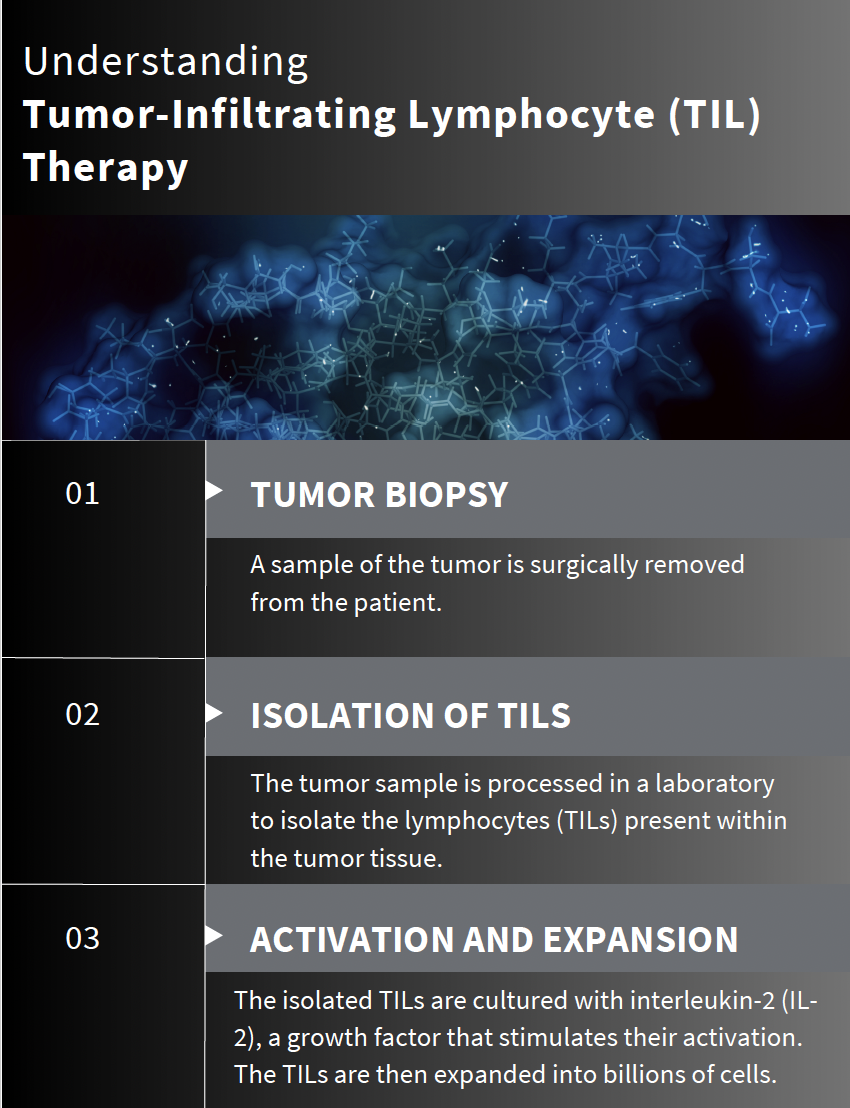
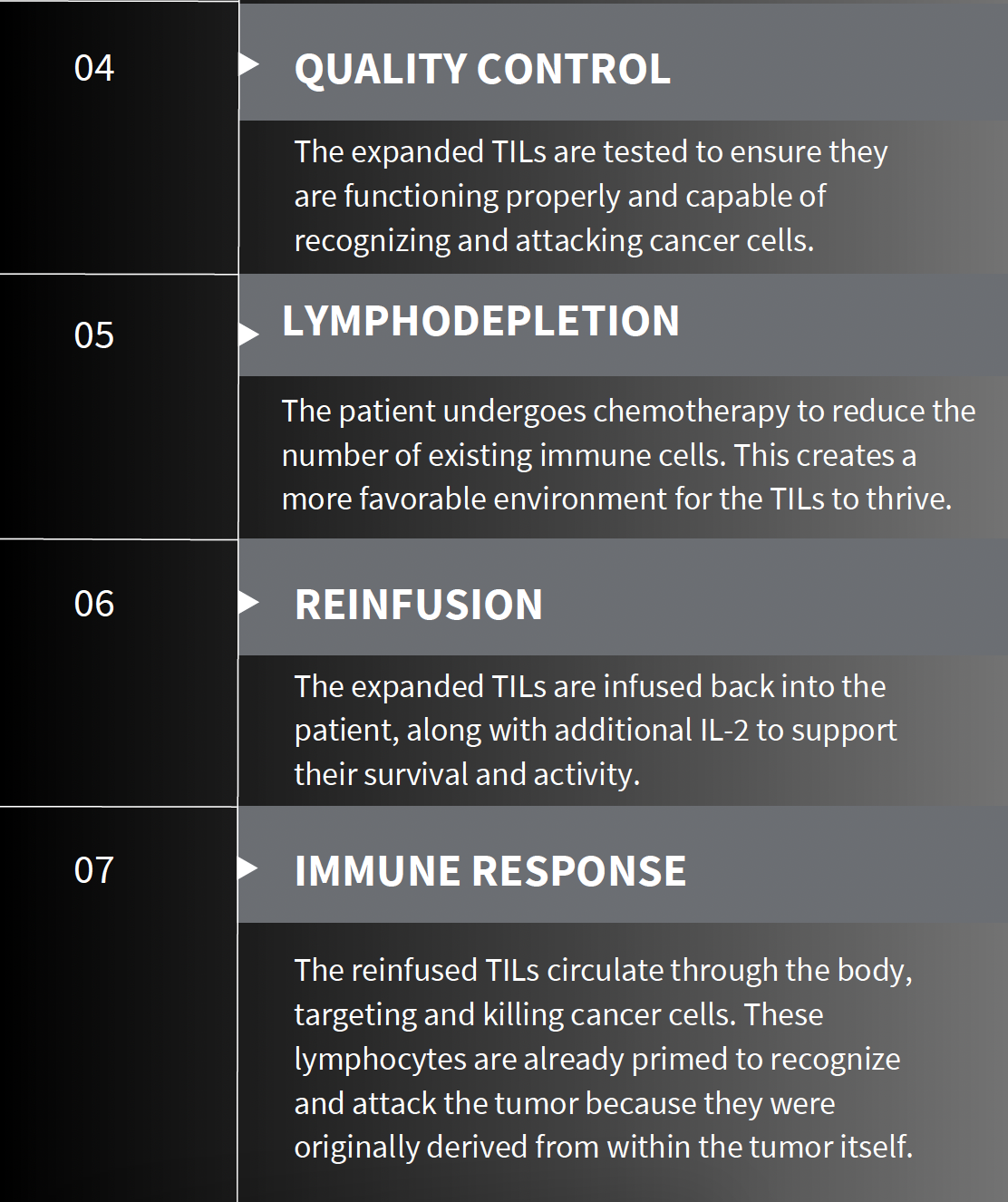
(Click Image to Expand)

Leading a New Frontier at Stanford: Solid Tumor Cell Therapy With TILs

Though checkpoint inhibitors have improved cancer care, the majority of patients still do not achieve long-term disease control with this approach. Cellular therapy is a different strategy that utilizes expanded and/or engineered T cells to incite a durable immune response to cancer. 

At Stanford, Betof Warner leads the advanced melanoma group and oversees the development of solid tumor cell therapies. She has been at the forefront of developing a new method for treating solid tumors using tumor-infiltrating lymphocytes (TILs). This cutting-edge therapy involves surgically extracting T cells from a patient’s tumor, multiplying them in a laboratory, and then reintroducing them to the patient’s body to more effectively target and kill cancer cells. Even more exciting, this is a one-time treatment that can work for patients even when standard immunotherapy with checkpoint inhibitors has failed.

Stanford recently marked a significant milestone under Betof Warner’s leadership: becoming the first center to treat a patient with this innovative cell therapy following FDA approval. This achievement highlights the rapid progress of Betof Warner’s team and the potential of TIL therapy to provide a powerful new treatment option for cancer patients.

Stanford has been a leader in cell therapy for hematological malignancies for many years. “The opportunity to bring that expertise to a whole new population of patients is what brought me here,” Betof Warner states. “It was crucial to me that if I came here to build this program, we could start treating patients with urgency as soon as FDA approval was granted.” 

Betof Warner and her team scheduled the first surgery within hours of the FDA approval. “We had a wait list of patients,” she recalls. “Being able to immediately make those phone calls after FDA approval and say, ‘I know you’ve been waiting, and here’s the day of your surgery,’ was a huge milestone.” 

Trying a new therapy is both exciting and daunting. “We want to ensure that we’re doing the right thing for the patients, but we knew we had the pieces in place here at Stanford to do it,” Betof Warner says. Now, she and her team have a full pipeline of patients.

The Future of Outpatient Cancer Treatment: Toward Safer, More Effective Approaches

Despite the innovative approach, the success rate with TIL therapy currently stands at only 30% to 50%. A limited number of patients respond to TIL therapy, and many patients are still ineligible for this treatment due to various health conditions or the extent of their disease.

“We need to do better,” Betof Warner asserts. Together with her team, she is working to develop enhanced TILs that can benefit more patients and deliver safer treatment outcomes. 

Betof Warner’s lab continuously collects blood, tumor biopsies, and cell samples from every patient treated who is willing. They are investigating what makes the best TILs by identifying characteristics that may predict a patient’s response to therapy. One major development is engineering TILs to function without interleukin-2 (IL-2), a cytokine essential for T-cell activation but notorious for severe side effects, limiting treatment eligibility.

Betof Warner’s team recently launched a clinical trial for an IL-2–independent TIL therapy. This new approach expands treatment to patients with other cancers and promises to make the therapy more accessible and less taxing. In developing TILs that do not require hospitalization for IL-2 administration, the goal is to transform TIL therapy into a fully outpatient treatment, allowing patients to maintain normalcy while undergoing therapy.

“We’re pushing the envelope,” Betof Warner says. “Our goal is to make TIL therapy safer, more inclusive, and ultimately more effective – offering patients significantly more hope.”