New Frontiers in Diversity: Stanford’s Endocrinology Fellowship

New Frontiers in Diversity: Stanford’s Endocrinology Fellowship

#Communities

Endocrinology fellows celebrate graduation ceremonies for Leor Needleman, MD (third from right), and Susan Seav, MD (third from left), both class of 2024. Fellows from the class of 2025 include Adeola Ishola, MD (far left), Jairo Noreña, MD (second from left), Angela Rao, MD (far right), and Tugce Akcan, MD (second from right).
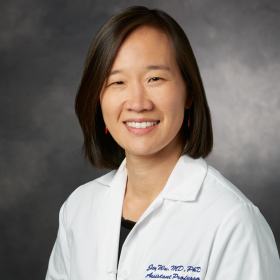
“We want to be sure we’re enriching the physician workforce with highly trained practitioners who represent many heritages and ethnicities.”

– Joy Wu, MD

Research indicates that patient-practitioner communications improve when the clinician and the patient are of similar backgrounds. The endocrinology fellowship program leverages that fact in reviewing applicants for its internationally renowned post-residency training program.

The selection process is arduous, entailing a close review of an individual’s residency experiences, recommendations, and interest in academic medicine. But equally important in reviewing applicants is assuring that the chosen fellows represent diverse backgrounds. 

“We want to be sure we’re enriching the physician workforce with highly trained practitioners who represent many heritages and ethnicities,” says chief of endocrinology, gerontology, and metabolism Joy Wu, MD, PhD. “This increases the likelihood that future patients will have a pool of physicians to choose from whose backgrounds align with their own.” 

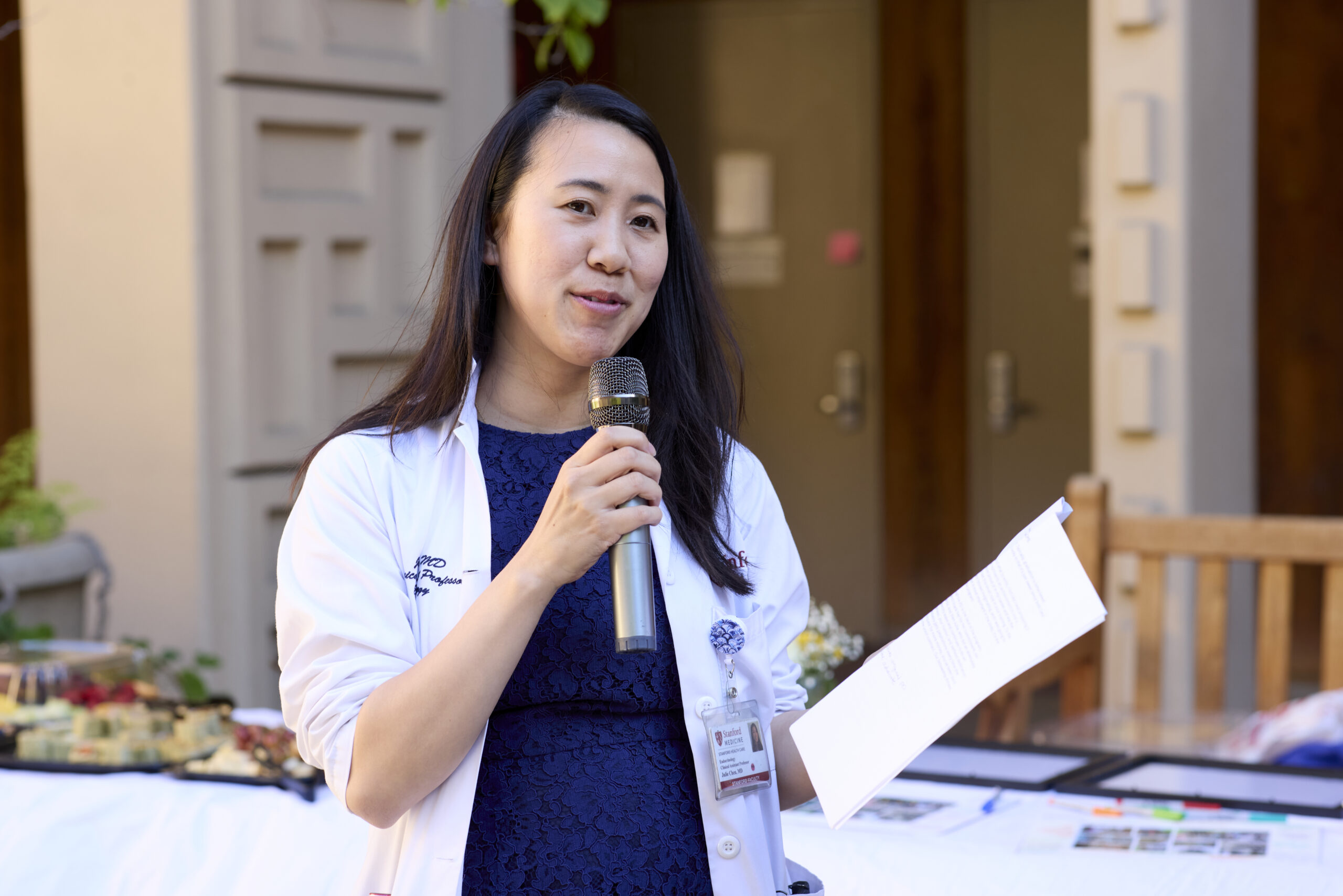
Julie Chen, MD, is the program director of the Stanford Department of Medicine’s endocrinology fellowship program. “In deciding who to interview and rank, we try to look beyond the objective data,” she says. “This includes looking at candidates’ clinical and research interests, reviewing what opportunities they’ve taken advantage of in their local communities, and how they have incorporated diversity into their medical training.”
"

“We want to support our fellows and make them feel that they are part of the Stanford community.”

– Julie Chen, MD

A Community of Their Own

The fellows of the classes of 2024-25 represent this diversity. They or their parents hail from around the globe, including Cambodia, Colombia, India, Israel, Nigeria, and Turkey. And most grew up in places far away from Palo Alto, whether in the U.S. or abroad.

“This group was especially tightly bonded,” notes Wu. “They worked, studied, and had fun together in various group activities.” Chen believes this may have been because they had moved to the Bay Area from all around the country, so they created their own community. 

Wu observes that one of the fellows’ joint activities was going to the Stanford gym together, which not only strengthened their bonds but enhanced their healthy living style – a key component of managing many endocrine disorders. “I love that they’re living their recommendations,” she says.

Why Stanford?

When asked why they chose Stanford for their fellowship training, all the fellows mentioned the internationally recognized faculty members and the camaraderie of the fellows. 

They also noted the benefit of having a medical school and a hospital in one location. And, the fellows have access to a wide range of patients, since Stanford serves three hospitals (Stanford Hospital, Veterans Affairs Palo Alto Health Care System, and Santa Clara Valley Medical Center). 

In addition, the opportunity to collaborate across disciplines with other divisions and departments at Stanford University vastly broadens their prospects for finding a research topic of interest.

“We want to support our fellows and make them feel that they are part of the Stanford community,” says Chen.

Tugce Akcan, MD

Second-year research fellow
Class of 2025

I grew up in Turkey, where I completed medical school. During my studies, a summer rotation in Boston inspired me to move to the U.S., and since then, I’ve been part of many different institutions. This exposure has taught me to accept people from a range of ethnicities. My background significantly shapes my perspective as a physician and fellow, allowing me to approach patient care with greater understanding and sensitivity.

What drew me to the Stanford endocrinology fellowship program was the genuine care and support I felt from everyone, even during my virtual interview. In such a supportive environment, I believed I could thrive and develop both personally and professionally. And I am!

Adeola Ishola, MD

Second-year research fellow
Class of 2025

All the fellows bring a diverse range of talents, experiences, and perspectives, which is what makes each of them special. But beyond their individual strengths, what truly stands out is their collective spirit of caring, collaboration, and celebration. In this supportive ecosystem, success is not measured solely by individual achievements but by the collective progress of the entire group. We celebrated each other’s milestones, both big and small, and cheered each other on through challenges and setbacks. It’s this culture of caring and collaboration that makes the program truly special.

Leor Needleman, MD

Third-year research fellow
Class of 2024

My mother immigrated to the United States from Israel in 1982, before meeting my father in this country. I grew up on Long Island in New York state, but I’ve visited Israel many times because that’s where most of my family lives.

After my residency training, I decided to focus on endocrinology because the diseases we treat in this subspecialty require a deeper understanding of human metabolism and physiology than most other areas of medicine. My own research focuses on neuroendocrine tumors called pheochromocytoma and paraganglioma.

All the fellows are extremely committed to providing the highest level of care and applying the most up-to-date clinical research as appropriate. We like to have dinner together and spend time outdoors.

Jairo Noreña, MD

Second-year clinical fellow
Class of 2025

Stanford’s diverse patient population, including a substantial proportion of Hispanic patients, aligns closely with my priorities and reinforces my commitment to serving a broad range of communities.

I was born and raised in Colombia. I believe my cultural background has shaped my communication style, which incorporates showing empathy towards patients from diverse backgrounds. I feel this enhances my capacity to deliver culturally sensitive health care. This video, which had over 600,000 views on TikTok, exemplifies what I mean. And this one, on YouTube, has had more than 2 million views since I posted it four years ago. These are examples of my ongoing series of health education videos for Spanish-speaking viewers.

Angela Nina Rao, MD

Second-year clinical fellow
Class of 2025

I love the pathophysiology of endocrinology and the interplay of the feedback mechanisms. It is very gratifying to treat hormonal conditions and see improvement immediately in some cases. I have a particular interest in type 2 diabetes, and I enjoy talking about preventive health with my patients as I establish relationships with them. 

One of the biggest strengths of our program is the bond we have as fellows. We regularly spend time together trying new restaurants, exploring the Bay Area, and competing against each other on game nights. I had a baby this year, and she has been welcomed into our fellow hangouts as well.

Susan Seav, MD

Class of 2024
Clinical Assistant Professor
Division of Endocrinology, Gerontology, and Metabolism

I was raised by a single mother who emigrated to the U.S. from Cambodia in the 1970s to escape the Khmer Rouge genocide. She had no formal education and relied heavily on the good faith of people to help when she was in need.

I have always wanted to pursue a career in academic medicine because I enjoy working with trainees, especially in an environment that fosters growth and intellectual stimulation. I ranked Stanford’s endocrinology fellowship No. 1 because of its reputation for excellent clinical training from world-renowned faculty. Being a tertiary referral center also brings in patients with challenging conditions that immensely enhance our exposure to rare diseases.
Empowering Patients: Dr. Graham Abra’s Mission to Expand Home Dialysis

Empowering Patients: Dr. Graham Abra’s Mission to Expand Home Dialysis

#Methods

Graham Abra, MD, is on a mission to optimize access to home dialysis.

The term dialysis frequently brings to mind hours and days sacrificed to sitting in a clinic, hooked up to machinery that does the job of failing kidneys. But many are unaware that home dialysis is available for select patients. Graham Abra, MD, is on a mission to change that. He wants every eligible patient to have the option to dialyze at home, expanding a new frontier in patient care. 

Abra is an associate professor of medicine in the Division of Nephrology. With a clinical focus on dialysis care, he has also worked as an administrative physician at Satellite Healthcare, a nonprofit dialysis organization providing services for patients with end-stage kidney disease.

“Many people can thrive and do well on home dialysis,” he says. “Some have more challenges than others in being able to dialyze at home, but that’s part of the job of the clinician – to understand what barriers and challenges might be there and then figure out how to overcome the barriers, to make it a reality for the patient in a safe and effective way. I really love taking care of patients who are on the home modalities. They’re a really nice way to empower people to take on their own care and to really succeed in taking care of their health and taking care of themselves.” 

While Stanford has been offering home dialysis for decades, it has taken a long time to fully embrace its benefits, and Abra has worked hard to help overcome the systemic barriers to access, which most affect the socioeconomically disadvantaged. This has included three pillars: education, patient support, and identification of patients who are at high risk of stopping therapy.

"

“I really love taking care of patients who are on the home modalities. They’re a really nice way to empower people to take on their own care and to really succeed in taking care of their health and taking care of themselves.”

– Graham Abra, MD

Providing Much-Needed Education

Many clinicians need more education on home dialysis than they currently receive to feel comfortable setting it up for their patients. “We piloted a virtual education program on home dialysis, bringing together experts from around the world to lead case-based discussions with learners on home dialysis,” says Abra. “It was a very rich experience that led to a lot of interaction between the learners and the experts in a setting that was different from the classroom.” It was, in fact, so successful that it was picked up as a national program by the American Society of Nephrology, coupled with a long-running live conference called Home Dialysis University. Abra also chairs the Home Dialysis Academy of Excellence, an educational hands-on immersion program created through a collaboration between Stanford Medicine, UC Davis Health, and Satellite Healthcare.

A clinical and patient population that is educated about home dialysis minimizes the risk that patients will be reflexively placed on in-center dialysis without ever fully exploring the at-home option. Once in-center care is established, says Abra, many patients are reluctant to change, even if they are good candidates for home dialysis.

Supporting Patients

With proper training, many patients can dialyze at home without help and achieve the same health and safety outcomes as those who travel to dialysis centers. But some patients, particularly if they are elderly or frail, need help, so Abra helped put together a program that provides trained staff to assist these patients in their homes, either temporarily or permanently, depending on their needs. Abra hopes their success will spearhead greater use of such programs elsewhere in the country.

“There are a number of bills that have been put forth federally to try to provide specific funding for this kind of support because it addresses an important clinical need,” he says. In addition, Abra recently was part of a workgroup for the International Society for Peritoneal Dialysis that released a Position Statement recommending healthcare system funding of assisted peritoneal dialysis to expand the equitable access of the therapy to all patients who wish to receive it. 

Identifying High-Risk Patients

To identify patients at high risk of stopping home dialysis, Abra and colleagues ran a simple study in which they asked clinical staff whether they would be surprised if specific patients were to transfer from home- to center-based dialysis. This single question was highly effective at identifying high-risk patients, so that they could then receive the support they needed to continue home dialysis.

v

Living His Best Life With Home Dialysis

Calvert Polkinda [name changed to protect privacy], a patient of Abra’s, knows exactly what home dialysis can mean for quality of life. Diagnosed in his 30s with an autoimmune disease that attacks his kidneys, he was faced with the specter of dialysis long before most people.

“When it came to that point, I was very emotional,” he says. “After COVID … I wanted to go back to my home country to visit my parents, and I had to stay put. It was an emotional roller coaster. But my friends, my family, my doctors helped me through it.”

Polkinda was extensively educated about dialysis – both at home and in center – before he actually needed it. This left him prepared when the time came, and he found choosing home dialysis a “no-brainer.” But that is not always possible. “We have a situation where 40% to 60% of patients start dialysis acutely in the hospital with very little to no nephrology care,” says Abra. “That’s obviously a medical emergency. But it’s also an educational emergency because they haven’t had the advantage of a relationship with a nephrologist or the luxury of the time, the space to talk about their options.”

If home dialysis were not an option, says Polkinda, “it would definitely affect my career. I’m 45. I still have about 40 more years to work. I maintain at least 85% to 95% of an active life [despite dialysis].”

With home dialysis, he says, “I’m not missing anything. I’m not missing my work. I’m not missing my day activities. In the night, I just put [on my dialysis bag] and go to sleep. So, I’m able to enjoy my life.” Every dialysis patient should have that option.

Cancer’s Challenger: Allison Betof Warner and the Future of Cancer Treatment

Cancer’s Challenger: Allison Betof Warner and the Future of Cancer Treatment

#Methods

Mark and Mary Stevens Scholar Allison Betof Warner, MD, PhD, in her laboratory, pioneering advancements in melanoma treatment through Tumor-Infiltrating Lymphocyte (TIL) Therapy

Allison Betof Warner, MD, PhD, has never been one to shy away from challenges. When she was growing up outside of Philadelphia, her early years as a high-level gymnast instilled a determination to tackle difficult tasks head-on – a trait that has guided her through the world of medicine and research.

“I think being a gymnast gave me the drive to do really challenging things and take on the hard problems,” Betof Warner reflects, tracing the origins of her journey from athlete to oncologist.

Betof Warner, who was the first in her family to enter the medical field, decided at 10 years old that her future lay in medical research. This early resolution steered her through an impressive academic journey – from Cornell, balancing premed studies and gymnastics, to Duke, where she pursued an MD-PhD focused on cancer biology. It was during her residency at Massachusetts General Hospital that Betof Warner’s path took a crucial turn.

There, she first encountered immunotherapy, then an emerging treatment that uses the body’s immune system to fight cancer. This experience solidified her fascination with oncology – a field where innovations could rapidly transition from the lab to clinical use, offering new hope to patients.

Immunotherapy, particularly treatments known as checkpoint inhibitors, was a revelation to Betof Warner. Unlike traditional chemotherapy, which can be relentless and without a guarantee of lasting effectiveness, immunotherapy offers the possibility of long-lasting responses from limited durations of treatment. 

How Do Checkpoint Inhibitors Work?

T cells’ inherent job in the body is to kill things that don’t belong. That can include viruses, bacteria, or even cancer. “Cancer is good at developing ways to hide,” explains Betof Warner. “I often compare this to Harry Potter’s invisibility cloak – cancer puts on an invisibility cloak to evade detection. The purpose of checkpoint inhibitor drugs is to remove that cloak, allowing the immune cells, specifically T cells, to see and attack the cancer. These T cells have the ability to kill cancer; what they lacked was the ability to see it.

“I fell in love with the idea that we could harness the immune system to create durable responses for patients,” she says. “It meant that patients wouldn’t necessarily need to be on treatment forever. We were controlling advanced cancer and getting patients back to their lives.”

"

“I fell in love with the idea that we could harness the immune system to create durable responses for patients,” she says. “It meant that patients wouldn’t necessarily need to be on treatment forever. We were controlling advanced cancer and getting patients back to their lives.”

– Allison Betof Warner, MD, PhD, Mark and Mary Stevens Scholar

(Click Image to Expand)

Leading a New Frontier at Stanford: Solid Tumor Cell Therapy With TILs

Though checkpoint inhibitors have improved cancer care, the majority of patients still do not achieve long-term disease control with this approach. Cellular therapy is a different strategy that utilizes expanded and/or engineered T cells to incite a durable immune response to cancer. 

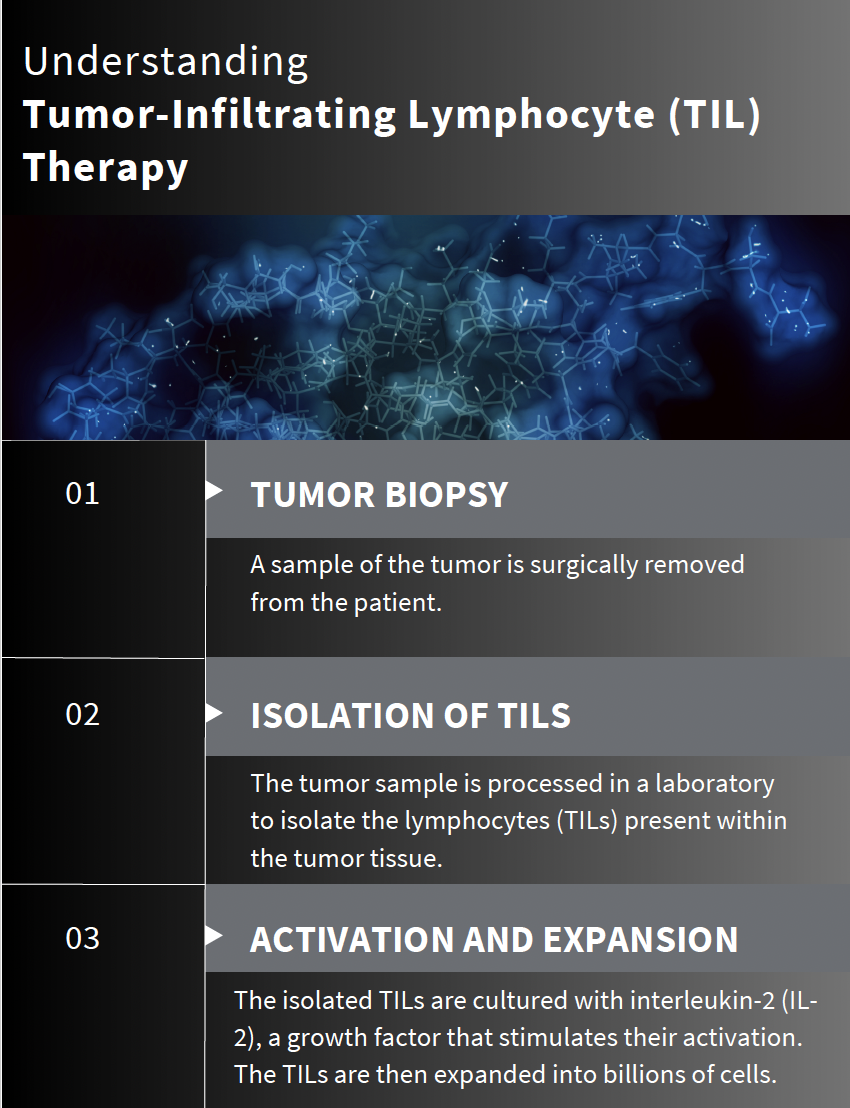
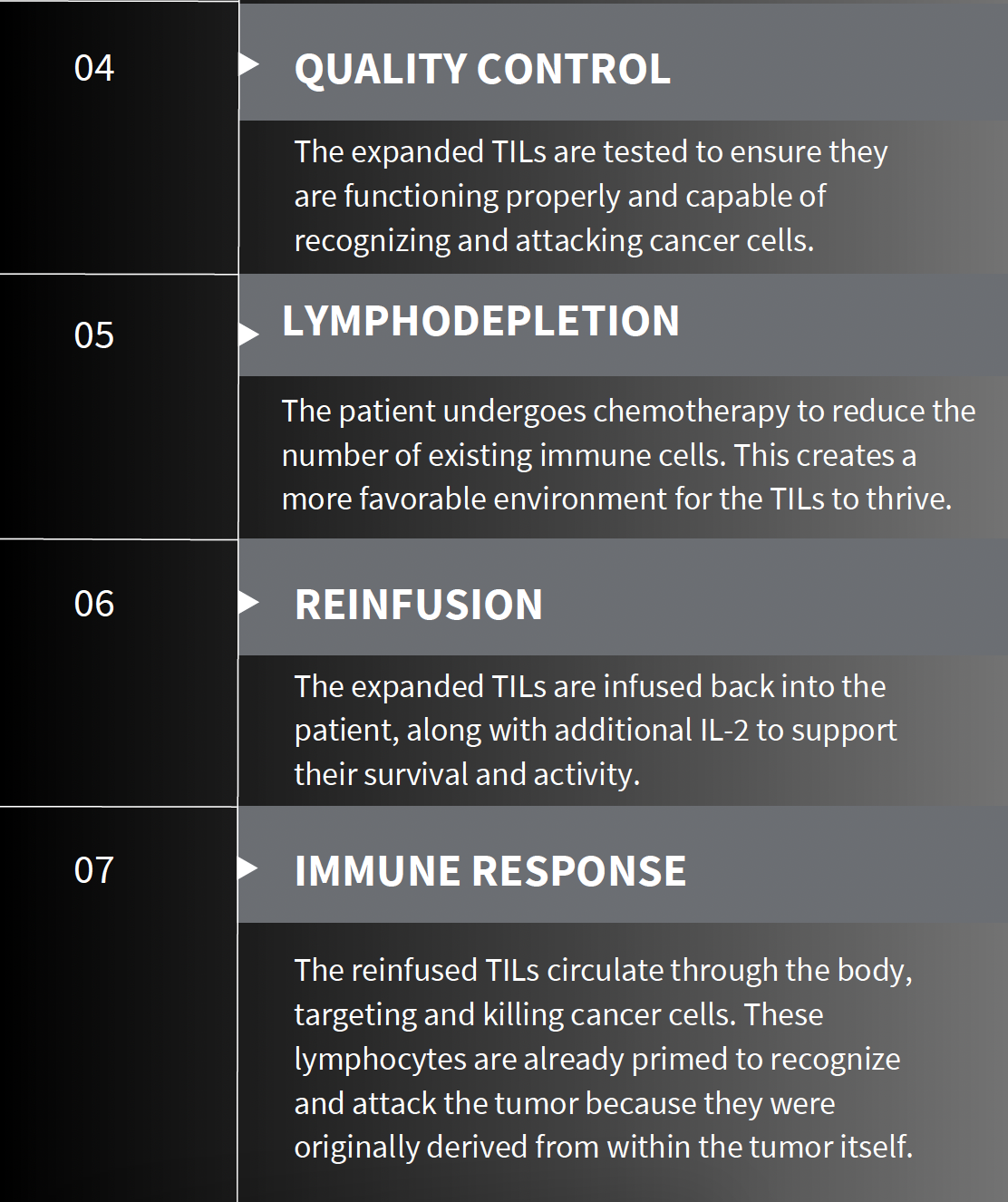
At Stanford, Betof Warner leads the advanced melanoma group and oversees the development of solid tumor cell therapies. She has been at the forefront of developing a new method for treating solid tumors using tumor-infiltrating lymphocytes (TILs). This cutting-edge therapy involves surgically extracting T cells from a patient’s tumor, multiplying them in a laboratory, and then reintroducing them to the patient’s body to more effectively target and kill cancer cells. Even more exciting, this is a one-time treatment that can work for patients even when standard immunotherapy with checkpoint inhibitors has failed.

Stanford recently marked a significant milestone under Betof Warner’s leadership: becoming the first center to treat a patient with this innovative cell therapy following FDA approval. This achievement highlights the rapid progress of Betof Warner’s team and the potential of TIL therapy to provide a powerful new treatment option for cancer patients.

Stanford has been a leader in cell therapy for hematological malignancies for many years. “The opportunity to bring that expertise to a whole new population of patients is what brought me here,” Betof Warner states. “It was crucial to me that if I came here to build this program, we could start treating patients with urgency as soon as FDA approval was granted.” 

Betof Warner and her team scheduled the first surgery within hours of the FDA approval. “We had a wait list of patients,” she recalls. “Being able to immediately make those phone calls after FDA approval and say, ‘I know you’ve been waiting, and here’s the day of your surgery,’ was a huge milestone.” 

Trying a new therapy is both exciting and daunting. “We want to ensure that we’re doing the right thing for the patients, but we knew we had the pieces in place here at Stanford to do it,” Betof Warner says. Now, she and her team have a full pipeline of patients.

The Future of Outpatient Cancer Treatment: Toward Safer, More Effective Approaches

Despite the innovative approach, the success rate with TIL therapy currently stands at only 30% to 50%. A limited number of patients respond to TIL therapy, and many patients are still ineligible for this treatment due to various health conditions or the extent of their disease.

“We need to do better,” Betof Warner asserts. Together with her team, she is working to develop enhanced TILs that can benefit more patients and deliver safer treatment outcomes. 

Betof Warner’s lab continuously collects blood, tumor biopsies, and cell samples from every patient treated who is willing. They are investigating what makes the best TILs by identifying characteristics that may predict a patient’s response to therapy. One major development is engineering TILs to function without interleukin-2 (IL-2), a cytokine essential for T-cell activation but notorious for severe side effects, limiting treatment eligibility.

Betof Warner’s team recently launched a clinical trial for an IL-2–independent TIL therapy. This new approach expands treatment to patients with other cancers and promises to make the therapy more accessible and less taxing. In developing TILs that do not require hospitalization for IL-2 administration, the goal is to transform TIL therapy into a fully outpatient treatment, allowing patients to maintain normalcy while undergoing therapy.

“We’re pushing the envelope,” Betof Warner says. “Our goal is to make TIL therapy safer, more inclusive, and ultimately more effective – offering patients significantly more hope.”

Innovative Strategies in Disease Prevention: Introducing SPRC’s New Faculty

Innovative Strategies in Disease Prevention: Introducing SPRC’s New Faculty

#Interventions

One of the past year’s most exciting developments for the Stanford Prevention Research Center (SPRC) was adding three distinguished new faculty to its roster of prominent experts in preventive research.

“Almost all our faculty were full professors. We needed new perspectives, new blood. That’s what prompted us to bring on these three brilliant, successful scientists with tremendous potential who bring their own methods to prevent common chronic diseases,” says SPRC Chief David Maron, MD, the C.F. Rehnborg Professor of Medicine.

The three new faculty are:

  • Shoa Clarke, MD, PhD, assistant professor of cardiovascular medicine and of pediatrics, who is seeking to improve genetic risk prediction for coronary artery disease in Black and Hispanic populations.
  • Lisa Henriksen, PhD, associate professor of medicine, who is leading a research program about tobacco and cannabis, with the goal to inform state and local policy interventions.
  • Alex Sandhu, MD, assistant professor of cardiovascular medicine, who notes that coronary artery calcium is probably the strongest risk predictor for who will have a heart attack or stroke.

“We’re all trying to better understand how we can prevent disease morbidity everywhere along the spectrum. At one end, we’re trying to prevent healthy people from developing initial disease. At the other end, we’re aiming to stop people who already have had heart failure from developing other health problems,” says Sandhu, a cardiologist who specializes in heart failure. “But we’re obviously targeting that from such very different perspectives and different levels of intervention.”

From Henricksen’s research about tobacco and cannabis to Clarke’s work in bridging genomics and bioinformatics to Sandhu’s efforts to narrow the gap between evidence and practice in the treatment of heart disease, the new faculty shared more about their unique backgrounds and interests, what brought them to the SPRC, and their current research.  

How did you get into this work?

v

Clarke:

I was a student at Stanford under the MD-PhD Program and focused my PhD activities on nonclinical research related to genomics and bioinformatics. After learning how to do computational work with very large data, I wanted to apply those skills to medicine. I was fascinated by the notion that we carry our genome with us from birth to death, which led me to do an unusual residency that combined both internal medicine and pediatrics. During my residency, I first encountered patients with a genetic disease called familial hypercholesterolemia, and that was my inspiration for how I could apply my skill set.

v

Henriksen:

As a doctoral student in communication and developmental psychology at Stanford, I enjoyed an early experience with the talented researchers at SPRC. I collaborated with an investigator leading a longitudinal study of third, fifth, and seventh graders about risk factors for early initiation of tobacco and alcohol use, with implications for parenting recommendations. But my current work focuses on systems-level (policy) implications instead.

v

Sandhu:

I wanted to get additional training in the methodology of clinical research and health economics. That led me to pursue a master’s in health policy research, where I worked very closely under [Professor of Cardiovascular Medicine] Paul Heidenreich on cost-effectiveness and policy: how we can deliver higher value care. Then, later during a heart failure fellowship, my focus shifted from health economics and health policy to implementation – actually delivering care strategies at the point of care.

What led to your current appointment?

v

Clarke:

I was hired at SPRC for two reasons. Our chief [David Maron] wanted to gain more clinical expertise in the division and was seeking someone who practices preventive cardiology, which is what I do in my clinical practice. I was also brought on because of my research, which is focused on the genetics of cardiovascular diseases and the idea that we may be able to use genetics and potentially other factors to better predict who’s at risk of early heart attacks.

v

Henriksen:

I was promoted to associate professor at SPRC to lead a research program about tobacco and cannabis, the latter being widely available in tobacco shops. The main focus of my research is to inform state and local policy interventions. I am principal investigator of Advancing Science and Practice in the Retail Environment – ASPIRE, one of four program projects in the Department of Medicine funded by the National Institutes of Health (NIH). I also led an NIH-funded study about cannabis and other drugs in the tobacco retail environment.

v

Sandhu:

The central premise behind my work and how it aligns with the Stanford Prevention Research Center is that we have incredible interventions in the cardiovascular space to prevent the massive morbidity of cardiovascular disease. But there are huge gaps between evidence and practice – doing what we know works across the population. My research seeks to better understand those gaps and then test novel strategies to reduce them.     

What are some highlights of your current work?

v

Clarke:

I currently have funding through Stanford’s K12 career development program for work aimed at improving genetic risk prediction for coronary artery disease in Black and Hispanic populations. Another research endeavor involves the use of longitudinal data that are now available in electronic health records to go beyond genetics to predict who might be at risk of disease. And then I have two clinics – a preventive cardiology clinic on the adult side and also one at Lucile Packard Children’s Hospital Stanford. So I see both adults and children who are potentially at high risk for developing cardiovascular disease, including familial hypercholesterolemia.     

v

Henriksen:

My research shows that Black residents in the United States are disproportionately exposed to lower prices and more advertising for menthol cigarettes. The results provide evidence of why the impending rule on banning menthol cigarettes is so important. Beyond marketing, my research is also concerned with place-based differences in the concentration of tobacco retailers in neighborhoods characterized by economic disadvantage and a high proportion of racially/ethnically minoritized residents. The goal of this work is to inform policy interventions.

v

Sandhu:

Coronary artery calcium (CAC) is probably the strongest risk predictor for who will have a heart attack or stroke. In our NOTIFY-1 (Incidental Coronary Calcification Quality Improvement) project, we worked with computer scientists at Stanford to develop an algorithm to quantify the amount of CAC based on chest CTs. That algorithm led to a quality improvement project in the Stanford Health Care system and is now used in more than 50 hospitals nationwide. In addition, we used pictures from patients’ chest CTs with coronary calcium circled to urge those patients to discuss that finding with their primary care clinician. That led about half of them to start on a statin medication to lower their risk of heart attack or stroke. By comparison, only 7% in a similar group that was not notified started on a statin, so that shows how we can leverage data science to motivate patients to practice preventive health. View image of coronary artery calcification.

New Frontiers in LGBTQ+ Health Help Build Community

New Frontiers in LGBTQ+ Health Help Build Community

#Communities

Staff participated in the Stanford School of Medicine’s 4th Annual Pride Parade on June 5, 2024.

Stanford’s LGBTQ+ Health Program is forging new frontiers on so many fronts – from clinical care and research to medical education and advocacy – finally giving this community the focus it deserves. 

A Lifetime of Whole-Person Care

Under the Department of Medicine’s Division of Primary Care and Population Health, the LGBTQ+ Health Program addresses the full spectrum of healthcare needs. “We’re one of the only programs that offers tailored LGBTQ+ primary care, unlike clinics that offer sexual or gender health care services only,” explains Benjamin Laniakea, MD, chief of the Stanford LGBTQ+ adult clinical program and a family medicine physician in the Department of Medicine. “If a patient has an issue, they don’t need to worry about which doctor to go to or who will advocate for them. They know our clinic is a caring and safe place to go for any healthcare need over their entire lifespan.”

Primary care patients in the LGBTQ+ Health Program have access to a full complement of specialists, offering groundbreaking care in endocrinology, obstetrics/gynecology, surgery, otolaryngology, and plastic surgery. One example: Stanford offers an innovative gender-affirming vocal surgery that allows trans women to have a matching feminine vocal pitch. 

Family building – not something that has been traditionally part of LGBTQ+ health care – is another way the program is at the forefront of care for patients. “For generations, LGBTQ+ patients have been told that they’re committing to a life of loneliness, without a family of their own,” points out Laniakea. “And, actually, we’ve found LGBTQ+ patients to be phenomenal candidates for assisted reproductive technology. Many of our patients are building their families and finding a future for themselves through our Q+ Family Building Clinic.”

Research Draws from a National Community

The LGBTQ+ Health Program’s research arm seeks community input every step of the way – not only when deciding what issues to study, but also when analyzing and disseminating study results to ensure data are framed appropriately.  

Much of LGBTQ+ research is conducted under The PRIDE Study, the brainchild of Mitchell Lunn, MD, associate professor of nephrology, and Juno Obedin-Maliver, MD, associate professor of obstetrics and gynecology, who co-direct the program. The PRIDE Study draws from a community of 30,000 people (ages 18 to 90+ from all 50 states) and has published an astounding 65 papers on LGBTQ+ health since 2019. While physicians can refer to the published scientific papers on its website, plain language summaries of study findings and next steps provide extra value to the LGBTQ+ community.

"

“If a patient has an issue, they don’t need to worry about which doctor to go to or who will advocate for them. They know our clinic is a caring and safe place to go for any healthcare need over their entire lifespan.”

– Benjamin Laniakea, MD

Benjamin Laniakea, MD, is chief of the Stanford LGBTQ+ adult clinical program and also oversees the Sex, Gender, and Sexual Function curriculum at the Stanford School of Medicine.

Thanks to support from the Department of Medicine and the Stanford Center for Clinical and Translational Research and Education (Spectrum), a revamp to the study’s digital platform will expand data collection to include electronic health records, devices (like Apple Watch), and genome sequencing. Says Lunn, “It’s very common for people who participate in research studies to never learn the results, and we want to close that loop. Participants will be able to see the specific scientific papers and studies their data were used in so they can see how they are contributing to science and be able to share it with healthcare providers, friends, and family. We want them to know their efforts are appreciated.” 

Lunn and Obedin-Maliver also co-direct PRIDEnet, a research network of sexual and gender minority (SGM) individuals as well as health centers, community centers, and service/advocacy organizations across the country. PRIDEnet is the national community engagement partner for the All of Us Research Program, sponsored by the National Institutes of Health. 

Describes Lunn, “Because sexual orientation and gender identity have not been collected in most health studies, there are really limited descriptions of LGBTQ+ people’s health. The All of Us Research Program is an exciting project that will be asking the sexual orientation and gender identity of at least 1 million people, giving us an enormous dataset. Study participants will also be able to have their entire genome sequenced, making this a unique opportunity to learn how environmental and societal exposures influence health at the molecular level.”

Cultural Competency Underlies the Stanford School of Medicine Curriculum

The mission of the Division of Primary Care and Population Health is to serve the community through caring, learning, and innovation for the whole person through all stages of life. 

To further that mission, the School of Medicine’s LGBTQ+ curriculum includes nine lecture hours in the preclinical years, making it more robust than many other institutions. The medical school also offers a special LGBTQ+ track as part of the Family Medicine rotation.

Explains Laniakea, who is a clinical associate professor of Primary Care and Population Health, and oversees the Sex, Gender, and Sexual Function curriculum at the Stanford School of Medicine, “Our students will encounter trans patients for any number of reasons, including for gender-affirming hormone therapy. And they will encounter trans people in their everyday lives. In our preclinical training, we want students to understand the basics of sexuality and gender and gender-affirming hormone therapy to help inform their own clinical practices in the future, whatever specialty they pursue. We want to build cultural competency and compassion in our students.”

Mitchell Lunn, MD, and Juno Obedin-Maliver, MD, co-direct The PRIDE Study and PRIDEnet, two avenues for groundbreaking LGBTQ+ research at Stanford.

“Because sexual orientation and gender identity have not been collected in most health studies, there are really limited descriptions of LGBTQ+ people’s health. The All of Us Research Program is an exciting project that will be asking the sexual orientation and gender identity of at least 1 million people, giving us an enormous dataset.”

Mitchell Lunn, MD

Research Data Support Advocacy Work

“We look for ways to use our research to advocate for our community,” says Lunn. One paper published last April in the American Journal of Public Health focused on the harmful practice of conversion therapy, an effort to change sexual orientation or gender identity through coercive means, usually with children or young adults. 

“Using data from The PRIDE Study, we looked at the intersection of LGBTQ+ status and racial and ethnic minority status,” Lunn explains, “and found that people who have multiple minoritized identities were actually the most likely to be exposed to conversion practices.” Conversion therapy is illegal in only 23 states, and the data from this study can be used to advocate for the sexual and gender minority community as part of a social justice framework.

“We’re hoping to work more closely with our policy experts – including Stanford’s Department of Health Policy – to look at legislation to ban conversion therapy in other parts of the U.S. and in Canada,” adds Lunn.