Clinical Informatics Harnesses Information Technology to Revolutionize Patient Care

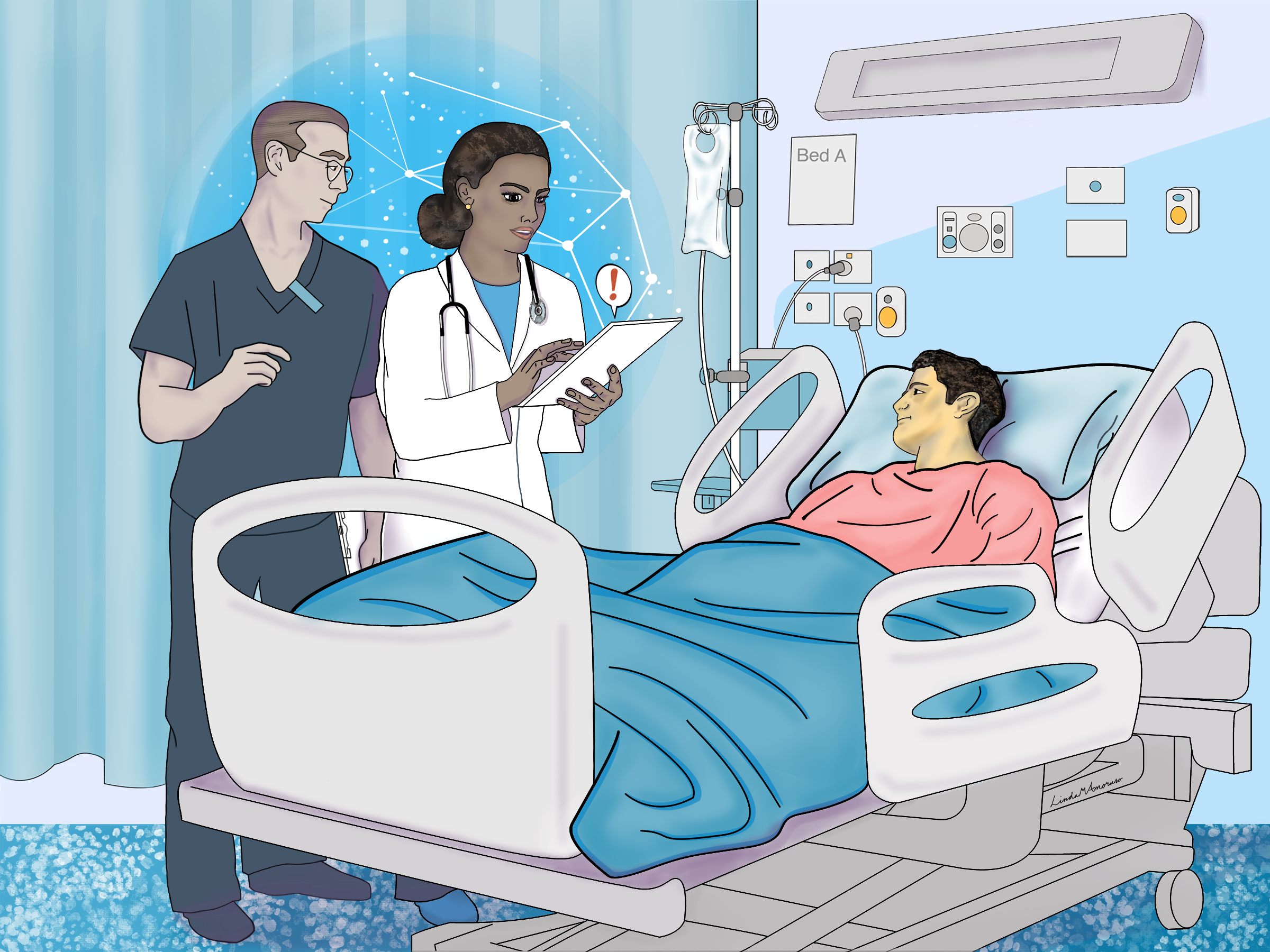
The clinical informatics group uses AI to improve how doctors and nurses identify and assess hospitalized patients at risk of deterioration

The Clinical Informatics Group uses AI to improve how doctors and nurses identify and assess hospitalized patients at risk of deterioration.

Clinical Informatics Harnesses Information Technology to Revolutionize Patient Care
The clinical informatics group uses AI to improve how doctors and nurses identify and assess hospitalized patients at risk of deterioration

The Clinical Informatics Group uses AI to improve how doctors and nurses identify and assess hospitalized patients at risk of deterioration.

Clinical Informatics Harnesses Information Technology to Revolutionize Patient Care

Controversies around artificial intelligence (AI) and ChatGPT seem to be everywhere these days — from students using these technologies to cheat on tests to chatbots threatening to take away people’s jobs. But Stanford physicians are balancing the scale by using these technologies to innovate ways to improve patient care — and nowhere is that passion greater than in the Clinical Informatics Group in the hospital medicine division of the Department of Medicine.

These physicians are hospitalists who not only treat patients but also use their interest in computer science to conduct research, fine-tune operational workflow, and design medical education around the latest technologies. While these physicians have a wide range of interests and expertise, ultimately they all want to improve the quality and safety of hospital stays, as well as the overall delivery of health care.
Hospitalists and Research Are a Natural Match

The Clinical Informatics Group includes a robust team of researchers who collaborate with divisions and departments across Stanford University and Stanford Health Care. Pilot projects showing positive outcomes have led to improved patient care practices systemwide.

“As academic clinicians, we as hospitalists have interests and passions outside of practicing medicine, and for many that’s research,” explains Ashwin Nayak, MD, clinical assistant professor of hospital medicine. “Within research, informatics is a broad foundation that can be applied to different specialties and problems.”

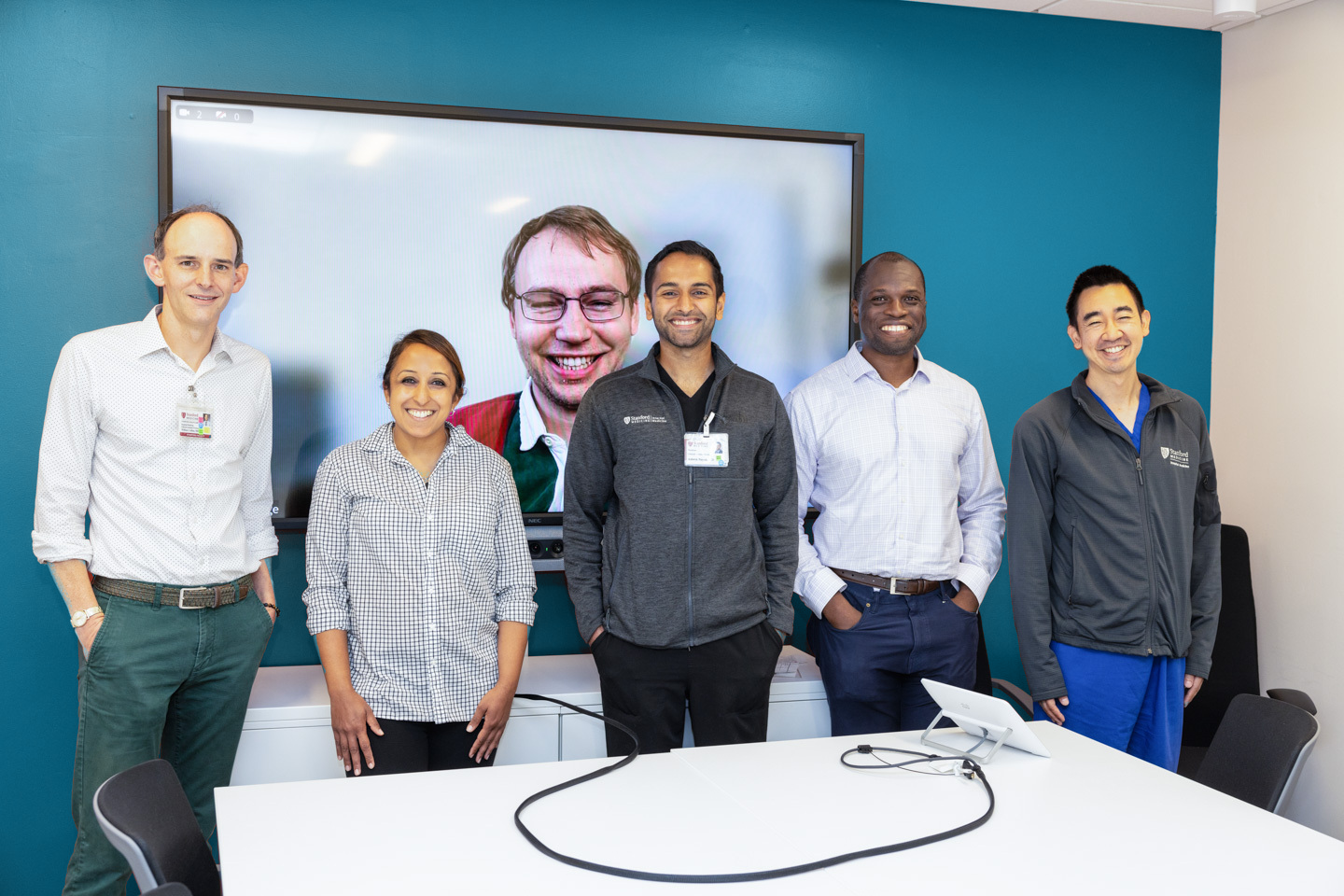
From left: William Collins, MD; Poonam Hosamani, MD; Thomas Savage, MD (on the screen); Ashwin Nayak, MD; Oluseyi Fayanju, MD; Jason Hom, MD

Adds Ron Li, MD, medical informatics director for digital health, “As hospitalists, we are system thinkers. We are not focused on one specific disease but about the entire care journey for a patient who may have many complex issues during a hospital stay.

Clinical informatics research projects are increasingly exploring the use of AI — specifically ChatGPT — in clinical practice.

Hospitalized patients with complex conditions are typically cared for by multiperson teams who assess large amounts of constantly changing data, making it challenging for the team to stay in sync. One recent research project, Clinical Deterioration Prediction & Prevention Using Artificial Intelligence, looked at how AI could be used to improve how doctors and nurses work together to identify patients whose condition could deteriorate in a hospital setting.

Controversies around artificial intelligence (AI) and ChatGPT seem to be everywhere these days — from students using these technologies to cheat on tests to chatbots threatening to take away people’s jobs. But Stanford physicians are balancing the scale by using these technologies to innovate ways to improve patient care — and nowhere is that passion greater than in the Clinical Informatics Group in the hospital medicine division of the Department of Medicine.

These physicians are hospitalists who not only treat patients but also use their interest in computer science to conduct research, fine-tune operational workflow, and design medical education around the latest technologies. While these physicians have a wide range of interests and expertise, ultimately they all want to improve the quality and safety of hospital stays, as well as the overall delivery of health care.

Hospitalists and Research Are a Natural Match

The Clinical Informatics Group includes a robust team of researchers who collaborate with divisions and departments across Stanford University and Stanford Health Care. Pilot projects showing positive outcomes have led to improved patient care practices systemwide.

“As academic clinicians, we as hospitalists have interests and passions outside of practicing medicine, and for many that’s research,” explains Ashwin Nayak, MD, clinical assistant professor of hospital medicine. “Within research, informatics is a broad foundation that can be applied to different specialties and problems.”

Adds Ron Li, MD, medical informatics director for digital health, “As hospitalists, we are system thinkers. We are not focused on one specific disease but about the entire care journey for a patient who may have many complex issues during a hospital stay.”

Clinical informatics research projects are increasingly exploring the use of AI — specifically ChatGPT — in clinical practice.

Hospitalized patients with complex conditions are typically cared for by multiperson teams who assess large amounts of constantly changing data, making it challenging for the team to stay in sync. One recent research project, Clinical Deterioration Prediction & Prevention Using Artificial Intelligence, looked at how AI could be used to improve how doctors and nurses work together to identify patients whose condition could deteriorate in a hospital setting.

Explains Li, who is a clinical assistant professor of hospital medicine and biomedical informatics research, “We used AI to develop a collaborative huddle and checklist process, allowing doctors and nurses to better assess at-risk patients and work together to intervene more quickly.” Not only did the pilot project reduce deterioration events at Stanford Hospital by 20%, but also it won the 2023 Healthcare Information and Management Systems Society (HIMSS) Nicholas E. Davies Award of Excellence for using health information technology to substantially improve patient outcomes.

Large language model chatbots such as ChatGPT are a particular area of interest for Clinical Informatics Group members. A recently published study comparing the clinical notes written by ChatGPT versus Internal Medicine residents found the quality to be comparable. “This study shows one of the many time-saving applications of large language models that could help free up clinicians so they can focus more on patient care,” comments Nayak, who was first author of the study.

As academic clinicians, we as hospitalists have interests and passions outside of practicing medicine, and for many that’s research.

— Ashwin Nayak, MD, clinical assistant professor of hospital medicine 

Information Technology Drives Hospital Efficiency and Safety

“Informatics is the glue that underlies the operation of the modern hospital. Every step in a hospital’s workflow requires a computer or cellphone app,” notes Weihan Chu, MD, clinical assistant professor of hospital medicine and associate chief medical officer of Stanford Health Care Tri-Valley and medical informatics director, Stanford Health Care.

Chu works extensively with the Stanford IT department to represent the physician perspective in developing and updating content used in nearly 200 hospital workflows, from auto-populated content for doctor notes for greater accuracy to checklists for hospital-admitted patients to improve consistency and efficiency.

Even basic hospital operations can have complex workflows involving many different areas. Explains Chu, “A blood transfusion for a patient’s cardiac surgery involves many behind-the-scenes steps, from routing the request to a blood bank and getting it filled and picked up to the operating room notifying the blood bank if they need more blood. IT tools make this process seamless.”

Before there were computers there was paper. “When we used paper to track patient care, there wasn’t one easily referenced source of truth,” he notes. “You can’t have multiple people looking at and updating the same piece of paper at the same time. Ultimately, these IT tools help us better coordinate care and improve patient safety.”

The Role of Informatics in Medical Education

AI technology is moving so quickly and integrating into so many areas within health care that Clinical Informatics Group members are exploring how to incorporate training into the Stanford School of Medicine’s basic curriculum for medical students and physician assistants obtaining an MSPA degree.

“It’s not a question of ‘if’ we’re going to integrate formal teaching about AI into the curriculum for students, but ‘how’ and ‘when,’” says Jason Hom, MD, clinical associate professor of hospital medicine. “We want to make sure our students are fully prepared for what they encounter in their clinical rotations. And since practicing clinicians were trained in a pre-AI world, we’re looking at continuing medical education courses as well,” adds Hom, who also serves as course director, Practice of Medicine Year 2, at the Stanford School of Medicine.

Educators around the world are intrigued by ChatGPT’s performance capabilities. In a study published in the Journal of the American Medical Association Internal Medicine, several Clinical Informatics Group members found that ChatGPT performed well on answering free-form questions from Stanford School of Medicine clinical reasoning exams. The study, Chatbot vs. Medical Student Performance on Free-Response Clinical Reasoning Examinations, was co-first authored by clinical associate professor of hospital medicine Eric Strong, MD, and School of Medicine Associate Director for Evaluation and Scholarship Alicia DiGiammarino, along with co-senior authors Jonathan Chen, MD, PhD, assistant professor of hospital medicine, and Hom. Yingjie WengAndre Kumar, MD, MEd, and Poonam Hosamani, MD were also co-authors. “We have to ensure new MD and MSPA students have a minimum level of unassisted competency before integrating AI into their studies. And we have to ensure that students have a basic understanding of how these emerging models work and can be used and what their limitations/biases are,” says Hom.

While the debate over how best to integrate AI into health care continues, the uniquely human aspects of medical training become even more important. “Teaching how to build rapport with patients, how to compassionately tell patients about a cancer diagnosis, how to listen to a patient’s heart — these are irreplaceable aspects of the patient-clinician relationship that we can focus on in training,” explains Hom.

Stanford and Technology Go Hand in Hand

Li cites Stanford leadership’s strong support for the use of informatics to solve problems as instrumental in the success of the group’s projects. “At Stanford, it’s in our DNA to use technology in service of innovation. There’s the rich ecosystem we’ve developed with Silicon Valley companies and cross-pollination with local industry. Plus, we tend to attract faculty who are skilled both as informaticians and as physicians,” he says. One such faculty member is Jonathan Chen, who is also assistant professor of biomedical informatics research and is featured in “How to Endure in a Pandemic? Magic!”
Explains Li, who is a clinical assistant professor of hospital medicine and biomedical informatics research, “We used AI to develop a collaborative huddle and checklist process, allowing doctors and nurses to better assess at-risk patients and work together to intervene more quickly.” Not only did the pilot project reduce deterioration events at Stanford Hospital by 20%, but also it won the 2023 Healthcare Information and Management Systems Society (HIMSS) Nicholas E. Davies Award of Excellence for using health information technology to substantially improve patient outcomes.

Large language model chatbots such as ChatGPT are a particular area of interest for Clinical Informatics Group members. A recently published study comparing the clinical notes written by ChatGPT versus Internal Medicine residents found the quality to be comparable. “This study shows one of the many time-saving applications of large language models that could help free up clinicians so they can focus more on patient care,” comments Nayak, who was first author of the study.

As academic clinicians, we as hospitalists have interests and passions outside of practicing medicine, and for many that’s research.

— Ashwin Nayak, MD, clinical assistant professor of hospital medicine

Information Technology Drives Hospital Efficiency and Safety

“Informatics is the glue that underlies the operation of the modern hospital. Every step in a hospital’s workflow requires a computer or cellphone app,” notes Weihan Chu, MD, clinical assistant professor of hospital medicine and associate chief medical officer of Stanford Health Care Tri-Valley and medical informatics director, Stanford Health Care.

Chu works extensively with the Stanford IT department to represent the physician perspective in developing and updating content used in nearly 200 hospital workflows, from auto-populated content for doctor notes for greater accuracy to checklists for hospital-admitted patients to improve consistency and efficiency.

Even basic hospital operations can have complex workflows involving many different areas. Explains Chu, “A blood transfusion for a patient’s cardiac surgery involves many behind-the-scenes steps, from routing the request to a blood bank and getting it filled and picked up to the operating room notifying the blood bank if they need more blood. IT tools make this process seamless.”

Before there were computers there was paper. “When we used paper to track patient care, there wasn’t one easily referenced source of truth,” he notes. “You can’t have multiple people looking at and updating the same piece of paper at the same time. Ultimately, these IT tools help us better coordinate care and improve patient safety.”

The Role of Informatics in Medical Education

AI technology is moving so quickly and integrating into so many areas within health care that Clinical Informatics Group members are exploring how to incorporate training into the Stanford School of Medicine’s basic curriculum for medical students and physician assistants obtaining an MSPA degree.

“It’s not a question of ‘if’ we’re going to integrate formal teaching about AI into the curriculum for students, but ‘how’ and ‘when,’” says Jason Hom, MD, clinical associate professor of hospital medicine. “We want to make sure our students are fully prepared for what they encounter in their clinical rotations. And since practicing clinicians were trained in a pre-AI world, we’re looking at continuing medical education courses as well,” adds Hom, who also serves as course director, Practice of Medicine Year 2, at the Stanford School of Medicine.

Educators around the world are intrigued by ChatGPT’s performance capabilities. In a study published in the Journal of the American Medical Association Internal Medicine, several Clinical Informatics Group members found that ChatGPT performed well on answering free-form questions from Stanford School of Medicine clinical reasoning exams. The study, Chatbot vs. Medical Student Performance on Free-Response Clinical Reasoning Examinations, was co-first authored by clinical associate professor of hospital medicine Eric Strong, MD, and School of Medicine Associate Director for Evaluation and Scholarship Alicia DiGiammarino, along with co-senior authors Jonathan Chen, MD, PhD, assistant professor of hospital medicine, and Hom. Yingjie WengAndre Kumar, MD, MEd, and Poonam Hosamani, MD were also co-authors. “We have to ensure new MD and MSPA students have a minimum level of unassisted competency before integrating AI into their studies. And we have to ensure that students have a basic understanding of how these emerging models work and can be used and what their limitations/biases are,” says Hom.

While the debate over how best to integrate AI into health care continues, the uniquely human aspects of medical training become even more important. “Teaching how to build rapport with patients, how to compassionately tell patients about a cancer diagnosis, how to listen to a patient’s heart — these are irreplaceable aspects of the patient-clinician relationship that we can focus on in training,” explains Hom.

Stanford and Technology Go Hand in Hand

Li cites Stanford leadership’s strong support for the use of informatics to solve problems as instrumental in the success of the group’s projects. “At Stanford, it’s in our DNA to use technology in service of innovation. There’s the rich ecosystem we’ve developed with Silicon Valley companies and cross-pollination with local industry. Plus, we tend to attract faculty who are skilled both as informaticians and as physicians,” he says. One such faculty member is Jonathan Chen, who is also assistant professor of biomedical informatics research and is featured in “How to Endure in a Pandemic? Magic!”

The Pre-Renal Initiative

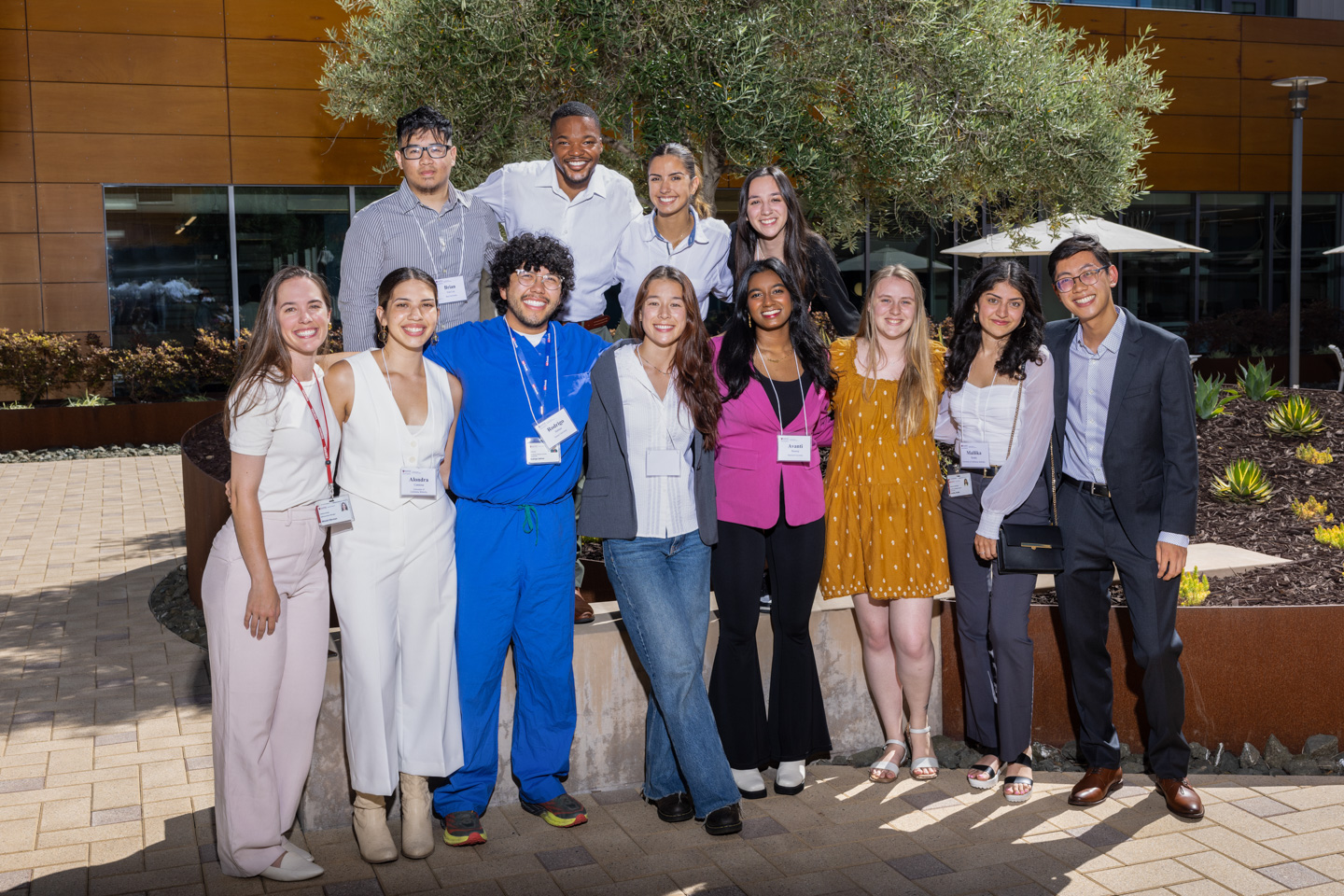
Pre-Renal Initiative participants. Front row, from left: Winnie Ellerman, manager; Alondra Camrena, UC Berkeley; Rodrigo Salinas, Emory University; Angelina Powers, UC Santa Cruz; Avanti Ramraj, Stanford; Alexandra Bibby, coordinator; Mallika Reddy, UC Berkeley; Jeffrey Doeve. Back row, from left: Brian Van Lee, Rice University; Brevyn Belfield, Hampton University; Maria Luiza Periera Ortiz, Mount Holyoke College; Arianna Mejia, University of Pennsylvania.

Pre-Renal Initiative participants. Front row, from left: Winnie Ellerman, manager; Alondra Camrena, UC Berkeley; Rodrigo Salinas, Emory University; Angelina Powers, UC Santa Cruz; Avanti Ramraj, Stanford; Alexandra Bibby, coordinator; Mallika Reddy, UC Berkeley; Jeffrey Doeve. Back row, from left: Brian Van Lee, Rice University; Brevyn Belfield, Hampton University; Maria Luiza Periera Ortiz, Mount Holyoke College; Arianna Mejia, University of Pennsylvania

The Pre-Renal Initiative

Recruiting Nephrologists Early

Pre-Renal Initiative participants. Front row, from left: Winnie Ellerman, manager; Alondra Camrena, UC Berkeley; Rodrigo Salinas, Emory University; Angelina Powers, UC Santa Cruz; Avanti Ramraj, Stanford; Alexandra Bibby, coordinator; Mallika Reddy, UC Berkeley; Jeffrey Doeve. Back row, from left: Brian Van Lee, Rice University; Brevyn Belfield, Hampton University; Maria Luiza Periera Ortiz, Mount Holyoke College; Arianna Mejia, University of Pennsylvania.

Pre-Renal Initiative participants. Front row, from left: Winnie Ellerman, manager; Alondra Camrena, UC Berkeley; Rodrigo Salinas, Emory University; Angelina Powers, UC Santa Cruz; Avanti Ramraj, Stanford; Alexandra Bibby, coordinator; Mallika Reddy, UC Berkeley; Jeffrey Doeve. Back row, from left: Brian Van Lee, Rice University; Brevyn Belfield, Hampton University; Maria Luiza Periera Ortiz, Mount Holyoke College; Arianna Mejia, University of Pennsylvania

The Pre-Renal Initiative

Recruiting Nephrologists Early

Despite the need for more nephrologists, the field of nephrology has suffered an image problem. The subspecialty has been perceived as somewhat stale and stodgy, with limited therapies available for chronic kidney disease (CKD) and a scant research pipeline.

“By the time they enter medical school, many students already know what area of study they intend to pursue, such as cardiology, oncology, or general surgery,” says Vivek Bhalla, MD, associate professor of nephrology and director of the Stanford Hypertension Center. “Early exposure to the field of nephrology is crucial to attract more practitioners and researchers to this dynamic subspecialty, and that is exactly what our initiative is designed to do,” says Bhalla, who is co-director of the Pre-Renal Initiative, a summer research program for undergraduate college students aimed at attracting trainees to the field of nephrology.

Enter the Pre-Renal Initiative

The Pre-Renal Initiative was founded in 2019 to develop an interest in nephrology by planting a seed at the undergraduate level, especially among the very minority and underrepresented populations most affected by CKD. Through this outreach and recruitment effort, Stanford is creating the potential for a clearer path to this subspecialty for those who may not have considered it previously.

Students are recruited through the initiative’s website and social media accounts, as well as with campus outreach at local universities and student groups using targeted emails and virtual talks.

The initiative includes the subspecialties of urology and benign hematology — related areas of study that also need to draw attention as potential career choices.

Bhalla says that in the past 10 years, an explosion of new therapies has emerged for CKD. Multiple new drugs for treating the disease are now available, and amazing insights are revealing how those drugs can manage or even cure CKD. These developments, combined with the current nationwide epidemics of diabetes and obesity, have triggered a need for more nephrologists who can treat the 37 million Americans who have CKD, many of whom are ethnic minorities. 

The 10-week program has three components: a research project, a lecture series, and professional development. Each summer includes twice-weekly lectures with nephrology, urology, and hematology faculty members, covering topics in clinical care and research. Additional activities include professional development seminars, social events, and a poster symposium at Stanford and at the National Institutes of Health (NIH), which provides funding for the program.

Glenn M. Chertow, MD, is proud of the initiative’s success in “fostering the interests of women and other underrepresented groups into medicine, nephrology, and urology.” Chertow is a former division chief of nephrology and is currently associate chair of fellowship programs in the Department of Medicine.

Emerging From the Pandemic

The year 2023 was only the second time the Pre-Renal Initiative took place fully in person, with a group of 11 undergraduate students from California, New York, South Carolina, and Texas. They were paired individually with a faculty member and in groups of three with a fellow or resident.

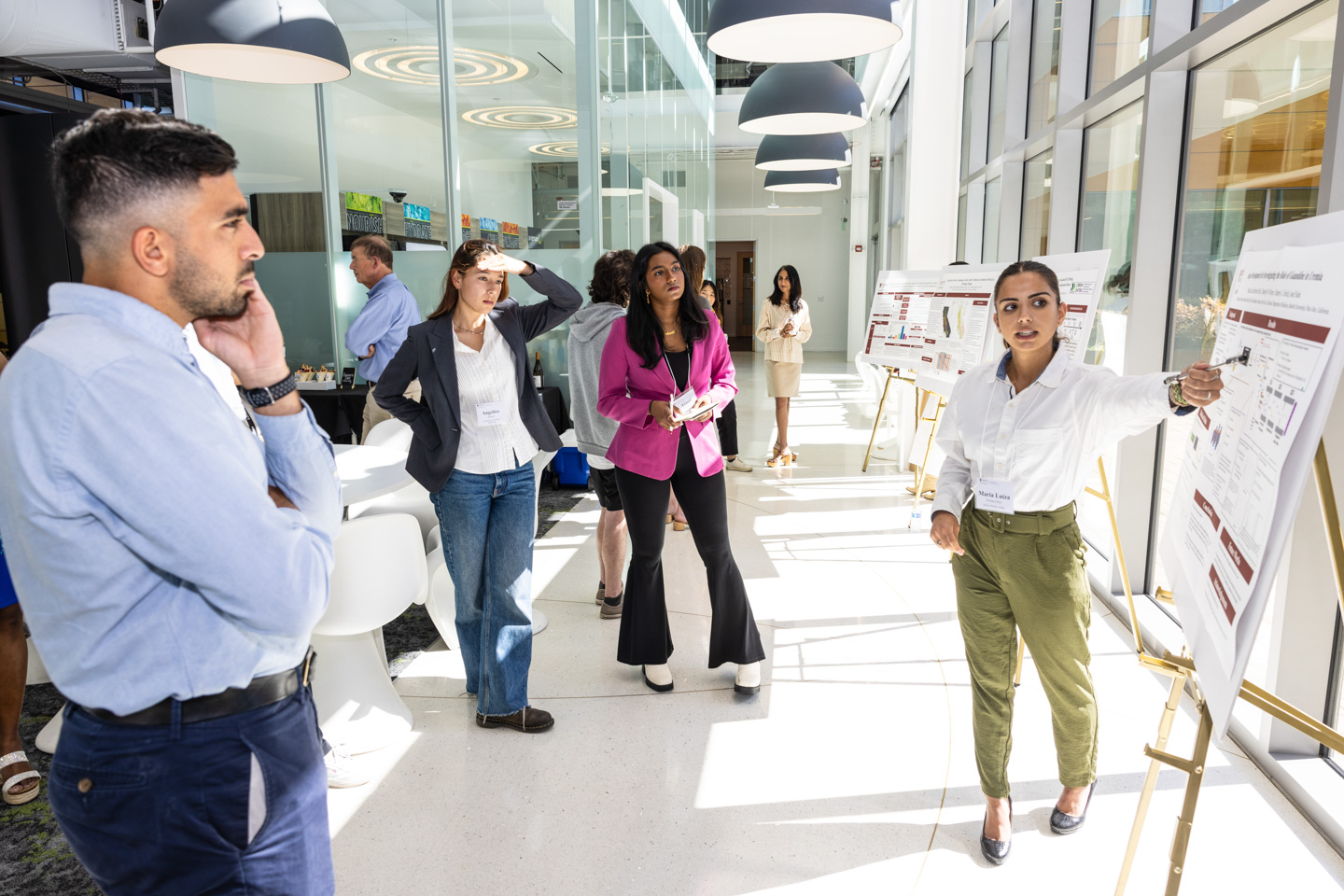
Maria Luiza Periera Ortiz (at easel) is benefiting from early exposure to the field of nephrology. 

“The faculty lectures are multidisciplinary and are a highlight of the Pre-Renal Initiative,” notes Winnie Ellerman, administrative manager for the division of nephrology. She adds that “the most thrilling part of the program has been seeing the students present their research at the end of the summer. They’d been able to establish a hypothesis and see it come to life in the lab.”

Stand By for Results

As for creating a pool of future nephrologists, the success of the program won’t be measurable for at least another 10 years. And, says Bhalla, “even if they don’t go to medical school or specialize in nephrology, they will have benefited from the experience.”

Ellerman adds, “I know the bonds that have formed here will follow these students into their future lives. That is very powerful.”

Brevyn Belfield makes a point during a presentation

I cannot thank you enough for this wonderful program! I feel so happy knowing there is a sphere of medicine that fascinates me as much as urology/nephrology does and that there is so much room for me to join and continue improving renal care!
— Pre-Renal Initiative participant

Despite the need for more nephrologists, the field of nephrology has suffered an image problem. The subspecialty has been perceived as somewhat stale and stodgy, with limited therapies available for chronic kidney disease (CKD) and a scant research pipeline.

“By the time they enter medical school, many students already know what area of study they intend to pursue, such as cardiology, oncology, or general surgery,” says Vivek Bhalla, MD, associate professor of nephrology and director of the Stanford Hypertension Center. “Early exposure to the field of nephrology is crucial to attract more practitioners and researchers to this dynamic subspecialty, and that is exactly what our initiative is designed to do,” says Bhalla, who is co-director of the Pre-Renal Initiative, a summer research program for undergraduate college students aimed at attracting trainees to the field of nephrology.

Maria Luiza Periera Ortiz (at easel) is benefiting from early exposure to the field of nephrology

Enter the Pre-Renal Initiative

The Pre-Renal Initiative was founded in 2019 to develop an interest in nephrology by planting a seed at the undergraduate level, especially among the very minority and underrepresented populations most affected by CKD. Through this outreach and recruitment effort, Stanford is creating the potential for a clearer path to this subspecialty for those who may not have considered it previously.

Students are recruited through the initiative’s website and social media accounts, as well as with campus outreach at local universities and student groups using targeted emails and virtual talks.

The initiative includes the subspecialties of urology and benign hematology — related areas of study that also need to draw attention as potential career choices.

Bhalla says that in the past 10 years, an explosion of new therapies has emerged for CKD. Multiple new drugs for treating the disease are now available, and amazing insights are revealing how those drugs can manage or even cure CKD. These developments, combined with the current nationwide epidemics of diabetes and obesity, have triggered a need for more nephrologists who can treat the 37 million Americans who have CKD, many of whom are ethnic minorities. 

The 10-week program has three components: a research project, a lecture series, and professional development. Each summer includes twice-weekly lectures with nephrology, urology, and hematology faculty members, covering topics in clinical care and research. Additional activities include professional development seminars, social events, and a poster symposium at Stanford and at the National Institutes of Health (NIH), which provides funding for the program.

Glenn M. Chertow, MD, is proud of the initiative’s success in “fostering the interests of women and other underrepresented groups into medicine, nephrology, and urology.” Dr. Chertow is a former division chief of nephrology and is currently associate chair of fellowship programs in the Department of Medicine.

I cannot thank you enough for this wonderful program! I feel so happy knowing there is a sphere of medicine that fascinates me as much as urology/nephrology does and that there is so much room for me to join and continue improving renal care!
— Pre-Renal Initiative participant

Brevyn Belfield makes a point during a presentation.

Emerging From the Pandemic

The year 2023 was only the second time the Pre-Renal Initiative took place fully in person, with a group of 11 undergraduate students from California, New York, South Carolina, and Texas. They were paired individually with a faculty member and in groups of three with a fellow or resident.

“The faculty lectures are multidisciplinary and are a highlight of the Pre-Renal Initiative,” notes Winnie Ellerman, administrative manager for the division of nephrology. She adds that “the most thrilling part of the program has been seeing the students present their research at the end of the summer. They’d been able to establish a hypothesis and see it come to life in the lab.”

Stand By for Results

As for creating a pool of future nephrologists, the success of the program won’t be measurable for at least another 10 years. And, says Bhalla, “even if they don’t go to medical school or specialize in nephrology, they will have benefited from the experience.”

Ellerman adds, “I know the bonds that have formed here will follow these students into their future lives. That is very powerful.”

Teaching Tolerance to the Immune System

Everett Meyer, MD, PhD

Everett Meyer, MD, PhD

Teaching Tolerance to the Immune System

A Q&A with Everett Meyer

Everett Meyer, MD, PhD

Everett Meyer, MD, PhD

Teaching Tolerance to the Immune System

A Q&A with Everett Meyer

A healthy immune system is in a constant state of vigilance, patrolling the human body for invading pathogens and mounting a quick response against dangerous bacteria or viruses. But what happens when that immune response is unwanted? After a sick patient receives a lifesaving transplant, the immune system can attack the new organ, triggering transplant rejection. In people with autoimmune conditions like rheumatoid arthritis and lupus nephritis, the immune system attacks healthy cells, causing disease. In both cases, clinicians want to block the immune response — but without shutting off the entire immune system.

Researchers and clinicians in the bone and marrow transplantation and cellular therapy division are developing and testing new methods of cellular immune tolerance — techniques to reprogram the immune system to be more tolerant of healthy cells and transplanted organs. This kind of renewal of the healthy immune system offers hope for patients who have long had few options. Physician-scientist Everett Meyer, MD, PhD, who has been studying cellular immune tolerance for more than a decade, recently answered some questions about how these breakthroughs are impacting Stanford Medicine patients.

Doctors have been trying to prevent organ rejection and to treat autoimmune disease for a long time. What’s changed in recent years?

In the past decade, we’ve had an incredible amount of advancement in our basic understanding of the immune system. Scientists have developed extremely powerful new techniques that let us see at a very deep level how individual immune cells function. At the same time, we also have new ways to reprogram those immune cells using genetic tools. The success of cancer immunotherapy, which reprograms immune cells to attack cancer cells, has paved the way for us. Now, we’re expanding those same approaches used to prevent organ rejection and treat autoimmune disease in completely new ways.

How are clinicians at Stanford Medicine applying these breakthroughs to organ transplants?

Right now, by really pushing the frontiers of how we prevent organ rejection. We can reengineer immune cells and transplant them into patients at the same time they receive a new organ. This has the potential to allow patients to completely stop taking standard immunosuppression drugs that shut down the immune system. We have a large California Institute of Regenerative Medicine grant to study whether patients can be weaned completely off immunosuppressants if they receive a bone marrow transplant and cell cultured immune cells at the same time as a kidney transplant.

The success of cancer immunotherapy, which reprograms immune cells to attack cancer cells, has paved the way for us.

How are clinicians at Stanford Medicine applying these breakthroughs to organ transplants?

Right now, by really pushing the frontiers of how we prevent organ rejection. We can reengineer immune cells and transplant them into patients at the same time they receive a new organ. This has the potential to allow patients to completely stop taking standard immunosuppression drugs that shut down the immune system. We have a large California Institute of Regenerative Medicine grant to study whether patients can be weaned completely off immunosuppressants if they receive a bone marrow transplant and cell cultured immune cells at the same time as a kidney transplant.

What does this mean for patients in terms of their quality of life?

For most of history, patients who received organ transplants had to take immunosuppressant pills for the rest of their life. This leads to a lot of long-term side effects — not only are you more prone to getting sick, but you can get secondary cancers, diabetes, and hypertension. In some cases, the immunosuppression can actually end up damaging the new organ that you’re trying to protect. What’s more, even when immunosuppression is effective, the organ is often rejected after 15 or 20 years. Patients who get transplants when they’re young usually plan to get another one or two organs over their life span.

With the new cell therapies we’re testing, patients can get one organ transplant that lasts for life, and they won’t have to take immunosuppressants forever. This means far fewer long-term side effects, as well as not having the burden of daily pills.

Are you also expanding these therapies for autoimmune disease?

Yes, some of the same approaches that are being used to treat B cell cancers can be repurposed to treat autoimmune diseases, because in both cases, you have faulty B cells. Right now, we’re planning a trial that will test these therapies in lupus nephritis and multiple sclerosis. We’re also involved in a large, national trial that’s planning to treat multiple sclerosis with bone marrow transplants, and we are working with a company developing cell therapy for rheumatoid arthritis. In all these cases, we’re using molecular tools to reeducate the immune system to stop responding to things that it shouldn’t be responding to. For our patients, having access to these trials, which offer a completely new paradigm of treating autoimmune disease, is incredibly valuable.

Why is Stanford such an ideal place to be studying this?

Stanford has taken an innovative stand in terms of bringing together all the different players in cellular immune tolerance into one program. We are among the leading centers in the world when it comes to studying human immunology, and we have a rich history of being innovators in transplantation. In addition, we have this entrepreneurial culture and collaborative environment that fosters the development of these kinds of completely new approaches to medicine. All these things come together to make Stanford uniquely positioned to really advance the field of cellular immune tolerance.

Making the Meaning of ‘First-Generation’ From College to Career

Making the Meaning of ‘First-Generation’ From College to Career

Making the Meaning of ‘First-Generation’ From College to Career

It seems no one can agree on what being a first-generation college student means. According to CalMatters, academic institutions across the state employ different definitions of “first-generation student,” which affects how they see their student body and sometimes what resources they get.

Stanford considers a student first-generation if neither of their parents earned college degrees, a status that applied to just over 20% of undergraduates in 2022. However, regardless of what institutions mean by “first-generation student,” the accomplishment of graduating from college means something different to each individual. 

In the Department of Medicine, we asked several staff members what it means for them to be first-generation college graduates: they shared what a college degree means to them and their families, offered insights into the struggles first-generation students face after graduation, and gave suggestions for how first-generation graduates can succeed in their careers at Stanford.

It seems no one can agree on what being a first-generation college student means. According to CalMatters, academic institutions across the state employ different definitions of “first-generation student,” which affects how they see their student body and sometimes what resources they get.

Stanford considers a student first-generation if neither of their parents earned college degrees, a status that applied to just over 20% of undergraduates in 2022. However, regardless of what institutions mean by “first-generation student,” the accomplishment of graduating from college means something different to each individual. 

In the Department of Medicine, we asked several staff members what it means for them to be first-generation college graduates: they shared what a college degree means to them and their families, offered insights into the struggles first-generation students face after graduation, and gave suggestions for how first-generation graduates can succeed in their careers at Stanford.

Jessica Lau

Postdoc Coordinator/Administrative Associate in the division of Immunology & Rheumatology

Adriana Moreno

Administrative Associate II in the Center for Clinical Research

Cayla Whitney

Education Program Coordinator in the division of Nephrology

Jessica Lau

Postdoc Coordinator/Administrative Associate in the division of Immunology & Rheumatology

Adriana Moreno

Administrative Associate II in the Center for Clinical Research

Cayla Whitney

Education Program Coordinator in the division of Nephrology

Jessica Lau

(She/Her)

Alma Mater: UC Santa Barbara ’20

Degree: BA in Global Studies & Sociology

Role in the Department of Medicine: Postdoc Coordinator/Administrative Associate in the division of Immunology & Rheumatology

Hometown and Family: Jessica’s hometown is Milpitas, California. Since she graduated, her younger sister also earned a BA, from San Jose State University in 2023.

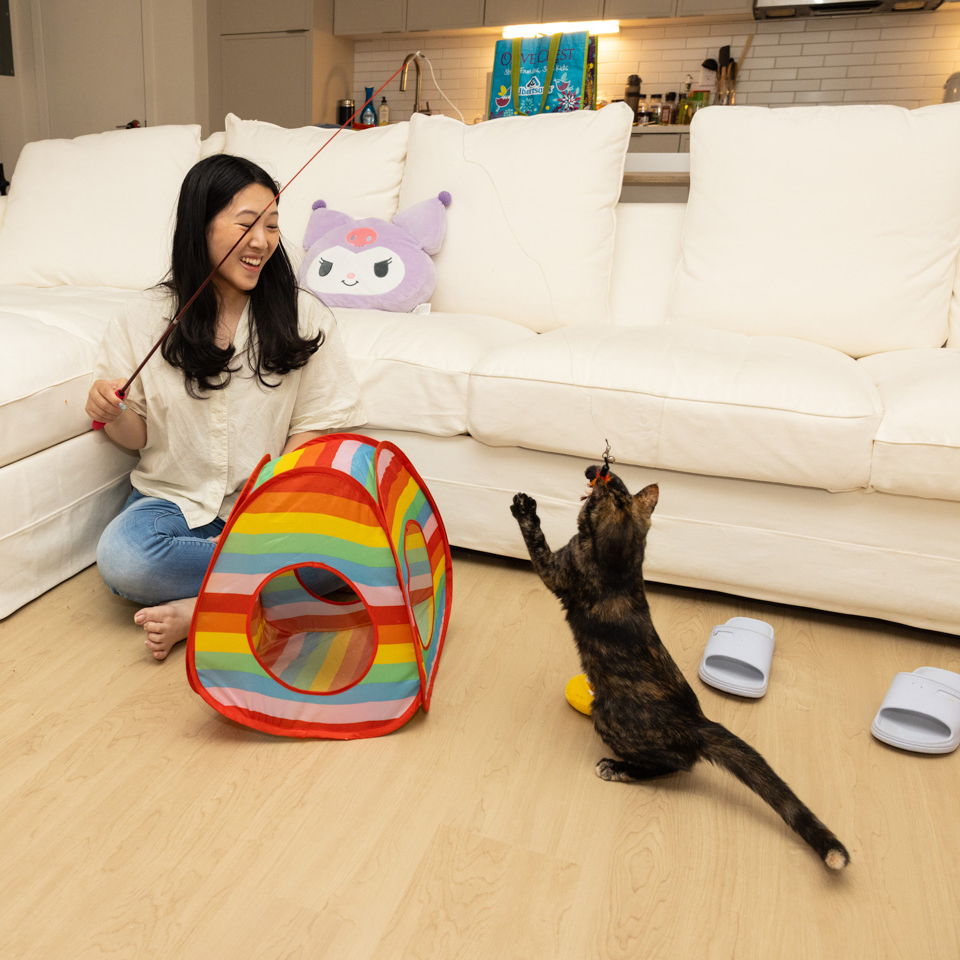
Hobbies: playing with Basil, Beansprout, and Simba, her three cats

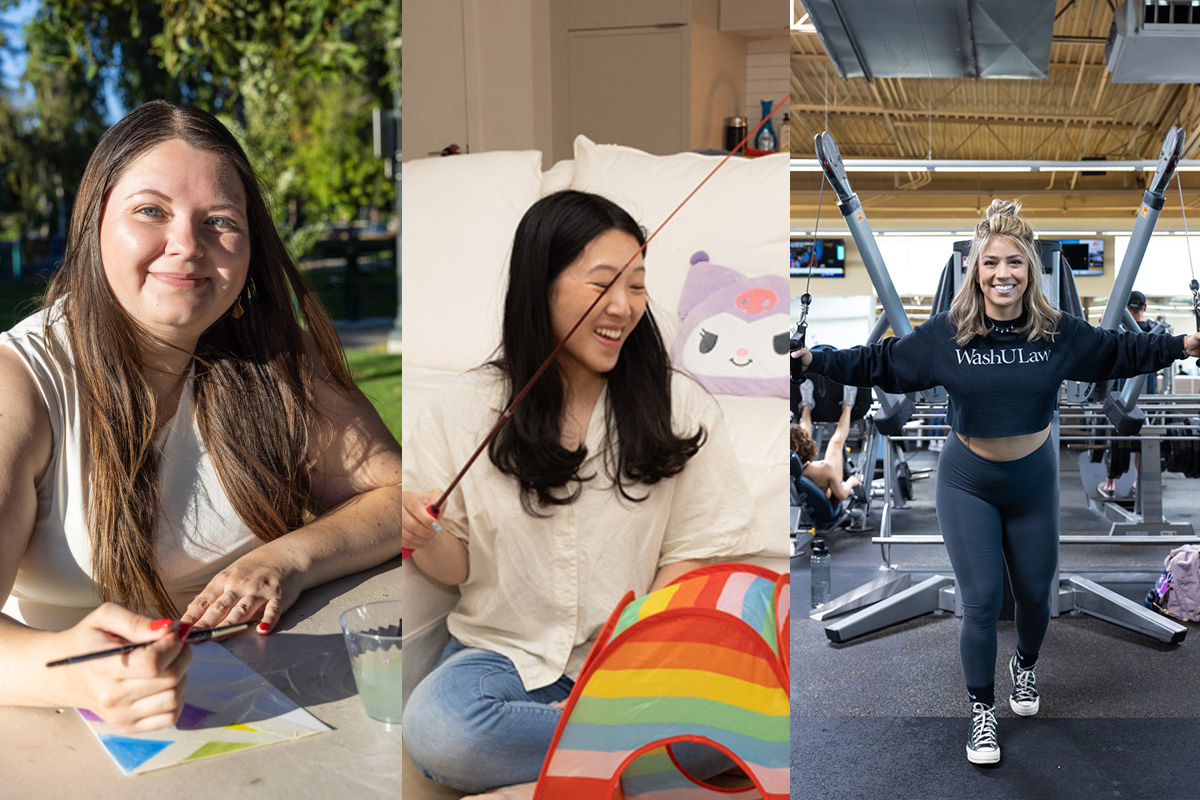
Jessica Lau enjoys playing with her cats.

Jessica Lau enjoys playing with her cats.

Jessica Lau

(She/Her)

Alma Mater: UC Santa Barbara ’20

Degree: BA in Global Studies & Sociology

Role in the Department of Medicine: Postdoc Coordinator/Administrative Associate in the division of Immunology & Rheumatology

Hometown & Family: Jessica’s hometown is Milpitas, California. Since she graduated, her younger sister also earned a BA, from San Jose State University in 2023.

Hobbies: playing with Basil, Beansprout, and Simba, her three cats

Coming from working-class families in Hong Kong and Vietnam, Jessica Lau’s parents put everything into giving her the opportunity for a college degree in America that they never had growing up.

“They didn’t have a college education—my dad didn’t even finish high school,” Lau says. For her family, her journey to a degree at UC Santa Barbara, one of the most prestigious schools in the nation, represents a culmination of all of her parents’ sacrifice and her whole family’s hard work. “They gave up everything with their families to come to America,” she says. “The fact that I was able not only to finish high school but apply to and get accepted into a UC was a real achievement.”

Lau loved her time in Santa Barbara—who wouldn’t love a campus that’s literally at the beach? Still, she felt that students from families who already had college degrees had a leg-up in terms of understanding higher education institutions.

“I felt like I was navigating these strange waters all on my own,” she remembers. “Academic institutions can make resources more widely available—not just saying they have them, but actually showing students where to get them.”

Now, Lau hopes that employers, like Stanford, remember that families with previous college graduates likely also have more experience with understanding certain types of workplaces, too.

“When I joined Stanford, it was very overwhelming. People kind of assume you know what things are: like ‘postdocs.’ I came from a first-generation family, and I had no idea what a ‘postdoc’ was,” Lau says. Explaining terms, roles, and concepts for everyone helps first-generation graduates now in the workforce—just like during college, as long as they have the same knowledge and resources as everyone else, they can do just as well.

Still, Lau’s very thankful for her family’s support and proud of her achievements, during and since college. “I had to take initiative to go to college and navigate a four-year university. I think a lot of first-generation college graduates would feel the same—and they should be proud of themselves.”

Adriana Moreno

(She/Her)

Alma Mater: University of Colorado Denver ’20 and Washington University in St. Louis School of Law ’23

Degree: BA/MCJ (Master of Criminal Justice) and MLS (Master of Legal Studies)

Role in the Department of Medicine: Administrative Associate II in the Center for Clinical Research

Hometown and Family: Adriana’s hometown is Denver, Colorado. She is the only member of her family yet to have earned a college degree.

Hobbies: road biking, going to the gym, and visiting family in Denver and Durango, Mexico

Adriana Moreno works out in her gym

Adriana Moreno works out in her gym

Adriana Moreno

(She/Her)

Alma Mater: University of Colorado Denver ’20 and Washington University in St. Louis School of Law ’23

Degree: BA/MCJ (Master of Criminal Justice) and MLS (Master of Legal Studies)

Role in the Department of Medicine: Administrative Associate II in the Center for Clinical Research

Hometown & Family: Adriana’s hometown is Denver, Colorado. She is the only member of her family yet to have earned a college degree.

Hobbies: road biking, going to the gym, and visiting family in Denver and Durango, Mexico

From Adriana Moreno’s point of view, a big problem that faces first-generation students before and after graduation is impostor syndrome.

“I was raised in poverty. My family didn’t go to school. Then I go to this type of institution where I have the best of the best leaders and resources,” she says with a little incredulity. “It blows my mind a little bit, and the impostor syndrome kicks in: what am I doing here?”

She notes that this feeling doesn’t go away once first-generation college students get jobs after graduation. She stresses, “It’s not just me, but other first-generation people that I know.”

Moreno finds that it can be hard for those who come from families who had gone to college to relate to the experience of first generation students, both in college and later in the workplace.

“If you want to grow in an institution, you want to have close ties, feel included, feel supported. If I were given a choice, for example, to connect with another first-generation Mexicana, we could speak the same language. We could relate in other things,” she nods.

Moreno says that checking in with employees to talk about impostor syndrome can make it a community practice to care for one another. Once impostor syndrome sets in, it makes it hard to progress at work.

“I wish there were a first-generation staff group,” she says. “We could talk about our experiences or things that we’ve done. It could be something to unite this group. We all do such a good job talking about our accomplishments, but let’s talk about how we’re struggling, because chances are someone out there is struggling the same way.”

Cayla Whitney

(She/Her)

Alma Mater: San Jose State University ’14

Degree: BA in Design Studies

Role in the Department of Medicine: Education Program Coordinator in the division of Nephrology

Hometown and Family: Cayla’s hometown is San Jose, California. Since she graduated, her younger sister also earned a BA, from San Jose State University in 2021.

Hobbies: Arts and crafts, hiking, cooking, baking, and playing with her two pit bulls: Apollo and Porter

Arts and crafts is a favorite hobby for Cayla Whitney

Arts and crafts is a favorite hobby for Cayla Whitney

Cayla Whitney

(She/Her)

Alma Mater: San Jose State University ’14

Degree: BA in Design Studies

Role in the Department of Medicine: Education Program Coordinator in the division of Nephrology

Hometown & Family: Cayla’s hometown is San Jose, California. Since she graduated, her younger sister also earned a BA, from San Jose State University in 2021.

Hobbies: Arts and crafts, hiking, cooking, baking, and playing with her two pit bulls: Apollo and Porter

“Growing up, when I say that education was emphasized, my grandmother was a big part of that,” Cayla Whitney says.

Whitney, and later her younger sister, worked hard to graduate from San José State University. But even though she grew up in the Bay Area, where her grandmother also lived, she didn’t face the same obstacles to education that her grandmother had.

“She said some women had to get approval from their husbands to go to school. But she was divorced. So she could go there,” Whitney laughs.

Her grandmother took a few college classes, but she was a single mother during a time when that was uncommon. Ultimately, she never finished her college degree, but she instilled a love of learning in her family that her grandchildren took to completed degrees.

“My love and interest in learning came from her,” Whitney says.

Still, that love of learning doesn’t demystify careers after college. When she landed her first job, she didn’t know how to tell if she was being given too many responsibilities or paid too little.

“I was half graphics designer and half administrator,” she says. When she finally told her friends how much she was being paid essentially to work two roles, they told her, “Oh, my gosh! You need to go back and ask for more!”

Whitney says career advice like this is harder for first-generation graduates to get, when they don’t know as many people with similar workplace experience.

“If I had more connections or more family members who had gone through this, I could have gotten that advice from them,” she reflects on her wandering career path. “It didn’t seem like an abnormal struggle, but when I look back at it now, I really wish I had someone to help me figure this out. I could’ve gotten settled in at the job I wanted much sooner.”

Two Residents, United in Equality, Are Fighting Health Disparities

Two Residents, United in Equality, Are Fighting Health Disparities

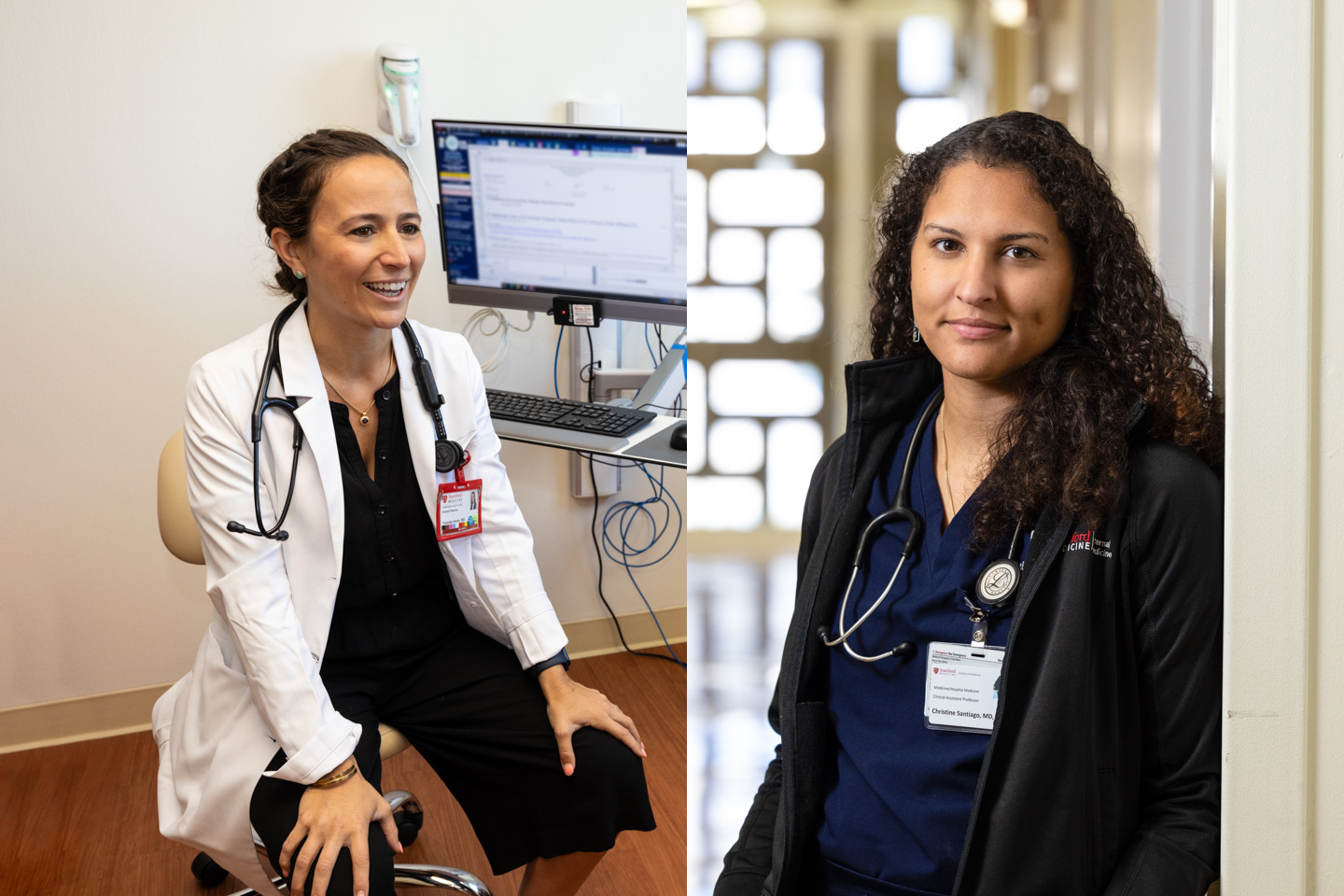
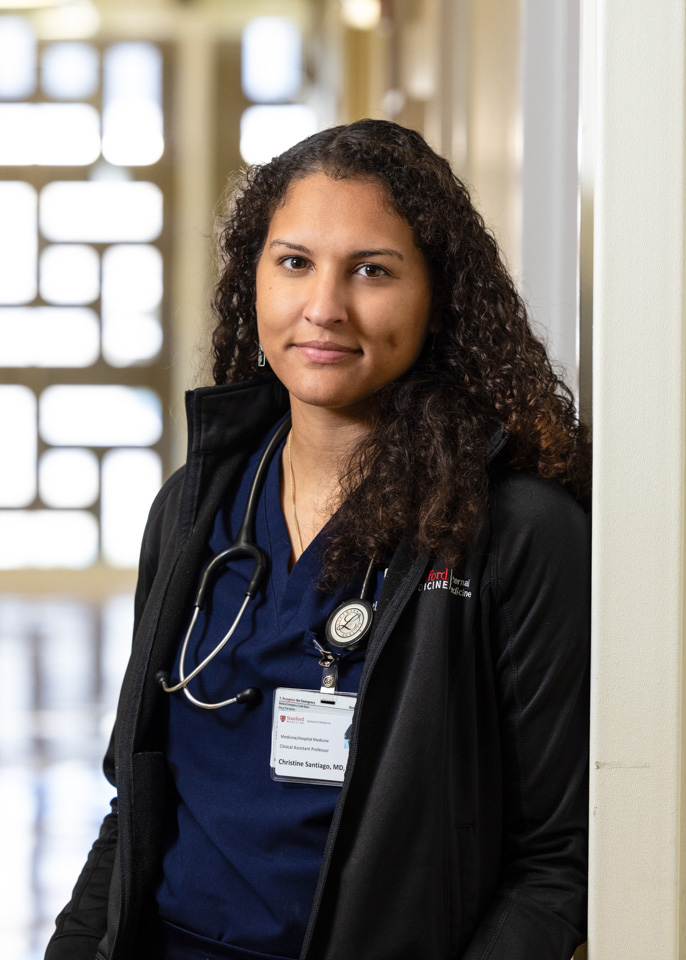
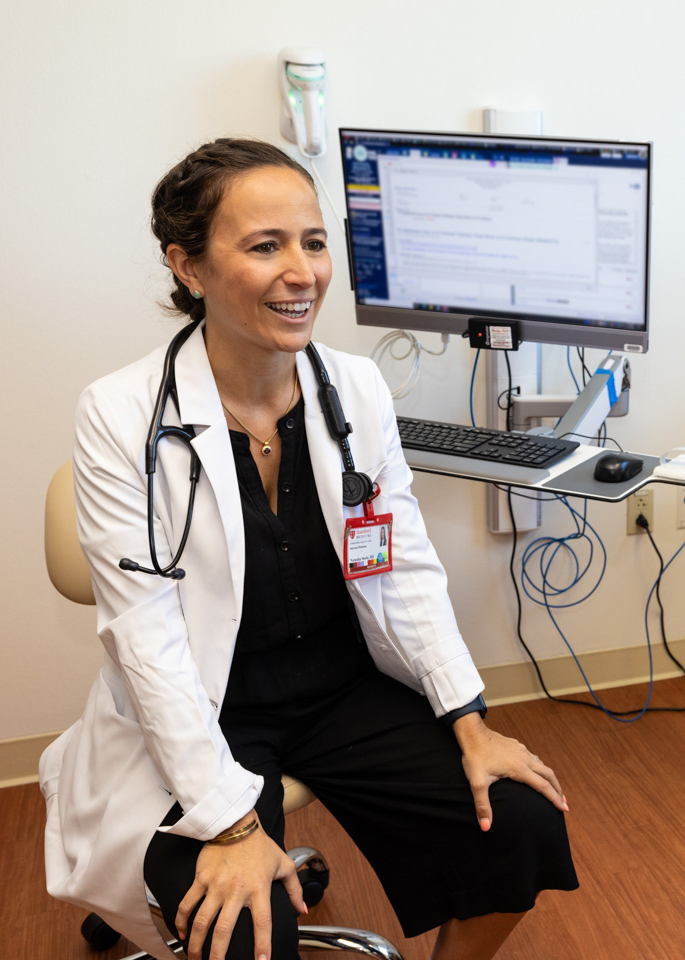
As medical residents, Christine Santiago, MD, and Natasha Steele, MD, helped shape the narrative along the halls of Stanford and beyond when it came to equity, diversity, and hands-on experience in health care. Now as recently appointed assistant professors in the Department of Medicine, both are using their voices to bring positive change to patients of all races, backgrounds, abilities, and income levels. The idea that we become who we need rings true for both professors, and their shared experiences of having ill family members, navigating the healthcare system, and serving side by side have created a new sisterhood that will impact them and others for years to come.

Two Residents, United in Equality, Are Fighting Health Disparities

Christine Santiago, MD

Santiago has been bridging the gap in health care since elementary school in New York City. There, she witnessed the devastating impact on her family and community when medical providers didn’t view health care through the same cultural lens as the community they served.

Natasha Z.R. Steele, MD

For some, a career in medicine stems from life experience and wanting to help others, but what happens when you become your own case study?

As medical residents, Christine Santiago, MD, and Natasha Steele, MD, helped shape the narrative along the halls of Stanford and beyond when it came to equity, diversity, and hands-on experience in health care. Now as recently appointed assistant professors in the Department of Medicine, both are using their voices to bring positive change to patients of all races, backgrounds, abilities, and income levels. The idea that we become who we need rings true for both professors, and their shared experiences of having ill family members, navigating the healthcare system, and serving side by side have created a new sisterhood that will impact them and others for years to come.

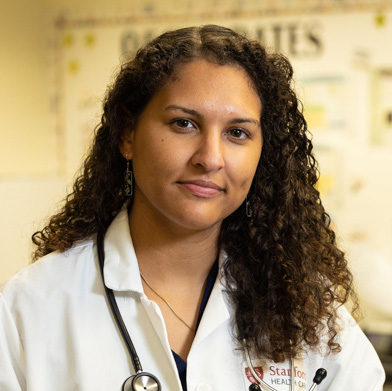
Christine Santiago, MD

Santiago has been bridging the gap in health care since elementary school in New York City. There, she witnessed the devastating impact on her family and community when medical providers didn’t view health care through the same cultural lens as the community they served.

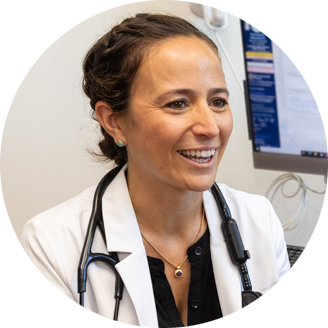
Natasha Z.R. Steele, MD

For some, a career in medicine stems from life experience and wanting to help others, but what happens when you become your own case study?

Christine Santiago: Challenge Accepted

Santiago has been bridging the gap in health care since elementary school in New York City. There, she witnessed the devastating impact on her family and community when medical providers didn’t view health care through the same cultural lens as the community they served. She regularly translated medical jargon for family members who struggled to understand their medical conditions, medications, and follow-up care.

During those early childhood years, she decided to pursue a medical career, but her college counselor told her that medical school wasn’t an option and to find another profession.

Undaunted, Santiago went on to graduate from Harvard Medical School cum laude and UC Berkeley with a Master’s in Public Health.

Meeting Wendy Caceres, MD, of the Stanford Clinical Opportunity for Residency Experience (SCORE) program, made a significant impact on Santiago. Caceres, a clinical associate professor of primary care and population health, knew SCORE would offer Santiago the depth of knowledge and experience needed to treat patients of varying needs and backgrounds in real time.

Christine Santiago, MD

Christine Santiago, MD

Christine Santiago: Challenge Accepted

Santiago has been bridging the gap in health care since elementary school in New York City. There, she witnessed the devastating impact on her family and community when medical providers didn’t view health care through the same cultural lens as the community they served. She regularly translated medical jargon for family members who struggled to understand their medical conditions, medications, and follow-up care.

During those early childhood years, she decided to pursue a medical career, but her college counselor told her that medical school wasn’t an option and to find another profession.

Undaunted, Santiago went on to graduate from Harvard Medical School cum laude and UC Berkeley with a Master’s in Public Health.

Meeting Wendy Caceres, MD, of the Stanford Clinical Opportunity for Residency Experience (SCORE) program, made a significant impact on Santiago. Caceres, a clinical associate professor of primary care and population health, knew SCORE would offer Santiago the depth of knowledge and experience needed to treat patients of varying needs and backgrounds in real time.

She regularly translated medical jargon for family members who struggled to understand their medical conditions, medications, and follow-up care.

While a resident at Stanford, Santiago wanted answers and solutions when her father broke a bone and had trouble getting opioids to dull the pain — because the doctors thought he would become addicted. It is not uncommon for this to happen to people of color with little to no recourse, Santiago says.

She responded to her concerns by co-founding Internal Medicine Health Equity, Advocacy and Research (IM HEARs) in 2020 with fellow resident Gabriela Spencer Bonilla, MD.

“The program aims to develop internists who are committed to the care of disadvantaged and vulnerable populations within the United States. It started with three residents and has grown to 18 residents dedicated to creating better health care outcomes while building stronger community ties,” says Santiago.

Now an assistant professor of hospital medicine, Santiago has the same goal as she had in her youth: to create better health outcomes for all — regardless of race, culture, education, sexual orientation, religion, or finances.

Natasha Steele: A Challenging Diagnosis

For some, a career in medicine stems from life experience and wanting to help others, but what happens when you become your own case study?

Eleven days after arriving at Stanford as an intern, Steele discovered that she had Hodgkin lymphoma. She would now fight two battles: cancer and a healthcare system that was not always inclusive.

Steele grew up in a large immigrant family with a Moroccan mother and an American father. Her familial background reflected two worlds — family with medical access and family without. It was startling: There were biases all around, and it shaped how Steele would navigate the world. She eventually earned a Master’s in Public Health from George Washington University and a medical degree from the University of Washington to tackle systemic issues in healthcare from different angles.

Steele believes her experience with cancer gave more than it took.

Natasha Steele, MD, believes her experience with cancer gave more than it took

Natasha Steele, MD, believes her experience with cancer gave more than it took

Natasha Steele: A Challenging Diagnosis

For some, a career in medicine stems from life experience and wanting to help others, but what happens when you become your own case study?

Eleven days after arriving at Stanford as an intern, Steele discovered that she had Hodgkin lymphoma. She would now fight two battles: cancer and a healthcare system that was not always inclusive.

Steele grew up in a large immigrant family with a Moroccan mother and an American father. Her familial background reflected two worlds — family with medical access and family without. It was startling: There were biases all around, and it shaped how Steele would navigate the world. She eventually earned a Master’s in Public Health from George Washington University and a medical degree from the University of Washington to tackle systemic issues in healthcare from different angles.

Steele believes her experience with cancer gave more than it took.

When I returned to residency after my diagnosis, I found that I had a firsthand perspective on the challenges my patients faced, the sanctity of the physician-patient bond, and the need to train physicians to be patient advocates.

“When I returned to residency after my diagnosis, I found that I had a firsthand perspective on the challenges my patients faced, the sanctity of the physician-patient bond, and the need to train physicians to be patient advocates. I was looking for a community of doctors at Stanford who might share this perspective and found Stanford Medicine Alliance for Disability Inclusion and Equity (SMADIE). This is an incredible group of med students, residents, fellows, and medical faculty who have all faced disability or illness in some way and are changing the game when it comes to advocacy and awareness for these issues,” says Steele.

Around the same time, she met her mentor, Lidia Schapira, MD, professor of oncology and director of the Stanford Cancer Survivorship Program. Schapira brought Steele into the fold of the cancer survivorship community, and together they have teamed up on research and creative endeavors like “Health After Cancer,” a Stanford podcast that features storytelling by cancer survivors and medical experts to create community and shared experience.

In addition, Steele was and continues to be active in IM HEARs, the Stanford Medicine Diversity Committee, and the Women in Internal Medicine Residency Group.

In April 2023, Steele spoke to the American Association of Medical Colleges about “the critical value of training doctors who have diverse illness experiences — how these medical providers often make the fiercest, most empathetic advocates for their patients,” said Steele.

For that presentation, and now as assistant professor of hospital medicine, she clearly uses her full life story to create better health outcomes for anyone she meets.