Teaching Tolerance to the Immune System

Everett Meyer, MD, PhD

Everett Meyer, MD, PhD

Teaching Tolerance to the Immune System
A Q&A with Everett Meyer

Everett Meyer, MD, PhD

Everett Meyer, MD, PhD

Teaching Tolerance to the Immune System

A Q&A with Everett Meyer

A healthy immune system is in a constant state of vigilance, patrolling the human body for invading pathogens and mounting a quick response against dangerous bacteria or viruses. But what happens when that immune response is unwanted? After a sick patient receives a lifesaving transplant, the immune system can attack the new organ, triggering transplant rejection. In people with autoimmune conditions like rheumatoid arthritis and lupus nephritis, the immune system attacks healthy cells, causing disease. In both cases, clinicians want to block the immune response — but without shutting off the entire immune system.

Researchers and clinicians in the bone and marrow transplantation and cellular therapy division are developing and testing new methods of cellular immune tolerance — techniques to reprogram the immune system to be more tolerant of healthy cells and transplanted organs. This kind of renewal of the healthy immune system offers hope for patients who have long had few options. Physician-scientist Everett Meyer, MD, PhD, who has been studying cellular immune tolerance for more than a decade, recently answered some questions about how these breakthroughs are impacting Stanford Medicine patients.

Doctors have been trying to prevent organ rejection and to treat autoimmune disease for a long time. What’s changed in recent years?

In the past decade, we’ve had an incredible amount of advancement in our basic understanding of the immune system. Scientists have developed extremely powerful new techniques that let us see at a very deep level how individual immune cells function. At the same time, we also have new ways to reprogram those immune cells using genetic tools. The success of cancer immunotherapy, which reprograms immune cells to attack cancer cells, has paved the way for us. Now, we’re expanding those same approaches used to prevent organ rejection and treat autoimmune disease in completely new ways.

How are clinicians at Stanford Medicine applying these breakthroughs to organ transplants?

Right now, by really pushing the frontiers of how we prevent organ rejection. We can reengineer immune cells and transplant them into patients at the same time they receive a new organ. This has the potential to allow patients to completely stop taking standard immunosuppression drugs that shut down the immune system. We have a large California Institute of Regenerative Medicine grant to study whether patients can be weaned completely off immunosuppressants if they receive a bone marrow transplant and cell cultured immune cells at the same time as a kidney transplant.

The success of cancer immunotherapy, which reprograms immune cells to attack cancer cells, has paved the way for us.

How are clinicians at Stanford Medicine applying these breakthroughs to organ transplants?

Right now, by really pushing the frontiers of how we prevent organ rejection. We can reengineer immune cells and transplant them into patients at the same time they receive a new organ. This has the potential to allow patients to completely stop taking standard immunosuppression drugs that shut down the immune system. We have a large California Institute of Regenerative Medicine grant to study whether patients can be weaned completely off immunosuppressants if they receive a bone marrow transplant and cell cultured immune cells at the same time as a kidney transplant.

What does this mean for patients in terms of their quality of life?

For most of history, patients who received organ transplants had to take immunosuppressant pills for the rest of their life. This leads to a lot of long-term side effects — not only are you more prone to getting sick, but you can get secondary cancers, diabetes, and hypertension. In some cases, the immunosuppression can actually end up damaging the new organ that you’re trying to protect. What’s more, even when immunosuppression is effective, the organ is often rejected after 15 or 20 years. Patients who get transplants when they’re young usually plan to get another one or two organs over their life span.

With the new cell therapies we’re testing, patients can get one organ transplant that lasts for life, and they won’t have to take immunosuppressants forever. This means far fewer long-term side effects, as well as not having the burden of daily pills.

Are you also expanding these therapies for autoimmune disease?

Yes, some of the same approaches that are being used to treat B cell cancers can be repurposed to treat autoimmune diseases, because in both cases, you have faulty B cells. Right now, we’re planning a trial that will test these therapies in lupus nephritis and multiple sclerosis. We’re also involved in a large, national trial that’s planning to treat multiple sclerosis with bone marrow transplants, and we are working with a company developing cell therapy for rheumatoid arthritis. In all these cases, we’re using molecular tools to reeducate the immune system to stop responding to things that it shouldn’t be responding to. For our patients, having access to these trials, which offer a completely new paradigm of treating autoimmune disease, is incredibly valuable.

Why is Stanford such an ideal place to be studying this?

Stanford has taken an innovative stand in terms of bringing together all the different players in cellular immune tolerance into one program. We are among the leading centers in the world when it comes to studying human immunology, and we have a rich history of being innovators in transplantation. In addition, we have this entrepreneurial culture and collaborative environment that fosters the development of these kinds of completely new approaches to medicine. All these things come together to make Stanford uniquely positioned to really advance the field of cellular immune tolerance.
Revealing Microbial Triggers of Autoimmune Disease

William Robinson, MD, PhD

William Robinson, MD, PhD

Revealing Microbial Triggers of Autoimmune Disease

William Robinson, MD, PhD

William Robinson, MD, PhD

Revealing Microbial Triggers of Autoimmune Disease

For decades, scientists have suspected that many autoimmune diseases, including multiple sclerosis (MS) and rheumatoid arthritis (RA), might be triggered by infections. Now, Department of Medicine researchers have shown exactly how this happens for two common autoimmune diseases — MS and RA. William Robinson, MD, PhD, the James W. Raitt, MD, Professor and chief of immunology and rheumatology, and colleagues discovered how infection with the Epstein-Barr virus, a common herpes virus, can trigger MS, as well as how bacteria normally found in the mouth can breach into the bloodstream to cause RA flare-ups in people with gum disease.

“We’re finally starting to gain insights into what actually causes these very prevalent autoimmune diseases,” says Robinson, who led the work. “In the near future, this may fundamentally change how we treat or prevent these diseases.”

In the new studies, Robinson’s team used a technology that they developed at Stanford over the last decade. It allows them to sequence the antibody repertoire of human B cells — the immune cells that produce antibodies. The gene sequences tell them exactly what antibodies each B cell is making.

“In the old days, someone’s entire thesis project might have been sequencing the antibodies of a few B cells, and it would take years,” says Robinson. “With this approach that is now available commercially, we can now sequence thousands of B cells at once. This is an incredibly powerful tool.”

In healthy individuals, the antibodies made by B cells recognize only viruses and bacteria that are harmful to the body; in those with autoimmune disease, however, antibodies attack the body’s own healthy tissues. In MS, for instance, the immune system attacks the protective coverings of nerve fibers, causing numbness, muscle weakness, and fatigue. However, the exact antibodies and immune response that mediate MS were not known.

Robinson’s group isolated thousands of B cells from the spinal fluid of patients with MS and sequenced the antibody repertoires of those B cells to discover what antibodies they produced. Then, the researchers tested those antibodies to see whether they reacted with viruses or healthy human tissue. Their experiments revealed one antibody that recognized both Epstein-Barr virus and a protein, called myelin, made in the brain and spinal cord.

“This means when the immune system attacks Epstein-Barr virus, in some people it also ends up attacking molecules in the central nervous system,” says Robinson.

His group went on to show that approximately a quarter of all patients with MS have detectable levels of these Epstein-Barr antibodies that cross-react with myelin. The findings, published in 2022 in the journal Nature, suggest that in the future, a vaccine against Epstein-Barr virus could help prevent MS, and a drug that blocks the cross-reactive viral antibodies has the potential to treat the disease.

With this approach that is now available commercially, we can now sequence thousands of B cells at once.

Using the same B-cell sequencing technology, Robinson and his colleagues studied the immune cells of people with RA, a chronic disease that causes joint inflammation and pain in approximately 0.5% of the population. When Robinson’s team sequenced B cells from patients with active flares of RA, they discovered antibodies that bind mouth bacteria and cross-react with joint tissues.

Through a series of experiments, the researchers showed that in people with periodontitis, or gum disease, bacteria from the mouth breach into the bloodstream and cause an immune response. In some people, the oral bacteria activate an autoimmune response that causes RA flares. The results were published in February in Science Translational Medicine.

“Right now, to treat RA, we give patients very broad-acting drugs that block whole pathways of the immune system,” says Robinson. “But if a subset of RA arises from breakdown of the gums, letting bacteria into the bloodstream, what if we focus more on oral health?”

Robinson says that these two major findings are likely just the tip of the iceberg on how viruses and bacteria can induce or mediate chronic autoimmune disease. More work is needed to make these connections and to understand why viruses and bacteria trigger long-term autoimmune disease in only some people.

“Stanford is one of the best places in the world to be working on this kind of translational immunology,” Robinson adds. “It’s an incredibly collaborative environment, and we have experts studying all aspects of rheumatologic diseases, along with clinical investigators running trials to translate these types of findings to patients.”

Click image above to expand

For decades, scientists have suspected that many autoimmune diseases, including multiple sclerosis (MS) and rheumatoid arthritis (RA), might be triggered by infections. Now, Department of Medicine researchers have shown exactly how this happens for two common autoimmune diseases — MS and RA. William Robinson, MD, PhD, the James W. Raitt, MD, Professor and chief of immunology and rheumatology, and colleagues discovered how infection with the Epstein-Barr virus, a common herpes virus, can trigger MS, as well as how bacteria normally found in the mouth can breach into the bloodstream to cause RA flare-ups in people with gum disease.

“We’re finally starting to gain insights into what actually causes these very prevalent autoimmune diseases,” says Robinson, who led the work. “In the near future, this may fundamentally change how we treat or prevent these diseases.”

In the new studies, Robinson’s team used a technology that they developed at Stanford over the last decade. It allows them to sequence the antibody repertoire of human B cells — the immune cells that produce antibodies. The gene sequences tell them exactly what antibodies each B cell is making.

“In the old days, someone’s entire thesis project might have been sequencing the antibodies of a few B cells, and it would take years,” says Robinson. “With this approach that is now available commercially, we can now sequence thousands of B cells at once. This is an incredibly powerful tool.”

In healthy individuals, the antibodies made by B cells recognize only viruses and bacteria that are harmful to the body; in those with autoimmune disease, however, antibodies attack the body’s own healthy tissues. In MS, for instance, the immune system attacks the protective coverings of nerve fibers, causing numbness, muscle weakness, and fatigue. However, the exact antibodies and immune response that mediate MS were not known.

Robinson’s group isolated thousands of B cells from the spinal fluid of patients with MS and sequenced the antibody repertoires of those B cells to discover what antibodies they produced. Then, the researchers tested those antibodies to see whether they reacted with viruses or healthy human tissue. Their experiments revealed one antibody that recognized both Epstein-Barr virus and a protein, called myelin, made in the brain and spinal cord.

“This means when the immune system attacks Epstein-Barr virus, in some people it also ends up attacking molecules in the central nervous system,” says Robinson.

His group went on to show that approximately a quarter of all patients with MS have detectable levels of these Epstein-Barr antibodies that cross-react with myelin. The findings, published in 2022 in the journal Nature, suggest that in the future, a vaccine against Epstein-Barr virus could help prevent MS, and a drug that blocks the cross-reactive viral antibodies has the potential to treat the disease.

Click image above to expand

With this approach that is now available commercially, we can now sequence thousands of B cells at once.

Using the same B-cell sequencing technology, Robinson and his colleagues studied the immune cells of people with RA, a chronic disease that causes joint inflammation and pain in approximately 0.5% of the population. When Robinson’s team sequenced B cells from patients with active flares of RA, they discovered antibodies that bind mouth bacteria and cross-react with joint tissues.

Through a series of experiments, the researchers showed that in people with periodontitis, or gum disease, bacteria from the mouth breach into the bloodstream and cause an immune response. In some people, the oral bacteria activate an autoimmune response that causes RA flares. The results were published in February in Science Translational Medicine.

“Right now, to treat RA, we give patients very broad-acting drugs that block whole pathways of the immune system,” says Robinson. “But if a subset of RA arises from breakdown of the gums, letting bacteria into the bloodstream, what if we focus more on oral health?”

Robinson says that these two major findings are likely just the tip of the iceberg on how viruses and bacteria can induce or mediate chronic autoimmune disease. More work is needed to make these connections and to understand why viruses and bacteria trigger long-term autoimmune disease in only some people.

“Stanford is one of the best places in the world to be working on this kind of translational immunology,” Robinson adds. “It’s an incredibly collaborative environment, and we have experts studying all aspects of rheumatologic diseases, along with clinical investigators running trials to translate these types of findings to patients.”

On the Hunt for Knowledge

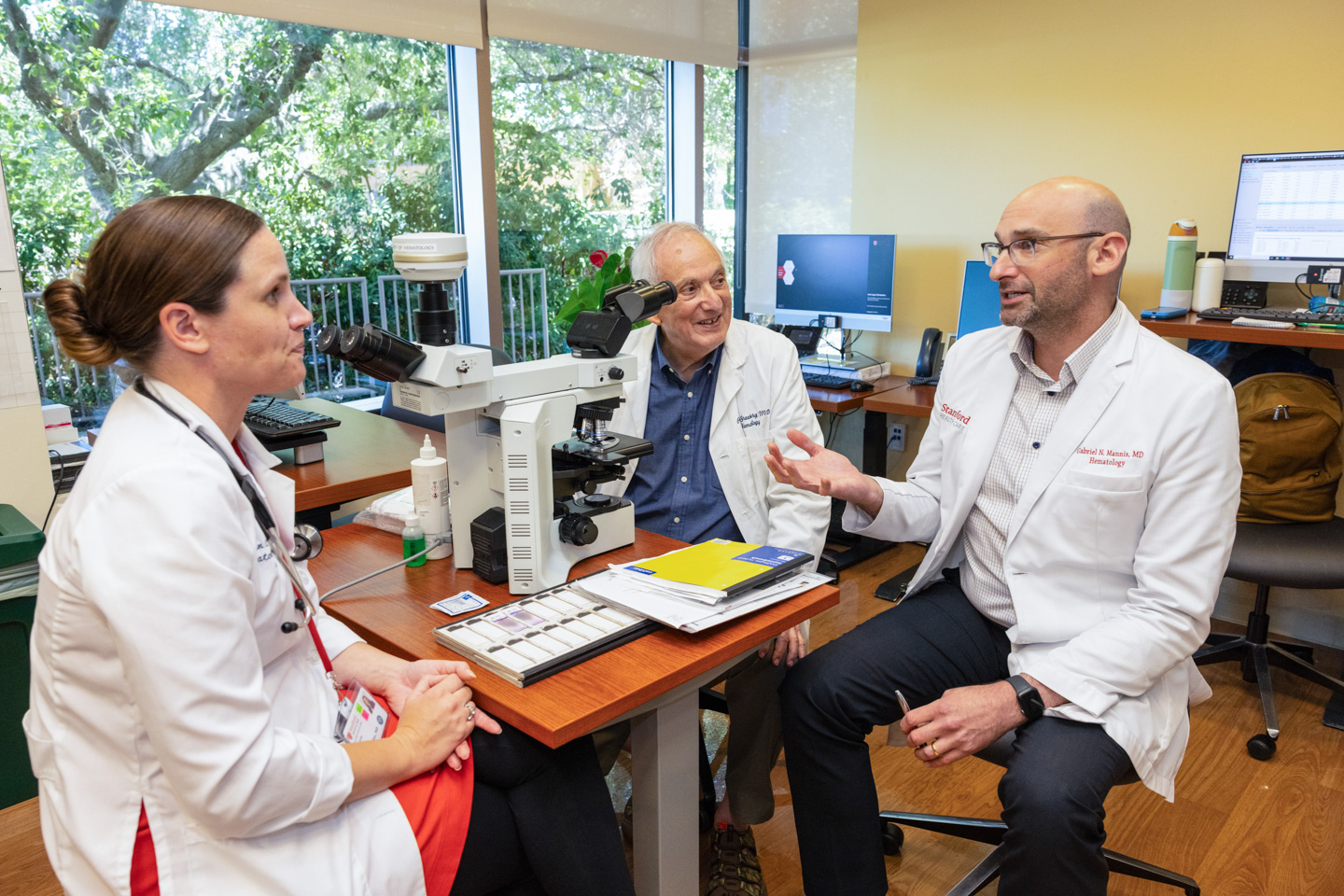
From left: Cailin Collins, MD, Peter Greenberg, MD, and Gabe Mannis, MD

From left: Cailin Collins, MD, Peter Greenberg, MD, and Gabe Mannis, MD

On the Hunt for Knowledge

Two Hematologists, Two Challenging Diseases, Two Careers Dedicated to the Pursuit of Answers

Peter Greenberg, MD, and Gabriel Mannis, MD, are on the hunt to understand two different but related hematologic diseases. Greenberg, an emeritus professor of hematology, has seen a revolution in knowledge of myelodysplastic syndromes (MDS) over his long career. Mannis, an assistant professor of hematology, is a decade into his research on acute myeloid leukemia (AML). For both Greenberg and Mannis, advancements in technology and precision medicine have transformed their fields of study and offered patients longer, better lives.

From left: Cailin Collins, MD, Peter Greenberg, MD, and Gabe Mannis, MD

From left: Cailin Collins, MD, Peter Greenberg, MD, and Gabe Mannis, MD

On the Hunt for Knowledge

Two Hematologists, Two Challenging Diseases, Two Careers Dedicated to the Pursuit of Answers

Peter Greenberg, MD, and Gabriel Mannis, MD, are on the hunt to understand two different but related hematologic diseases. Greenberg, an emeritus professor of hematology, has seen a revolution in knowledge of myelodysplastic syndromes (MDS) over his long career. Mannis, an assistant professor of hematology, is a decade into his research on acute myeloid leukemia (AML). For both Greenberg and Mannis, advancements in technology and precision medicine have transformed their fields of study and offered patients longer, better lives.

Peter Greenberg, MD

Professor Emeritus of Hematology

Director, Stanford Myelodysplastic Syndrome (MDS) Center

Chair of the National Comprehensive Cancer Network Practice Guidelines Panel for MDS

click to play the audio

A Fellowship Investigation Becomes a Lifelong Inquiry

Peter Greenberg’s role in the sea change in MDS research started during his hematology and oncology fellowship at Stanford, which he completed in 1971. “My chief of hematology said, ‘Greenberg, we have a set of patients that are interesting to evaluate. What can you tell us about that? How can you study it?’”

In fact, Greenberg was positioned to tell a lot about MDS, an illness in which blood cells fail to develop normally in the bone marrow. Patients with MDS often experience fatigue, anemia, frequent infections, and easy bleeding, among other symptoms.

“At the time, I was studying the growth of bone marrow cells within tissue culture, and a new system had just become available to evaluate the normal and abnormal growth of bone marrow cells,” Greenberg says. He contrasted MDS, AML, and normal tissue samples. “It turned out that there were marked differences that became quite informative as to trying to understand the nature of the disease.”

He went on to become an internationally recognized leader in the classification and treatment of MDS, with at least 200 papers on the disease. His publications closely parallel medicine’s developing understanding of MDS, from broad questions of what is its biological nature and best treatments to how to determine an MDS patient’s risk of developing acute leukemia and differentiated treatment based on risk level. More recent papers reflect the role that genetic mutations play in disease progression and the significance of particular mutations on prognosis and treatments.

Every answer that you have leads to other questions. The important thing now is that there’s new technology that permits us to ask these questions more effectively.

Question, Answer, Question

“Every answer that you have leads to other questions,” says Greenberg. “The important thing now is that there’s new technology that permits us to ask these questions more effectively.”

One of the biggest questions Greenberg has helped answer is why MDS remains relatively stable in some patients and becomes very aggressive in others. Advancements in technology such as next-generation sequencing — which rapidly analyzes DNA and RNA samples — have helped provide answers.

“Each cancer has its own heterogeneous group of what we call driver mutations that have major implications for responsivity to certain drugs or aggressivity of disease,” Greenberg says. “Understanding that, hopefully, will help us know what specific drugs should be used for different subtypes of MDS.”

Gabriel Mannis, MD

Assistant Professor of Hematology

Medical Director, Stanford Inpatient Leukemia Service

click to play the audio

A Lethal Disease and a Chance to Make an Impact

“AML is probably one of the most aggressive and lethal hematologic malignancies, and unfortunately, most of my patients will die from their disease,” says Gabriel Mannis.

Patients with AML have immature, abnormal cells called myeloid blasts that crowd out healthy blood cells. In addition to the anemia, infection, and bleeding problems common to MDS, patients with AML are at risk of organ failure and rapidly life-threatening complications.

When Mannis started researching AML in 2013, during his hematology and medical oncology fellowship at UC San Francisco, there were few options available for patients. “I would go to conferences and every trial would be a negative trial,” Mannis says. “There had only been one drug approved for AML since the 1970s, and that drug had been taken off the market.”

He saw an opportunity to make an impact. Once he started seeing patients, his drive to find answers grew even deeper.

When I’m looking at opening different trials, the strategy is ‘How can I best serve the patients that I’m taking care of?’

Patient-Driven Research

“Every patient I see, I think, is there a clinical trial that would be good for this patient?” he says. “Down the road, if this first treatment doesn’t work, what can we then have as a backup for this patient?”

Today, Mannis has opened nearly a dozen clinical trials, most focused on finding better AML treatments. He also sees patients, teaches residents and fellows at the bedside, and teaches part of the hematology course for medical students.

It’s a demanding schedule, but given the fact that most AML patients don’t meet the criteria for the only AML cure — a bone marrow transplant — there’s much to do.

“It’s very difficult, and only a select few are healthy enough to move forward with transplant,” Mannis says. “A transplant is fraught with all sorts of risks and challenges. If we can find the right drugs to eliminate every last leukemia cell without a transplant, that’s really my goal.”

Toward More Elegant Treatments

In the interim, treatment options are improving. “There have been 10 or 11 drug approvals from the FDA, just since 2017,” Mannis says.

Patients are living longer and with better quality of life. With developments in precision medicine, the treatments are increasingly tailored to a patient’s particular disease biology and health status.

“We are able to get more effective treatments with less toxicity,” he says. “We are able to be much more elegant.”

Endocrinology Division’s Mini-Symposium Marks Return to In-Person Events

Endocrinology Division’s Mini-Symposium Marks Return to In-Person Events

Endocrinology Division’s Mini-Symposium Marks Return to In-Person Events

In March 2023, the Department of Medicine’s endocrinology division gathered to listen to Justin Annes, MD, PhD, and Rayhan Lal, MD, discuss their laboratories’ current research, challenges, and needs. There were some fascinating revelations during the presentation, but what might have been equally impressive was that the event helped mark the renewal of gatherings in the Department of Medicine.

The presentation was part of the endocrinology division’s inaugural mini-symposium, which sought to catalyze discussions about fascinating science and spur new collaborations both within and outside of the division, says Joy Wu, MD, chief of the division of endocrinology, gerontology and metabolism.

“This was a big initiative within the department with the goal to tackle scientific questions,” says Wu. “We want to sustain and grow research throughout the department.”

During the symposium, Annes, associate professor of endocrinology, discussed how his lab is developing methods to control endocrine cell growth. With this knowledge, the team seeks to uncover novel therapies to prevent and treat disorders of cell growth, including diabetes and hereditary paraganglioma and pheochromocytoma — an inherited tumor syndrome defined by excess cell growth. Lal, assistant professor of endocrinology, is part of the Stanford Diabetes Research Center, where he designs, develops, and tests new technologies and therapies to help people with type 1 diabetes.

Along with offering a space for people to learn about their co-workers’ research, the mini-symposium signaled a turning point. As the COVID-19 pandemic has eased its grip, colleagues within the endocrinology division — and other departments and divisions across the Stanford campus — can once again see each other in person.

“We stayed together as a division by relying on Zoom, but what we lost entirely was the in-person connection — the chatting on the side before and after an event, the ability to quickly check in with people and hear how things are going,” says Wu. “We really missed that, and that’s been the special part about getting back together.”

Many More Meetups to Come

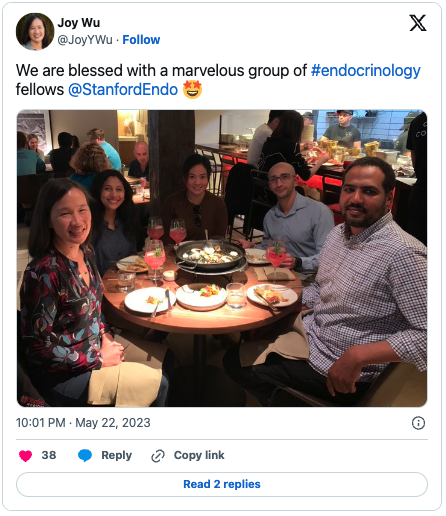
So far this year, these meetups have shown no sign of stopping. Along with the mini-symposium, the endocrinology division has found a variety of ways to congregate.

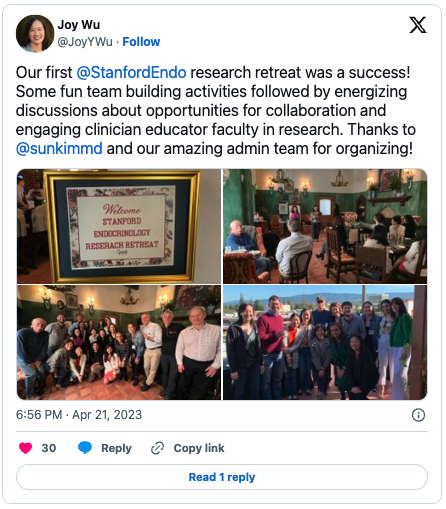
In April, the endocrinology division gathered for a division mixer with fellows, faculty, and alumni where they chatted about work-life balance, leadership skill development, and professional fulfillment outside of the clinic. The same month, the division hosted their first-ever research retreat full of lively discussions about collaborations and team science.

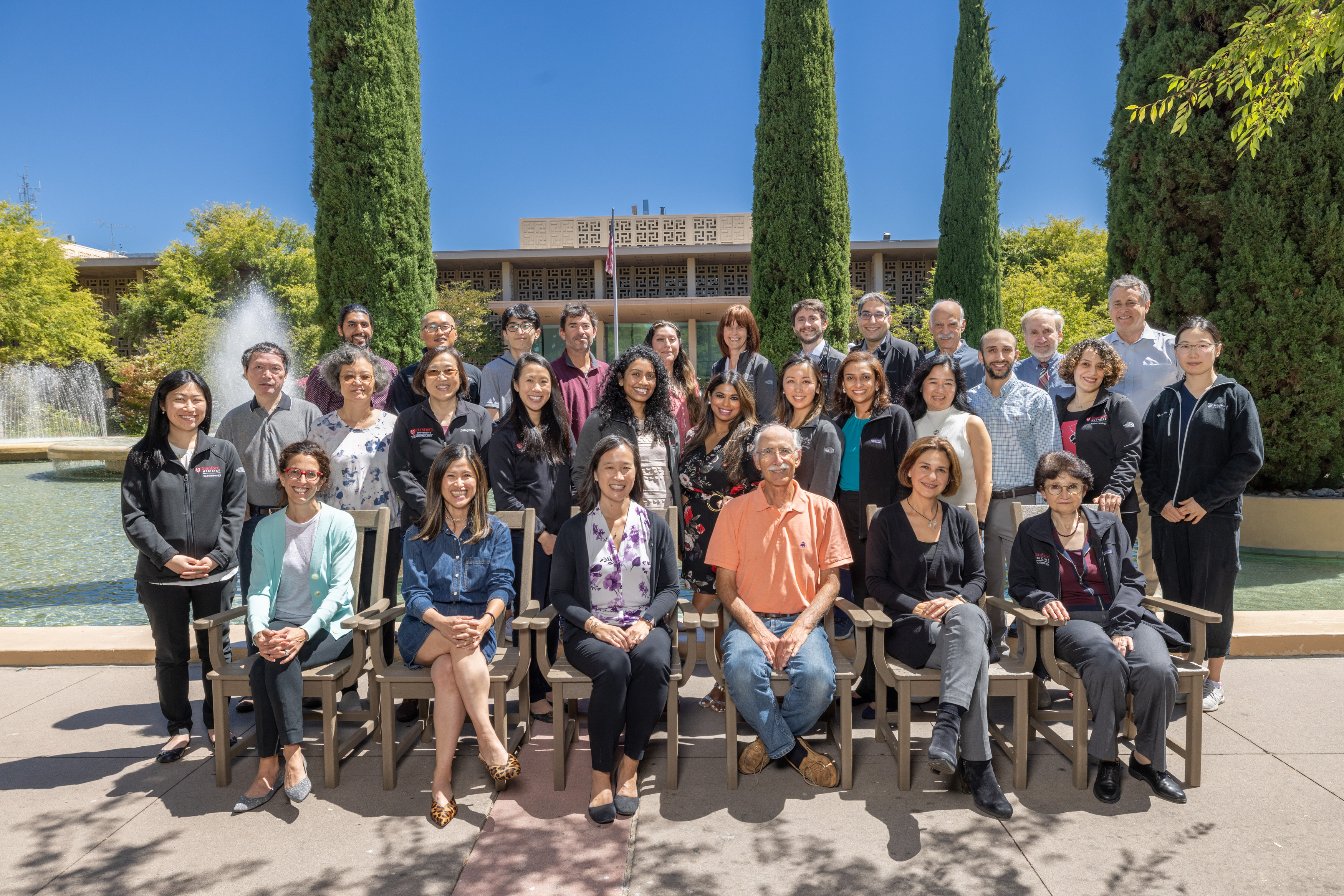
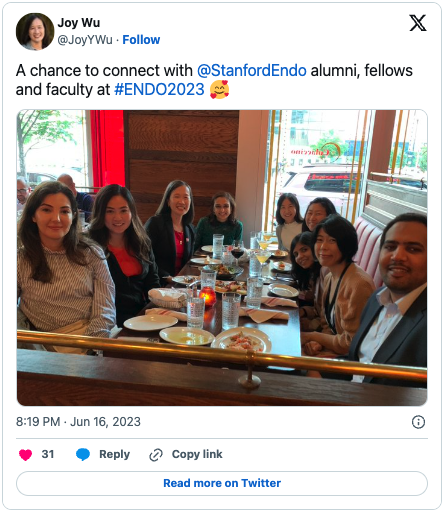
May marked a retreat for clinical faculty in the endocrinology division, which focused on building on strengths in endocrine clinical care. After years of canceled conferences, societies are also offering in-person meetings and activities once again. This June, the Endocrine Society hosted its annual conference in Chicago, which several Stanford faculty, fellows, and alumni attended. Stanford’s endocrinology division hosted a dinner. On a sunny day in August, members gathered for a division photo — their first one in three years.

Wu and others are looking forward to the many dinners, parties, conferences, and, hopefully, mini-symposiums to come.

“We’re all excited to attend more events and conferences this year,” says Wu. “The ability to share food, drinks, and company in person is something that is so precious, and I think we really missed that over the last couple of years.”

In March 2023, the Department of Medicine’s endocrinology division gathered to listen to Justin Annes, MD, PhD, and Rayhan Lal, MD, discuss their laboratories’ current research, challenges, and needs. There were some fascinating revelations during the presentation, but what might have been equally impressive was that the event helped mark the renewal of gatherings in the Department of Medicine.

The presentation was part of the endocrinology division’s inaugural mini-symposium, which sought to catalyze discussions about fascinating science and spur new collaborations both within and outside of the division, says Joy Wu, MD, chief of the division of endocrinology, gerontology and metabolism.

“This was a big initiative within the department with the goal to tackle scientific questions,” says Wu. “We want to sustain and grow research throughout the department.”

During the symposium, Annes, associate professor of endocrinology, discussed how his lab is developing methods to control endocrine cell growth. With this knowledge, the team seeks to uncover novel therapies to prevent and treat disorders of cell growth, including diabetes and hereditary paraganglioma and pheochromocytoma — an inherited tumor syndrome defined by excess cell growth. Lal, assistant professor of endocrinology, is part of the Stanford Diabetes Research Center, where he designs, develops, and tests new technologies and therapies to help people with type 1 diabetes.

Along with offering a space for people to learn about their co-workers’ research, the mini-symposium signaled a turning point. As the COVID-19 pandemic has eased its grip, colleagues within the endocrinology division — and other departments and divisions across the Stanford campus — can once again see each other in person.

“We stayed together as a division by relying on Zoom, but what we lost entirely was the in-person connection — the chatting on the side before and after an event, the ability to quickly check in with people and hear how things are going,” says Wu. “We really missed that, and that’s been the special part about getting back together.”

Many More Meetups to Come

So far this year, these meetups have shown no sign of stopping. Along with the mini-symposium, the endocrinology division has found a variety of ways to congregate.

In April, the endocrinology division gathered for a division mixer with fellows, faculty, and alumni where they chatted about work-life balance, leadership skill development, and professional fulfillment outside of the clinic. The same month, the division hosted their first-ever research retreat full of lively discussions about collaborations and team science.

May marked a retreat for clinical faculty in the endocrinology division, which focused on building on strengths in endocrine clinical care. After years of canceled conferences, societies are also offering in-person meetings and activities once again. This June, the Endocrine Society hosted its annual conference in Chicago, which several Stanford faculty, fellows, and alumni attended. Stanford’s endocrinology division hosted a dinner. On a sunny day in August, members gathered for a division photo — their first one in three years.

Wu and others are looking forward to the many dinners, parties, conferences, and, hopefully, mini-symposiums to come.

“We’re all excited to attend more events and conferences this year,” says Wu. “The ability to share food, drinks, and company in person is something that is so precious, and I think we really missed that over the last couple of years.”

Inspired by Their Own Experiences With Type 1 Diabetes, Two Endocrinologists Push for Change

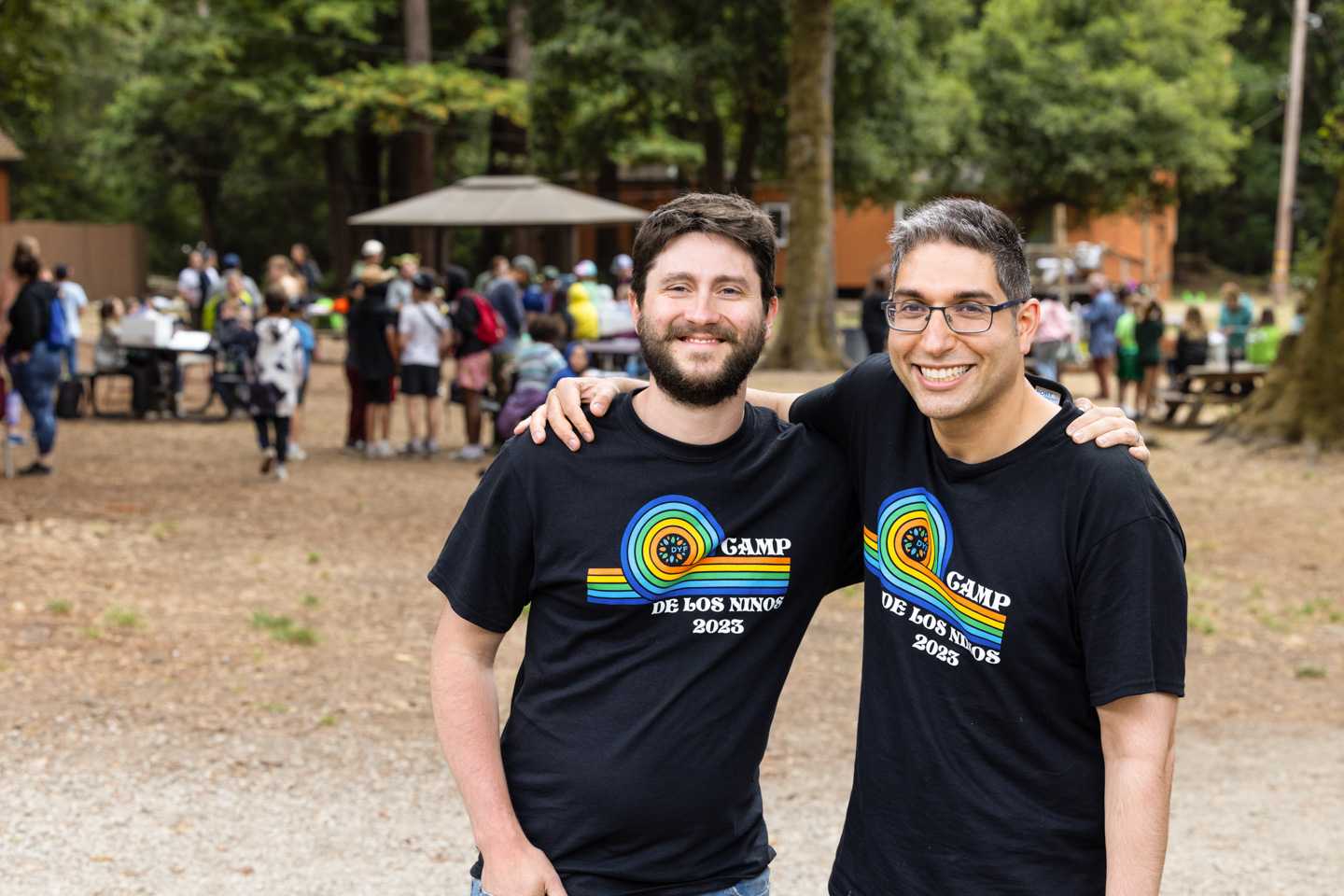
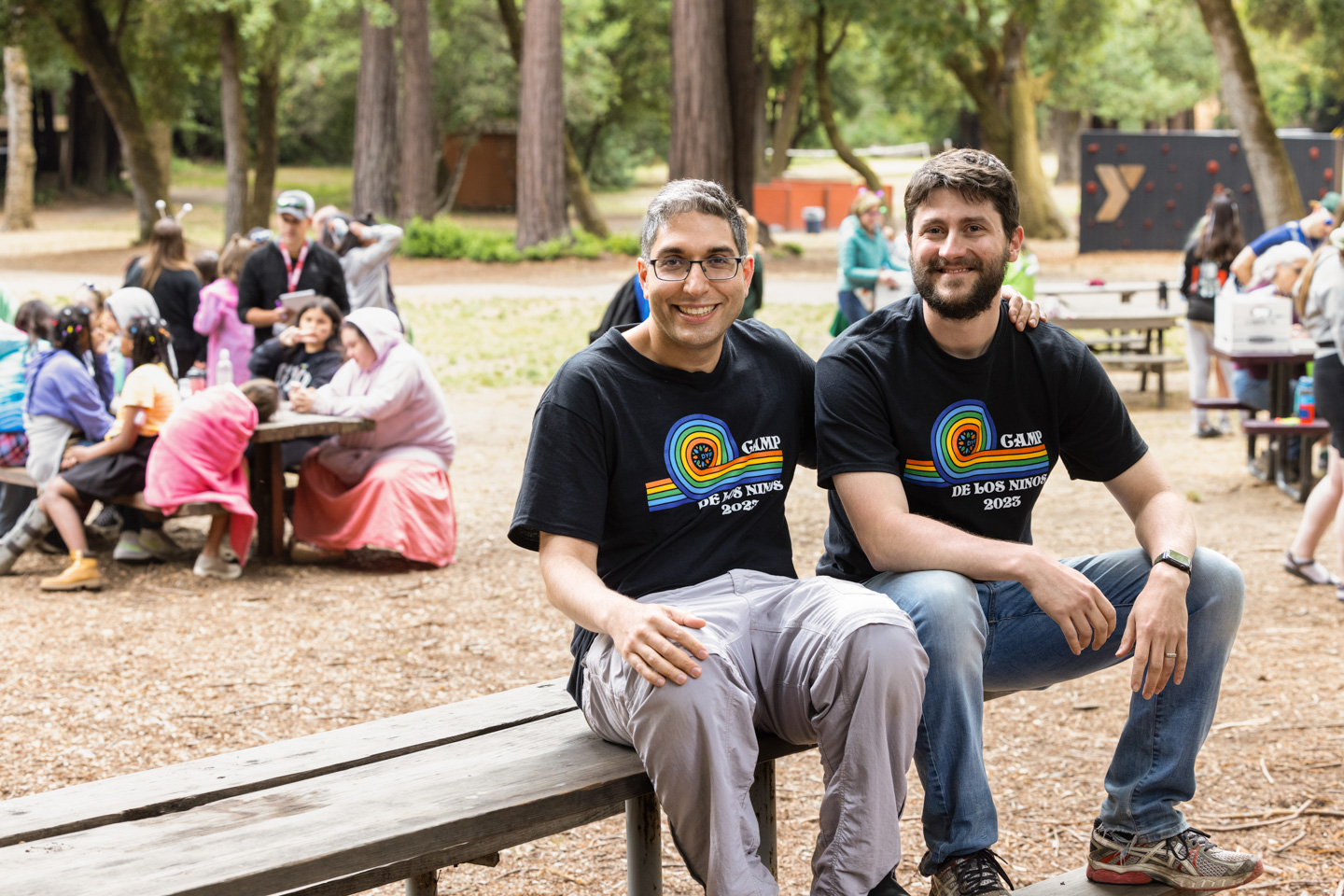
Michael Hughes, MD (left), and Rayhan Lal, MD, at Camp De Los Ninos, a camp for children with diabetes in La Honda, California

Michael Hughes, MD (left), and Rayhan Lal, MD, at Camp De Los Ninos, a camp for children with diabetes in La Honda, California

Inspired by Their Own Experiences With Type 1 Diabetes, Two Endocrinologists Push for Change

Michael Hughes, MD (left), and Rayhan Lal, MD, at Camp De Los Ninos, a camp for children with diabetes in La Honda, California

Michael Hughes, MD (left), and Rayhan Lal, MD, at Camp De Los Ninos, a camp for children with diabetes in La Honda, California

Inspired by Their Own Experiences With Type 1 Diabetes, Two Endocrinologists Push for Change

When Michael Hughes, MD, was a student at Florida State University, he had no interest in becoming a doctor. His passion was music, and Hughes spent much of his time as an undergraduate studying music performance and touring in a band.

That was until he was diagnosed with type 1 diabetes, which can cause serious health complications such as heart disease, eye damage, and kidney damage. “It’s very intensive developing type 1 diabetes and learning about the medication management,” says Hughes. “It ultimately inspired me to switch my career trajectory from being a music professor to a physician.”

Specifically, he was interested in endocrinology and improving care for others with type 1 diabetes.

Hughes worked as a research coordinator for a pediatric endocrinologist, which led him to medical school at McGovern Medical School in Houston and, eventually, the Stanford Medicine Endocrinology Fellowship. This was where he met Rayhan Lal, MD, an adult and pediatric endocrinologist who has lived with type 1 diabetes for more than 30 years and has dedicated his career to advancing care for people with diabetes.

Together, Hughes and Lal have worked to improve diabetes technology, including continuous glucose monitors (CGMs), which measure the amount of glucose in the interstitial space just below the skin surface, and insulin pumps, which deliver insulin into the body.

The hope is that with better technology, they can make glucose monitoring and insulin administration easier for people with diabetes, both inside and outside of the hospital.

Gaps in Technology

If you are diagnosed with type 1 diabetes, the old way to monitor blood sugar involved pricking your finger and squeezing a small amount of blood onto a test strip before you ate a meal. Then, you would use that blood glucose number to calculate the correct amount of insulin to inject.

This process can be painful, disruptive, and arduous, says Lal, who has used a variety of technologies over the years to manage his own diabetes.

CGMs are small temporary adhesive devices that insert under the skin to measure glucose levels every few minutes and transmit that information to a dedicated receiver, insulin pump, or smartphone. Insulin pumps deliver insulin through the skin and can be left on the body for days at a time, allowing for smaller, more frequent adjustments that take away the need for multiple daily injections.

But there are still gaps in this technology. Over the years, members of the Stanford Diabetes Research Center, including Lal and his mentor, pediatric endocrinologist Bruce Buckingham, MD, have developed algorithms that connect glucose readings from CGMs to an insulin pump. With this technology, the pump can automatically adjust insulin delivery based on predicted glucose levels — a process known as automated insulin delivery.

“We’re working on making these technologies easier and easier,” says Lal. “We’re trying to get to the point where patients can just put on the device, set it, and forget it. That’s the hope for the future.”

Rayhan Lal (left) and Michael Hughes live with type 1 diabetes and are dedicated to advancing care for people with diabetes.

When Michael Hughes, MD, was a student at Florida State University, he had no interest in becoming a doctor. His passion was music, and Hughes spent much of his time as an undergraduate studying music performance and touring in a band.

That was until he was diagnosed with type 1 diabetes, which can cause serious health complications such as heart disease, eye damage, and kidney damage. “It’s very intensive developing type 1 diabetes and learning about the medication management,” says Hughes. “It ultimately inspired me to switch my career trajectory from being a music professor to a physician.”

Specifically, he was interested in endocrinology and improving care for others with type 1 diabetes. Hughes worked as a research coordinator for a pediatric endocrinologist, which led him to medical school at McGovern Medical School in Houston and, eventually, the Stanford Medicine Endocrinology Fellowship. This was where he met Rayhan Lal, MD, an adult and pediatric endocrinologist who has lived with type 1 diabetes for more than 30 years and has dedicated his career to advancing care for people with diabetes.

Together, Hughes and Lal have worked to improve diabetes technology, including continuous glucose monitors (CGMs), which measure the amount of glucose in the interstitial space just below the skin surface, and insulin pumps, which deliver insulin into the body. The hope is that with better technology, they can make glucose monitoring and insulin administration easier for people with diabetes, both inside and outside of the hospital.

Gaps in Technology

If you are diagnosed with type 1 diabetes, the old way to monitor blood sugar involved pricking your finger and squeezing a small amount of blood onto a test strip before you ate a meal. Then, you would use that blood glucose number to calculate the correct amount of insulin to inject.

Rayhan Lal (left) and Michael Hughes live with type 1 diabetes and are dedicated to advancing care for people with diabetes.

This process can be painful, disruptive, and arduous, says Lal, who has used a variety of technologies over the years to manage his own diabetes.

CGMs are small temporary adhesive devices that insert under the skin to measure glucose levels every few minutes and transmit that information to a dedicated receiver, insulin pump, or smartphone. Insulin pumps deliver insulin through the skin and can be left on the body for days at a time, allowing for smaller, more frequent adjustments that take away the need for multiple daily injections.

But there are still gaps in this technology. Over the years, members of the Stanford Diabetes Research Center, including Lal and his mentor, pediatric endocrinologist Bruce Buckingham, MD, have developed algorithms that connect glucose readings from CGMs to an insulin pump. With this technology, the pump can automatically adjust insulin delivery based on predicted glucose levels — a process known as automated insulin delivery.

“We’re working on making these technologies easier and easier,” says Lal. “We’re trying to get to the point where patients can just put on the device, set it, and forget it. That’s the hope for the future.”

Our goal is to make diabetes technology the standard for management within the hospital.

— Michael Hughes, MD, instructor of endocrinology, gerontology, and metabolism

Keeping Technology in the Hospital

Another issue in diabetes care is the fact that hospital staff are frequently unfamiliar with how to operate patients’ CGMs and insulin pumps because diabetes technology is developing so quickly, says Hughes. Therefore, when a patient is admitted, these devices may be taken away.

There have also been questions about the precision of CGM glucose readings in a hospital setting. However, during the COVID-19 pandemic, data from inpatient CGM readings have suggested that CGMs are accurate.

Hughes, Lal, and other Stanford researchers also conducted a trial using automated insulin delivery systems to manage patients’ glucose levels in the hospital. They examined the accuracy of CGM readings by comparing the devices’ blood glucose values with those of a standard finger poke test. Additionally, they incorporated a system to monitor the accuracy of CGM readings into the hospital’s electronic health record. This work reaffirmed that CGMs are quite accurate at reading patients’ glucose levels.

Using this data, the team implemented a protocol at Stanford that supports diabetes patients who wish to continue using their CGMs while in the hospital. This helps reassure patients and allows them to continue using their automated insulin delivery systems, which data suggest may be superior to the current standard of care in managing high and low glucose levels.

The goal moving forward is to further integrate CGMs and automated insulin delivery systems into Stanford and other hospitals so that patients do not have to endure frequent painful finger poke tests. “Our goal is to make diabetes technology the standard for management within the hospital,” says Hughes.

Furthermore, Hughes and Lal hope to eventually see that diabetes patients at Stanford and beyond have access to easy, available diabetes technology. “I really want to help all of my brothers and sisters out there with diabetes,” says Lal.