

A Personal Mission
Inside Stanford’s Effort to Close a Long-Overlooked Gap in Diabetes Care
Asians make up 60% of the world’s population but represent just 10% of genetic databases and 10% of clinical trials. For Latha Palaniappan, MD, that gap is personal. Her father died of heart disease at 39 without a single traditional risk factor. It is why she helped build the Accelerate Innovation in Diabetes LeVeraging Unique PAthways iN Asians (ADVANCE) program.
The Stanford initiative brings together physicians, geneticists, data scientists, and engineers to study how diabetes and cardiovascular disease look different across Asian populations. By examining South Asian, East Asian, and other subgroups separately rather than averaging data together, the team is uncovering patterns that standard research has long missed.
ADVANCE’s first aim addresses a gap in type 1 diabetes testing: some people test negative for known autoantibodies, making diagnosis more difficult. Researchers are searching for novel autoantibodies in Asian and Asian American populations, and have identified early candidates that now require validation in a larger group of participants. The program’s second aim investigates why type 2 diabetes can develop at a normal body weight in some Asian and Asian American individuals, while its third aim examines the biological pathways the two forms of diabetes share, as well as where they differ.
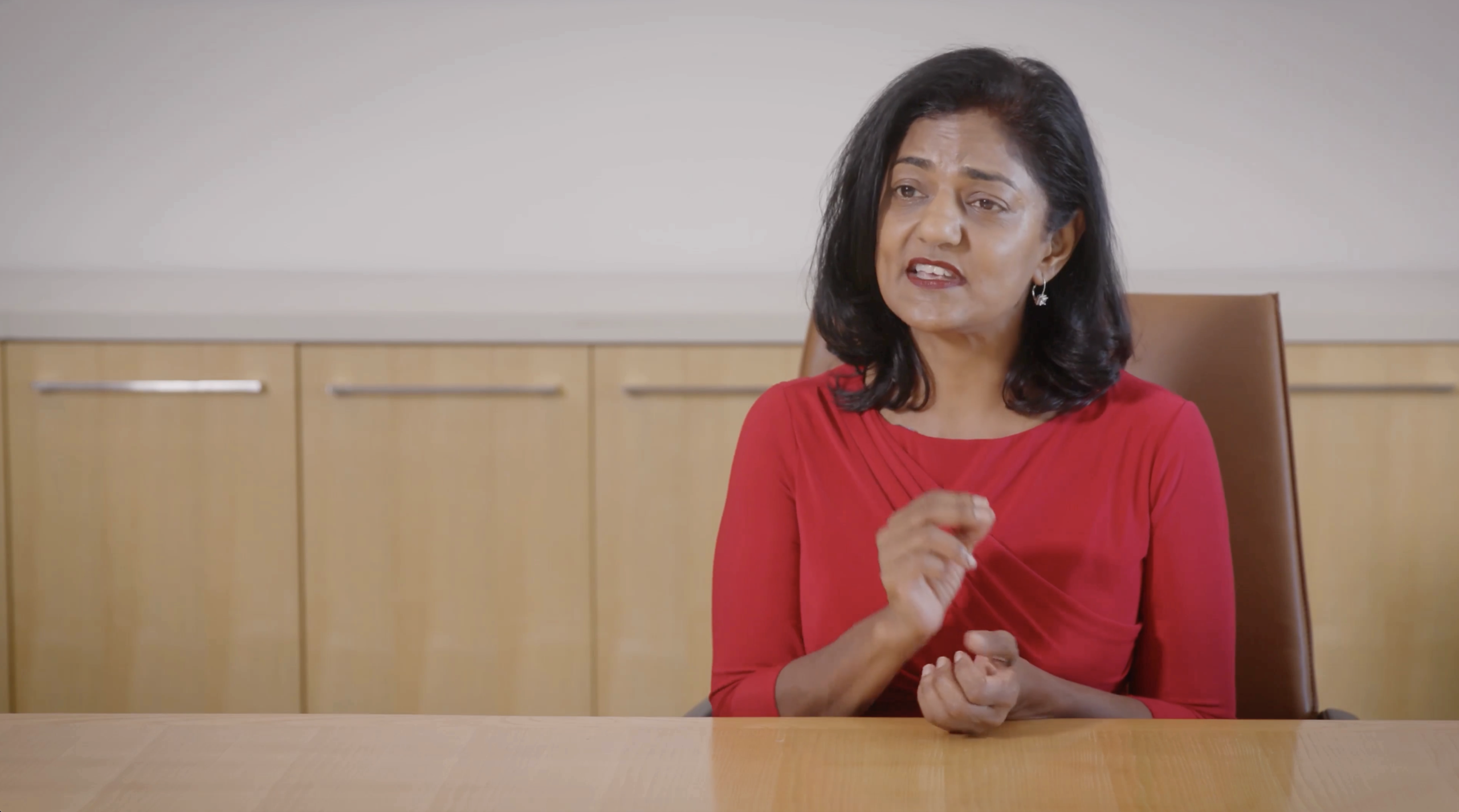
Latha Palaniappan, MD.
“Precision health is important because medicine is not one size fits all,” Palaniappan says. “The only way we will be able to take better care of our patients is by understanding more fully our world population and the variation that exists.”
To tackle this challenge, the ADVANCE team deploys an impressive tool kit: genomic sequencing, proteomics, metabolomics, continuous glucose monitors, and artificial intelligence. Researcher Ruoqi Liu is developing large language models to help scientists move through complex data faster. Work with glucose wearables has already revealed that a simple curve pattern could one day replace costly diagnostic tests. As Stanford geneticist Mike Snyder explains, “Right now, those tests cost thousands of dollars. If we could do it for a very cheap $5 test, that’d be amazing.”
With a biobank of 10,000 Asian participants now established, ADVANCE is building the evidence base to transform care for Asian communities and beyond.
Share this page!
2026
Spotlights
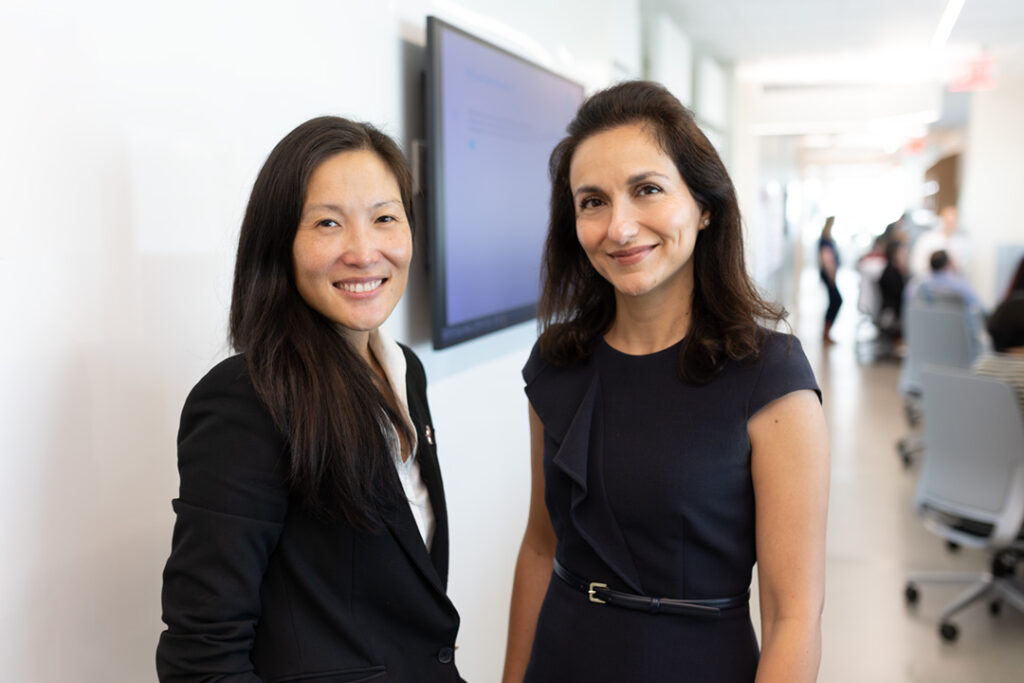
Building a Medical Home for Adults With Sickle Cell Disease
Adults with sickle cell disease have long faced a fragmented care system that can leave them without a consistent medical home. Stanford physicians Giselle Salmasi, MD, and May Chien, MD, are changing that — building a comprehensive program that gives patients coordinated care, access to emerging therapies, and longer lives.
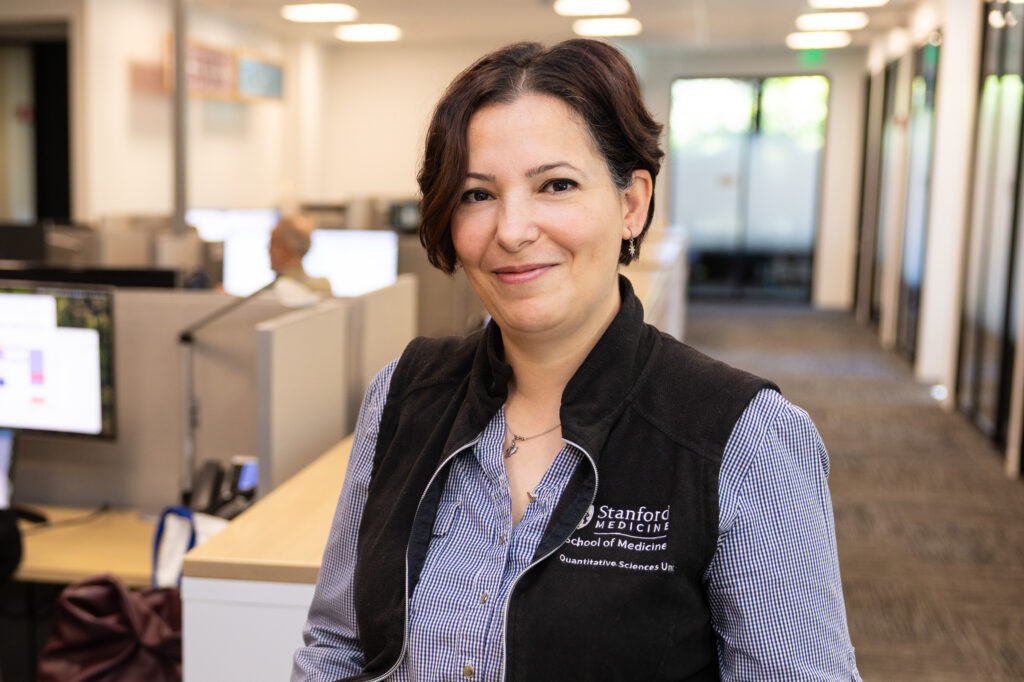
Tracking the Invisible
Long COVID looks different in every patient, which makes it nearly impossible to study and treat. Stanford data scientists are now using data from smartwatches to track how symptoms evolve over time and test which interventions actually help. Data Science Manager and lead author Fatma Gunturkun shares what they’re finding, and what it could mean for the millions still searching for answers.
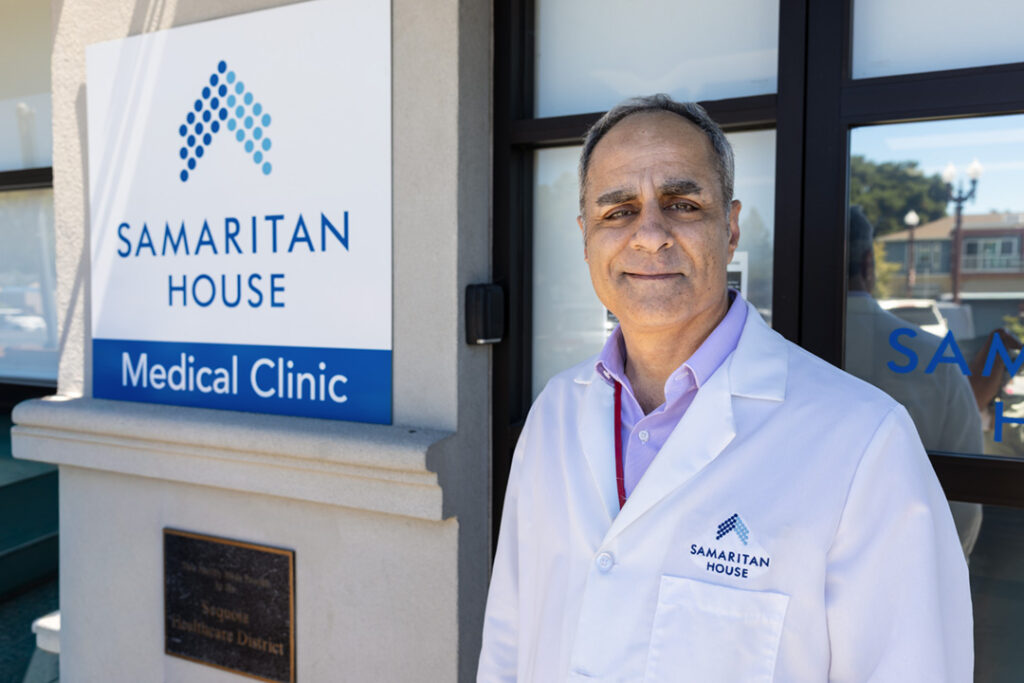
Stanford and Samaritan House
Stanford’s student-run free clinics have long been a cornerstone of community care — but a new partnership with Samaritan House is taking them further. The collaboration is expanding access for underserved patients while giving medical students things no classroom can offer: real experience, real responsibility, and real stakes.

When Great Research Ideas Stall, Clinical Research Hub Helps Move Them Forward
Every clinical study begins with an idea. Getting it off the ground is another story. The Department of Medicine’s Clinical Research Hub is the team that steps in when a promising study hits a wall, offering hands-on support with regulatory hurdles, study design, recruitment, and more.
Innovation With Purpose
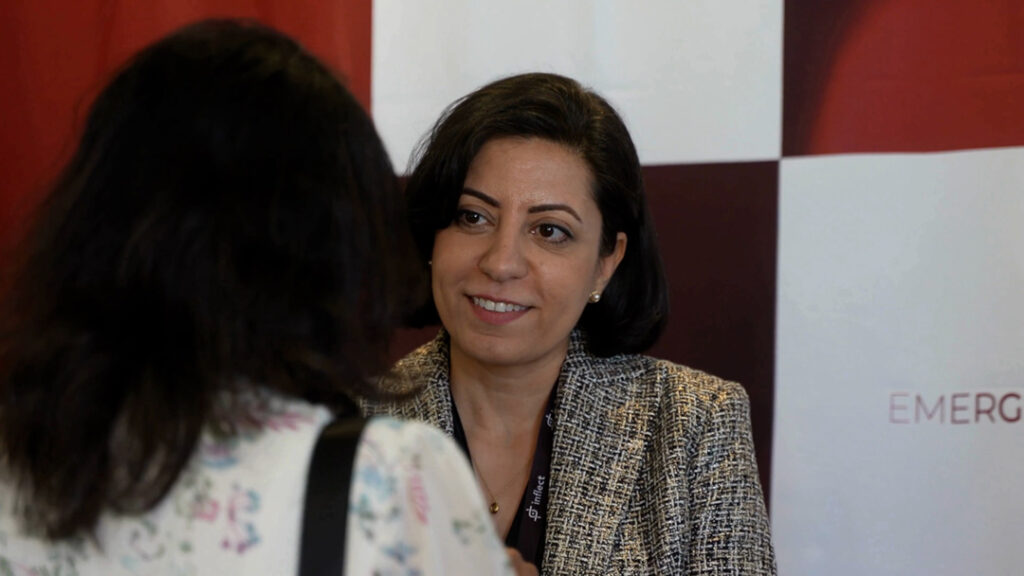
After building and selling a biotech company, Narges Baniasadi, PhD, could have continued climbing Silicon Valley’s corporate ladder. Instead, she returned to Stanford to launch Emergence, an entrepreneurship program that helps founders build companies tackling some of society’s toughest health challenges. The program is training a new generation of innovators to pursue both purpose and profit.

Jojo’s Journey
When transplant nephrologist Patrick Ahearn, MD, and his wife, Peggy Bui, MD, learned that their baby had a rare, life-threatening genetic condition, they did what physician-parents do: They started searching for a cure. With the help of Stanford colleagues, they may have found one — and a path that could be replicated for other rare genetic diseases.
Easing Access
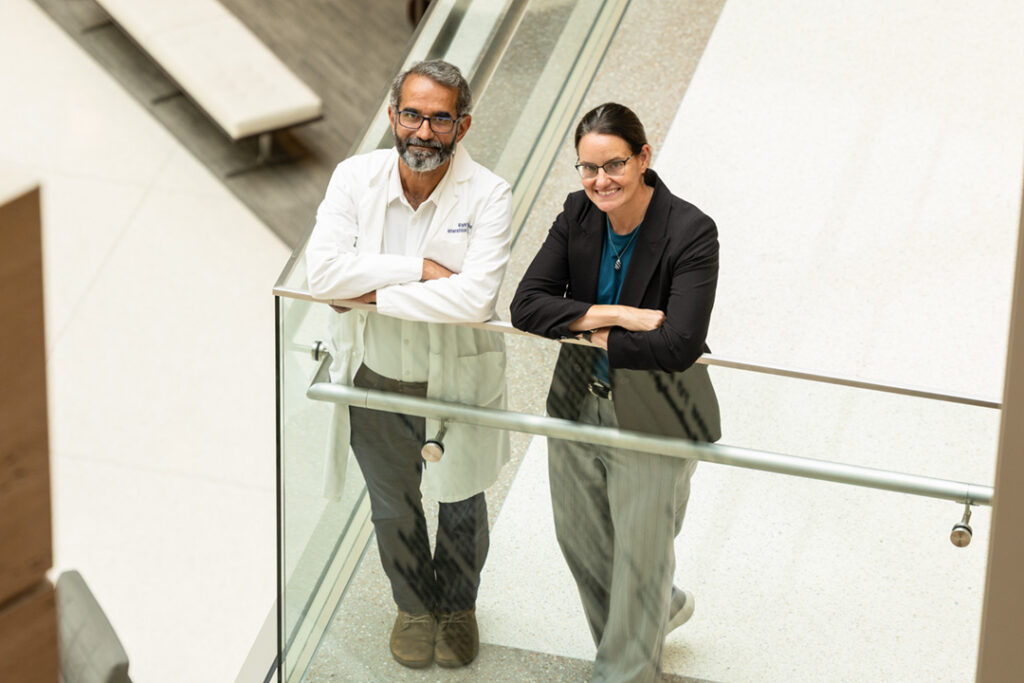
Margaret, 67, once faced a 14-week wait and a 45-minute drive to Palo Alto just to see a pulmonary specialist. Today she gets that same care close to home, as part of Stanford Pulmonary, Allergy, and Critical Care Medicine’s decade-long push to bring subspecialty expertise into the East Bay, building the fastest-growing service line in Stanford Health Care.
The Disease That Looks Like Everything Else
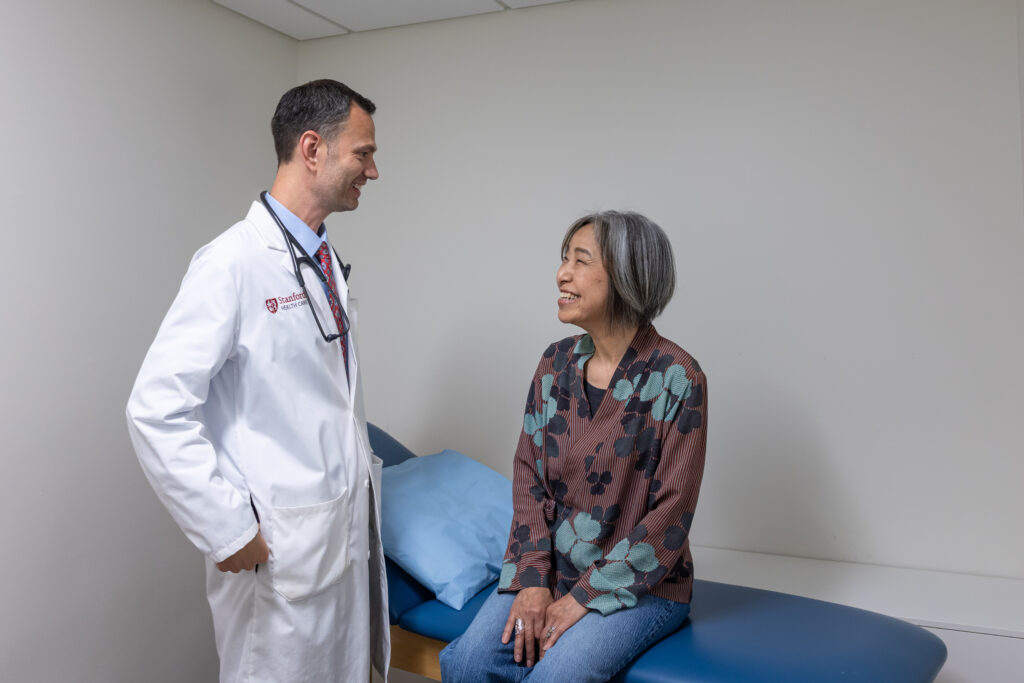
IgG4-RD can look like cancer, infection, or any number of autoimmune conditions, leaving patients like Yasuko bouncing between specialists for years without answers. For Yasuko, reaching Stanford rheumatologist Matthew Baker, MD, one of the world’s leading IgG4-RD experts, meant not just a diagnosis, but a doctor who listened, involved her in decisions, and took a personal investment in her care.
Teaming Up
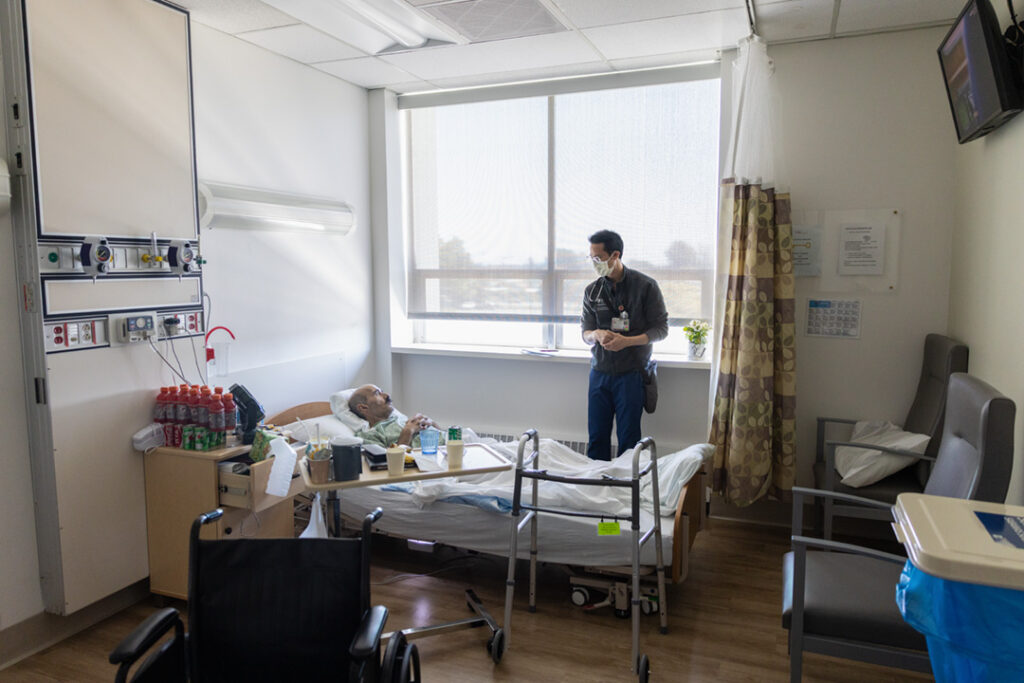
For patients recovering from a serious illness or surgery, the gap between hospital care and what comes next can be dangerous. Stanford Health Care is closing that gap at St. Rose Hospital in Hayward, which is the first facility of its kind to house both a skilled nursing unit and an acute care hospital under one roof, developed in partnership with Alameda Health System.