

Jojo’s Journey
At Stanford, a Family’s Race Toward a Rare Disease Cure
Jojo was only 4 months old when she had her first seizure, which eventually led to a diagnosis of SCN8A epilepsy. This clinical-sounding abbreviation belies its heartbreaking reality: It’s a rare genetic mutation that can result in a severe, early-onset form of childhood epilepsy and developmental delays. And while traditional anti-seizure medications may initially control SCN8A symptoms, they can stop working or become less effective over time. Many children with the mutation don’t survive past early childhood. There is currently no cure.
Jojo’s parents — Patrick Ahearn, MD, transplant nephrologist in the Nephrology division at Stanford Department of Medicine, and his wife, Peggy Bui, MD, an internist — were devastated when they learned of their daughter’s diagnosis. But while networking with other families affected by rare diseases, they learned of the success story of Baby KJ — a baby with a previously untreatable, genetically inherited rare disease who was cured through personalized gene-editing therapy.
“When I heard that a baby was cured through a technology that was developed from start to finish in six months, I thought, ‘Hope is alive; I have a purpose and mission,’” says Bui.
Ahearn and Bui determined they would move heaven and earth to find a cure for SCN8A. This would entail fixing the gene mutation through gene editing, a process that has never been done across the blood-brain barrier. They began by launching the “Hope for Jojo” campaign and forming a 501(c)(3) nonprofit called Rare Break — a reference to the “rare break” Jojo has in her genome and the “rare break” she needs to find a cure — to fundraise for this multimillion-dollar effort.
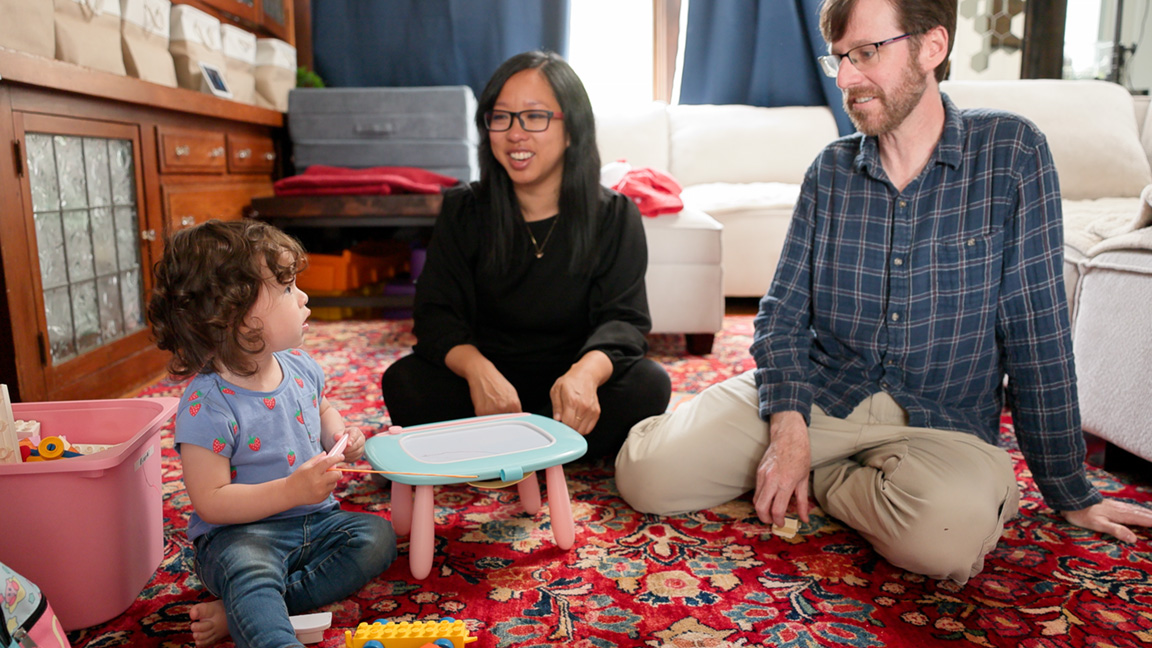
Patrick Ahearn, MD, and Peggy Bui, MD, treasure their playtime with Jojo as they work toward a cure for her rare genetic disease.
Gathering a Prestigious Research Team
The search for a cure involves developing, testing, manufacturing, and delivering a gene therapy tailored to Jojo’s mutation. Ahearn and Bui enlisted three entities to work in tandem on this cutting-edge process. Through Baby KJ’s story, they learned about the Innovative Genomics Institute (IGI), whose role is to create the CRISPR gene editor (a genetic engineering tool used to modify DNA) and determine how to deliver it to Jojo’s cells.
“Initially we weren’t sure if the IGI would be able to work on our project because Jojo’s condition is so rare,” says Ahearn, “but we were fortunate enough to connect with the IGI’s director of therapeutic research and development, Fyodor Urnov, who has been supportive of Stanford’s own budding gene therapy program.”
Once the IGI creates a gene editor proven to work with Jojo’s cells, The Jackson Laboratory will test its efficacy and safety on specially bred mice. Mice are biologically similar to humans and can be reprogrammed to express any number of genetic mutations, making them ideal for testing purposes. The Jackson Laboratory is using genome sequencing and genetic engineering to create mice that have the same SCN8A mutation as Jojo. “The work at The Jackson Laboratory has been going really well,” reports Ahearn. “Several mice were successfully born with the mutation, and these will be bred to create a larger cohort for testing.”
Playing a key role in the process is the Stanford Cardiovascular Institute Biobank (SCVI Biobank), founded by Joseph Wu, MD, director of the Stanford Cardiovascular Institute. The Biobank stem cell study team created the stem cells from Jojo’s blood that the IGI is using to test its gene editor.
Both The Jackson Laboratory and the IGI have helped secure some funding for these efforts, which they hope to scale for future research. The SCVI Biobank now has Jojo’s stem cells in its library of cell samples, which will be studied and shared with researchers around the world to advance scientific discoveries.
“We hope Jojo’s data from these experimental studies can help in making predictive models to create cures for rare diseases sooner, better, and faster,” says Bui.
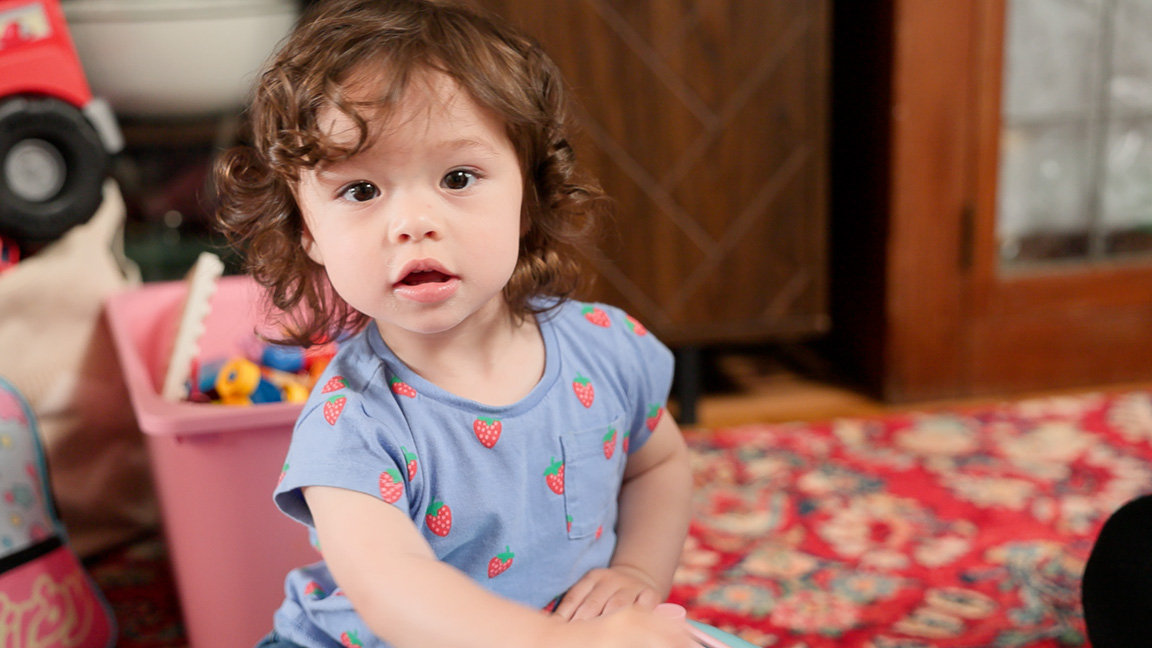
While medications currently keep Jojo’s seizures at bay, her parents know it’s only a matter of time before they no longer work.
It Takes a Village
Ahearn has received tremendous support throughout Jojo’s journey, starting in the Nephrology division.
Before Jojo was diagnosed and put successfully on anti-seizure medications, she was frequently hospitalized on an emergency basis, and Ahearn had to cut back on his clinical responsibilities, often at the last minute. Tara Chang, MD, division chief of Nephrology, notes, “Patrick’s colleagues were very supportive in covering for him and doing whatever they could so that he could be with Jojo. When something like this happens, we’re quick to step up and help each other. We care about Patrick and want to support him in any way possible.”
“I received both clinical and emotional support from my colleagues,” Ahearn reflects. “Everyone has been so gracious and gone above and beyond. I couldn’t work in a better place.”
Nephrology was not the only division stepping up for Ahearn — he made helpful contacts throughout the Stanford family. And each outreach seemed to lead to another promising connection in Jojo’s journey.
“I’m grateful to so many at Stanford,” says Ahearn. “Vivek Bhalla, MD, who is doing a lot of work with gene therapy and has industry contacts that might be able to help later in the process, encouraged me to keep Euan Ashley, MD, PhD, involved in our journey. Dr. Ashley is collaborating with the IGI, among other expert teams, and encouraged me to reach out to Mary Leonard, MD, chair of pediatrics, who supports efforts involving curative pediatric genetic therapies. Rebecca Levy, MD, a pediatric neurologist, introduced me to Dr. Wu’s lab, whose research team is generating the stem cells. Xixi Zhao, MD, put me in touch with a company studying a new anti-seizure medicine that we might be able to get early access to. The level of interest and eagerness to help is overwhelming.”
A Cure for Jojo Could Mean a Cure for Many Other Genetic Conditions
Ahearn and Bui hope the platform they are building to cure SCN8A will benefit other children with genetic mutations. With the help of The Jackson Laboratory and the IGI, the process offers endless possibilities to address other conditions requiring genetic editing inside the brain — from Alzheimer’s and Parkinson’s to autism. Notes Ahearn, “We’re going to make the mouse models, editors, and cells available to researchers who want to use them to study treatments for other neurological disorders.”
Looking ahead to the final phases, after safety studies and FDA approval, Ahearn hopes Jojo can ultimately receive her treatment at Stanford. “Stanford already has a clinical-grade cell manufacturing facility, which is rare in the academic world, and there’s a possibility that the treatment like the one we’re developing could be manufactured and delivered here,” he says.
Ahearn and Bui remain hopeful. “We’re really happy to have access to the best medicines for Jojo, but we know that with her condition, that’s not enough,” he says. “With the support of colleagues, family, friends, Stanford, and these other institutions, we’re trying to do something that’s never been done before — but it is within reach.”
Learn More About Hope for Jojo
- Listen to Bui’s podcast about the start of Jojo’s journey.
- Check out the Hope for Jojo Instagram page to see how Jojo is navigating toddlerhood.
- Several phases of genetic research have been funded thanks to in-kind contributions from Wu’s lab and donations from Stanford colleagues, The Jackson Laboratory, and the Innovative Genomics Institute. But millions of dollars are still needed to produce the gene therapy for clinical use, to complete toxicology and safety studies, and to finance the FDA approval process.
- Make a tax-deductible donation to help find a cure for SCN8A.
Share this page!
2026
Spotlights

When Great Research Ideas Stall, Clinical Research Hub Helps Move Them Forward
Every clinical study begins with an idea. Getting it off the ground is another story. The Department of Medicine’s Clinical Research Hub is the team that steps in when a promising study hits a wall, offering hands-on support with regulatory hurdles, study design, recruitment, and more.
Tracking the Invisible
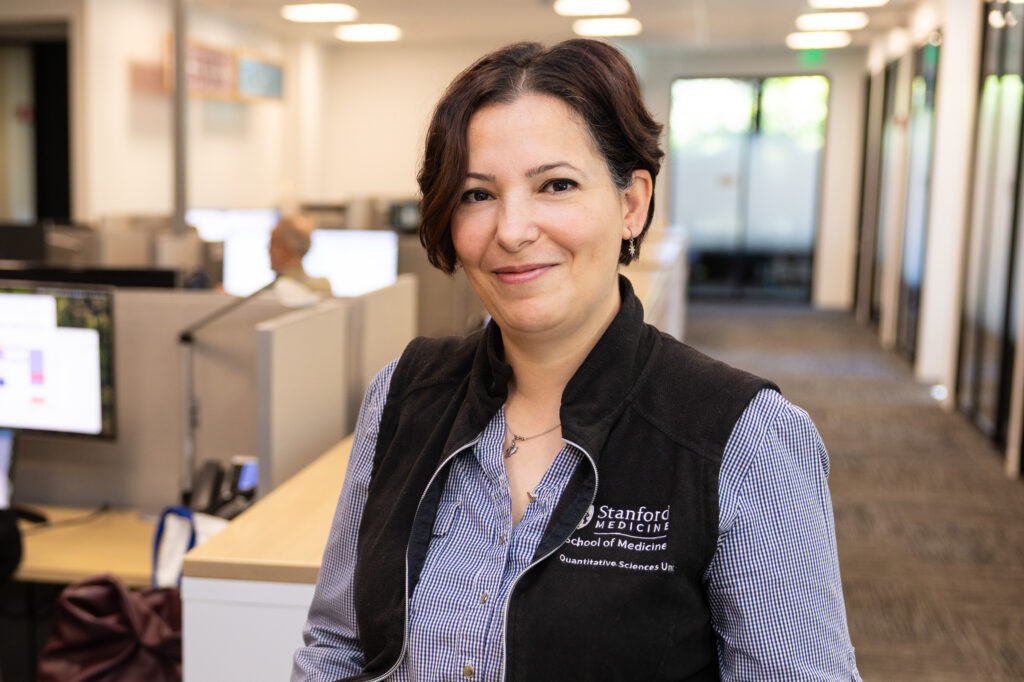
Long COVID looks different in every patient, which makes it nearly impossible to study and treat. Stanford data scientists are now using data from smartwatches to track how symptoms evolve over time and test which interventions actually help. Data Science Manager and lead author Fatma Gunturkun shares what they’re finding, and what it could mean for the millions still searching for answers.
Easing Access
Margaret, 67, once faced a 14-week wait and a 45-minute drive to Palo Alto just to see a pulmonary specialist. Today she gets that same care close to home, as part of Stanford Pulmonary, Allergy, and Critical Care Medicine’s decade-long push to bring subspecialty expertise into the East Bay, building the fastest-growing service line in Stanford Health Care.
Innovation With Purpose
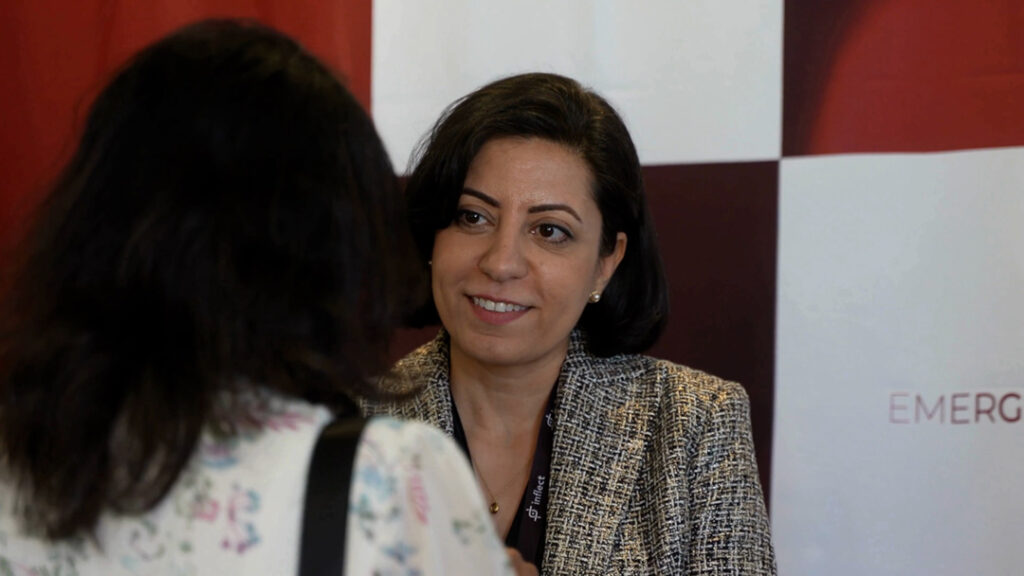
After building and selling a biotech company, Narges Baniasadi, PhD, could have continued climbing Silicon Valley’s corporate ladder. Instead, she returned to Stanford to launch Emergence, an entrepreneurship program that helps founders build companies tackling some of society’s toughest health challenges. The program is training a new generation of innovators to pursue both purpose and profit.
Stanford and Samaritan House
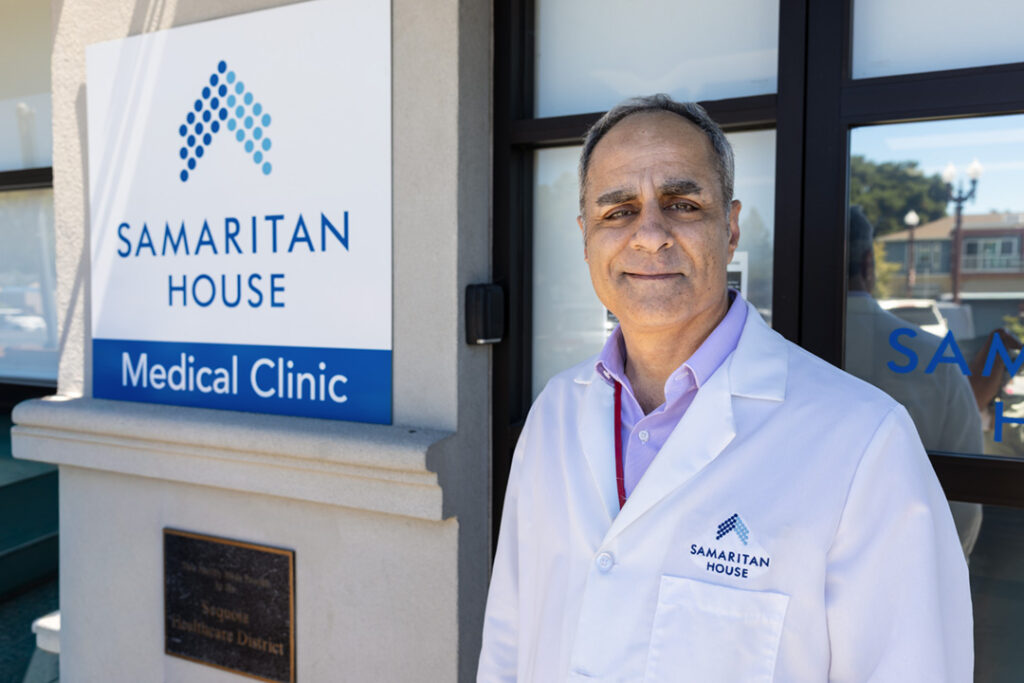
Stanford’s student-run free clinics have long been a cornerstone of community care — but a new partnership with Samaritan House is taking them further. The collaboration is expanding access for underserved patients while giving medical students things no classroom can offer: real experience, real responsibility, and real stakes.
A Personal Mission
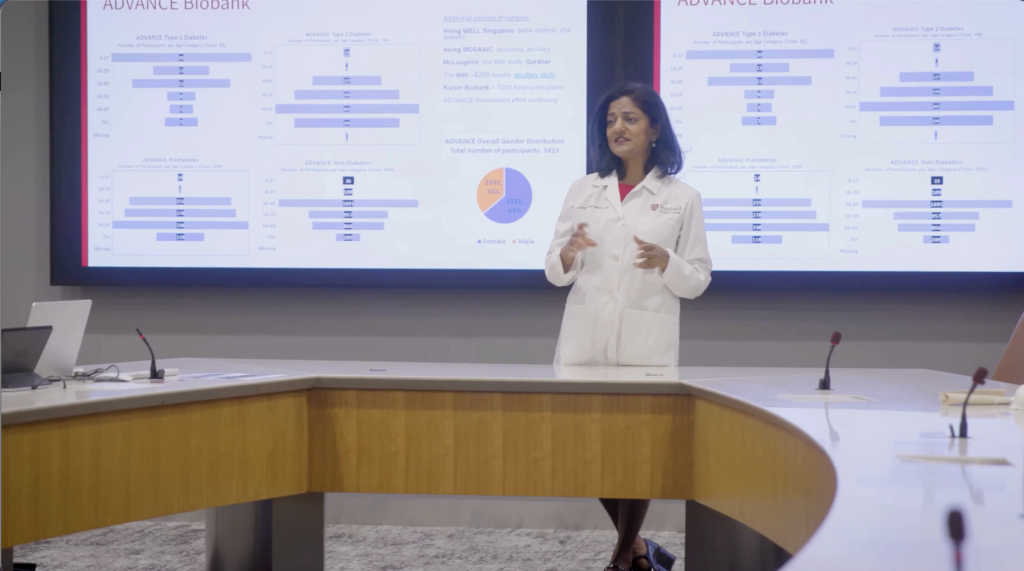
For Latha Palaniappan, MD, the elevated diabetes risk facing Asian and Asian American patients isn’t just a research question. It’s personal. ADVANCE, her new Stanford precision medicine hub, is investigating why these populations develop diabetes at higher rates, and often at lower body weights, than conventional models predict, and building the science to do something about it.
Teaming Up
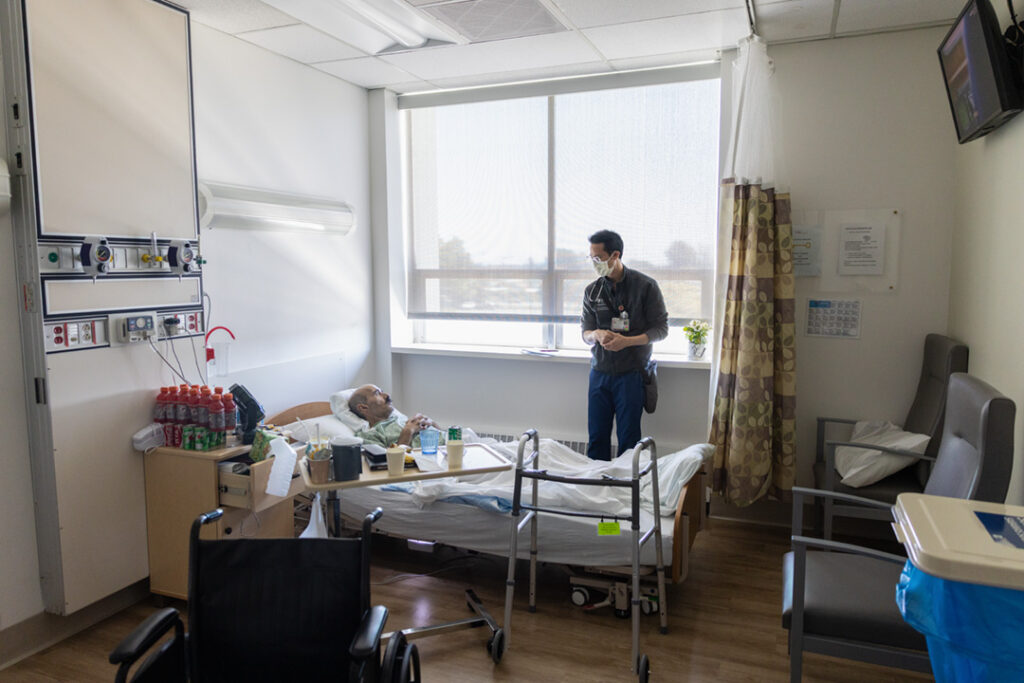
For patients recovering from a serious illness or surgery, the gap between hospital care and what comes next can be dangerous. Stanford Health Care is closing that gap at St. Rose Hospital in Hayward, which is the first facility of its kind to house both a skilled nursing unit and an acute care hospital under one roof, developed in partnership with Alameda Health System.
The Disease That Looks Like Everything Else
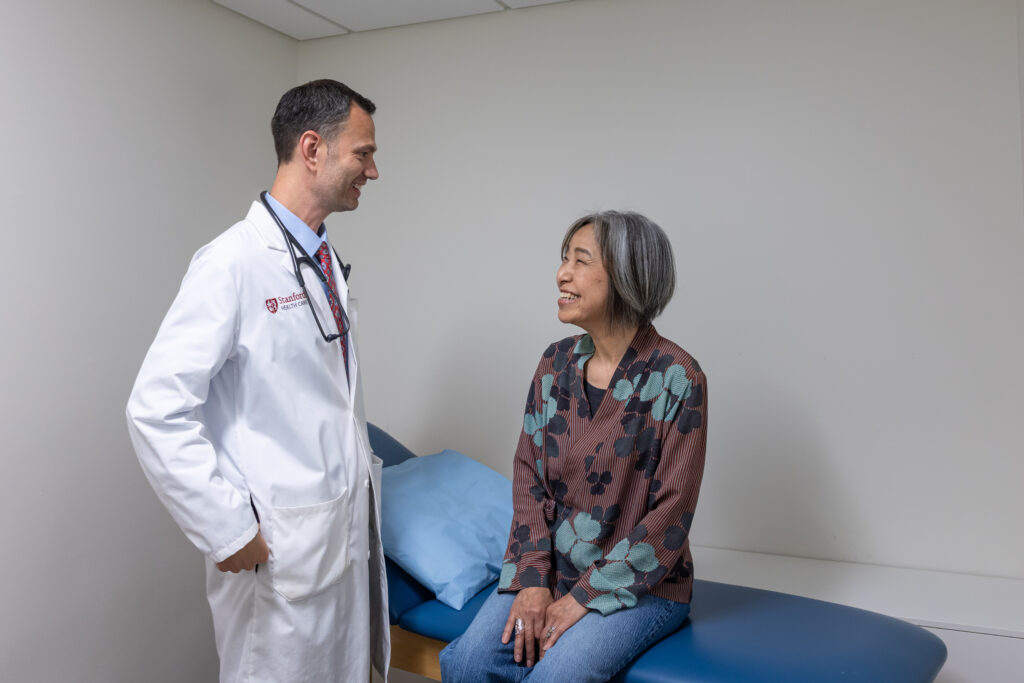
IgG4-RD can look like cancer, infection, or any number of autoimmune conditions, leaving patients like Yasuko bouncing between specialists for years without answers. For Yasuko, reaching Stanford rheumatologist Matthew Baker, MD, one of the world’s leading IgG4-RD experts, meant not just a diagnosis, but a doctor who listened, involved her in decisions, and took a personal investment in her care.
Building a Medical Home for Adults With Sickle Cell Disease
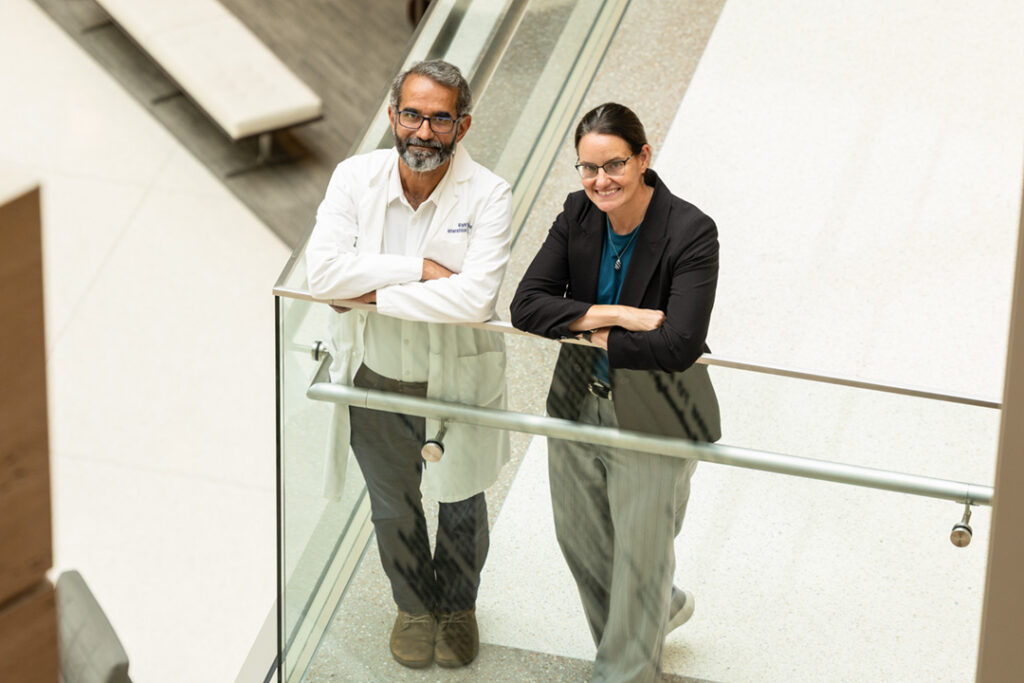
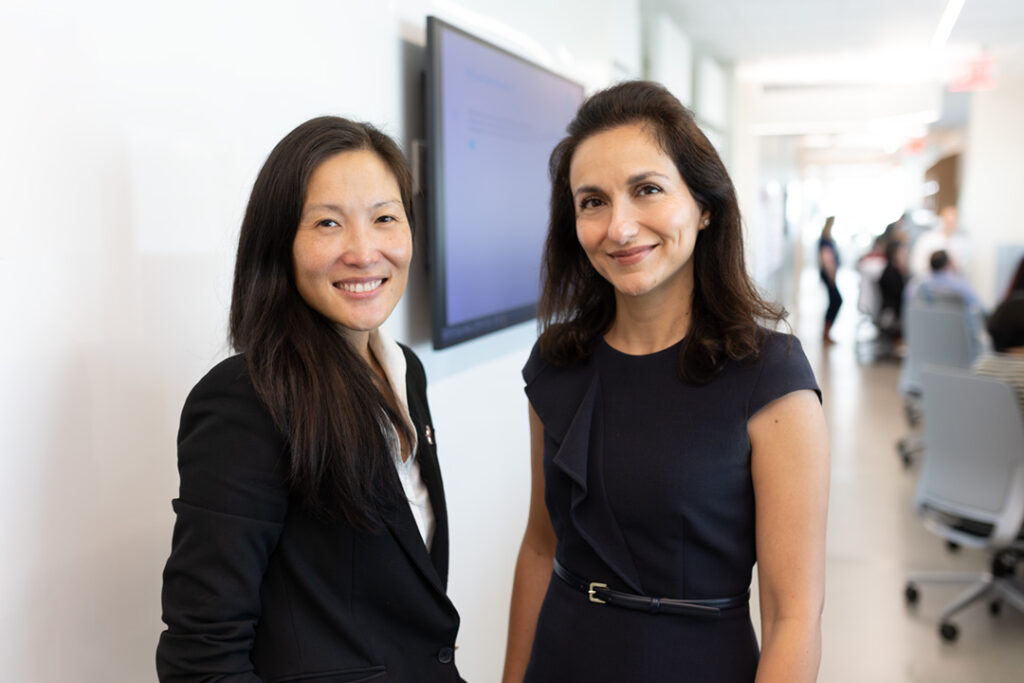
Adults with sickle cell disease have long faced a fragmented care system that can leave them without a consistent medical home. Stanford physicians Giselle Salmasi, MD, and May Chien, MD, are changing that — building a comprehensive program that gives patients coordinated care, access to emerging therapies, and longer lives.